28 Backyard Games Kids Played All Summer
Summer vacation once meant long days with no schedule and a yard full of neighborhood kids. Nobody organized the games, nobody kept official records, and arguments over the rules could last longer than the games themselves.
Most of these games needed nothing more than a patch of grass, a few friends and enough daylight. A handful required a trip to the toy store, and those became the envy of the block.
Freeze Tag and Its Frozen Statues

Freeze tag added a twist to the oldest chase game of all. Anyone tagged by the person who was it had to stop instantly and hold still, arms out, until a free teammate crawled through their legs or tapped them back into play.
The game could go on forever if the tagger was slow, and it ended quickly if two fast kids teamed up. Frozen players often argued that they had been tagged too lightly to count.
It remained a recess and backyard favorite because it needed no equipment at all.
Flashlight Tag After Dark
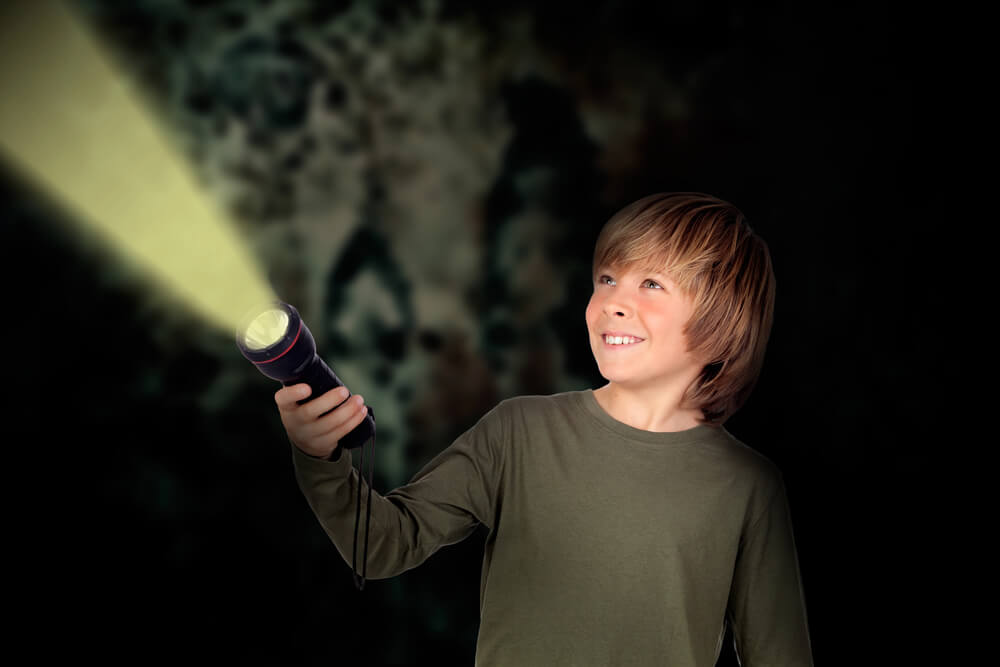
When the sun went down, many summer games simply moved into the dark. In flashlight tag, the seeker hunted through the yard with a flashlight, and anyone caught in its beam was out or became the next seeker.
Bushes, sheds and parked cars became prized hiding spots, and kids learned to freeze completely when the light swept past. Fireflies blinking across the grass added to the confusion, and a dying battery could hand the advantage to the hiders.
Parents usually called the game when bedtime arrived, though most kids insisted on one more round.
Hide and Seek in Every Corner
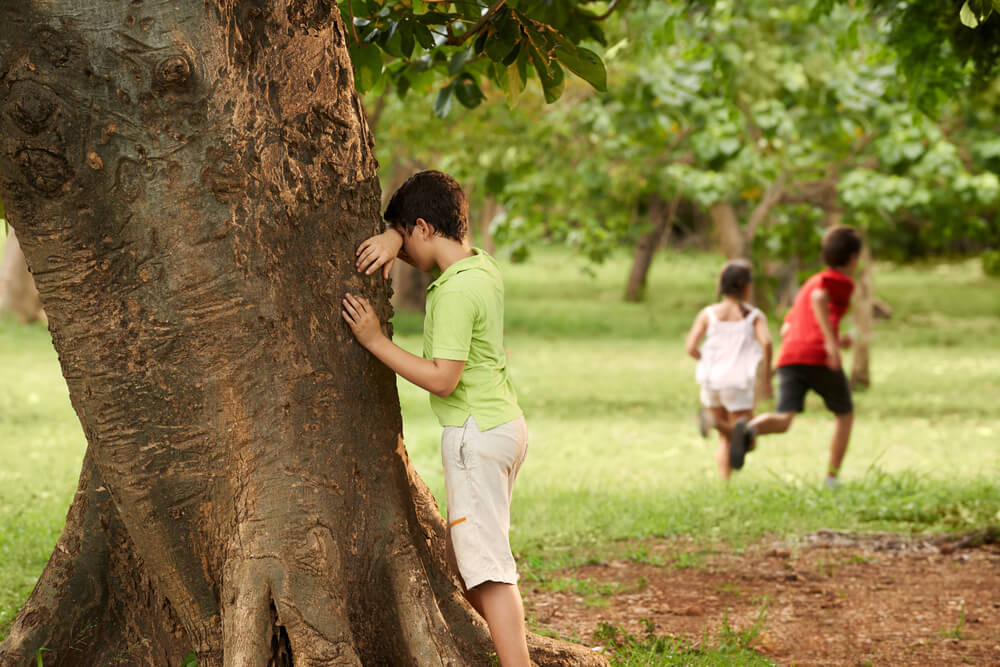
Hide and seek may be the most universal childhood game, and the backyard version had its own rules. The seeker counted out loud against a tree or the side of the house while everyone scattered.
Kids hid behind garbage cans, inside garages and under porches, sometimes so well that the seeker gave up and moved on. Calling out olly olly oxen free signaled that hidden players could come out safely.
The best hiders were legendary, and some were found only after everyone had gone inside for dinner.
Sardines and Its Crowded Hiding Spot
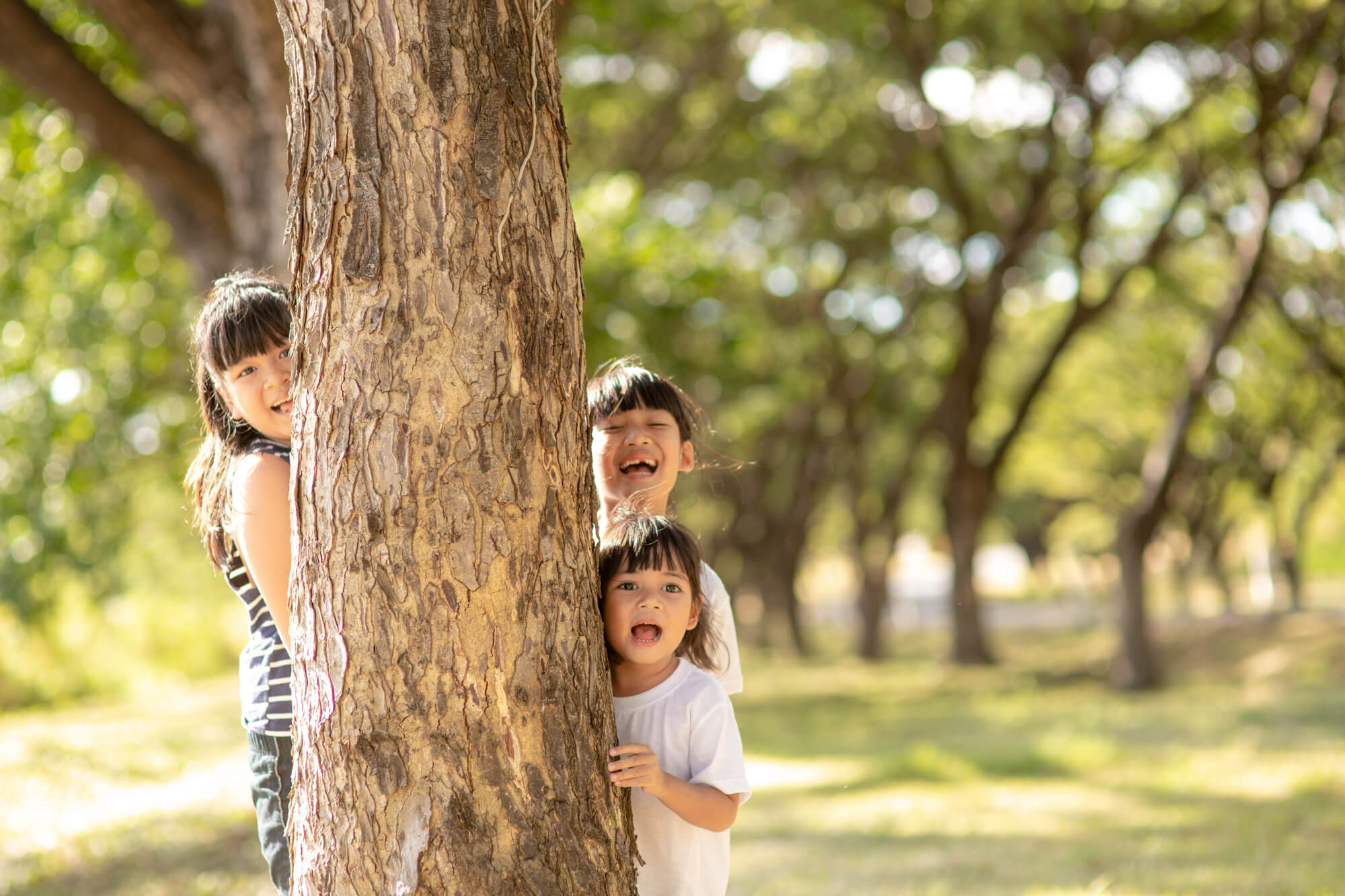
Sardines flipped hide and seek on its head. One player hid while everyone else counted, then the group spread out to search.
Anyone who found the hider quietly squeezed into the same hiding spot, so the space grew more crowded with each discovery. Suppressed giggles usually gave the group away long before the last seeker arrived.
The final player to find the hiding spot became the next to hide. The game worked best in yards with sheds, tall hedges or a garage full of junk.
Kick the Can and Its Daring Rescues
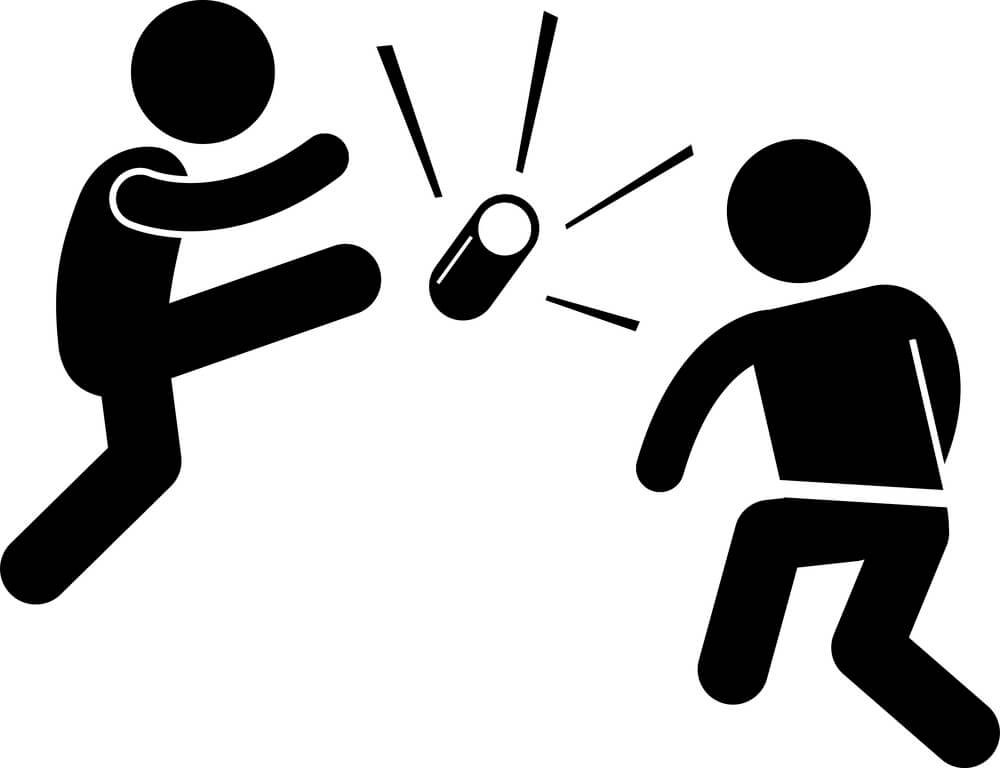
Kick the can combined hide and seek with a rescue mission. An empty can sat in the middle of the yard or street, and the seeker guarded it while searching for hidden players.
Anyone spotted was sent to a jail area, but a hidden player who dashed in and kicked the can freed everyone. The clang of a kicked can was one of the most satisfying sounds of summer.
The game was especially popular during the Great Depression, when an empty can was all the equipment most kids could afford.
Ghost in the Graveyard

Ghost in the Graveyard was a nighttime game with a spooky twist. One player, the ghost, hid while the others counted aloud by the hour, one o’clock, two o’clock and so on, up to midnight.
Then the group went searching, and whoever spotted the ghost shouted a warning and ran for home base before being caught. Anyone tagged became a ghost for the next round, which meant the hunters slowly turned into the hunted.
The darkness, the counting and the sudden screams made it a favorite at summer sleepovers and family reunions.
Capture the Flag Across Two Territories
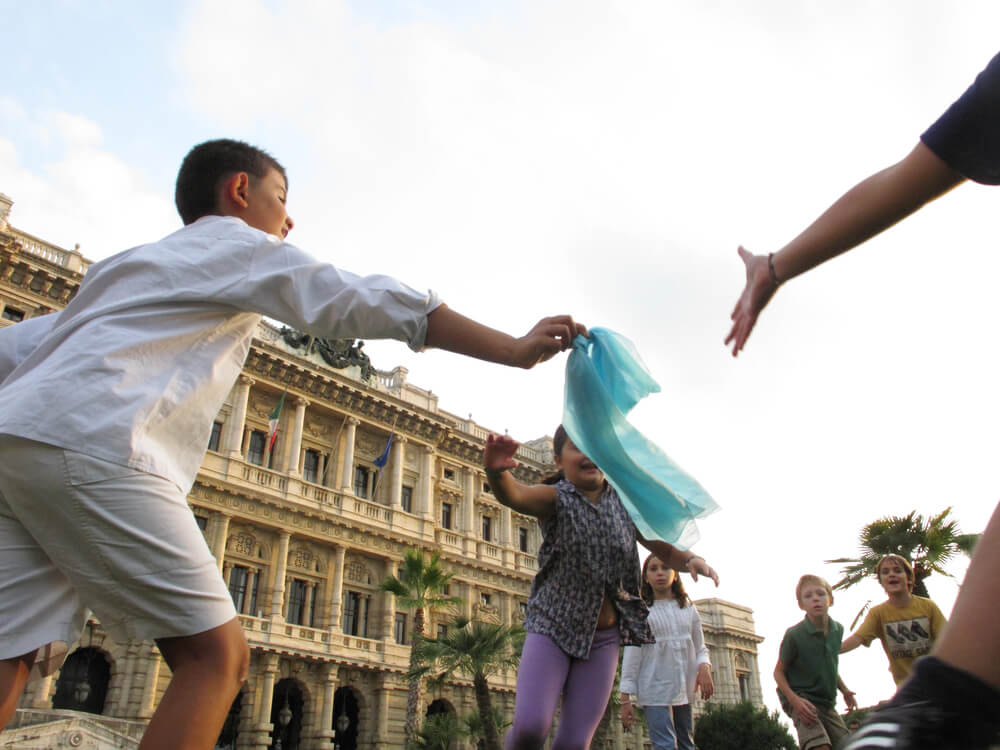
Capture the flag turned a yard or a park into a battlefield. Two teams split the space in half, each hiding a flag, often a bandana or a dish towel, somewhere in their territory.
Players crossed into enemy land to grab the flag and race it home, while defenders tagged intruders and sent them to jail. Teammates could free prisoners with a daring tag, and the boldest raids often came from the smallest, quickest kids on the team.
The game rewarded strategy as much as speed, and some neighborhood rivalries lasted all summer long.
Red Rover and Its Human Chain
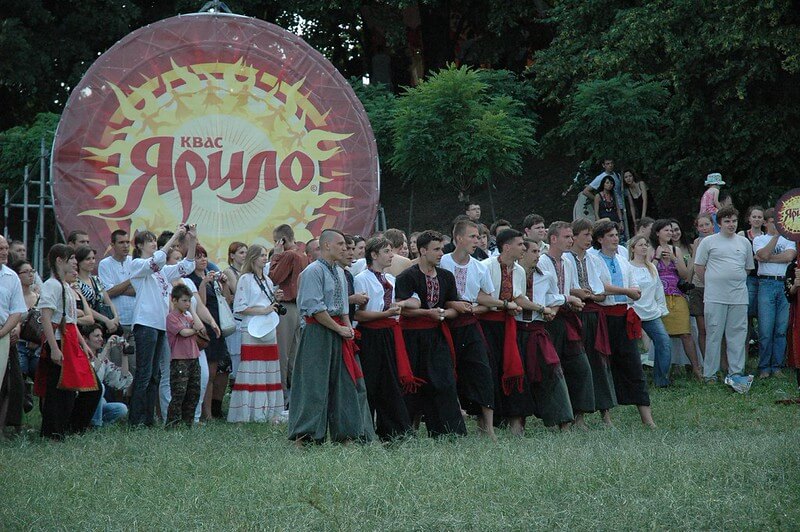
Red Rover pitted two lines of kids against each other, holding hands tightly. One team called out a chant inviting a player from the other side to come over, and that player charged across the yard trying to break through the line.
A successful runner took someone back to their team, while a failed one joined the opposing line. The game could be rough, and many schools eventually discouraged it for that reason.
Still, the chant and the charge remain vivid memories for anyone who played.
Red Light, Green Light
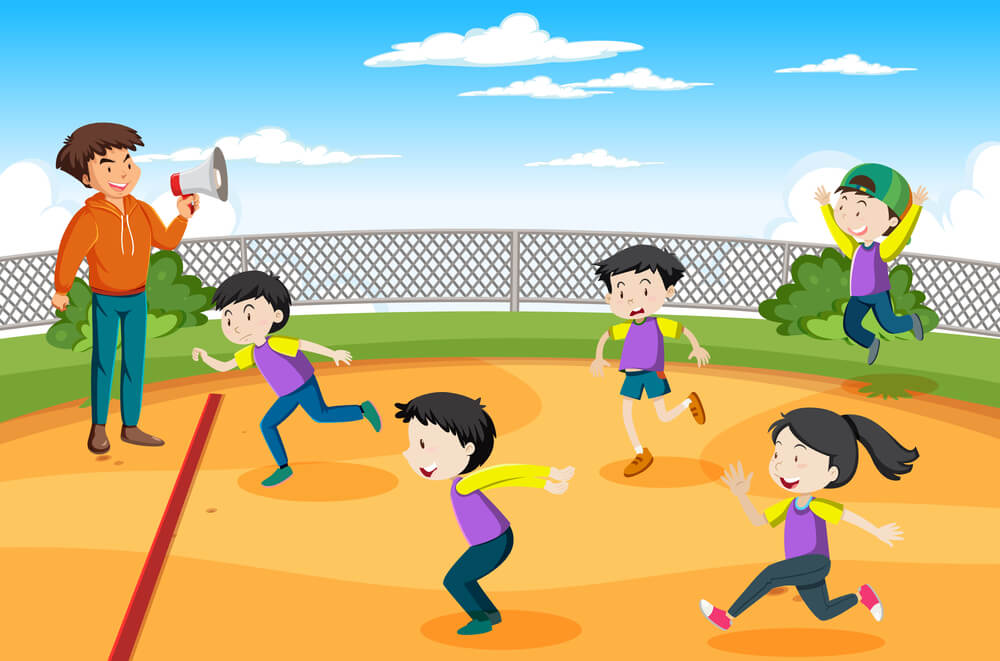
In Red Light, Green Light, one player stood at the far end of the yard with their back to the group and called out the signals. On green light, everyone ran forward, and on red light, they had to freeze before the caller turned around.
Anyone caught moving went back to the beginning. The first player to reach and tag the caller won and took over the role.
The game drew renewed worldwide attention in 2021, when a deadly version appeared in the hit series Squid Game.
Simon Says and Its Sneaky Commands
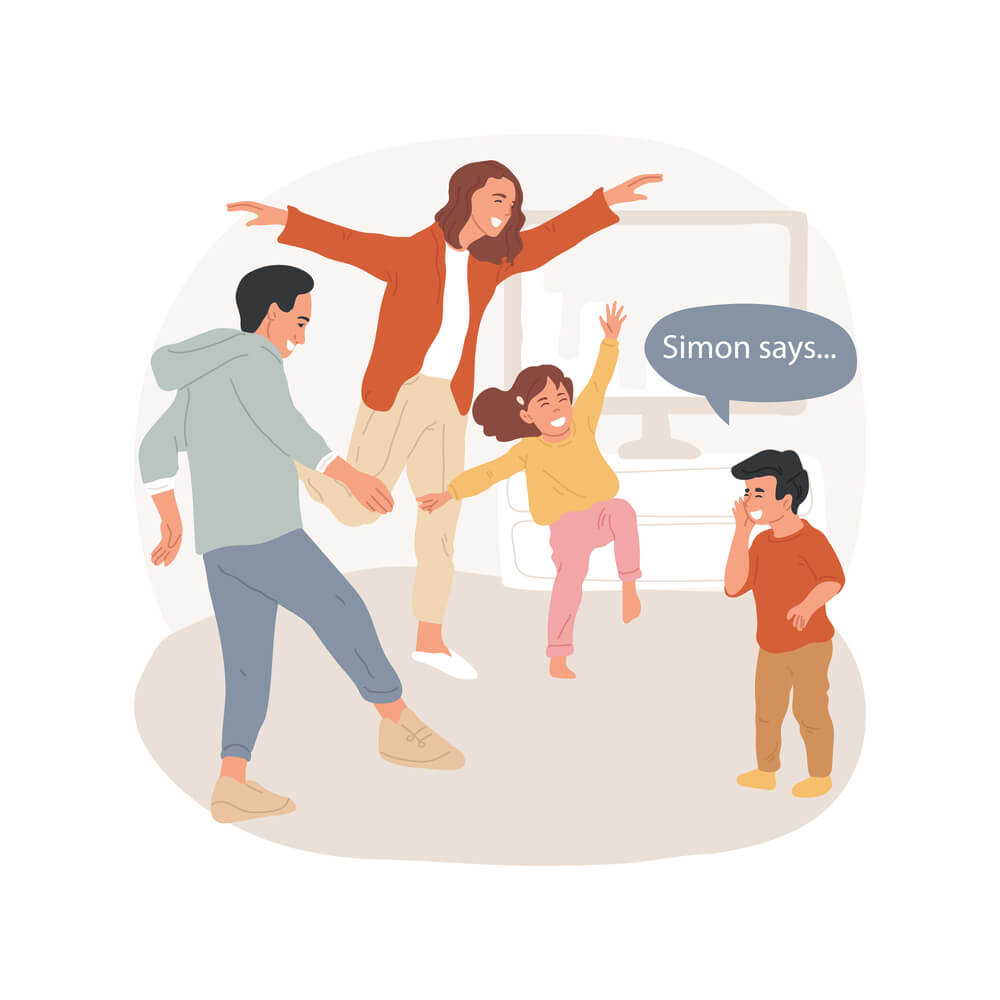
Simon Says tested listening skills more than athletic ability. One player gave commands, and the others obeyed only when the order began with the words Simon says.
Any player who followed a command without those words was out. Clever leaders gave rapid-fire orders, mixed real commands with trick ones and watched players slip up.
The last remaining player became the next Simon, a promotion taken very seriously. Teachers and camp counselors borrowed it constantly.
The game worked anywhere, required no equipment and could be played by kids of almost any age.
Duck, Duck, Goose in a Circle
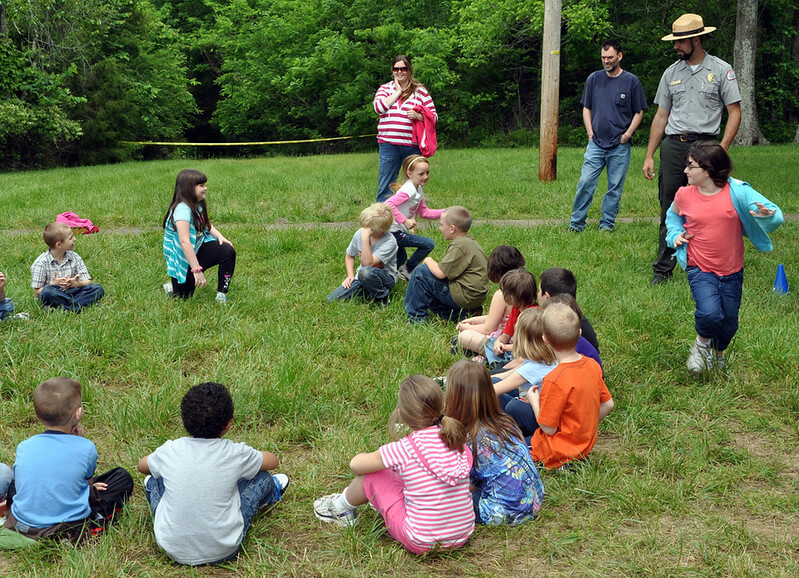
Duck, Duck, Goose gathered kids in a circle sitting on the grass. One player walked around the outside, tapping heads and saying duck, until finally choosing a goose.
The goose jumped up and chased the tapper around the circle, trying to tag them before they reached the empty spot. In Minnesota, the game is famously called Duck, Duck, Gray Duck, a regional quirk that still sparks debate.
The game was especially popular with younger kids at birthday parties and picnics, where a circle could form in seconds and grow as more children arrived.
Statues and Their Frozen Poses

Statues, sometimes called freeze or statue maker, turned kids into living sculptures. One player spun each participant around and let go, and they had to freeze in whatever position they landed.
The spinner then judged the poses, choosing the funniest, scariest or most creative statue. Variations had players act out characters or animals when tapped, which gave the shy kids permission to be ridiculous.
Wobbling or giggling while frozen usually meant elimination. The game encouraged imagination and silliness, and it often ended with everyone collapsing in laughter on the grass.
Blind Man’s Bluff

Blind man’s bluff has been played for centuries, and it remained a summer favorite in many backyards. One player wore a blindfold and tried to catch the others, who dodged around them, teasing and calling out.
When the blindfolded player caught someone, they had to guess who it was by touch before that player took a turn. The game required trust, quick reflexes and a safe, open space.
Parents often watched nervously from the porch, ready to intervene if the blindfolded player wandered toward the garden.
Hopscotch on the Sidewalk
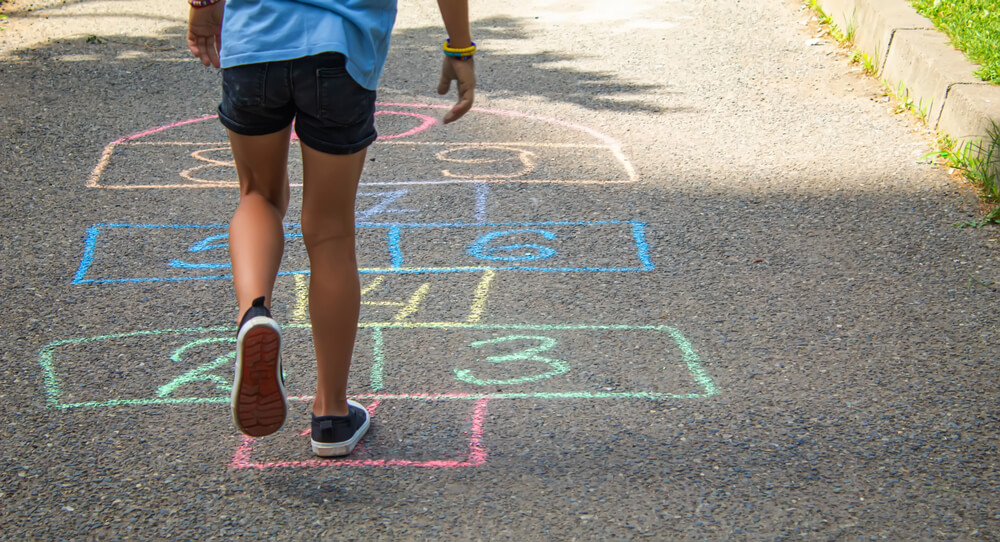
Hopscotch needed only a piece of chalk and a flat stone or bottle cap. Kids drew a court of numbered squares on the sidewalk or driveway, tossed the marker onto a square and hopped through the course on one foot, skipping the marked square.
Losing balance or stepping on a line ended the turn. Different neighborhoods had different court designs and rules, which led to many arguments.
In parts of New York City, kids called the game potsy. The game has been played around the world for generations and remains a summer staple.
Double Dutch With Two Turning Ropes
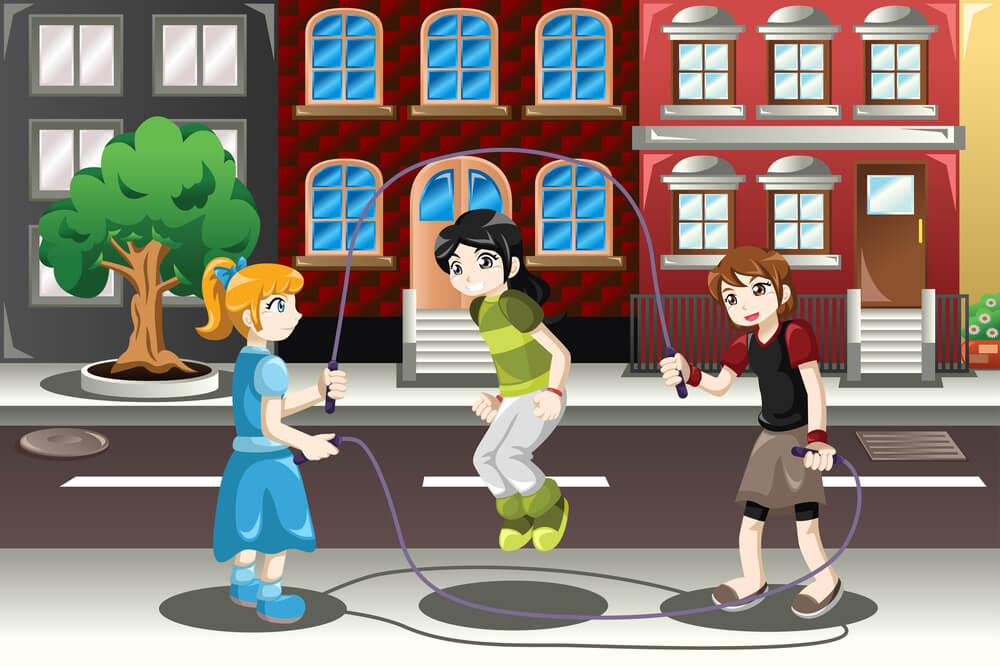
Double Dutch used two long ropes turned in opposite directions, with jumpers leaping in and out in rhythm. The game required timing, coordination and plenty of practice, especially for the turners.
In 1973, New York City police detectives David Walker and Ulysses Williams began organizing it into a competitive team sport, and Walker formed the American Double Dutch League the following year. Jump rope rhymes kept time and tested skill, and the best jumpers added spins and handstands between the ropes.
Double Dutch remains popular in cities across the country, especially in competitive leagues.
Marbles in a Chalk Circle
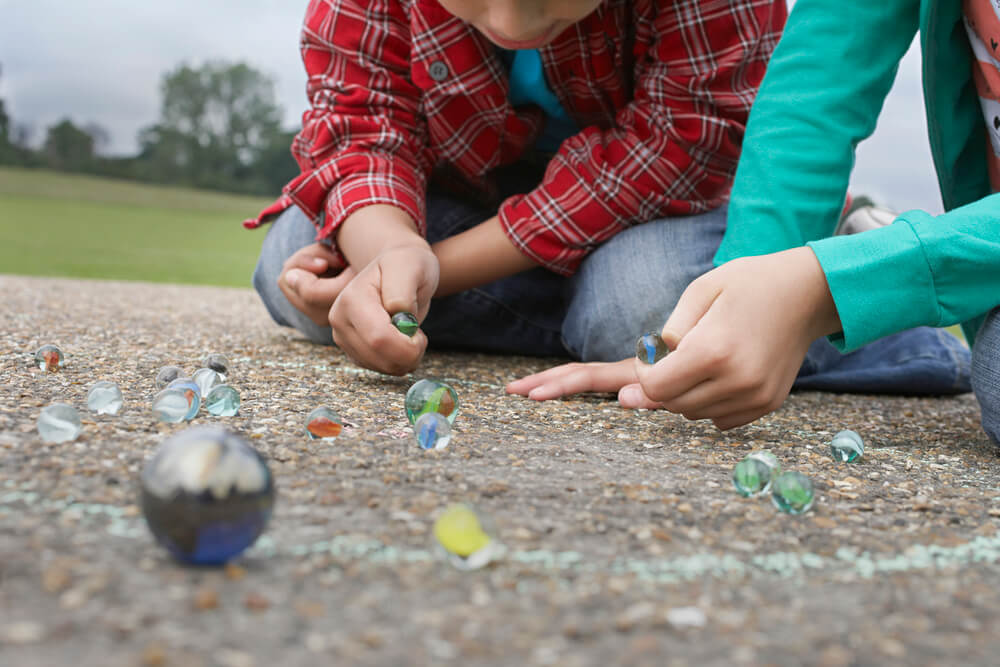
Marbles was once one of the most popular childhood games in America. Players drew a circle in the dirt or with chalk, placed marbles inside and took turns flicking a shooter marble with their thumb to knock others out of the ring.
Playing for keeps meant winning the marbles knocked out, which led to fierce competition. Kids collected cat’s eyes, aggies and steelies in cloth bags and guarded their favorite shooters closely.
The National Marbles Tournament, held each June in Wildwood, New Jersey, keeps the tradition alive for young players.
Slip ‘N Slide on the Lawn
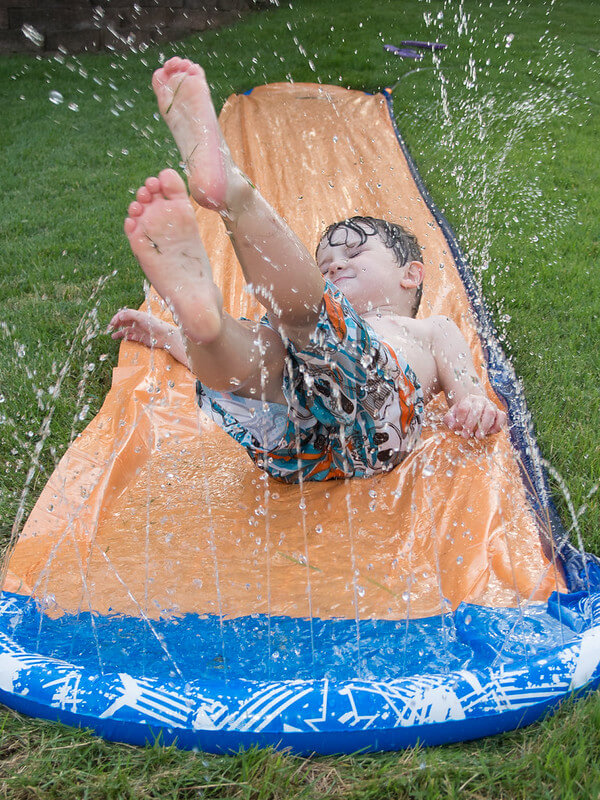
Wham-O introduced the Slip ‘N Slide in 1961, a long plastic sheet that turned a sloped lawn into a water slide. Kids attached a garden hose, ran at full speed and launched themselves onto the slick surface.
The sheet left yellow streaks on the grass that lasted for weeks, much to the dismay of parents who cared about their lawns. The toy was designed for children, and adults who tried it often regretted the decision.
Despite its risks, the Slip ‘N Slide remains one of the most memorable summer toys ever sold.
Lawn Darts and Their Infamous Ban
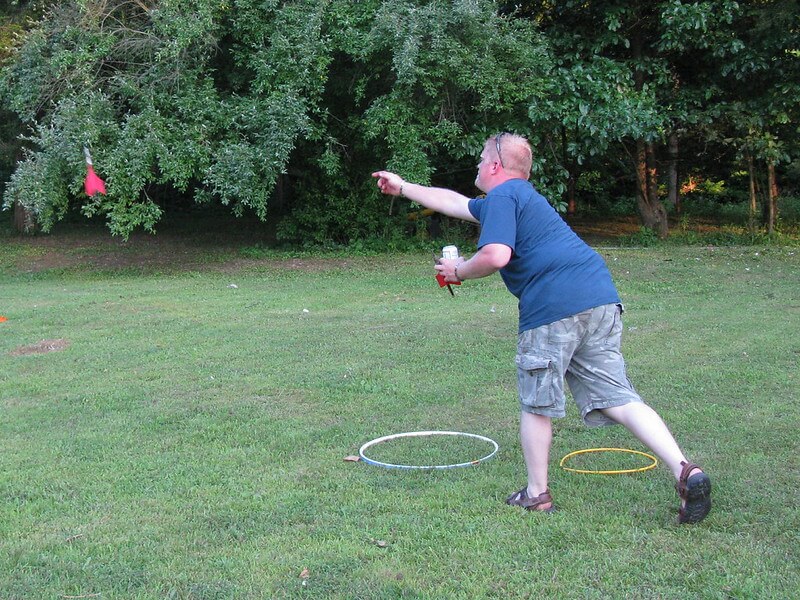
Lawn darts were heavy, weighted darts that players tossed underhand toward a plastic ring on the ground. Brands like Jarts made them a popular backyard game for decades.
The darts were also dangerous, causing serious injuries when they landed on people instead of the grass. The Consumer Product Safety Commission banned their sale in the United States in 1988, and Canada later followed with its own ban.
Vintage sets still turn up at estate sales. Many adults remember playing with them as kids, often without any supervision at all, which seems remarkable today.
Horseshoes by the Barbecue
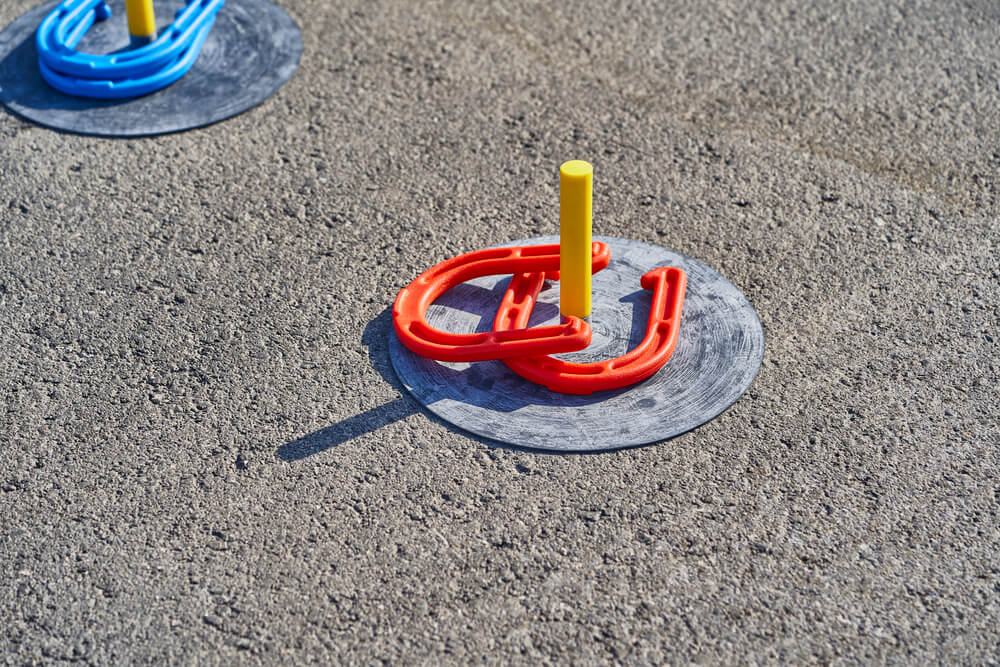
Horseshoes was a backyard staple at barbecues and family reunions. Players tossed metal horseshoes toward stakes set in the ground, scoring points for landing close or encircling the stake.
A ringer, which wrapped around the stake, earned the most points, and a well-thrown ringer drew cheers from the entire picnic. The clank of metal on metal carried across neighboring yards.
Official rules set the stakes 40 feet apart for adult men, though backyard games used whatever distance fit the yard. The National Horseshoe Pitchers Association still organizes tournaments for serious players.
Badminton Over a Sagging Net
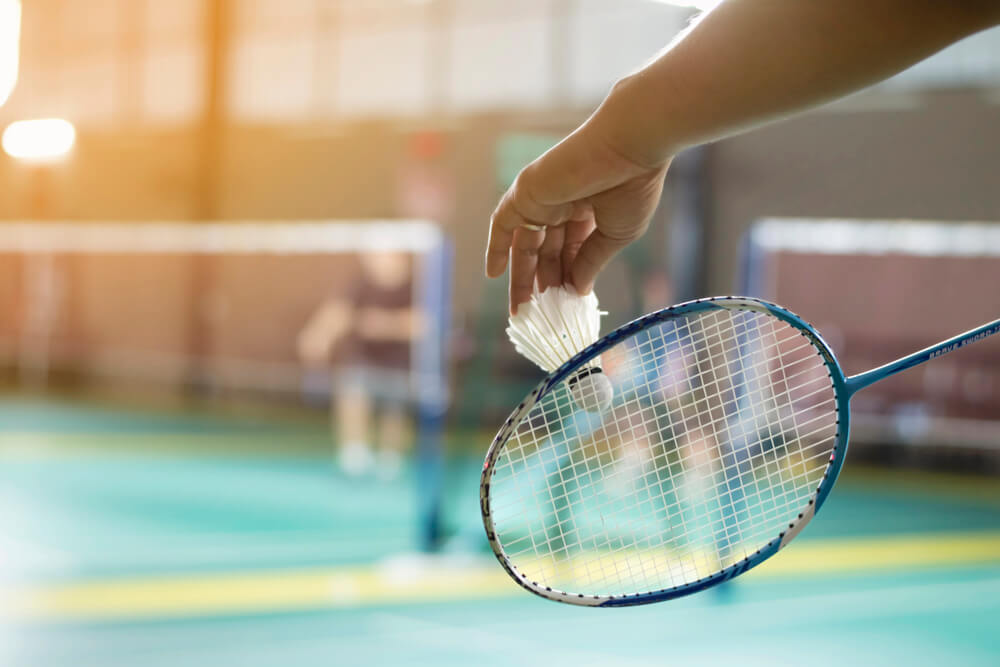
Badminton sets were common in suburban garages, and summer evenings often featured families batting a birdie back and forth over a sagging net. The game takes its name from Badminton House in Gloucestershire, England, where the sport was popular in the nineteenth century.
Backyard players rarely followed official rules, and the birdie often ended up in a tree or on the roof. The light rackets and slow-moving birdie made the game accessible to players of all ages.
Many families still have an old badminton set somewhere in the garage.
Frisbee and Its Pie Tin Origins
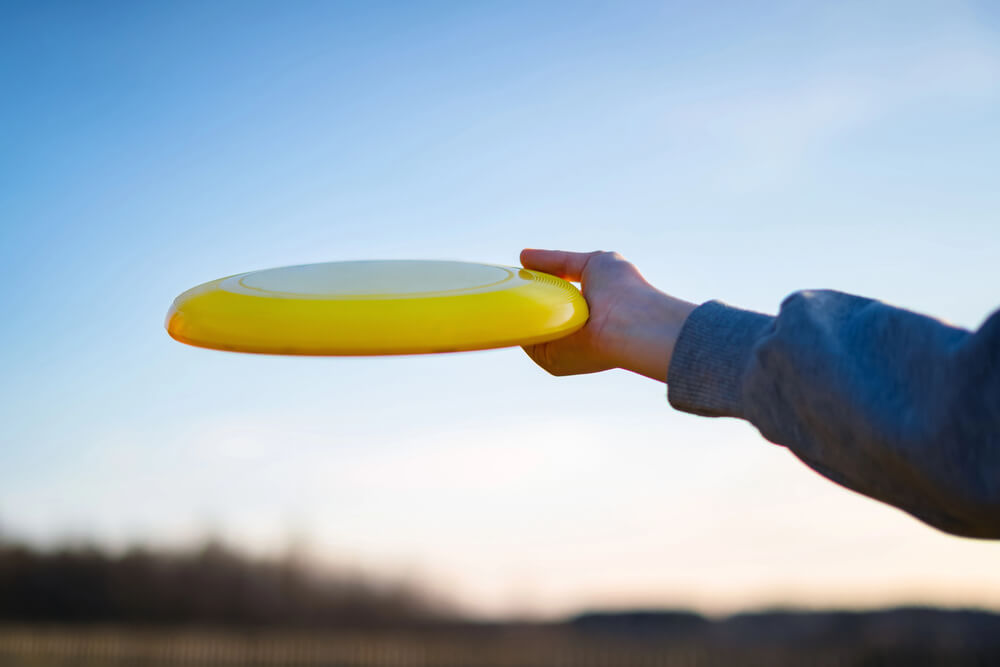
Wham-O began selling the Pluto Platter in 1957, a plastic flying disc designed by Walter Frederick Morrison, and renamed it the Frisbee in 1958. The name came from the Frisbie Pie Company of Bridgeport, Connecticut, whose empty tins college students had tossed for fun.
Frisbees became a backyard and beach staple, and kids practiced trick throws and catches for hours. The disc often landed on roofs or in neighbors’ yards, and retrieving it became a minor adventure of its own.
Ultimate and disc golf later turned the toy into organized sports.
Hula Hoop Contests

Wham-O introduced the Hula Hoop in 1958, and it quickly became one of the biggest toy crazes in American history, selling millions of hoops within a few months. Kids spun the plastic rings around their waists, arms and necks, competing to see who could keep a hoop going the longest.
Contests drew crowds at parks and schools, and some kids learned to keep two or three hoops going at once. Wham-O molded the early hoops from a lightweight plastic called Marlex.
The hoop remains a popular toy and a fitness tool, and many adults still remember the challenge of keeping it spinning.
Sack Races at the Picnic
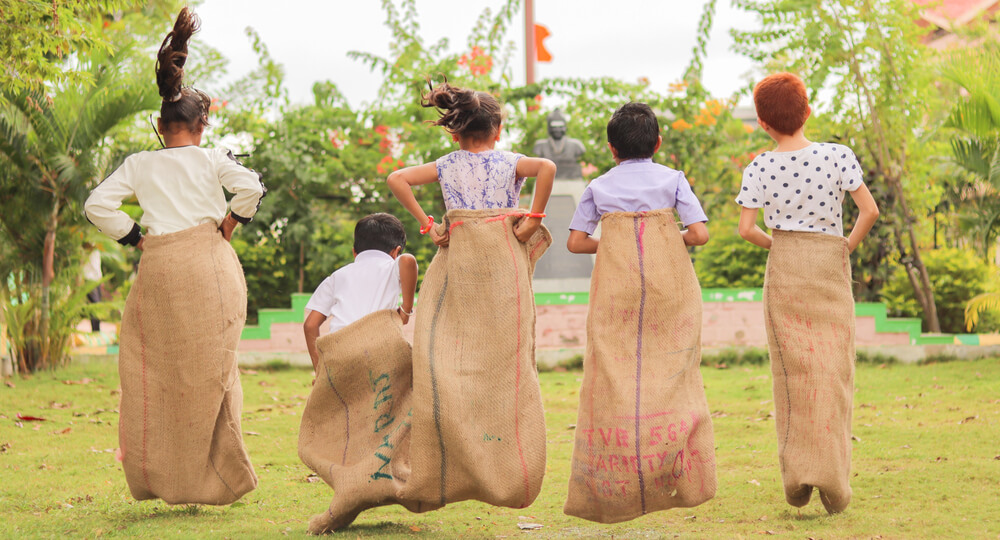
Sack races were a staple of summer picnics and Fourth of July celebrations. Players stepped into burlap potato sacks, held them up around their waists and hopped toward the finish line.
Falling down was nearly guaranteed, and the race often ended with everyone laughing in a heap. The burlap scratched legs and left dust on clothes, and the sacks often carried a faint smell of potatoes or feed.
Some families saved the same sacks for years of reunions. The game required no skill beyond determination, which made it a perfect event for kids of all ages.
Three-Legged Races and Their Tangled Partners

Three-legged races paired kids together, tying one player’s left ankle to the other’s right ankle with a bandana or rope. Partners had to coordinate their steps to move forward, and mismatched timing usually ended with both tumbling to the ground.
The race tested teamwork more than speed, and the winning pairs usually counted steps out loud. Teams that tried to sprint tended to fall first, while slow and steady pairs often crossed the line.
Siblings who argued constantly were sometimes forced to work together. Three-legged races remain a classic at picnics, school field days and family reunions.
Tug-of-War Over the Mud
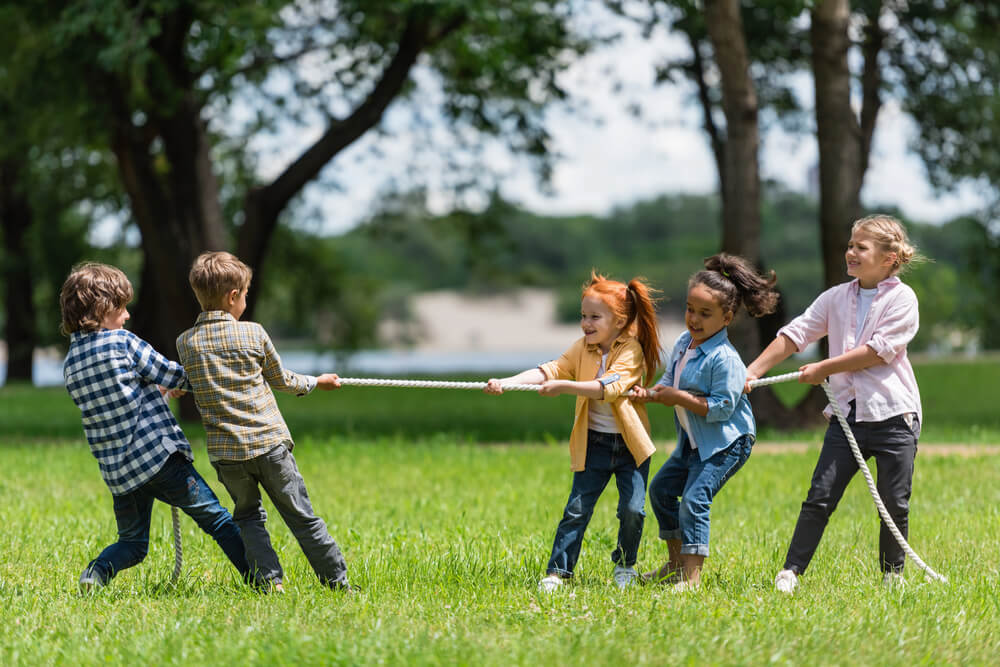
Tug-of-war pitted two teams against each other on opposite ends of a long rope. Each team tried to pull the other across a center line, often marked by a puddle or a mud pit for extra drama.
The game was once an official Olympic event, included in the Summer Games from 1900 to 1920. Backyard versions used garden hoses or old ropes, and the losing team often ended up muddy, sometimes face first.
Tug-of-war remains a favorite at picnics, camps and school field days, where the biggest kids are always in demand as anchors.
Leapfrog Across the Yard
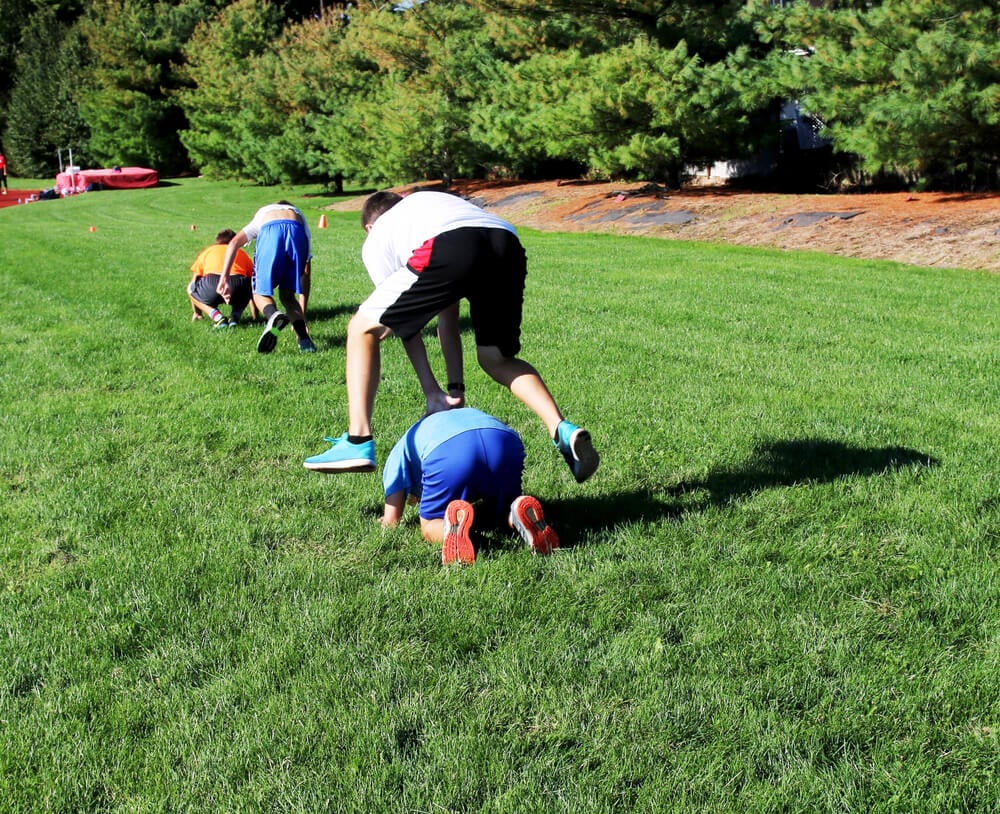
Leapfrog required nothing but a group of kids and a patch of grass. Players crouched down in a line, and the last player vaulted over each back in turn before crouching at the front.
The game is centuries old, and Shakespeare referred to it in Henry V. Leapfrog tested agility and trust, since a player who stood up too early could send the jumper tumbling.
Long lines of players could cross an entire yard this way, one vault at a time. It was a simple, energetic game that kids could play anywhere.
Marco Polo in the Pool
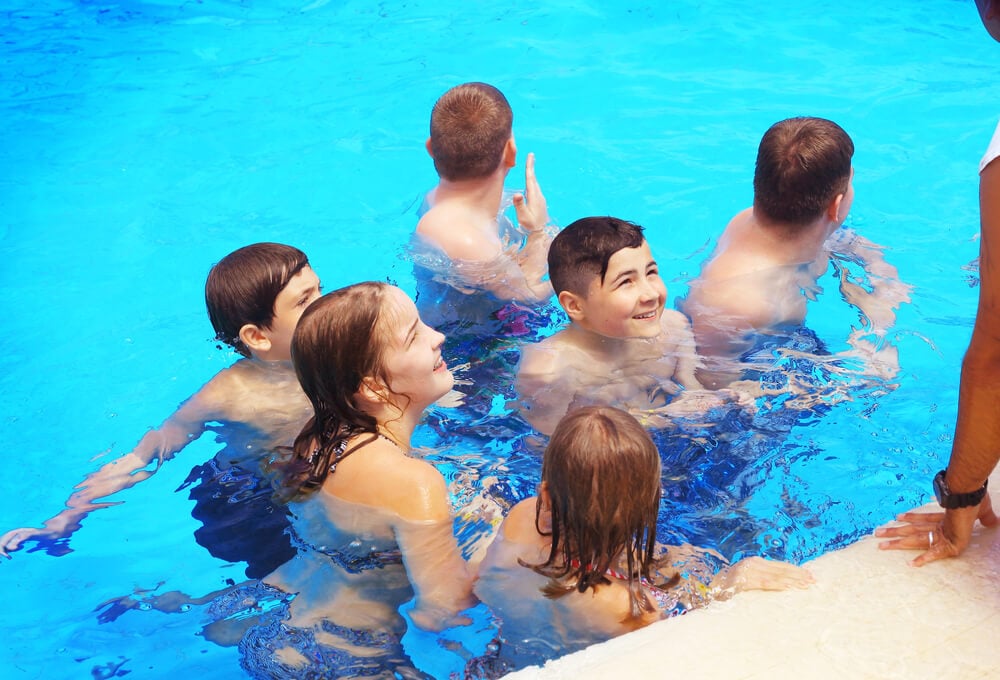
Marco Polo was the defining game of summer pools. One player closed their eyes and called out Marco, and the others answered Polo, revealing their positions.
The seeker followed the sound and tried to tag someone, while the others moved quietly to avoid capture, sometimes by slipping underwater at the last second. Players argued constantly about rules like fish out of water, which allowed a seeker to call out anyone who left the pool.
The game remains a staple of public pools and backyard swimming pools.
Super Soaker Water Wars
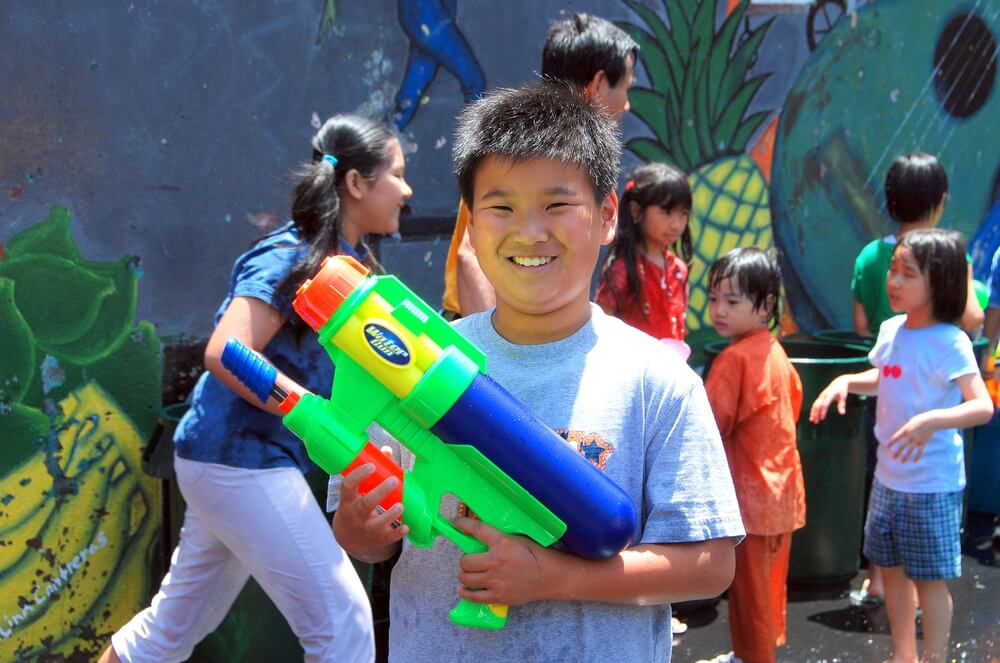
Lonnie Johnson, an engineer who had worked on NASA projects, invented the pressurized water gun that became the Super Soaker, and it reached stores in the early 1990s through the toy company Larami. The pump-action design could soak a target from far across the yard, which changed backyard water fights overnight.
Kids filled their tanks at the hose and organized elaborate battles that ranged across several yards. The Super Soaker became one of the best-selling toys of the decade, and summer water fights were never quite the same again.
Grass Stains and Long Afternoons

These games shared a few simple ingredients: open space, other kids and time. Few required more than a rope, a can or a piece of chalk.
Their rules were passed down from older siblings and changed slightly from neighborhood to neighborhood. Kids learned to negotiate, settle disputes and include younger players without adults stepping in.
Many of these games are still played today, though often in organized settings rather than open backyards. The best part of summer was never the equipment, but the freedom to make up the rules as the day went on.
More from Go2Tutors!

- The Romanov Crown Jewels and Their Tragic Fate
- 13 Historical Mysteries That Science Still Can’t Solve
- Famous Hoaxes That Fooled the World for Years
- 15 Child Stars with Tragic Adult Lives
- 16 Famous Jewelry Pieces in History
Like Go2Tutors’s content? Follow us on MSN.