28 Bathhouses Before Homes Had Indoor Plumbing
For most of the nineteenth century and well into the twentieth, a hot bath was something millions of city dwellers could not get at home. Tenement flats, row houses and village cottages often offered a single cold tap in the hallway, if that, and a washtub in the kitchen had to serve the entire family.
Cities, reformers, entrepreneurs and ordinary neighbors answered by building places devoted to getting clean together. Some were marble civic monuments, some were steam rooms in a basement, and one was little more than a wooden pool tied to a pier.
Many are still standing, and a surprising number are still open.
Rivington Street Municipal Bath, New York
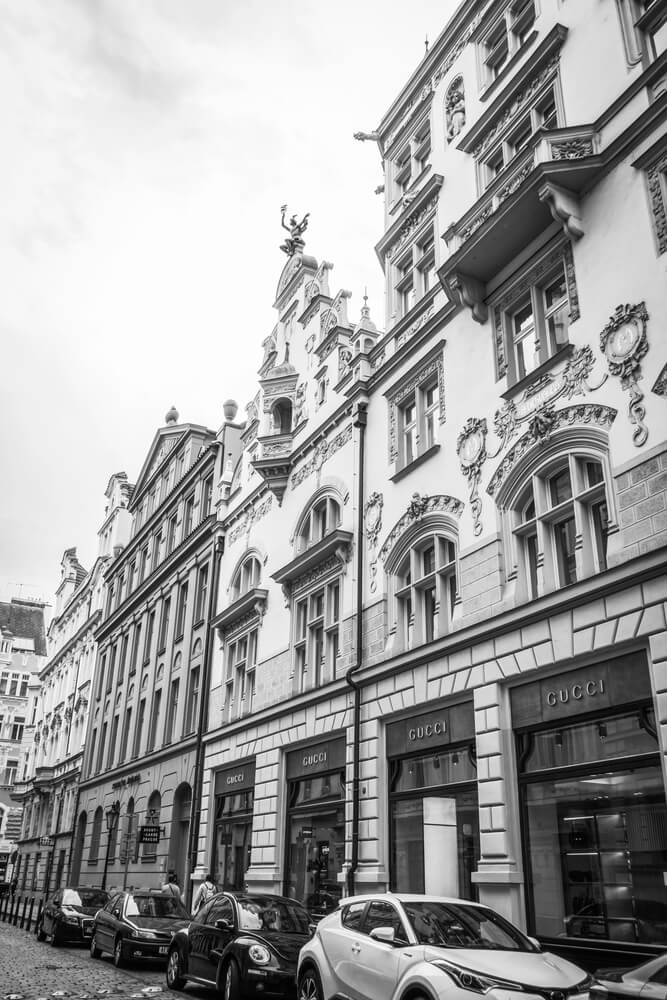
Opened in 1901 at 326 Rivington Street on the Lower East Side, this city-built bath served a neighborhood where most tenement apartments had no bathtub. It offered showers rather than tubs because showers moved people through faster and used less water, a logic adopted by public bath reformers on both sides of the Atlantic.
Supporters argued that cleanliness was a matter of public health rather than private luxury, and the city agreed to pay for it. The Lower East Side was among the most densely populated neighborhoods in the city, which made every shower stall a meaningful civic improvement.
East 11th Street Free Public Bath, New York
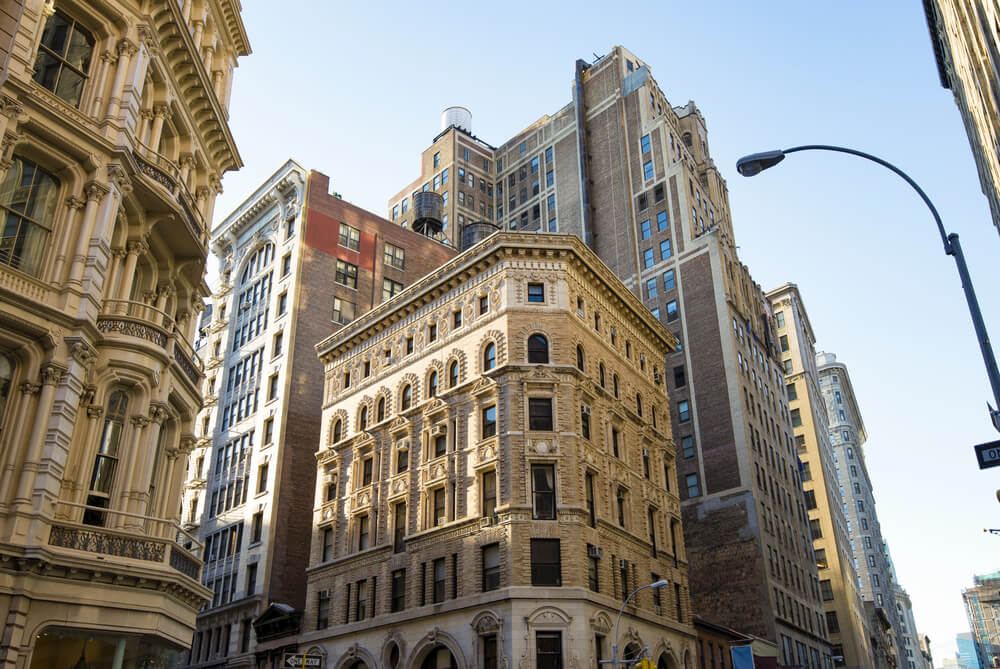
At 538 East 11th Street, architect Arnold Brunner designed a Beaux-Arts bathhouse for the Free Public Baths of the City of New York, completed in 1905. The facade looks more like a library or courthouse than a place to rinse off, a deliberate statement that residents of crowded tenements deserved dignified architecture.
The building still stands and is protected as a landmark. Few passersby on the block today would guess that it once existed so that neighbors could wash.
Asser Levy Public Baths, New York
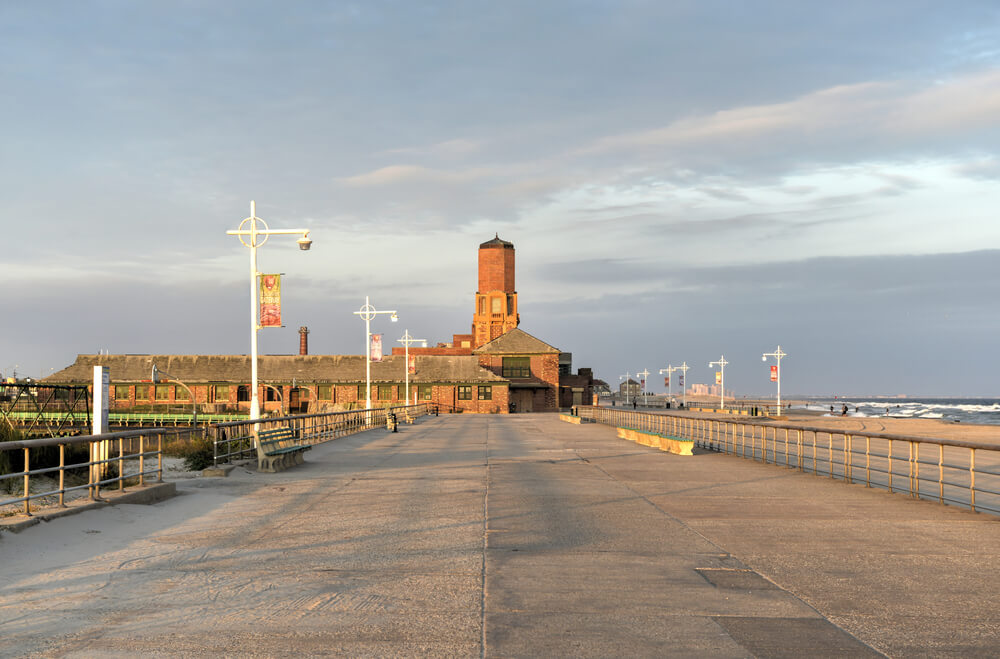
The Asser Levy Public Baths on East 23rd Street opened in 1906 and were named for a seventeenth-century New Amsterdam butcher who fought for the right of Jewish residents to stand guard duty alongside other citizens. The building had separate entrances for men and women, a feature still visible in its design.
Crowds of neighborhood families used it for bathing long before many local apartments had running hot water. Today it operates as a recreation center with an indoor pool, and it is listed on the National Register of Historic Places.
East River Floating Baths, New York
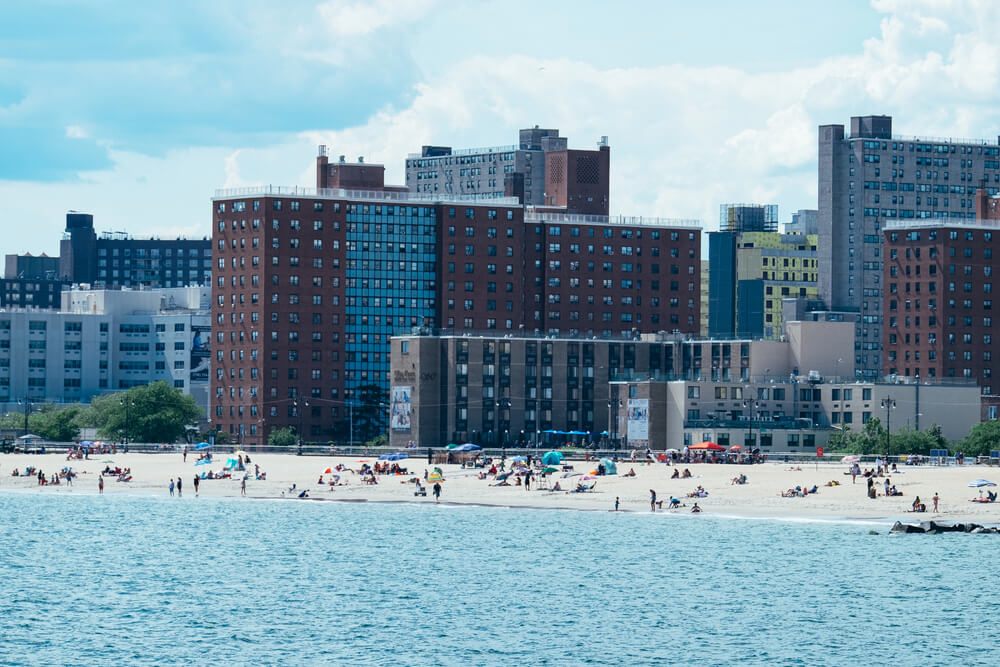
Beginning in 1870, New York moored free floating baths along its waterfront, wooden pools with slatted sides that let river water flow through. Photographs from the era show days set aside for women and girls, when the crowds at the foot of East Fifth Street were of a different kind than on other days.
The baths gave tenement residents a place to wash and cool off in summer when no municipal indoor bath existed. The same rivers also received much of the city’s sewage, a problem that eventually ended the practice.
Hull-House Bathhouse, Chicago
Hull-House, the settlement house on Halsted Street founded in 1889 by Jane Addams and Ellen Gates Starr, offered neighbors baths in an immigrant district where most homes lacked them. Addams and her colleagues pressed city officials to treat public bathing as a municipal responsibility rather than an act of charity.
The settlement’s example became part of a broader push for public baths in Chicago. Part of the complex survives today as the Jane Addams Hull-House Museum on the campus of the University of Illinois Chicago.
Dover Street Bath, Boston
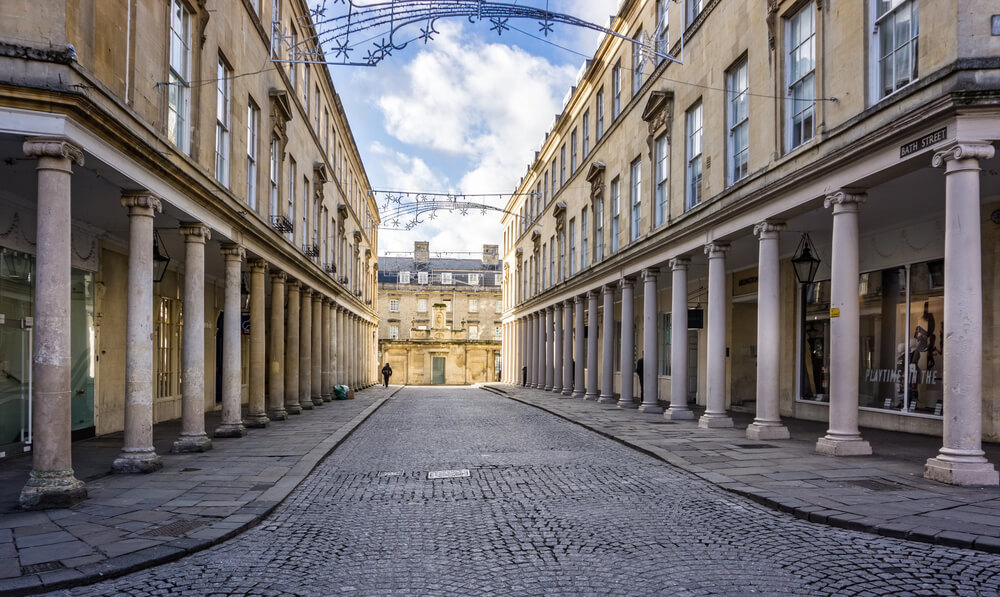
The Dover Street Bath opened to the public on October 14, 1898, in Boston’s South End as an all-year-round bath. That distinction mattered because the city’s earlier public bathing was seasonal, mostly summer swimming at beaches and riverside piers.
Shower stalls let a crowded neighborhood wash in winter, when cold water and cold weather made a washtub in the kitchen especially miserable. The bath became a model in the national public bath movement, and visitors from other cities studied its design.
Russian and Turkish Baths, New York
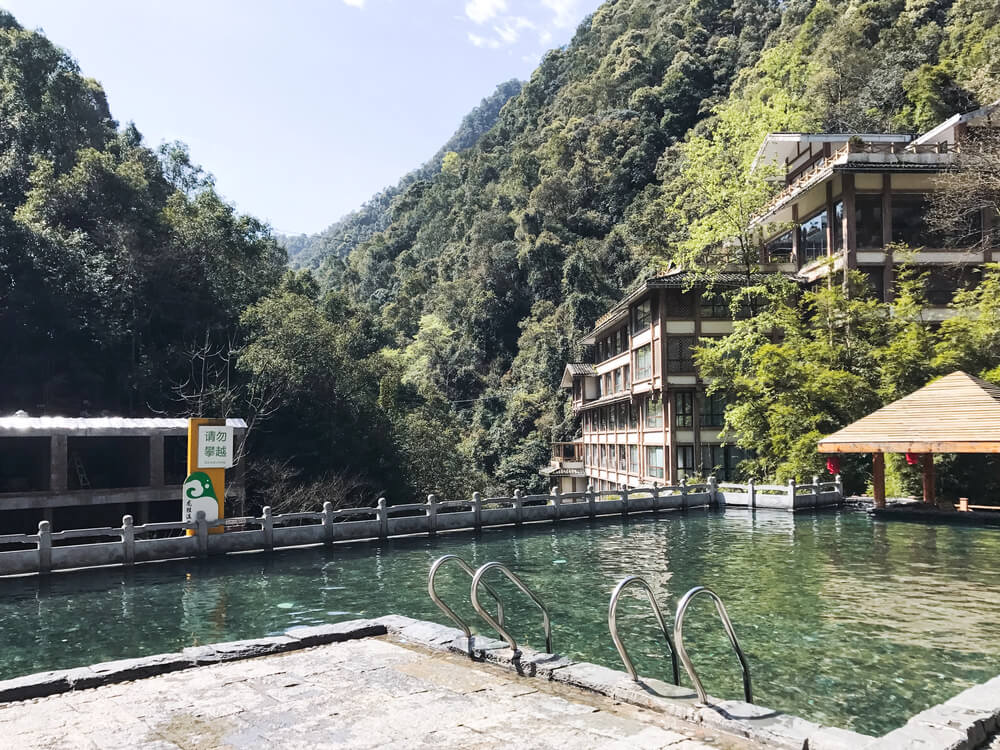
The Russian and Turkish Baths at 268 East 10th Street in the East Village have operated since 1892, which makes them one of the oldest continuously running bathing establishments in the city. They began as a gathering place for immigrants who arrived from Eastern Europe to crowded flats with no bathing facilities.
The signature treatment is the platza, a rubdown with a bundle of oak leaves and soap. Their steam room remains famously hot, and the place remains a neighborhood institution more than a century later.
Bathhouse Row, Hot Springs, Arkansas
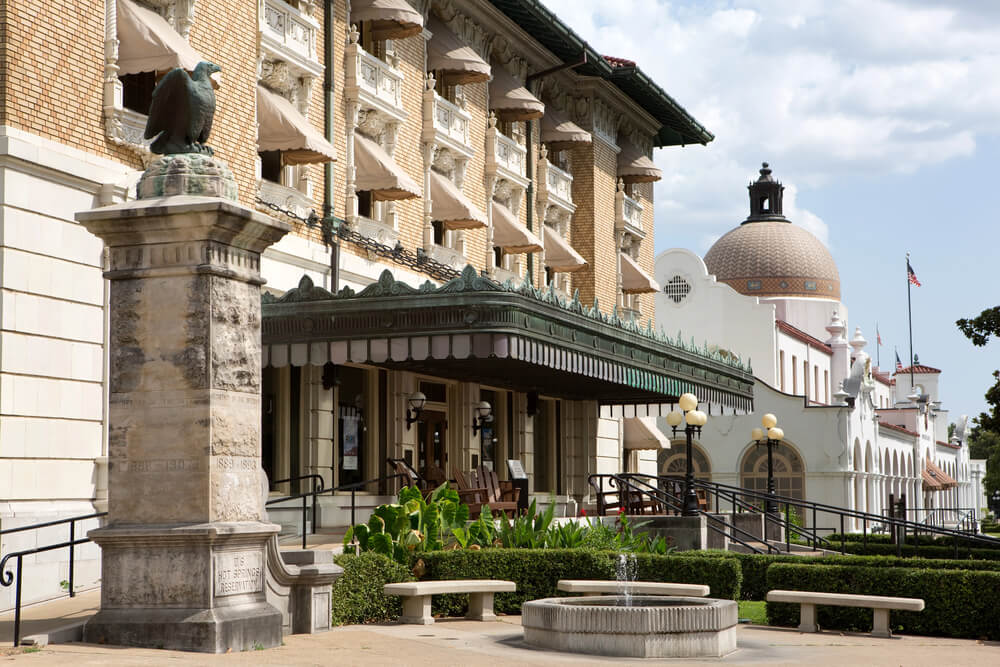
In 1832, Congress set aside the thermal springs at Hot Springs as a federal reservation, long before the area became a national park in 1921. The water emerges at an average of about 143 degrees Fahrenheit, and visitors came by rail to bathe in it for their health.
Eight historic bathhouses still line Central Avenue, making up the famous Bathhouse Row. In an age before reliable home plumbing, a prescribed course of hot baths here was a respectable medical treatment.
Fordyce Bathhouse, Hot Springs, Arkansas
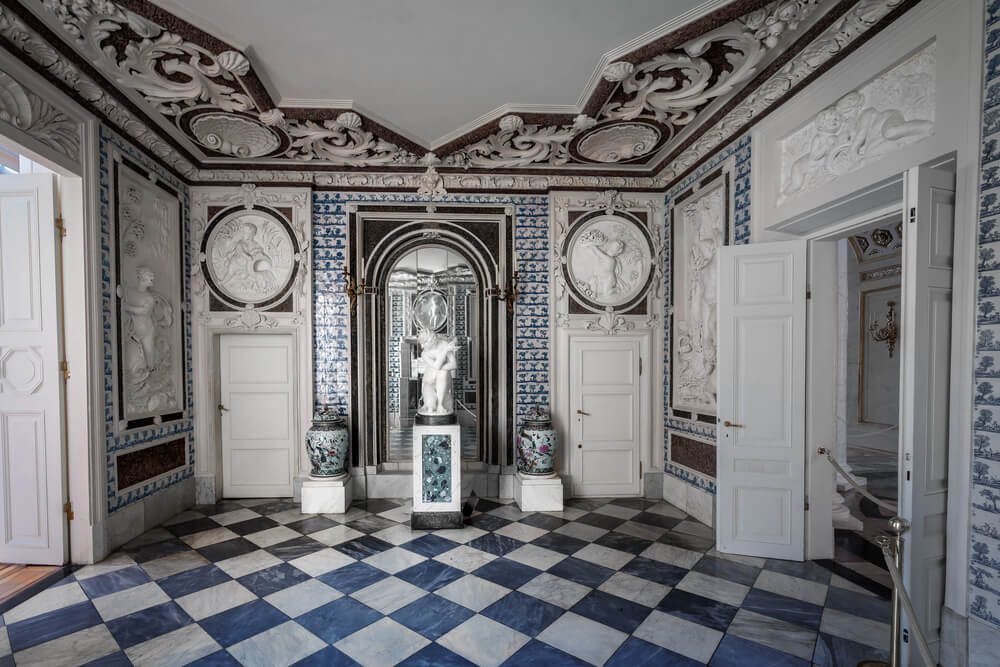
The Fordyce Bathhouse opened in 1915 and was named for Samuel W. Fordyce, a railroad man who had made his fortune and wanted a showpiece. Inside, bathers found stained glass, marble, a mechanotherapy room full of exercise machines, and elaborate tubs for mineral soaks.
The bathhouse closed in 1962 and was later restored to become the visitor center for Hot Springs National Park. Walking its halls today is the easiest way to understand what a bath once meant to a person with no tub at home.
Buckstaff Bathhouse, Hot Springs, Arkansas
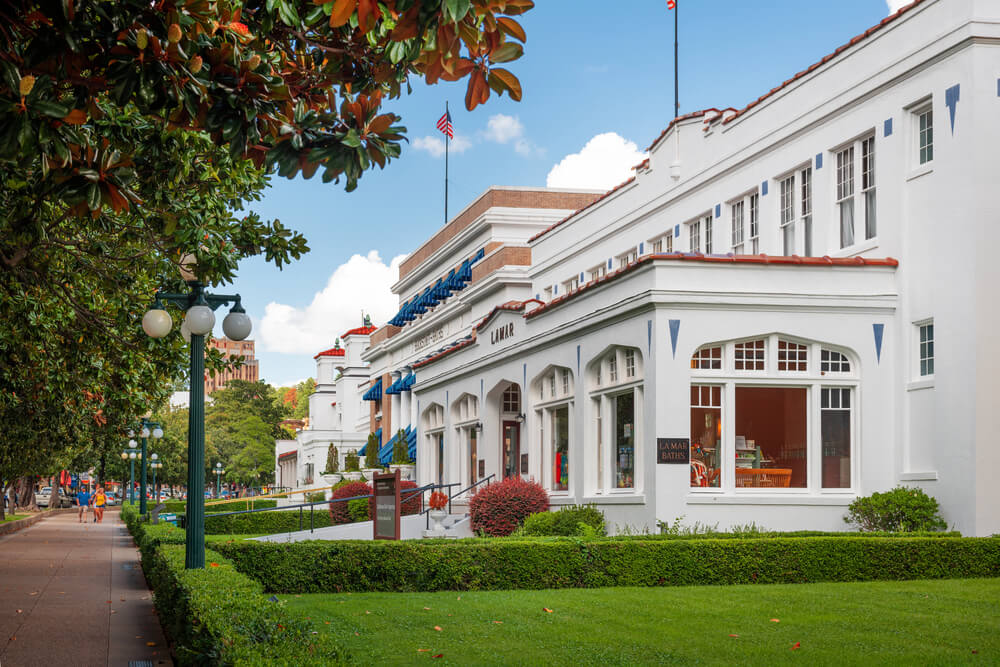
— Photo by sepavone
The Buckstaff Bathhouse, built in 1912, has operated continuously on Bathhouse Row, which is a rare thing in a business that nearly vanished. Its traditional bath includes a whirlpool soak in thermal water, a steam cabinet, and a needle shower, a routine that has barely changed in a century.
Most of its neighbors closed as modern medicine and home plumbing cut demand in the mid-twentieth century. The Buckstaff outlasted them by keeping its old ways intact.
Frederick Street Baths and Wash-house, Liverpool
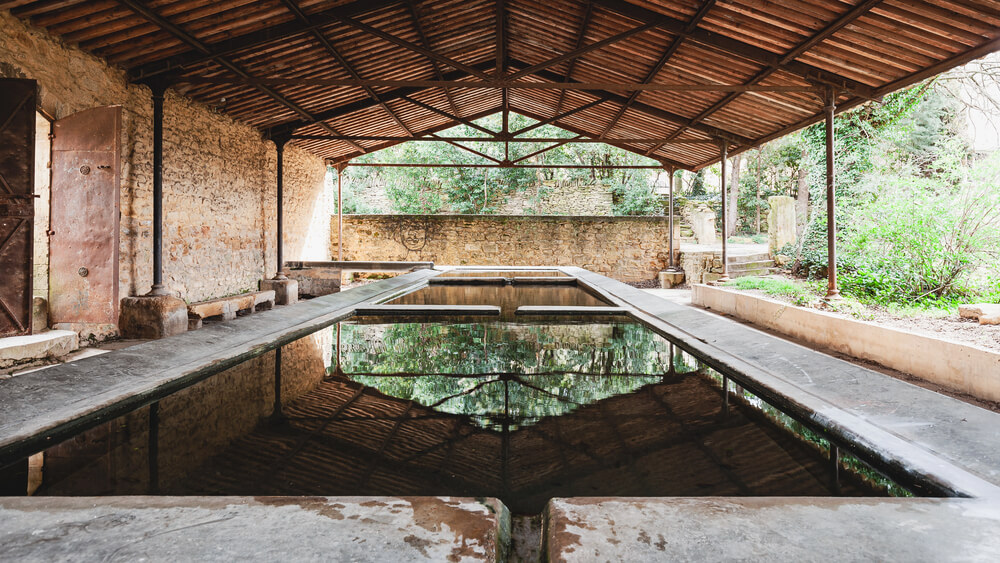
In the deadly epidemic of 1832, an Irish-born Liverpool woman named Kitty Wilkinson opened her cellar kitchen on Denison Street to neighbors who needed to wash infected clothing, and she promoted the use of chloride of lime to disinfect it. Her efforts became a symbol for the argument that the poor needed public washing facilities.
In 1842, the first public baths and wash-house in Britain opened on Frederick Street in Liverpool, with Wilkinson as its superintendent. Parliament passed the Baths and Wash Houses Act in 1846, which let local authorities across England fund similar buildings.
Victoria Baths, Manchester
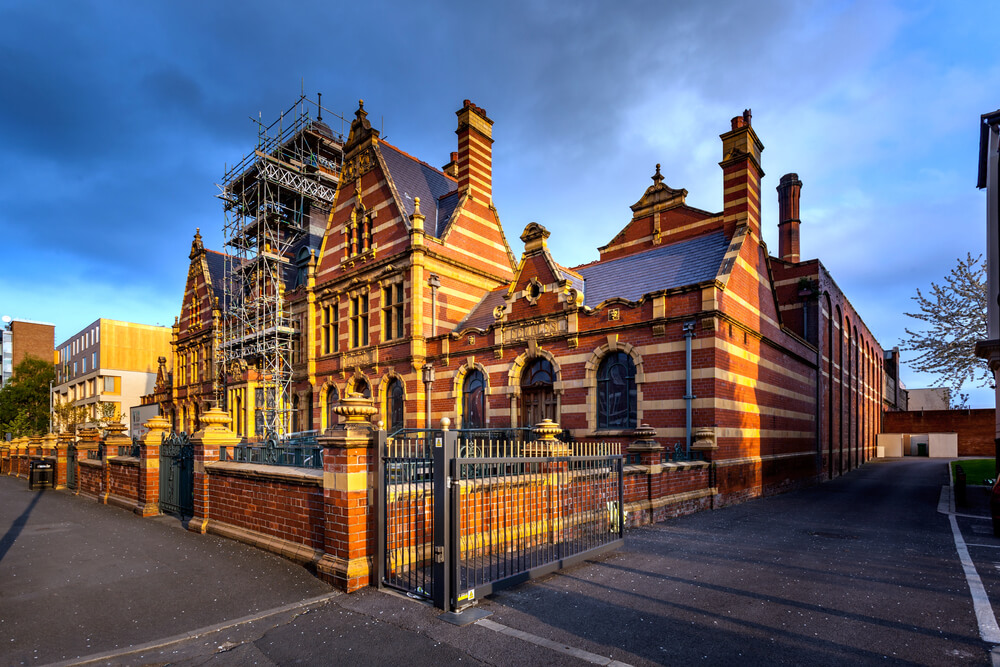
Victoria Baths opened in Manchester in 1906 with three swimming pools, Turkish baths, and rows of private slipper baths for residents whose homes had no bathroom. Its stained glass, glazed tile and gala pool earned it the nickname the Water Palace of the North.
The building closed in 1993, and a campaign to save it won national attention in the BBC’s Restoration series in 2003. It has since been restored in stages and is open to visitors.
Govanhill Baths, Glasgow
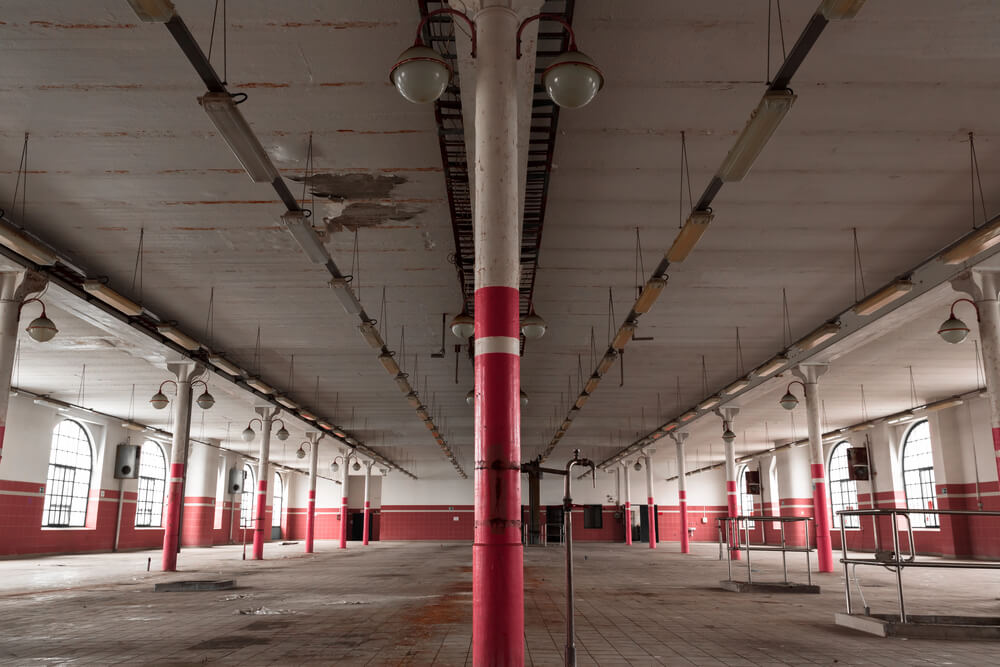
Govanhill Baths opened in 1917 in a densely populated part of Glasgow’s south side, where many tenement homes lacked their own baths. Glasgow City Council closed the baths in 2001, and neighbors responded by occupying the building and campaigning for its return. That campaign for a community-owned facility has continued for years, and it turned a decommissioned swimming pool into a local cause.
The case of Govanhill shows that a public bath can matter to a neighborhood long after the original reason for it has faded.
Stadtbad Oderberger Strasse, Berlin
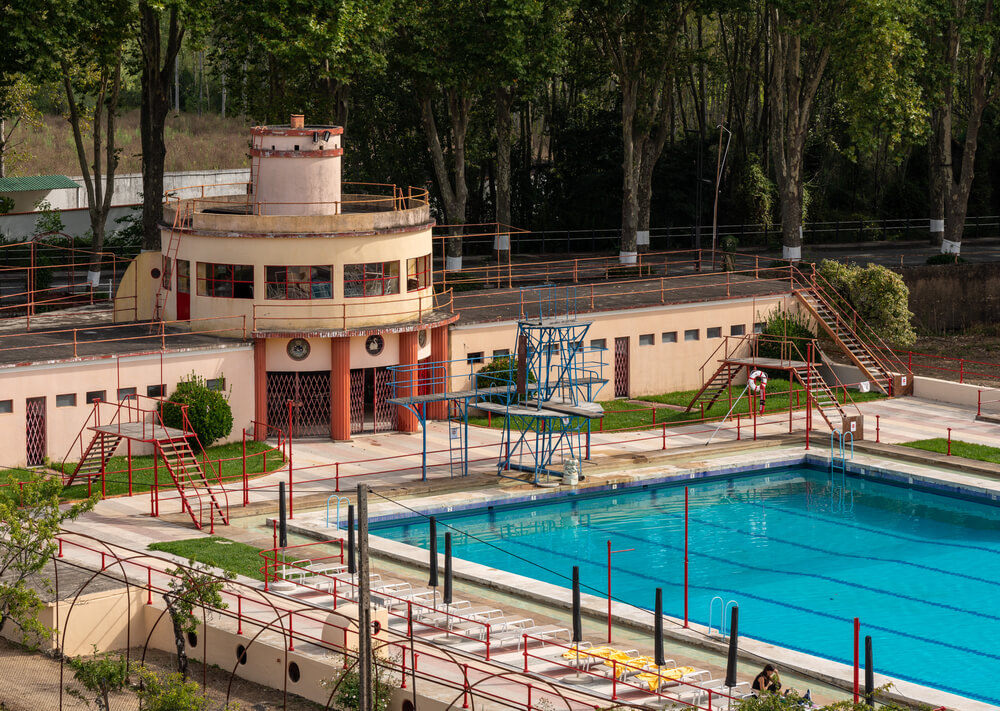
The municipal bathhouse on Oderberger Strasse in Berlin’s Prenzlauer Berg opened in 1902 in a district of crowded tenement blocks where many apartments had no bathroom. It combined a swimming hall with tub and shower baths for residents. The city closed it in 1986, and a citizens’ initiative formed to save the building from demolition.
After a long restoration it reopened in 2016 as a hotel built around the original pool hall.
Amalienbad, Vienna
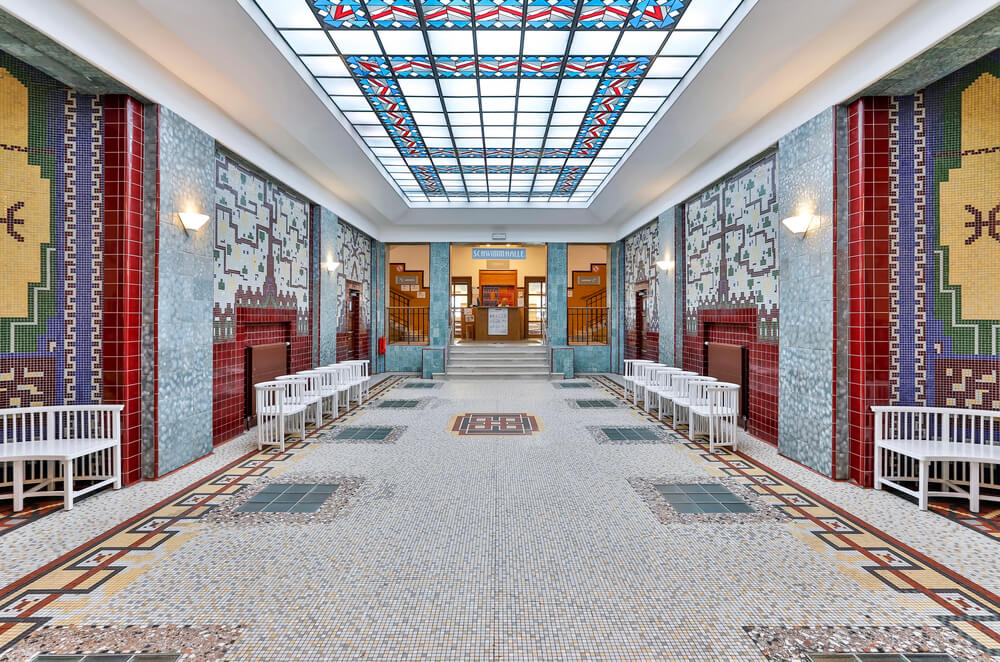
Amalienbad, which opened in 1926 in Vienna’s Favoriten district, was one of the great civic projects of the city’s Social Democratic government in the period known as Red Vienna. The facility was named for Amalie Pölzer, a Social Democratic politician, and offered tub baths and showers alongside its large swimming hall.
The swimming hall is covered by a glass roof that can slide open in good weather. At the time, many Viennese workers lived in apartments with no private bath, and the city built the bath to give them one.
Bain Généreux, Montreal
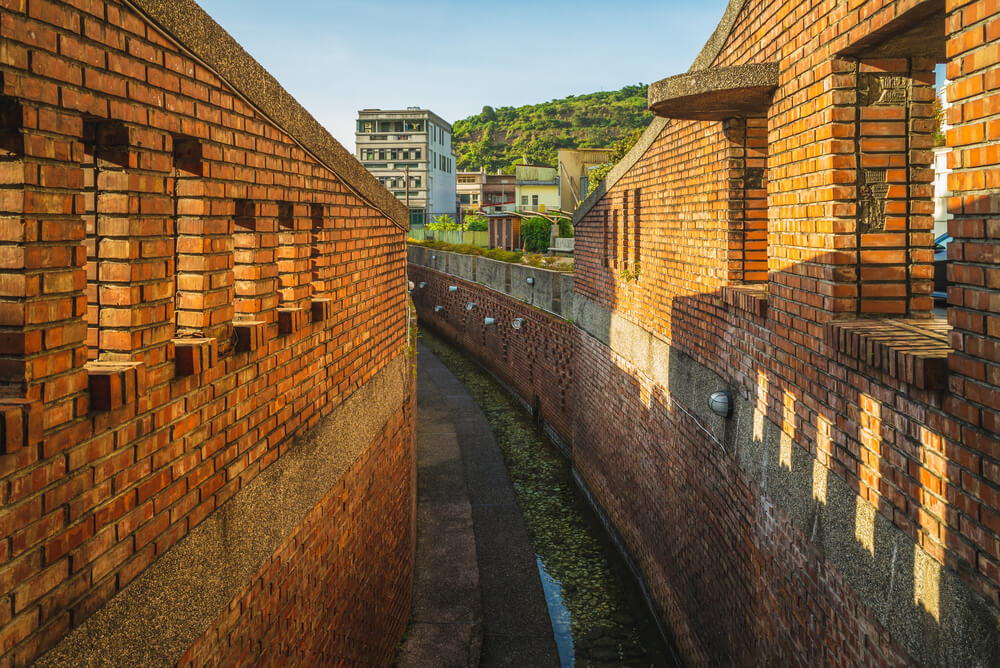
Opened in 1927 in Montreal’s Centre-Sud district, the Bain Généreux served a working-class neighborhood of factory workers and crowded flats. City-run public baths like it were a response to housing without bathrooms, and residents lined up to use the showers and pool.
The building later stopped serving as a public bath and now houses the Écomusée du fier monde, a museum of working-class history. That is fitting, because the bath itself is part of the story it tells.
Sandunovsky Baths, Moscow
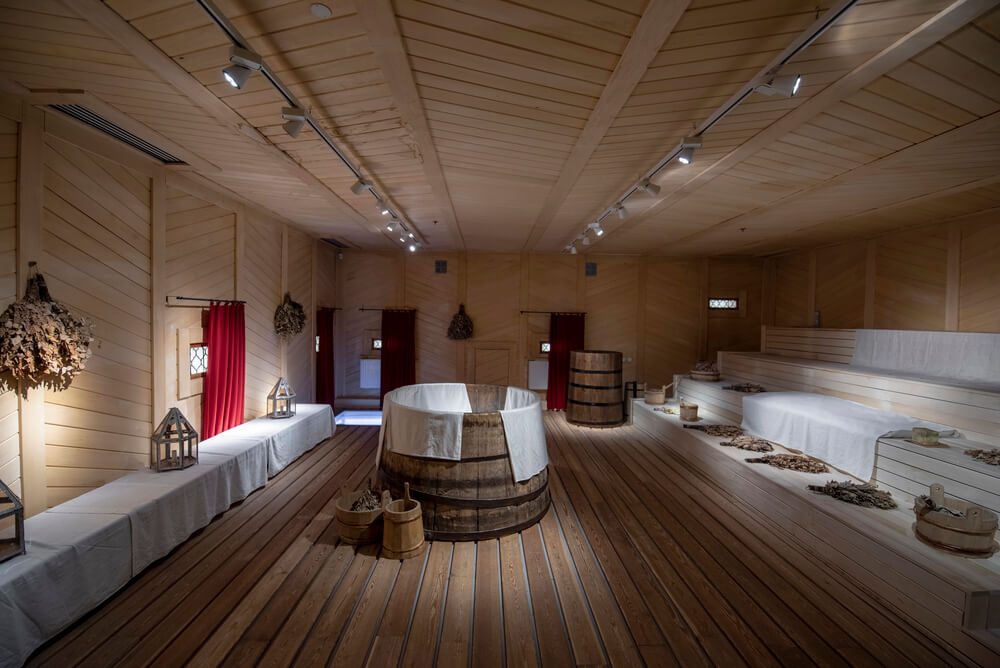
Moscow’s Sandunovsky Baths, known to locals as Sanduny, opened in 1808 and take their name from Sila Sandunov, a comic actor who founded them. The present building dates to the late nineteenth century, and its opulent halls attracted writers such as Chekhov and Tolstoy.
The Russian banya has long been a social institution as much as a bath, with birch twig brooms and steam serving as a weekly ritual. Ordinary Muscovites without a bathroom at home relied on banyas like this one for generations.
Çemberlitaş Hamamı, Istanbul
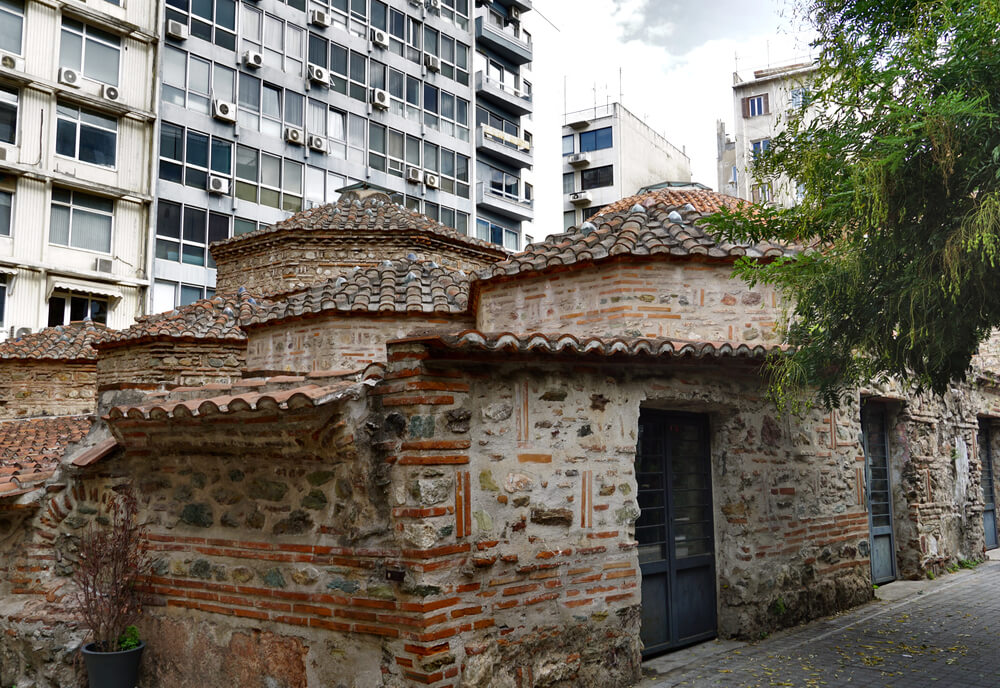
The Çemberlitaş Hamamı was built in 1584 for Nurbanu Sultan, the wife of Selim II, and designed by the great architect Mimar Sinan. It stands near the Column of Constantine and has operated as a bathhouse for centuries.
Ottoman hamams were a daily necessity as well as a pleasure, since they supplied hot water to residents who lacked it at home. Visitors still lie on a heated marble slab beneath a domed ceiling pierced with star-shaped skylights.
Cağaloğlu Hamamı, Istanbul
— Photo by falkoner
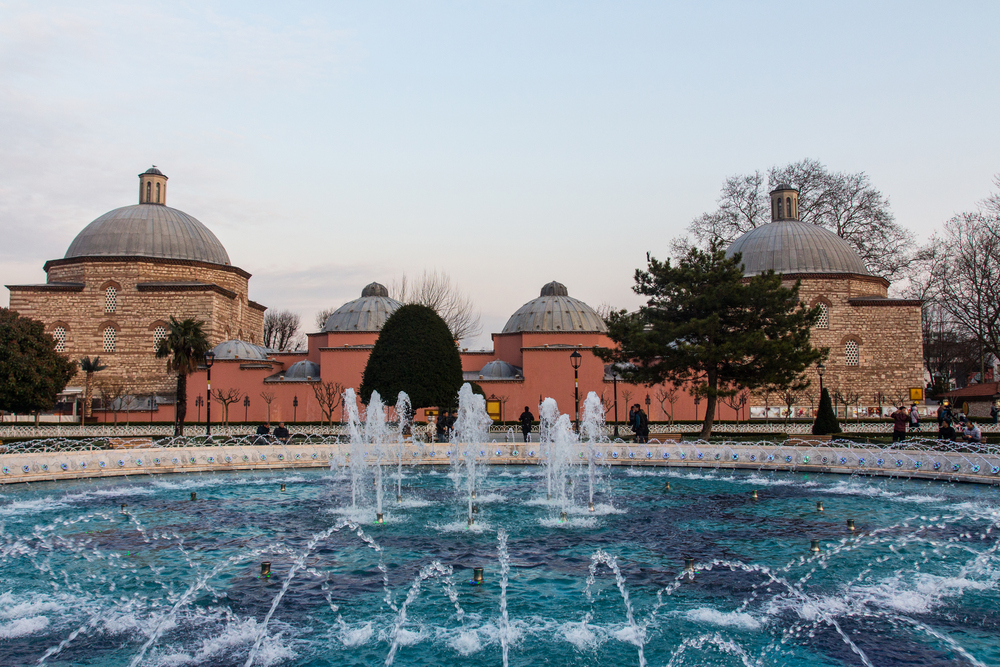
The Ottoman sultan Mahmud built the Cağaloğlu Hamamı in 1741, and its income helped support his library at the Hagia Sophia. That arrangement was typical of Ottoman charitable endowments, in which a bathhouse’s revenue paid for other public institutions.
The building’s twin sections once separated men and women, and its marble and domes remain in use for bathing. Istanbul’s residents long used such hamams for everyday washing, not only for special occasions.
Rudas Baths, Budapest
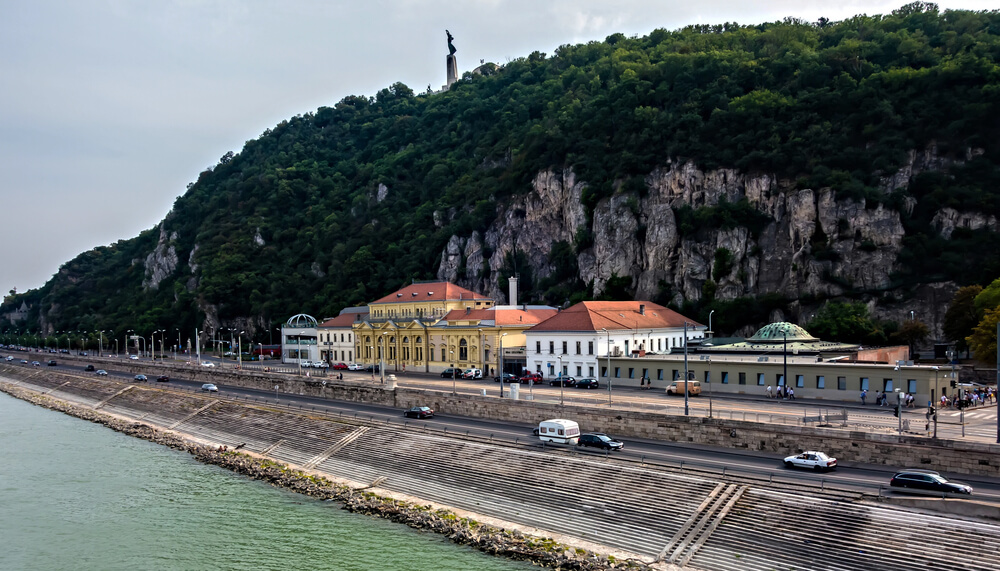
The Rudas Baths in Budapest date to the Ottoman occupation of Buda in the sixteenth century, and their octagonal pool still sits beneath an Ottoman dome. Hungarians have used the thermal water for centuries, and the baths continued to serve ordinary residents long after the Ottomans departed.
The domed hall was built for washing as much as for relaxing, and it still draws a mix of locals and visitors. Few places offer a more direct link between sixteenth-century bathing and a current Budapest afternoon.
Széchenyi Thermal Bath, Budapest
— Photo by Ale_Mi
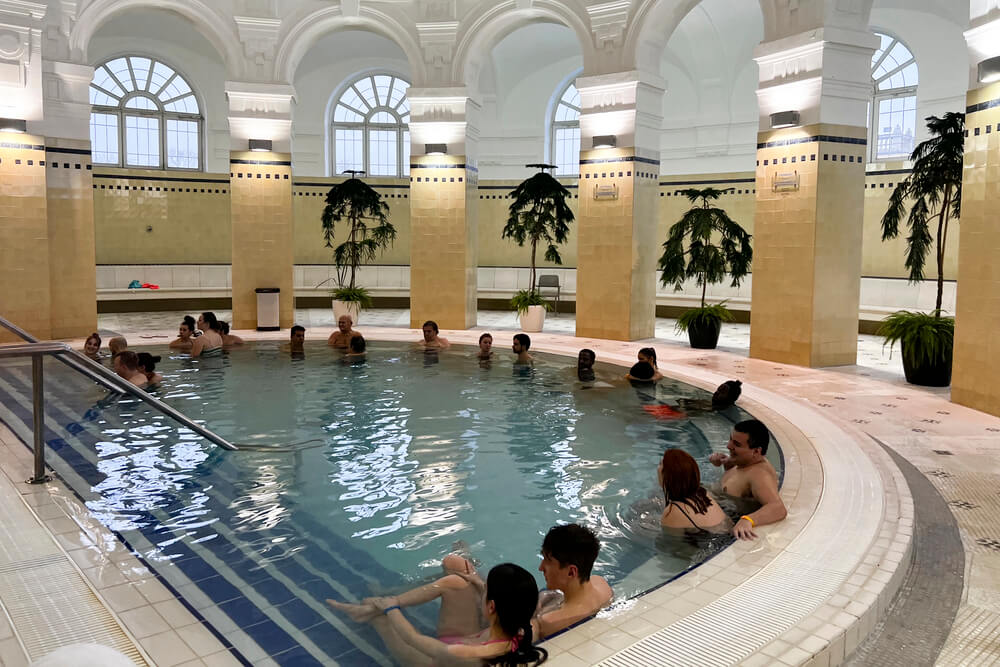
The Széchenyi Thermal Bath in Budapest’s City Park opened in 1913 and draws water from a well that engineer Vilmos Zsigmondy drilled in the 1870s. The yellow neo-Baroque complex contains indoor and outdoor pools, and many local residents still visit for health reasons.
Hungarian doctors have long prescribed thermal baths for joint and muscle ailments. The bath belongs to a tradition of treating public bathing as a civic good, not an indulgence.
Rajaportin Sauna, Helsinki
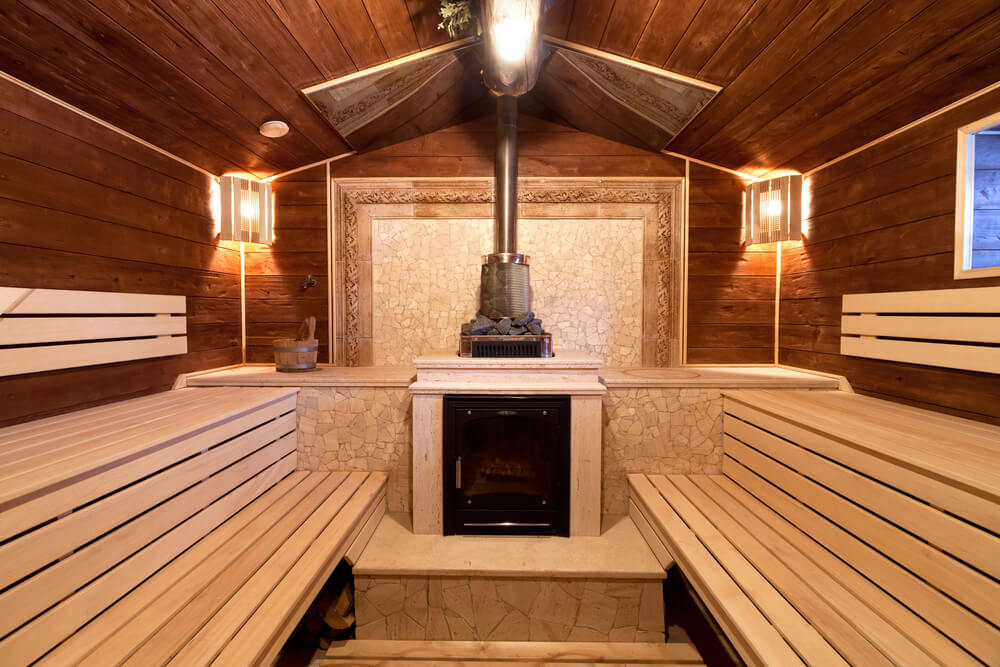
Rajaportin Sauna in Helsinki’s Vallila district opened in 1906 and is still heated with wood. At the time, most working-class residents of the Finnish capital had no sauna of their own, so public saunas served as a place to wash as well as a social space.
Finnish sauna culture was added to UNESCO’s Representative List of the Intangible Cultural Heritage of Humanity in 2020. A visit here is a reminder that a Finnish sauna was originally a place to get clean, not a spa treatment.
Kotiharju Sauna, Helsinki
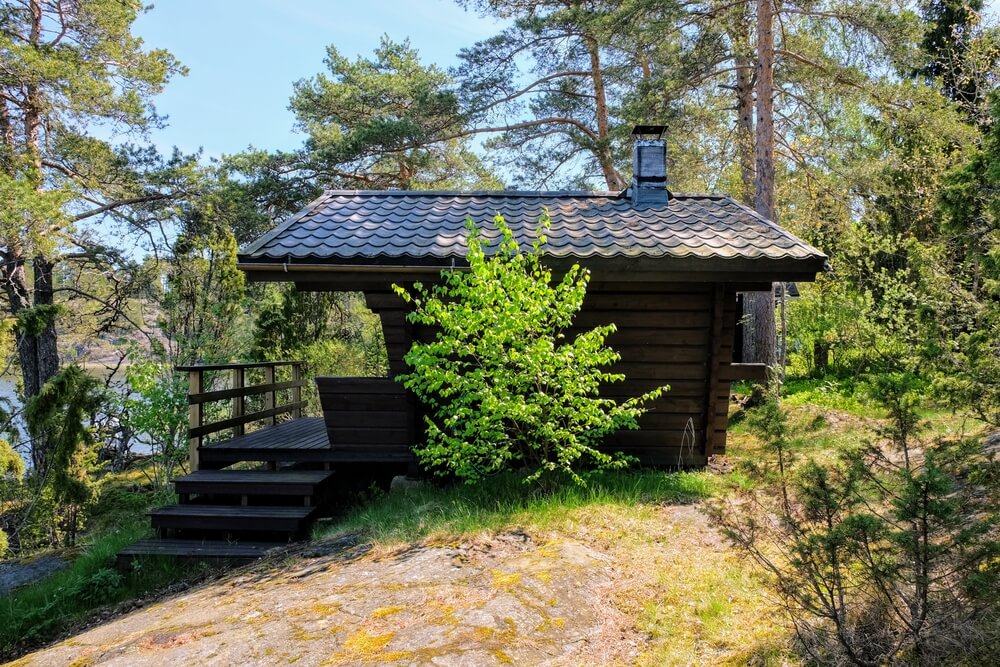
Kotiharju Sauna in Helsinki’s Kallio district dates to 1928 and is one of the last public saunas in the city still heated by a wood stove. Kallio was a working-class neighborhood, and apartments there generally lacked private bathing facilities.
The sauna became a regular Saturday stop for families who lived nearby. Its simple wooden benches and low ceilings feel closer to the original public sauna than any modern wellness center.
Japanese Sento, Nationwide
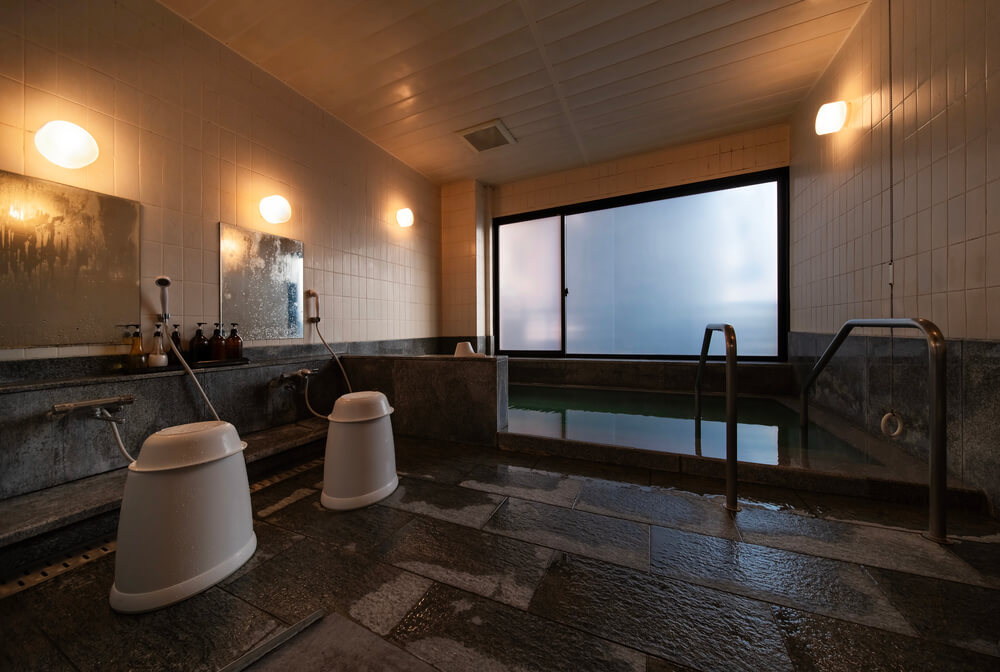
Japan’s neighborhood public baths, called sento, flourished because most homes had no bathtub, and residents walked to the local bath every few days. The number of sento in Japan peaked in the late 1960s at more than 18,000.
As housing began to include private baths, the number fell steadily, and thousands of sento closed for lack of customers. The survivors have become cultural landmarks, often painted with murals of Mount Fuji on the tiled wall above the tubs.
Kosugi-yu, Tokyo
— Photo by HenryStJohn
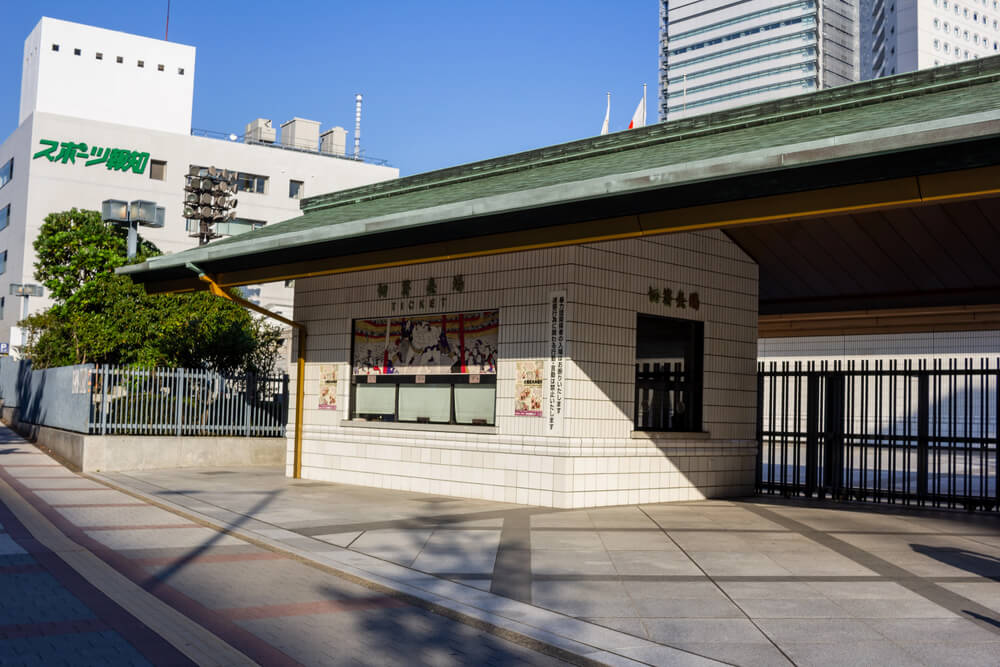
Kosugi-yu is a sento in Tokyo’s Suginami ward, known for a temple-style entrance with a curved gabled roof. That grand entry is a reminder that sento were often built as showpieces for their neighborhoods.
Like many surviving sento, it keeps its original features and still welcomes local bathers. It exists because a neighborhood once needed a clean, hot, shared place to wash.
Dogo Onsen, Matsuyama
— Photo by sepavone
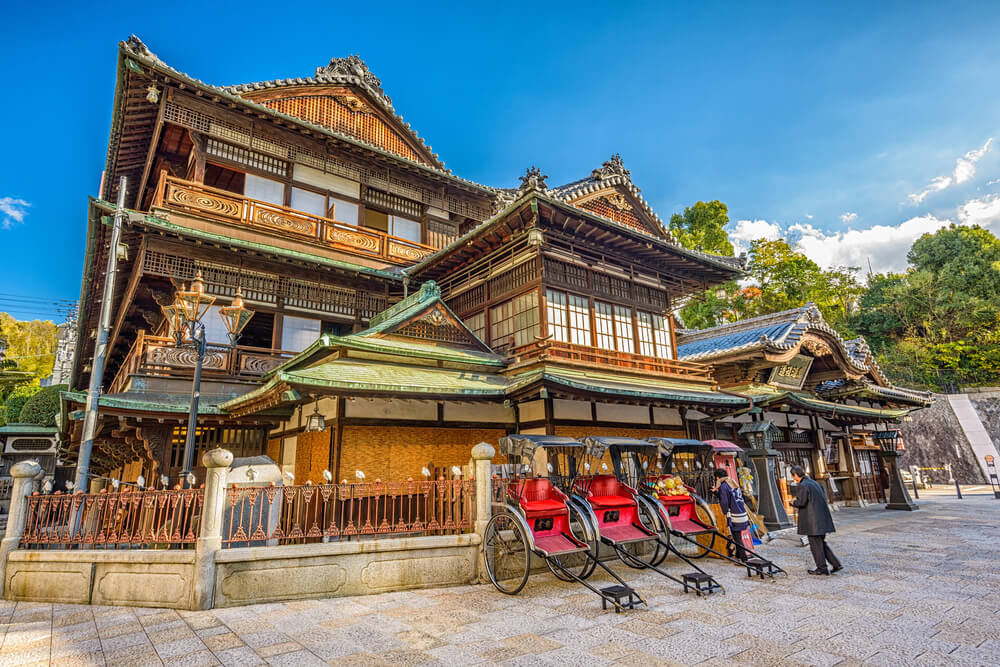
Dogo Onsen in Matsuyama, on the island of Shikoku, has a three-story wooden main building that was completed in 1894. The bath is a famous setting in Natsume Soseki’s novel Botchan, in which the narrator visits the baths. Local residents have long used the springs for everyday bathing, not just tourists. The building’s turrets and carved gables look more like a castle than a bath, which shows how much the community valued it.
Neighborhood Hammams, Morocco
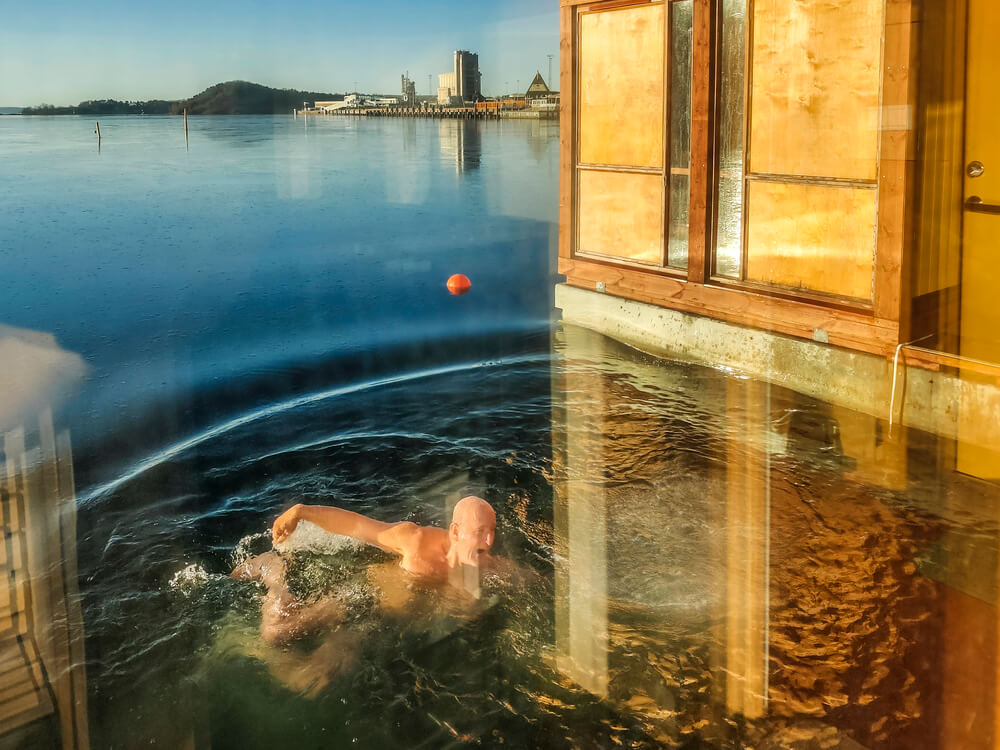
In Moroccan cities, the neighborhood hammam has served as the household bathroom for generations, especially in older districts whose homes never had one. Furnaces beneath the floor are traditionally fed with scraps of wood from local carpenters and the pits of olives pressed nearby.
Bathers bring their own bucket and a rough mitt called a kessa for scrubbing. The hammam also became a social center, a place where news traveled and families met before weddings and holidays.
Smoke Saunas, Võromaa, Estonia
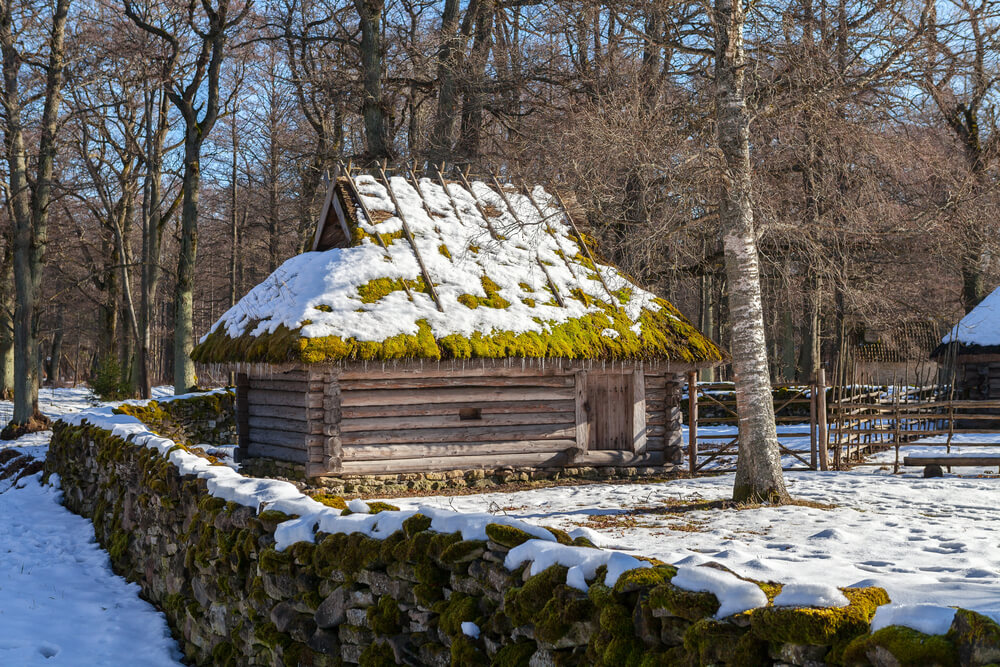
In southeastern Estonia, the smoke sauna tradition of the Võromaa region was inscribed on UNESCO’s list of intangible cultural heritage in 2014. A smoke sauna has no chimney, so the stove fills the room with smoke while heating, and then the room is aired out before bathers enter.
Rural families traditionally used the sauna not only to bathe but also to prepare food and care for the sick. For households with no indoor plumbing, the sauna was the one place on the farm where the family could wash in hot water.
Where Cleanliness Became a Civic Promise
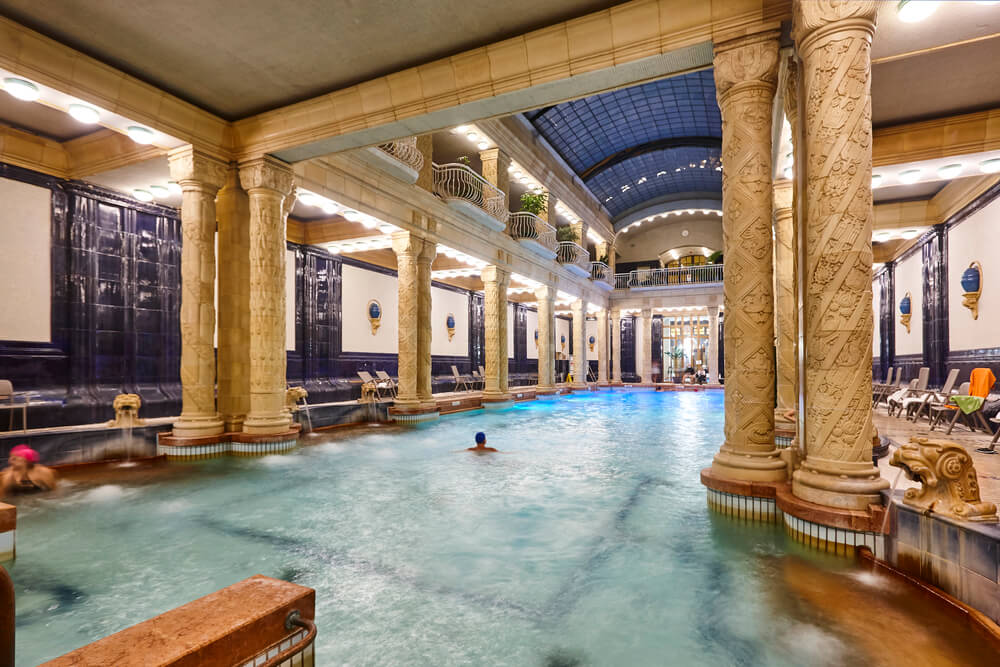
These twenty-eight places belong to different centuries, climates and religions, yet they answer the same problem. A person who cannot wash at home gets sick, gets stigmatized, and often gets excluded from work and school.
Communities that recognized this built baths, taxed themselves to pay for them, or organized around the ones they inherited. Most of these buildings outlived the need that created them, because indoor plumbing eventually reached nearly every home.
What remained was something less obvious than hygiene, a shared room where neighbors learned to care for the same public good. That is why so many former baths now serve as museums, hotels, pools and recreation centers, and why people keep fighting to save them.
More from Go2Tutors!

- 27 Silver Dollars and Half Dollars Worth Keeping
- 28 Restaurant Menu Items Nobody Orders Anymore
- 17 Places Built in Seemingly Impossible Spots
- 27 Vintage Rings Worth More Than They Look
- 25 Restricted Sites Tourists Can’t Enter
Like Go2Tutors’s content? Follow us on MSN.