27 Remarkable Women Who Changed Military History
Military history has often been told as a story about men, with women appearing as nurses, spies or exceptions worth a footnote. The record is richer and stranger than that.
Women have commanded armies and fleets, led raids, defied rules written to exclude them and reshaped how wars were fought, supplied and remembered.
Fu Hao, Shang Dynasty General
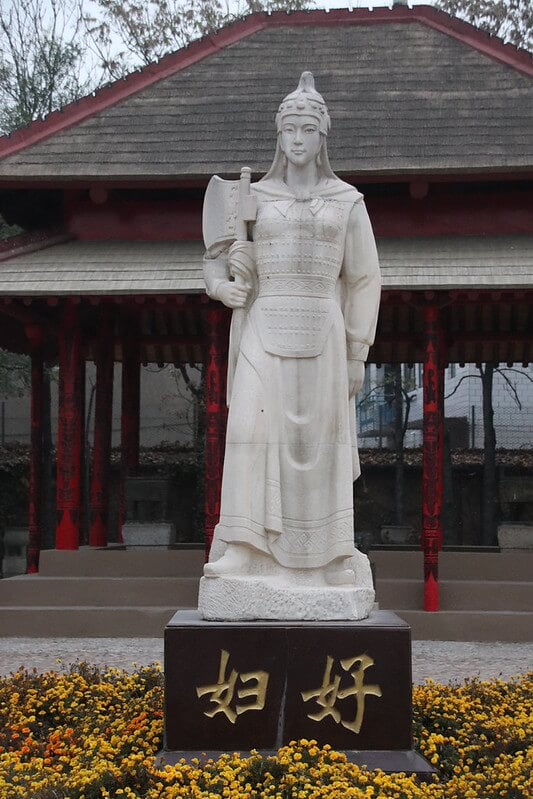
Fu Hao was a consort of King Wu Ding of China’s Shang dynasty around 1200 BC and one of the earliest female military commanders whose name survives. Inscriptions on oracle bones record her leading campaigns against neighboring peoples, including one force described as 13,000 troops, a huge army for the era.
She also performed rituals and managed her own estate. Her tomb at Anyang, discovered intact in 1976, held hundreds of bronze objects, jade pieces and large bronze axes bearing her name, symbols of military authority.
It is one of the very few Shang royal tombs found unlooted.
Queen Artemisia at Salamis
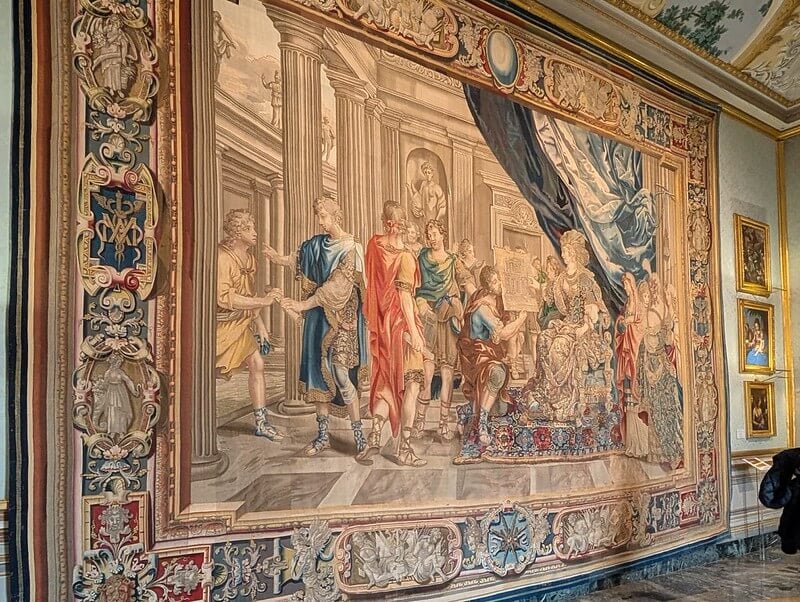
Artemisia, ruler of Caria in what is now southwestern Turkey, commanded five ships in the Persian fleet of Xerxes during the invasion of Greece in 480 BC. According to Herodotus, she advised Xerxes against fighting the Greek navy at Salamis, and he ignored her.
During the battle, she escaped pursuit by ramming another ship, and Xerxes, watching from shore and believing she had sunk an enemy vessel, reportedly remarked that his men had become women and his women men. The Athenians, Herodotus wrote, offered 10,000 drachmas for her capture.
Ancient writers treated her as a model of shrewd command.
Boudica’s Revolt Against Rome
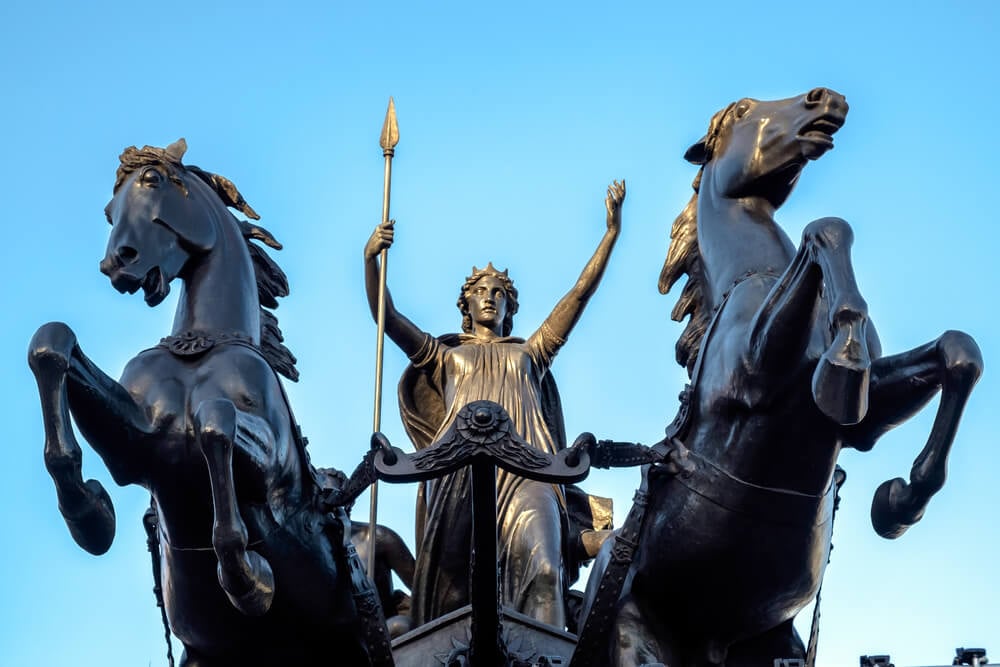
Boudica, queen of the Iceni in eastern Britain, led one of the most serious uprisings Rome ever faced in the province. After her husband’s death around AD 60, Roman officials seized his kingdom, flogged Boudica and assaulted her daughters.
She raised an army that destroyed Camulodunum, now Colchester, then sacked Londinium and Verulamium, killing tens of thousands, according to Roman sources. A smaller Roman force under Suetonius Paulinus finally defeated her army, and she is said to have died shortly after.
Her bronze statue in a chariot, unveiled in 1902, stands near the Houses of Parliament in London.
Joan of Arc at Orleans
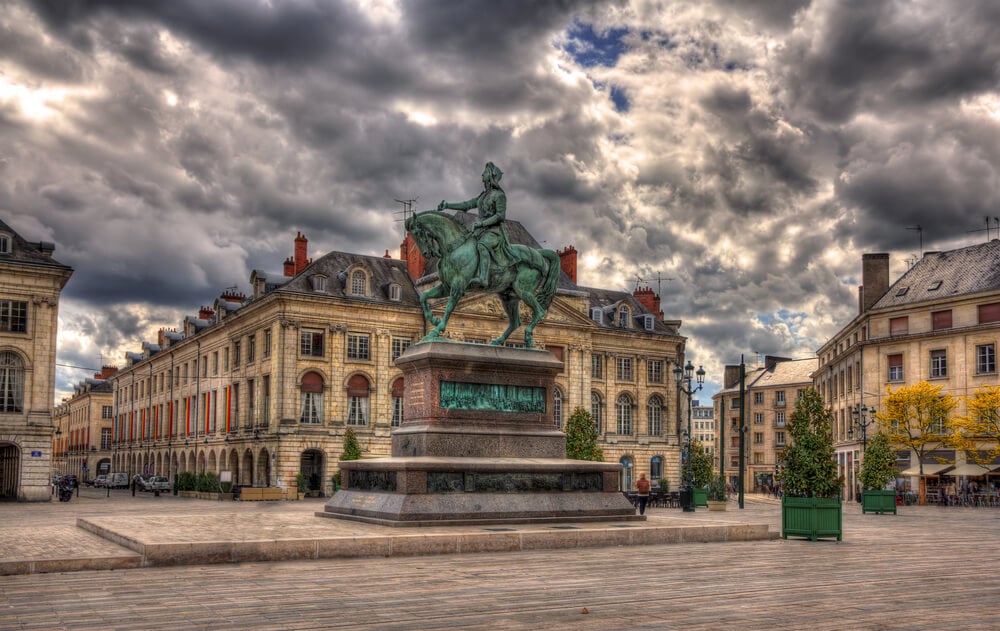
Joan of Arc, a teenage peasant girl from Domremy, convinced the uncrowned Charles of France in 1429 that she had been sent by God to drive out the English. Given armor and a place with the army, she helped lift the siege of Orleans in May 1429, a turning point in the Hundred Years’ War.
Months later, Charles was crowned at Reims with Joan present. She was captured in 1430, tried for heresy by a pro-English church court, and burned at the stake in Rouen in 1431, aged about 19.
The Catholic Church canonized her in 1920.
Margaret Corbin at Fort Washington
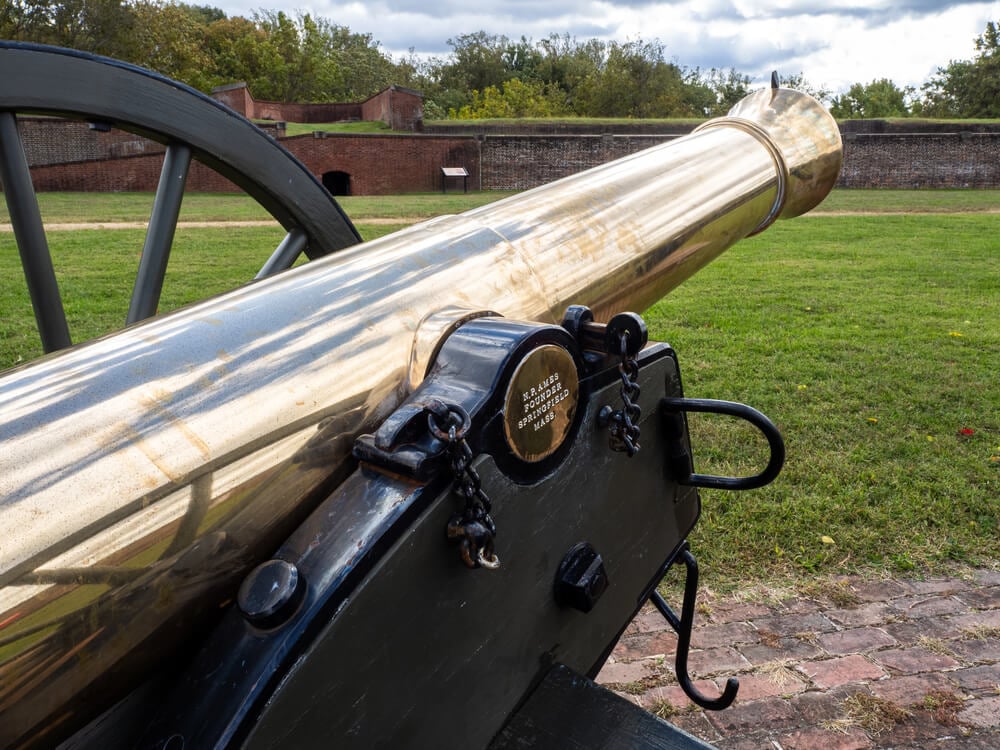
During the British assault on Fort Washington in Manhattan on November 16, 1776, Margaret Corbin was assisting her husband John, an artilleryman. When he was killed, she took his place at the cannon and kept firing until she was badly wounded in the shoulder, arm and chest.
She was captured and later released. In 1779 the Continental Congress awarded her a lifetime pension, making her the first woman in the United States to receive a military pension for combat service.
In 1926 her remains were reburied with honors at the United States Military Academy at West Point.
Deborah Sampson as Robert Shurtleff
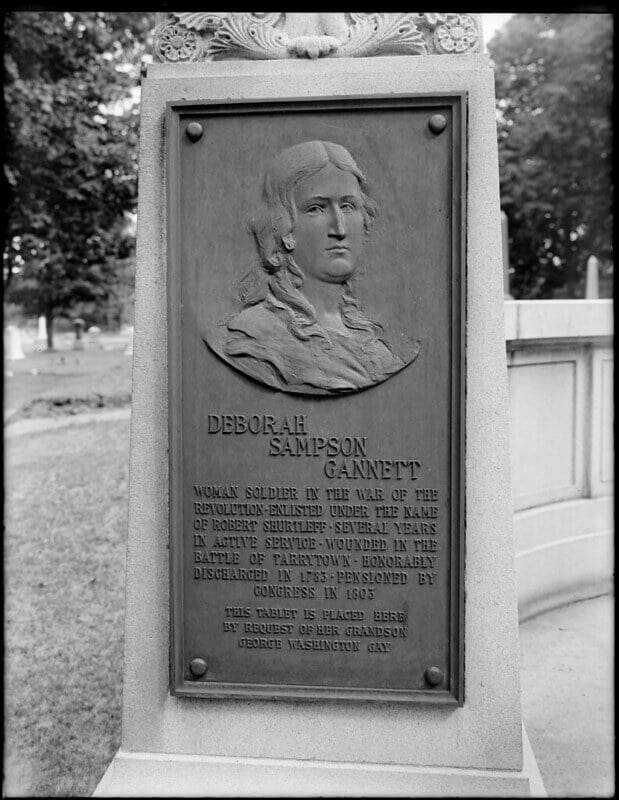
Deborah Sampson disguised herself as a man in 1782 and enlisted in the Continental Army under the name Robert Shurtleff, serving with the 4th Massachusetts Regiment. She took part in skirmishes, was wounded, and reportedly treated one of her own wounds to avoid being examined by a doctor.
Her identity was discovered when she fell ill with fever in Philadelphia, and she was honorably discharged in 1783. Years later she toured as a lecturer describing her service, and with help from Paul Revere, she won a federal pension.
Massachusetts named her its official state heroine in 1983.
Ching Shih, Commander of a Pirate Confederation
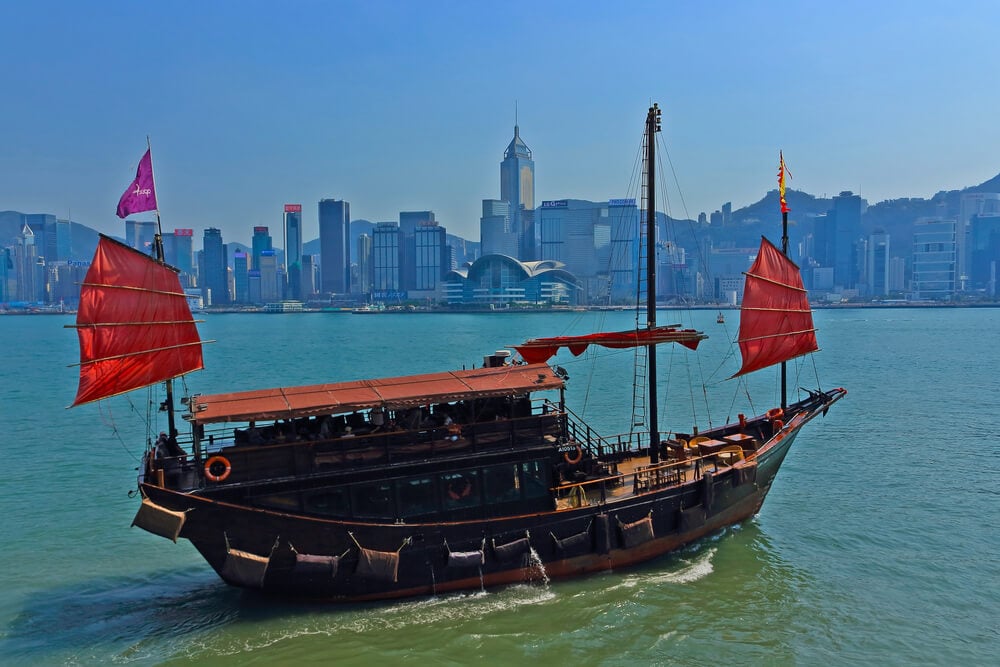
Ching Shih, also known as Zheng Yi Sao, took over leadership of the Red Flag Fleet after her husband’s death in 1807. Working with her adopted son and later husband Cheung Po Tsai, she commanded a confederation of hundreds of ships and tens of thousands of pirates along the South China coast.
She enforced a strict code that punished disobedience severely. Qing, Portuguese and British forces failed to defeat her at sea.
In 1810 she negotiated an amnesty that let most of her followers leave piracy and keep their wealth. She later ran a gambling house and died in 1844.
Florence Nightingale’s Statistics
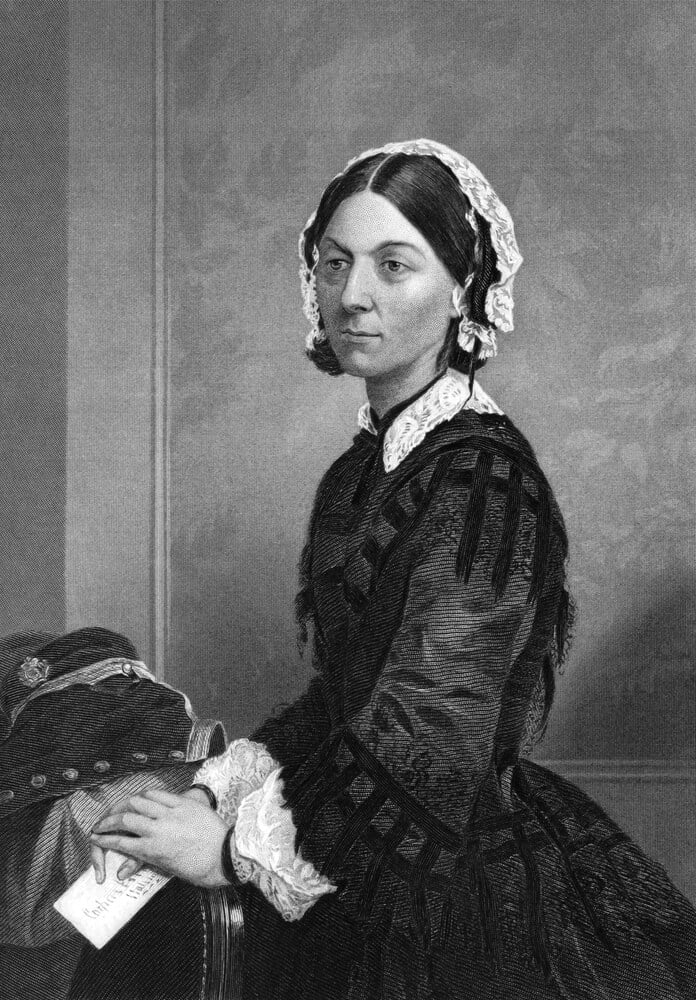
Florence Nightingale arrived at the British army hospital at Scutari, near Constantinople, in November 1854, during the Crimean War. She found filthy wards where far more soldiers died from disease than from wounds.
Her reforms in hygiene, food and supplies became famous, but her deeper influence came afterward. Using statistical charts, including her rose-shaped polar area diagrams, she persuaded the British government to reform army sanitation and medical care.
She also founded a nursing school at St. Thomas’ Hospital in London in 1860. International Nurses Day is celebrated on her birthday, May 12.
Rani Lakshmibai of Jhansi
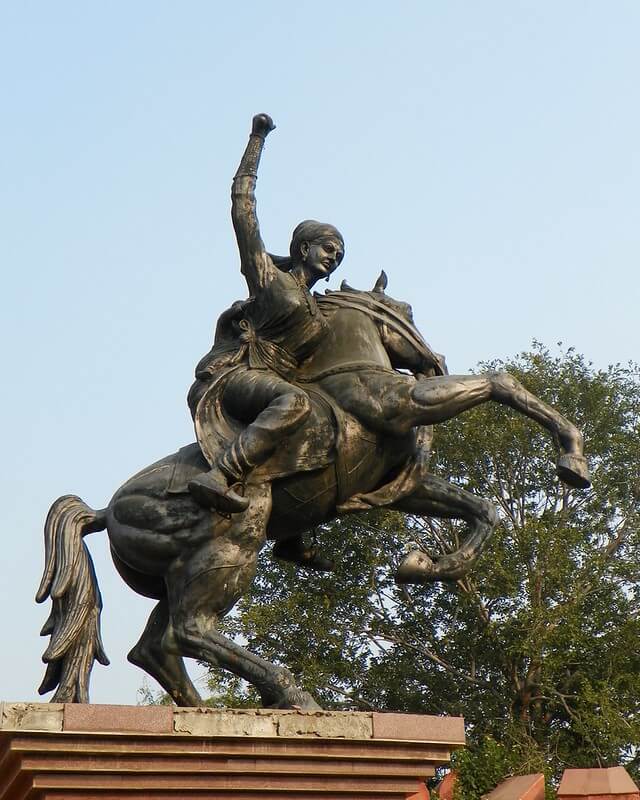
Lakshmibai, the Rani of Jhansi, became one of the leading figures of the 1857 Indian uprising against British East India Company rule. After the company annexed Jhansi on the grounds that her adopted son could not inherit, she eventually took up arms, defending the city’s fort in 1858.
When Jhansi fell, she escaped and fought on. She was killed in battle near Gwalior in June 1858, reportedly dressed as a cavalry soldier.
During World War II, the Indian National Army named its all-women regiment after her, and she remains a symbol of Indian independence.
Harriet Tubman and the Combahee River Raid
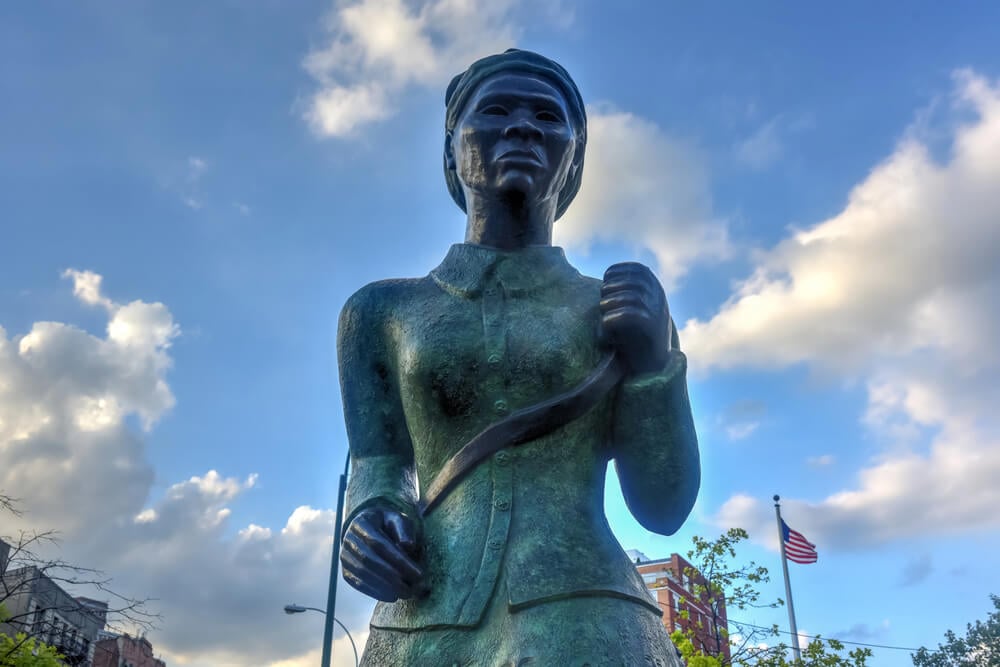
Harriet Tubman, already famous for guiding enslaved people to freedom, worked for the Union Army as a scout, spy and nurse. On the night of June 1 and 2, 1863, she guided Union gunboats under Colonel James Montgomery up the Combahee River in South Carolina, avoiding Confederate mines she had learned about from local informants.
The raid destroyed plantations and freed more than 700 enslaved people, who rushed to the boats. Tubman is widely described as the first woman to lead an armed assault during the Civil War.
She later fought for decades to receive a military pension.
Mary Edwards Walker, Medal of Honor Surgeon
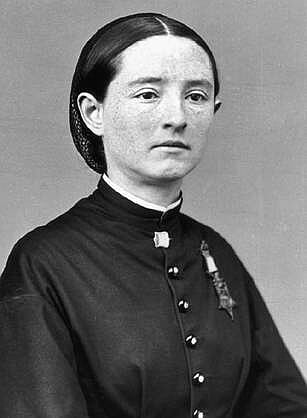
Mary Edwards Walker, one of the few women physicians of her era, served as a surgeon with Union forces during the Civil War, often crossing battle lines to treat civilians. In 1864 she was captured by Confederate troops and held for months at Castle Thunder prison in Richmond.
In 1865 President Andrew Johnson awarded her the Medal of Honor. In 1917 the Army rescinded it, along with hundreds of others, under new eligibility rules, but she refused to give it back and wore it until her death in 1919.
President Jimmy Carter restored it in 1977. She remains the only woman to receive the Medal of Honor.
Elizabeth Van Lew, Union Spymaster
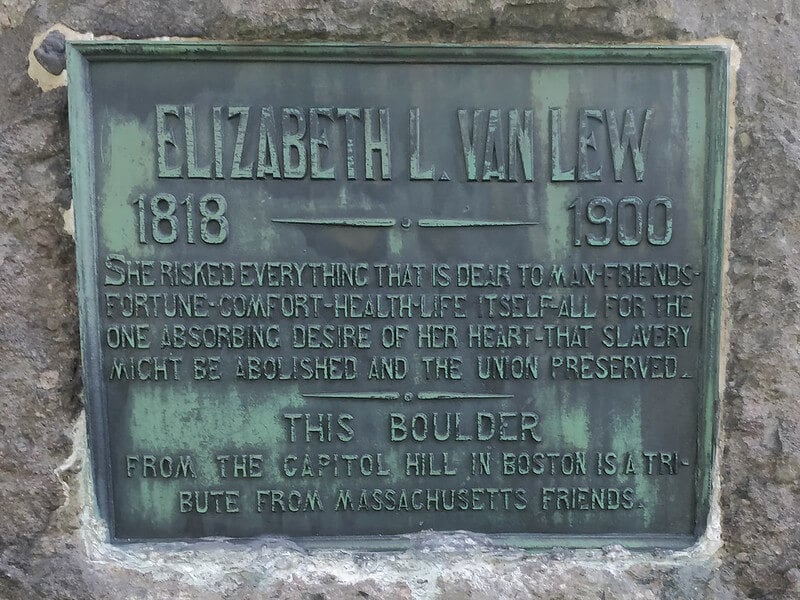
Elizabeth Van Lew, an abolitionist from a wealthy Richmond family, ran one of the most effective Union spy networks of the Civil War from inside the Confederate capital. She visited Union prisoners at Libby Prison, bringing food and books while gathering intelligence and helping some escape.
Her network passed messages to Union commanders using ciphers and invisible ink. She reported information directly to General Ulysses S. Grant’s staff during the siege of Petersburg.
After the war, Grant appointed her postmaster of Richmond, though many neighbors shunned her for the rest of her life.
Cathay Williams, Buffalo Soldier
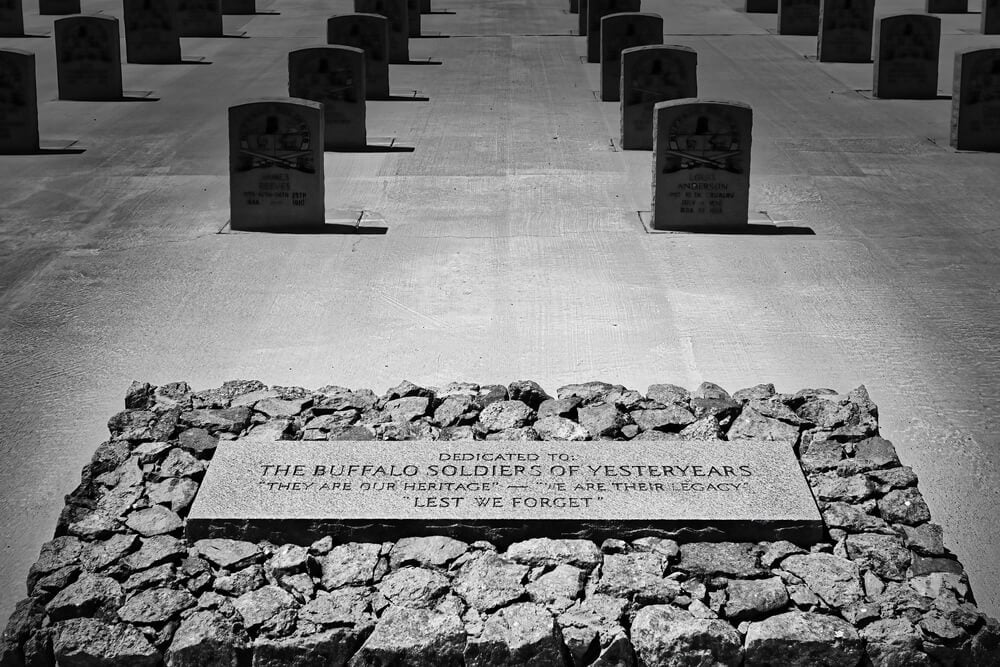
Cathay Williams was born enslaved in Missouri and worked for the Union Army as a cook and laundress during the Civil War. In November 1866 she enlisted in the U.S. Army under the name William Cathay, joining the 38th Infantry Regiment, one of the units later known as Buffalo Soldiers.
Records suggest she served for nearly two years, including postings in New Mexico, before illness led to a medical examination that revealed she was a woman. She was discharged in 1868.
She is the only documented woman to have served in the U.S. Army as a Buffalo Soldier.
Lozen, Apache Warrior
Lozen, a Chihenne Apache warrior, fought alongside her brother Victorio against Mexican and U.S. forces in the 1870s and 1880s. Victorio reportedly called her his right hand and said she was as strong as a man and braver than most.
According to Apache tradition, she had a spiritual power to sense the direction of approaching enemies. After Victorio’s death in 1880, she rode with Geronimo’s band and acted as a messenger in surrender negotiations.
Lozen surrendered with Geronimo in 1886 and died as a prisoner of war at Mount Vernon Barracks in Alabama around 1889 or 1890.
Agojie Soldiers of Dahomey
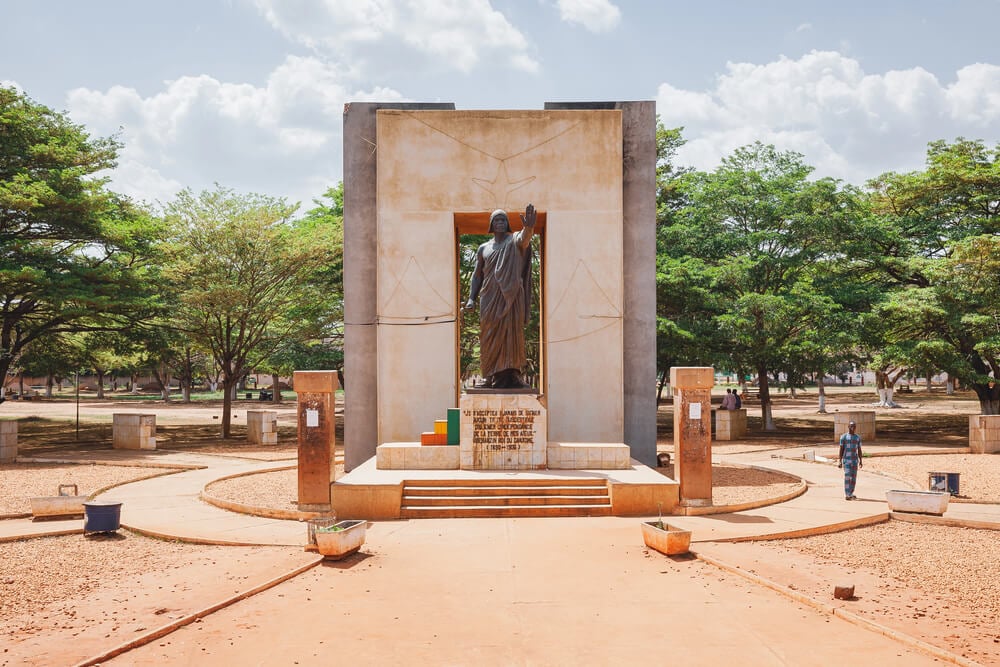
The kingdom of Dahomey, in what is now Benin, maintained an all-female military unit from at least the 1700s until the 1890s. European visitors called them Amazons, but they were known locally by names such as Agojie or Mino.
At their peak they numbered in the thousands and fought in wars of expansion and slave raids. They also fought the French in the wars of 1890 and 1892, which ended with Dahomey’s conquest.
A woman named Nawi, believed to be the last surviving veteran, died in 1979. The 2022 film The Woman King brought their history to wide audiences.
Opha May Johnson, First Woman Marine
Opha May Johnson became the first woman to enlist in the U.S. Marine Corps on August 13, 1918, reportedly standing first in line on the day women were allowed to join. She was one of roughly 300 women who served in the Marine Corps Reserve during World War I, handling clerical work so male Marines could deploy overseas.
Johnson worked at Marine headquarters in Washington. Her enlistment opened a door the Corps had kept firmly shut, and women later served in the Marines in World War II and beyond.
Today women are eligible for every Marine occupational field, including infantry.
Lyudmila Pavlichenko, Sniper
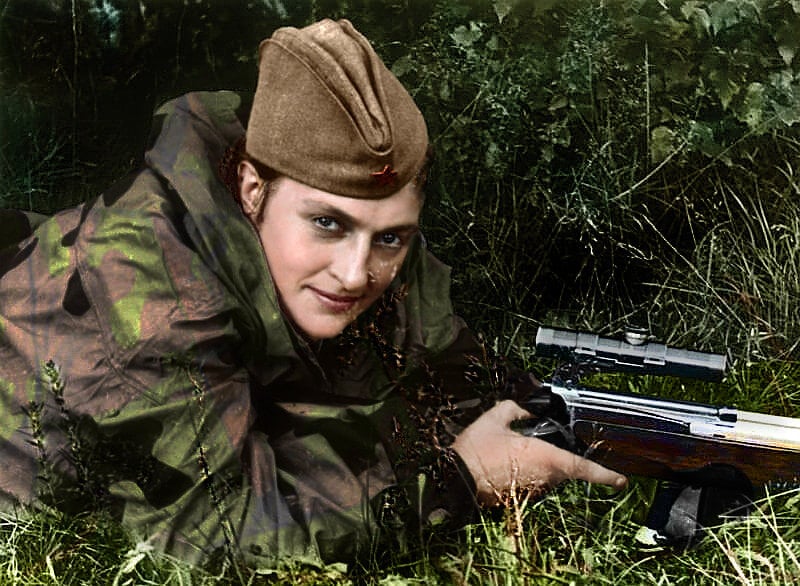
Lyudmila Pavlichenko, a Ukrainian history student, joined the Red Army in 1941 and became one of the most successful snipers in history, credited with 309 confirmed kills during the sieges of Odessa and Sevastopol. After being wounded in 1942, she was sent on a goodwill tour of the United States, Canada and Britain.
She became the first Soviet citizen received at the White House, and Eleanor Roosevelt accompanied her on part of the tour. American reporters often asked about her makeup and skirts, and she answered with sharp criticism of their focus on her appearance.
She was named a Hero of the Soviet Union in 1943.
Marina Raskova and the Night Witches
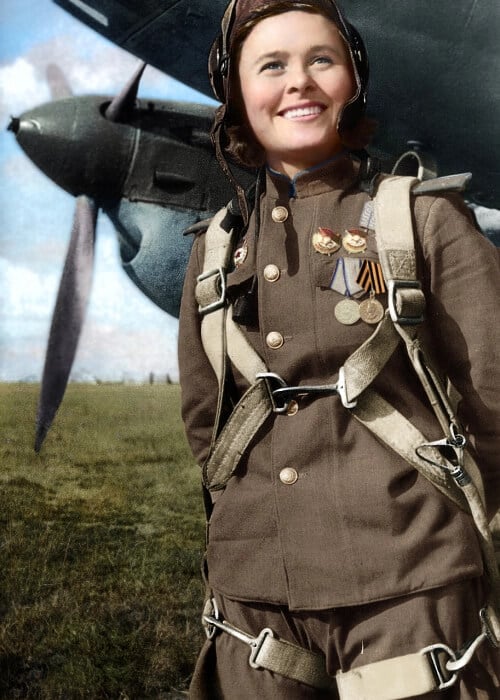
Marina Raskova, a celebrated Soviet navigator, used her fame to persuade Soviet leaders in 1941 to form three aviation regiments made up mainly of women. The best known, the 588th Night Bomber Regiment, flew slow wooden Polikarpov Po-2 biplanes on night raids against German positions.
German troops called them the Night Witches, reportedly because the pilots idled their engines and glided toward targets, making only a whooshing sound. The regiment flew tens of thousands of sorties during the war.
Raskova died in a crash in 1943, and many of her pilots received the Soviet Union’s highest honors.
Mariya Oktyabrskaya and Her Tank
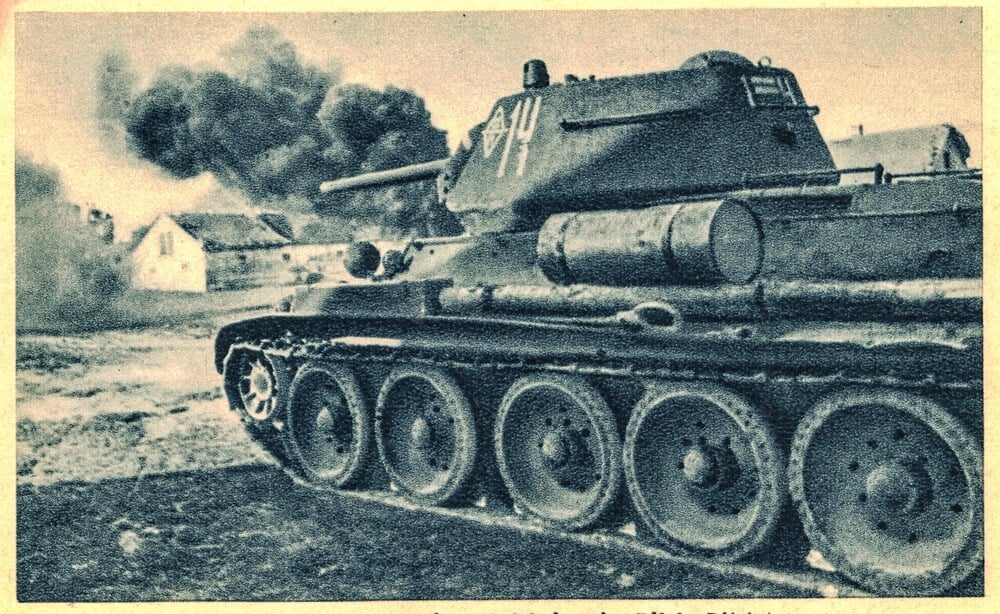
After Mariya Oktyabrskaya learned in 1943 that her husband had been killed fighting the Germans, she sold her belongings and donated the money to buy a T-34 tank for the Red Army. She asked to drive it herself.
The army agreed, and after training she went into combat as driver of the tank she named Fighting Girlfriend. She fought in several battles, at one point leaving the tank under fire to repair a damaged track.
She was mortally wounded in early 1944 and posthumously named a Hero of the Soviet Union, the first female tanker to receive the title.
Nancy Wake, the White Mouse
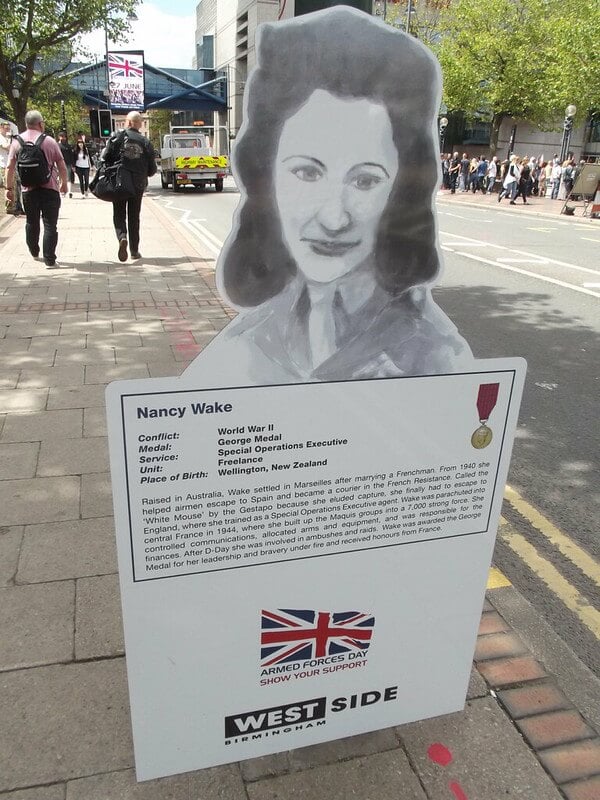
Nancy Wake, born in New Zealand and raised in Australia, helped Allied airmen escape from occupied France early in World War II, and the Gestapo reportedly nicknamed her the White Mouse for her ability to evade capture. After fleeing to Britain, she trained with the Special Operations Executive and parachuted back into France in 1944.
She helped organize and arm thousands of resistance fighters and once cycled hundreds of kilometers to restore lost radio contact. She received honors from Britain, France, the United States and Australia, making her one of the most decorated women of the war.
Virginia Hall, the Limping Lady

Virginia Hall, an American who had lost part of her left leg in a hunting accident, worked as a spy in occupied France for the British Special Operations Executive and later the American Office of Strategic Services. She walked on a wooden prosthetic leg she named Cuthbert.
The Gestapo reportedly considered her one of the most dangerous Allied spies in France. Hall organized resistance groups, arranged supply drops and helped prepare for the D-Day invasion.
In 1945 she received the Distinguished Service Cross, the only civilian woman so honored during World War II, and she later joined the CIA.
Noor Inayat Khan, Radio Operator
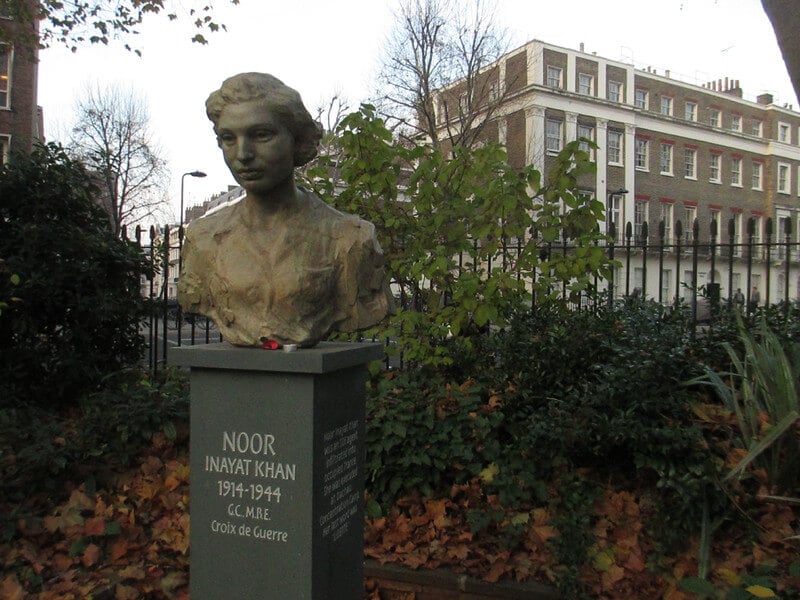
Noor Inayat Khan, a writer of children’s stories descended from Indian royalty, became the first female wireless operator sent into occupied France by the Special Operations Executive in June 1943. After a wave of arrests destroyed her network in Paris, she refused to return to Britain and kept transmitting alone for months.
She was betrayed, arrested and imprisoned, and refused to give her captors information. In September 1944 she was executed at Dachau.
Britain awarded her the George Cross in 1949, and in 2012 a memorial statue was unveiled in London’s Gordon Square.
Jacqueline Cochran and the WASP
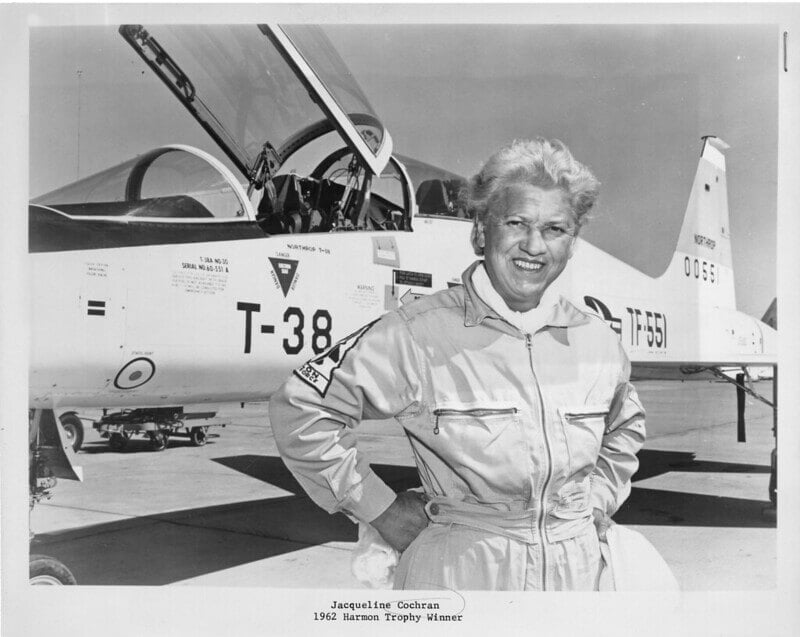
Jacqueline Cochran, a record-setting pilot, pushed the U.S. military to use women pilots during World War II. In 1943 she became director of the Women Airforce Service Pilots, known as WASP.
More than 1,000 women flew for the program, ferrying aircraft, towing targets for gunnery practice and testing planes, freeing male pilots for combat. Thirty-eight WASP died in service, and because they were classified as civilians, families often paid to bring their bodies home.
The pilots won veteran status in 1977 and a Congressional Gold Medal in 2009. Cochran later became the first woman to break the sound barrier, in 1953.
Grace Hopper, Rear Admiral of Code

Grace Hopper joined the Navy Reserve in 1943 and was assigned to Harvard, where she wrote code for the Mark I computer for wartime calculations. She went on to help develop COBOL, one of the first widely used computer languages, designed to read more like English than math.
The Navy repeatedly recalled her to active duty to standardize its computer systems and languages. When she retired in 1986 at age 79 as a rear admiral, she was the oldest commissioned officer on active duty in the Navy.
The guided missile destroyer USS Hopper bears her name.
Leigh Ann Hester’s Silver Star
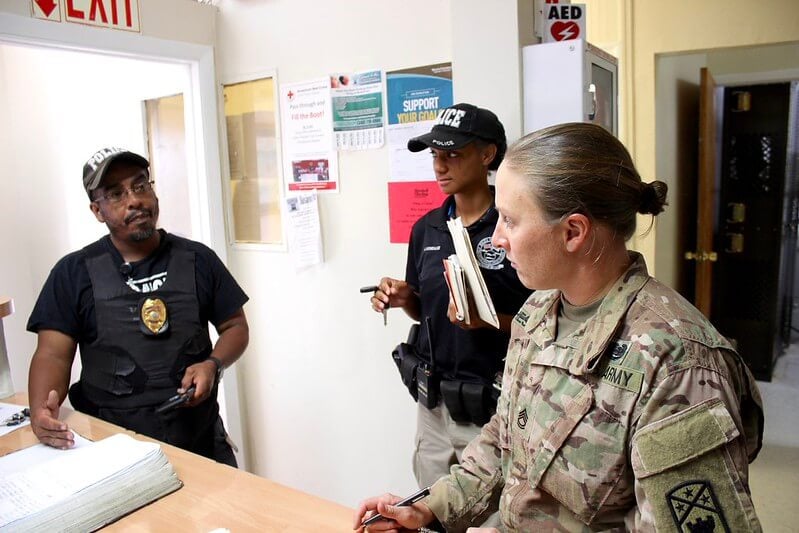
Sergeant Leigh Ann Hester of the Kentucky National Guard was leading a team escorting a supply convoy near Salman Pak, Iraq, on March 20, 2005, when insurgents ambushed it. Hester led her team in a counterattack, maneuvering through trenches and returning fire.
She received the Silver Star, the first awarded to a woman since World War II and the first ever to a woman for close combat action. Her actions came at a time when women were officially barred from ground combat units, and they strengthened the case for opening those roles to women across the services.
Ann Dunwoody, Four-Star General
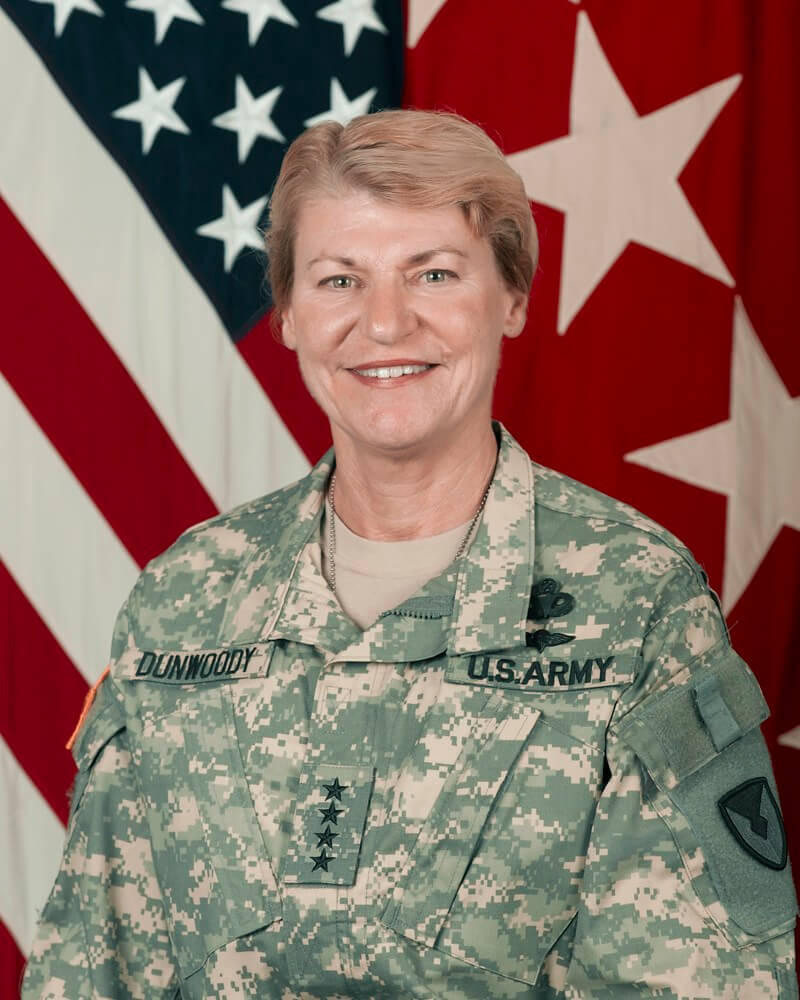
Ann Dunwoody became the first woman in U.S. military history to reach the rank of four-star general on November 14, 2008. A logistics officer who had joined the Army in 1975, she had earlier become the first woman to command a battalion in the 82nd Airborne Division.
As a four-star general, she led Army Materiel Command, overseeing a massive workforce responsible for equipping soldiers around the world. She retired in 2012.
Her promotion showed that women could reach the very top of military command, and several women have since earned four stars across the services.
Griest and Haver at Ranger School
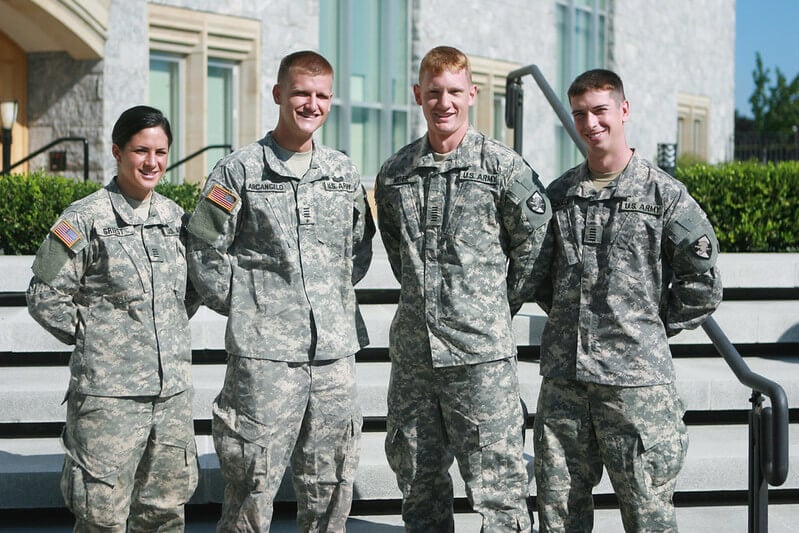
Captain Kristen Griest and First Lieutenant Shaye Haver became the first women to graduate from the Army’s Ranger School in August 2015, finishing one of the military’s most grueling training courses. The course tests soldiers through weeks of sleep deprivation, scarce food and patrols in woods, mountains and swamps.
Both women had to repeat phases before passing. Months later, in December 2015, the Pentagon opened all combat jobs to women.
In 2016, Griest became the Army’s first female infantry officer. Their achievement settled a long argument about whether women could meet the Army’s toughest standards.
Uniforms Were Only Part of the Story
Several women on this list fought in disguise, and several more fought without any official status at all. Their service was often recorded in footnotes, court records and pension disputes rather than in regimental histories.
Recognition, when it came, frequently arrived decades late or after death.
Taken together, their stories show that the line between the front and everything behind it was never as clear as official policy claimed. Women commanded fleets, ran spy networks, transformed military medicine and wrote code that modern militaries depend on.
The rules changed slowly, but the evidence had been there for centuries.
More from Go2Tutors!

- The Romanov Crown Jewels and Their Tragic Fate
- 13 Historical Mysteries That Science Still Can’t Solve
- Famous Hoaxes That Fooled the World for Years
- 15 Child Stars with Tragic Adult Lives
- 16 Famous Jewelry Pieces in History
Like Go2Tutors’s content? Follow us on MSN.