28 Campaign Buttons Collectors Pay Up For
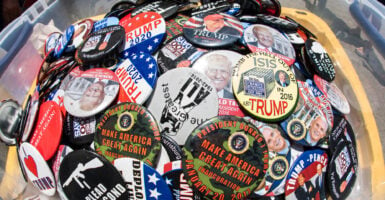
Campaign buttons were made to be worn for a few months and then tossed in a drawer the morning after the election. Most were produced by the hundreds of thousands and still sell for pocket change.
A small number were made in tiny runs, for losing tickets, for third parties or for a local rally, and those are the ones collectors chase for decades. The pattern is almost always the same.
Losers, short runs and odd sizes beat winners, big runs and familiar slogans.
Cox and Roosevelt 1920 Jugates
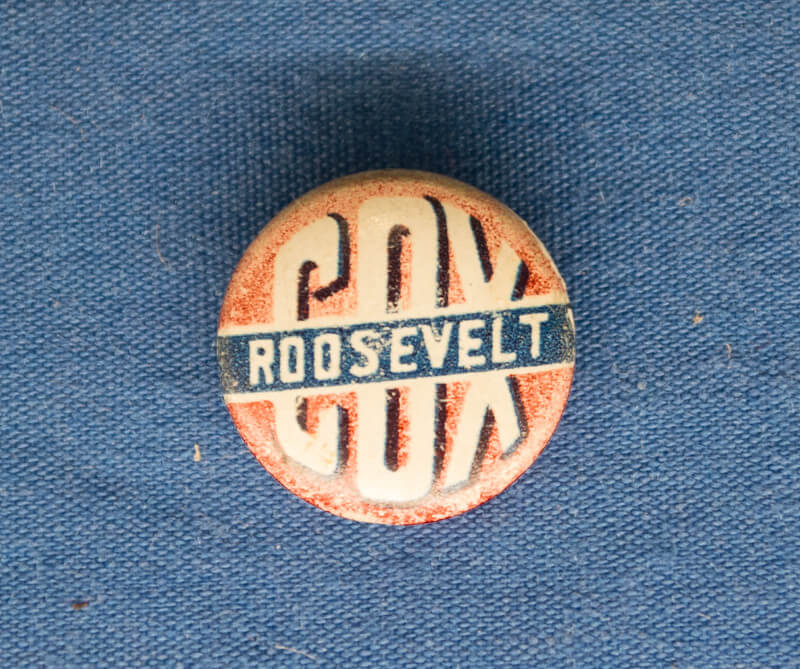
The 1920 Democratic ticket of James Cox and Franklin Roosevelt lost badly to Warren Harding, and very few buttons picturing the pair were made. Buttons showing both faces side by side are called jugates, and the Cox-Roosevelt jugate is the most famous button in the hobby.
A 1.25-inch example sold for 185,850 dollars at Hake’s in 2022, setting a record for any pinback. Even the more common 7/8-inch version goes for tens of thousands in strong condition.
Foxing, stains and cracks in the celluloid all cut value, though almost any genuine example sells.
Harding and Coolidge 1920 Jugates
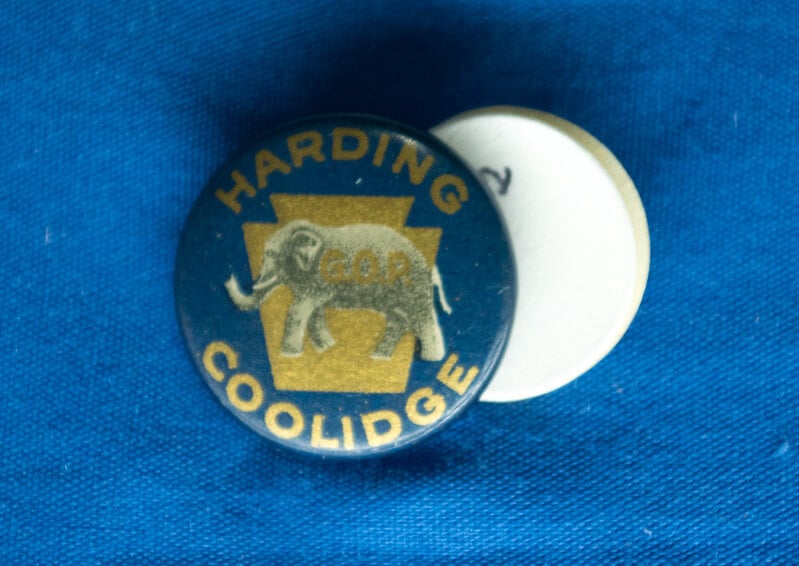
The winning side of the 1920 race is far easier to find, which makes the rare sizes all the more interesting. Most Harding buttons go for modest sums, but the larger jugates pairing Harding with Calvin Coolidge are scarce.
A 1.25-inch Harding-Coolidge jugate sold for 51,920 dollars at Hake’s in 2022, five times its high estimate. Smaller jugates go for hundreds to low thousands.
Collectors pay attention to the back paper, which identifies the maker. Discoloration and scratches on the celluloid reduce value, and a crisp image is essential.
Davis and Bryan 1924 Jugates
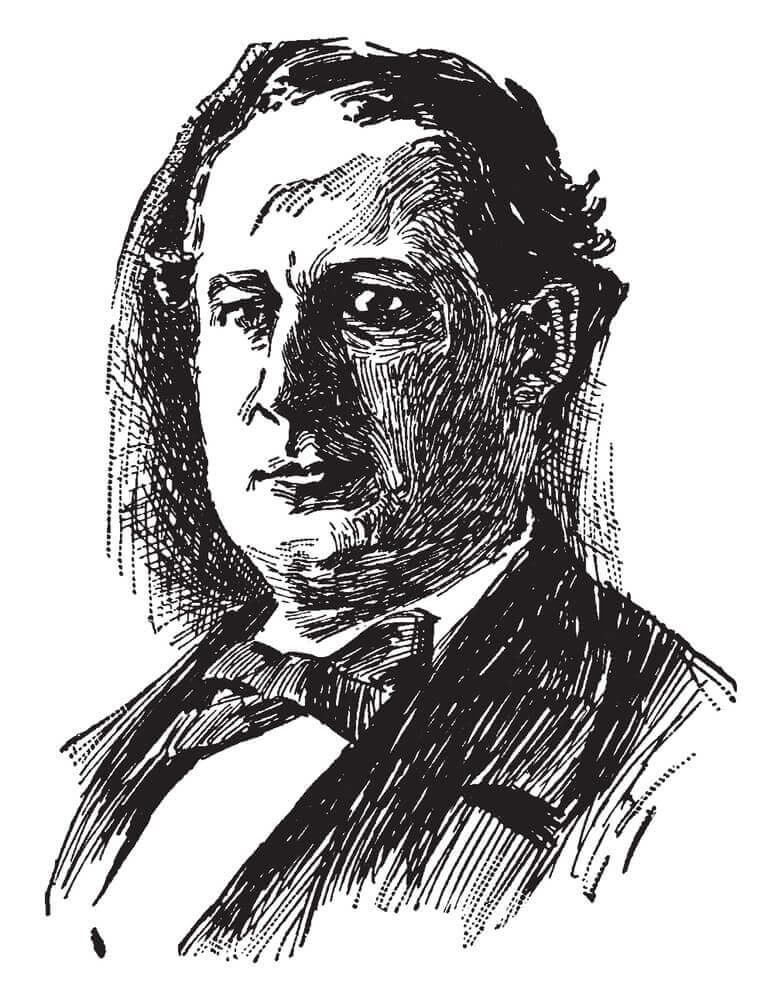
John W. Davis won the 1924 Democratic nomination on the 103rd round of voting at a deadlocked convention, then lost heavily to Coolidge. His running mate was Charles W. Bryan, brother of William Jennings Bryan.
Jugates of the pair are among the scarcest of the twentieth century, and good examples have sold for thousands of dollars. Single-portrait Davis buttons are more common but still draw interest.
Collectors watch for fading, since many surviving examples have lost contrast. The celluloid should be free from cracks and the portraits clear.
Lincoln 1860 Ferrotype Badges
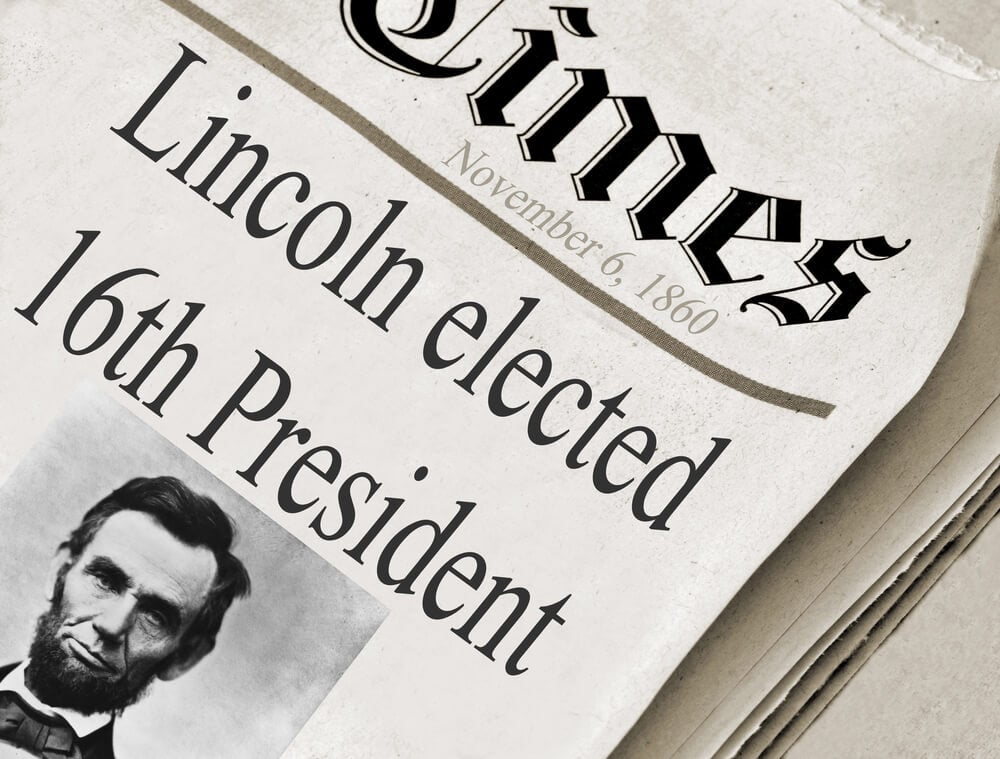
Before celluloid buttons existed, campaigns used ferrotypes, small tintype photographs set into stamped brass frames and pinned to a lapel or hung from a ribbon. The 1860 Lincoln ferrotypes often show a beardless Lincoln on one side and running mate Hannibal Hamlin on the reverse, since the beard came after the election.
Genuine examples have sold for thousands of dollars, with scarce frame styles going higher. Reproductions are common, so buyers study the brass stamping and the photographic surface closely.
Flaking emulsion and bent frames lower value, while a sharp image in bright brass is the ideal.
McKinley and Hobart 1896 Celluloids
The 1896 election was the first in which celluloid buttons were mass-produced, using a process patented that year by Whitehead and Hoag of Newark, New Jersey. William McKinley and Garret Hobart appeared on hundreds of designs.
Common McKinley buttons go for 10 to 50 dollars, but scarce jugates and elaborate designs go for hundreds and more. The 1896 dates make these buttons a milestone for collectors.
Foxing and moisture damage are common, and the back paper helps identify the maker. Clean, bright celluloid brings the best prices.
Bryan 1896 Free Silver Buttons
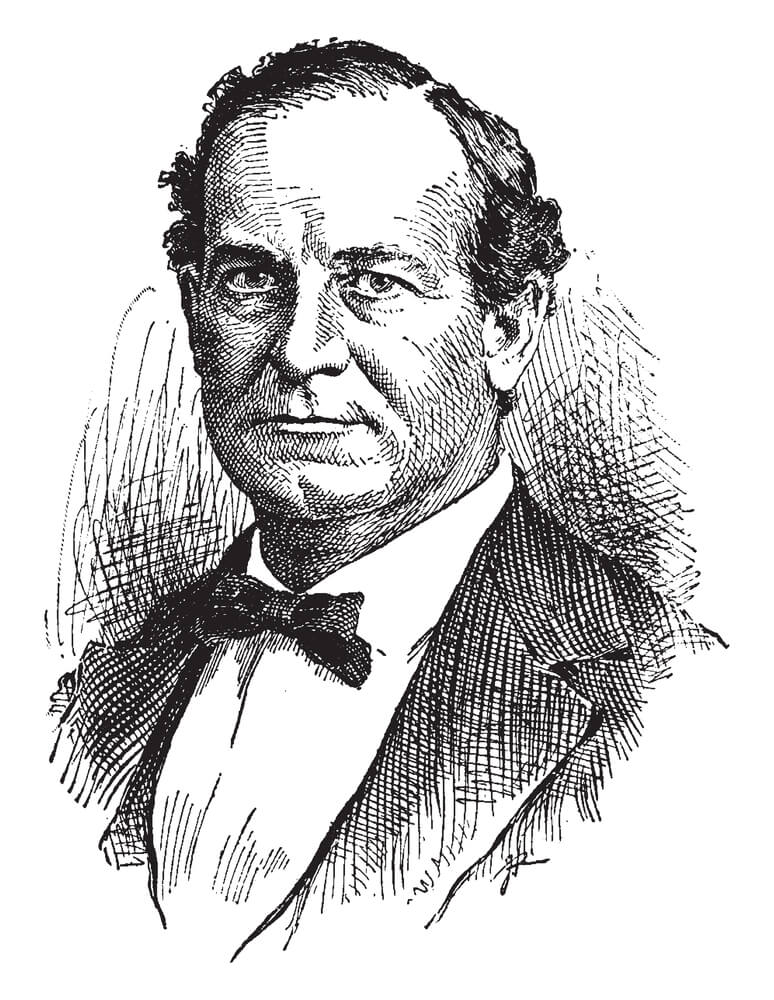
William Jennings Bryan ran on the promise of free silver coinage at a ratio of 16 to 1 against gold, and his buttons repeat the slogan in dozens of designs. Many show silver bugs or the ratio in large type.
Common Bryan buttons go for 10 to 50 dollars. Scarce designs and jugates with Arthur Sewall go for hundreds.
The silver ratio theme is a favorite with collectors of monetary history. Condition matters, since many buttons show foxing, and the slogan should be clearly legible.
Parker and Davis 1904 Jugates
Alton Parker, a New York judge, ran against Theodore Roosevelt in 1904 with Henry G. Davis of West Virginia, who was about 80 years old and remains the oldest major-party vice-presidential nominee in American history. The ticket lost by a wide margin, and money for campaign material was tight.
Parker-Davis jugates go for hundreds to low thousands of dollars, while single Parker buttons sell for less. Many designs use flags, eagles and shields in strong color.
Foxing, scratches and cracked celluloid reduce value, and collectors want both portraits clear enough to recognize at a glance.
Theodore Roosevelt Bull Moose Buttons
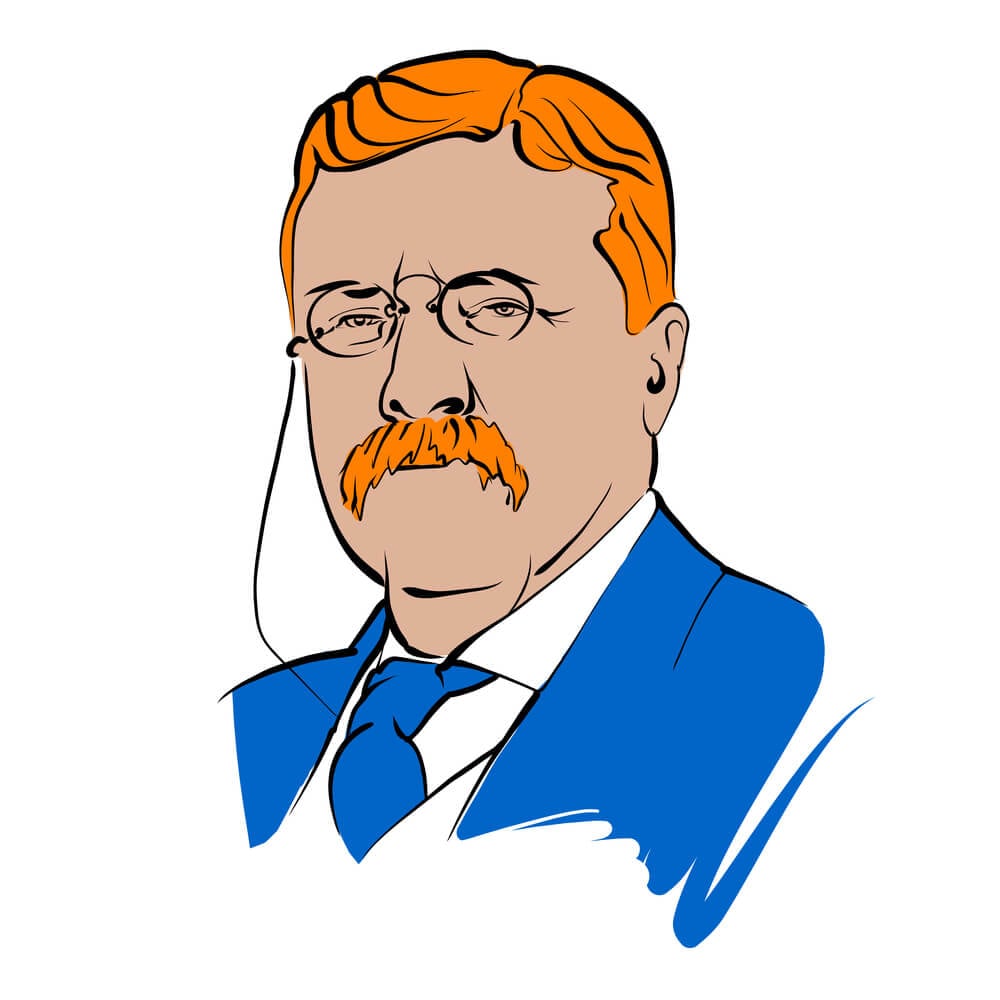
In 1912 Theodore Roosevelt broke with the Republicans and ran as the Progressive candidate, a campaign nicknamed the Bull Moose after he told reporters he felt as strong as one. Buttons featuring a moose, Roosevelt’s portrait or both are steady sellers.
Common designs go for 20 to 100 dollars, while jugates with running mate Hiram Johnson and elaborate moose designs go for hundreds or more. The third-party effort finished second, ahead of the incumbent Taft, a result no third party has matched since.
Faded, stained or scratched buttons sell well below clean ones.
Debs and Hanford Socialist Jugates
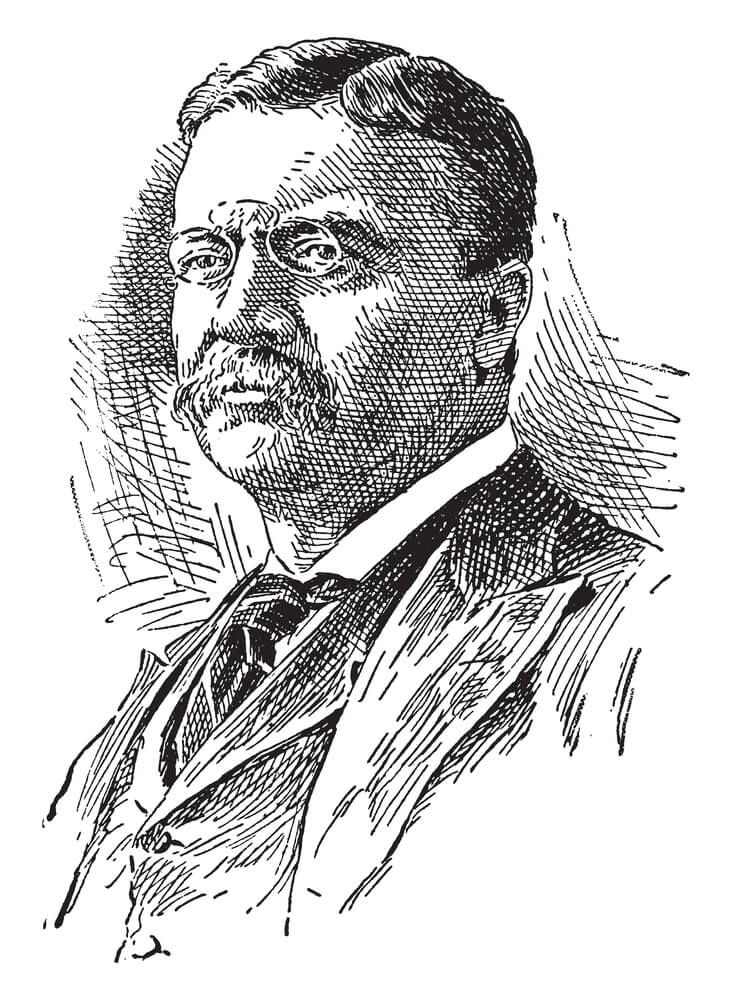
Eugene V. Debs ran for president five times as a Socialist, and his 1904 and 1908 campaigns paired him with Benjamin Hanford, a New York printer and union activist. Socialist buttons came from a party with very little money, so they were produced in small numbers and worn by working people who rarely saved anything.
Debs-Hanford jugates have sold for thousands of dollars in good condition. Designs often feature a handshake, a torch or the globe.
Collectors of labor history pay the most, and foxing, cracks or blurred portraits pull the price down sharply.
Debs Convict No. 9653 Buttons
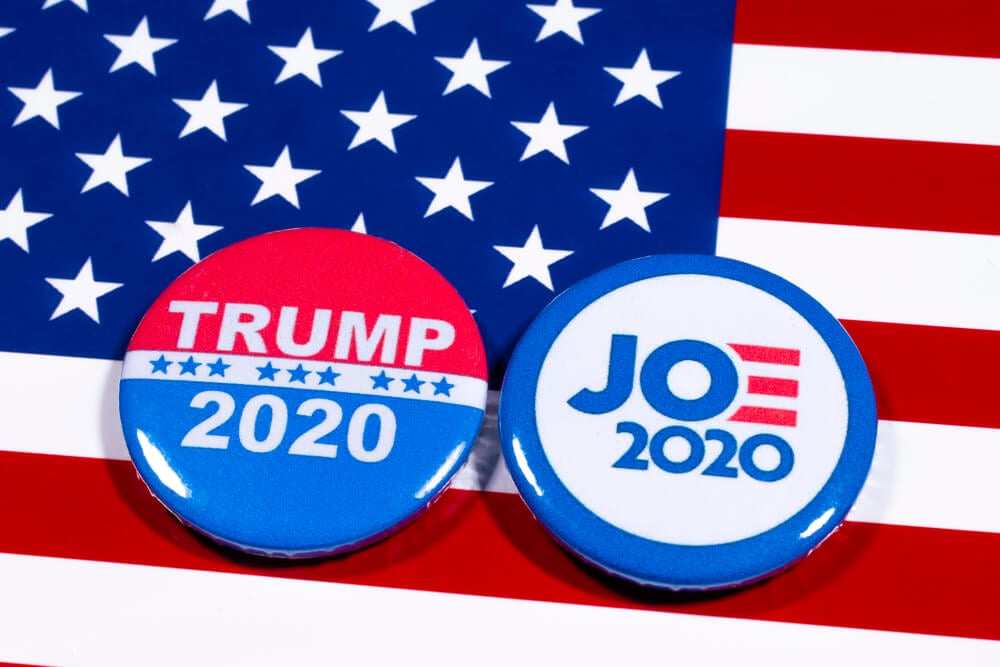
In 1920 Debs ran for president from the federal penitentiary in Atlanta, where he was serving a sentence for a speech opposing American involvement in World War One. His campaign buttons carried his prison number, 9653, and he still drew close to a million votes.
These buttons are scarce and go for hundreds or even thousands of dollars depending on design. Some show Debs behind bars, others simply print the number.
Few campaign items tell a stranger story, which keeps demand strong. Heavy wear, rust on the back and cracked celluloid all reduce value.
Taft and Sherman Jugates
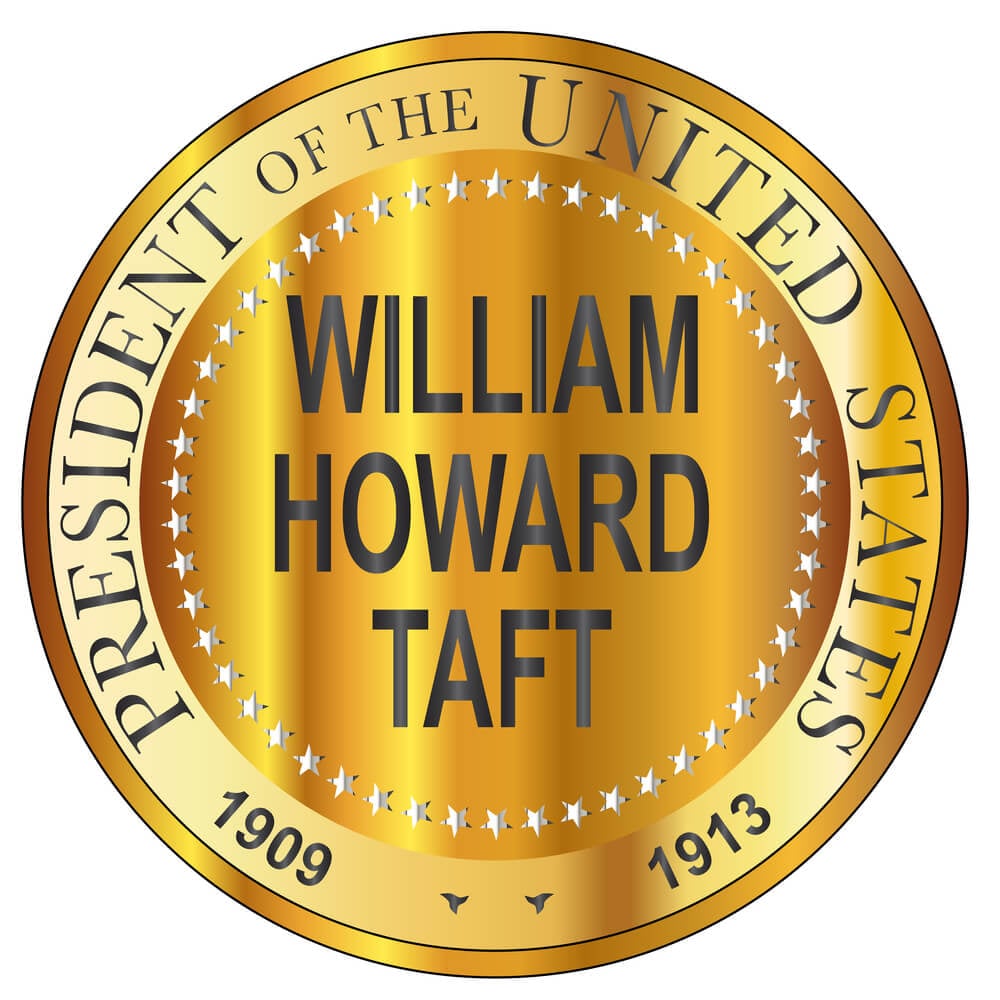
William Howard Taft and James Sherman won in 1908 and were renominated together in 1912. Sherman died on October 30, 1912, less than a week before the election, leaving the Republican ticket without a living vice-presidential candidate.
Jugates from both campaigns are collected, and the 1912 buttons carry that odd footnote with them. Common Taft buttons go for 20 to 80 dollars, while scarce jugates go for hundreds.
Collectors favor large sizes and colorful designs. Stains and cracks in the celluloid lower value, and the back paper helps confirm the maker and period.
Wilson and Marshall 1912 Jugates
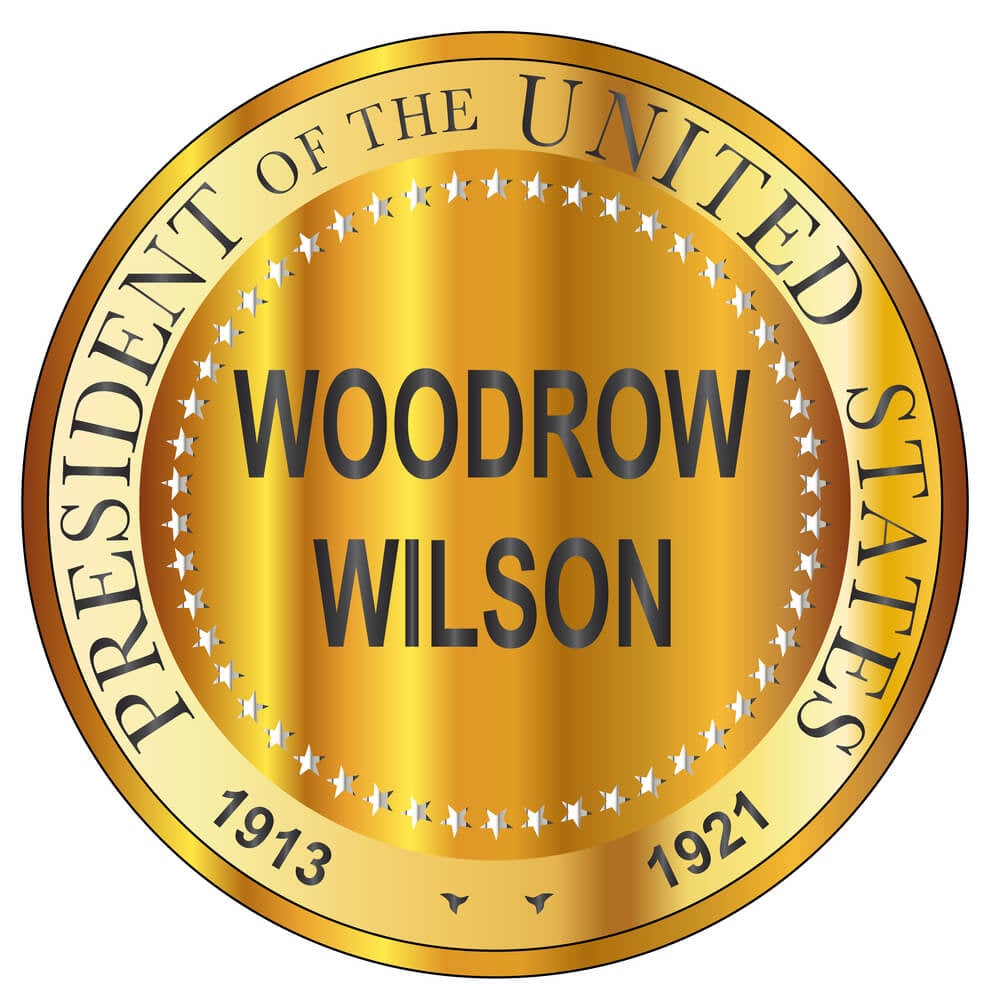
Woodrow Wilson and Thomas Marshall won the three-way race of 1912 against Taft and Roosevelt, and their jugates are harder to find than the result might suggest. Much of the button money that year went to the Progressive and Republican camps.
Wilson-Marshall jugates go for hundreds of dollars, while single-portrait Wilson buttons sell for much less. Collectors favor designs with patriotic shields and bold lettering.
Many surviving examples have faded to a pale brown tone, and those sell at a discount. Bright contrast and clean celluloid are what buyers look for first.
Hughes and Fairbanks 1916 Jugates
Charles Evans Hughes resigned from the Supreme Court to run against Wilson in 1916, and he lost after California broke for Wilson by a few thousand votes. His running mate, Charles Fairbanks, had already served as vice president under Theodore Roosevelt.
Hughes-Fairbanks jugates go for hundreds of dollars, and the larger sizes go for more. A narrow loss tends to make a campaign more interesting to collectors, and this one is no exception.
Buttons with foxing or scratched portraits sell for less, while bright examples with intact back papers bring the most.
La Follette and Wheeler 1924 Progressive Buttons
Robert La Follette ran as a Progressive in 1924 with Burton Wheeler, carrying only his home state of Wisconsin but winning about a sixth of the popular vote. Third-party buttons were made in small numbers, and La Follette-Wheeler jugates are scarce.
Good examples have sold for hundreds to low thousands of dollars. Single La Follette buttons go for less.
Collectors of Progressive history pay the most. Condition matters here as everywhere, and the portraits should be clear, the celluloid free from cracks and the back paper intact.
Al Smith Brown Derby Pins
Al Smith, the Democratic nominee in 1928 and the first Catholic major-party candidate, was known for his brown derby hat. His campaign produced buttons and mechanical pins shaped like the derby, and they are a collector favorite.
Common Smith buttons go for 10 to 50 dollars, while figural derby pins and scarce jugates with Joseph Robinson go for hundreds. The campaign lost badly to Herbert Hoover, which is part of the appeal.
Worn paint on derby pins and cracked celluloid lower value, and bright examples sell quickly.
Who but Hoover Buttons
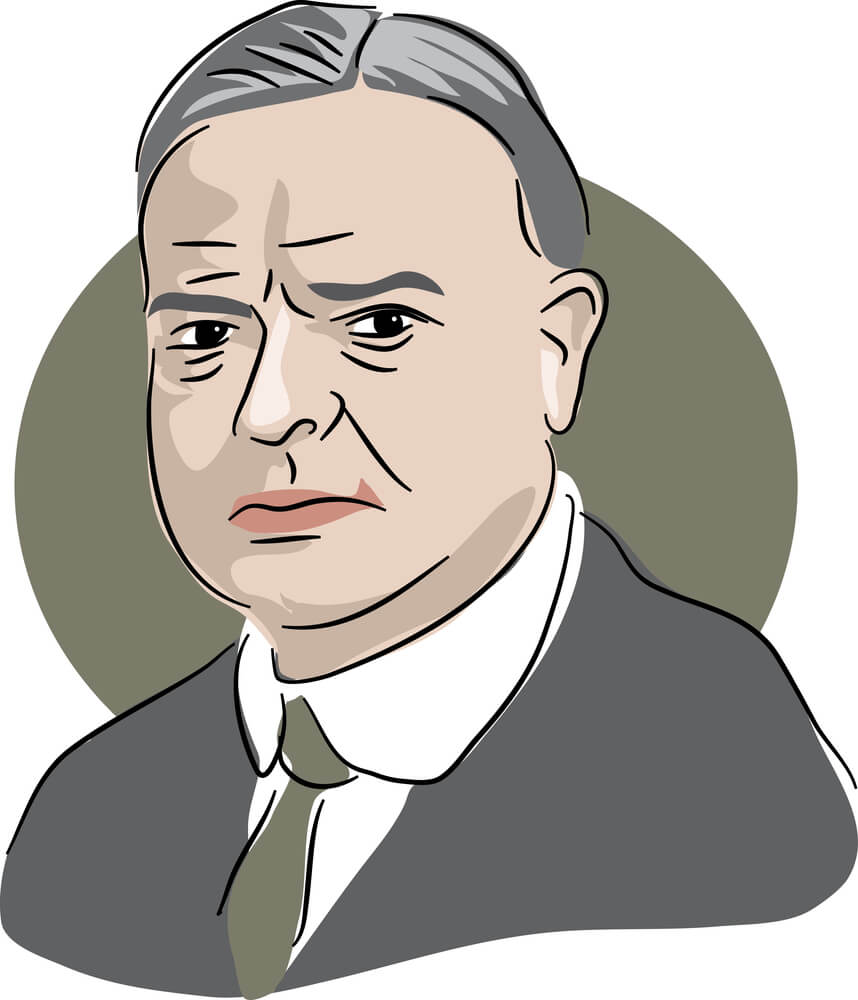
Herbert Hoover’s 1928 campaign used the slogan Who but Hoover, and buttons carrying the phrase are familiar to anyone who browses political memorabilia. Hoover won easily in 1928 and lost badly in 1932, so his buttons come from both a triumph and a collapse.
Common designs go for 10 to 40 dollars, while scarce jugates with Charles Curtis go for hundreds. Buttons from the 1932 defeat are generally harder to find than those from 1928, since enthusiasm and budgets had shrunk.
Foxing and fading lower value, and bright, crisp designs bring the best prices.
Roosevelt and Garner 1932 Jugates
Franklin Roosevelt and John Nance Garner won in 1932, and their jugates were produced in large numbers, so common examples go for 20 to 60 dollars. The scarce designs are the ones collectors chase, including larger sizes and those with unusual graphics or local maker marks.
Rare Roosevelt-Garner jugates have sold for hundreds and more. The 1936 jugates with Garner are also collected.
Condition matters, and collectors check for fading, since many buttons from the Depression era were made cheaply and have not aged well.
Landon Sunflower Pins
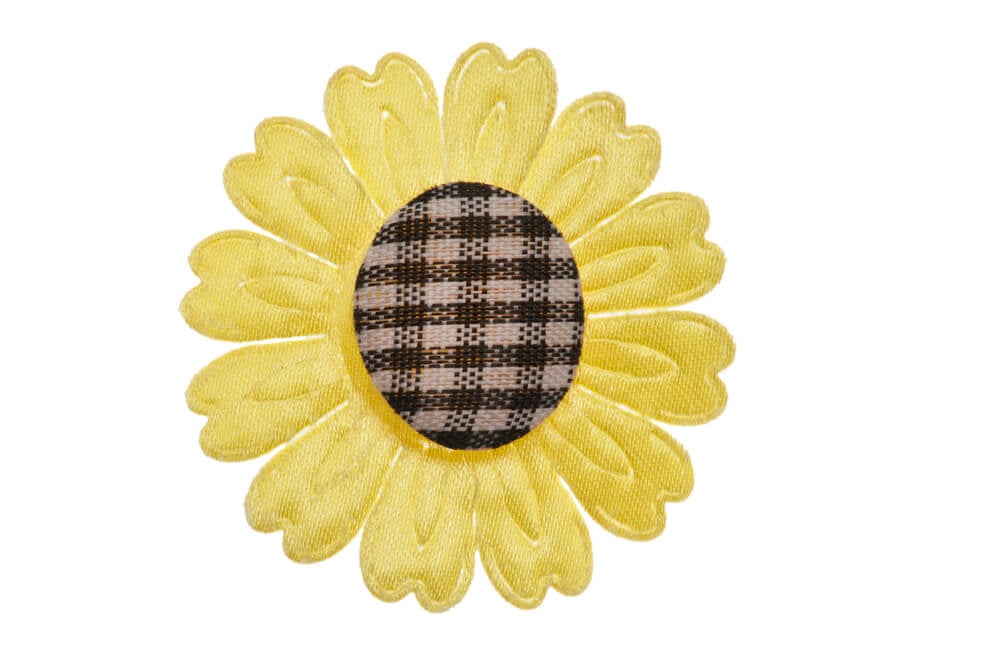
Alf Landon, the Kansas governor who ran against Roosevelt in 1936, used the sunflower, the Kansas state flower, as his campaign symbol. His supporters wore felt and metal sunflower pins in huge numbers.
Common pins go for 5 to 30 dollars, while scarce jugates with Frank Knox and unusual designs go for more. Landon carried only Maine and Vermont.
The sunflower pins are a colorful part of any collection, but felt petals fade and fray, and metal versions show paint loss. Crisp examples sell best.
Willkie and No Third Term Buttons
Wendell Willkie ran against Roosevelt in 1940, and his campaign produced one of the largest button outputs in history, including hundreds of slogans attacking Roosevelt’s bid for a third term. Some were funny, some were bitter, and a few were barely comprehensible.
Common Willkie buttons go for a few dollars, since so many survive. Scarce slogans and jugates with Charles McNary go for more, sometimes hundreds.
Because clean examples are easy to find, buyers are picky about flaws, and rusted backs or scratched faces make a common slogan nearly unsellable.
Truman and Barkley 1948 Jugates
Harry Truman’s 1948 campaign was widely expected to lose, and relatively few buttons were made for his ticket with Alben Barkley. His upset win over Thomas Dewey turned those scarce jugates into prizes.
Truman-Barkley jugates go for thousands of dollars in good condition, and single Truman buttons, while more common, still draw strong interest. The famous early newspaper headline declaring Dewey the winner helps sell the full story.
Reproductions exist, so buyers check the printing and back paper. Foxing and cracks lower value, and both portraits should be clear.
Eisenhower and Nixon Jugates
Dwight Eisenhower’s 1952 and 1956 campaigns produced enormous numbers of buttons, many repeating the familiar Like Ike slogan in every size and color. Common Eisenhower buttons go for a few dollars, but scarce jugates with Richard Nixon, unusual sizes and local coattail designs go for hundreds.
The sheer volume of material means collectors can be selective, and many specialize in foreign-language or union-issued variations. Buttons with clean surfaces, bright colors and no rust on the back bring the best prices, and reference catalogs help separate scarce designs from common ones.
Kennedy and Johnson 1960 Jugates
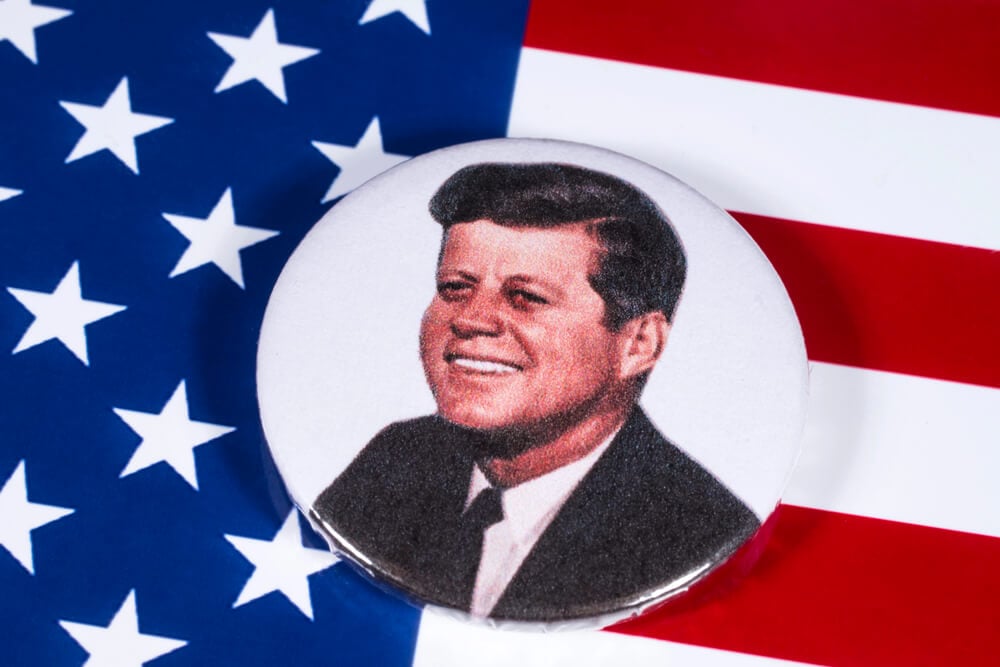
John Kennedy’s 1960 campaign produced fewer buttons than many people expect, and Kennedy-Johnson jugates are worth more than most modern campaign buttons as a result. Common designs go for 20 to 100 dollars, while scarce sizes and graphics go for hundreds.
Demand for Kennedy material has stayed strong for decades, and his assassination in 1963 turned the 1960 campaign into a memorial for many collectors. Reproductions are common, so buyers check back markings and printing dots.
Scratches, stains and rust on the back lower value.
Goldwater AuH2O Buttons
Barry Goldwater’s 1964 campaign used the chemical symbols for gold and water, AuH2O, on buttons, bumper stickers and even a canned soft drink. The pun made the buttons instantly recognizable, and they were produced in large numbers.
Common examples go for 5 to 20 dollars, while scarce designs and jugates with William Miller go for more. Goldwater lost in a landslide to Lyndon Johnson, carrying only six states.
Because bright, clean examples are easy to find, collectors pay a premium only for rare variations and for buttons with intact original paper backs.
Robert Kennedy 1968 Buttons
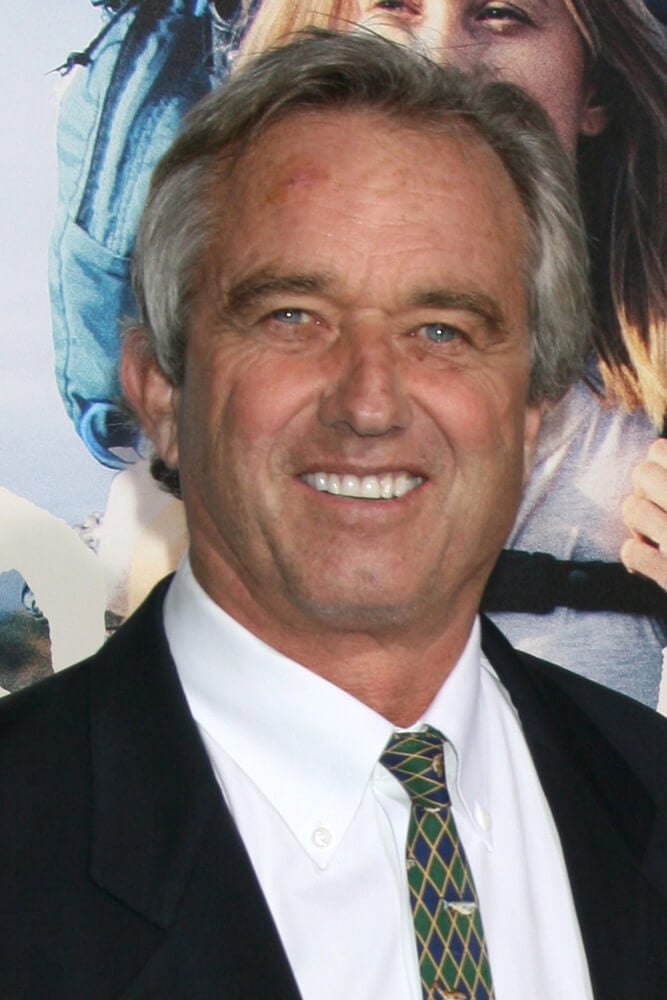
Robert Kennedy entered the 1968 Democratic race in March and was shot in June, just after winning the California primary. His buttons come from a campaign that lasted less than three months, and some designs were made only for a single state primary.
Common examples go for 10 to 50 dollars, while scarce designs and local buttons go for hundreds. Memorial buttons made after his death are common and are often mistaken for campaign pieces.
Buyers study the maker marks to tell them apart, and scratches or fading lower value.
McGovern and Eagleton 1972 Buttons
George McGovern chose Missouri senator Thomas Eagleton as his running mate in 1972, but Eagleton left the ticket after 18 days when it emerged that he had received treatment for depression. Buttons naming both men were made for that brief window before Sargent Shriver replaced him.
McGovern-Eagleton buttons go for 20 to 100 dollars, with scarce designs going for more. The short run makes them a classic story at any show.
Buttons with bright colors and clean surfaces sell best, while scratched or rusted examples draw little interest.
Shirley Chisholm Unbought and Unbossed Buttons
Shirley Chisholm ran for the Democratic nomination in 1972, the first Black woman to seek a major-party presidential nomination, and the first Black woman elected to Congress four years earlier. Her slogan, Unbought and Unbossed, appeared on buttons made in modest numbers by a campaign with little funding.
Examples go for 50 to 300 dollars, with scarce designs going higher. Interest in her campaign has grown steadily as her place in history has become better known.
Reproductions exist, so buyers check maker marks, and bright, clean examples sell fastest.
Votes for Women Suffrage Buttons
Suffrage buttons from the 1900s and 1910s often used a yellow background and the slogan Votes for Women, since yellow was a color adopted by the American suffrage movement. Suffrage organizations sold or handed out these buttons at rallies and parades, and many were worn until they cracked.
Examples go for 50 to 300 dollars, with scarce designs and state-specific buttons going higher. Collectors of women’s history pay the most.
Reproductions are common, so buyers check back markings and the printing, and faded yellow or cracked celluloid lowers value.
Coattail Buttons With Local Candidates
Coattail buttons pair a presidential candidate with a local candidate for Congress, governor or another office, hoping the top of the ticket will pull the rest along. They were made in small numbers for specific races and specific towns, which makes most of them scarce.
Kennedy coattail buttons from 1960 are among the most valuable modern buttons, going for hundreds to thousands of dollars. Collectors often specialize in a single state and hunt its coattails for years.
A legible local name, a clean surface and an intact back paper all add value.
Losing Tickets Make Better Collections

Campaign buttons follow a backward logic. Winning campaigns had the money to print buttons by the million, so their material is common, while losing tickets, third parties and brief campaigns produced the scarce pieces.
Collectors end up paying the most for the candidates history was quickest to forget.
Authenticity matters as much as rarity. Reproductions have been made for decades, some sold as souvenirs and some made to deceive, so buyers study back papers, maker marks and printing dots before they bid.
The buttons that hold value combine a real story with a clean surface, and that combination is rarer than any single campaign.
More from Go2Tutors!

- The Romanov Crown Jewels and Their Tragic Fate
- 13 Historical Mysteries That Science Still Can’t Solve
- Famous Hoaxes That Fooled the World for Years
- 15 Child Stars with Tragic Adult Lives
- 16 Famous Jewelry Pieces in History
Like Go2Tutors’s content? Follow us on MSN.