28 Candy Bars That Quietly Disappeared from Store Shelves
There’s a particular kind of grief that nobody talks about — the kind where you reach for something on a store shelf and it simply isn’t there anymore. Not moved to a different aisle, not rebranded, not hiding behind a new wrapper.
Just gone. Candy bars occupy a strange place in memory: they’re tied to gas station stops on road trips, Halloween hauls dumped across the living room carpet, vending machines in school hallways that smelled like floor wax.
Some of these bars were beloved. Some were deeply weird.
Most of them deserved better than the quiet exit they got.
Clark Bar
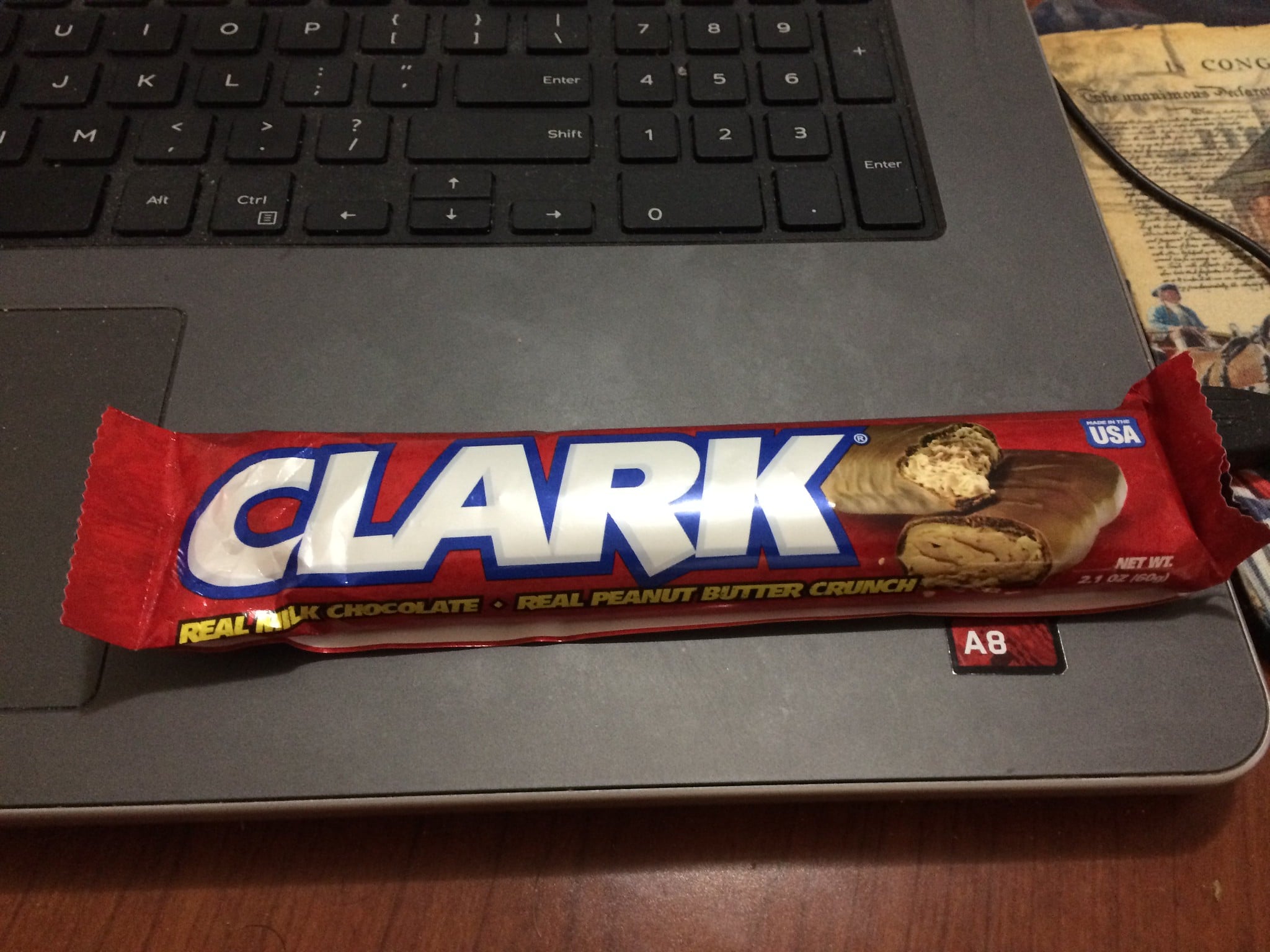
Clark Bars had a crunch that was genuinely its own thing — peanut butter toffee layered under milk chocolate, made by a Pittsburgh company since 1917. The brand stumbled through multiple ownership changes before the original manufacturer, Boyer Candy, shut it down in 2018.
A brief revival followed, but it never quite recovered its former shelf presence.
Hershey’s S’mores Bar
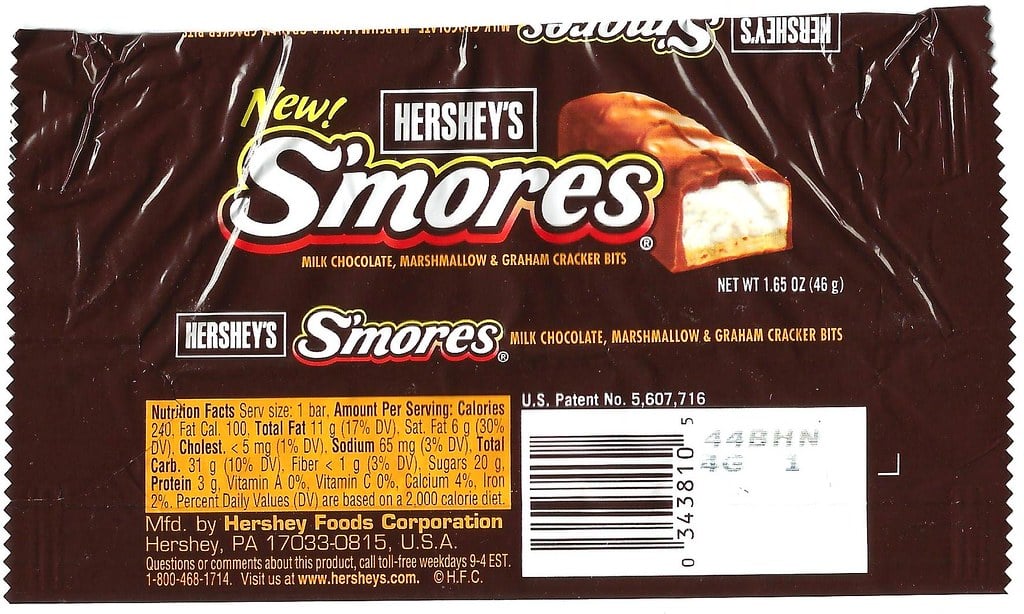
This one was almost insultingly good, and somehow it still disappeared. Hershey’s launched it in the early 2000s with layers meant to mimic the campfire classic — graham cracker pieces, marshmallow, and milk chocolate packed into a single bar.
It vanished without a formal announcement, which is exactly how the best candy bars always seem to go.
Nestlé Wonderball
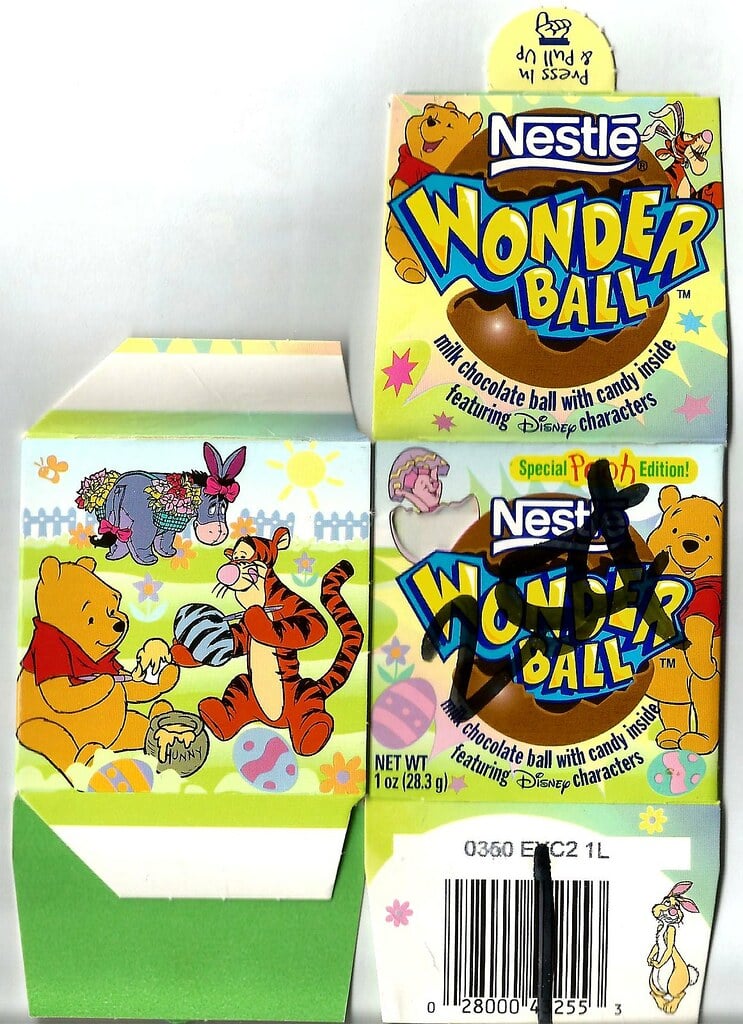
The Wonderball (which replaced the older Magic Orb after legal trouble over candy figures inside chocolate) was a hollow chocolate sphere with tiny candy pieces rattling around inside — and the whole concept was bizarre in the most appealing way. Kids adored it, and that, along with some regulatory scrutiny over choking hazards, sealed its fate sometime in the mid-2000s.
So it left: not with a bang, but with the soft thud of an empty cardboard display.
Marathon Bar
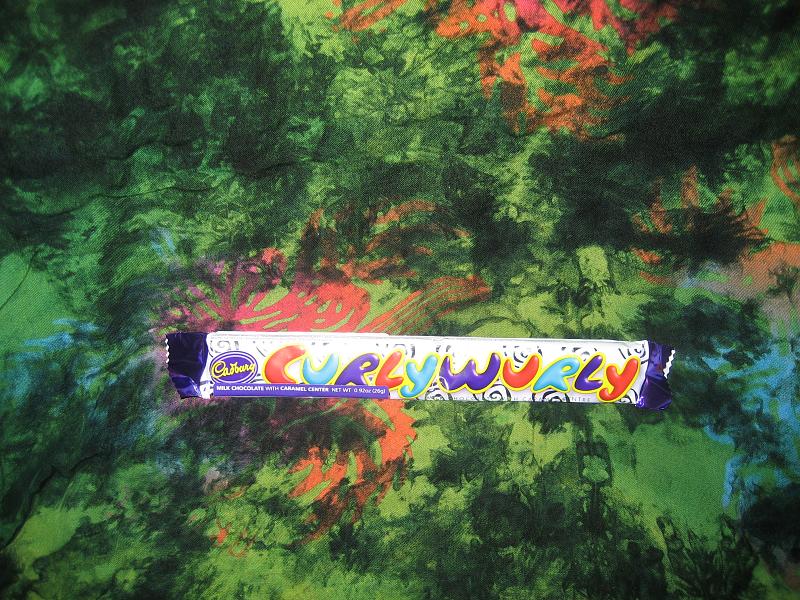
The Marathon Bar was braided caramel coated in milk chocolate, and it came with a ruler printed on the wrapper because it was genuinely about eight inches long — a detail that now feels almost defiantly eccentric for a candy bar. Mars discontinued it in 1981 in the United States, though it survived overseas under the Curly Wurly name.
That name, to be fair, is arguably worse.
Reggie! Bar
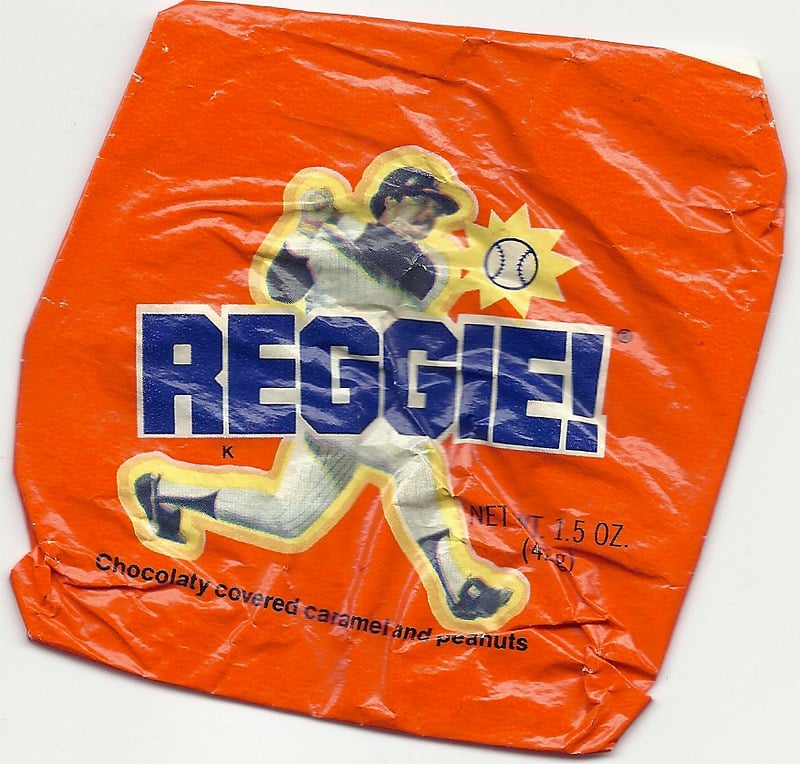
Named for Yankees slugger Reggie Jackson, this bar — a round disc of caramel and peanuts covered in chocolate — was a genuine sports marketing novelty when it debuted in 1976. It sold well, disappeared, came back, disappeared again for good by the late 1980s.
The Reggie! Bar had the kind of brief, bright arc that felt fitting for the man it was named after.
Choco’Lite
Nestlé’s Choco’Lite leaned into the aerated chocolate trend with a bar full of tiny air pockets, giving it a texture lighter than standard milk chocolate — almost like biting into a chocolate cloud that had started to solidify. It was positioned as a lighter option, which in the 1970s was a more novel selling point than it sounds.
The bar disappeared around 1980, leaving behind only the memory of that oddly satisfying crunch-that-wasn’t-quite-a-crunch.
PB Max
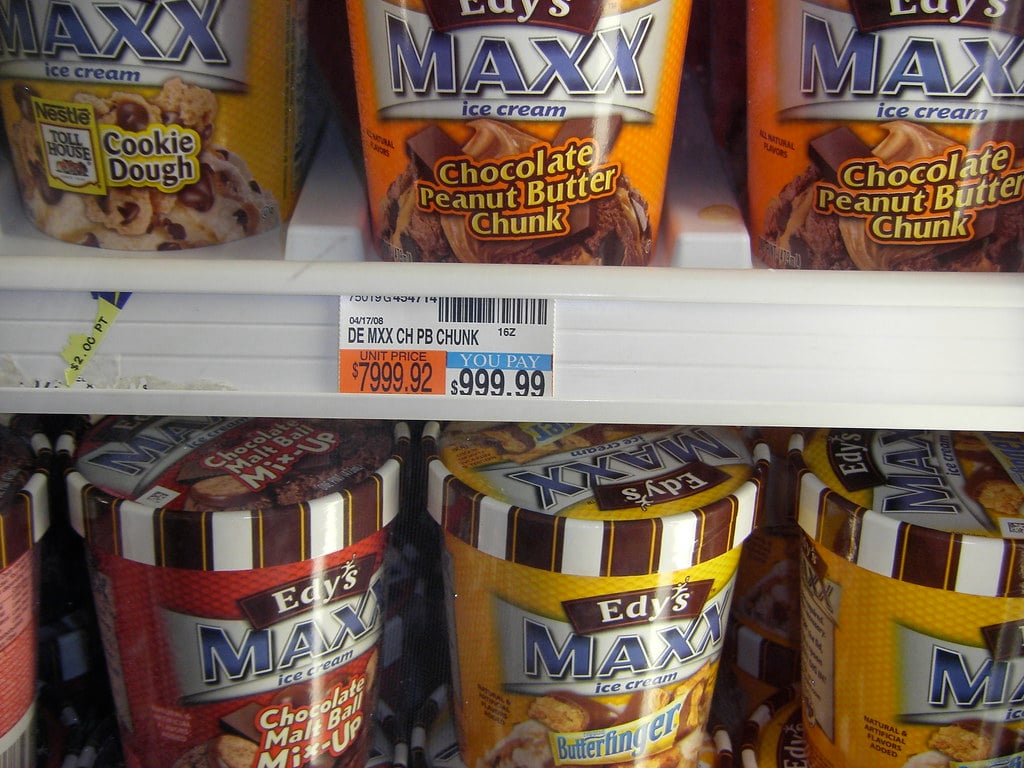
PB Max is probably the most notorious disappearing act on this list. Launched by Mars in 1989, it was a thick cookie base loaded with peanut butter and covered in milk chocolate — and it reportedly sold around $50 million worth in its first year.
Mars pulled it anyway, allegedly because the Mars family didn’t personally like peanut butter. Turns out a candy bar’s survival can depend on the preferences of a single family.
Hershey’s Swoops
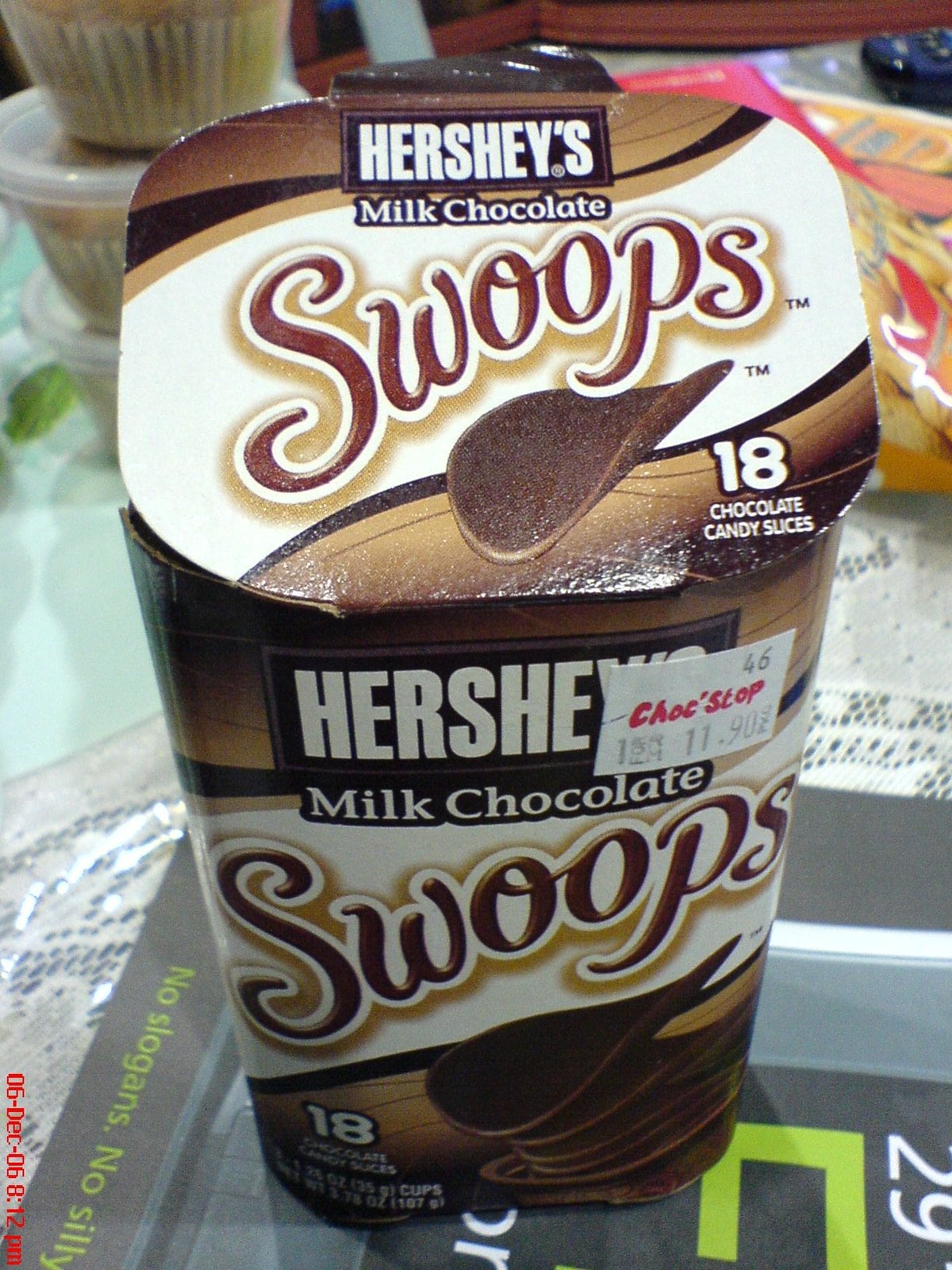
Swoops were thin, curved wafers of flavored chocolate shaped to resemble a Pringle — because apparently someone at Hershey’s looked at a chip and thought “what if this were dessert.” They launched in 2003 in flavors including Reese’s and York Peppermint Pattie, and they genuinely worked as a concept.
They were discontinued by 2006, which remains one of the more puzzling short runs in recent candy history.
Summit Bar
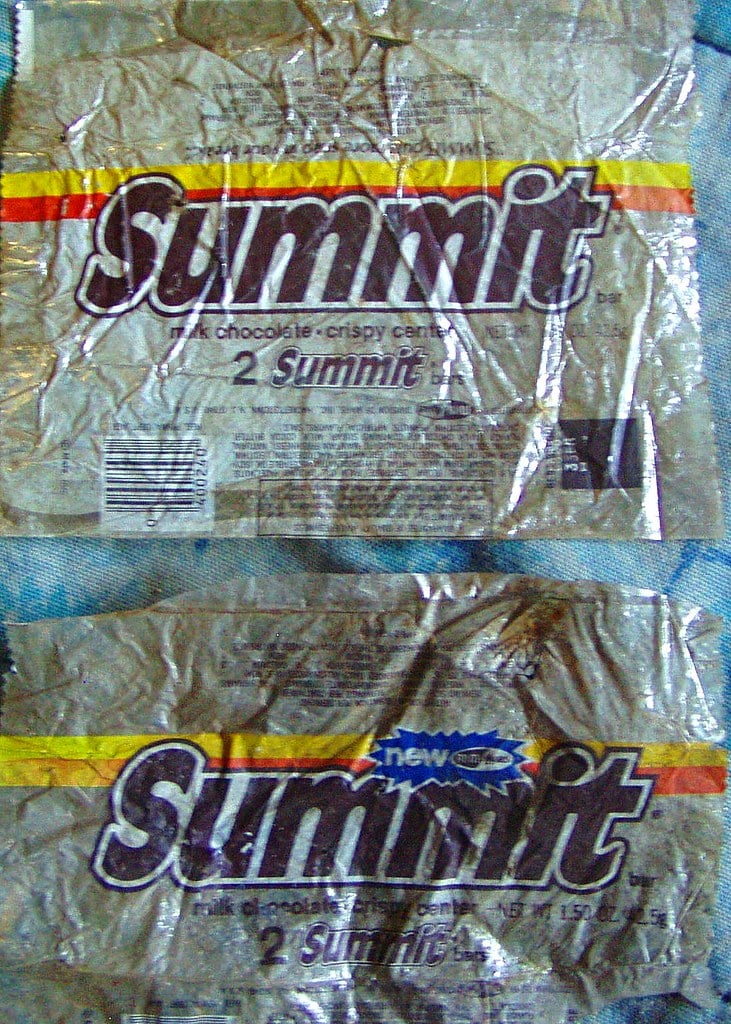
Summit was a layered bar of caramel, peanuts, and wafers covered in chocolate, made by Mars in the 1970s and 1980s, and it occupied the same shelf space as better-known competitors without ever quite breaking through. It disappeared quietly, the way middle children sometimes do — present, solid, unremarkable enough to be overlooked and then missed.
Nestlé Triple Decker
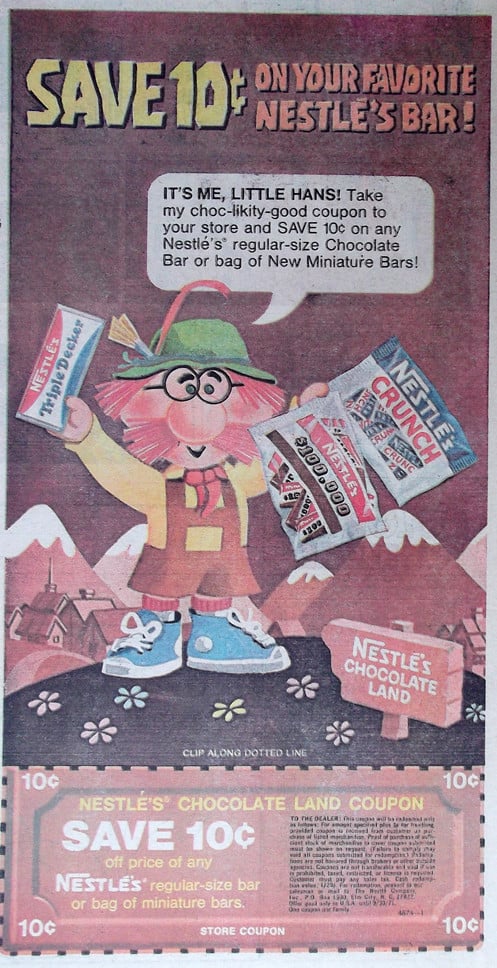
Three flavors of chocolate in one bar — milk, dark, and white — stacked together in a single piece. The Triple Decker was more of a novelty than a staple, and novelties have a short shelf life when they’re competing against bars with decades of brand loyalty behind them.
It came and went fast enough that some people genuinely aren’t sure whether they actually tried it or just imagined it.
Hollywood Bar
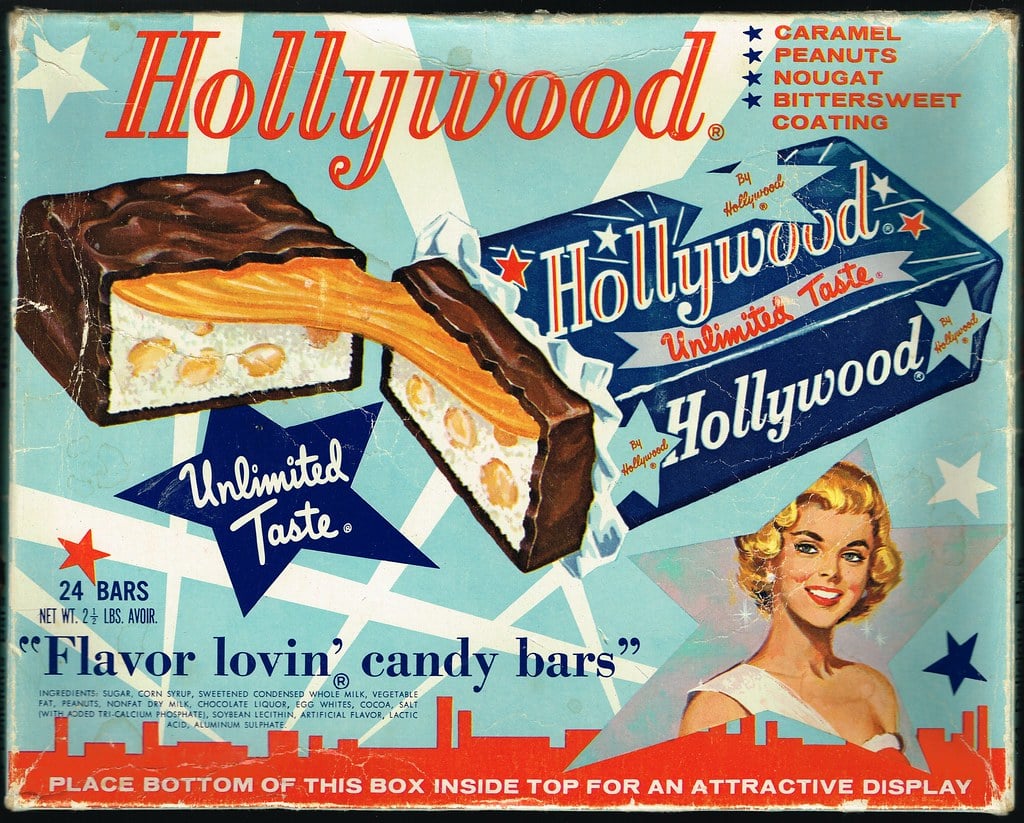
This was the original layered candy bar in many respects — caramel, peanuts, and wafers coated in chocolate, made by Holloway and later absorbed into other brand portfolios. It predated a lot of its imitators but never managed to outlast them.
Some products carry the misfortune of arriving first and getting remembered last.
Bar None
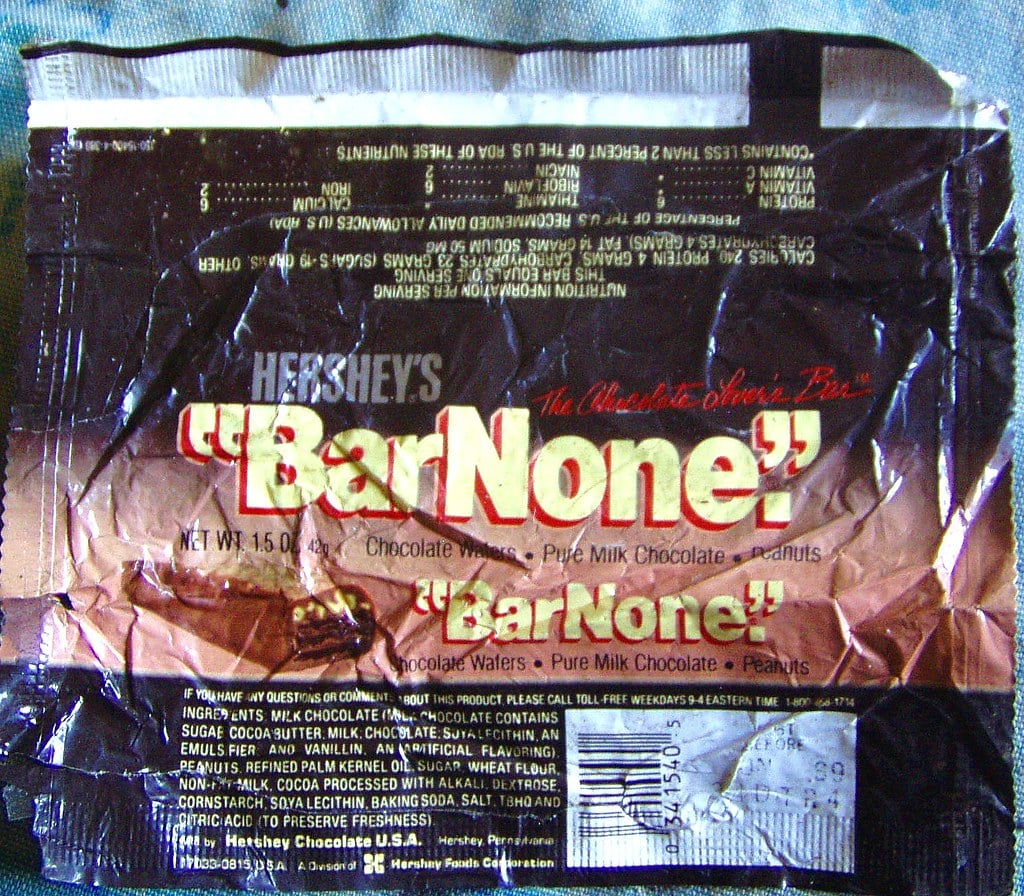
Hershey’s Bar None debuted in 1987 as a wafer bar filled with chocolate cream and covered in chocolate — a pure, unapologetic chocolate delivery system. It was reformulated in 1992 to include caramel and split into two pieces, which alienated enough of its original fans that it faded from shelves by 1997.
Reformulation is how candy companies quietly admit they don’t know what made something work.
Cadbury Dream
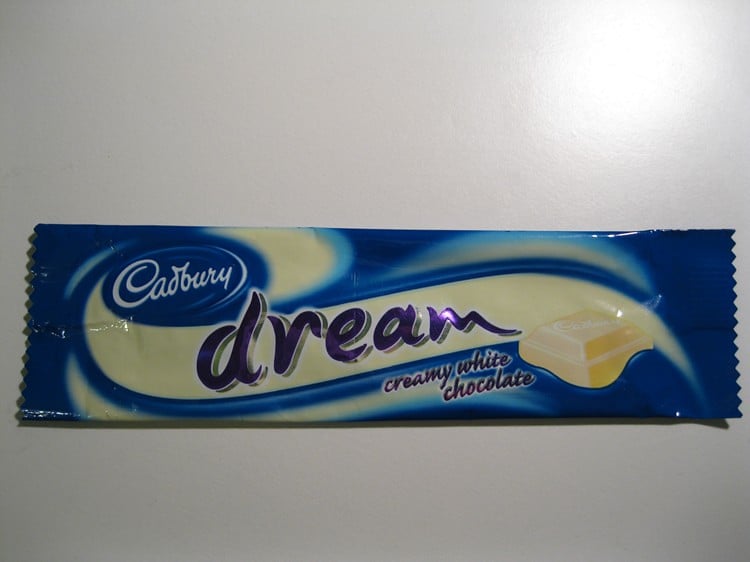
Cadbury’s all-white-chocolate bar had a brief run in the early 2000s that ended without much ceremony. White chocolate is always a polarizing proposition — people either love it or treat it with the suspicion usually reserved for unlabeled leftovers — and the Dream never quite convinced the skeptics.
It’s still sold in some international markets, which makes its US disappearance feel slightly more pointed.
Hershey’s Kissables
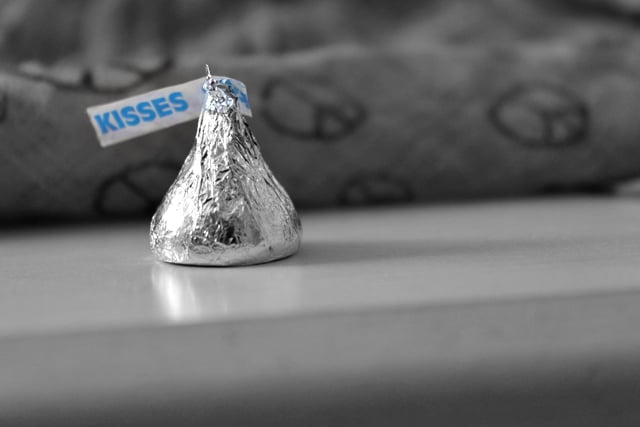
Kissables were small, candy-coated pieces of Hershey’s chocolate — like M&Ms, but flatter and with a slightly different chocolate profile. They launched in 2005, won a Candy Industry award for best new product, and were discontinued in 2009.
Four years, one award, gone.
Big Hunk
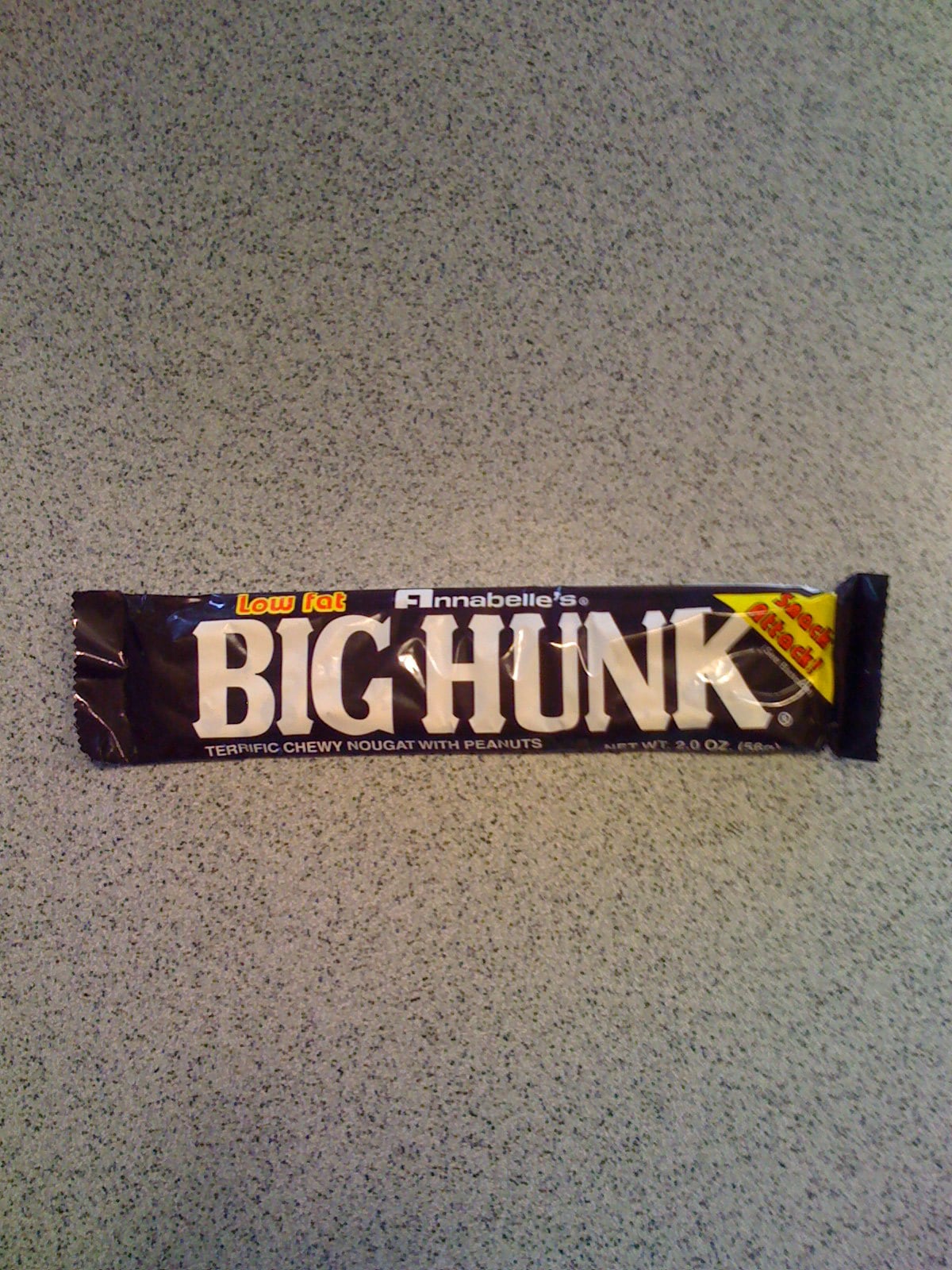
Big Hunk technically still exists in limited regional distribution, but finding one is now a minor achievement that requires the kind of luck most people reserve for parking spots in downtown Manhattan. Originally made by Annabelle Candy in the 1950s, the nougat-and-peanut bar was a mainstay on the West Coast for decades before becoming the kind of thing you find at specialty candy stores for three times the original price.
Seven Up Bar
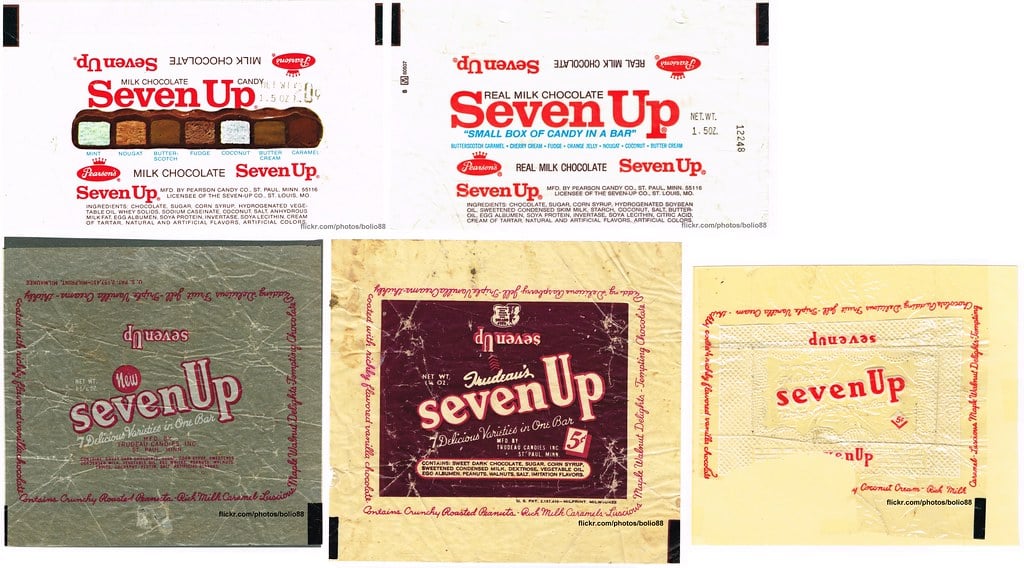
Not the soda. The Seven Up Bar was a Pearson’s Candy product with seven separate pieces inside one bar, each containing a different filling — coconut, fudge, caramel, Brazil nut, buttercream, nougat, and cherry.
It sounds like something invented by someone who couldn’t make a decision, and it was absolutely wonderful. Discontinued in 1979, it left a gap that nothing since has genuinely filled.
Nestlé $100,000 Bar
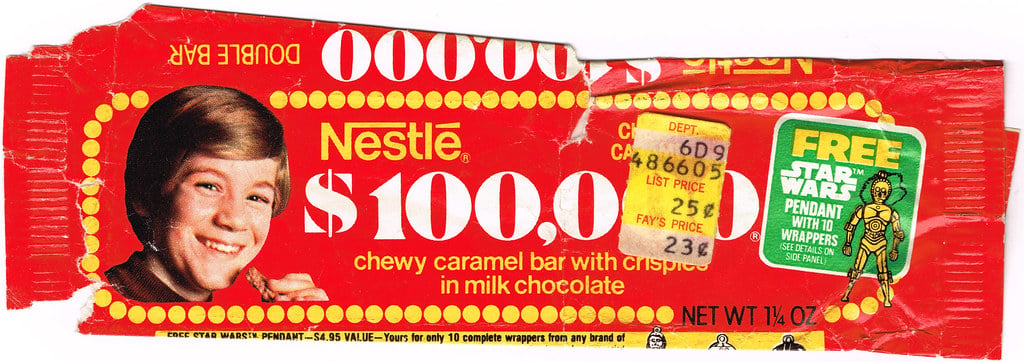
This one’s complicated: the $100,000 Bar was discontinued, while the 100 Grand Bar—a separate Nestlé product introduced in the 1980s—still exists. The two are often confused, but they were distinct candies.
Long-time fans of the original $100,000 Bar maintain that the formulations were meaningfully different, a distinction that felt, to devoted fans, like losing a friend only to meet a polite stranger with a similar name.
Caravelle Bar
Peter Paul’s Caravelle Bar was a chocolate-covered wafer and caramel combination that competed directly with established names throughout the 1970s and never quite broke through to the front of the pack. It’s the kind of bar that inspires genuine loyalty from the people who found it and genuine blankness from everyone else.
Peter Paul was eventually absorbed into Cadbury, and the Caravelle didn’t survive the transition.
Choco’nilla Bar
A Hershey’s product that combined vanilla and chocolate in a dual-layered format, the Choco’nilla was an experiment in flavor pairing that arrived ahead of whatever moment might have made it successful. It ran briefly in the early 2000s before disappearing from shelves with the kind of quiet that suggests the company itself had moved on before the consumer had a chance to.
Wunderbar
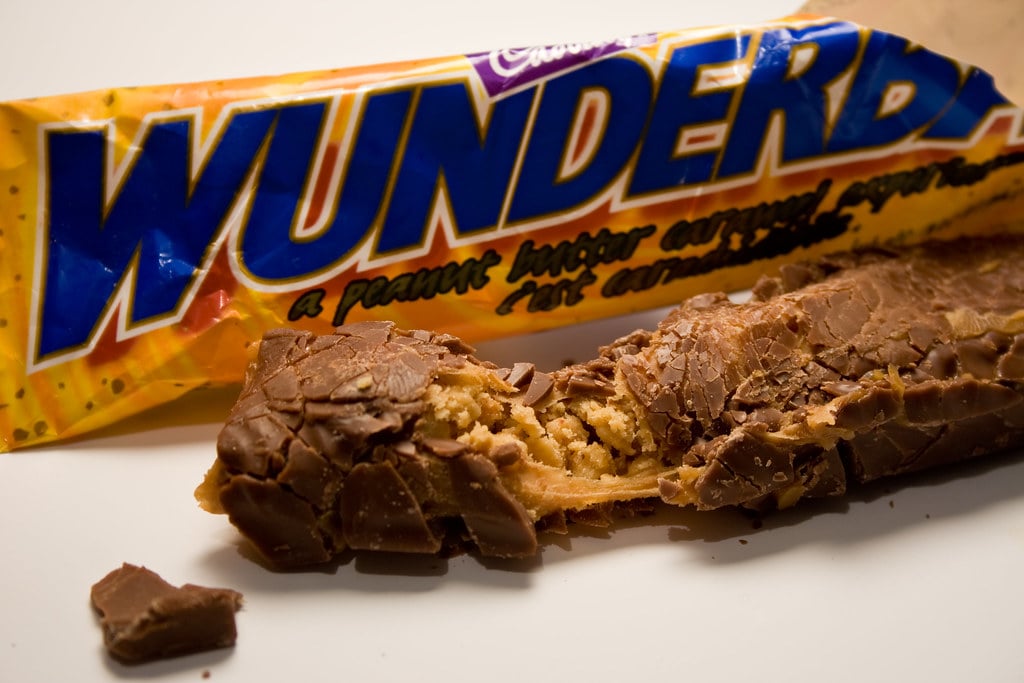
Still sold in Canada, essentially absent from US shelves — the Wunderbar is a Cadbury bar built around peanut butter and caramel with a texture that doesn’t quite match anything else in the category. Americans who’ve stumbled across one on a trip north tend to come back slightly annoyed that it isn’t available at home.
The geography of candy distribution is a quietly maddening thing.
Powerhouse Bar
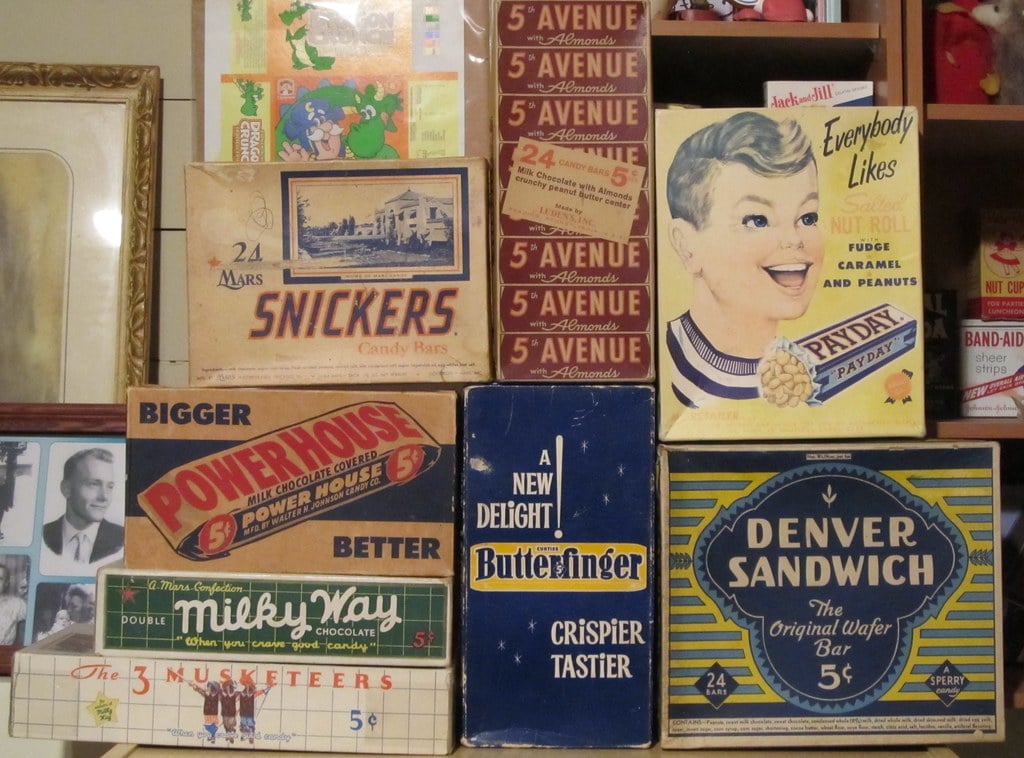
Peter Paul’s Powerhouse Bar — caramel, peanuts, and fudge — was one of the best-selling candy bars in America during the 1940s and held its own well into the 1980s before finally disappearing. Forty years of sales and it still didn’t make it.
That’s a particular kind of defeat that deserves more acknowledgment than it gets.
Hershey’s Tastetations
Tastetations were individually wrapped Hershey’s chocolate pieces in multiple flavors — caramel, peppermint, and butterscotch — that arrived in the late 1990s with real momentum before quietly stopping production. They weren’t flashy.
They were just good. And that, it turns out, is not always enough.
Brach’s Milk Maid Royals
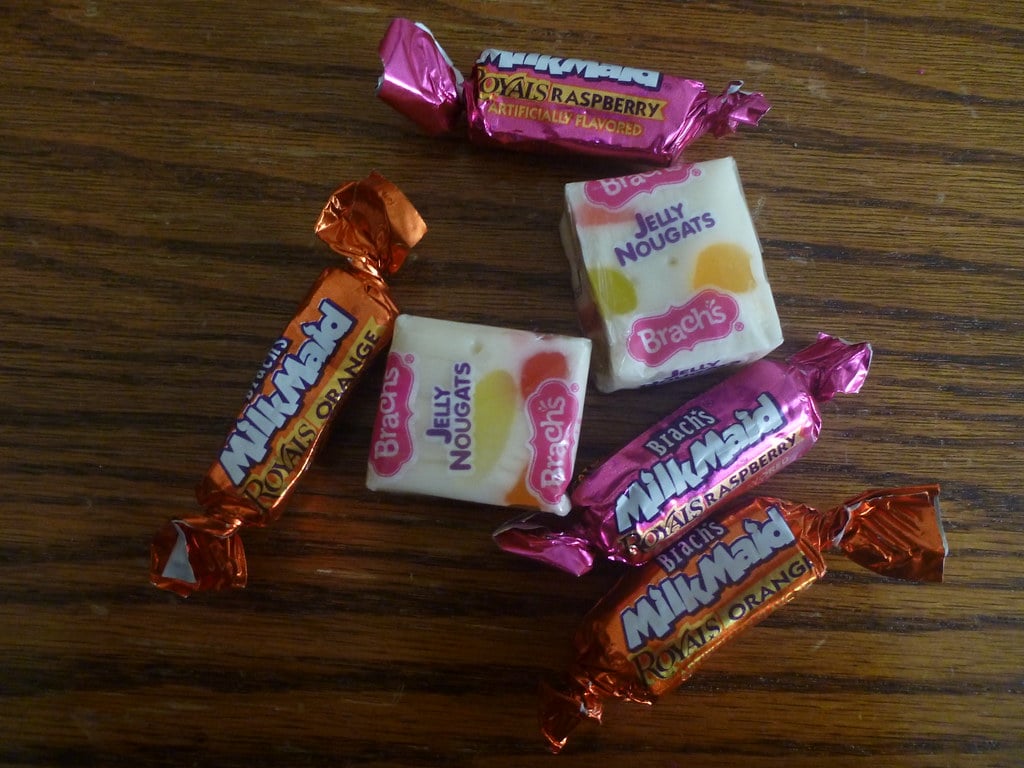
Brach’s Milk Maid Royals were individually wrapped caramel-and-chocolate candies with a consistency that sat between a candy bar and a wrapped confection. They occupied bulk candy bins for decades before Brach’s restructured its product lines.
The kind of candy that feels permanent until the exact moment it isn’t.
Nestlé Alpine White

White chocolate with almonds, wrapped in pale packaging that looked oddly sophisticated for something found next to Skittles. The Alpine White had a real following in the late 1980s and early 1990s before Nestlé discontinued it — and it remains one of the more requested returns in online candy nostalgia communities, which is a sentence that would have been incomprehensible to anyone in 1988.
Pearson’s Bun Bar
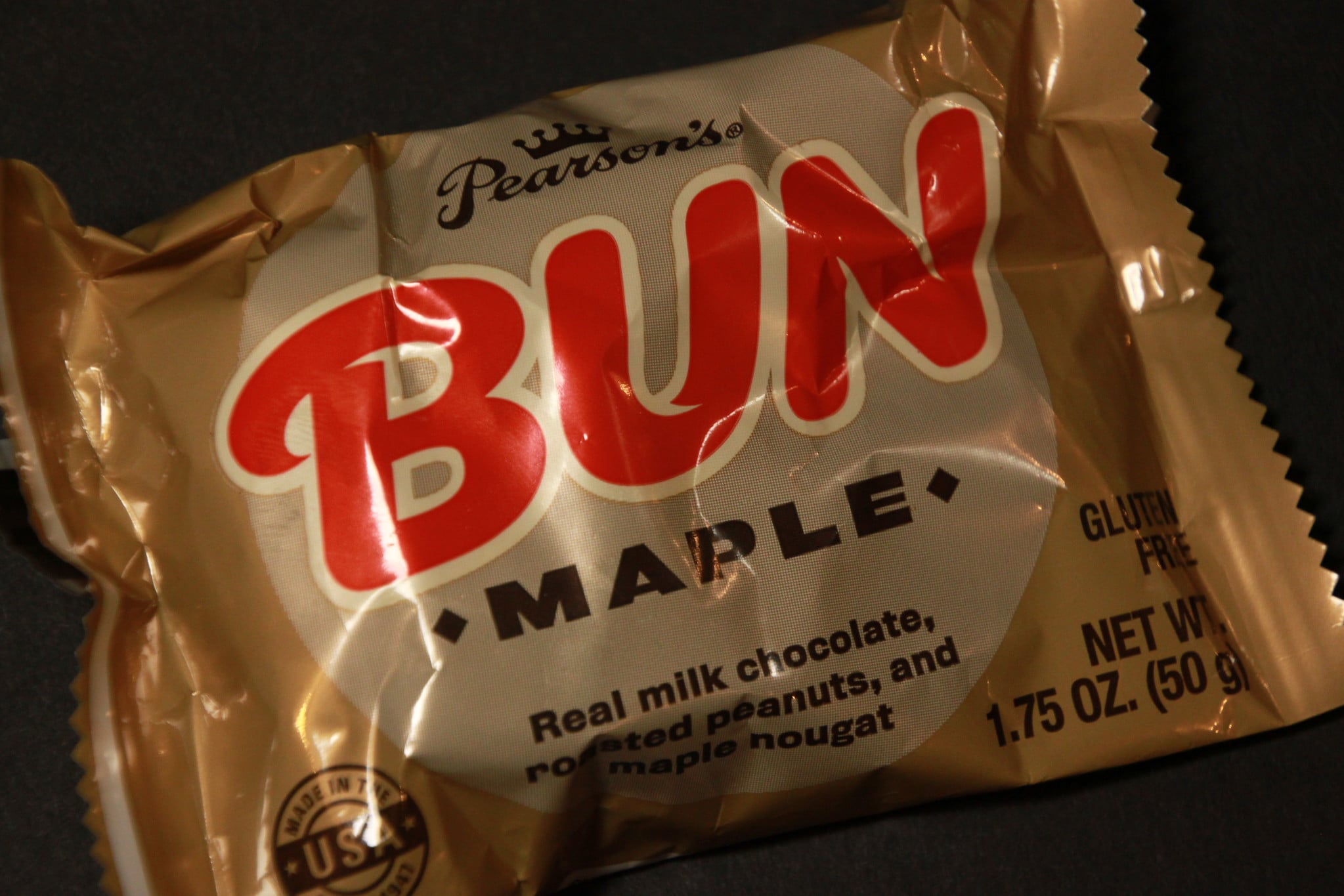
A Pearson’s product built around vanilla fudge and peanuts covered in chocolate, the Bun Bar had the sensibility of a classic candy counter item — straightforward, unpretentious, not trying to be anything it wasn’t. It’s largely disappeared from mainstream retail, surviving only in certain specialty outlets.
There’s something almost respectful about that stubbornness.
Hershey’s Cookies ‘n’ Mint
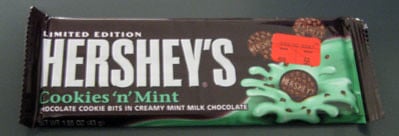
Dark chocolate studded with cookie pieces and mint flavoring — Hershey’s Cookies ‘n’ Mint arrived in the 1990s and found a dedicated audience before being discontinued with minimal fanfare. It was a better bar than its reputation suggested, which is the quiet tragedy shared by half the items on this list.
Skor Bar
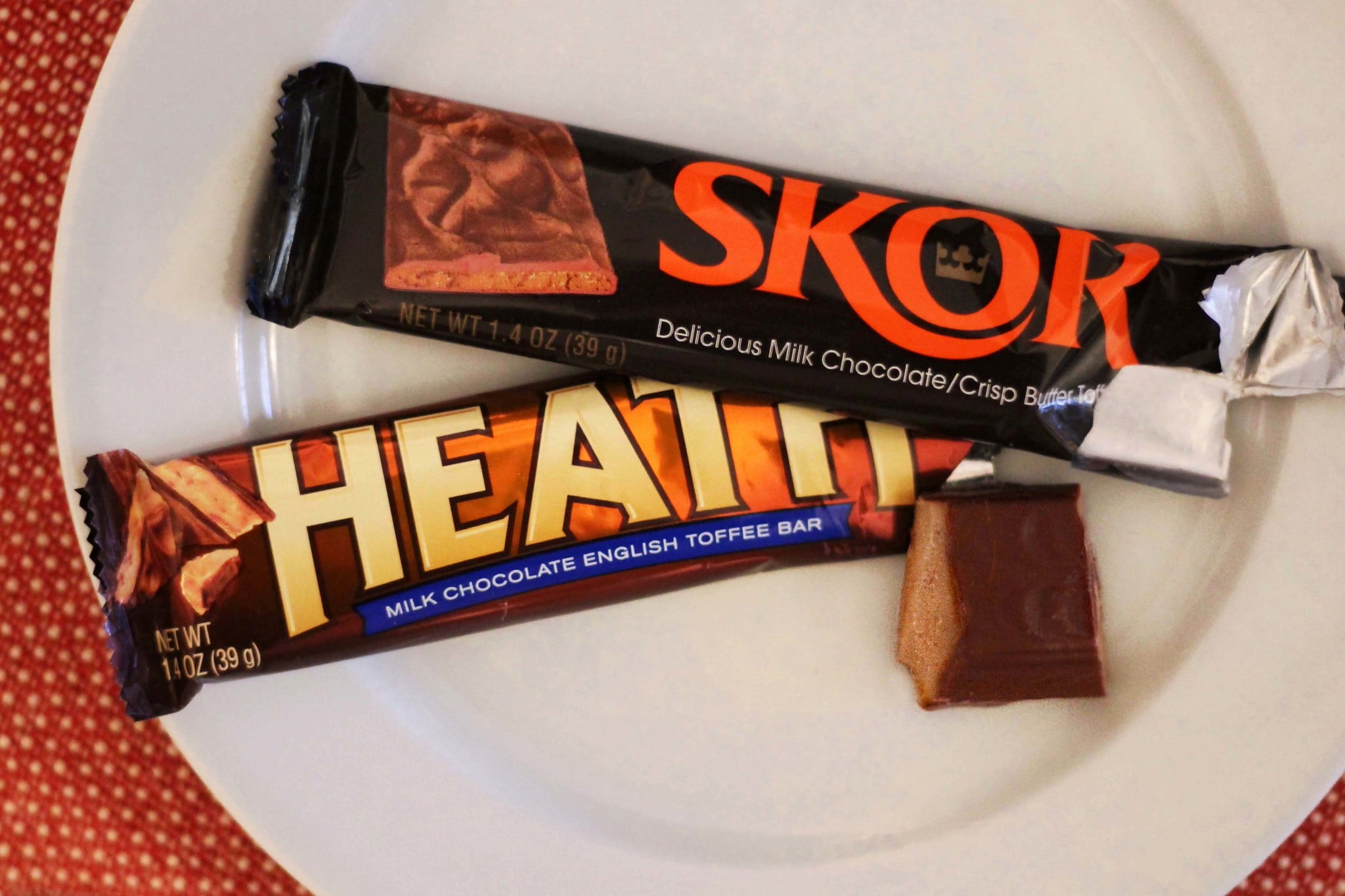
Skor still appears occasionally, but its retail presence has shrunk dramatically from its peak, and in many parts of the country it’s become the kind of thing you only find by accident. The toffee-and-chocolate combination was clean and decisive — none of the fussiness of more complicated bars.
It deserved a longer run in the spotlight than it got.
Nestlé Oh Henry!
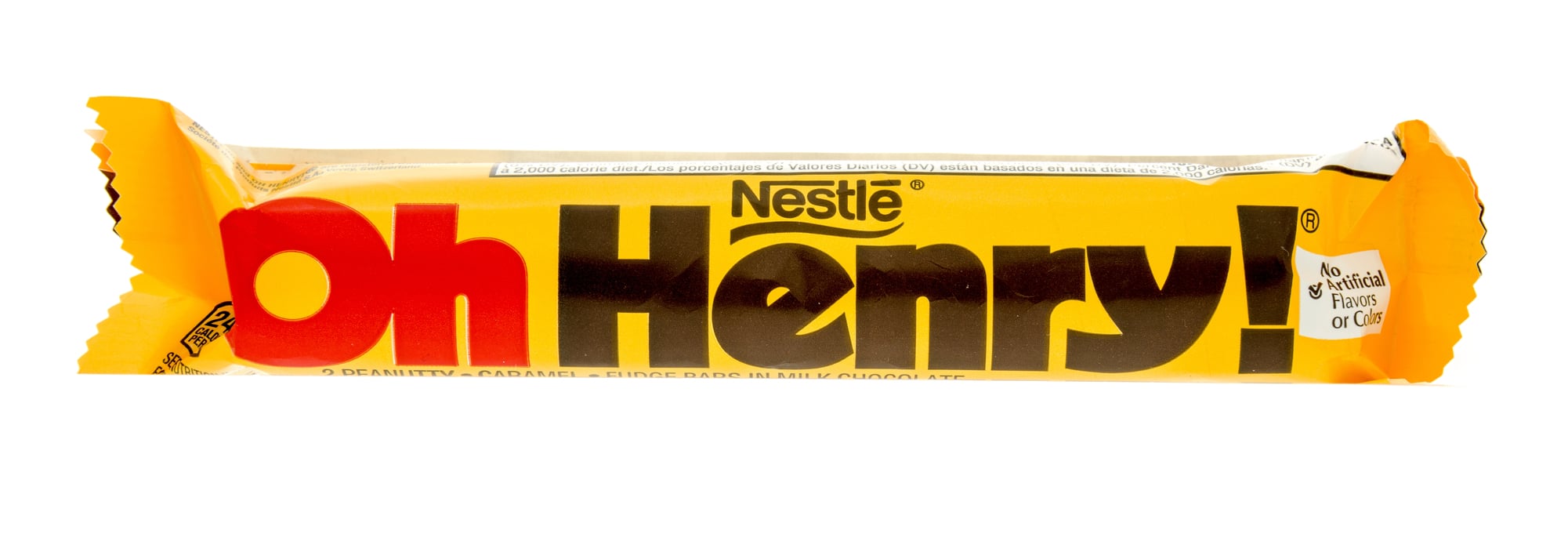
Oh Henry! still exists in Canada, but its US presence has dwindled to near-invisibility — a peanut, fudge, and caramel bar that once competed at the top of the market and now requires a dedicated search. The bar has been around since 1920, which makes its American disappearance feel less like a discontinuation and more like a slow retreat, the kind you don’t notice until you’re already miles past where it used to be.
The Wrapper at the Back of the Drawer
There’s always one — a faded wrapper in the junk drawer, a half-remembered flavor you can’t quite reconstruct, a bar you ate once on a summer afternoon in 1993 and have never been able to identify since. These bars didn’t just disappear from shelves; they dissolved into the texture of time, into the specific weight of a memory that has no object left to attach itself to.
Candy is never really just candy. It’s a timestamp. And when the bar goes away, you lose the proof — not of the candy itself, but of the exact moment you were standing there, holding it.
More from Go2Tutors!

- The Romanov Crown Jewels and Their Tragic Fate
- 13 Historical Mysteries That Science Still Can’t Solve
- Famous Hoaxes That Fooled the World for Years
- 15 Child Stars with Tragic Adult Lives
- 16 Famous Jewelry Pieces in History
Like Go2Tutors’s content? Follow us on MSN.