16 Candy Recipes That Changed Decades Ago
The candy aisle might look familiar, but behind those colorful wrappers lies a world of reformulated recipes that would surprise candy lovers from previous generations. Cost-cutting measures, health concerns, and corporate acquisitions have quietly altered the formulas of beloved treats over the decades.
Longtime fans often wonder why their favorite sweets don’t taste quite the same anymore. Many of these changes happened so gradually that most people didn’t notice the shift.
Here is a list of 16 candy recipes that changed decades ago, transforming the treats we thought we knew.
Twinkies

The golden sponge cake that promised to last forever got a major recipe overhaul in 2012 when Hostess reformulated both the filling and cake. Original Twinkies contained beef fat in the filling — which gave them a richer, more substantial texture that many people remember from childhood.
Today’s version uses vegetable shortening and modified food starch instead. This creates a lighter yet arguably less satisfying bite that some longtime fans find disappointingly artificial.
Butterfinger

Ferrero bought Butterfinger from Nestlé in 2018 and immediately set about ‘improving’ the recipe, much to the dismay of loyal customers. The new version replaced the original peanut butter center with a different blend that’s notably sweeter and less nutty than before.
The chocolate coating also changed — becoming smoother while losing some of the distinctive snap that made the original Butterfinger so recognizable.
Cadbury Creme Eggs

American Cadbury Creme Eggs haven’t been the same since Hershey took over production from Cadbury in the 1980s. The original British version used Cadbury’s dairy milk chocolate, which had a creamier, more complex flavor profile.
Hershey’s version uses their standard chocolate recipe — more acidic with a different texture that many consider inferior to the original European formula.
Fig Newtons
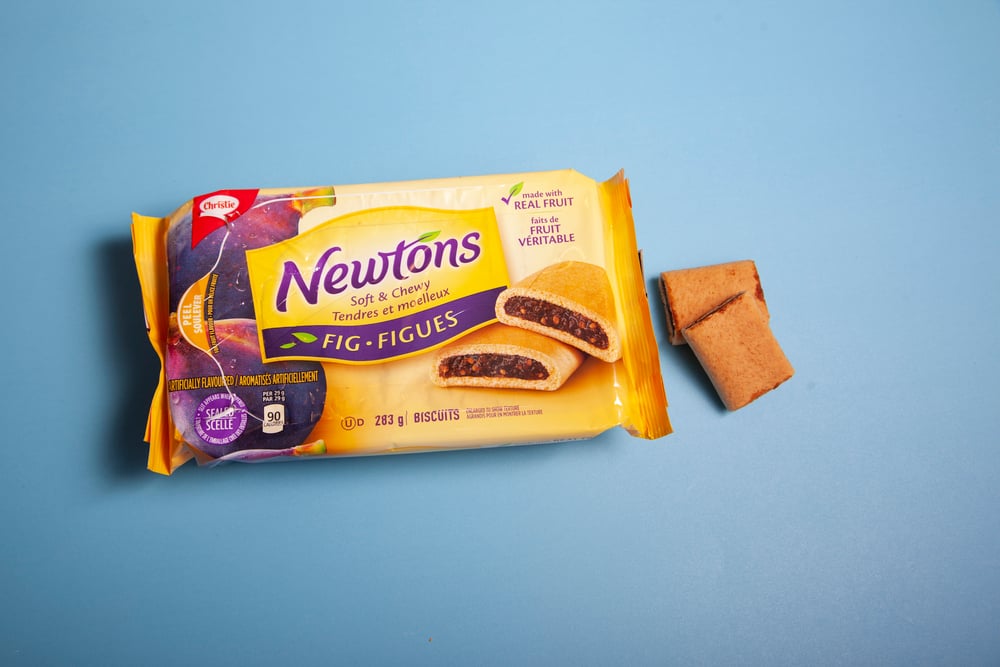
Nabisco changed the Fig Newton recipe in the early 2000s, switching from real figs to fig paste while adding high fructose corn syrup. The original cookies had a more pronounced fig flavor with actual fig pieces you could see and feel.
Modern Fig Newtons taste sweeter and more processed — with a smoother filling that lacks the rustic texture that made the original version feel like a wholesome treat.
Oreos
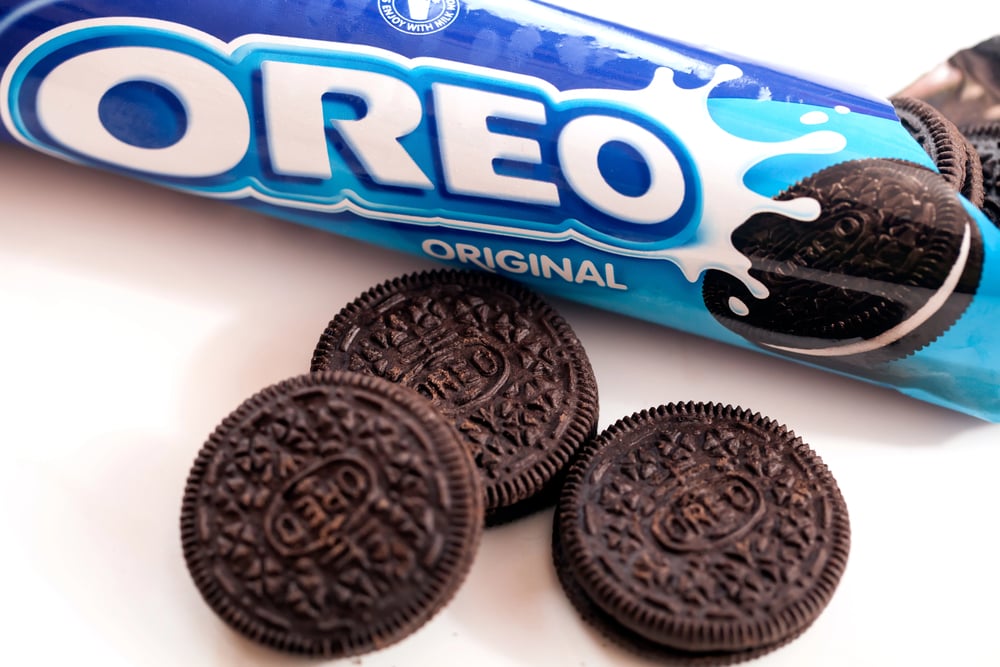
The beloved sandwich cookie underwent a significant transformation in the 1990s when Nabisco removed lard from the recipe and switched to vegetable oils. While this change made Oreos technically vegan, it also altered the texture and flavor in subtle ways.
The cookies became slightly less crispy — and the cream filling lost some of its richness, though most people adapted to the new version without much complaint.
Snickers
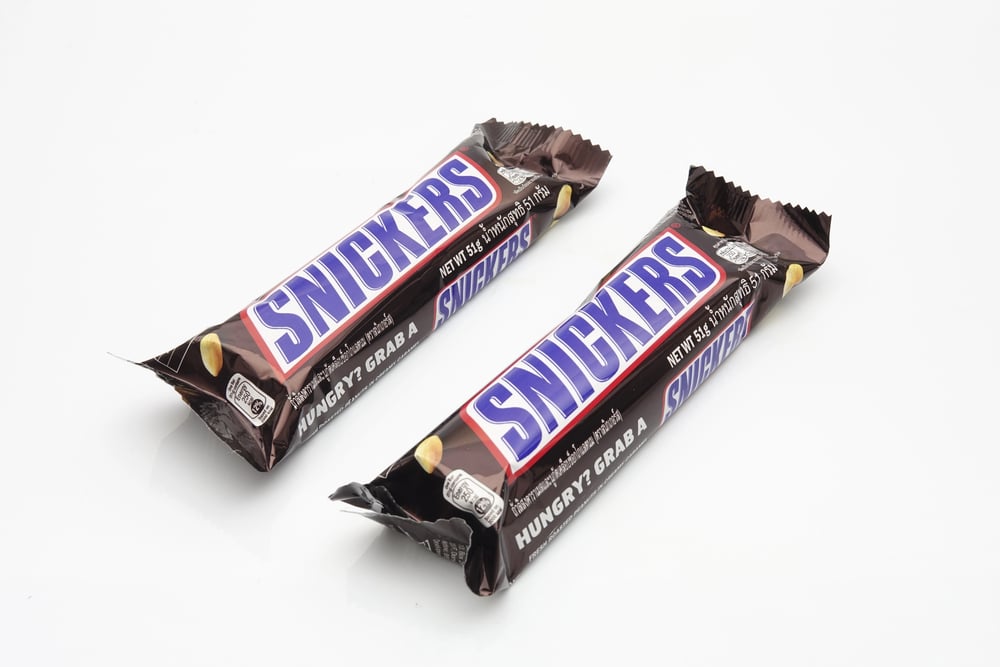
Mars reformulated Snickers in 2010, reducing the size while changing the nougat recipe to include more corn syrup and less egg whites. The original nougat had a firmer, chewier texture that provided better contrast to the caramel and peanuts.
Today’s version is softer and stickier — creating a different mouthfeel that some longtime fans find less satisfying than the original.
Kit Kat
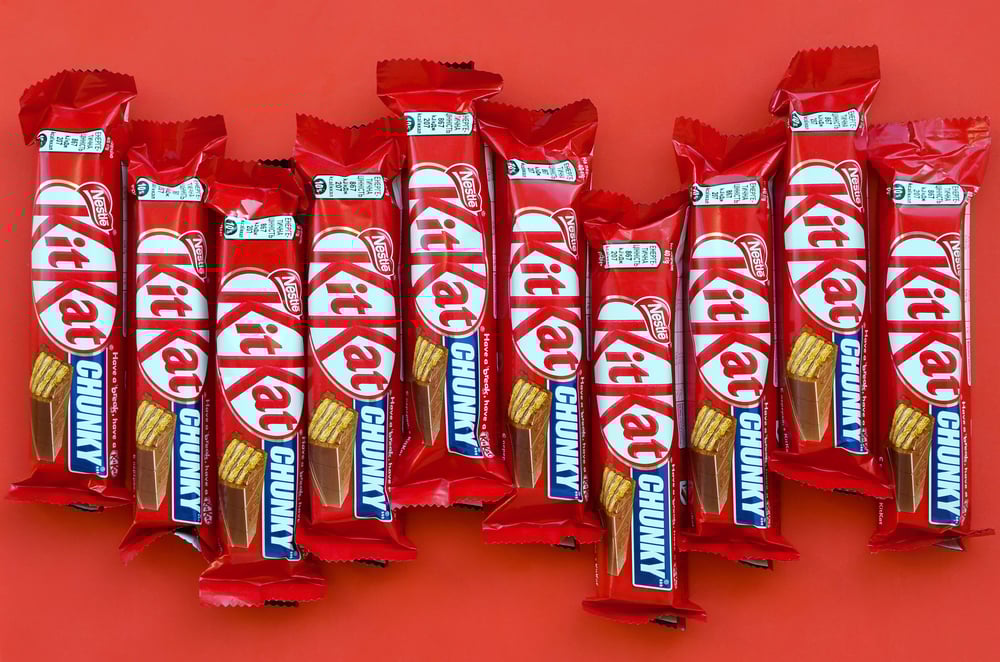
American Kit Kats changed dramatically when Hershey took over production from Rowntree in 1988. The original version used a different chocolate blend and wafer recipe that created a more balanced flavor between sweet and bitter.
Hershey’s version is noticeably sweeter and uses their standard chocolate — which many people find cloying compared to the more sophisticated original formula.
Tootsie Rolls

Tootsie Roll Industries gradually modified their flagship candy starting in the 1960s, adding more corn syrup while reducing the cocoa content. The original Tootsie Rolls had a more pronounced chocolate flavor and firmer texture that required more chewing.
Modern versions are softer and sweeter — with a flavor that’s more sugary than chocolatey, making them quite different from what older generations remember.
Charleston Chew
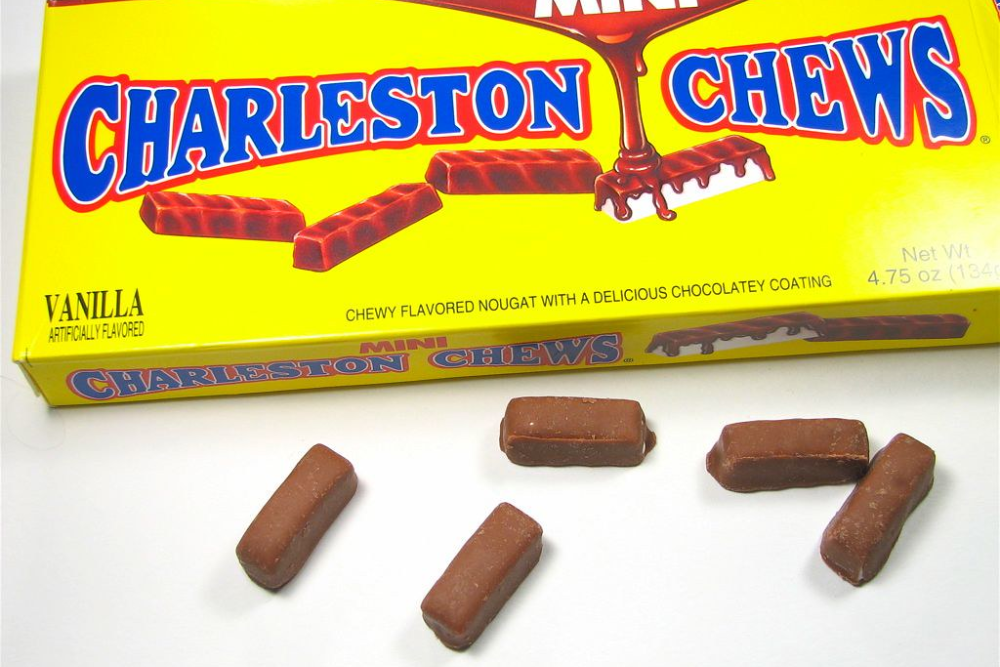
The chewy chocolate bar got significantly softer in the 1990s when the manufacturer changed the recipe to include more corn syrup and less molasses. Original Charleston Chews were notoriously hard and required serious jaw work, especially when cold.
The new formula creates a chewier, more pliable texture that’s easier to eat — yet lacks the satisfying resistance that made the original version so memorable.
Cracker Jack

Frito-Lay reformulated Cracker Jack in 2016, switching from molasses to corn syrup and changing the popcorn blend. The original version had a deeper, more complex sweetness from the molasses and used a different type of popcorn that held the coating better.
Today’s version tastes more generically sweet — and the coating tends to fall off more easily, disappointing fans who remember the superior original.
Necco Wafers

Before the brand’s recent resurrection, Necco Wafers underwent several recipe changes in their final decades that altered their distinctive chalky texture. The original formula created wafers that dissolved slowly on the tongue with a unique, almost medicinal flavor that people either loved or hated.
Later versions became more compressed and had a different flavor profile that longtime fans found less authentic.
Smarties

The small, colorful tablet candies changed their recipe in the 1990s to include more artificial flavors and different binding agents. Original Smarties had a more pronounced tartness and a texture that was simultaneously powdery and solid.
Modern versions are sweeter and dissolve differently, creating a less complex flavor experience that many people find less memorable than the original.
Dots
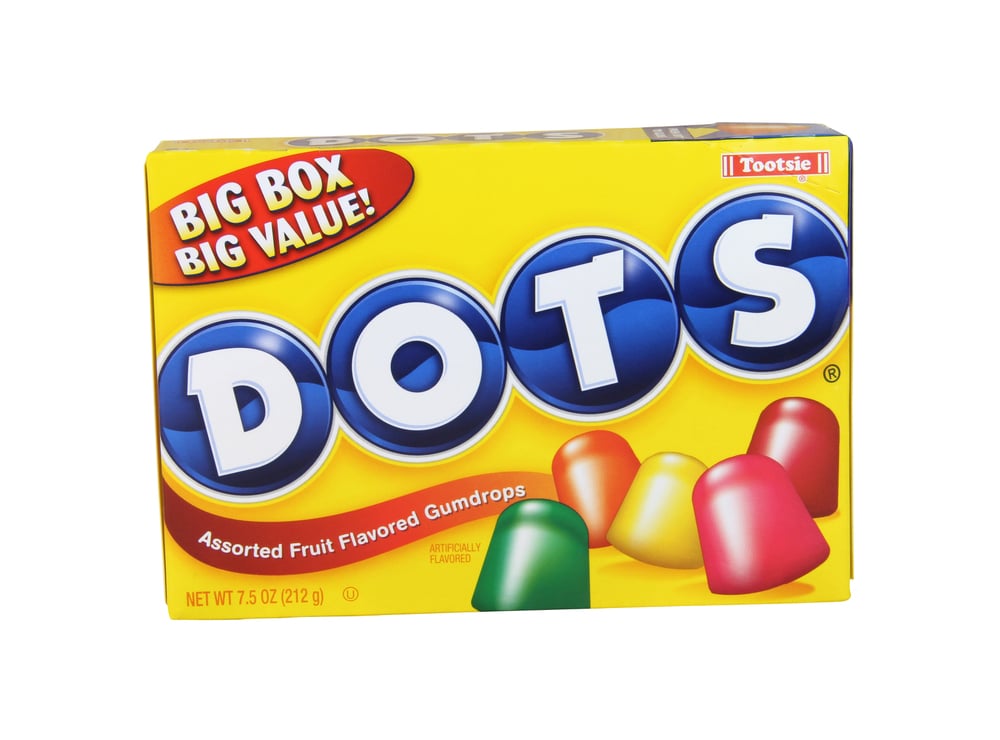
Tootsie Roll Industries modified the Dots recipe in the 2000s, making them softer and changing the fruit flavoring. The original Dots were notoriously hard and sticky, requiring significant chewing effort and often pulling out dental work.
While the new version is more dental-friendly, it lacks the intense fruit flavors and satisfying chewiness that made the original Dots a unique candy experience.
Now and Later

The long-lasting fruit chews became significantly softer in the 1990s when the manufacturer reformulated them to reduce complaints about dental damage. Original Now and Laters were incredibly hard and could last for ages, living up to their name perfectly.
The new formula creates a chew that’s still firm but much more manageable, though it doesn’t provide the same long-lasting satisfaction as the original.
Milk Duds
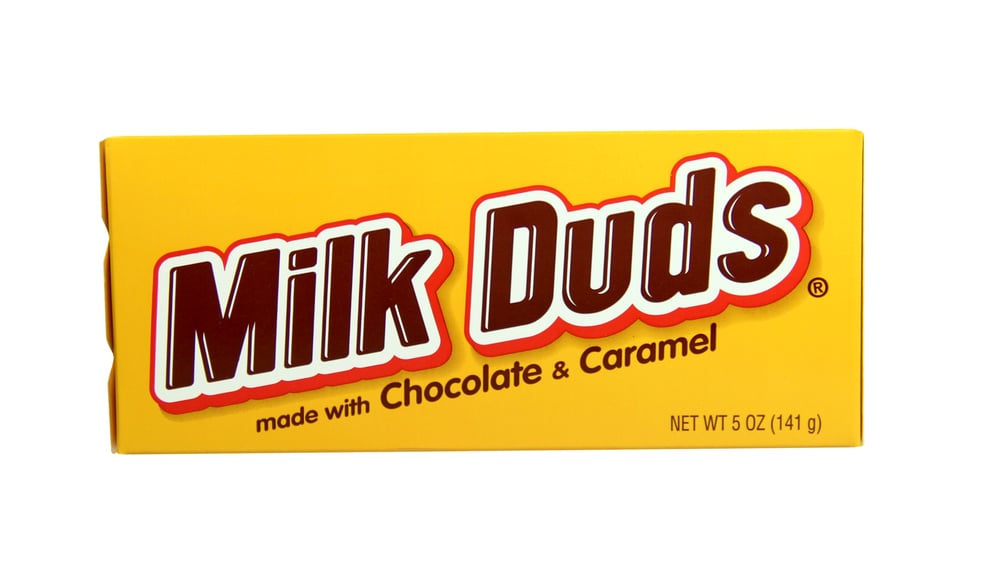
Hershey reformulated Milk Duds in the 2000s, changing both the caramel and chocolate coating recipes. The original version had a more complex caramel flavor with slight burnt notes and a chocolate coating that was less sweet.
Modern Milk Duds taste more uniformly sweet and lack the sophisticated flavor balance that made the original version more interesting for adult palates.
Swedish Fish

Mondelez changed the Swedish Fish recipe around 2010, switching to different artificial flavors and coloring agents. The original Swedish Fish had a more intense, almost wine-like flavor that was distinctly different from other fruit candies.
Today’s version tastes more generically fruity and has a different texture that’s less chewy and more prone to sticking to teeth.
The Sweet Truth About Change
These recipe modifications reflect broader changes in food manufacturing, from cost reduction to health concerns to corporate acquisitions. While companies often claim improvements, longtime candy lovers frequently disagree, creating a nostalgic longing for flavors that exist only in memory.
The candy industry’s evolution mirrors our changing relationship with food itself, where efficiency and profit margins often trump the artisanal qualities that made original recipes special. Understanding these changes helps explain why that favorite childhood candy might not taste quite as magical as you remember.
More from Go2Tutors!

- The Romanov Crown Jewels and Their Tragic Fate
- 13 Historical Mysteries That Science Still Can’t Solve
- Famous Hoaxes That Fooled the World for Years
- 15 Child Stars with Tragic Adult Lives
- 16 Famous Jewelry Pieces in History
Like Go2Tutors’s content? Follow us on MSN.