28 Family Car Features Drivers Miss More Than Expected
Modern cars are safer, quieter, and more efficient than almost anything on the road a generation ago. They have also quietly erased dozens of small features that families once considered completely ordinary.
None of the items below were considered luxuries at the time. They were just how a car worked, until safety standards, changing technology, and simple cost-cutting phased them out one by one.
Front Bench Seats
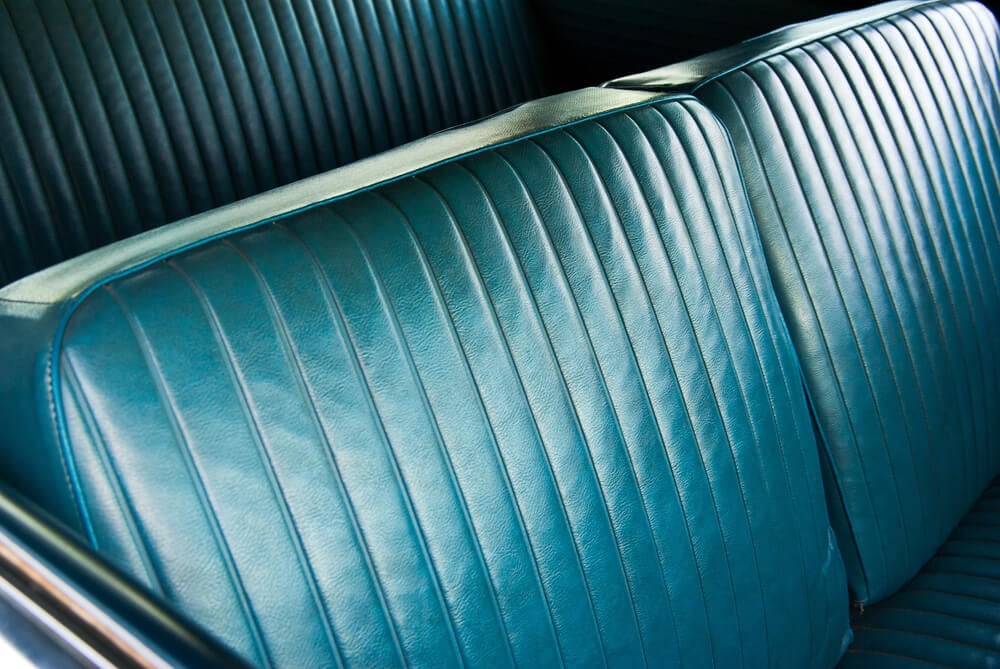
A single wide seat spanning the entire front of the car allowed three people to sit shoulder to shoulder, with no console or armrest dividing the space. Bucket seats and center consoles gradually replaced the bench format as safety standards evolved and individual seating became the industry default.
Manual Crank Windows
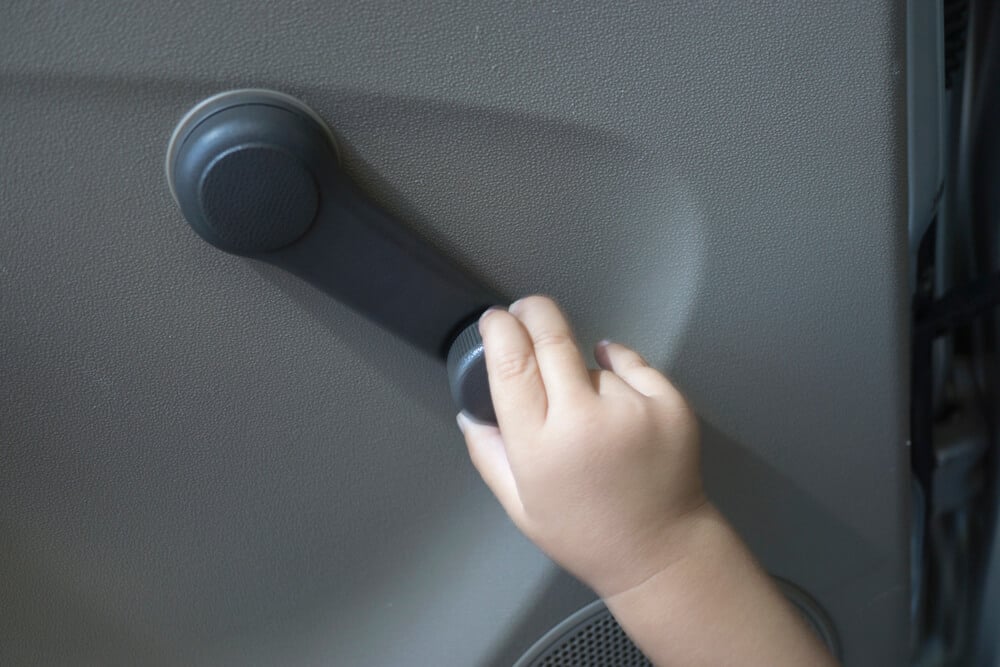
Rolling down a window meant turning a hand crank several full rotations, a task that grew noticeably harder in cold weather when the mechanism stiffened up. Power windows became standard equipment across nearly the entire market by the early 2000s, making the manual crank a rare sight in anything built afterward.
Station Wagon Rear-Facing Third Row
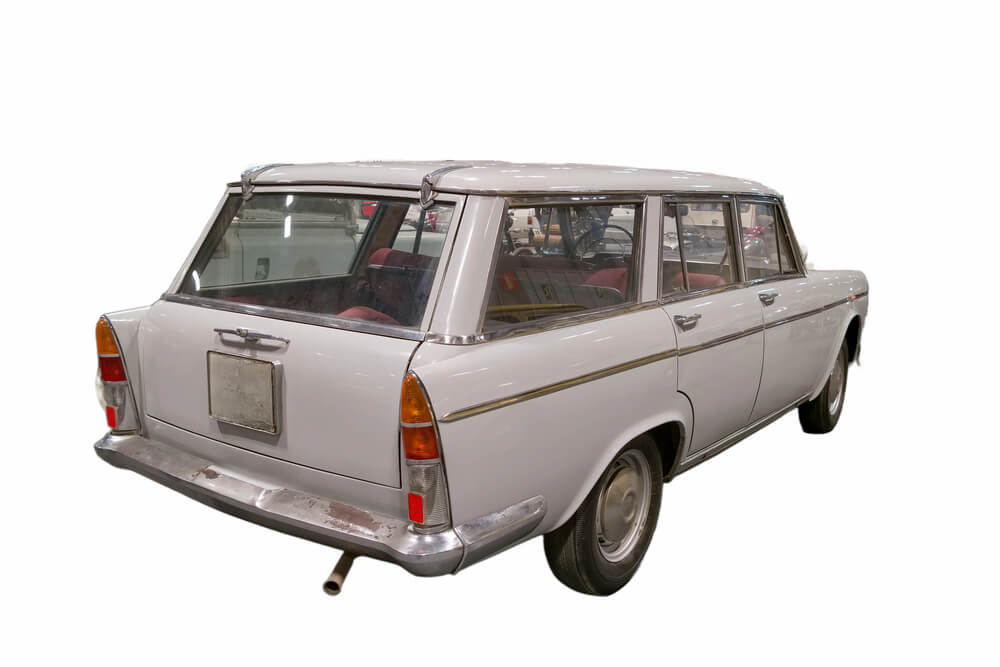
Many station wagons included a small rear-facing seat built into the very back of the cargo area, popular with kids specifically because it let them watch and interact with the car behind them. Modern safety standards and the decline of the station wagon body style have made the configuration essentially extinct.
Wood-Paneled Exterior Siding
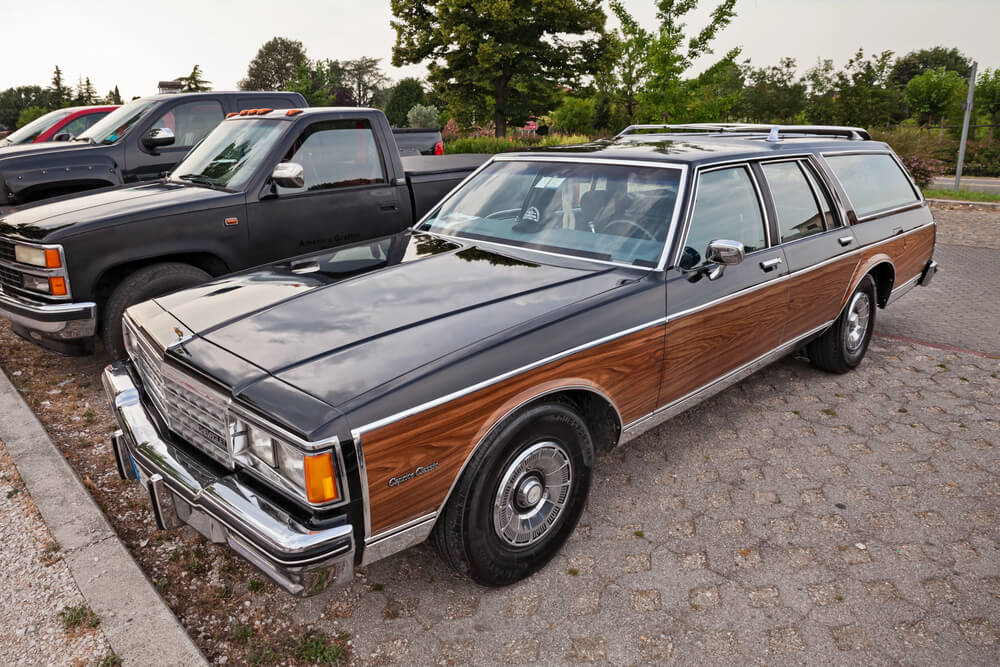
Faux wood-grain paneling applied to the sides of station wagons and minivans became such a defining visual style that the look is still instantly recognizable decades later. The trend faded through the 1990s as automakers moved toward cleaner, unadorned body panels.
Cassette Players
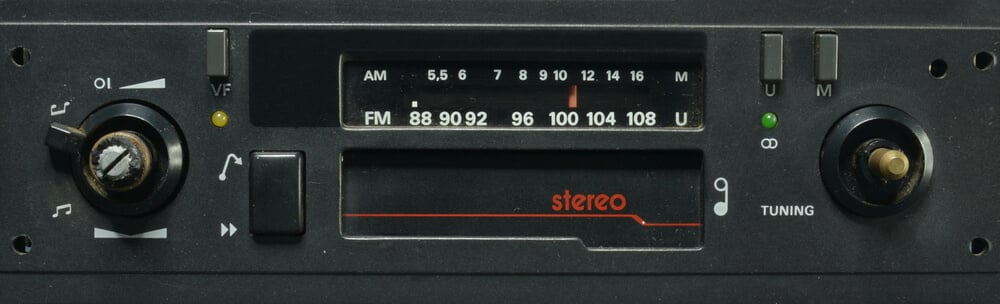
DepositPhotos
Built-in cassette decks let families load their own mixtapes and albums, and a well-loved tape could be identified purely by the specific warble it developed after years of repeated play. Cassette decks were phased out of new vehicles almost entirely by the mid-2000s in favor of CD players and, later, digital connections.
8-Track Players
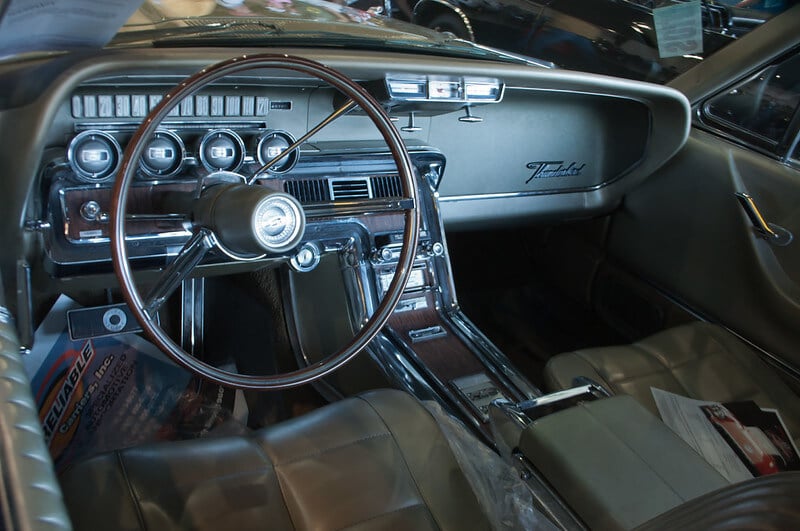
Before cassette decks became standard, 8-track players offered continuous playback by looping a wide tape cartridge, though the format was notorious for cutting off songs mid-track when it switched between internal programs. The format fell out of production by the early 1980s, replaced almost entirely by cassette technology.
Trunk-Mounted CD Changers
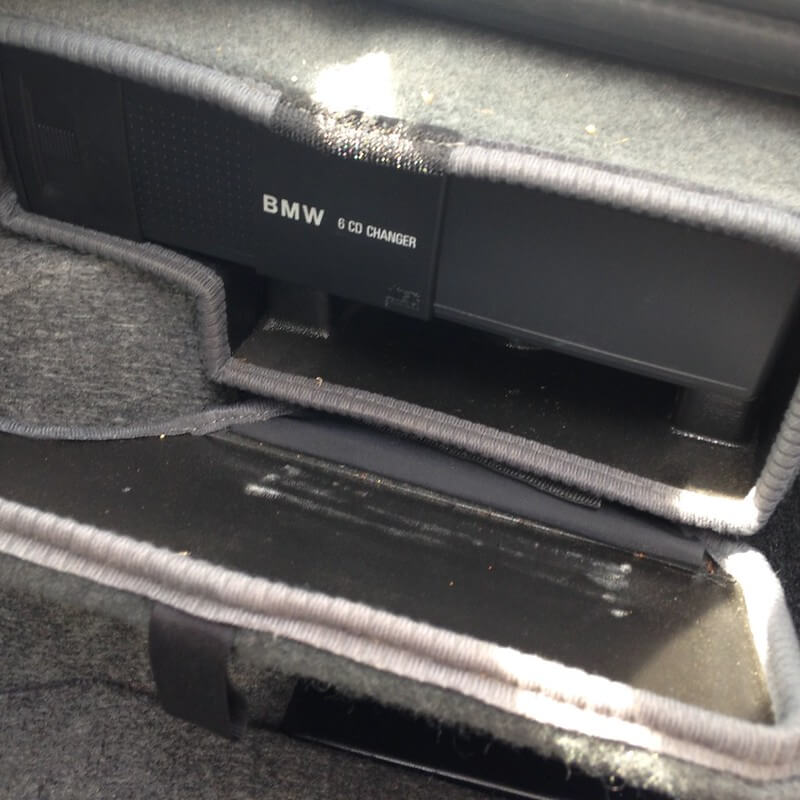
Rather than swapping a single disc, many family cars in the late 1990s and early 2000s came equipped with a trunk-mounted changer holding six or more CDs that could be selected from the dashboard. The feature disappeared quickly once MP3 players and, later, smartphone integration made carrying physical discs unnecessary.
Vent Windows
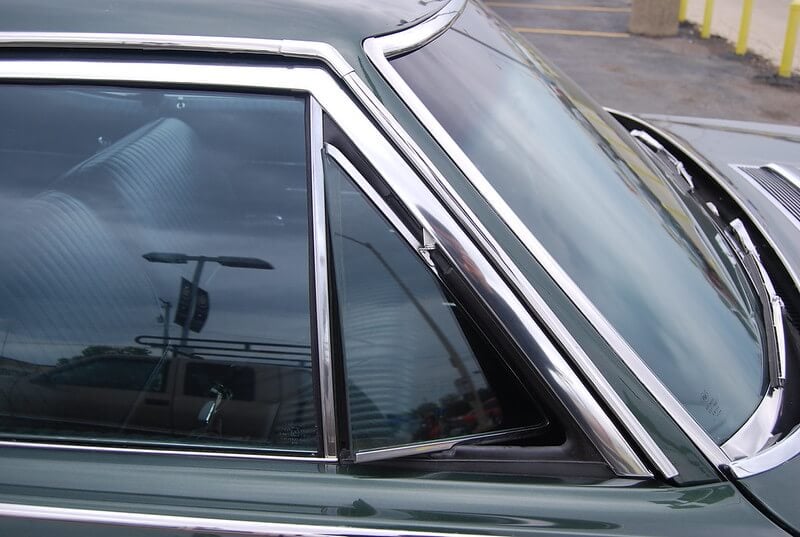
Small triangular windows mounted forward of the main door glass could be angled to direct outside air into the cabin without lowering the entire window, a feature especially valued before air conditioning became standard. Automakers phased out vent windows by the 1970s and 1980s as cabin air conditioning became more widely available and affordable.
Manual Door Lock Knobs
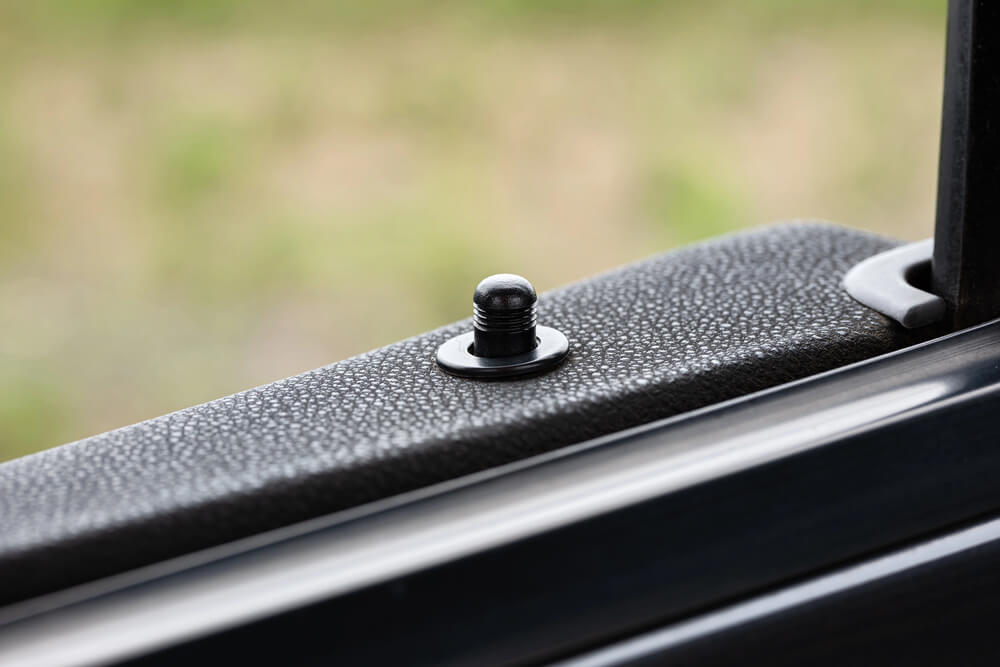
A simple pull-up plastic or metal knob on the inside of each door controlled the lock, operated by hand rather than a switch, and a specific reach-and-pull motion was often the only way to let a late passenger inside. Power door locks became standard across most of the market by the 1990s, making the manual knob increasingly rare.
Power Antennas
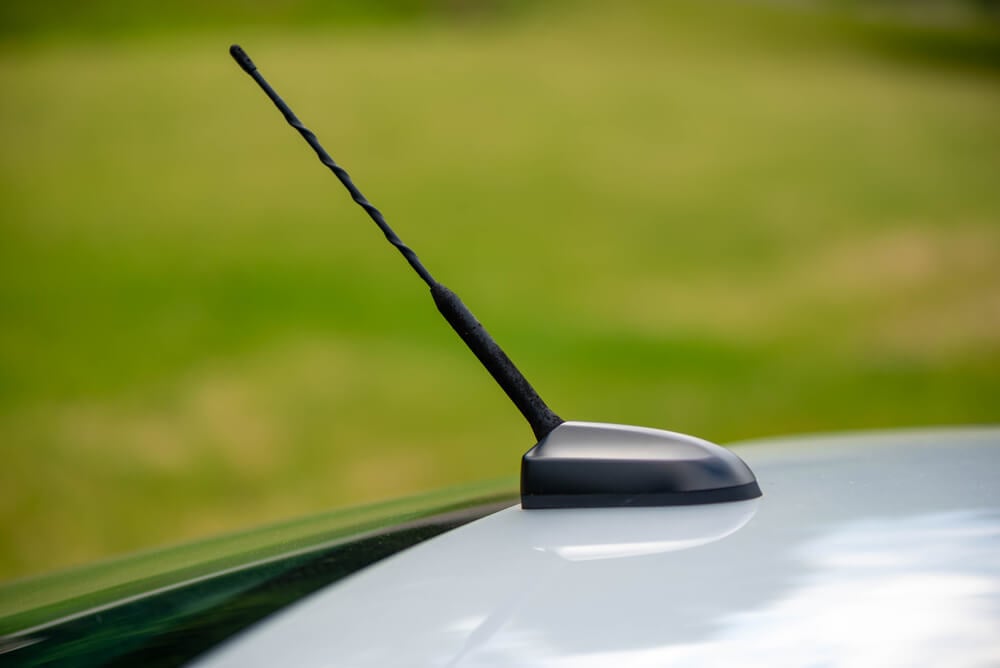
A telescoping antenna motor extended automatically when the radio powered on and retracted when the car was turned off, a small mechanical flourish that was noticeably absent the moment it stopped working. Automakers shifted toward fixed, low-profile, or windshield-embedded antennas as radio technology and manufacturing costs evolved.
Full-Size Spare Tires
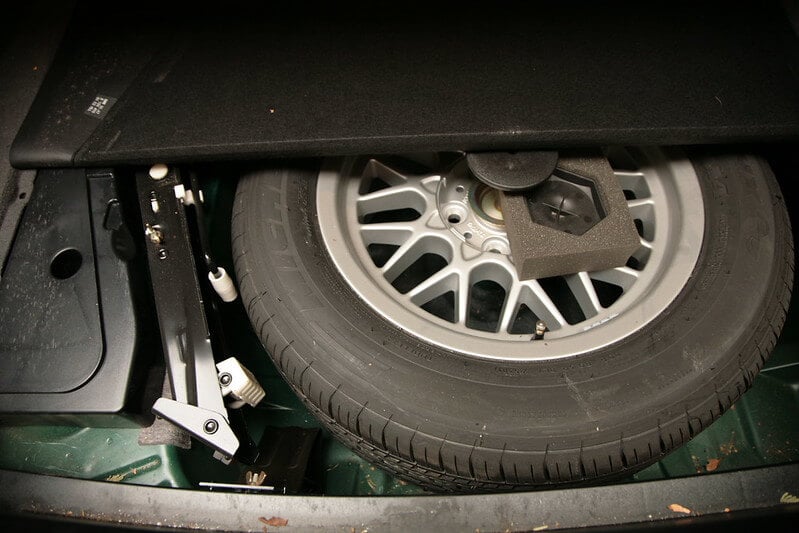
Many family cars once carried a genuine matching spare tire mounted on its own full wheel, ready to replace a flat with no meaningful compromise in ride quality. Space and weight-saving priorities have pushed most automakers toward smaller temporary spares or tire-repair kits instead.
Column-Mounted Gear Shifters
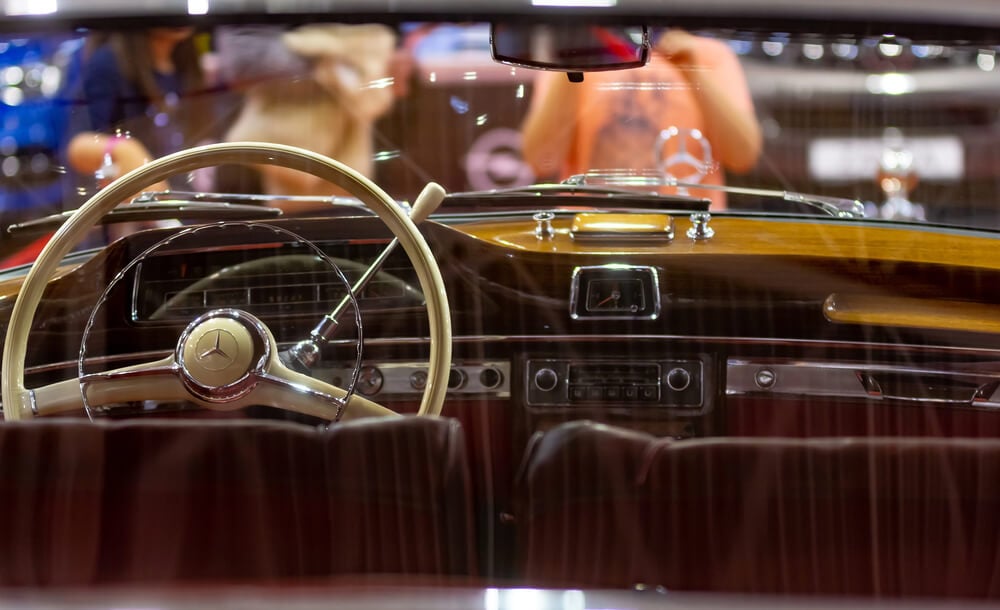
Rather than a shifter mounted on the center console, many family sedans placed the automatic transmission lever directly on the steering column, freeing up bench-seat space for a third front passenger. The configuration declined alongside the bench seat itself, as console-mounted shifters became the standard layout in most modern vehicles.
Fold-Down Front Armrests
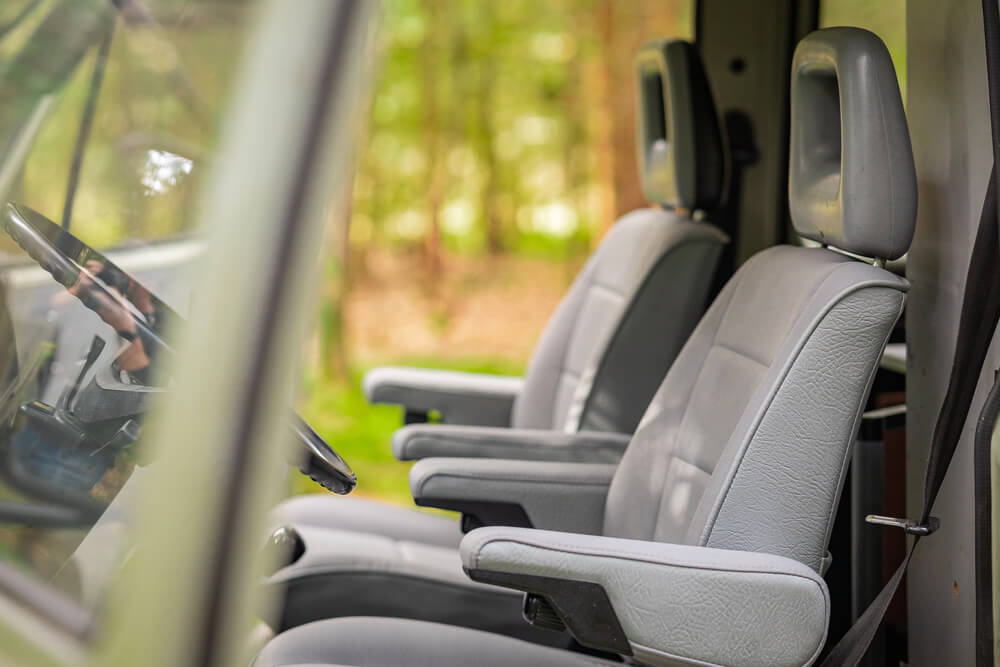
A padded armrest built into the center of a front bench seat could fold down to create a small divider and cup holder, or fold up entirely to open the seat for a third passenger. As bucket seats with fixed consoles became standard, the specific fold-down mechanism largely disappeared from new vehicles.
Analog Gauge Clusters
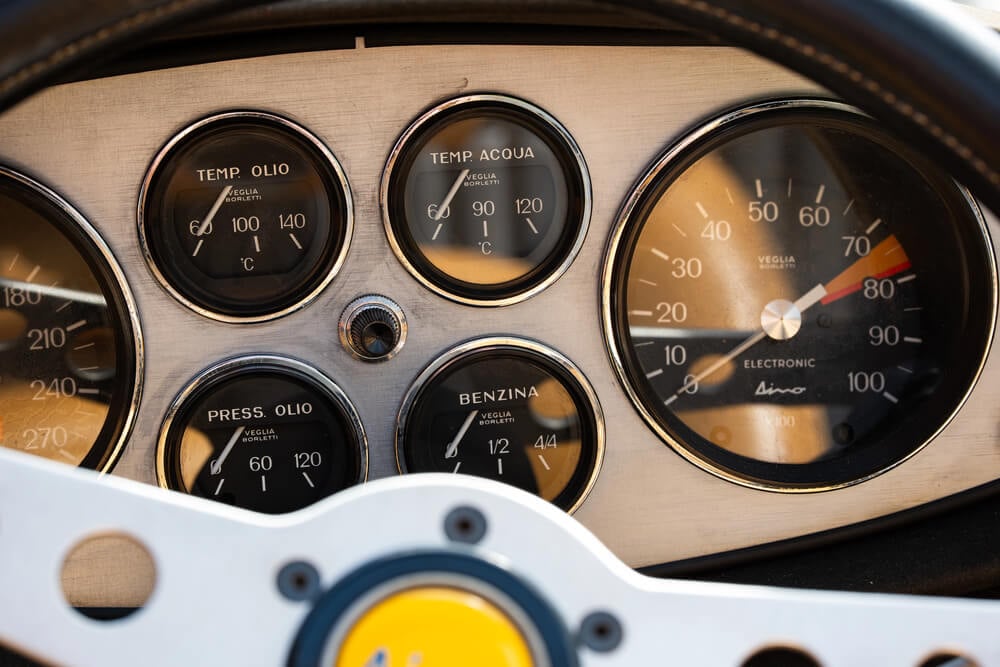
Full sets of physical gauges for oil pressure, engine temperature, and battery voltage once gave drivers a constant, detailed readout of exactly how the engine was performing. Most modern vehicles have replaced these gauges with simplified warning lights that only activate once a problem has already occurred.
Hood Ornaments
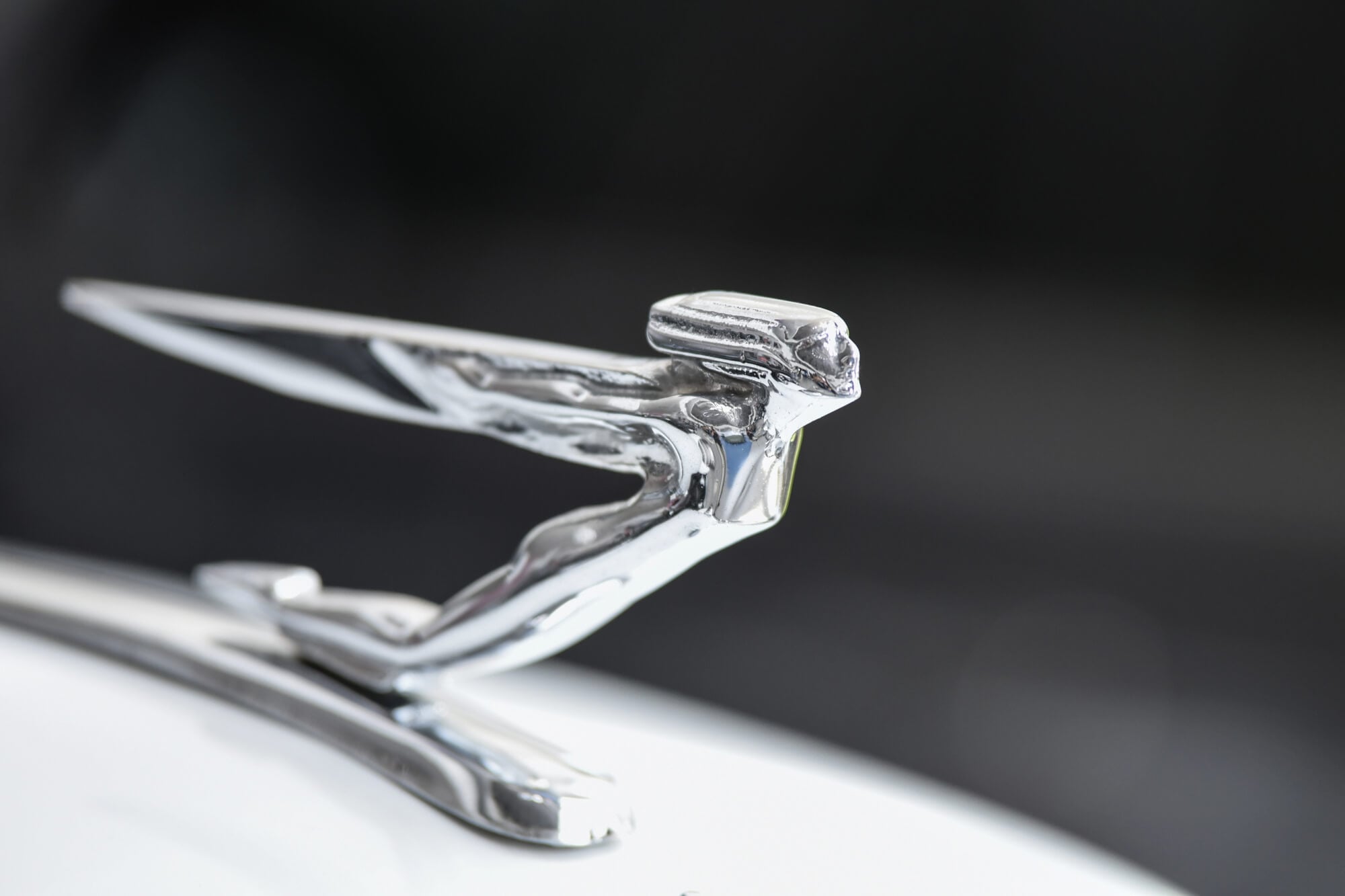
Chrome emblems mounted upright on the front edge of the hood, from leaping animals to stylized letters, once served as a visible symbol of a specific make or model from a distance. Pedestrian safety regulations adopted in many countries have made rigid, upright hood ornaments largely impractical on modern vehicle designs.
Chrome Bumpers
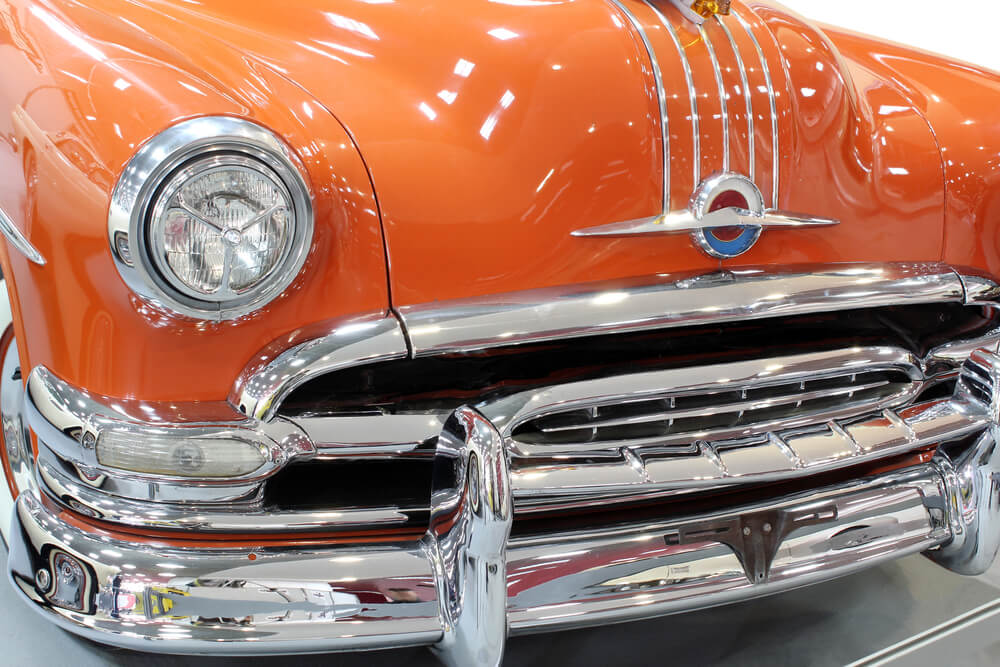
Thick, gleaming chrome bumpers once served as a genuinely protective structural element as much as a design feature, capable of absorbing minor impacts with little visible damage. Painted, body-colored plastic bumpers designed around modern crash standards have replaced chrome almost entirely since the 1980s.
Vinyl Roofs
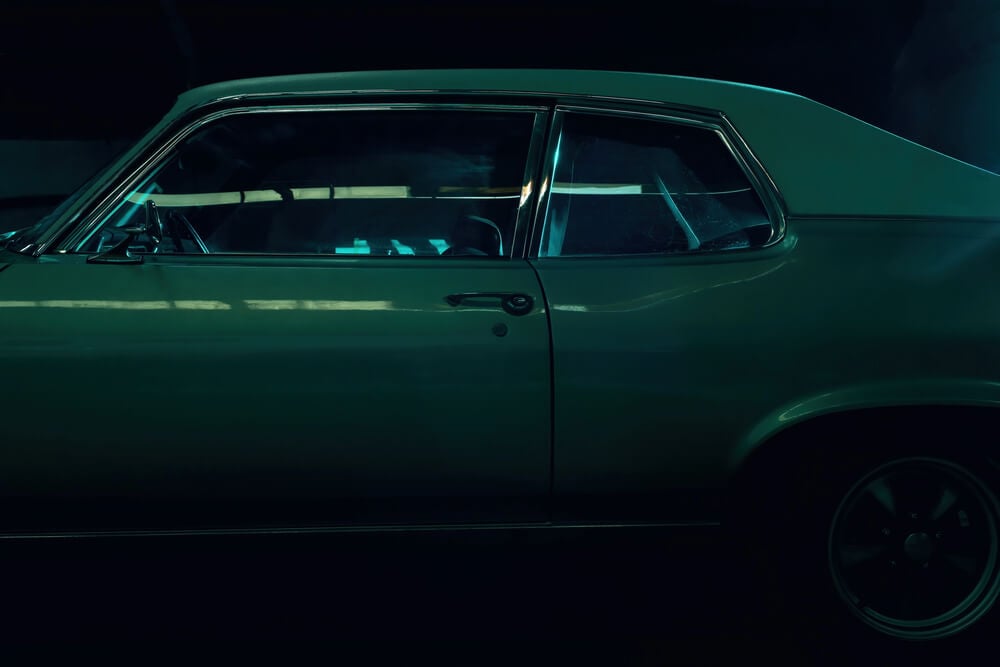
A padded vinyl covering applied over the rear portion of a car’s roof gave many sedans a distinct two-tone appearance, often meant to evoke the look of a convertible top. The style fell out of favor by the 1980s as tastes shifted and the material proved prone to peeling and trapping moisture over time.
T-Tops
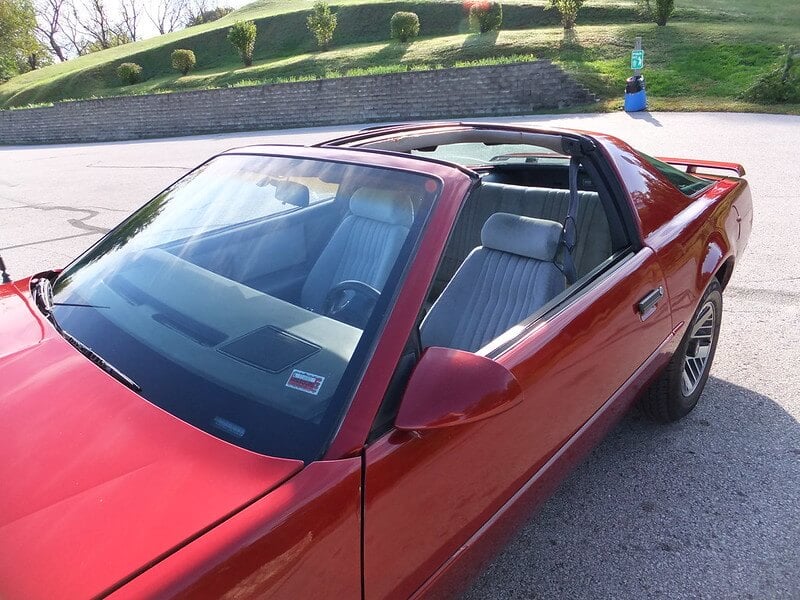
Removable roof panels above the front seats offered some of the open-air feel of a convertible without sacrificing the structural rigidity of a hardtop, a format especially popular on sportier family coupes through the 1980s. The format has largely disappeared as manufacturers shifted toward full sunroofs or dedicated convertible models instead.
CB Radios
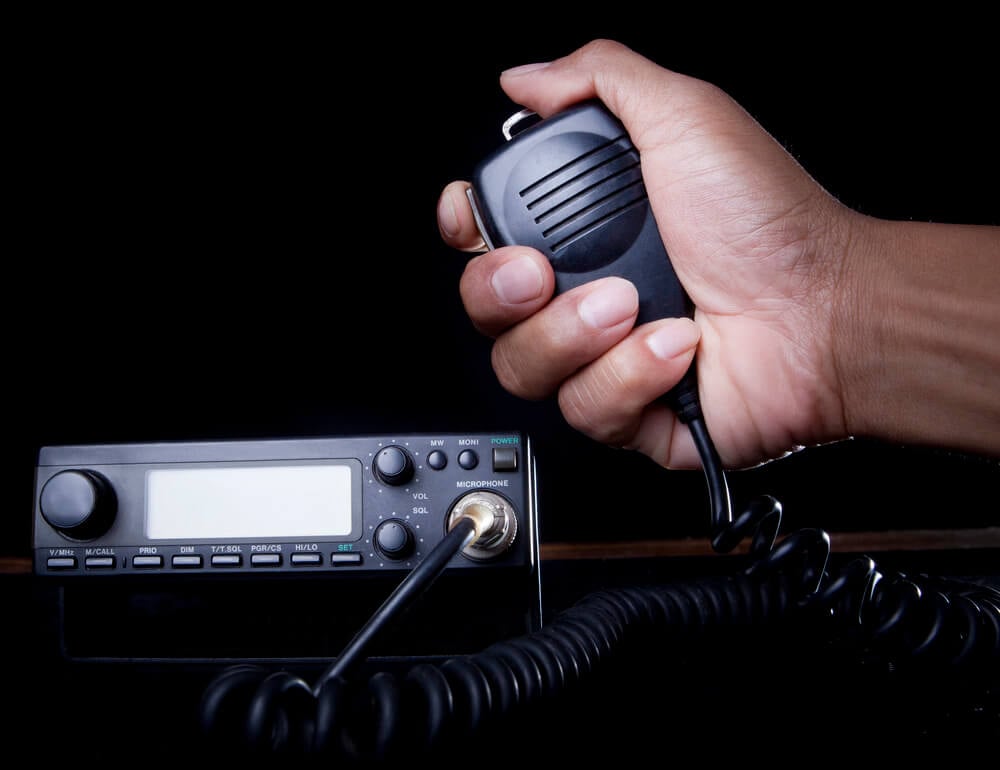
Citizens Band radios let family drivers communicate with truckers and other travelers on long road trips, complete with a specific slang vocabulary that briefly entered mainstream pop culture. Cell phones made the practical need for CB radios largely obsolete by the 1990s, though a small community of enthusiasts has kept the format alive.
Car Phones
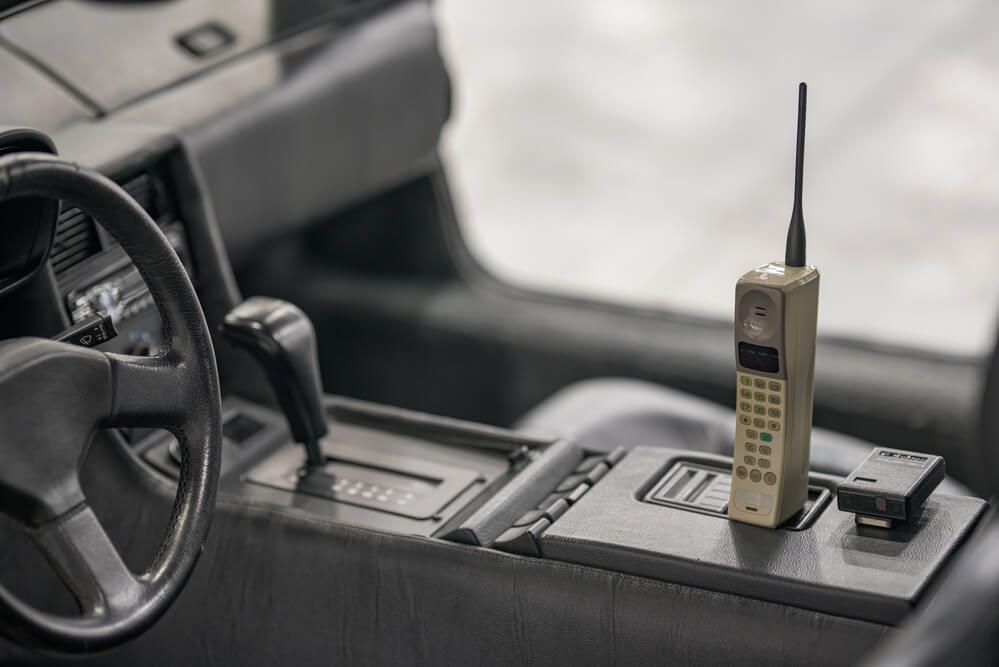
Early mobile phones were sometimes permanently wired into a family car, mounted in a console or carried as a separate bag-style unit plugged into the dashboard’s power outlet. The format disappeared entirely once compact, battery-powered cell phones became affordable and widely available in the 1990s.
Manual Sunroof Cranks
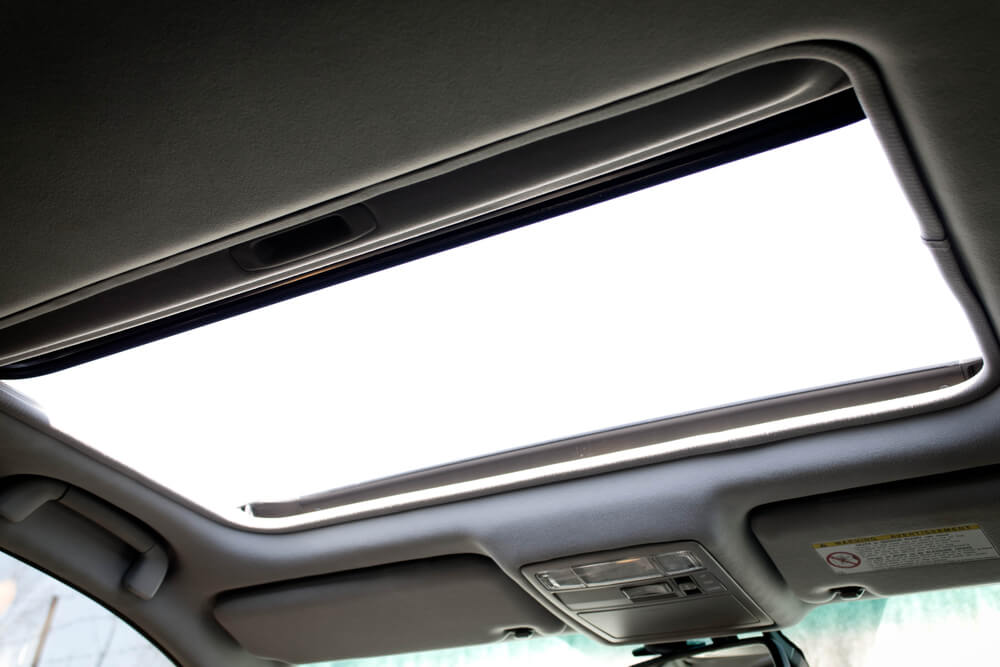
Before electric motors took over, opening a sunroof on many family cars required manually turning a small hand crank mounted in the headliner near the windshield. Electric sunroofs became standard equipment on most vehicles offering the feature by the late 1990s.
Mechanical Pushbutton Radio Presets
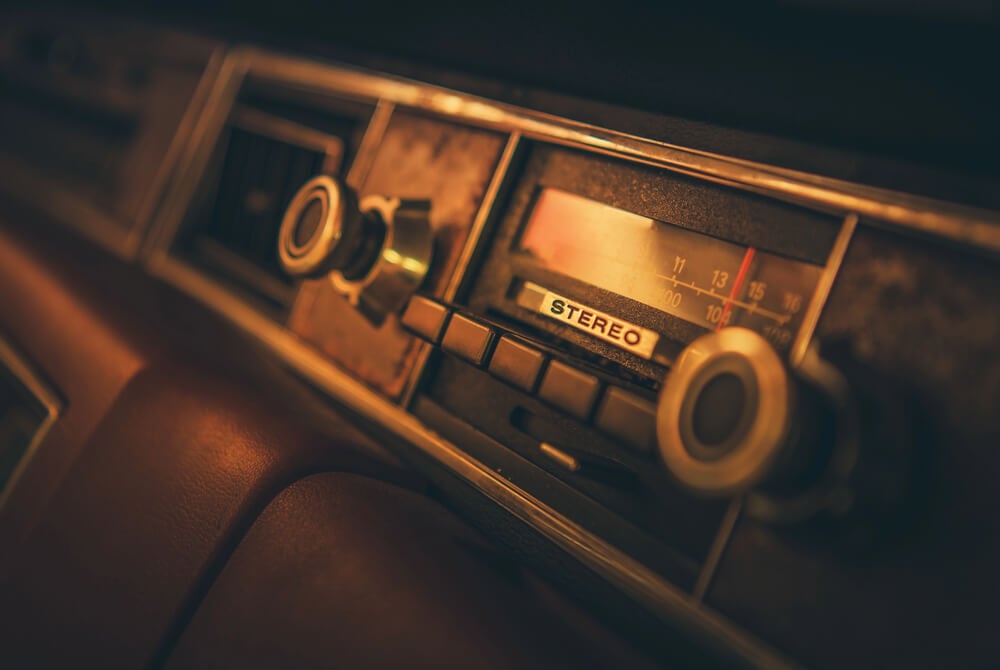
Early car radios used physical buttons that mechanically retuned the radio to a preset station, producing an audible, satisfying click with each press rather than a digital display change. Fully electronic tuning and digital presets replaced the mechanical version almost entirely by the 1980s.
Automatic Passive Shoulder Belts
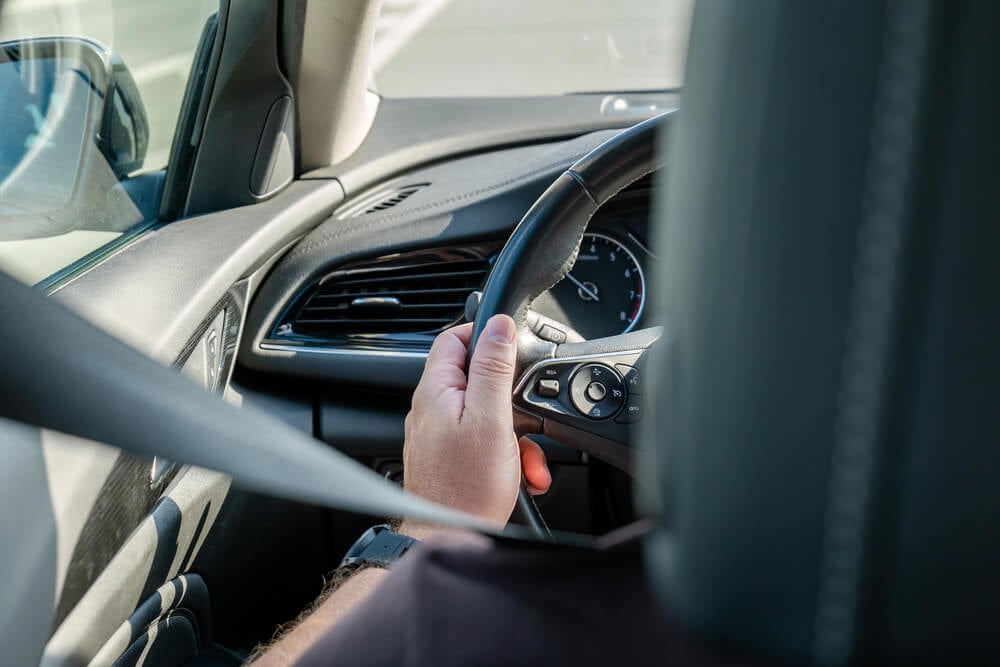
Some cars built in the years before airbags became mandatory used a motorized shoulder belt that slid automatically into place along a track the moment a door closed, requiring no action from the passenger. The system was phased out once airbags became a federally required safety feature, making the automatic belts unnecessary.
The Dashboard Push-In Lighter
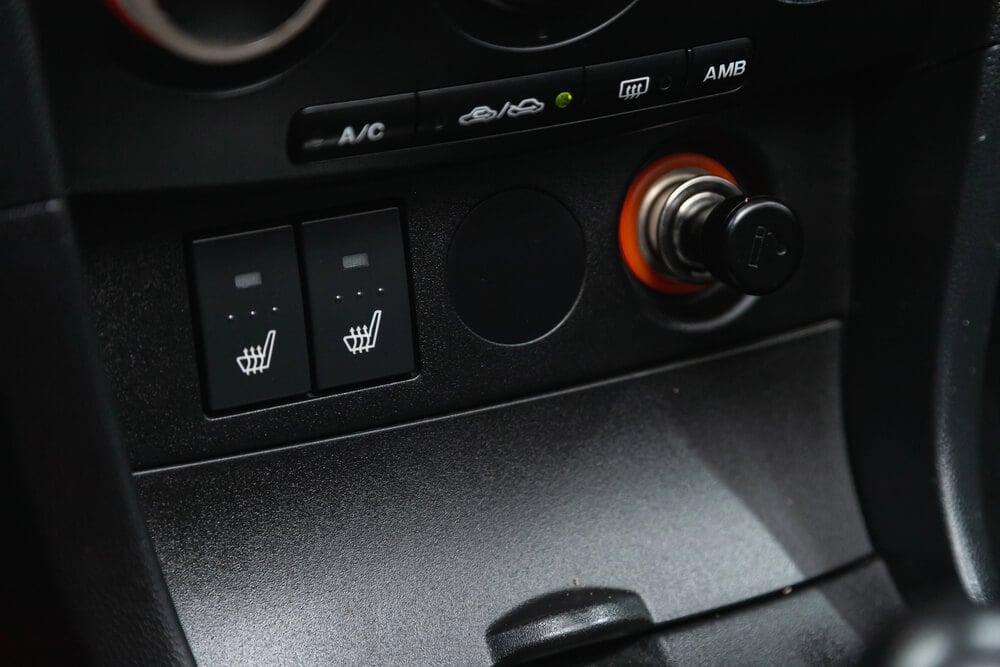
A coiled metal element that heated up when pushed into its dashboard socket once served as the standard way to get a light on the go, and the click of it popping back out was a distinct sound of its own. The same socket has survived largely unchanged in most vehicles, now repurposed almost entirely as a power outlet for phone chargers and small devices.
Built-In Ashtrays
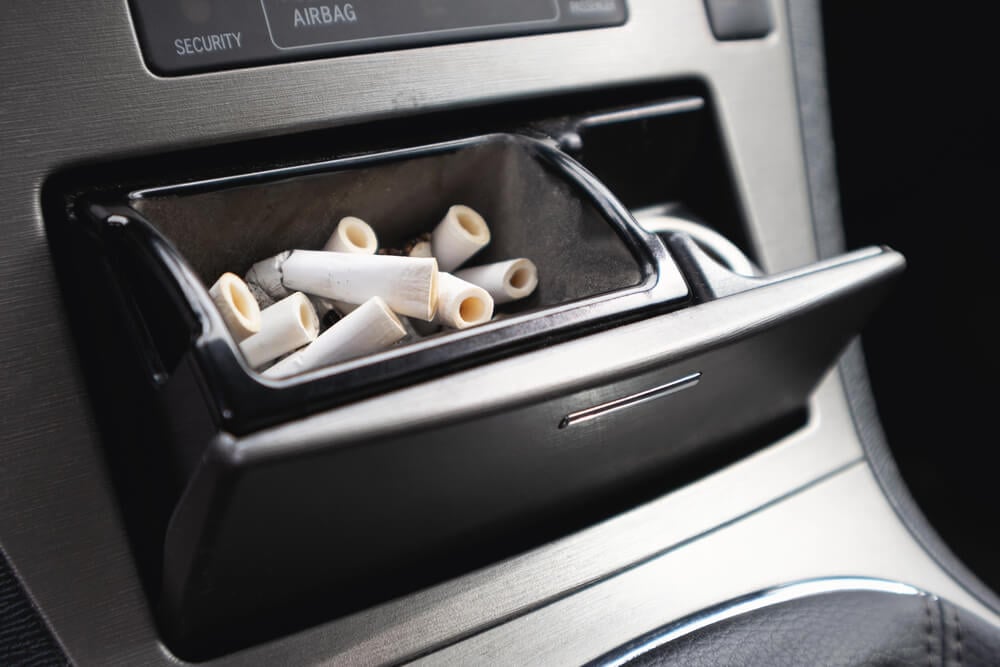
Small pull-out trays built into the dashboard or door panel once provided a designated place for ash in nearly every car on the road. As the habit fell out of favor and vehicle interiors shifted toward cleaner designs, dedicated ashtrays quietly disappeared from most new vehicle interiors.
Station Wagon Rear Jump Seats
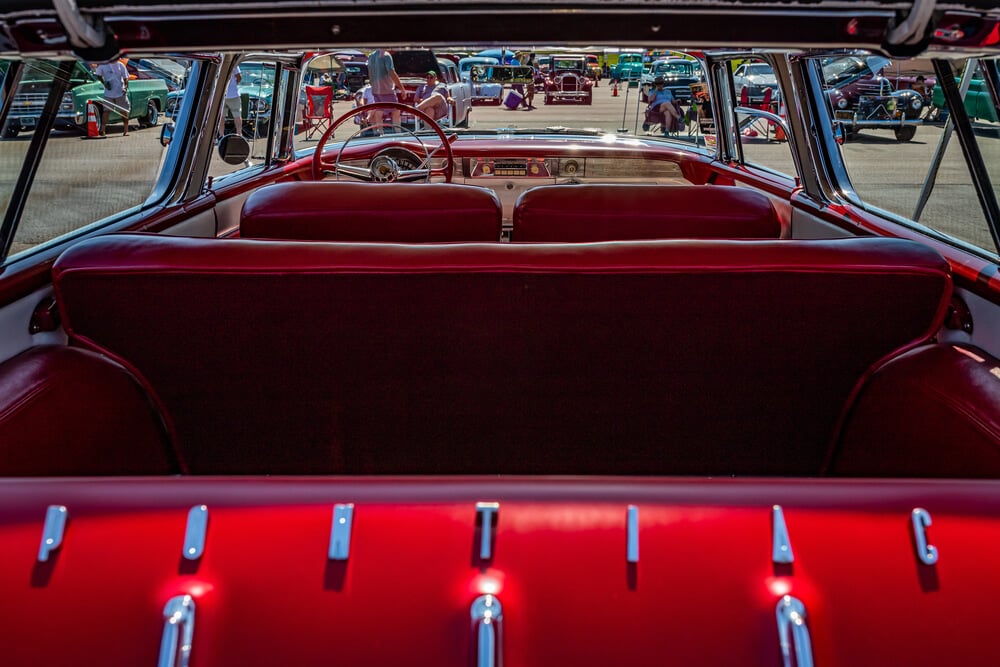
Distinct from the rear-facing third row, some larger wagons and early SUVs offered small fold-out jump seats in the cargo area specifically for occasional extra passengers on short trips. The format faded as minivans and modern SUVs replaced the station wagon as the dominant family vehicle body style.
Roll-Down Rear Cargo Windows
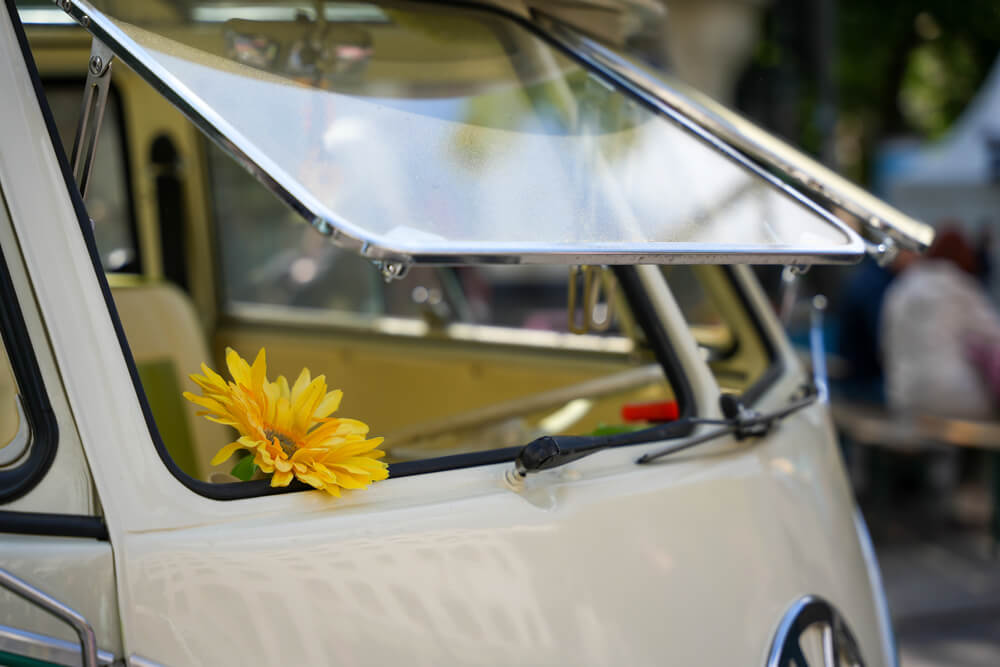
Some station wagons featured a rear window that rolled down independently of the tailgate, allowing airflow through the cargo area without fully opening the back of the car. The feature largely disappeared alongside the station wagon body style itself as SUVs and minivans became the more common family vehicle choice.
Auto-Reverse Cassette Decks
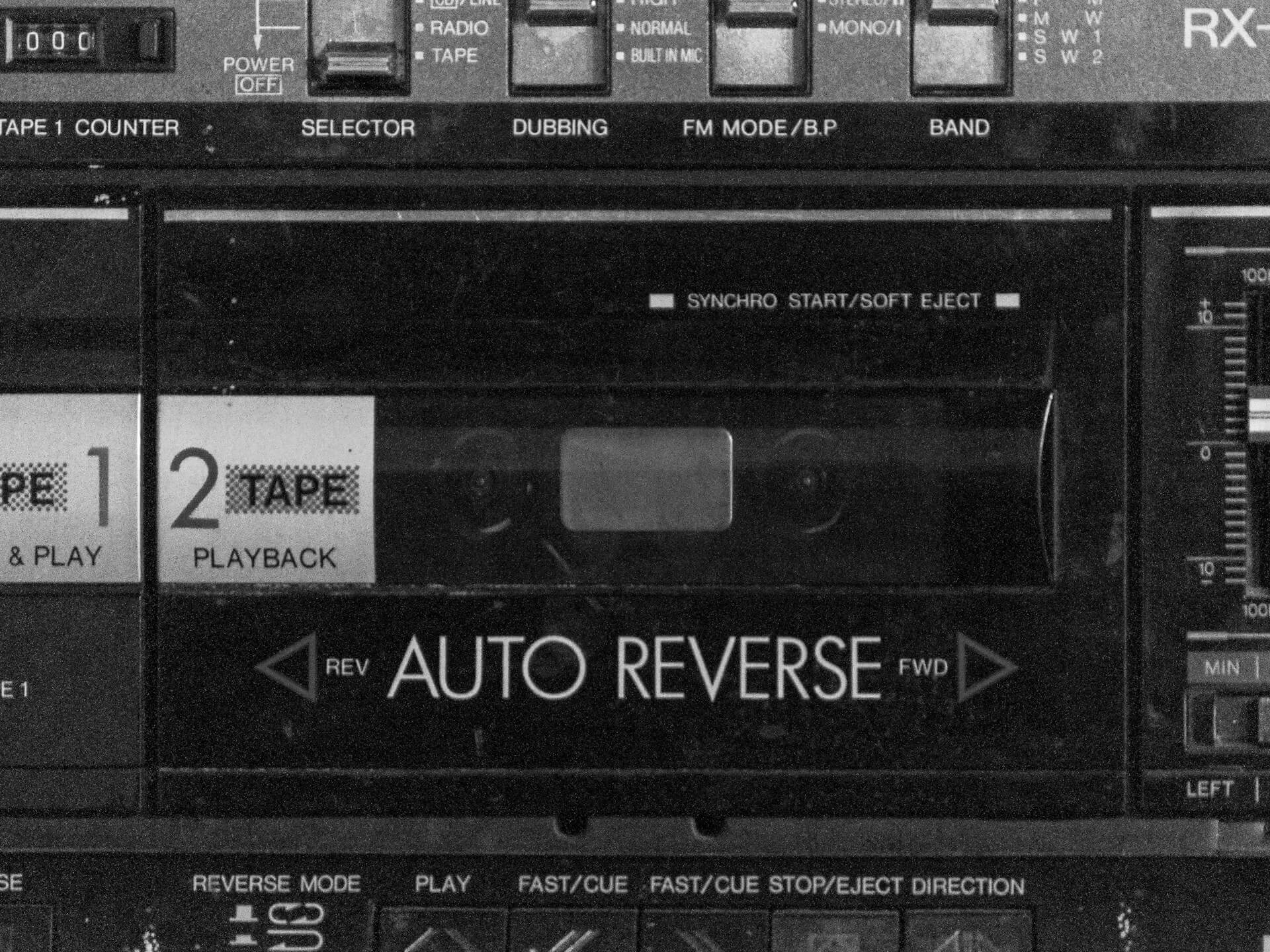
A more advanced version of the standard cassette player could automatically flip playback direction once a tape reached its end, eliminating the need to physically remove and flip the cassette by hand. The feature became a genuine selling point in the final years before cassette decks disappeared from new cars entirely.
What the Dashboard Used to Hold
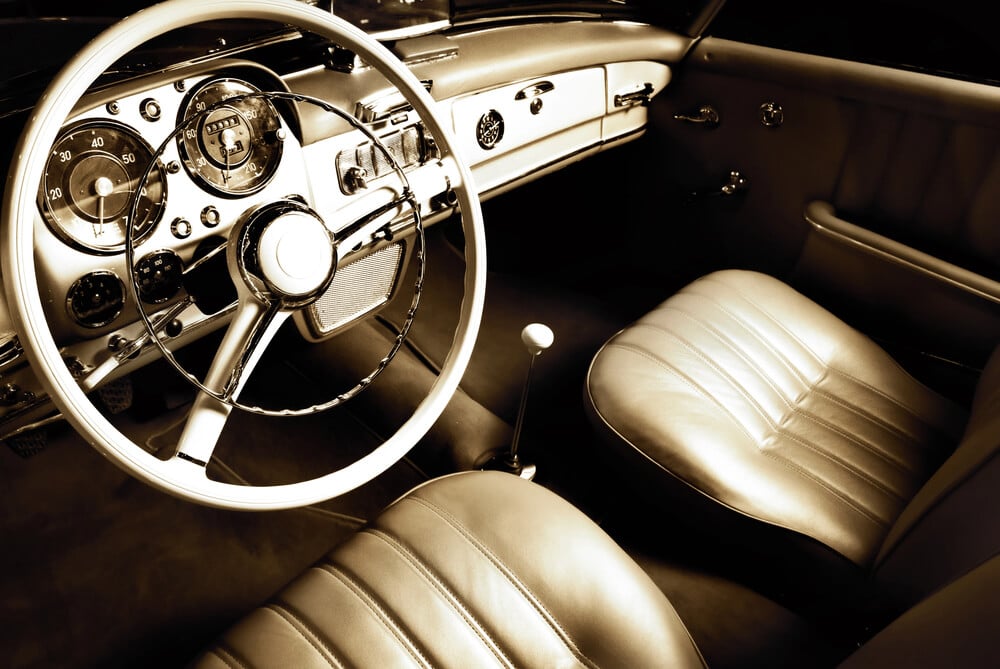
None of these features vanished because families stopped wanting convenience or personality in a vehicle. Most were phased out gradually, replaced by something safer, more efficient, or simply cheaper to manufacture at scale.
What is harder to replace is the specific, physical memory each one left behind: the particular sound of a manual window crank, the click of a mechanical radio button, the exact motion of reaching across a bench seat that no longer exists in most cars built today.
More from Go2Tutors!

- The Romanov Crown Jewels and Their Tragic Fate
- 13 Historical Mysteries That Science Still Can’t Solve
- Famous Hoaxes That Fooled the World for Years
- 15 Child Stars with Tragic Adult Lives
- 16 Famous Jewelry Pieces in History
Like Go2Tutors’s content? Follow us on MSN.