28 Film Camera Lenses Shops Buy Apart from the Body
A camera body ages the moment its electronics stop being serviceable, but glass doesn’t work that way. Certain lenses, mostly built decades ago with optical formulas and coatings companies have since abandoned, are worth more today than when they were new, regardless of what body they’re attached to. Camera shops know this well enough to buy the lens and leave the body behind.
Leica Summicron 50mm f/2 Rigid
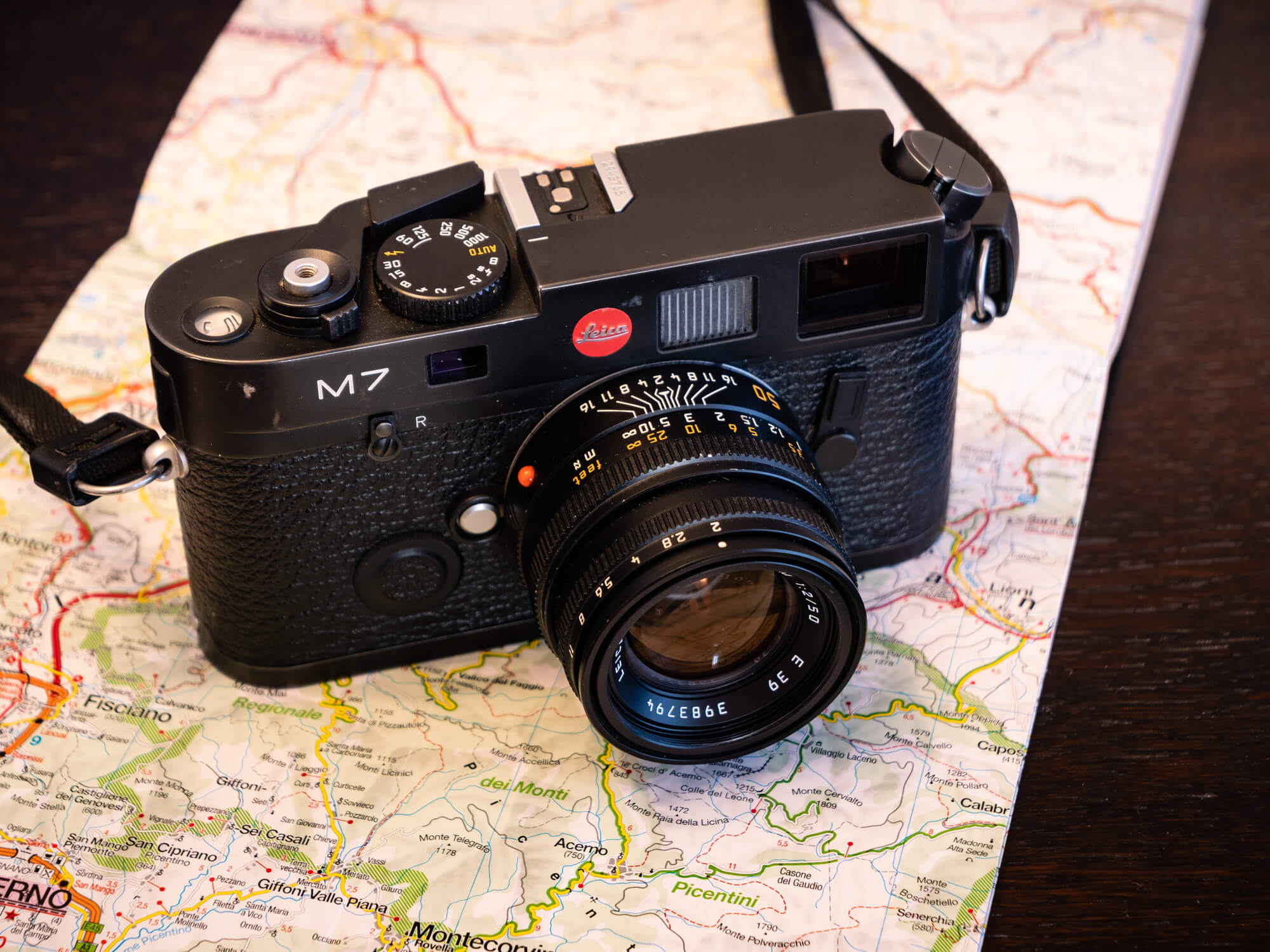
Leica’s 1956 “rigid” Summicron, built with a solid, non-collapsible barrel rather than the earlier collapsible design, is widely regarded by rangefinder shooters as one of the sharpest standard lenses ever produced for the mount. Its relatively short production run makes clean examples harder to find than the later, more common versions of the same optical formula.
Leica Noctilux 50mm f/1.2
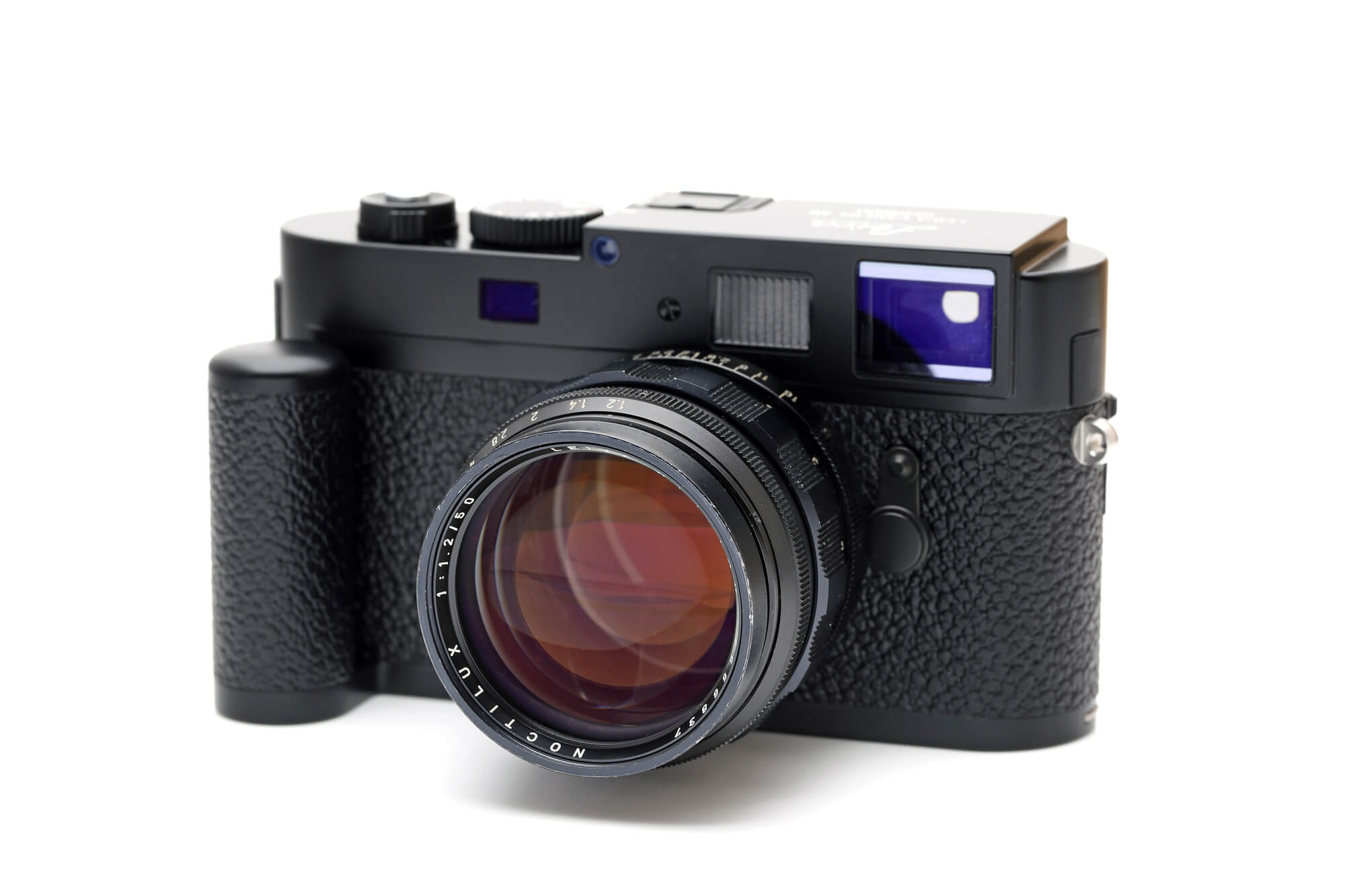
Introduced in 1966, the original Noctilux used aspherical elements ground by hand, a manufacturing process so labor-intensive that Leica eventually redesigned the lens with spherical glass to make production feasible at scale. That original hand-ground version remains one of the most sought-after fast lenses in the history of photography.
Canon 50mm f/0.95
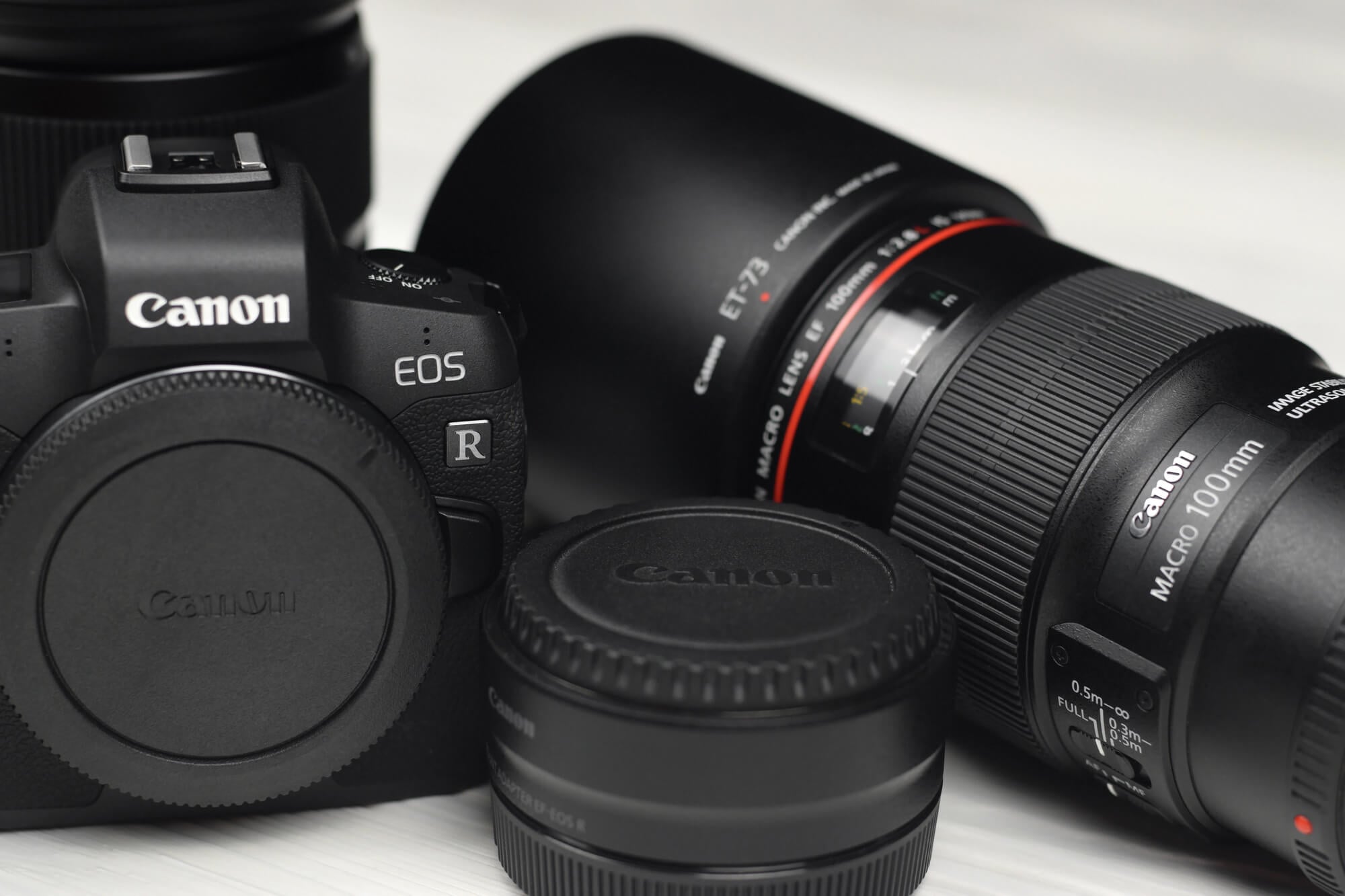
Nicknamed the “Dream Lens” for its unusually wide maximum aperture, Canon built this rangefinder lens in the late 1950s at a time when nothing else on the market let in nearly as much light. Its dramatically shallow depth of field and distinctive rendering have kept it a target for collectors long after Canon moved away from rangefinder cameras entirely.
Zeiss Planar 50mm f/1.4
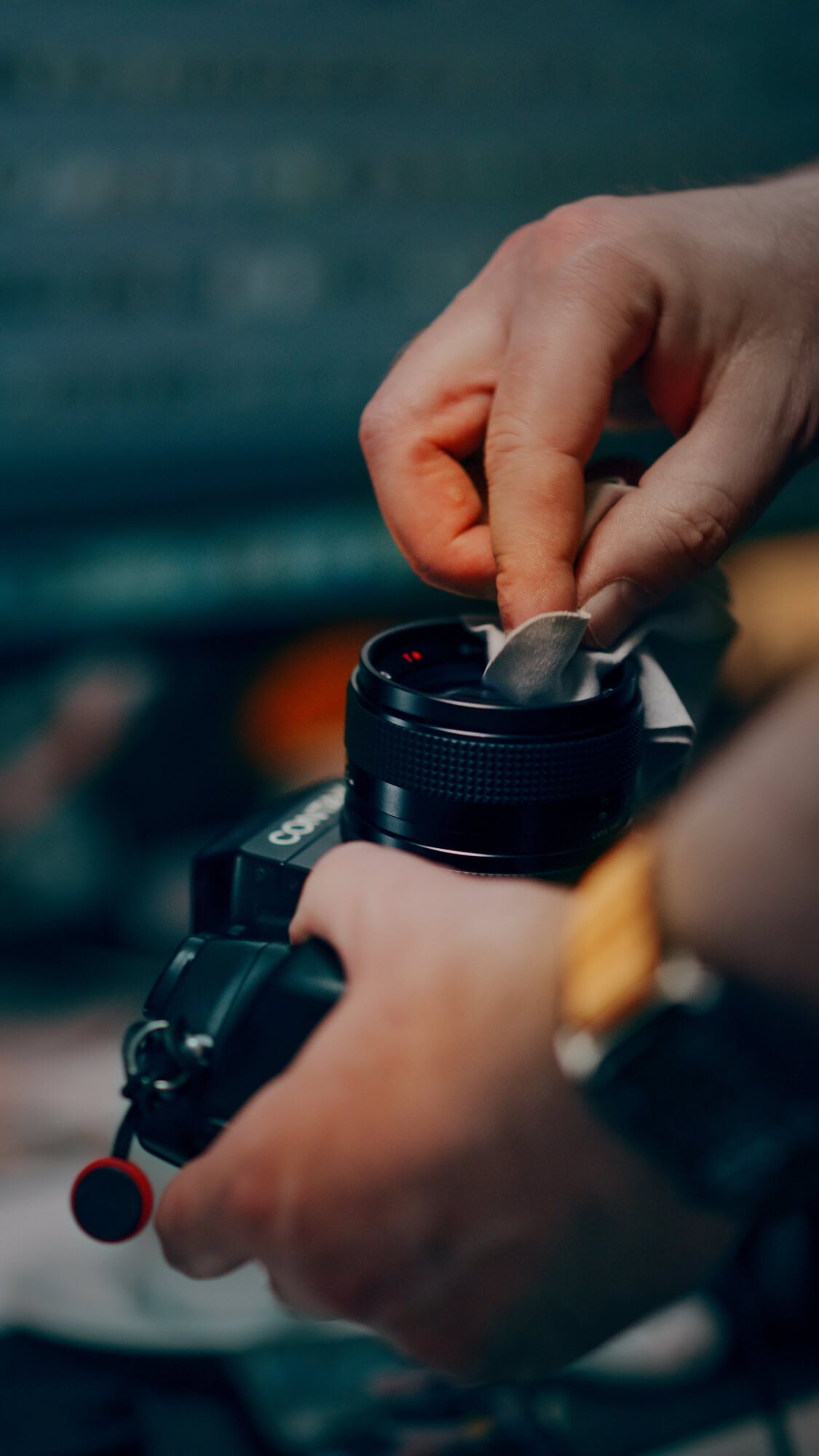
Built for the Contax/Yashica mount, the Zeiss Planar 50mm f/1.4 is frequently cited by film photographers as having a rendering quality that modern autofocus equivalents haven’t matched. Its optical formula traces back to a design Zeiss had refined over decades before this particular mount version was produced.
Nikon Noct-Nikkor 58mm f/1.2
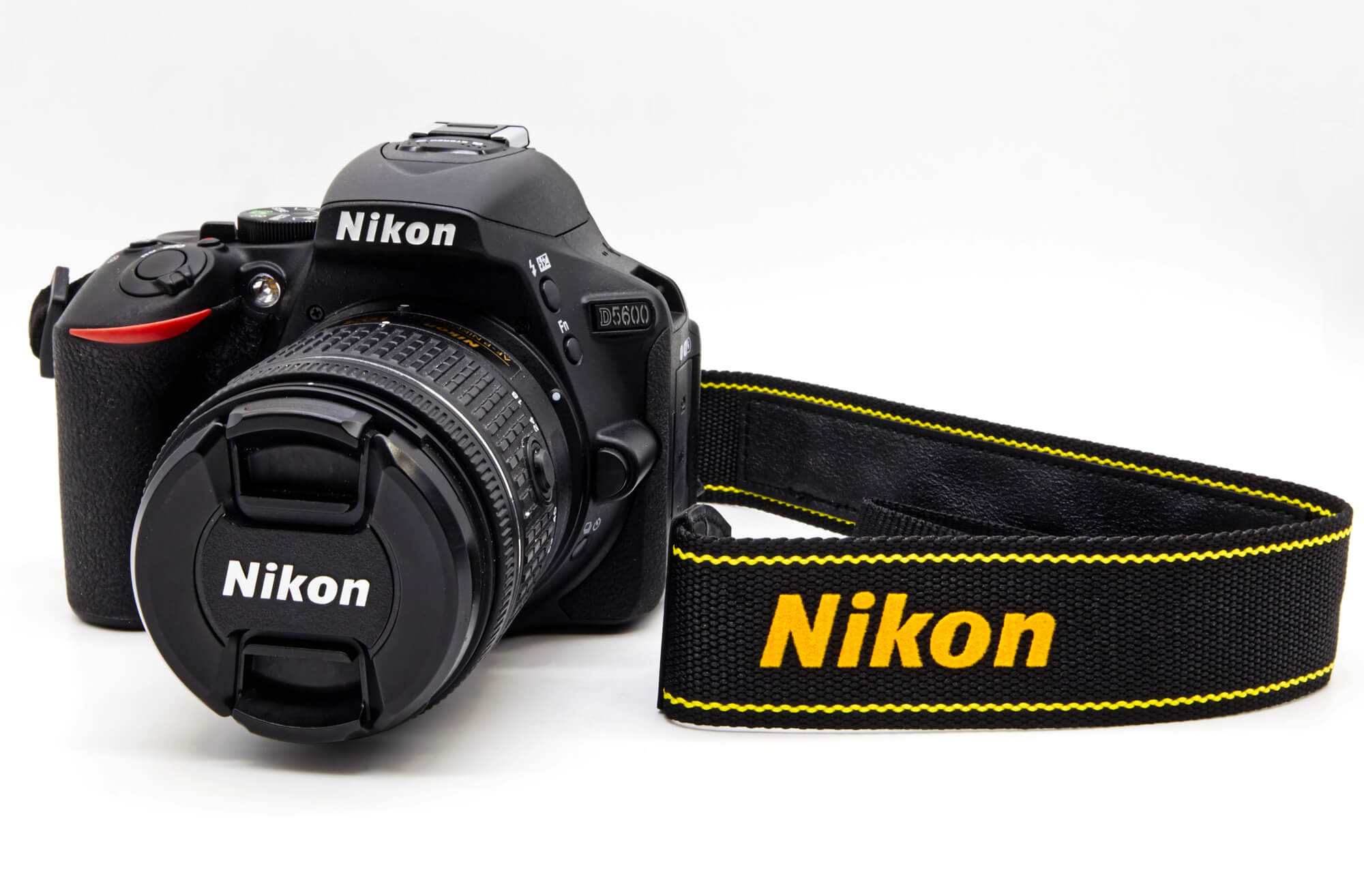
Nikon built the Noct-Nikkor with a hand-figured aspherical element specifically to control coma distortion at wide apertures, a feature that made it popular among photographers shooting points of light at night. Its complex manufacturing process meant Nikon produced it in relatively small numbers, keeping surviving examples in high demand.
Zeiss Sonnar 85mm f/1.4
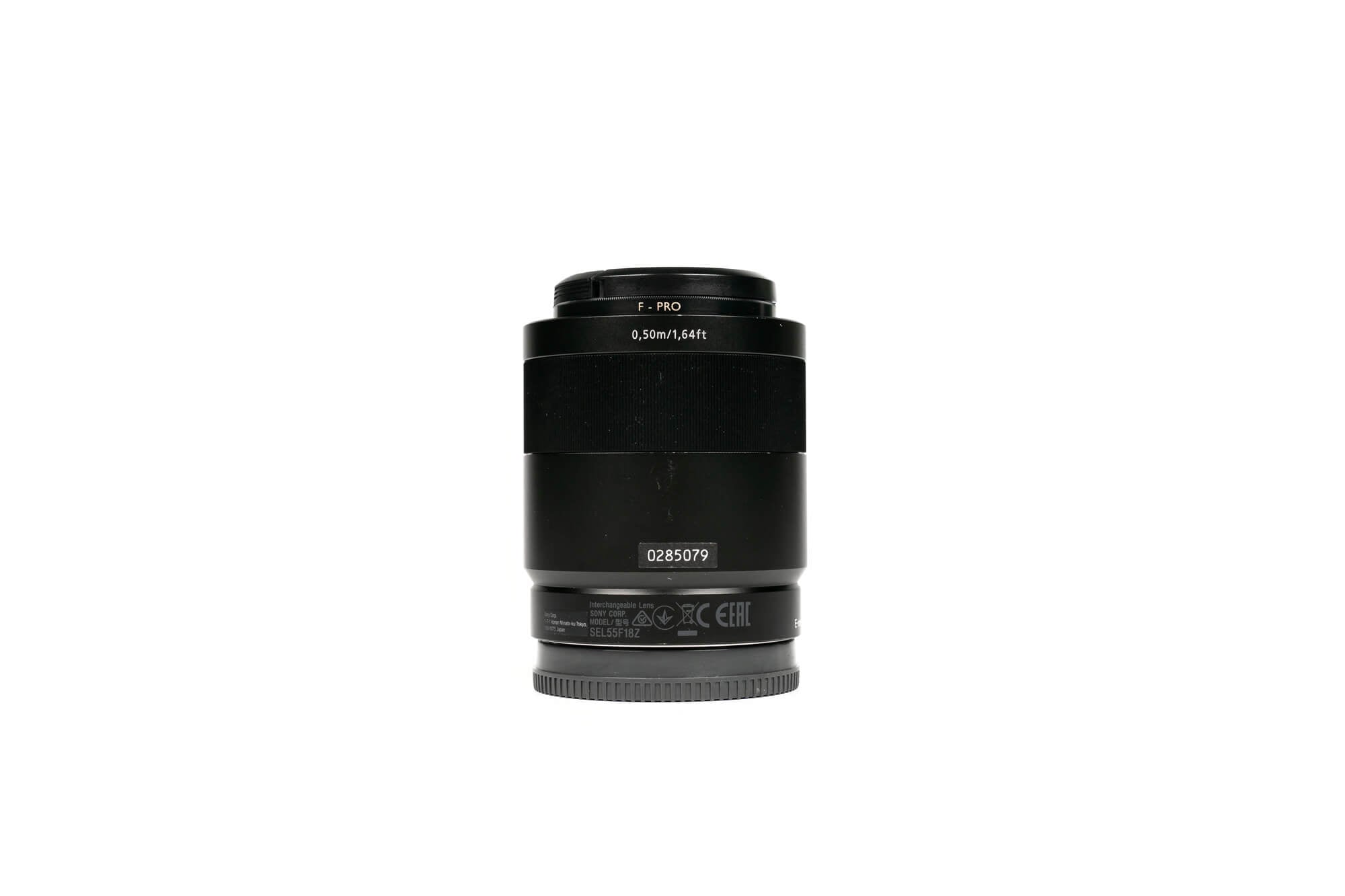
The Contax/Yashica mount Sonnar 85mm f/1.4 built a reputation among portrait photographers for a rendering that separated subject from background with unusual smoothness. Decades after Zeiss stopped producing lenses in this mount, working photographers still track down clean copies specifically for that look.
Leica Summilux 35mm f/1.4 Steel Rim
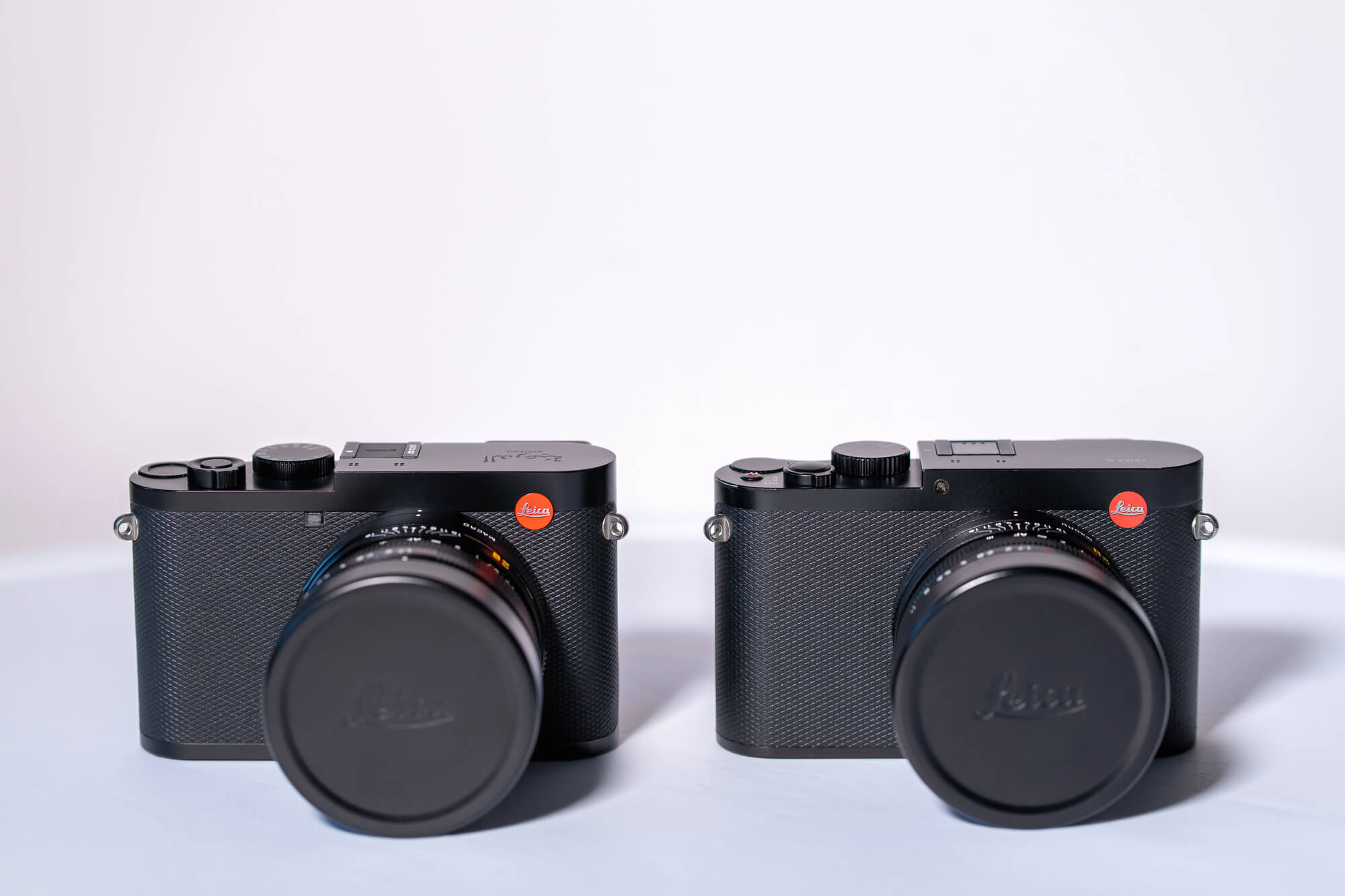
The earliest Summilux 35mm lenses, identifiable by a distinctive steel focusing ring rather than the rubberized grips used later, are prized by collectors for both their optical rendering and their construction quality. Leica altered the lens’s design multiple times over subsequent decades, and each version has its own following among specialists who can tell them apart at a glance.
Pentax Super-Takumar 50mm f/1.4
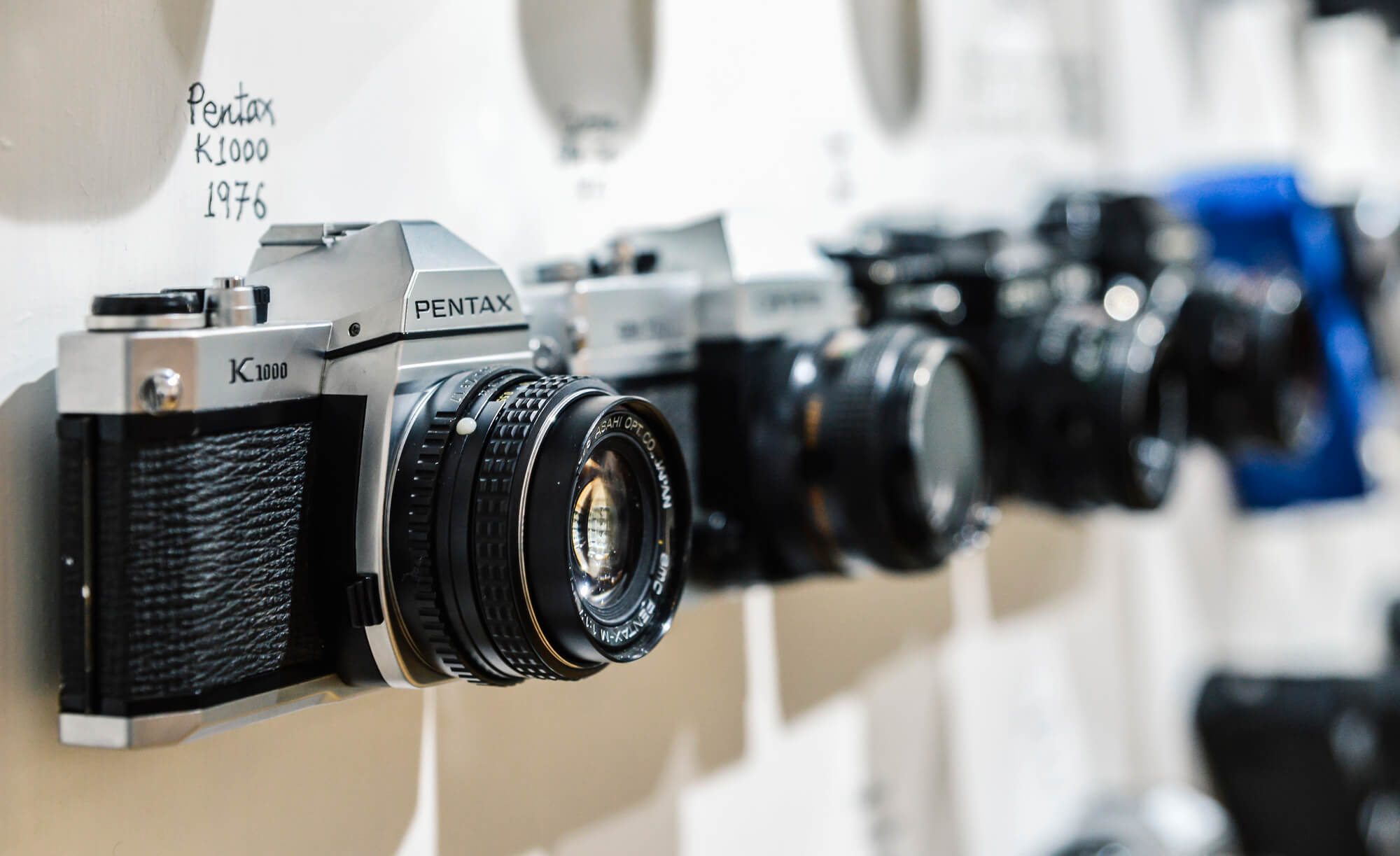
Pentax used thorium in the glass formula for this lens during the 1960s to achieve a higher refractive index, a choice that gives surviving copies a faint yellow tint as the thorium slowly decays over time. That radioactive glass, harmless in normal handling but detectable with a Geiger counter, has become a genuine selling point among collectors specifically hunting for the effect it has on the lens’s rendering.
Canon FD 55mm f/1.2 Aspherical
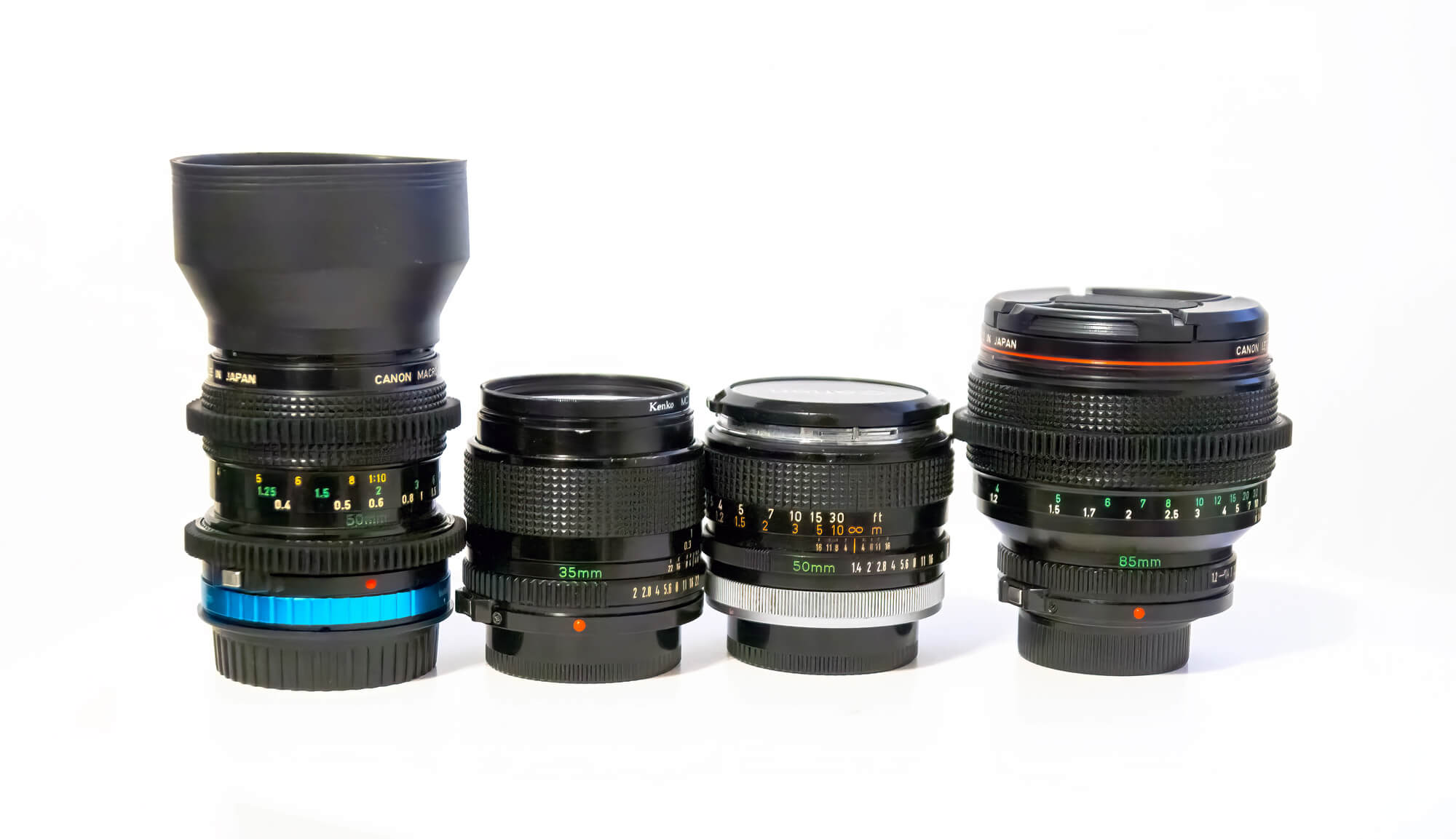
Canon’s aspherical FD-mount lens from the 1970s used hand-ground elements similar in spirit to Leica’s approach with the Noctilux, resulting in a fast lens with distinctive rendering at its widest apertures. Its complex manufacturing kept production numbers low, and clean examples now draw serious attention from collectors of vintage Canon glass.
Minolta MC Rokkor-PG 58mm f/1.2
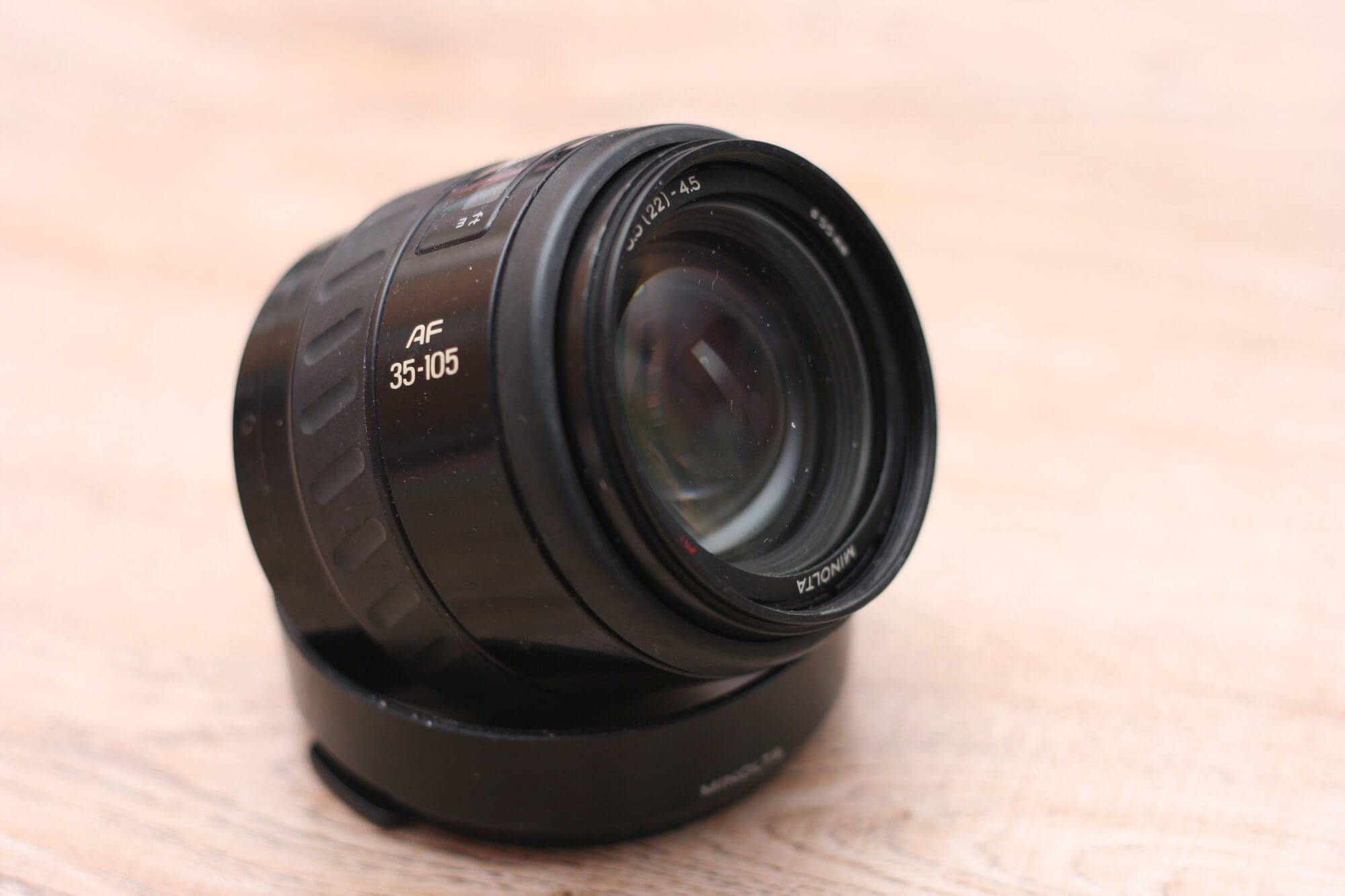
Minolta’s fastest standard lens from the late 1960s and early 1970s has developed a strong following among film photographers for a dreamy, low-contrast rendering wide open that sharpens up noticeably as it’s stopped down. Its relatively affordable price compared to Leica and Zeiss equivalents has made it a frequent entry point for collectors starting to explore vintage fast glass.
Olympus Zuiko 50mm f/1.2
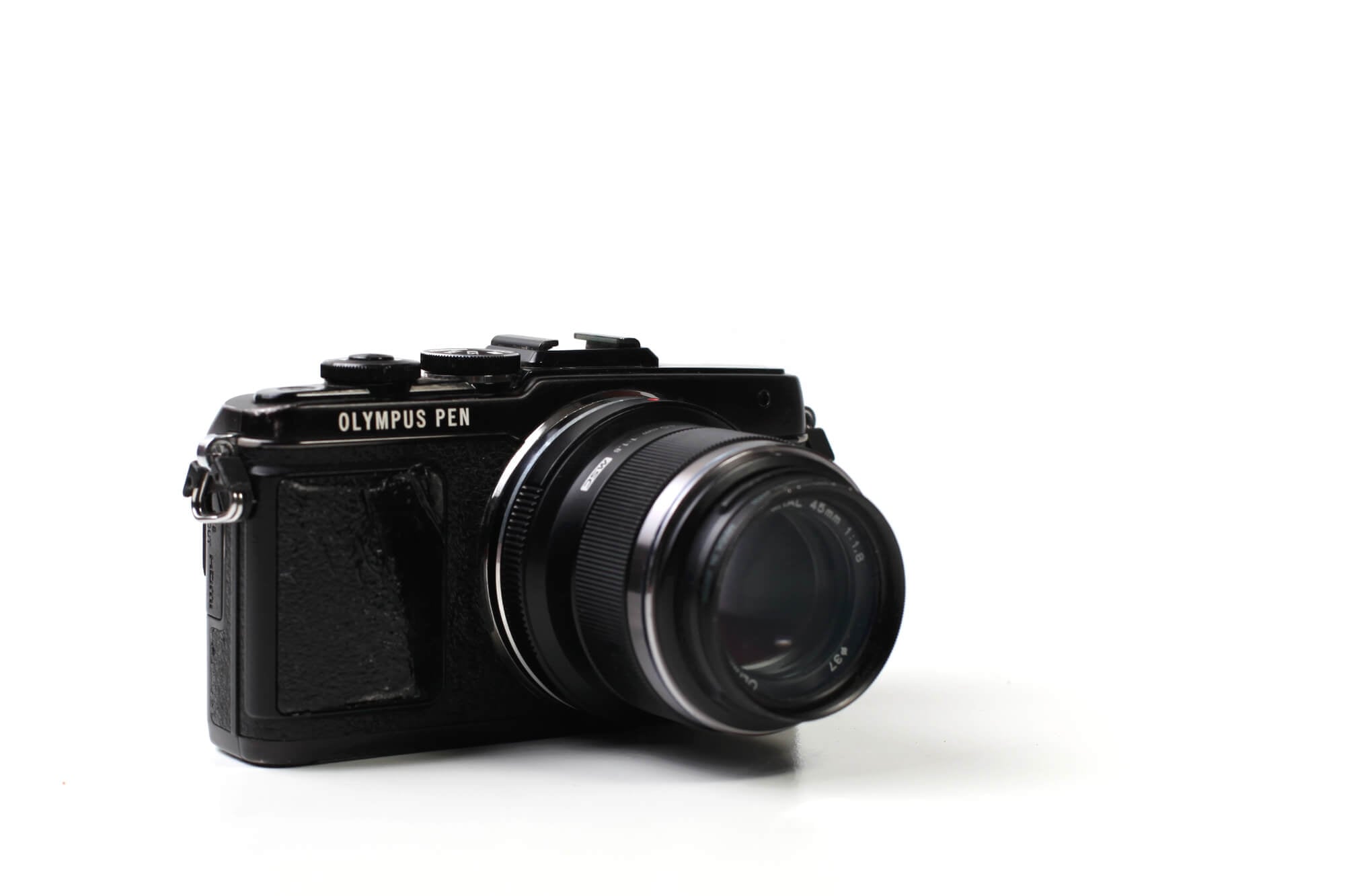
Olympus built this lens for its OM-mount system as one of the fastest standard lenses available for a compact SLR platform, and it remains popular among collectors specifically for its size relative to its speed. The OM system’s smaller body design meant Olympus had to solve engineering challenges that competitors with larger mounts didn’t face.
Leica Summicron 35mm f/2 Eight-Element
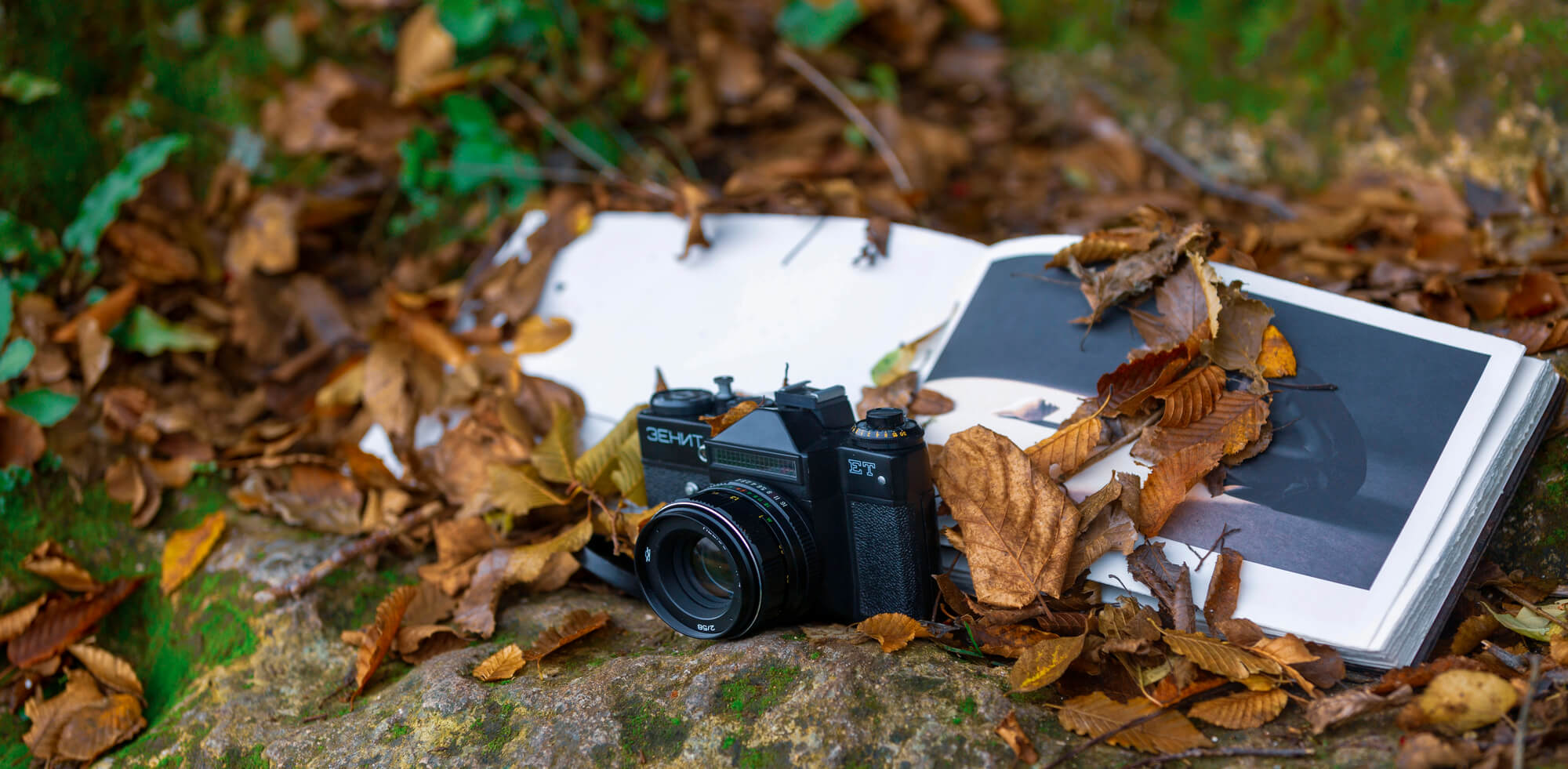
Often called the “King of Bokeh” by rangefinder enthusiasts, this early version of the Summicron 35mm used eight glass elements in a formula Leica later simplified for manufacturing reasons. The original eight-element version’s specific rendering characteristics have made it one of the most actively discussed and collected 35mm lenses in the rangefinder world.
Nikkor-P 105mm f/2.5
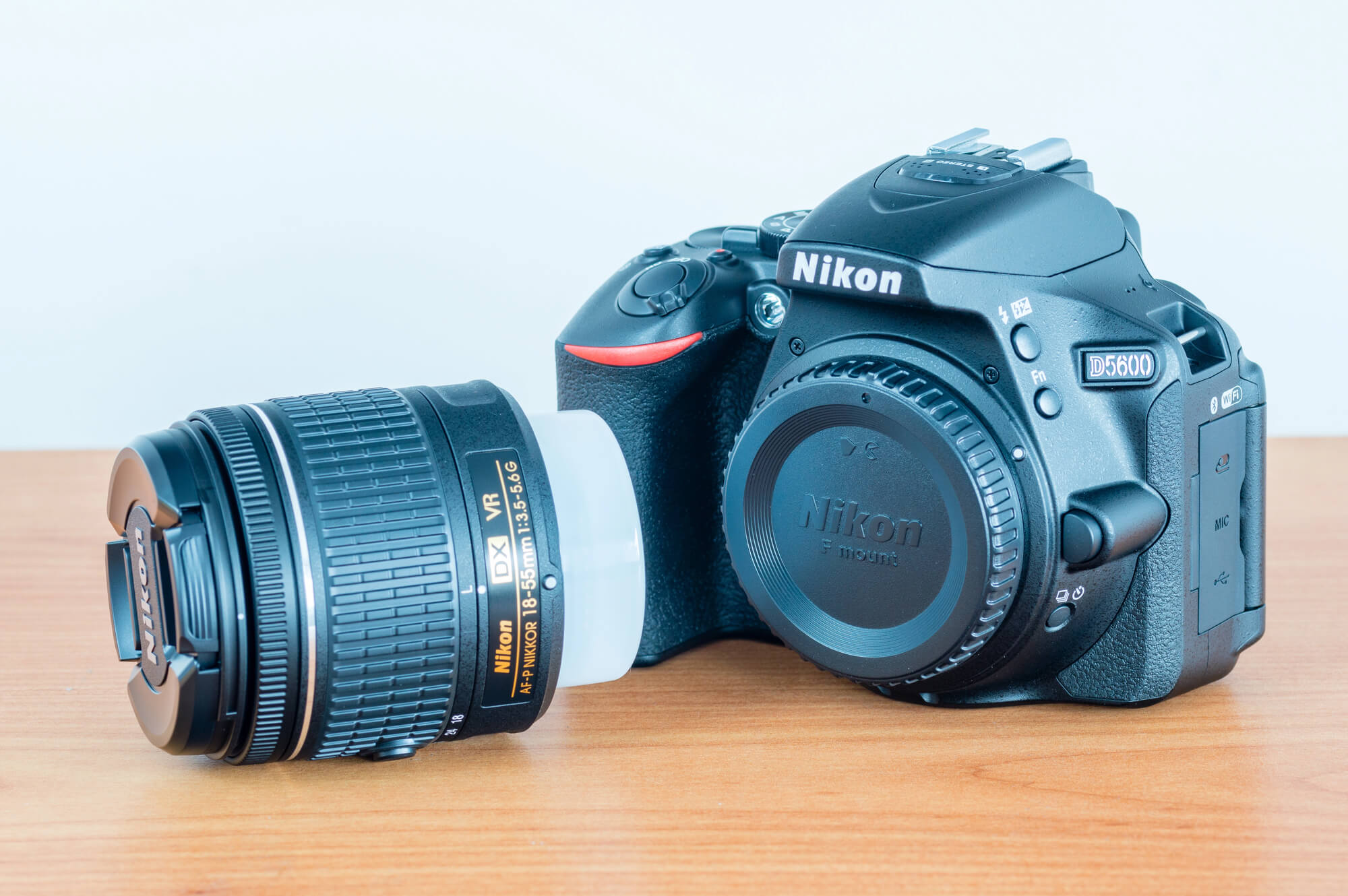
Nikon’s 105mm f/2.5 portrait lens, produced across several design generations from the 1950s onward, became closely associated with a specific school of documentary and portrait photography during the era. Its compact size and reliable rendering have kept demand steady among collectors decades after Nikon moved on to newer optical designs.
Hasselblad Zeiss Distagon 50mm f/4
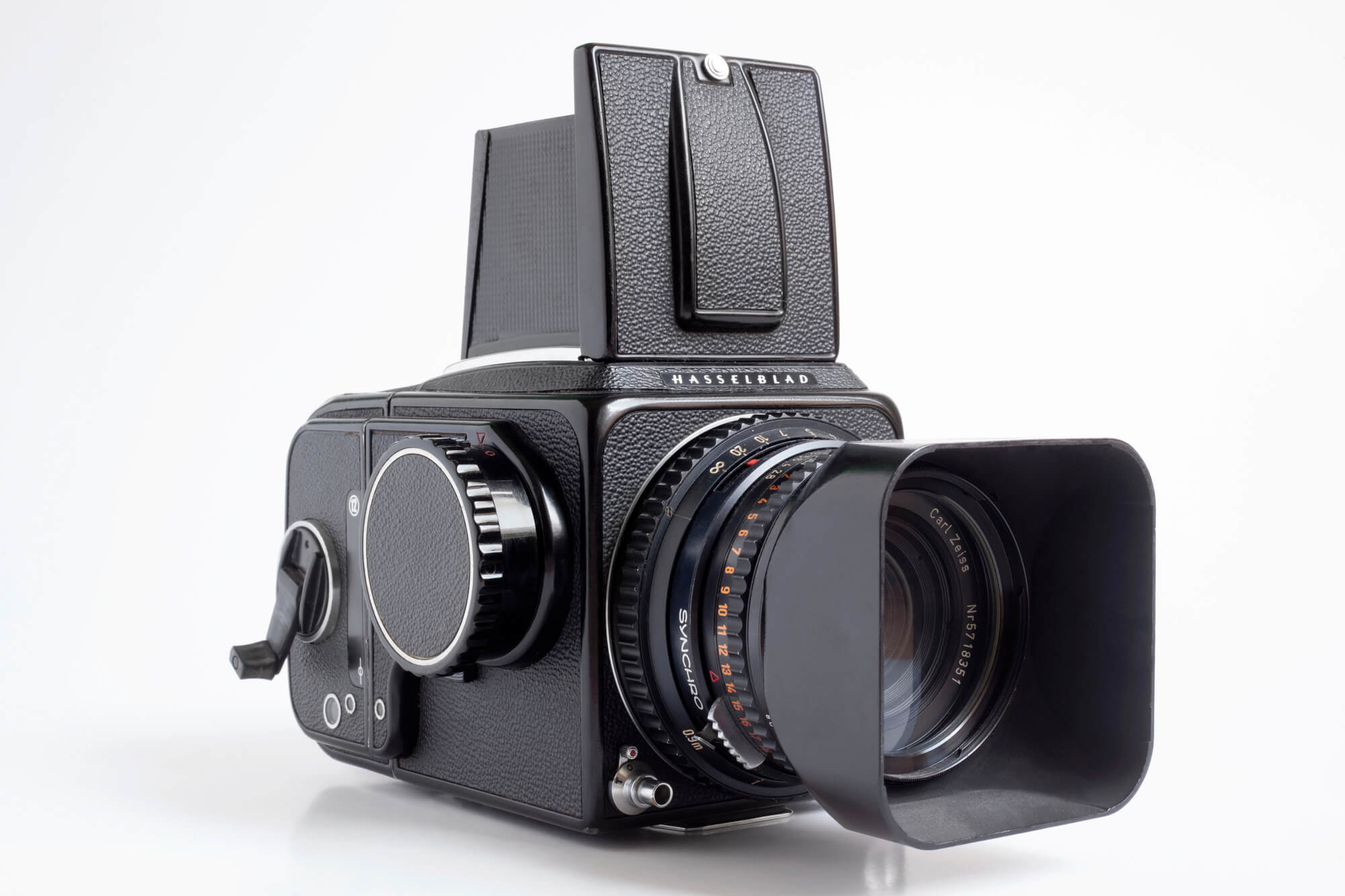
Built for Hasselblad’s medium-format system, the Distagon 50mm f/4 is prized by collectors of vintage medium-format gear for a level of edge-to-edge sharpness that was considered exceptional for a wide-angle lens on such a large negative. Its price has remained high specifically because medium-format photographers still use it as a working lens rather than a shelf piece.
Leica Elmar 50mm f/3.5 Collapsible
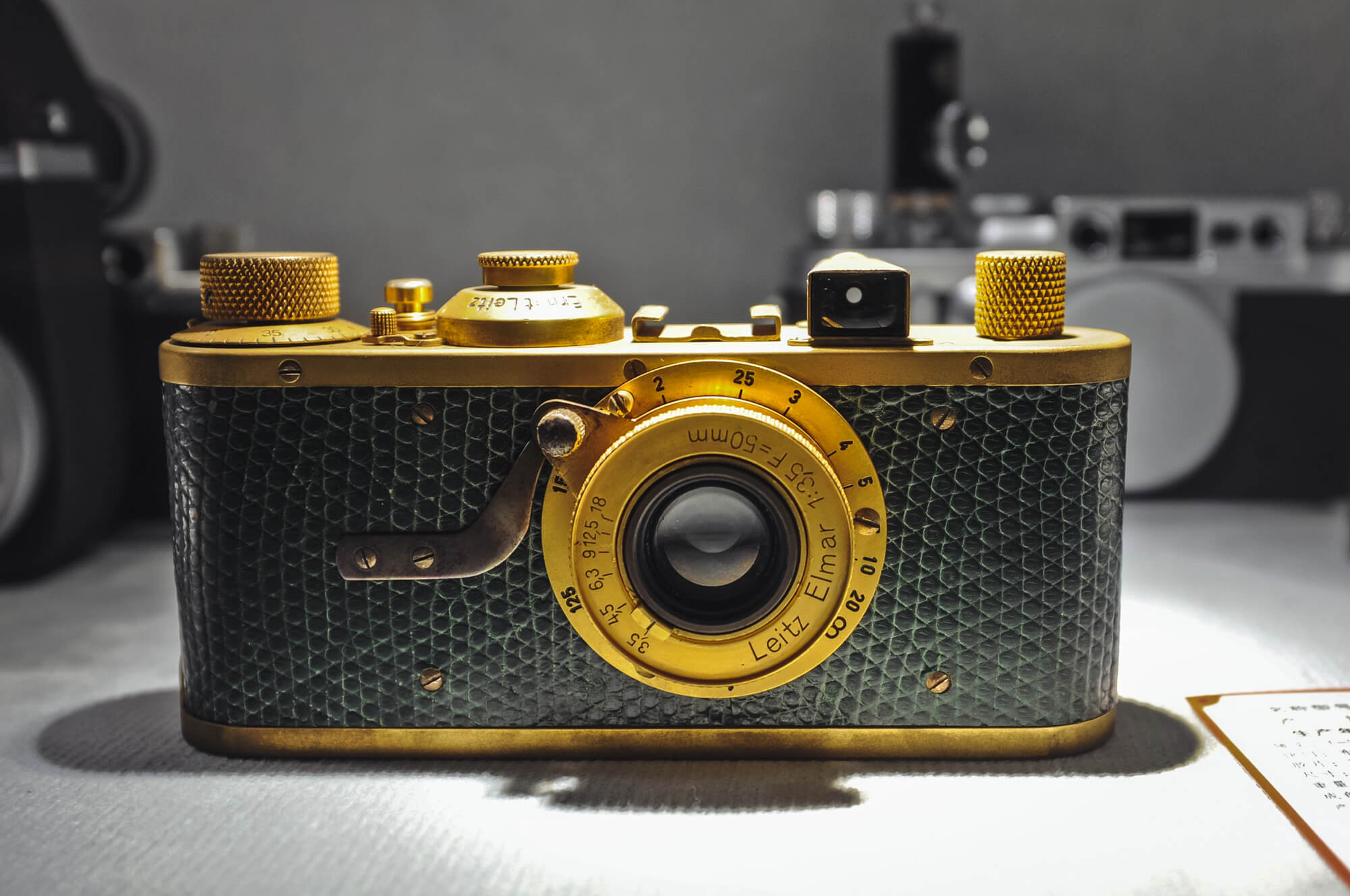
Leica’s collapsible Elmar, produced across multiple screw-mount generations starting in the 1930s, is one of the most historically significant lenses in the company’s catalog and remains a favorite among collectors focused on the earliest years of Leica rangefinder photography. Its collapsible design, which lets the lens barrel retract into the camera body for storage, is itself a piece of mechanical engineering collectors specifically look for in good working order.
Canon 85mm f/1.2 Rangefinder
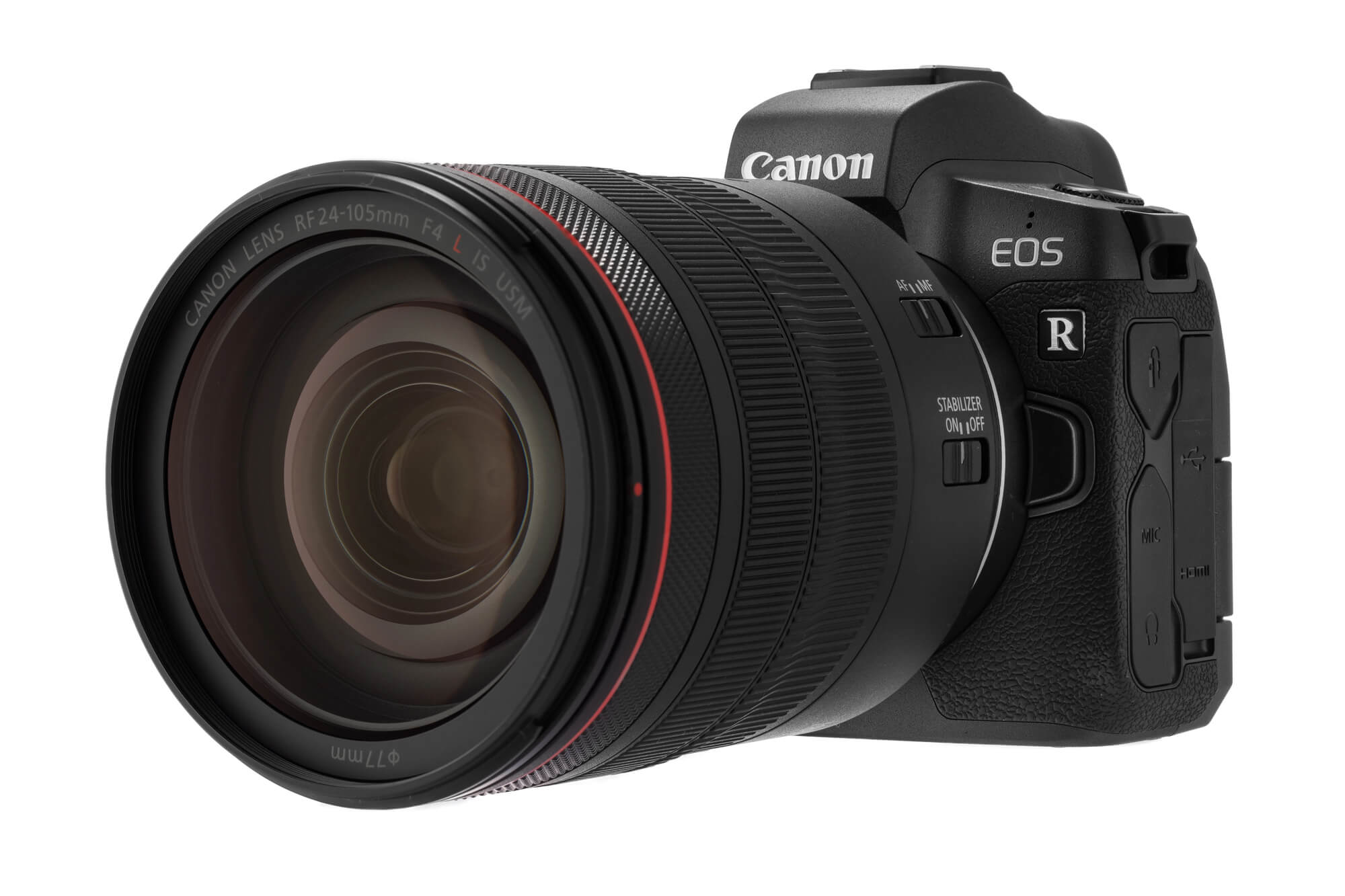
Canon’s rangefinder-mount 85mm f/1.2, built during the company’s screw-mount era before it shifted toward SLR systems, is considered one of the fastest portrait lenses produced for that mount at the time. Its rarity today owes partly to Canon’s relatively short window of rangefinder lens production before the company moved on entirely.
Zeiss Biogon 21mm f/4.5
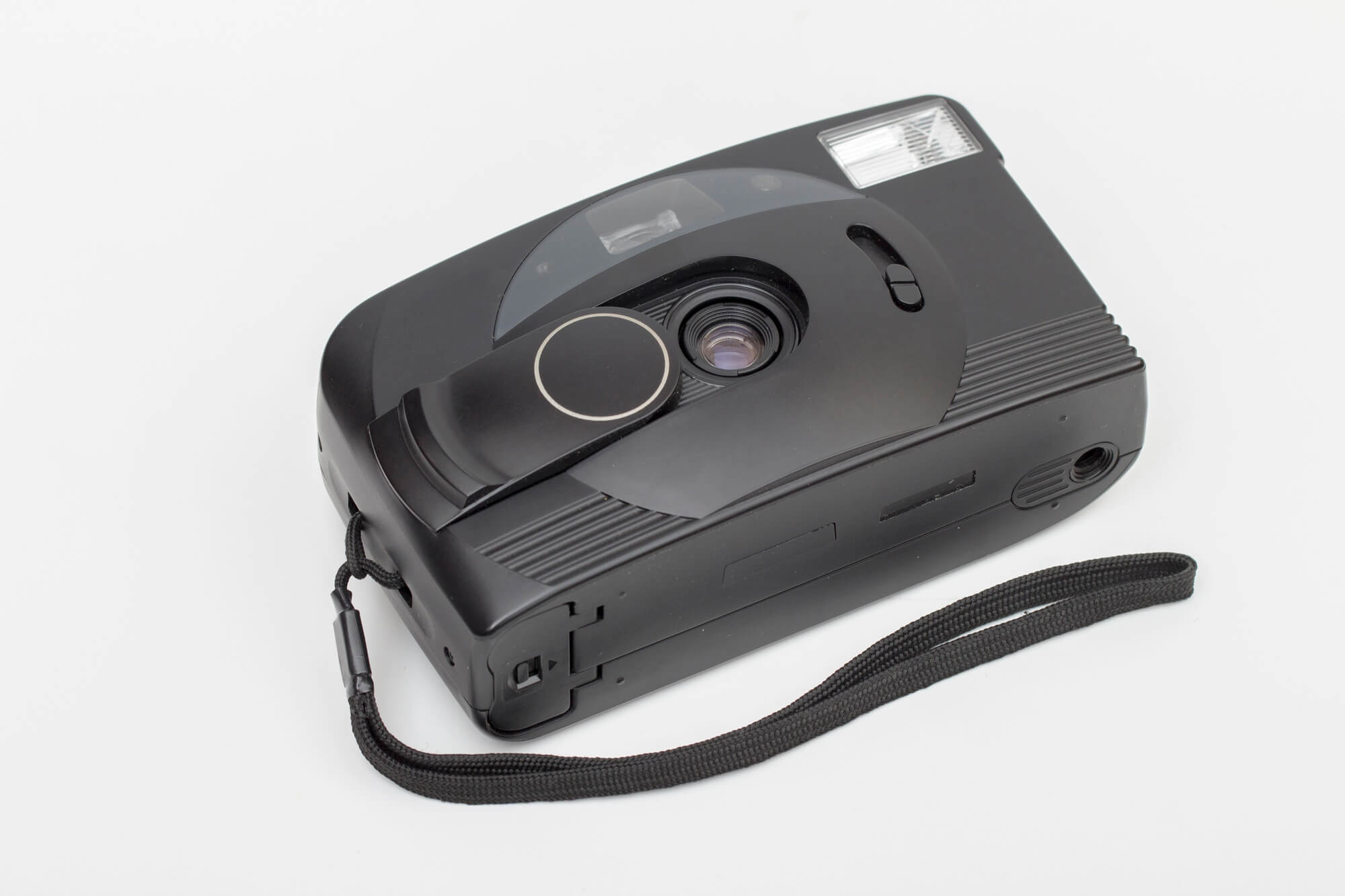
Built for the Contax G autofocus rangefinder system, the Biogon 21mm is frequently cited by wide-angle specialists as one of the sharpest and most distortion-free lenses ever produced in its focal length. Its niche mount, discontinued well before digital photography took over, has kept surviving copies concentrated among dedicated collectors.
Angenieux 35mm f/2.5
Originally developed by the French optics company Angenieux, known primarily for cinema lenses, this screw-mount still photography lens carries a reputation among Leica collectors for a rendering distinct from the German lenses more commonly associated with the mount. Its relative rarity outside France has made it a specific target for collectors assembling a broader view of mid-century lens design.
Nikon 28mm f/2 Ai-S
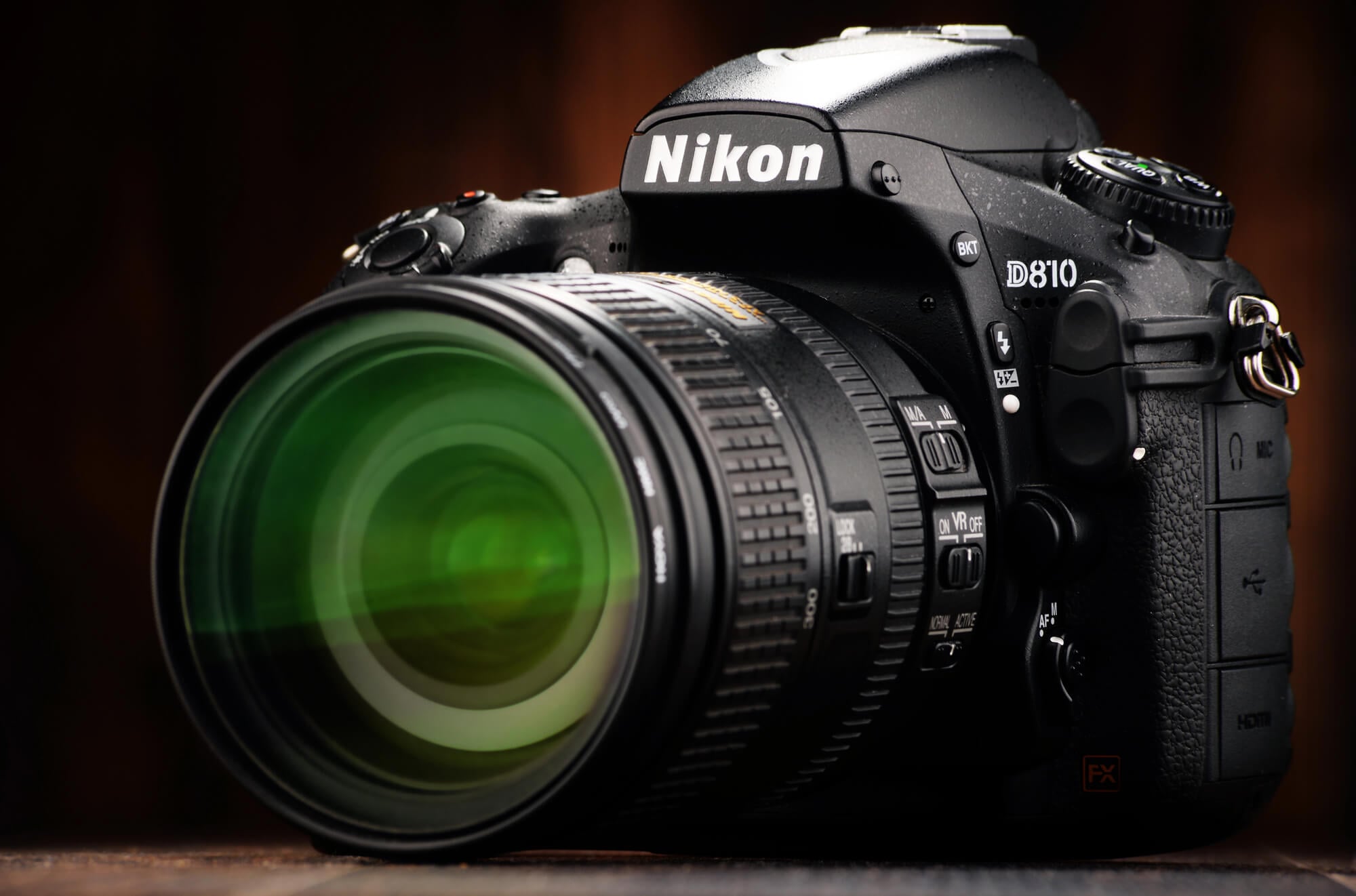
Nikon’s manual-focus 28mm f/2, produced during the Ai-S lens era before autofocus became standard, remains popular among collectors and working photographers for a combination of speed and compactness that later autofocus versions didn’t fully preserve. Its manual aperture ring and all-metal construction are frequently cited as reasons it has held its value.
Leica Tele-Elmarit 90mm f/2.8
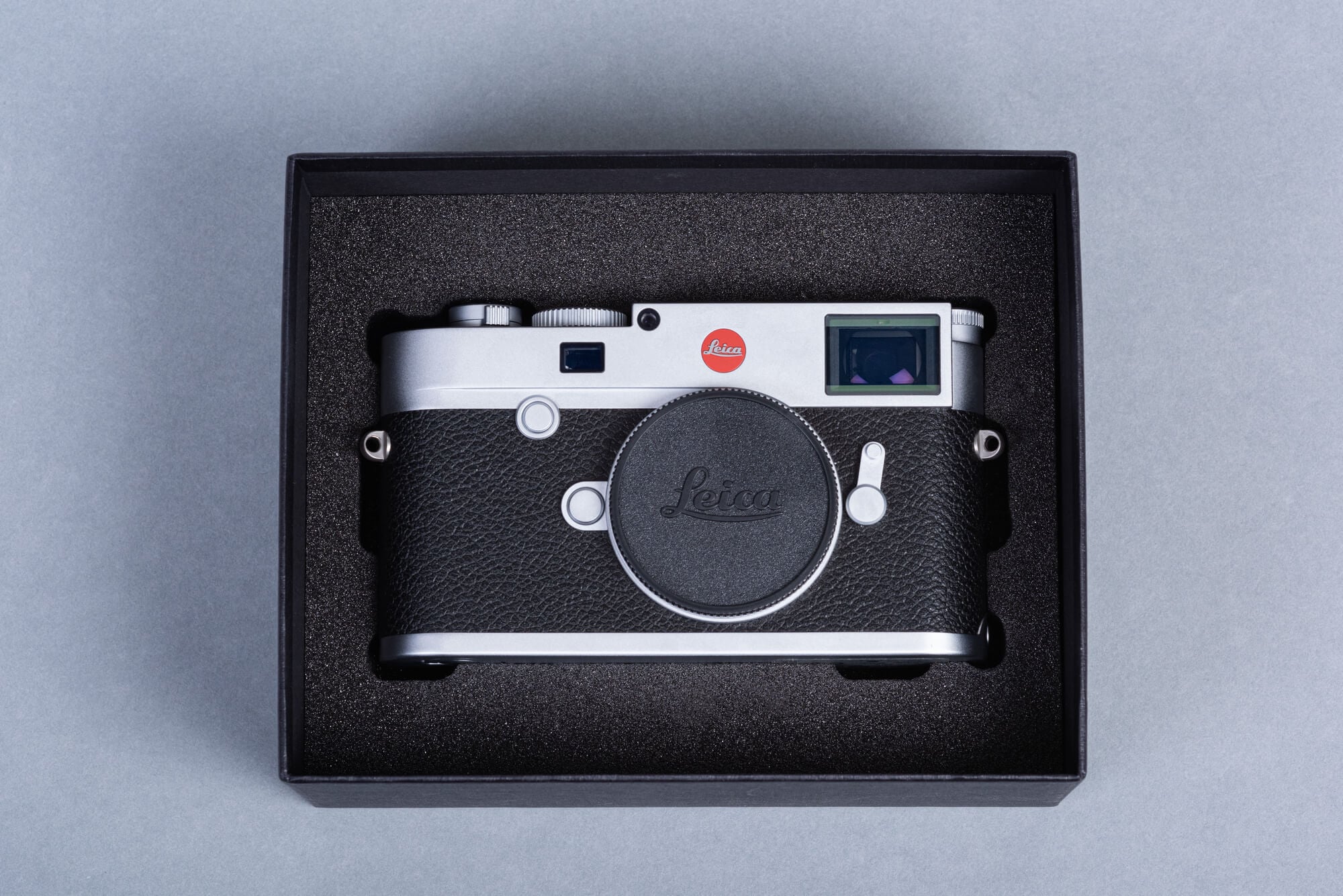
Leica’s compact 90mm telephoto, built to be noticeably smaller than competing lenses at the same focal length and aperture, became popular among photojournalists who needed to travel light. Its combination of portability and optical quality has kept it in steady demand among collectors of working rangefinder gear rather than purely display pieces.
Voigtländer Heliar 50mm f/3.5
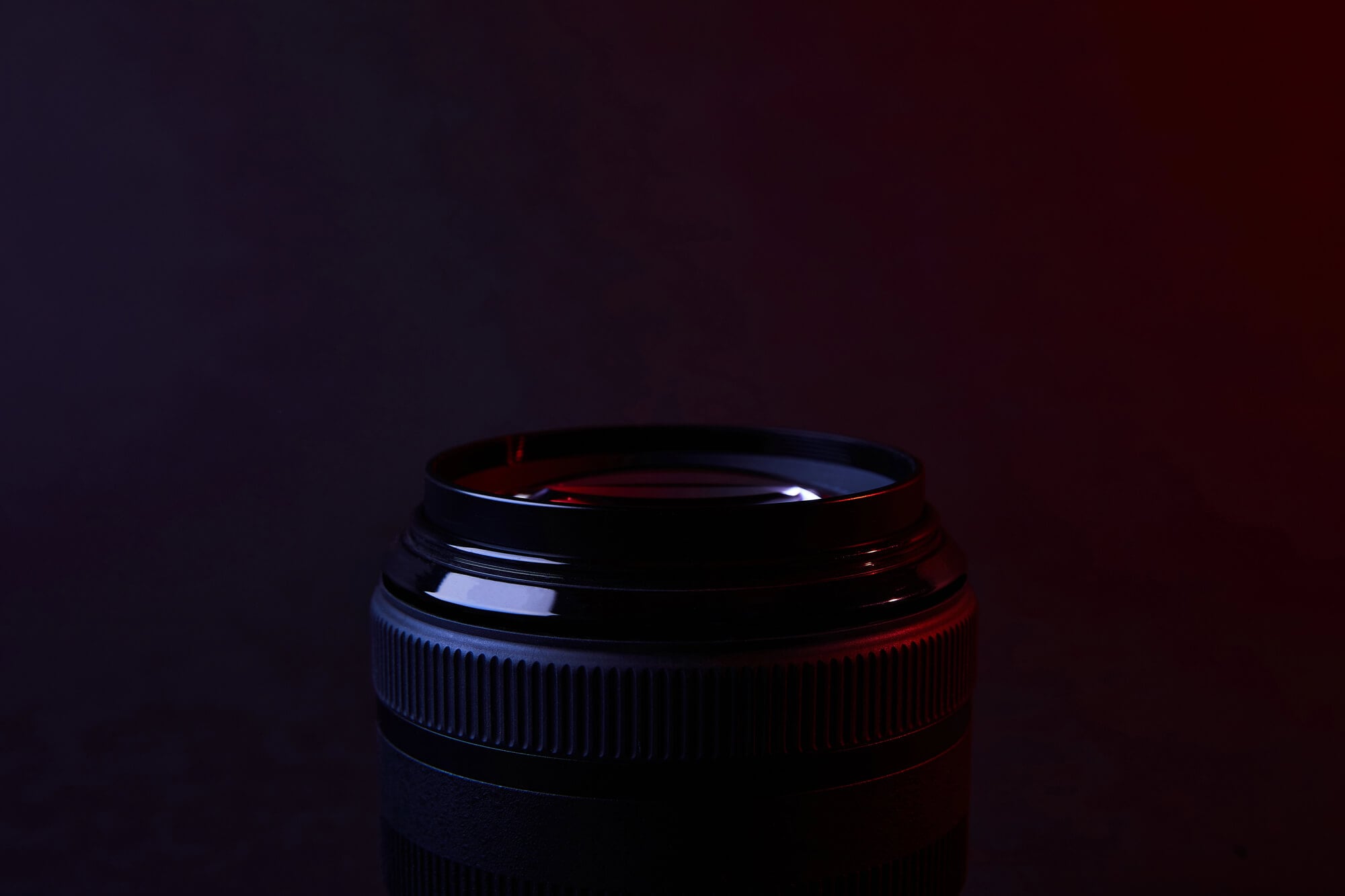
The original Heliar formula dates back to the early twentieth century, and vintage Voigtländer lenses built to this design are prized by collectors for a distinctive soft, glowing rendering wide open that sharpens noticeably as the aperture closes down. Its age makes finding clean, fungus-free examples a genuine challenge for anyone chasing the lens specifically for its historic optical character.
Schneider-Kreuznach Xenon 50mm f/1.9
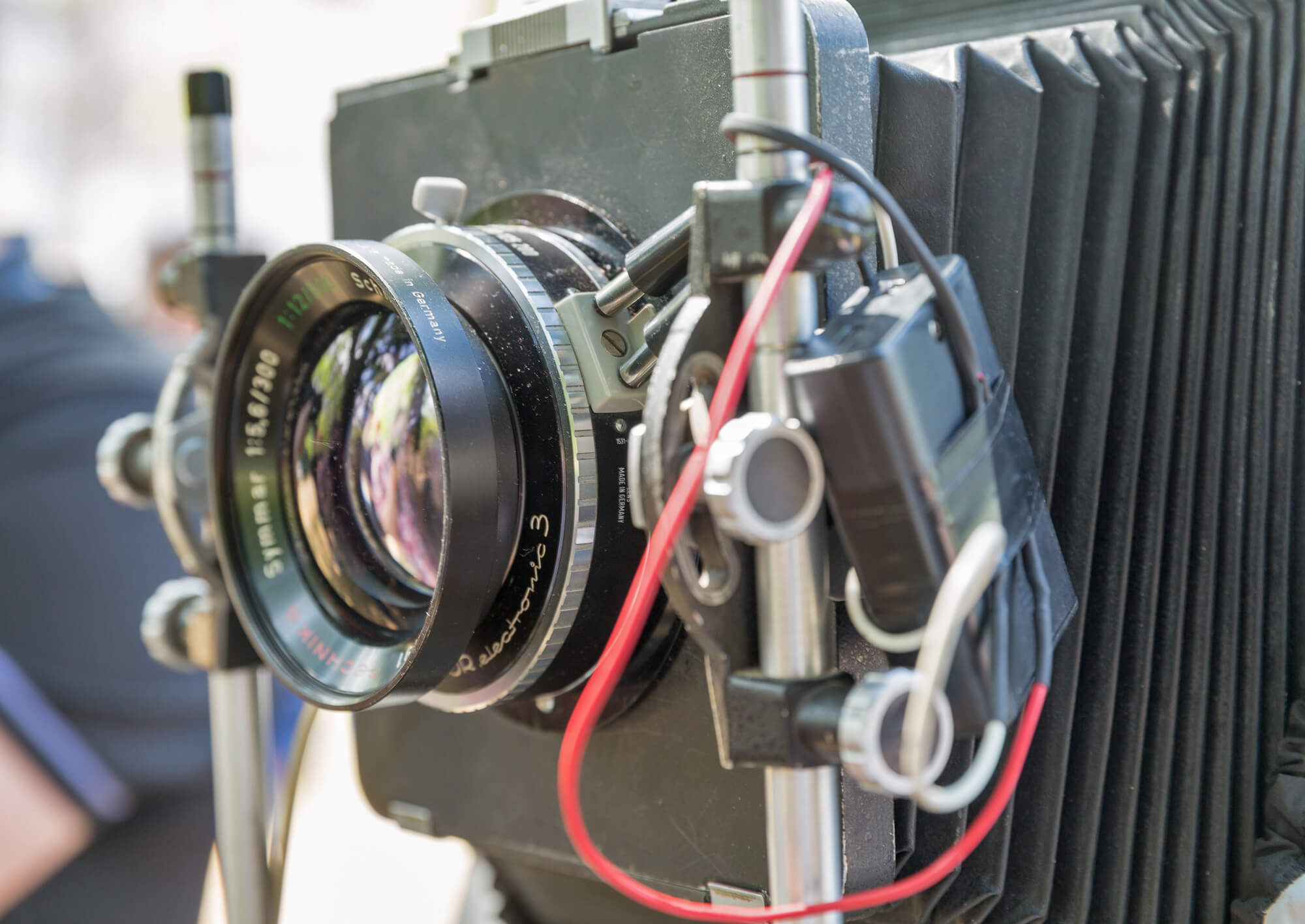
Built into Kodak Retina folding cameras through the mid-twentieth century, the Schneider Xenon lenses are frequently removed from their original bodies by collectors interested specifically in the glass rather than the folding mechanism, which is often the first part of the camera to fail. Clean, unfogged examples of the lens alone can be worth more than a complete but mechanically compromised camera.
Rodenstock Apo-Sironar
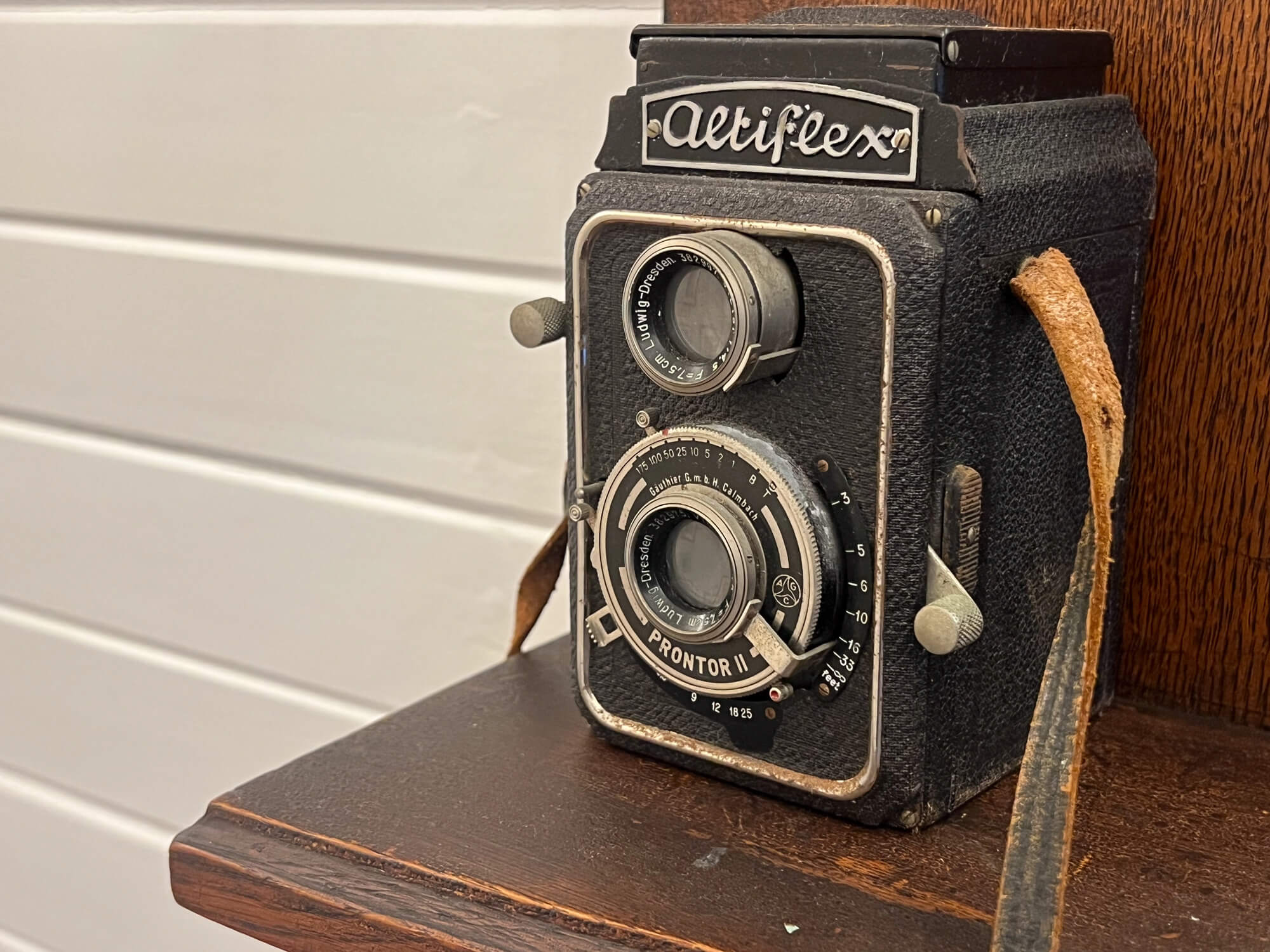
A large-format lens used primarily by architectural and landscape photographers working with view cameras, the Apo-Sironar is prized for extremely low distortion across a wide image circle. Large-format shooters, a small but dedicated community, actively trade these lenses independent of any specific camera body, since view camera lenses are designed to be modular by nature.
Meyer-Optik Görlitz Trioplan 100mm f/2.8
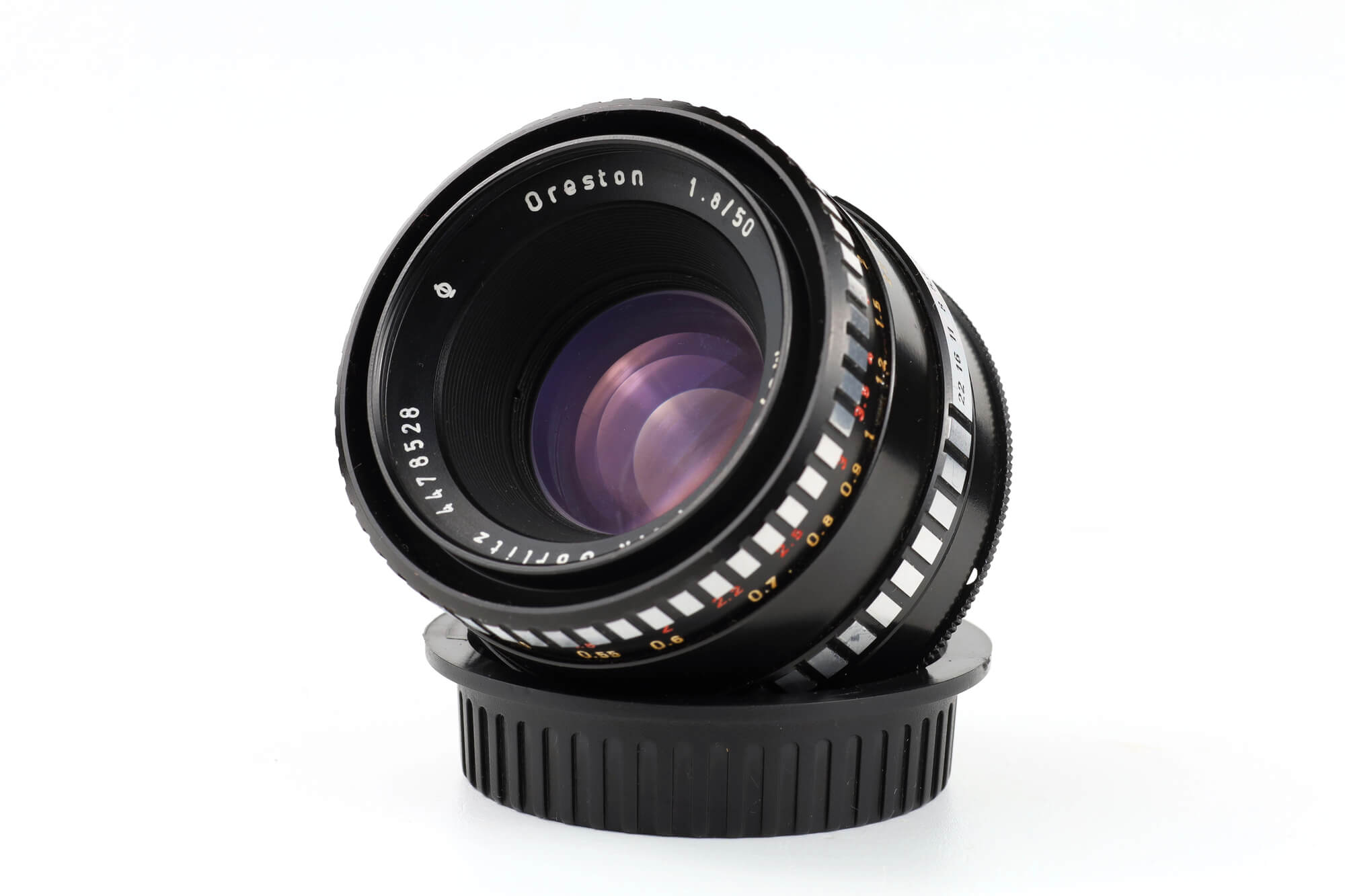
The Trioplan has developed a cult following almost entirely for one specific trait: its tendency to render out-of-focus points of light as distinct bubble-shaped rings rather than smooth circles. That unusual bokeh effect, a byproduct of its simple three-element optical design, has made it one of the more unlikely vintage lenses to see renewed collector demand in recent years.
Jupiter-9 85mm f/2
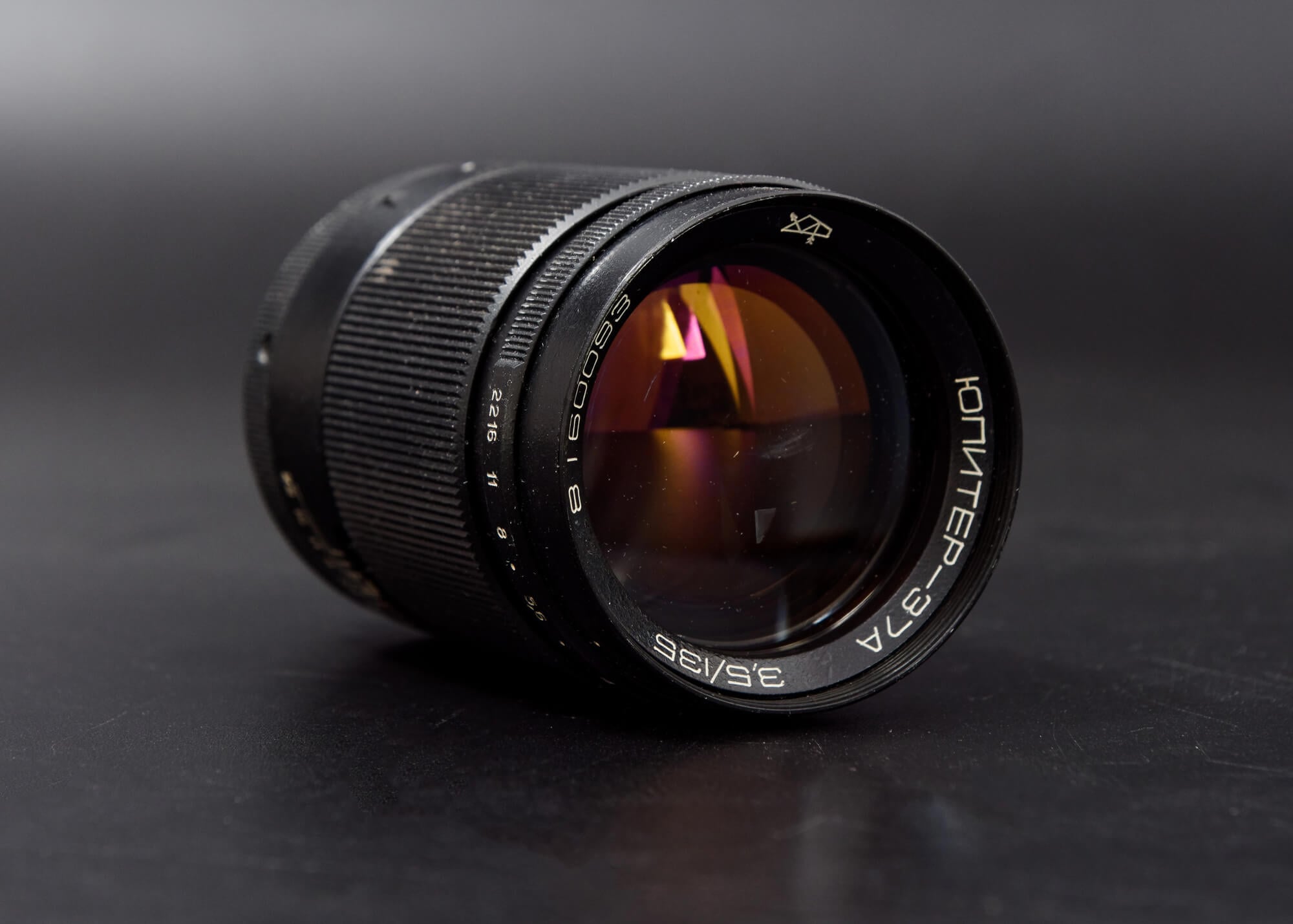
A Soviet-era lens built on a Zeiss Sonnar formula obtained after the Second World War, the Jupiter-9 has become popular among collectors for delivering Sonnar-style rendering at a fraction of the cost of an original German lens. Build quality varies significantly between production batches, which has made specific factories and years a point of real interest among specialists.
Helios 44-2 58mm f/2
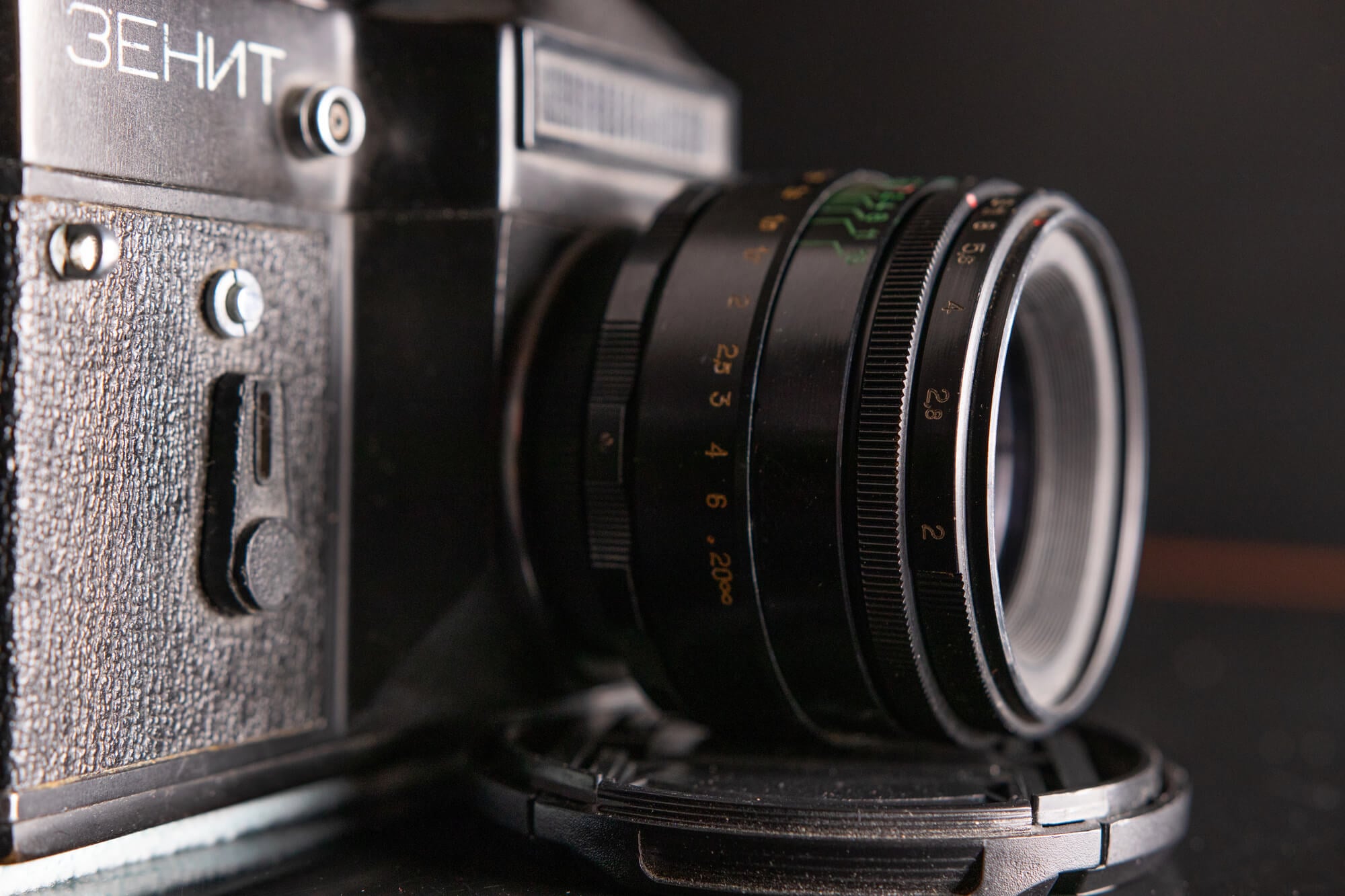
Another Soviet lens with roots in a pre-war Zeiss design, the Helios 44-2 became internationally popular among film photographers specifically for a distinctive swirling bokeh effect at wide apertures. Its low original cost and mass production numbers have made it one of the more accessible entry points into vintage lens collecting.
Zeiss Biotar 58mm f/2
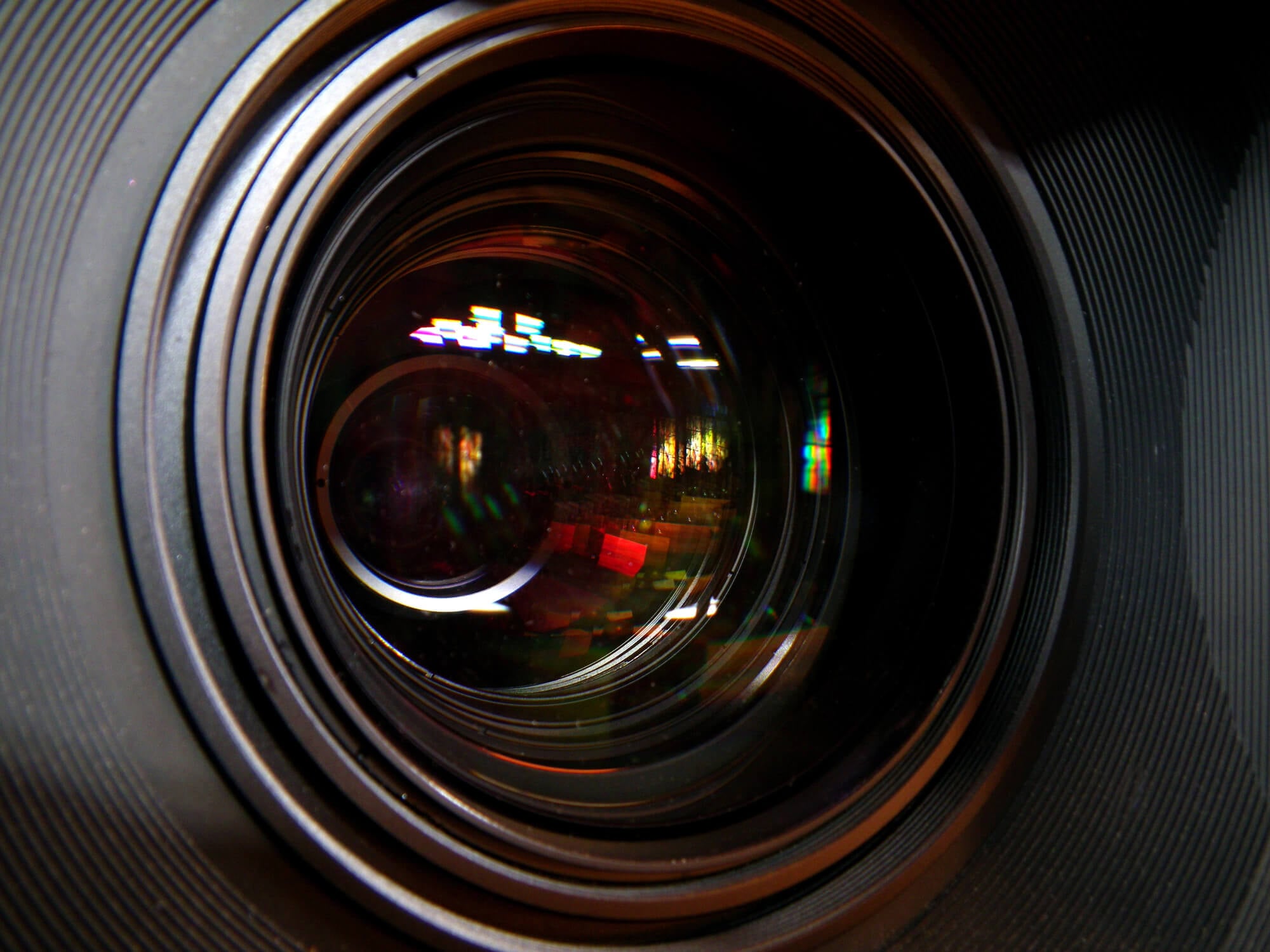
The pre-war Biotar formula, later echoed in Soviet lenses like the Helios, produced the same swirling background rendering that collectors now specifically seek out. Original Zeiss-branded Biotar lenses, built before the company’s postwar division into separate East and West operations, are considerably rarer than their Soviet-made descendants.
Leica Summarit 50mm f/1.5
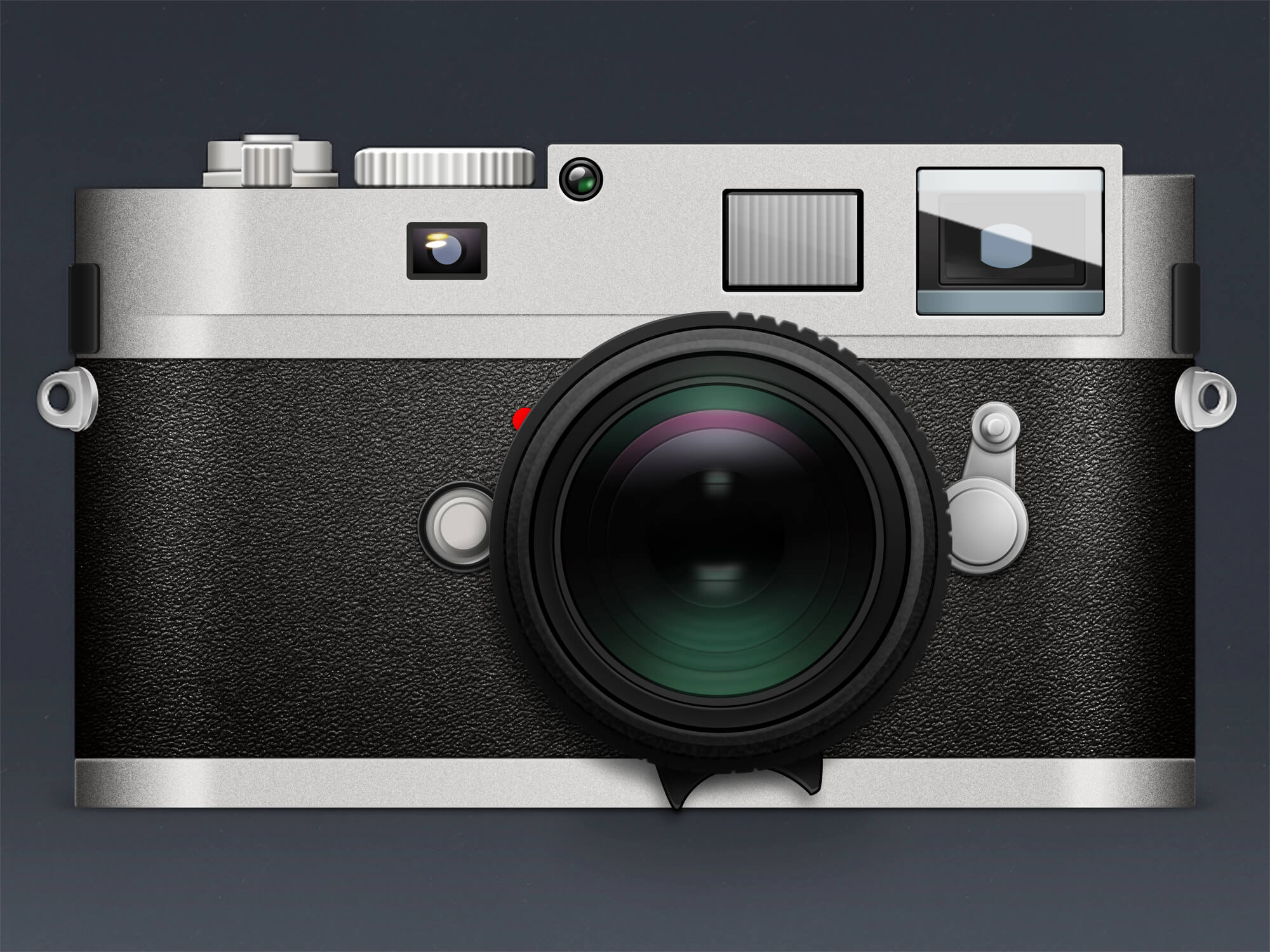
Leica’s Summarit, produced in the 1950s as the company’s fastest standard lens of its era, has a soft, low-contrast rendering wide open that has made it popular among photographers chasing a specific vintage look rather than clinical sharpness. Its coating is prone to a hazing effect that collectors track closely, since it directly affects both the lens’s rendering and its resale value.
Why the Glass Outlives the Camera
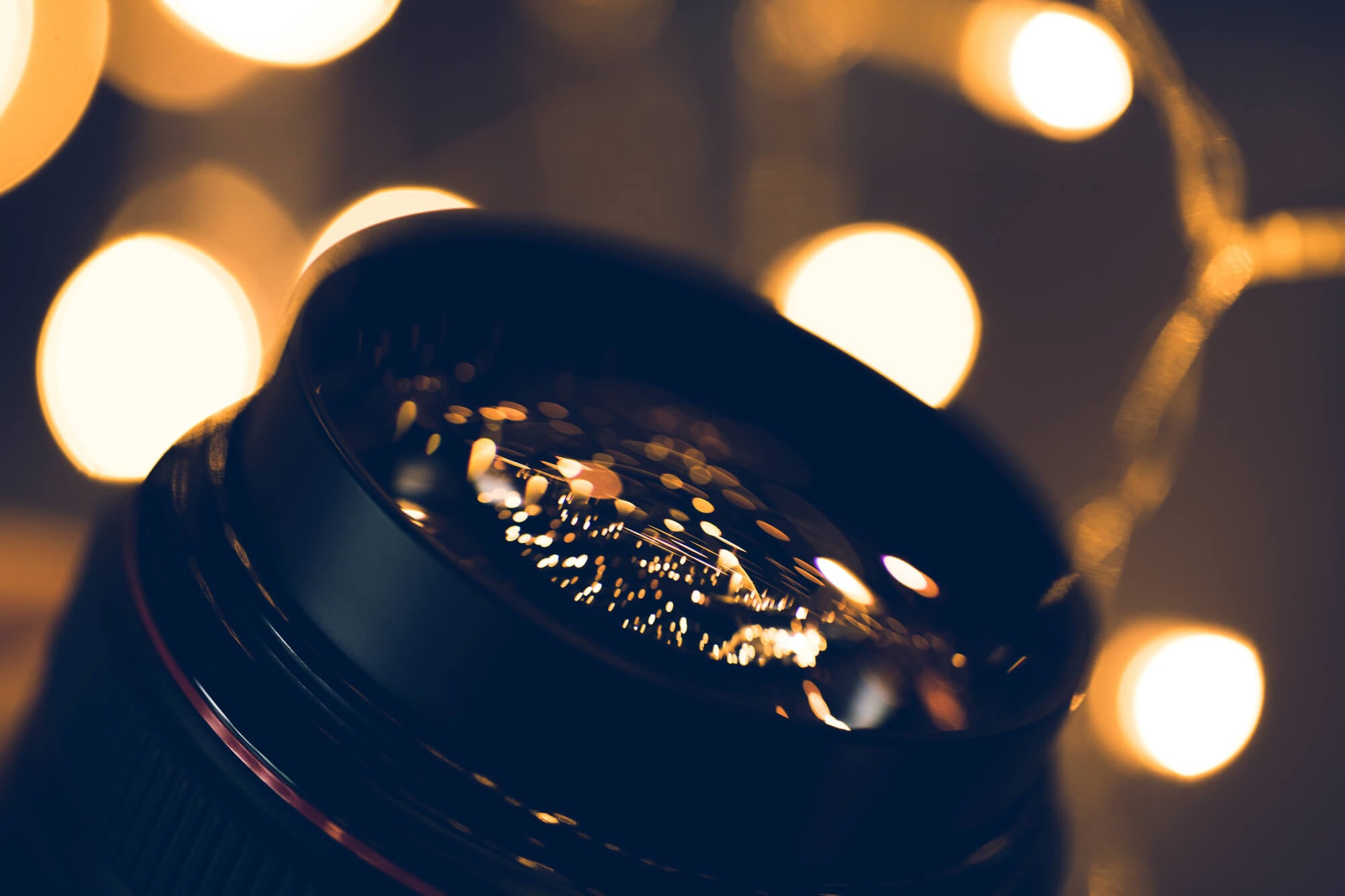
A camera body is a machine with moving parts, shutters, meters, and electronics that eventually wear out or fail in ways that are expensive or impossible to repair. A lens, by contrast, is mostly just shaped glass and metal, capable of outlasting several generations of camera bodies as long as it’s stored properly and kept free of fungus.
That durability is exactly why shops separate the two when a estate collection comes in. The body might be a paperweight within a decade. The right lens, mounted on a modern camera with the correct adapter, can still be doing exactly what it was built to do a hundred years after it left the factory.
More from Go2Tutors!

- The Romanov Crown Jewels and Their Tragic Fate
- 13 Historical Mysteries That Science Still Can’t Solve
- Famous Hoaxes That Fooled the World for Years
- 15 Child Stars with Tragic Adult Lives
- 16 Famous Jewelry Pieces in History
Like Go2Tutors’s content? Follow us on MSN.



