Iconic Dance Crazes That Swept Nations
People have always found ways to move to music, but certain dances become something more than just steps. They become cultural events that grab entire nations and refuse to let go.
From ballrooms in the 1920s to YouTube videos in the 2010s, these dances spread like wildfire across dance floors, living rooms, and eventually the whole world. Some lasted only a few months while others stayed popular for years, but all of them created moments when it felt like everyone everywhere knew the same moves.
The songs might fade, but the memories of doing these dances stick around forever. Every generation gets its own dances that define the times.
Some were classy, some were ridiculous, and all of them mattered.
The Charleston
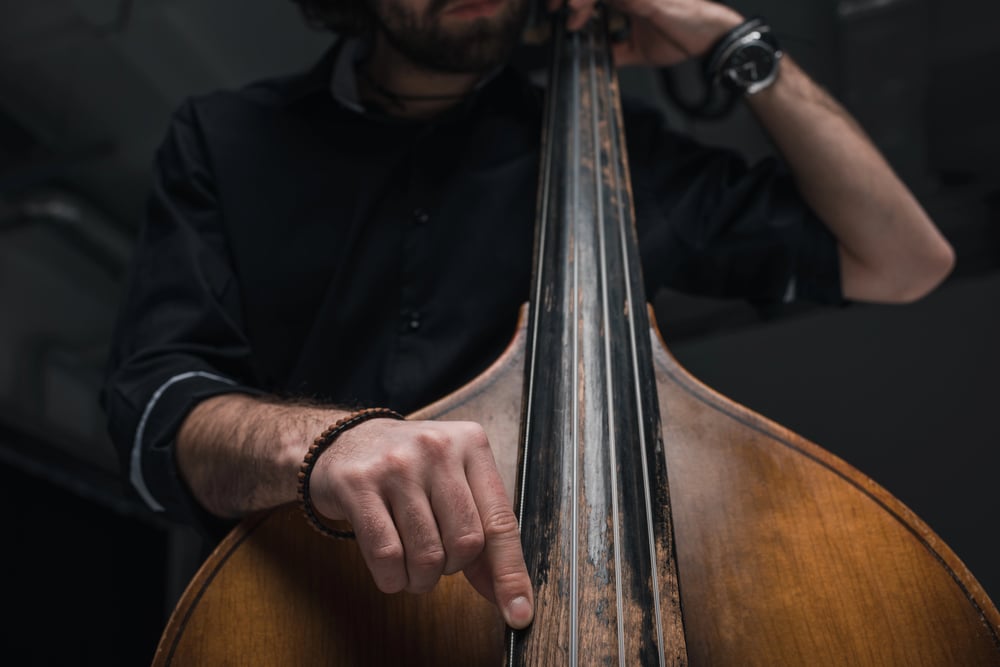
The Charleston exploded onto the scene in 1923 after James P. Johnson composed a song called ‘The Charleston’ for the Broadway show ‘Runnin’ Wild’. The dance involved twisting feet, kicking legs, and swinging arms in unison, all set to fast-paced jazz music.
What made it controversial was how free and loose it looked compared to the formal dances people were used to seeing. Flappers loved it because it challenged the stuffy social rules of the time, and dance halls across America couldn’t keep people off the floors.
The Charleston became the symbol of the Roaring Twenties, representing youth, rebellion, and the energy of the Jazz Age.
The Lindy Hop

Created in Harlem’s Savoy Ballroom in the late 1920s, the Lindy Hop combined Charleston, jazz, tap, and breakaway moves into something entirely new. The Savoy opened in 1926 and became known as ‘the home of happy feet’, featuring a massive dance floor and two bandstands where the best big bands in the country competed against each other.
Dancers like Frankie Manning and Norma Miller took this energetic partner dance and added acrobatic aerials, where one partner would fly through the air. The Savoy was one of the first racially integrated ballrooms in America, and the Lindy Hop spread from Harlem to Hollywood and eventually around the world, becoming known as Jitterbug in many places.
The Twist

Chubby Checker released ‘The Twist’ in August 1960, and by 1962 the dance craze had reached its peak with the song hitting number one twice. The dance involved swiveling hips and twisting the body like someone was putting out a lit match with their feet while drying their back with a towel at the same time.
What made the Twist remarkable was that people danced it alone rather than with partners, which completely changed social dancing. Young people and older adults both loved it, making it one of the rare dance crazes that crossed generational lines.
The Twist proved so popular that two San Francisco DJs sold out the entire Cow Palace for a twist party in 1962.
The Mashed Potato
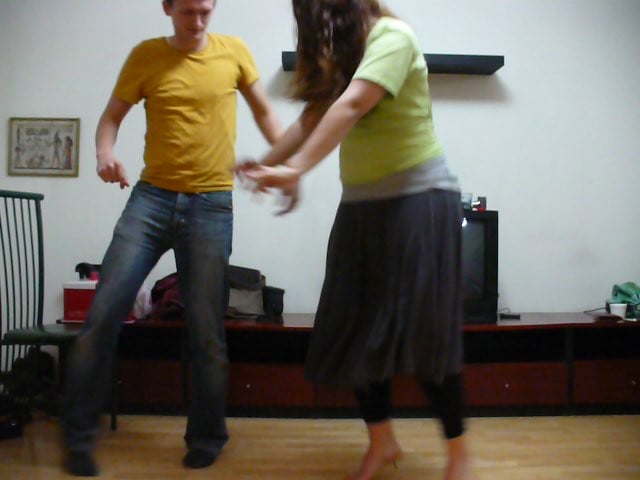
The Mashed Potato emerged from African American clubs in major cities like New York, Philadelphia, and Detroit during the early 1960s. Dee Dee Sharp’s 1962 song ‘Mashed Potato Time’ helped spread the dance nationwide.
The move involved shifting weight from one foot to another while twisting the orb of one foot into the ground, looking somewhat like someone mashing potatoes with their feet. Wilson Pickett mentioned the dance alongside the Watusi in his hit ‘Land of 1000 Dances’, which helped cement its place in music history.
The dance was simple enough that anyone could do it, which helped it spread quickly through dance clubs and house parties.
The Swim

Bobby Freeman told people everywhere to ‘C’mon and Swim’ with his 1964 hit, and the dance became exactly what it sounds like. Dancers would make swimming motions on the dance floor, sometimes throwing in the pinched nose with arm up in the air or the classic treading water move.
The best part was that the dance required almost no skill or coordination, so even people with two left feet could join in and look like they knew what they were doing. Dance crazes in the 1960s often had animal or activity names, and the Swim fit perfectly into that trend.
The simplicity made it accessible to everyone from teenagers to grandparents.
The Moonwalk
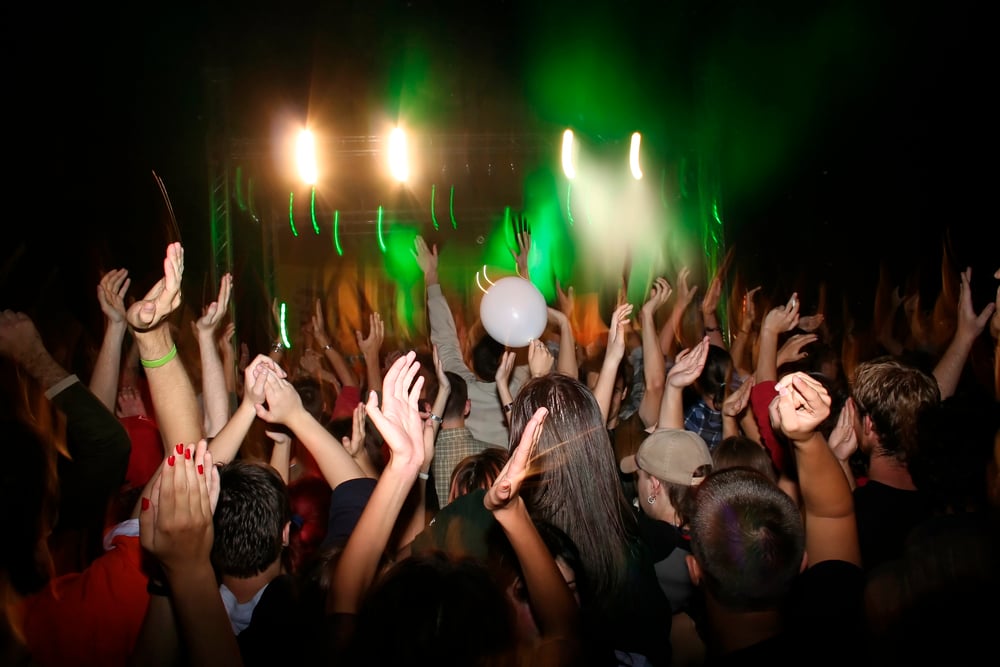
Michael Jackson performed the moonwalk for the first time on TV during the Motown 25th anniversary special on May 16, 1983, though the technique was inspired by Jeffrey Daniel of Shalamar. The move creates an illusion of the dancer being pulled backwards while attempting to walk forward, making it appear as though they’re gliding across the floor.
While the moonwalk itself isn’t a full dance routine, it became so iconic that people everywhere tried to master it. Jackson’s smooth execution made it look effortless, but countless bruised tailbones proved otherwise.
The moonwalk elevated dance from casual social activity to high art, showing what incredible skill and practice could achieve.
The Electric Slide
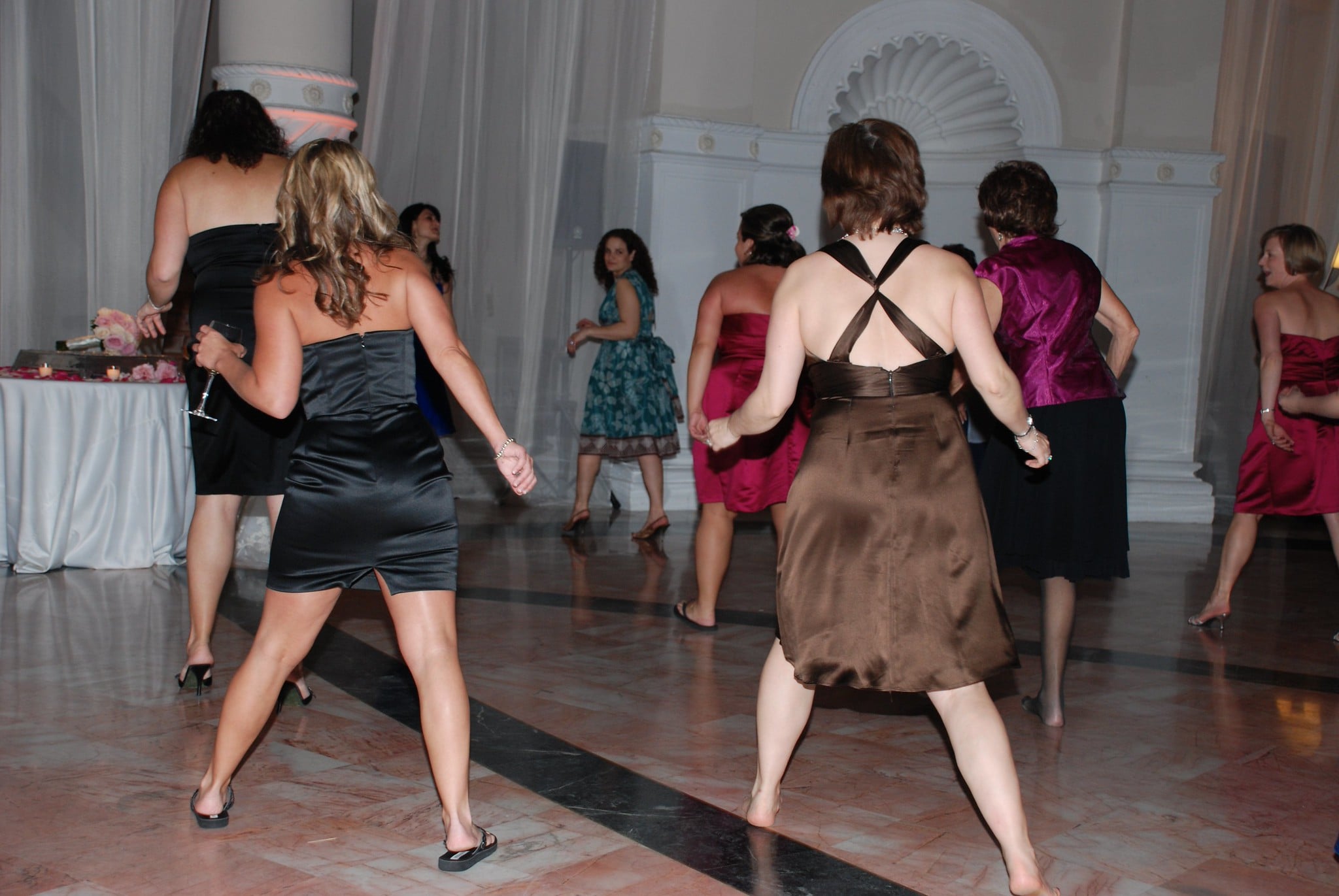
A Washington DJ revived ‘The Electric Boogie’ by Jamaican singer Marcia Griffiths in 1990, and the Electric Slide line dance craze swept the nation. The dance became a must-know routine at weddings, bar mitzvahs, and family reunions because large groups could perform it together without needing partners.
The steps were simple and repetitive enough that someone could learn them in five minutes, but polished enough to look impressive when done by a big group in sync. Unlike couple dances, line dancing let everyone participate regardless of whether they came with a partner.
The Electric Slide represented how group choreography was becoming more popular in American social culture.
The Macarena
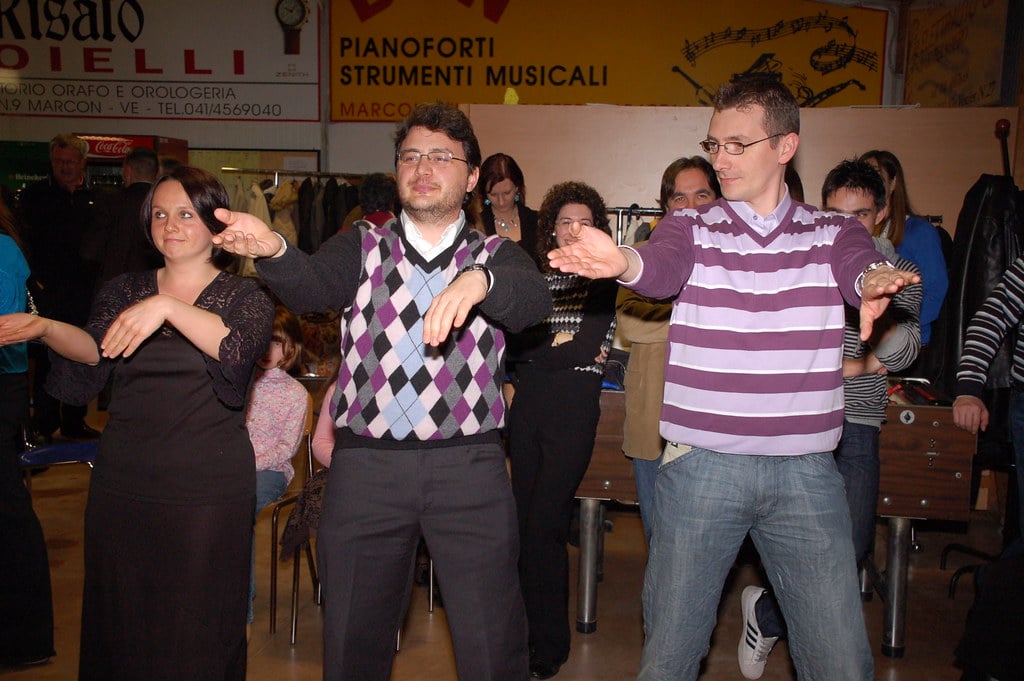
Los del Río released ‘Macarena’ in 1993, but the Bayside Boys Mix in 1996 turned it into a worldwide phenomenon that dominated everything from school dances to sports stadiums. The dance involved a specific sequence of arm movements and hip swivels that were simple enough for anyone to follow.
By 1996, delegates at the Democratic National Convention did the Macarena, including Hillary Clinton doing the hand motions from the crowd. The song essentially provided instructions for the dance through its repetitive structure, which helped it spread to people who spoke no Spanish at all.
The Macarena became one of the most recognized pieces of choreography in modern history, and even today most people can still do the moves from muscle memory.
Vogue
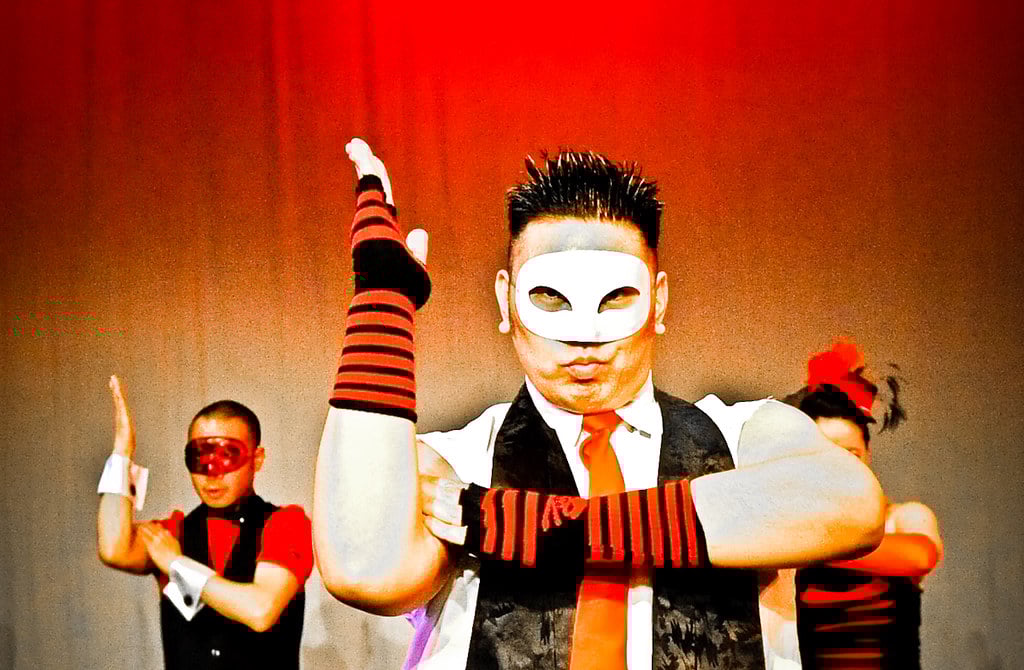
Madonna released ‘Vogue’ in 1990 and brought a dance that had been popular in LGBTQ communities throughout the 1980s into the mainstream spotlight. Voguing was inspired by fashion magazine photographs and involved striking dramatic poses while moving fluidly to music.
The dance had its roots in Harlem ballroom culture where participants would compete in elaborate performances. Madonna’s music video helped spread voguing worldwide, though it made the complex dance look easier than it actually was.
The song told people to ‘strike a pose’ without providing detailed instructions, but the visual of the video helped dancers understand the aesthetic and attitude required.
Thriller
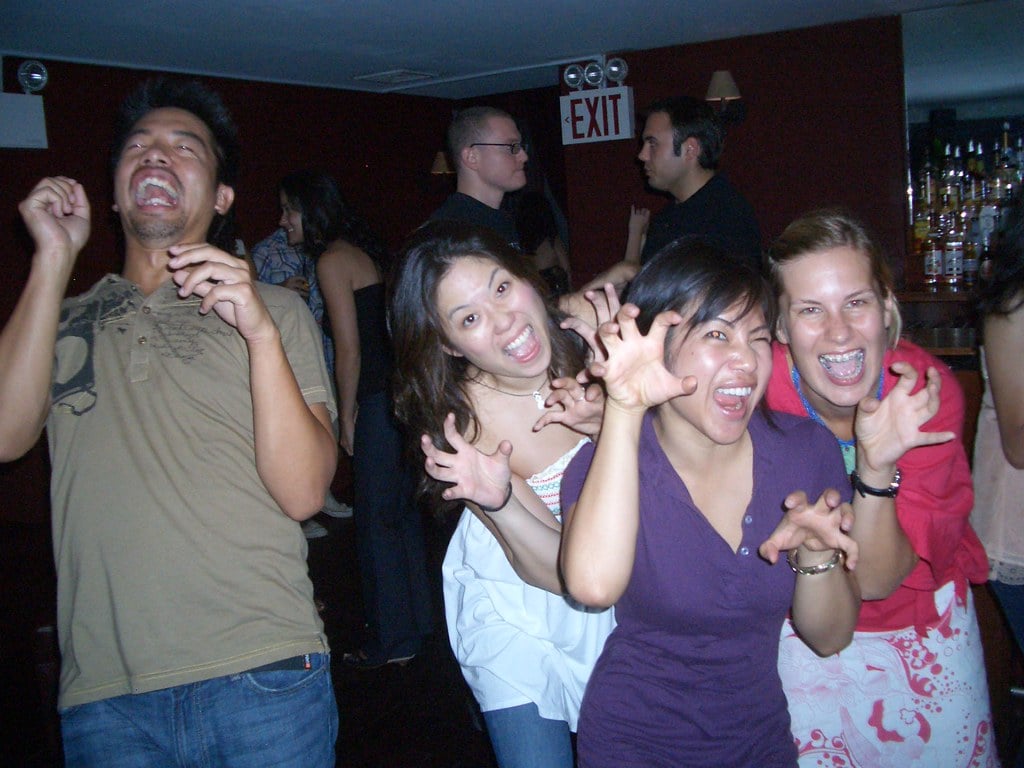
Michael Jackson’s ‘Thriller’ music video in 1982 featured choreographed zombie movements that became instantly famous. The routine involved jerky, undead gestures combined with synchronized group dancing that looked both creepy and cool.
On what would have been Jackson’s 51st birthday in 2009, 13,597 people in Mexico City performed the Thriller dance together, establishing a Guinness World Record. The routine remains a Halloween favorite, with flash mobs and organized groups performing it in public spaces around the world.
The Thriller dance showed how music videos could create lasting dance trends that transcended the song itself.
Crank That
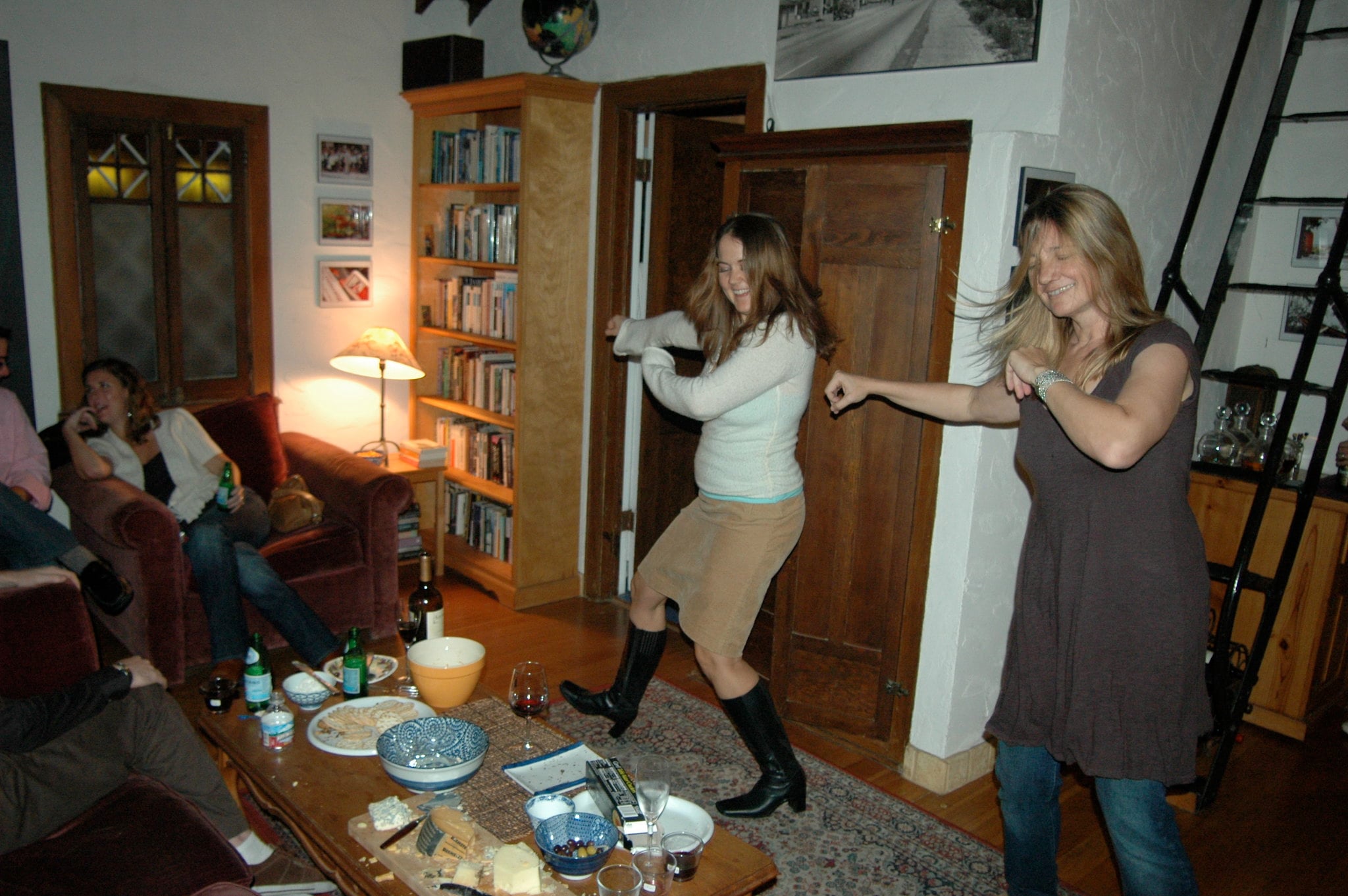
Soulja Boy’s 2007 single ‘Crank That (Soulja Boy)’ created the biggest dance fad since the Macarena over a decade earlier. The routine referenced pre-existing dance crazes popular in Atlanta, Georgia, and featured the now-iconic Superman pose combined with cranking motions like revving a motorcycle.
The song was number one on the U.S. Billboard Hot 100 for seven weeks and reached top ten charts in Australia, Canada, New Zealand, and the United Kingdom. The dance was fun and easy to learn, with the video providing semi-instructional guidance that people of all ages could follow.
Soulja Boy never had another song or dance craze as popular as this one, but ‘Crank That’ alone guaranteed his place in dance history.
Gangnam Style

Psy’s ‘Gangnam Style’ exploded globally in 2012 with its horse-riding dance moves that looked completely ridiculous yet proved impossible to resist. The United Nations called it an ‘international sensation’, and the dance became unavoidable everywhere from nightclubs to office parties.
The galloping motion combined with pelvic thrusts created something so silly that people couldn’t help but join in, regardless of whether they understood the Korean lyrics. This K-pop breakthrough proved that language barriers meant nothing when the beat dropped and everyone started galloping together.
The video’s colorful production and Psy’s commitment to looking absurd helped make it one of the most-watched videos in YouTube history.
The Harlem Shake
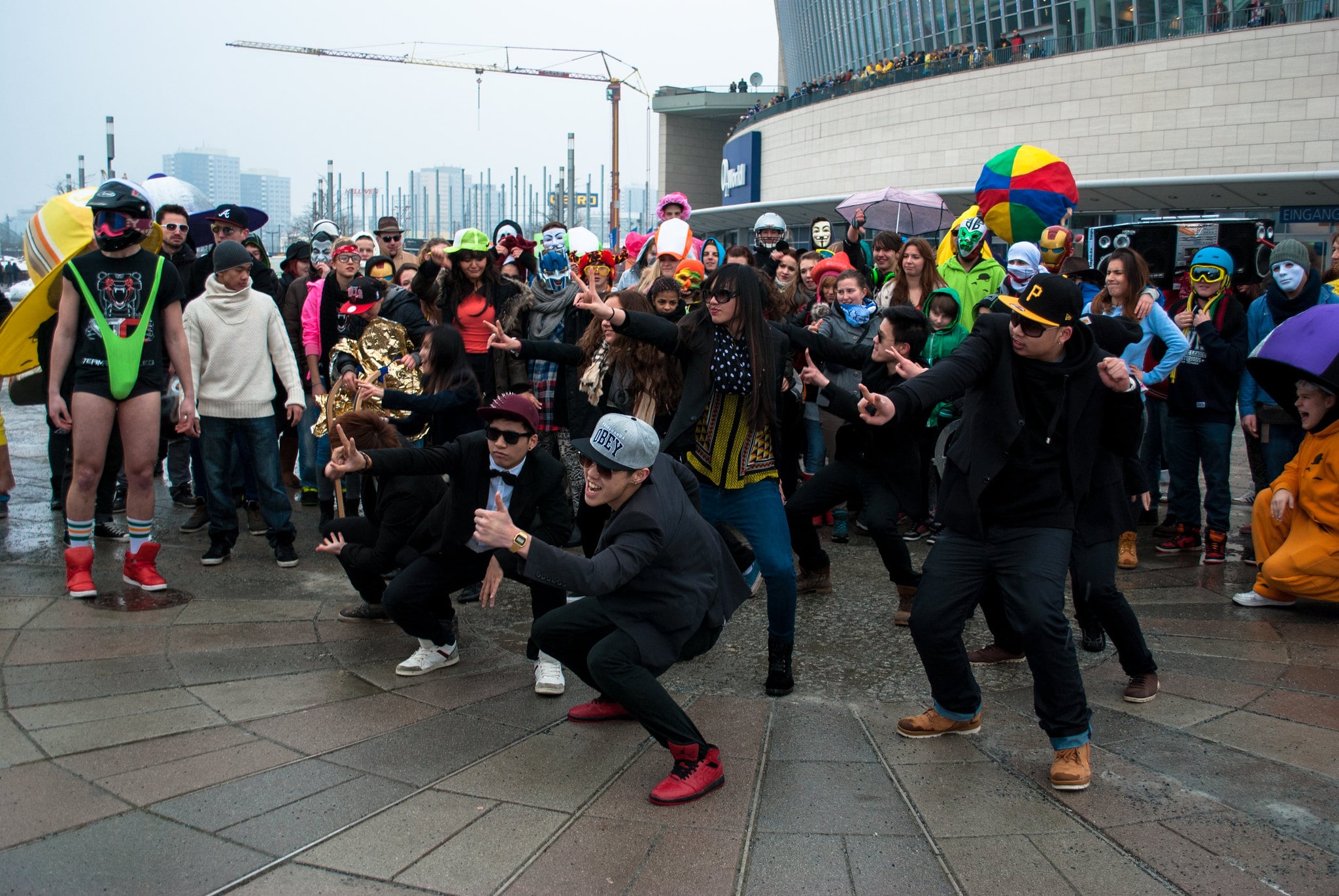
In 2013, the Harlem Shake became one of the most important viral dance crazes on YouTube before TikTok even existed in the United States. The format was simple: one person dances in an otherwise serious or formal environment before cutting to everybody dancing crazily when the beat drops.
The crazier and more unexpected the location, the better. College students, office workers, sports teams, and even soldiers posted their versions online, creating thousands of variations.
At its peak in February 2013, more than 4,000 versions were being uploaded to YouTube every single day. The original Harlem Shake actually dates to street dancer Al B in early 1980s Harlem, but Baauer’s 2013 track brought it roaring back.
The Whip and Nae Nae
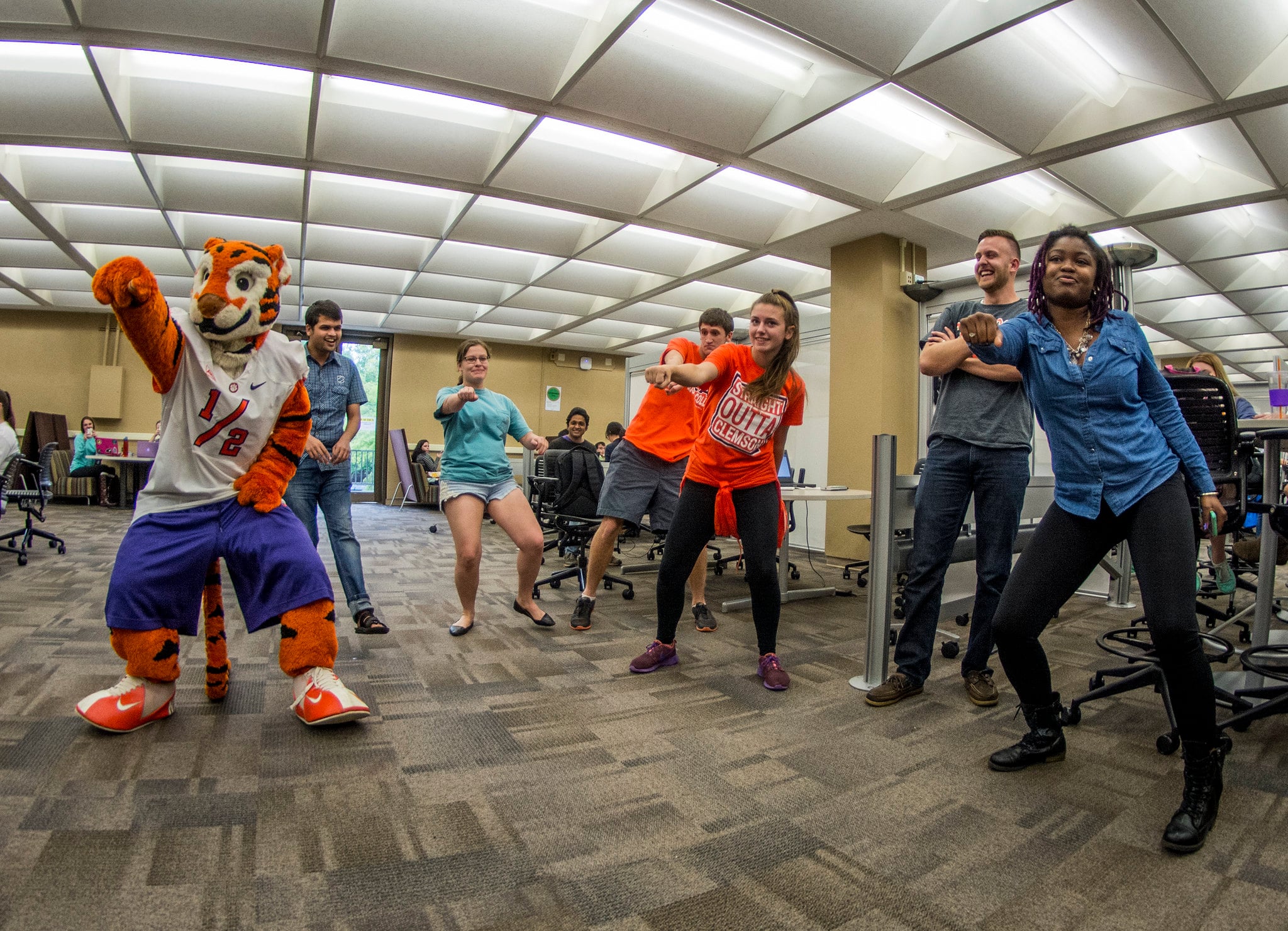
The 2015 Silentó music video ‘Watch Me’ brought the Whip and the Nae Nae into public consciousness, though both moves were developed in Atlanta several years earlier. The nae nae involved shoulder-to-shoulder swaying with one arm up, while the whip brought that arm whipping down in a fluid motion.
The two moves were frequently done in tandem, creating a smooth flow between them. When the video dropped, the craze spread far beyond Georgia as people everywhere learned the hip-hop moves.
The dance was particularly popular with younger crowds who saw it spreading across early social media platforms.
The Floss
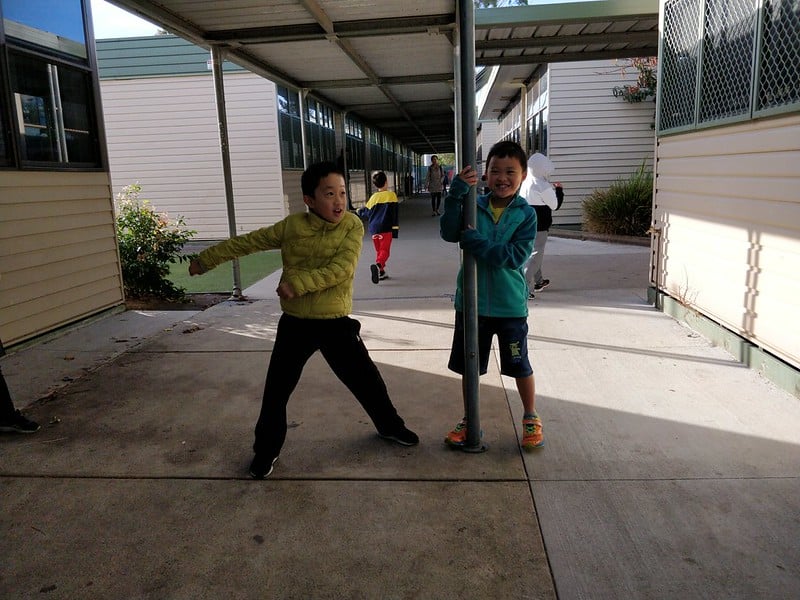
At first glance, the dance seemed basic – then arms swung out of time with twisting hips. A wobble to the side caught fire at recess long before TV stars copied it coast to coast.
Trying it made grown-ups grin just as much as grade-schoolers, however clumsy they felt. That shaky rhythm pulled people in, no matter how dorky they looked mid-step.
It tricked eyes into thinking it was easy; bodies told a different story fast. Still, from backyard parties to stadium screens, that quirky shimmy showed up everywhere.
By the end of the decade, few moves were spotted more often than this one.
The Renegade
A single teenager started it all. Jalaiah Harmon put together a string of movements back in 2019, each one snapping into the next without pause.
Fourteen actions packed tightly into just half a minute, twisting through space like a puzzle set to music. People everywhere saw it online, drawn in by its rhythm and speed.
Not many managed to mirror every step as it unfolded – only those who spent hours matching their limbs to the beat stood out. Arms crossed, hips rolled, bodies flowed like waves hitting shore then retreating fast.
What began in a bedroom reached phones across continents quicker than anyone expected. Success wasn’t given; it had to be earned move by shaky move.
Finishing the full sequence brought quiet pride, the kind that comes after effort others didn’t stick around to see. That feeling pulled even more into the cycle of watch, try, fail, repeat.
When the music brings us together
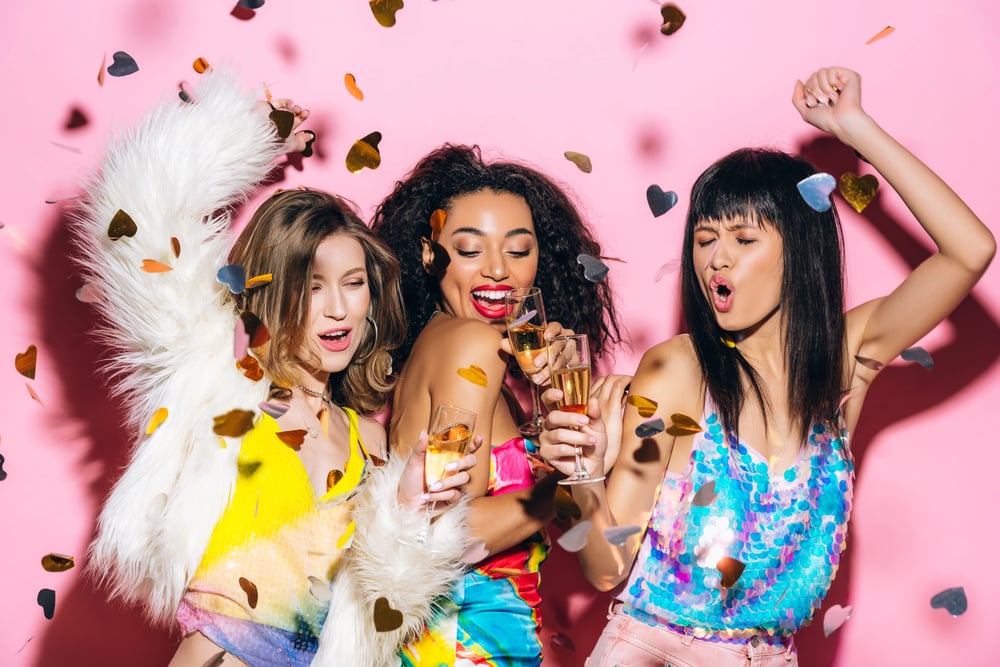
People everywhere still crave moving together, even if they do not know one another. From places like the Savoy, dancing slipped into TV shows, then music clips, later squeezing into handheld screens carried by millions.
Speed shifted because gadgets got smarter, yet the urge to sway in unison never wavered. A person in Tokyo might copy steps made famous in Toronto before sunrise comes again, all due to posts flying across borders.
It is not about perfect moves or fame; it is about brief seconds when joy lines up across continents, unplanned and wide open. Those rhythms crack rigid walls people place around their lives.
More from Go2Tutors!

- The Romanov Crown Jewels and Their Tragic Fate
- 13 Historical Mysteries That Science Still Can’t Solve
- Famous Hoaxes That Fooled the World for Years
- 15 Child Stars with Tragic Adult Lives
- 16 Famous Jewelry Pieces in History
Like Go2Tutors’s content? Follow us on MSN.



