25 Most Valuable Comic Books
Comic books have come a long way from the spinner racks at corner stores. What started as throwaway entertainment for kids now commands prices that would make your head spin.
Some of these books have sold for millions. Others sit locked away in climate-controlled vaults, waiting for the right buyer to come along.
The funny thing about comic book values is how much context matters. A book that looks worn out to you might be worth six figures because it happens to be the only surviving copy from 1938.
Meanwhile, a pristine issue from the 1990s barely moves the needle. Rarity, condition, and cultural significance all play their part in what collectors will pay.
Action Comics #1
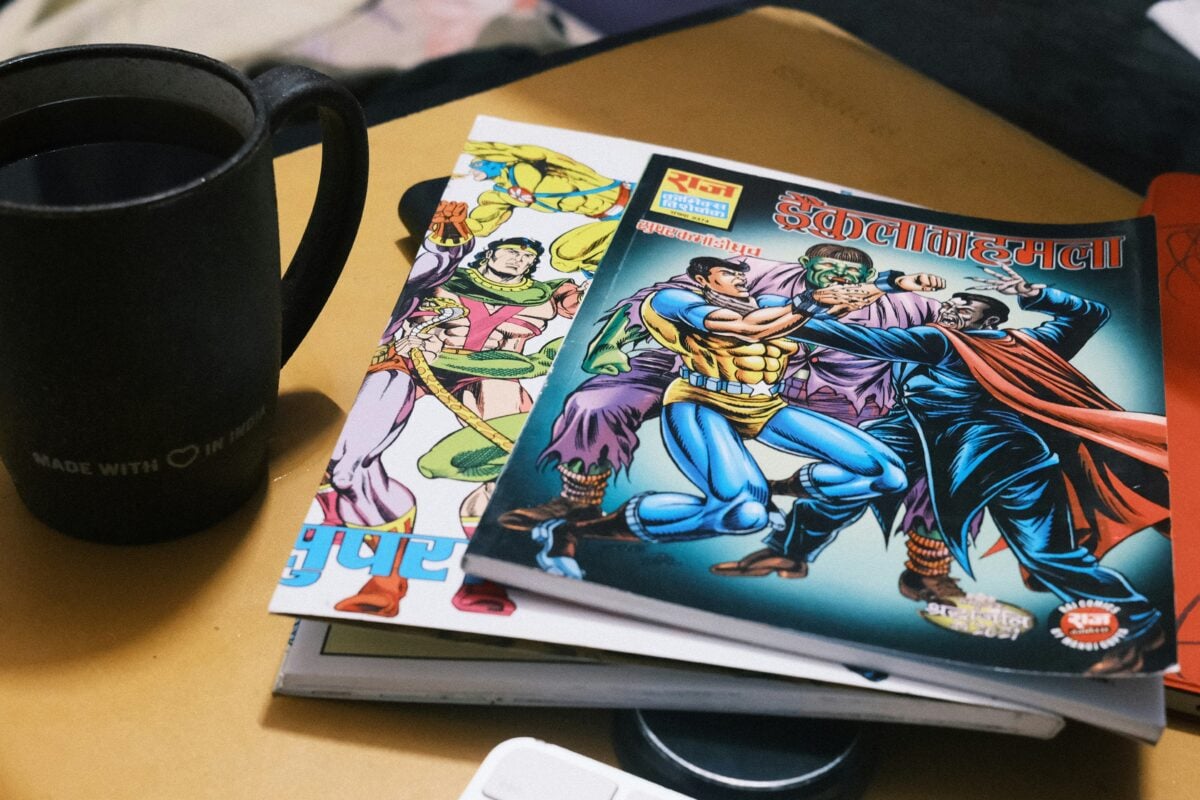
This is the one everyone talks about. Superman’s first appearance in 1938 kicked off the entire superhero genre, and fewer than 100 copies still exist.
One sold for over $3 million back in 2014, and prices have only climbed since then. The book itself feels rough by modern standards.
The art lacks polish, and the stories jump around without much flow. But none of that matters when you’re holding the birth of superhero comics in your hands.
Every collector dreams of finding one of these in their grandmother’s attic, though the odds of that happening now sit somewhere near zero.
Detective Comics #27
Batman made his debut here in 1939, and the book carries all the weight you’d expect from introducing one of pop culture’s most enduring characters. The Dark Knight has outlasted countless trends and reinventions, and this comic captures him at his most raw and violent.
Only a handful of these books exist in decent condition. Most got read to death by kids who had no idea what they were handling.
The ones that survived command prices in the seven figures. Batman looks different in these early pages—more detective, less brooding vigilante—but the core elements were already there.
Marvel Comics #1
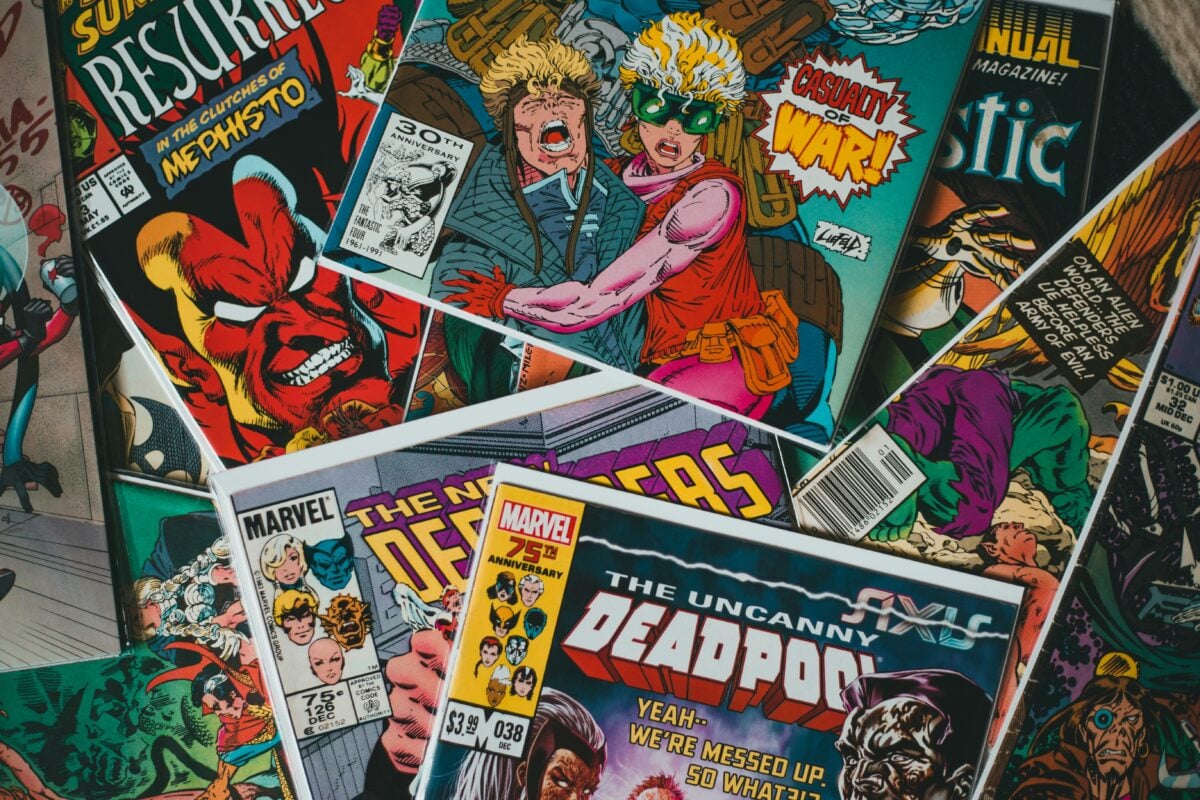
The Human Torch and Sub-Mariner both showed up in this 1939 book, marking the start of what would eventually become Marvel. The company went through several names before landing on the one we know today, but this issue represents where it all began.
Finding one of these takes serious hunting. Most copies that surface are in pretty rough shape, with missing pages and heavy wear.
But even damaged copies pull in substantial money. The book captures a moment when publishers were still figuring out what superhero comics could be.
Superman #1
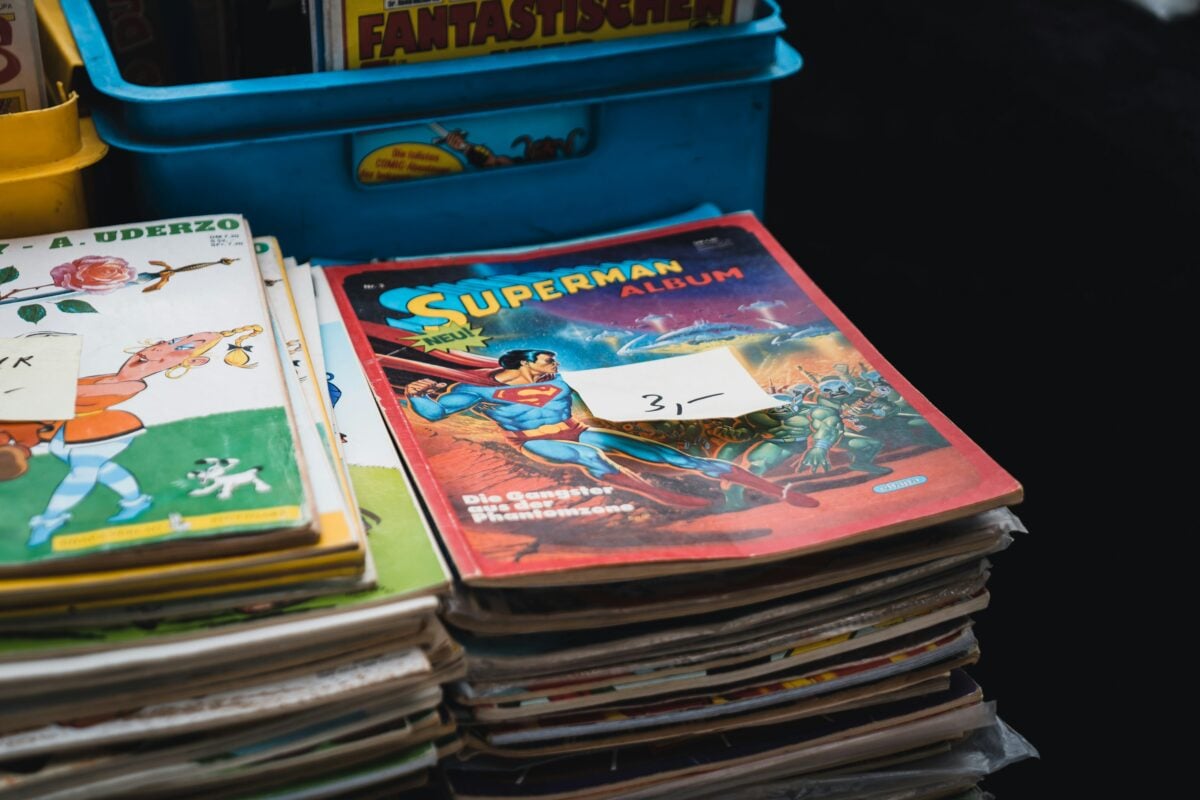
Action Comics introduced Superman, but this 1939 book gave him his own title. That alone makes it special.
Early superhero books tend to command high prices, and this one benefits from being Superman’s solo debut. The stories inside retell his origin and add new adventures.
Some material comes from Action Comics, but other parts were created fresh for this issue. Collectors prize complete copies, and those are increasingly hard to find.
You’ll see incomplete or restored copies more often, and even those cost a fortune.
Batman #1
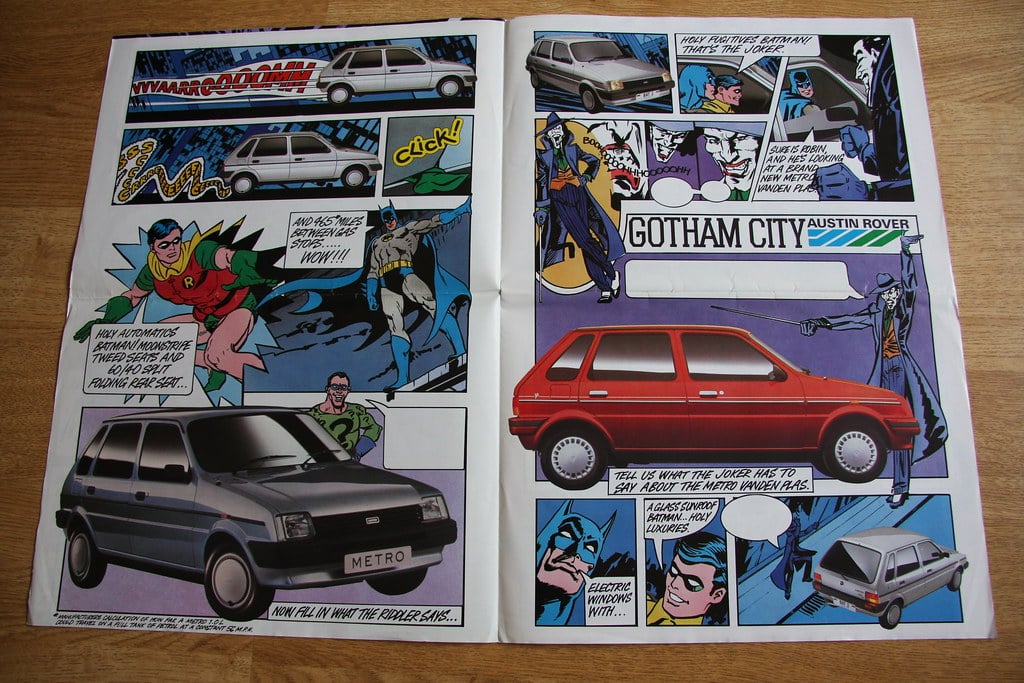
Batman got his own book in 1940, and this issue introduced two characters who would become permanent fixtures: the Joker and Catwoman. Both villains appeared here for the first time, making this book essential for anyone serious about Batman history.
The Joker’s early appearance looks jarring compared to later versions. He kills people casually and grins while doing it.
Catwoman barely resembles the character we know today. But seeing these characters in their first forms gives you a sense of how much room creators had to experiment back then.
This book sells for hundreds of thousands when it shows up at auction.
Captain America Comics #1
Cap punching Hitler on the cover in 1941 became one of the most iconic images in comics. The book came out before the United States entered World War II, making it a bold political statement disguised as entertainment.
Inside, the stories feel rushed and crude. But the book captured the mood of its time perfectly.
Finding one in good shape takes patience and money. Most copies that survived have been read hard and show their age.
Collectors accept that and pay premium prices anyway.
Flash Comics #1
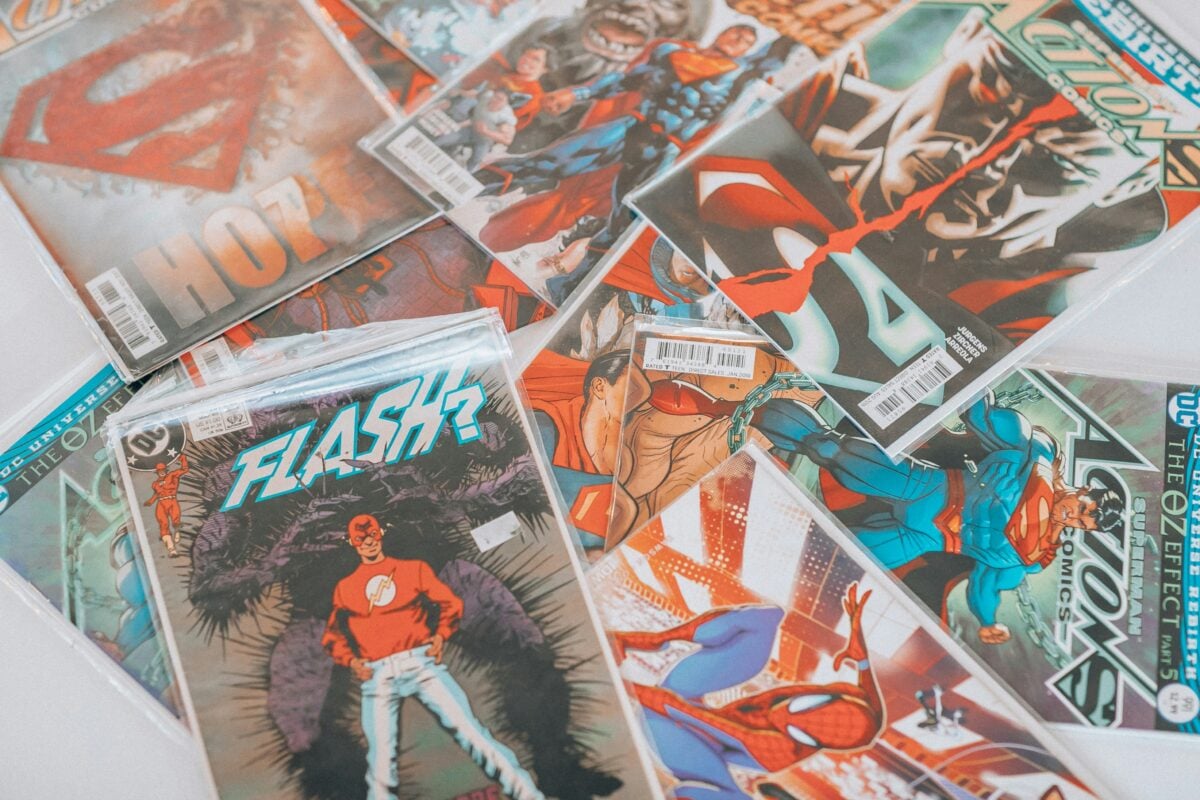
The Golden Age Flash debuted here in 1940, along with Hawkman and several other characters who would become DC staples. This book helped establish the template for superhero team-ups and shared universes before anyone called them that.
The Flash costume looks primitive compared to later versions. The wings on his helmet seem impractical, and the color scheme feels off.
But the book has charm in its rawness. Values have climbed steadily over the years as collectors recognize how important these early books are to comic history.
All-American Comics #16
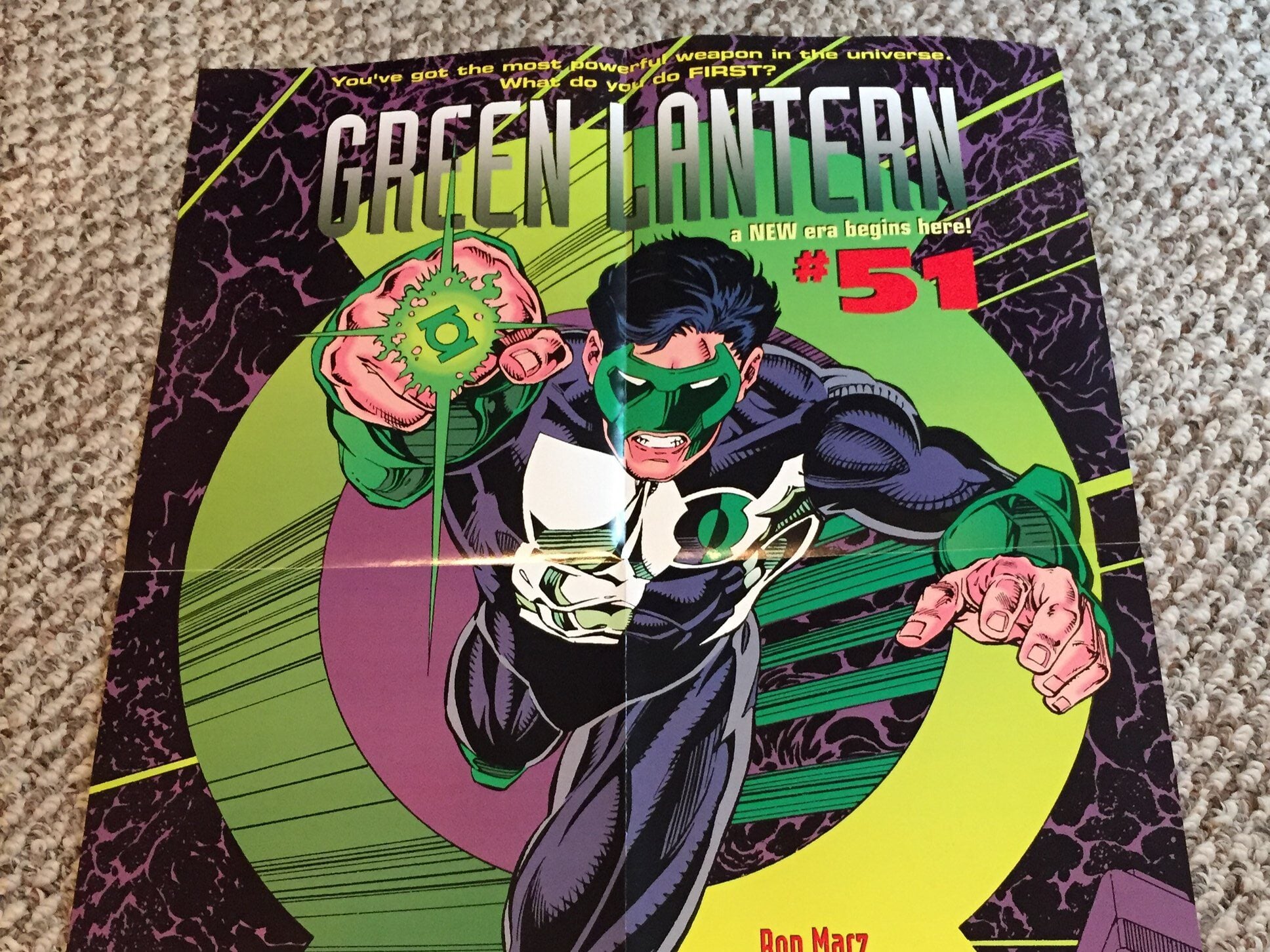
Green Lantern’s first appearance came in 1940, introducing another character who would spawn decades of stories and reinventions. The Golden Age version used a magic ring instead of the science fiction elements that came later, giving the character a different flavor.
This book trades hands for serious money when clean copies surface. Most show significant wear from decades of handling.
The stories inside feel dated, but the historical importance carries enough weight to justify the prices collectors pay.
Whiz Comics #2
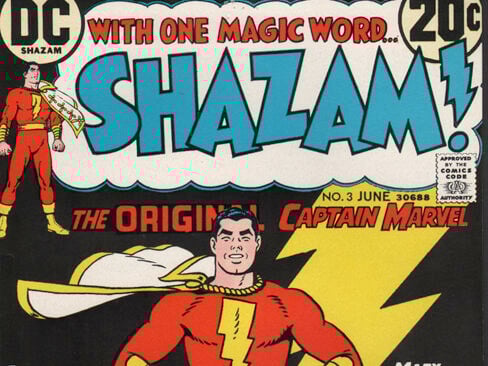
Captain Marvel—not the Marvel Comics version, but the one who shouts “Shazam”—debuted here in 1940. The book was actually labeled #2 because of a complicated publishing situation, even though it was the first issue.
That quirk adds to its appeal for collectors who love stories behind their books. Captain Marvel outsold Superman for a while, which seems impossible now.
But his popularity was real, and this book captures him at his peak. Finding one takes work, and expect to pay six figures for a decent copy.
More Fun Comics #73
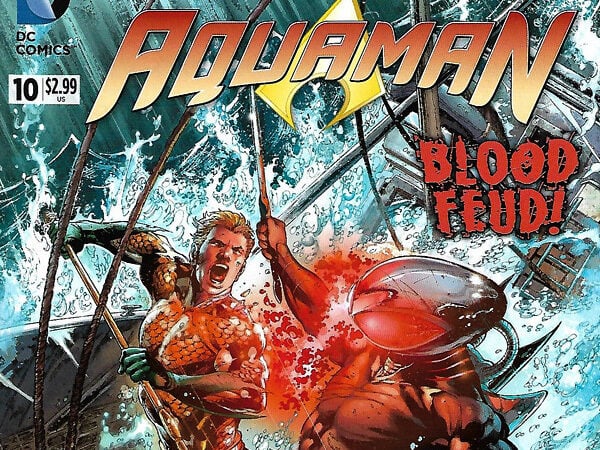
Aquaman and Green Arrow both first appeared in this 1941 book, though neither got the respect they deserved at the time. Green Arrow was basically a Batman clone, and Aquaman seemed like a throwaway character.
Both would eventually become major players in the DC universe.
The book itself is tough to find in readable condition. Most copies show heavy damage from moisture and age.
But having two major character debuts in one issue makes it valuable despite the condition challenges. Collectors accept flaws they wouldn’t tolerate in newer books.
All Star Comics #8
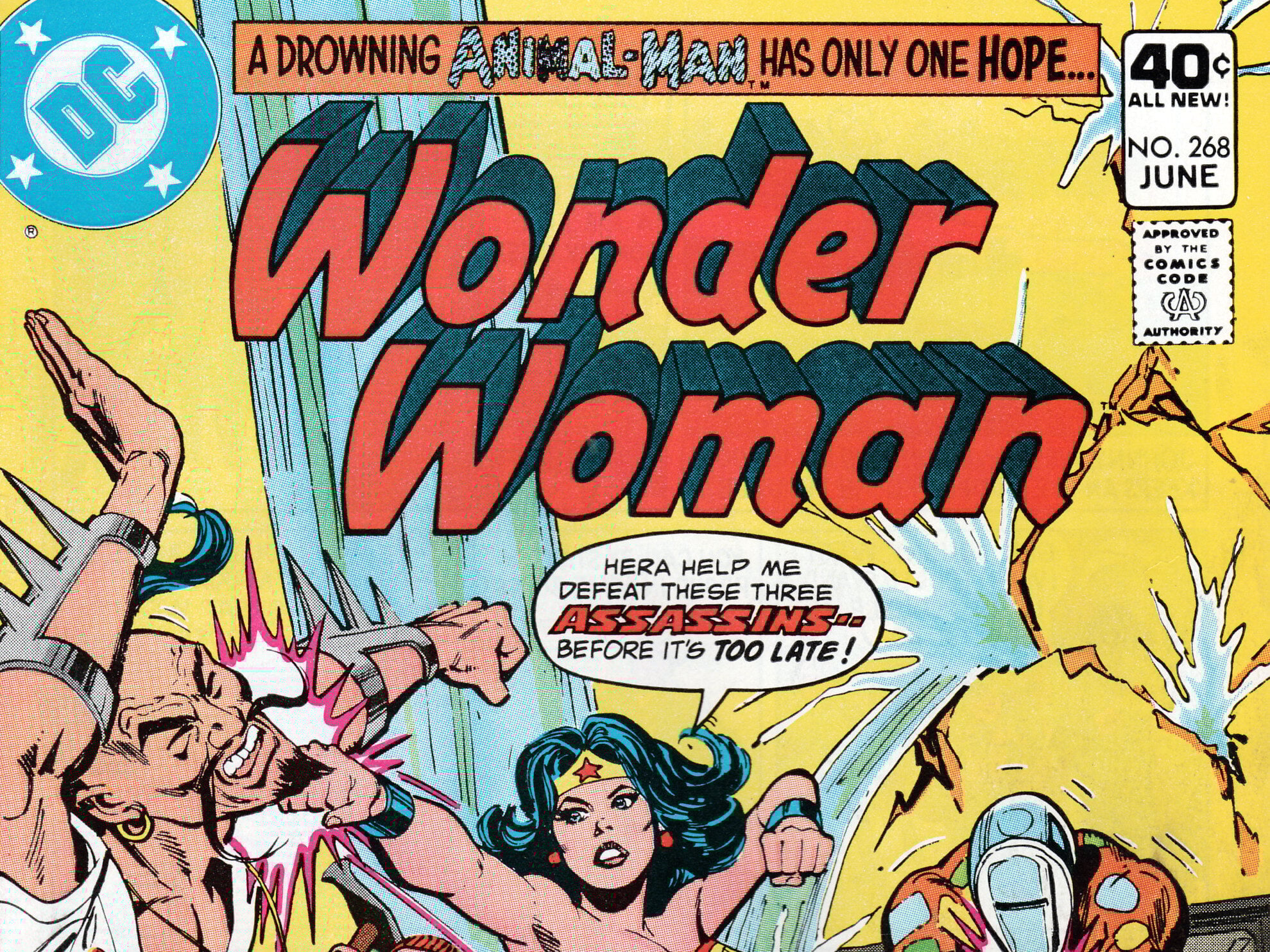
Wonder Woman’s introduction came in 1941, and she immediately stood out as something different. Female superheroes were rare then, and one with her own mythology and purpose changed the landscape.
This book represents an important shift in what superhero comics could be. Clean copies command enormous prices.
Most show wear from decades of storage in less-than-ideal conditions. But even damaged copies sell well because of Wonder Woman’s cultural importance.
The stories inside feel progressive for their time, even if they seem dated now.
Incredible Hulk #1
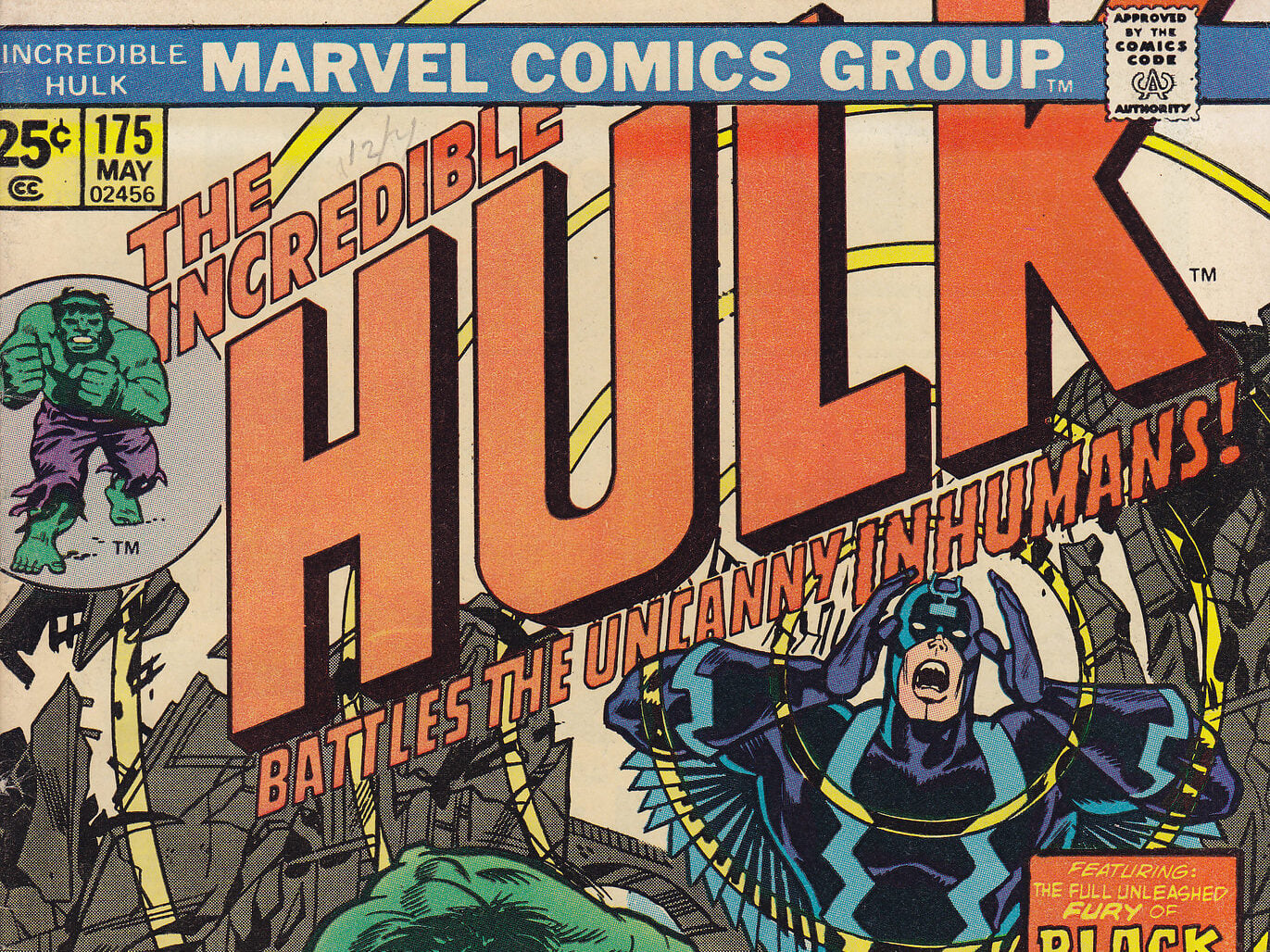
Marvel’s Silver Age kicked off in the 1960s with a wave of new characters. The Hulk debuted in 1962, bringing something darker and more conflicted than earlier heroes.
The gray coloring in the first issue got changed to green in later appearances, making this original version distinct. The book had a short initial run before getting canceled, which actually helped its value over time.
Scarcity drives prices up, and this one is legitimately hard to find in decent shape. Most copies that survived have condition issues that would sink the value of newer books.
Amazing Fantasy #15
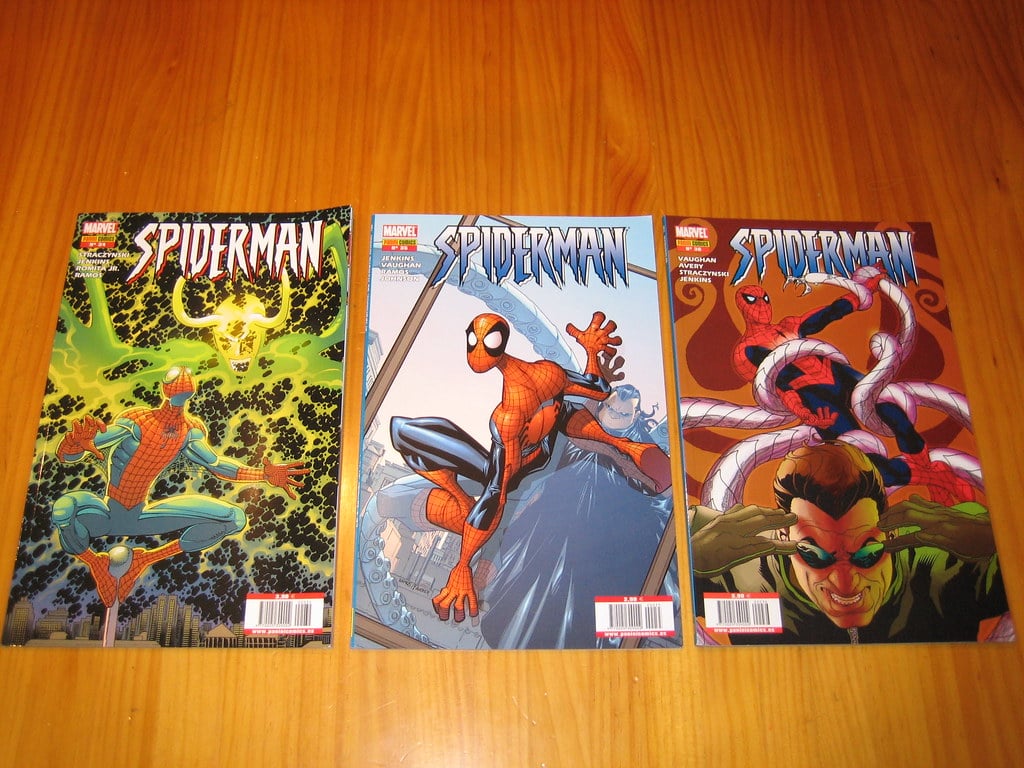
Spider-Man’s first appearance in 1962 might be the most important superhero debut of the Silver Age. The character connected with readers in ways other heroes didn’t.
His problems felt real. His struggles with money and relationships made him relatable.
This book consistently ranks among the most valuable comics ever printed. Prices keep climbing as each generation discovers Spider-Man through movies and TV shows.
Finding one requires deep pockets and patience. Even damaged copies cost more than most people spend on a car.
X-Men #1

The original X-Men lineup appeared in 1963, though the team looked nothing like later versions. These were teenagers in matching uniforms dealing with fairly standard superhero problems.
The social commentary that would define the series came later. The book is expensive but not unreachable for serious collectors.
Prices vary wildly based on condition. A beat-up copy might cost a few thousand, while a pristine one pushes six figures.
The X-Men’s enduring popularity keeps demand high.
Avengers #1
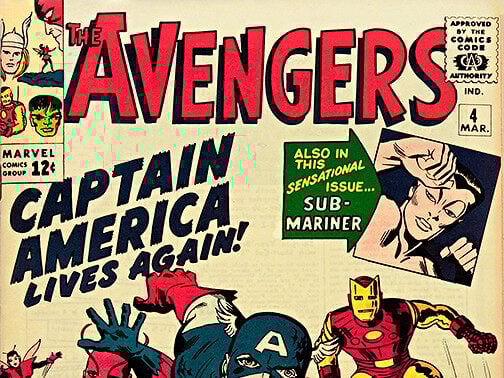
Marvel’s premier superhero team came together in 1963, bringing together characters who already had their own books. The concept of a shared universe was still fairly new, and this book helped cement how it could work.
The roster included Iron Man, Thor, Hulk, Ant-Man, and Wasp. Captain America joined shortly after.
The book feels choppy by modern standards, with characters acting out of sync with their personalities in other titles. But collectors forgive those flaws given the historical significance.
Fantastic Four #1
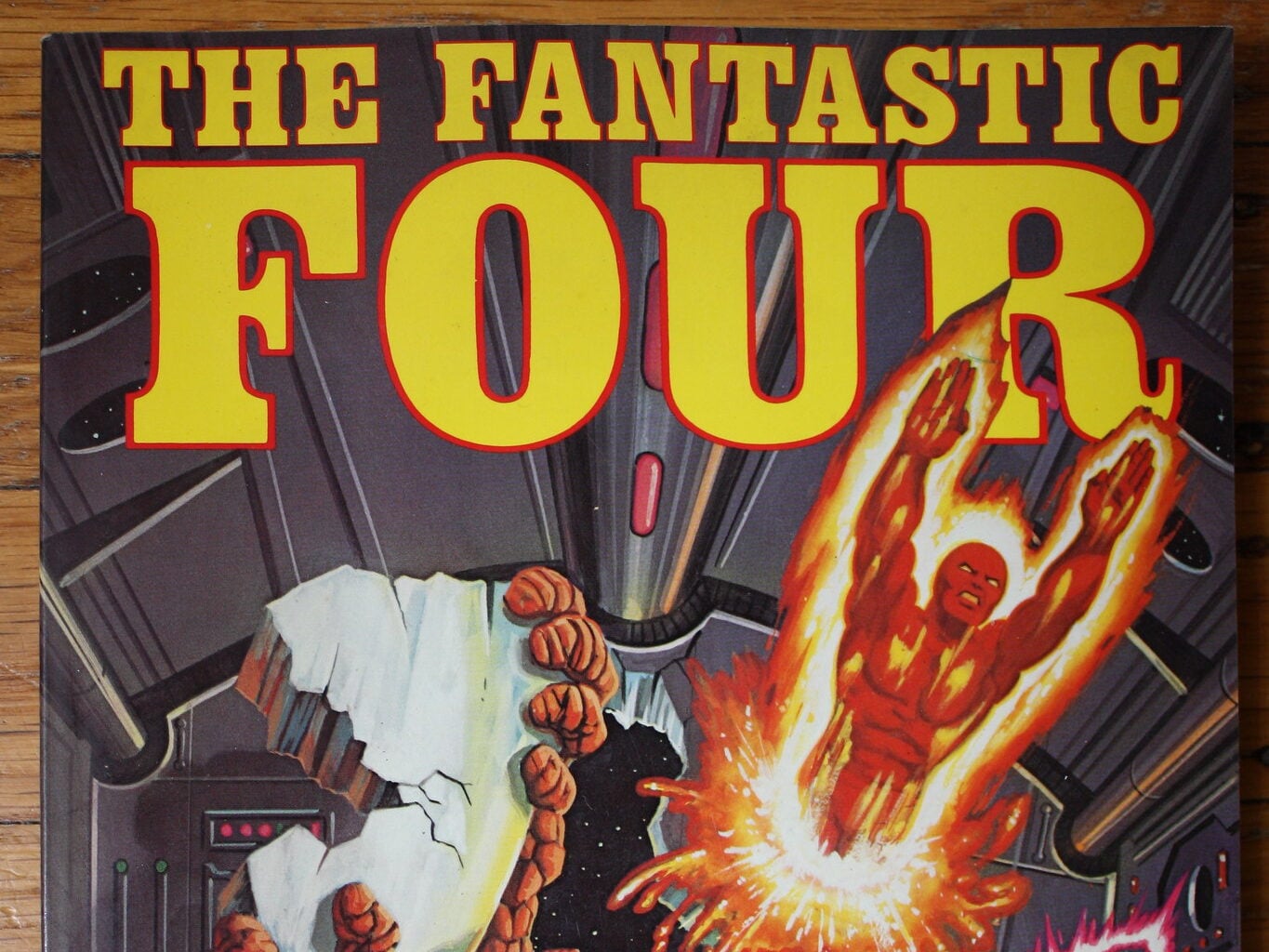
Marvel’s first superhero team debuted in 1961, marking the start of the company’s Silver Age dominance. The team felt different from what DC was doing—more flawed, more human, more prone to arguing with each other.
Stan Lee and Jack Kirby created something that felt fresh. This book is expensive but shows up at auction fairly regularly.
Prices depend heavily on condition, as always. The importance of the book to Marvel’s history keeps values climbing steadily.
Finding one in your budget takes patience, but it’s possible if you’re willing to accept some flaws.
Tales of Suspense #39
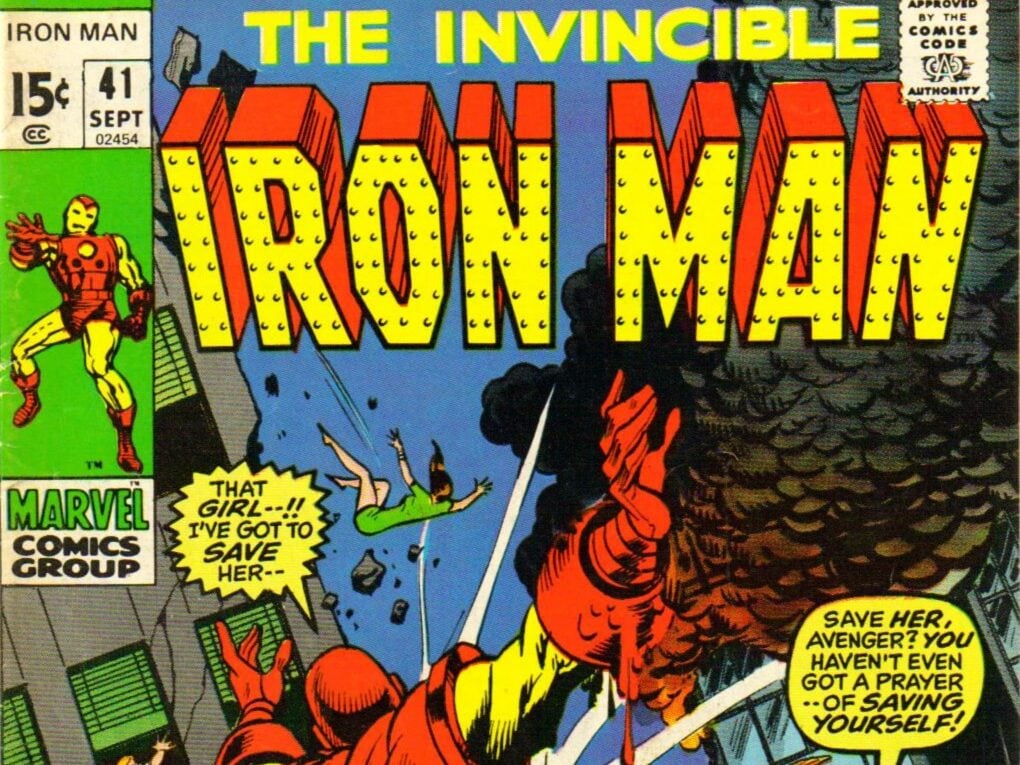
Iron Man’s first appearance came in 1963, introducing a character who would eventually anchor the entire Marvel Cinematic Universe. The original armor looked bulky and primitive, nothing like the sleek suits that came later.
But the core concept was there from the start. The book is valuable but not ridiculously expensive compared to some others on this list.
You can find decent copies if you save up and stay patient. The armor design changes throughout early issues as creators figured out what worked, making the progression interesting to follow.
Journey Into Mystery #83
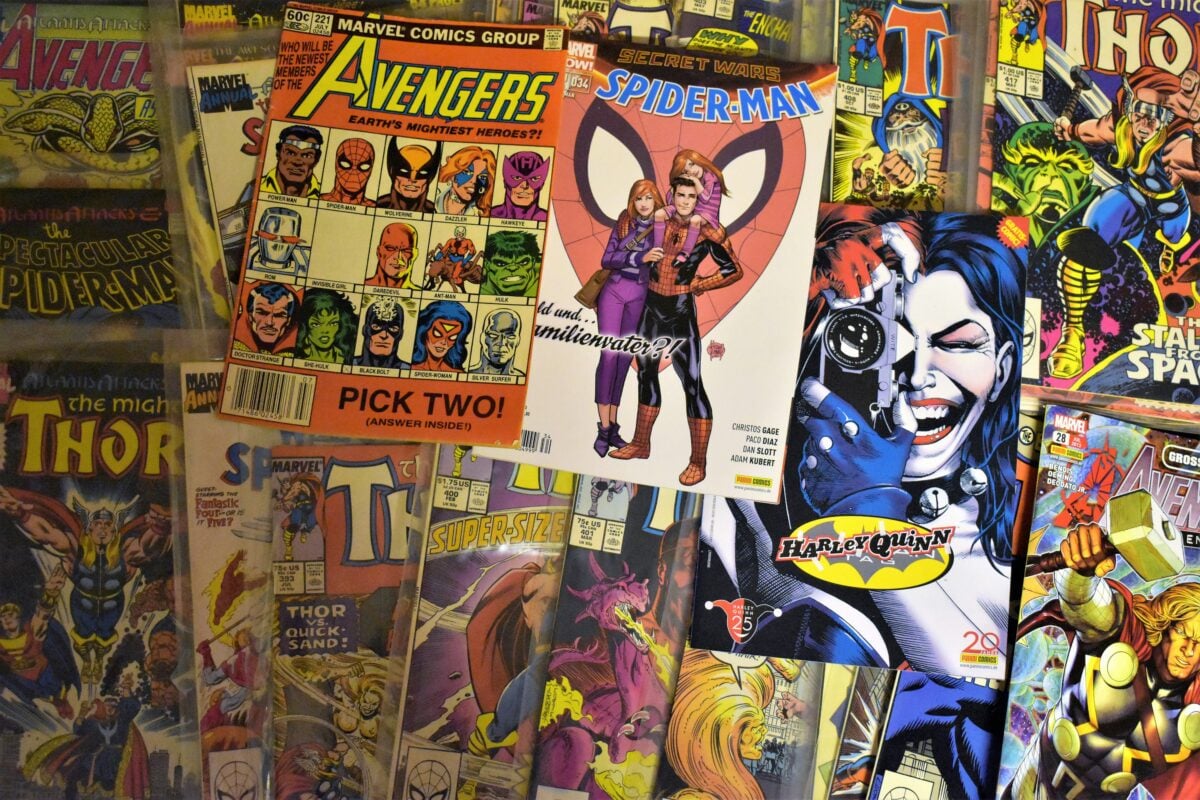
Thor debuted in 1962, bringing Norse mythology into the Marvel Universe. The mix of superhero action and mythological storytelling gave the character a unique flavor.
The book also introduced his civilian identity of Dr. Donald Blake, though that got complicated in later stories. Values have climbed as Thor became more prominent in movies and TV.
The book is expensive but still within reach for dedicated collectors. Condition matters enormously, as with all Silver Age books.
Even low-grade copies cost thousands now.
Showcase #4
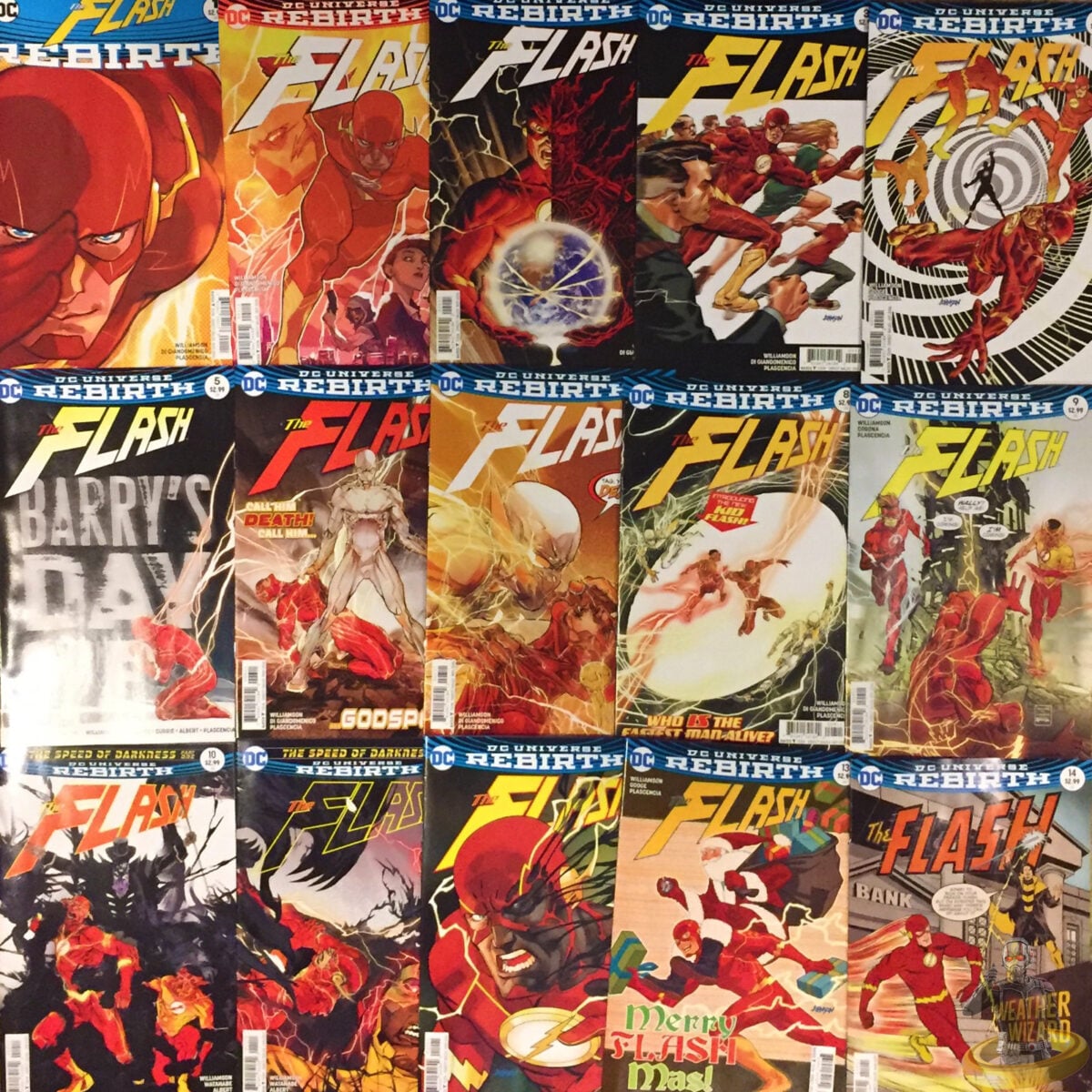
The Silver Age Flash appeared here in 1956, marking a turning point for DC Comics. Superhero books had fallen out of favor after World War II, but this issue helped bring them back.
The Flash got a new costume, new powers, and a new civilian identity. The book sparked the Silver Age revival that would reshape the industry.
That historical importance drives prices up. Finding one takes serious hunting and even more serious money.
Most copies show their age, with condition issues that would be dealbreakers for newer books.
Brave and the Bold #28
The Justice League debuted here in 1960, bringing DC’s major heroes together for the first time in the Silver Age. The team concept that had worked in the 1940s got a fresh update, and readers responded enthusiastically.
The book represents an important moment in DC’s history. Values reflect that importance, with clean copies commanding substantial prices.
Most surviving copies have condition problems from decades of storage, but collectors accept those flaws given the book’s significance.
Giant-Size X-Men #1
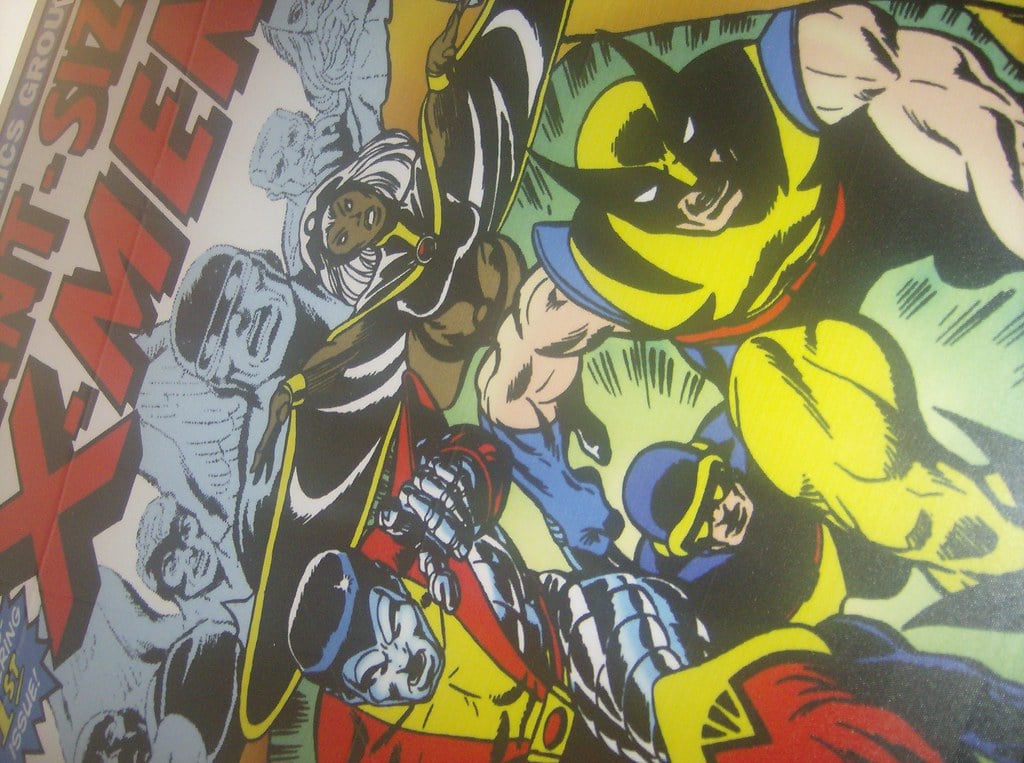
This 1975 book introduced a new X-Men team that included Storm, Nightcrawler, Colossus, and Wolverine (though Wolverine had appeared briefly before). The roster change revitalized a failing series and created the template for what the X-Men would become.
The book is expensive but more accessible than some Golden Age books. Prices have climbed steadily as these characters became cultural touchstones.
Finding a decent copy takes patience, but they show up at conventions and auctions regularly enough to give you a shot.
Amazing Spider-Man #1
After his debut in Amazing Fantasy, Spider-Man got his own title in 1963. The book picked up right where the previous story left off, establishing the series that would become Marvel’s flagship for decades.
Values are high but not stratospheric compared to Amazing Fantasy #15. The book represents the start of Spider-Man’s ongoing adventures, making it essential for serious collectors.
Most copies have condition issues from being read repeatedly, but even damaged copies sell for substantial money.
Fantastic Four #5
Doctor Doom made his first appearance here in 1962, becoming Marvel’s most important villain. His combination of genius, magic, and arrogance made him different from typical bad guys.
He had legitimate grievances and complex motivations. The book is valuable but shows up often enough to be obtainable if you save for it.
Prices depend on condition, as always. The importance of Doctor Doom to Marvel’s mythology keeps demand high.
You’ll see this book at most major comic shows and auctions.
Tales of Suspense #52
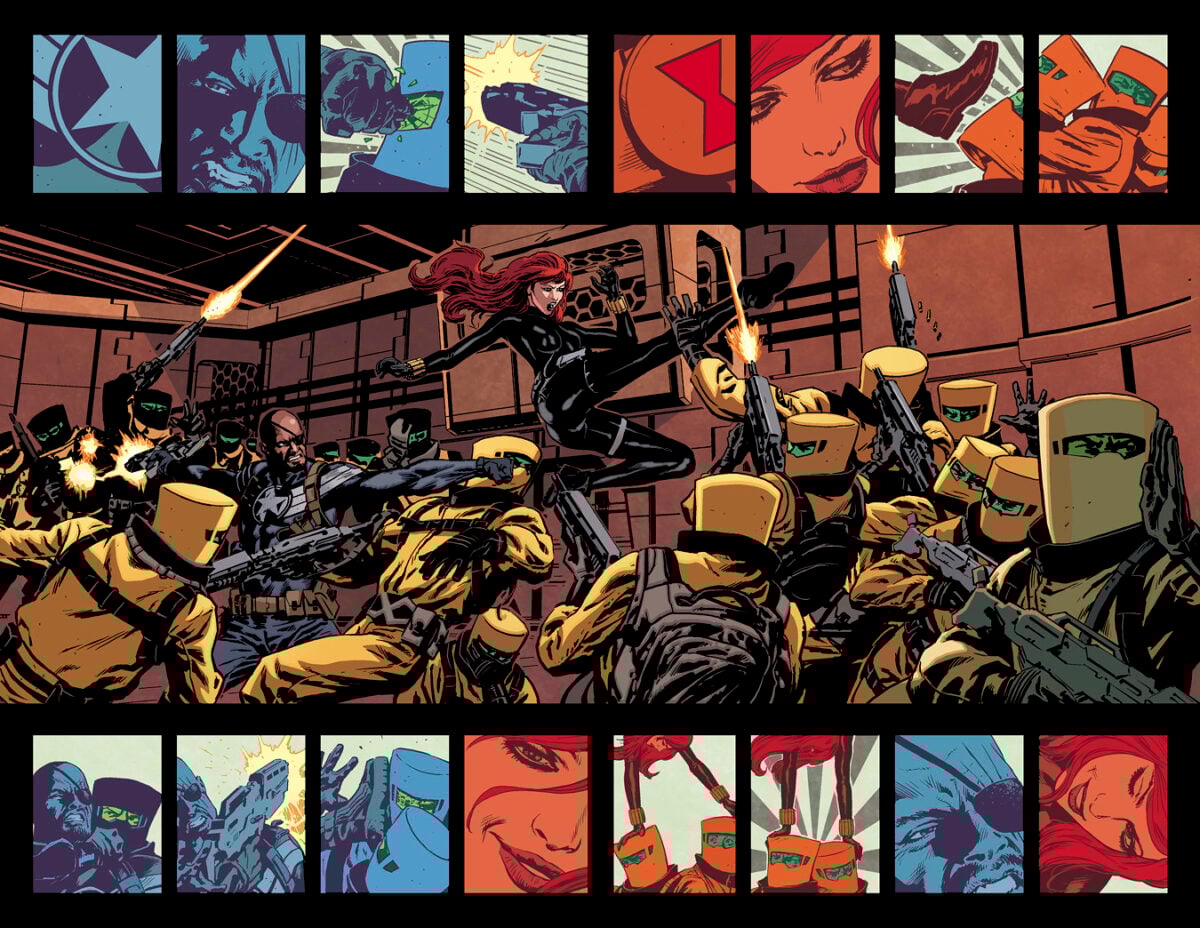
The Black Widow debuted here in 1964, though she looked nothing like the character we know now. She started as a Soviet agent and antagonist before eventually joining the good guys.
Her evolution from villain to hero gave her depth. The book is expensive but not impossible to find.
Values have climbed as Black Widow became more prominent in movies. Most copies show age-related wear, but collectors accept that given how old these books are.
Amazing Spider-Man #129
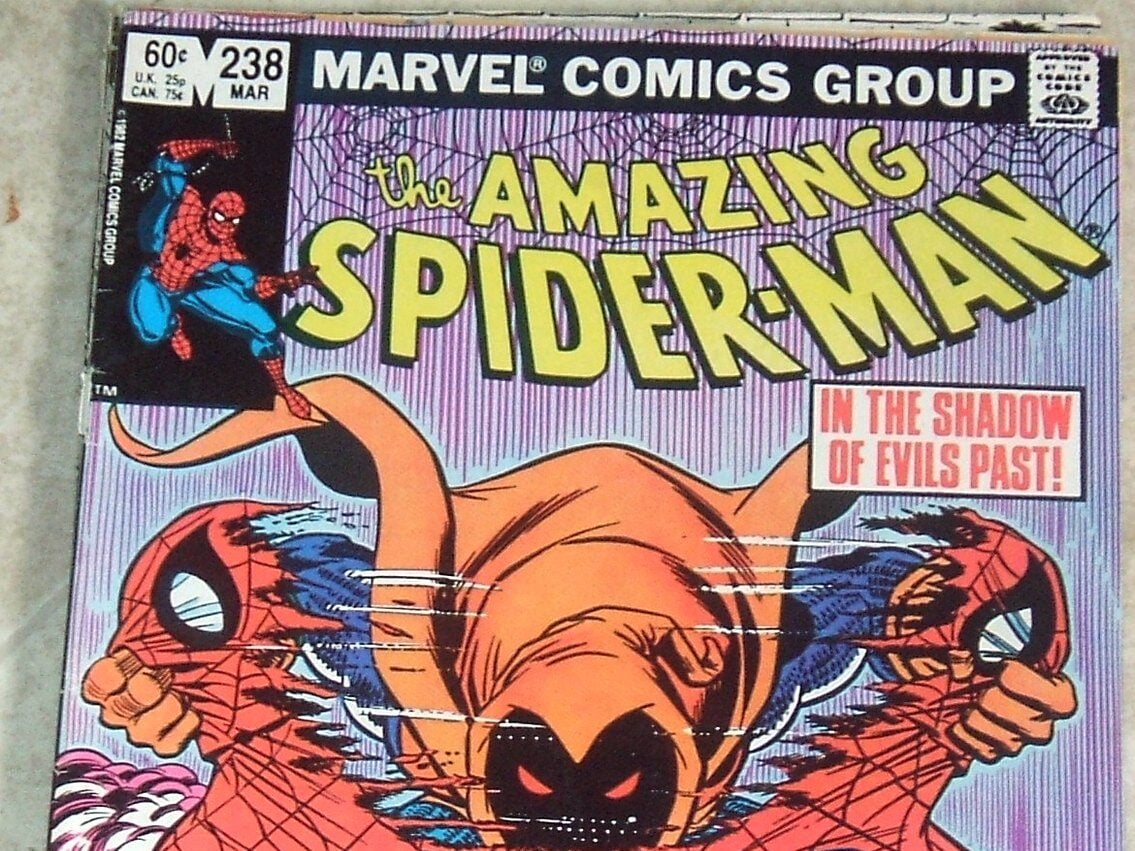
Out of nowhere in 1974 stepped the Punisher, landing in a comic world not quite ready for his kind of justice. Without any super strength or magic suits, he relied on guns, grit, and a sharp eye for bad guys.
While others held back, he pulled triggers – no second chances given. Right away, people weren’t sure if they admired him or feared what he stood for.
A newer entry here, this one usually turns up in better shape. Still, fans keep snapping them up – thanks to a lasting love for the Punisher.
Year after year, prices rise at a steady pace. Not quite matching those wild highs seen with Golden Age staples.
When Paper Becomes Treasure

Pages crumpled easily, made to last just long enough for one pass through young hands. Printed on pulp that yellowed fast, sold at prices barely covering candy costs.
Little readers flipped through, swapped with friends, then tossed aside like wrappers. Back then, it never crossed minds that such flimsy booklets might someday sit behind glass or trade for fortunes.
Over time, things began to change. Back in the sixties and seventies, people who collected comics started paying closer attention.
Guides listing prices showed up around then. Events where fans met turned into places where buying and selling grew common.
Without warning, dusty stacks buried in attics gained worth. As more collectors stored key editions safely, fewer copies stayed available.
Unpredictable swings hit the market now and then. A sudden wave of attention from a movie or series boosts demand, lifting prices fast.
When money gets tight, collectors tend to keep their comics rather than cash out. Yet those key books – the debut stories, the ones that shift how genres evolve – hold worth even when everything else fades.
These books no longer turn up at yard sales. Decades have passed since then.
Leftover copies now sit tucked away in private holdings, biding their time. With every transaction, prices climb – breaking past earlier highs.
Playthings meant for kids evolved into items handled carefully, almost like heirlooms.
More from Go2Tutors!

- The Romanov Crown Jewels and Their Tragic Fate
- 13 Historical Mysteries That Science Still Can’t Solve
- Famous Hoaxes That Fooled the World for Years
- 15 Child Stars with Tragic Adult Lives
- 16 Famous Jewelry Pieces in History
Like Go2Tutors’s content? Follow us on MSN.



