28 First-Edition Paperbacks on Shelves That Could Fund a Vacation
There’s something quietly stubborn about paperbacks. People tuck them into boxes during moves, stack them on garage sale tables for a quarter apiece, leave them in vacation rentals like they cost nothing — and sometimes, they did.
But every so often, one of those creased spines or faded covers turns out to be something else entirely: a first edition that’s been sitting in plain sight for years, indifferent to its own value. The list below covers 28 paperback first editions that collectors actively chase, and more than a few of them have traded hands for enough money to cover flights, hotels, and a few good dinners.
Worth a look at those shelves.
Casino Royale — Ian Fleming
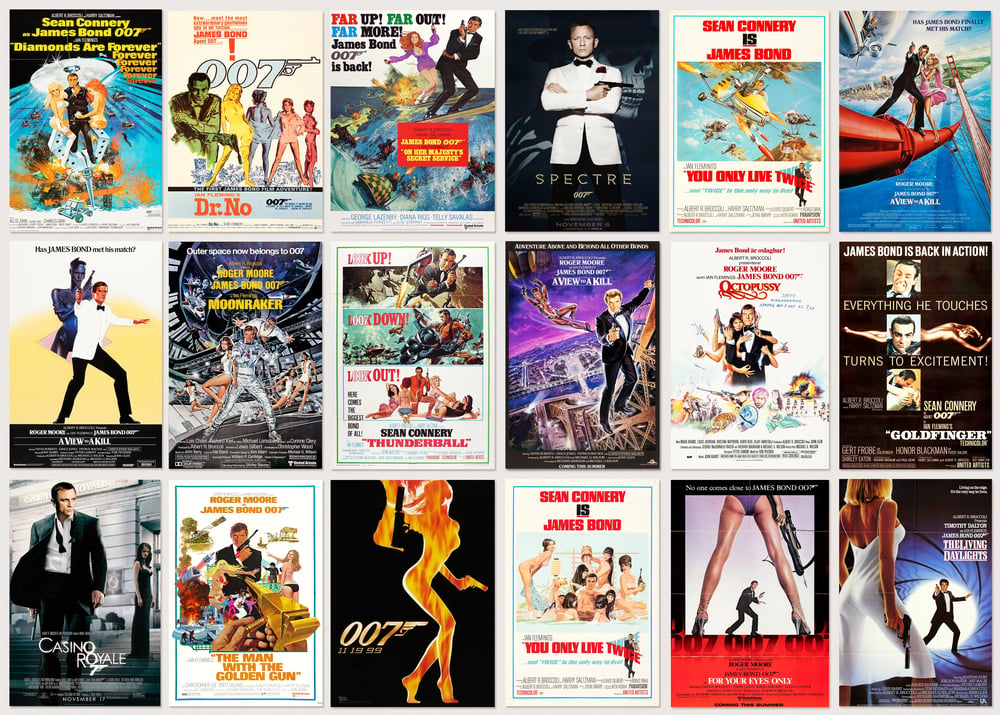
The first paperback edition of Fleming’s debut Bond novel is among the most aggressively hunted items in 20th-century genre fiction. Pan Books issued the first UK paperback in 1955, and a copy in decent condition can fetch several hundred dollars without breaking a sweat.
The story hasn’t aged in the way people claim things age — it still moves like it has somewhere to be.
The Talented Mr. Ripley — Patricia Highsmith
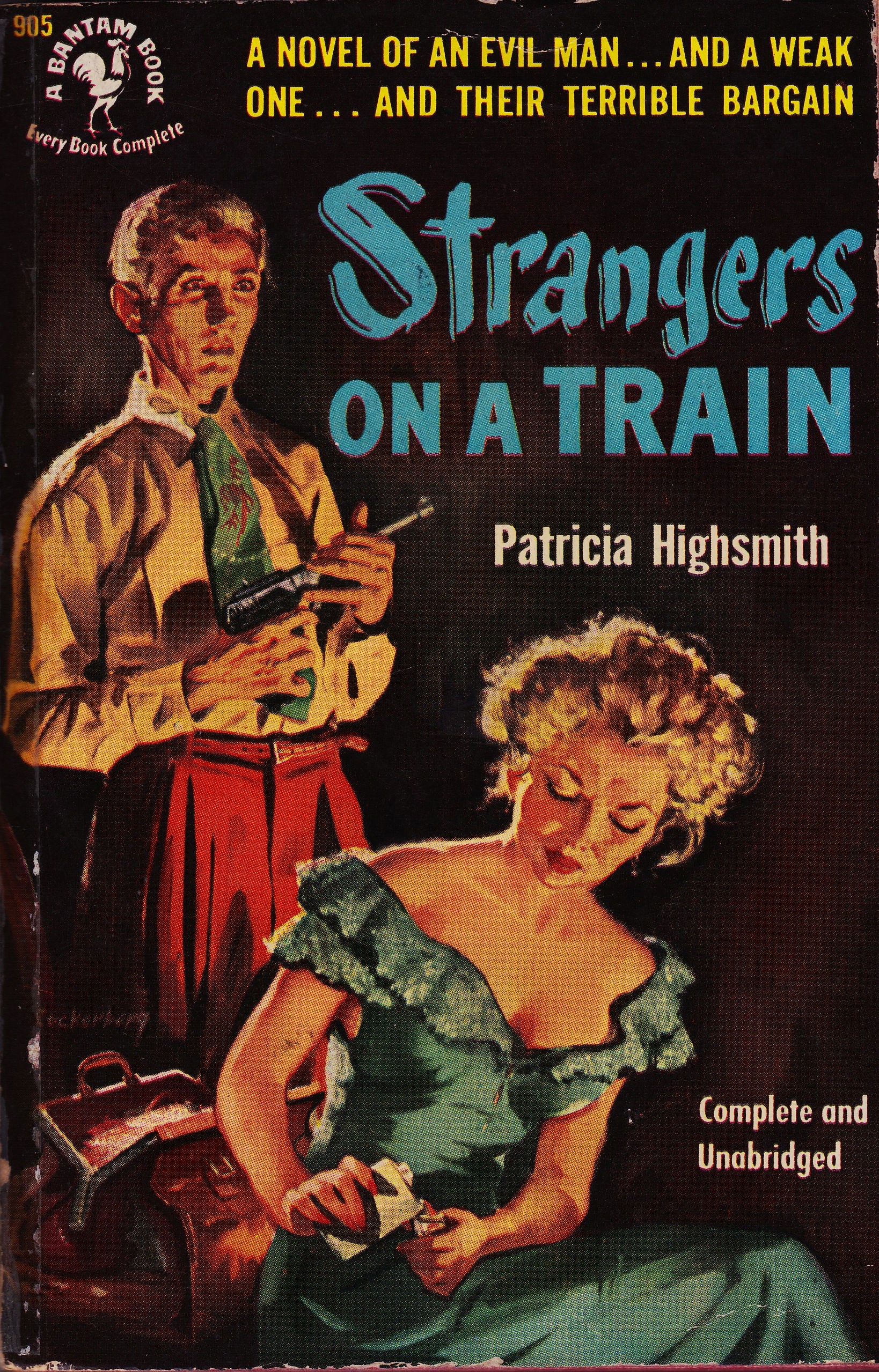
Highsmith wrote Ripley as a man you shouldn’t root for and somehow made it impossible not to. The first Penguin paperback edition from the late 1950s is genuinely scarce in collectible condition.
Turns out readers actually read these books, which is bad news for the spine and good news for the rarity.
On the Road — Jack Kerouac
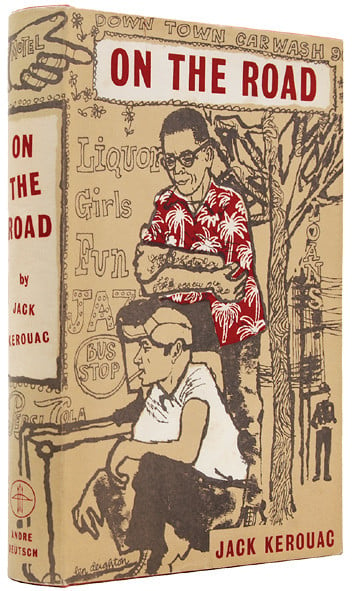
The first Signet paperback edition from 1958 — issued just a year after the hardcover — is one of those books that spent decades being undervalued precisely because everyone seemed to own one. Fine copies now push past $500 with some regularity in the collector market.
It’s a road trip book funding actual road trips, which feels appropriate.
Fahrenheit 451 — Ray Bradbury
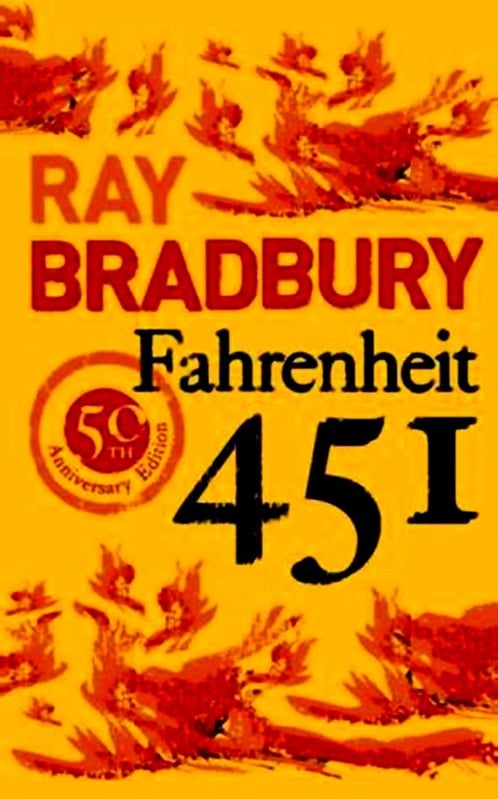
The Ballantine Books paperback first edition from 1953 came out the same year as the hardcover, and a well-preserved copy is a genuinely serious find. What makes this one interesting (beyond the obvious irony of a book about burning books being rare and valuable) is that the paperback was always meant to be the affordable version — the democratic one — and now it sells for more than most people spend on a weekend away.
The Outsiders — S.E. Hinton
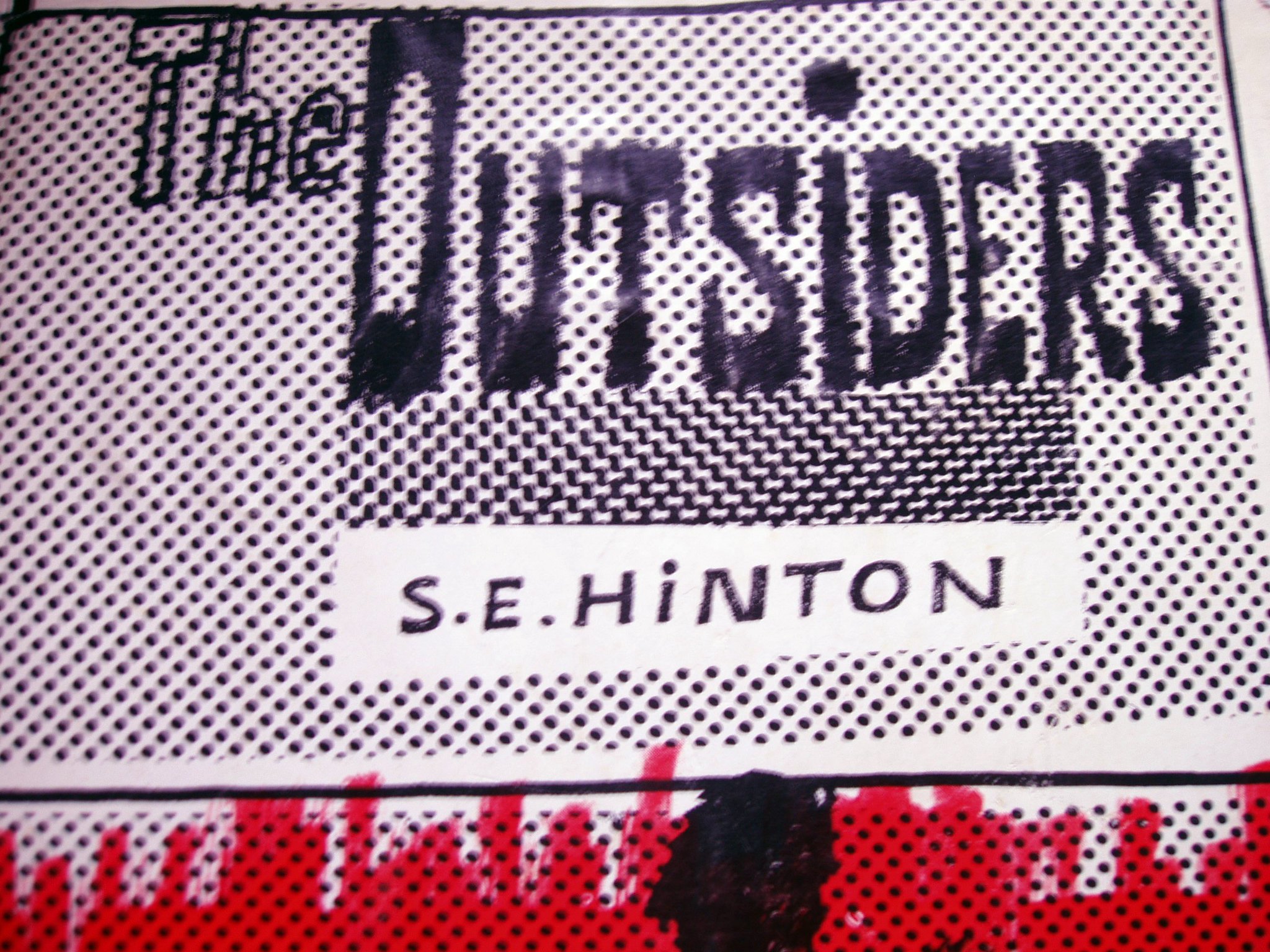
The Dell paperback first edition, issued in 1968 a year after the Viking hardcover, is the version most people actually read. That ubiquity is exactly why near-fine copies are hard to locate — they were handled, loaned out, left in lockers, and generally treated as consumable.
So the ones that survived in good shape are quietly worth chasing.
One Flew Over the Cuckoo’s Nest — Ken Kesey
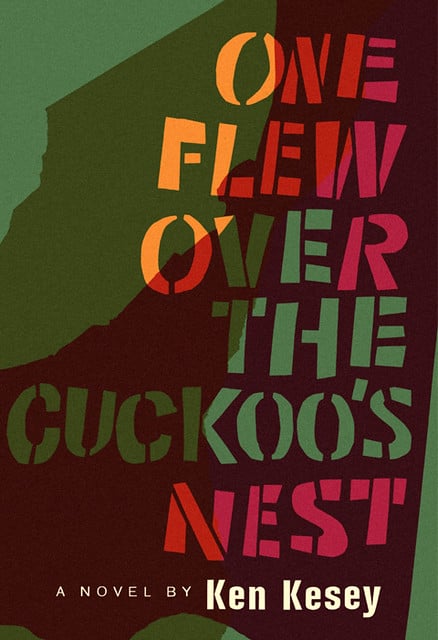
Signet’s first paperback of Kesey’s 1962 novel moved fast. The book had word-of-mouth momentum before anyone used that phrase, and the early printings disappeared into circulation almost immediately.
A first paperback in solid condition can land well north of $200, and the number in truly fine shape is smaller than most people assume.
Catch-22 — Joseph Heller
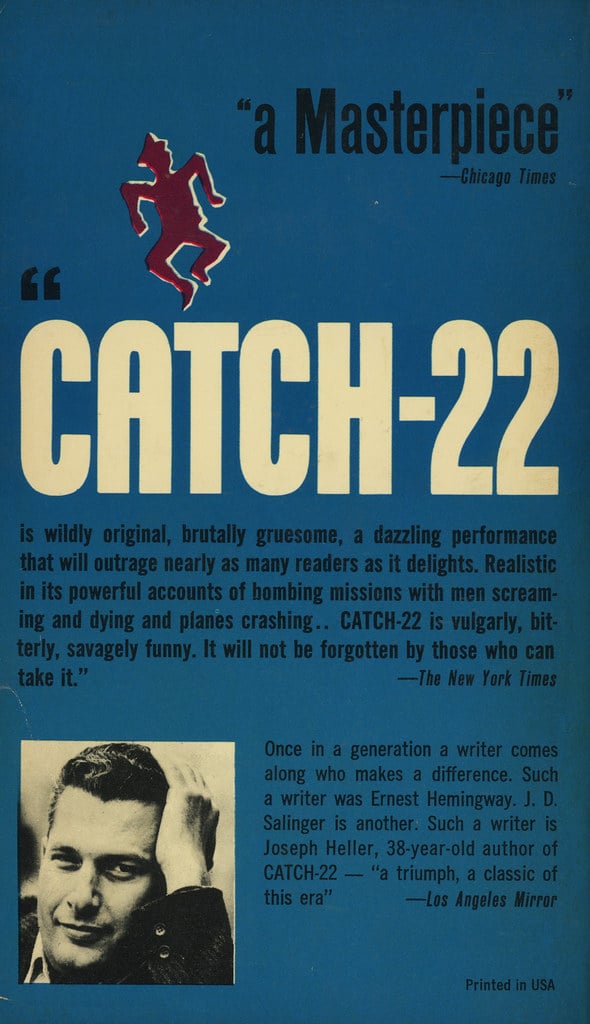
The Dell paperback first arrived in 1962, and like the novel itself, it has a reputation that precedes the actual experience of finding one. Collectors looking for fine copies face the same bureaucratic loop the novel describes: the better the book, the more people want it; the more people want it, the harder it is to find undamaged.
Go figure.
The Stranger — Albert Camus
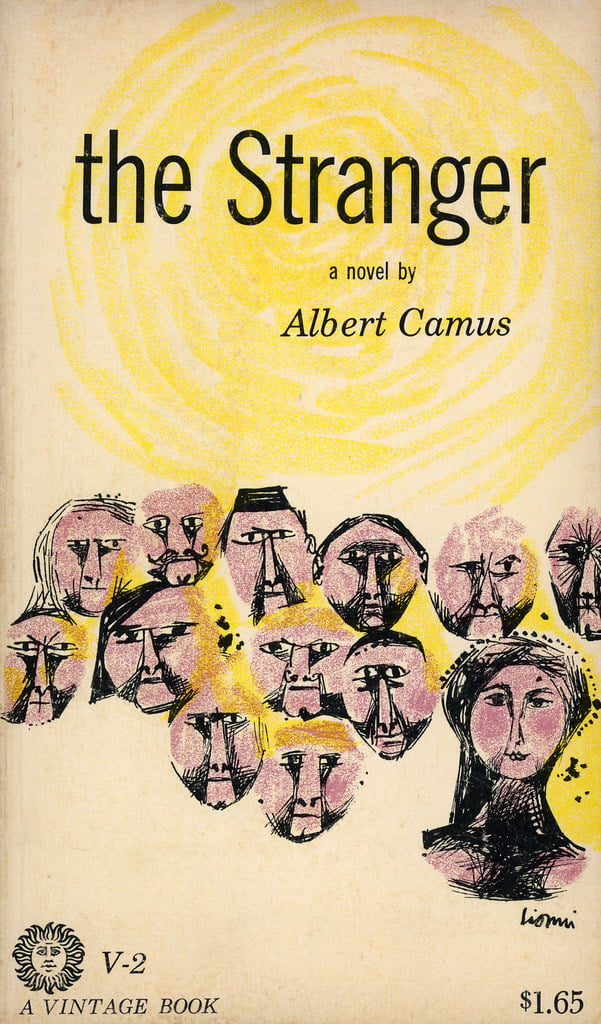
The first Vintage Books paperback edition of Stuart Gilbert’s English translation, issued in 1954, is the copy that shaped how generations of American readers encountered Camus. It’s a slim book — deceptively so — and early printings in clean condition have a quiet collectibility that occasionally surprises sellers who priced them too low at estate sales.
Lord of the Flies — William Golding
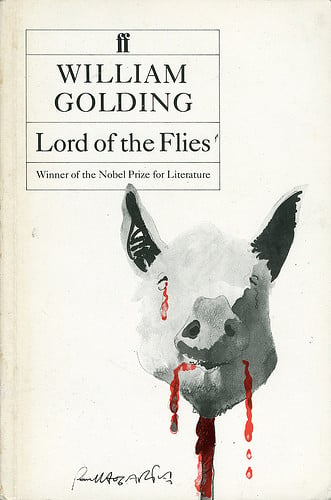
The Capricorn Books paperback first from 1959 has a strange double life: widely assigned in schools, which means widely destroyed in backpacks, but also widely kept by the readers it genuinely unsettled. The ones that survived school years intact are rarer than the print run numbers suggest.
And a fine copy is worth pausing over at any used bookstore.
A Clockwork Orange — Anthony Burgess
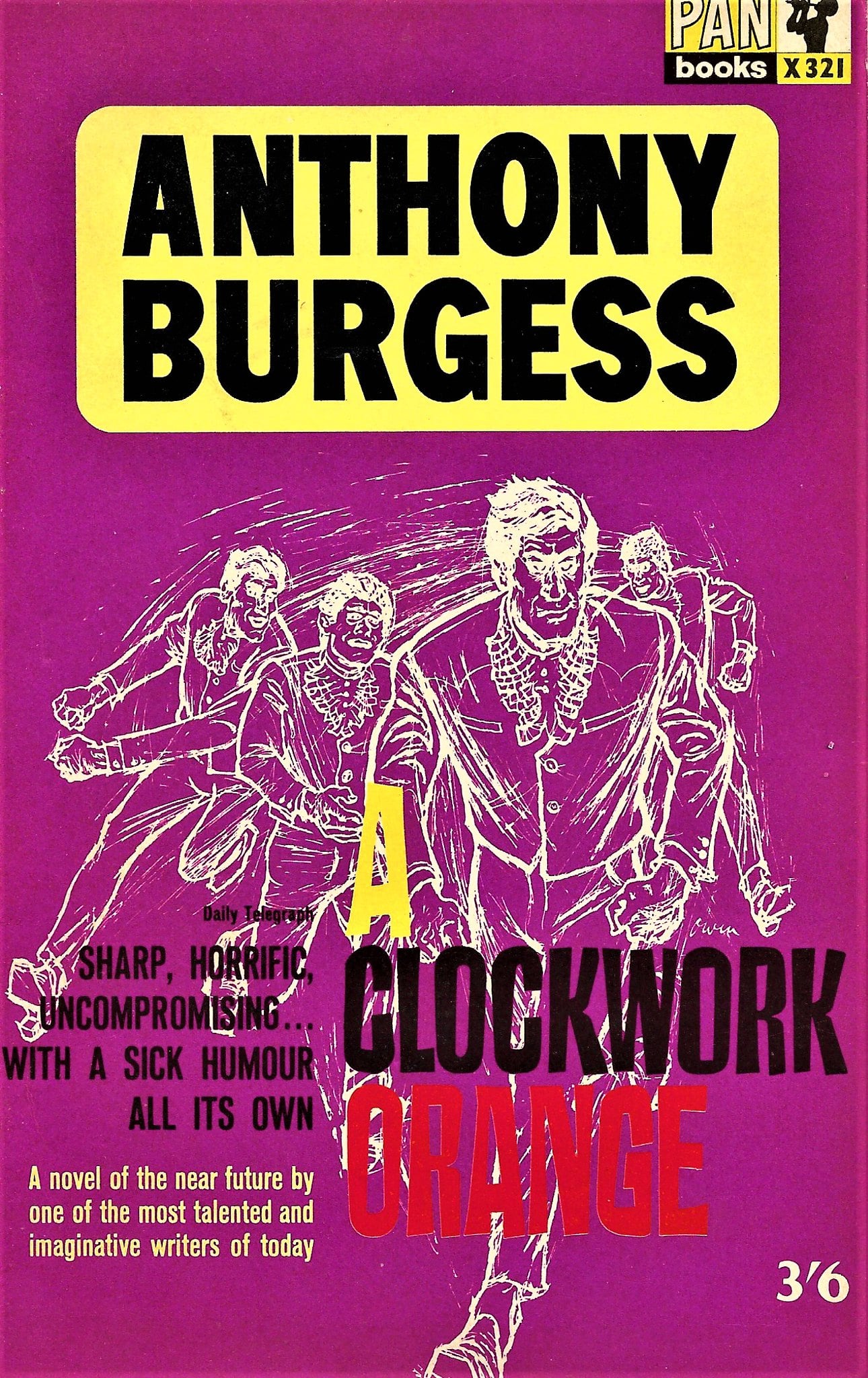
The first American paperback, issued by Ballantine in 1963, came out the same year as Kubrick began developing his adaptation — though the film wouldn’t arrive until nearly a decade later. The book’s notorious reputation drove readership and abuse in roughly equal measure, which is why well-preserved copies are scarcer than they should be given the print run.
The Bell Jar — Sylvia Plath
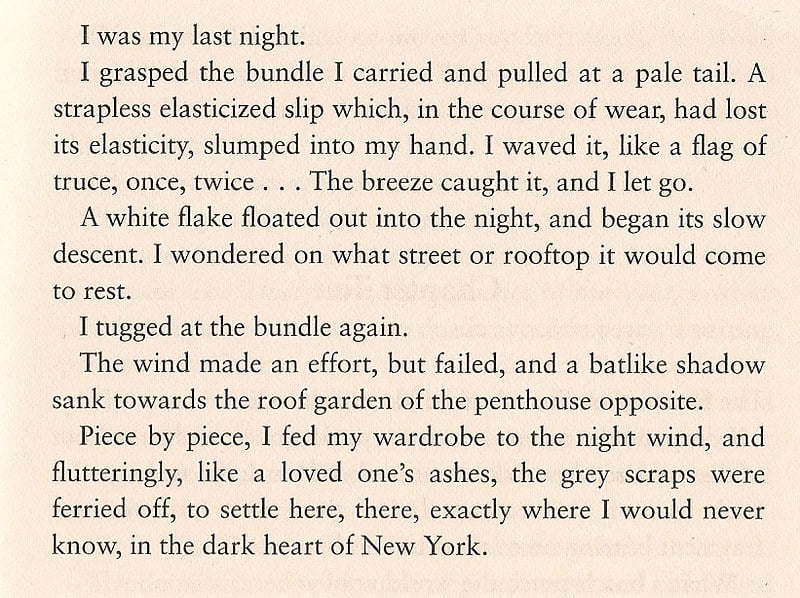
The first American paperback edition from Harper & Row, published in 1971 under Plath’s own name (the UK original used a pseudonym), carries particular weight in the collector market. It’s a book that people tend to hold onto, which paradoxically makes fine copies harder to find — they’re in someone’s bedroom, not circulating.
Condition matters enormously here.
Play It As It Lays — Joan Didion

Bantam’s first paperback edition of Didion’s 1970 novel is one of those books that looks plain — minimal cover, quiet design — and rewards the collector who knows what they’re holding. Didion’s reputation has done nothing but solidify over time, and first paperback copies of her novels have moved steadily upward in the secondary market.
To be fair, the same is true of most things she touched.
Do Androids Dream of Electric Sheep? — Philip K.
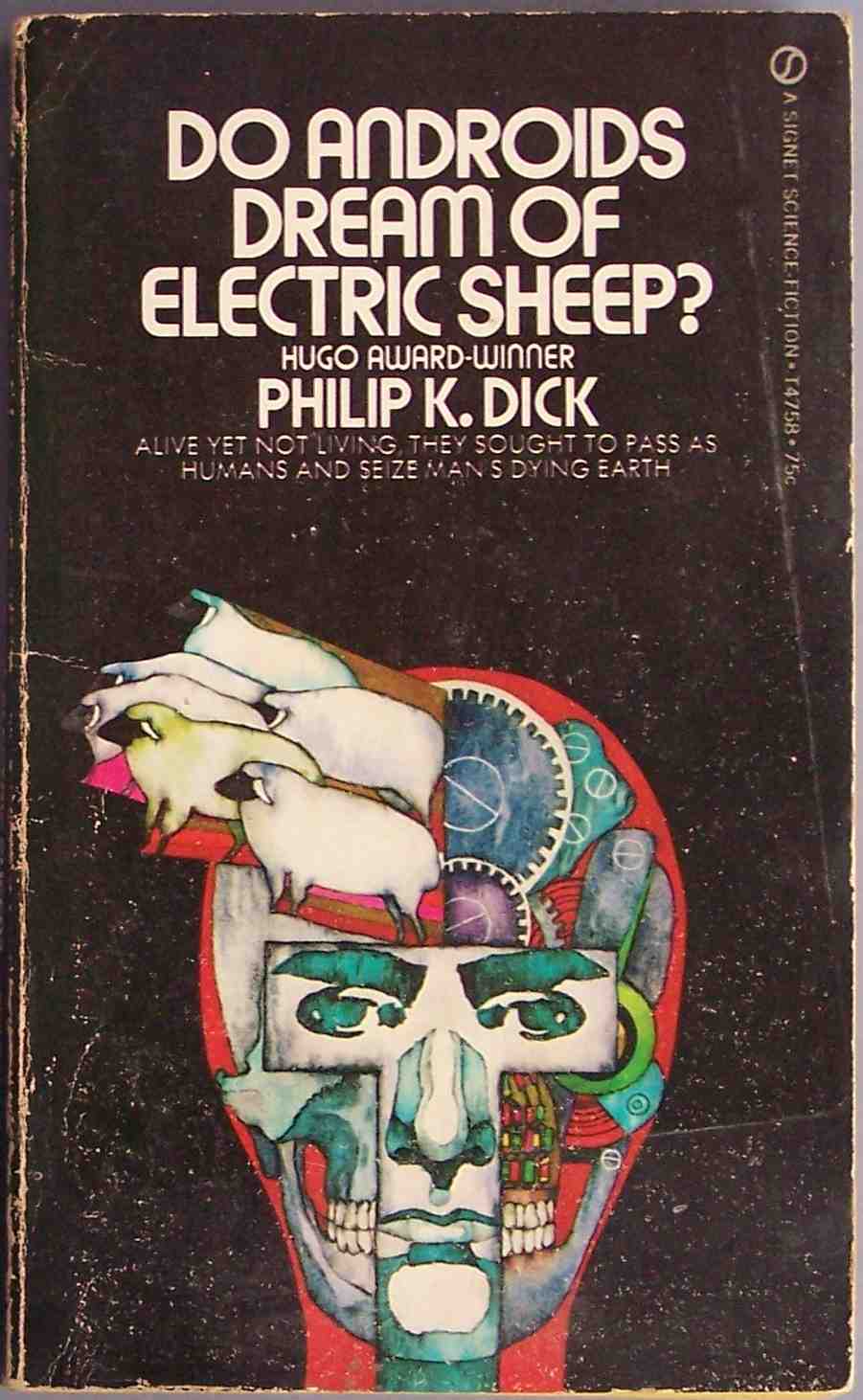
The first Signet paperback from 1969 is the edition that most readers encountered before anyone called it the basis for Blade Runner. Film adaptations have a way of retroactively inflating the value of source material, and this one is no exception.
A fine copy is not cheap, and finding one at a thrift store price would be the kind of story you’d tell for years.
The Handmaid’s Tale — Margaret Atwood
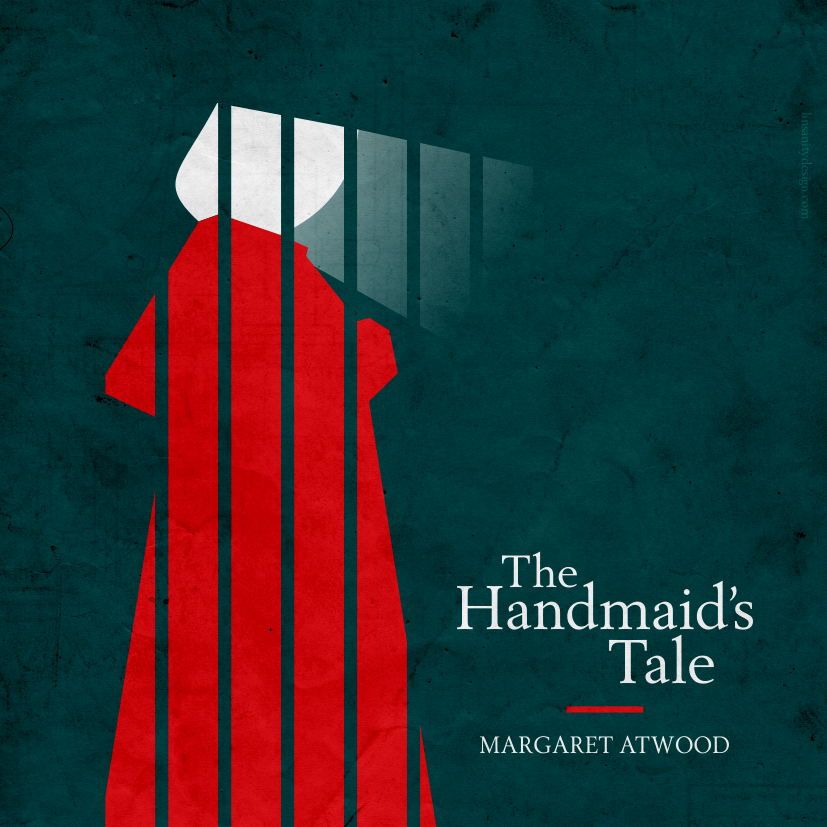
The first Fawcett Crest paperback from 1986 is the kind of book whose cultural re-emergence in the 2010s sent collectors back to look for early copies. And turns out the supply of fine first paperbacks hadn’t kept pace with the renewed demand.
The gap between what sellers expected to find and what they actually found made early printings noticeably more valuable than they’d been for decades.
Blood Meridian — Cormac McCarthy

The first Vintage International paperback from 1985 is among the most respected novels of the 20th century in a first paperback that most people didn’t recognize as significant when it appeared. McCarthy’s reputation took years to reach the level where early editions started attracting serious attention, which means some copies aged in boxes, indifferent to their eventual worth.
Fear and Loathing in Las Vegas — Hunter S. Thompson
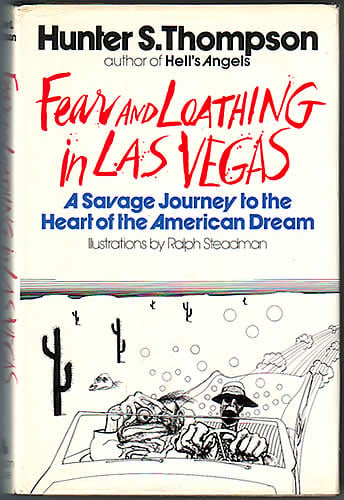
The Popular Library paperback first from 1972 is, fittingly, a book that looks like it has been through something. Most copies have.
The ones that haven’t — the ones that somehow survived in clean condition — are genuinely difficult to find, and the collector appetite for Thompson’s gonzo peak is not declining.
Breakfast of Champions — Kurt Vonnegut

Delacorte’s first paperback edition from 1973 often gets overlooked in favor of Vonnegut’s more celebrated titles, which is exactly what makes it interesting. A fine first paperback of a slightly undervalued book by a highly valued author is frequently mispriced — and mispriced in the buyer’s favor.
That combination doesn’t last.
The Female Man — Joanna Russ
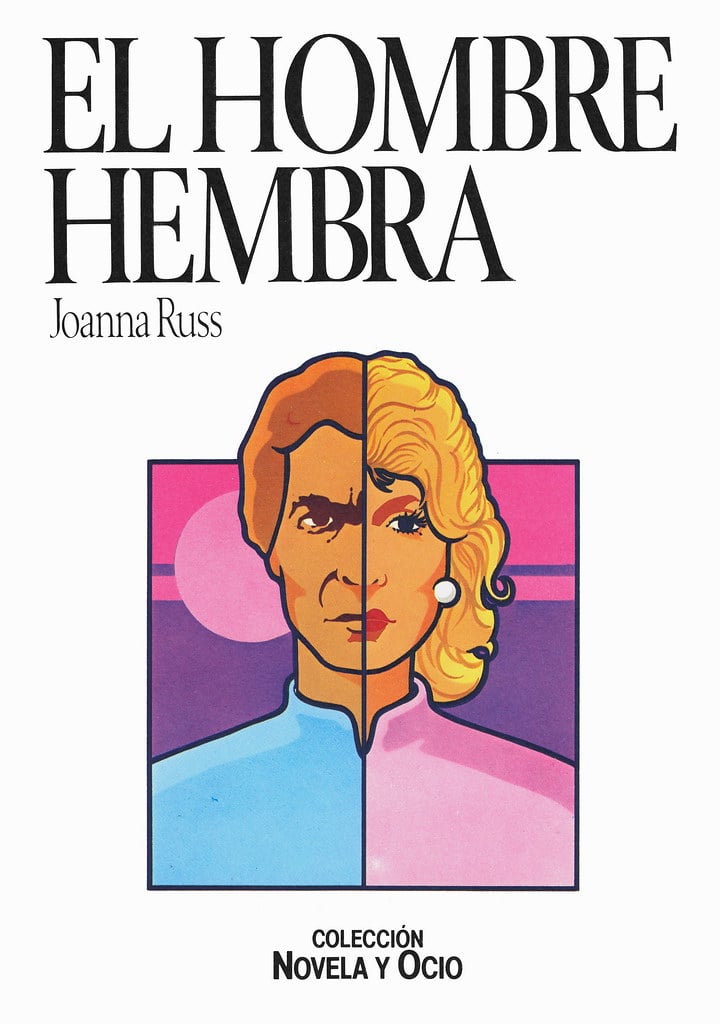
The Bantam Books first paperback from 1975 is the rare case of a genuinely important science fiction novel that the market undervalued for decades and is now correcting itself. Russ’s critical reputation has grown steadily since her death in 2011, and collectors who were early to recognize the book’s significance are sitting on copies that look nothing like what they paid for them.
Slaughterhouse-Five — Kurt Vonnegut
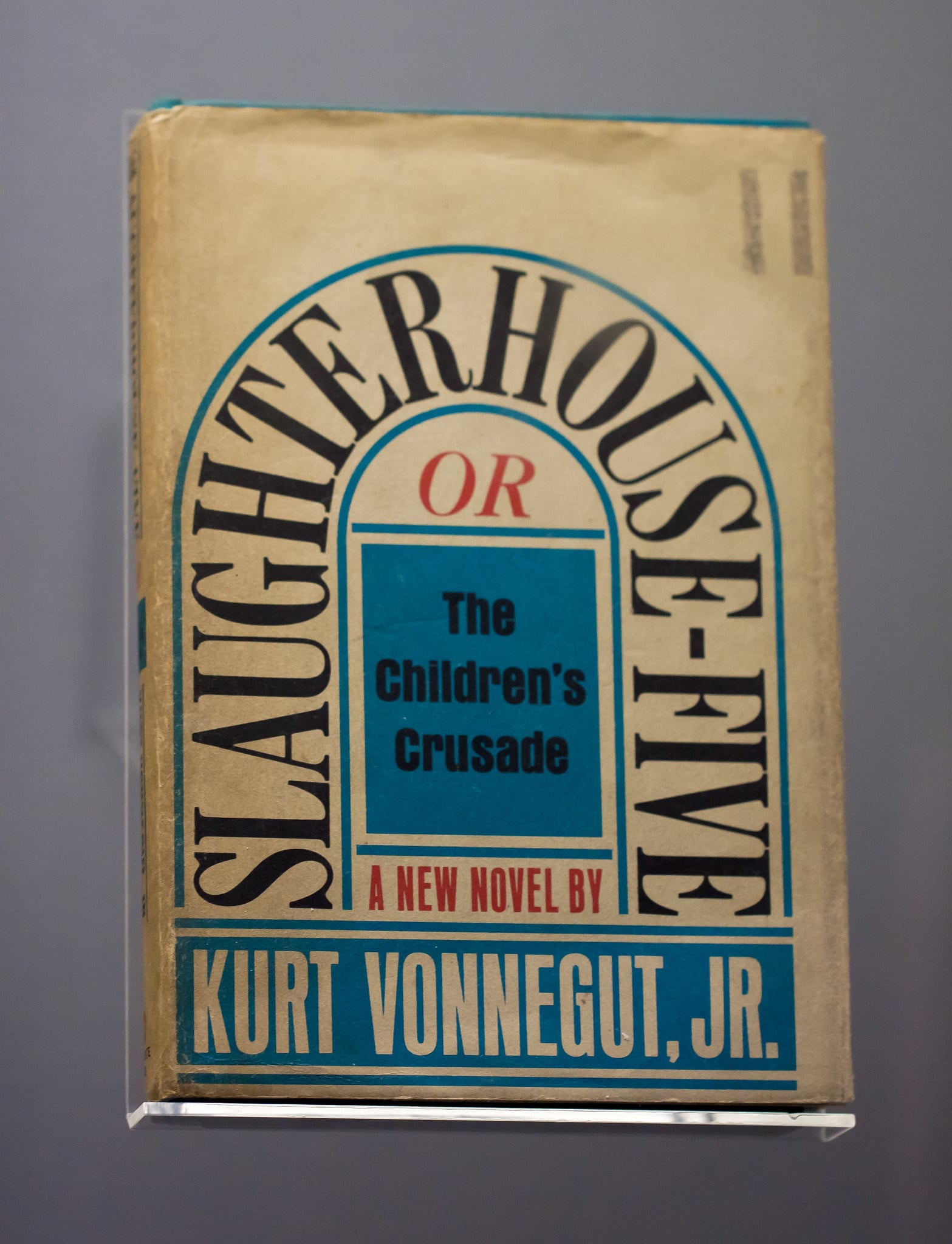
The Dell first paperback from 1969 arrived the same year as the hardcover and reached an audience the hardcover never could have. It’s a war book that doesn’t feel like a war book until it does, and the early paperback copies circulated so aggressively that truly clean examples are the exception.
Which is saying something for a book that sold in the millions.
The Left Hand of Darkness — Ursula K. Le Guin
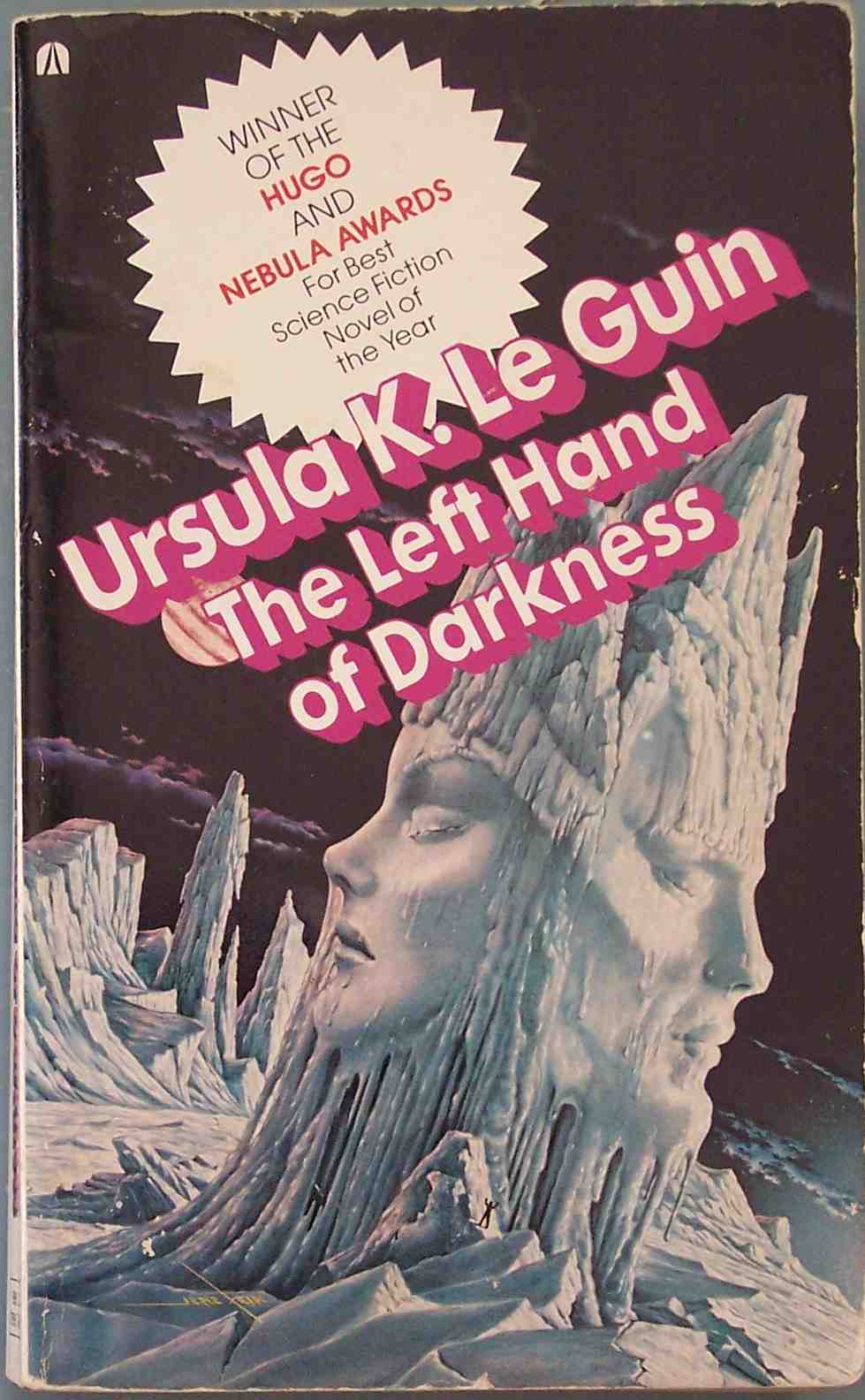
Ace Books published the first paperback in 1969, and for most of that decade, science fiction paperbacks were treated as disposable by everyone except the readers who loved them most. Those readers kept their copies.
Not always gently. A fine Ace first of Le Guin’s Nebula and Hugo winner is a real find, and the people who catalog these things are not unaware of that.
In Cold Blood — Truman Capote
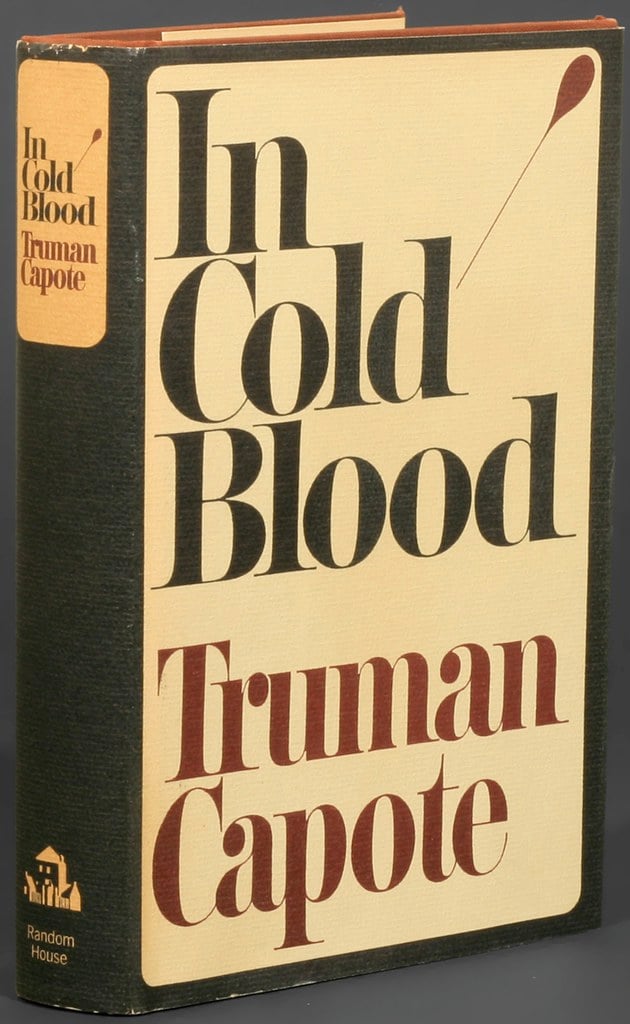
The Signet paperback first from 1966 is the mass-market edition of a book that entered the cultural conversation immediately and never really left. Capote’s nonfiction novel — the term itself was partly his invention — found its largest audience through this printing, and the best-surviving copies sit in a market that prices literary significance quite seriously.
The Electric Kool-Aid Acid Test — Tom Wolfe

The Bantam first paperback from 1968 is a document of a moment that the culture has returned to repeatedly, and each return drives a little more attention toward the early editions. Wolfe’s New Journalism style reads as freshly strange now as it apparently did when it landed.
A fine copy feels like holding a dispatch from somewhere just out of reach.
Invisible Man — Ralph Ellison
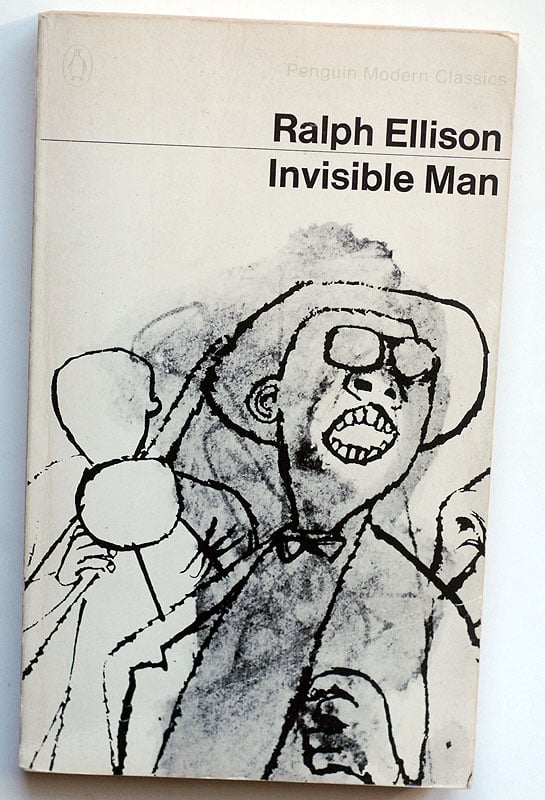
The Signet paperback first from 1953, just one year after the hardcover, is one of the most significant American novels in any format. The paperback made it accessible.
And accessible books get read, which is wonderful for literature and hard on the resale condition of early printings. Near-fine copies surface rarely and move quickly.
The Woman Warrior — Maxine Hong Kingston

Vintage Books issued the first paperback in 1977, and Kingston’s memoir-mythology hybrid occupies a category that took the literary world years to properly classify — which meant it was also slow to attract the collector attention it deserved. That’s changed.
The book’s canonical status is settled now, and the first paperbacks reflect it.
Watership Down — Richard Adams
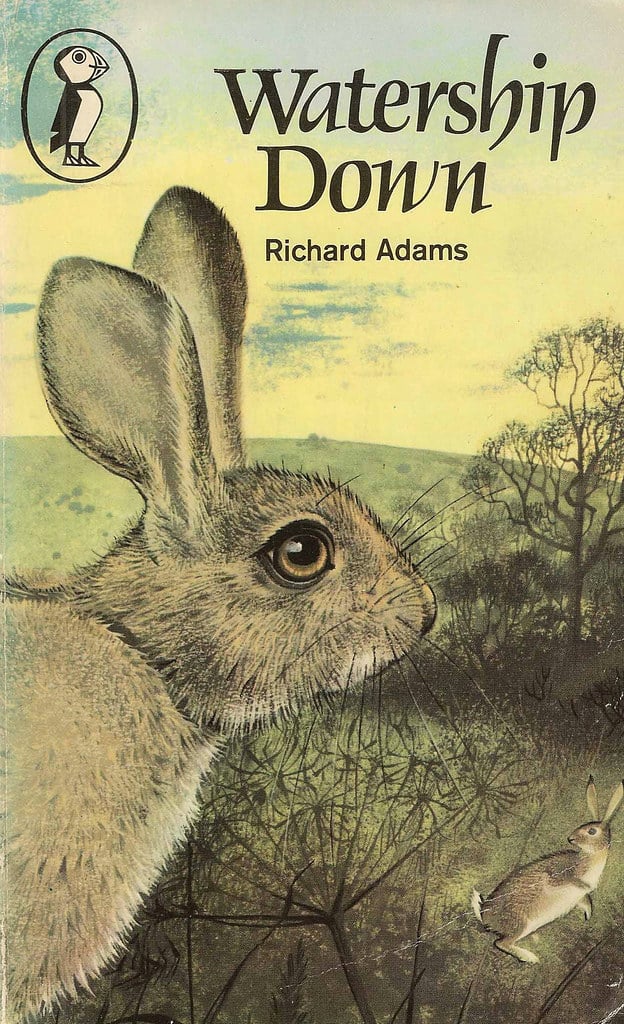
Avon’s first American paperback from 1975 is, on its surface, a book about rabbits. It is not, in practice, a book about rabbits, and anyone who has read it knows the distinction matters.
The paperback reached readers the hardcover couldn’t, and the ones who encountered it young often kept their copies for decades — which means condition varies wildly and fine examples are genuinely scarce.
The Hitchhiker’s Guide to the Galaxy — Douglas Adams
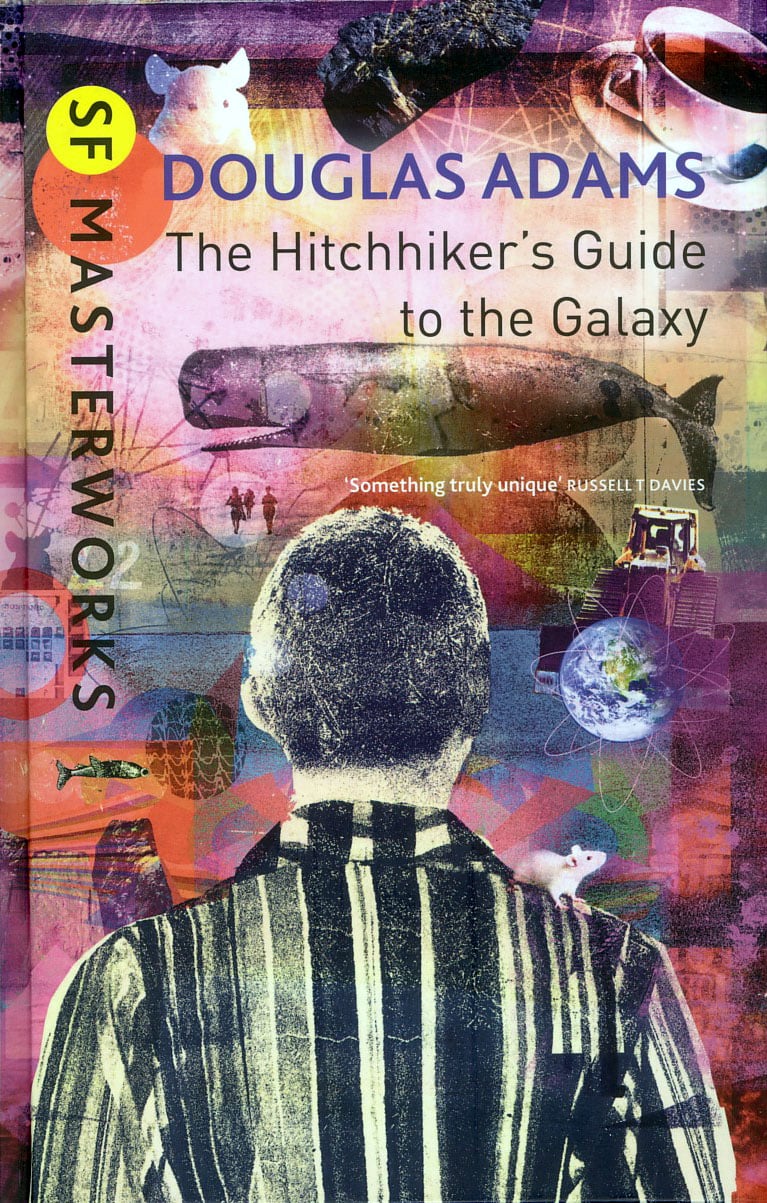
Pocket Books issued the first American paperback in 1981, and it sold with the kind of momentum that wears books out. The humor is so embedded in the prose that people read sections aloud, which is a charming habit and terrible for page condition.
A clean first American paperback is a better find than most collectors expect going in.
Flowers for Algernon — Daniel Keyes

The Bantam first paperback from 1966 is the novel-length version of a story that originally appeared in a science fiction magazine — and the paperback was how most readers encountered it. It’s a genuinely affecting book, which matters only insofar as affecting books tend to be read hard and kept forever, neither of which is great for resale condition.
The Crying of Lot 49 — Thomas Pynchon
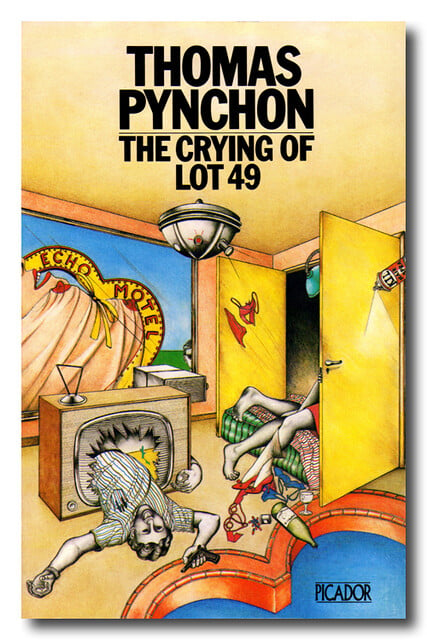
The Bantam first paperback from 1966 is Pynchon’s shortest novel and, for many readers, their entry point into a body of work that rewards patience. At under 200 pages, it looks like a minor object — and that underestimation has kept some copies priced below what a serious collector would pay without hesitation.
The short ones fool you.
What the Shelf Knows That You Don’t

Books have a way of sitting quietly in plain sight while their value accumulates in the background, indifferent to whether anyone notices. The 28 titles above aren’t obscure — most of them appear on high school reading lists, sit in university syllabi, and turn up in thrift stores with some regularity.
But there’s a difference between a worn reading copy and a first paperback in collectible condition, and that difference is sometimes measured in plane tickets. Next time the shelves look unremarkable, it might be worth taking a slower look.
More from Go2Tutors!

- The Romanov Crown Jewels and Their Tragic Fate
- 13 Historical Mysteries That Science Still Can’t Solve
- Famous Hoaxes That Fooled the World for Years
- 15 Child Stars with Tragic Adult Lives
- 16 Famous Jewelry Pieces in History
Like Go2Tutors’s content? Follow us on MSN.