Museums That Hold Bizarre Objects
Order sits on the surface of most museums, with timelines lined up like soldiers and facts posted beside each display. Behind those quiet exhibits though – past the spotless signs – lives a collection of things that make little sense at first glance.
Some odd trinket tucked away might seem pointless until you learn why it was saved. Not for glory, not for charm, but because it shows how people once thought, acted, or tried something bizarre.
Hidden in plain sight, these pieces whisper quirks of the past nobody planned to remember. A few odd things sit inside glass cases across distant cities – curiosities kept not because they’re beautiful, but because someone once believed they mattered.
Some came from forgotten rituals, others from mistakes mistaken for miracles. A twisted spoon might represent lost hopes more than craftsmanship.
Objects survive when people decide meaning lives inside them. Curiosity alone is often enough to stop something from being thrown away.
The Mutter Museum
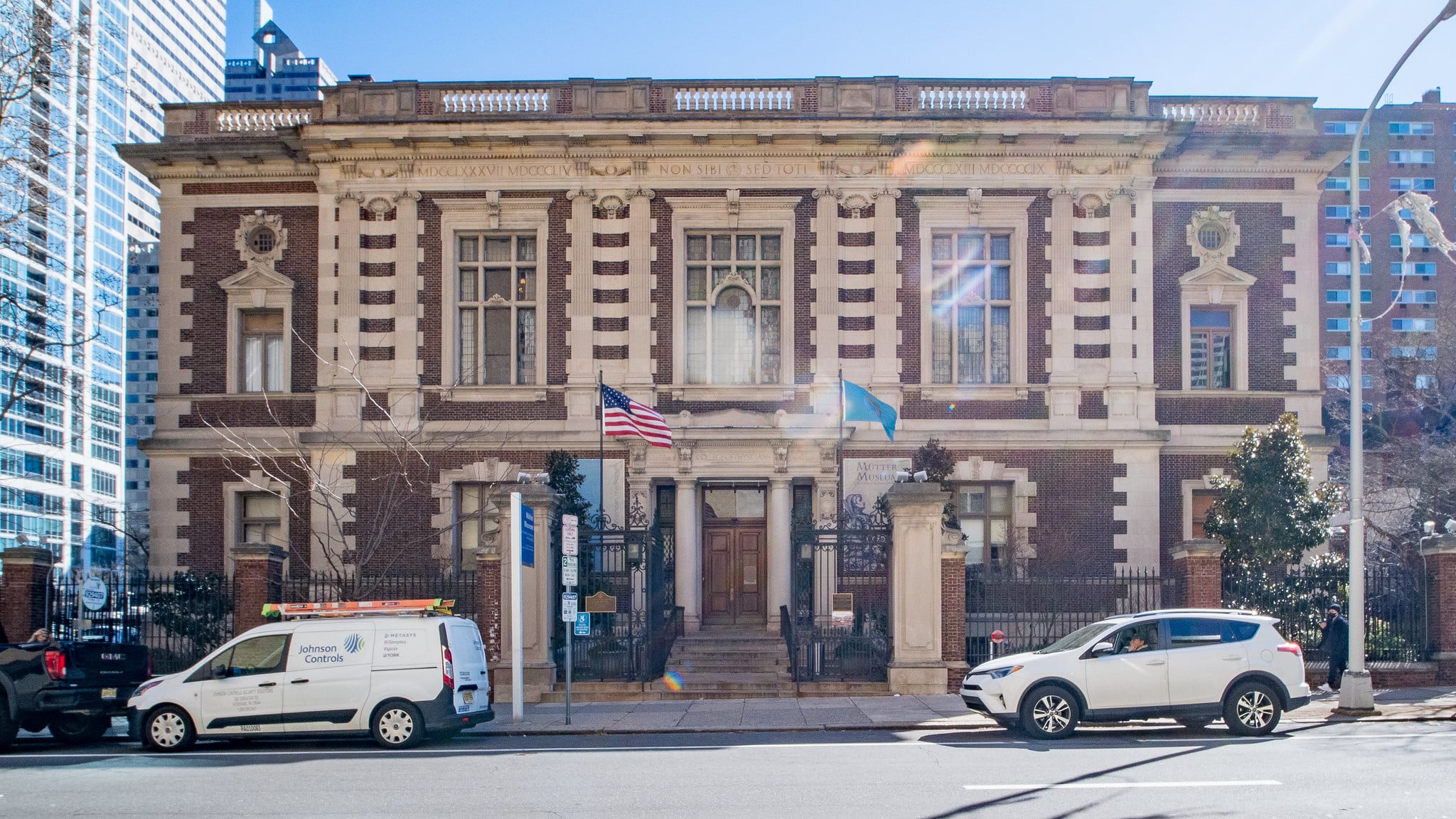
Philadelphia’s Mutter Museum is known for leaning into the stranger corners of historical science. Founded in the mid-1800s as a teaching collection, it was designed to help practitioners study rare conditions and unusual anatomical examples.
What makes the museum feel unsettling to some visitors is its refusal to soften history. Many of its most unusual objects exist because early researchers believed extreme cases offered the clearest lessons.
Preserved specimens, antique tools, and detailed records reflect a time when observation was the primary method of learning. The museum’s collection feels bizarre not because it seeks shock, but because it presents knowledge as it was once pursued, without filters or modern comfort.
The Pitt Rivers Museum
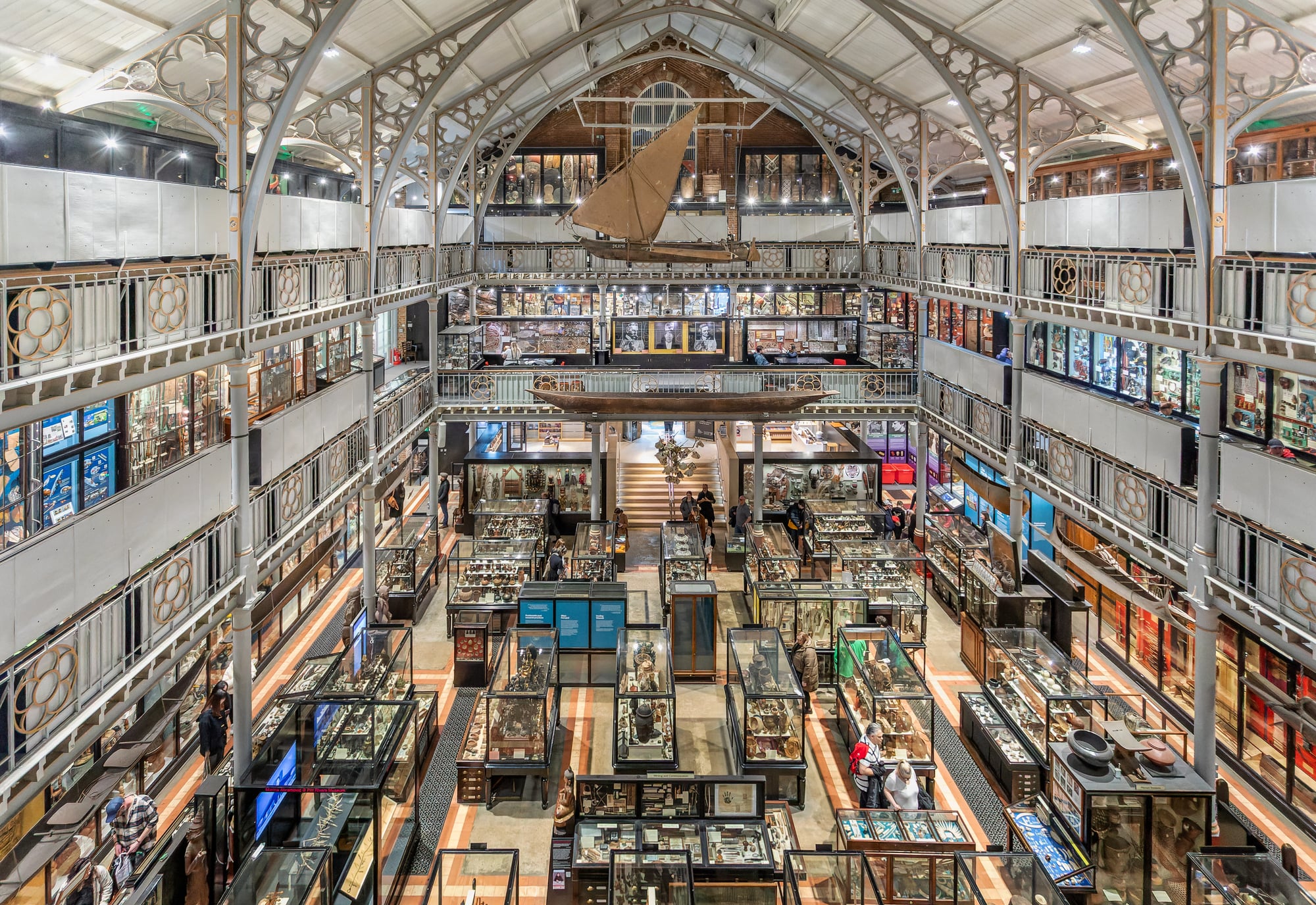
Oxford’s Pitt Rivers Museum feels like a time capsule from the age of exploration. Established in the late 19th century, it organizes its collection by function rather than geography or culture.
This approach leads to startling visual groupings. Objects from different continents sit side by side if they served similar purposes.
Musical instruments, ritual items, and tools are arranged in dense cases that reward slow looking. The strangeness comes from comparison.
Familiar objects suddenly feel foreign, while unfamiliar ones reveal shared human instincts.
The British Museum
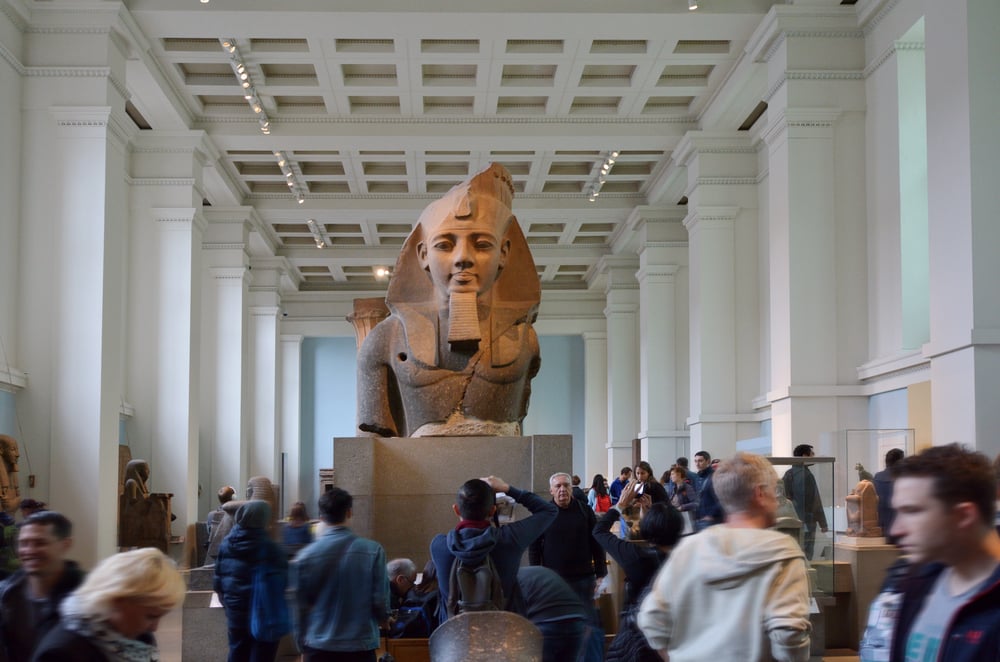
The British Museum is often associated with monumental artifacts, yet its lesser-known collections include items that feel oddly personal or eccentric. Ancient curse tablets, protective charms, and handwritten spells sit quietly among more famous displays.
These objects survived because they captured everyday hopes and fears rather than official history. Their bizarre quality comes from context loss.
Once removed from their original environment, they feel mysterious, even humorous. Together, they remind visitors that the past was shaped as much by superstition and routine as by power and conquest.
The Museum of Jurassic Technology
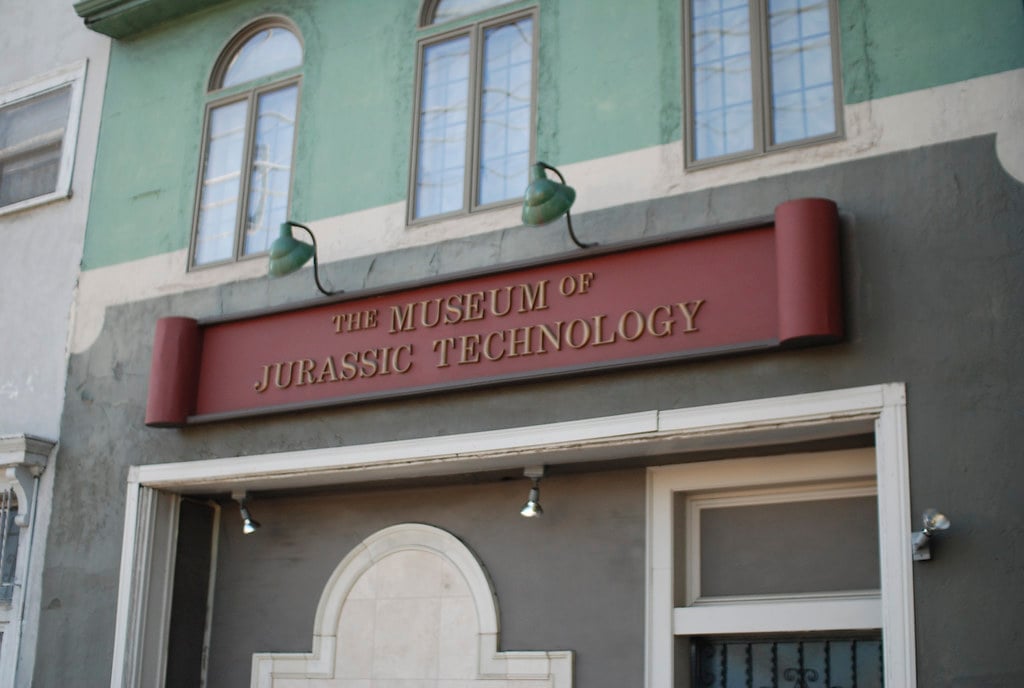
Los Angeles’ Museum of Jurassic Technology is intentionally disorienting. It presents objects and exhibits with academic seriousness, even when their origins seem questionable.
Labels are written in scholarly language, and displays mimic traditional museum layouts. What makes the objects bizarre is not always their physical form, but the uncertainty surrounding them.
Visitors are left to decide what to believe. The museum turns doubt into part of the experience, encouraging reflection on how authority and presentation shape perception.
The International Spy Museum
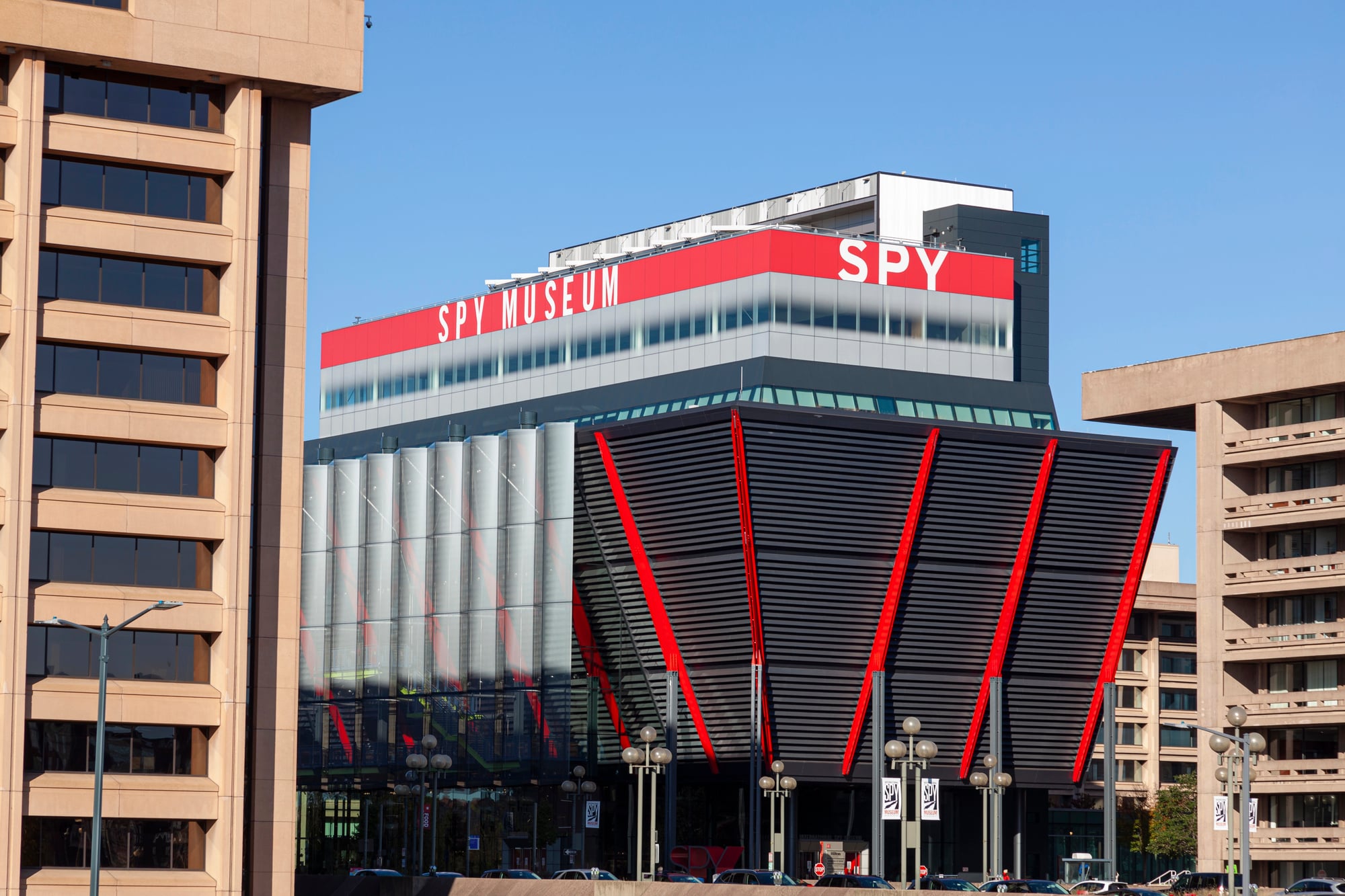
Washington, D.C.’s International Spy Museum houses objects that feel more like props than historical artifacts. Disguised devices, concealed compartments, and modified everyday items show how creativity thrived under secrecy.
The strangeness lies in how ordinary objects were transformed. Items meant for daily use were altered to hide messages or gather information.
Seeing them up close collapses the distance between fiction and reality, revealing how ingenuity often flourishes under restriction.
The Museum of Broken Relationships
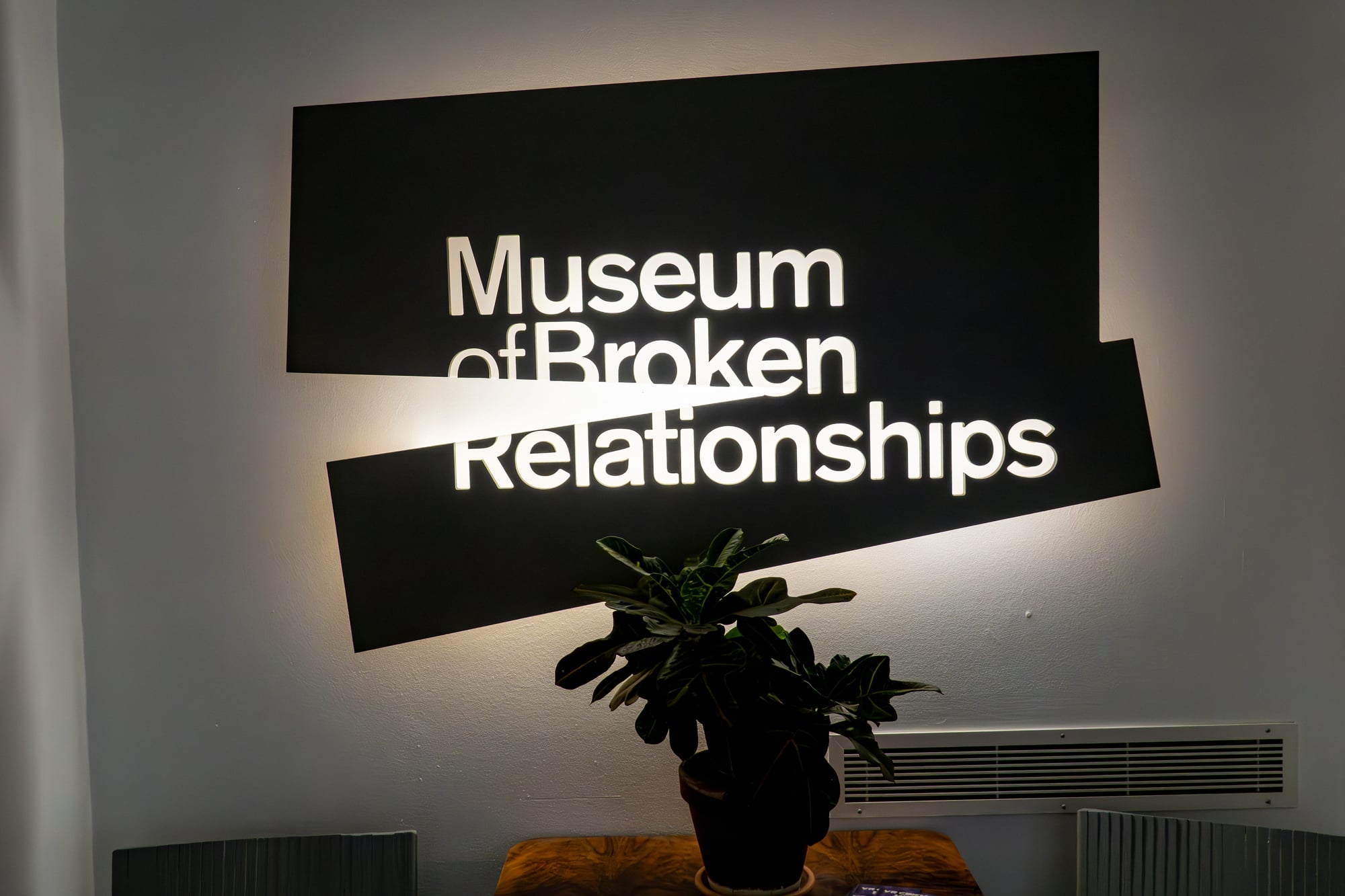
Originally founded in Croatia, the Museum of Broken Relationships collects objects left behind after relationships ended. Items range from mundane household objects to deeply personal keepsakes, each accompanied by a short story.
What makes the collection bizarre is its emotional specificity. These objects were never meant to be public.
Yet together, they form a powerful archive of shared human experiences. The museum preserves feelings rather than facts, turning private moments into collective reflection.
The National Museum of Funeral History
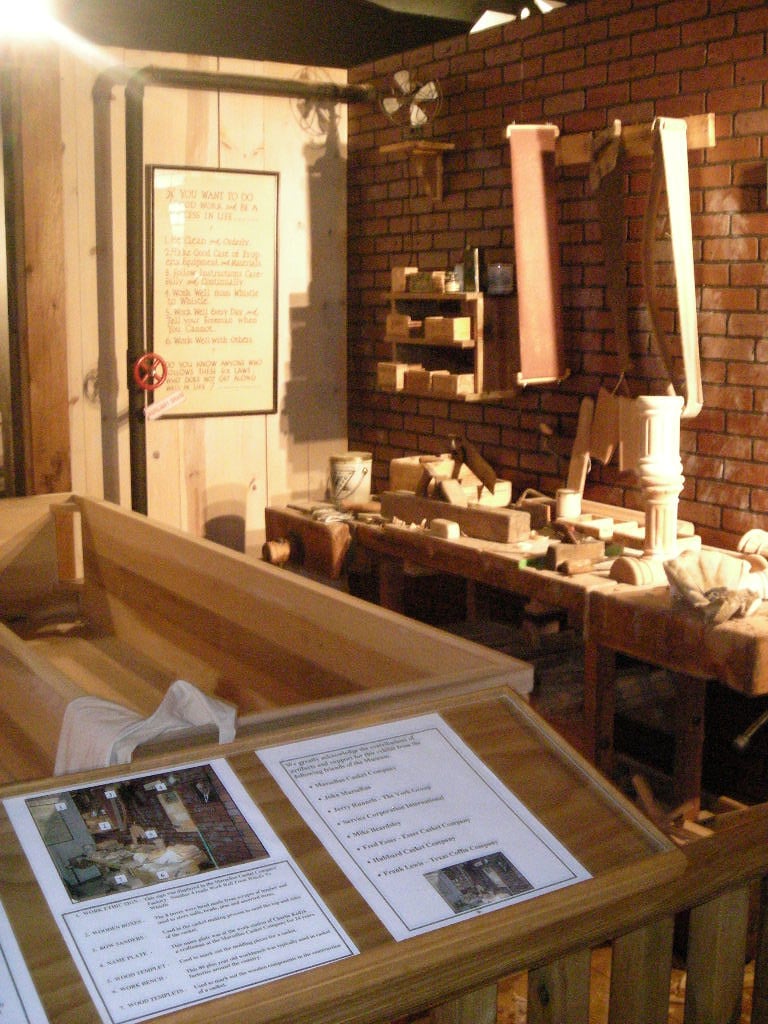
Houston’s National Museum of Funeral History preserves artifacts related to remembrance and ceremony. Alongside traditional exhibits are objects that feel unexpectedly elaborate or highly specialized.
These items reflect cultural attitudes toward honoring the departed. Their unusual appearance often stems from precision rather than excess.
The museum presents them with quiet respect, allowing visitors to see how creativity and care shaped rituals over time.
The Science Museum in London
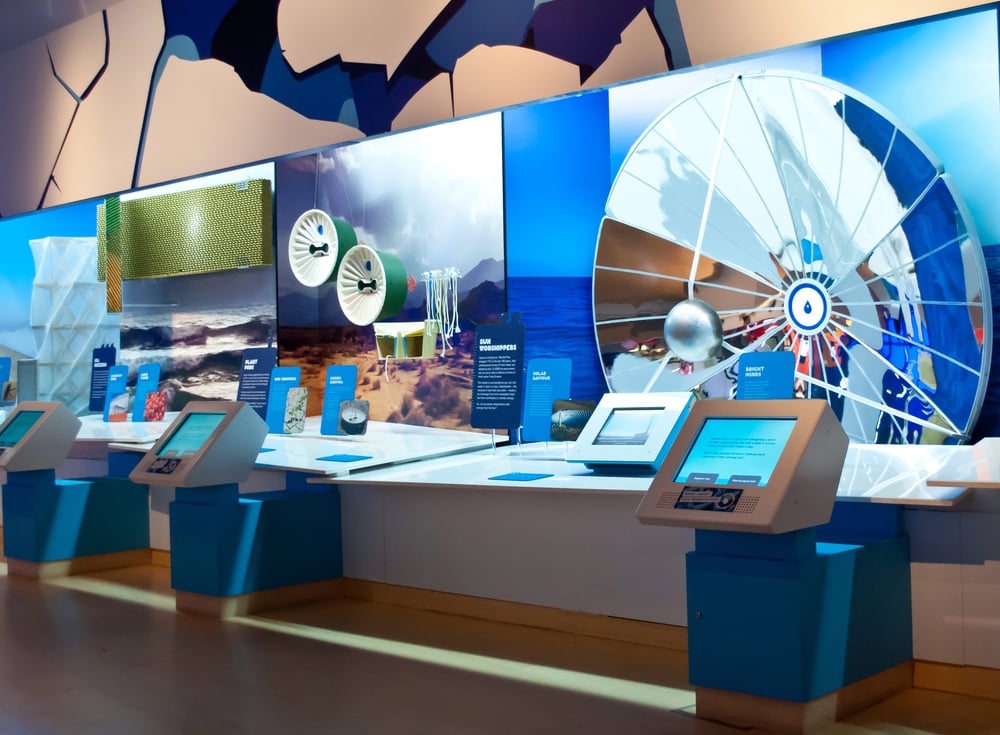
The Science Museum holds not only successful inventions but also experimental devices that never fulfilled their promise. Early prototypes and abandoned ideas line storage rooms and galleries alike.
These objects feel strange because they represent ambition without resolution. They show that progress often involves false starts and imaginative leaps.
Preserving these artifacts acknowledges that innovation is built as much on failure as on success.
Ripley’s Believe It Or Not! Museums
Ripley’s museums were built around the idea that truth can be stranger than fiction. Their collections include unusual artifacts gathered from around the world, each chosen for its ability to surprise.
What sets these museums apart is their unapologetic embrace of the odd. Objects are presented with context, but also with flair.
While some items invite skepticism, their inclusion highlights humanity’s endless fascination with the unusual.
The Horniman Museum
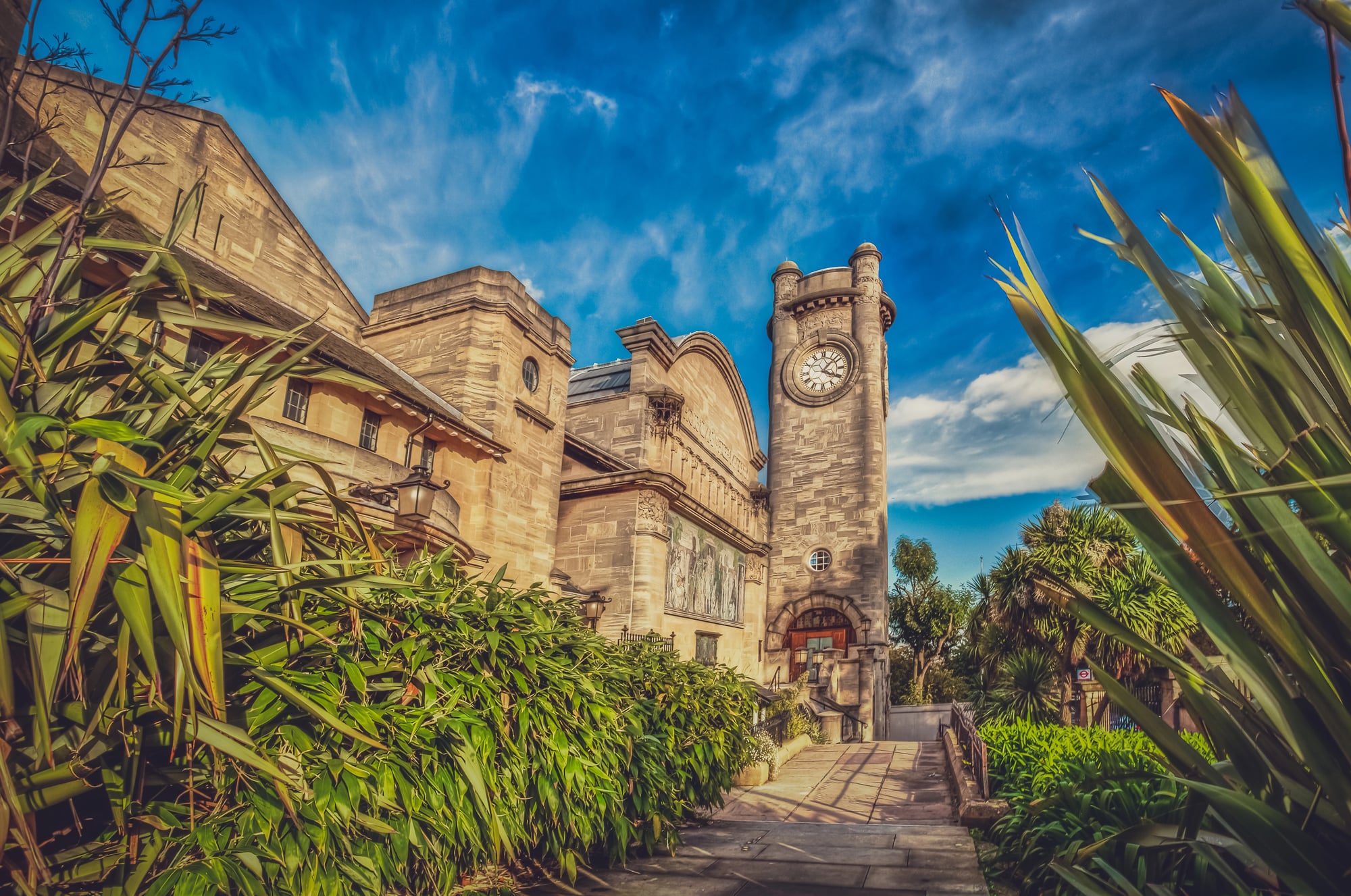
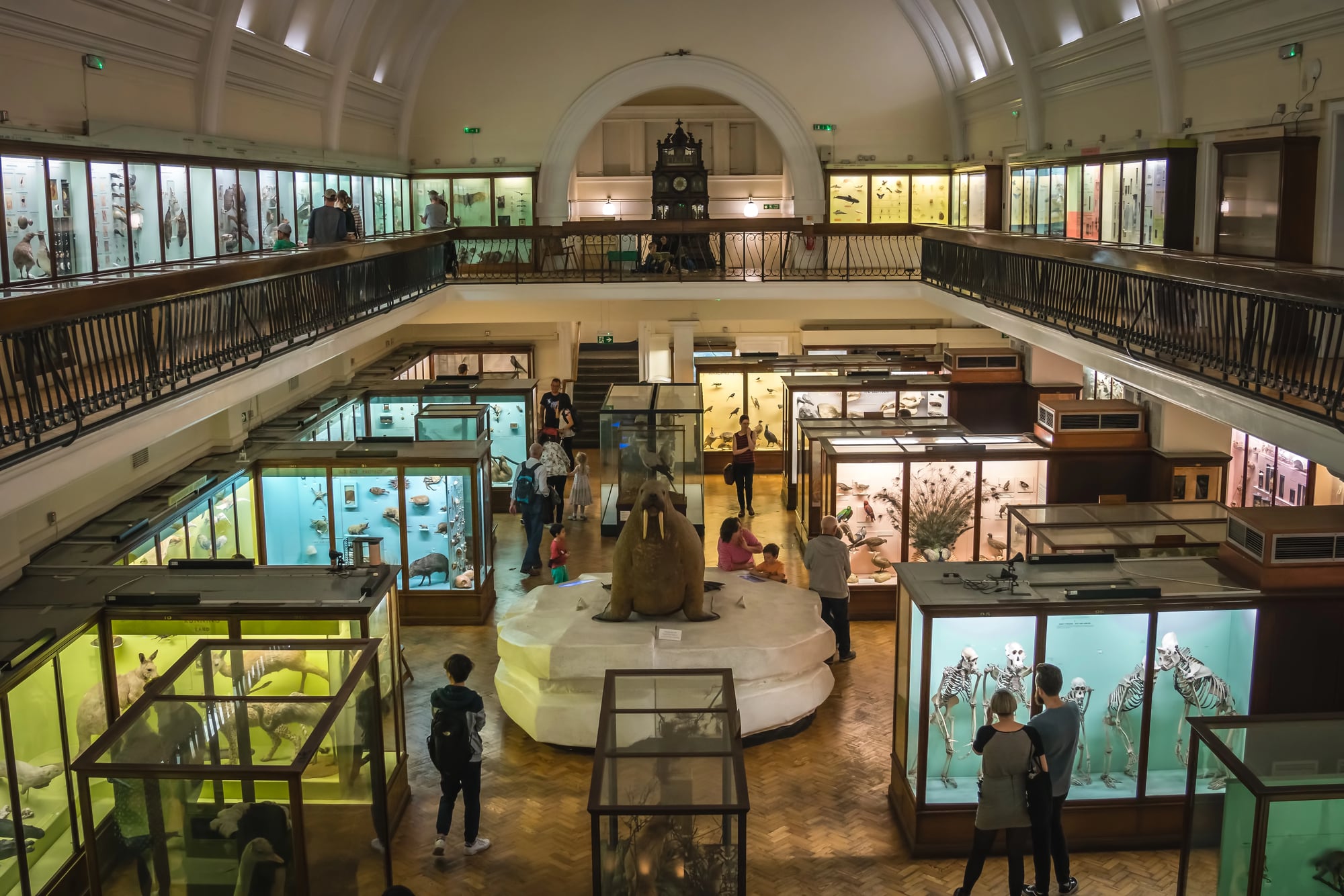
London’s Horniman Museum houses natural history and cultural artifacts, including objects that challenge assumptions about classification. Some displays feature items once misunderstood or misidentified.
These mistakes are preserved intentionally. They show how knowledge evolves and how certainty can shift over time.
The strangeness lies in recognizing how confidently incorrect earlier interpretations could be.
Why Museums Keep The Strange
Odd things stick around simply by exposing gaps in tidy stories. Through these items, trial and faith emerge – sometimes even jokes and mistakes made real.
Held onto by museums, they aim less at muddling minds than sharpening how we see history. Right now, when everything looks polished and fits a neat tale, those things hit harder.
Not because they’re clean or clear – actually, the opposite. History never lines up like a spreadsheet.
Strange choices pop up. People tried wild ideas.
Stuff got made that still puzzles us today. That itch you feel, the one you can’t quite name – that’s what sticks after leaving a museum.
More from Go2Tutors!

- The Romanov Crown Jewels and Their Tragic Fate
- 13 Historical Mysteries That Science Still Can’t Solve
- Famous Hoaxes That Fooled the World for Years
- 15 Child Stars with Tragic Adult Lives
- 16 Famous Jewelry Pieces in History
Like Go2Tutors’s content? Follow us on MSN.