28 Historical Figures Who Kept a Second Life Hidden
Public reputations are built on what people choose to show, and history is full of figures who mastered the art of showing only half the picture. Behind the paintings, the medals, and the bylines sat entire second existences that only came to light decades later, sometimes through a diary, sometimes through a DNA test.
Julia Child Ran Intelligence Operations Before She Cooked
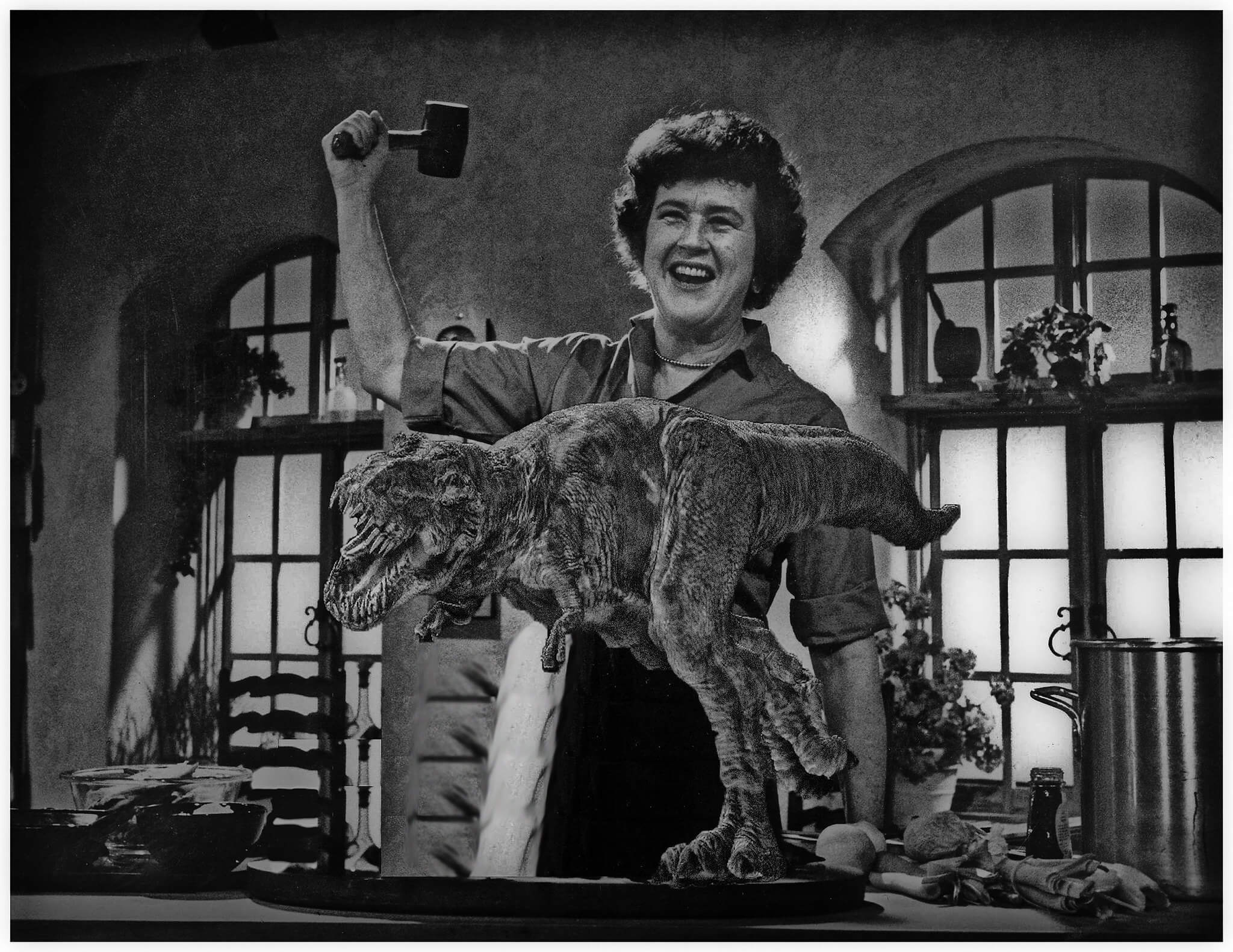
Long before she taught America to make a proper omelet, Julia Child worked for the Office of Strategic Services during World War II, helping manage classified files and, according to agency records, working on a shark repellent formula meant to protect underwater explosives. She was stationed in Ceylon and China, handling sensitive registry documents years before she ever picked up a French cookbook.
Her television persona hid a career built on secrecy and clearance levels rather than butter and cream.
Moe Berg Caught for the Majors and Spied for the OSS
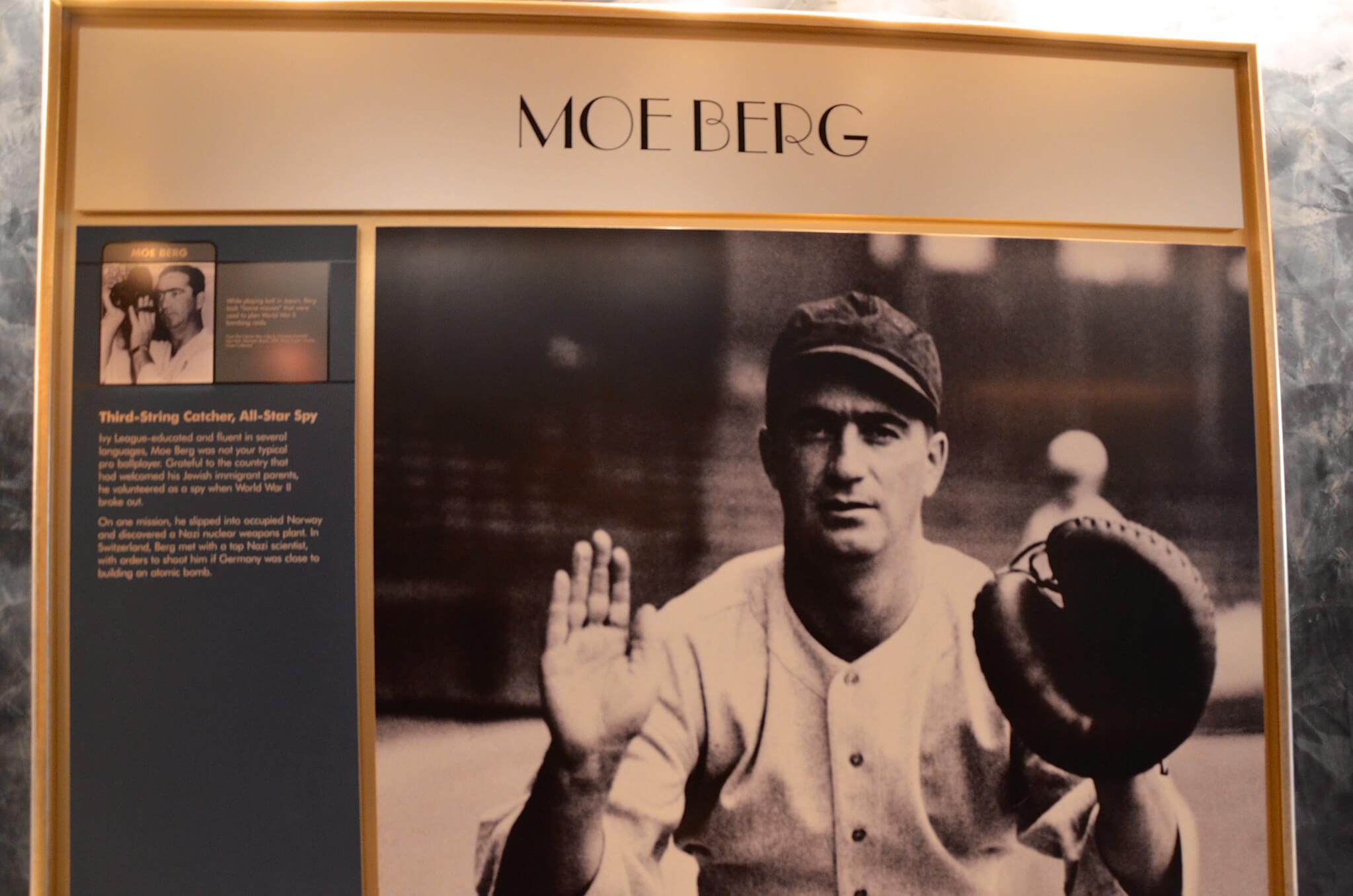
Moe Berg spent fifteen seasons as a journeyman catcher in Major League Baseball while quietly working as an intelligence operative, eventually joining the OSS during World War II. He was sent to Switzerland in 1944 to attend a lecture by German physicist Werner Heisenberg, carrying orders to assess how close Nazi Germany was to building an atomic bomb.
Teammates knew him as a slow-footed catcher with a law degree; his handlers knew him as an asset trusted with nuclear intelligence.
Josephine Baker Smuggled Secrets in Sheet Music
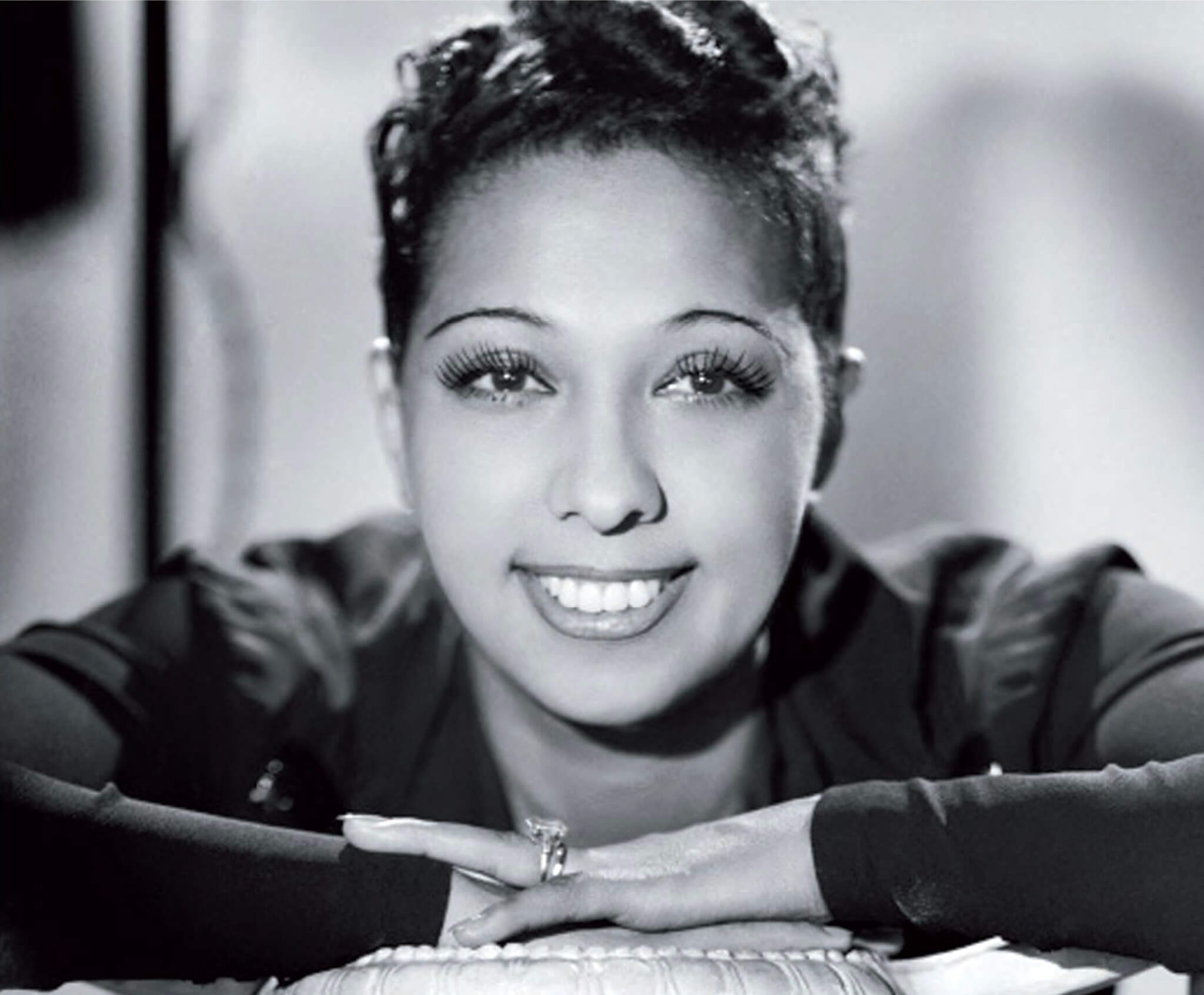
The Paris-based entertainer Josephine Baker used her celebrity as cover for the French Resistance, carrying messages written in invisible ink on her sheet music and pinned inside her underwear during tours through Europe. She held the rank of sub-lieutenant in the Free French Air Force and was later awarded the Croix de Guerre for her wartime service.
Audiences saw a showgirl; French intelligence saw one of its most mobile couriers.
Ian Fleming Ran Real Naval Intelligence Before Inventing 007
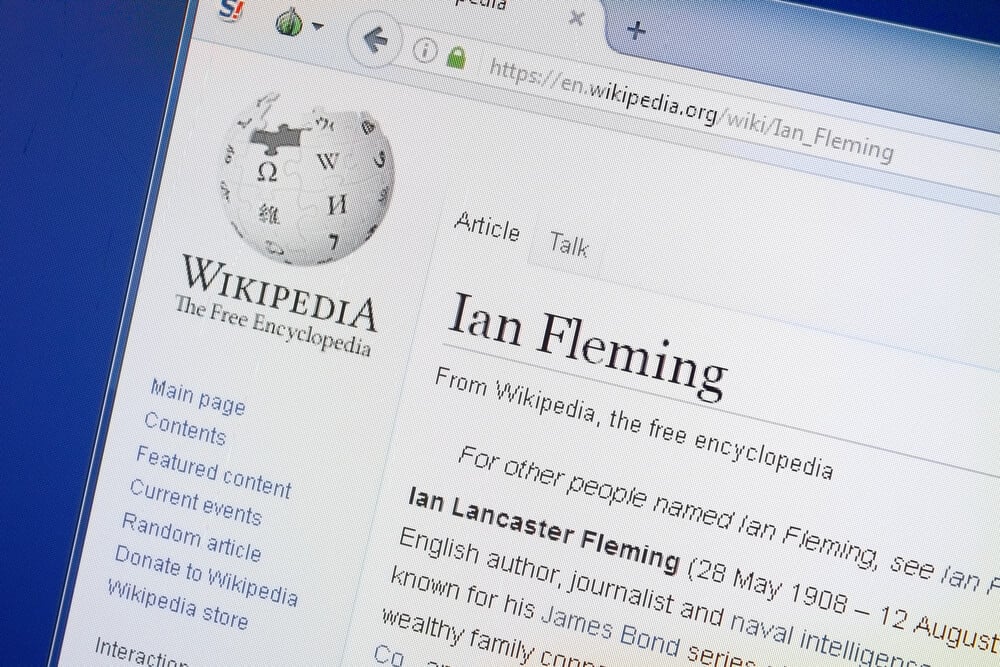
Before he created James Bond, Ian Fleming served as personal assistant to the director of British Naval Intelligence, planning real covert operations including deception schemes and a unit of commandos tasked with capturing enemy intelligence material. Fleming helped conceive Operation Golden Eye, a plan to maintain resistance networks if Spain fell to the Axis, which later lent its name to his Jamaican estate.
The fictional spy was built from a career the public never saw in detail until years after the war.
Roald Dahl Worked as a British Agent in Wartime Washington
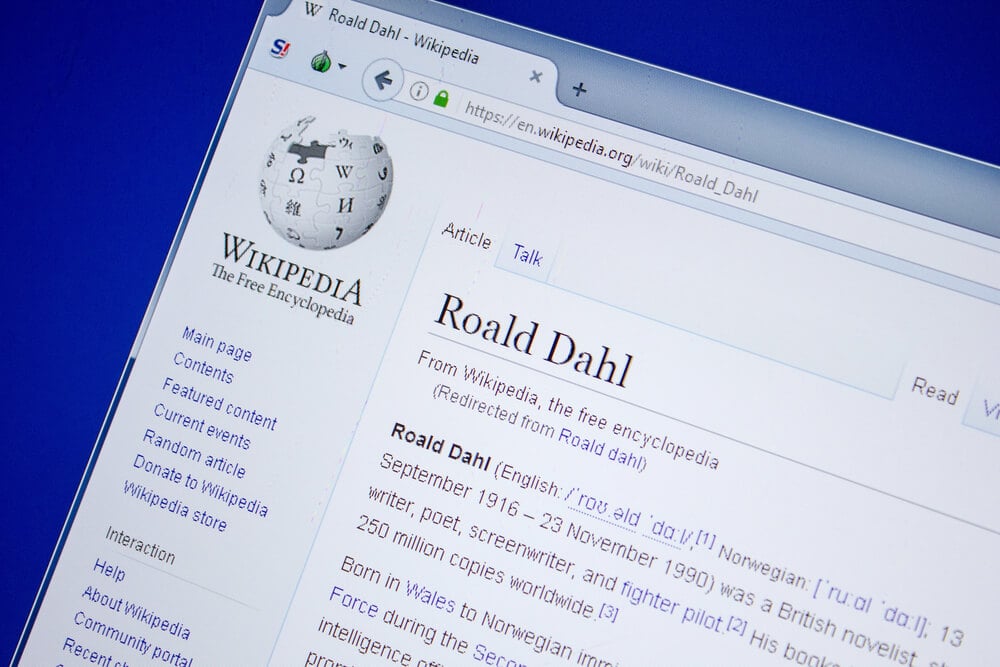
While recovering from a plane crash injury, children’s author Roald Dahl was posted to Washington, D.C., officially as an air attaché but actually as part of British intelligence efforts to influence American opinion and gather political information. He reported directly to British intelligence coordinator William Stephenson and mixed with senators and journalists to steer coverage toward supporting Britain’s war effort.
The man behind Willy Wonka spent his thirties as an operative in the American capital.
Virginia Hall Spied on a Wooden Leg the Nazis Never Suspected

American operative Virginia Hall lost her left leg in a hunting accident before the war, yet became one of the most effective Allied spies in occupied France, organizing resistance networks under the Gestapo’s nose. The Gestapo circulated wanted posters describing her as “the limping lady,” unaware she had a prosthetic leg she nicknamed Cuthbert.
She later became one of the first women hired by the newly formed CIA, a role kept classified for decades.
Christopher Marlowe Likely Doubled as an Elizabethan Spy
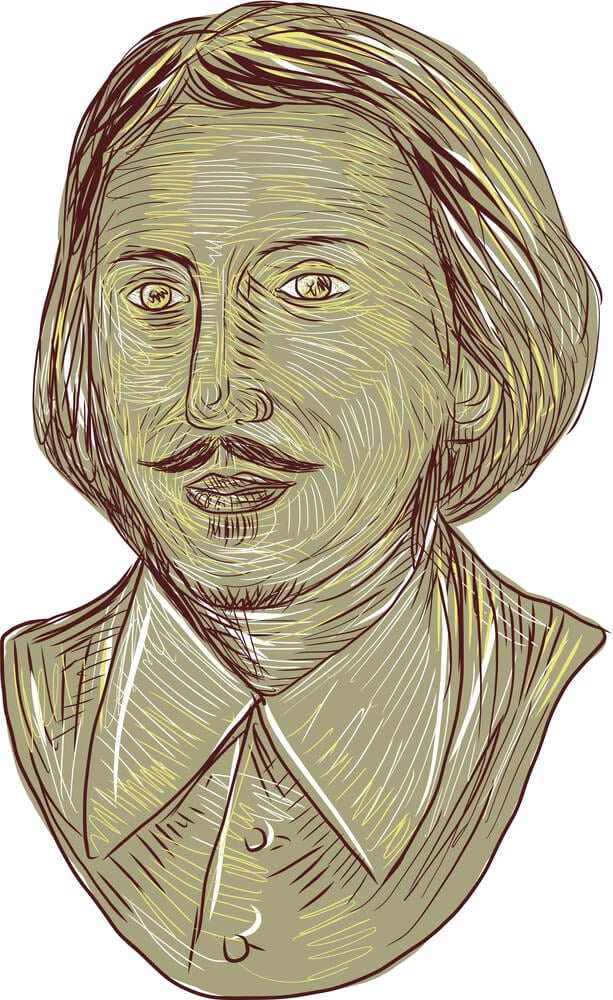
Playwright Christopher Marlowe’s unexplained absences from Cambridge prompted the Privy Council to intervene on his behalf, citing service to the queen, a phrase historians widely interpret as evidence of intelligence work. Records suggest he may have infiltrated Catholic exile communities in France to report on plots against Elizabeth I.
He died in a stabbing at a Deptford lodging house under circumstances still debated by historians who suspect it was connected to his secret work.
Aphra Behn Spied for the Crown Before Becoming a Playwright
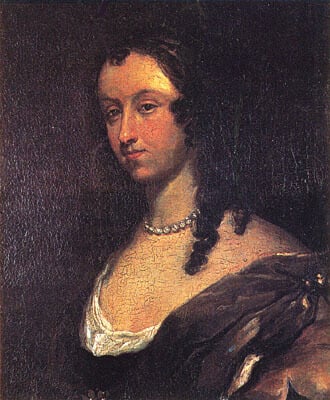
Before she became one of the first English women to earn a living as a professional writer, Aphra Behn worked as a spy for Charles II in Antwerp, using the code name Astrea to report on English defectors during the Second Anglo-Dutch War. The Crown paid her poorly and irregularly for the work, leaving her in debt when she returned to London.
She turned to playwriting largely out of financial necessity born from an unpaid intelligence career.
Elizabeth Van Lew Played the Fool to Spy on the Confederacy
Richmond socialite Elizabeth Van Lew cultivated a reputation as an eccentric, harmless woman nicknamed “Crazy Bet” while running one of the Union’s most effective spy rings from inside the Confederate capital. She placed a former family servant, Mary Bowser, inside the household of Confederate President Jefferson Davis to gather intelligence directly from his residence.
Union General Ulysses S. Grant later credited her with providing valuable information throughout the war.
Harriet Tubman Led an Armed Raid as a Union Scout
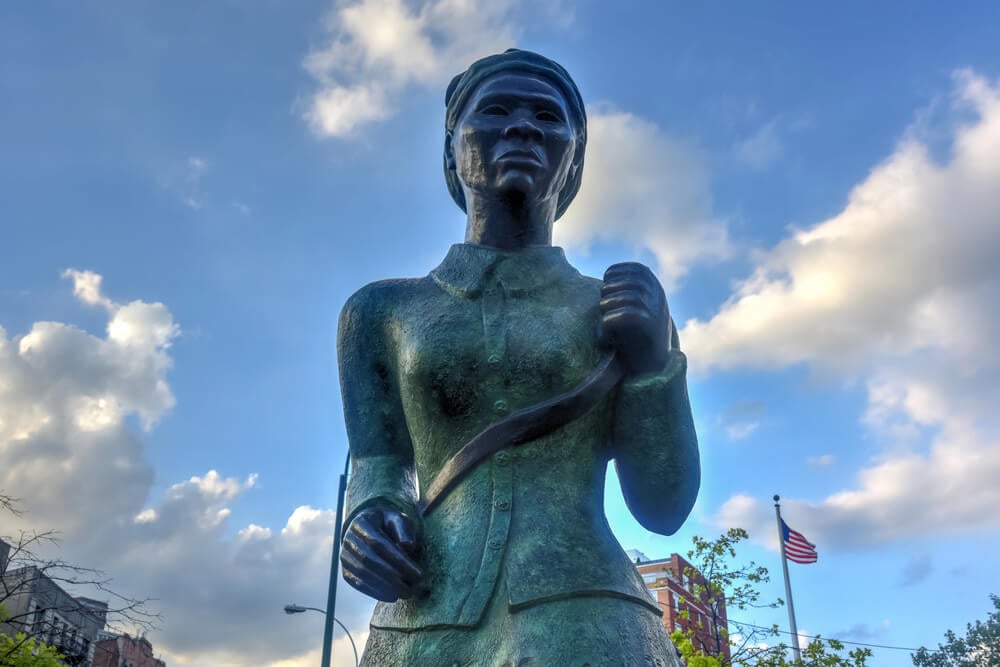
Beyond her work on the Underground Railroad, Harriet Tubman served as an armed scout and spy for the Union Army, becoming the first woman in U.S. history to lead a military raid when she guided the Combahee River Raid in 1863. The operation freed more than seven hundred enslaved people in a single night.
Her wartime service went largely uncompensated by the government for decades after the war ended.
T.E. Lawrence Enlisted as a Private Under an Alias
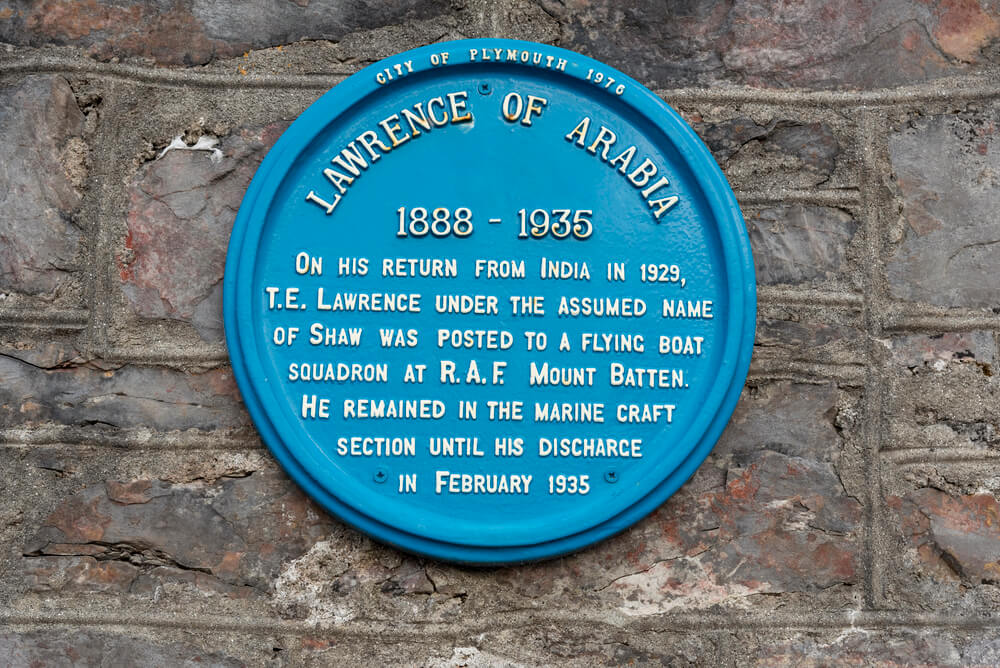
After becoming world famous as Lawrence of Arabia, T.E. Lawrence enlisted in the Royal Air Force under the false name John Hume Ross to escape his own celebrity. When journalists exposed the ruse, he re-enlisted in the Royal Tank Corps under a second alias, Thomas Edward Shaw, later transferring back to the RAF under the same name.
He spent the final years of his life trying to disappear into the ranks of the military that had once made him famous.
Agatha Christie Vanished for Eleven Days Without Explanation
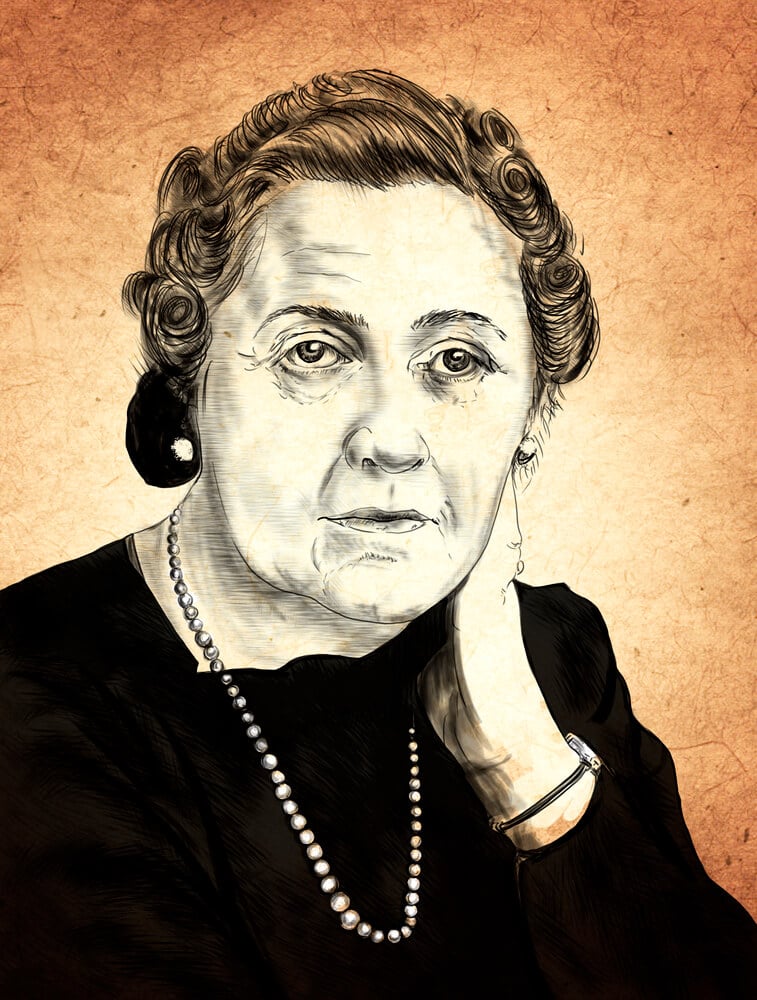
In December 1926, novelist Agatha Christie disappeared from her home in Berkshire, sparking a nationwide search involving over a thousand police officers and the era’s first aerial manhunt. She was found eleven days later registered at a spa hotel under the surname of her husband’s mistress.
Christie never publicly explained the disappearance, and it remains one of the most debated gaps in any famous author’s biography.
Benjamin Franklin Wrote as a Fictional Widow for Years
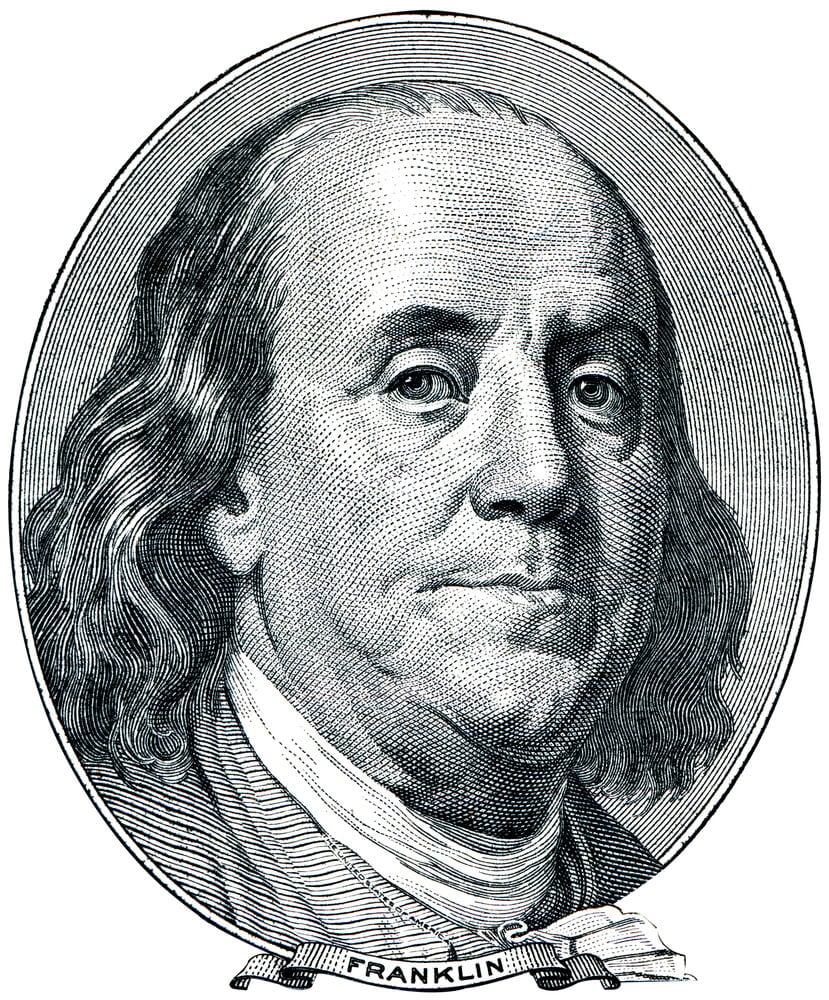
As a teenager working at his brother’s Boston print shop, Benjamin Franklin submitted essays under the pseudonym Silence Dogood, posing as a middle-aged widow with opinions on fashion and hypocrisy. The letters ran in the newspaper for months before his brother discovered the real author.
Franklin kept the deception hidden even from his own family until it had already made the character locally famous.
Miguel de Cervantes Spent Years as a Captive Before Writing Don Quixote
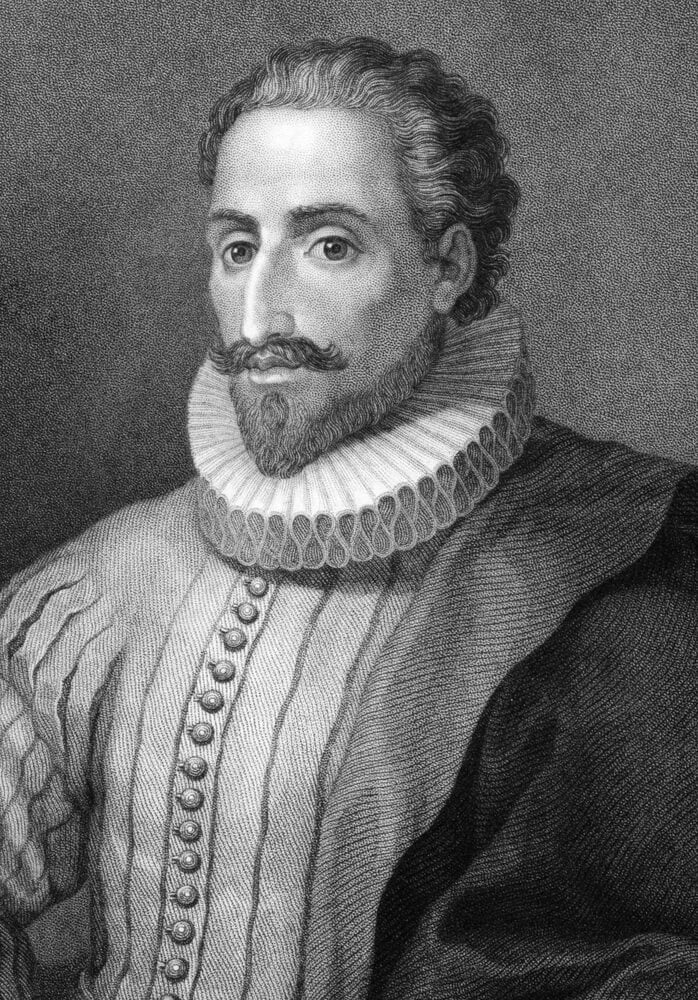
Before writing Don Quixote, Miguel de Cervantes was captured by Barbary pirates and held as a slave in Algiers for five years, during which he attempted escape at least four times. He later served as a tax collector for the Spanish crown, a job that landed him in prison after accounting discrepancies he blamed on a banker who absconded with funds.
The author of one of literature’s most enduring novels spent much of his adult life in captivity or under suspicion of theft.
Charles Lindbergh Lived a Double Life in Postwar Germany
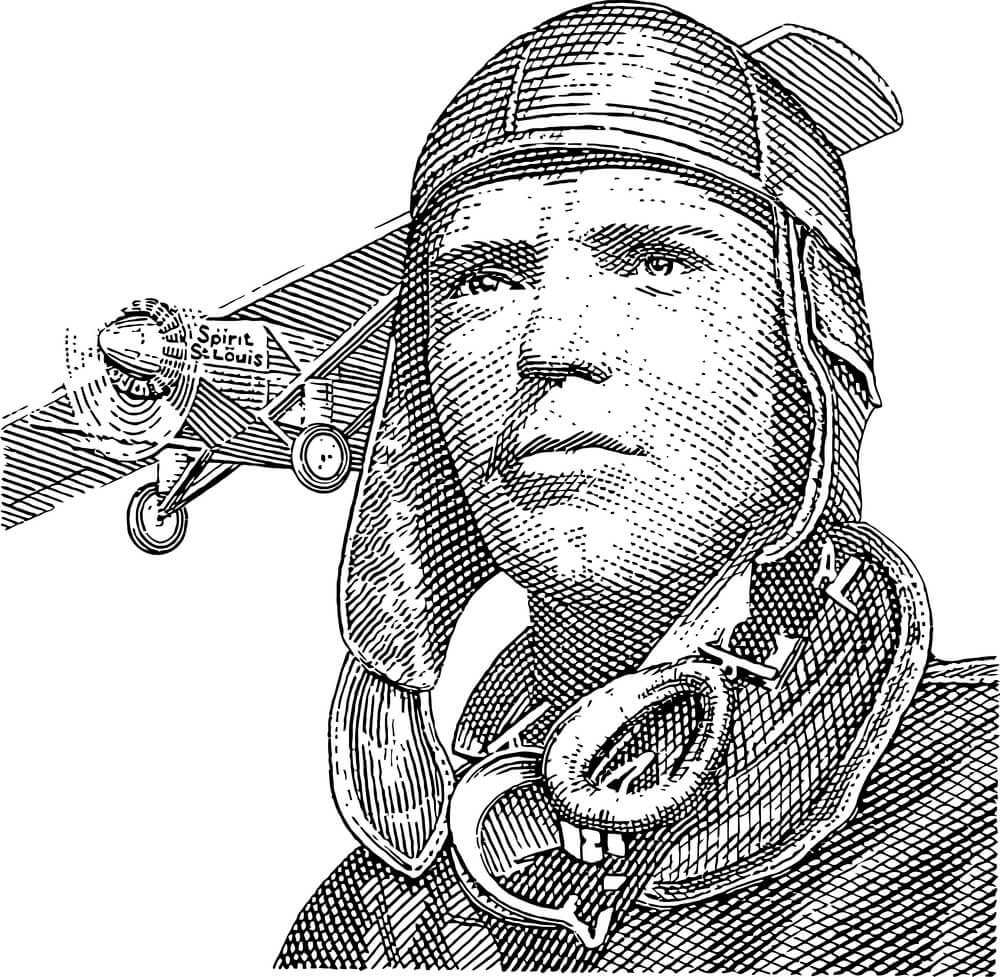
Decades after his transatlantic flight made him a household name, Charles Lindbergh began a secret relationship with Munich hat maker Brigitte Hesshaimer in 1957, fathering three children with her under the alias Careau Kent. DNA testing confirmed in 2003 that he had fathered seven children total across three women in Europe while still married to Anne Morrow Lindbergh in the United States.
He reportedly visited his European families under the assumed identity for the rest of his life.
Nancy Wake Went From Journalist to Europe’s Most Wanted Fugitive

Australian-born Nancy Wake worked as a Paris-based journalist and socialite in the 1930s before becoming a key organizer in the French Resistance, eventually earning a spot on the Gestapo’s most-wanted list with a bounty on her head. She once killed an enemy sentry with her bare hands to prevent him from raising an alarm during a raid.
The Gestapo nicknamed her the White Mouse for her ability to evade capture.
Krystyna Skarbek Traded Beauty Pageants for Wartime Sabotage

Polish-born Krystyna Skarbek, a former beauty pageant contestant, became one of Britain’s longest-serving female intelligence operatives, skiing across the Tatra Mountains to smuggle information out of occupied Poland. Operating under the name Christine Granville, she later talked her way past a German firing squad to save fellow agents in France.
She survived the war only to be killed by a stalker in London in 1952, a death unrelated to her intelligence career.
Frank Abagnale Posed as a Pilot, Doctor, and Lawyer Before Turning Twenty-One
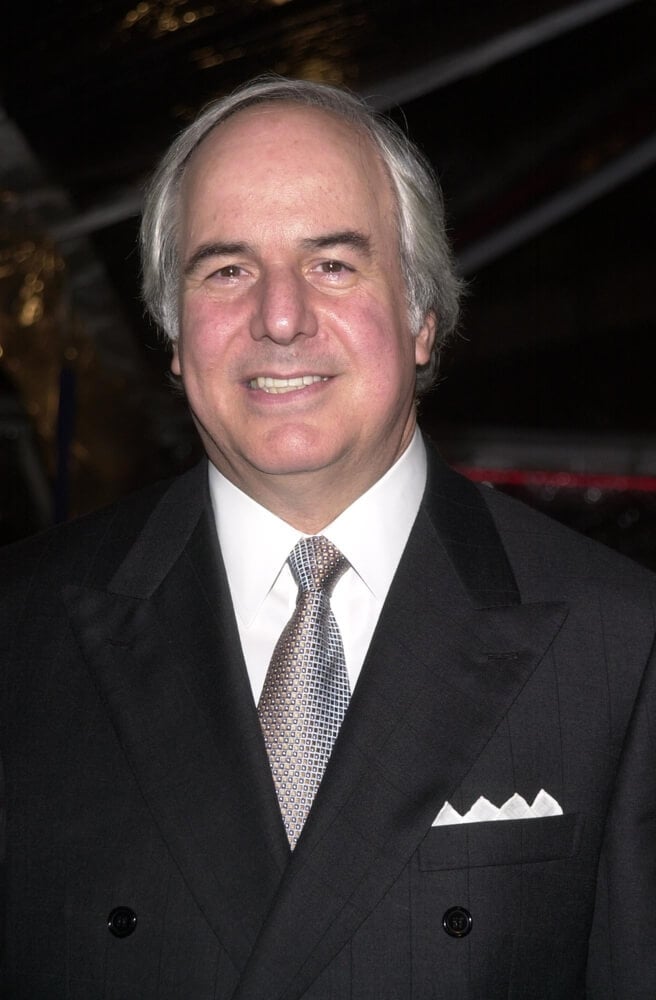
Con artist Frank Abagnale forged identities as an airline pilot, a pediatrician, and a legal attorney throughout his teenage years, cashing millions of dollars in fraudulent checks across twenty-six countries. He escaped custody at least twice, including once by convincing guards he was an undercover federal inspector.
He eventually built a second, legitimate career training the FBI on the same fraud techniques he once used against banks.
Kim Philby Ran British Intelligence While Spying for Moscow
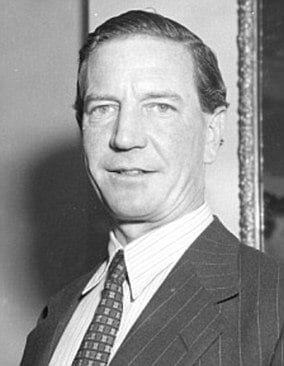
Kim Philby rose to a senior position in British intelligence, at one point overseeing counterintelligence operations against the Soviet Union, all while secretly working as a Soviet double agent from the 1930s onward. He tipped off fellow spies before they could be arrested and personally briefed the CIA on operations he was simultaneously undermining.
He defected to Moscow in 1963 after decades of suspicion finally closed in on him.
Klaus Fuchs Handed Atomic Secrets to the Soviets From Inside the Manhattan Project
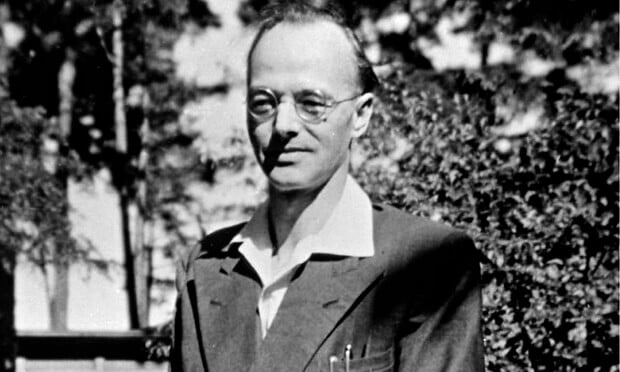
German-born physicist Klaus Fuchs worked on the Manhattan Project and later Britain’s own atomic program while passing detailed bomb designs to Soviet intelligence for nearly a decade. His information significantly accelerated the Soviet Union’s development of its own nuclear weapon.
He was arrested in 1950 after British code breakers identified him through decrypted Soviet cables.
Sidney Reilly Inspired a Genre While Running Multiple Identities

Sidney Reilly, later dubbed the Ace of Spies, operated under a rotating set of aliases and nationalities for British intelligence across Russia, Japan, and the Middle East in the early twentieth century. Details of his early life remain so murky that historians still dispute his true birth name and origin.
He vanished after entering the Soviet Union in 1925, and his ultimate fate was never conclusively confirmed by British authorities.
Elyesa Bazna Photographed Secret Documents as a British Ambassador’s Valet
Working as valet to the British ambassador in wartime Ankara, Albanian-born Elyesa Bazna photographed classified documents from the ambassador’s own safe and sold them to Nazi Germany under the code name Cicero. The material included details related to Allied invasion planning, though German intelligence largely failed to act on it in time.
He was paid in counterfeit British currency, discovering only after the war that his espionage earnings were worthless.
Aldrich Ames Sold CIA Secrets While Working Inside the CIA

CIA counterintelligence officer Aldrich Ames spied for the Soviet Union and later Russia for nearly a decade, compromising more than a hundred intelligence operations and contributing to the deaths of multiple American assets. He funded a lifestyle far beyond his government salary, including a house purchased in cash, without triggering internal scrutiny for years.
He was arrested in 1994 after a multi-year investigation finally traced the leaks back to his desk.
Robert Hanssen Spied From Inside the FBI’s Own Counterintelligence Division
FBI agent Robert Hanssen spent over twenty years passing classified material to Soviet and later Russian intelligence, all while working in the bureau’s counterintelligence division tasked with catching exactly that kind of spy. He used dead drops near a footbridge in suburban Virginia, exchanging documents for cash left under a bridge abutment.
He was arrested in 2001 at one of his own dead drop locations.
Dashiell Hammett Wrote Crime Fiction From Real Detective Work
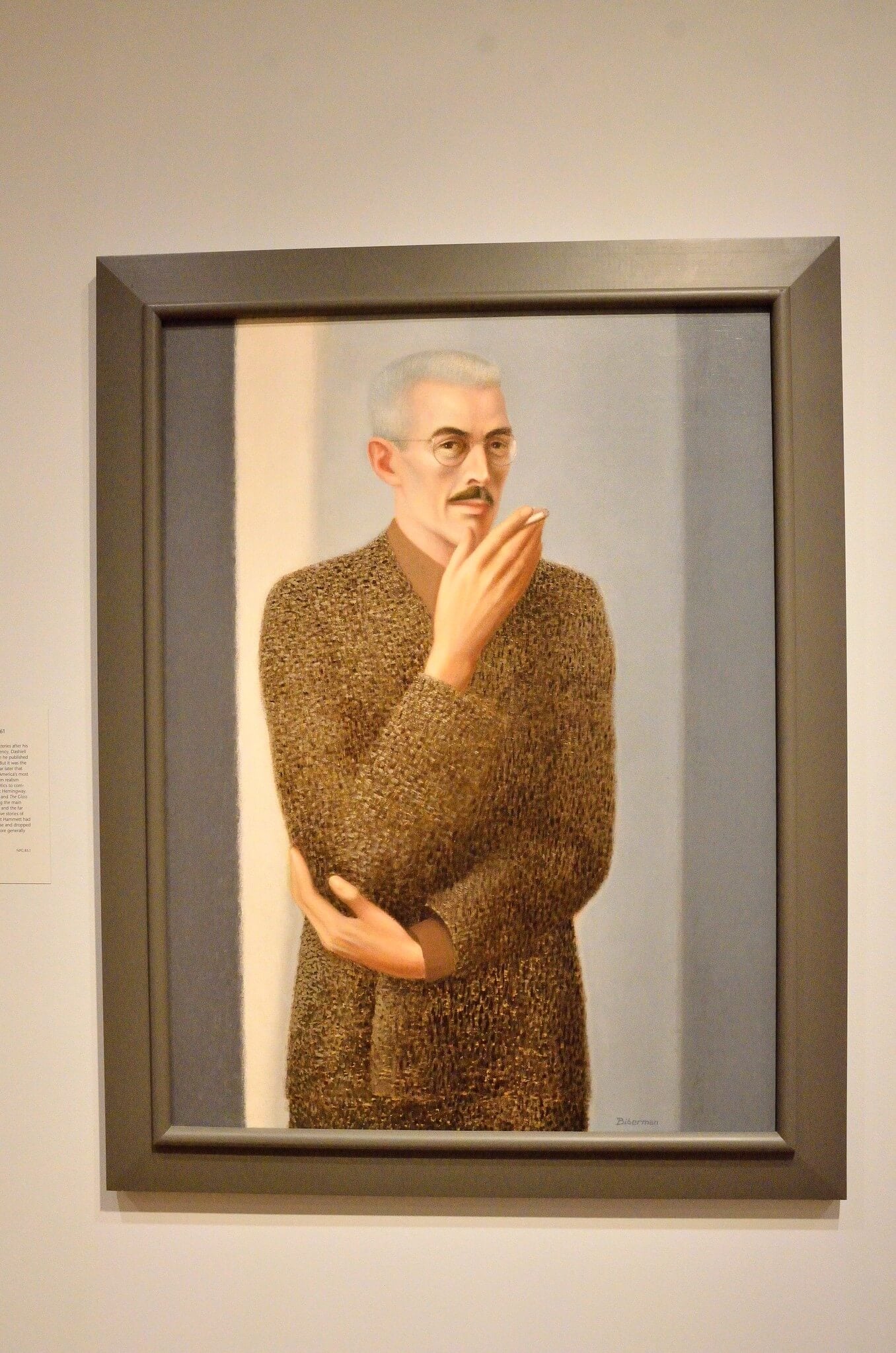
Before writing The Maltese Falcon, Dashiell Hammett worked as an operative for the Pinkerton National Detective Agency, an experience that included strikebreaking assignments he later said left him deeply uneasy. Details from real cases, including a mine strike investigation in Montana, worked their way directly into his fiction.
He kept his detective background largely out of public discussion even as it shaped his entire literary career.
Beatrix Potter Was a Serious Mycologist Before She Was a Children’s Author
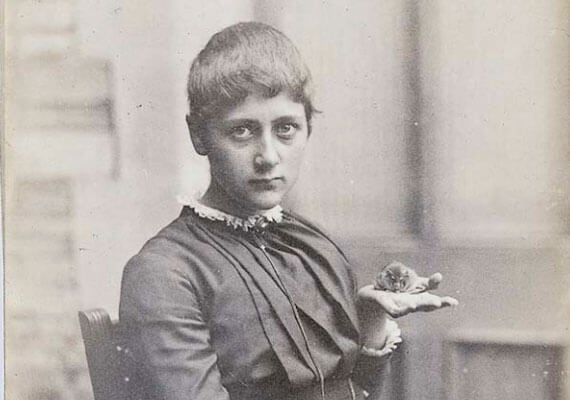
Long before Peter Rabbit made her famous, Beatrix Potter conducted rigorous scientific research into fungi and even developed a theory on lichen reproduction that she submitted to the Linnean Society of London. As a woman, she was barred from presenting the paper herself and had it read by a male colleague instead.
The scientific establishment’s dismissal of her work is often cited as a factor in her turn toward illustrated children’s stories.
Noor Inayat Khan Broadcast Resistance Messages From Under Nazi Watch
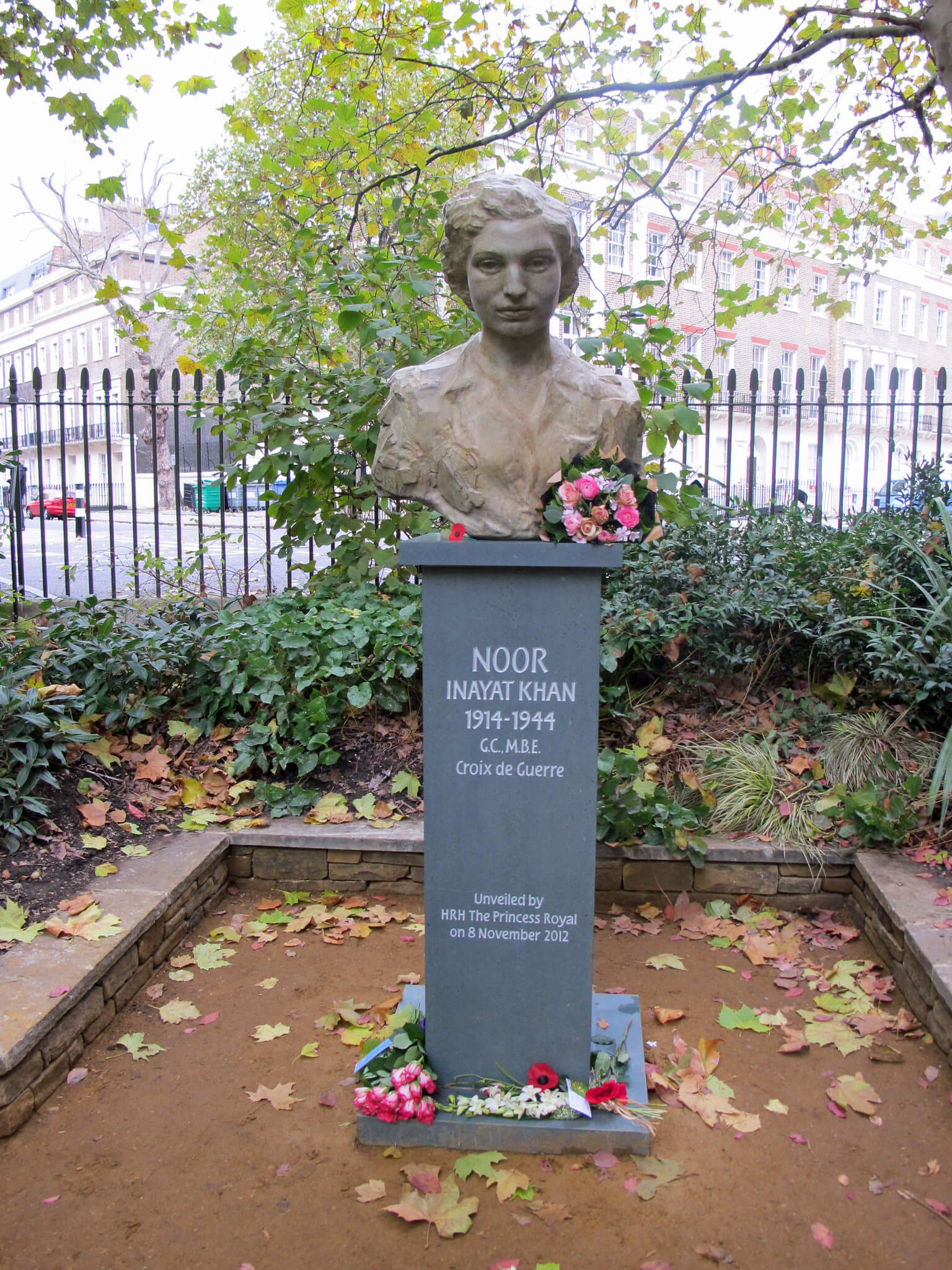
A children’s author and pacifist by inclination, Noor Inayat Khan became a wireless radio operator for the British Special Operations Executive in Nazi-occupied Paris, one of the network’s most dangerous roles due to the short lifespan of radio operators under German detection. She continued transmitting even after her entire network was compromised, relocating equipment across the city to avoid capture.
She was eventually betrayed, arrested, and executed at Dachau in 1944, having given only false information under interrogation.
James Bond the Ornithologist Lived Quietly While His Name Became Famous
Ian Fleming borrowed the name of real-life ornithologist James Bond, author of a Caribbean bird guide Fleming kept at his Jamaican home, for his fictional spy simply because it sounded plain and unremarkable. The real Bond, a Philadelphia-based scientist, only learned of the borrowed name years later and reportedly found the whole affair mildly amusing rather than flattering.
He spent his actual career studying bird populations in the Caribbean, entirely removed from the fictional persona carrying his name across the globe.
When the Public Version Was Never the Whole Story

Every name on this list built a public identity that the historical record eventually complicated, sometimes gently and sometimes completely. What connects a chef, a ballplayer, and a children’s author is not deception for its own sake, but the discovery that visibility and honesty were never the same thing.
The people who hid the most successfully were rarely hiding crimes. Most were hiding competence society had no place for, work too dangerous to acknowledge, or simply a version of themselves the record hadn’t caught up to yet.
History keeps proving that the public figure is only ever the authorized cut.
More from Go2Tutors!

- The Romanov Crown Jewels and Their Tragic Fate
- 13 Historical Mysteries That Science Still Can’t Solve
- Famous Hoaxes That Fooled the World for Years
- 15 Child Stars with Tragic Adult Lives
- 16 Famous Jewelry Pieces in History
Like Go2Tutors’s content? Follow us on MSN.



