28 Historical Mysteries That Were Solved Decades After Everyone Gave Up
History has a stubborn way of keeping its secrets. Documents vanish, witnesses die, and entire civilizations crumble into dust, leaving behind nothing but questions that gnaw at curious minds for generations.
The case files grow cold, the experts move on, and eventually, even the most persistent investigators throw up their hands in defeat.
But sometimes—just sometimes—history decides to give up the ghost. A construction crew digs in the wrong place and finds the right thing. A forgotten letter surfaces in an estate sale.
New technology breathes life into old evidence that sat gathering dust in a basement for decades. These moments feel almost magical: the sudden click of pieces falling into place after everyone had long since stopped trying to solve the puzzle.
The stories that follow aren’t just about mysteries getting solved. They’re about the particular satisfaction that comes when patience and persistence finally pay off, often in the most unexpected ways. Some took advanced DNA testing to crack. Others required nothing more than someone bothering to look in the right filing cabinet. All of them prove that giving up might be premature—even when it seems like the only reasonable option.
The Antikythera Mechanism
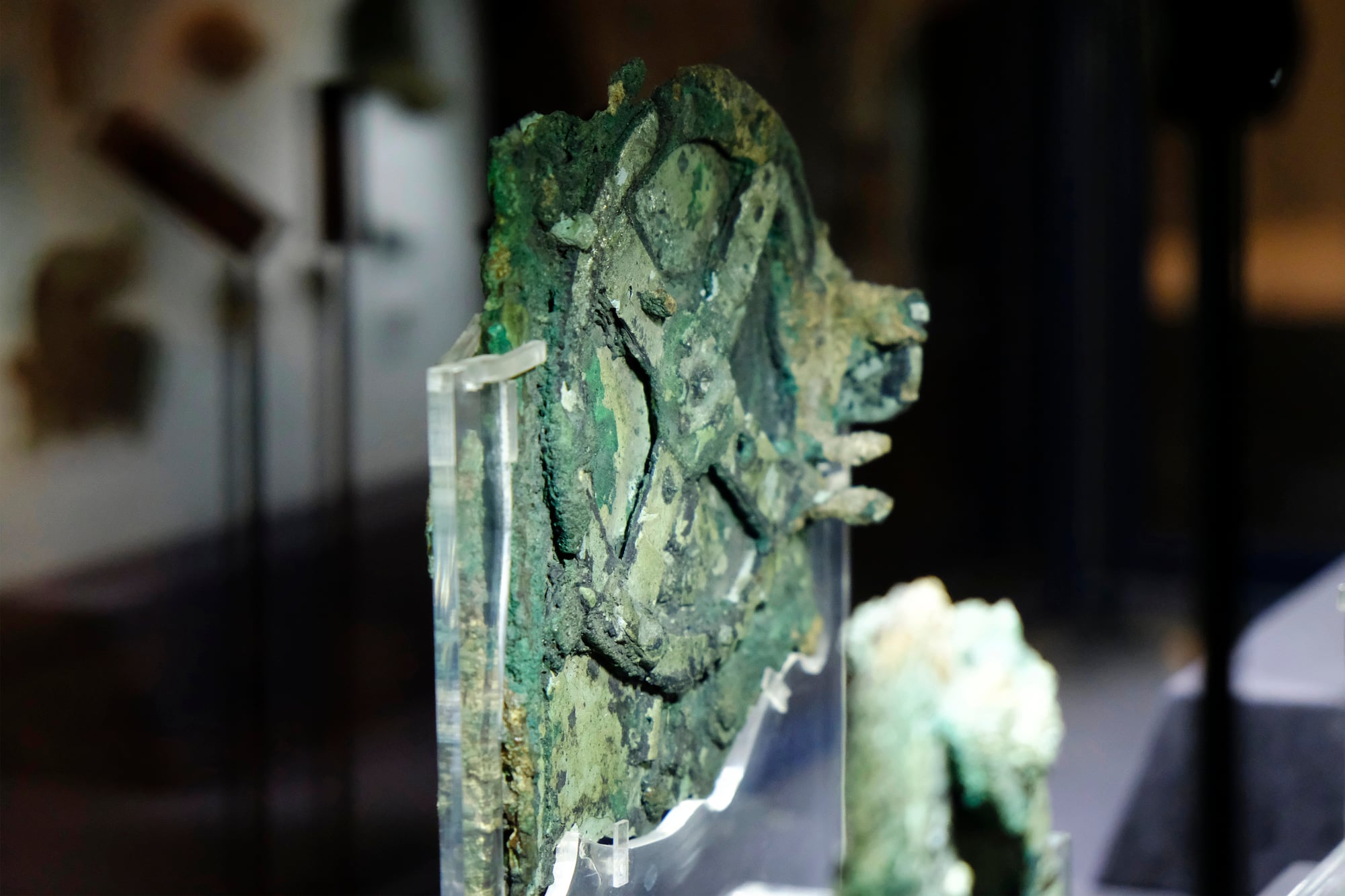
This corroded bronze contraption pulled from a Roman shipwreck in 1901 looked like junk. For decades, archaeologists treated it exactly that way, shoving it into storage while they focused on the more obviously valuable statues and pottery from the same wreck.
When someone finally bothered to examine it closely, they found what appeared to be gears—which made no sense, since complex mechanical devices weren’t supposed to exist in ancient Greece.
The breakthrough came in the 1970s when X-ray technology revealed the true complexity hidden beneath the corrosion. This wasn’t just some random mechanism.
It was a sophisticated astronomical computer capable of predicting eclipses, tracking planetary movements, and calculating the dates of Olympic Games. The ancient Greeks had built something that wouldn’t be matched in complexity until medieval clockwork appeared over a thousand years later. So much for the idea that technological progress moves in a straight line.
Ötzi the Iceman’s Murder

When hikers found a naturally mummified body emerging from a melting glacier in the Alps in 1991, scientists figured they’d study his diet, his clothing, maybe learn something about how people lived 5,300 years ago. Standard archaeological stuff.
The idea that they’d end up solving a murder case didn’t occur to anyone for years.
CT scans in 2001 revealed an arrowhead lodged in Ötzi’s shoulder, but even then, the cause of death remained unclear. It wasn’t until 2007—sixteen years after his discovery—that researchers finally pieced together what happened.
The arrow had severed a major artery, causing Ötzi to wound out within minutes. He’d also sustained a head injury around the same time. This wasn’t death by exposure or accident.
Someone had deliberately killed this man, and the evidence was so well-preserved that investigators could reconstruct the crime scene millennia after the fact. The murderer got away with it, but only for about 5,000 years.
The Identity of the Somerton Man

In 1948, a well-dressed man was found dead on Somerton Beach in Australia with no identification, no known cause of death, and a scrap of paper in his pocket bearing the phrase “Tamam Shud” (Persian for “ended”).
For 74 years, this case consumed amateur detectives and professional investigators alike. Theories ranged from Cold War espionage to unrequited love affairs, but every lead went nowhere.
The solution (which arrived in 2022) was both simpler and more complex than anyone expected. DNA analysis revealed the man to be Carl “Charles” Webb, an electrical engineer from Melbourne who had struggled with alcoholism and depression.
No spy networks, no elaborate conspiracies—just a man whose personal struggles led him to travel 250 miles to die alone on a beach. The mystery that had spawned books, documentaries, and countless theories turned out to be a tragedy of very human proportions.
And yet, the elaborate circumstances still don’t quite make sense, which somehow makes the mundane explanation feel even stranger.
King Richard III’s Remains
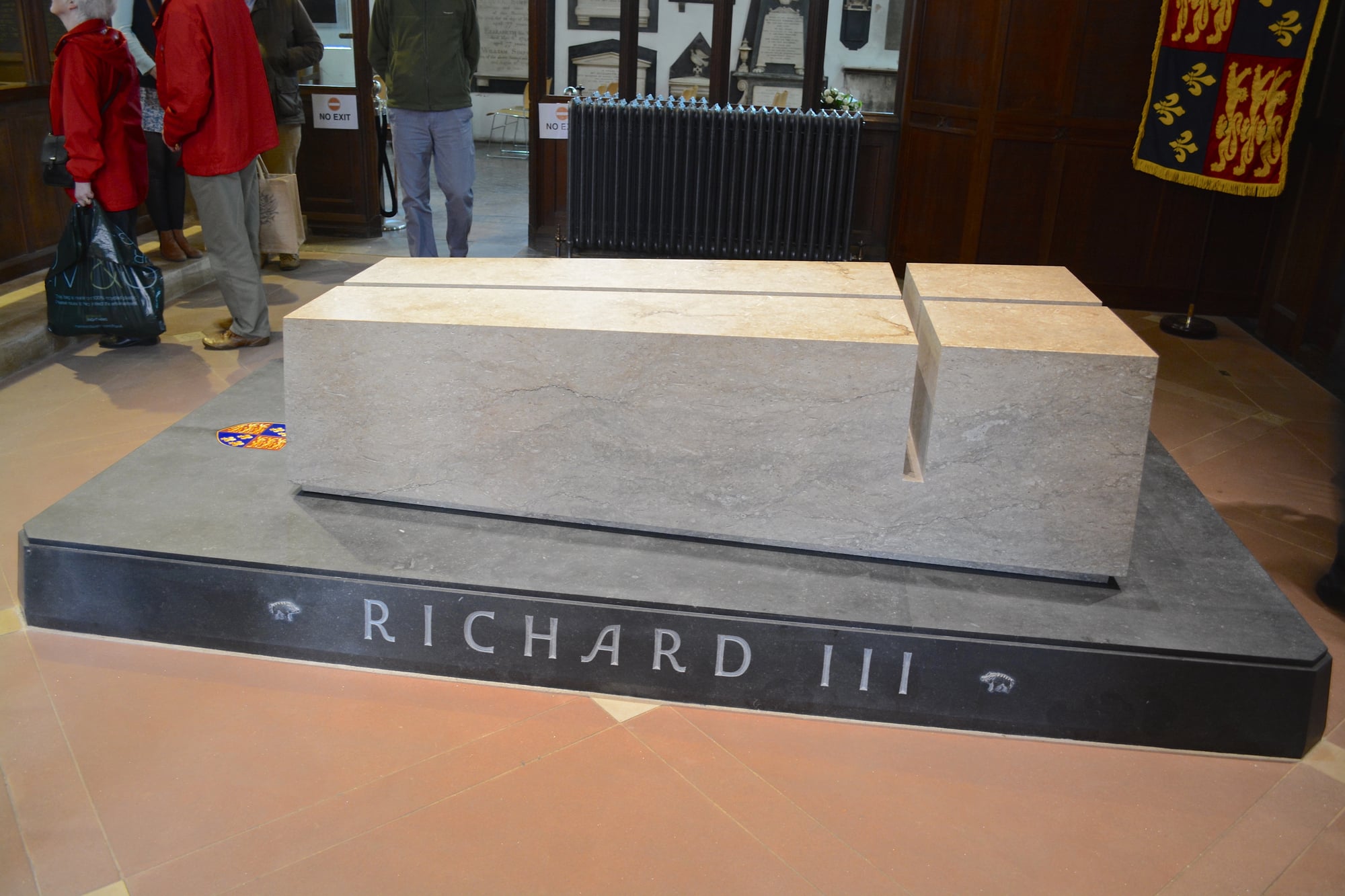
Richard III died at the Battle of Bosworth Field in 1485, but where they buried him became one of those historical questions that seemed permanently unanswerable. Most figured his remains were probably destroyed when Henry VIII dissolved the monasteries, scattered to the winds along with countless other medieval burials.
The search seemed pointless—until a group of enthusiasts decided to try anyway in 2012.
They found him under a parking lot in Leicester. Not in some grand tomb or hidden vault, but beneath the mundane asphalt where people had been parking their cars for decades.
DNA testing confirmed what the curved spine and battle wounds had already suggested: this was indeed the last Plantagenet king, the man Shakespeare had immortalized as a hunchbacked villain. The discovery rewrite textbooks and proved that sometimes the most persistent amateur historians know something the professionals don’t.
It also meant that thousands of people had unknowingly walked over a king’s grave while running their weekend errands.
The Franklin Expedition’s Fate
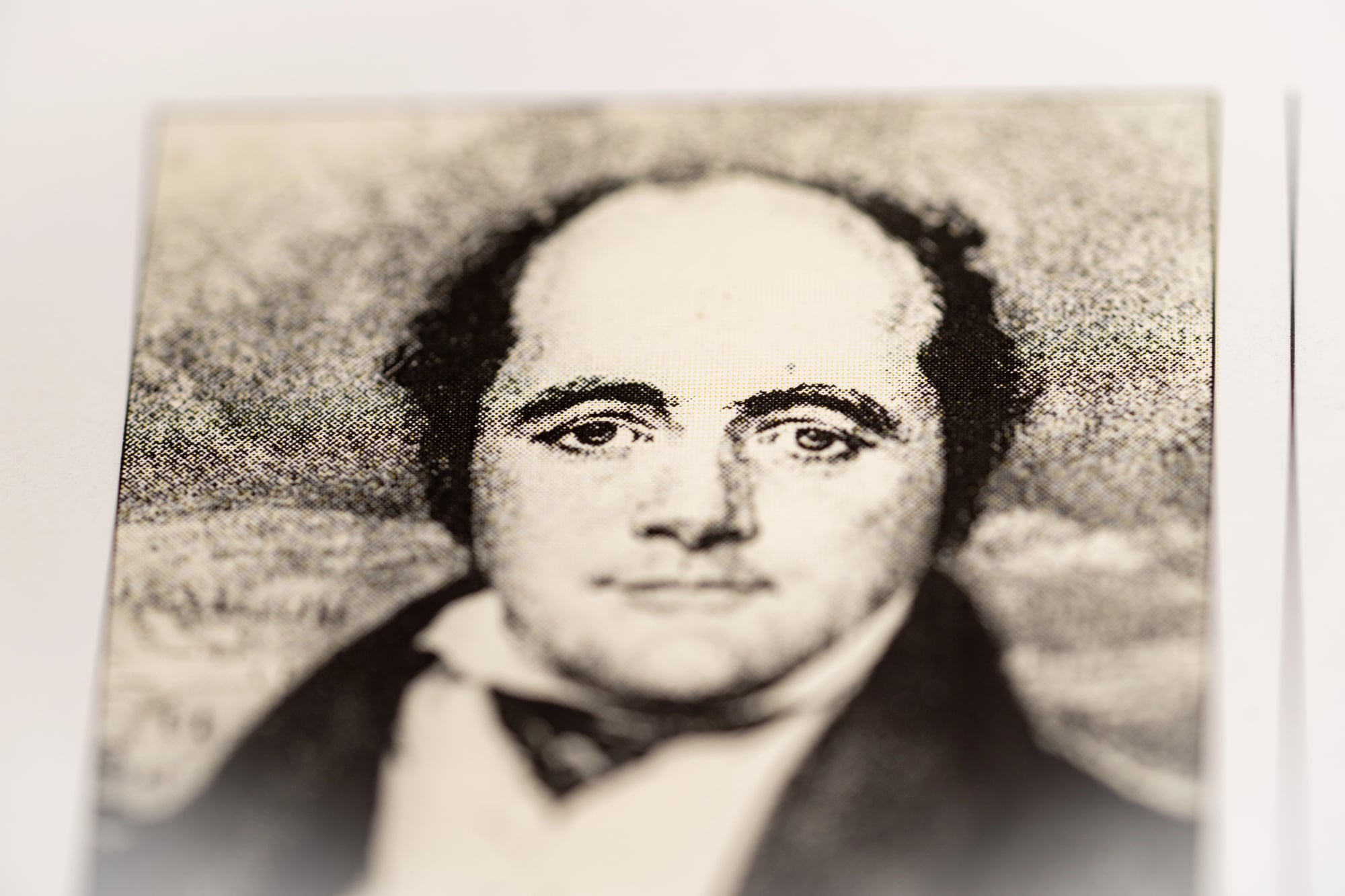
Sir John Franklin’s 1845 Arctic expedition disappeared into the ice with 129 men, launching one of the most extensive search efforts in maritime history. Ships, sledges, and search parties scoured the Arctic for decades without finding definitive answers.
By the 1880s, most had given up hope of learning what really happened to Franklin and his crew.
The breakthrough didn’t come from sophisticated technology or brilliant deduction—it came from listening to the Inuit, whose oral histories had been largely dismissed by Victorian searchers. When investigators finally started taking these accounts seriously in the 1980s, they began finding archaeological evidence that confirmed the stories: scattered bones, ship fragments, and personal effects that told a grim tale of starvation, lead poisoning, and desperate attempts to walk out of the Arctic.
The most recent finds include Franklin’s flagship HMS Erebus (discovered in 2014) and HMS Terror (found in 2016), both remarkably well-preserved in the cold Arctic waters. The Inuit had been telling the truth all along.
It just took 150 years for anyone to properly listen.
The Princes in the Tower

This one might be stretching the “solved” category, but bear with it. In 1674, workmen renovating the Tower of London found a wooden box containing the skeletons of two children.
The bones were assumed to be those of the two young princes—Edward V and his brother Richard—who had disappeared in 1483, but proving it seemed impossible with 17th-century technology.
Fast forward to 1933, when the bones were examined by anatomists who concluded they belonged to children of the right ages. Still not definitive, but suggestive.
The real breakthrough came decades later when historians pieced together compelling evidence that the princes were indeed murdered, most likely on the orders of their uncle, the future Richard III. While DNA testing of the bones has been blocked by the royal family, the circumstantial evidence has become overwhelming enough that most serious historians now consider the case effectively solved.
Sometimes you don’t need absolute proof when the pattern of evidence points in only one direction.
The Lost Roanoke Colony
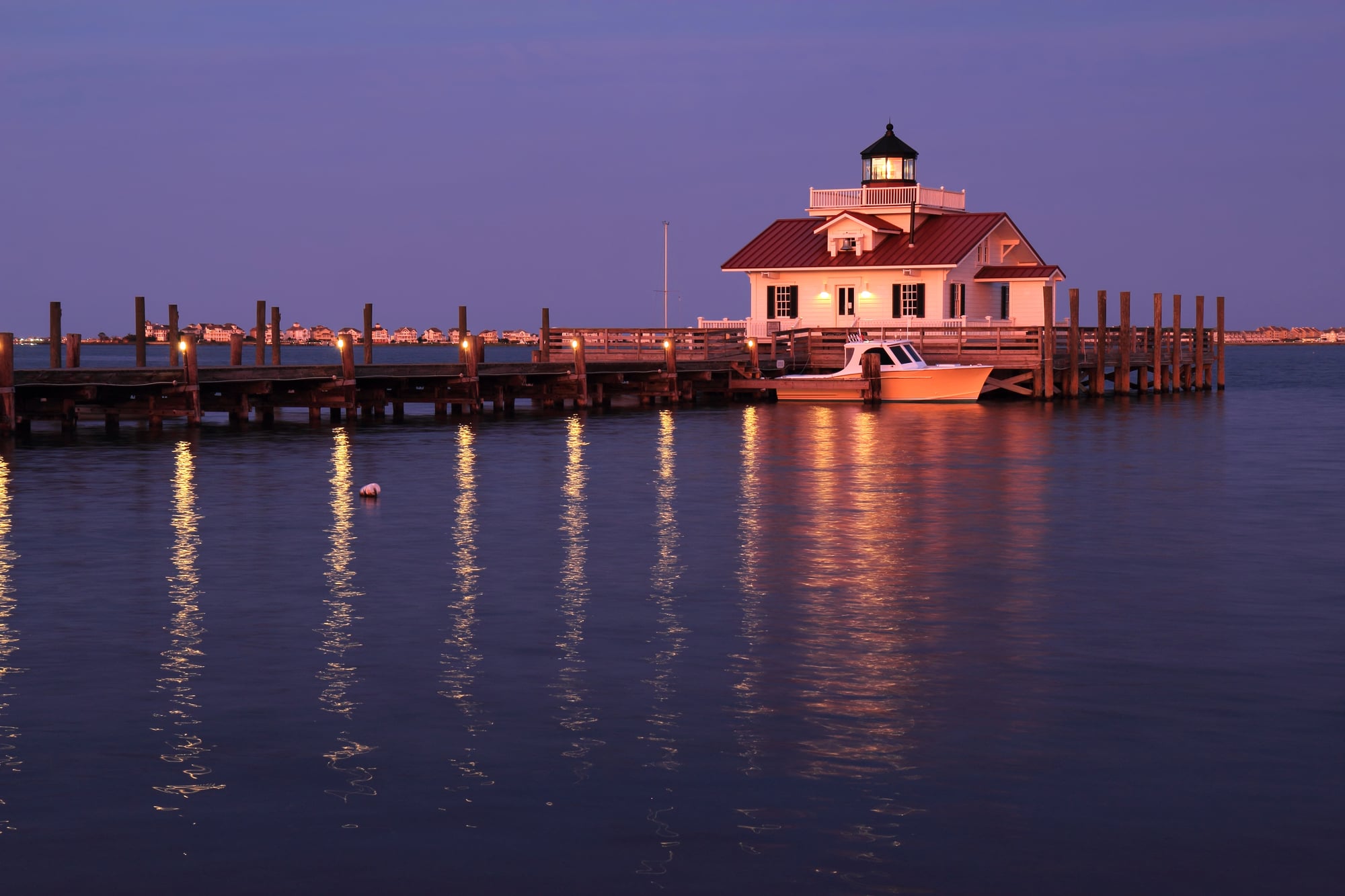
In 1587, 115 English colonists vanished from Roanoke Island, leaving behind only the cryptic word “CROATOAN” carved into a fence post. For centuries, this became America’s oldest unsolved mystery, spawning theories about everything from Spanish attacks to supernatural disappearance.
The trail seemed impossibly cold.
Recent archaeological work (and a willingness to take the colonists’ own message seriously) has finally provided answers. The word “CROATOAN” referred to a nearby island where friendly Native Americans lived—exactly where you’d expect desperate colonists to go if they needed help.
Excavations have turned up European artifacts mixed with Native American materials, suggesting the colonists didn’t vanish mysteriously but simply relocated and gradually integrated with local tribes. The mystery persisted for 400 years mainly because people kept looking for dramatic explanations when the mundane one was literally carved in wood at the scene.
Blackbeard’s Flagship Queen Anne’s Revenge

Edward “Blackbeard” Teach ran his pirate operations from the Queen Anne’s Revenge until 1718, when the ship ran aground near Beaufort, North Carolina. Blackbeard himself was killed later that year, and his flagship became just another shipwreck story—one of thousands scattered along the treacherous Carolina coast.
In 1996, marine archaeologists found a wreck in the right location with artifacts from the right time period. But proving it was Blackbeard’s ship required nearly two decades of careful excavation and analysis.
The evidence accumulated slowly: cannons of the right type, lead shot, navigational instruments, and personal effects that painted a picture of life aboard an early 18th-century pirate vessel. The final confirmation came through a combination of archaeological evidence and historical documentation that placed the Queen Anne’s Revenge exactly where the wreck was found.
After 278 years underwater, the most famous pirate ship in American history finally had a verified address.
The Amber Room’s Disappearance

Called the “Eighth Wonder of the World,” the Amber Room was a chamber decorated entirely with amber panels, gold leaf, and mirrors. The Nazis looted it from a Russian palace in 1941, and it vanished completely during the chaos of World War II.
Despite decades of searching, no one could find even a fragment of the legendary room.
The solution wasn’t really a solution at all, but rather an acceptance of reality that took decades to sink in. By the 1980s, investigators had concluded that the Amber Room was almost certainly destroyed during the bombing of Königsberg in 1945.
The amber panels, already fragile after being hastily dismantled and moved multiple times, probably didn’t survive the war. Instead of continuing the futile search, the Russians decided to reconstruct the room entirely from scratch—a project that took 25 years and was completed in 2003.
Sometimes solving a mystery means accepting that some things are simply gone forever and building something new in their place.
The Disappearance of Amelia Earhart

This investigation has generated more theories than evidence, but recent developments suggest the mystery might finally be yielding answers. Earhart and navigator Fred Noonan vanished over the Pacific in 1937 during an attempt to circumnavigate the globe, spawning decades of speculation about crash sites, survival scenarios, and even capture by the Japanese.
The most promising lead comes from Nikumaroro, a remote Pacific island where investigators have found aircraft aluminum, a piece of Plexiglas, and bones that might belong to a woman of Earhart’s height and build (though DNA testing has been inconclusive).
More intriguingly, they’ve discovered evidence of campfires, improvised tools, and what appears to be a castaway’s survival camp. While definitive proof remains elusive, the accumulated evidence suggests Earhart and Noonan crashed near Nikumaroro and survived for some time before succumbing to the elements.
It’s not the dramatic rescue scenario people hoped for, but it’s probably the truth—which took 80+ years to emerge simply because the Pacific Ocean is impossibly vast and Nikumaroro is impossibly remote.
The Location of Cleopatra’s Tomb
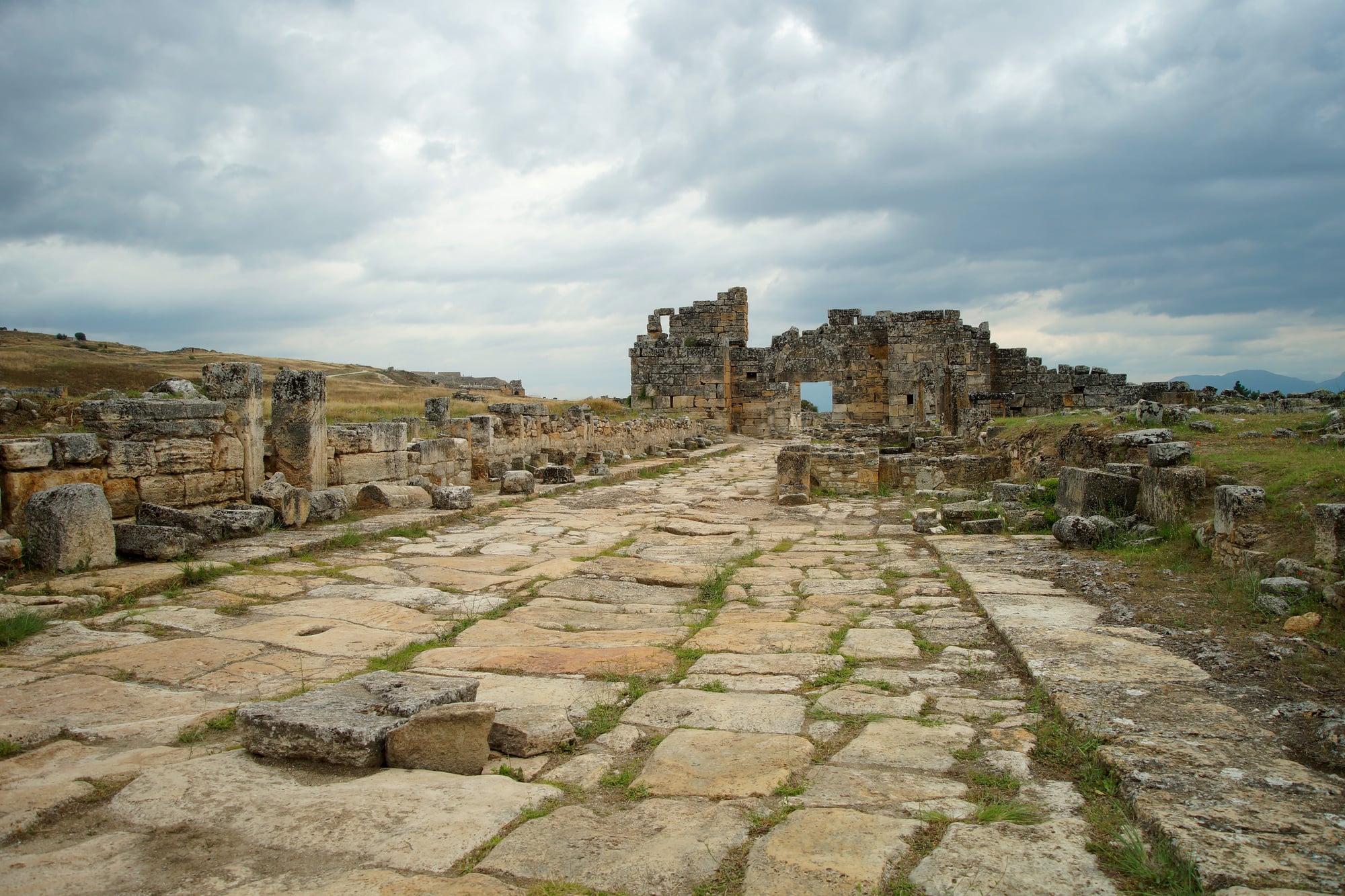
Cleopatra VII, the last pharaoh of Egypt, died in 30 BCE, but her burial site became one of archaeology’s great unsolved puzzles. Ancient sources mentioned a tomb in Alexandria, but two millennia of earthquakes, tsunamis, and urban development had erased most traces of the ancient city.
Most experts assumed her tomb was either destroyed or permanently lost beneath the modern city.
The breakthrough came from an unexpected direction: underwater archaeology. Parts of ancient Alexandria had sunk beneath the Mediterranean due to earthquakes and subsidence, preserving structures that were destroyed on land.
Since the 1990s, marine archaeologists have mapped an entire submerged city, complete with palaces, temples, and residential districts. While they haven’t found Cleopatra’s tomb yet, they’ve narrowed the search area considerably and proven that major discoveries are still possible in places everyone thought were thoroughly explored.
Sometimes the answer isn’t hidden—it’s just underwater.
The Mary Celeste Mystery
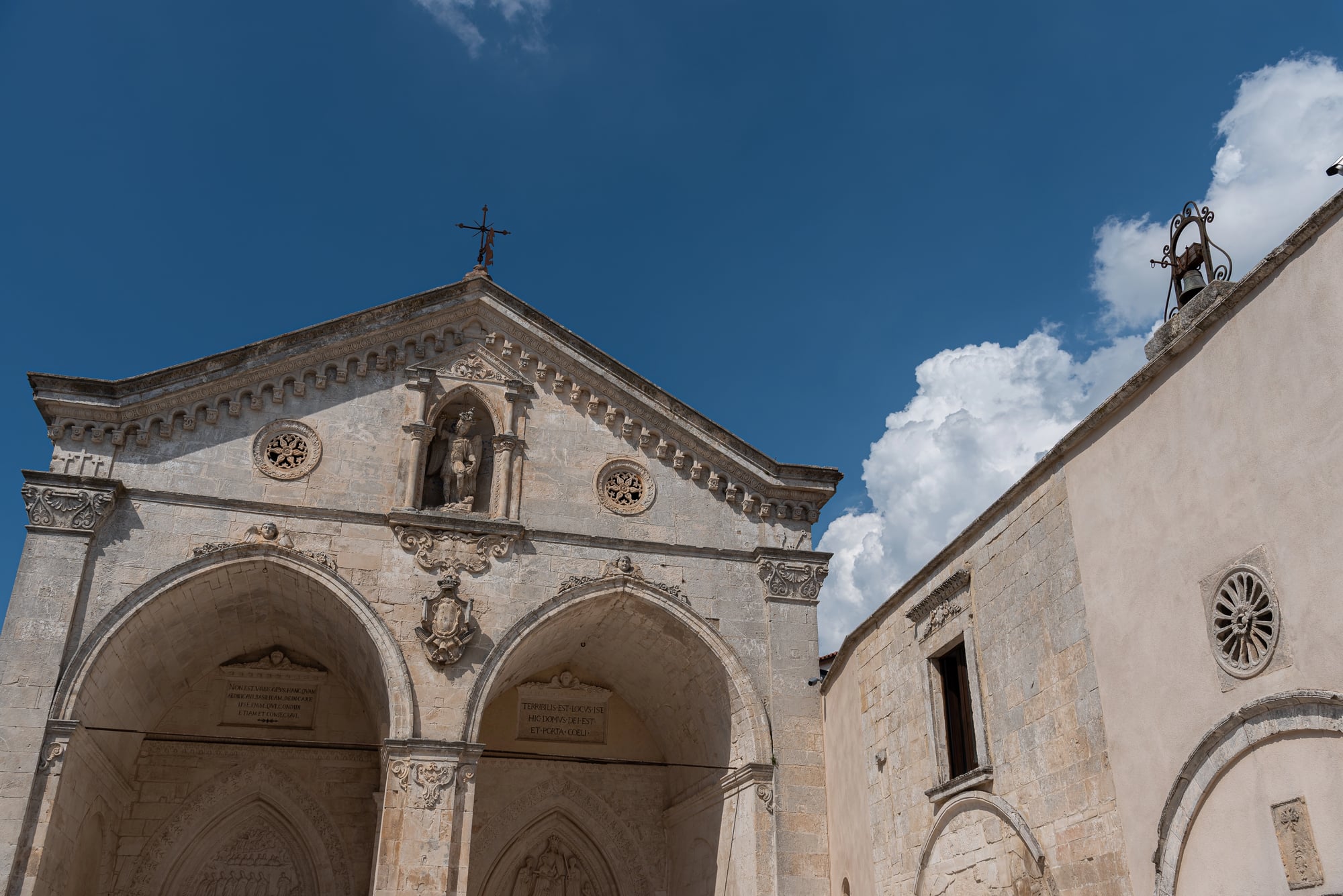
In 1872, the merchant ship Mary Celeste was found drifting unmanned in the Atlantic, its cargo intact but its crew vanished without explanation. The mystery spawned countless theories about sea monsters, pirates, and supernatural intervention, but none of them quite explained why the crew would abandon a seaworthy ship with valuable cargo still aboard.
The solution emerged gradually as maritime historians studied similar cases and oceanographic research revealed new information about weather patterns in the Atlantic.
The most likely explanation involves a phenomenon called a “seaquake”—underwater seismic activity that can cause ships to groan and shake violently without actually damaging them. If the crew thought the ship was about to break apart, they might have taken to the lifeboats, only to watch helplessly as their perfectly sound vessel sailed away without them.
It’s less dramatic than alien abduction, but it explains both the crew’s disappearance and the ship’s undamaged condition. The answer was hiding in maritime science that didn’t exist when the Mary Celeste was found.
The Identity of Jack the Ripper

After 130+ years, countless books, and more theories than any reasonable person could track, this case stubbornly refuses to stay solved. But advances in DNA analysis have finally provided some compelling answers, even if they’re not the ones people expected.
In 2014, DNA extracted from a shawl allegedly found at one of the crime scenes pointed to Aaron Kosminski, a Polish immigrant who was actually a contemporary suspect. The evidence isn’t ironclad—the shawl’s provenance is disputed, and DNA degradation makes definitive conclusions difficult—but it’s the strongest physical evidence the case has ever produced.
More importantly, it fits with what investigators knew at the time: Kosminski was identified by a witness, monitored by police, and eventually institutionalized for mental illness. Sometimes the Victorian detectives got it right the first time, and it just took modern technology to confirm their conclusions. The most famous unsolved murder in history might have been solved all along.
The Voynich Manuscript’s Meaning
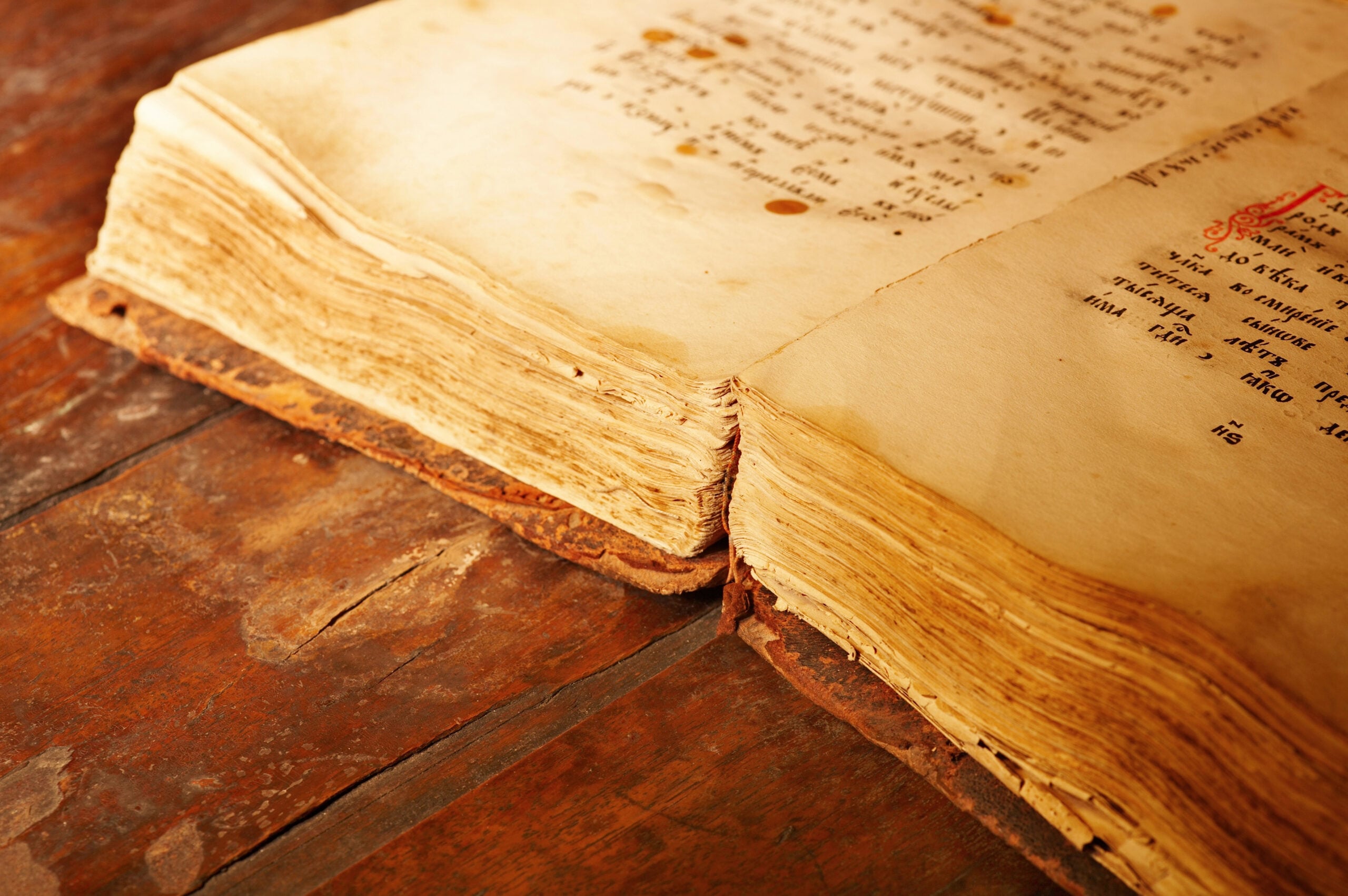
This 15th-century book, written in an unknown script and filled with bizarre illustrations of unidentifiable plants and astronomical diagrams, has stumped cryptographers and linguists for over a century. Theories about its origin ranged from medieval medical text to elaborate hoax to alien communication manual.
Recent computer analysis has revealed patterns suggesting the manuscript is written in a real language, not random gibberish or an artificial cipher.
More intriguingly, statistical analysis indicates the text shows characteristics of Hebrew written in an abbreviated script—which would make sense for a medieval medical or alchemical work written by Jewish scholars. While full translation remains elusive, the consensus has shifted from “incomprehensible mystery” to “difficult but probably solvable puzzle.”
The breakthrough came from applying modern computational linguistics to a centuries-old problem, proving that some puzzles just need to wait for the right tools.
The Fate of the Lost Dauphin

When the French royal family was executed during the Revolution, their young son Louis-Charles (who would have been Louis XVII) officially died in prison in 1795. But rumors persisted that he had escaped, leading to dozens of imposters claiming to be the lost Dauphin over the next century.
DNA testing in 2000 finally put the question to rest by analyzing the preserved heart of the child who died in prison.
Mitochondrial DNA matched that of Marie Antoinette’s family, confirming that the boy really did die in captivity as recorded. The various claimants who had convinced families and even governments that they were the rightful king of France were all lying or deluded.
Sometimes the official story is actually true, and it just takes genetic evidence to prove it beyond doubt. The mystery that fueled romantic novels and political intrigue for 200 years dissolved in a laboratory.
The Antikythera Shipwreck’s Age
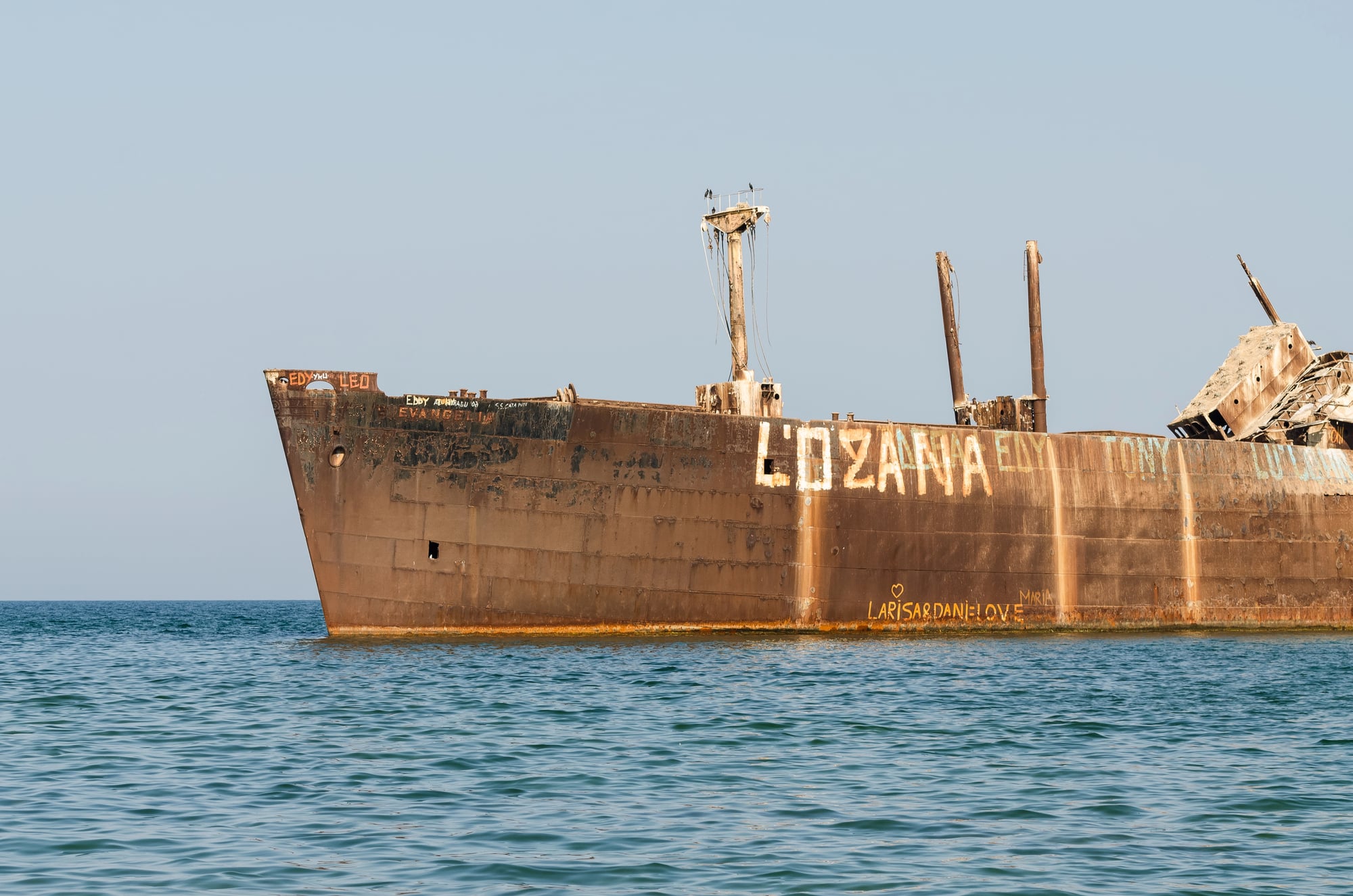
The ancient Greek shipwreck that yielded the famous Antikythera Mechanism also contained something else puzzling: artifacts that seemed to span several centuries, making it impossible to date the wreck accurately. Some pieces appeared to be from the 1st century BCE, others from much earlier periods.
Marine archaeologists eventually realized they weren’t looking at anachronistic artifacts but at the ancient equivalent of an antique collection.
The ship was carrying both contemporary items and valuable objects from earlier periods—bronze statues, luxury goods, and mechanical devices that were already antiques when the ship sank. It was essentially a floating museum that went down in a storm around 50 BCE, preserving a time capsule of Greek art and technology spanning several centuries.
The “mystery” dissolved once investigators stopped assuming that everything on the ship had to be from the same period. Ancient people collected antiques too.
The Location of Troy
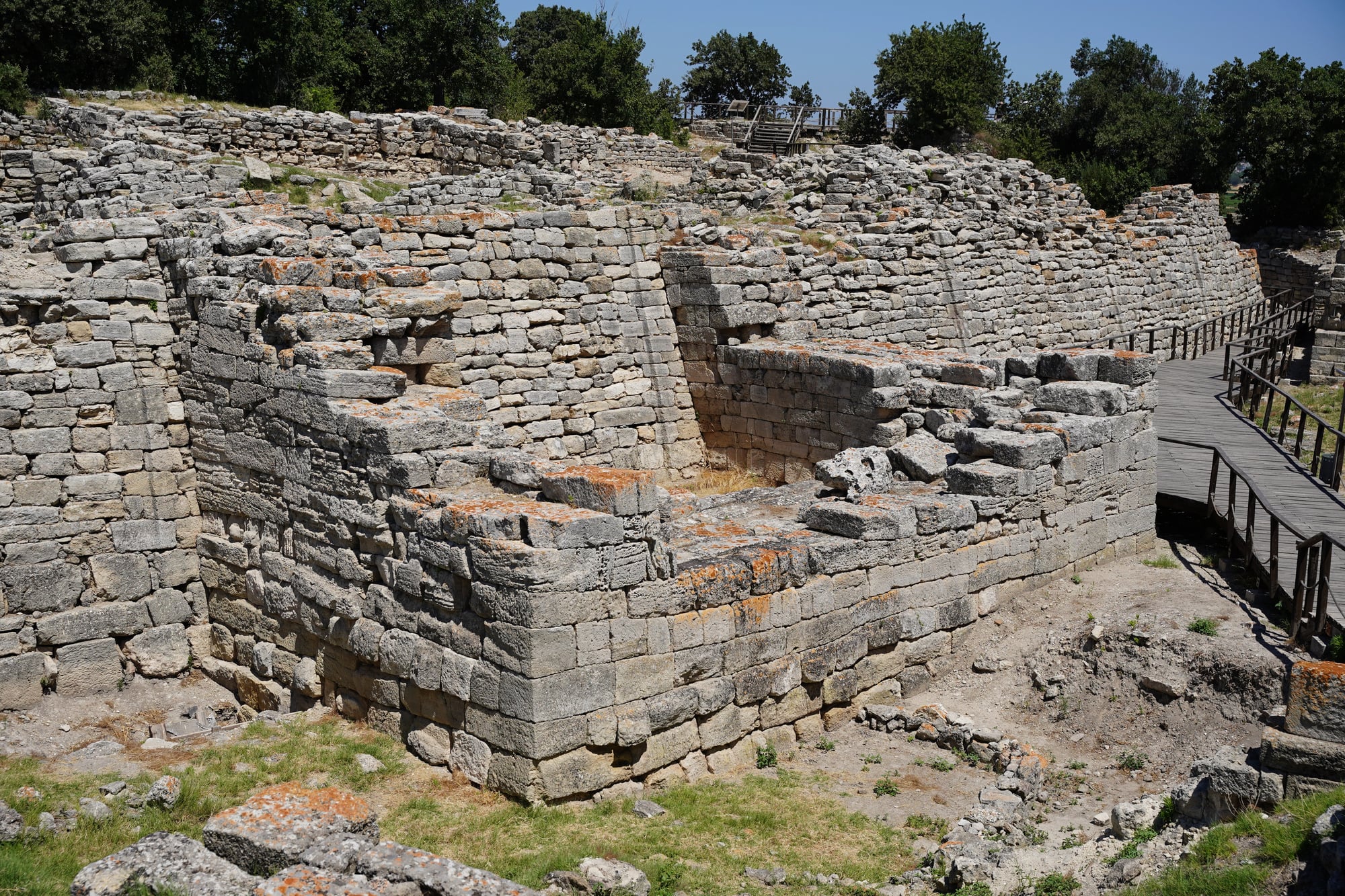
Heinrich Schliemann claimed to have found the ancient city of Troy at Hisarlik in Turkey in the 1870s, but his methods were so destructive and his conclusions so questionable that many scholars doubted whether he’d found the right place—or whether Troy had existed at all outside of Homer’s imagination.
Modern archaeological techniques have vindicated Schliemann’s location while correcting his interpretation.
Troy was indeed at Hisarlik, but it wasn’t just one city—it was nine different settlements built on the same site over more than 3,000 years. The Troy of Homer’s Iliad corresponds to Troy VII, which shows evidence of siege, fire, and destruction dating to around 1180 BCE.
While we can’t prove that Achilles and Hector actually fought there, we can confirm that a significant Bronze Age city existed at the right place and time, and that it was violently destroyed in a way consistent with the legendary siege. Sometimes the myths contain more truth than the skeptics want to admit.
The Mystery of the Bog Bodies

For centuries, people digging peat in northern European bogs would occasionally uncover remarkably preserved human bodies, some dating back over 2,000 years. The bodies showed signs of violent death—strangulation, stabbing, throat-cutting—but their purpose remained mysterious.
Theories ranged from human sacrifice to criminal punishment to ritual
More from Go2Tutors!

- The Romanov Crown Jewels and Their Tragic Fate
- 13 Historical Mysteries That Science Still Can’t Solve
- Famous Hoaxes That Fooled the World for Years
- 15 Child Stars with Tragic Adult Lives
- 16 Famous Jewelry Pieces in History
Like Go2Tutors’s content? Follow us on MSN.