Military MREs That Taste Different From What You Would Expect
The military’s Meals Ready to Eat have earned a reputation that’s mostly unfair. Sure, some of the early versions deserved the mockery they received, but modern MREs contain flavors that would surprise anyone expecting cardboard and disappointment.
Some taste better than advertised, others taste completely different from their labels, and a few manage to be both confusing and oddly satisfying at the same time.
Beef Stew
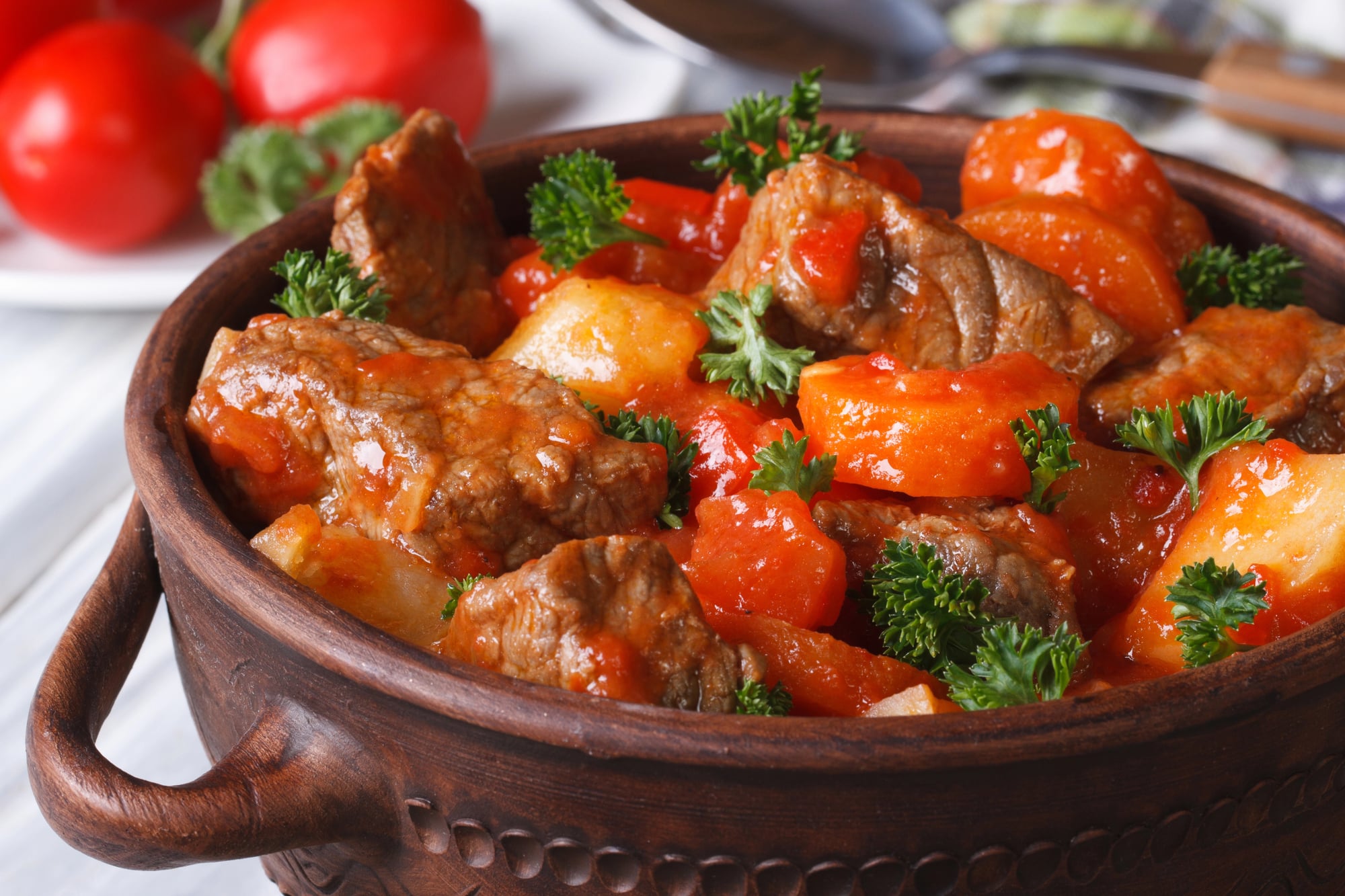
The beef stew doesn’t taste like beef stew. It tastes like something your grandmother might have made if she’d grown up eating entirely different food and had access to a completely different set of spices.
The meat has a texture that’s neither tough nor tender—it exists in some middle space that defies easy description. And yet (here’s where it gets strange) after a few bites, the flavor starts to make sense in a way that regular beef stew never quite manages to achieve, as if the engineers who designed it understood something about hunger that civilian chefs miss entirely. So you keep eating it, not because it’s familiar, but because it’s unexpectedly complete.
Chili With Beans
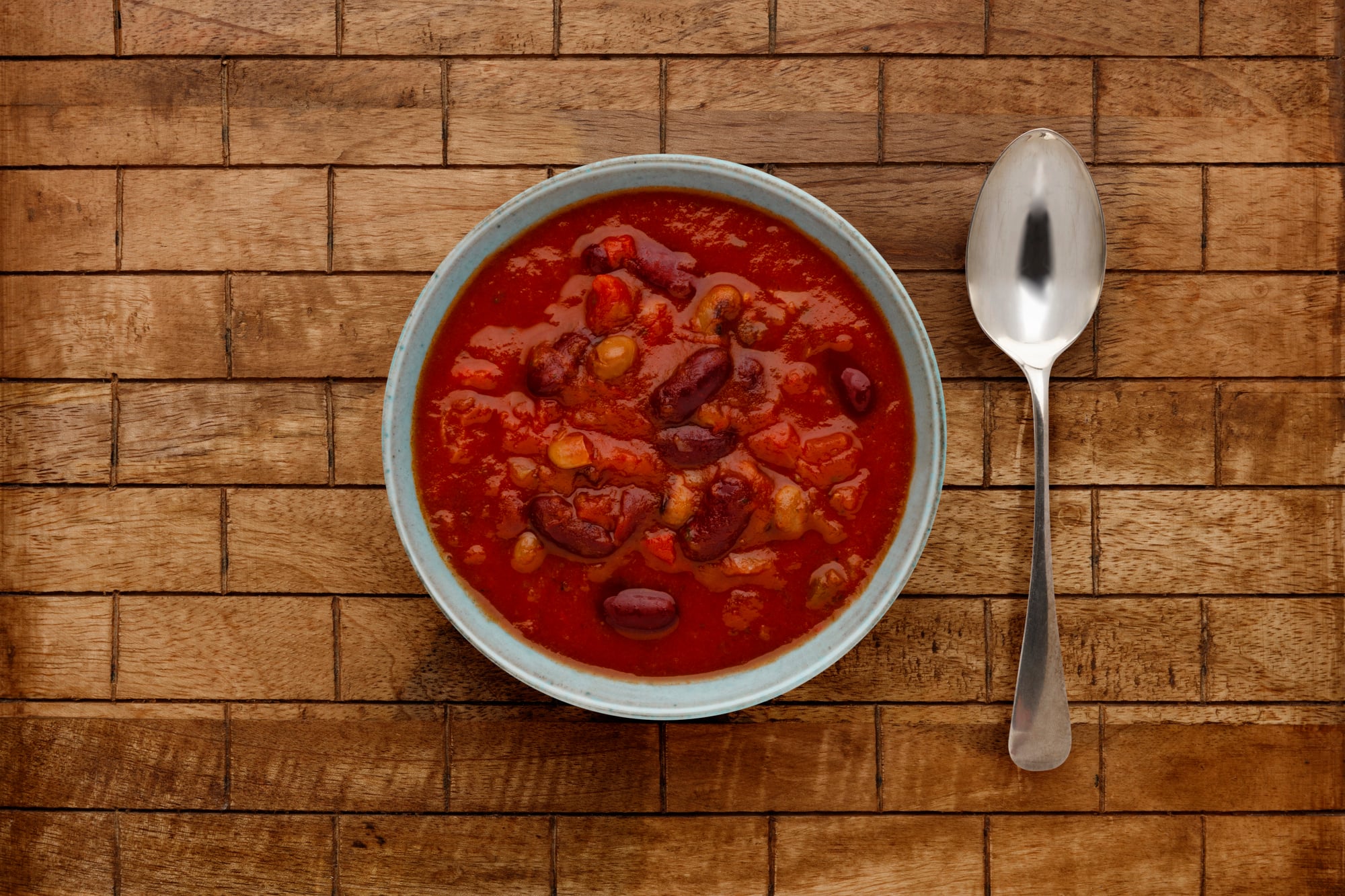
Chili with beans is the MRE that corrects every assumption about military food. The first spoonful hits with actual heat—not the wimpy suggestion of spice that most mass-produced food offers, but genuine warmth that builds as it should.
The beans hold their shape without being hard, and the meat tastes like it came from an actual animal rather than a laboratory. This isn’t the chili your local diner serves, but it’s recognizably chili in a way that makes you forget where it came from.
Chicken Pesto Pasta
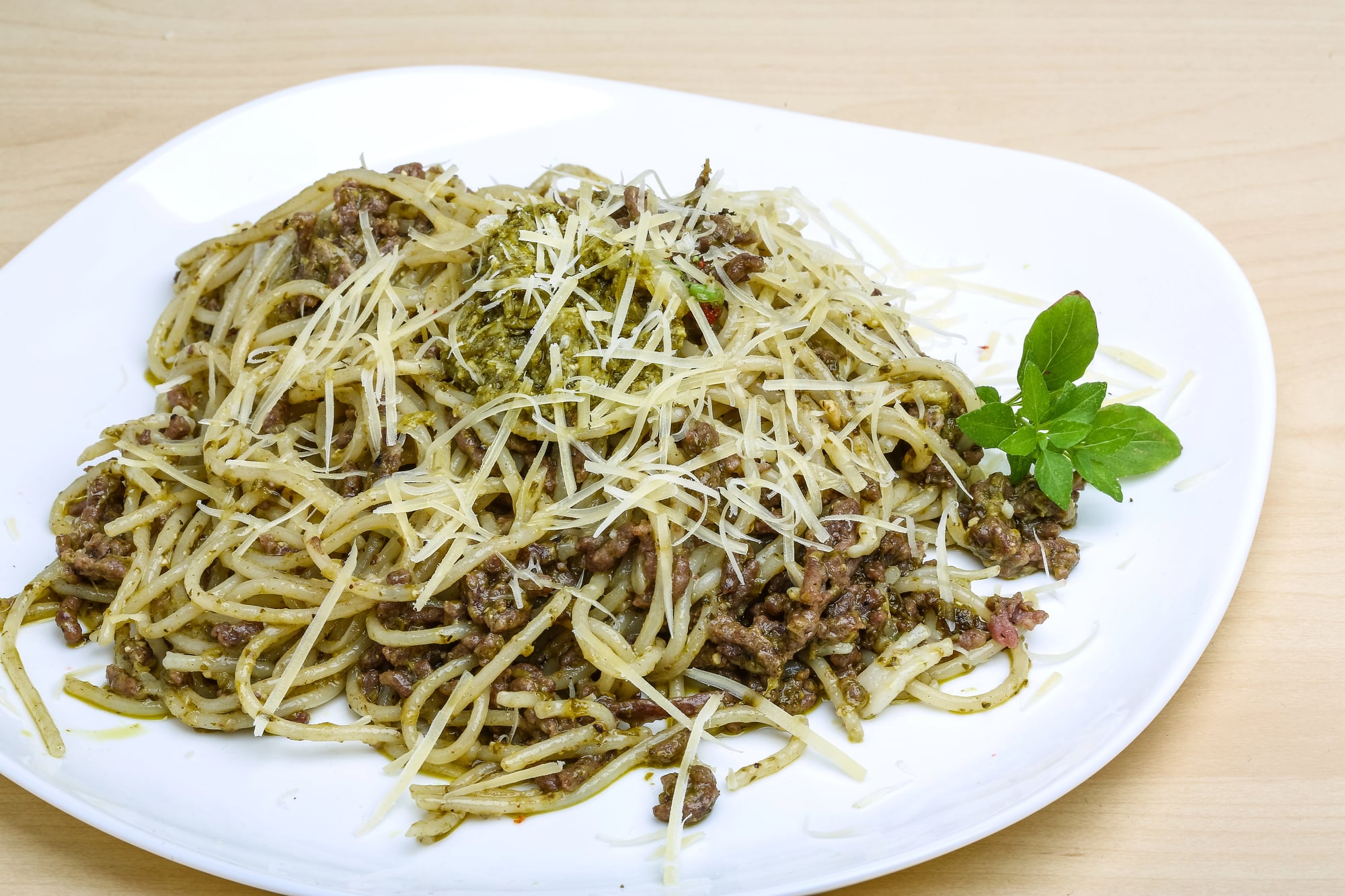
Picture this: someone described Italian food to an algorithm, fed that algorithm a database of approved military ingredients, then asked it to create something that would make sense to a computer (which has never tasted anything) while still being recognizably food to humans. That’s chicken pesto pasta.
The pesto part tastes like someone remembered basil existed but couldn’t quite recall what it was supposed to do. The chicken appears in small, precise cubes that have the texture of chicken but taste like they were seasoned by someone working from written instructions rather than memory. And yet—this is the part that makes no sense—it works. Not as pasta, exactly, but as something. You finish the pouch because your brain keeps trying to solve the puzzle of what it’s supposed to be, and by the time the last bite is gone, you realize the puzzle was the point. The familiarity was never the goal; the satisfaction was.
Beef Patty
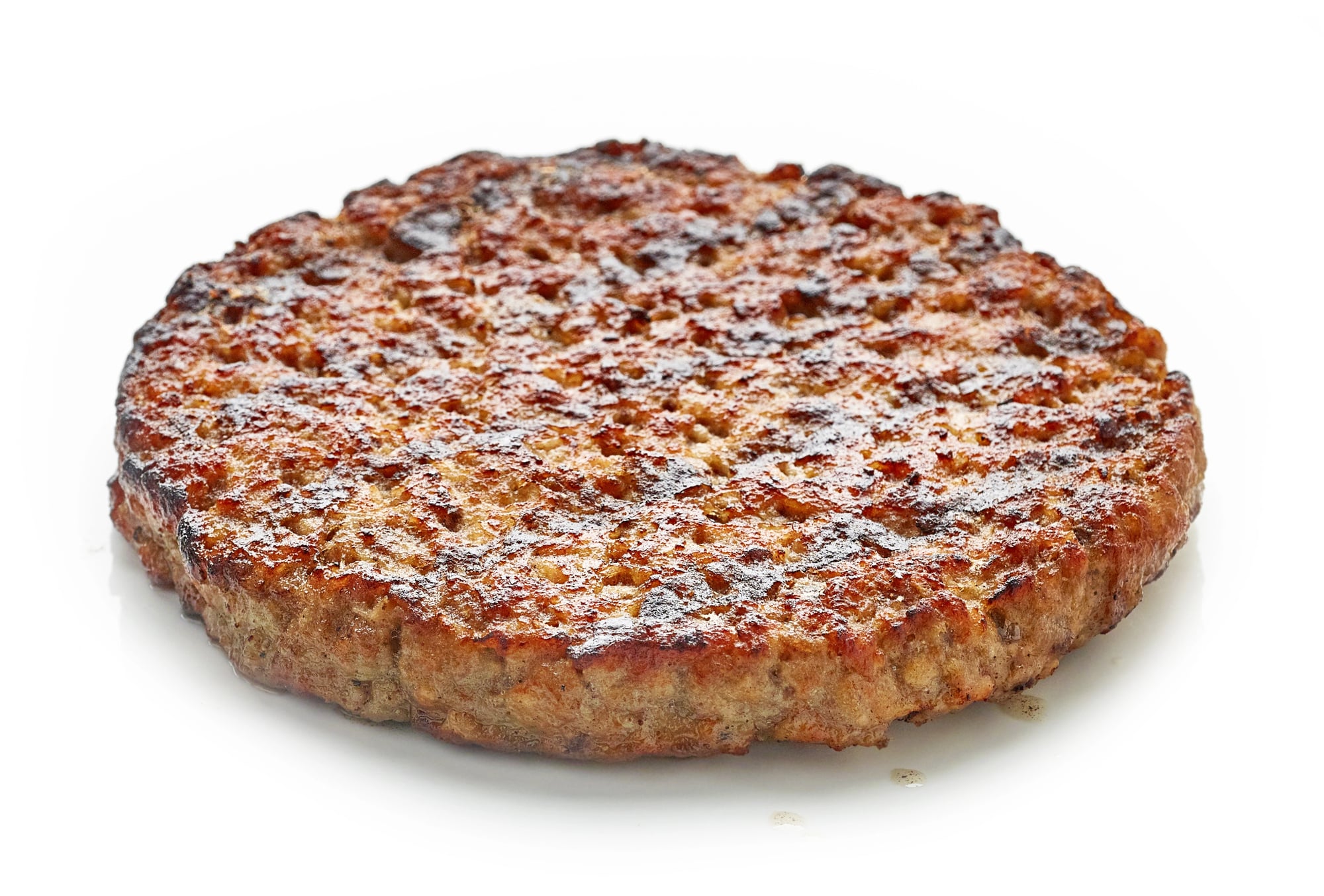
The beef patty is the most honest MRE ever created. It doesn’t pretend to be a hamburger or meatloaf or anything recognizable from civilian life.
It’s simply what happens when beef is processed into the most efficient possible form for delivering protein and salt. The taste is pure, concentrated meat-ness without any of the complexity that comes from actual cooking. It’s what a hamburger would taste like if hamburgers had been invented by nutritionists rather than cooks.
Chicken Chunks
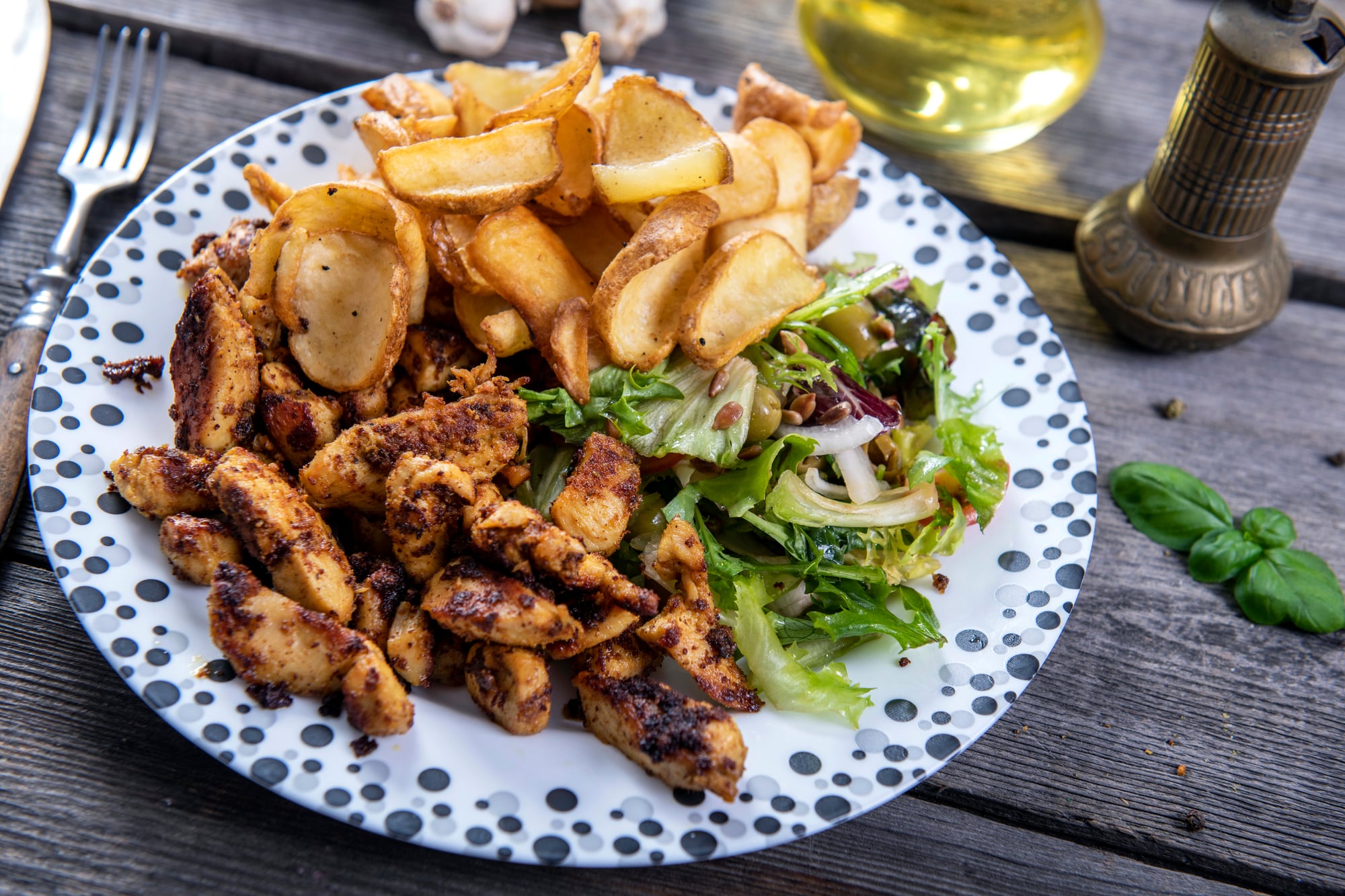
Chicken chunks exist in that peculiar space where expectations meet engineering. The chunks themselves are perfectly uniform—too uniform, really, like they were designed by someone who had studied chicken extensively but never actually eaten any (which might be exactly what happened, come to think of it).
But here’s what catches everyone off guard: they taste more like chicken than a lot of actual chicken does, because every trace of uncertainty has been removed. No gristle, no weird textures, no parts that make you wonder what you’re eating. Just the essence of chicken, distilled down to its most recognizable elements and packaged in identical, bite-sized pieces. So you end up with something that’s simultaneously more and less than chicken—which is saying something, considering chicken barely tastes like anything to begin with.
Cheese Tortellini
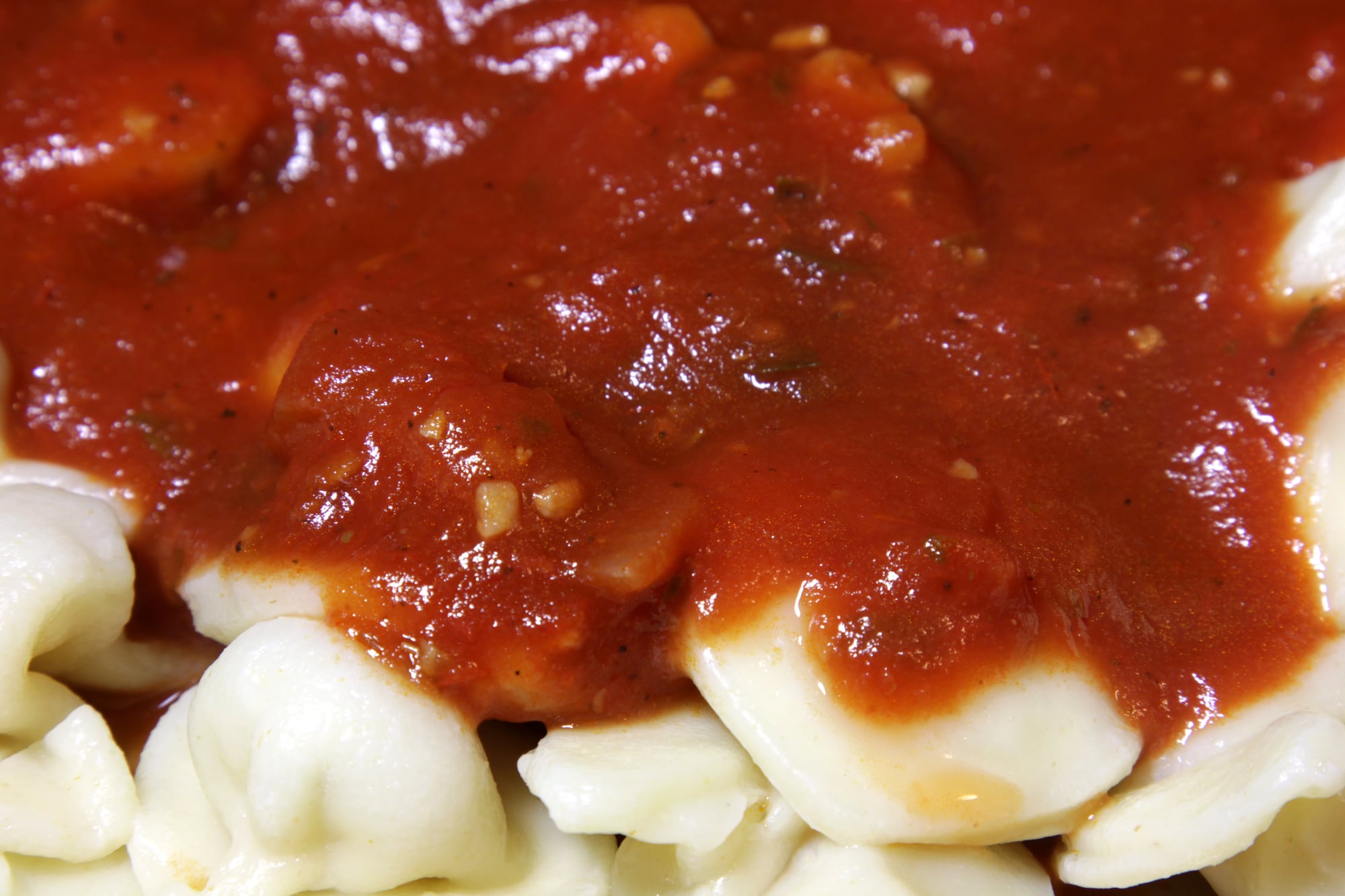
Cheese tortellini represents MRE engineering at its most ambitious. These aren’t trying to approximate restaurant pasta; they’re trying to solve the fundamental problem of getting cheese-filled pasta to survive in a pouch for months without refrigeration and still taste like food when reheated.
The pasta itself has a slight chewiness that’s different from fresh or even frozen tortellini, but it’s not unpleasant—just distinct. The cheese filling delivers on its promise in a straightforward way that civilian frozen foods often fail to match. This tastes like what cheese tortellini would be if cheese tortellini had been invented specifically for this purpose.
Chicken Fajita
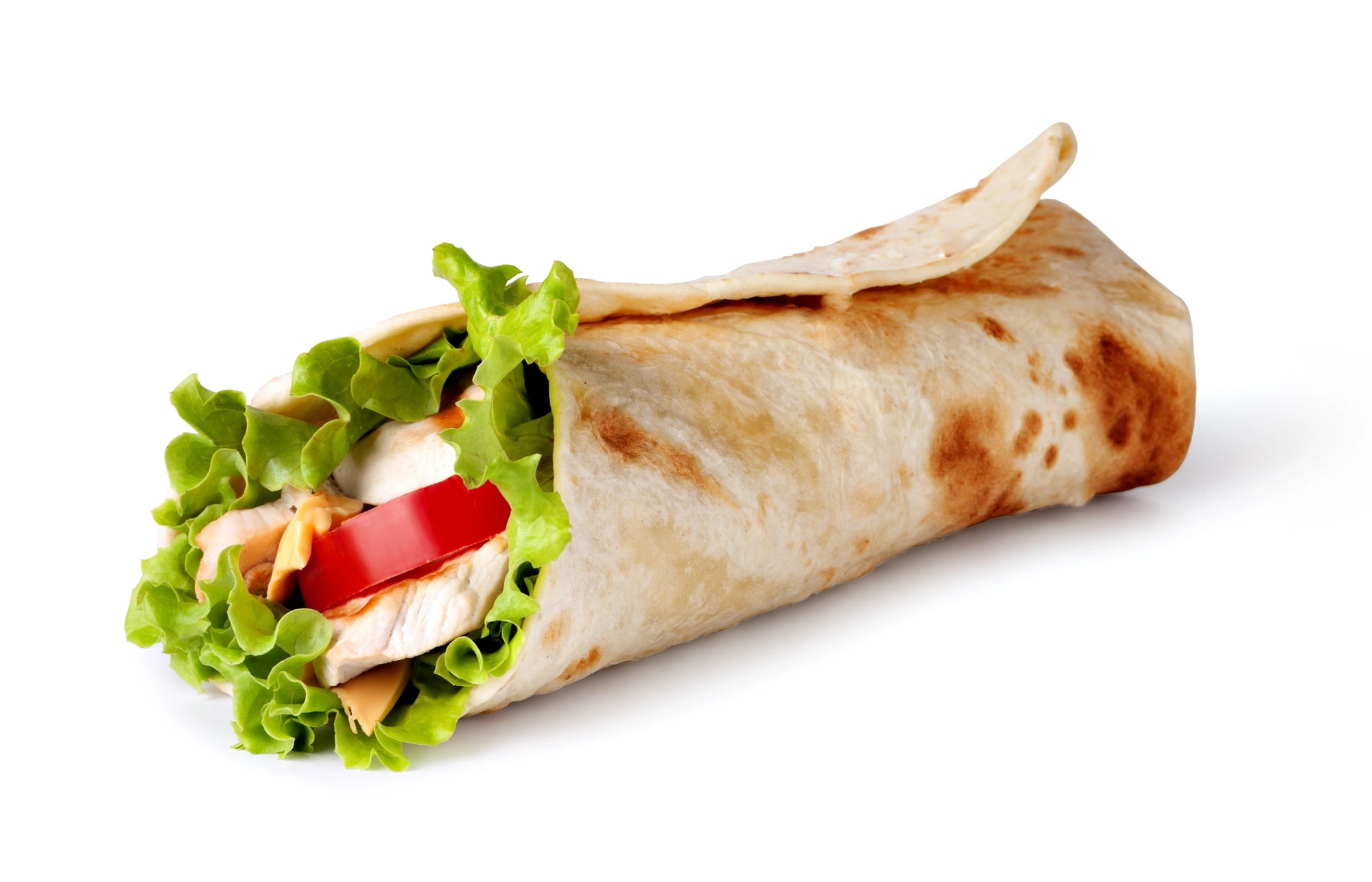
The chicken fajita bowl carries the weight of attempting to recreate Tex-Mex cuisine within the constraints of military food preservation. What emerges is something that occupies the same conceptual space as a fajita without actually being one—like looking at a photograph of a place where you’ve never been but somehow recognizing the landscape anyway.
The chicken has that characteristic MRE uniformity, but the peppers and onions retain enough of their original character to suggest the meal they’re trying to represent. The seasonings lean heavily toward cumin and garlic powder, creating a flavor profile that’s more suggestion than authentic representation. But the suggestion works well enough that your brain fills in the missing pieces, and by the end you’ve eaten something that satisfied the craving for Mexican food without actually delivering it. Which might be more impressive than just making good fajitas would have been.
Beef Ravioli
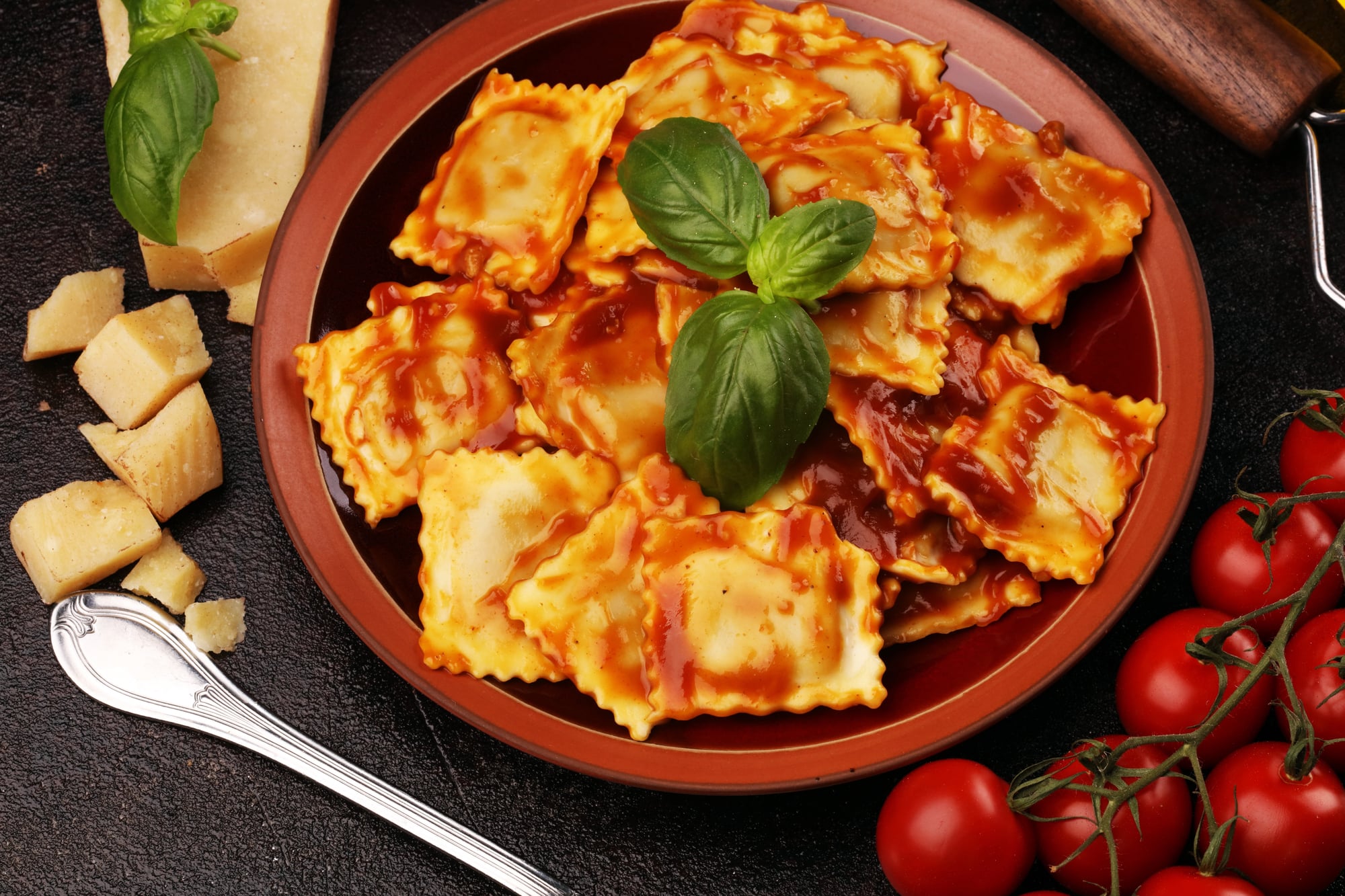
Beef ravioli shouldn’t work. The pasta-to-filling ratio is all wrong, the sauce tastes like it was formulated by committee, and the beef inside each ravioli has been processed into something that bears only a passing resemblance to the meat it started as.
The whole thing has the feel of an engineering solution rather than a culinary one. And yet it’s oddly satisfying in a way that defies explanation—not because it tastes like good ravioli, but because it succeeds at being exactly what it is without apology.
Turkey Sausage Hash Brown
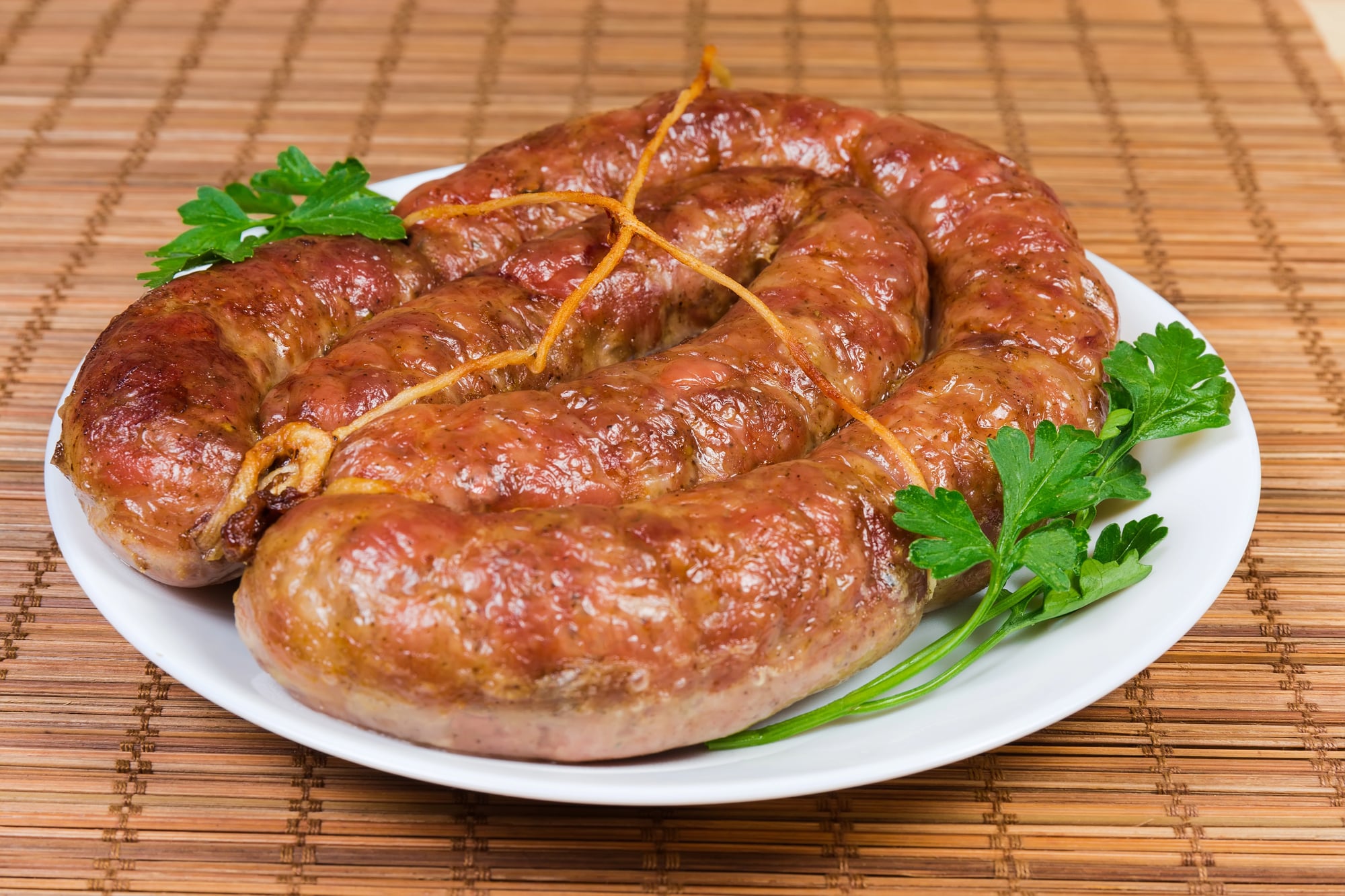
Turkey sausage hash brown represents peak MRE confusion. The hash browns taste like hash browns, which is already more than most processed breakfast foods manage to achieve.
The turkey sausage, however, tastes like someone tried to reverse-engineer breakfast sausage using only a written description and a chemistry set. It’s savory in the right way and has the right texture, but the flavor is just slightly off in a direction that’s hard to identify. Not bad, exactly, just not quite what your taste buds were expecting based on the visual cues.
Chicken Burrito Bowl
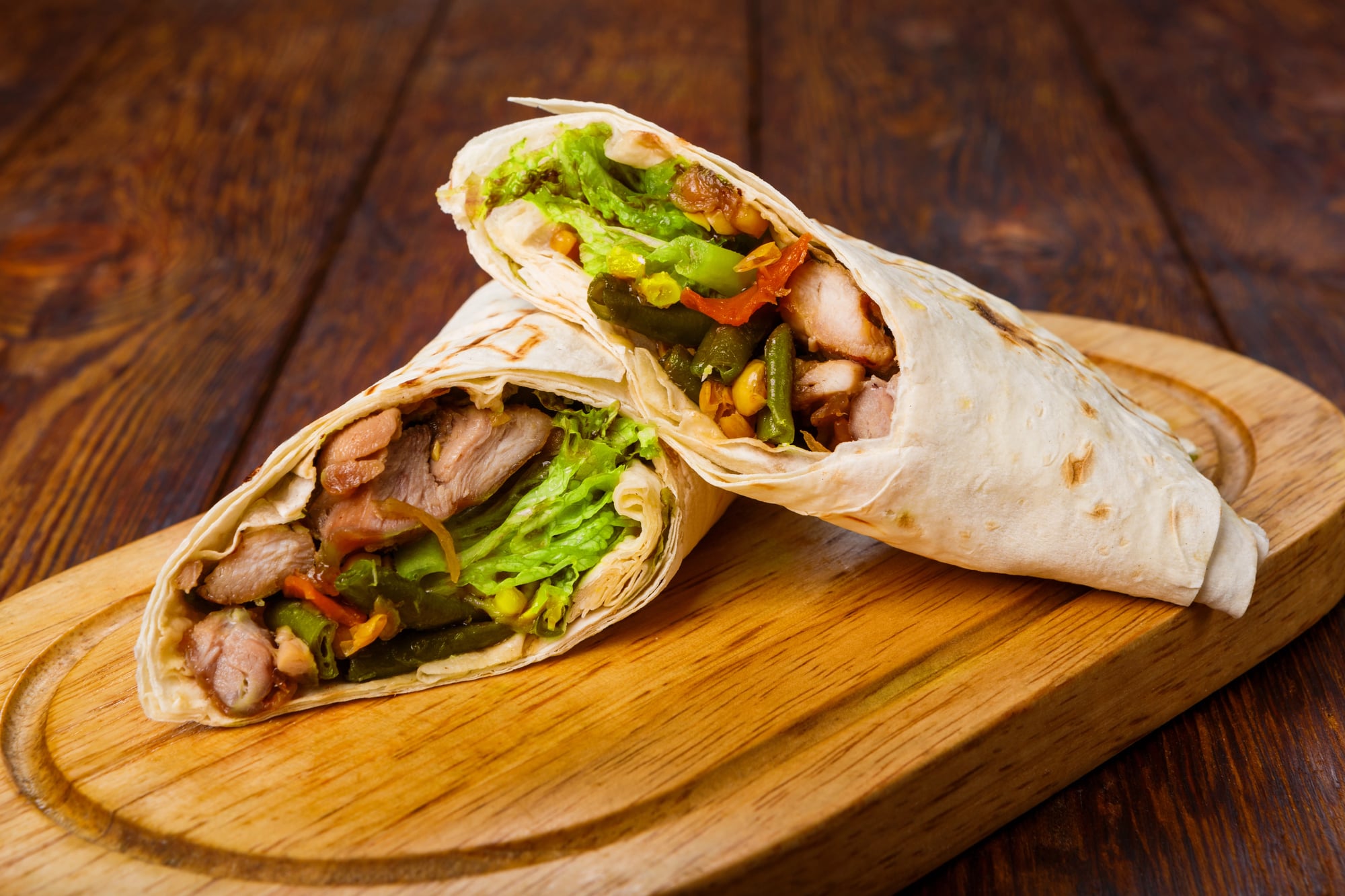
The chicken burrito bowl takes the bold step of trying to recreate the entire Chipotle experience in shelf-stable form. What emerges is like hearing your favorite song played by a cover band that’s technically competent but missing some indefinable element that made the original work.
The rice tastes like rice, the chicken tastes like chicken, and the beans taste like beans—but together they create something that exists parallel to Mexican food rather than within it. The cumin is there, the garlic powder is present, and there’s even a faint heat from somewhere in the mix. It’s recognizable enough to be satisfying and different enough to be memorable.
Beef Brisket
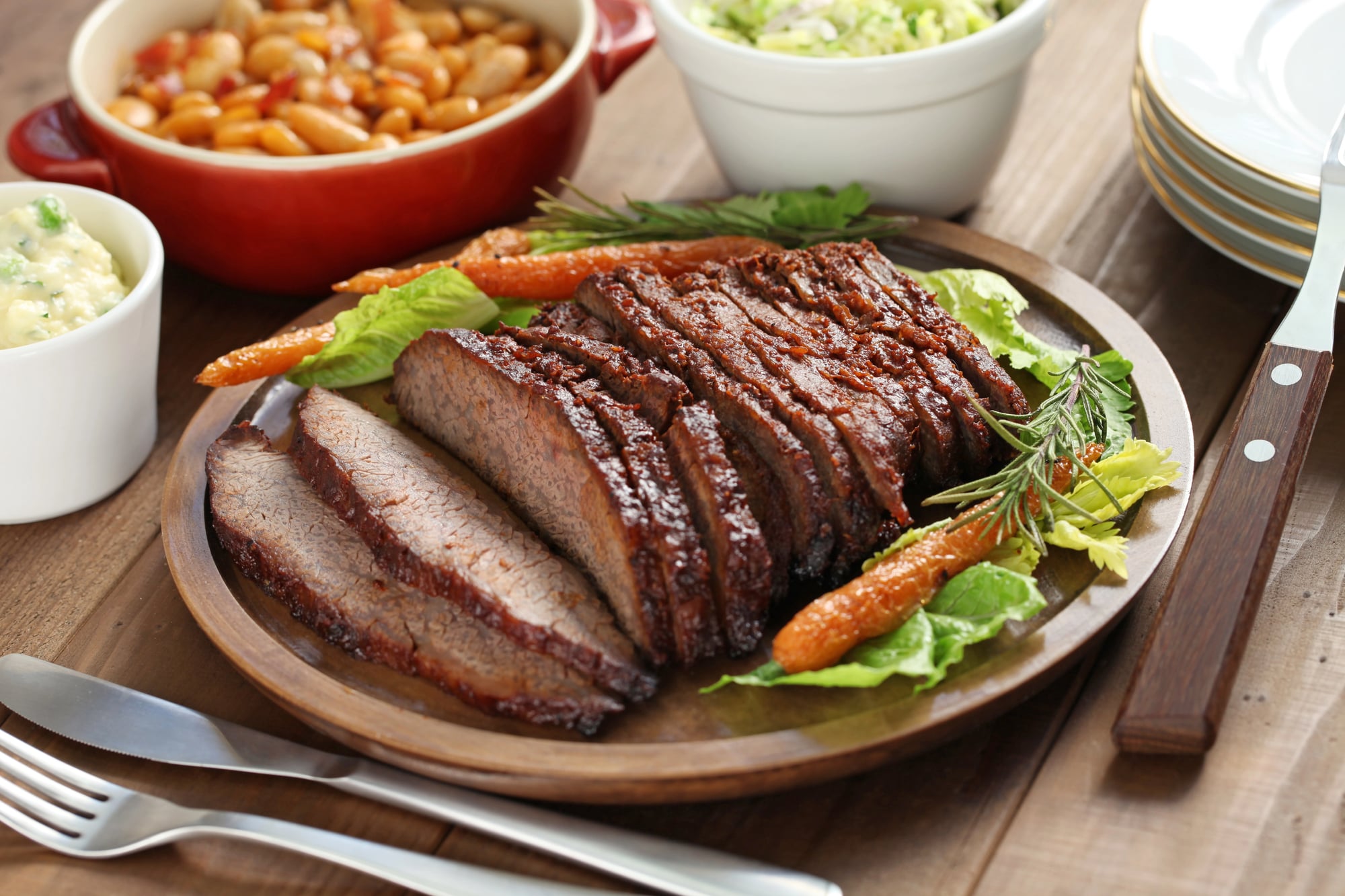
Beef brisket is where MRE technology meets barbecue tradition, and the result is predictably strange. Real brisket requires hours of slow cooking and careful attention to temperature and smoke.
MRE brisket requires a pouch and twelve minutes in hot water. The texture is surprisingly close to the real thing—tender without being mushy, with enough resistance to feel substantial. The flavor, though, is barbecue by way of food science. There’s sweetness where there should be smoke, and a uniformity that real barbecue never achieves. It tastes like someone analyzed great brisket and recreated everything except the soul.
Asian Beef Strips
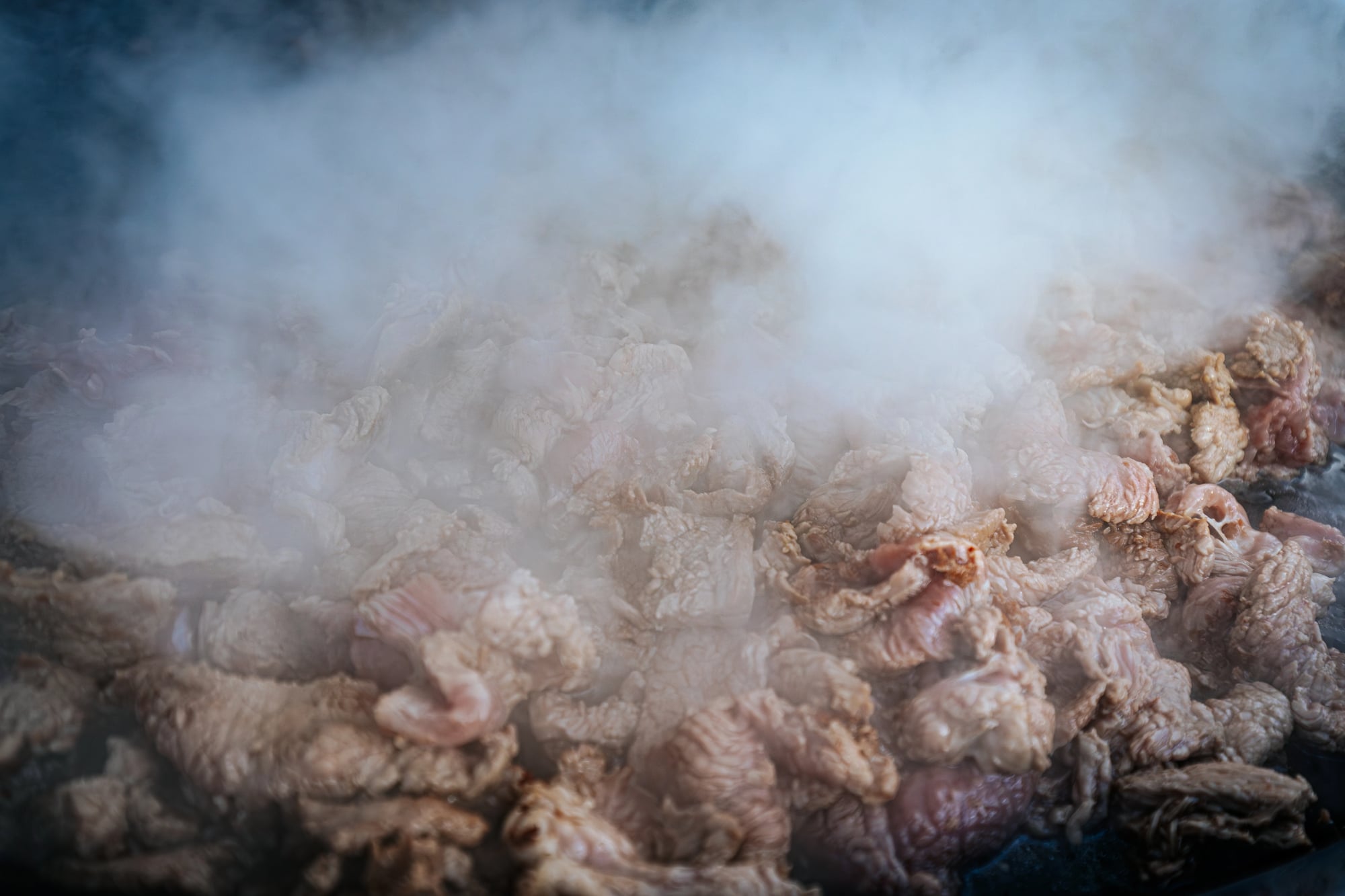
Asian beef strips don’t specify which Asian cuisine they’re attempting to represent, which turns out to be a wise choice. The flavor profile draws from several different traditions without committing fully to any of them—there’s soy sauce, definitely, and something that might be ginger, plus a sweetness that could be teriyaki-inspired or could be something else entirely.
The beef itself has been processed into strips that have the right texture for stir-fry but taste like they’ve never seen a wok. What emerges is something that suggests Asian food without claiming to be any specific dish, which makes it harder to be disappointed and easier to just accept it as its own thing.
Vegetable Lasagna
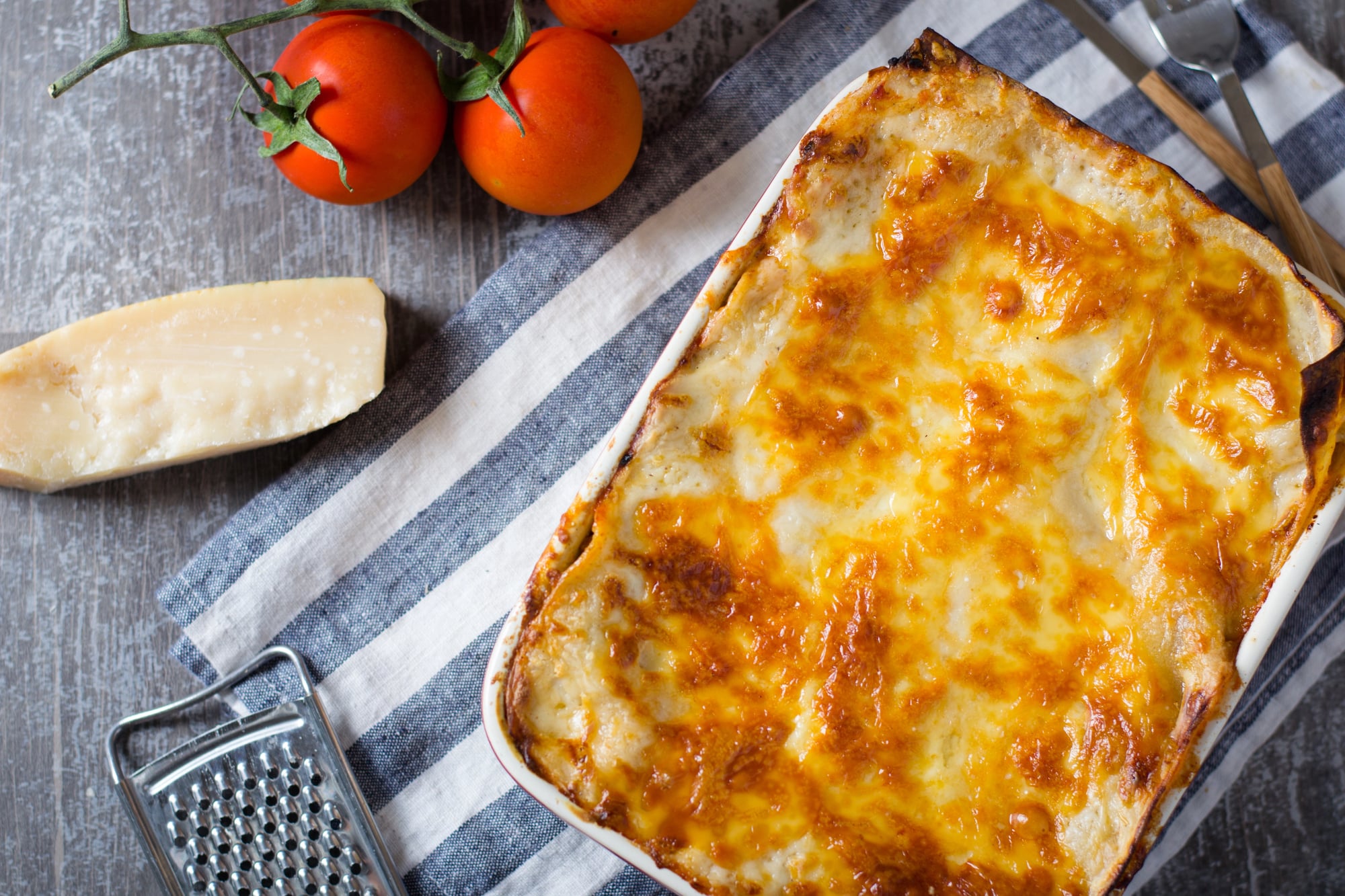
Vegetable lasagna faces the challenge of making vegetables exciting enough to anchor a main dish while keeping them stable enough to survive military logistics. The vegetables in question have been reduced to their most essential characteristics—there’s something that was clearly once zucchini, something else that probably started as bell peppers, and a tomato presence that pervades the whole dish.
The cheese sauce binds everything together with the kind of consistency that only comes from serious food engineering. It doesn’t taste like the vegetable lasagna from an Italian restaurant, but it tastes like what vegetable lasagna would be if vegetable lasagna had been invented by the military.
Finding Flavor In Unexpected Places
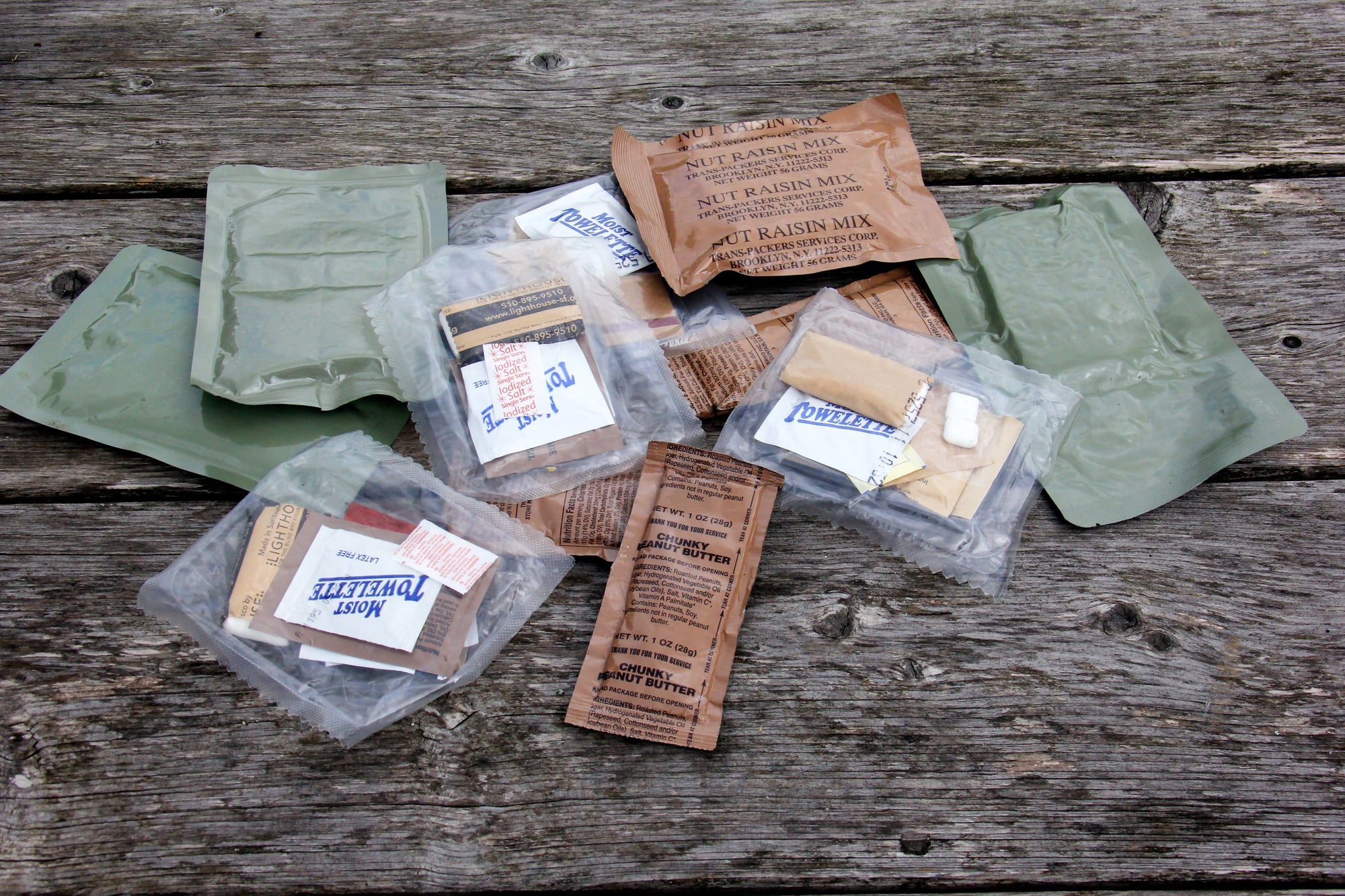
Military food engineers have created something that exists outside normal culinary categories. These aren’t failed attempts at civilian cuisine—they’re successful attempts at solving completely different problems.
The fact that some of them taste surprisingly good, or surprisingly different, or surprisingly like themselves rather than what they claim to be, speaks to a kind of creativity that works within constraints civilian chefs never face. The real surprise isn’t that MREs taste different from what their labels suggest. The real surprise is that they’ve managed to create entirely new categories of familiar.
More from Go2Tutors!

- The Romanov Crown Jewels and Their Tragic Fate
- 13 Historical Mysteries That Science Still Can’t Solve
- Famous Hoaxes That Fooled the World for Years
- 15 Child Stars with Tragic Adult Lives
- 16 Famous Jewelry Pieces in History
Like Go2Tutors’s content? Follow us on MSN.