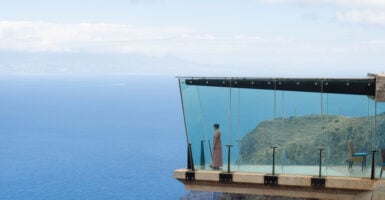
28 Homes Built Into Cliffs Around the World
Long before anyone poured a foundation, people looked at a cliff and saw a ready-made wall, a roof, and a front door. Rock keeps heat out in summer and holds it in during winter, and a ledge high above a valley is a difficult place for an enemy to reach.
Some of these homes were abandoned centuries ago and now draw hikers who need ladders, permits, and good knees. Others are lived in today, complete with satellite dishes and laundry lines.
Cliff Palace in Mesa Verde, Colorado
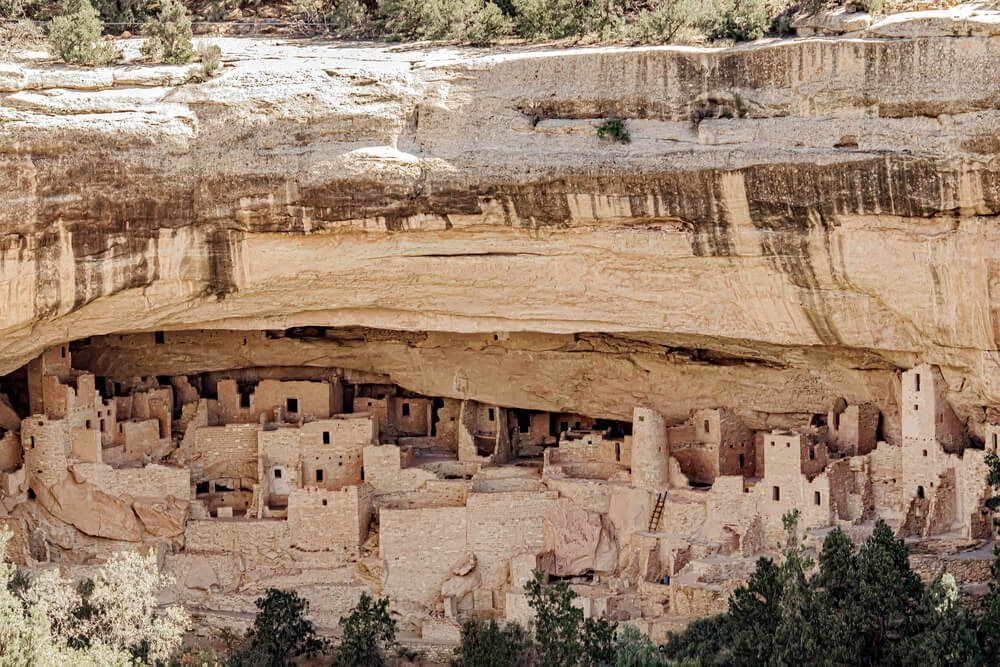
Tucked beneath a sandstone overhang, Cliff Palace is the largest cliff dwelling in North America, with roughly 150 rooms and 23 kivas. Ancestral Puebloans built it in the late 1100s and 1200s and had moved on by about 1300.
Two ranchers, Richard Wetherill and Charlie Mason, spotted it in December 1888 while searching for stray cattle in a snowstorm. Visitors today can enter only with a ranger.
Balcony House in Mesa Verde, Colorado
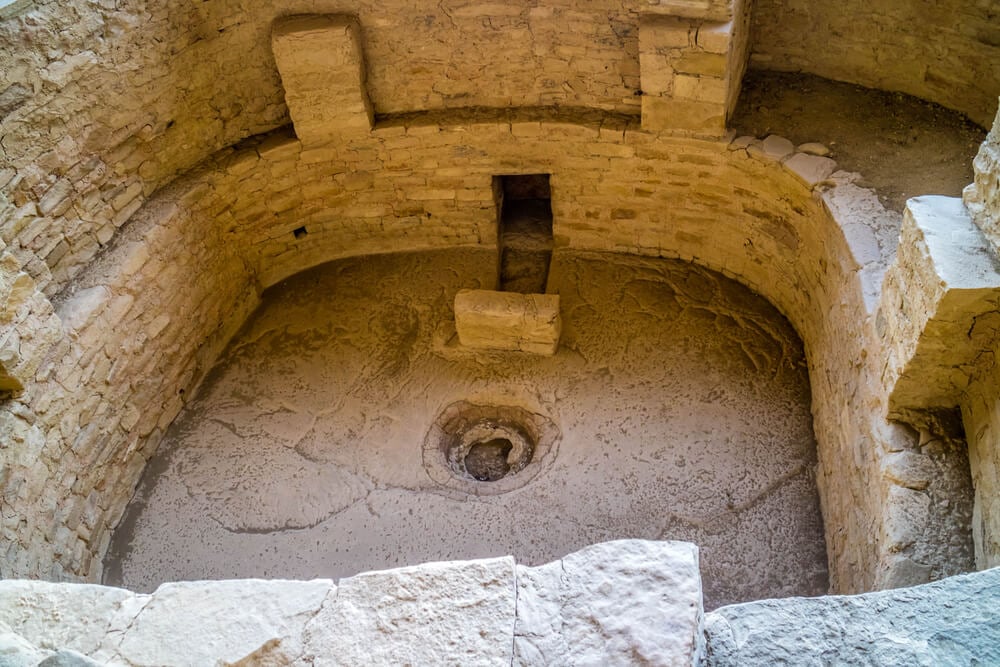
The way into Balcony House was designed to be awkward, and it still is. Visitors climb a tall wooden ladder and crawl through a narrow stone tunnel, much as residents once did on their way home.
That tight entrance made the village easy to guard, and the name comes from a second-story wooden porch that still juts out over the drop.
Montezuma Castle in Arizona
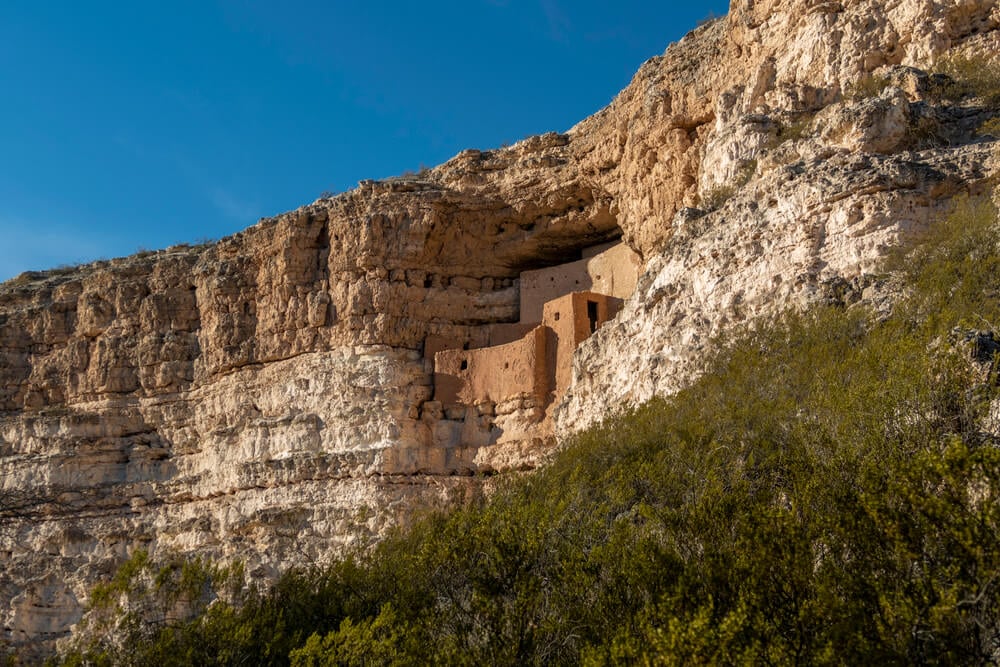
No Aztec emperor ever lived here. Early settlers assumed the five-story, 20-room structure in a limestone cliff above Beaver Creek was Aztec, but Sinagua farmers built it, and the royal connection was pure myth.
President Theodore Roosevelt protected it in 1906, making it one of the first four national monuments in the country.
Walnut Canyon near Flagstaff, Arizona
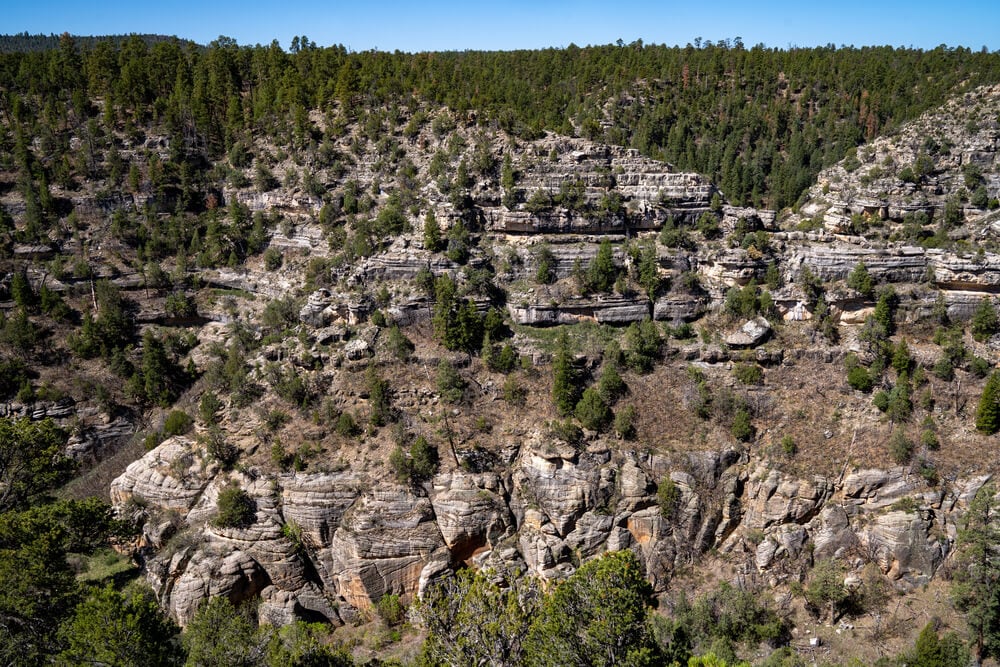
Sinagua families built stone rooms beneath the limestone ledges that line this deep canyon, and the Island Trail now walks hikers right past them. The people’s name comes from a Spanish phrase meaning without water, borrowed from the dry mountains nearby.
Years of visitors carrying off pottery and artifacts pushed President Woodrow Wilson to protect the canyon as a national monument in 1915.
Gila Cliff Dwellings in New Mexico
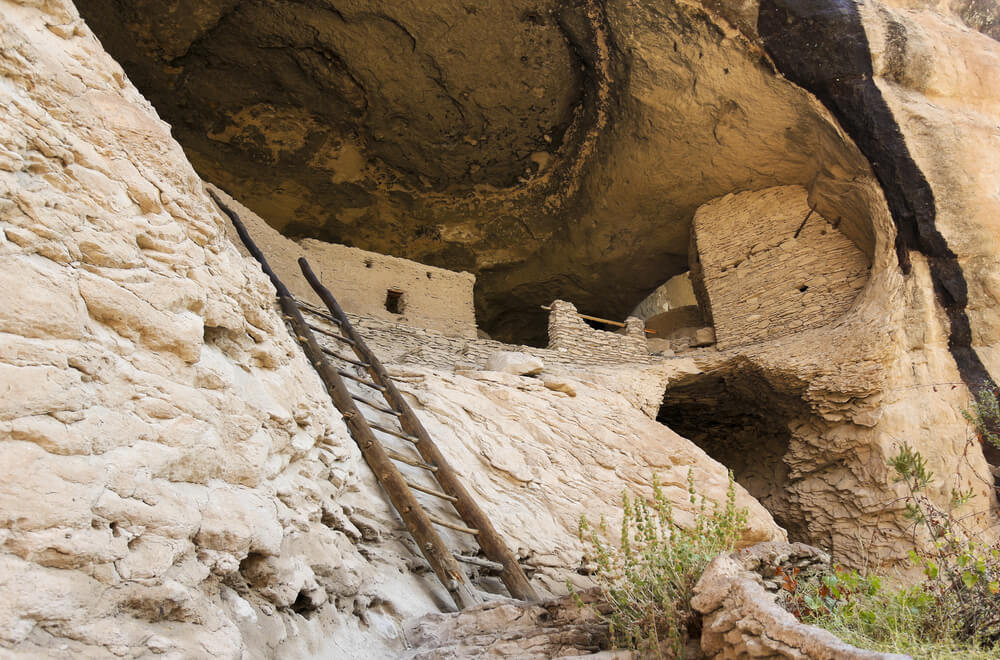
The Mogollon people tucked a few dozen rooms into natural caves along a canyon wall in the late 1200s. The monument was set aside in 1907, and it sits beside the Gila Wilderness, the first area in the world formally designated as wilderness, in 1924.
Between the two, a single drive in southwestern New Mexico passes through the beginnings of American conservation.
Alcove House at Bandelier, New Mexico
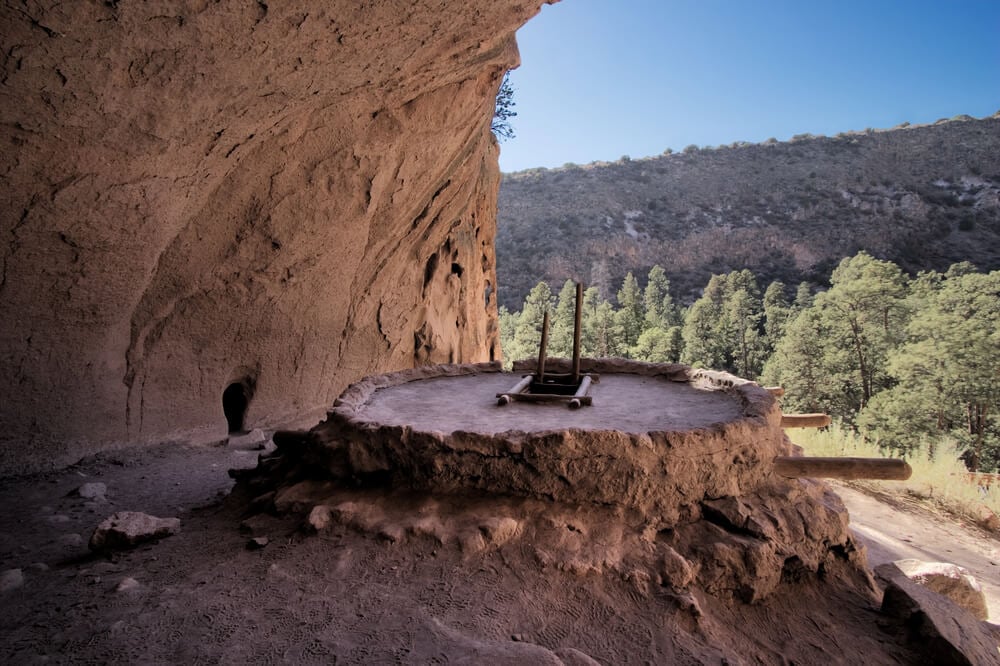
Ancestral Pueblo people in Frijoles Canyon used stone tools to carve small rooms called cavates into soft volcanic rock, then added masonry fronts and wooden roofs. The most dramatic of these sites is Alcove House, a ceremonial space reached today by a series of ladders about 140 feet above the canyon floor.
Soot-blackened ceilings inside some of the carved rooms still show where cooking fires once burned.
Keet Seel in Navajo National Monument, Arizona
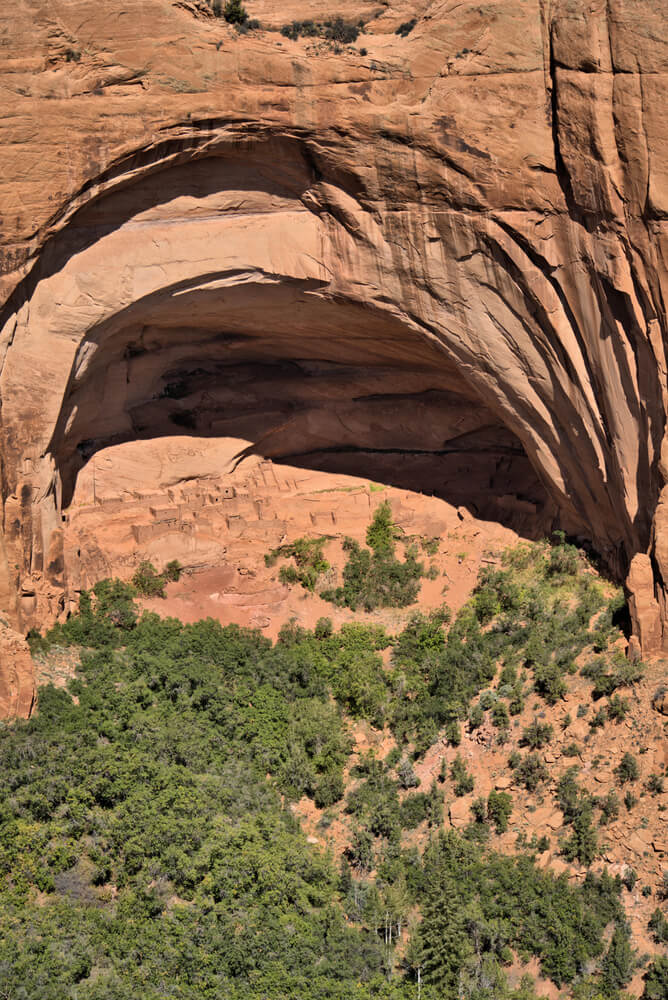
Hidden in a deep sandstone alcove, Keet Seel is one of the best-preserved cliff dwellings in the Southwest, with well over 100 rooms. Reaching it takes a long hike through canyon country, and the park limits how many people can go.
The name comes from a Navajo phrase often translated as broken pottery, a fair description of what early visitors found scattered around the site.
White House Ruin in Canyon de Chelly, Arizona
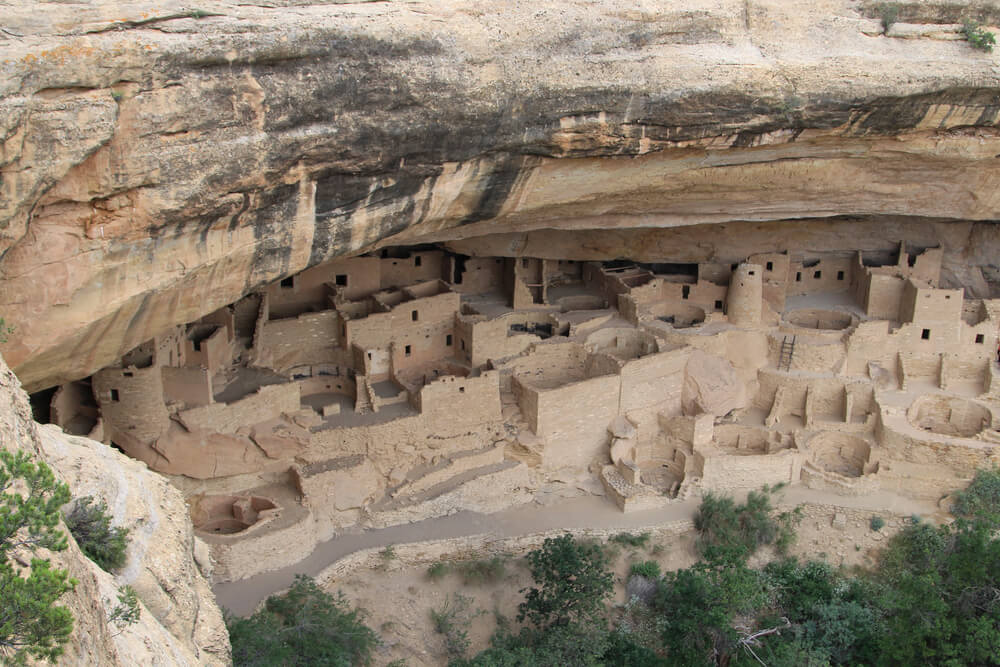
Ancestral Puebloans built the White House between roughly 1060 and 1275, and it is named for the long wall of pale plaster on its upper level. It is the only site in the canyon that visitors can reach on their own, by a steep trail from the rim.
Navajo families still farm the canyon floor below, so the ruin looks down on a living community.
Cuarenta Casas in Chihuahua, Mexico
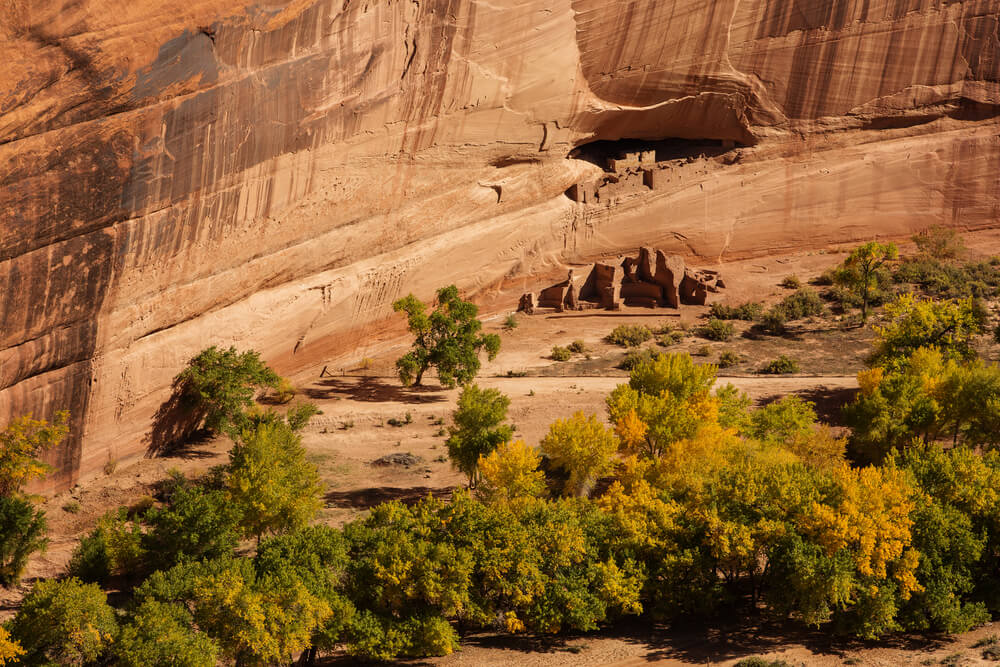
The name means Forty Houses, and it describes a cluster of adobe-and-stone rooms built into a cave high on a canyon wall in the Sierra Madre near the town of Madera. The builders were linked to the same culture that created the great adobe city of Paquimé.
Walls survive in a cave mouth that most Mexican travelers never visit, and the trail down to it winds through pine forest.
Goreme in Cappadocia, Turkey
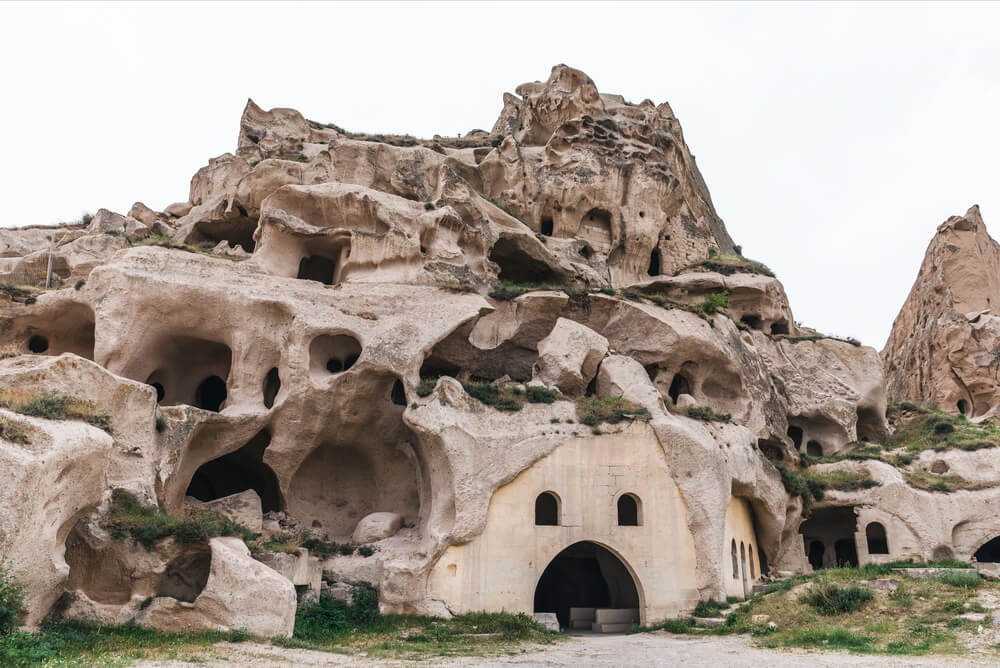
Cappadocia’s volcanic tuff is soft enough to carve with simple tools and hardens when exposed to air, which made it ideal for homes, stables, and chapels. Around Goreme, entire hillsides are riddled with doorways and windows, and some families still live in rooms their ancestors dug.
Pigeon houses cut into the cliffs once collected droppings that farmers spread on their vineyards as fertilizer.
Uchisar Castle in Cappadocia, Turkey
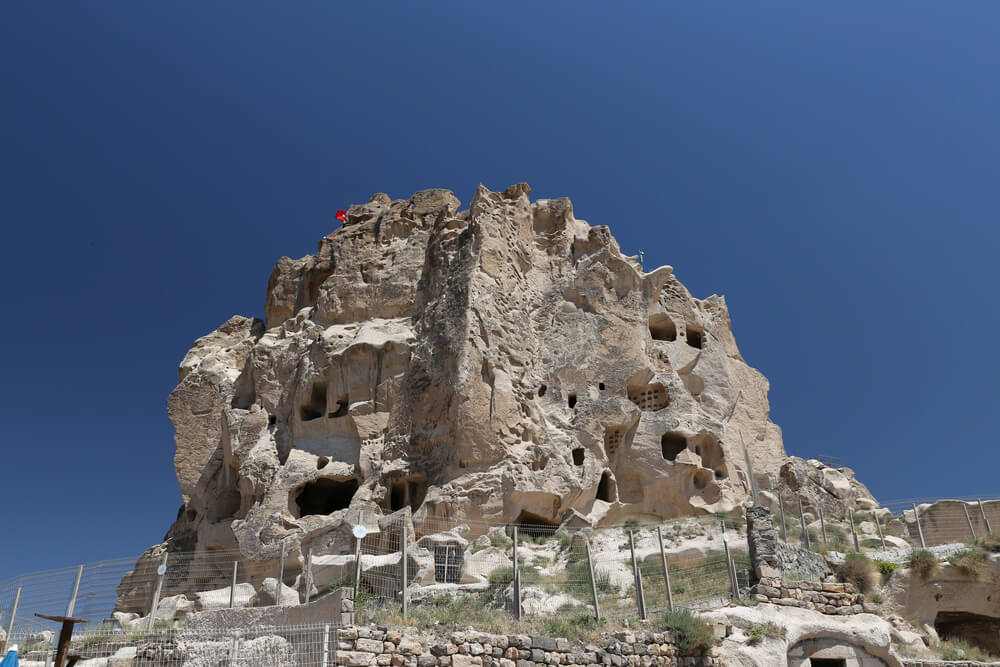
Uchisar is a towering rock outcrop honeycombed with rooms, passages, and stairways, and it is among the highest points in the region. It once housed a crowded community, and the surrounding village still uses carved cellars for storage.
The summit gives a view across valleys of eroded rock cones that looks nothing like any other place on the continent.
The Sassi of Matera, Italy
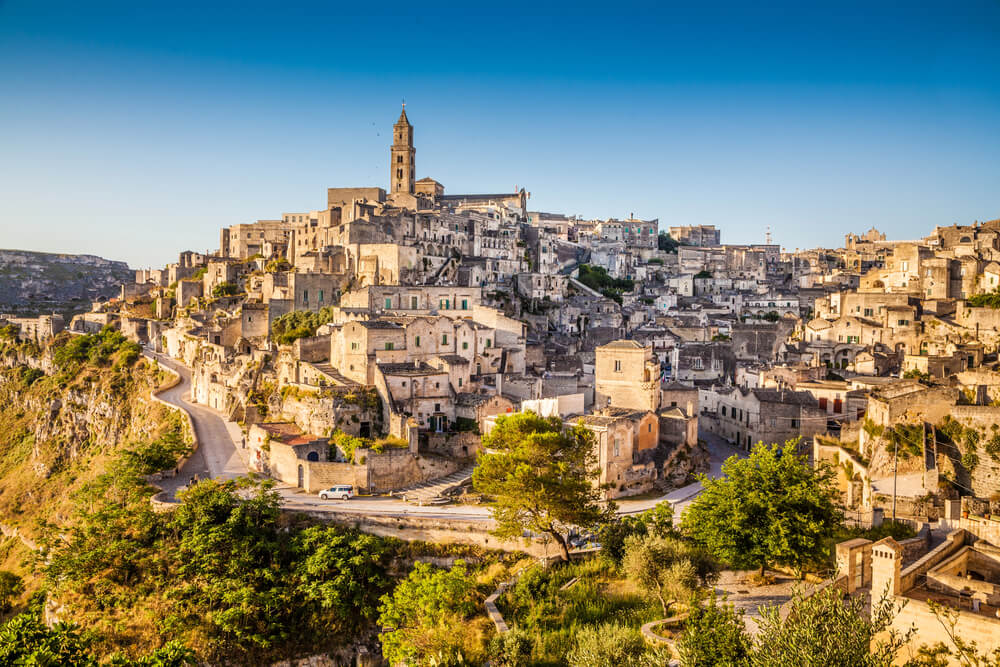
Residents of Matera have lived in cave dwellings cut into a limestone ravine for thousands of years. By the mid-20th century the conditions had become so crowded and unsanitary that the Italian government moved most of the people into new housing, and the district was widely described as a national disgrace.
UNESCO listed the Sassi in 1993, and Matera served as a European Capital of Culture in 2019.
Barrio de las Cuevas in Guadix, Spain
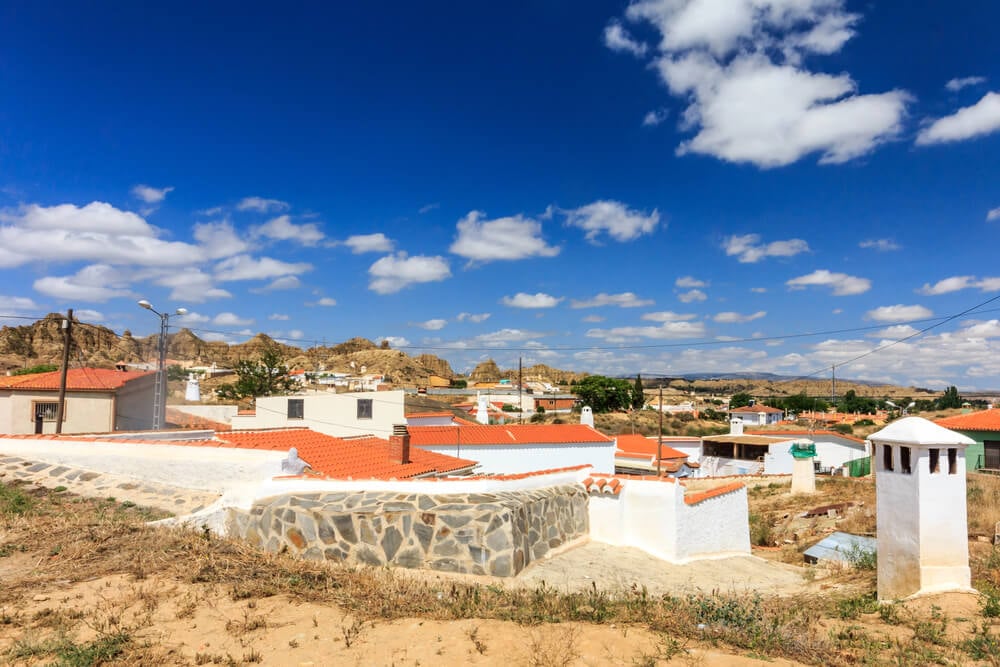
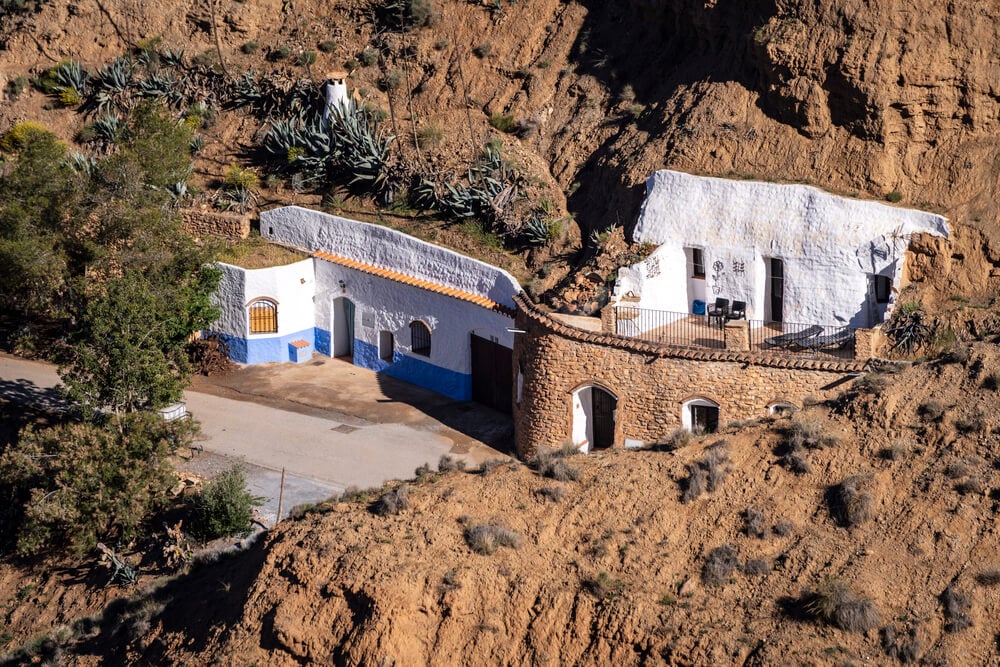
Thousands of people in and around Guadix live in homes dug into the soft hills, with only whitewashed facades and round chimneys showing above ground. The interiors stay at a steady temperature all year, so heating and cooling bills are lower than in a typical house.
Visitors can sleep in cave hotels here, where the arched ceilings are simply the hillside.
Setenil de las Bodegas, Spain
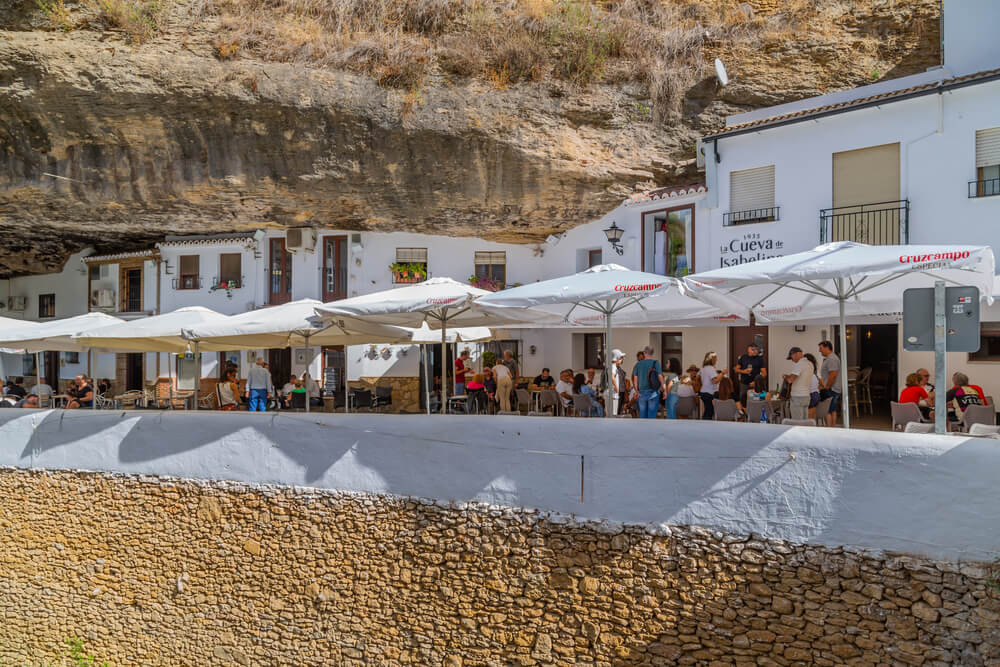
In Setenil, entire rows of houses sit beneath a giant rock overhang carved by the Trejo River, and the rock itself serves as the roof. Two streets are named Cuevas del Sol and Cuevas de la Sombra, meaning Caves of the Sun and Caves of the Shade, because they face opposite directions.
Restaurants set tables beneath the stone, where diners eat under a ceiling that has not moved in millions of years.
Casas Colgadas in Cuenca, Spain
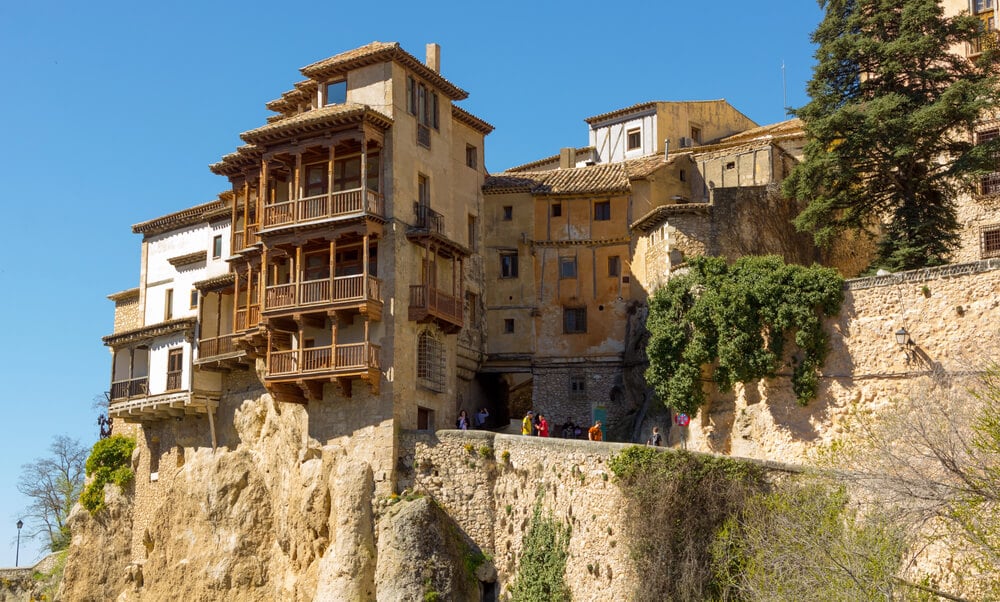
The Hanging Houses of Cuenca cling to the edge of the Huecar gorge, with wooden balconies that stick out over the drop. In 1966 the painter Fernando Zobel opened the Museum of Spanish Abstract Art inside the old buildings, giving the city a modern art collection in some of its oldest architecture.
The balconies still draw photographers from the opposite rim.
Sacromonte in Granada, Spain
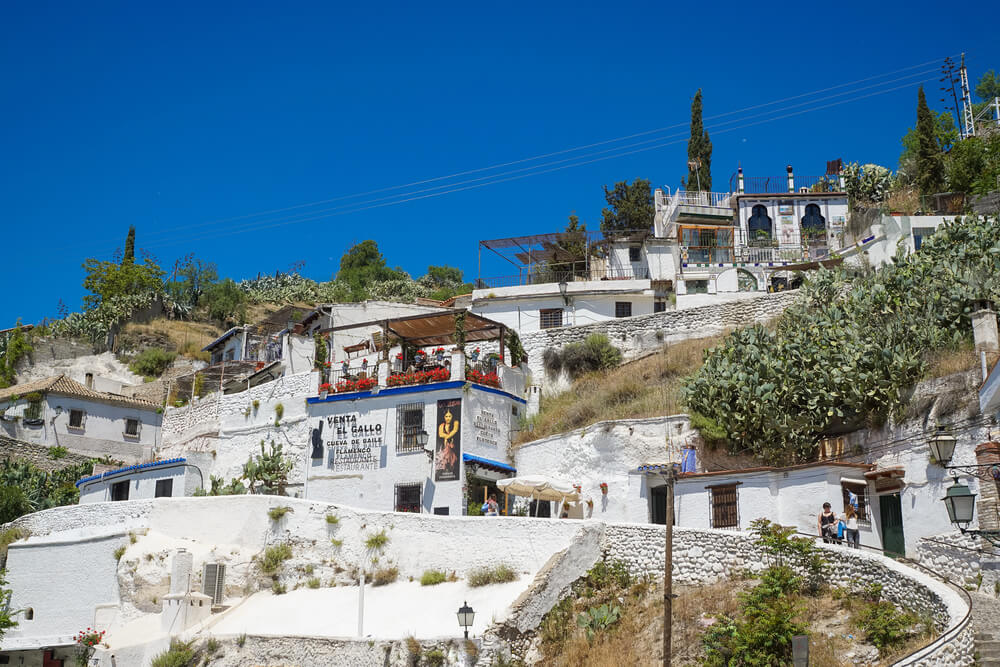
On the hill above the Alhambra, whitewashed cave homes were long the center of Granada’s Roma community and its flamenco tradition. Heavy rains in 1963 damaged many of the caves and displaced families, and the neighborhood never fully returned to its earlier shape.
A museum and several cave venues now preserve the history, and some of the homes are still lived in.
Predjama Castle in Slovenia
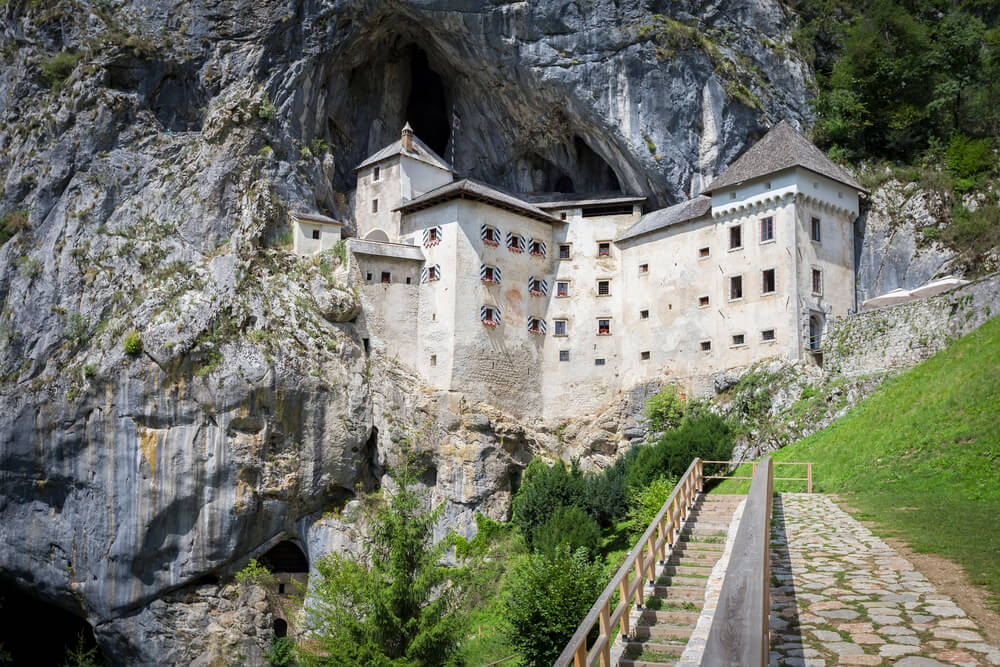
Predjama Castle is built into the mouth of a cave in a towering limestone cliff, so the structure appears to float against the rock. Legend says the robber knight Erazem of Predjama held out against a siege for a long time by using a hidden passage through the cave, and even pelted attackers with fresh cherries to show off his supplies.
A servant betrayed him in the end, according to the story, by signaling the besiegers.
Vardzia in Georgia
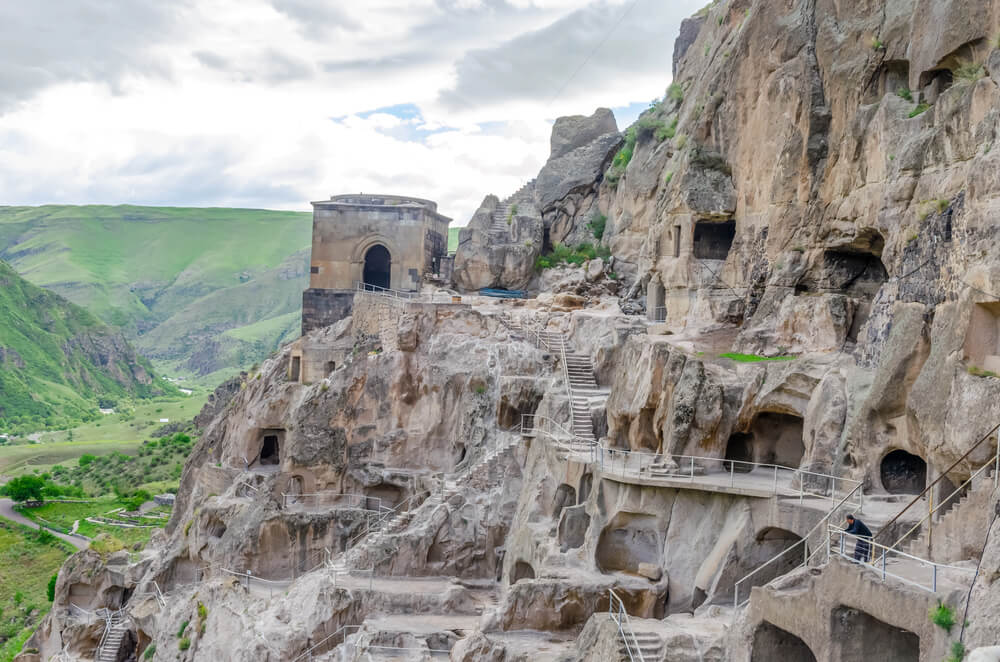
Vardzia was carved into a cliff face in the 12th century under King Giorgi III and finished under Queen Tamar, creating a city of hundreds of rooms stacked across many levels. An earthquake in 1283 sheared off the front of the cliff and exposed the interior, which is why visitors today can see the layers of chambers like an open dollhouse.
A church inside the rock still holds faded frescoes, including a portrait of Queen Tamar.
Old Khndzoresk in Armenia
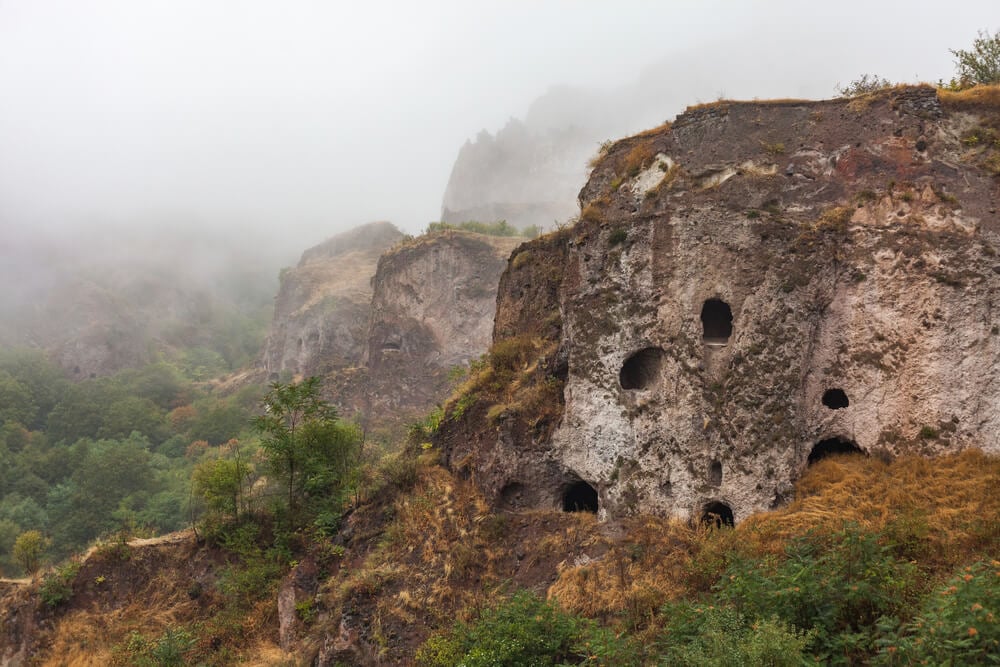
Families lived in caves cut into the volcanic cliffs of Khndzoresk well into the 20th century, and many of the rooms were used as stables and storage as well as homes. A long suspension bridge opened across the gorge in 2012 and lets visitors walk between the caves and the newer village.
The rock formations look like towers and cones, with doorways visible from the path.
Maymand in Iran
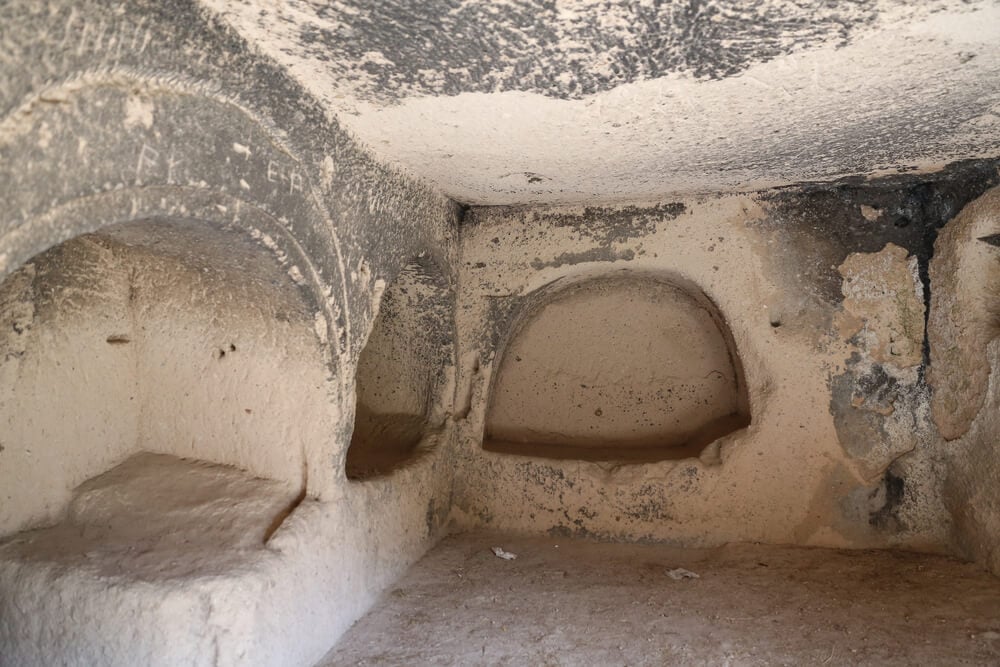
In Maymand, many residents still live in hand-carved rooms in the hillside, and families have long moved with their herds between winter and summer pastures. UNESCO inscribed the village as a cultural landscape in 2015, recognizing a way of life as much as a set of buildings.
The doorways are low and the interiors are cool, with small niches carved into the walls for everyday objects.
Kandovan in Iran
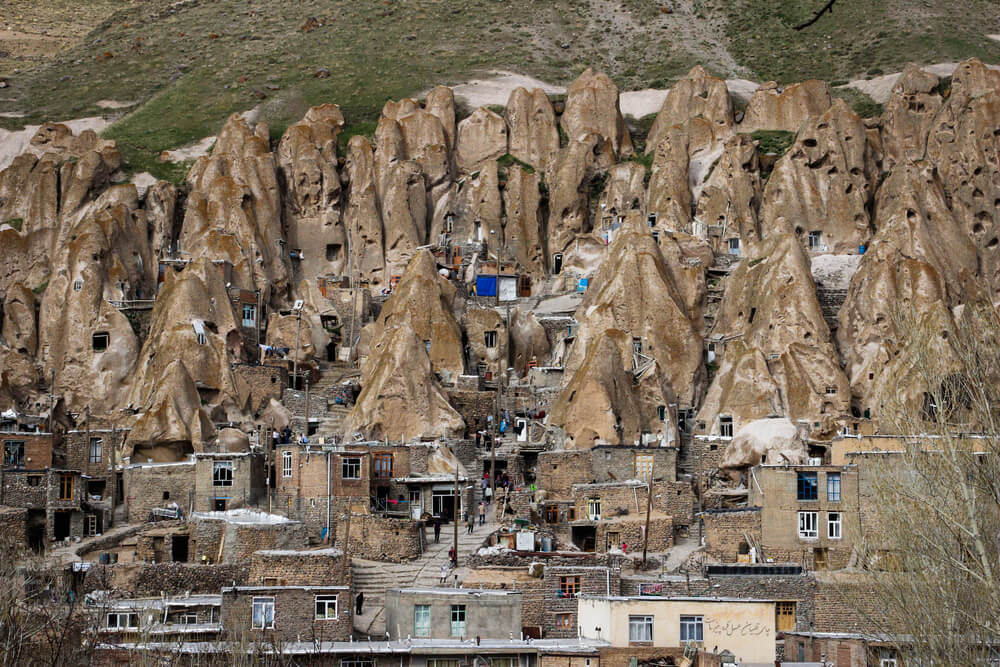
Houses here are carved into cone-shaped formations of volcanic rock formed from the ash of Mount Sahand, and local families still live in them. The rooms stay cool in summer and warm in winter, and some owners rent out space to visitors.
The cones look so much like Cappadocia’s that Kandovan is often called Iran’s answer to central Turkey.
The Bandiagara Escarpment in Mali
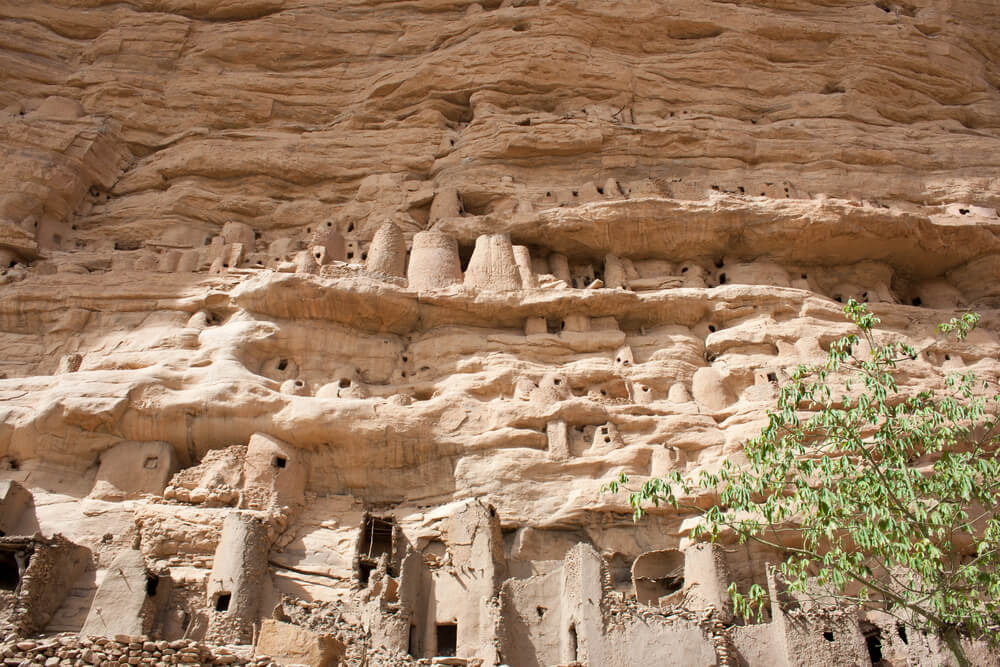
The Tellem people built homes and granaries into the face of this long cliff between roughly the 11th and 16th centuries, and the Dogon later settled the plateau and the plains below. The escarpment runs for roughly 150 kilometers, and UNESCO listed the region in 1989.
According to Dogon tradition, the Tellem were small people who could fly up the rock face, which would explain how they reached ledges that look impossible to climb.
Yaodong Cave Homes in Shaanxi, China
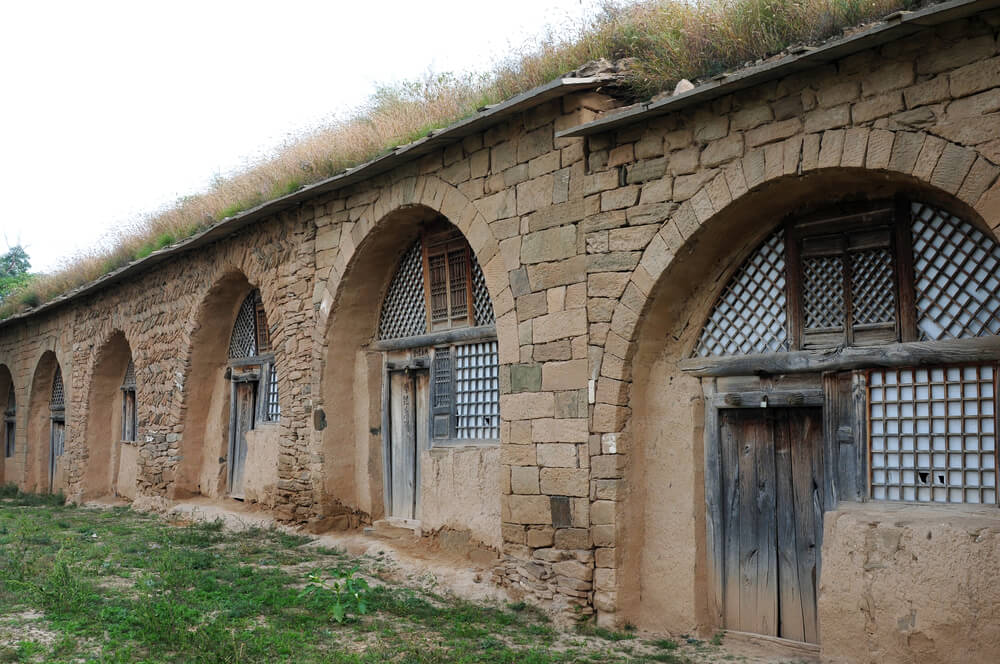
Across China’s loess plateau, millions of people have lived in yaodong, homes dug into hillsides and cliffs of soft yellow soil. The thick earth keeps interiors cool in summer and warm in winter, and the arched ceilings hold up because the loess compresses and stays stable.
Some versions are carved straight into a cliff face, while others sit around sunken courtyards.
The Sky Caves of Upper Mustang, Nepal
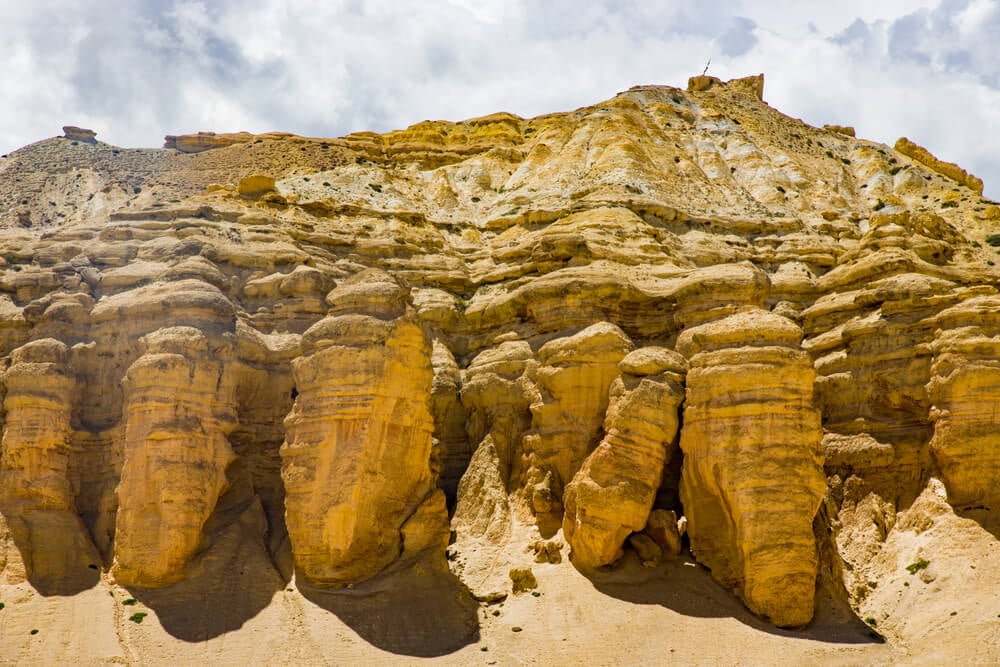
Cut into the cliffs of the Mustang region are thousands of man-made caves, some used as homes, some as tombs, and others as meditation chambers. Climbers and researchers who reached the highest chambers in the 2000s found centuries-old Buddhist paintings and a cache of manuscripts.
Nobody is certain who carved the earliest rooms, and many are still unreachable without technical gear.
Coober Pedy in South Australia
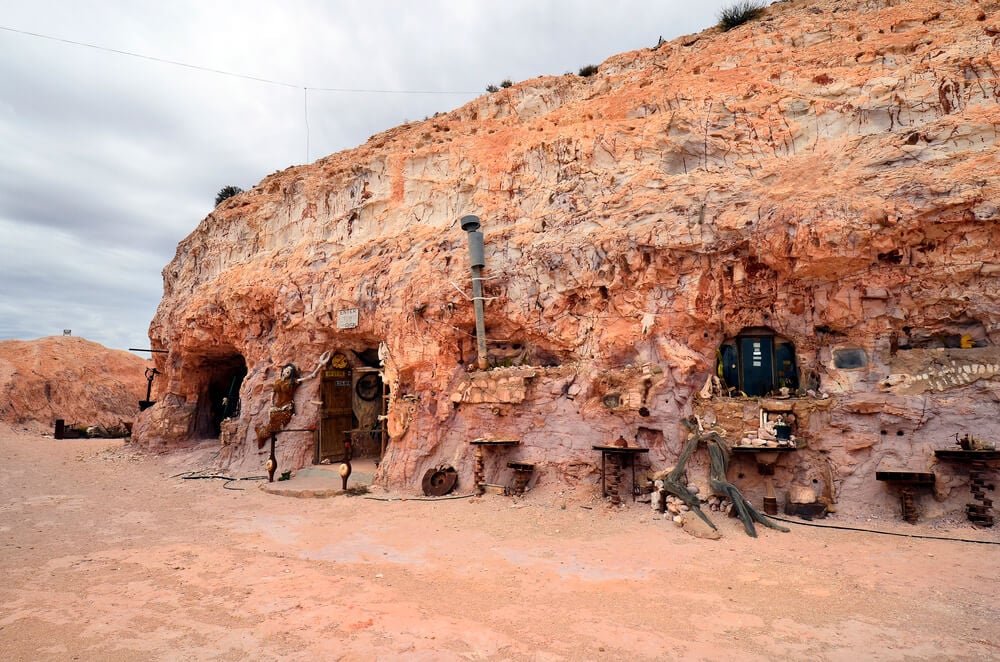
About half the residents of this opal-mining town live in dugouts carved into hillsides to escape summer heat that can climb above 100 degrees Fahrenheit. A 14-year-old, Willie Hutchison, found the first opal here in 1915.
Soldiers returning from the First World War, familiar with trench life, helped popularize the underground home, and today even churches and shops are cut into the rock.
The Cave Homes of Petra, Jordan
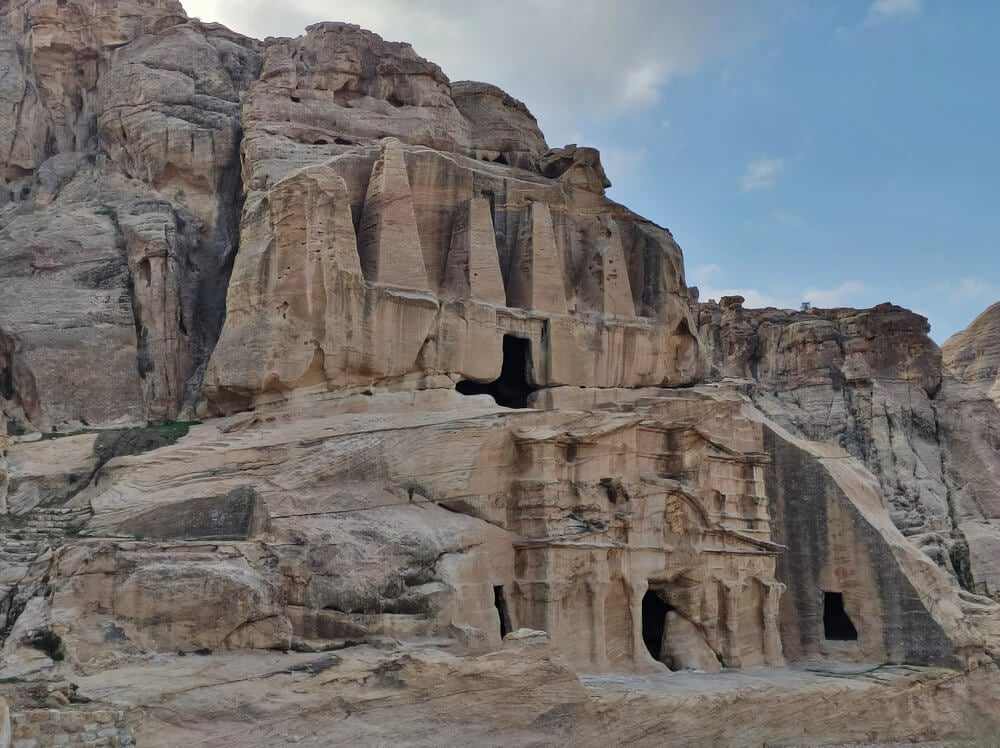
Bedouin families lived in Petra’s ancient tombs and caves for generations, using carved rooms that the Nabataeans cut into rose-colored sandstone more than two thousand years ago. In the 1980s, around the time UNESCO named Petra a World Heritage Site in 1985, most were moved to a purpose-built village nearby.
The tradition continues in a different form, as some families still run tea stalls and shops among the ruins.
Oia’s Cave Houses in Santorini, Greece
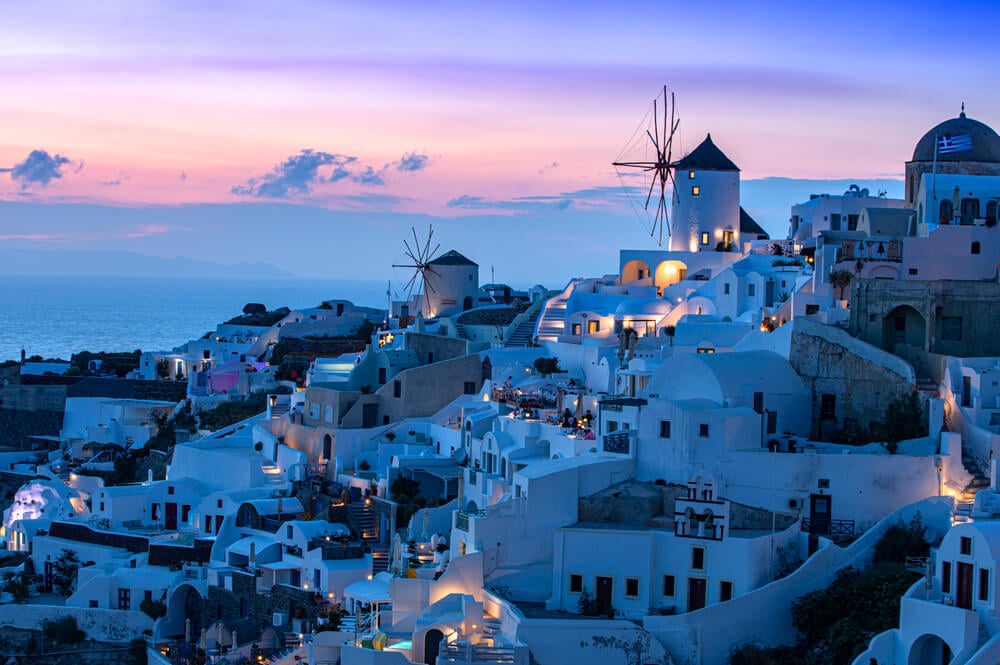
Poorer sailors and fishermen once carved homes into the soft volcanic ash on Oia’s caldera cliffs, covering them with whitewashed barrel-shaped roofs. A powerful earthquake in 1956 damaged much of the village and emptied it for a time.
The restored cave houses are now boutique hotels, and rooms that once held a family and a few goats can cost more per night than the old owners earned in a month.
The Troglodyte Homes of the Loire Valley, France
Quarrymen cut soft tuffeau limestone from the hills along the Loire to build the region’s famous chateaux, leaving huge caverns that people later turned into homes. Families added stone facades and chimneys to the cliff face, and cellars became wine caves.
Some of the old quarries now grow mushrooms, and a good share of the button mushrooms eaten in France come from this kind of underground farm.
The Wall That Was Always There
Across continents and centuries, the same logic keeps showing up. Builders who never met, using different tools and answering to different gods, all noticed that a cliff offers shade, shelter, and a long view of whoever is coming.
The details change from sandstone to tuff to loess, but the instinct is the same.
That instinct may explain why these places still feel less like ruins and more like conversations across time. A family in Guadix and an Ancestral Puebloan farmer at Mesa Verde would argue about nearly everything except the smart part, which is letting the mountain do half the work.
It is a design idea so old that it still looks new.
More from Go2Tutors!

- 27 Silver Dollars and Half Dollars Worth Keeping
- 28 Restaurant Menu Items Nobody Orders Anymore
- 17 Places Built in Seemingly Impossible Spots
- 27 Vintage Rings Worth More Than They Look
- 25 Restricted Sites Tourists Can’t Enter
Like Go2Tutors’s content? Follow us on MSN.