26 Optical Illusions That Genuinely Fool Your Brain No Matter How Many Times You Look
There’s something quietly humbling about an optical illusion. You’ve seen it before, you know exactly what’s happening, you’ve read the explanation — and your brain still gets it wrong.
Every single time. The line still looks longer. The colors still look different. The face still switches.
Knowing the trick doesn’t protect you from it, which says something interesting about the gap between understanding and perceiving. These 26 illusions aren’t party tricks.
They’re windows into how stubbornly the brain commits to its own version of reality.
The Müller-Lyer Lines
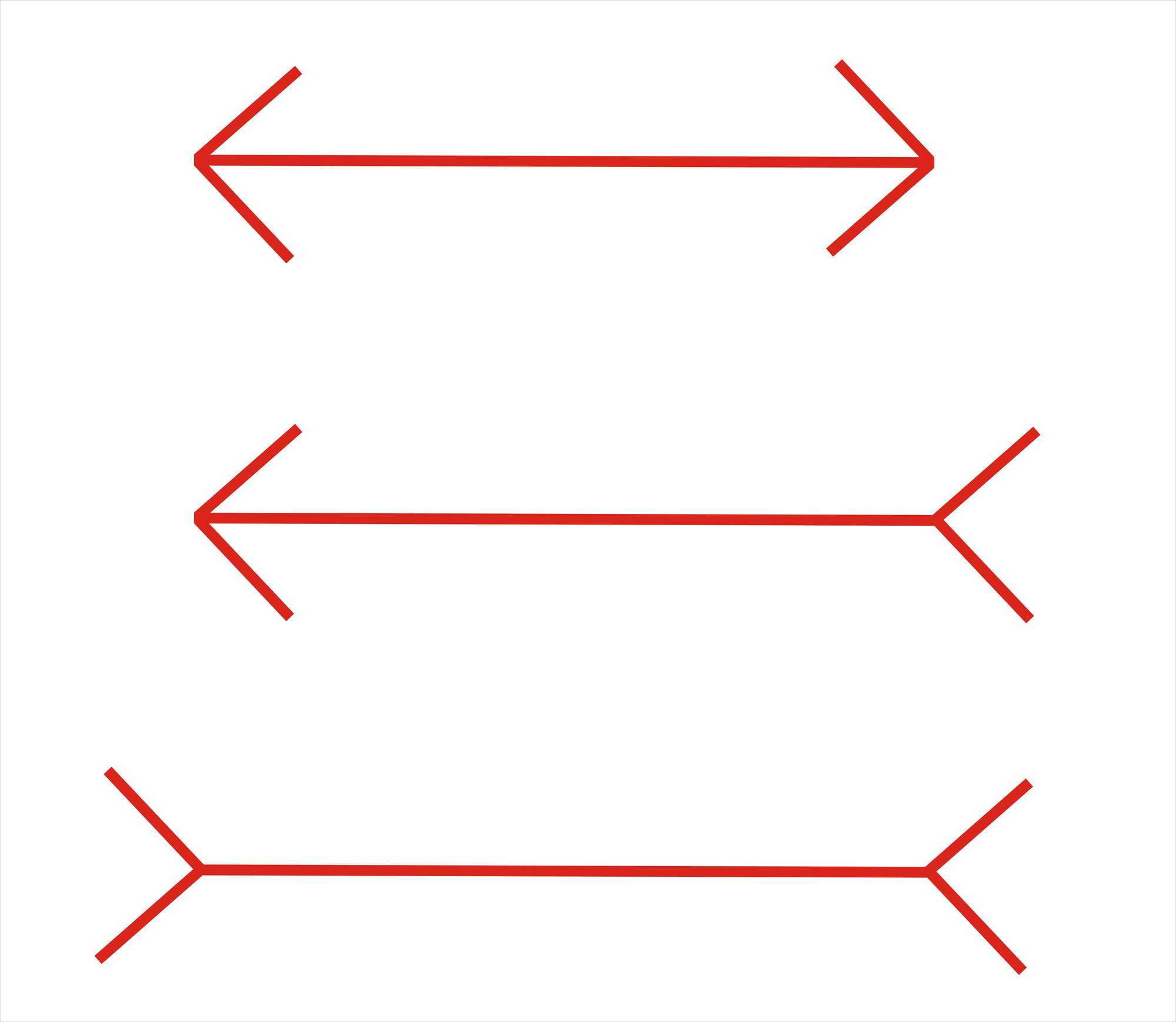
Two lines. Same length.
One has inward-pointing arrows on the ends, the other has outward-pointing arrows — and the one with outward arrows looks longer every time, no exceptions. Knowing they’re identical doesn’t budge the perception even slightly.
It’s one of the most studied illusions in the history of visual psychology, and it still works on researchers who’ve spent careers studying it.
The Checker Shadow Illusion
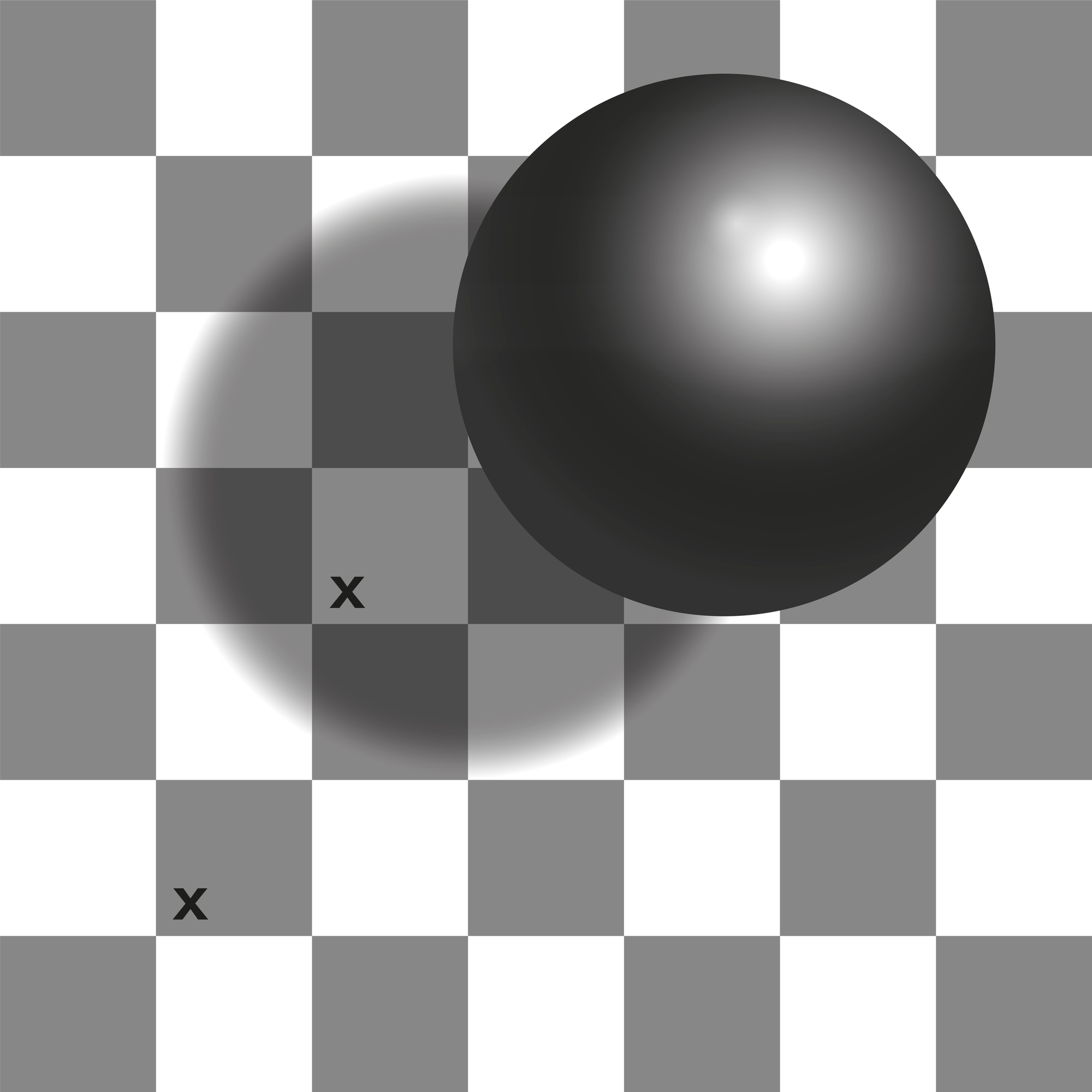
Squares A and B on Edward Adelson’s checkerboard are the exact same shade of gray. The shadow cast across the board tricks the brain into compensating for lighting conditions that don’t actually exist in a flat image.
So you’re not seeing the pixels — you’re seeing the brain’s best guess about a three-dimensional scene, which is a completely different thing.
The Spinning Dancer
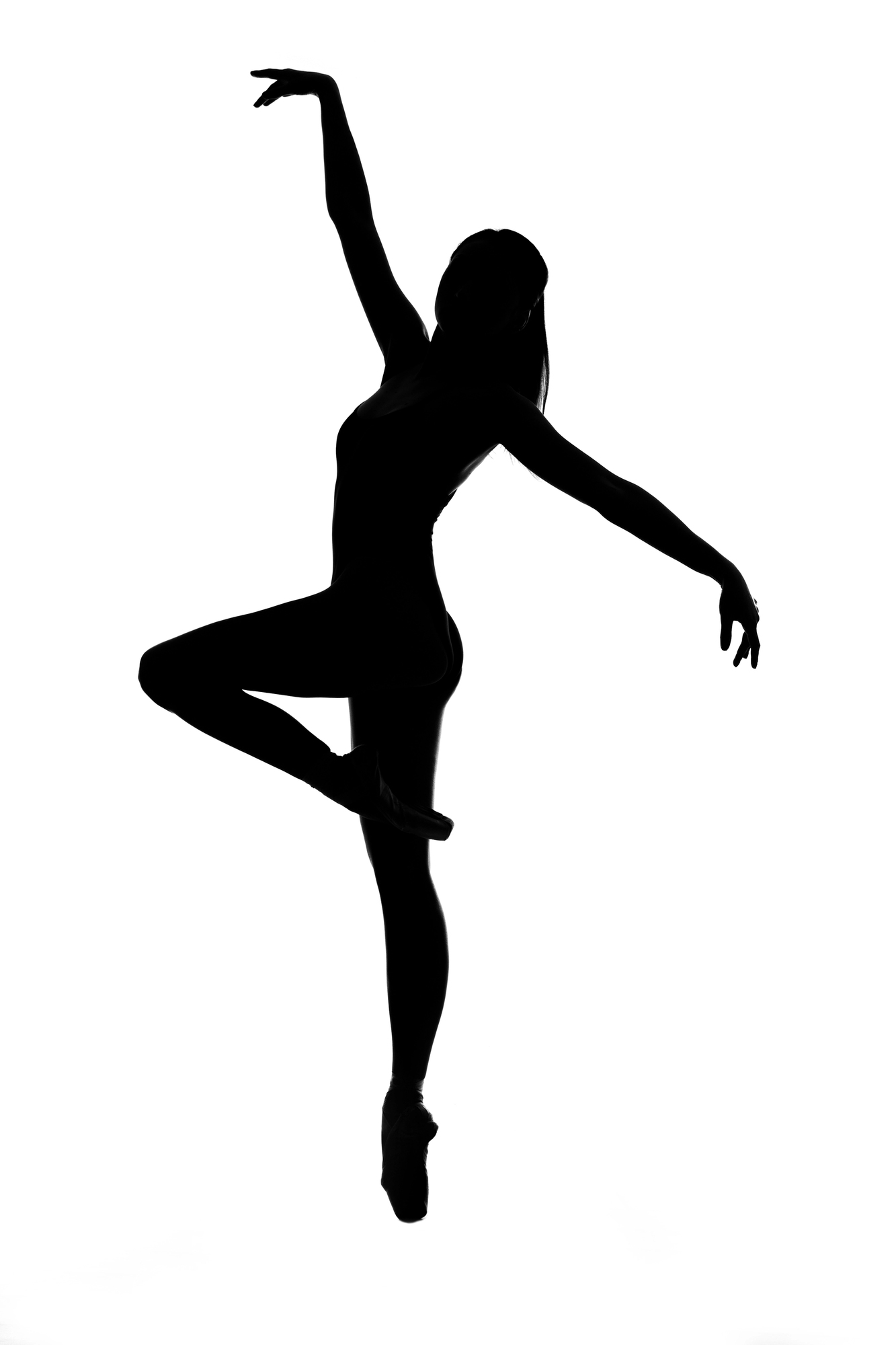
The silhouette of a spinning dancer — first published as a viral image in 2003 — appears to spin either clockwise or counterclockwise depending on which way your brain frames the figure. Most people lock into one direction and struggle to flip it, though with deliberate focus on the foot or shadow, the rotation can be coaxed to reverse.
It’s less about left-brain versus right-brain (that part is neuroscience fiction) and more about how the visual system resolves ambiguous depth cues.
The Café Wall Illusion
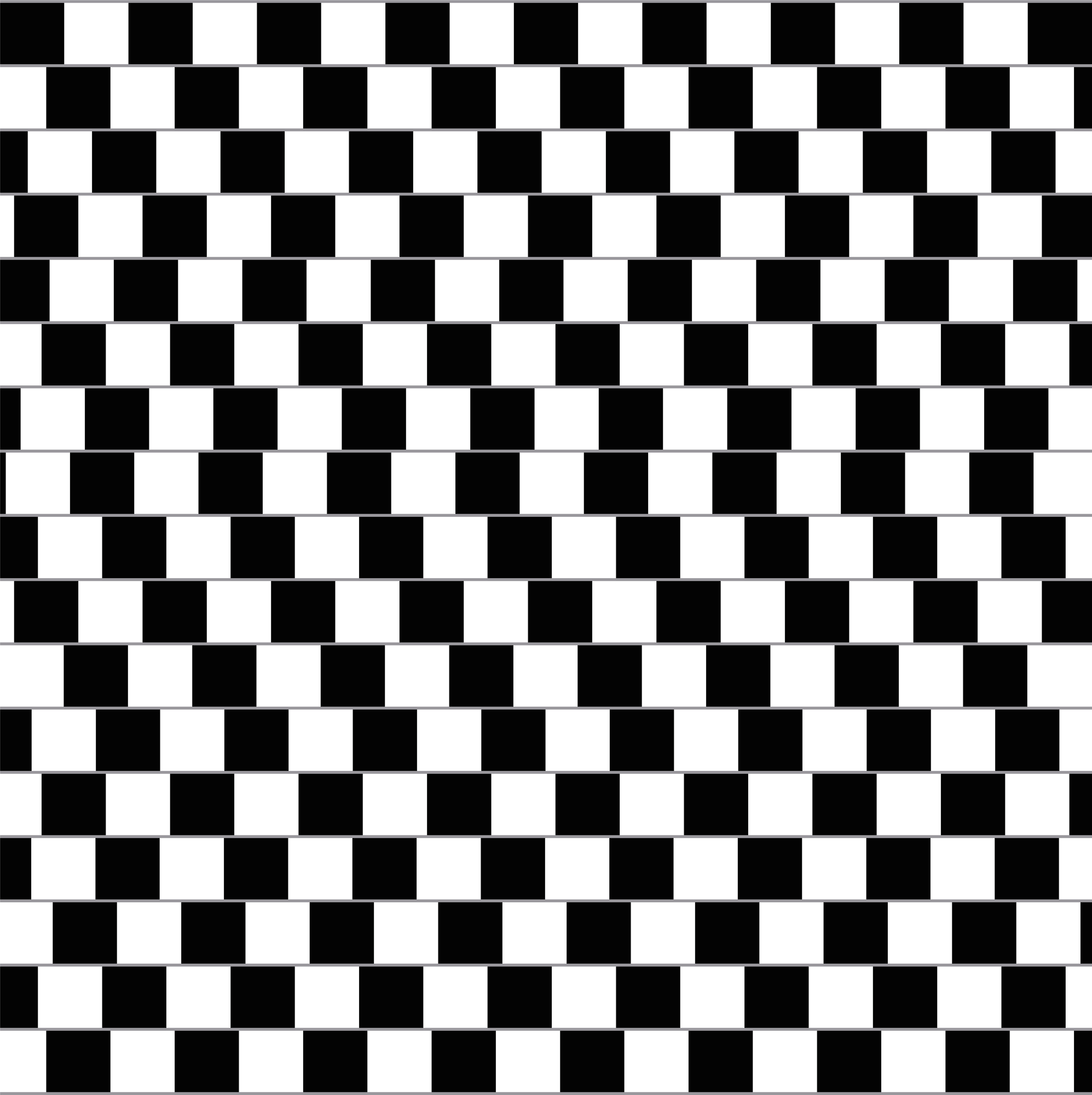
The horizontal lines in the café wall illusion are perfectly parallel — they do not converge, they do not tilt, and yet they look like they’re angling away from each other in opposing directions. Richard Gregory named it after a tiled café wall in Bristol, England, where the effect was so persistent that even architects kept second-guessing the brickwork.
The brain reads the staggered contrasting tiles as evidence of perspective and adjusts the lines accordingly, whether the lines cooperate or not.
The Kanizsa Triangle
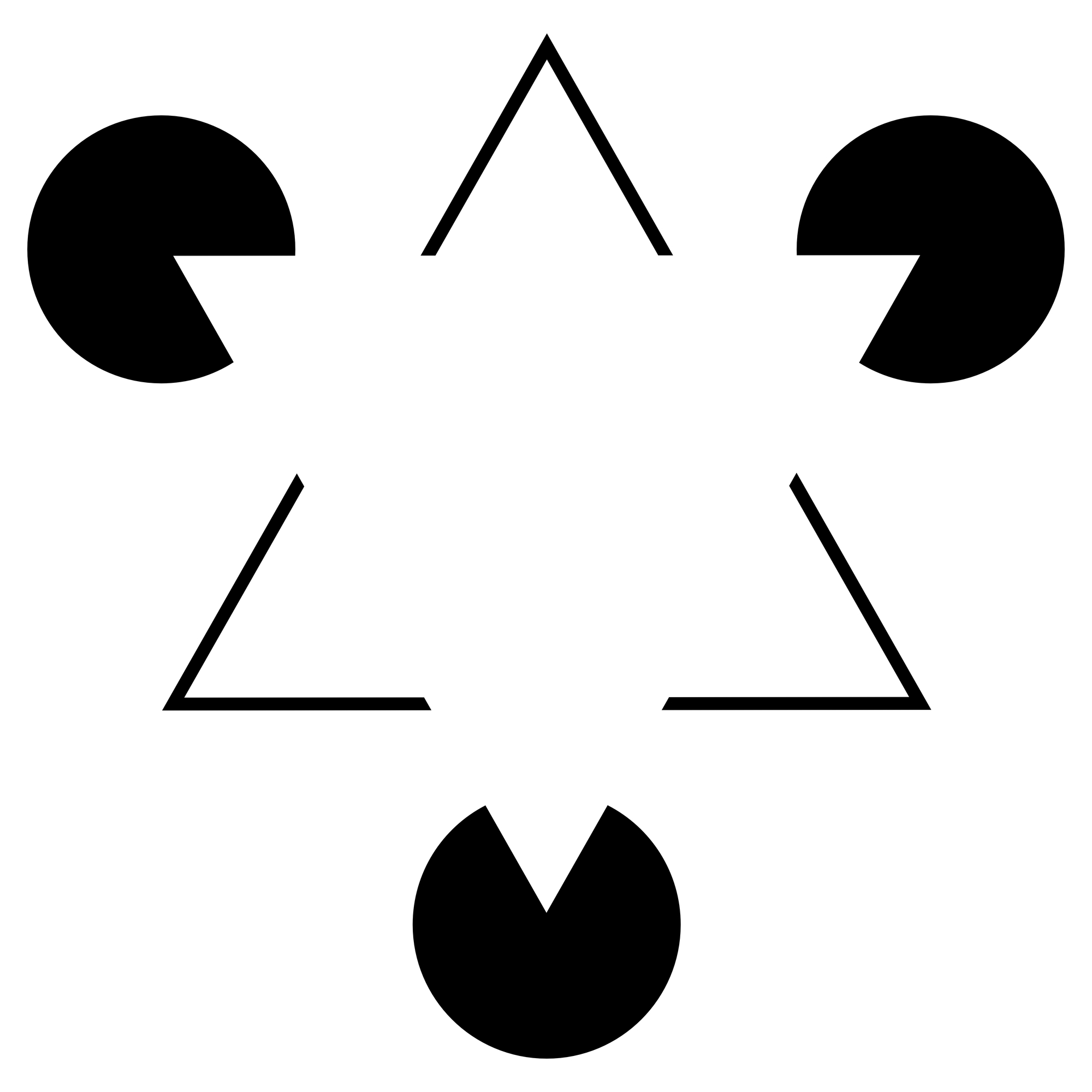
There is no triangle drawn in the Kanizsa triangle. Three pac-man-like circles arranged correctly and three angles placed at the right positions are enough for the brain to construct a vivid white triangle that simply isn’t there.
The triangle even appears brighter than the surrounding white space, which is impressively bold of a shape that doesn’t technically exist.
The Rubin Vase

Two faces in profile, or a vase — but never both at once, no matter how determined you are to hold both images simultaneously. The Rubin vase, developed by Danish psychologist Edgar Rubin around 1915, demonstrates figure-ground perception: the brain insists on deciding which part of an image is the “object” and which is the “background,” and it will not tolerate ambiguity.
You can flip between interpretations. You cannot merge them.
The Hermann Grid
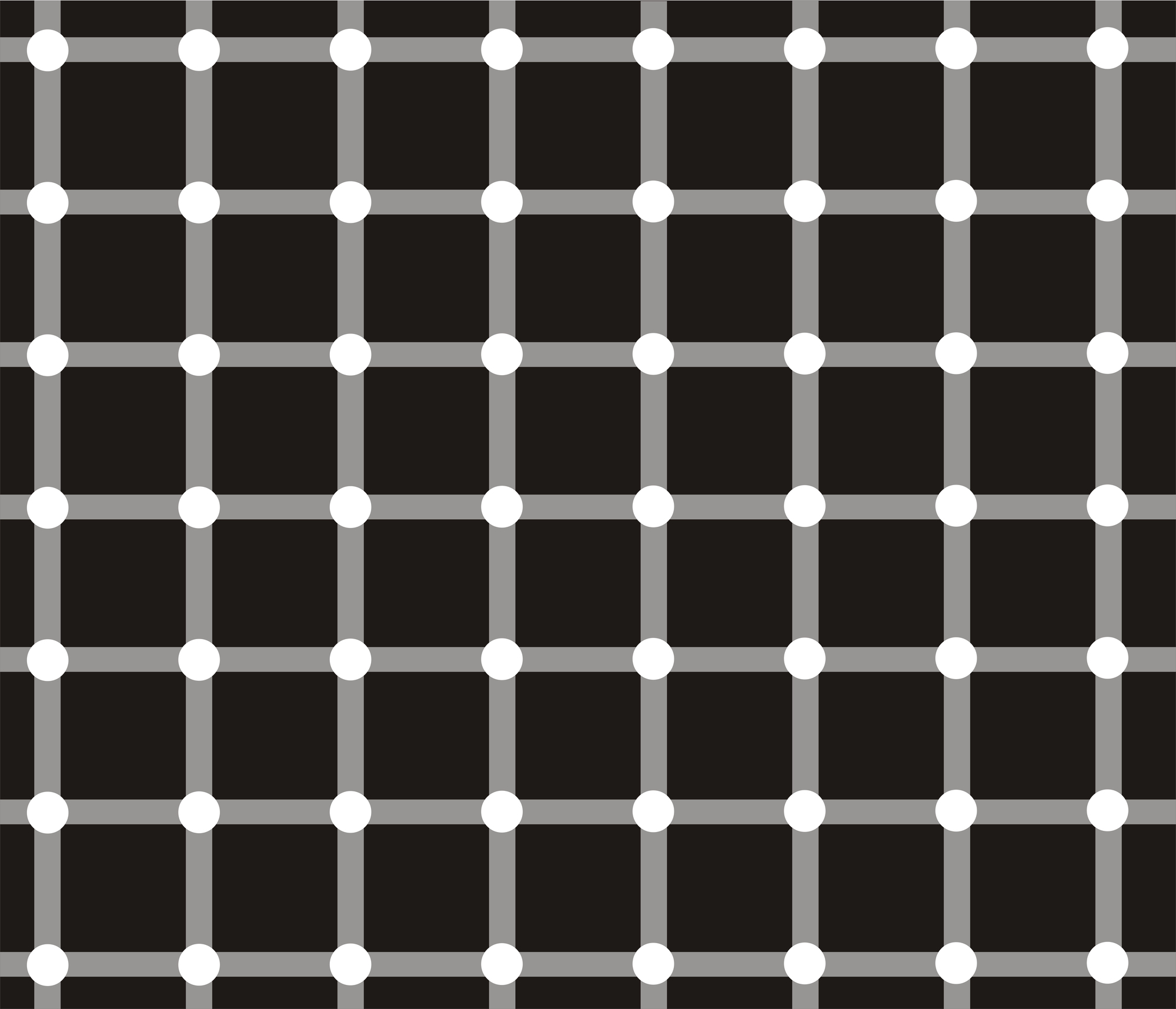
Dark dots appear to flicker at the intersections of a white grid on a black background — but only in your peripheral vision. The moment you look directly at an intersection, the dot vanishes.
The effect is thought to arise from lateral inhibition in the retina, where cells suppress the responses of neighboring cells, creating ghost signals at the corners. Look directly at one: nothing.
Look away: it’s back.
The Ponzo Illusion
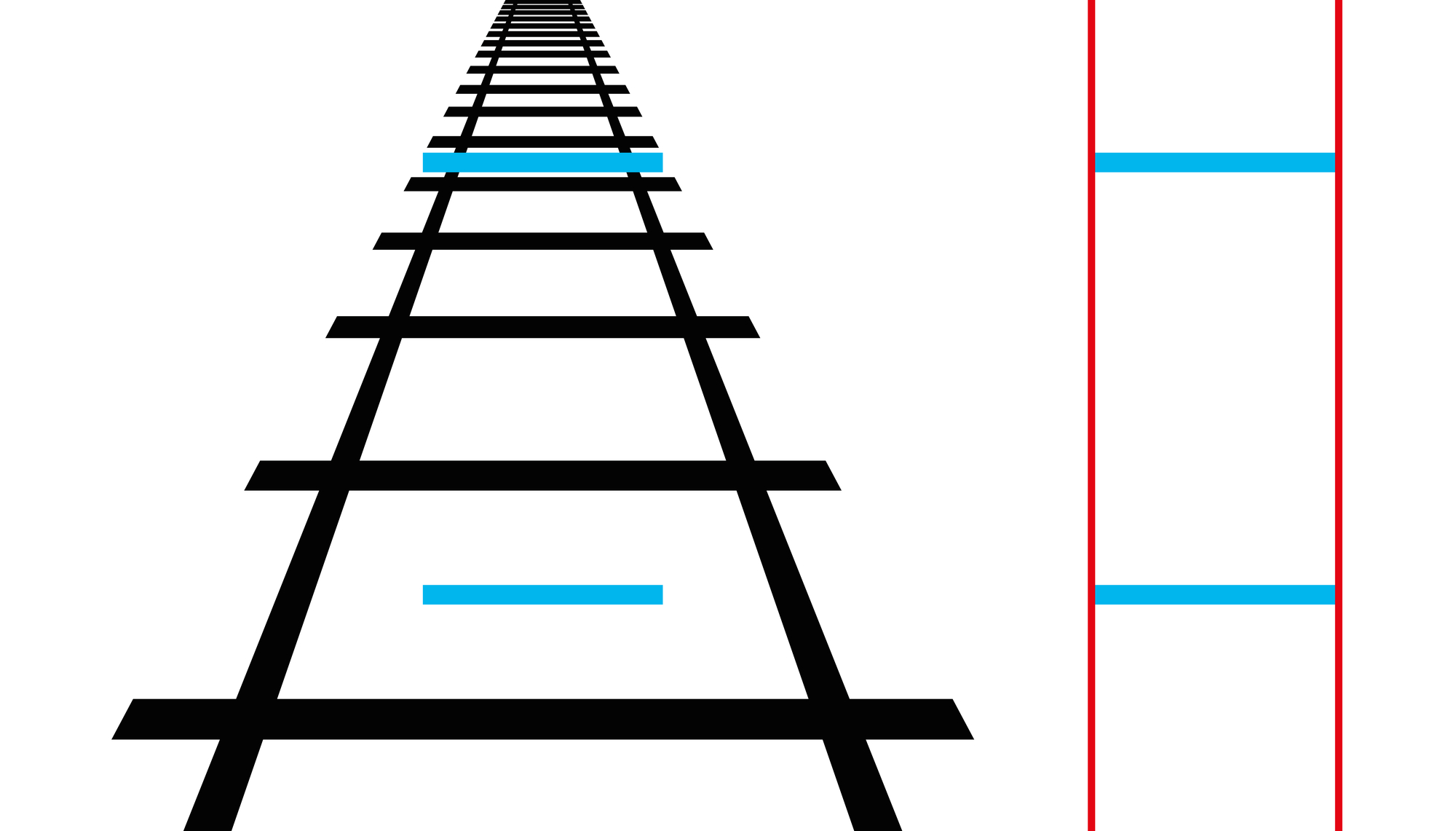
Two identical horizontal lines placed over a pair of converging lines — railroad tracks being the classic version — and the upper line looks substantially longer than the lower one. The brain applies the same depth-processing logic it would use in a real three-dimensional scene: objects higher in the visual field and near a vanishing point must be farther away, so if they appear the same size on the retina, the farther one must actually be larger.
The logic is sound. The image is flat.
The Necker Cube
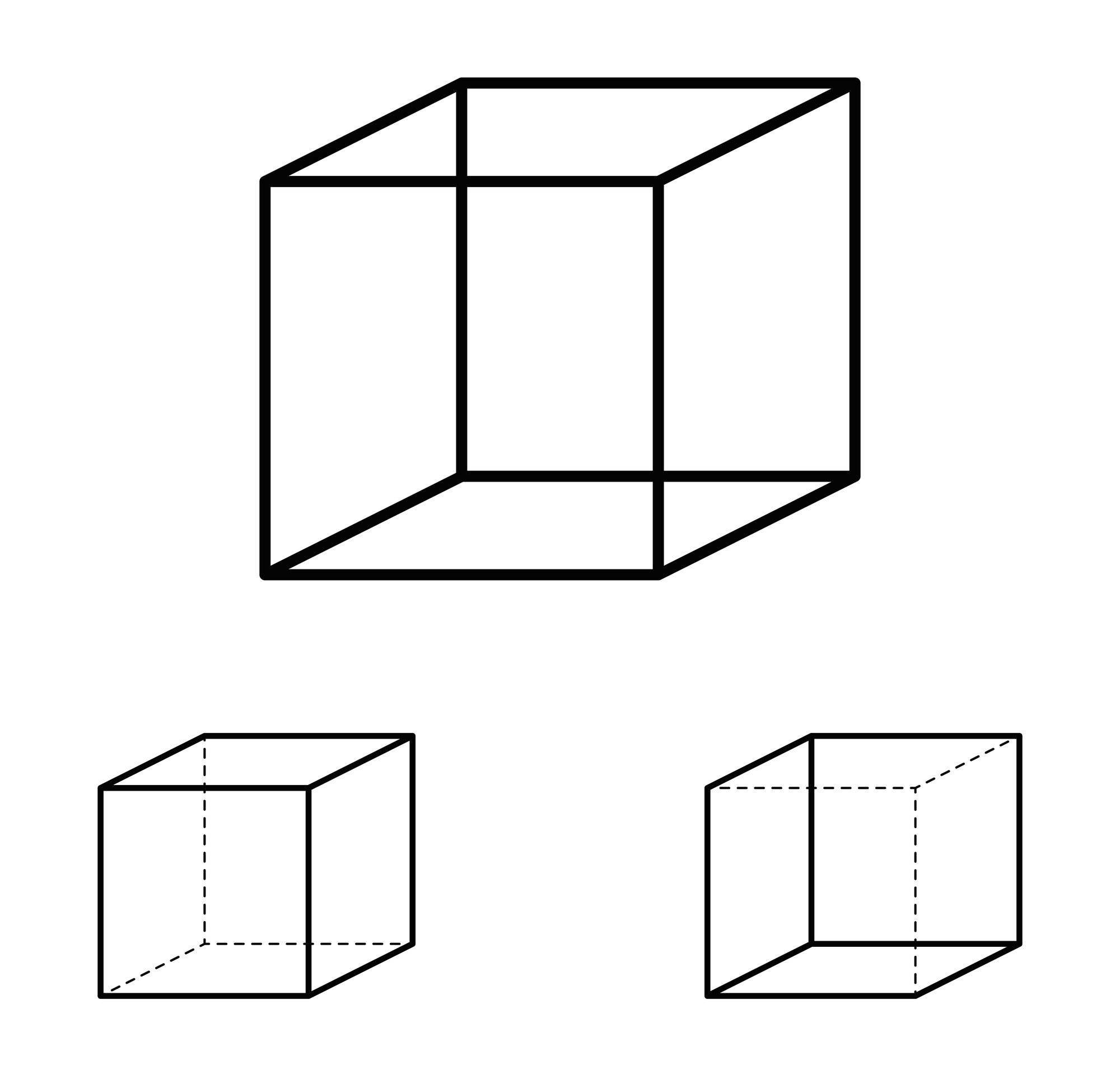
A simple wireframe cube drawn without any depth cues flips spontaneously between two orientations — the front face either tilts toward the lower-left or the upper-right, depending on which reading the brain commits to at any given moment. You can stare at it and feel the switch happen without doing anything, which is one of the stranger sensations in casual visual perception.
The cube isn’t changing. Your brain is just refusing to stay committed to one interpretation of a fundamentally ambiguous drawing.
The Moon Illusion
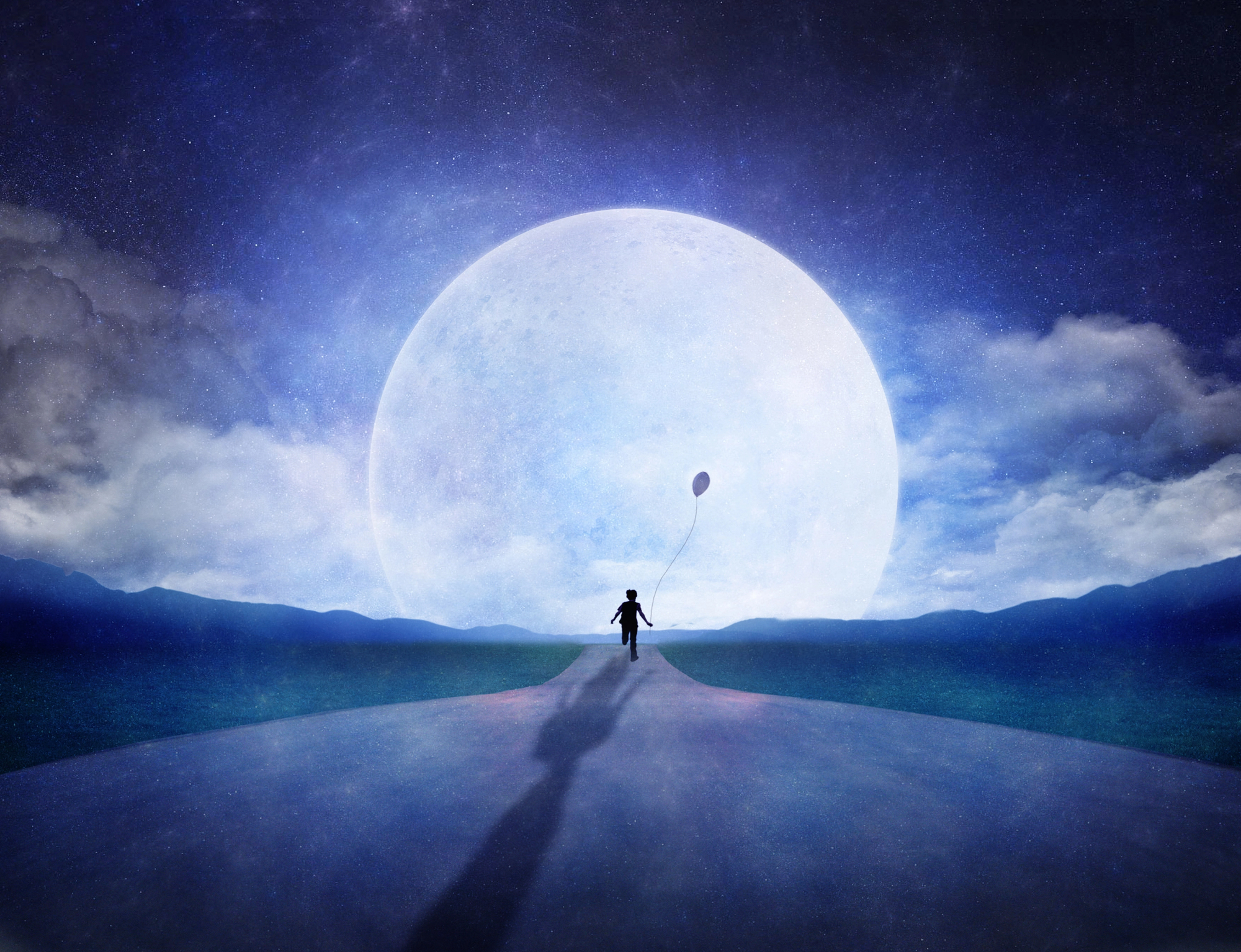
The moon looks enormous on the horizon and noticeably smaller when it’s high in the sky — and this has been confusing people since antiquity. The moon’s actual angular size in the sky doesn’t change between the two positions.
The best current explanation involves the Ponzo illusion logic applied to the sky itself: the horizon reads as distant, so the brain inflates objects near it. Photographs of the horizon moon and the overhead moon taken with the same lens show them as identical in size.
Your eyes will still disagree.
Simultaneous Contrast
Place a medium gray square on a black background and an identical gray square on a white background. The one on black looks lighter; the one on white looks darker.
They are the same gray. The brain evaluates color and brightness relationally rather than absolutely — it’s always asking “compared to what?” rather than “what is this, exactly?” which turns out to be both useful and persistently misleading.
The Ebbinghaus Illusion
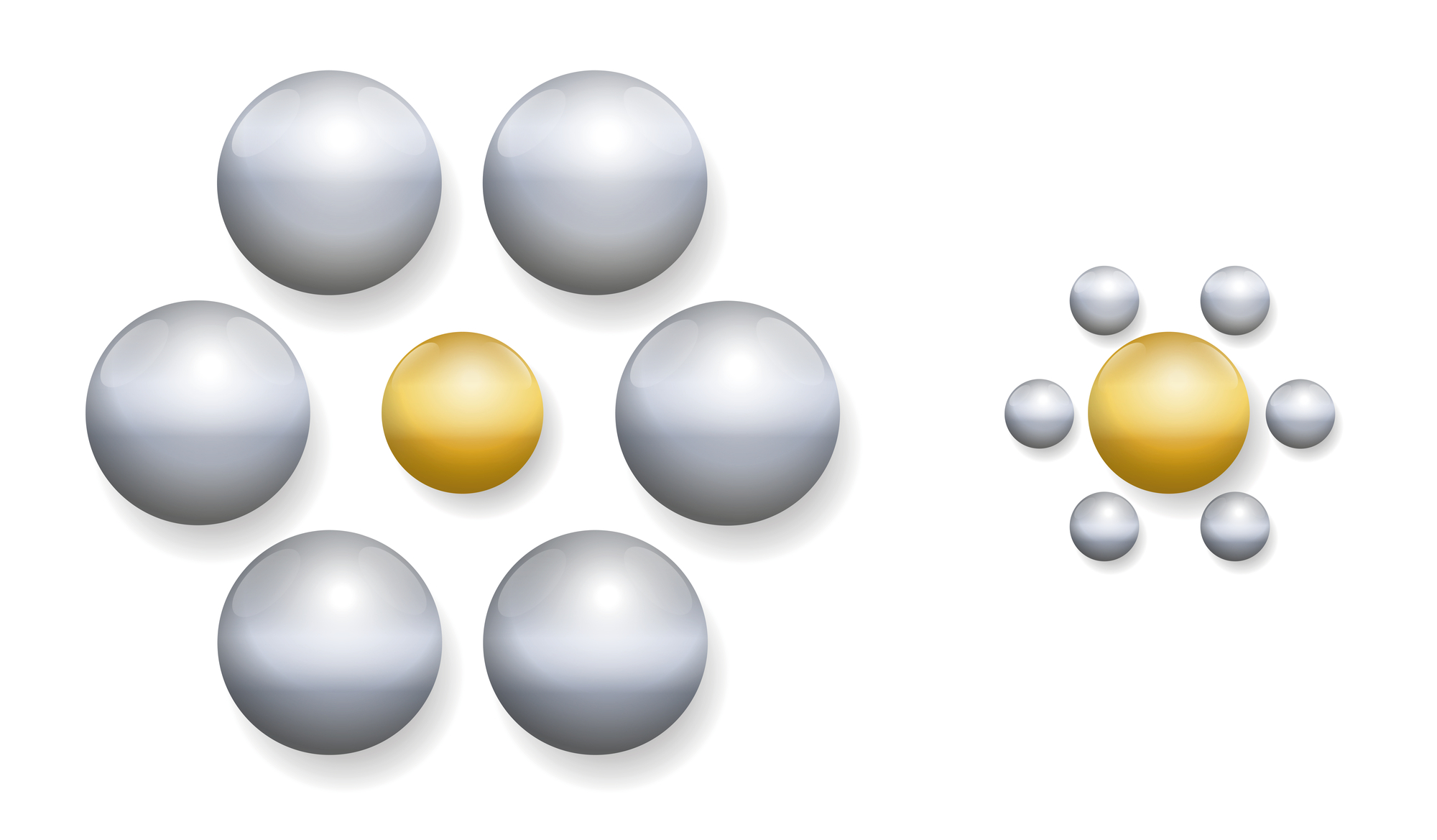
A circle surrounded by large circles looks smaller than the exact same circle surrounded by small circles. Named after Hermann Ebbinghaus, this illusion exploits the brain’s habit of judging size by context rather than by absolute measurement.
The effect is strong enough that when the two central circles are placed side by side, they still don’t look equal even when you’ve just confirmed with a ruler that they are.
The Ames Room
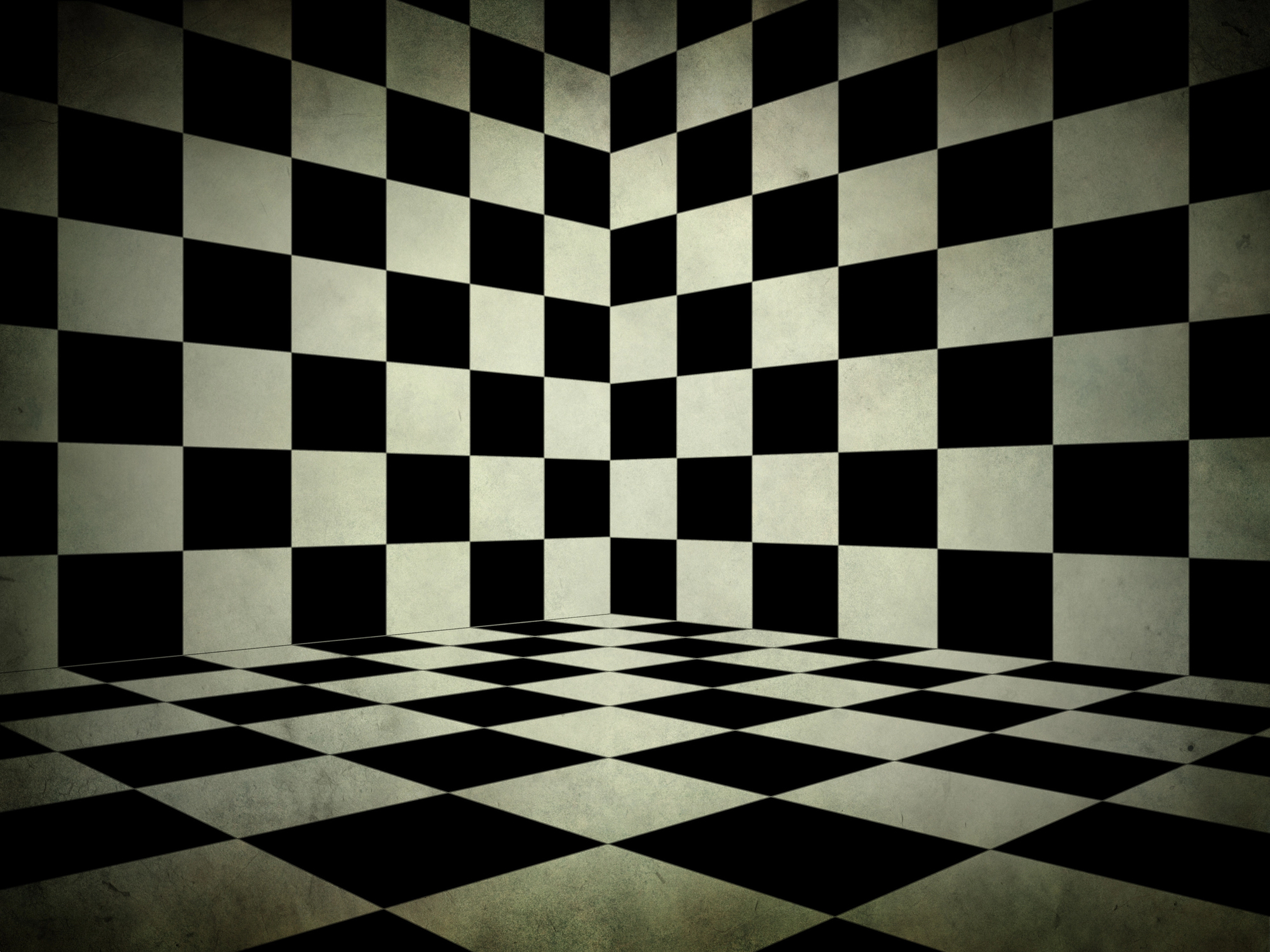
In an Ames room — a specially constructed space designed by Adelbert Ames Jr. in 1946 — a person standing in one corner appears to be a giant while a person in the other corner looks like a child, despite both being the same height. The room is actually a distorted trapezoid, but it’s built so that it looks like a normal rectangular room from one specific viewing angle.
The brain, committed to the assumption that rooms have right angles, distributes the size distortion onto the people inside instead.
The Fraser Spiral
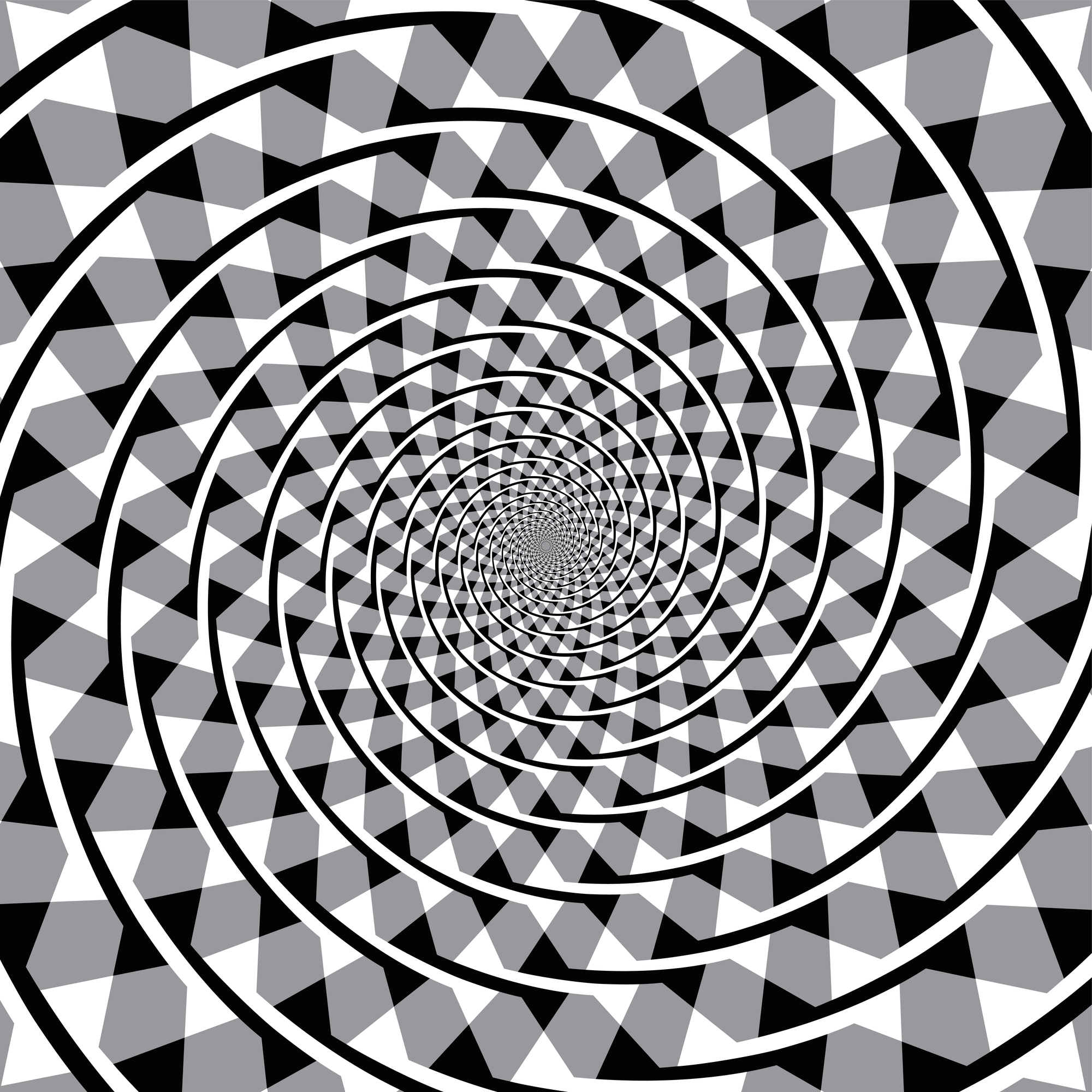
The overlapping twisted arcs in the Fraser spiral appear to form a continuously inward spiral — except there is no spiral. The arcs are actually a series of perfect concentric circles that, when embedded in the angled background pattern, get hijacked into apparent rotation.
Trace any single “spiral” with your finger and you’ll loop back to your starting point. Your eyes will still insist it goes inward.
The Waterfall Illusion
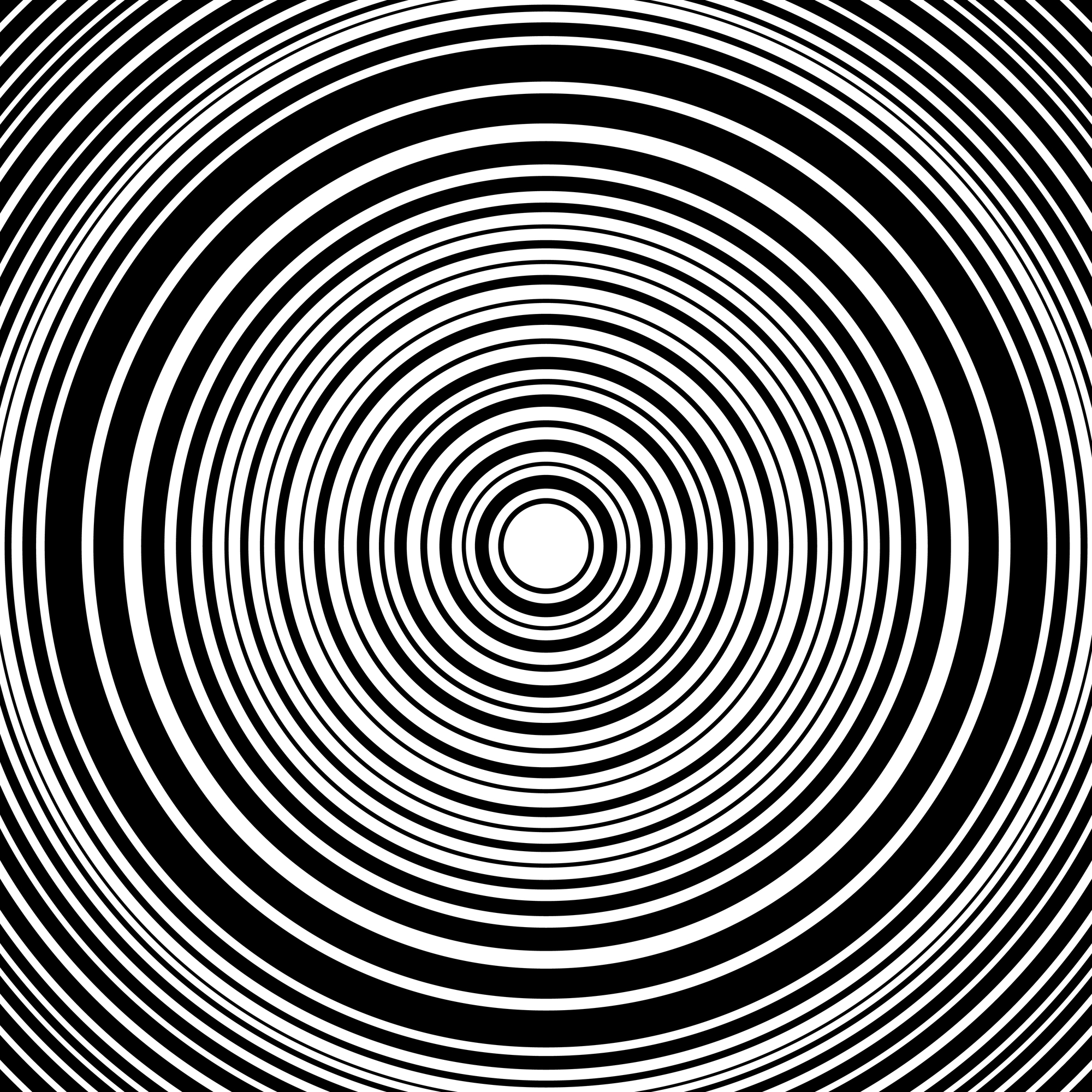
Stare at a waterfall for about thirty seconds, then look at the rocks beside it — the stationary rocks will appear to drift slowly upward. Motion-sensitive neurons in the visual cortex adapt to sustained downward movement and essentially overcorrect when that input stops, producing apparent upward motion in a scene that isn’t moving at all.
This effect is called motion aftereffect, and it works just as well with rotating spirals, scrolling text, or any sustained directional motion.
The White’s Illusion

Gray bars crossing a black-and-white striped background look like they’re different shades of gray depending on which stripes they overlap, despite being identical. Unlike simultaneous contrast — where the surrounding area determines perceived brightness — White’s illusion involves orientation and context in a way that isn’t fully explained by standard lateral inhibition models.
Perception researchers still argue about the precise mechanism, which is not nothing for an illusion that takes about two seconds to notice.
The Jastrow Illusion
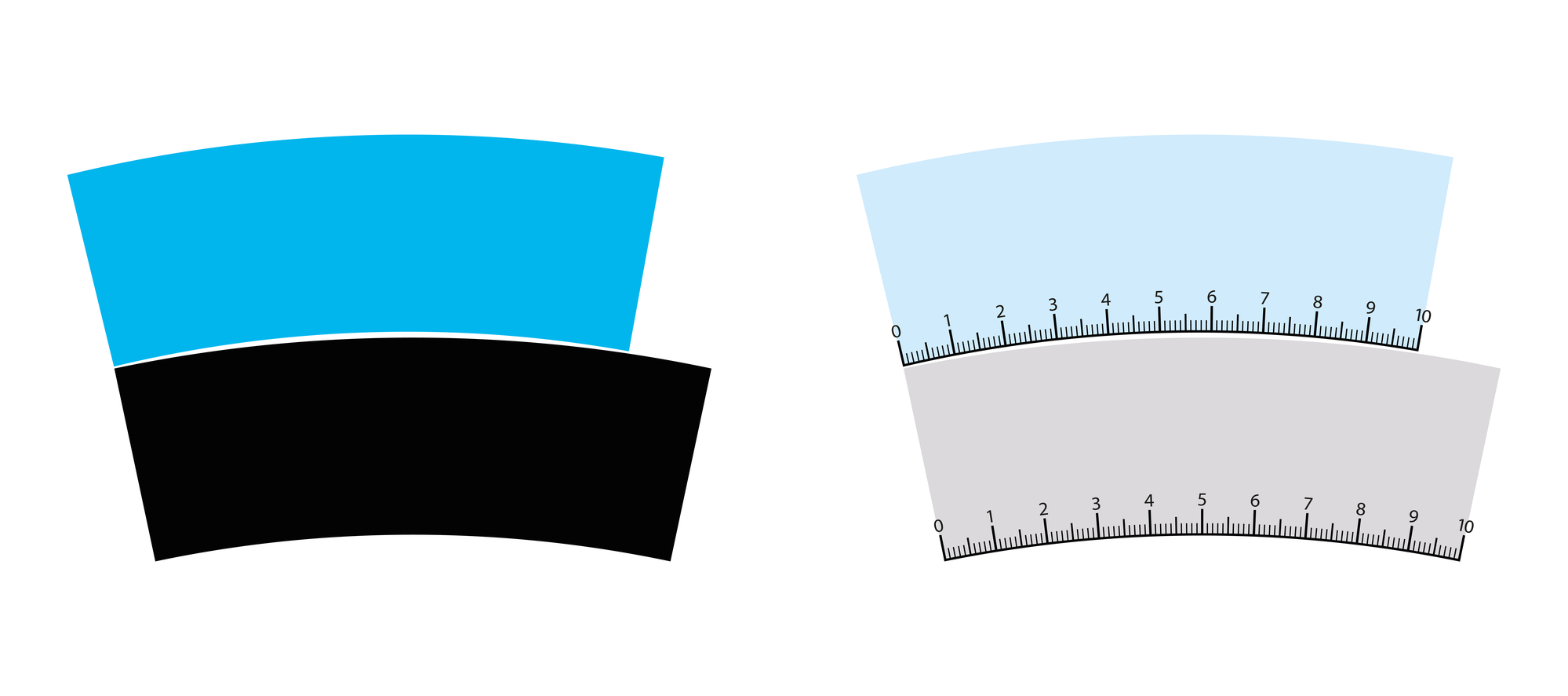
Two identical curved shapes — like slices of a ring — are placed one above the other, and the lower one looks noticeably larger. Flip the arrangement and the other one now looks larger.
The shapes are not just close in size; they are geometrically identical, traced from the same curve. The brain compares the short inner edge of one shape to the long outer edge of the adjacent shape and interprets the difference in edge length as a difference in overall size.
The Poggendorff Illusion
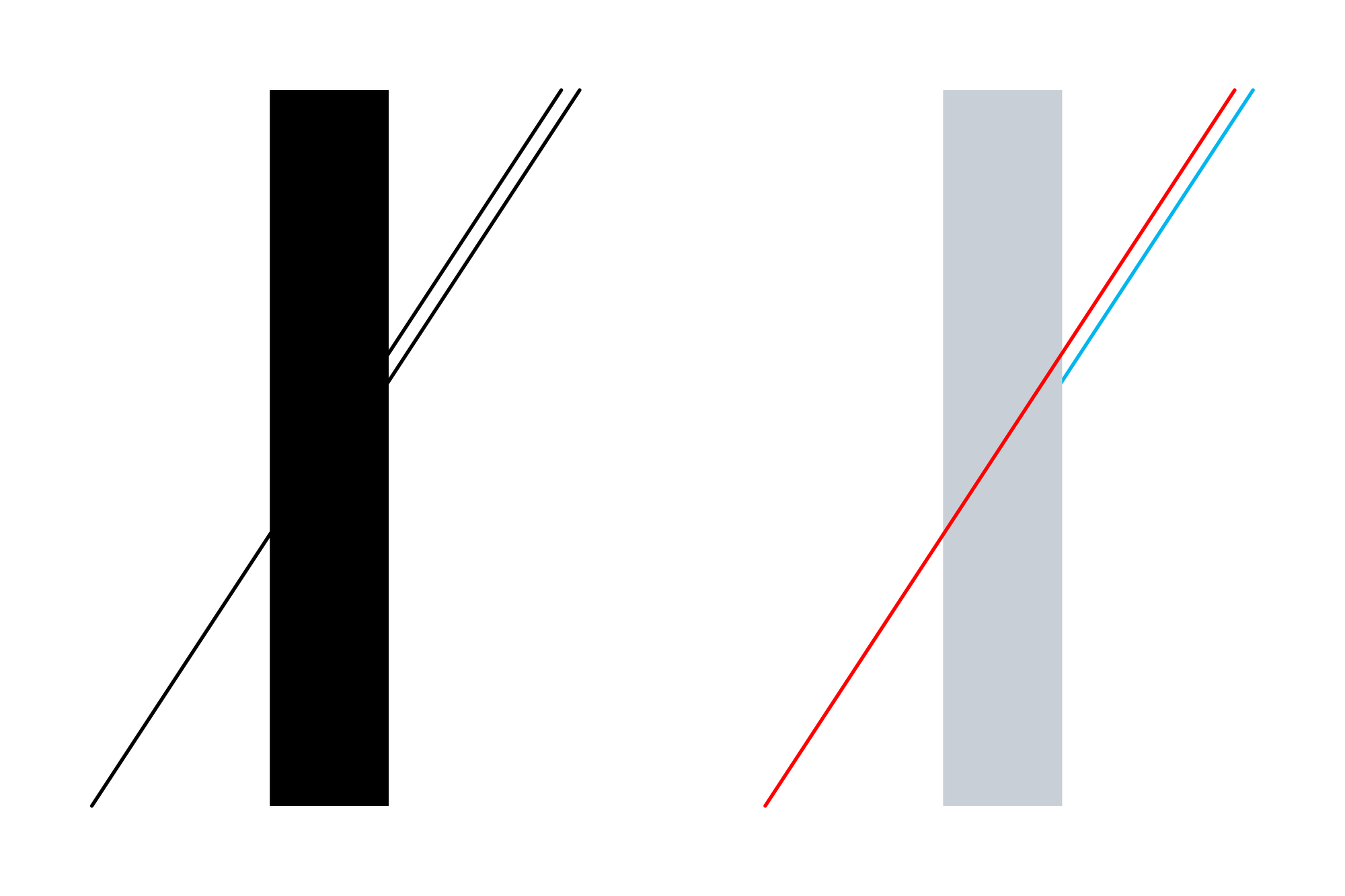
A diagonal line passes behind a vertical rectangle and appears to be misaligned when it emerges on the other side — as if the two visible segments belong to different lines. They don’t.
They’re collinear. The illusion is strong enough that even architects and engineers report noticing it when dealing with oblique lines crossing rectangular structures.
Estimates of how far off the two segments appear to be range up to half an inch or more in standard versions printed on paper.
The Motion Binding Illusion
When dots moving in opposite directions are flashed very briefly, the brain sometimes perceives them as bouncing off each other rather than passing through each other — and a brief sound at the moment they cross makes the bouncing interpretation dramatically more likely. The brain is essentially making a story out of ambiguous data, and it will borrow from any available sensory channel to make that story more complete.
Audio shouldn’t be able to change what you see. It does.
The Zöllner Illusion
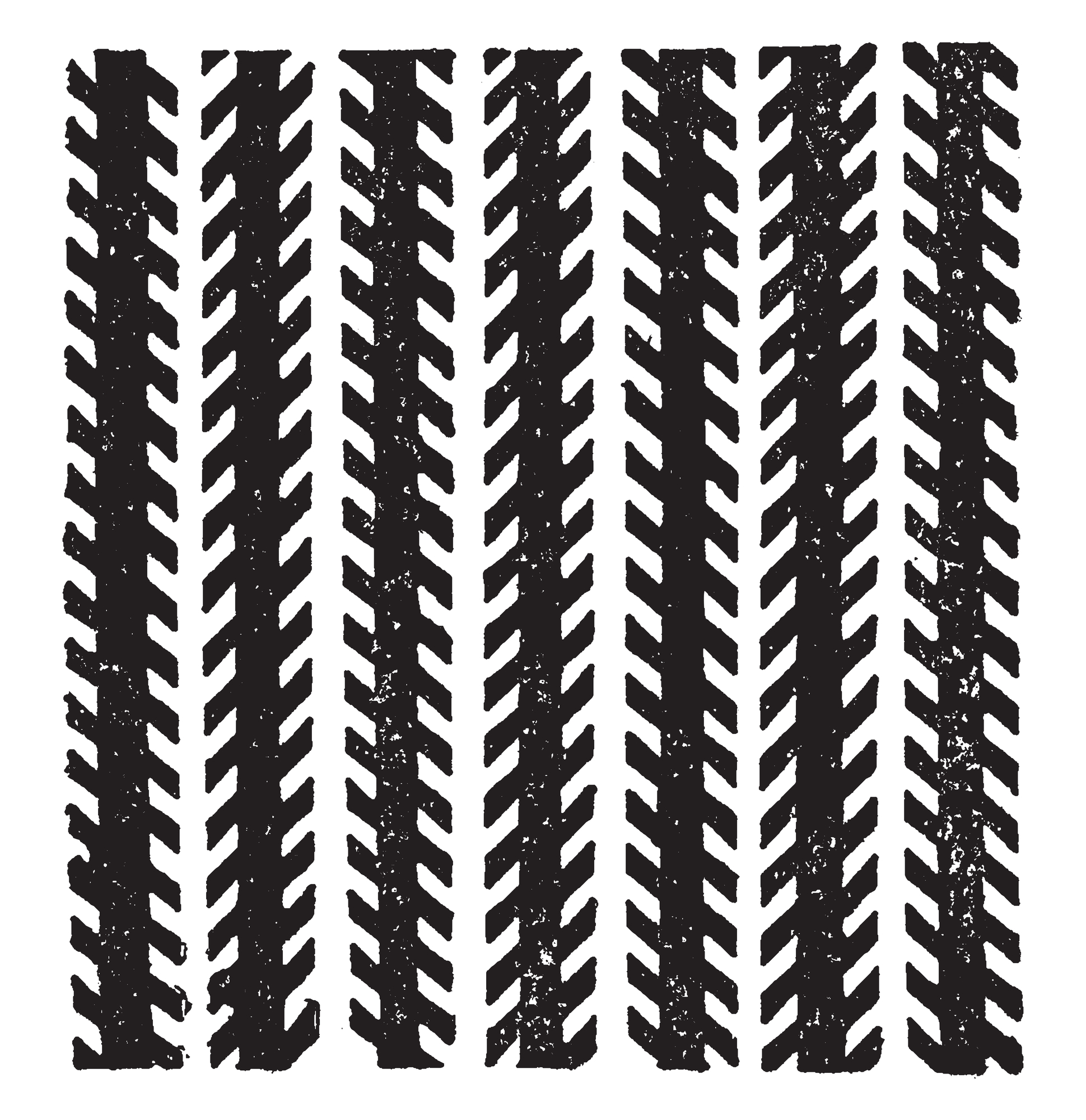
Parallel diagonal lines that are crossed by short angled hash marks appear to tilt toward or away from each other — a classic distortion named after astrophysicist Johann Karl Friedrich Zöllner, who noticed it on a fabric pattern in 1860. The hash marks are the culprit: their acute angles trigger an overestimation of those angles, which drags the perception of the longer lines along with it.
The lines never converge. They look like they’re about to.
The Color-Changing Card Trick
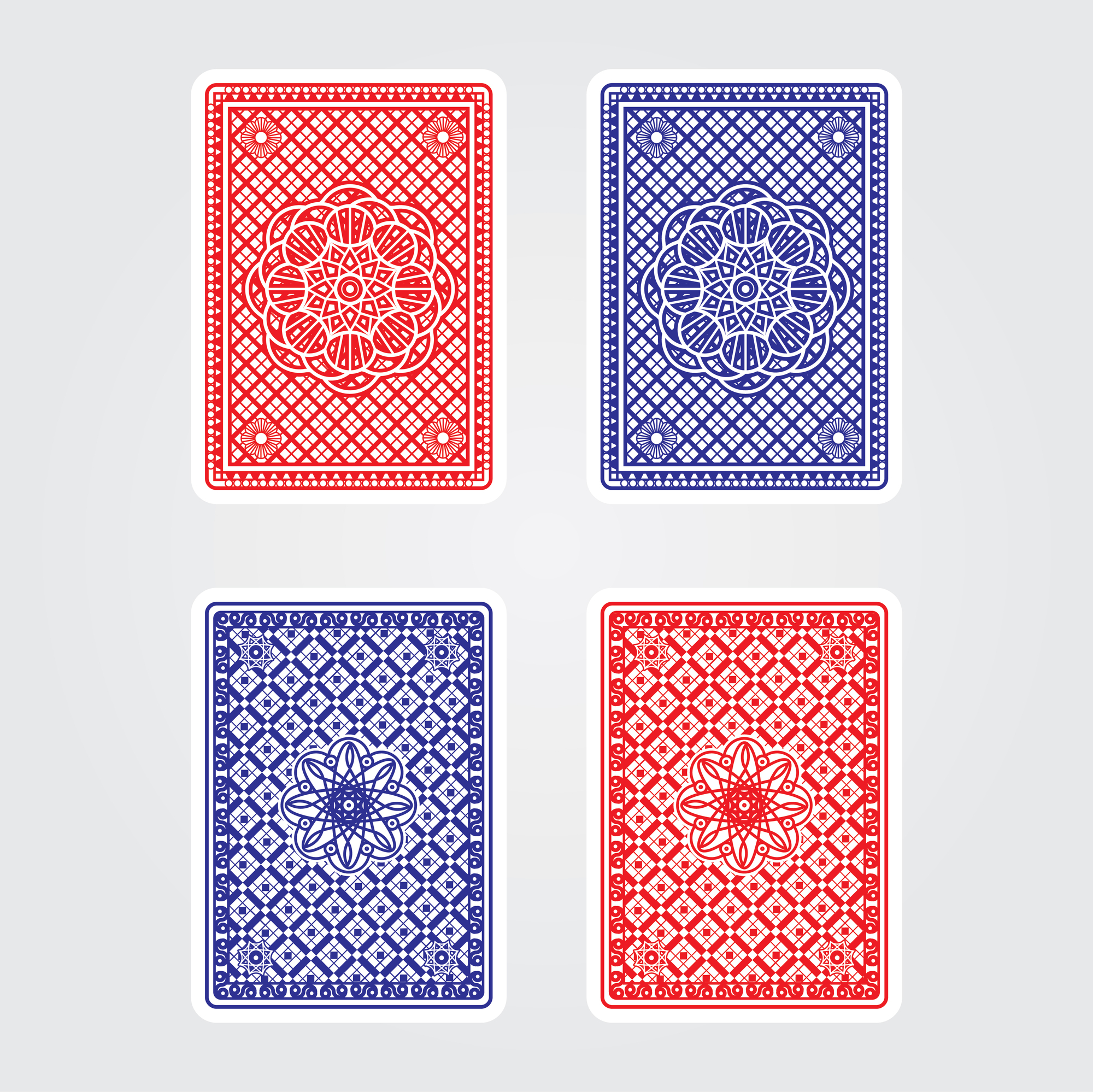
In Richard Wiseman’s famous video version of this effect, the color of cards and even the tablecloth changes dramatically during a brief misdirection — and the vast majority of viewers fail to notice the changes at all. It’s not an illusion in the classical geometric sense; it’s a demonstration of change blindness, the brain’s extraordinary ability to miss significant visual changes that occur during a blink or a distraction.
The world in your head is not as detailed as you assume it is.
The Bezold Effect
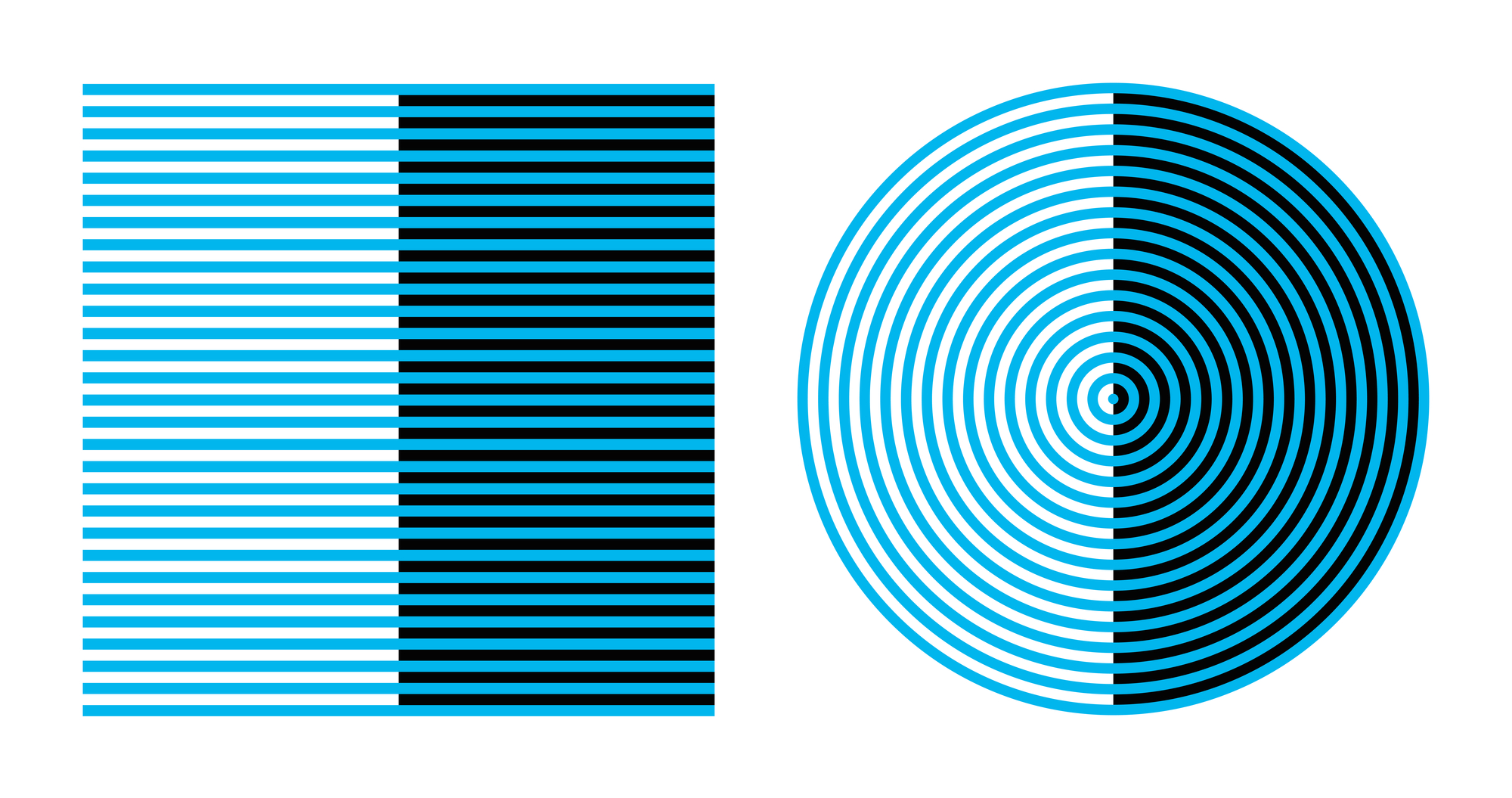
Small amounts of one color embedded in a pattern dramatically shift the perceived hue of the entire pattern — a little white makes the surrounding colors look lighter overall, a little black makes them look darker. Wilhelm von Bezold discovered it while working on rug designs in the 1870s, which gives it a pleasantly domestic origin story for a perceptual phenomenon that turns out to be relevant to everything from interior design to camouflage.
You’re not seeing color; you’re seeing color relationships.
The Thatcher Effect

A face turned upside down still looks more or less normal — slightly odd, maybe, but recognizable as a face. Rotate it right-side up with the eyes and mouth still inverted, and the result is genuinely disturbing.
The brain applies face-specific processing almost exclusively to upright faces, which is why inverted faces look tolerable even when their features are grotesquely rearranged. Named after a manipulated photograph of Margaret Thatcher produced by Peter Thompson in 1980, the effect works equally well on any familiar face.
The Troxler Effect
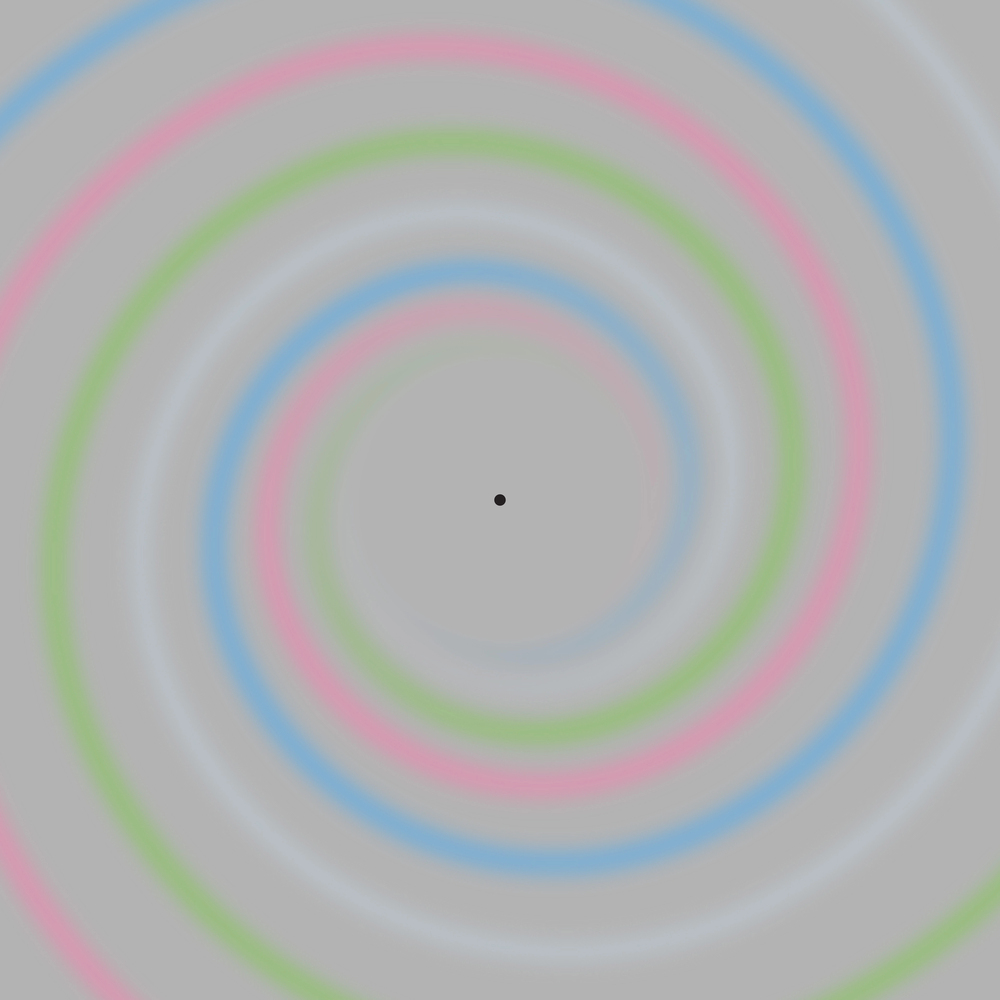
Fix your gaze on a central point while a faint image or colored ring sits in your peripheral vision, and within about twenty seconds, the peripheral image fades and disappears completely. Move your eyes and it snaps right back.
The effect — described by Swiss physician Ignaz Paul Vital Troxler in 1804 — happens because neurons adapted to unchanging stimuli stop reporting them to save processing resources. The brain edits out the stable and unremarkable, which is efficient behavior that produces the mildly unsettling experience of things vanishing while you’re looking near them.
The Impossible Trident
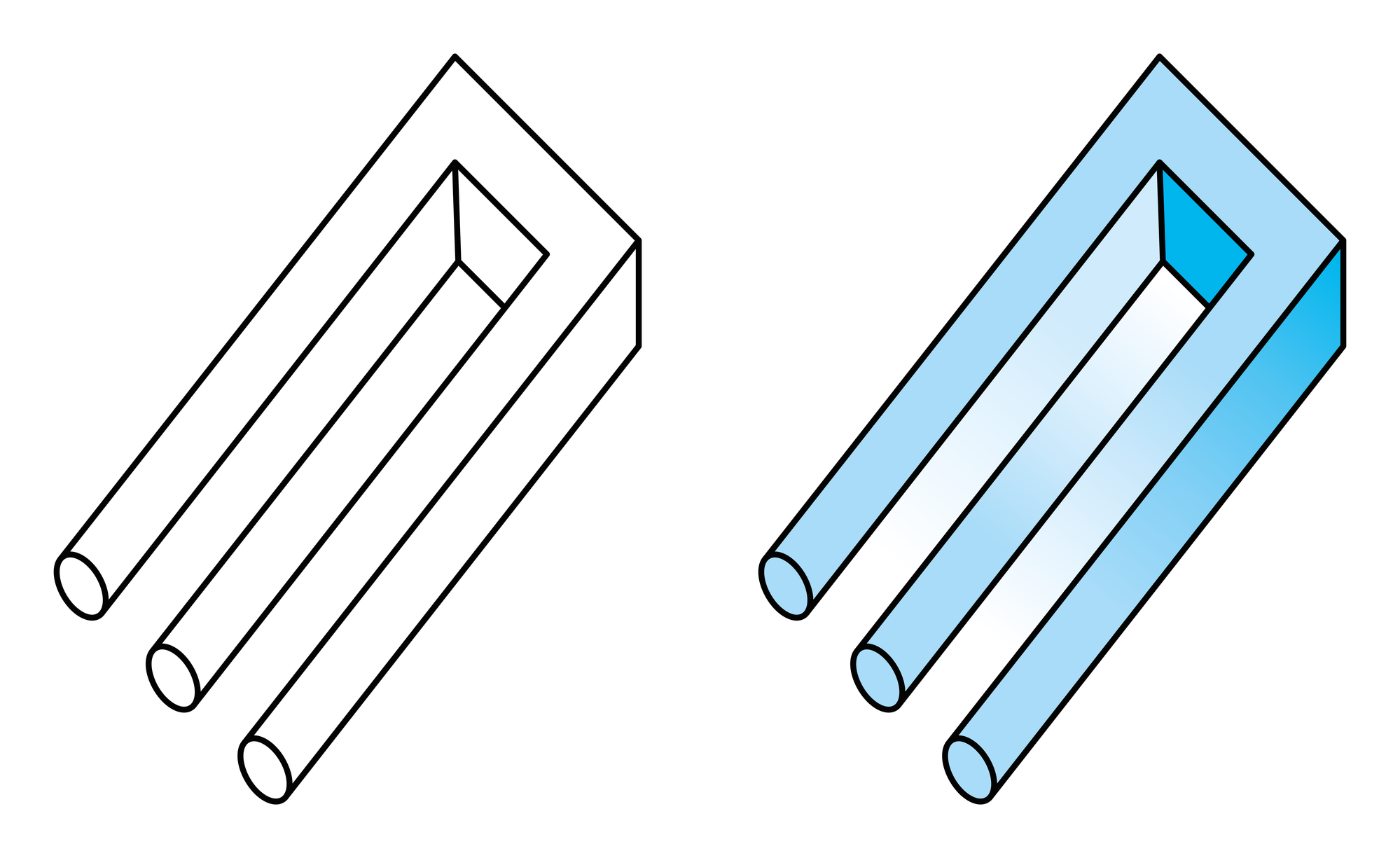
The impossible trident — sometimes called the blivet — is a drawn object with three cylindrical prongs at one end that somehow merge into a flat rectangular bar at the other. Trace any single prong from tip to base and the geometry resolves cleanly; look at the whole object and the brain protests that it cannot exist in three dimensions.
It’s not a trick of shading or shadow, just clean lines arranged so that two locally coherent readings are globally impossible, and the brain cycles between them without finding anywhere to land.
The Lilac Chaser
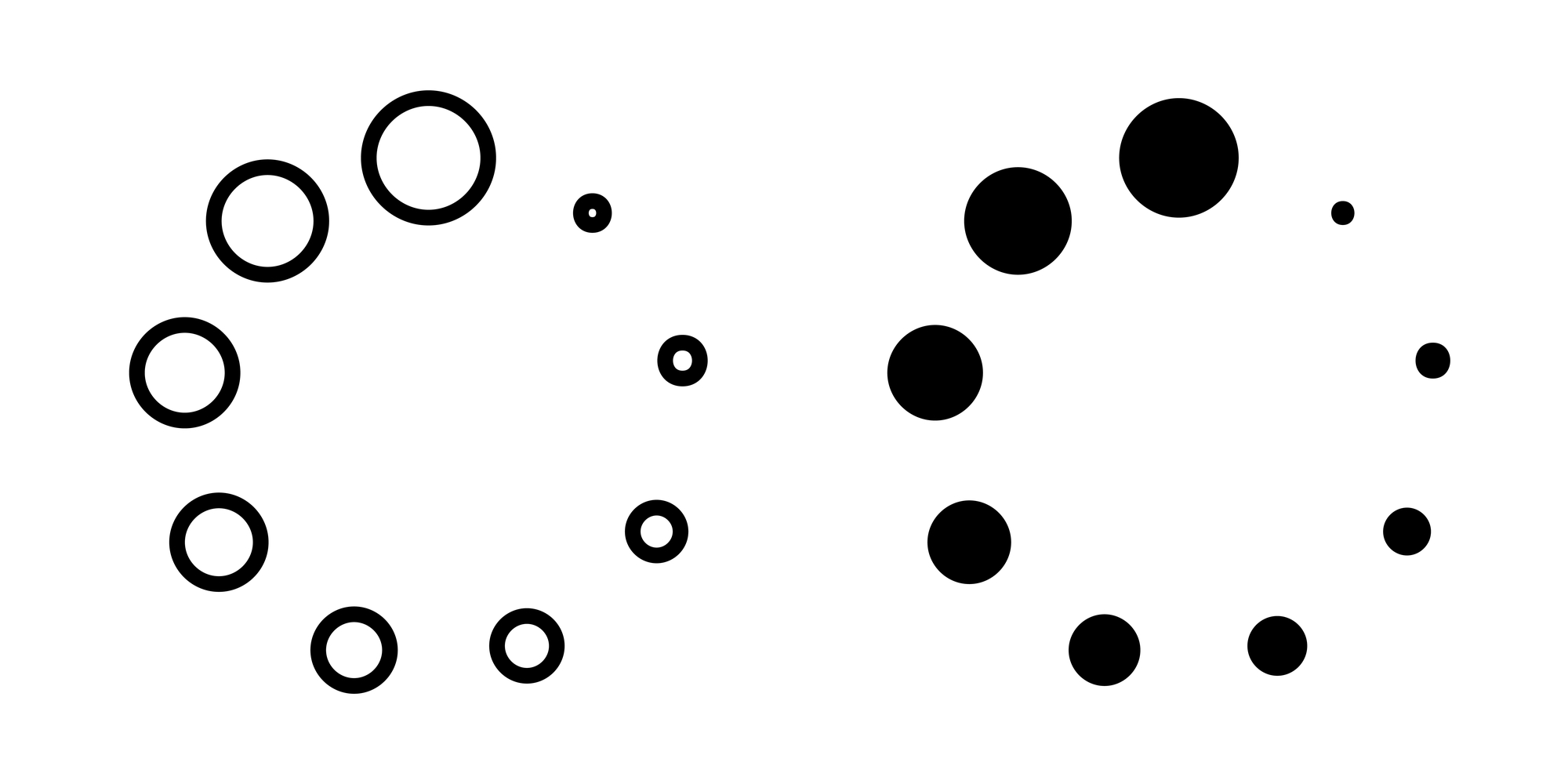
Stare at the cross in the center of a ring of blinking magenta discs long enough — about thirty seconds — and two things happen: the blinking gaps start to appear green (a negative afterimage of the magenta), and then the green phantom dot appears to chase around the circle while the magenta dots seem to vanish entirely.
Three separate perceptual phenomena are happening in sequence — afterimage generation, motion perception, and Troxler fading — layered on top of each other into something that looks like nothing the visual system was ever designed to handle.
The Brain That Won’t Be Corrected
Knowing doesn’t fix it. That’s what makes optical illusions genuinely interesting rather than just clever.
Across all 26 of these, the consistent finding is the same: conscious understanding of the mechanism does absolutely nothing to override the perception. The lines still look unequal.
The color still looks wrong. The face still switches.
The brain runs its visual processing well before the part that knows things gets involved, and no amount of knowing reaches back to correct it. Which is either a fascinating design quirk of human perception — or a gentle, persistent reminder that your brain’s version of reality has always been a confident construction rather than a faithful recording.
More from Go2Tutors!

- The Romanov Crown Jewels and Their Tragic Fate
- 13 Historical Mysteries That Science Still Can’t Solve
- Famous Hoaxes That Fooled the World for Years
- 15 Child Stars with Tragic Adult Lives
- 16 Famous Jewelry Pieces in History
Like Go2Tutors’s content? Follow us on MSN.



