28 Kitchen Inventions Grandmothers Couldn’t Live Without
Open a grandmother’s kitchen cabinet and the evidence is stacked inside: dented pots, mismatched lids, and a mixer that has outlived three refrigerators. Each of these objects arrived because somebody was tired of doing something the hard way.
Most of them have origin stories stranger than the dinners they helped produce. A few began as laboratory accidents, a couple as wartime leftovers, and at least one as a complaint about chipped china.
The Pressure Cooker That Turned Hours Into Minutes
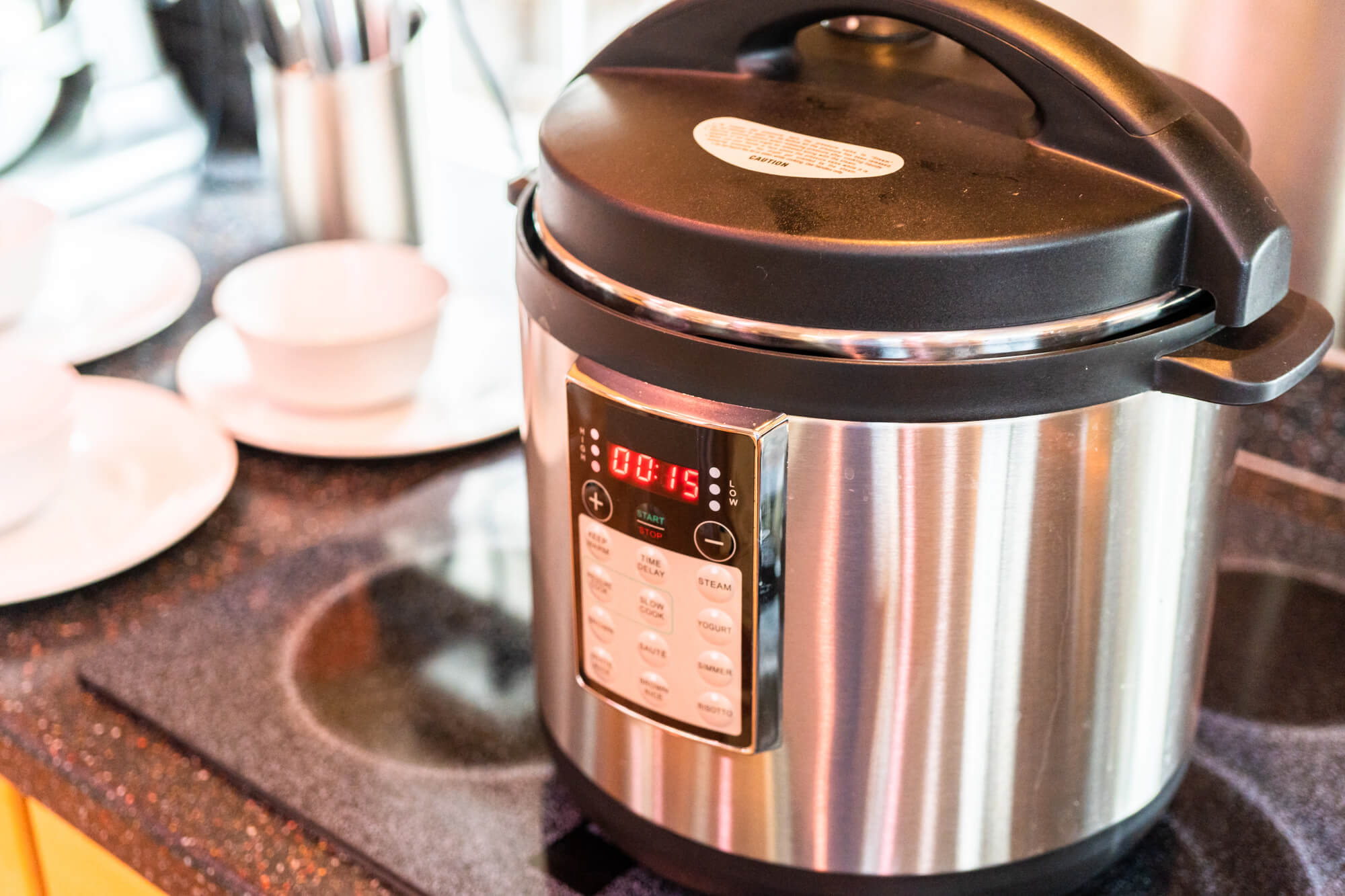
French physicist Denis Papin demonstrated his steam digester in 1679, a sealed pot that cooked food faster by raising the temperature of the steam inside. It took until 1939 for National Presto to introduce a home pressure cooker at the New York World’s Fair.
Households embraced it quickly, using it for tough cuts of meat and for home canning. The rattling weight on top became the signature sound of many a Sunday kitchen.
Pyrex Borrowed Its Glass From Railroad Lanterns
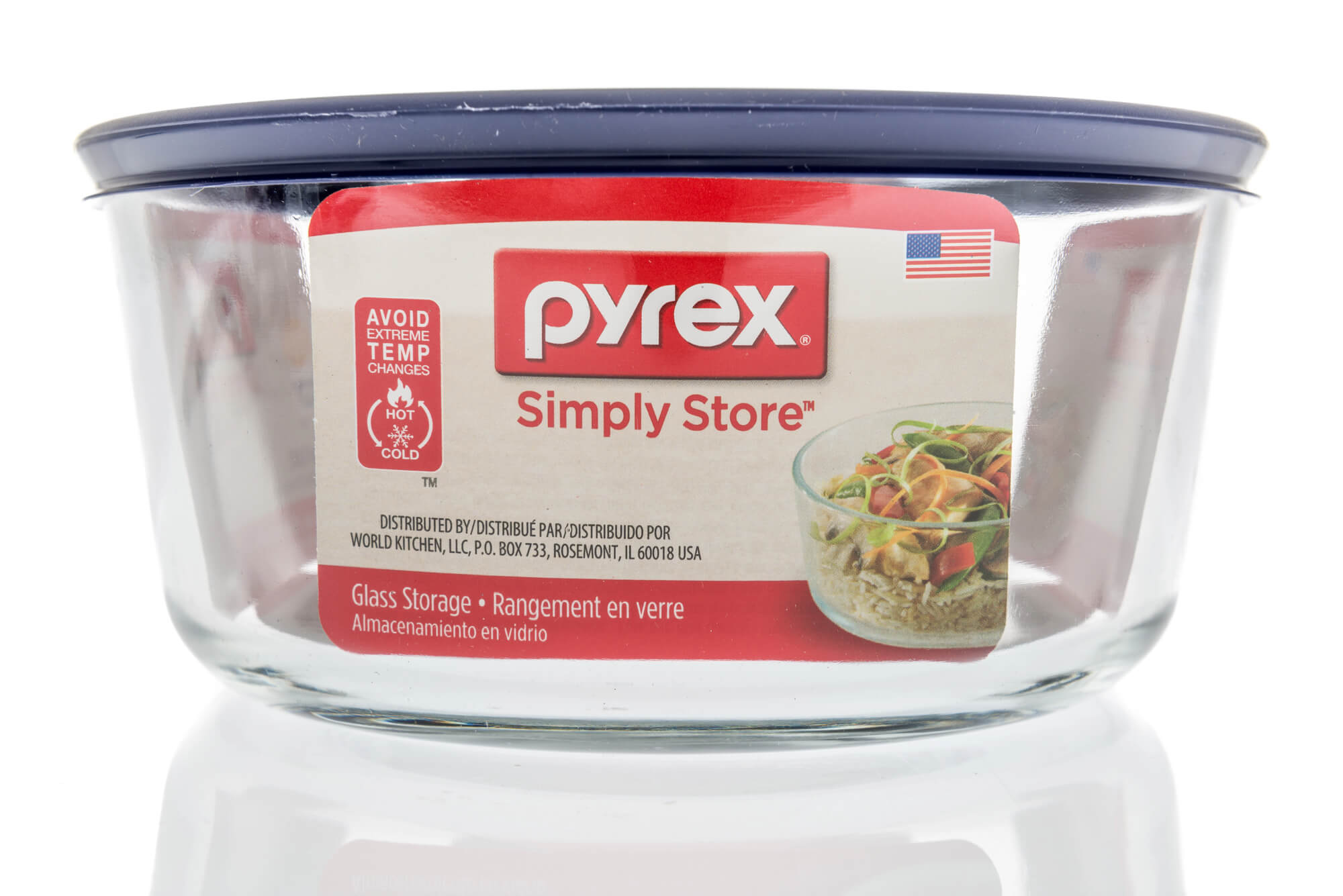
Corning developed its heat-resistant borosilicate glass for railroad lanterns, where cold rain kept shattering glowing-hot lenses. The kitchen use came in 1915, after Bessie Littleton, wife of a Corning scientist, baked a sponge cake in a battery jar with the bottom sawed off.
The cake worked, and Corning launched Pyrex bakeware that same year. Vintage pieces are collectible today, and their value depends heavily on condition and pattern.
Tupperware Began as Industrial Leftovers
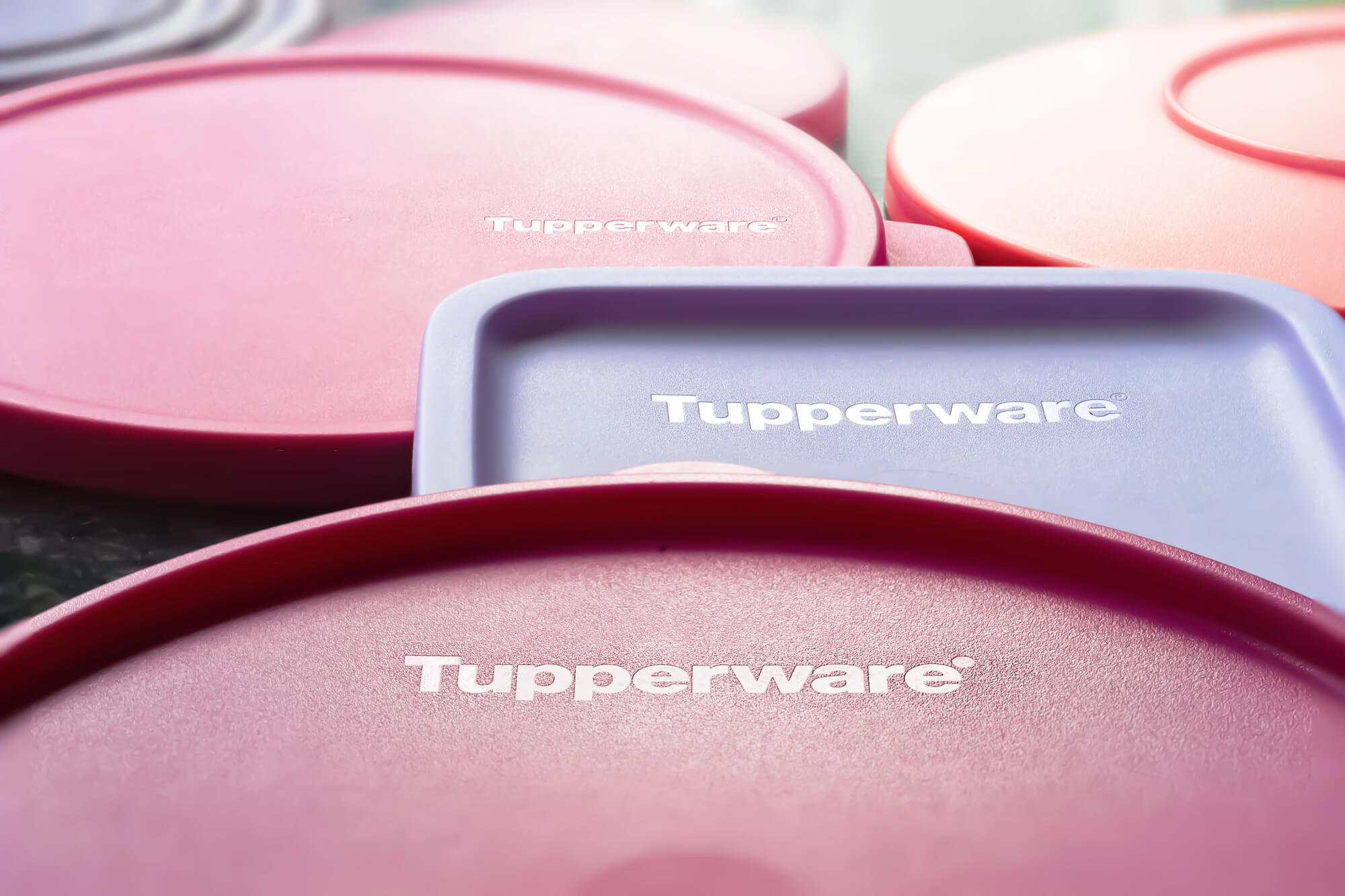
Earl Tupper turned polyethylene slag, a waste product from refining, into a flexible and nearly unbreakable plastic. His 1946 line of containers borrowed its airtight seal from the way a paint can lid presses shut.
The bowls sat unsold on store shelves until Brownie Wise built a network of home parties. In 1951 Tupperware pulled its products from retail stores entirely and sold them only through those gatherings.
KitchenAid Stand Mixers Were Born in the Bakery
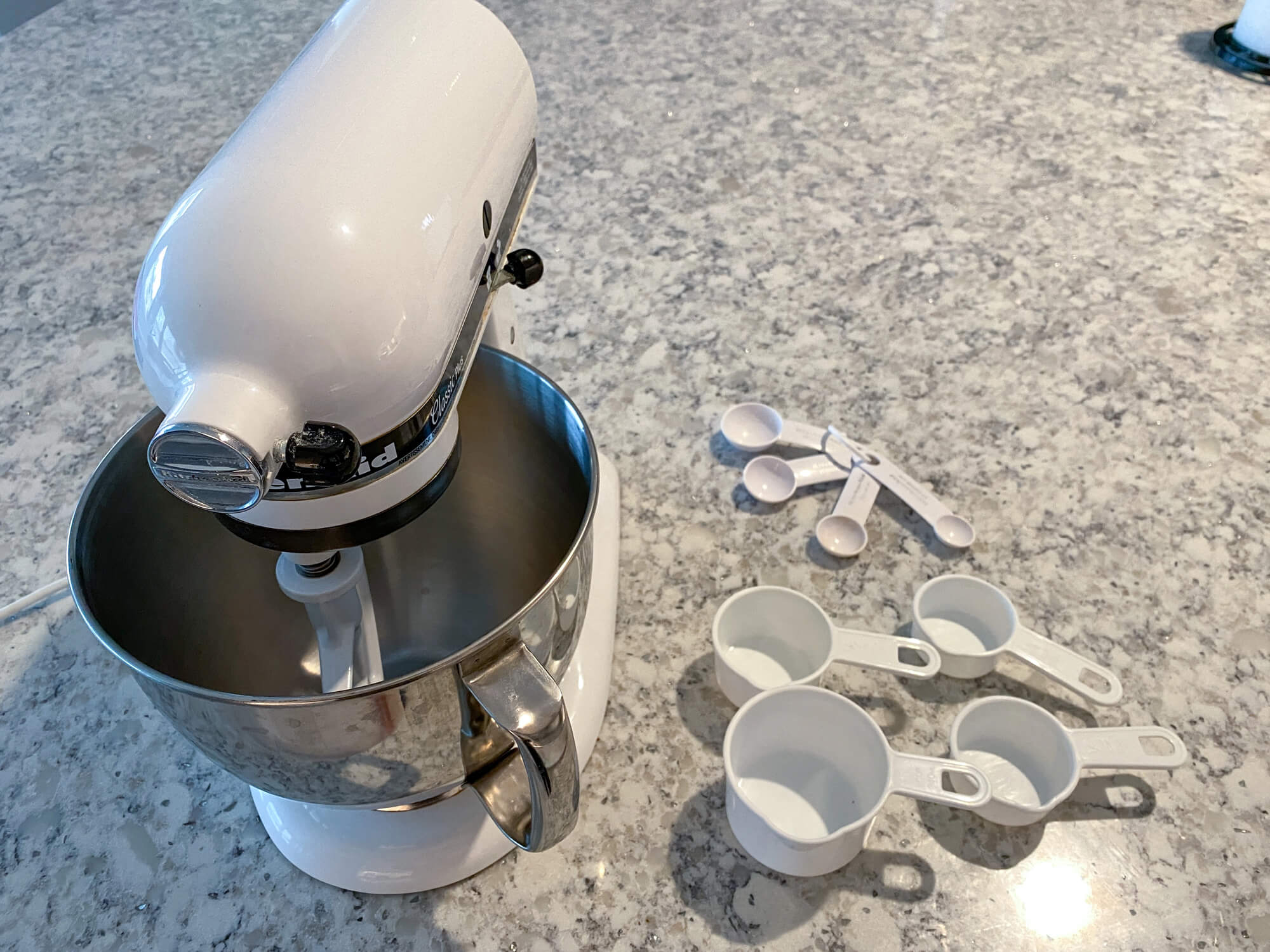
Hobart introduced the first KitchenAid mixer, the Model H, in 1919, and it was big enough to be bolted to a counter or a stand in a commercial bakery. A smaller home version followed, and the tilt-head design that most people picture arrived in the 1930s.
Many of those early machines are still whipping cream a century later.
The Electric Can Opener Took Decades to Catch Up With the Can
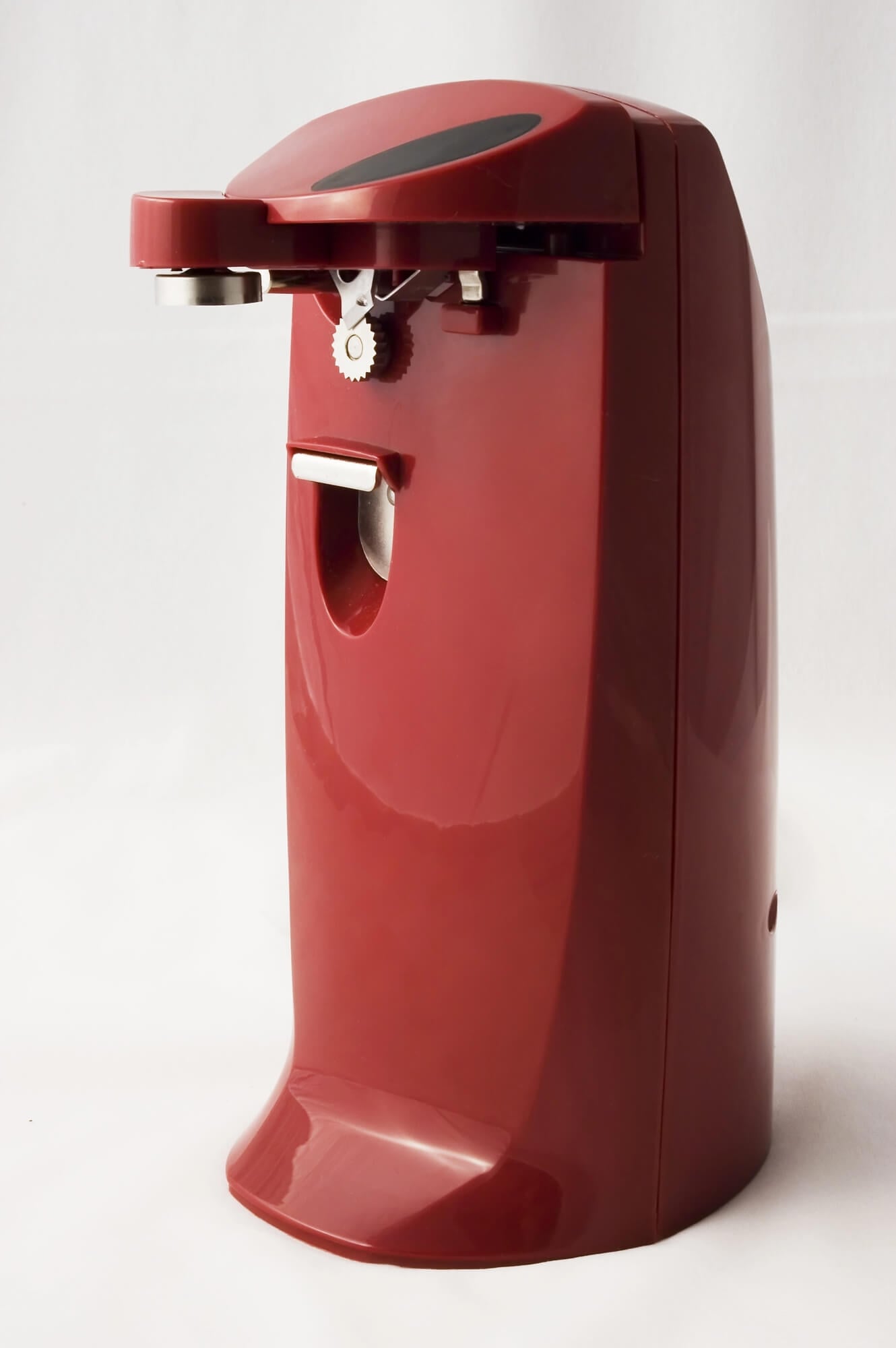
Tin cans were patented in 1810, but the first can opener did not arrive until Ezra Warner of Waterbury, Connecticut, patented one in 1858. Before that, people attacked the lid with a hammer and chisel, and soldiers were known to use bayonets.
Electric versions appeared in the early 1930s. By the middle of the century, a countertop model in avocado or harvest gold was a standard wedding-shower gift.
The Crock-Pot Grew From a Bean Pot and a Family Story
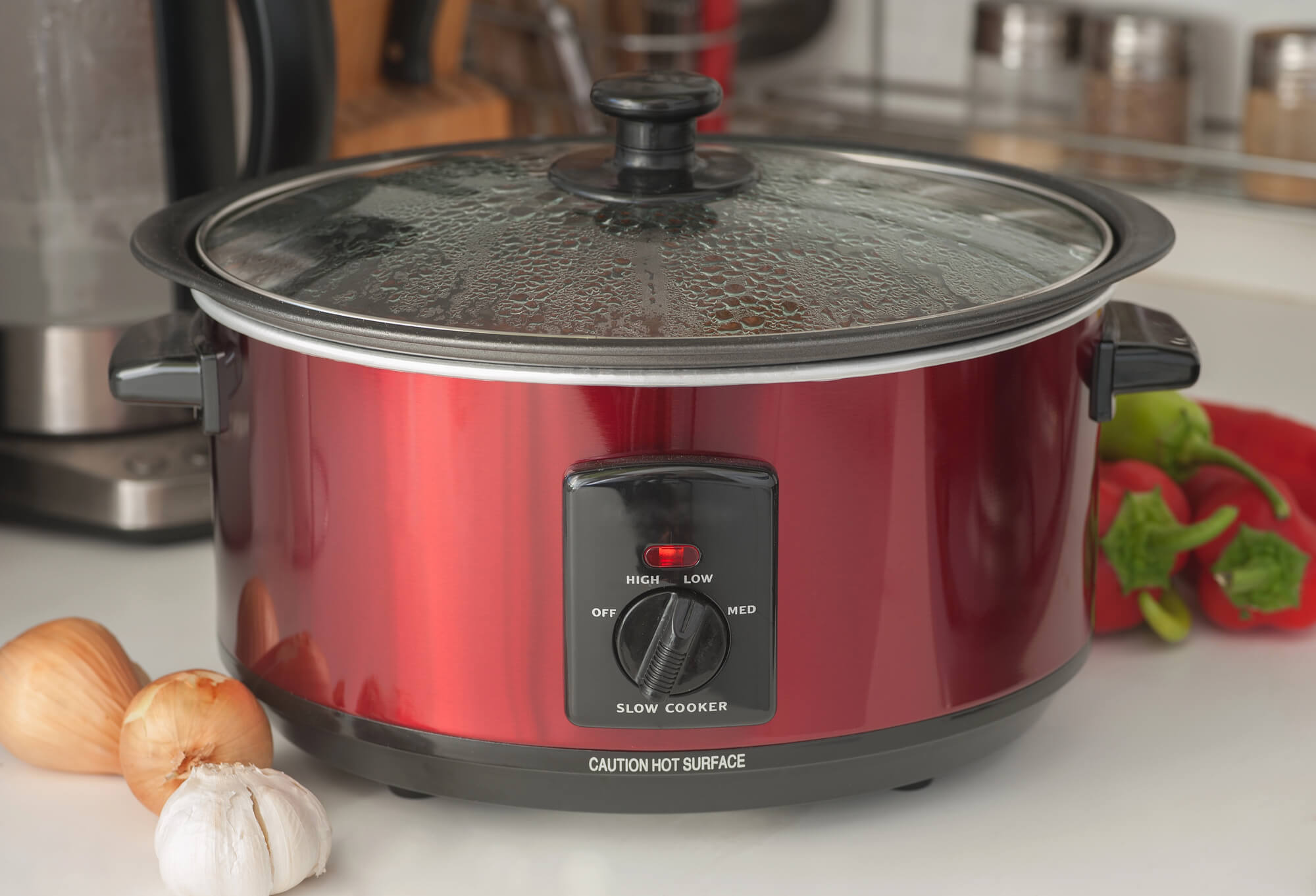
Irving Naxon patented his electric Beanery cooker in 1940, inspired by his mother’s stories of a Sabbath stew that simmered slowly in a baker’s cooling oven in her Lithuanian town. The Rival company of Kansas City bought Naxon’s business in 1970 and relaunched the cooker as the Crock-Pot in 1971.
It found its audience as more women worked outside the home and wanted dinner ready on arrival. The early stoneware pot is still the model that later slow cookers copy.
The Pop-Up Toaster Was Built by a Factory Mechanic Tired of Burnt Toast
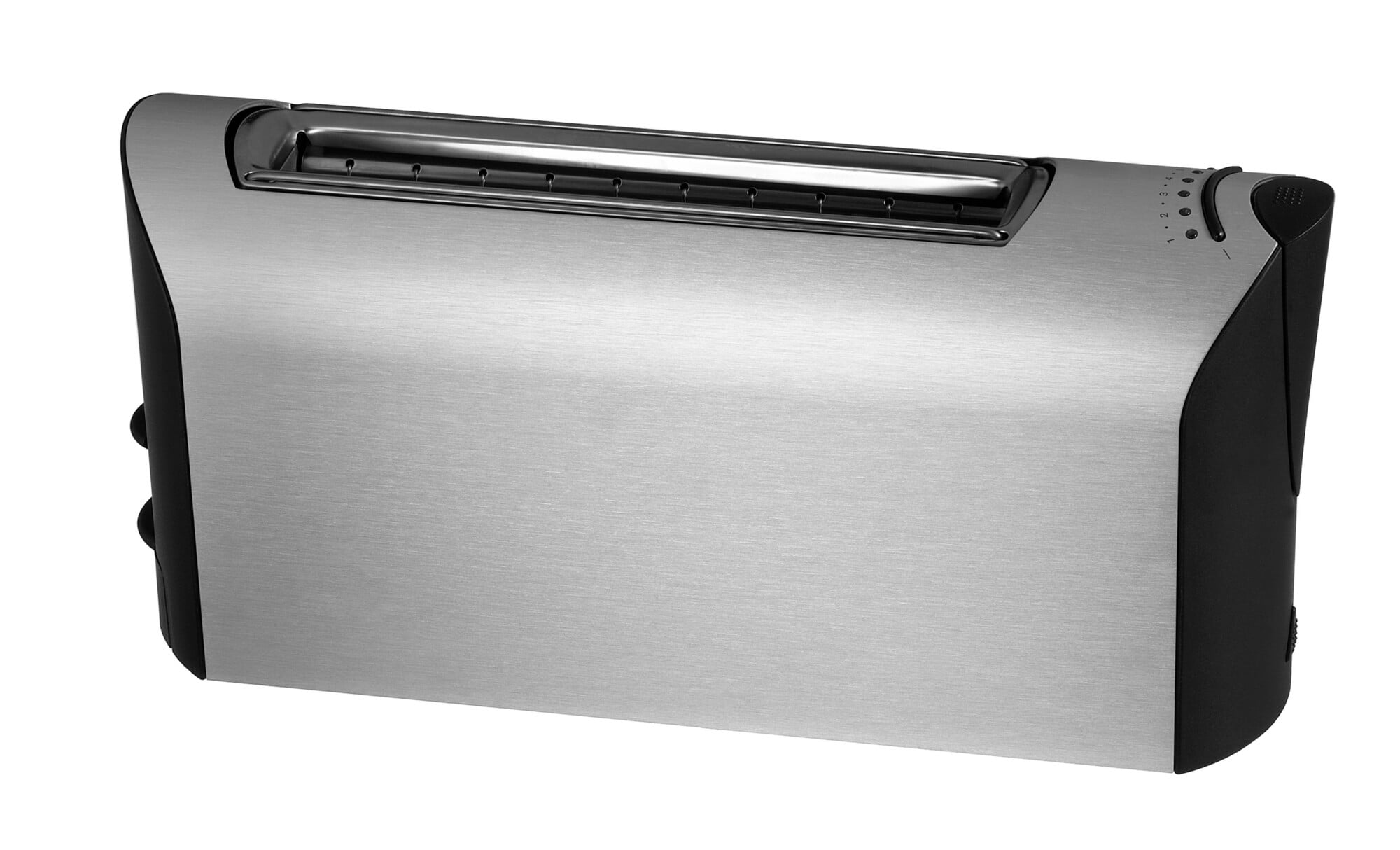
Charles Strite, a mechanic at a Stillwater, Minnesota, factory, grew weary of scorched toast in the company cafeteria. He added a timer and a spring that ejected the bread, and he received a patent in 1921.
Toastmaster began selling a home version in 1926. Before that, toast in most homes was made in racks over open flames or on stovetops, with plenty of burning.
The Monitor Top Refrigerator Wore Its Motor on Its Head
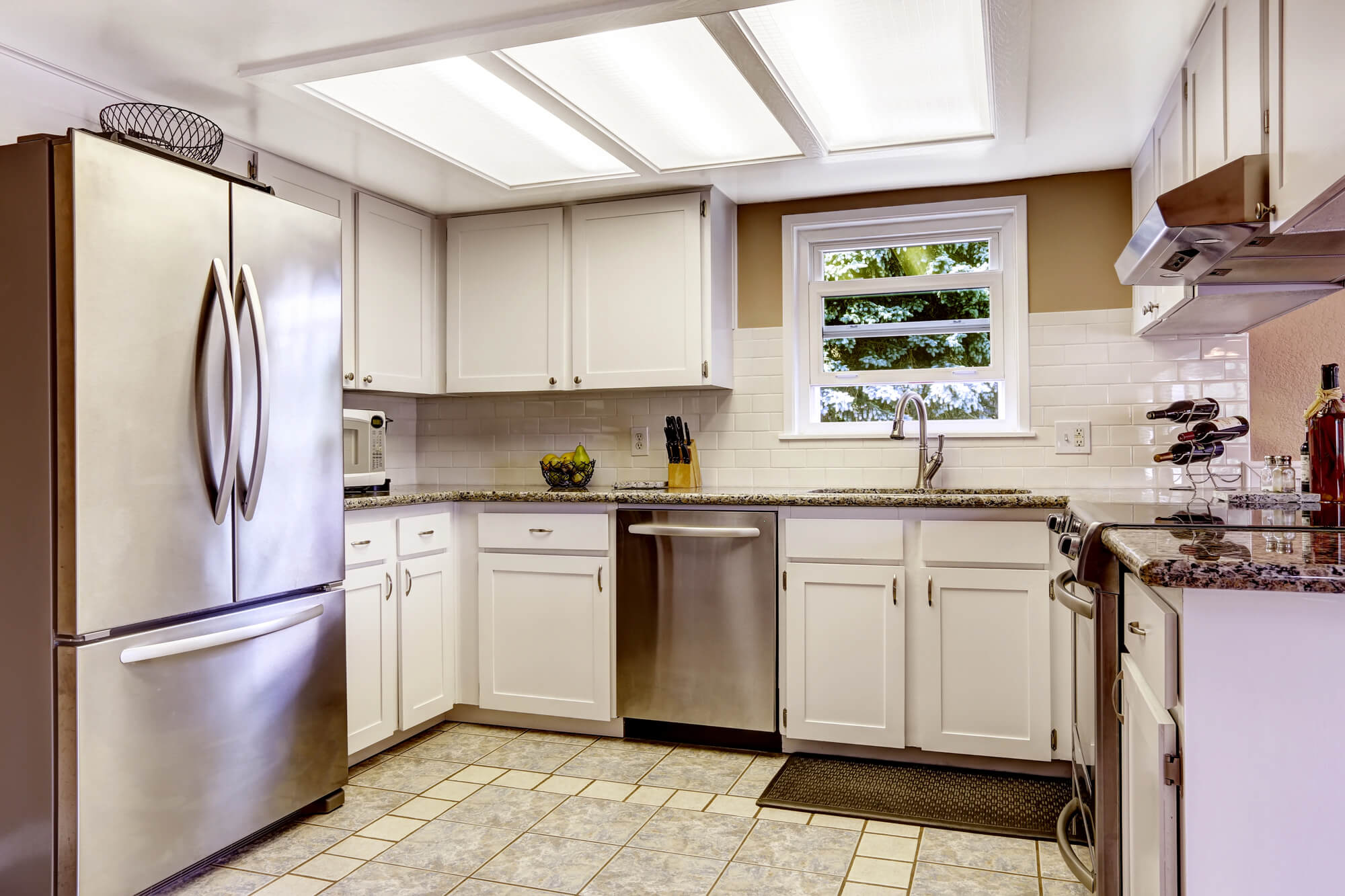
General Electric introduced its Monitor Top refrigerator in 1927, with the compressor mounted in a round housing on top. The cylinder reminded people of the turret on the Civil War ironclad USS Monitor, and the nickname stuck.
It sold in huge numbers and helped move families away from the iceman. Some of these machines from the late 1920s are still running, which is more than can be said for many modern refrigerators.
The Waffle Iron Learned to Flip
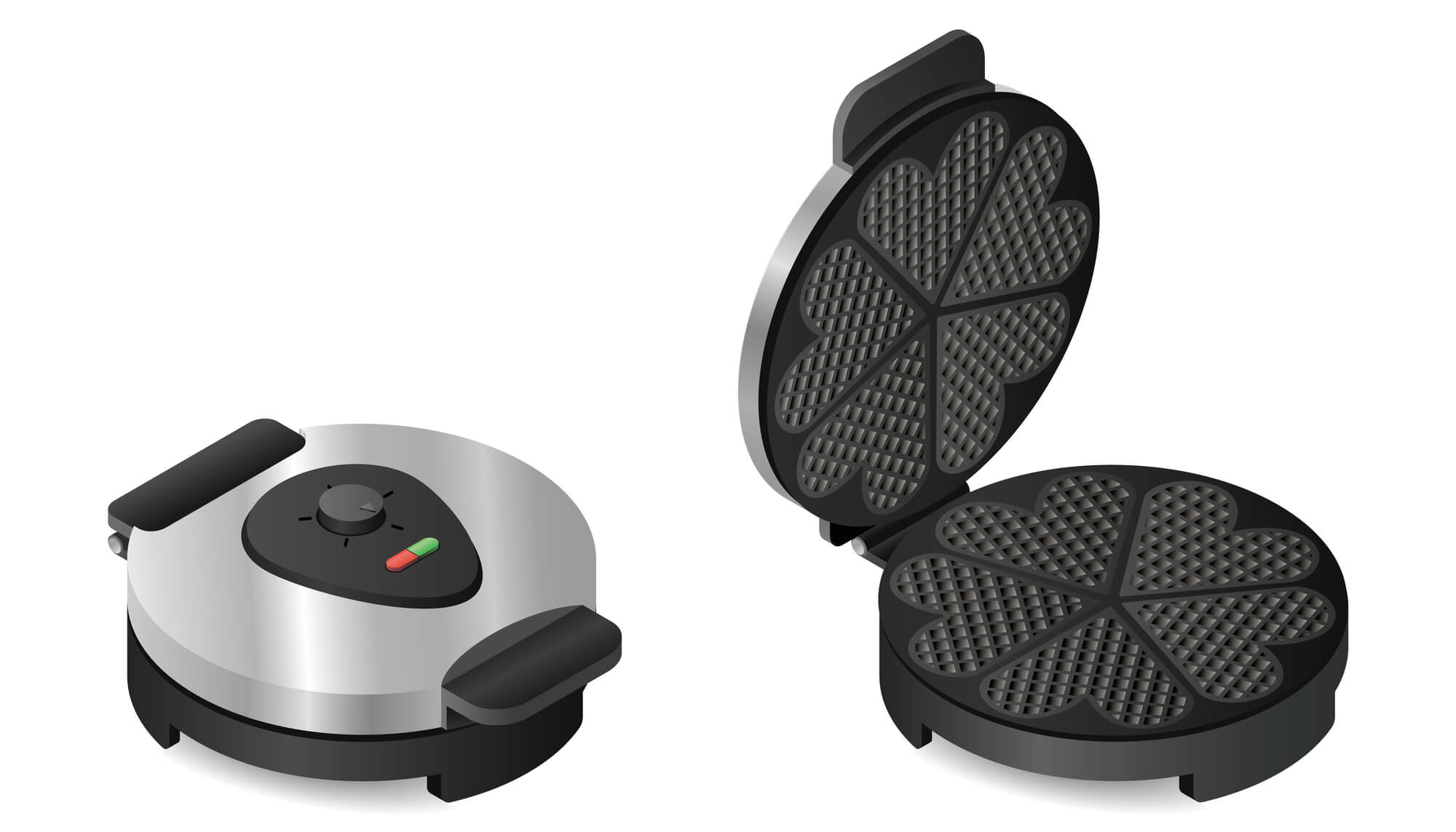
Cornelius Swarthout of Troy, New York, patented a waffle iron in 1869 with a pair of hinged plates that could be turned over on a stovetop. Flipping let both sides brown evenly, which earlier irons struggled to do.
Electric versions took over later, but the idea of a hinged, reversible iron stayed. Waffle makers are now one of the most common wedding registry items.
The Blender Began as a Soda Fountain Mixer
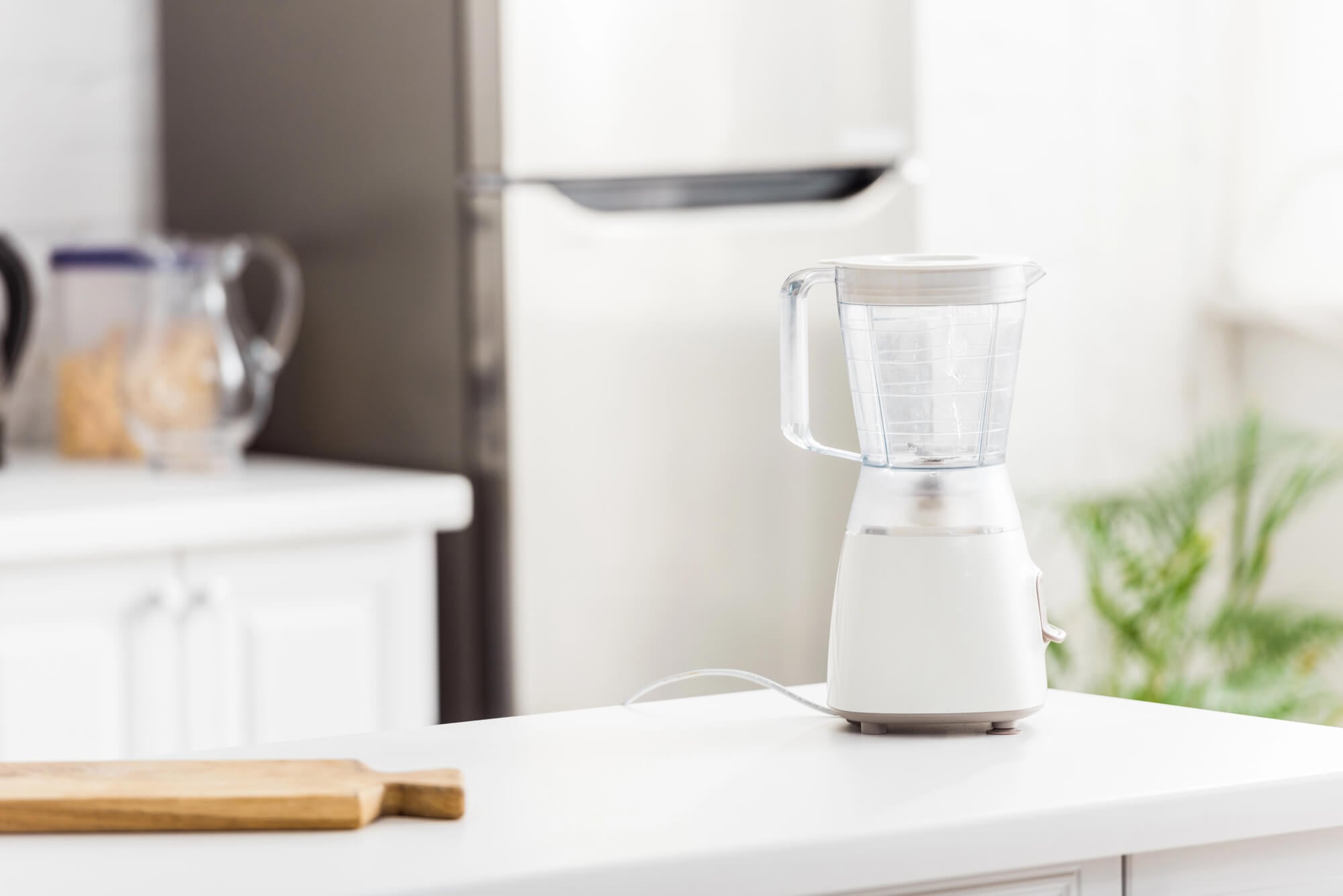
Stephen Poplawski developed a drink mixer in 1922 with a spinning blade at the bottom of a container, designed for soda fountain malts. Bandleader Fred Waring later financed an improved version, and the Waring Blendor reached the public in 1937.
Home cooks soon used it for soups, sauces, and baby food. Many a grandmother still reaches for her harvest-gold model for milkshakes.
The Microwave Oven Grew From a Melted Candy Bar
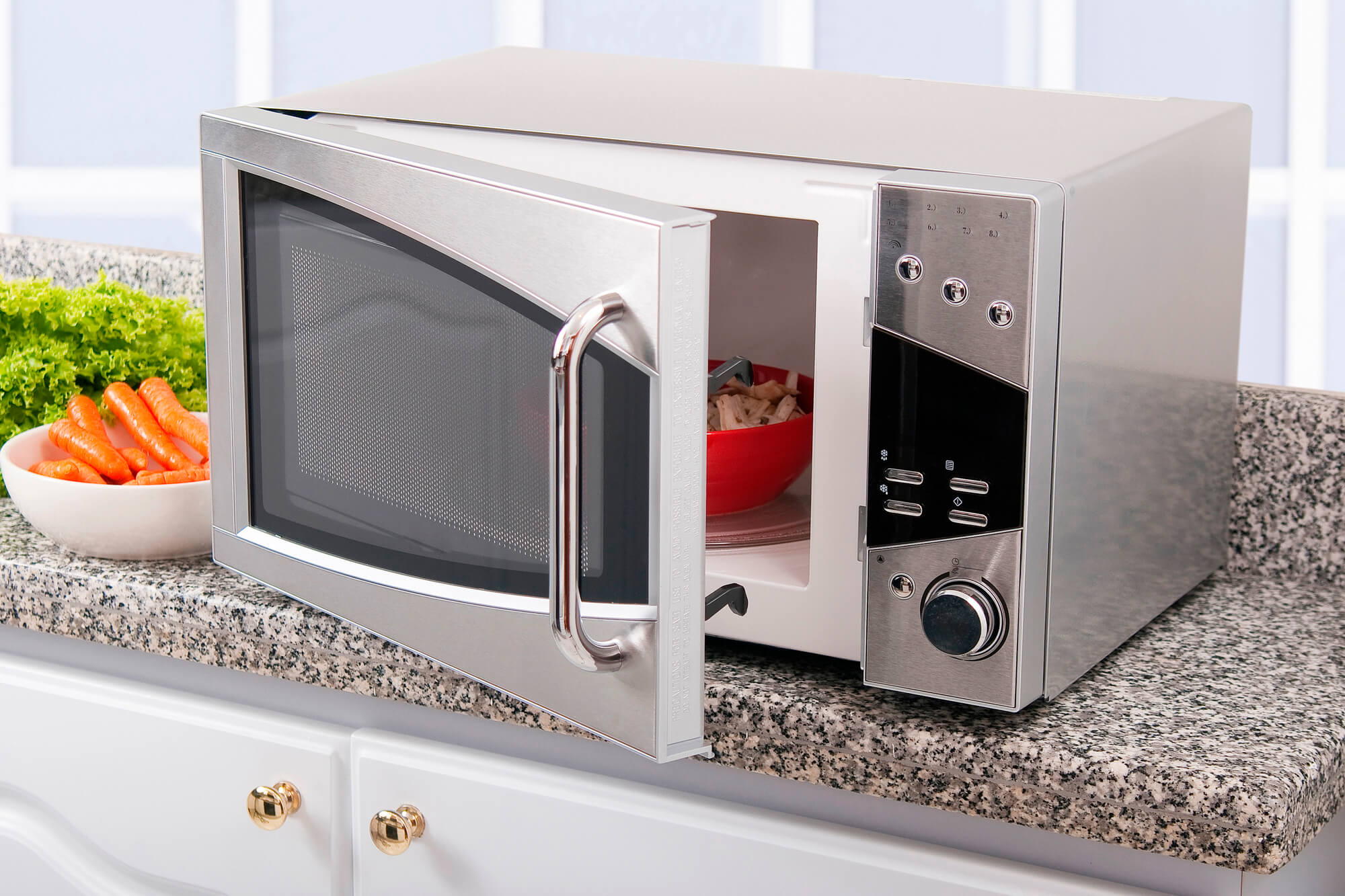
Percy Spencer, an engineer at Raytheon, noticed in 1945 that a candy bar in his pocket had melted while he stood near a radar magnetron. He then tested popcorn and an egg and realized radar waves could cook food.
The first commercial Radarange stood about six feet tall. Amana introduced a countertop model in 1967, which finally fit in a normal kitchen.
Reynolds Wrap Made Foil a Household Item
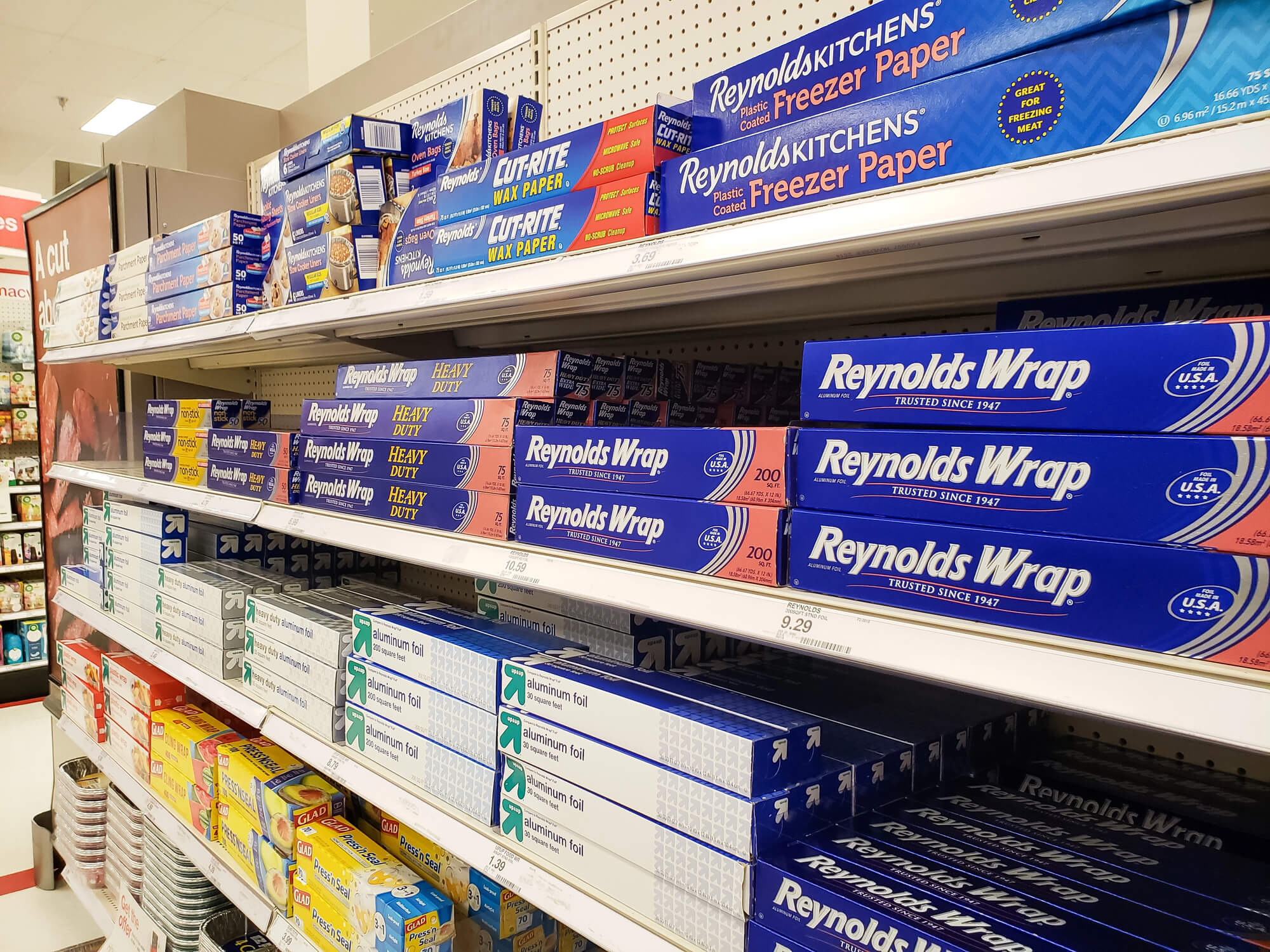
Aluminum foil had spent decades as a packaging material before Reynolds Metals launched Reynolds Wrap for home kitchens in 1947. It lined baking pans, wrapped leftovers, and covered casseroles for the church potluck.
The two sides of the foil look different, yet the company says both perform the same. Grandmothers reused sheets until they tore.
Saran Wrap Came From a Cleaning Accident
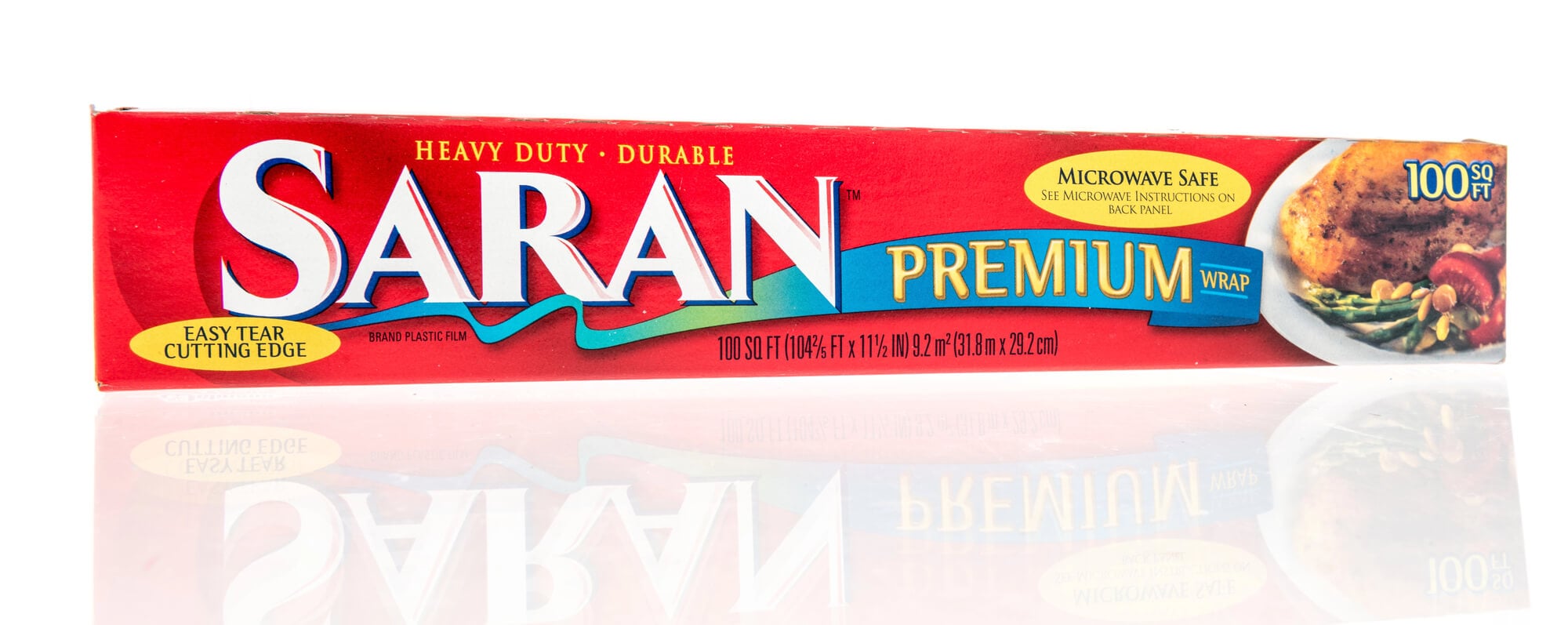
Ralph Wiley, a Dow laboratory worker, discovered a clingy film in 1933 while trying to clean glassware. The material, a type of vinylidene chloride polymer, was first used to protect military equipment.
Dow sold it to households as Saran Wrap in 1953. The cling that kept leftovers fresh also made it famously difficult to find the end of the roll.
The Lodge Cast Iron Skillet Has Outlasted Its Owners
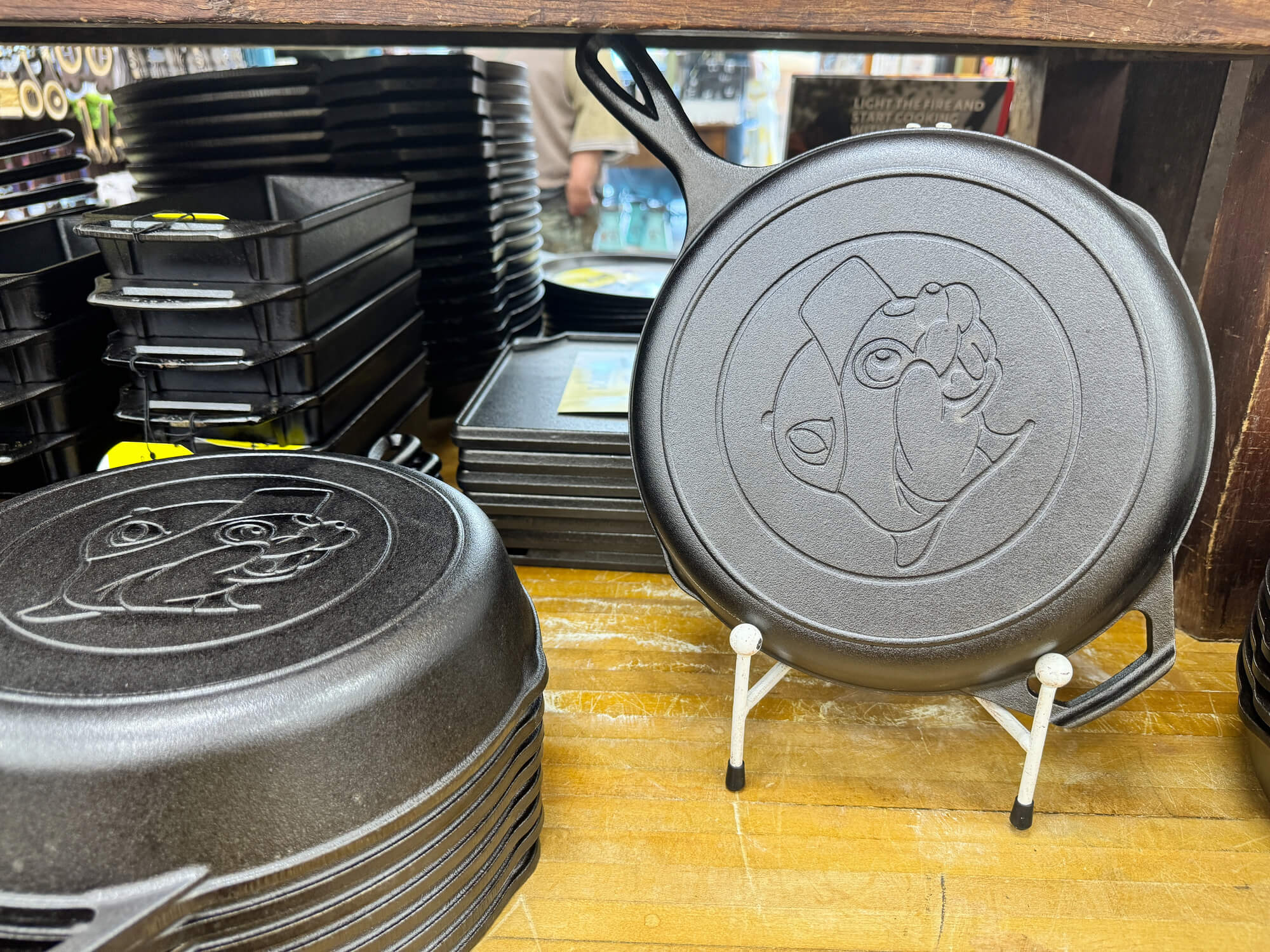
Joseph Lodge founded his foundry in South Pittsburg, Tennessee, in 1896, and the company is still family owned and still casts pans there. Cast iron holds heat evenly and improves with every round of frying chicken or baking cornbread.
Skillets get handed down with the recipes, and a well-seasoned pan can last for generations. Vintage pieces turn up at estate sales, with value depending heavily on condition.
The Rotary Egg Beater Replaced the Fork and a Tired Wrist
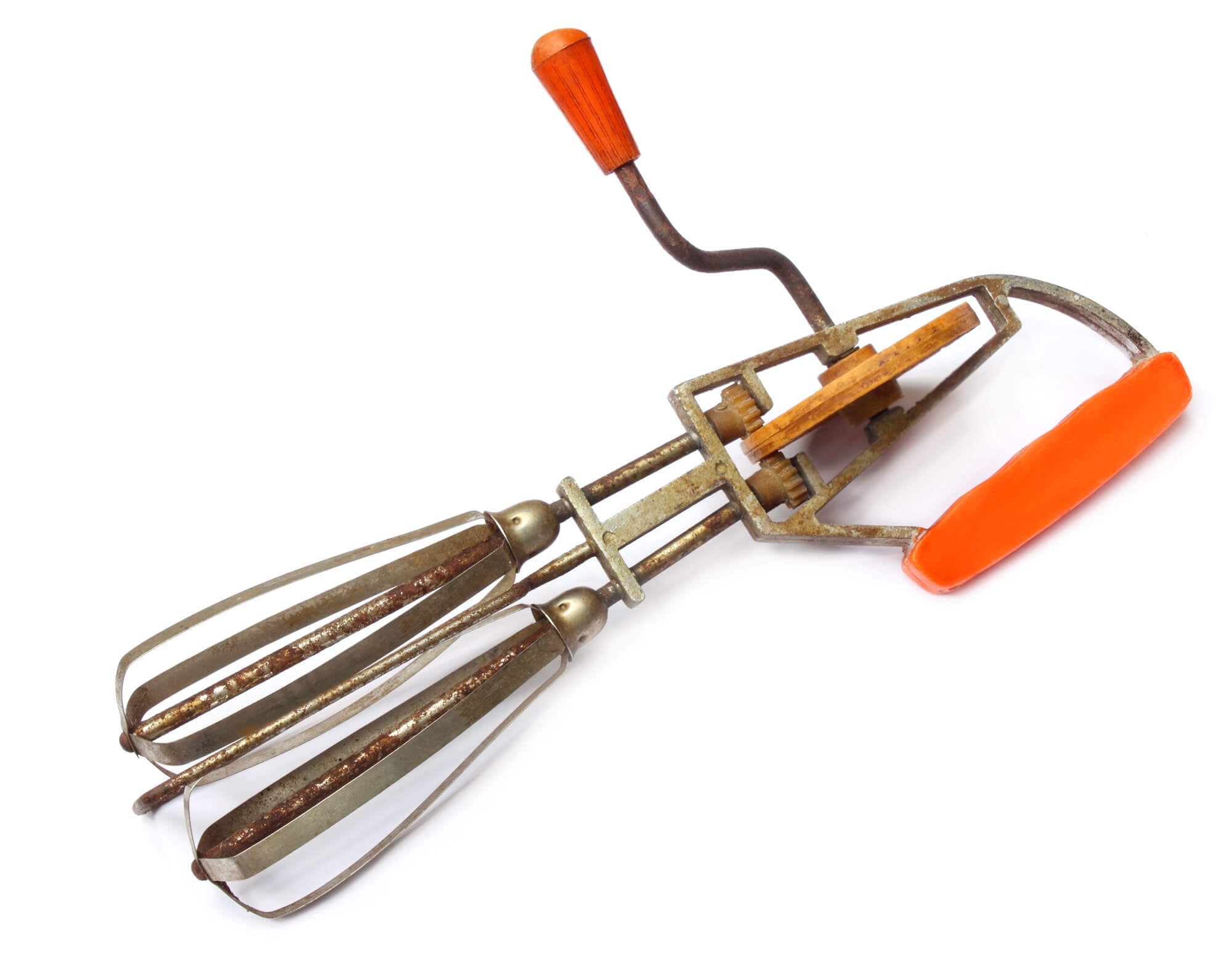
Turner Williams of Providence, Rhode Island, patented a rotary egg beater in 1856. A hand crank turned gears that spun the whisks, so the cook no longer had to beat batter by hand for ages.
Later versions, including the popular Dover beater, were sold in the millions. Many grandmothers still keep one with a worn wooden handle in the utensil drawer.
The Dishwasher Was Invented to Protect China
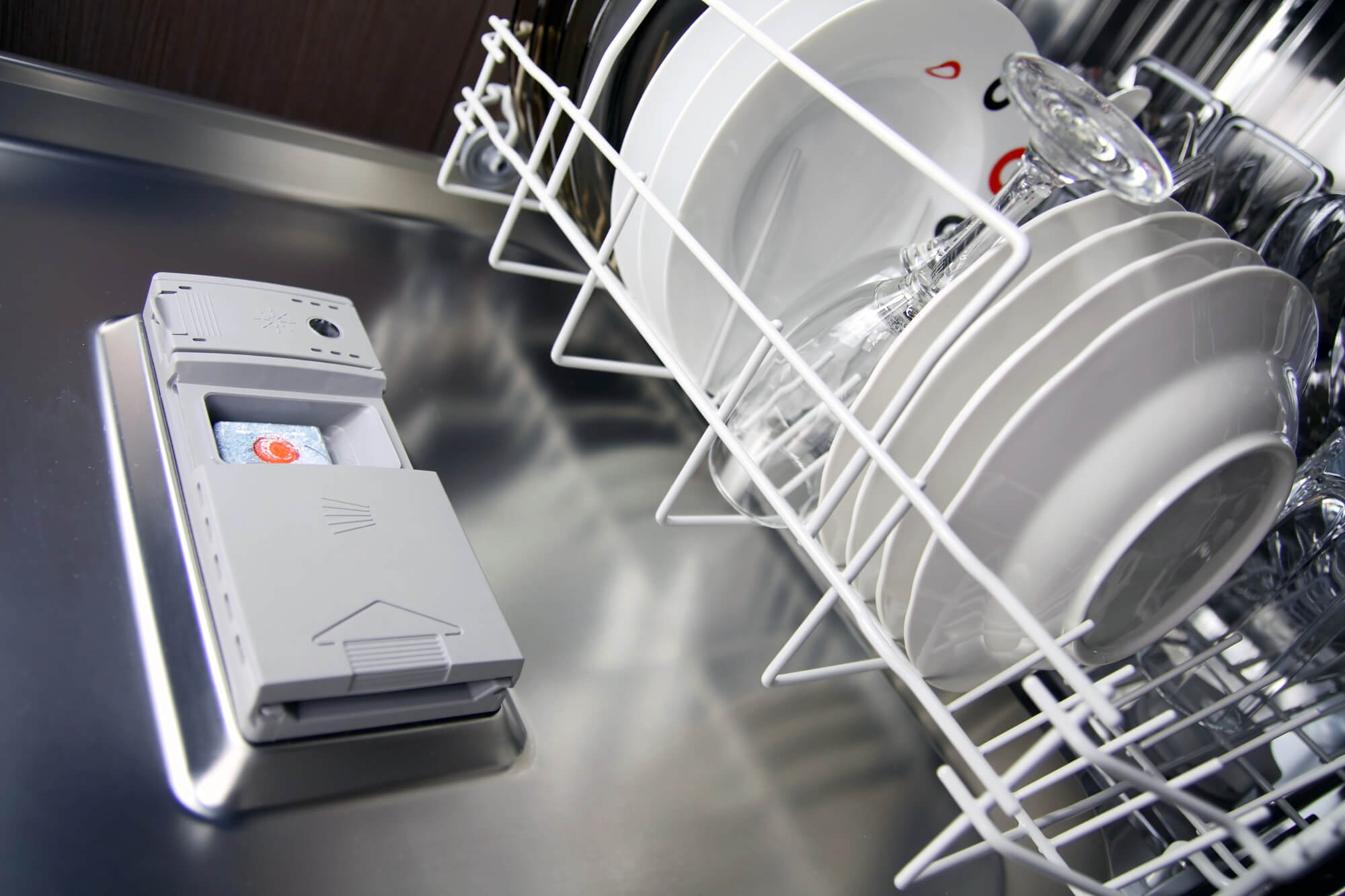
Josephine Cochrane, an Illinois socialite, patented her dishwasher in 1886 after she grew frustrated with servants chipping her heirloom china. Her design used wire compartments for plates, with water sprayed up from a motor-driven pump.
She showed it at the 1893 World’s Columbian Exposition in Chicago, where hotels and restaurants placed the first orders. Her company eventually became part of the KitchenAid brand.
The Cuisinart Food Processor Arrived From a Paris Trade Show
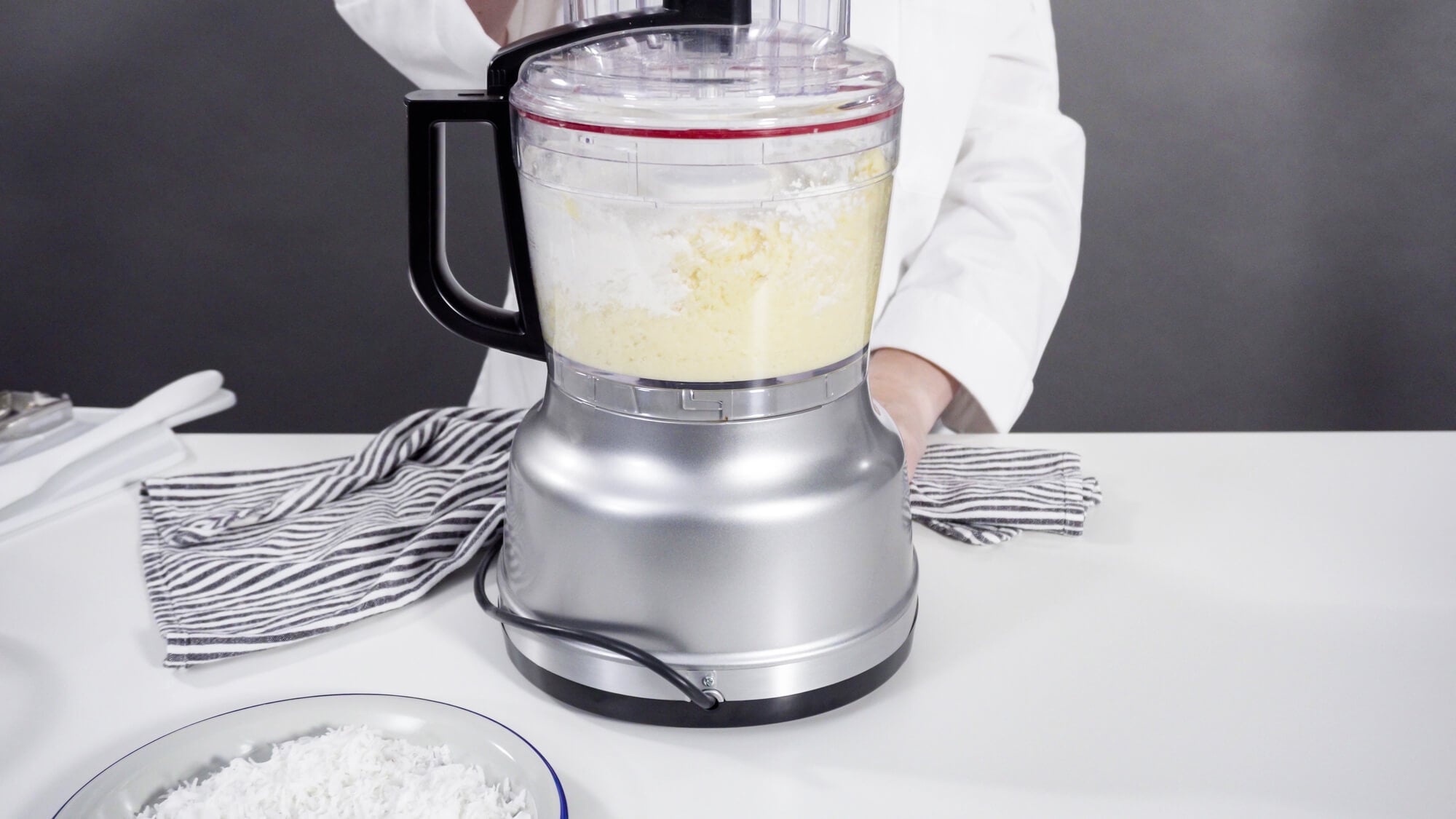
Carl Sontheimer, a retired engineer, saw a French commercial food processor at a Paris housewares show and decided to bring a home version to the United States. He introduced the Cuisinart at a Chicago housewares show in 1973.
Within a few years, it had replaced hours of chopping, grating, and kneading. Julia Child helped by demonstrating one on television.
Teflon Pans Came From a Gas Cylinder That Weighed Wrong
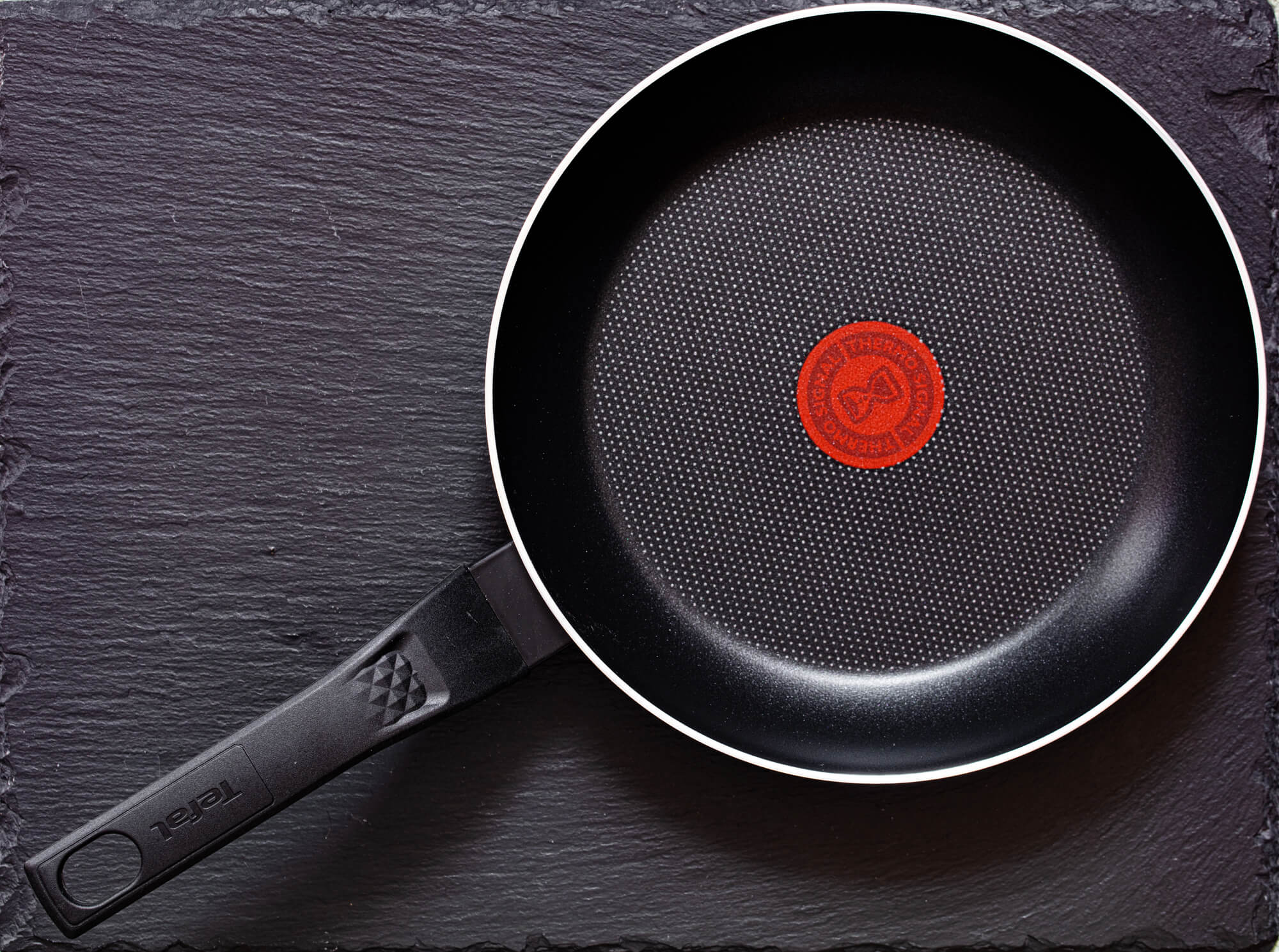
Roy Plunkett, a chemist at DuPont, opened a cylinder of refrigerant gas in 1938 and found it empty of gas but still heavy. Inside was a waxy white solid, the substance later sold as Teflon.
French engineer Marc Grégoire created the first nonstick pans in 1954 using the coating on cookware. The brand he founded became Tefal.
Corning Ware Was Cooked Up From an Overheated Furnace
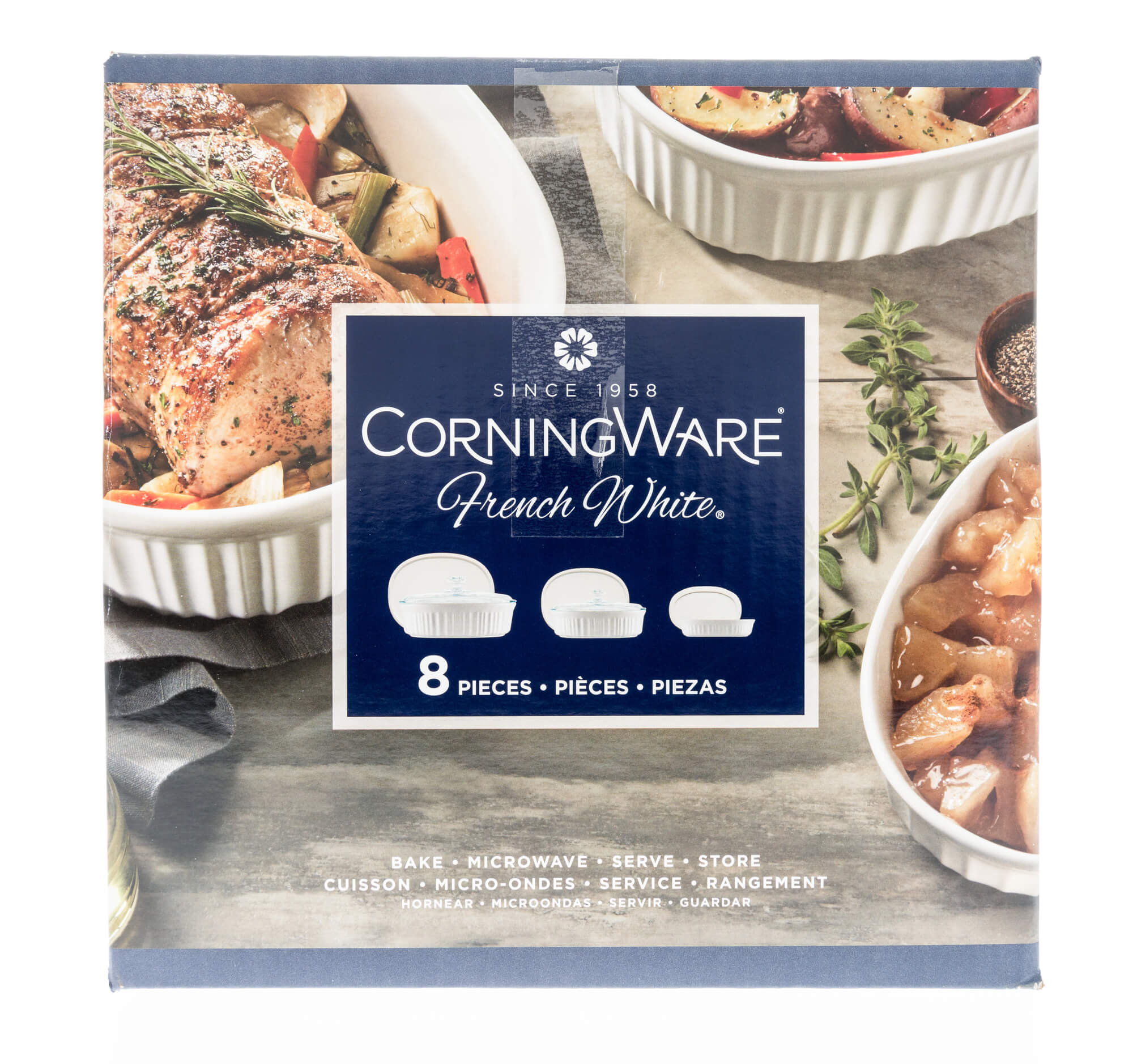
In 1953, Corning scientist S. Donald Stookey left a piece of glass in a furnace that overheated far past its target temperature. It emerged as a milky ceramic that did not break when dropped.
The material, called Pyroceram, was first used for missile nose cones. In 1958 it became Corning Ware, and the cornflower blue pattern added in 1959 became a fixture of postwar kitchens.
Fiestaware Used a Radioactive Red
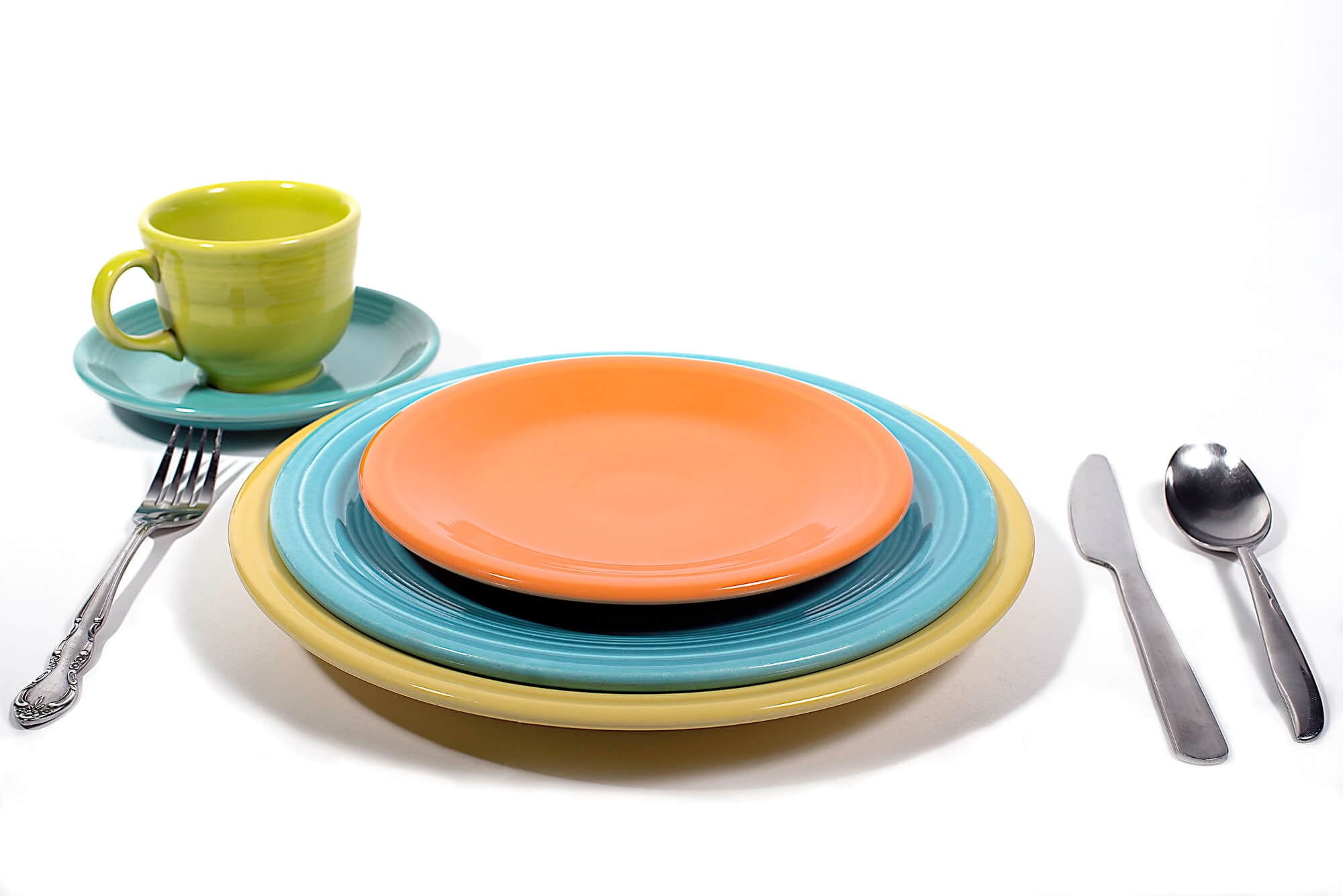
The Homer Laughlin China Company of Newell, West Virginia, introduced Fiesta in 1936 in a range of bold colors designed by Frederick Rhead. The original red glaze contained uranium oxide, and production stopped in 1943 when the government restricted the material.
Red returned in 1959 with a different formulation. Collectors seek out the vintage red pieces, and their value hinges on condition.
The Swivel Peeler Replaced the Paring Knife
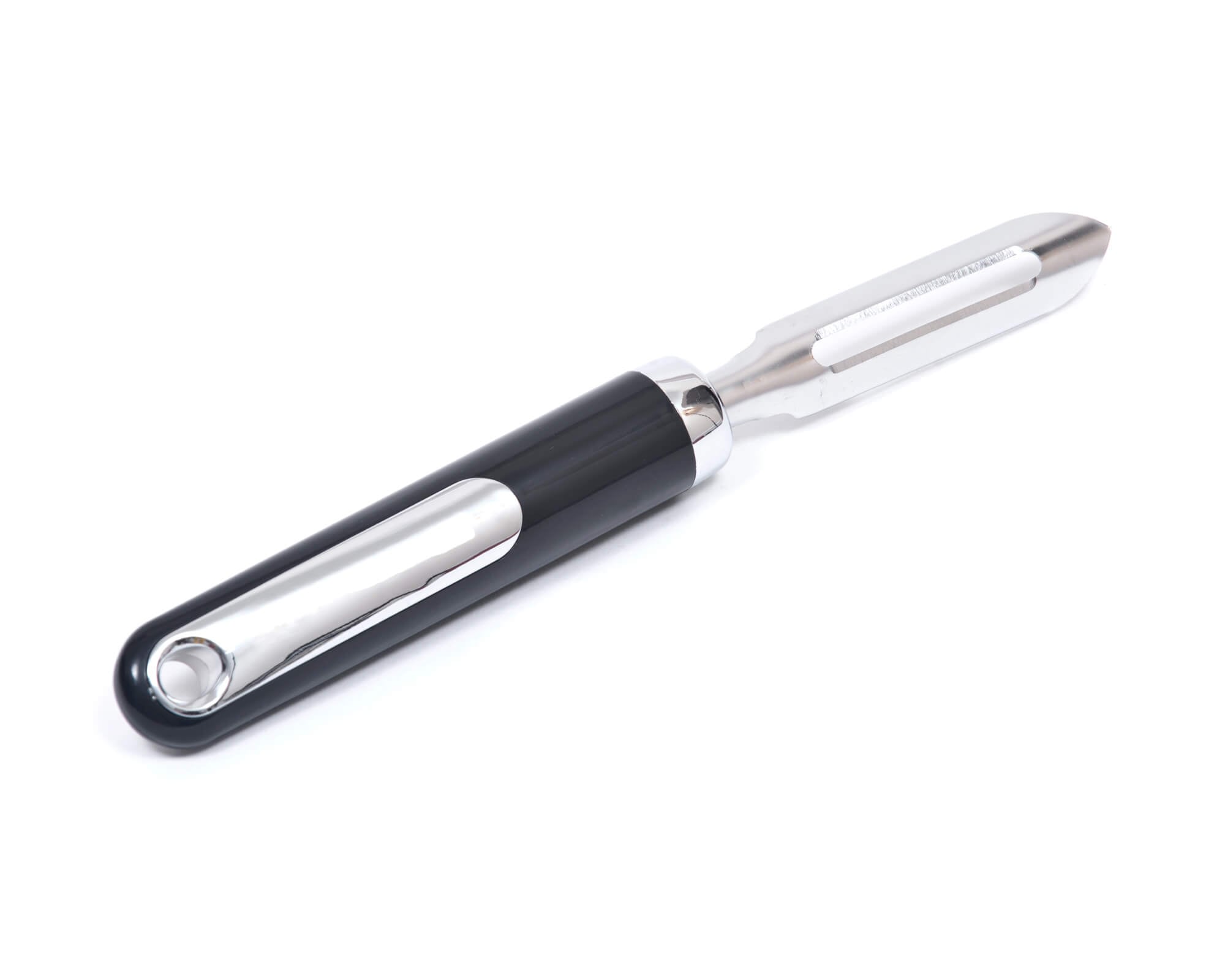
A Swiss inventor, Alfred Neweczerzal, patented his swivel-blade peeler in 1947. The Y-shaped tool let cooks remove potato skin in thin strips without wasting much of the potato underneath.
Its rotating blade followed the curves of vegetables with little effort. Its basic design has hardly changed since, which is an unusual achievement for a kitchen gadget.
Mr. Coffee Ended the Percolator Era
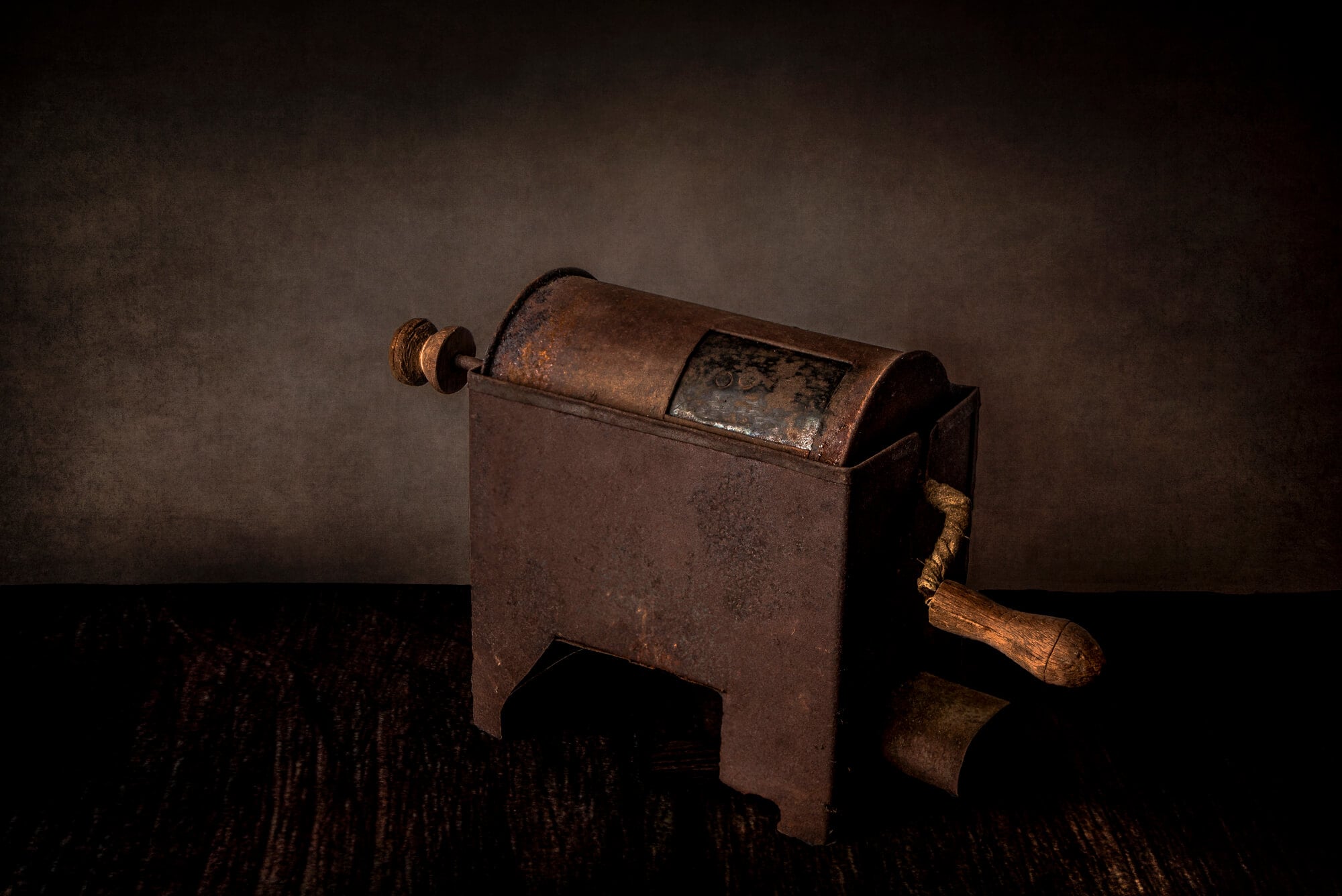
Vincent Marotta and Samuel Glazer of Cleveland launched the Mr. Coffee automatic drip machine in 1972. It heated water to the correct temperature and dripped it over the grounds, avoiding the bitterness of boiling that plagued percolators.
Yankees star Joe DiMaggio became the pitchman. Within a few years, it had become a fixture on kitchen counters across the country.
The Garbage Disposal Was Banned in America’s Largest City

John W. Hammes, a Racine, Wisconsin, architect, invented a sink-mounted disposal in 1927 after watching his wife scrape scraps into the trash. He began selling it under the InSinkErator name in 1940.
Many cities were slow to adopt it, and New York City banned them until 1997. The unit grinds food waste so it can pass through the plumbing.
Fannie Farmer Standardized the Measuring Cup
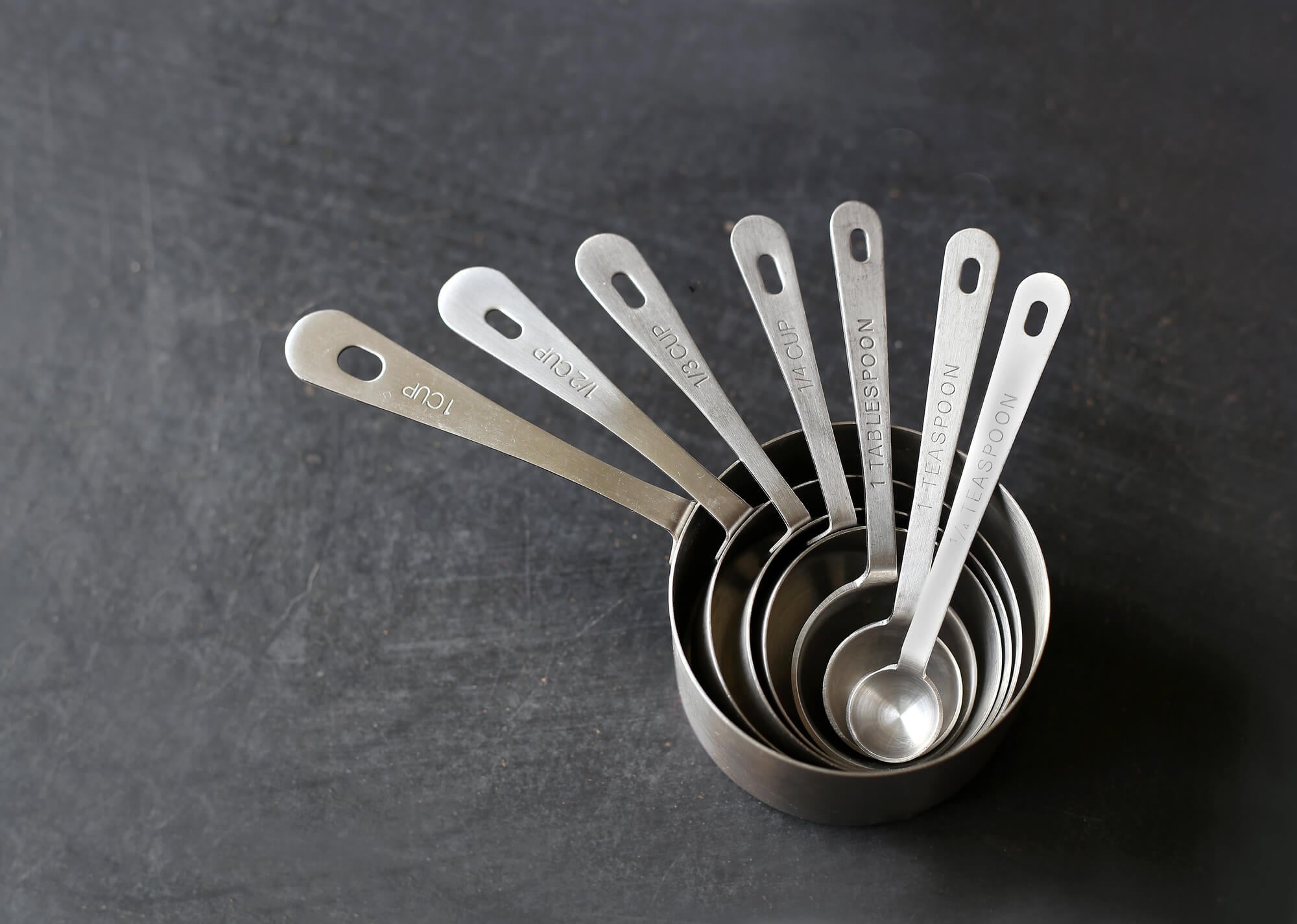
Before the 1890s, recipes called for a piece of butter the size of an egg or a teacup of flour. Fannie Farmer, principal of the Boston Cooking School, published her Boston Cooking-School Cook Book in 1896 and insisted on level measurements.
Her method made measuring cups and spoons essential. Cooks could finally follow a recipe and get the same cake twice.
The Bundt Pan Went From Obscure to Everywhere
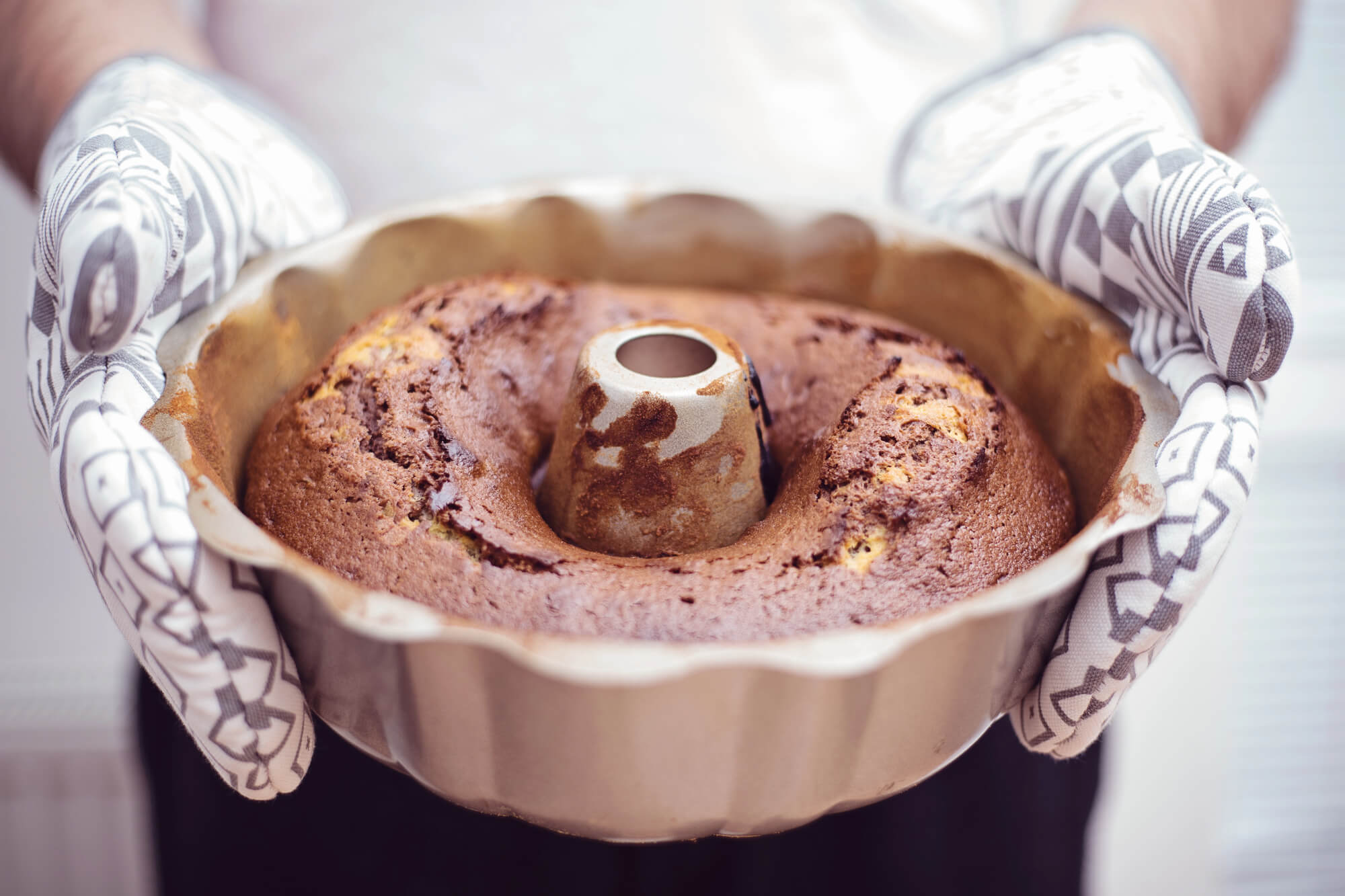
H. David Dalquist, founder of Nordic Ware in Minneapolis, produced the first Bundt pan in 1950 after members of a Hadassah chapter asked for a version of a traditional German cake mold. It sold slowly until 1966, when a Bundt cake called Tunnel of Fudge placed second at the Pillsbury Bake-Off.
Demand surged almost overnight. The ring-shaped cake became a staple of church socials and holiday tables.
Revere Ware Put Copper on the Bottom
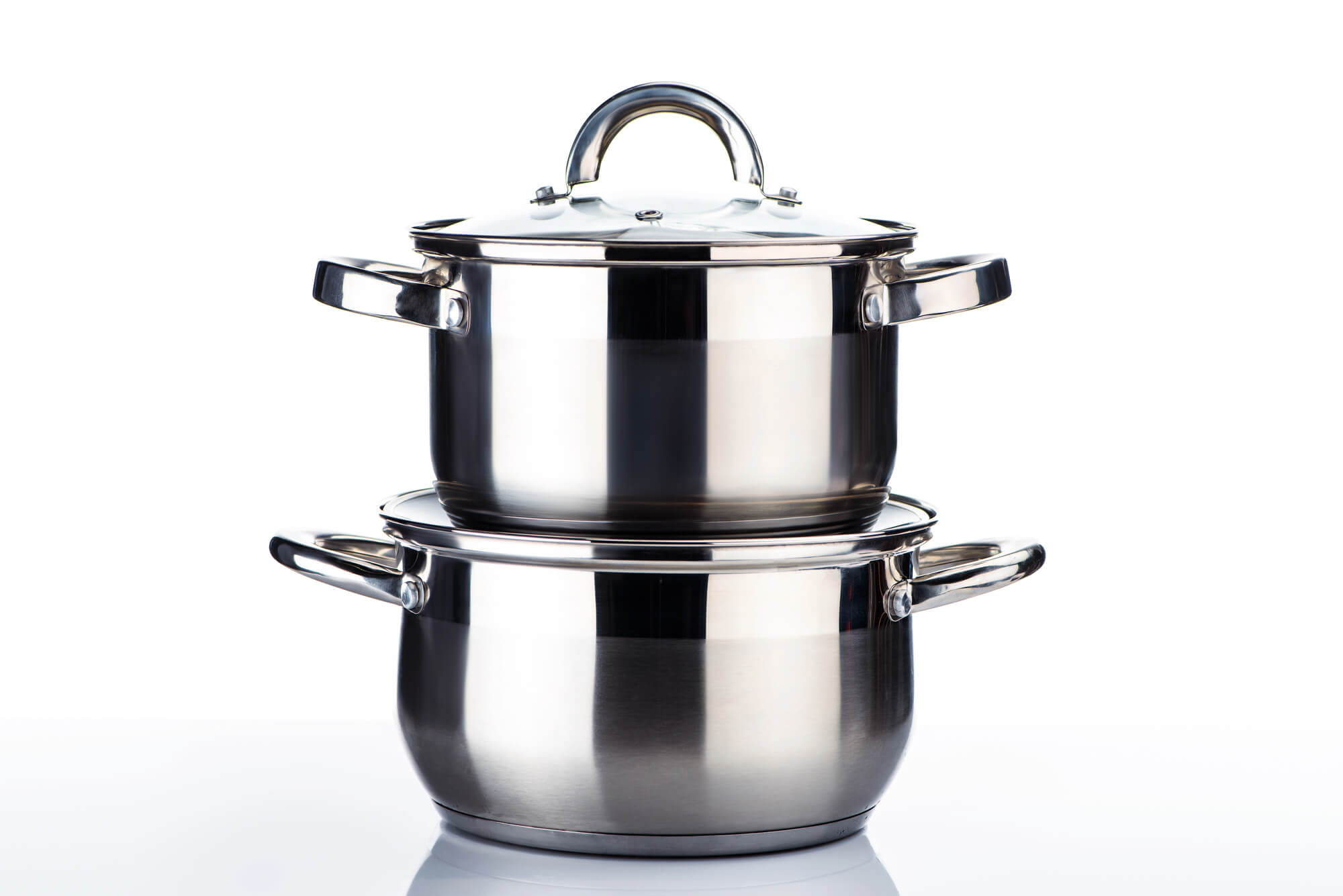
Revere Copper and Brass introduced Revere Ware in 1939, with stainless steel pots whose bottoms were plated in copper for even heating. The handles were made of Bakelite, an early plastic that stayed cool.
The company traced its roots to the copper mill Paul Revere founded in Canton, Massachusetts. Plenty of grandmothers kept the same saucepan for fifty years.
Le Creuset Brought French Color to American Stovetops
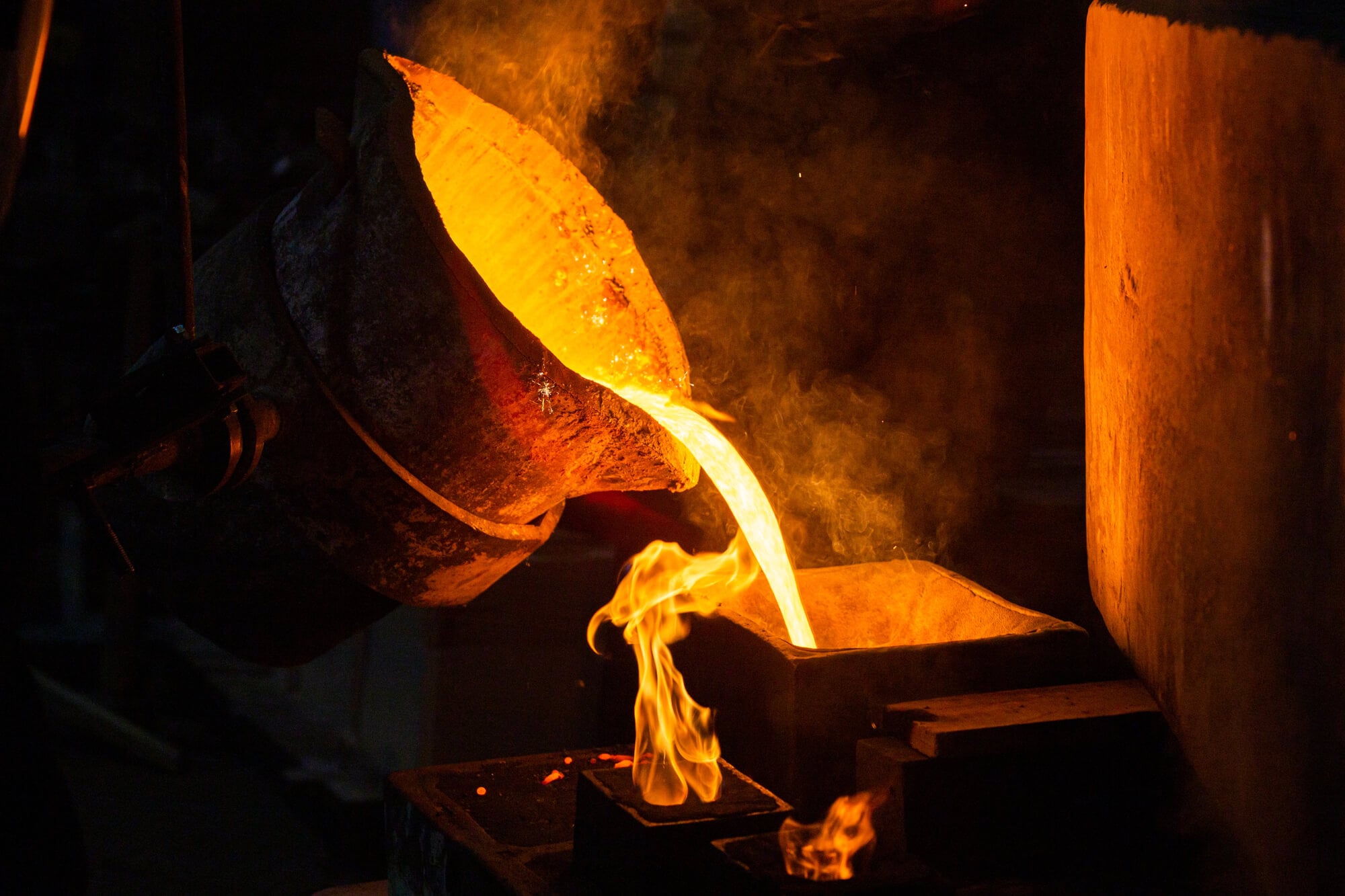
Le Creuset began casting enameled iron cookware in 1925 in Fresnoy-le-Grand, France. Its first pots were glazed in a fiery orange shade that became the brand’s signature.
The thick walls hold heat evenly for slow braising, and the enamel needs no seasoning. Plenty of cooks received one as a wedding gift and used it for decades.
The Hoosier Cabinet Packed an Entire Kitchen Into One Piece
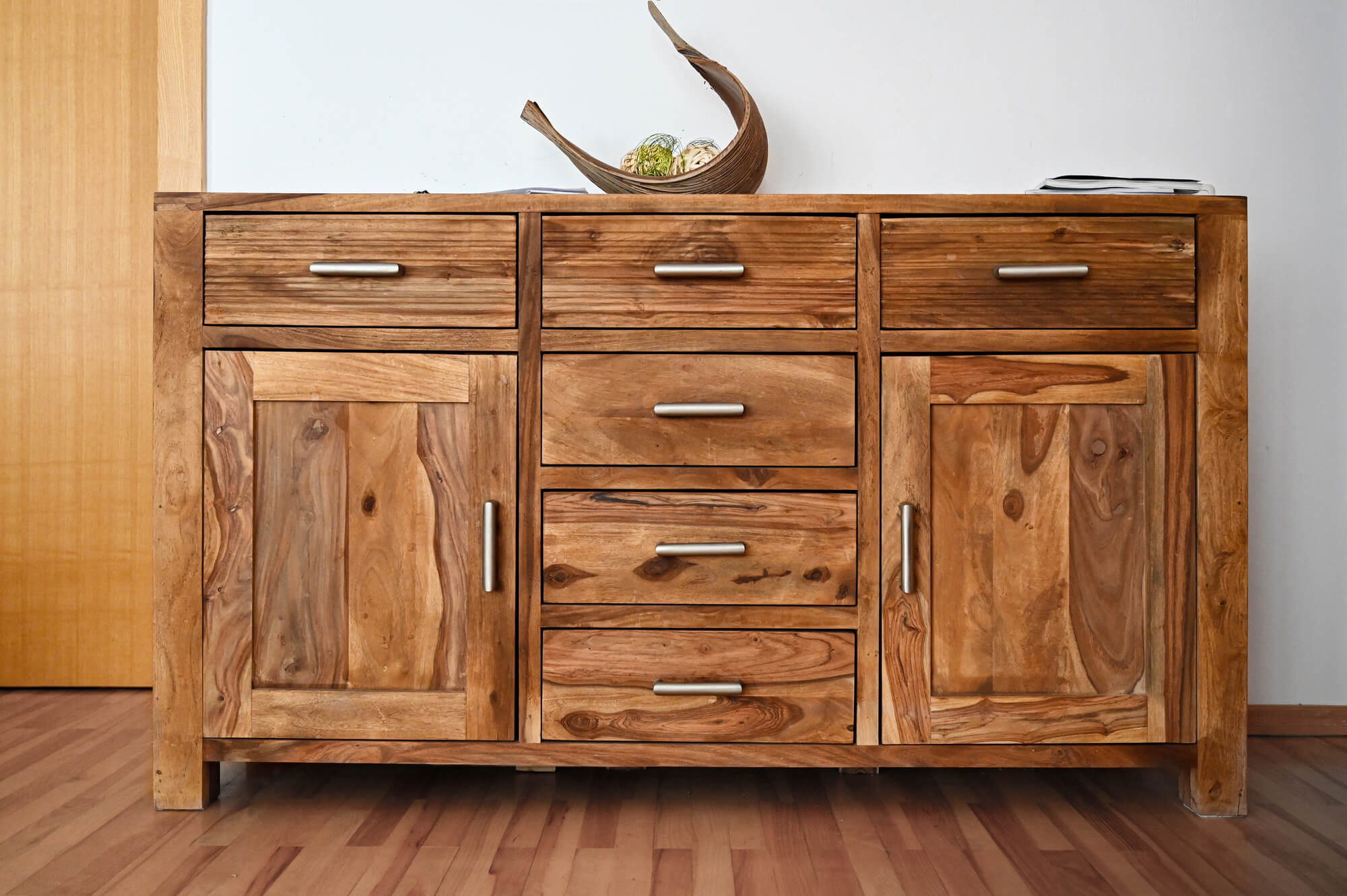
The Hoosier Manufacturing Company of New Castle, Indiana, popularized the freestanding kitchen cabinet in the early 1900s. It combined a flour bin with a built-in sifter, spice racks, drawers, and a work surface in a single piece of furniture.
Cooks could stand in one spot and reach nearly everything. Antique cabinets remain popular with collectors, though prices depend heavily on condition and originality.
What Saves Time Becomes What Holds Memory
Looking at the list, the pattern is hard to miss: nearly every one of these tools shortened a task that once took hours. The pressure cooker, dishwasher, and microwave gave back evenings, and the slow cooker did it while the family was out.
Few of their inventors were chasing fame, only an easier afternoon.
That may explain why these objects stay in kitchens long after they stop being necessary. A chipped Pyrex dish or a battered skillet carries decades of Sunday dinners.
Inventions that save time end up holding it, one recipe at a time.
More from Go2Tutors!

- 27 Silver Dollars and Half Dollars Worth Keeping
- 28 Restaurant Menu Items Nobody Orders Anymore
- 17 Places Built in Seemingly Impossible Spots
- 27 Vintage Rings Worth More Than They Look
- 25 Restricted Sites Tourists Can’t Enter
Like Go2Tutors’s content? Follow us on MSN.