Rare Gems That Changed the Jewelry Industry
The jewelry industry has always been shaped by scarcity, beauty, and the occasional stroke of geological luck. For centuries, diamonds, rubies, sapphires, and emeralds held their positions as the unshakable elite of gemstones.
Every so often, a discovery comes along that rewrites the rules entirely. Sometimes it’s a stone nobody knew existed, and other times, it’s a breakthrough that makes the impossible suddenly affordable.
These rare gems didn’t just sparkle — they shifted how jewelers worked, how consumers shopped, and how the entire industry valued what was precious.
Here’s a closer look at the stones that didn’t just enter the market — they changed it.
Tanzanite
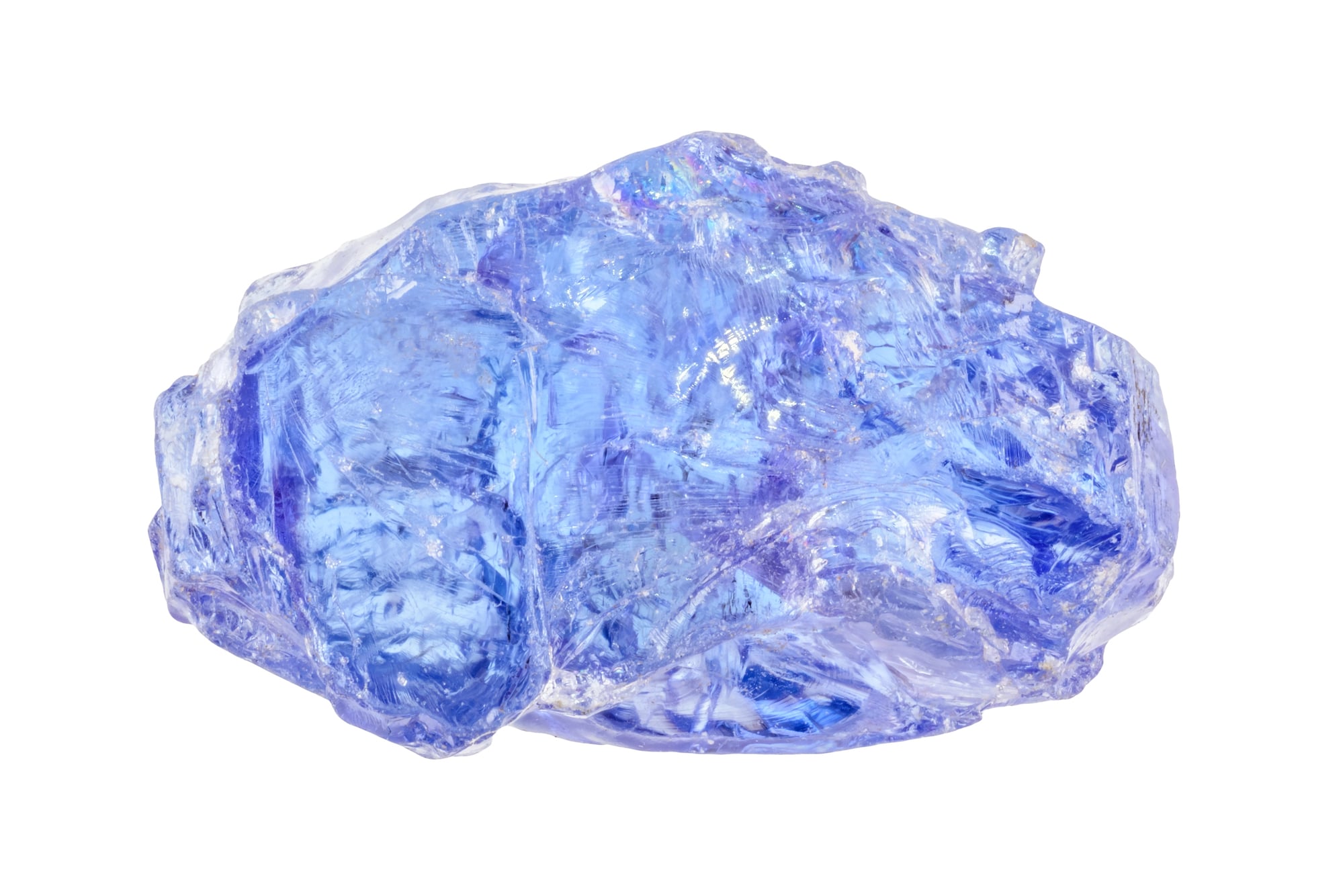
In 1967, a Maasai tribesman named Ali Juuyawatu stumbled across blue crystals in the Merelani Hills of northern Tanzania. At first, locals thought they’d found sapphires, but they hadn’t.
What Juuyawatu discovered was tanzanite, a gemstone that had never been seen before and one that would only ever be found in a small area near Mount Kilimanjaro. The odds of finding tanzanite anywhere else on Earth are close to zero.
Tiffany & Co. recognized the opportunity immediately. They launched a marketing campaign in 1968 that positioned the gem as rarer than diamonds and made it a household name within a decade.
Tanzanite proved that a gem didn’t need centuries of history to command serious prices. It just needed the right story and the right backing.
The stone also changed the way jewelers thought about sourcing. Tanzanite’s success opened the door for other regional stones to gain legitimacy, turning geography into a selling point rather than a limitation.
Lab-Grown Diamonds
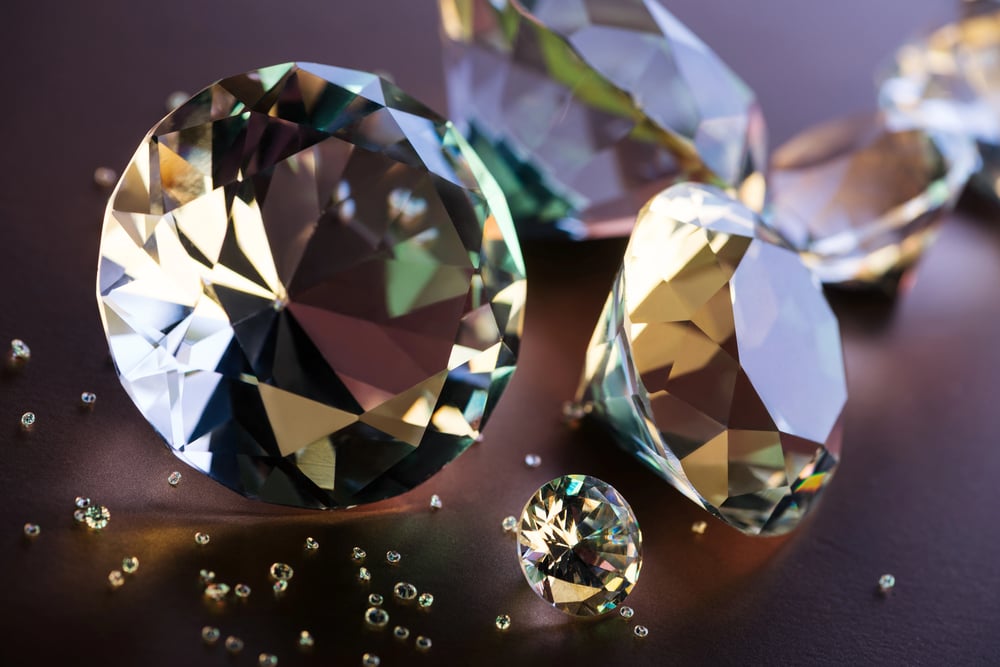
When General Electric created the first gem-quality synthetic diamond in 1954, the jewelry world barely noticed. The stones were small, costly, and used mostly for industrial purposes.
By the 2010s, lab-grown diamonds had become chemically identical to mined diamonds, available in larger sizes, and significantly cheaper. That’s when the industry took notice.
Lab-grown diamonds forced jewelers to confront an uncomfortable truth about value and scarcity. Once technology made diamonds reproducible, the foundation of their pricing began to crumble.
Major retailers started offering lab-grown options, and younger buyers embraced them without hesitation. The ethical appeal — no mining, no conflict, no destruction — sealed the deal.
Certification agencies had to evolve, and retailers had to educate consumers about differences invisible to the naked eye. The market split into two, reshaping everything from pricing to perception.
Burmese Rubies
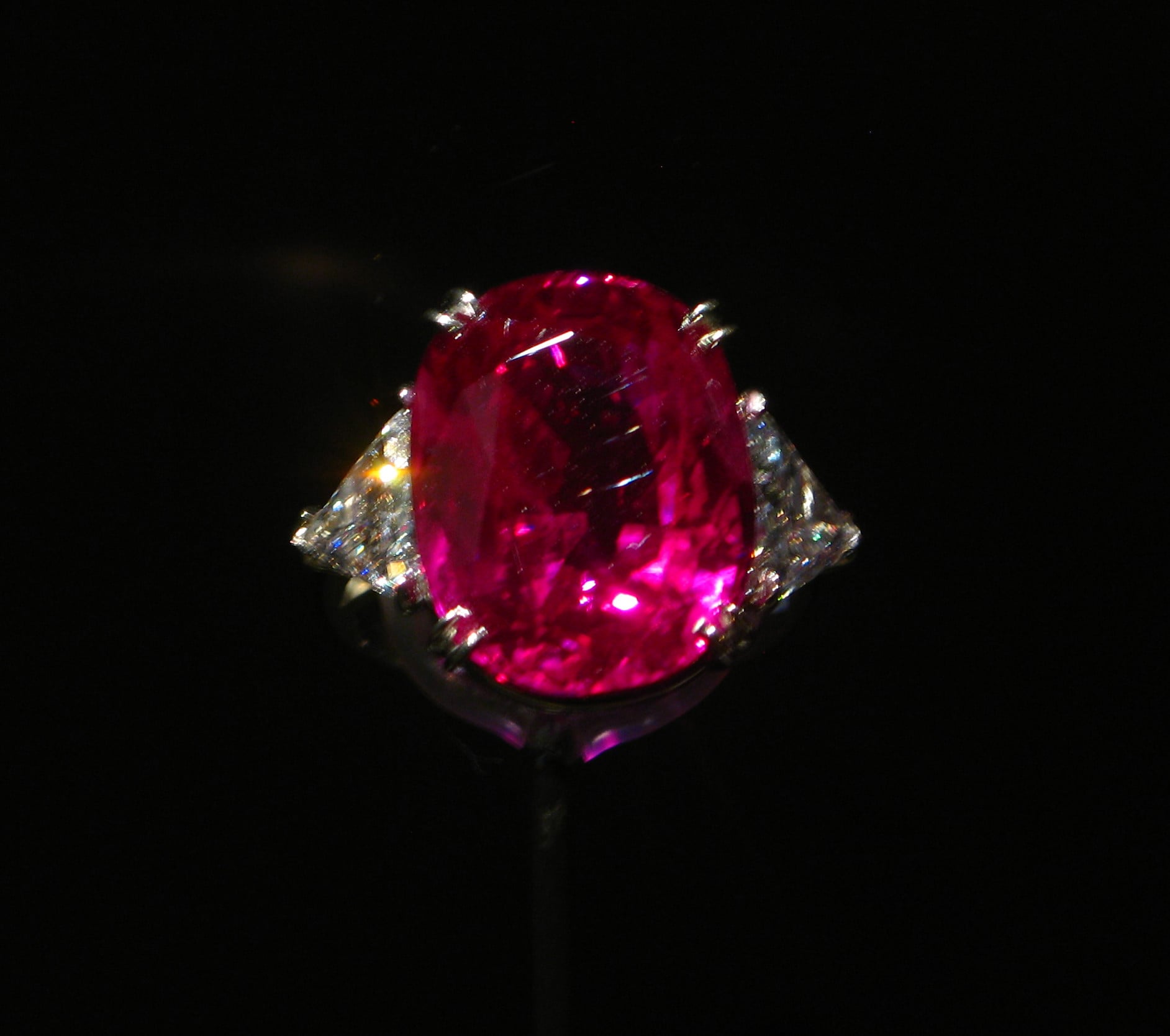
Rubies from Myanmar have been prized for centuries, but their true dominance began in the twentieth century. The Mogok Valley produced stones so vivid they earned the name “pigeon’s blood red.”
In 2006, a Burmese ruby sold for millions at auction, setting records and signaling a shift in how collectors viewed colored stones. Suddenly, rubies competed with diamonds for prestige and investment.
Auction houses started dedicating sales exclusively to colored gemstones. Provenance became a marketing powerhouse, with “Burmese” instantly multiplying a stone’s value.
The rise of Burmese rubies highlighted the growing role of geography in gemstone pricing. Origin had become as valuable as beauty.
Paraiba Tourmaline

In the 1980s, a miner named Heitor Dimas Barbosa searched the hills of Paraiba, Brazil, believing he’d find something extraordinary. After years of effort, he unearthed a neon blue-green gem that looked like it was lit from within.
This copper-bearing tourmaline, later named Paraiba tourmaline, stunned the jewelry world with its electric glow. The first stones hit the market in 1989 and sold for extraordinary prices.
The original deposits were small and depleted quickly, making them even more desirable. When similar stones appeared in Mozambique and Nigeria, debates raged about whether they could share the Paraiba name.
The gem proved that a little-known stone could reach elite status through color alone. It became a symbol of how scarcity and uniqueness can ignite global demand.
Kashmir Sapphires
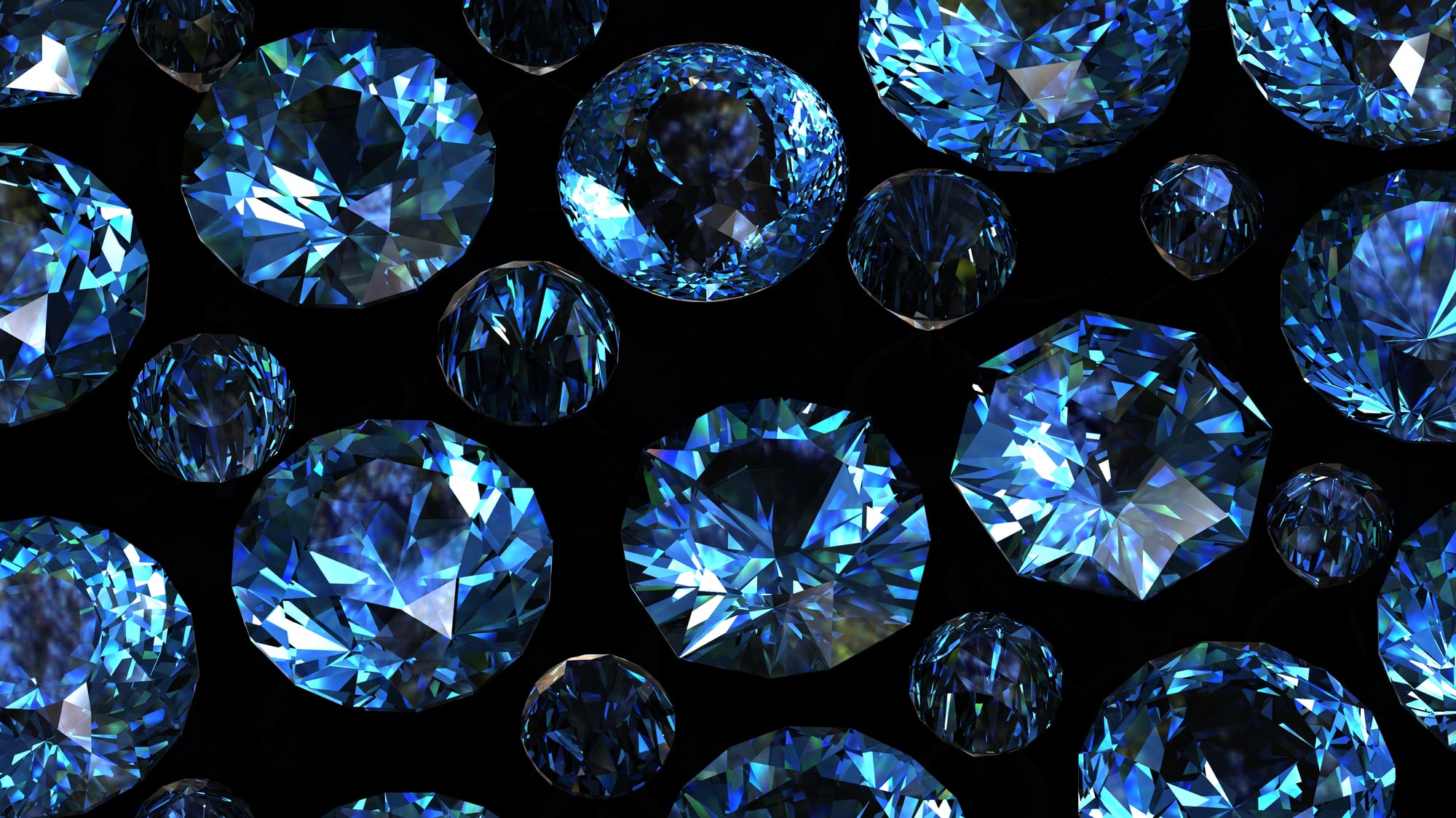
In 1881, a landslide in the Himalayas revealed a hidden deposit of sapphires unlike any seen before. Their velvety “cornflower blue” color had a dreamlike softness that set them apart instantly.
The mines were exhausted within a few decades, turning the stones into legendary treasures. Today, Kashmir sapphires can command higher prices per carat than nearly any other gem.
Their rarity became part of their identity, transforming them into status symbols of exclusivity and access. Owning one signified entry into an elite circle of collectors.
Kashmir sapphires also introduced a new concept — provenance as value. Where a gem came from became just as important as how it looked.
Padparadscha Sapphire
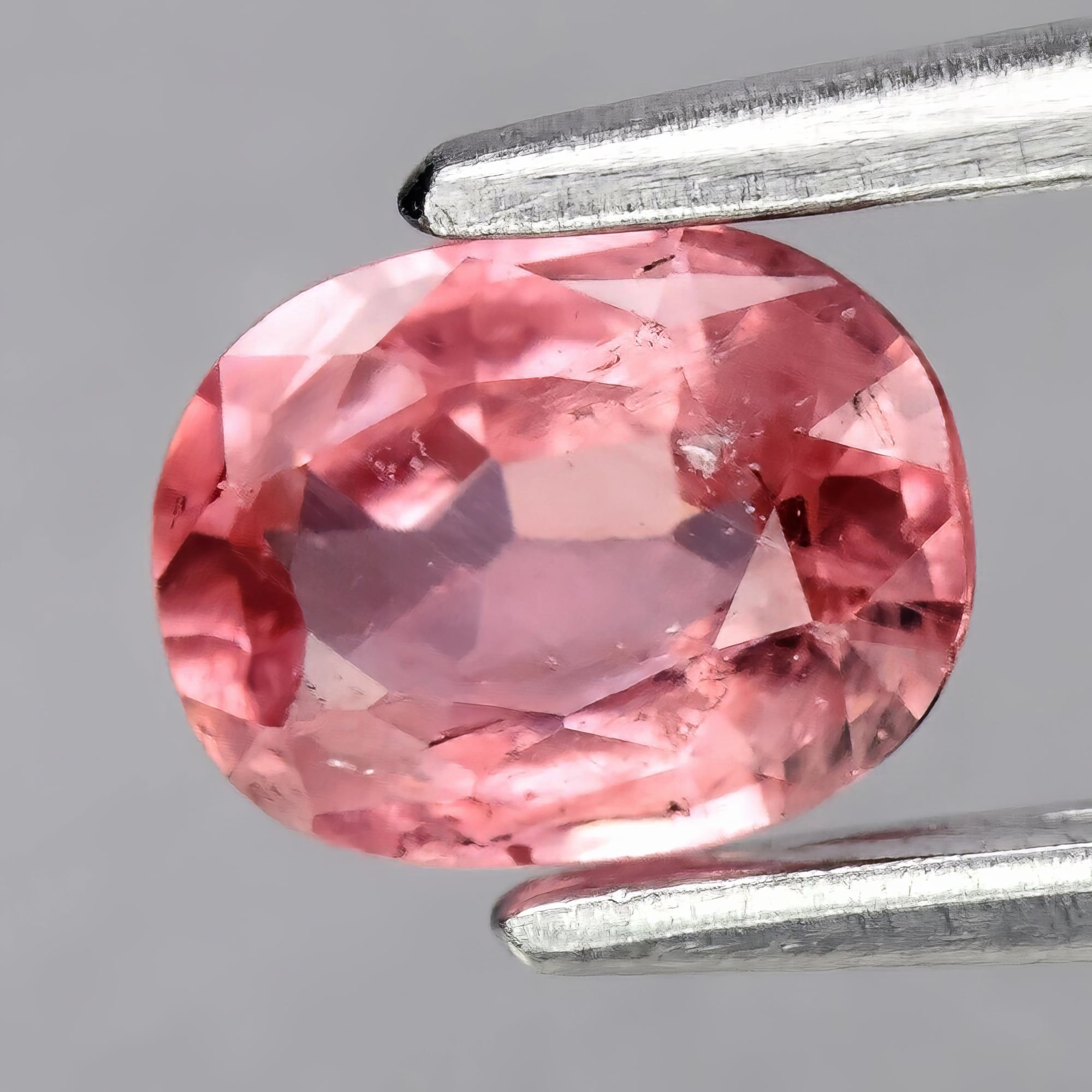
Most sapphires are blue, but padparadscha breaks the mold with its delicate blend of pink and orange. The name comes from the Sinhalese word for lotus blossom, perfectly describing its sunset hue.
The stone is primarily found in Sri Lanka, with smaller deposits in Madagascar and Tanzania. Its color balance is so precise that gemologists debated for decades what truly qualified as padparadscha.
Once the definition was standardized, demand surged. Collectors and jewelers prized the gem for its rarity and ethereal color, driving its value to rival that of fine rubies.
Padparadscha sapphires quietly broadened the industry’s idea of what “precious” could mean. They encouraged consumers to look beyond tradition and seek rarity in nuance.
Why Rarity Isn’t Enough
The gems that transformed the jewelry industry did more than appear at the right time — they told powerful stories. Tanzanite had Tiffany’s vision, lab-grown diamonds had ethics and innovation, and Burmese rubies had legacy and mystique.
Rarity alone doesn’t create value. It’s when rarity meets desire, marketing, and meaning that a gem becomes iconic.
These stones changed how people viewed luxury, authenticity, and worth. They taught the industry that what glitters most isn’t just the gem itself, but the story it carries.
More from Go2Tutors!

- The Romanov Crown Jewels and Their Tragic Fate
- 13 Historical Mysteries That Science Still Can’t Solve
- Famous Hoaxes That Fooled the World for Years
- 15 Child Stars with Tragic Adult Lives
- 16 Famous Jewelry Pieces in History
Like Go2Tutors’s content? Follow us on MSN.