17 Buildings That Changed City Skylines Forever
Architecture has the power to transform not just a single block, but an entire city’s identity. Some buildings become so iconic that they redefine how we see a place, turning ordinary skylines into recognizable symbols known around the world.
Throughout history, certain structures have emerged as game-changers, fundamentally altering the visual landscape of their cities. Here is a list of 17 buildings that changed city skylines forever.
Empire State Building

New York’s Empire State Building didn’t just become tall—it became the embodiment of American ambition during the Great Depression. Opening in 1931, this Art Deco masterpiece soared 1,454 feet into the Manhattan sky.
It created a new standard for what a skyscraper could be, though its construction happened during one of America’s darkest economic periods. The building’s distinctive stepped profile and gleaming spire transformed New York’s skyline from a collection of buildings into a dramatic urban mountain range that still defines the city.
Eiffel Tower

Paris actually fought against Gustave Eiffel’s iron lattice tower when it was first proposed—many called it an eyesore that would ruin the city’s classical beauty. The 1,083-foot structure, completed in 1889, seemed to clash with Paris’s elegant Haussmanian architecture.
Yet this ‘temporary’ structure for the World’s Fair became the city’s most beloved symbol. Sometimes the most controversial additions become the most cherished parts of a skyline.
Like Go2Tutors’s content? Follow us on MSN.
Burj Khalifa

Dubai’s Burj Khalifa didn’t just break height records; it announced the arrival of a new global city. Standing at 2,717 feet, this needle-like tower redefined what was possible in desert construction while transforming Dubai from a regional trading post into an international destination.
The building’s sleek, tapering form created a focal point for an entirely new urban landscape—showing how one structure can put a city on the world map.
Sydney Opera House

The Sydney Opera House proves buildings don’t need height to transform a skyline. Its distinctive white shell-shaped roof, completed in 1973, created one of architecture’s most recognizable silhouettes. The structure sits like billowing sails on Sydney Harbour, though its construction took nearly two decades and went wildly over budget.
It turned the city’s waterfront into an instantly identifiable scene that appears on postcards, tourism campaigns, and cultural references worldwide.
Chrysler Building

Before the Empire State Building claimed the crown, the Chrysler Building briefly held the title of world’s tallest structure—but its lasting impact came from stunning Art Deco design. The building’s metallic crown, with distinctive stepped arches and eagle gargoyles, added ornate craftsmanship to New York’s skyline that purely functional towers couldn’t match.
Its gleaming top still catches light in ways that make Manhattan’s skyline feel more like art than architecture.
Like Go2Tutors’s content? Follow us on MSN.
Willis Tower

Chicago’s Willis Tower (formerly Sears Tower) transformed the Windy City’s skyline by rising 1,729 feet above the prairie. This created a black monolith visible from miles away, though locals still debate whether the name change from Sears Tower was necessary.
The building’s bundled tube design, completed in 1973, didn’t just make it tall—it made it efficient. For decades, this tower served as Chicago’s exclamation point, visible from Indiana, Wisconsin, and Michigan on clear days.
Taipei 101
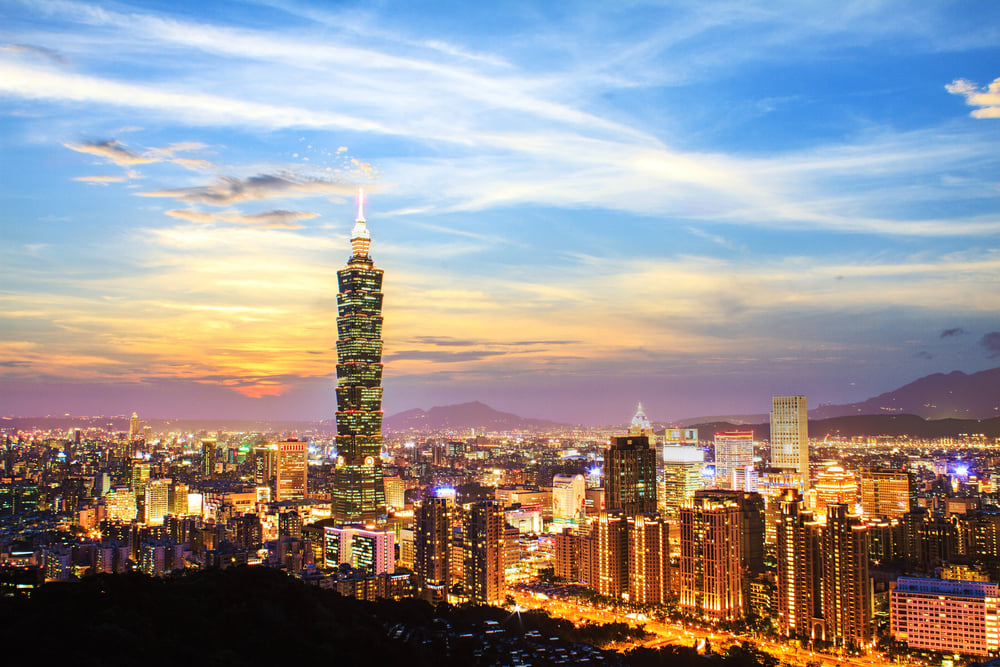
Taiwan’s Taipei 101 brought Asian skyscraper design to global prominence with its pagoda-inspired form reaching 1,667 feet into the sky. The building’s stepped profile resembles a bamboo stalk or traditional Chinese architecture—creating a unique silhouette that became synonymous with modern Taiwan.
Its green glass exterior and cultural design elements showed how skyscrapers could honor local traditions while reaching for international recognition.
Petronas Towers
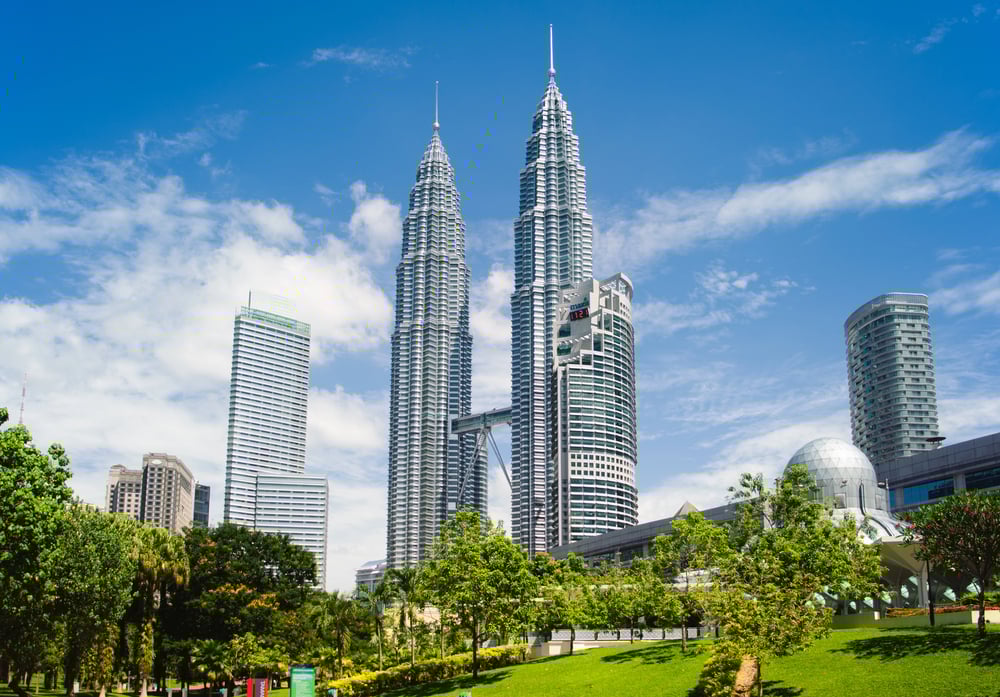
Kuala Lumpur’s Petronas Towers changed the game by proving the world’s tallest buildings didn’t have to be in New York or Chicago. These twin spires, connected by a skybridge and topped with Islamic-inspired designs, created a distinctive double-peaked silhouette.
The towers put Malaysia on the architectural map, though their reign as world’s tallest was relatively brief. The stainless steel and glass facade reflects tropical sun in ways that make Kuala Lumpur’s skyline shimmer like a mirage.
Like Go2Tutors’s content? Follow us on MSN.
CN Tower

Toronto’s CN Tower stretches 1,815 feet into the Canadian sky—creating a space-age needle that transformed the city’s relatively modest skyline into something extraordinary. This communications tower, completed in 1976, doesn’t just dominate Toronto’s skyline; it practically creates it.
The structure serves as a reference point visible from 60 miles away, while its UFO-like observation decks and slender concrete shaft give Toronto a futuristic identity that sets it apart from other North American cities.
St. Paul’s Cathedral

London’s St. Paul’s Cathedral dominated the city’s skyline for centuries with its massive baroque dome—creating the iconic silhouette that defined London until modern skyscrapers arrived. Christopher Wren’s masterpiece, completed in 1710, rises 365 feet above the Thames.
Its lead-covered dome remains visible from across the city, though new developments constantly threaten its prominence. The cathedral’s classical proportions and strategic position created the template for what a London skyline should look like.
Space Needle

Seattle’s Space Needle transformed the city’s skyline by adding a dash of 1960s optimism to the Pacific Northwest. Built for the 1962 World’s Fair, this 605-foot tower with its flying saucer-like top created an instantly recognizable silhouette against Mount Rainier and Puget Sound.
The structure’s slender waist and flared top gave Seattle a unique landmark that perfectly captured the era’s fascination with space exploration and atomic age design, even if it seemed wildly futuristic at the time.
Like Go2Tutors’s content? Follow us on MSN.
Flatiron Building
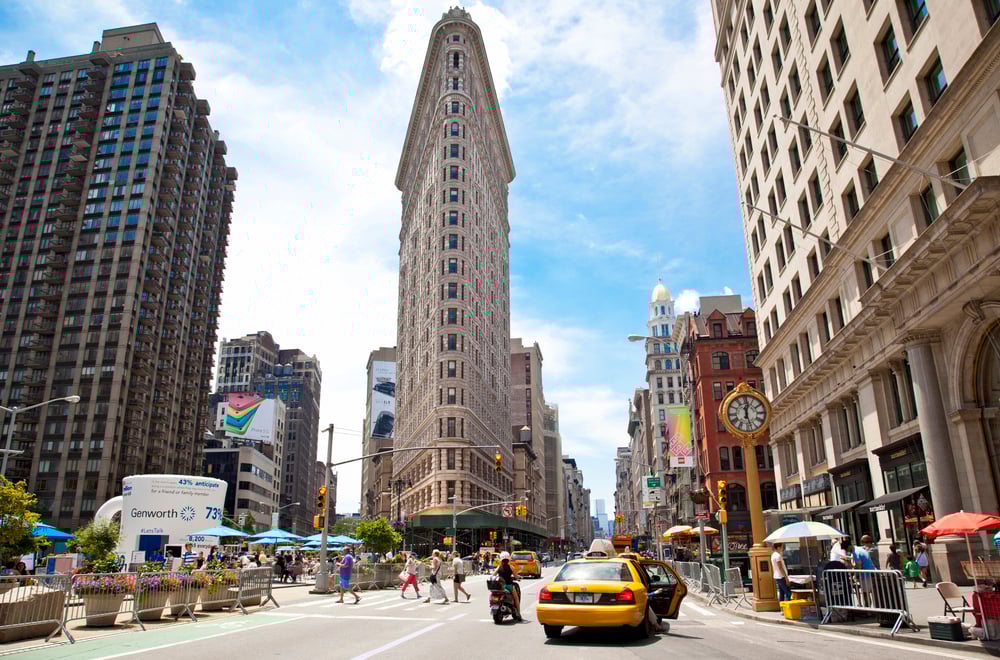
New York’s Flatiron Building proved that unusual lots could create extraordinary architecture. This triangular tower, completed in 1902, wedged itself into the narrow space where Broadway and Fifth Avenue meet.
It creates a ship’s prow effect that slices through Manhattan’s grid, though it’s only 22 stories tall. Its distinctive wedge shape and prominent corner location made it one of the world’s most photographed buildings, demonstrating how form can matter more than height.
Marina Bay Sands

Singapore’s Marina Bay Sands redefined what a modern skyline could include with its three towers topped by a massive sky deck that looks like a surfboard balanced on skyscrapers. This 2010 addition created an impossible-looking silhouette that seems to defy physics and engineering logic.
The building’s infinity pool, suspended 650 feet above the city, became an Instagram sensation while turning Singapore’s skyline into a symbol of architectural audacity.
Transamerica Pyramid

San Francisco’s Transamerica Pyramid broke the mold of rectangular skyscrapers when it opened in 1972, creating a distinctive triangular spire that rises 853 feet above the city. The building’s unusual shape was designed to reduce its footprint and allow more light to reach street level.
This practical consideration resulted in a landmark that’s visible from across the Bay Area. Its white concrete facade and pointed top give San Francisco a unique architectural signature that distinguishes it from every other American city.
Like Go2Tutors’s content? Follow us on MSN.
One World Trade Center

New York’s One World Trade Center, also known as Freedom Tower, transformed the rebuilt World Trade Center site with its crystalline form that reaches exactly 1,776 feet into the sky. The building’s angular, faceted design creates different silhouettes depending on the viewing angle, adding a dynamic element to Lower Manhattan’s skyline.
Its LED spire and symbolic height created a new focal point for a skyline that had to rebuild both its physical and emotional landscape after September 11th.
Gherkin

London’s 30 St Mary Axe, nicknamed ‘The Gherkin,’ introduced curved, organic forms to a city known for rectangular buildings. This 590-foot tower’s distinctive bullet shape and diagonal grid exterior created a skyline element that looks more like modern sculpture than traditional architecture.
The building’s energy-efficient design and unusual form showed how environmental concerns could create visually striking additions to historic skylines, proving sustainability doesn’t have to be boring.
Burj Al Arab
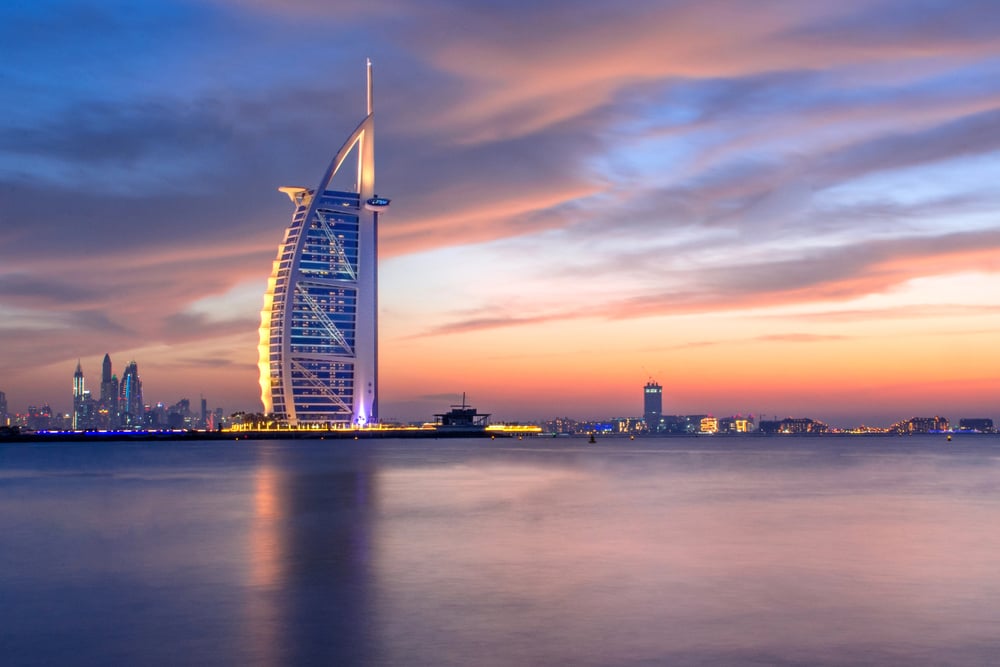
Dubai’s Burj Al Arab transformed the city’s coastline with its sail-shaped silhouette that rises from an artificial island in the Persian Gulf. This luxury hotel, standing 1,053 feet tall, created an instantly recognizable symbol that put Dubai on the international tourism map.
The building’s white membrane facade, stretched over a steel frame, catches the desert light in ways that make it glow like a beacon. It turned Dubai’s shoreline into one of the world’s most distinctive waterfront skylines, though its ultra-luxury positioning sparked debates about accessibility and urban development.
Like Go2Tutors’s content? Follow us on MSN.
Skylines as Living History
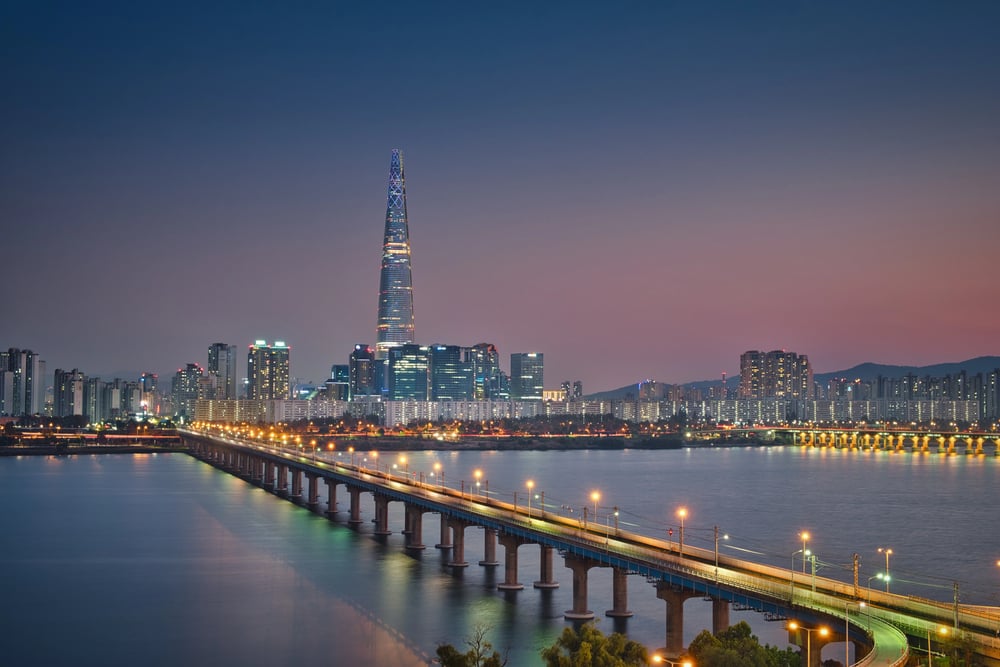
These seventeen structures remind us that skylines aren’t just random collections of buildings—they’re visual stories of human ambition, technological progress, and cultural identity. Each tower, dome, and spire represents a moment when architects, engineers, and city planners decided to reach higher, build differently, or make a bold statement about their city’s place in the world.
From the Eiffel Tower’s controversial iron lattice to Dubai’s gravity-defying hotel, these buildings prove that the most transformative architecture often starts as the most radical idea. Today’s skylines continue evolving, with each new addition potentially becoming tomorrow’s defining landmark.
More from Go2Tutors!

- 16 Historical Figures Who Were Nothing Like You Think
- 12 Things Sold in the 80s That Are Now Illegal
- 15 VHS Tapes That Could Be Worth Thousands
- 17 Historical “What Ifs” That Would Have Changed Everything
- 18 TV Shows That Vanished Without a Finale
Like Go2Tutors’s content? Follow us on MSN.



