16 Most-Watched News Reports in History
Throughout television history, certain moments have stopped the world in its tracks. These weren’t just news stories—they were shared human experiences that brought millions of people together in front of their screens, creating collective memories that would last for generations.
When extraordinary events unfold, people naturally gravitate toward their televisions, radios, and now digital devices to witness history in real time. Here is a list of 16 news reports that captured the largest audiences in broadcasting history.
The Moon Landing

— Photo by mvdberk
On July 20, 1969, an estimated 650 million people worldwide watched Neil Armstrong take humanity’s first steps on the lunar surface. The grainy footage from NASA’s cameras created a surreal viewing experience that transcended borders and political differences.
President Kennedy’s Assassination Coverage
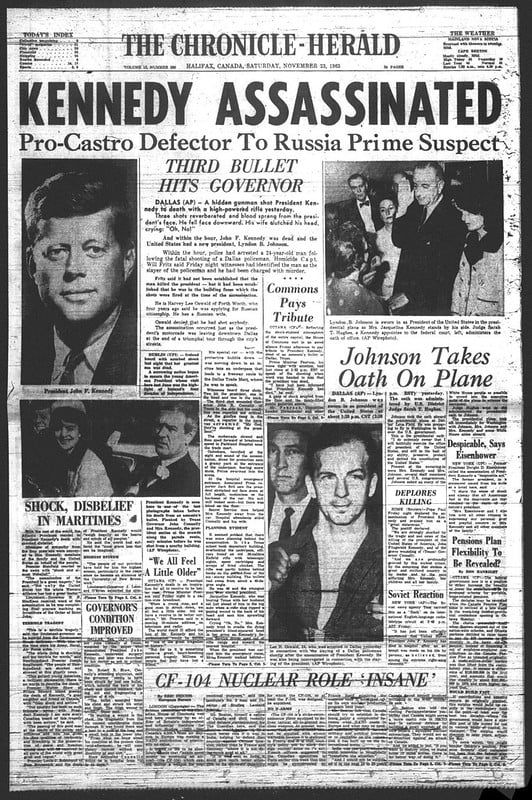
The four days following President John F. Kennedy’s assassination in November 1963 saw unprecedented television coverage. Walter Cronkite’s emotional announcement became one of the most replayed moments in broadcast journalism, reaching 96% of American television households.
The Challenger Space Shuttle Disaster
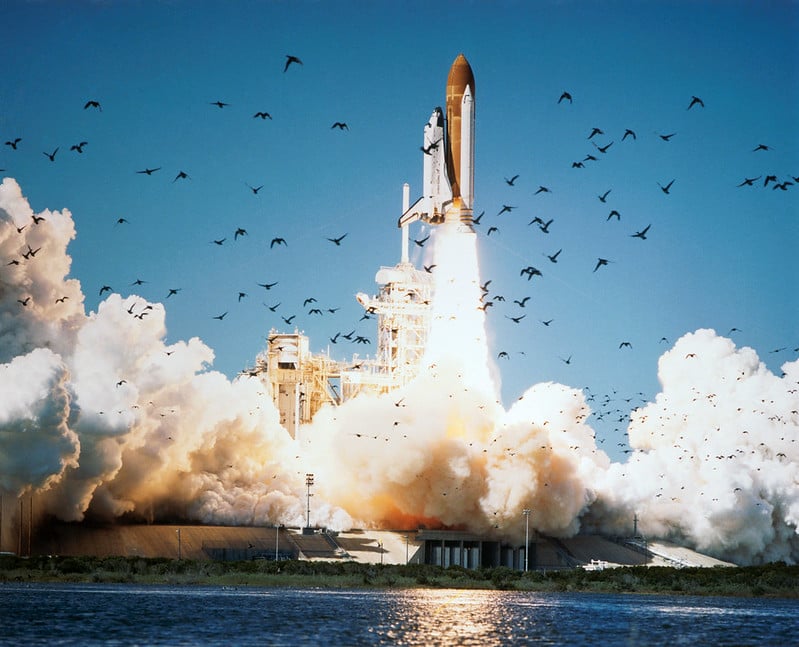
When the Space Shuttle Challenger exploded 73 seconds after takeoff on January 28, 1986, millions of Americans were already watching live in classrooms and offices. The presence of teacher Christa McAuliffe had generated enormous public interest, and coverage reached over 85% of American households.
Princess Diana’s Funeral
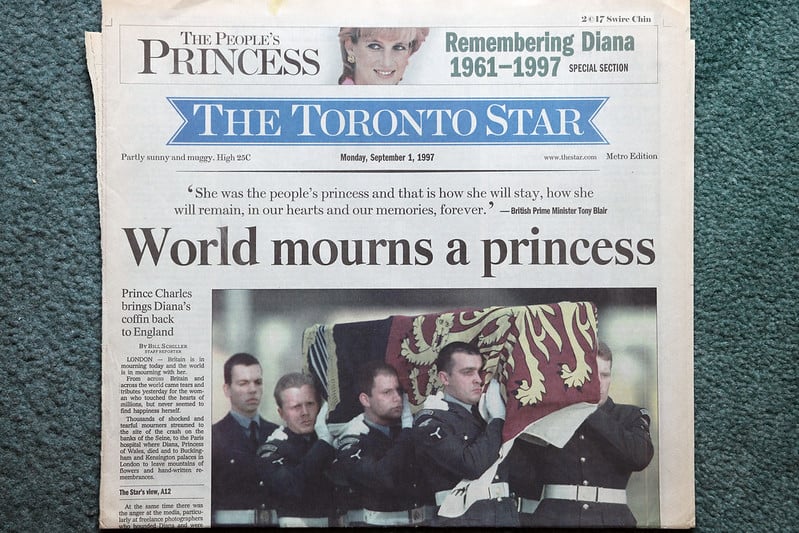
The funeral of Princess Diana on September 6, 1997, drew an estimated global audience of 2.5 billion viewers across more than 200 countries. The ceremonial procession through London created a shared global mourning experience that reached 74% of Britain’s population.
The September 11 Attacks
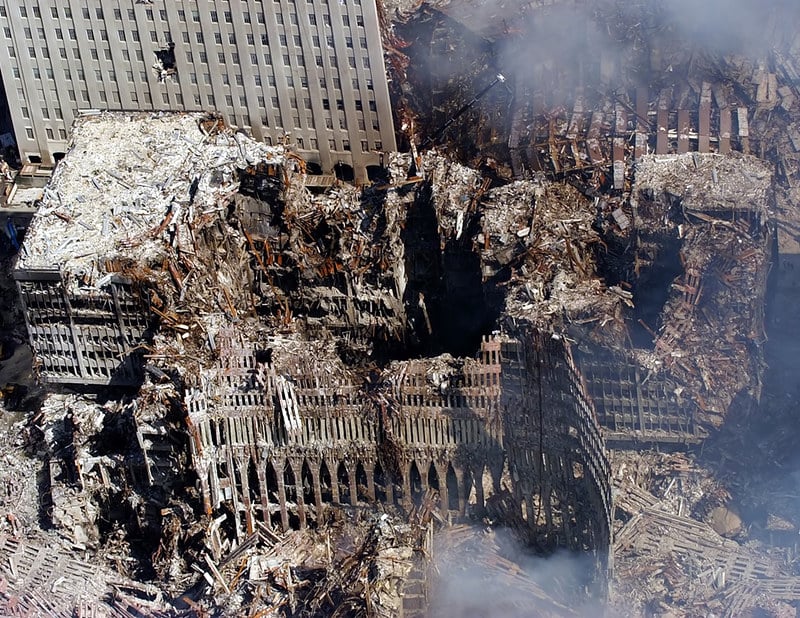
The terrorist attacks on September 11, 2001, created the largest news audience in American television history, with 80.7 million viewers tuning in throughout the day. The live coverage of events unfolding in real time made it impossible for viewers to look away.
The O.J. Simpson Bronco Chase

On June 17, 1994, approximately 95 million Americans watched the low-speed chase involving O.J. Simpson’s white Ford Bronco on Los Angeles freeways. The surreal scene played out like a slow-motion movie, even interrupting the NBA Finals.
The Berlin Wall Falls

The fall of the Berlin Wall on November 9, 1989, drew massive global television audiences as people watched history unfold in real time. The images of Germans attacking the concrete barrier with hammers provided powerful visual storytelling that transcended language barriers.
The Watergate Hearings
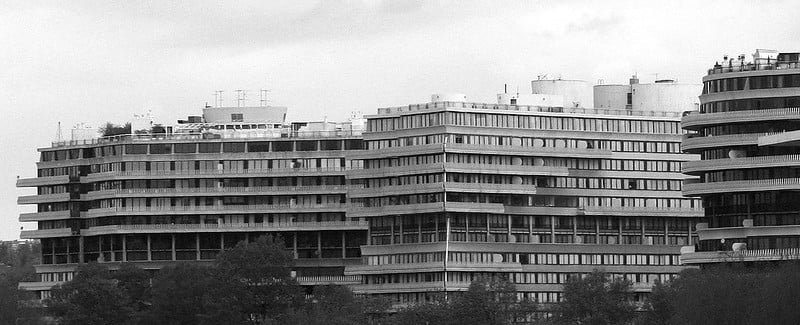
The Senate Watergate hearings during summer 1973 captivated American television audiences, with daytime viewership reaching unprecedented levels. The proceedings were broadcast live by all three major networks, drawing an estimated 85% of American households at various points.
President Reagan’s Shooting

The attempted assassination of President Ronald Reagan on March 30, 1981, generated immediate television coverage that reached massive audiences. The dramatic footage of the incident outside the Washington Hilton Hotel was replayed continuously across all networks.
The Tiananmen Square Protests
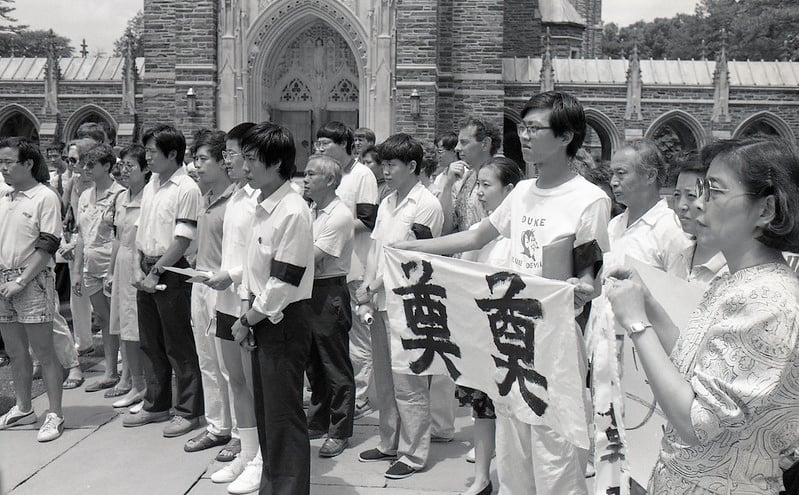
The student-led protests in Beijing’s Tiananmen Square in 1989 drew enormous global television audiences as tensions escalated. The iconic image of a lone man standing in front of tanks became one of the most powerful visuals in television history.
Elvis Presley’s Death Announcement

The news of Elvis Presley’s death on August 16, 1977, created immediate television audiences as networks interrupted regular programming with breaking news bulletins. The initial reports reached an estimated 75% of American television households within hours.
The Iran Hostage Crisis Coverage
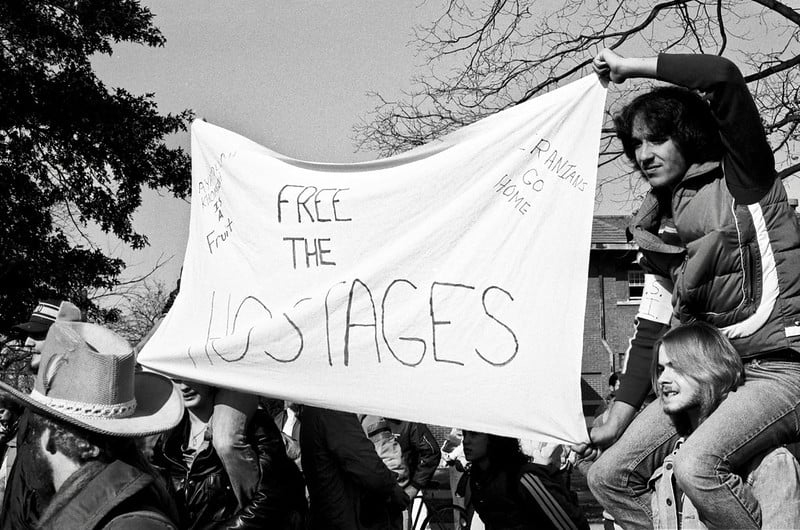
The 444-day Iran Hostage Crisis beginning in November 1979 created sustained television audiences unlike any previous ongoing news story. ABC’s late-night program ‘America Held Hostage’ eventually became ‘Nightline’ due to consistent viewer interest in daily updates.
President Nixon’s Resignation Speech

President Richard Nixon’s resignation speech on August 8, 1974, drew an estimated 110 million American viewers. The historic nature of the first presidential resignation in American history made the 16-minute address appointment viewing for families nationwide.
The Chernobyl Nuclear Disaster Coverage

The Chernobyl nuclear disaster in April 1986 generated massive international television audiences as news of the accident spread across Europe. The initial secrecy from Soviet authorities only heightened public interest when information finally became available.
Hurricane Katrina Coverage
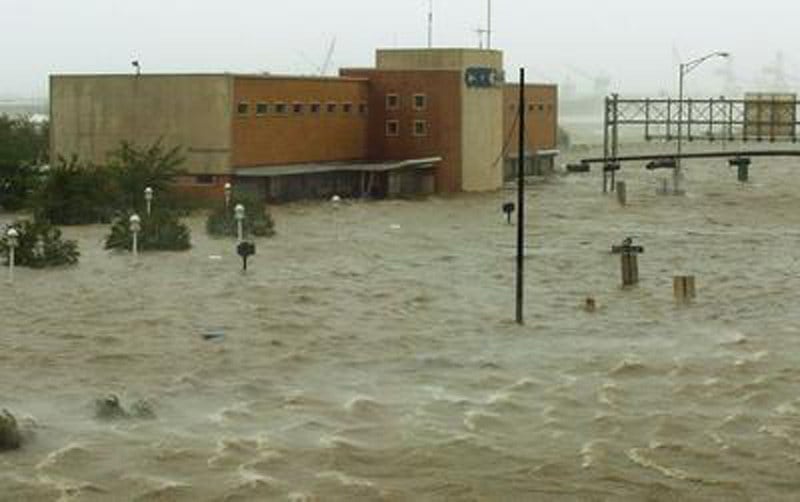
Hurricane Katrina’s devastating impact on New Orleans in August 2005 created some of the largest television news audiences of the 21st century. The dramatic rescue footage and unprecedented destruction drew viewers who couldn’t believe the scenes unfolding in an American city.
The Gulf War Begins

The beginning of Operation Desert Storm on January 16, 1991, marked the first major military conflict covered live on television with modern technology. CNN’s Bernard Shaw reporting from Baghdad as bombs fell created riveting television that drew enormous worldwide audiences.
When History Calls

These moments remind us that television’s greatest power lies not in entertainment, but in its ability to unite people during extraordinary times. Each of these broadcasts created shared experiences that connected strangers across vast distances, turning individual viewers into witnesses to history. The technology may have evolved from grainy black-and-white footage to high-definition live streams, but the human need to gather around screens during momentous events remains as strong as ever. In an age of fragmented media consumption, these historic broadcasts show us what’s possible when the entire world stops to watch the same story unfold.
More from Go2Tutors!

- 16 Historical Figures Who Were Nothing Like You Think
- 12 Things Sold in the 80s That Are Now Illegal
- 15 VHS Tapes That Could Be Worth Thousands
- 17 Historical “What Ifs” That Would Have Changed Everything
- 18 TV Shows That Vanished Without a Finale
Like Go2Tutors’s content? Follow us on MSN.