28 Living Room Fixtures Found in Almost Any House Back Then
Walk into almost any living room a few decades ago and certain objects were simply guaranteed to be there, regardless of the family’s taste, income, or region of the country. These were not statement pieces or design choices so much as defaults, items that arrived in a household because everyone else’s household had one too.
Looking back, the sheer consistency is what stands out. A living room from Ohio and a living room from Oregon might disagree on nearly everything except the presence of these particular fixtures.
The Console Television
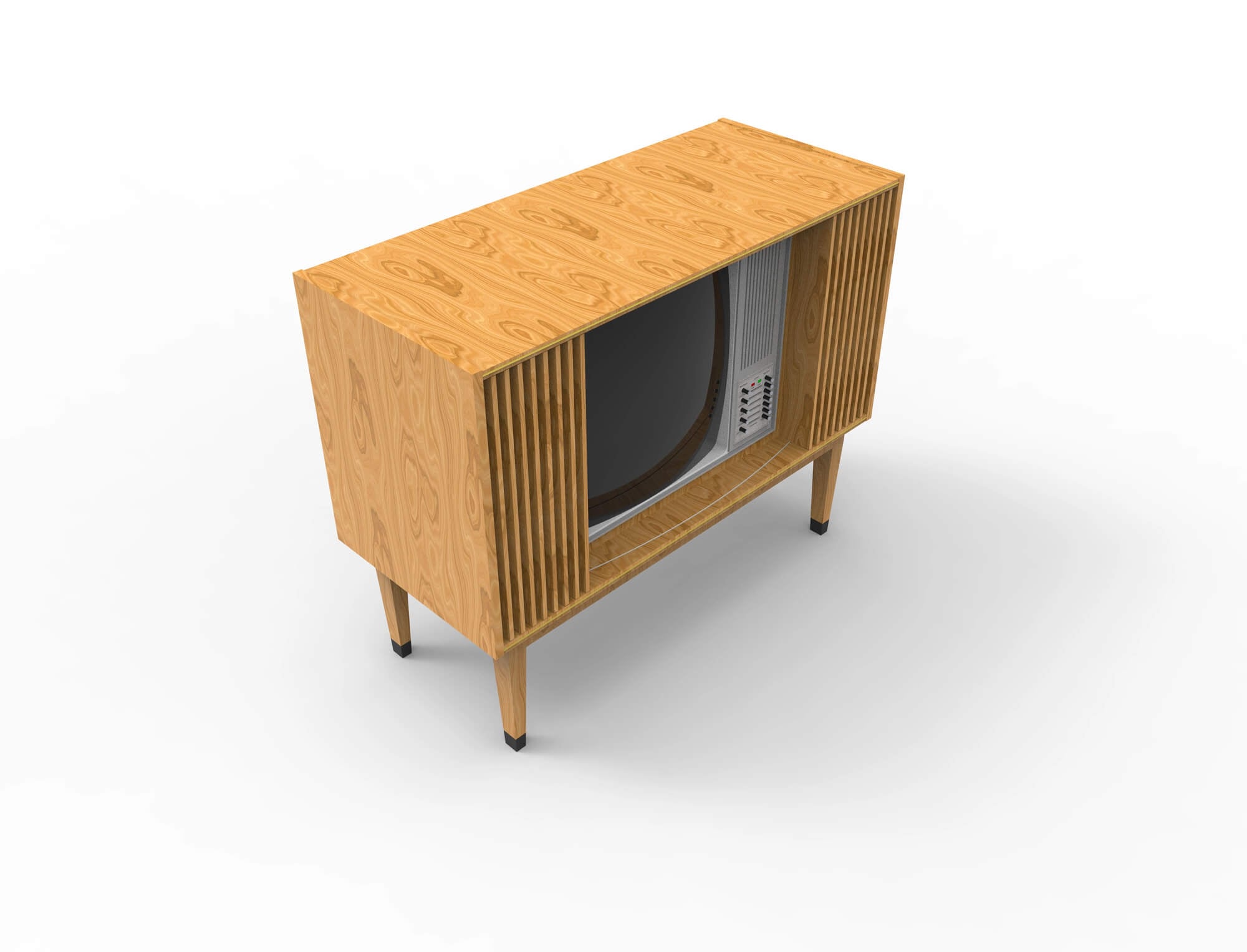
A large wood-cabinet television, often heavy enough to require two people to move, sat as the visual centerpiece of most living rooms for decades. Its wooden housing was frequently treated as a piece of furniture in its own right, sometimes doubling as a surface for framed photographs on top.
The Rotary Telephone on a Small Table
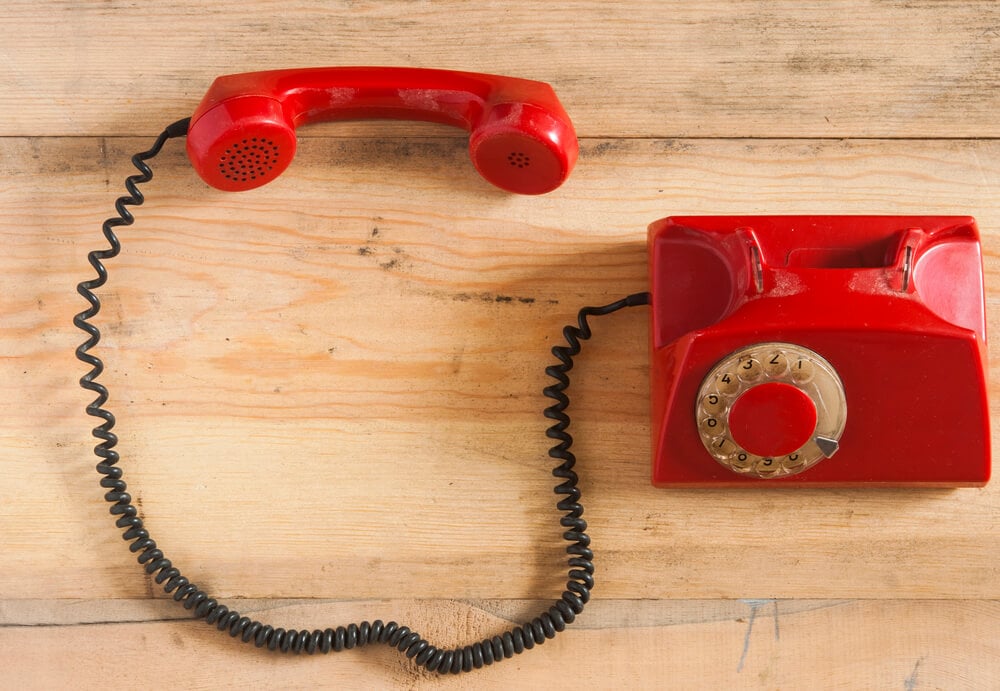
A dedicated telephone table, often paired with an equally dedicated chair, existed specifically to hold the household’s single shared phone. Long phone cords stretched taut across doorways were a common minor hazard in nearly every home with this setup.
The Doily-Covered Armrest
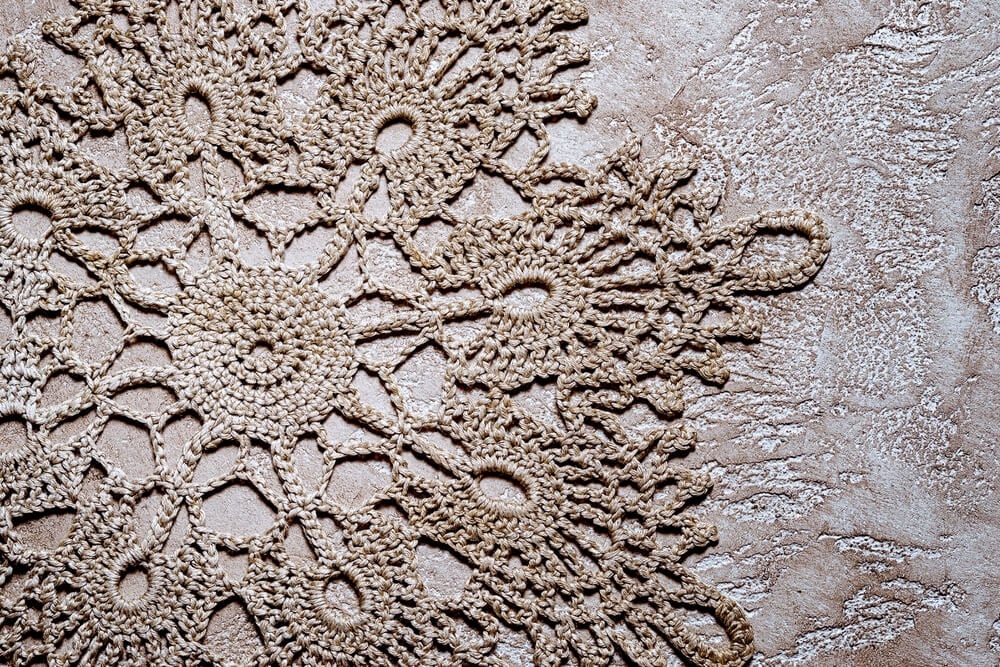
Crocheted doilies placed over the arms and headrests of upholstered furniture served the practical purpose of protecting fabric from wear while also functioning as a small decorative touch passed down through generations. Removing one without permission to wash it was often treated as a minor household offense.
The Curio Cabinet
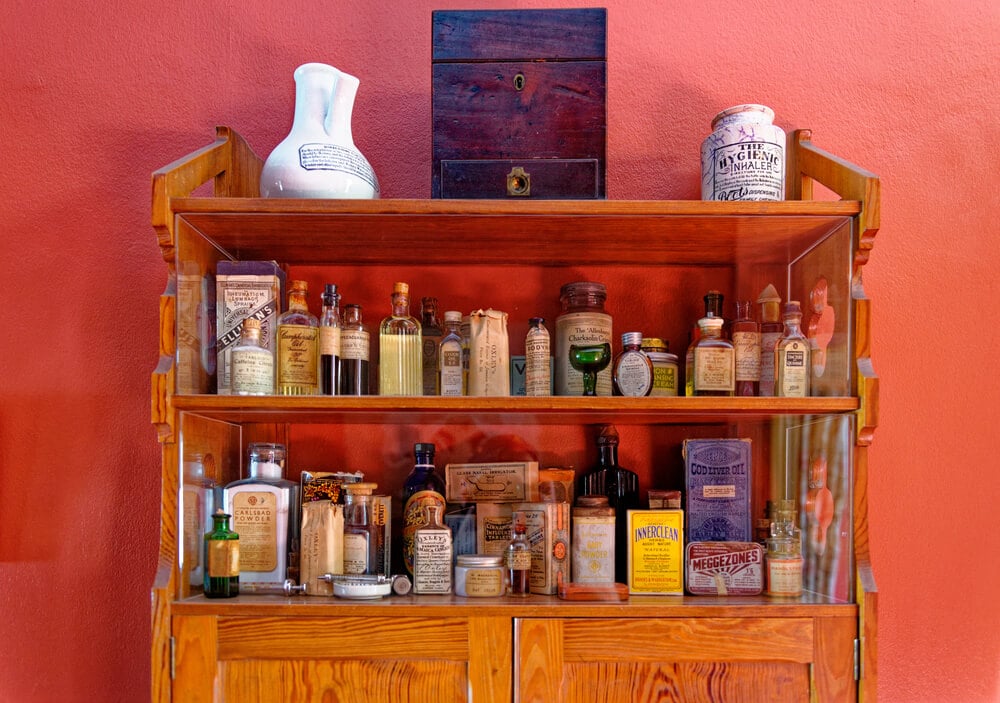
A glass-fronted cabinet displaying a family’s collection of figurines, souvenir plates, or other small keepsakes was a near-universal fixture, often positioned prominently enough to be one of the first things a visitor noticed. Dusting the cabinet’s contents was frequently treated as a distinct, dreaded household chore.
The Console Stereo System
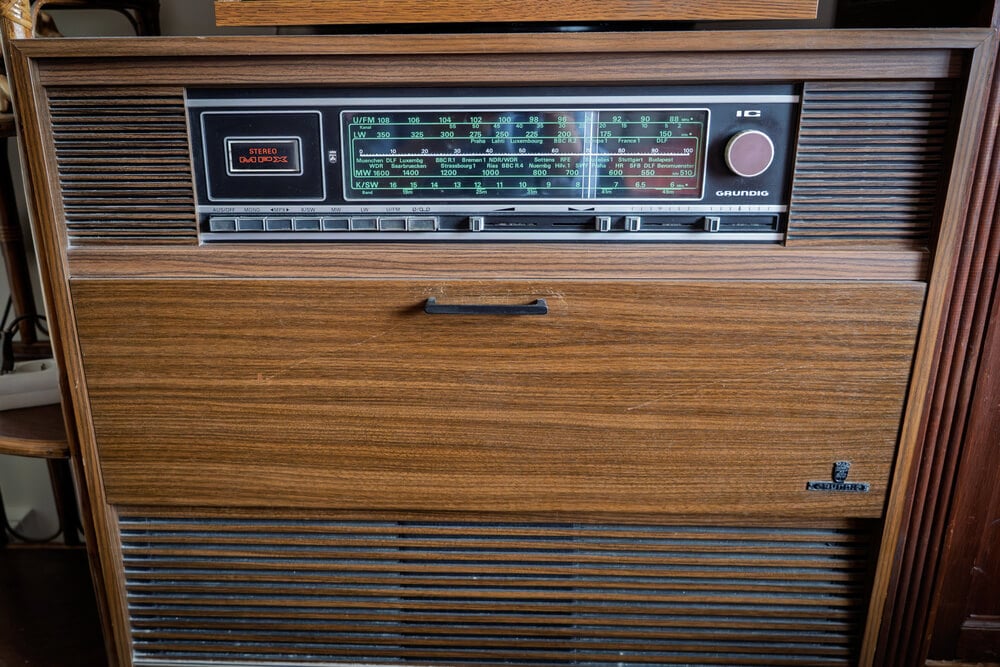
A large piece of furniture housing a record player and radio, often built into the same wood cabinet style as the television, occupied a similarly prominent spot in many living rooms. Some combination units even paired the stereo and television into a single, especially imposing piece of furniture.
The Recliner Chair
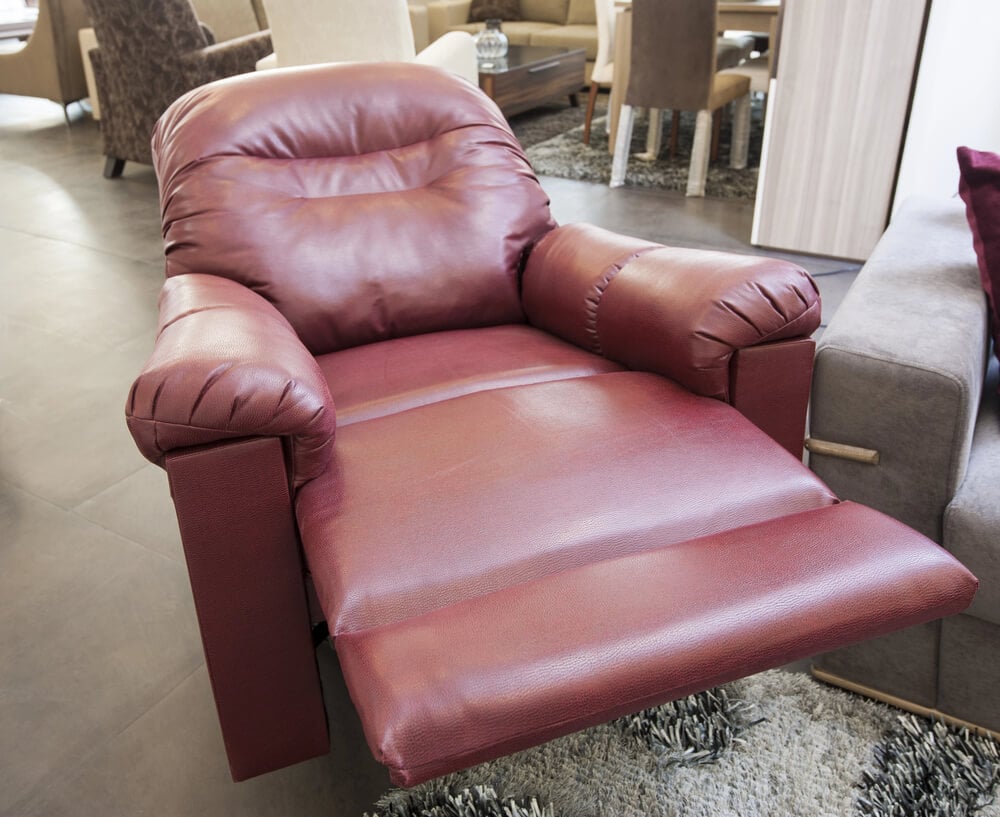
A single designated recliner, frequently understood without discussion to belong to one particular family member, anchored many living rooms as an unofficial throne. The chair’s exact ownership was rarely written down anywhere, yet violating it was almost universally understood to be a mistake.
The Wall-Mounted Rotary Clock
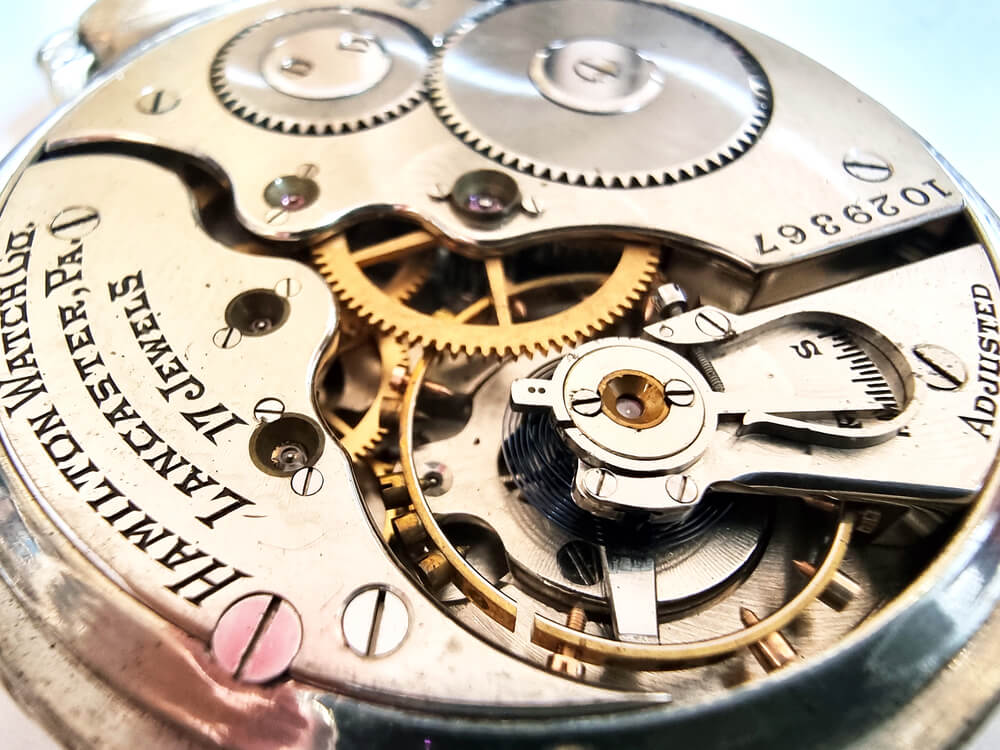
A simple round clock, often battery-free and requiring occasional manual winding, hung as a functional fixture in nearly every living room before digital displays became standard on other household devices. Its steady ticking was often such a constant background presence that households only noticed it after it stopped.
The Ashtray Set on the Coffee Table

Coordinated sets of ceramic or glass trays, often gifted as a matched set, were standard living room fixtures in households where at least one adult regularly used them. Even in homes without a regular user, the sets sometimes remained as decorative objects out of simple habit.
The Encyclopedia Set on a Bookshelf

A full set of matching encyclopedia volumes, often purchased through a door-to-door sales visit or a school fundraising promotion, occupied a dedicated shelf in a huge number of households regardless of how frequently anyone actually opened them. The uniform spines made for one of the most visually consistent bookshelf displays across different homes.
The Family Portrait Above the Sofa

A formally posed family photograph, often taken at a department store studio, hung in a prominent position above the main seating area in a large share of households. Updating the photograph every few years was treated as a minor but genuine household milestone.
The Shag Carpet
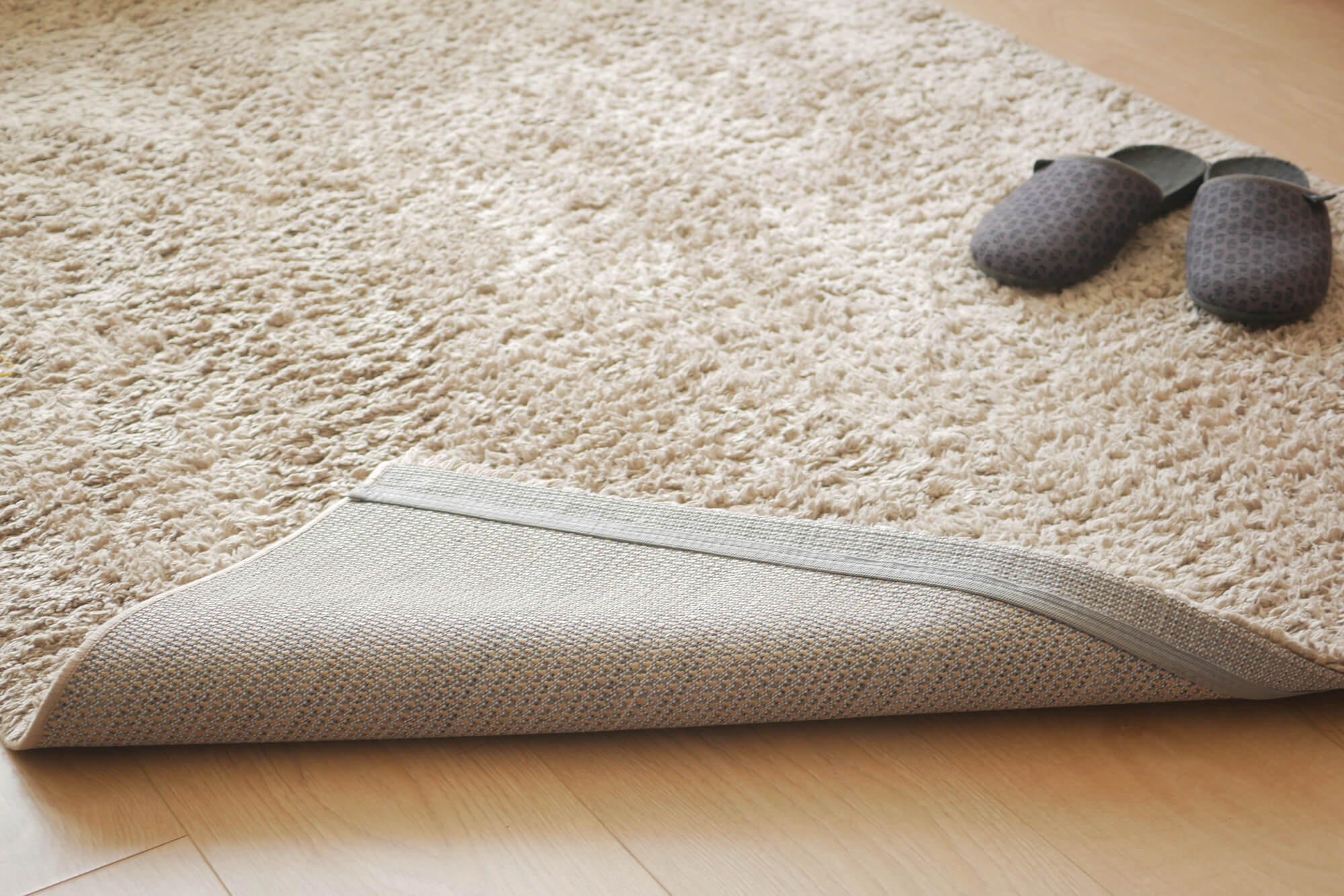
Thick, deep-pile carpeting in bold colors covered the floors of a huge number of living rooms for a stretch of decades, valued as much for its plush feel underfoot as for its visual statement. Vacuuming it required a specific raking motion that later, thinner carpet styles never demanded.
The Wood-Paneled Walls

Dark wood paneling, often installed as an affordable and quick way to update a room, lined the walls of an enormous share of mid-century living rooms across very different price points of housing. Its warm, dim tone became so associated with a specific era that later renovations frequently prioritized removing it entirely.
The Console Radio Cabinet
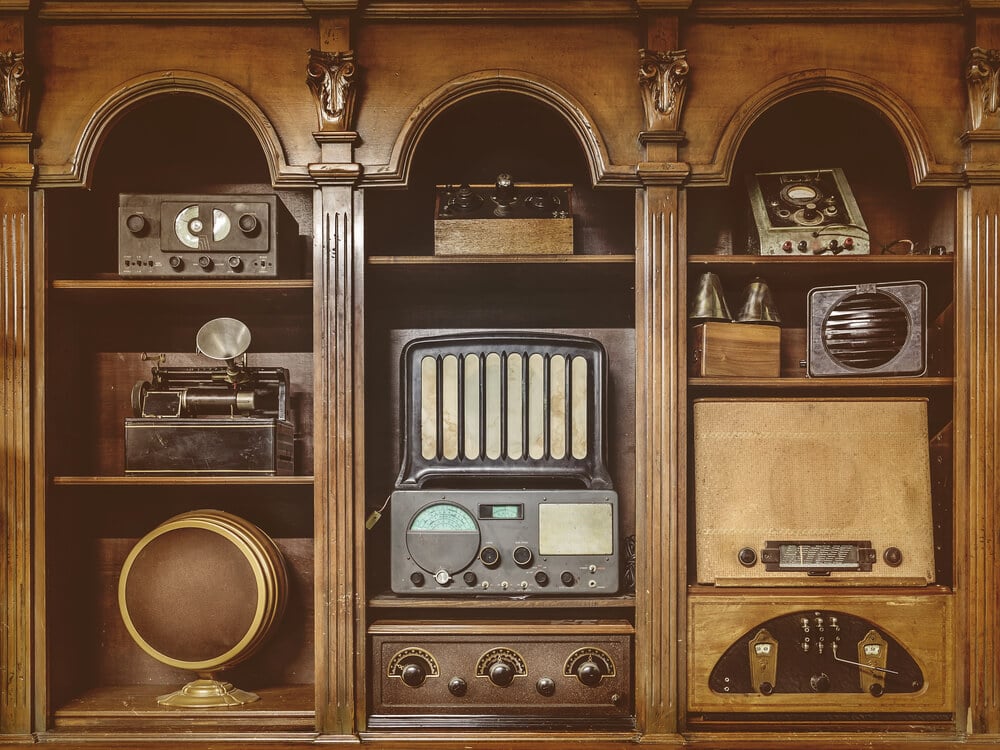
Before television consoles became standard, an earlier generation of large radio cabinets occupied the same central role in the living room, often remaining in the home for years afterward as a secondary piece of furniture even once it was no longer the primary source of entertainment. Some households kept the cabinet purely for its furniture value long after the radio inside had stopped working.
The Fireplace Mantel Display
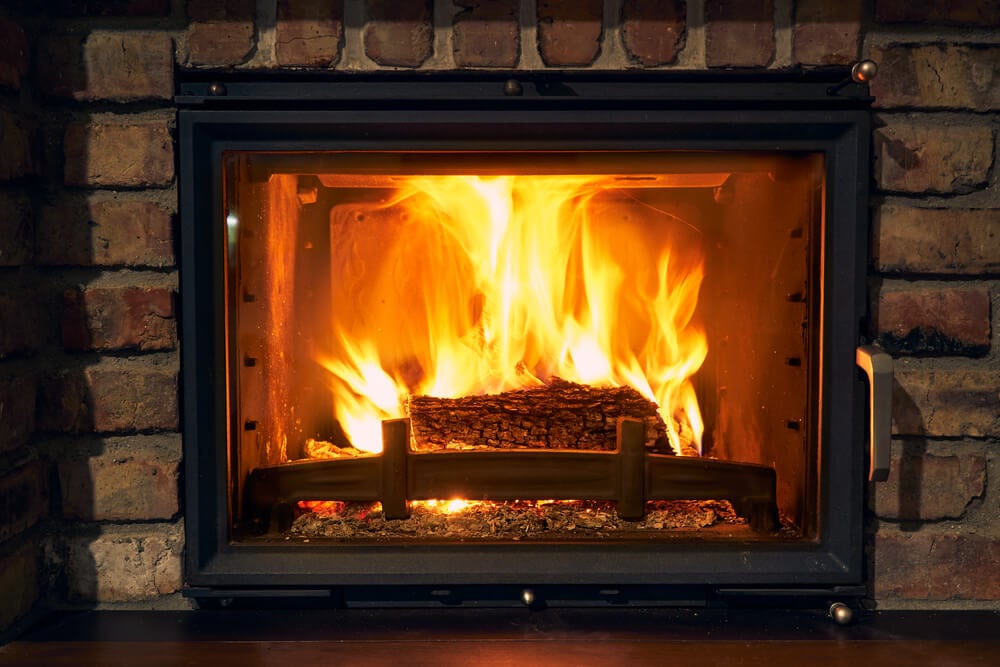
Even in homes with fireplaces rarely or never used for an actual fire, the mantel above it typically held a rotating display of clocks, photographs, and seasonal decorations. The mantel functioned as a kind of household bulletin board for whatever milestone or holiday was currently relevant.
The Matching Lamp Pairs
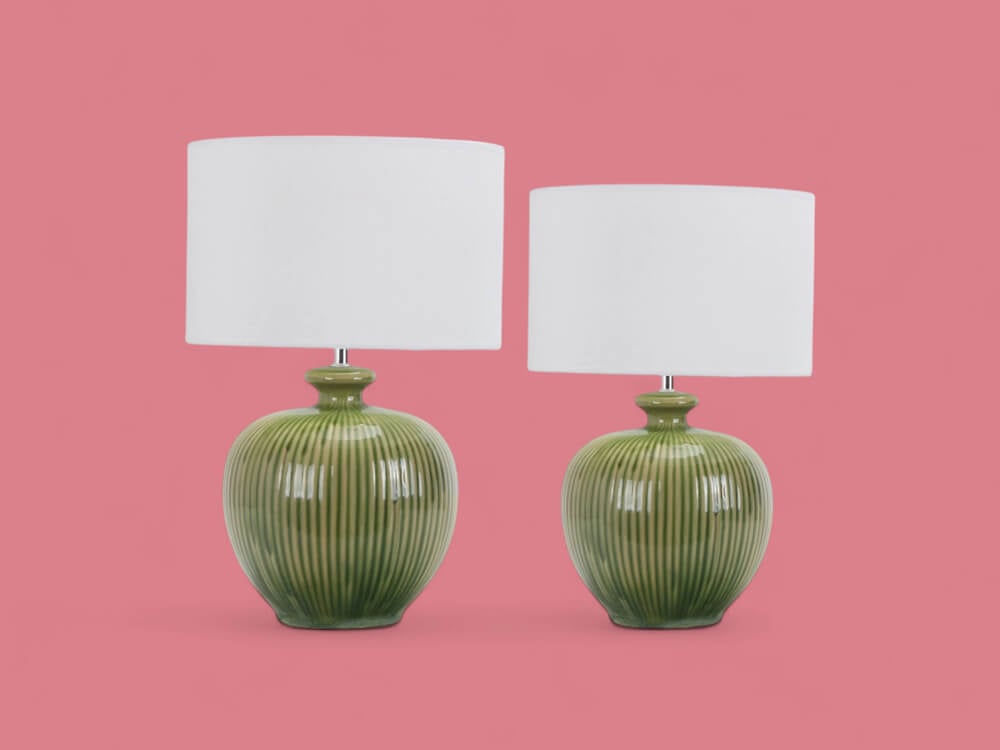
Identical lamps placed symmetrically on either side of a sofa or console were a near-universal design choice, valued for the balanced look they gave a room without requiring any real design expertise. Losing or breaking one lamp of a matched pair was a small but genuine domestic inconvenience.
The Hi-Fi Speaker Cabinets
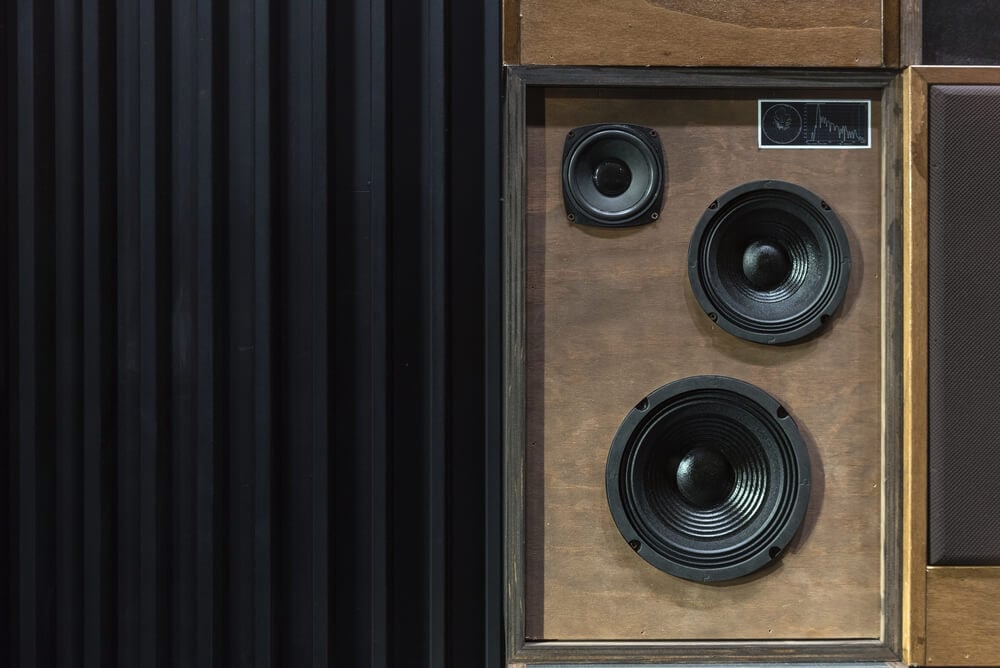
Large freestanding speaker cabinets, often built from real wood veneer, flanked the stereo system in households invested enough in music to upgrade beyond the built-in speakers of a console unit. Their substantial size meant they doubled, whether intended or not, as an actual piece of room furniture.
The Needlepoint or Cross-Stitch Wall Art
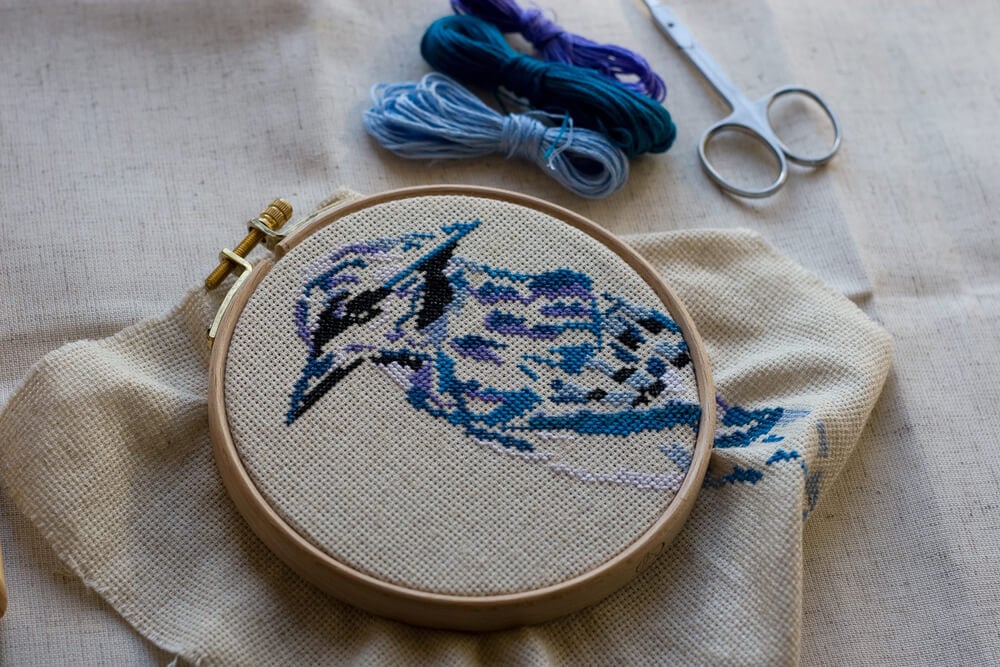
Framed needlepoint pieces, frequently handmade by a family member, hung as a common decorative fixture across an enormous range of household styles and budgets. Religious phrases, simple landscapes, and family names were among the most common subjects stitched into these pieces.
The Rabbit-Ear Antenna Atop the Television
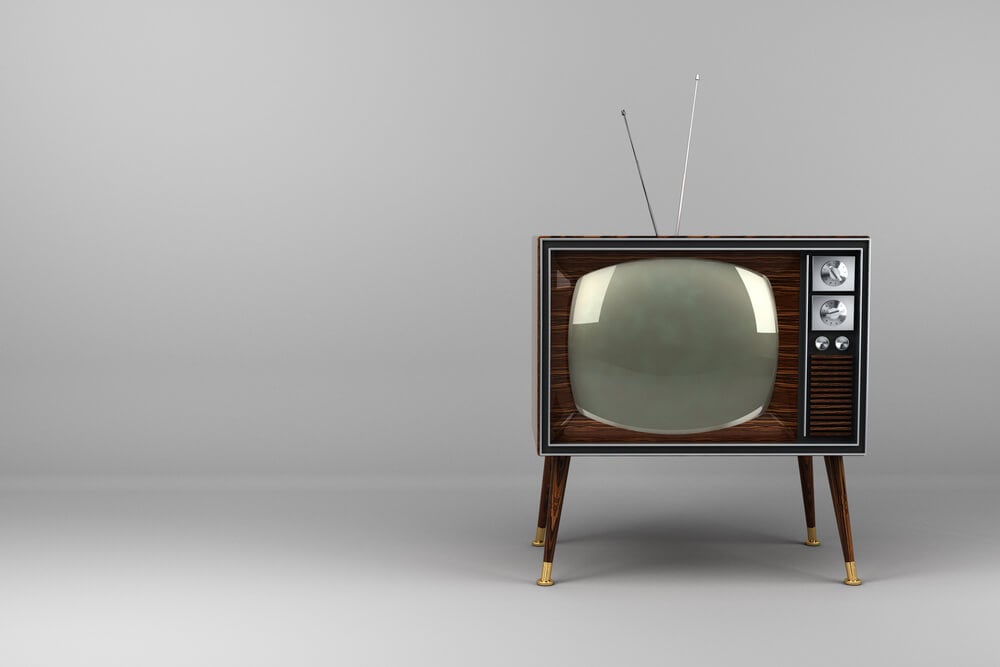
A pair of adjustable metal antennas sat directly on top of the television, requiring frequent manual repositioning to maintain a clear picture, sometimes with aluminum foil wrapped around the tips as an informal signal booster. Finding the exact right angle for a clear picture was a skill some family members were simply better at than others.
The Wooden TV Trays
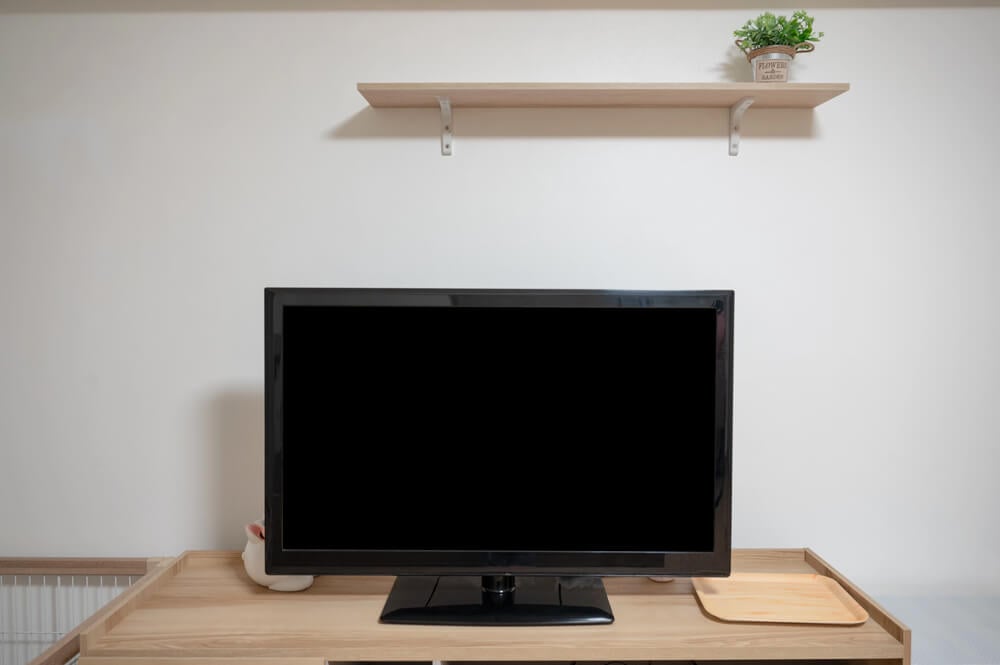
Folding wooden trays, often sold as a stackable set, allowed a family to eat dinner in front of the television without needing to move to the dining table. Their legs frequently wobbled on uneven carpet, a minor but universally recognized inconvenience of using them.
The Upright Piano Along the Wall
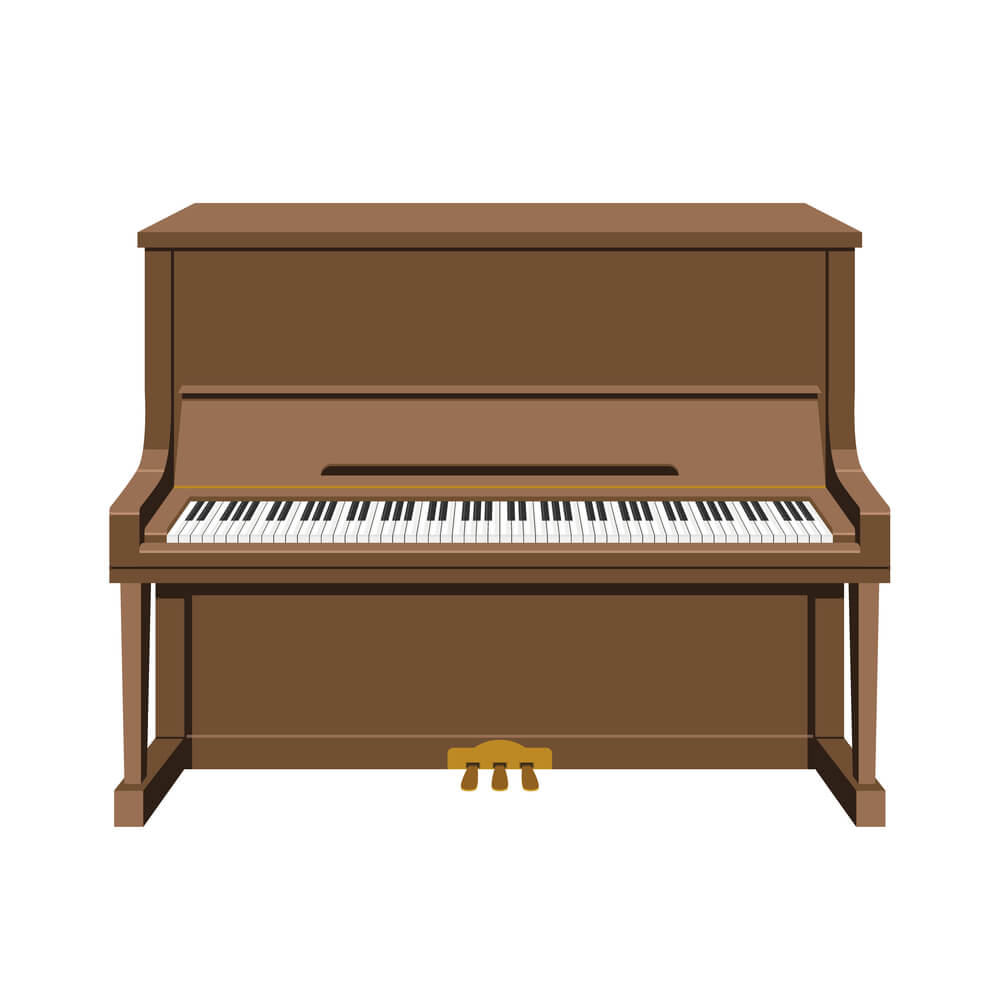
A piano, often inherited or bought secondhand, occupied a dedicated wall in a large share of households regardless of whether anyone in the family played it regularly. Its top surface frequently doubled as an additional display shelf for framed photographs, echoing the same function served by the television cabinet across the room.
The Formal, Rarely Used Sitting Area
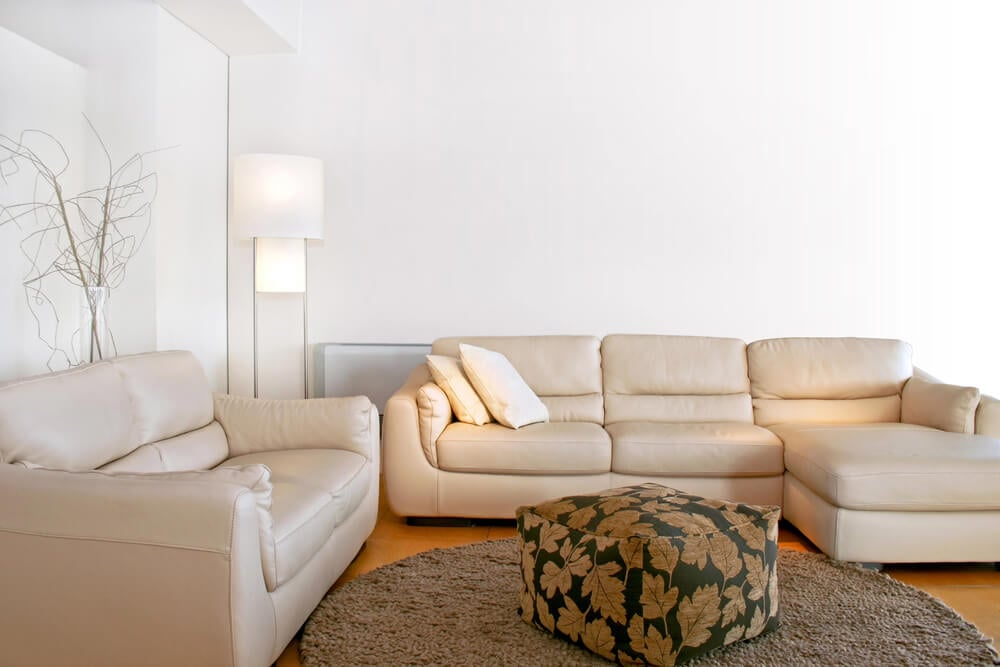
Many living rooms maintained a separate, more formal seating arrangement reserved specifically for guests, distinct from the everyday family seating used for regular television watching. Children were frequently told this area was off-limits for everyday use, reinforcing its largely ceremonial function.
The Glass-Top Coffee Table
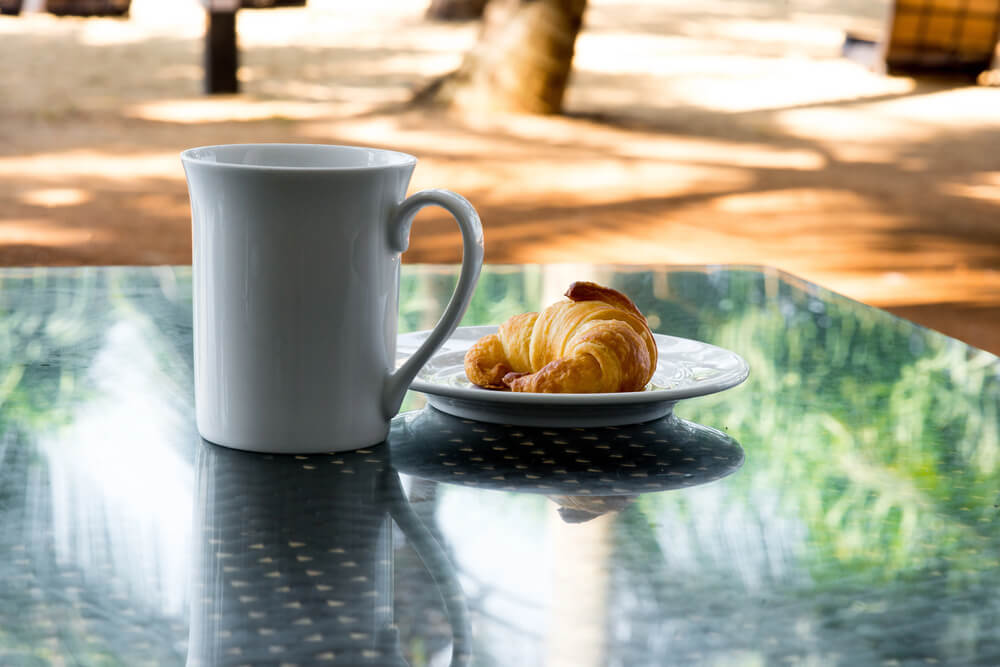
A coffee table with a glass surface, often paired with a wrought-iron or wood base, became a common centerpiece choice across a wide range of home styles and price points. Fingerprints and smudges on the glass were a near-constant, low-level household maintenance issue.
The Bookend Sets

Decorative bookends, ranging from simple wood blocks to more ornate metal or ceramic designs, anchored the ends of bookshelves in a large share of households regardless of how many actual books sat between them. Mismatched bookend pairs, the result of one half breaking over the years, were a common minor household inconsistency.
The Hanging Macrame Plant Holder
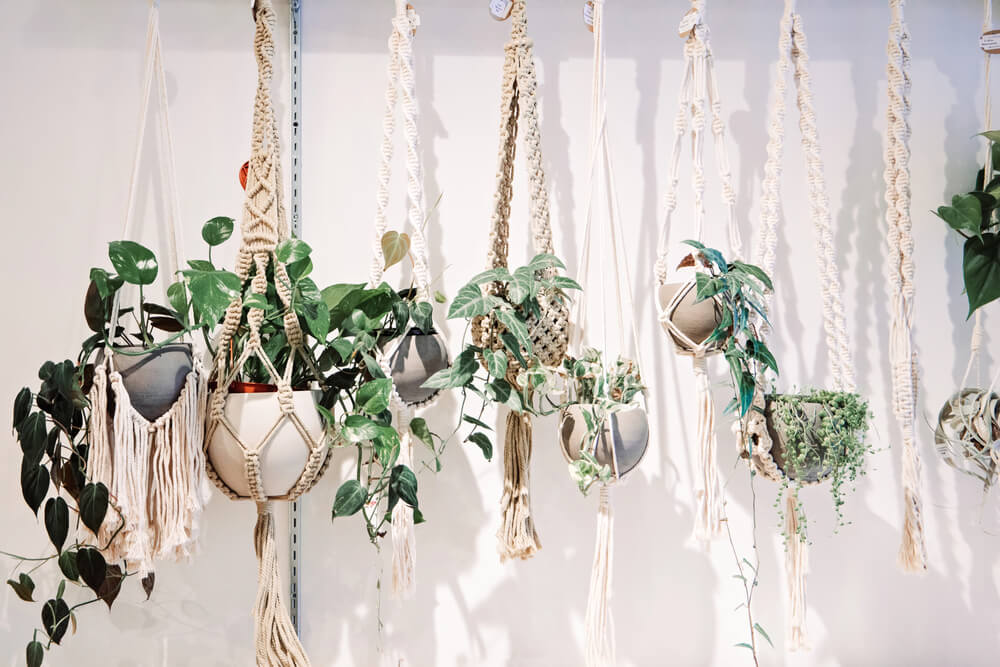
Woven plant hangers, suspending a potted plant near a window, became a widespread decorative fixture across a broad range of household styles for a stretch of years. Watering the plant without soaking the surrounding carpet required a level of practiced care that not every household member managed successfully.
The Magazine Rack Beside the Chair

A small wooden or wire rack, positioned within reach of the household’s main seating, held a rotating stack of magazines and the current week’s mail. Its contents doubled as an informal record of a family’s reading habits, since the rack was rarely cleared out until it was genuinely overflowing.
The Plastic-Covered Sofa
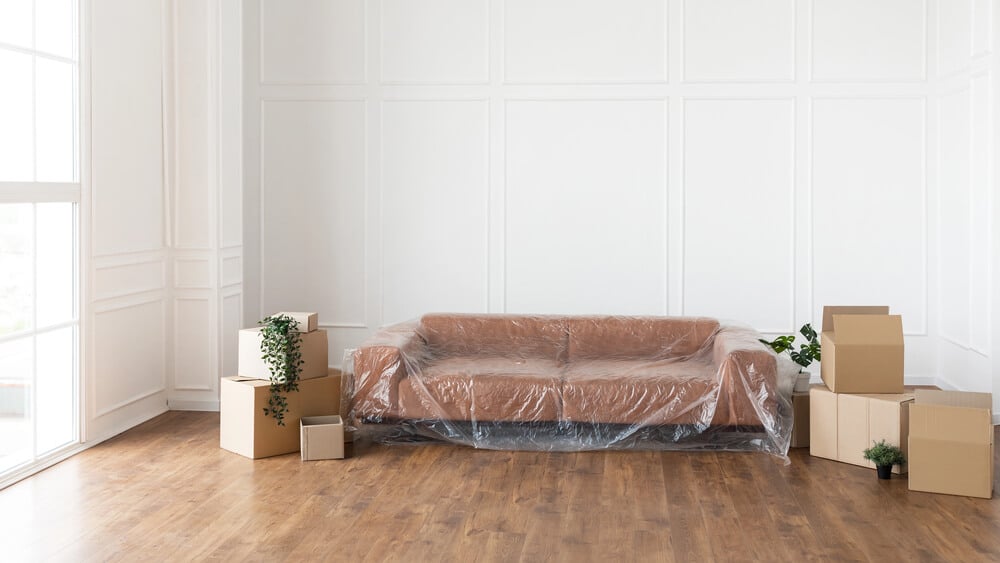
Clear vinyl slipcovers stretched over an upholstered sofa were common enough in certain households to become a defining sensory memory, particularly the sound and feel of sitting down on a hot day. Families who used them typically reserved the cover removal for special occasions, treating the fabric underneath as something to be preserved rather than used daily.
The Wall-Mounted Barometer and Thermometer Set

A decorative combination instrument, often housed in a wood or brass frame, hung near an entryway or window in a large number of households, ostensibly for checking the weather before anyone left the house. Its accuracy was rarely questioned closely, since the instrument’s decorative value mattered as much as its functional one.
The Room Divider Bookshelf

A tall, open-backed shelving unit sometimes split a larger combined living and dining space into two visually distinct areas without the cost of an actual wall. Items displayed on it were chosen deliberately to look presentable from both sides, since the shelf was visible from two different rooms at once.
Furniture That Was Never Really a Choice
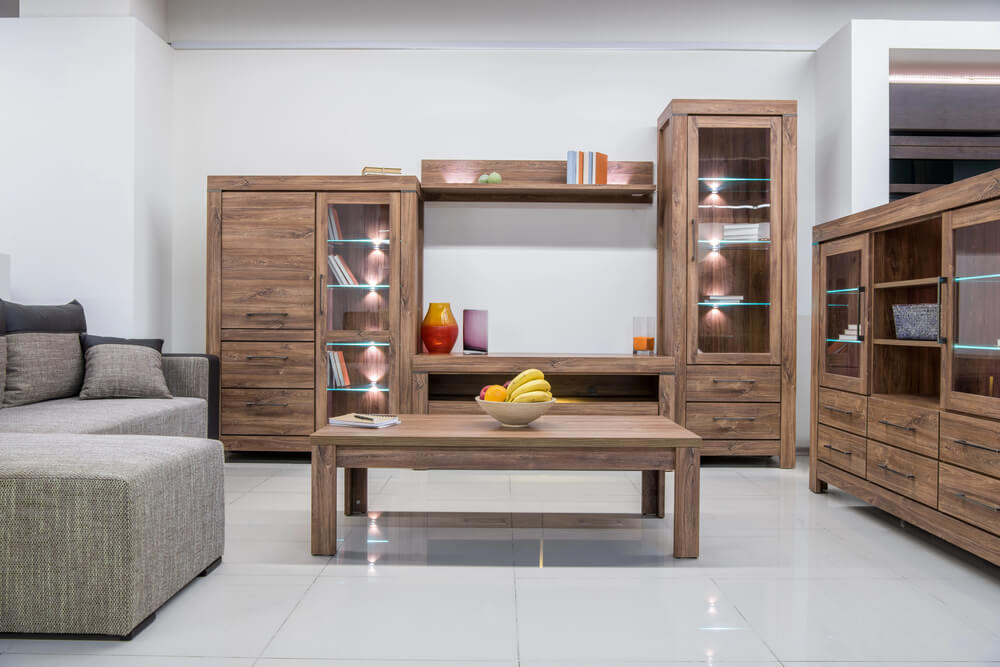
None of these fixtures arrived because a family sat down and carefully chose them from a range of options the way a modern living room might be designed today. They arrived because that was simply what a living room contained, the same objects appearing in house after house regardless of taste or budget.
That uniformity is exactly what makes the memory so specific now. A shag carpet or a rabbit-ear antenna does not just recall a single household; it recalls an entire era of households that all, somehow, agreed to have the same living room.
More from Go2Tutors!

- The Romanov Crown Jewels and Their Tragic Fate
- 13 Historical Mysteries That Science Still Can’t Solve
- Famous Hoaxes That Fooled the World for Years
- 15 Child Stars with Tragic Adult Lives
- 16 Famous Jewelry Pieces in History
Like Go2Tutors’s content? Follow us on MSN.



