Most Expensive Cheeses in the World
Cheese can cost more per pound than silver. That fact surprises people until they learn what goes into making certain varieties.
Age matters. Rarity matters.
Production methods that haven’t changed in centuries matter. Some cheeses come from specific valleys where particular grasses grow, imparting flavors you can’t replicate elsewhere.
Others require years of aging in caves with precise humidity and temperature. The result is a market where collectors pay thousands of dollars for wheels of fermented milk.
Here are the most expensive cheeses you can actually buy.
Pule, Serbia
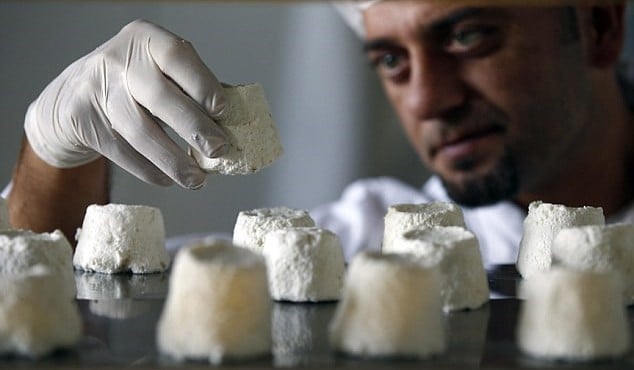
Pule holds the title for most expensive cheese in the world. It costs around $1,000 per pound. The price makes sense when you understand the source—donkey milk.
Donkeys produce very little milk compared to cows or goats. A single donkey might give a liter per day.
You need 25 liters of donkey milk to make one kilogram of Pule. The farm in Serbia’s Zasavica Special Nature Reserve is one of the only places making this cheese commercially.
The cheese itself is white and crumbly, similar to feta but with a more delicate flavor. Production stays extremely limited because the donkeys can’t be milked like other dairy animals.
The entire process requires enormous labor for minimal output. Most people who buy Pule do so for the novelty rather than the taste, though the cheese has its advocates.
Moose Cheese from Elk House, Sweden
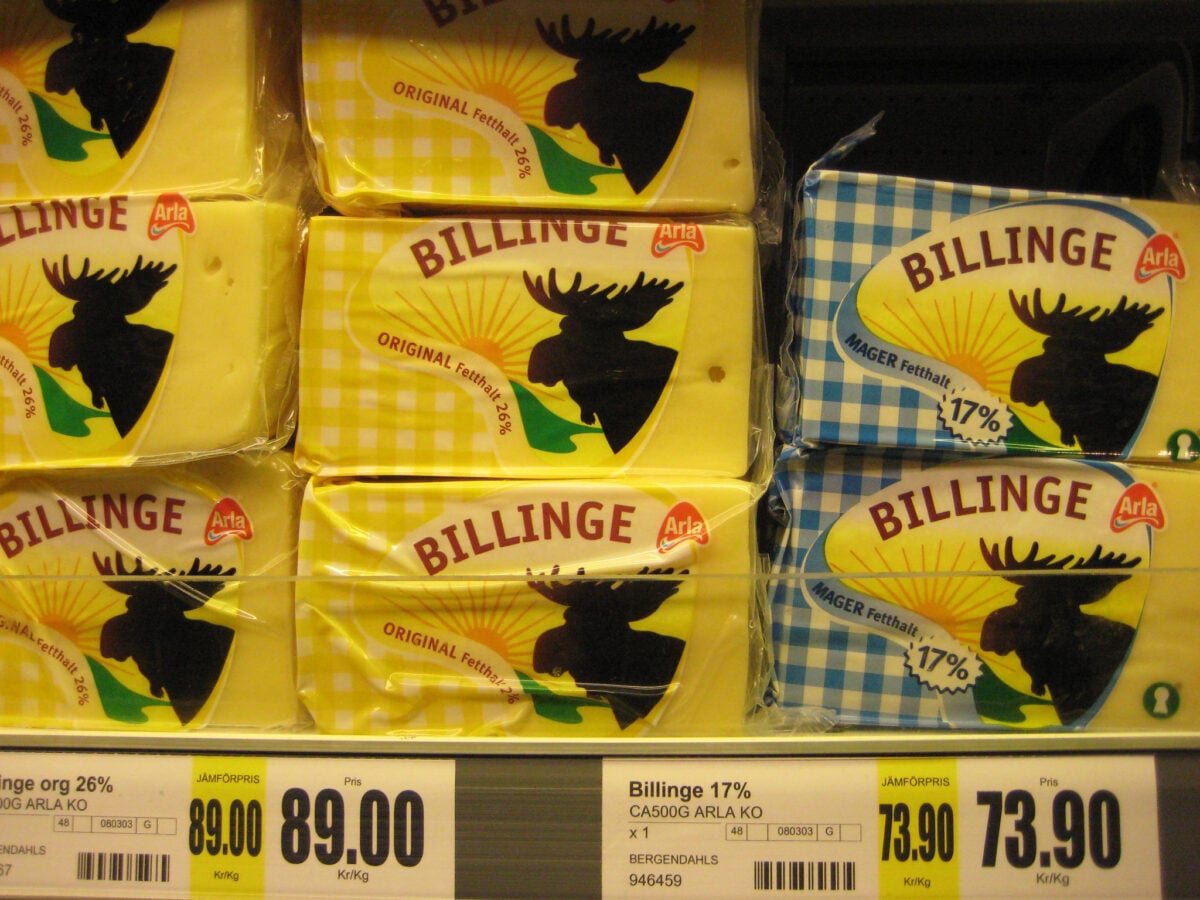
Three moose named Gullan, Haelga, and Juno produce milk for this cheese. That’s it.
Those three animals represent the entire production capacity. The cheese sells for about $500 per pound when available, which isn’t often.
The Elk House farm can only milk the moose between May and September. The animals must be in the right mood.
They produce limited quantities even under ideal conditions. The resulting cheese comes in three varieties—a blue-veined version, a white-mold type, and a dried cheese. Total annual production measures in kilograms, not tons.
The flavor is distinctive. Moose milk has higher fat content than cow milk, creating a rich, creamy cheese.
But the scarcity drives the price more than the taste. You can’t scale up moose cheese production.
The animals simply won’t cooperate.
White Stilton Gold, England
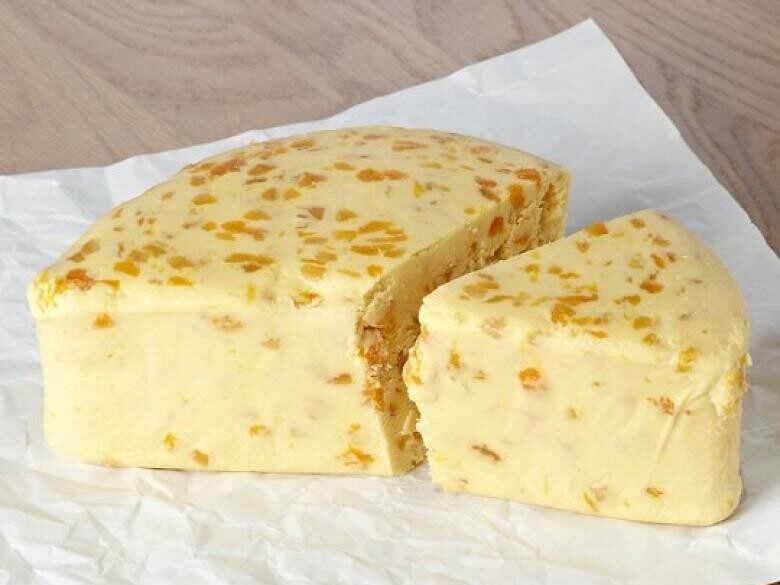
Long Clawson Dairy produces a Stilton infused with real gold leaf and gold liqueur. The cheese costs around $420 per pound.
It was originally created for Christmas but became available year-round due to demand. The base is White Stilton, which differs from the more common Blue Stilton.
White Stilton has a milder, creamier flavor without the blue veining. The addition of gold is purely decorative and doesn’t affect the taste.
Gold is flavorless and passes through your digestive system unchanged. You’re literally eating expensive decorations.
The cheese sells anyway. People buy it for special occasions, corporate gifts, and Instagram photos.
The presentation is undeniably impressive—white cheese flecked with gleaming gold. Whether that’s worth $420 per pound depends on how much you value appearance over substance.
Wyke Farms Cheddar Reserve, England
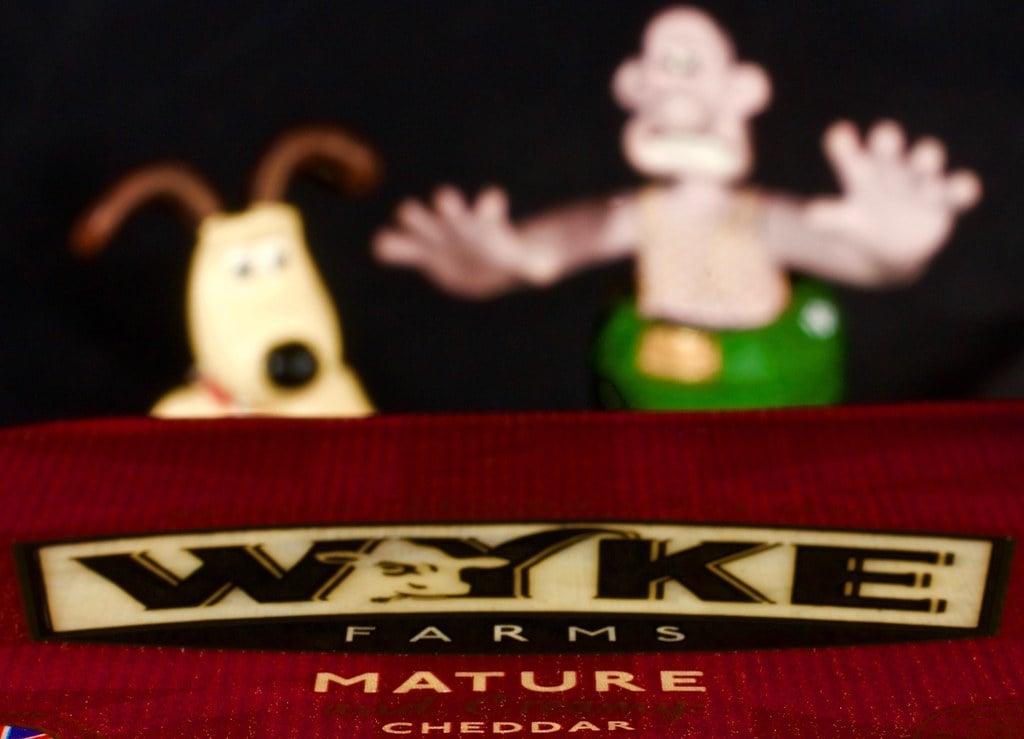
This cheddar ages for 15 months and then gets infused with white truffle oil and gold leaf. The price hits around $200 per pound.
Wyke Farms positions it as the world’s most luxurious cheddar, which might be true from a price perspective. The base cheddar is excellent on its own.
Sharp, complex, with the crystalline texture that develops in properly aged cheese. The truffle oil adds earthiness.
The gold adds cost. The combination creates a product that’s part cheese, part luxury statement.
Cheddar purists argue that the additions mask rather than enhance the cheese. The truffle oil overpowers the subtle flavors that aging develops.
But the market for this cheese isn’t purists. It’s people who want something extravagant and are willing to pay for it.
Caciocavallo Podolico, Italy
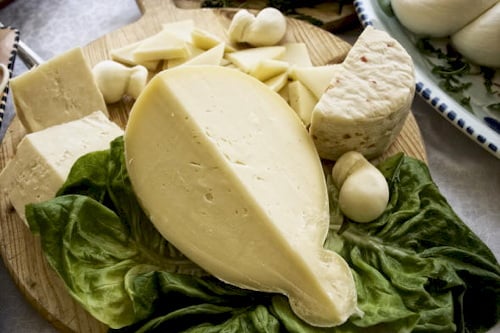
This cheese comes from Podolica cows, a rare breed that grazes on wild herbs in southern Italy. The cheese costs around $50 to $100 per pound depending on age.
What makes it expensive is scarcity—the cows only lactate for a few months each year. Podolica cows spend most of their time in mountainous terrain eating wild grasses and herbs.
This diet creates milk with unique flavors that change with the seasons. The cheese is only produced during specific months when the cows are producing milk.
The rest of the year, production stops entirely. The cheese ages in caves, hanging from ropes.
Young Caciocavallo is mild and slightly sweet. Aged versions develop sharp, complex flavors with hints of the herbs the cows ate.
Some wheels age for over two years. The cheese becomes harder, more pungent, and significantly more expensive as it ages.
Beaufort d’Été, France
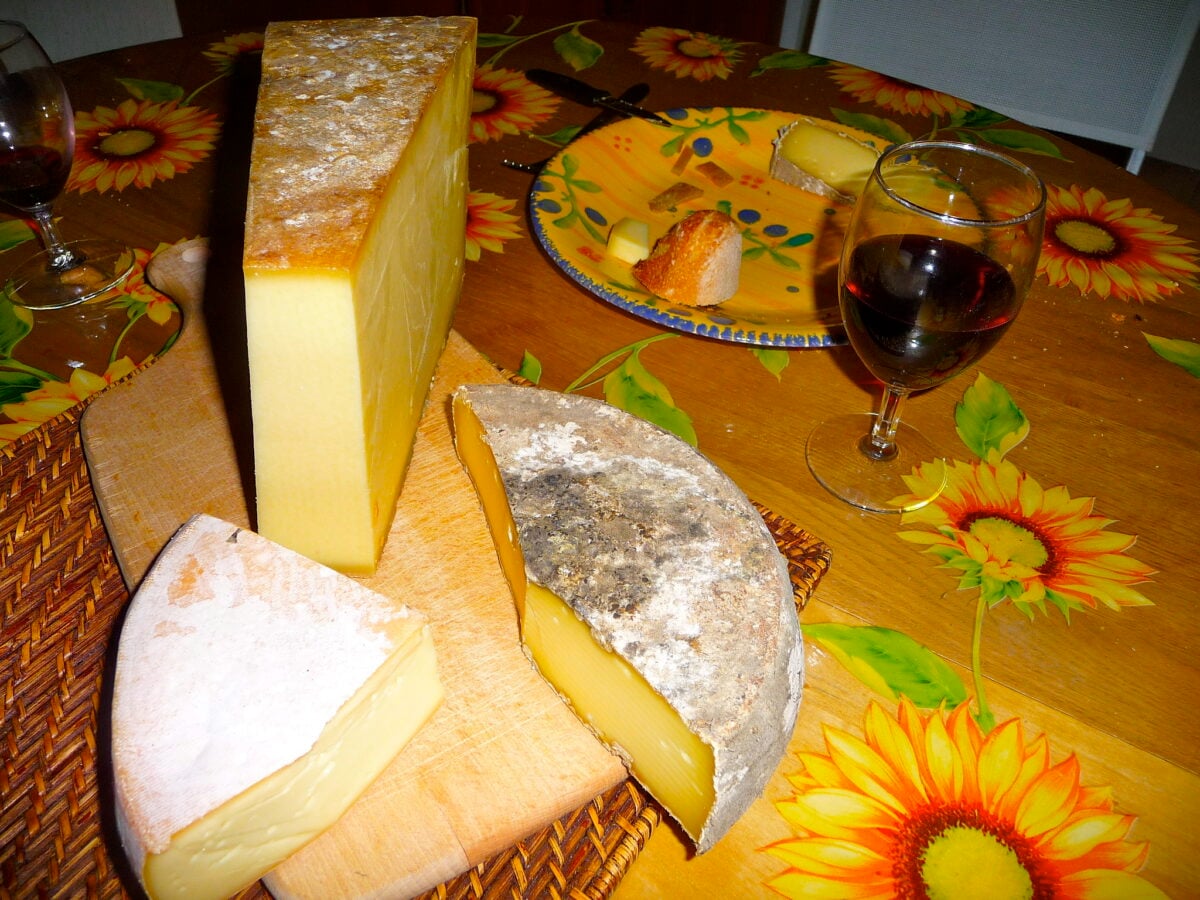
Beaufort is a mountain cheese from the French Alps. The summer version, Beaufort d’Été, uses milk from cows that grazed on high Alpine meadows.
This cheese costs around $45 to $75 per pound for well-aged wheels. The cows graze at elevations above 5,000 feet during summer months.
The mountain grasses and wildflowers impart flavors you can’t get from lowland pastures. Cheesemakers claim you can taste the difference.
Blind taste tests suggest they’re right—summer Beaufort has more complex, floral notes than winter versions. The cheese requires at least five months of aging, though premium wheels age for two years or more.
The wheels are large, weighing around 80 pounds each. They age in cellars where temperature and humidity stay constant year-round.
Workers turn and brush the wheels regularly to develop the proper rind.
Old Ford, England
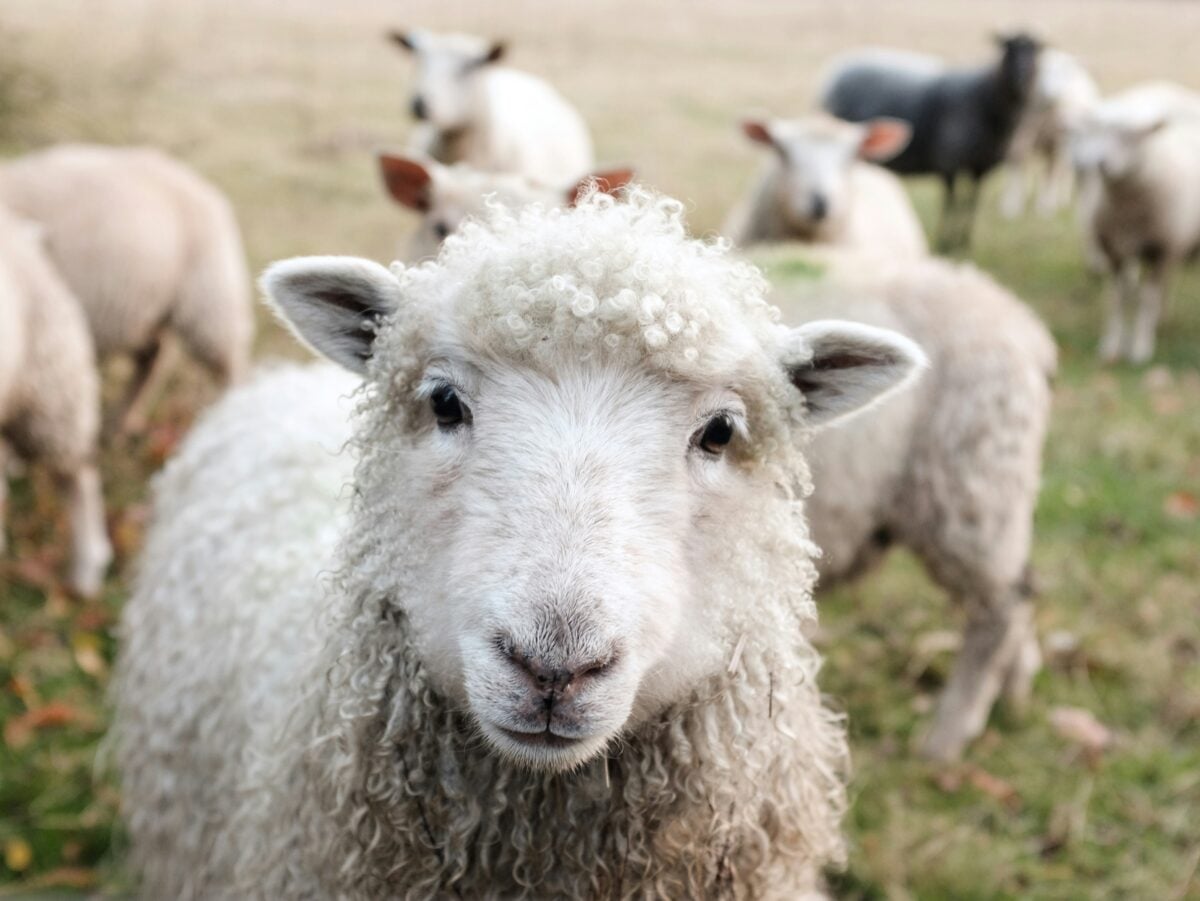
This raw sheep’s milk cheese ages for five months and costs around $40 per pound. The high price reflects both the quality of the milk and the careful production process.
Sheep’s milk contains more fat and protein than cow’s milk, creating richer cheese. The cheesemaker uses milk from specific farms where sheep graze on clover-rich pastures.
The seasonal variation in milk affects the final product. Spring cheeses taste different from autumn ones because the sheep’s diet changes.
This variability is considered a feature, not a flaw. The texture is dense and smooth.
The flavor is nutty and sweet with a slight tang. Old Ford isn’t trying to be the most expensive cheese in the world.
It’s trying to be excellent, and the price reflects the costs involved in making it properly.
Bitto Storico, Italy
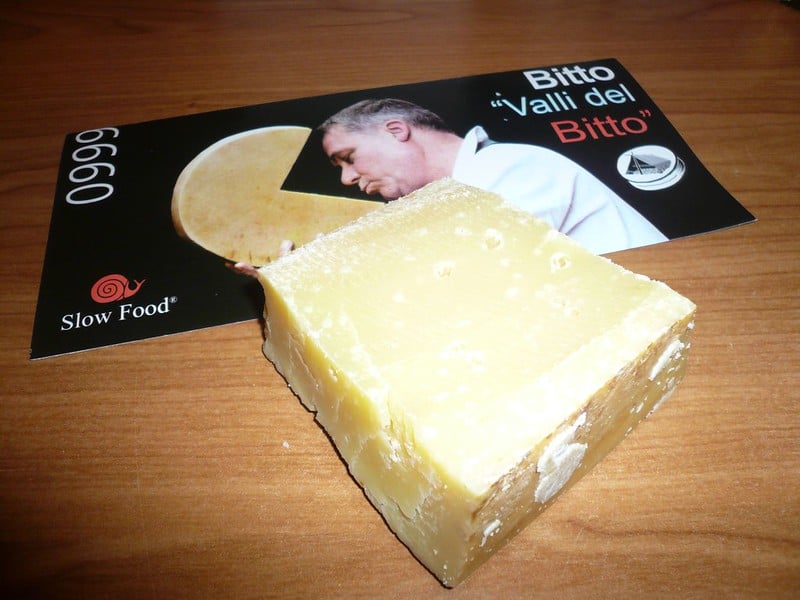
Aged Bitto from the Valtellina valley in Italy can cost hundreds of dollars per pound. The oldest known wheel, aged over 15 years, sold at auction for over $6,000.
Even younger versions of Bitto Storico command premium prices. The cheese is made in mountain huts during summer when cows graze at high altitudes.
Traditional production methods require wooden tools and containers. The milk comes from cows and a small percentage of goats.
This mixture creates cheese that ages exceptionally well. Bitto develops intense, complex flavors as it matures.
Young Bitto is relatively mild. Ten-year-old Bitto is sharp and crumbly with caramel notes.
Fifteen-year-old Bitto becomes even more concentrated, almost crystalline in texture. The aging transforms the cheese completely.
Époisses de Bourgogne, France
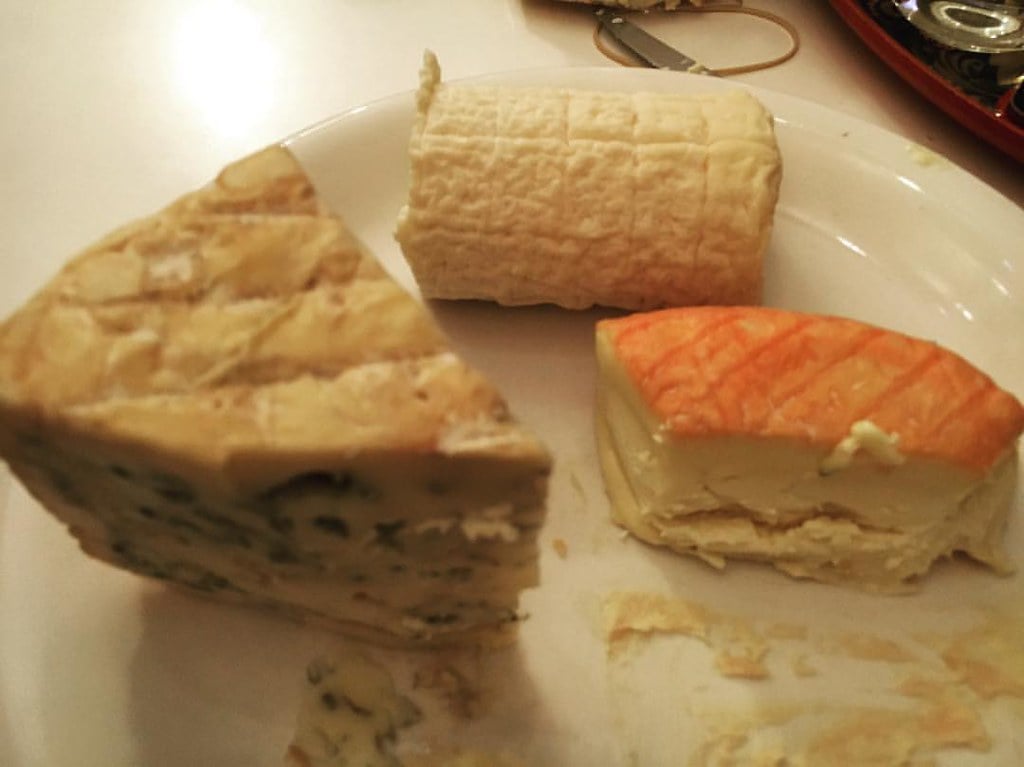
Époisses cost around $30 to $50 per pound, which places it in the expensive category though not the absolute top. What makes this cheese notable is the production method—it gets washed in Marc de Bourgogne brandy during aging.
The brandy washing creates a distinctive orange rind and intense aroma. The smell is powerful enough that Époisses is banned on French public transportation.
The interior is creamy and almost liquid when fully ripe. The flavor is strong, salty, and complex with notes from the brandy.
Making Époisses properly requires skill and time. The cheese ages for at least four weeks with regular brandy washings.
Too much washing and it becomes slimy. Too little and the proper rind doesn’t develop. Temperature control is critical.
The result is a cheese that divides opinions sharply—people either love it or find it inedible.
Rogue River Blue, United States
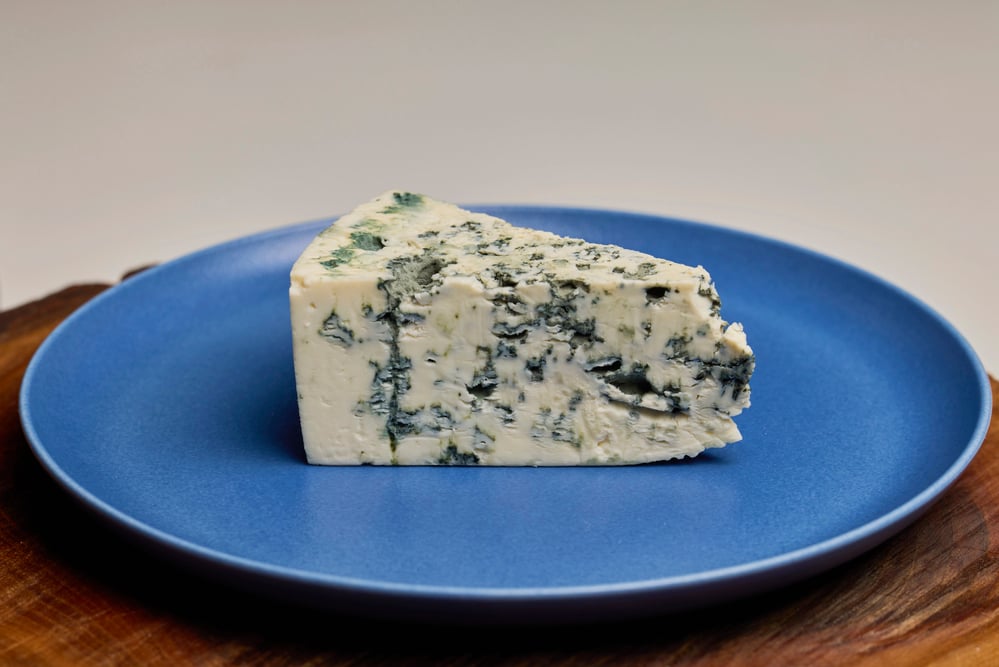
This American blue cheese costs around $40 per pound and has won international awards competing against European cheeses. It’s made in southern Oregon using organic milk and wrapped in grape leaves soaked in pear brandy.
The grape leaves aren’t just decorative. They impart subtle flavors and help maintain moisture during aging.
The pear brandy adds fruity notes that complement the blue mold. The combination creates something distinctly different from traditional European blues.
Rogue River Blue challenged the assumption that American cheeses can’t compete with European ones. Winning at international competitions proved that terror and tradition matter, but they’re not the only path to excellence.
Skilled cheesemakers can create world-class products anywhere.
Jersey Blue, Switzerland
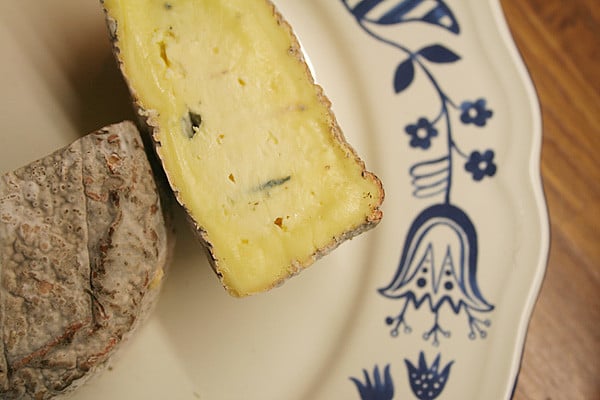
Swiss cheesemaker Willi Schmid makes this blue cheese from raw Jersey cow milk. It costs around $35 to $45 per pound.
Jersey cows produce milk with higher butterfat content than standard dairy breeds. This creates exceptionally creamy cheese.
The blue mold develops naturally without aggressive seeding. The cheese ages for several months in cellars with controlled humidity.
The result is milder than most blues, with the richness of the Jersey milk balancing the sharpness of the mold. Production stays small because Schmid makes everything by hand using traditional methods.
The milk comes from local farms where cows graze on mountain pastures. The entire operation prioritizes quality over volume.
That philosophy means limited availability and higher prices.
Gorau Glas, Wales
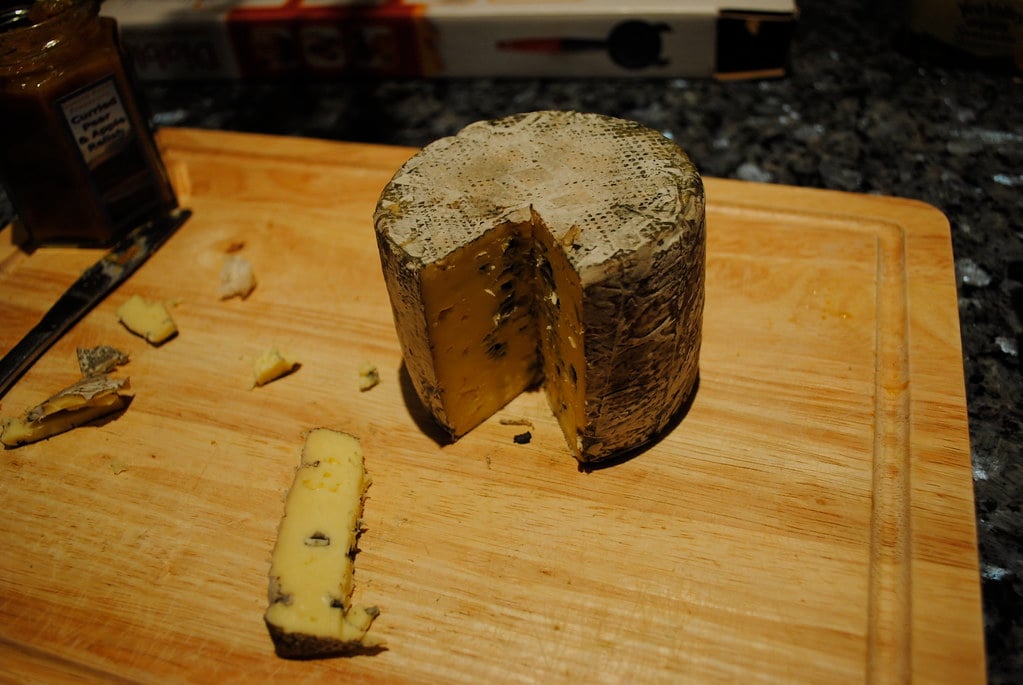
This Welsh blue cheese won Best Cheese in the World at the World Cheese Awards. It costs around $30 per pound.
The name means “best blue” in Welsh, and the competition win suggests the name isn’t just marketing. The cheese uses organic cow’s milk from a single farm.
The blue mold is traditional Penicillium roqueforti, the same culture used in Roquefort. But the milk and aging conditions create different results.
Gorau Glas is creamier and milder than French blues, with a sweet finish that surprises people expecting aggressive sharpness. Winning the World Cheese Awards put Gorau Glas on the international map.
Production increased but remains relatively small. The cheesemaker still oversees everything personally.
This hands-on approach maintains consistency but limits how much cheese can be made.
Manchego Reserva, Spain
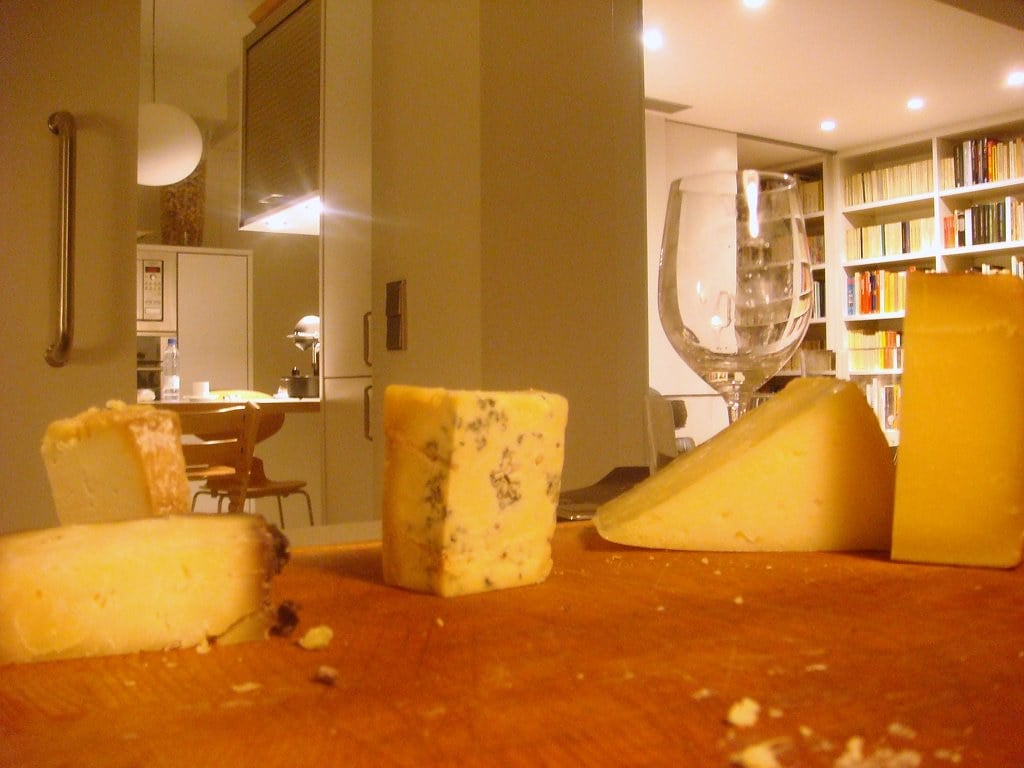
Aged Manchego from Spain’s La Mancha region costs $25 to $40 per pound depending on age. The cheese must be made from Manchega sheep milk and aged in specific conditions to carry the Manchego designation.
Younger versions are cheaper, but properly aged Reserva commands premium prices. Manchego has protected origin status.
Only cheese made in La Mancha from specific sheep breeds qualifies. This legal protection preserves traditional production methods and prevents cheaper imitations from diluting the brand.
The cheese ages for at least two years to achieve Reserva status. During aging, it develops a hard, dark rind and firm interior.
The flavor becomes nutty and sharp with caramel undertones. The texture turns granular as protein crystals form.
These crystals are a sign of proper aging and add a pleasant crunch.
Vacche Rosse Parmigiano-Reggiano, Italy
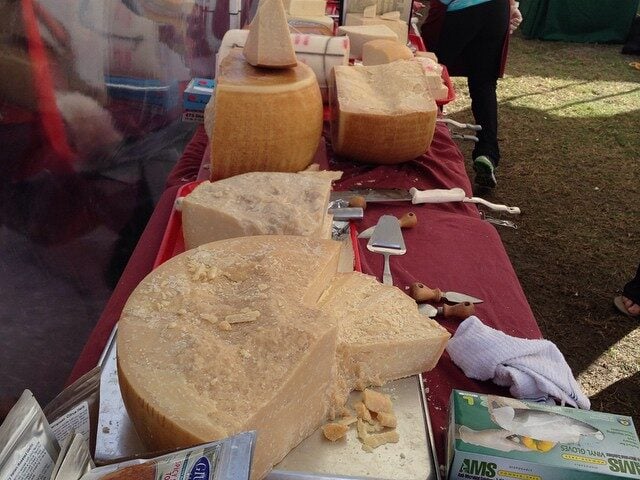
Standard Parmigiano-Reggiano costs around $20 per pound. The Vacche Rosse version costs nearly double.
The difference is the cows—Vacche Rosse means “red cows,” referring to the rare Reggiana cattle breed. Reggiana cows nearly went extinct.
They produce less milk than modern dairy breeds, making them economically unattractive. A few farmers maintained herds specifically for making traditional Parmigiano-Reggiano.
The milk from these cows creates cheese with richer flavor and better texture. The cheese ages for at least 24 months, though 36-month versions are common.
The extended aging concentrates flavors and develops those characteristic protein crystals. The result tastes noticeably different from standard Parmigiano-Reggiano.
Whether that difference justifies double the price is subjective, but enthusiasts claim it’s worth every penny.
Why People Pay These Prices

Expensive cheese occupies a strange position in the luxury market. It’s not jewelry or watches—objects you can show off indefinitely.
Cheese gets eaten. The expense vanishes with consumption.
Yet people keep buying it. Part of the appeal is rarity.
Limited production creates scarcity, and scarcity drives demand among collectors and enthusiasts. Owning something rare feels special even if that thing will be gone within a week.
Part is quality. Genuinely excellent cheese does taste better than mediocre cheese.
The difference between mass-produced cheddar and artisanal aged cheddar is real and immediately apparent. Whether that difference justifies a 10x or 50x price increase depends on your priorities and budget.
Part is the story. Knowing the cheese comes from specific cows grazing on specific mountains using methods unchanged for centuries adds meaning to the experience.
You’re not just eating fermented milk. You’re consuming tradition, craftsmanship, and terroir.
The narrative becomes part of the flavor.
The Alchemy of Time and Milk
Time feels different inside a cheese cave, where rounds sit in silence. Not one of them hurried into being – each took its months, sometimes years.
From liquid milk to deep flavor, change moves at its own pace here. Rushing never works. Pretending won’t help either.
Patience shows up in every bite of the costliest cheeses. Donkey herds need months just to gather enough milk, while some wheels sit untouched for twelve years or more – time cannot be skipped.
Factories today push meals through faster, squeezing out delays. But those who craft cheese by hand choose slowness on purpose.
Price tags tell the story. Buying a five hundred dollar round of moose milk cheese isn’t about ingredients stacked high.
It’s shaped by scarcity, sure – yet more so by choice: choosing slowness, difficulty, tradition. This exchange backs an idea – that craftsmanship can matter, even if machines could do it faster.
Only you can decide if it’s worth what they charge. Still, the cheese keeps moving off shelves – so clearly some folks think yes.
More from Go2Tutors!

- The Romanov Crown Jewels and Their Tragic Fate
- 13 Historical Mysteries That Science Still Can’t Solve
- Famous Hoaxes That Fooled the World for Years
- 15 Child Stars with Tragic Adult Lives
- 16 Famous Jewelry Pieces in History
Like Go2Tutors’s content? Follow us on MSN.