28 Movie Programs Once Sold Alongside Theater Tickets
For a few decades, the biggest films in America were treated like Broadway openings. They played in a handful of large cities on a reserved-seat basis, one or two showings a day, with higher ticket prices and no short subjects. In the lobby, a souvenir program offered photographs, cast biographies, and production notes, much like the playbill sold at a stage musical.
The programs below span from the silent era to the final years of the roadshow format. Condition matters a great deal to collectors, because large, glossy books were easily creased, stained, or trimmed, and a clean copy with its cover intact is far scarcer than a worn one.
Gone With the Wind, the Regular 1939 Souvenir Program
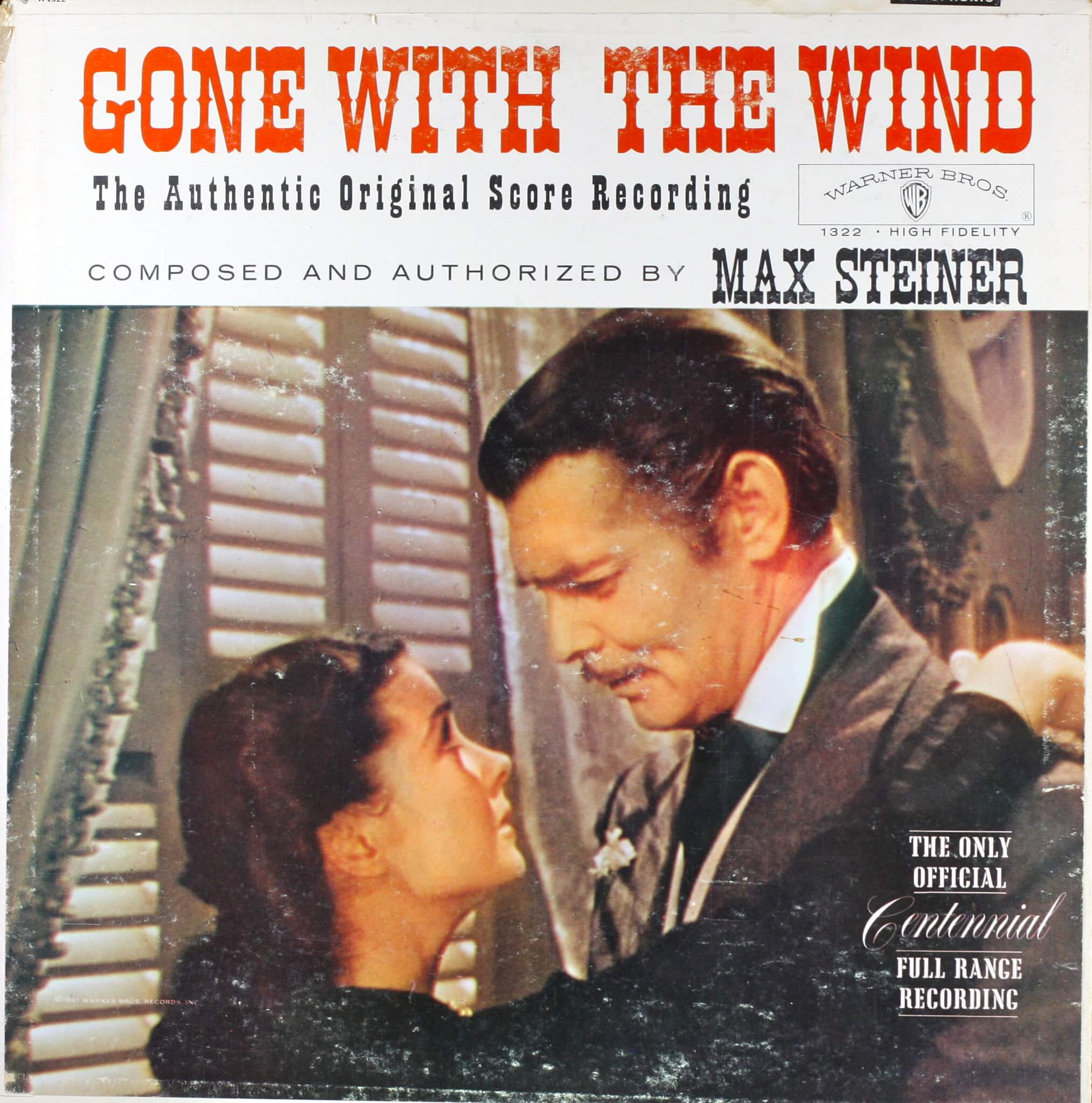
The standard souvenir program for Gone With the Wind measures nine by twelve inches and runs twenty pages, filled with portraits of the cast. Selznick International’s blockbuster premiered on December 15, 1939, at Loew’s Grand Theatre in Atlanta, with the theater’s facade redecorated to look like a southern mansion. Copies of the regular version are among the most commonly collected pieces of movie ephemera.
Gone With the Wind, the Premiere Program
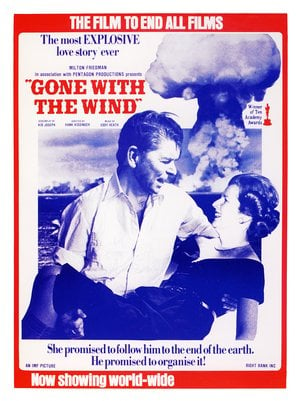
The program used for the Los Angeles and Atlanta premieres of Gone With the Wind differs from the regular version in a subtle way: its back cover is blank except for a note of the printer’s location in New York City and the words “Litho USA.” Collectors who track variants use that blank back to separate premiere copies from the general-release edition. The detail shows how even a single title could produce several distinct programs.
Gone With the Wind, the Hattie McDaniel Page
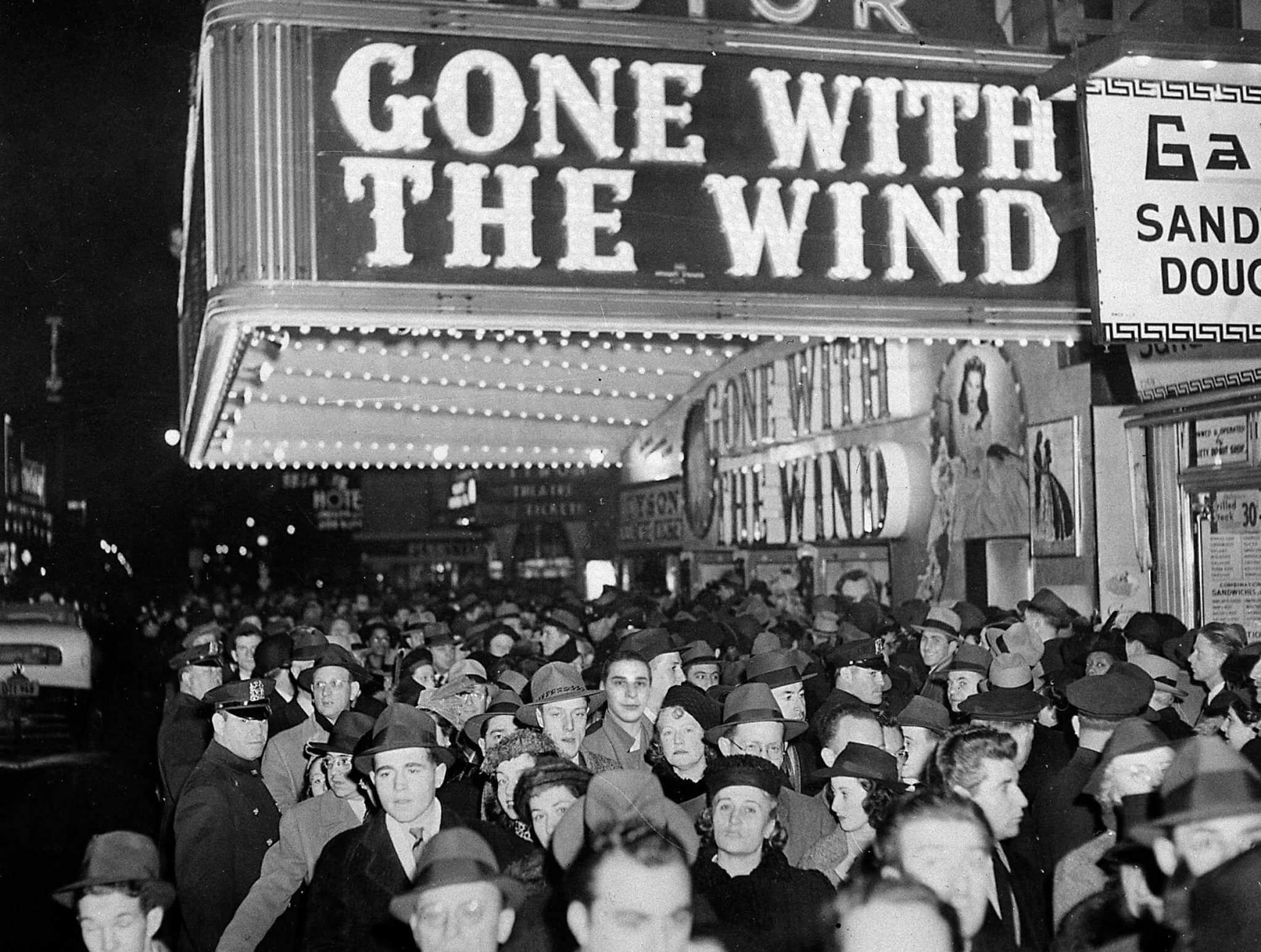
Producer David O. Selznick wrote last-minute memos about giving Hattie McDaniel a page in the premiere’s souvenir program, at a premiere staged in segregated Atlanta. Some copies of the program were later recalled, and collectors describe a rare version that includes McDaniel. Whether a copy includes her page has become a major point of interest among those who study the film’s release.
Gone With the Wind, the Junior League Premiere Gala Book
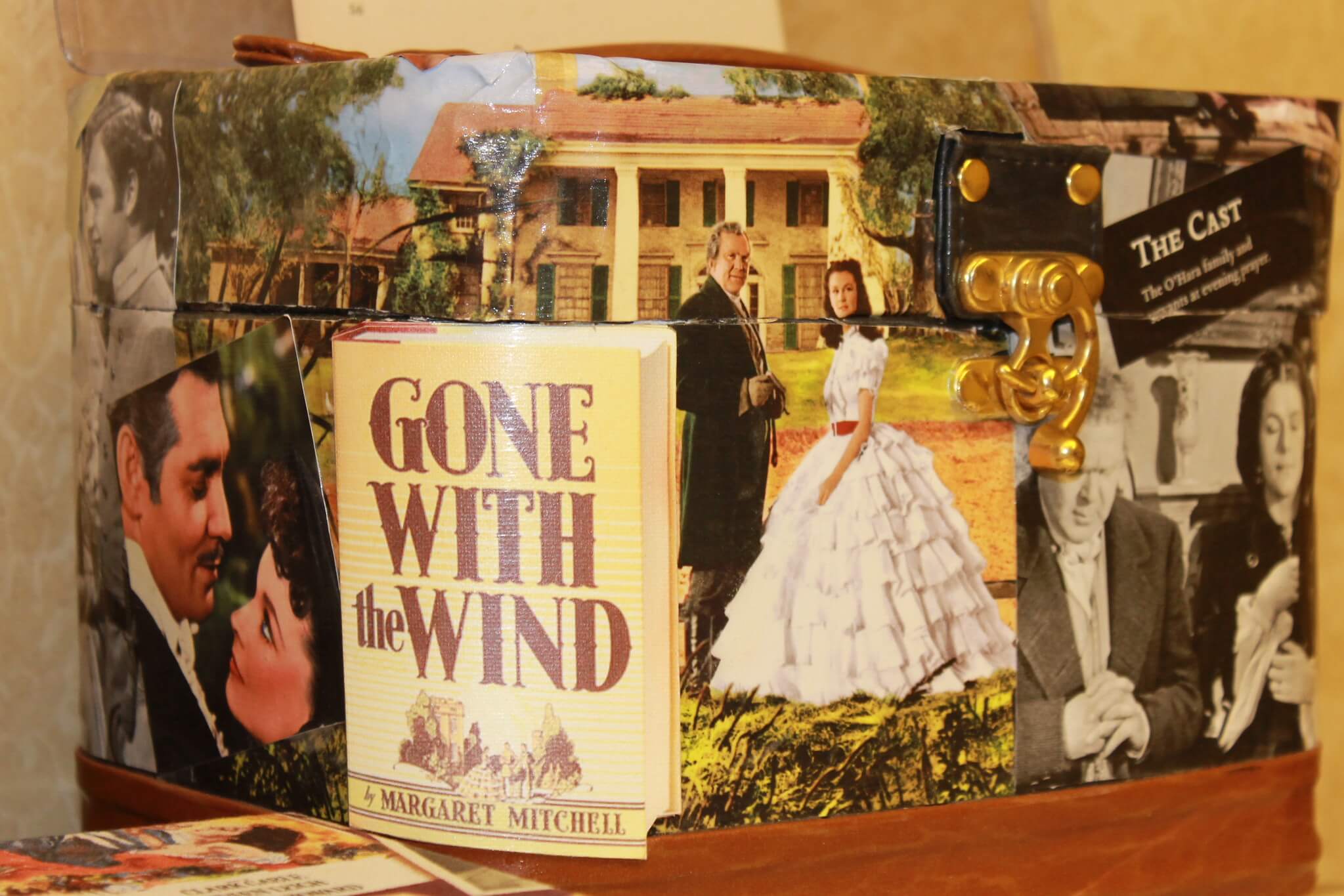
The Junior League of Atlanta held a formal premiere gala on December 14, 1939, one day before the film opened, at the Atlanta Civic Auditorium. The gala program runs about one hundred pages and measures roughly seven and a half by ten and a half inches. It was available only to those who attended the evening, which makes it far scarcer than the general souvenir book.
Ben-Hur, the 1959 Roadshow Program
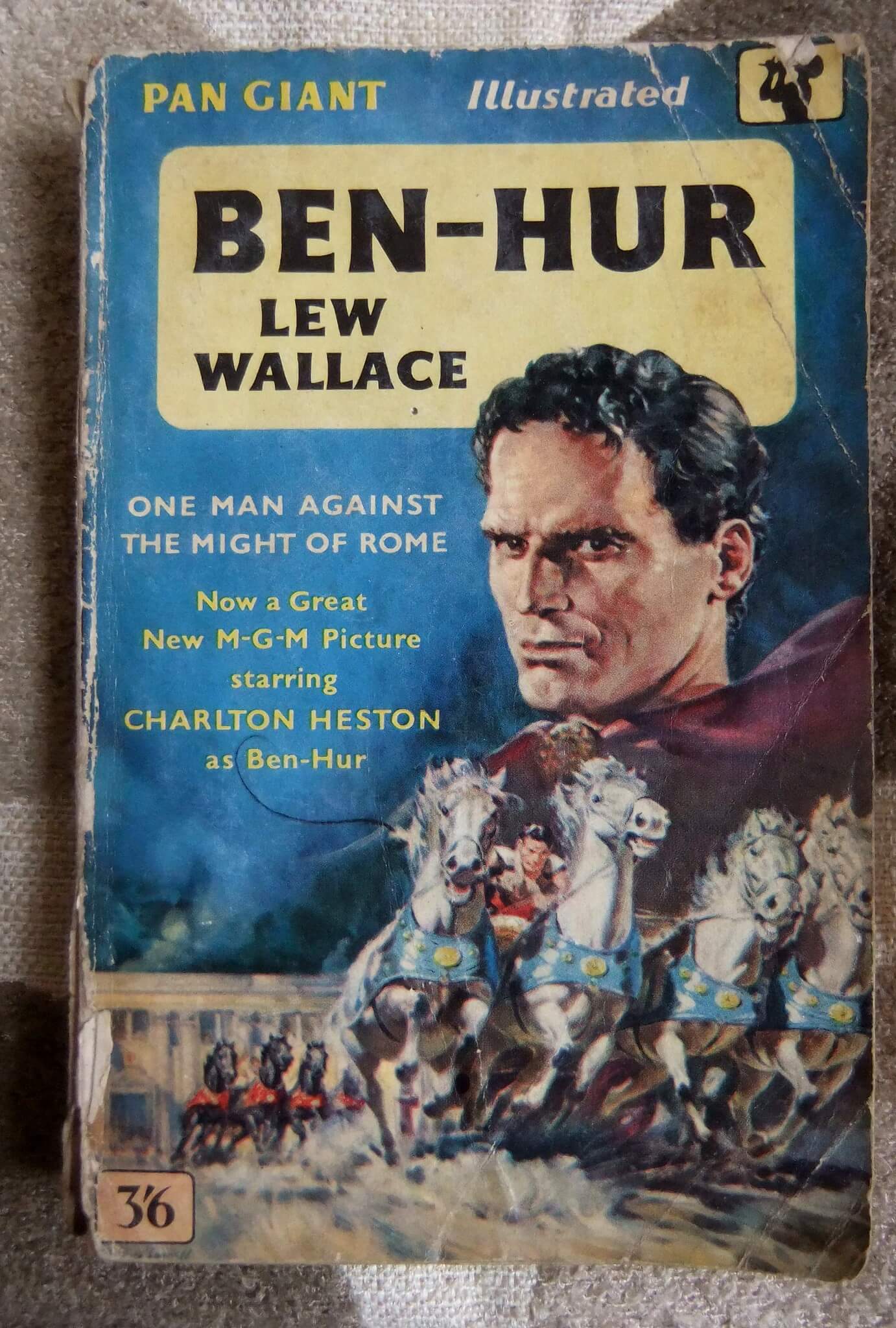
Ben-Hur opened on November 18, 1959, at the State Theatre in New York, where it played for 74 weeks as a reserved-seat engagement. A souvenir program and a soundtrack album were sold at roadshow venues, and unlike many roadshows of the era, the film lacked exit music. Out of hundreds of films released in 1959, it was one of only four given deluxe roadshow treatment.
Ben-Hur, the Random House Softcover
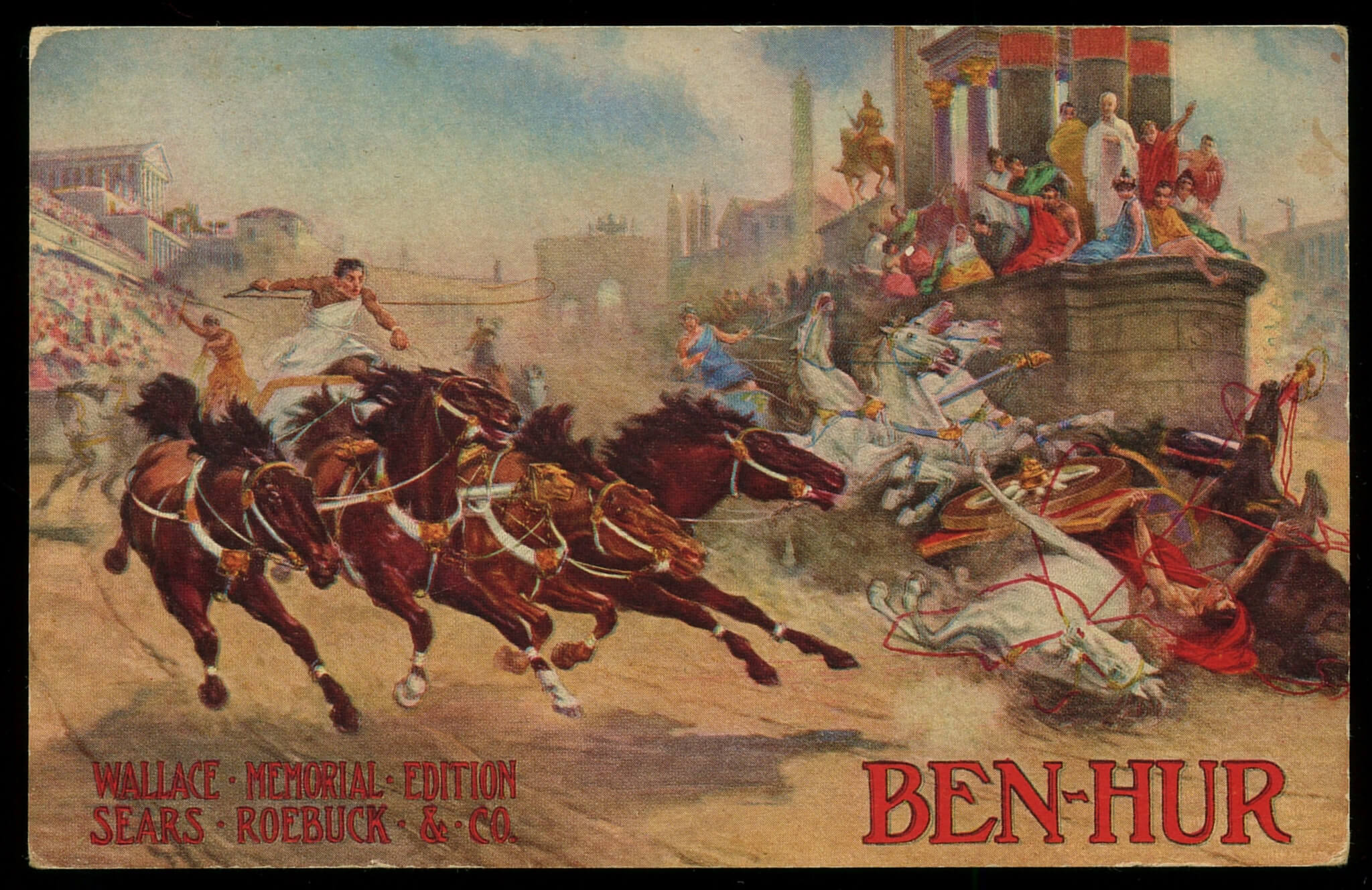
A 46-page softcover souvenir book published by Random House accompanied Ben-Hur and carries a 1960 date. Measuring about eight by eleven inches, it includes a fold-out illustration seven inches by eleven inches. The book is treated as an official companion to the film, with the kind of production detail usually found in a coffee-table book.
Cleopatra, the Original Four-Hour Edition
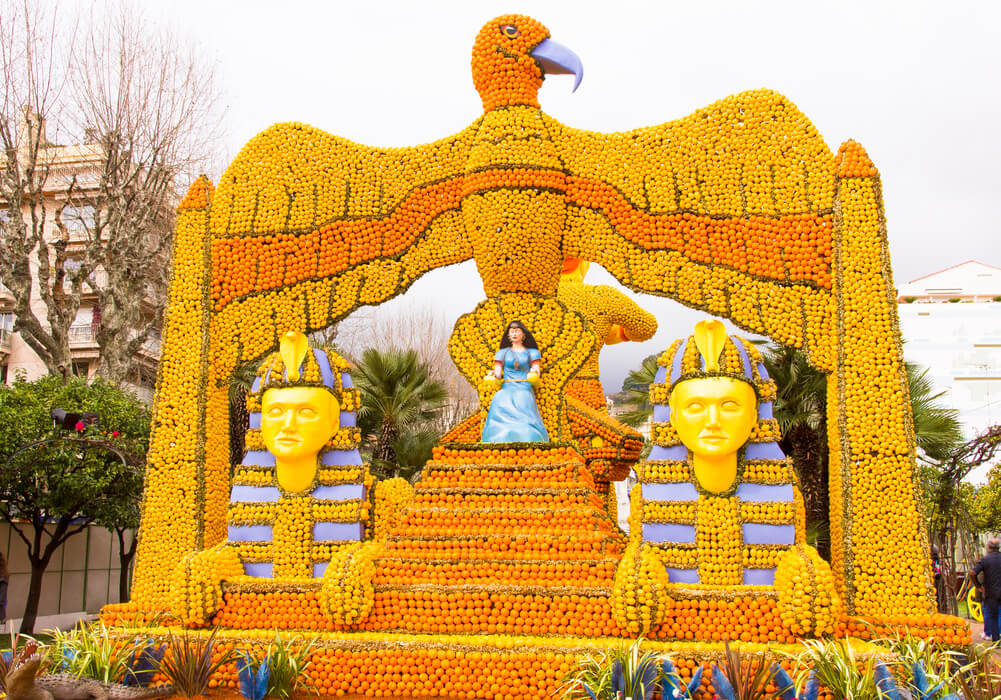
Cleopatra’s roadshow engagements began in June 1963 with the original four-hour cut, and souvenir programs were sold at the box office. The film was one of only four given deluxe roadshow treatment that year. Its first international booking opened on July 31, 1963, at the Dominion in London, and by early 1964 some theaters moved to a modified roadshow with relaxed reserved seating.
2001: A Space Odyssey, the Washington Premiere
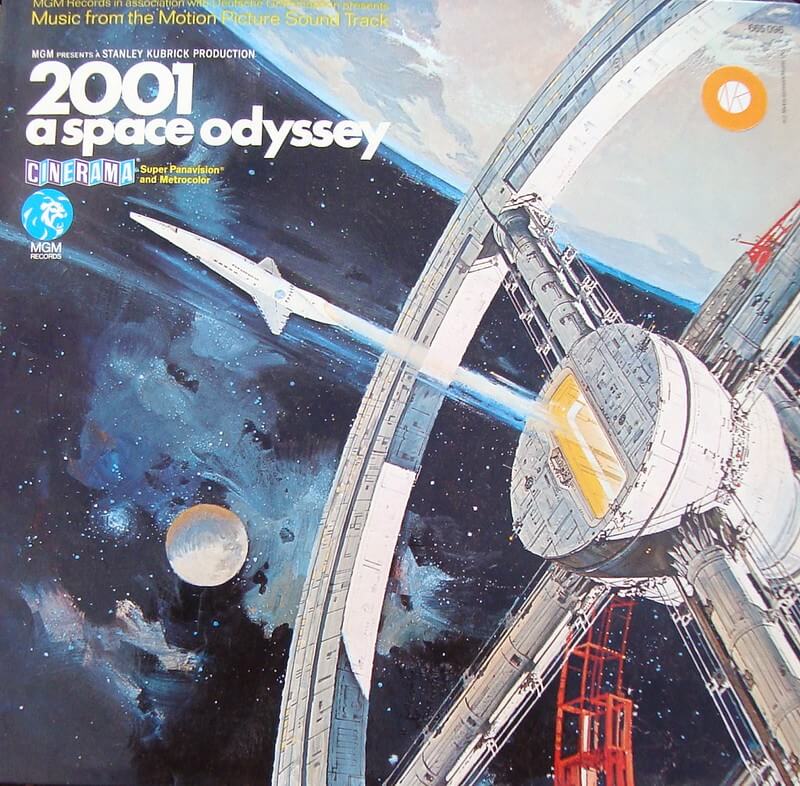
Stanley Kubrick’s film had its world premiere on April 2, 1968, at the Uptown Theatre in Washington, D.C., where it played 52 weeks. It was shown in 70mm with six-track stereo sound, and the original engagements were presented as reserved-seat events. A program from that opening run belongs to one of the longest-running first-run bookings of the decade.
2001: A Space Odyssey, the New York Cinerama Run
The film opened in New York on April 3, 1968, and played a Cinerama-promoted engagement with a curved screen, an overture, and an intermission. A New Yorker recalled seeing it that June on a 100-foot screen at Loew’s Capitol, the kind of immersive experience a program was meant to commemorate. Out of the films released in 1968, only fourteen received deluxe roadshow treatment, and 2001 was among them.
The Sound of Music, at the Peak of the Format
The 70mm roadshow’s peak came in 1965 with the double release of The Sound of Music and Doctor Zhivago, according to a history of the format. Robert Wise’s musical, starring Julie Andrews, became one of the most successful films of its era. Roadshow engagements of the period often sold programs, and those tied to this title are among the best-known of the 1960s.
Doctor Zhivago, David Lean’s Winter Epic
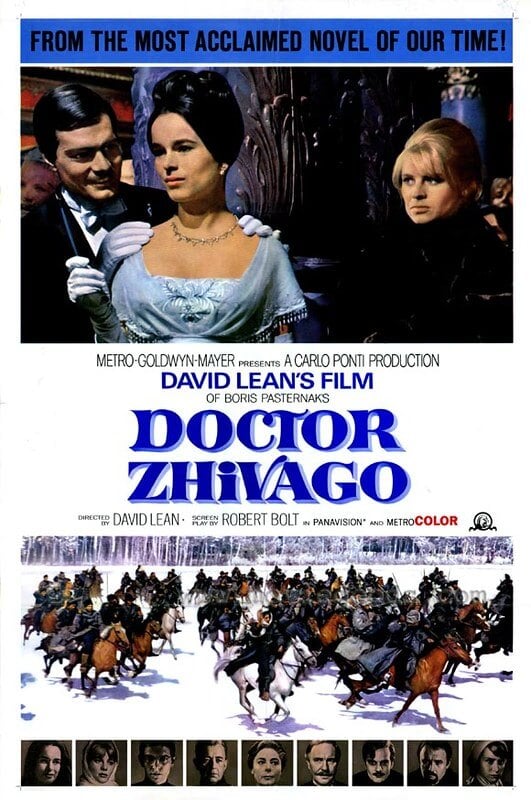
David Lean’s Doctor Zhivago opened in 1965 alongside The Sound of Music at the very height of the roadshow era. The film’s sweeping Russian landscapes and Maurice Jarre’s score made it a prestige attraction for MGM. Programs from roadshow runs of the picture often reflect the studio’s attempt to sell it as a major event.
Mary Poppins, a Disney Roadshow
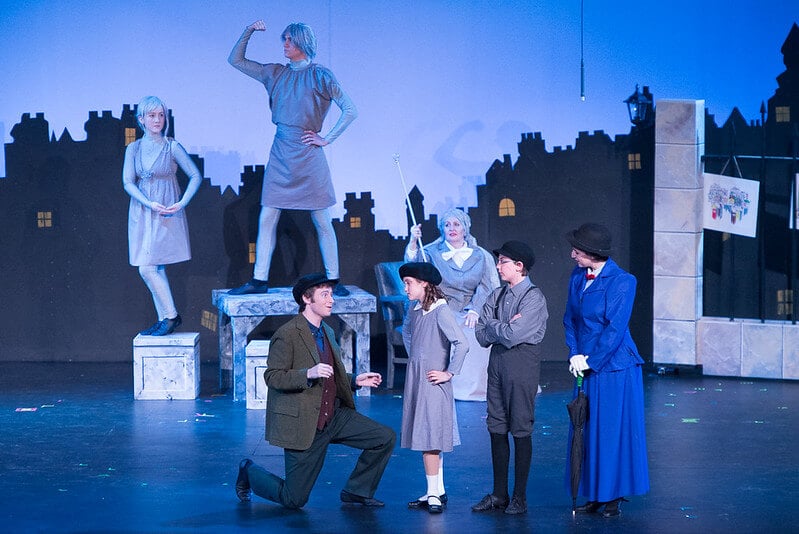
Mary Poppins appears on the list of 1964 roadshow releases, an unusual distinction for a family musical. The picture introduced Julie Andrews to film audiences and earned her the Academy Award for Best Actress. A roadshow program for a Disney title is a reminder that the format was not reserved for historical epics alone.
My Fair Lady, the 1964 Musical
My Fair Lady, directed by George Cukor and starring Audrey Hepburn, played as a roadshow in 1964. The film won the Academy Award for Best Picture and several other Oscars. Cecil Beaton’s costume designs were a major draw, and roadshow programs gave them plenty of room.
Cheyenne Autumn, John Ford’s Last Western
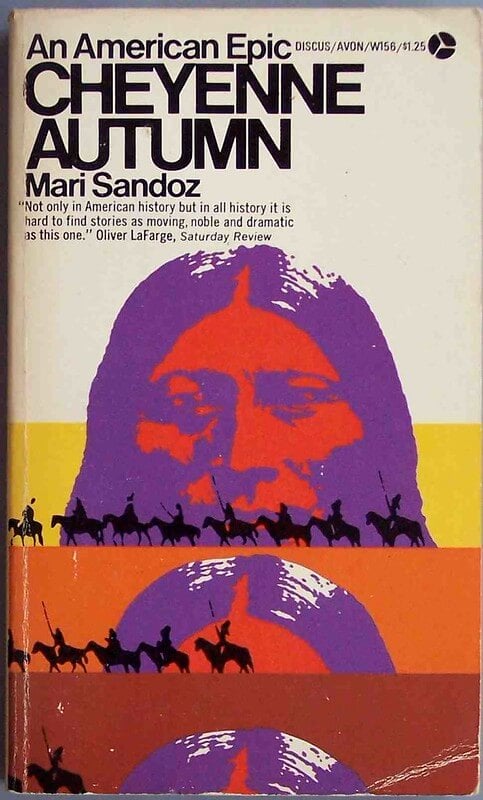
Cheyenne Autumn, released in 1964, was a roadshow attraction and the final western directed by John Ford. The film told the story of a Cheyenne trek home and was shot in Monument Valley and other western locations. A program from the roadshow run is a record of a veteran director’s farewell to the genre.
The Fall of the Roman Empire, a Bronston Epic
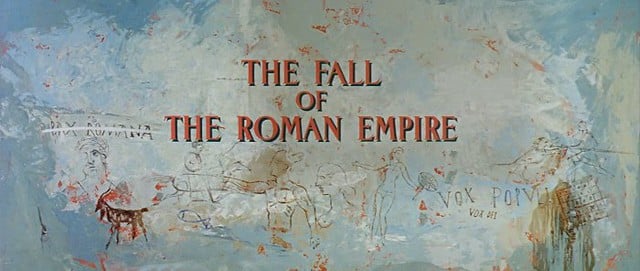
The Fall of the Roman Empire arrived in 1964 as a roadshow production from producer Samuel Bronston, directed by Anthony Mann. Its enormous Roman forum set was built outdoors in Spain, one of the largest constructions made for a film. Programs from its engagements capture the scale of the era’s epic filmmaking.
The Carpetbaggers, From the Bestselling Novel
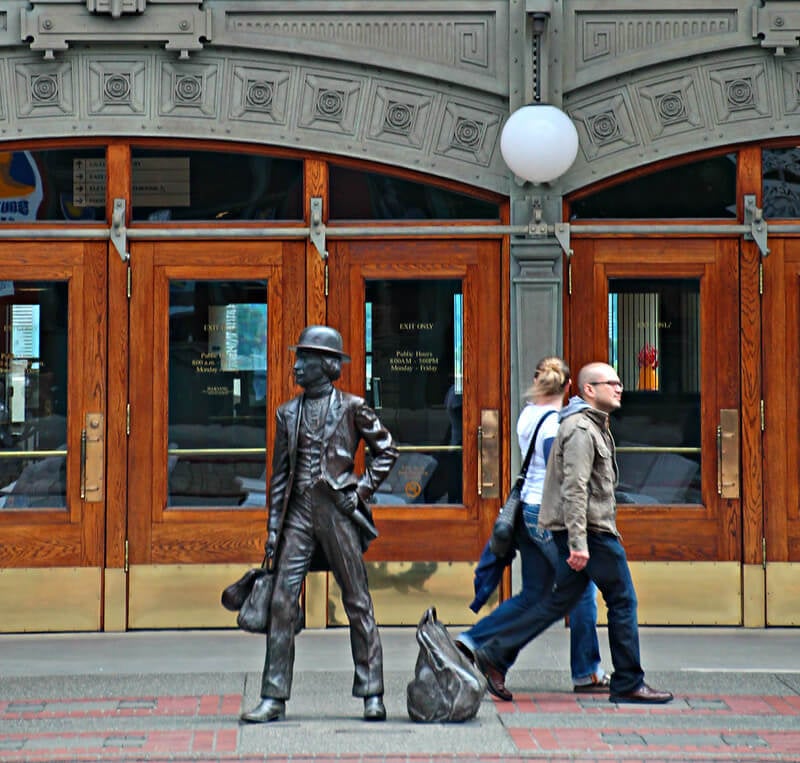
The Carpetbaggers, released as a roadshow in 1964, was adapted from the Harold Robbins novel and directed by Edward Dmytryk. It was the last film completed by actor Alan Ladd before his death in 1964. A program from its run offers a look at how studios packaged a popular paperback as a major event.
Becket, Burton and O’Toole
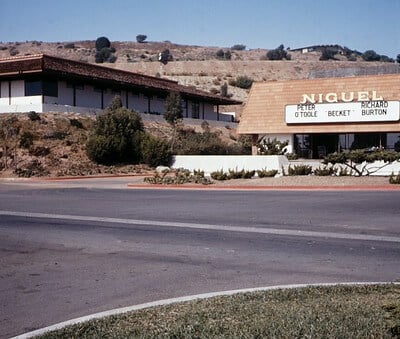
Becket, a 1964 roadshow release, paired Richard Burton and Peter O’Toole in a drama about Henry II and Thomas Becket. The picture won an Academy Award for its adapted screenplay. Programs tied to the engagement serve as keepsakes of an acting duel that critics still praise.
Circus World, John Wayne Under the Big Top
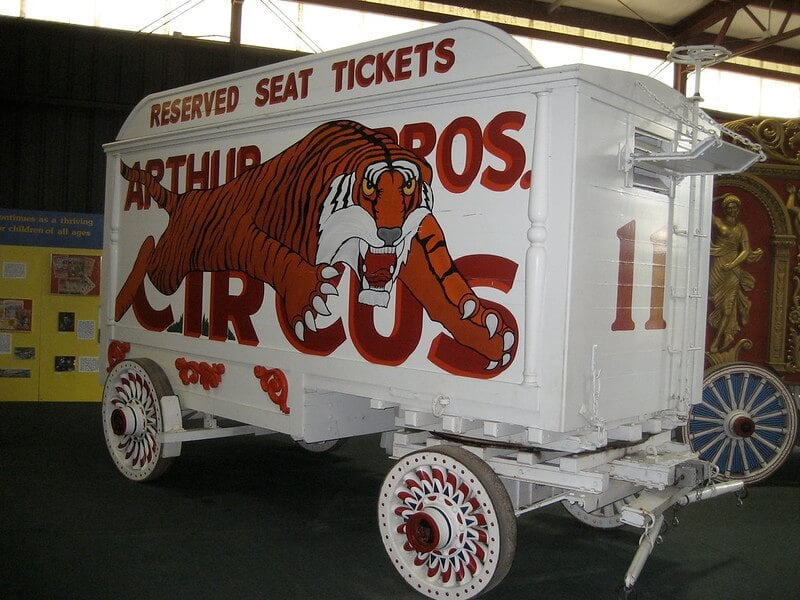
Circus World appeared on the 1964 roadshow list, with John Wayne as a Wild West show owner touring Europe. Directed by Henry Hathaway and produced by Bronston, it included an elaborate circus fire sequence. A program from this release shows how roadshow marketing could be applied even to a popular star’s adventure picture.
55 Days at Peking, Another Bronston Production
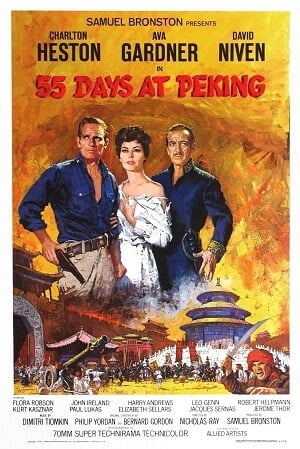
55 Days at Peking arrived in 1963 as a roadshow, starring Charlton Heston, Ava Gardner, and David Niven in a story of the Boxer Rebellion. Directed by Nicholas Ray, it was filmed on an elaborate replica of Peking built near Madrid. A souvenir program from the engagement preserves a snapshot of the early 1960s epic.
The Cardinal, Preminger’s Church Drama
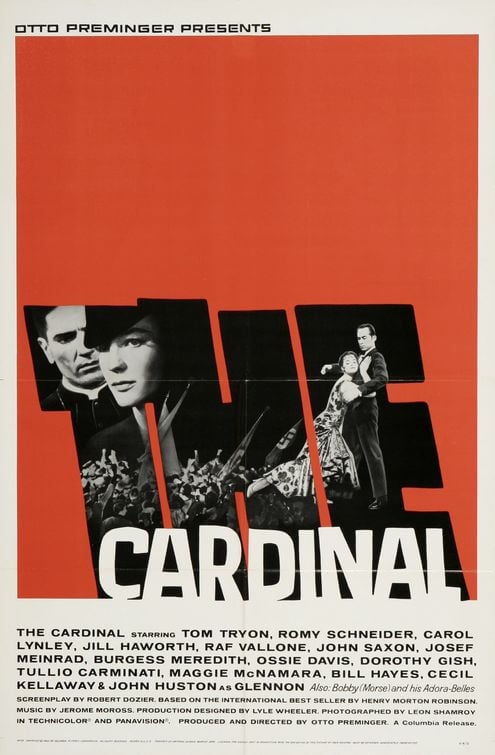
Otto Preminger’s The Cardinal, released in 1963, was a roadshow engagement that followed a young priest’s rise through the Catholic Church. The film starred Tom Tryon and was among the most prestigious releases of its season. Programs from its run are collected by fans of Preminger’s career.
The Greatest Story Ever Told, George Stevens’s Ambitious Epic
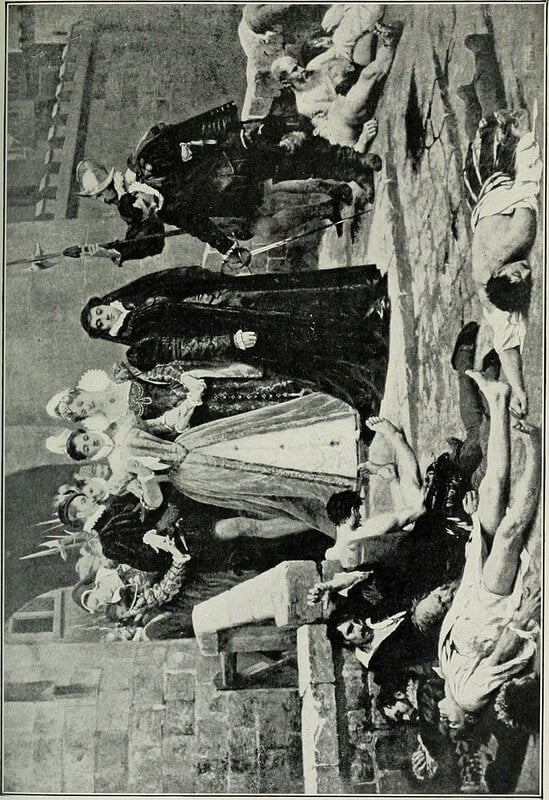
George Stevens’s The Greatest Story Ever Told reached theaters in 1965 as a roadshow, with Max von Sydow in the lead role. Much of the film was shot in the American Southwest, with Utah landscapes standing in for the Holy Land. A program from its engagement reflects an era when studios placed great faith in religious spectacle.
Othello, Olivier on Film
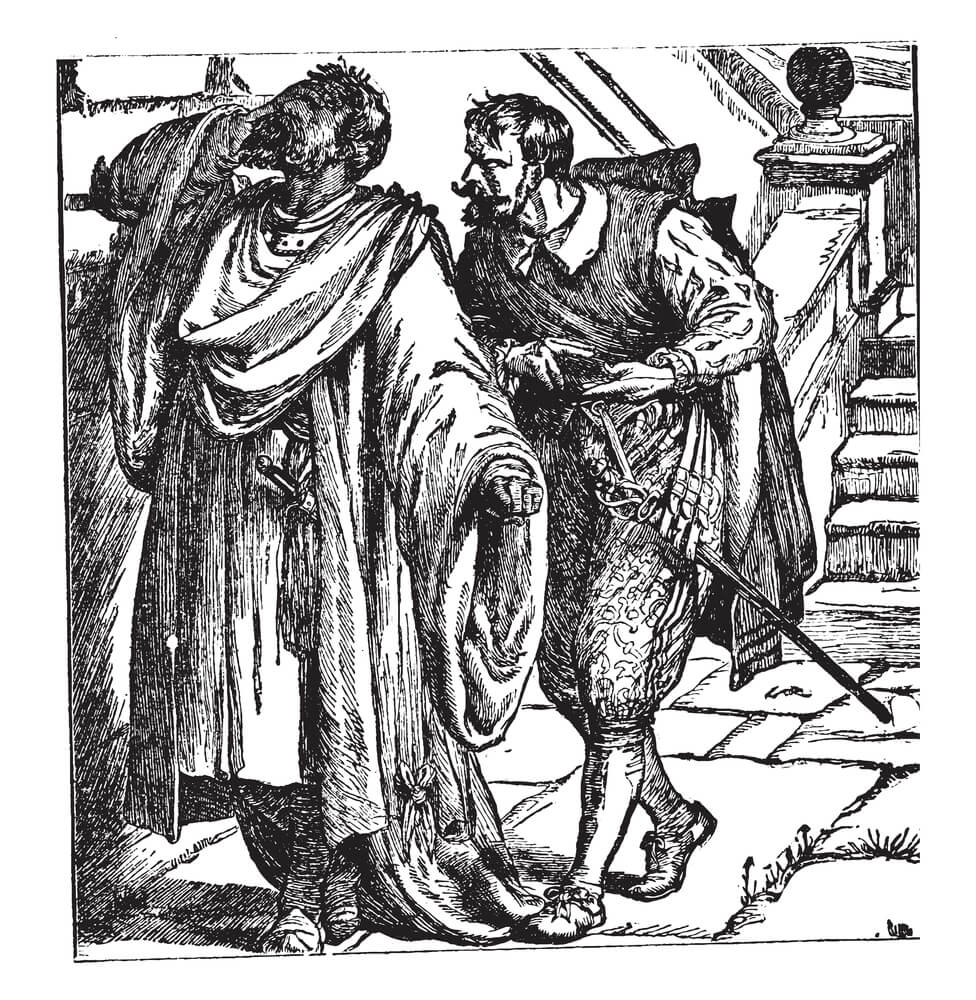
Othello, a 1965 roadshow release, brought Laurence Olivier’s stage performance to the screen. The production was drawn from the National Theatre’s celebrated staging and earned Olivier an Academy Award nomination. A program from the film’s engagement documents an unusual case of a stage classic treated as a big-screen event.
South Pacific, a Todd-AO Musical
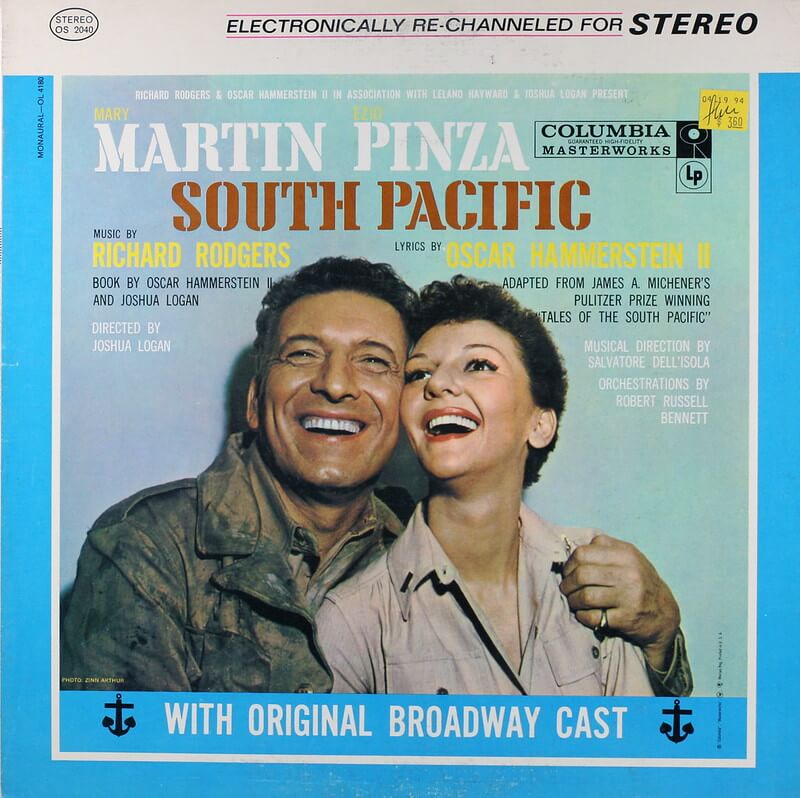
South Pacific, released in 1958 as a roadshow, adapted the Rodgers and Hammerstein musical for the wide Todd-AO screen. Directed by Joshua Logan and starring Mitzi Gaynor, it was filmed in part on the Hawaiian island of Kauai. Programs for its engagements often highlight its tropical scenery and well-known songs.
Windjammer, the Voyage in Cinemiracle
Windjammer, a 1958 roadshow attraction, was filmed in the Cinemiracle process aboard the Norwegian training ship Christian Radich. The three-camera format was designed to deliver an immersive widescreen experience. A program from the engagement is a keepsake of one of the more unusual formats of the widescreen era.
The Big Country, Wyler’s Western
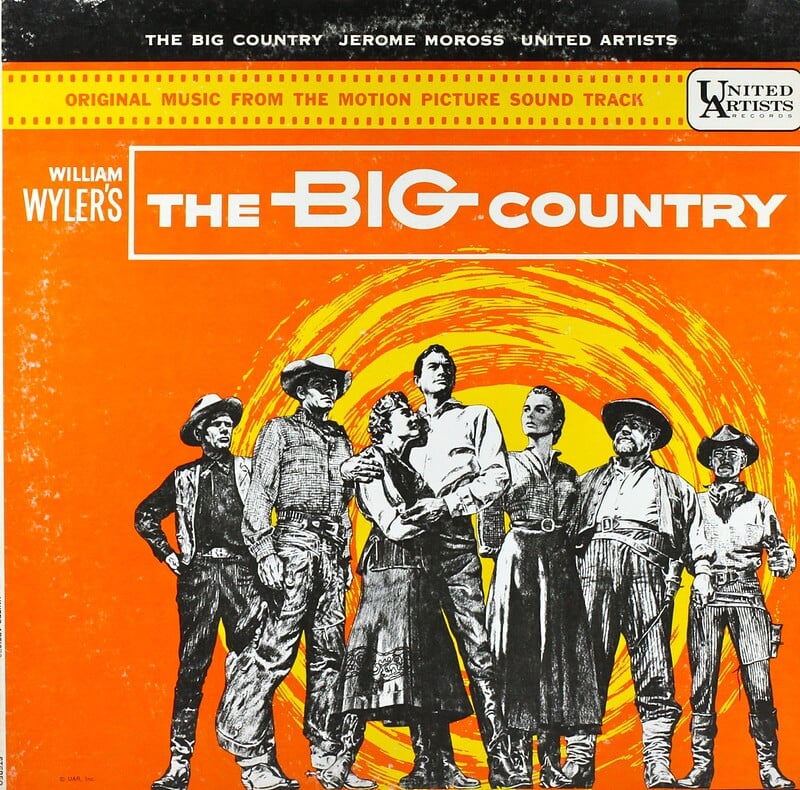
William Wyler’s The Big Country, released in 1958, appeared on the roadshow list and starred Gregory Peck and Charlton Heston. Burl Ives won the Academy Award for Best Supporting Actor for his role. A program from the engagement reflects a studio’s attempt to give a sprawling western the dignity of a stage production.
Porgy and Bess, Goldwyn’s Final Production
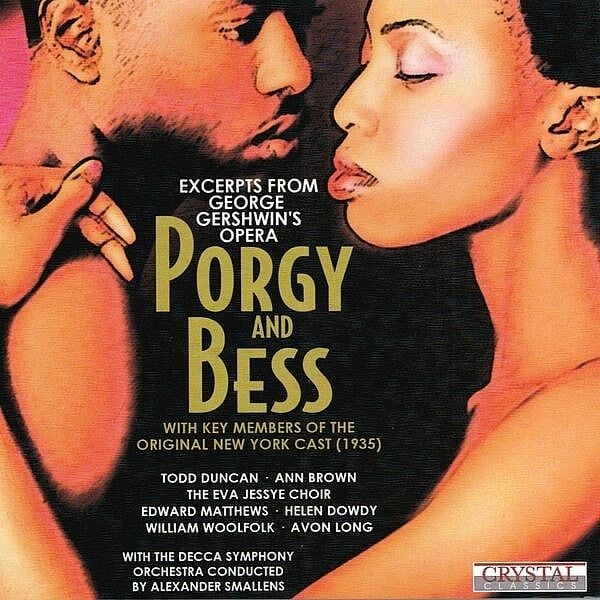
Porgy and Bess, a 1959 roadshow release, was Samuel Goldwyn’s last production, directed by Otto Preminger. The film adapted the Gershwin opera with Sidney Poitier, Dorothy Dandridge, and Sammy Davis Jr. Programs from its engagements capture a high-profile project that drew both acclaim and debate.
The Diary of Anne Frank, a 1959 Roadshow
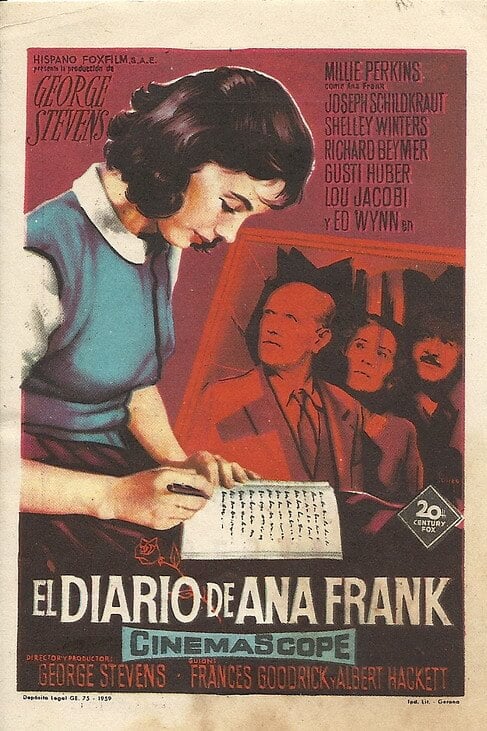
The Diary of Anne Frank was directed by George Stevens and released in 1959 as a roadshow engagement. Shelley Winters won the Academy Award for Best Supporting Actress for her role as Mrs. Van Daan. A program from that run is a reminder that the format was also used for serious, somber dramas.
The Ten Commandments, DeMille’s Silent Roadshow
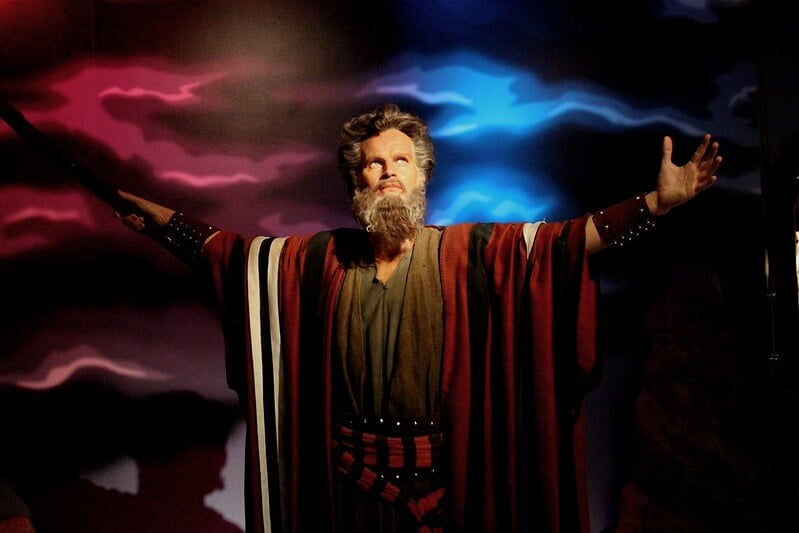
Cecil B. DeMille’s 1923 silent version of The Ten Commandments was among the roadshow attractions listed before 1951, with a Biblical prologue and a modern story. Roadshow runs at that time were already positioned as special events, far from ordinary neighborhood movie programs. Souvenir books from the silent era are among the oldest forms of the movie program, and they show that the format began long before widescreen.
The Event Culture of the Reserved Seat
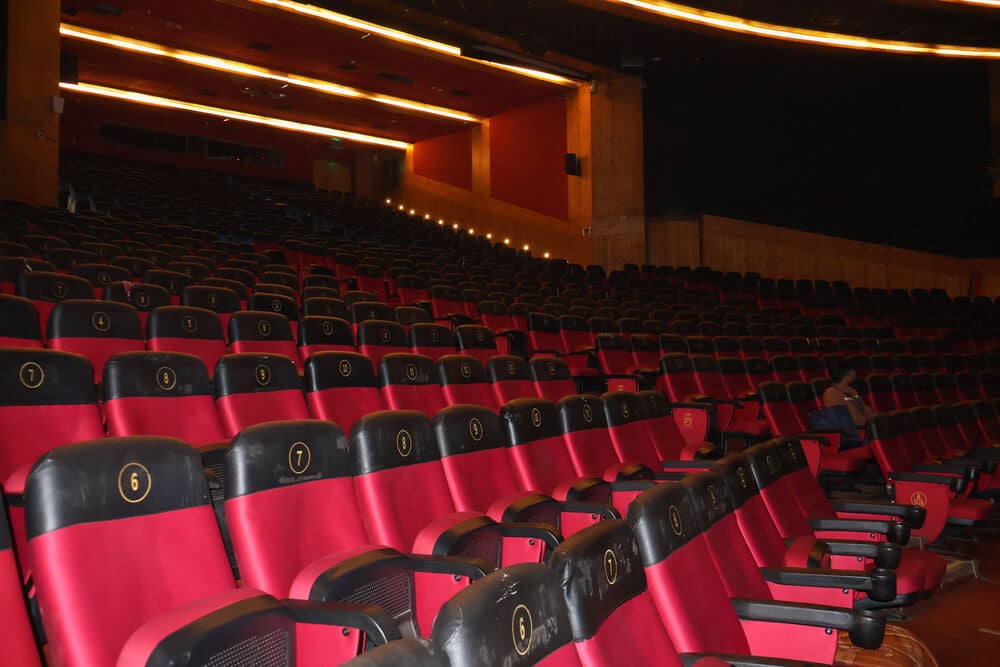
Taken together, these programs show how the roadshow turned a night at the movies into an occasion. Reserved seats, intermissions, overtures, and a book to take home gave audiences a reason to dress up and treat a film like live theater. The programs were part keepsake, part marketing, and part education about how the picture was made.
The format faded as studios shifted toward wide releases and the large-screen epic lost its novelty. What remains is a paper record of a time when a movie ticket could include a bound book, a printed seat number, and the sense of a night out. Clean copies of the best-known programs still draw attention from collectors who value that memory.
More from Go2Tutors!

- 27 Silver Dollars and Half Dollars Worth Keeping
- 28 Restaurant Menu Items Nobody Orders Anymore
- 17 Places Built in Seemingly Impossible Spots
- 27 Vintage Rings Worth More Than They Look
- 25 Restricted Sites Tourists Can’t Enter
Like Go2Tutors’s content? Follow us on MSN.