28 Nasa Innovations Hiding in Your Home
The space program has a reputation for inventing things it never invented. Tang came from General Foods, Velcro from a Swiss engineer, and Teflon from a DuPont lab in 1938.
The real record is stranger and far more useful.
Since 1976 NASA has published an annual report called Spinoff that tracks where its research ends up once the rockets are gone. A surprising amount of it landed in bedrooms, bathrooms, kitchens and garages.
Memory Foam Mattresses and Pillows
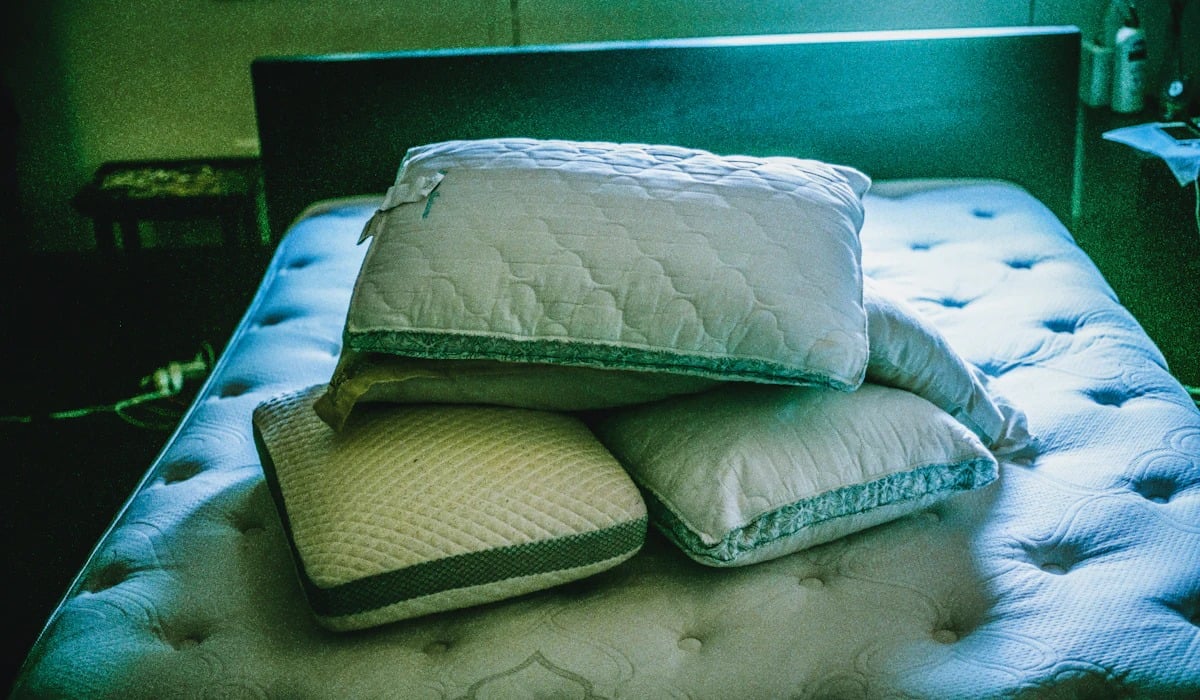
Charles Yost was working under contract to NASA’s Ames Research Center in 1966 when he helped develop a slow-recovering open-cell foam meant to make aircraft seats safer in a crash. The material, first called temper foam, spread an impact across its surface and then crept back to its original shape.
Yost later formed a company called Dynamic Systems to sell it, and early uses included hospital bedding and wheelchair cushions. A Swedish foam maker spent years refining the recipe before consumer mattresses reached American bedrooms in the early 1990s.
Few sleepers realize the slab under them was designed with test pilots in mind.
Phone Camera Sensors
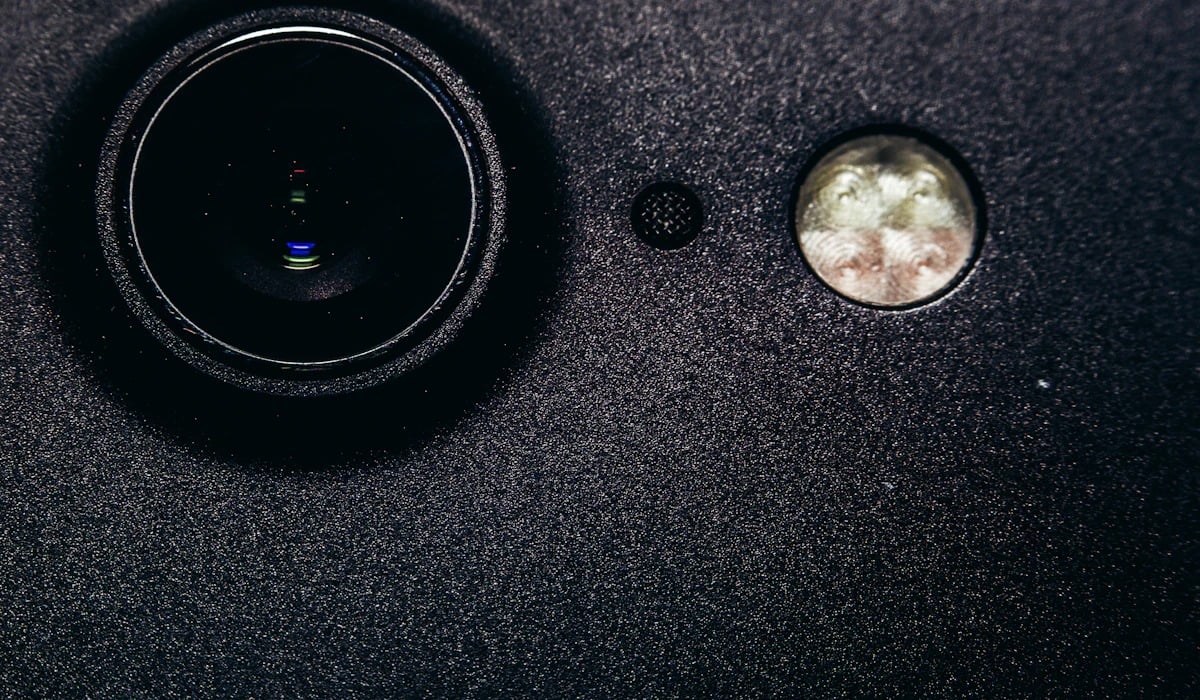
Every smartphone photo owes something to a small team at the Jet Propulsion Laboratory. In the early 1990s engineer Eric Fossum was asked to shrink the cameras flown on interplanetary spacecraft, and his answer was the CMOS active pixel sensor, sometimes described as a camera on a chip.
It used far less power than the charge-coupled devices of the day and could be made on ordinary chip production lines. Fossum and colleagues licensed the technology and founded a company called Photobit in 1995.
The design now sits inside phones, laptops, doorbells and cars by the billions.
Scratch-Resistant Eyeglass Lenses
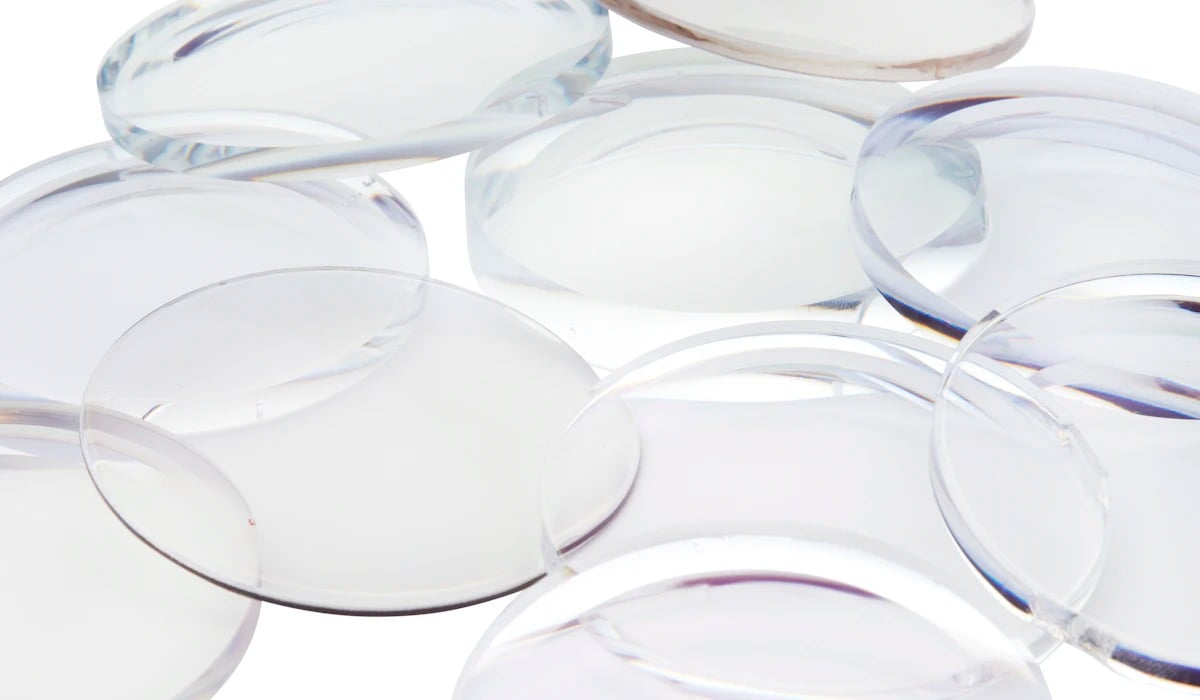
Plastic eyeglass lenses took over after a 1972 Food and Drug Administration rule required impact-resistant eyewear, but early plastic scratched almost on contact. The fix came from an unlikely corner of Ames Research Center, where scientist Ted Wydeven was coating filters for a spacecraft water purification system with a thin plastic film.
NASA applied related coatings to protect astronaut helmet visors and other plastic surfaces from abrasion. Sunglass maker Foster Grant licensed the technology in 1983, and the treatment made plastic lenses last several times longer.
Most prescription lenses and sunglasses sold today carry a coating descended from that work.
Cordless Handheld Vacuums
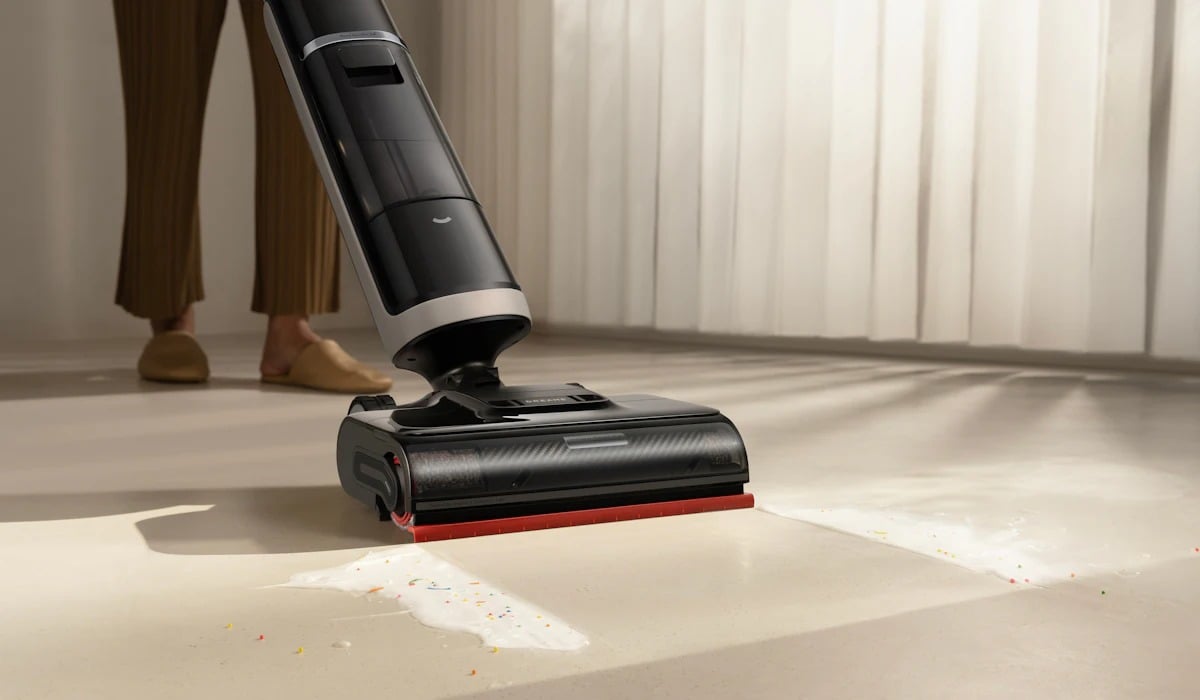
Black and Decker already sold a cordless drill in 1961, so the idea of battery tools did not come from NASA. What the Apollo program added was a hard engineering problem: a portable drill that could pull core samples from as deep as ten feet below the lunar surface on very little power.
The company wrote a computer program to optimize the motor design for minimal energy use. That know-how fed directly into a line of efficient cordless products, and in 1979 the Dustbuster handheld vacuum arrived on store shelves.
Millions of kitchen crumbs have paid the price ever since.
Infrared Ear Thermometers
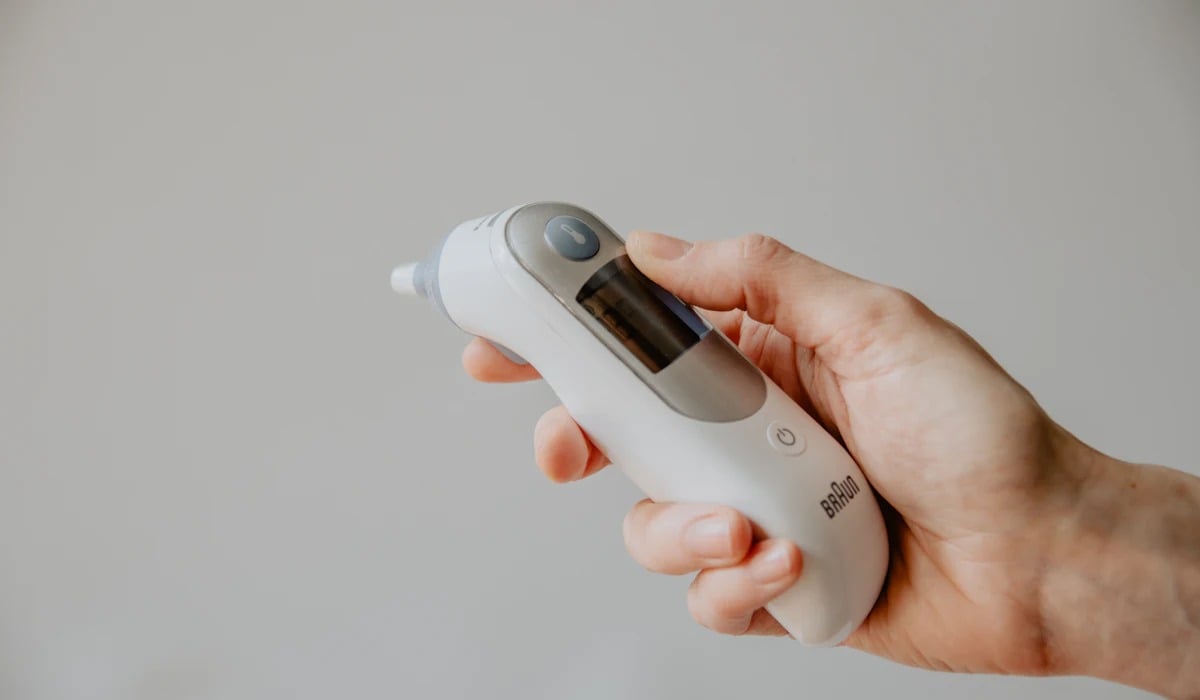
Taking a temperature used to mean a glass tube, a squirming child and a long wait. In 1991 Diatek Corporation of San Diego introduced an ear thermometer developed with the Jet Propulsion Laboratory through a NASA technology partnership.
It borrowed the principle astronomers use to measure the temperature of stars and planets, reading the infrared energy given off by the eardrum instead of touching anything hot. A reading took about two seconds or less.
Hospitals adopted the device quickly because it cut both the time nurses spent per patient and the risk of passing infections between them.
Smoke Detectors That Ignore Burnt Toast
NASA did not invent the smoke detector, which existed in commercial form decades before any American reached orbit. Its contribution came in the early 1970s, when the agency worked with Honeywell on a unit for Skylab, the first American space station.
A crew living in a sealed can for months needed a detector that caught real fires and toxic vapors without crying wolf. The resulting design had adjustable sensitivity to cut down on false alarms.
That feature carried over into household models, which is one reason modern detectors are somewhat more forgiving of an overdone dinner.
Silver Ion Water Filters
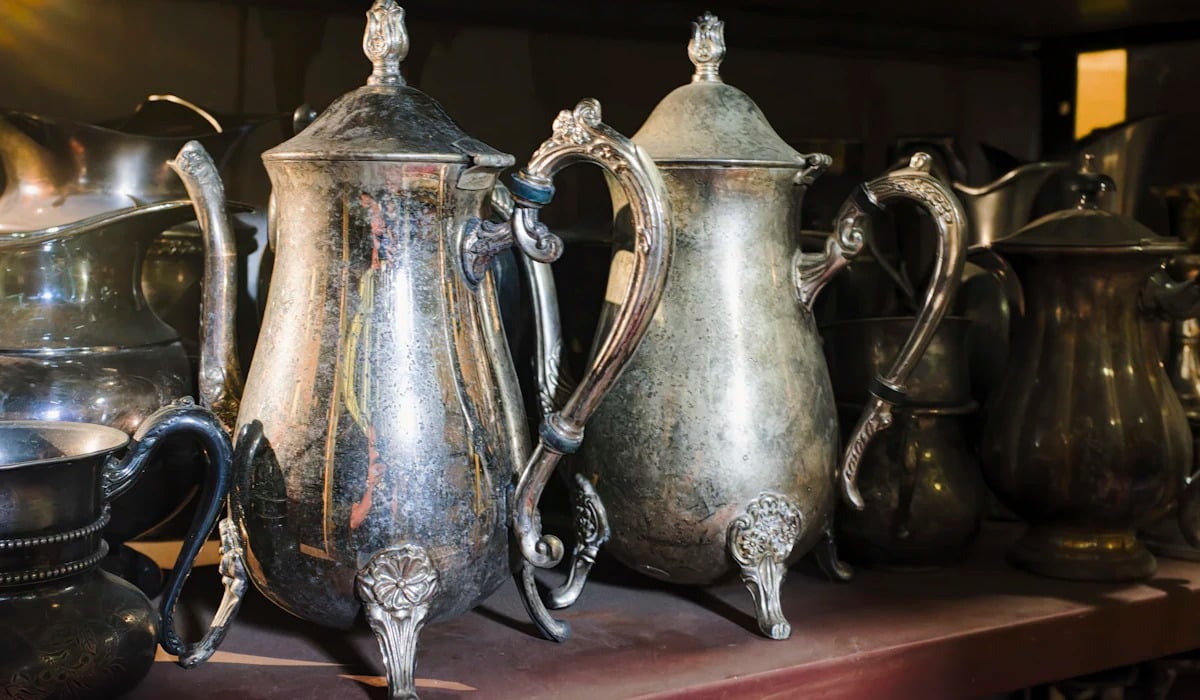
Apollo crews could not carry chlorine tablets and hope for the best. Engineers working with the Johnson Space Center built a compact electrolytic generator, weighing well under a pound, that released silver ions into the spacecraft water supply to kill bacteria without adding a chemical taste.
The approach needed almost no power and no monitoring. Companies later adapted silver and copper ionization for swimming pools, spas and cooling towers as an alternative to heavy chlorine use.
Silver-treated filter media also turns up in some household pitcher and faucet filters, where it keeps microbes from colonizing the cartridge.
Nearly Invisible Ceramic Braces
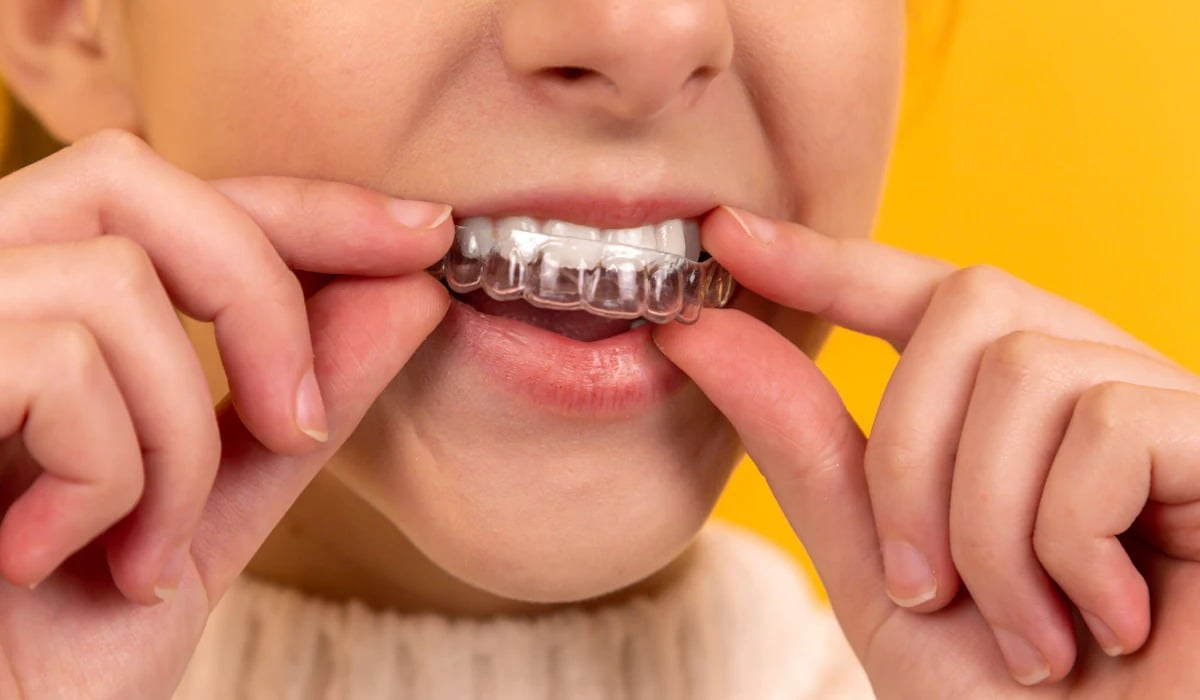
Teenagers of the late 1980s were the first to benefit from a material built for missiles. Ceradyne, a California ceramics company, had worked with NASA on translucent polycrystalline alumina, a tough ceramic developed to protect the infrared sensors on heat-seeking missile trackers.
An orthodontic supplier called Unitek was hunting for a bracket material that would be strong enough to move teeth yet hard to see. The two firms teamed up, and Unitek introduced translucent ceramic braces in 1987.
The brackets let the natural color of the tooth show through, which made metal smiles optional for the first time.
Space Blankets in the Emergency Kit
That crinkly silver sheet in a car emergency kit dates to 1964, when NASA’s Marshall Space Flight Center developed a process for coating thin plastic film with a vaporized layer of aluminum. The result weighs almost nothing, folds to the size of a deck of cards and reflects most of a person’s radiated body heat back toward the skin.
Similar reflective film protected spacecraft and instruments from extreme temperatures. Marathon organizers now hand the sheets to runners at finish lines, and rescue crews carry them as standard gear.
Few inventions of the 1960s cost so little and travel so well.
Radiant Barrier Attic Insulation
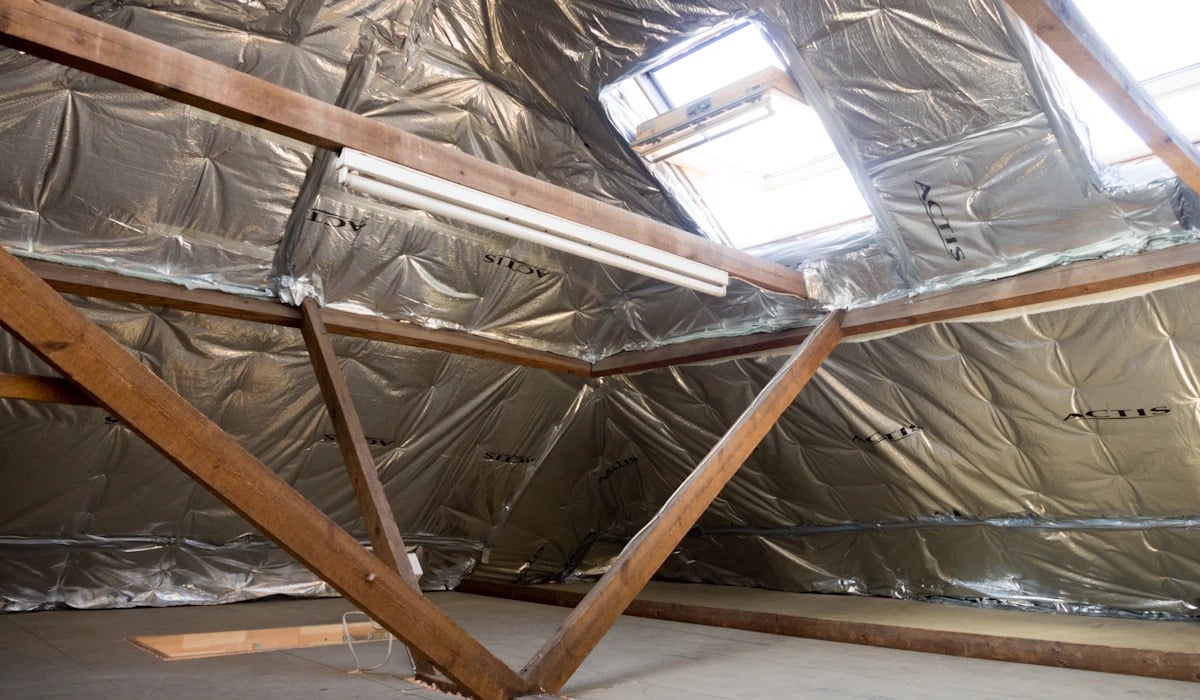
The same aluminized film family that shielded Apollo spacecraft and suits from wild temperature swings now lines attics across the Sun Belt. Radiant barrier insulation works differently from fiberglass batts, which slow heat moving by conduction.
A reflective barrier bounces most radiant heat back toward its source, so a summer roof sheds its load before the heat reaches the living space below. Builders staple it under rafters or buy roof sheathing with the foil already applied.
NASA needed the material because a spacecraft in sunlight and one in shadow can differ by hundreds of degrees Fahrenheit.
Air-Cushioned Sneaker Soles
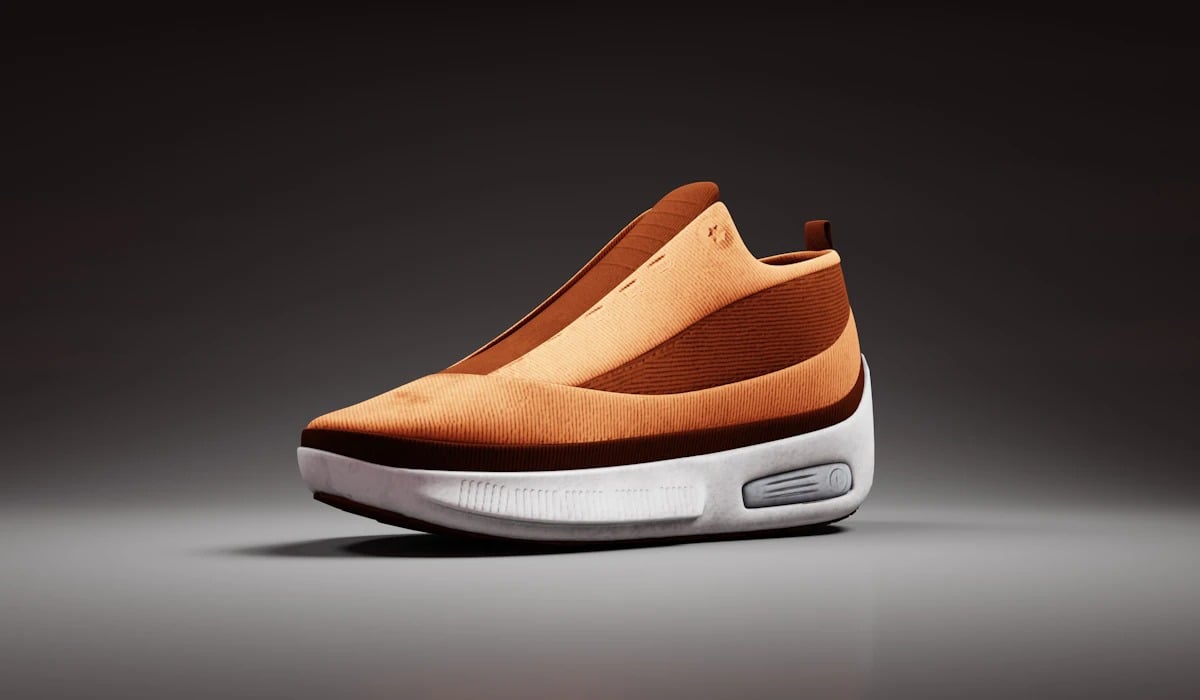
Frank Rudy, a former aerospace engineer, spent the mid-1970s convinced that running shoes could ride on pockets of pressurized gas. NASA’s spinoff records trace his method to blow rubber molding, a process used in making space helmets, which could produce hollow shoe soles ready to be filled with shock-absorbing material.
Several shoe companies turned him down before Nike listened in 1977. The Nike Air Tailwind followed at the end of 1978, with the cushioning sealed out of sight inside the midsole.
The visible window in the heel came later, in 1987, on the first Air Max.
Infant Formula With Algae-Derived Nutrients
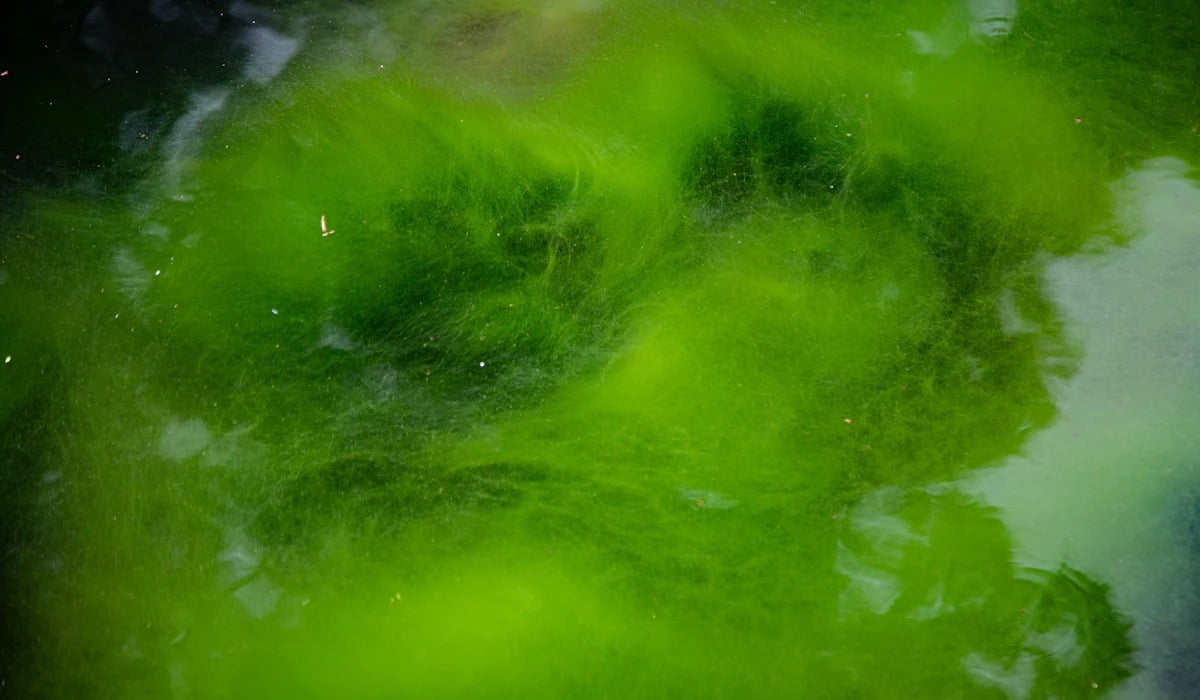
Research on long space missions led, improbably, to the baby aisle. In the 1980s scientists at Martin Marietta studied microalgae for NASA as a possible source of food, oxygen and waste recycling on extended flights.
Several of them went on to found Martek Biosciences in Columbia, Maryland, where they identified algae strains rich in DHA and developed a companion source of ARA from a fungus. Both fatty acids occur naturally in human breast milk.
Martek sold the blend under the name Formulaid, and after American regulators cleared it in the early 2000s it spread to the large majority of infant formulas sold in the country.
Air Purifiers Born in a Space Greenhouse
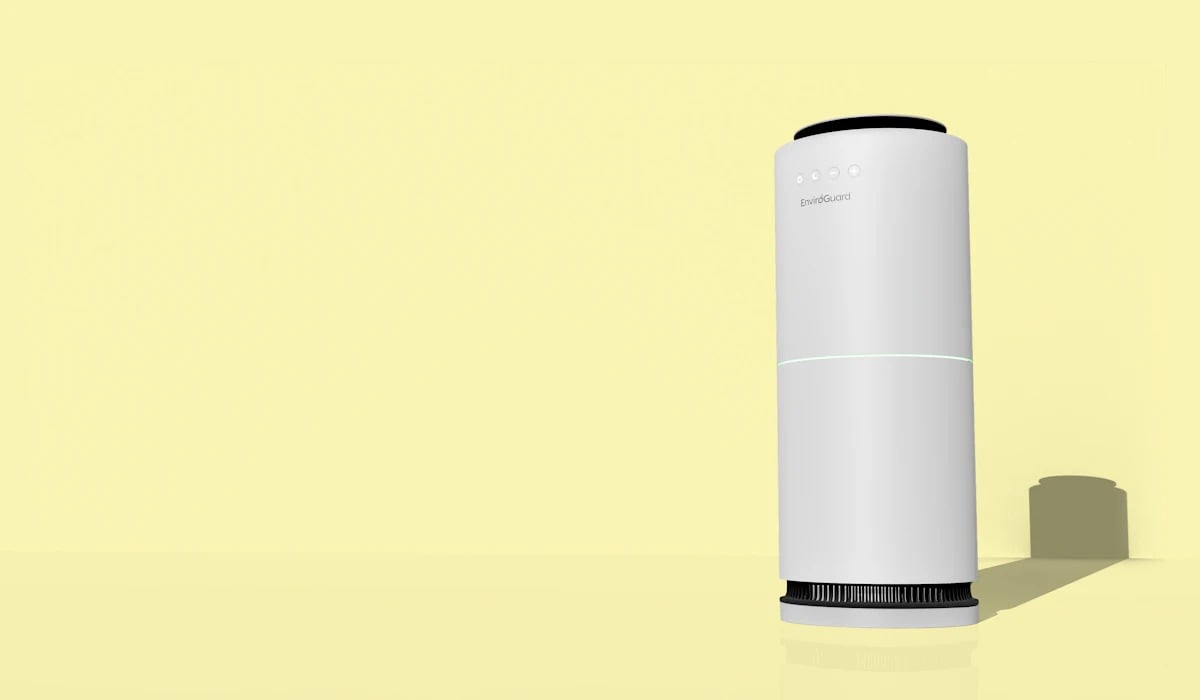
Plants give off ethylene, a gas that speeds ripening and can spoil a crop in a sealed chamber. Researchers at the University of Wisconsin-Madison, working with NASA on a plant growth unit that flew aboard the shuttle Columbia in 1995, built a scrubber that passed air over titanium dioxide under ultraviolet light and converted ethylene into trace amounts of carbon dioxide and water.
A Georgia company, KES Science and Technology, licensed the idea for produce warehouses and florists. Further testing showed the same reaction destroyed airborne mold spores and bacteria, and a home version was later sold under the Airocide name.
Aerogel Insulation in Jackets and Boots
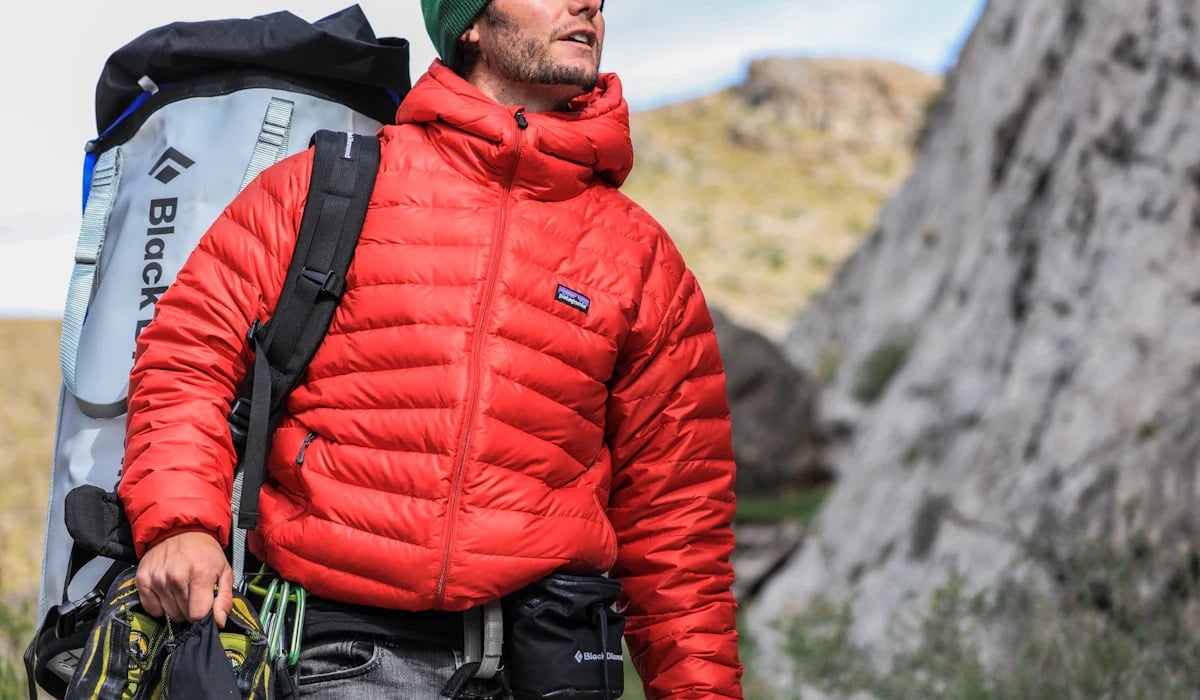
Aerogel is sometimes called frozen smoke, a solid that is more than 90 percent air and among the best insulators known. NASA did not invent it.
Chemist Samuel Kistler made the first samples around 1931, but the material was brittle and expensive, and it stayed a laboratory curiosity for decades. In the 1990s the Kennedy Space Center funded a small Massachusetts firm, Aspen Systems, to create a flexible aerogel blanket for insulating cryogenic fuel lines.
The company spun off Aspen Aerogels in 2001. Thin aerogel layers have since appeared in winter jackets, boot insoles, gloves and building insulation.
Cochlear Implants
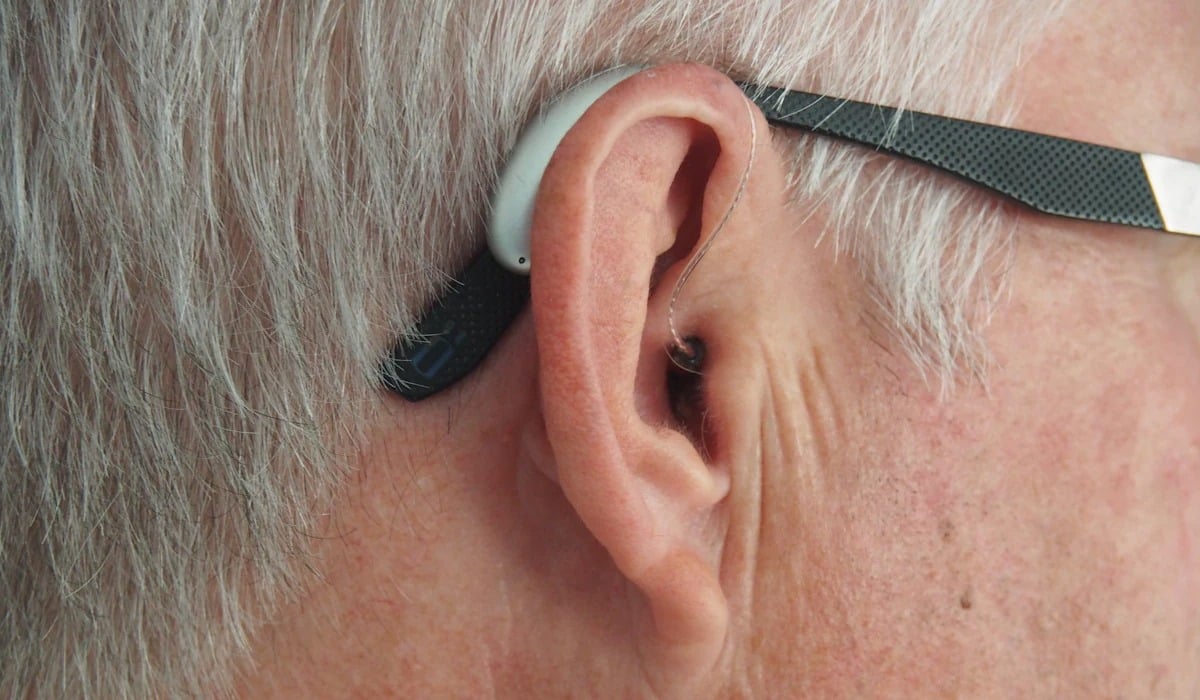
Adam Kissiah was an instrumentation engineer at the Kennedy Space Center with a hearing loss that surgery had failed to fix. In the mid-1970s he began spending lunch breaks and evenings in the center’s technical library, applying what he knew about electronic sensing and signal systems to the workings of the inner ear.
He had no medical training. His design for a device that stimulates the auditory nerve directly earned a patent in 1977, and he was inducted into the Space Technology Hall of Fame in 2003.
Other researchers were pursuing implants independently, but his work helped shape the modern devices.
Pinpoint GPS Corrections

GPS belongs to the Department of Defense, and raw satellite signals alone can be off by several yards. Beginning in the 1990s the Jet Propulsion Laboratory built software and a worldwide network of ground receivers that track every GPS satellite and calculate corrections to their orbits and clocks in real time.
The system can tighten positioning to a matter of inches. John Deere licensed the technology for self-steering tractors, and airlines, surveyors and offshore operators rely on similar services.
Related correction techniques now help phones, watches and car dashboards place a blue dot on the right side of the street.
Lightweight Communication Headsets
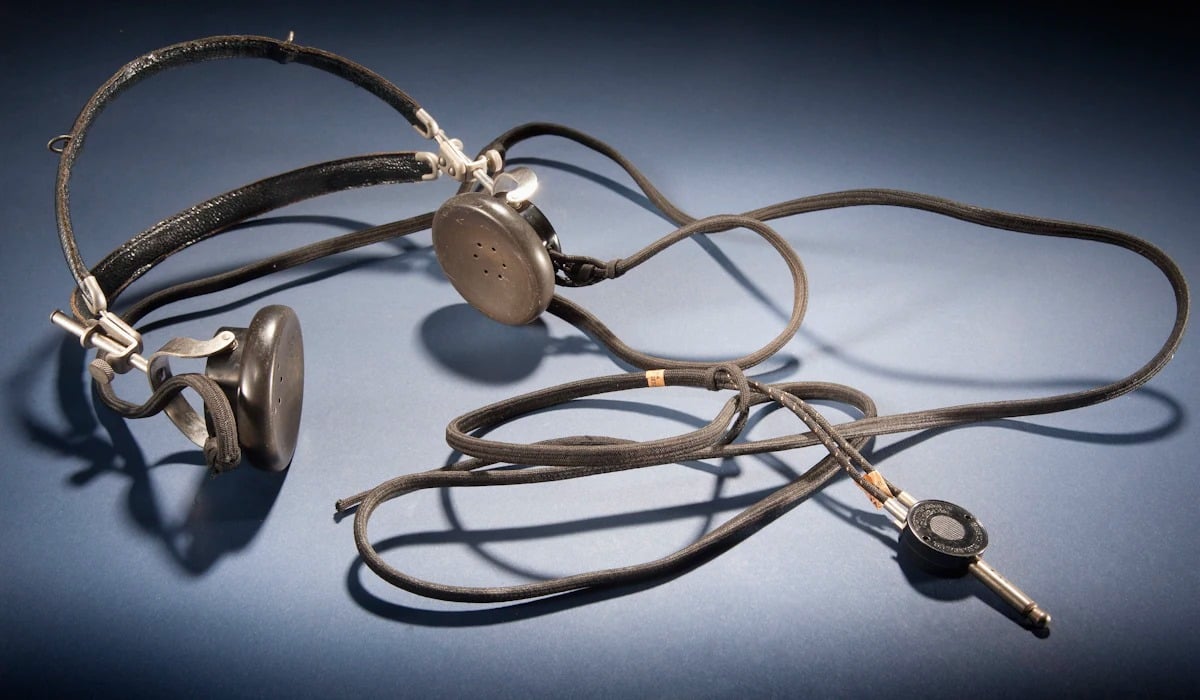
Mercury astronauts needed radios that kept working when their hands were busy, a lesson driven home when Gus Grissom’s capsule sank after splashdown in 1961. NASA turned to Pacific Plantronics, a young California firm whose lightweight aviation headset was replacing the heavy sets worn by airline pilots.
A miniaturized version went into Wally Schirra’s helmet for his 1962 flight and stayed in service through the lunar missions. Neil Armstrong’s first words from the Moon passed through one.
Plantronics built decades of office, call center and wireless consumer headsets on that foundation, long before earbuds became standard equipment.
High-Efficiency Rooftop Solar Cells

Bell Labs demonstrated the first practical silicon solar cell in 1954, and spacecraft have depended on the technology ever since. NASA’s role in the home version runs through an unusual aircraft program of the 1990s that set out to build remotely piloted planes able to fly for days on sunlight.
The effort needed lighter, more efficient silicon cells, and SunPower Corporation of California supplied them. One of the aircraft, Helios, climbed to 96,863 feet in 2001.
SunPower applied what it had learned to commercial panels, which rank among the more efficient options installed on residential roofs.
Home Gyms Without the Weight Stack
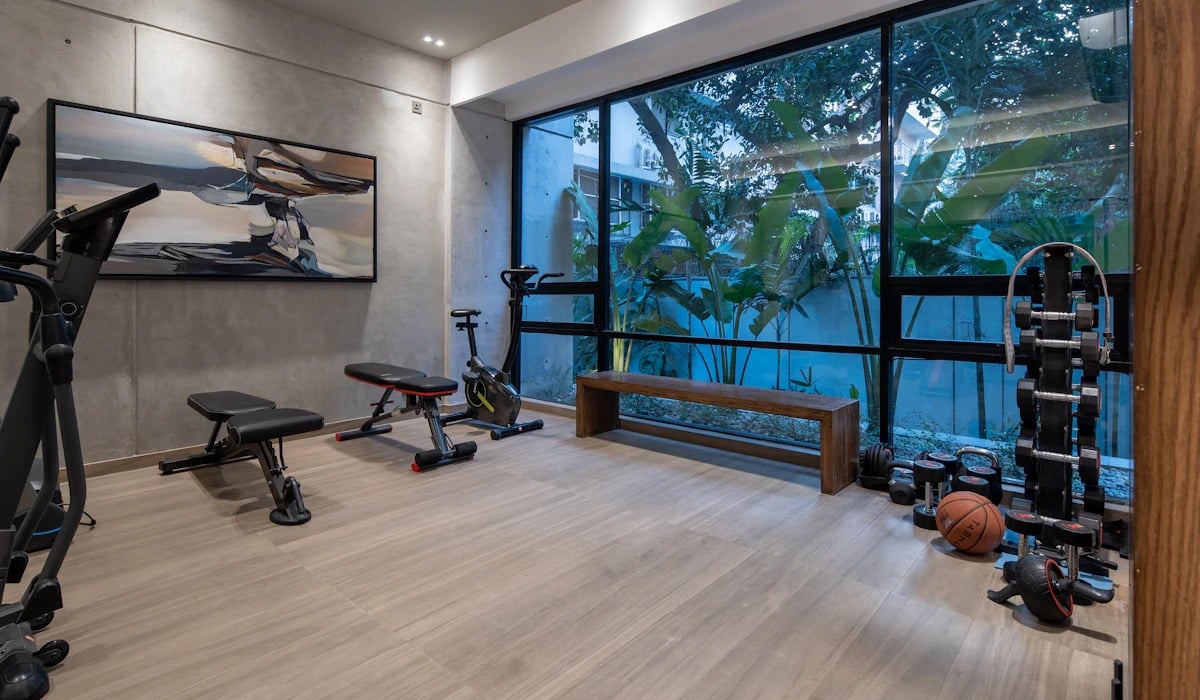
Lifting weights is pointless where nothing weighs anything, and astronauts lose muscle and bone quickly without resistance exercise. For the International Space Station NASA adopted a device built around SpiraFlex, a system by inventor Paul Francis that stores energy in spiral-shaped elastic disks in place of iron plates.
Crews began using it when the station was first occupied in 2000. The same mechanism reached living rooms a few years later in the Bowflex Revolution home gym.
It delivers smooth resistance through a full range of motion, and nobody has to carry a stack of plates up the stairs.
Red LED Light Therapy Devices
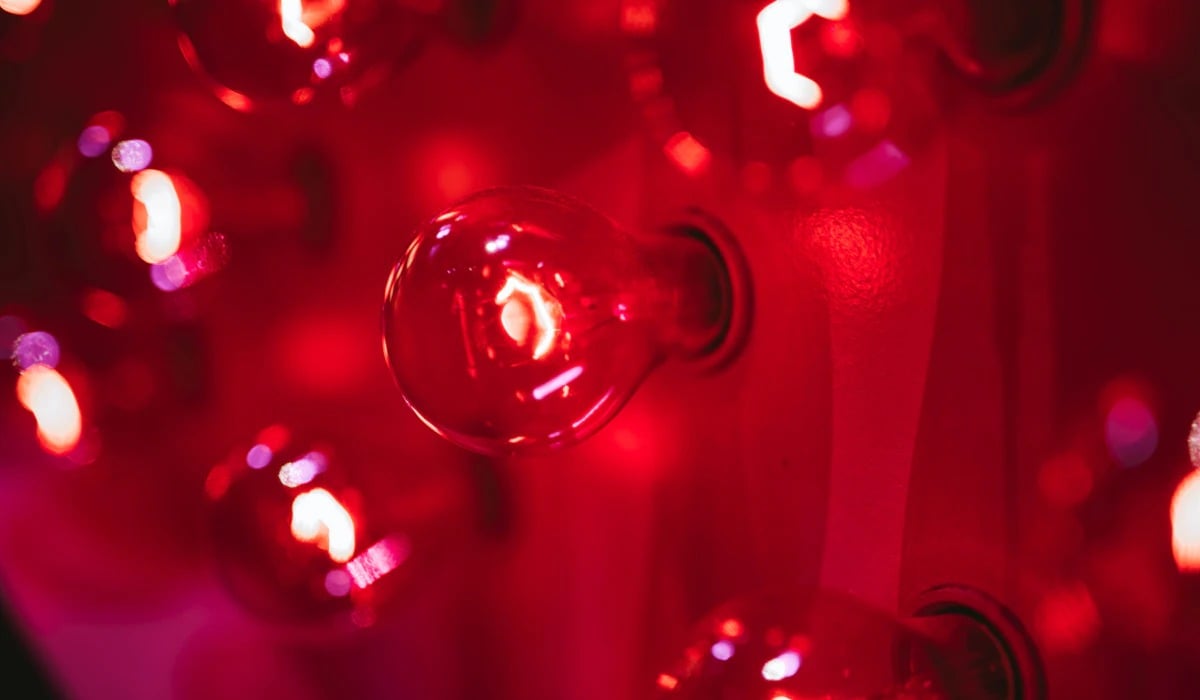
Growing plants in orbit required a light source that ran cool and sipped power. Quantum Devices, a Wisconsin company, built red light-emitting diode arrays for shuttle plant experiments in the 1990s.
Doctors then wondered what the same wavelengths might do for human tissue. With funding from NASA’s Marshall Space Flight Center, researchers at the Medical College of Wisconsin led by Dr.
Harry Whelan tested the lights on hard-to-heal wounds and on the painful mouth sores that follow chemotherapy. A handheld unit later won federal clearance for temporary relief of minor muscle and joint pain, and consumer devices followed.
Freeze-Dried Meals in the Pantry
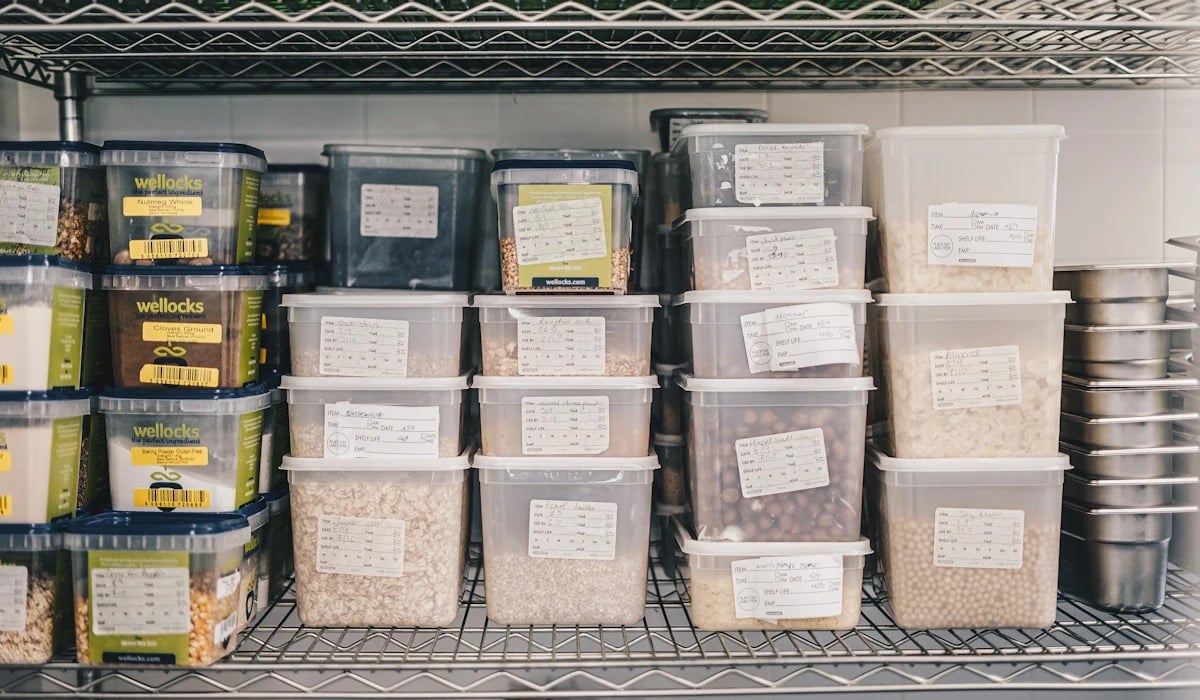
Freeze-drying predates the space program, having been used on a large scale to preserve medical supplies during World War II. NASA’s part was to turn it into dinner.
Working with Whirlpool and the Army’s Natick laboratories, the agency refined rehydratable meals for long Apollo flights, where every ounce of launch weight mattered. The process removes nearly all the water while keeping most of the nutrition, leaving food at roughly a fifth of its original weight.
The same approach now fills backpacking pouches and emergency food buckets, and it explains the berries that spring back to life in a bowl of cereal.
Sunglasses That Filter Blue Light
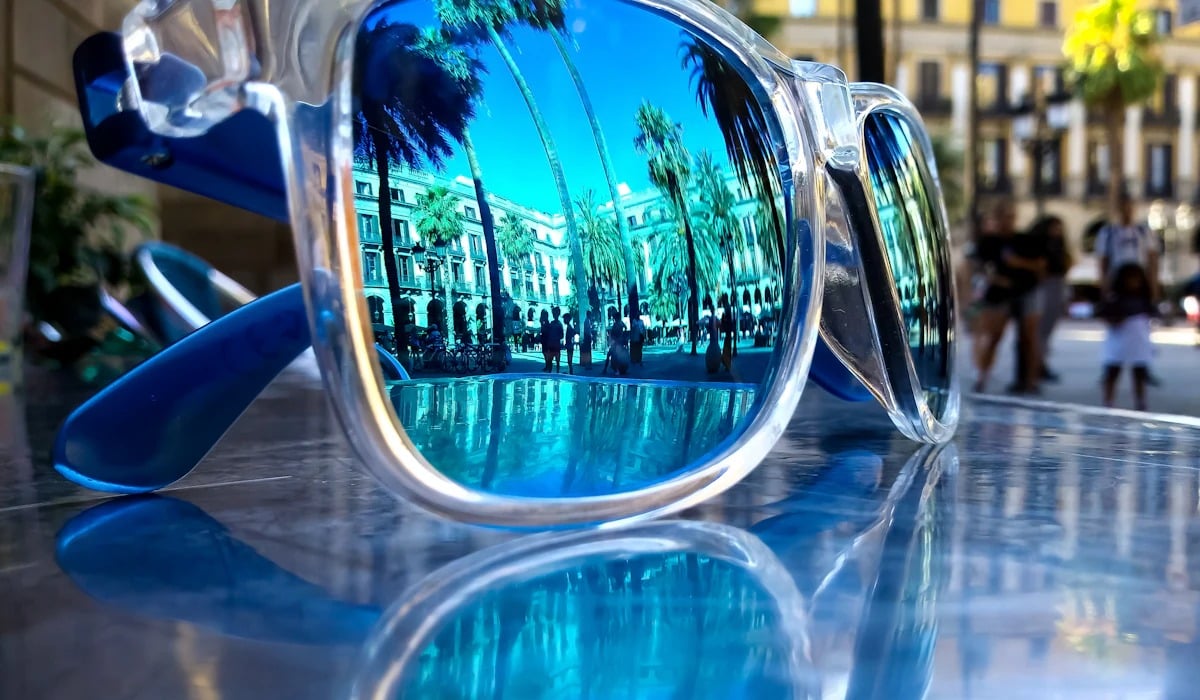
Two Jet Propulsion Laboratory scientists, James Stephens and Charles Miller, set out in the 1980s to protect workers from the harsh light of welding. Their research led them to birds of prey, whose eyes contain tiny oil droplets that filter out harmful wavelengths and sharpen vision at long range.
The pair developed a dye and lens formula that blocked ultraviolet and much of the blue light while letting useful colors through. A welding curtain came first.
A California company later licensed the work for consumer sunglasses sold under the Eagle Eyes name, a fairly literal piece of branding.
Food Safety Rules Behind Packaged Groceries

Crumbs and food poisoning are both serious problems in a sealed capsule. In the 1960s NASA asked Pillsbury to produce food for astronauts that was as close to guaranteed safe as possible.
Testing finished products could not do it, since proving safety that way meant destroying most of each batch. Pillsbury microbiologist Howard Bauman and colleagues, working with NASA and Army laboratories, instead identified each point in production where contamination could occur and controlled it there.
The method became known as Hazard Analysis and Critical Control Point. Federal regulators now require it for meat, poultry, seafood and juice.
Longer-Lasting Radial Tires
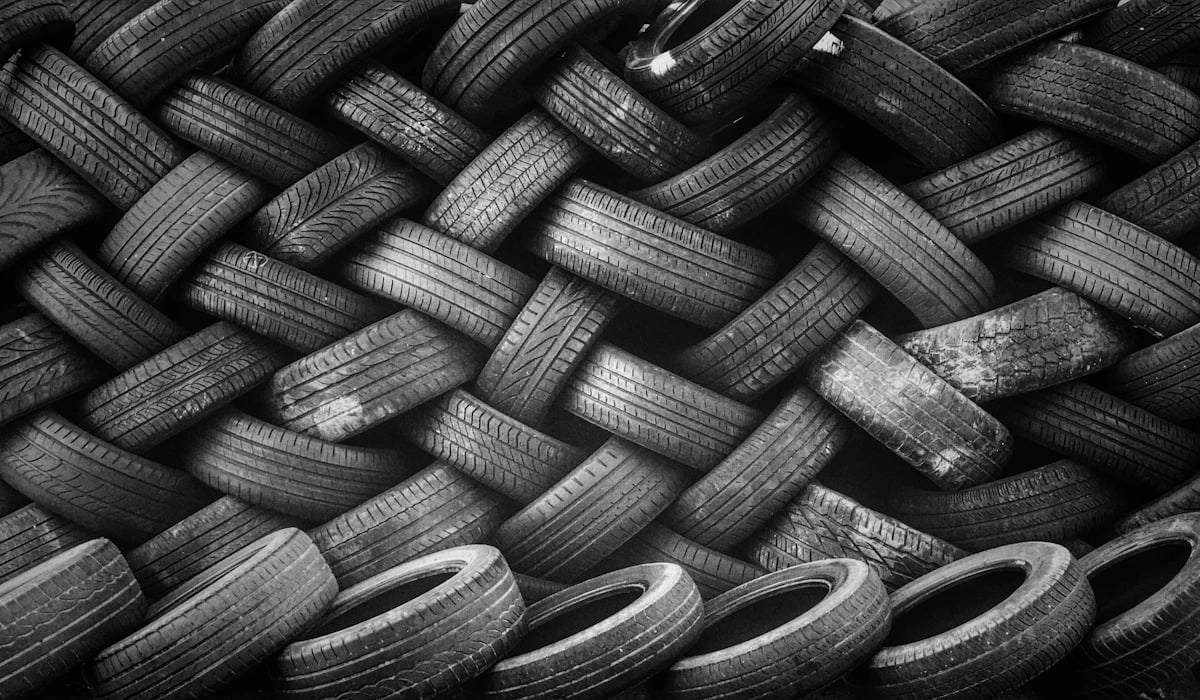
When the Viking landers descended to Mars in 1976, their parachutes hung from cords made of a fiber said to be several times stronger than steel by weight. Goodyear had developed the material for NASA, and the company soon tried it in a new radial tire.
NASA’s spinoff reports credited the fiber with extending expected tread life by about 10,000 miles over conventional radials. The chain-like molecular structure that kept a lander attached to its canopy also resisted the constant flexing of a tire sidewall.
Most drivers never suspect that Martian hardware informed the rubber in the garage.
Computer Mouse Research
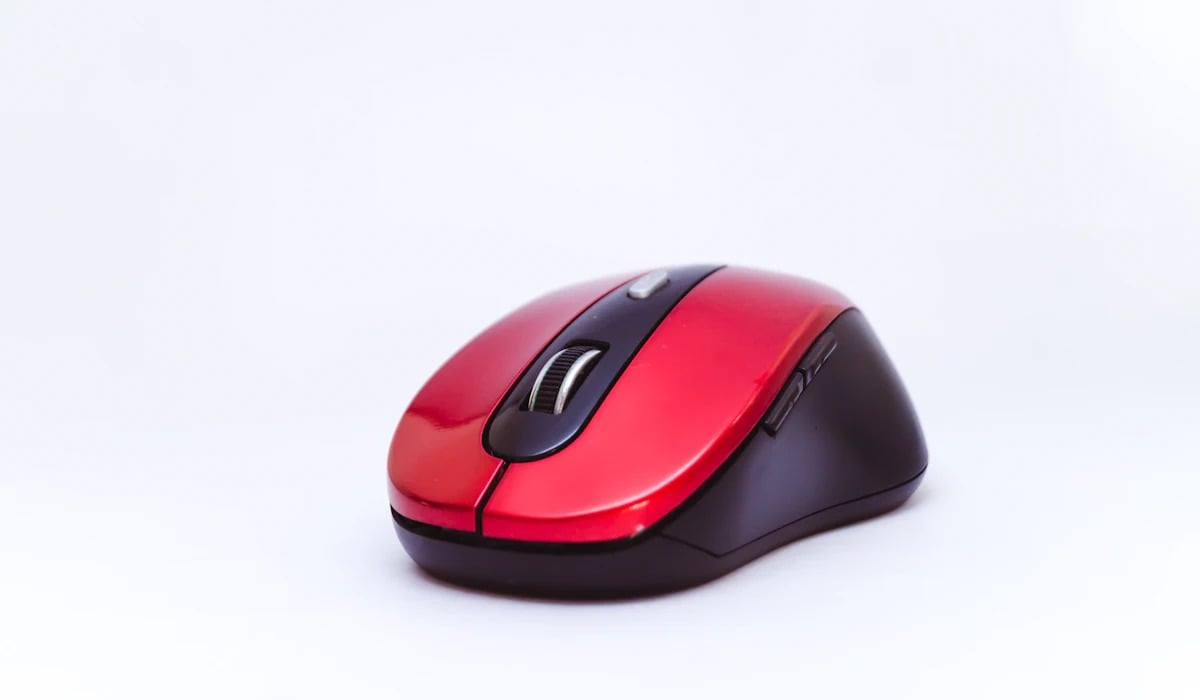
Douglas Engelbart and engineer Bill English built the first computer mouse at the Stanford Research Institute in 1964, a carved wooden block riding on two metal wheels. Part of the money came from NASA, which was interested in how people might interact with computers during complex missions.
An agency-funded study in the mid-1960s compared the mouse against light pens, joysticks and other pointing devices, and the mouse won on speed and accuracy. Engelbart showed it to the public at a celebrated 1968 demonstration in San Francisco.
Credit for the invention is his, but a NASA grant helped pay for it.
Temperature-Regulating Bedding and Outerwear
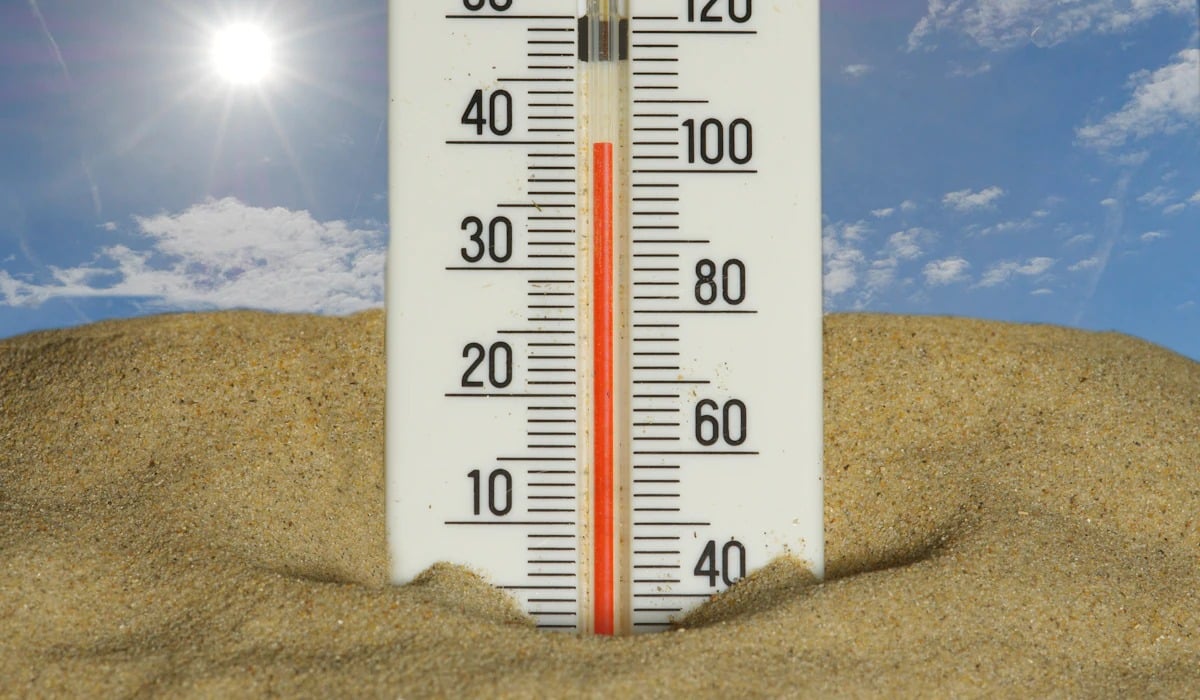
In 1988 a North Carolina firm called Triangle Research and Development took on a NASA contract to improve the liners of astronaut gloves, which had to cope with scorching sunlight and frigid shadow within minutes. Its solution was to embed fabric with microscopic capsules of waxy material that absorb heat as they melt and release it as they solidify.
A Colorado company, Outlast Technologies, licensed the idea for consumer goods. The capsules now turn up in mattress pads, pillows, socks, ski gloves and jacket linings.
The fabric does not generate warmth. It simply smooths out the swings.
Zero Gravity Recliners and Car Seats
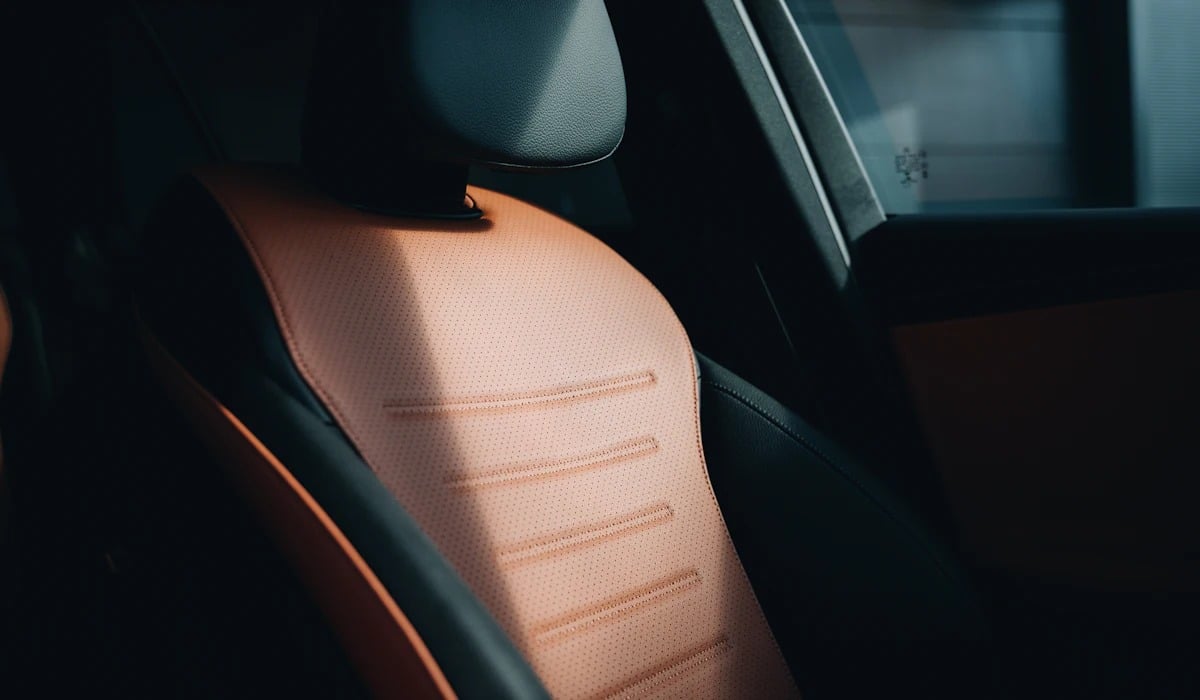
Photographs of Skylab crews in the 1970s revealed that a relaxed human body in weightlessness settles into a consistent shape. The knees bend, the arms drift forward, and the torso and thighs open to an angle of roughly 128 degrees.
NASA documented this neutral body posture in its design standards so that workstations and seats would fit a floating crew. Furniture makers borrowed the geometry for recliners and adjustable beds marketed with the phrase zero gravity.
Nissan cited the same research when it redesigned the front seats of the 2013 Altima to reduce fatigue on long drives.
Competition Swimsuits Tested in a Wind Tunnel
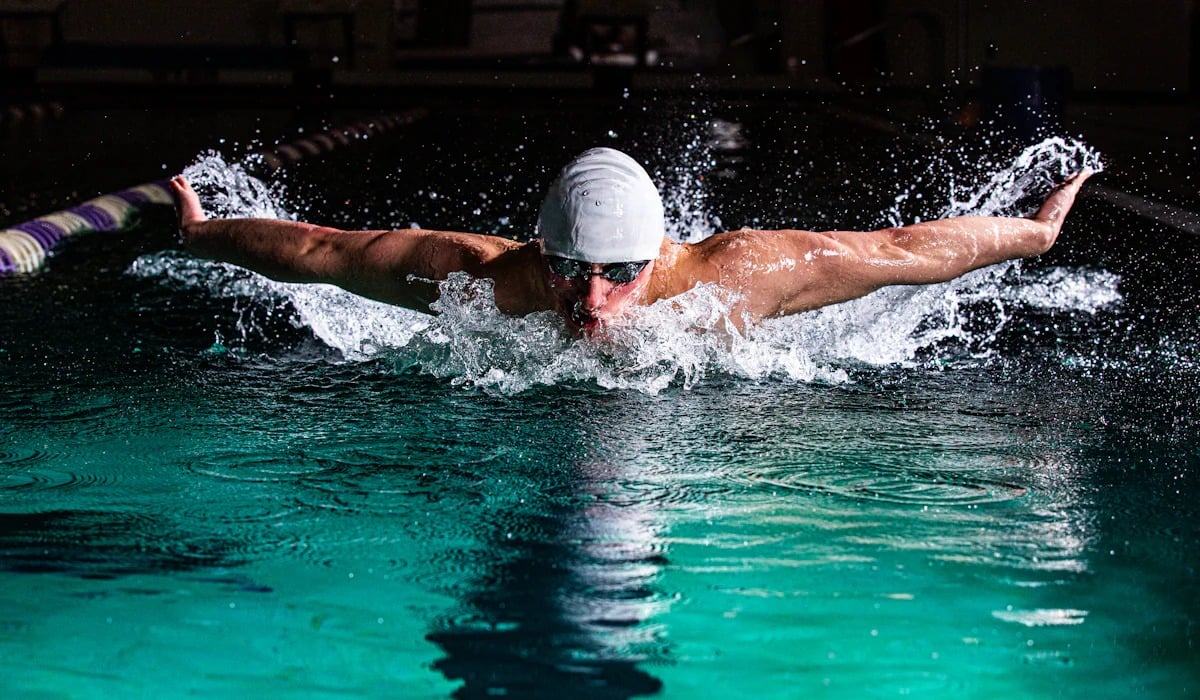
Speedo brought a range of fabric samples to NASA’s Langley Research Center before the 2008 Olympics, hoping to learn which ones slipped through a fluid with the least surface drag. Langley researchers ran the candidates through a small low-speed wind tunnel normally used for aerospace materials.
The findings shaped the LZR Racer, a suit with ultrasonically bonded seams and low-drag panels that debuted in February 2008. Swimmers wearing it collected the great majority of the medals at the Beijing Games and broke a long list of world records.
The sport’s governing body restricted such suits beginning in 2010.
Orbit Was Never the Only Destination

Almost none of these products were the point of the work that produced them. An engineer wanted a safer aircraft seat, a lighter camera, a drill that could run on a trickle of power, or a meal that would not sicken a crew 200,000 miles from a hospital.
Solving narrow problems under extreme constraints tends to produce answers that are small, efficient and reliable. Those happen to be the qualities a household wants too.
The pattern also corrects a popular misunderstanding about who invents what. NASA rarely created a consumer product by itself, and in many cases it improved, funded or tested an idea that already existed.
Private companies then did the slow work of making it cheap enough for a bedroom or a kitchen drawer. The partnership is less romantic than the myth, and it has put far more on the shelf.
MORE FROM GO2TUTORS!

- The Romanov Crown Jewels and Their Tragic Fate
- 13 Historical Mysteries That Science Still Can’t Solve
- Famous Hoaxes That Fooled the World for Years
- 15 Child Stars with Tragic Adult Lives
- 16 Famous Jewelry Pieces in History
Like Go2Tutors’s content? Follow us on MSN.