15 Computer Viruses That Changed Tech History
The history of computing isn’t just shaped by innovation—it’s also scarred by sabotage. From simple pranks that spread through floppy disks to sophisticated worms capable of shutting down global networks, these malicious programs forced the world to rethink security. Below are 15 computer viruses that changed tech history, leaving behind digital chaos and valuable lessons.
Brain

Often called the first PC virus, Brain appeared in 1986. It infected floppy disks and displayed the creators’ contact information—almost like a calling card. Harmless by today’s standards, but it set the stage for what was to come.
Morris Worm
Launched in 1988, the Morris Worm was one of the first to gain national headlines. It spread rapidly across university and government networks, causing thousands of systems to crash. A simple coding error made it far more destructive than intended.
Michelangelo

This 1992 virus sent a wave of panic because it was programmed to activate on the artist’s birthday, March 6. Fear of mass data loss drove sales of antivirus software through the roof. The damage? Less than expected—but the scare worked.
Melissa
Spread by email in 1999, Melissa tricked users into opening infected Word documents. It flooded inboxes worldwide and forced companies like Microsoft to shut down email systems. Annoying, chaotic, and very costly.
ILOVEYOU

Few digital attacks have been as infamous as the “ILOVEYOU” worm in 2000. Disguised as a love letter, it spread through email attachments. Millions clicked. Millions regretted it. Governments and corporations were weakened within hours.
Code Red

In July 2001, suddenly websites started collapsing. Code Red targeted Microsoft servers, defacing sites with the phrase “Hacked by Chinese!” It even attempted a denial-of-service attack against the White House. Not subtle.
Nimda
Arriving just a month after 9/11, Nimda caused extra fear simply because of its timing. It spread in multiple ways—through email, websites, and network shares. That versatility made it one of the fastest-spreading worms ever seen.
Slammer

In 2003, the Slammer worm spread so fast it doubled in size every 8.5 seconds. Within minutes, global internet traffic slowed. ATMs stopped working. Airlines reported problems. All from a program only 376 bytes long. Tiny, but terrifying.
Blaster
Also in 2003, Blaster struck Windows users with random shutdown messages. It exploited a flaw in Microsoft’s software, prompting the company to remind everyone—patch your systems. Still, many ignored the warning.
Mydoom

Released in 2004, Mydoom spread mainly by email and became the fastest-spreading email worm in history. It launched massive denial-of-service attacks, slowing the web and costing billions. Annoyingly persistent too—it lingered for years.
Conficker
First seen in 2008, Conficker spread to millions of Windows machines around the world. It created a massive botnet that baffled experts for years. Even now, some infected machines may still be out there. Creepy thought.
Stuxnet
Not your average virus. Stuxnet, discovered in 2010, targeted Iran’s nuclear program. It was sophisticated, precise, and widely believed to be the work of state-level actors. Cyberwarfare had officially entered the stage.
CryptoLocker

By 2013, ransomware had arrived. CryptoLocker encrypted victims’ files and demanded payment in Bitcoin. It wasn’t just disruption—it was extortion. A grim new business model for cybercriminals.
WannaCry

In 2017, WannaCry tore through networks using leaked NSA exploits. Hospitals in the UK were among the hardest hit, forced to cancel appointments and divert patients. For many, this was the first time a virus felt like it could literally endanger lives.
NotPetya
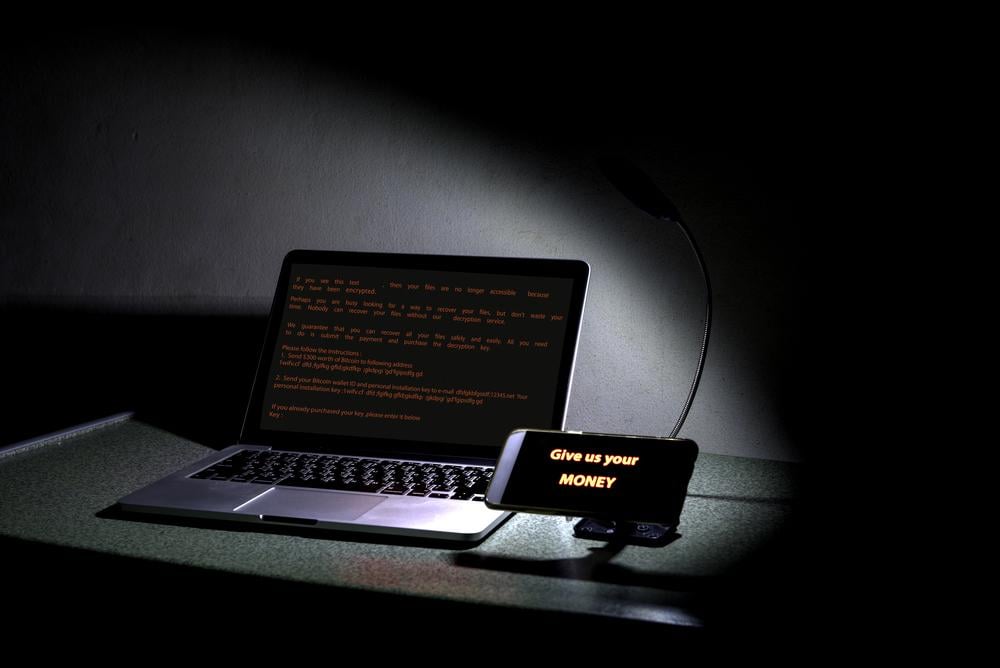
Also in 2017, NotPetya disguised itself as ransomware but was really designed to destroy. It spread through Ukrainian accounting software before jumping borders. Global shipping, banks, and even power companies were thrown into chaos. Billions lost.
Shadows in the Machine

From prank beginnings to state-backed attacks, computer viruses have reshaped the digital world. Each outbreak exposed weaknesses, pushed technology forward, and reminded us that every line of code carries both promise and peril.
More from Go2Tutors!

- The Romanov Crown Jewels and Their Tragic Fate
- 13 Historical Mysteries That Science Still Can’t Solve
- Famous Hoaxes That Fooled the World for Years
- 15 Child Stars with Tragic Adult Lives
- 16 Famous Jewelry Pieces in History
Like Go2Tutors’s content? Follow us on MSN.