28 Old Radios and Record Players Worth Restoring
Vintage audio equipment splits cleanly into two kinds of buyers: people chasing a specific look for a shelf, and people chasing a specific sound that modern electronics rarely reproduce. The pieces below appeal mostly to the second group, since every one of them was built for a genuine working purpose rather than as a decorative object, and restoration brings that original purpose back rather than just polishing an exterior.
Condition on all of it depends heavily on whether the unit still functions, since a clean-looking cabinet with a failed internal component is worth a fraction of a working example.
Motorola Push-Button Car Radios
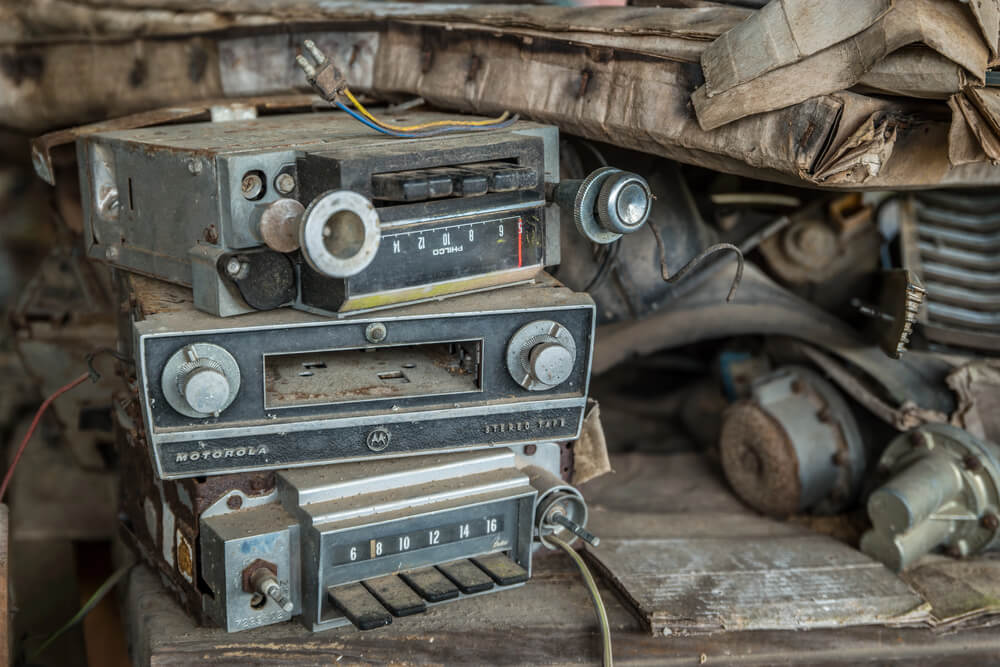
Early Motorola car radios, produced from the 1930s onward, introduced mechanical push-button tuning to automobile dashboards years before the feature became standard. Working examples with intact chrome and functioning presets sell for eighty to three hundred dollars, particularly units still fitted in a matching original dashboard.
Delco Car Radios
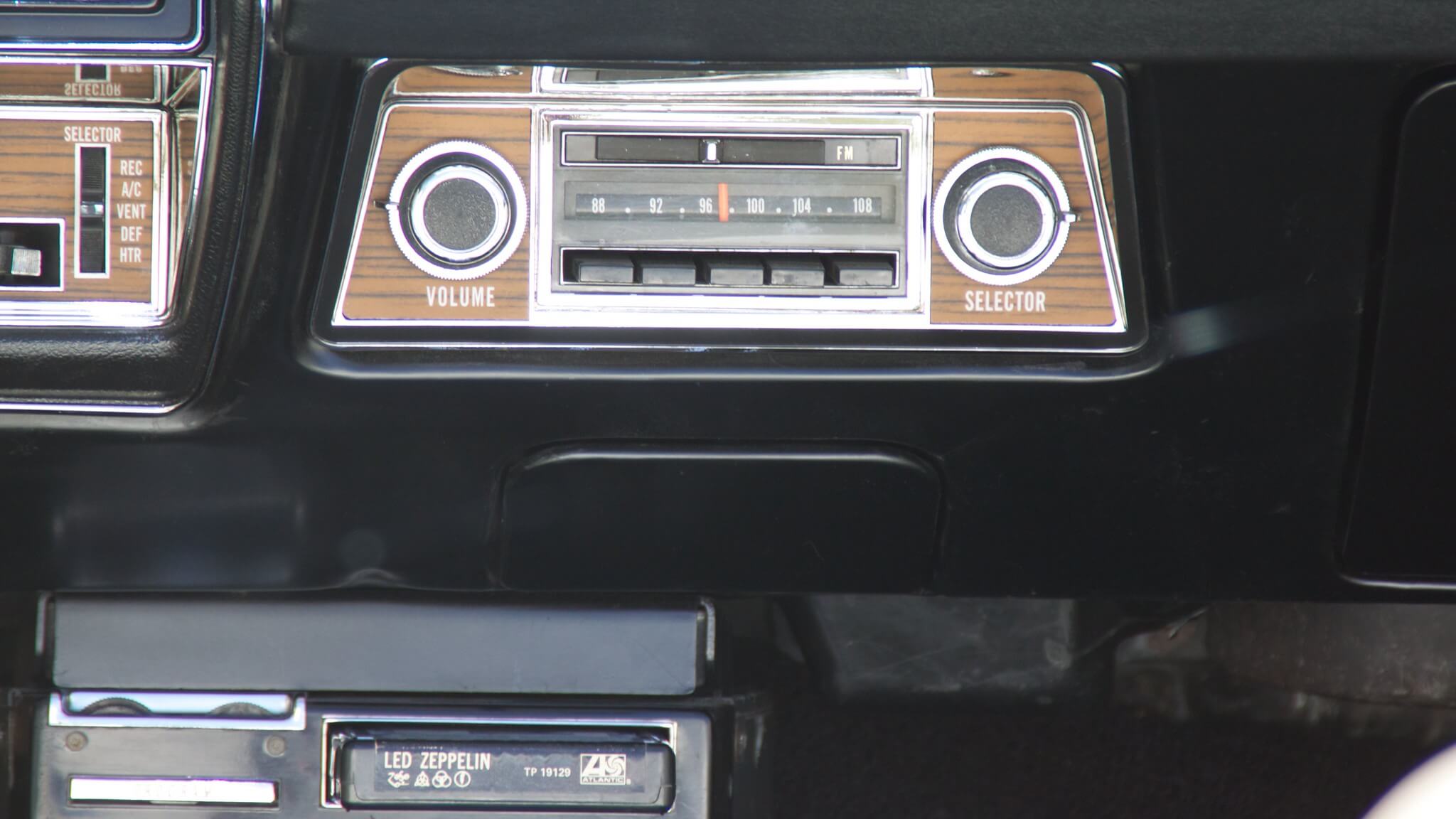
General Motors sold its own branded car radios through Delco for decades, and the earliest tube-based units represent genuinely scarce survivors given how routinely they were replaced as cars aged. Restored, working examples sell for sixty to two hundred fifty dollars depending on the specific model and vehicle application.
Novelty Shaped Promotional Radios
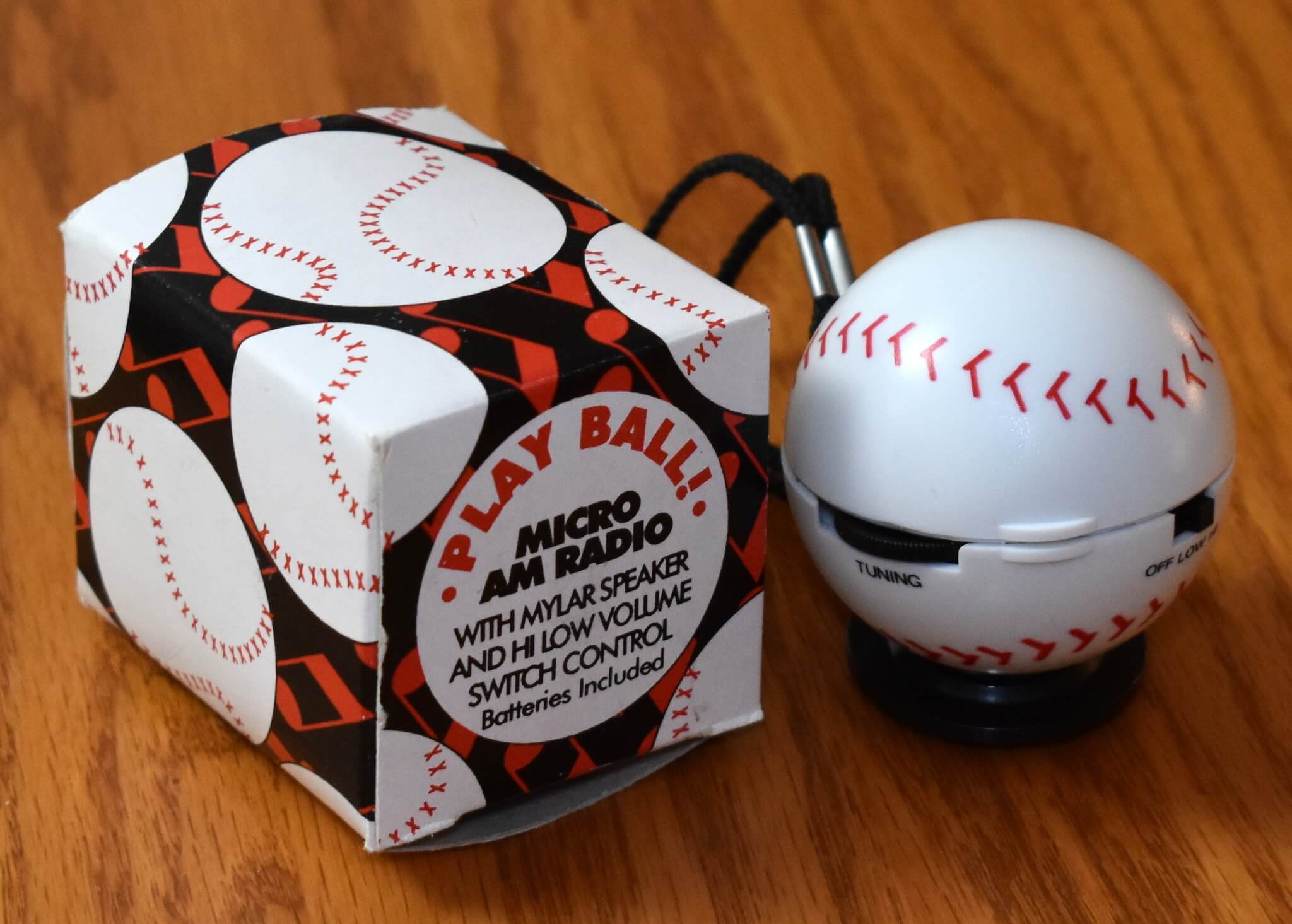
Manufacturers built transistor radios molded into recognizable shapes, including bottles, food items, and branded characters, as promotional giveaways and novelty retail items from the 1950s onward. Working examples in undamaged, unfaded plastic sell for thirty to one hundred fifty dollars depending on the specific design and how well the molded detail survived.
Collins Amateur Radio Transceivers
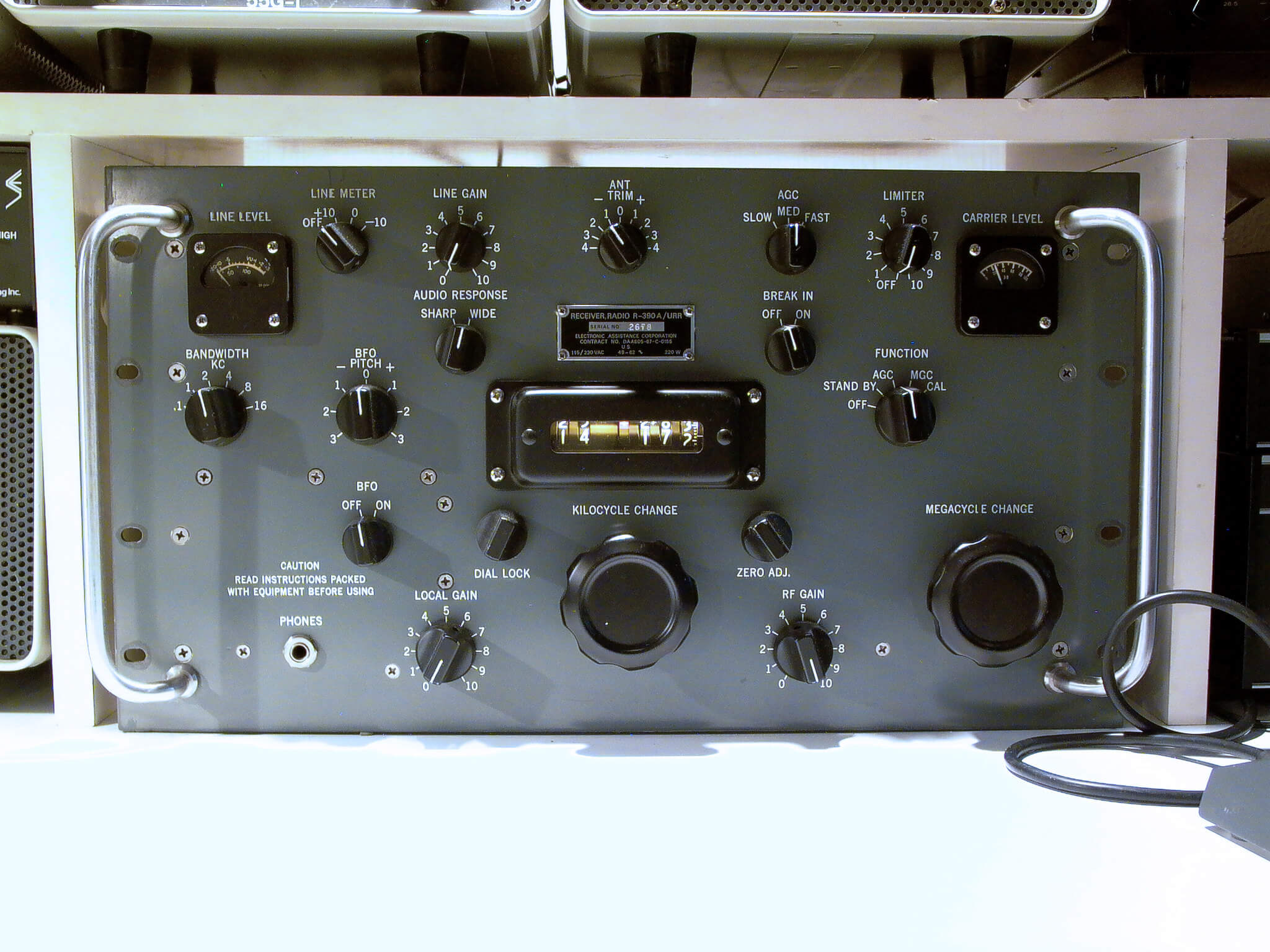
Collins built amateur radio equipment prized for its engineering precision and durable construction, and working examples remain actively used by licensed operators rather than sitting purely as display pieces. A functioning transceiver in good condition sells for two hundred to eight hundred dollars depending on the specific model.
Hallicrafters SX-Series Receivers
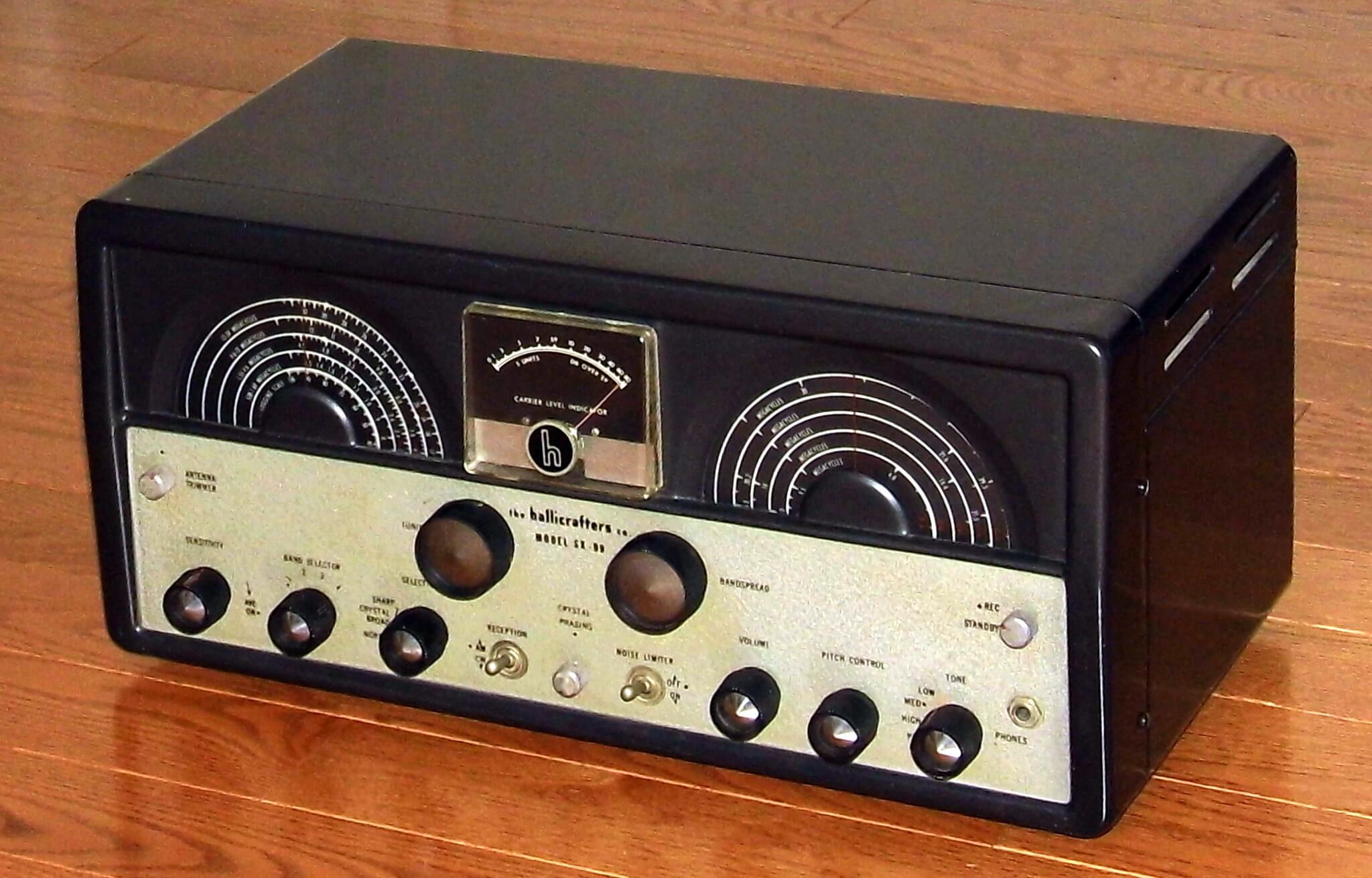
Hallicrafters built a range of shortwave and amateur radio receivers under the SX designation, and the line’s combination of performance and relatively accessible pricing made it a favorite among hobbyists for decades. Working examples in clean condition sell for one hundred fifty to six hundred dollars.
Heathkit Build-It-Yourself Radio Kits
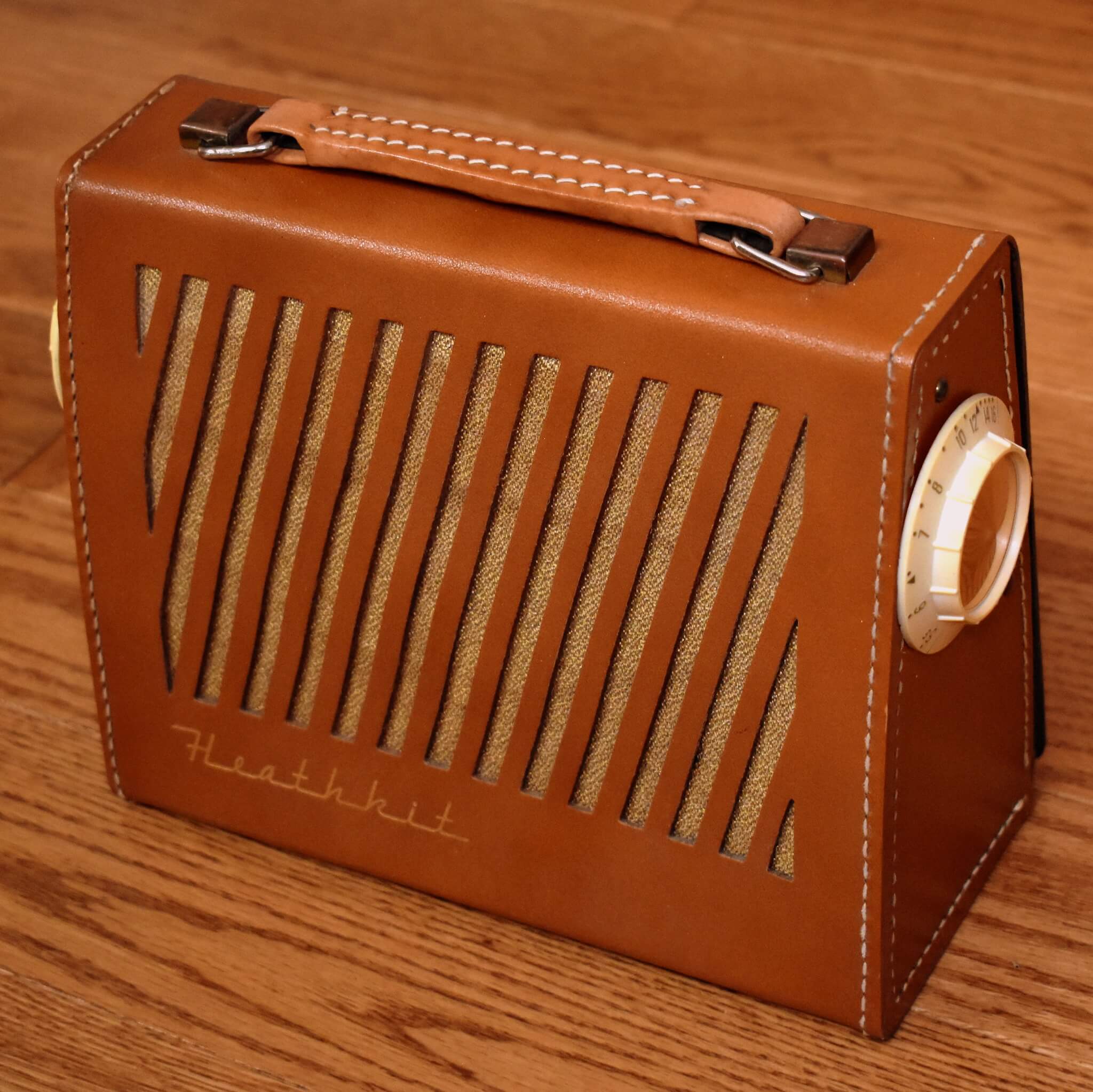
Heathkit sold electronics as assembly kits rather than finished products, letting hobbyists build their own radios, amplifiers, and test equipment from scratch, and surviving completed kits carry a documented history of hands-on assembly. Working examples sell for eighty to three hundred dollars depending on the specific kit and its complexity.
Crystal Radio Sets
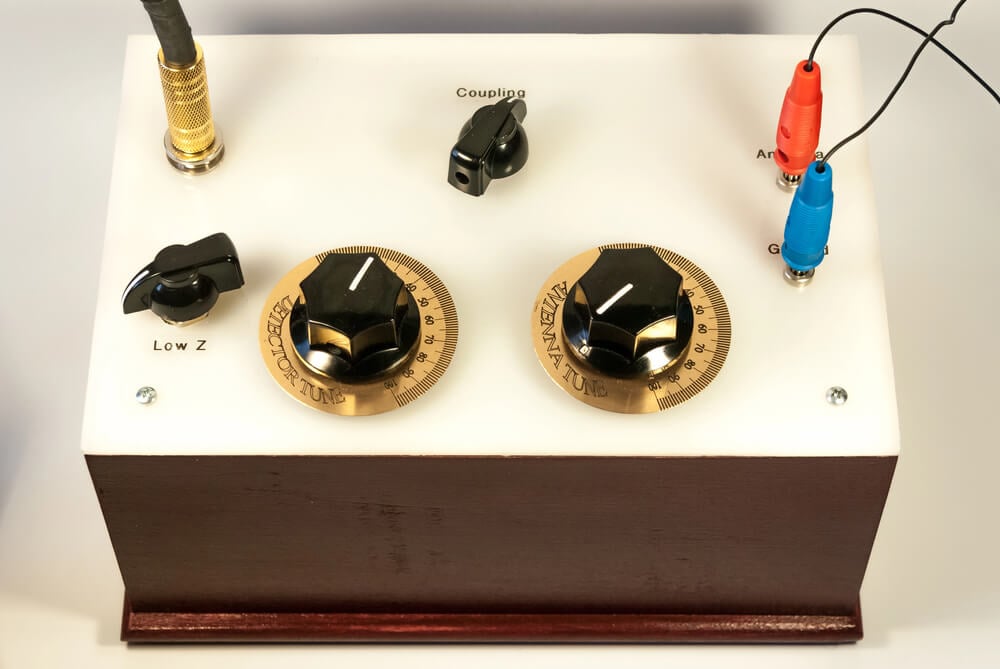
Requiring no external power source at all, crystal radios use the incoming signal itself to drive a simple earpiece, a genuinely elegant engineering solution from radio’s earliest era. Complete, working examples with an intact crystal detector and coil sell for forty to two hundred dollars.
CB Radio Base Stations From the 1970s
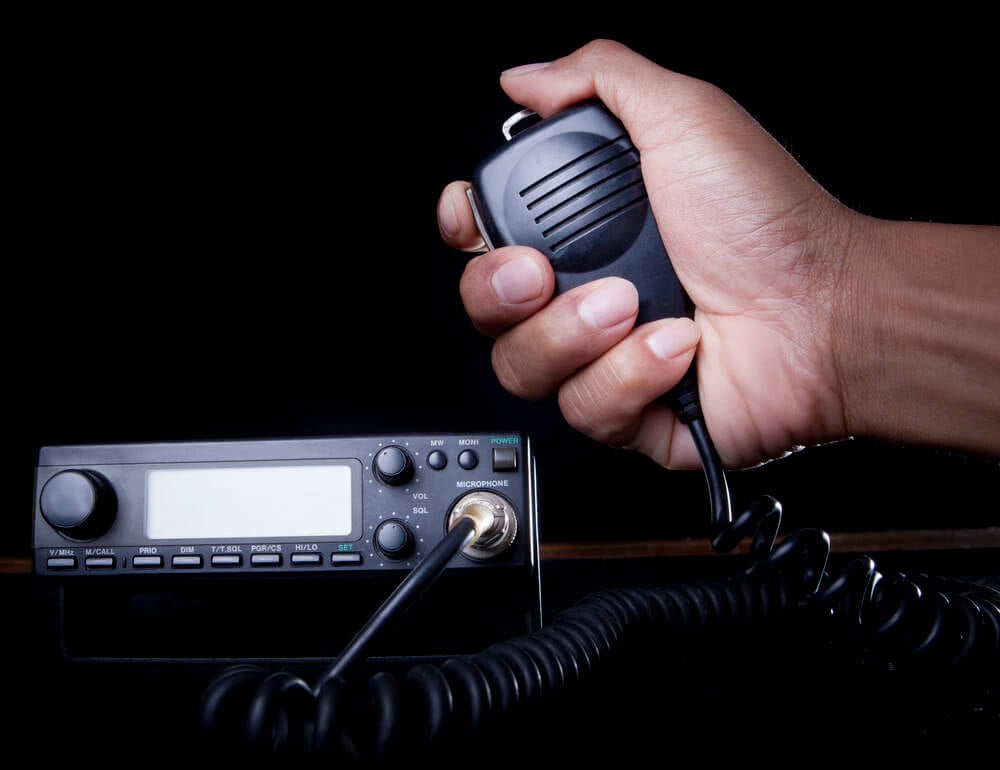
Citizens band base station radios, popular during the format’s peak decade, are increasingly sought by hobbyists restoring a working home CB setup rather than by pure display collectors. Working examples with an intact microphone and functioning channels sell for sixty to two hundred fifty dollars.
Marine Band Radio Sets
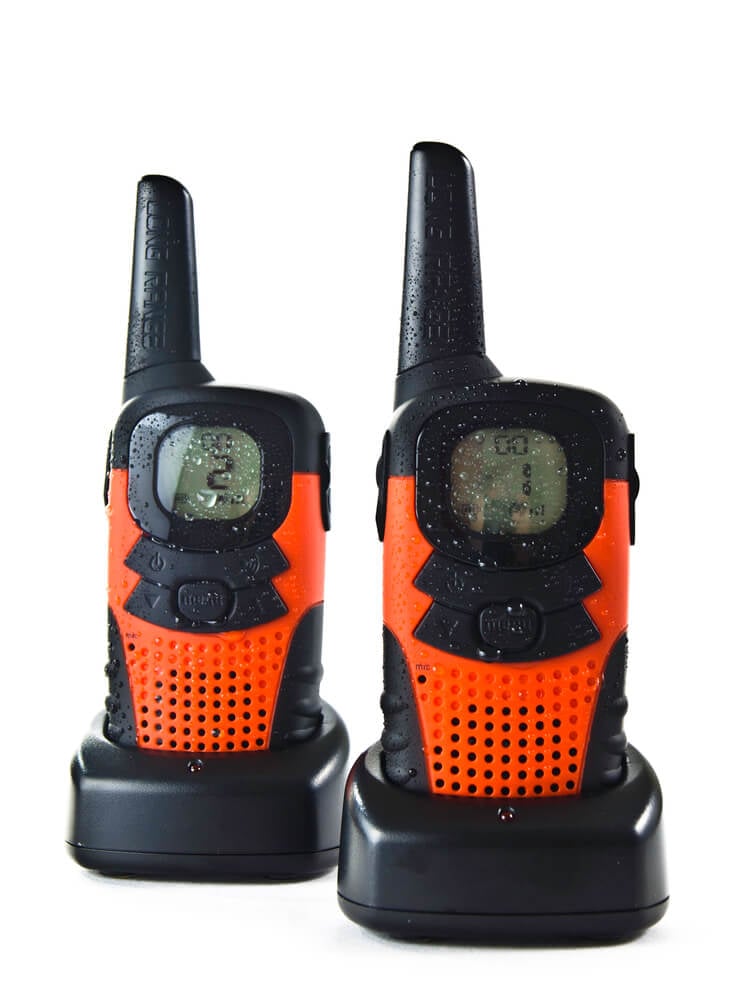
Purpose-built radios designed for use aboard boats, with weatherproofed housings and marine-specific frequency bands, represent a genuinely narrow restoration niche distinct from ordinary consumer radios. Working examples sell for eighty to three hundred fifty dollars.
Aviation Band Radio Sets

Radios built for communication on aviation-specific frequencies, whether ground-based or aircraft-mounted, appeal to a restoration audience that overlaps aviation history collectors and radio hobbyists. Working examples sell for one hundred to four hundred fifty dollars depending on the specific unit and its documented aircraft application.
Early General Electric Clock Radios
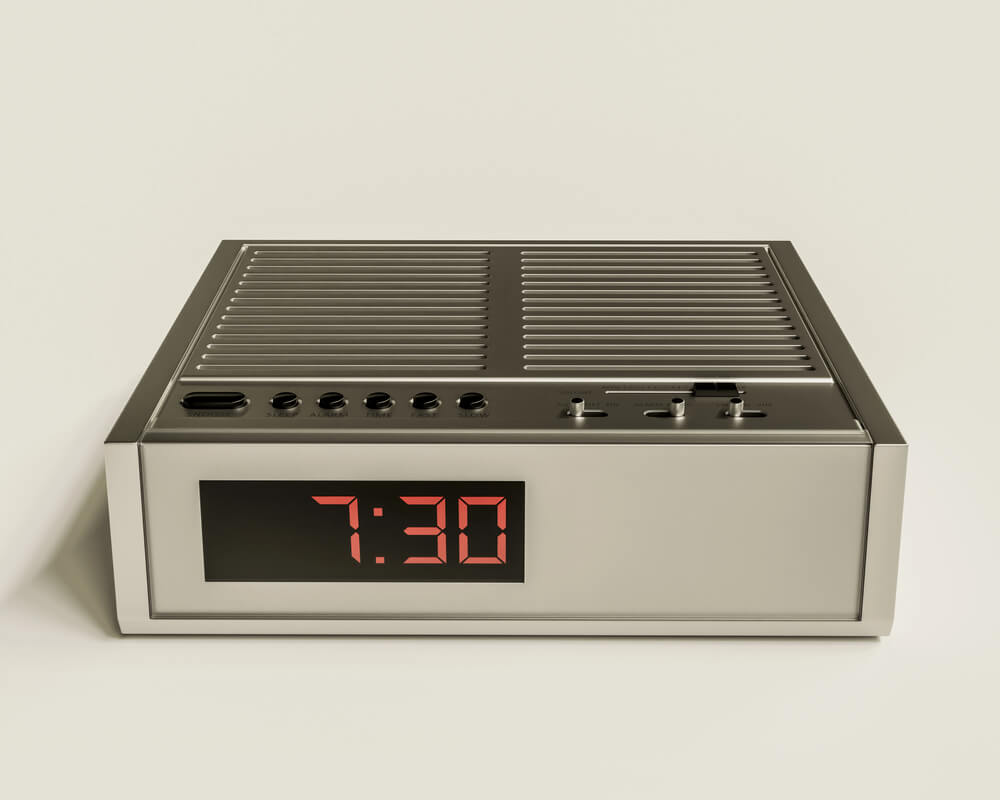
Combining a radio with a built-in alarm clock, these units introduced a genuinely new bedside appliance category when first sold, and early examples with functioning clock mechanisms are scarcer than the radio circuitry alone would suggest. Working examples sell for forty to one hundred fifty dollars.
Boombox and Portable Stereo Units
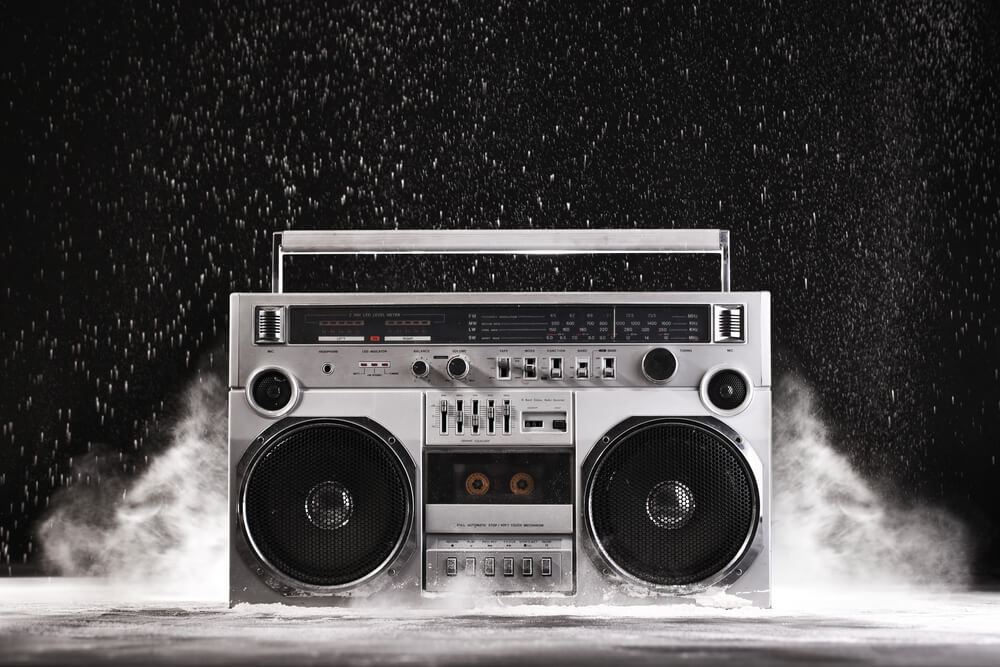
Large portable stereo units built with dual cassette decks and substantial speaker systems became a defining consumer electronics category of their era, and working, undamaged examples are increasingly scarce as plastic housings age and crack. Working examples sell for eighty to four hundred dollars depending on the brand and feature set.
Radio Shop Tube Testers
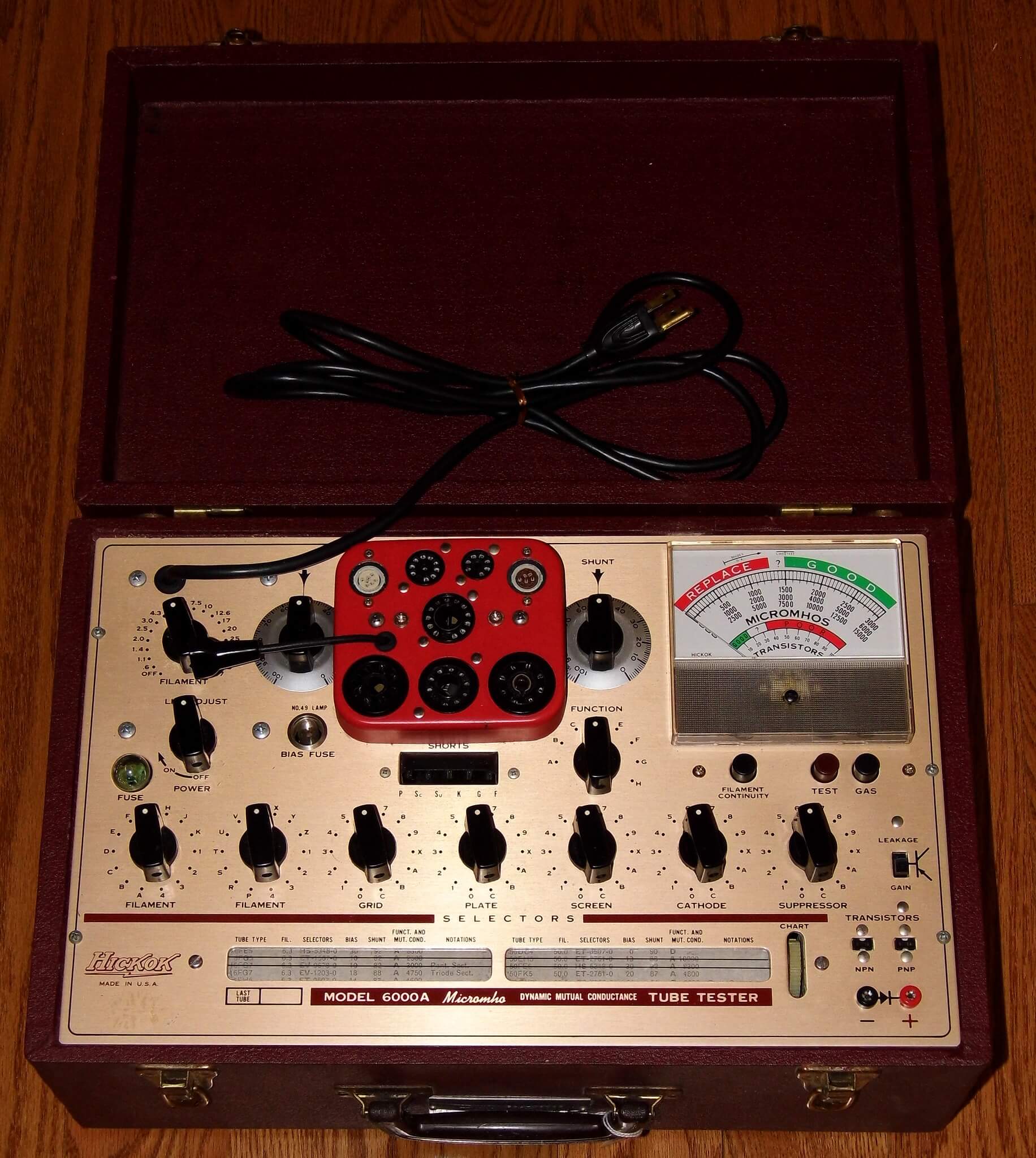
Tube testers were standard equipment in any radio repair shop, letting technicians check a vacuum tube’s condition before installing it in a customer’s set, and working examples remain genuinely useful to hobbyists restoring other tube-era equipment. Functioning examples sell for sixty to three hundred dollars.
Wurlitzer Jukeboxes
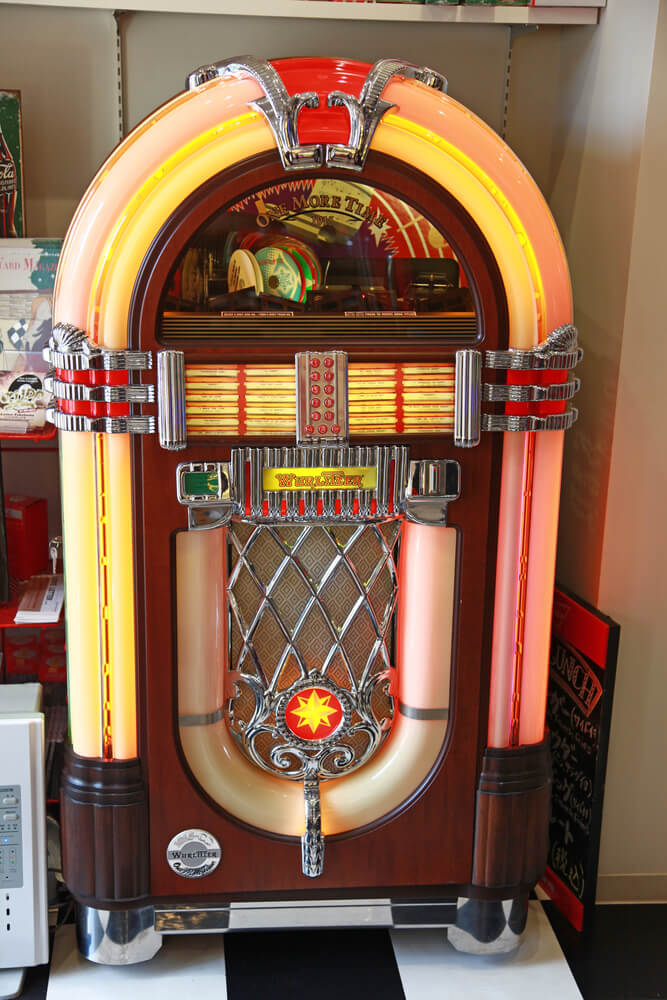
Coin-operated jukeboxes built with elaborate lighted cabinets and mechanical record-selection systems represent one of the most recognizable categories in vintage audio restoration, and a fully functioning example with its original lighting and mechanism intact commands serious prices. Restored working examples sell for one thousand to five thousand dollars depending on the specific model.
Seeburg Jukeboxes
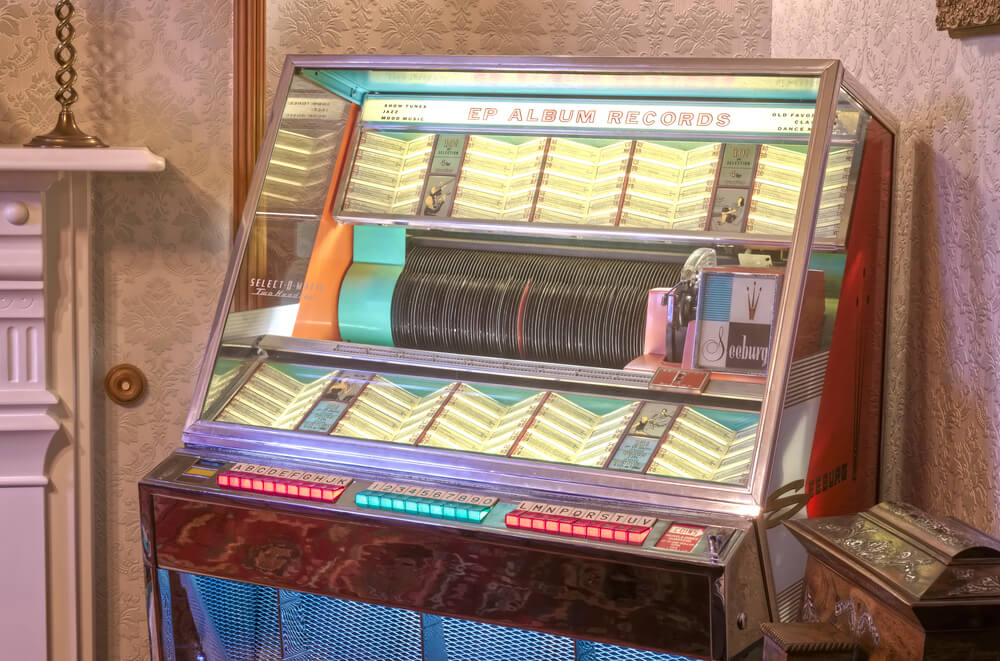
Seeburg competed directly with larger rivals in the jukebox market for decades, and surviving examples in working condition appeal to the same restoration audience while generally commanding somewhat more accessible prices. Restored working examples sell for eight hundred to four thousand dollars.
Magnavox Console Stereo Systems
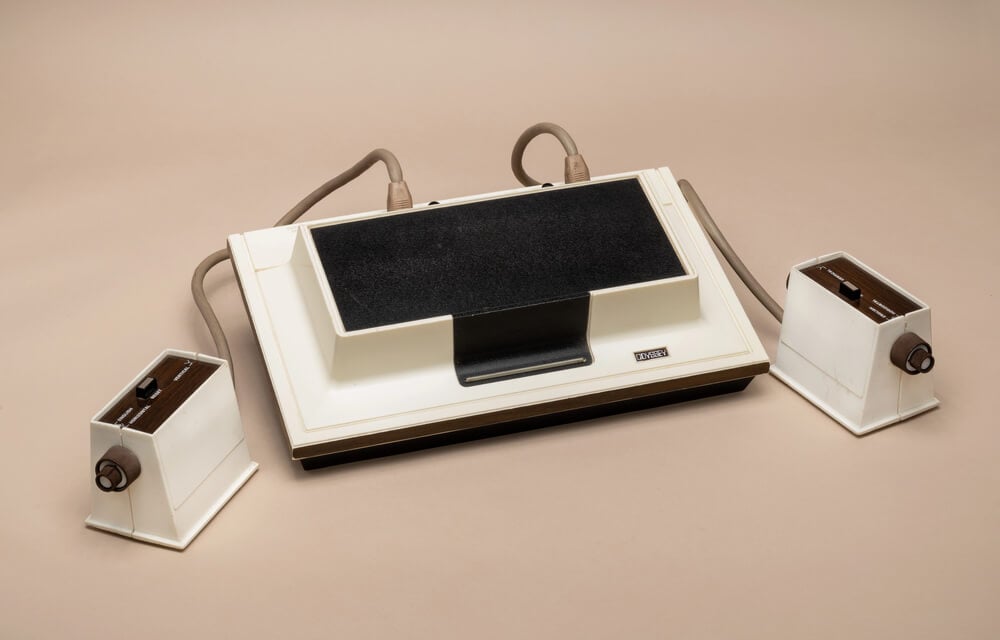
Large furniture-cabinet stereo systems combining a record player, radio, and substantial built-in speakers were a genuine centerpiece purchase for mid-century living rooms. Working examples with intact cabinetry and functioning turntable and radio sections sell for two hundred to eight hundred dollars.
Fisher-Price Children’s Record Players
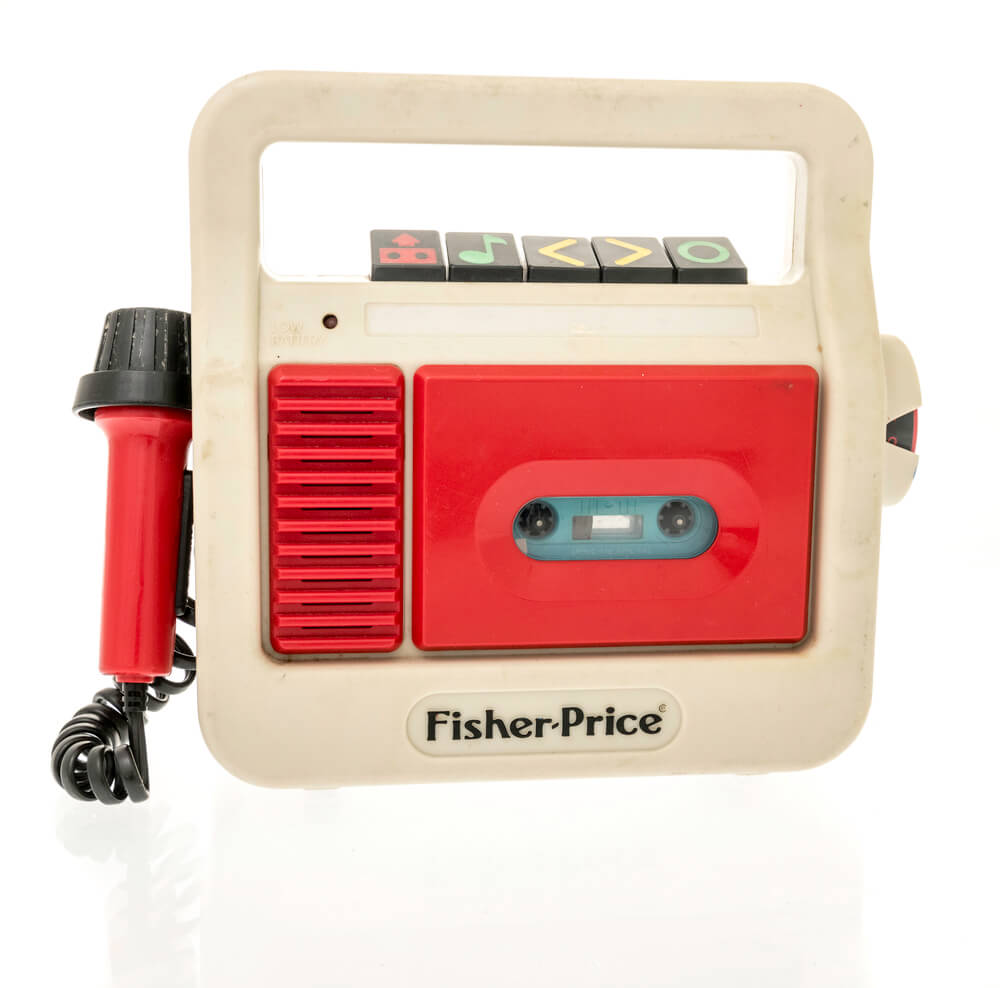
Simple, durable record players built specifically for young children introduced an entire generation to physical media through a genuinely kid-proof mechanism. Working examples with an intact tone arm sell for thirty to one hundred twenty dollars, particularly ones still paired with their original children’s records.
Suitcase-Style Portable Record Players
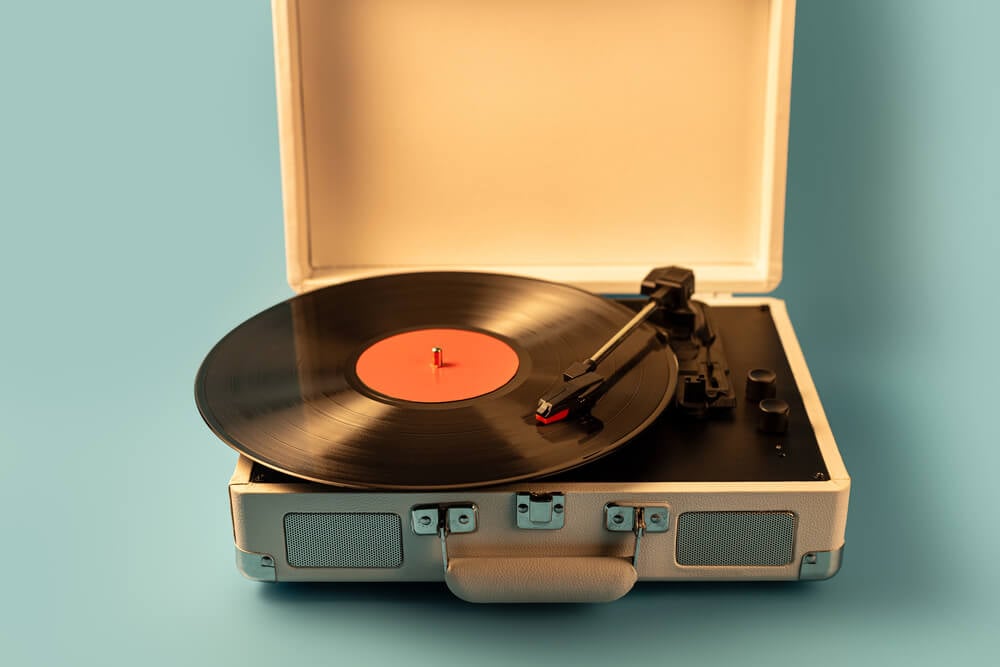
Compact record players built into a hinged carrying case, designed to be closed and transported like ordinary luggage, were a common teenage bedroom fixture for decades. Working examples with intact latches and a functioning tone arm sell for forty to one hundred fifty dollars.
Garrard Turntables
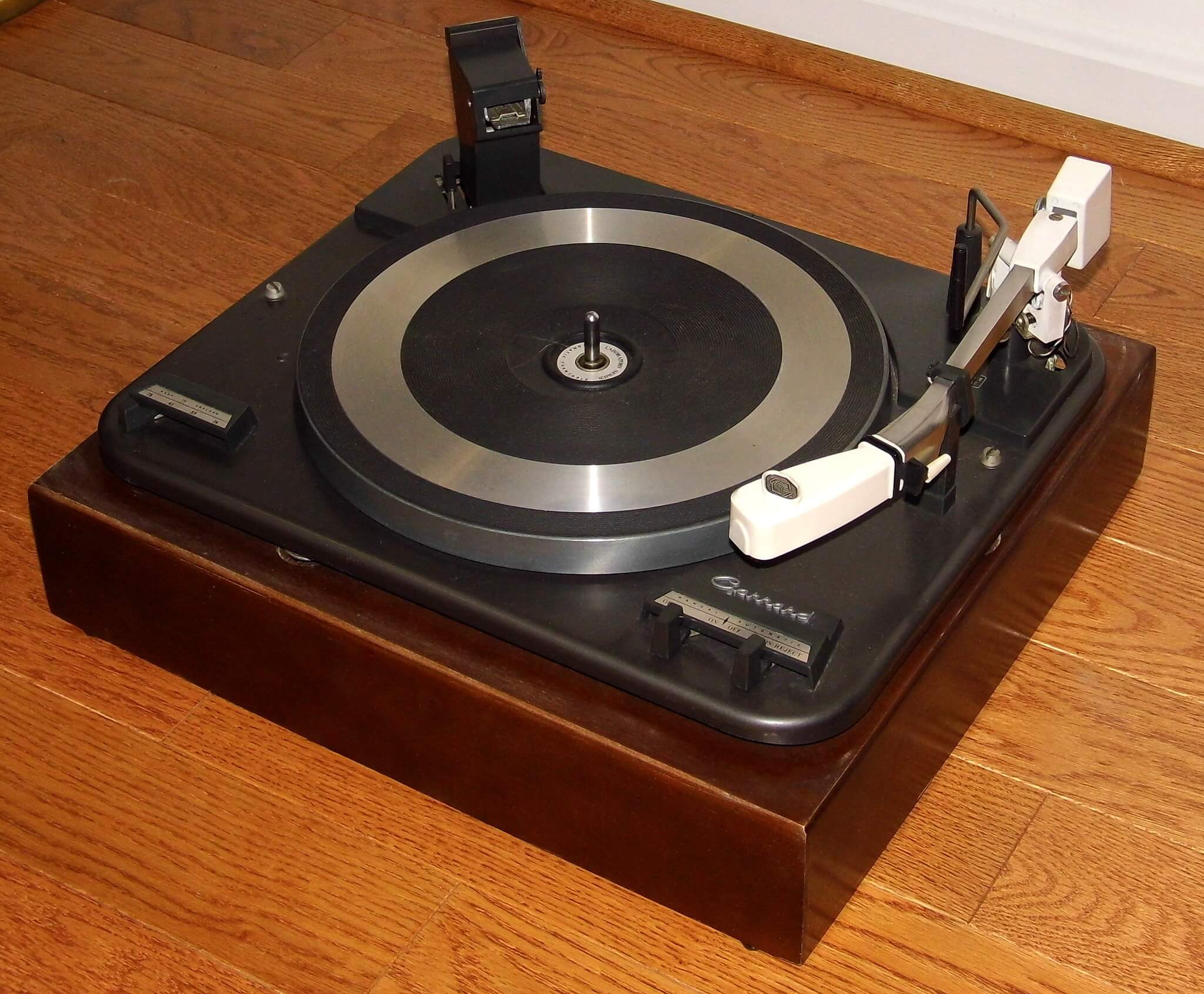
British-built Garrard turntables were widely used both as standalone units and as the mechanism inside larger console stereo systems, and the brand’s automatic changer mechanisms remain a genuine point of restoration interest for hobbyists. Working examples sell for sixty to three hundred dollars depending on the specific model.
Dual Turntables
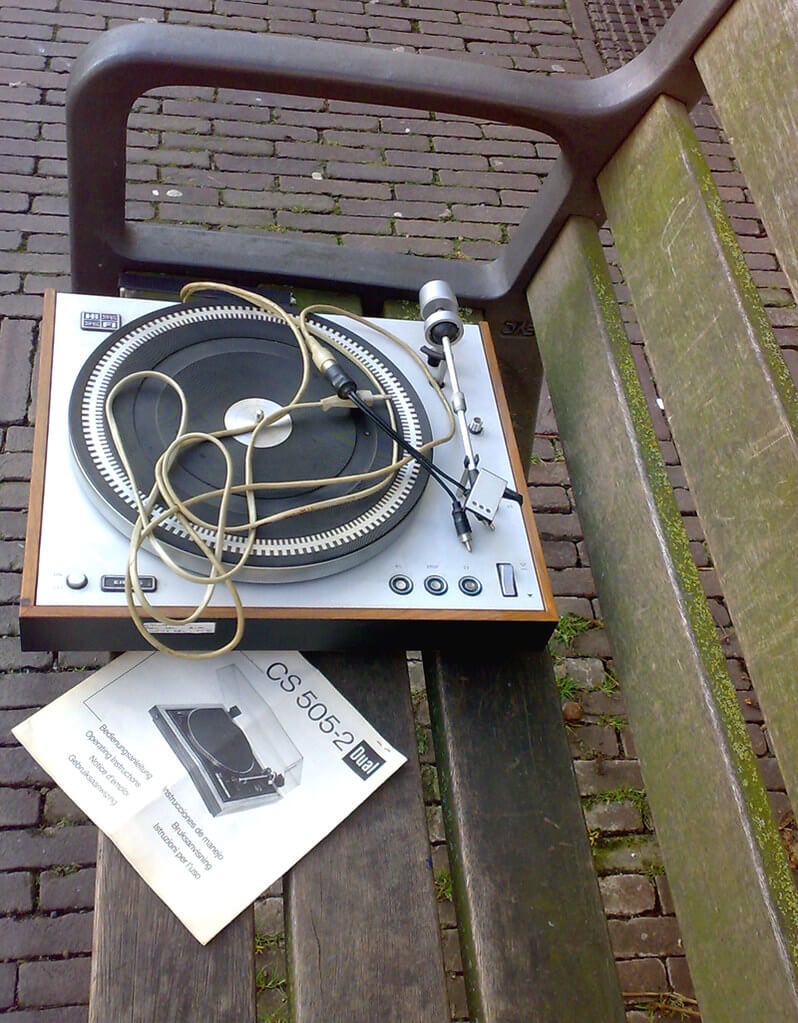
German-built Dual turntables earned a reputation for precision engineering and reliable automatic changer mechanisms, and working examples remain actively sought by both collectors and people building a genuine listening setup. Working examples sell for eighty to three hundred fifty dollars.
Thorens Turntables
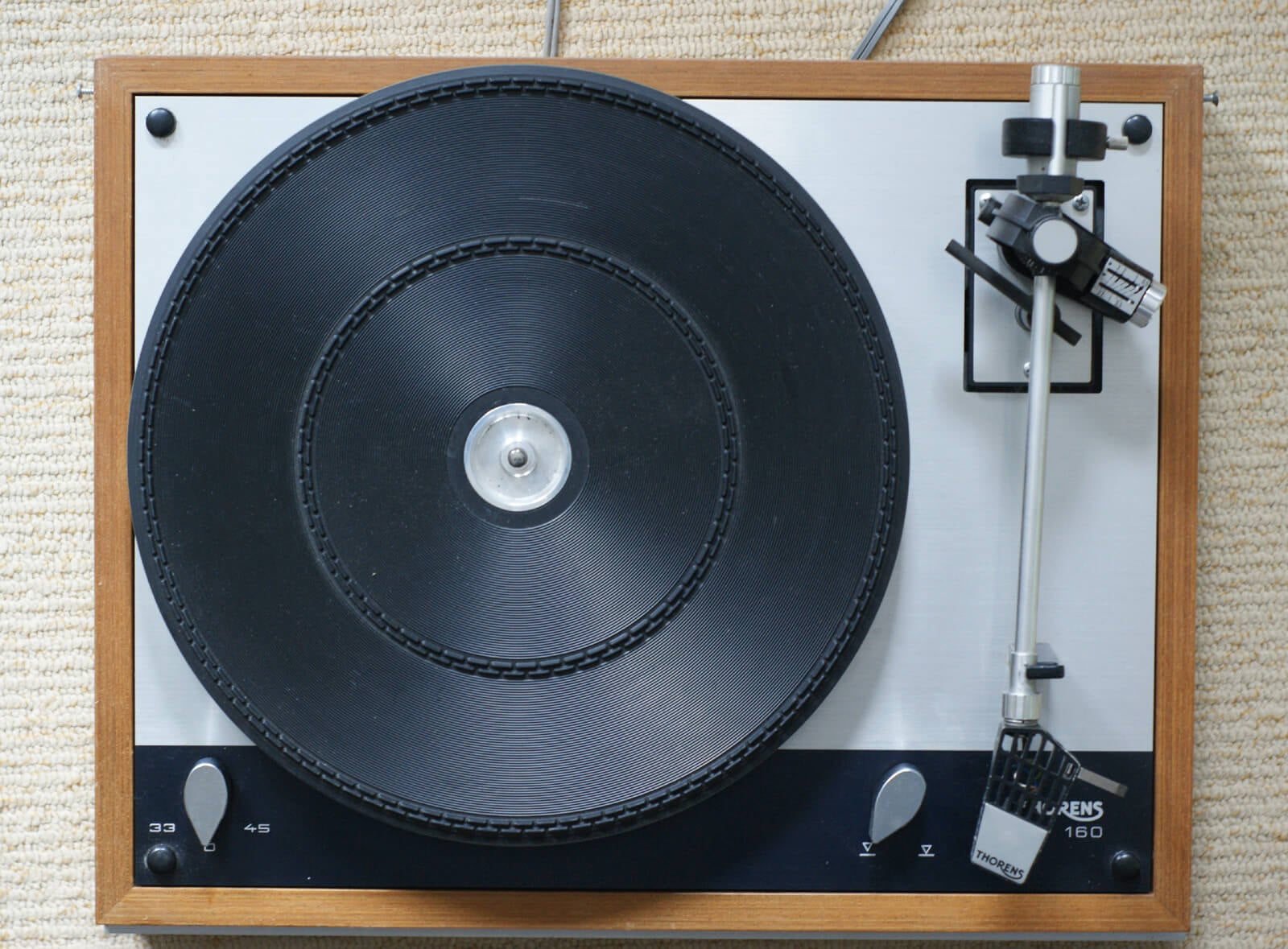
Swiss-built Thorens turntables are prized among audio enthusiasts for their belt-drive mechanisms and build quality, and certain models retain strong demand from working audiophiles rather than purely display-focused collectors. Working examples sell for one hundred fifty to eight hundred dollars depending on the specific model.
BSR Turntables
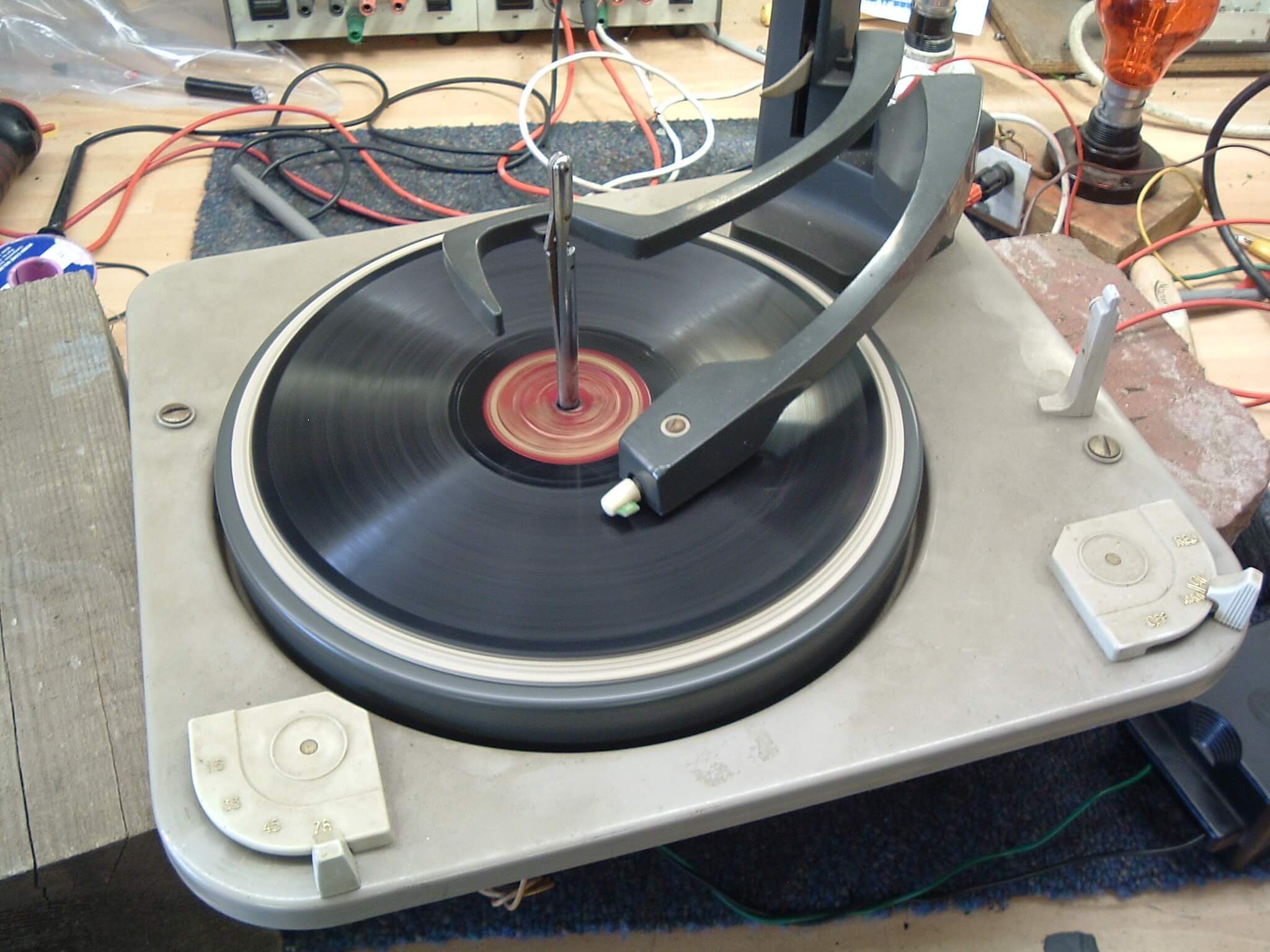
British-built BSR turntables were widely used as the mechanism inside countless mid-century console and compact stereo systems, making them common but genuinely useful restoration projects for hobbyists working on a complete system. Working examples sell for thirty to one hundred fifty dollars.
Technics SL-1200 Turntables
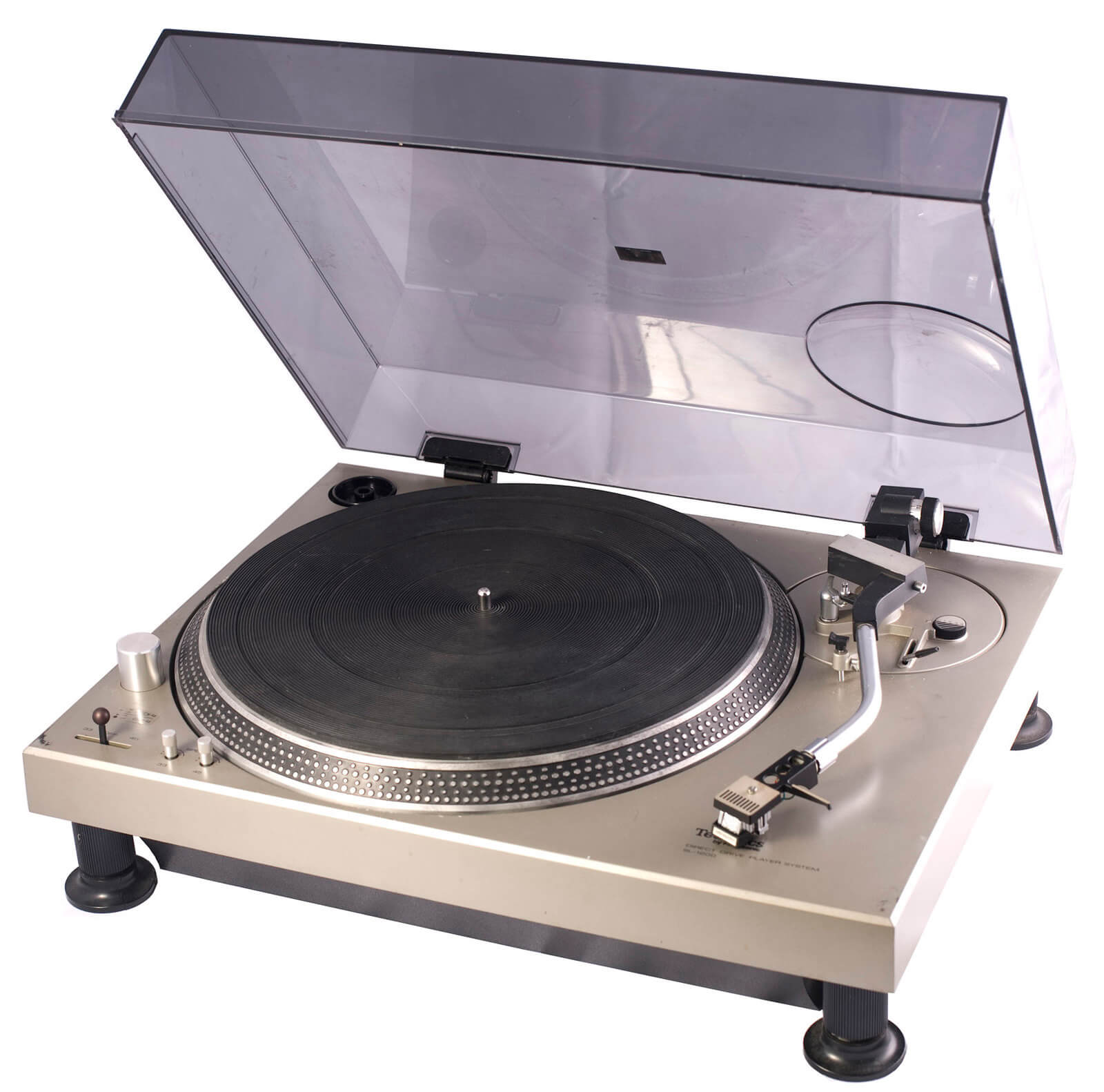
Originally engineered for reliable direct-drive performance, this turntable became a genuine industry standard used well beyond its original consumer market and remains actively sought by working audio professionals as well as collectors. Working examples sell for two hundred to seven hundred dollars depending on the specific generation and condition.
McIntosh Tube Amplifiers
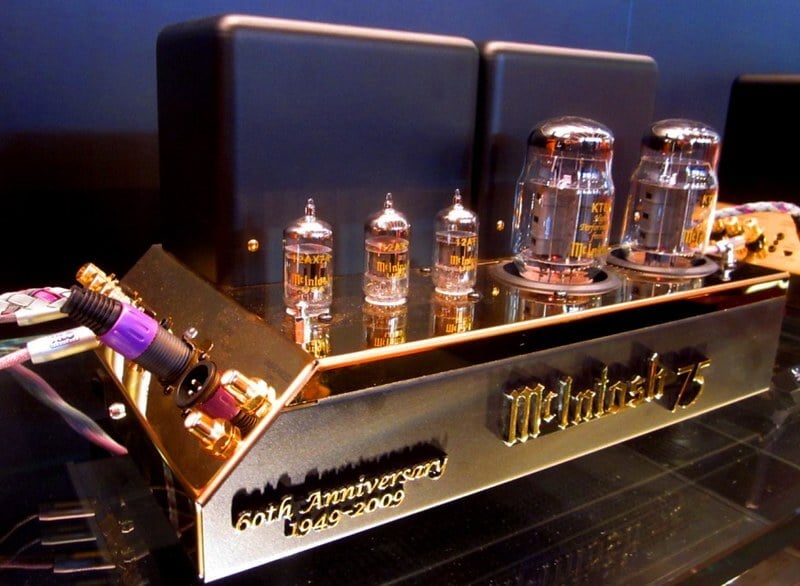
McIntosh built tube amplifiers renowned for their distinctive blue-lit output meters and genuinely high-fidelity sound, and working examples remain actively used rather than purely displayed by serious audio enthusiasts. Restored, working examples sell for eight hundred to four thousand dollars depending on the specific model.
Reel-to-Reel Tape Recorders
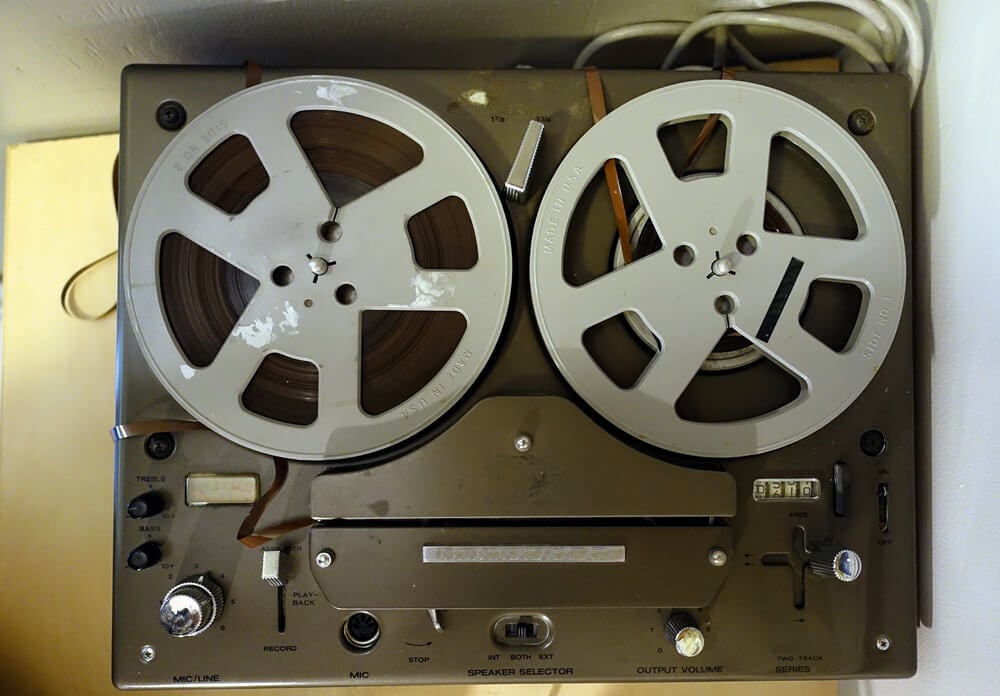
Open-reel tape recorders, once standard equipment for both home enthusiasts and professional recording studios, are increasingly sought by hobbyists restoring a genuine analog recording chain. Working examples sell for one hundred fifty to eight hundred dollars depending on the brand and features.
Wire Recorders
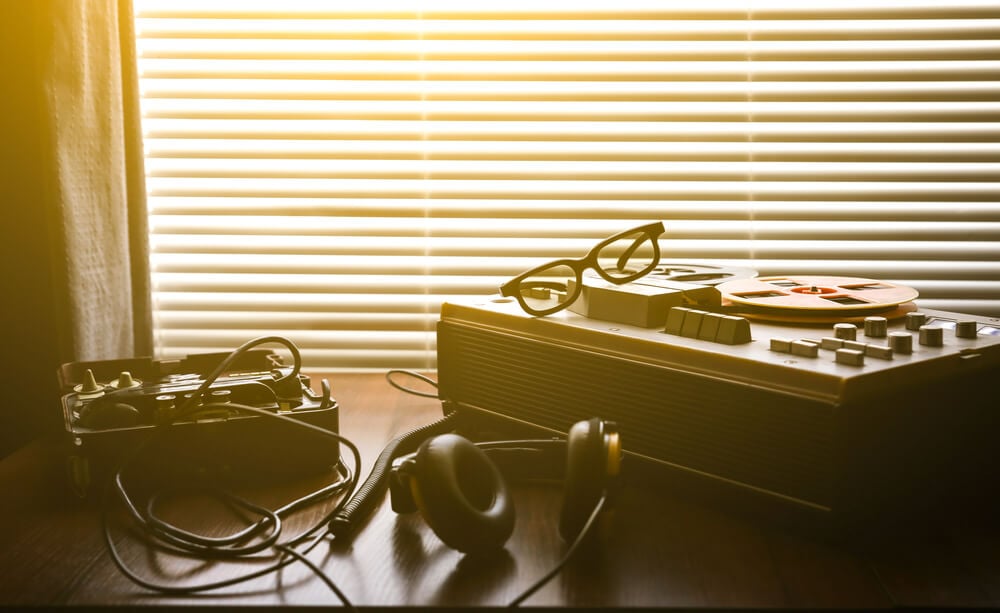
Predating magnetic tape entirely, wire recorders used a spool of thin steel wire to capture audio, a genuinely different and now largely forgotten recording technology. Working examples are scarce enough that even modest condition units draw real interest, selling for one hundred to four hundred dollars.
Public Address Speaker Horns
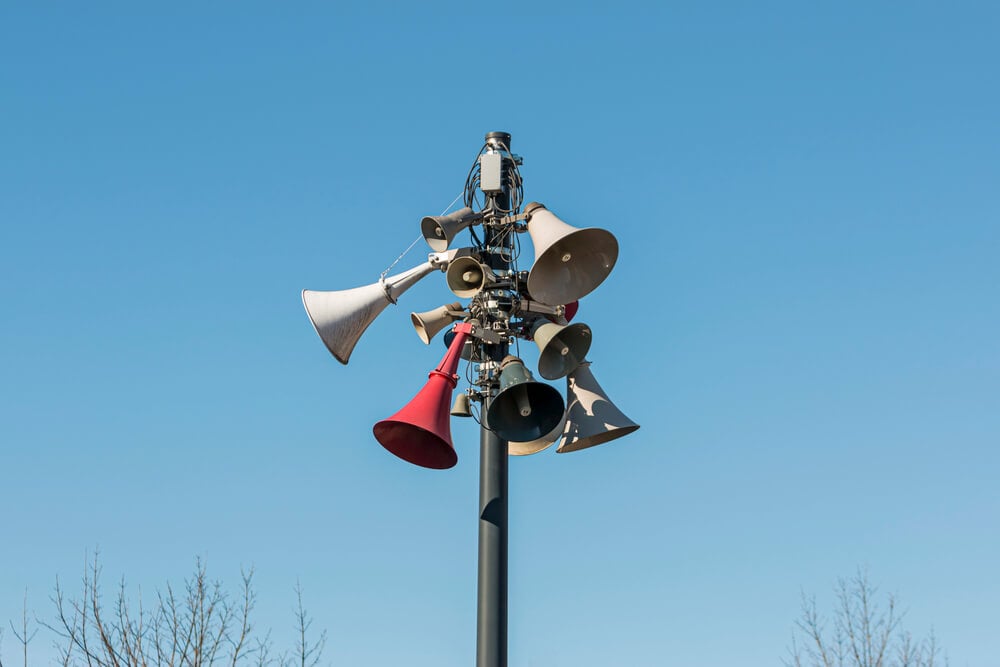
Large exterior horn speakers used for public announcements at stadiums, fairgrounds, and train stations represent a genuinely different restoration category built around raw output rather than audio fidelity. Working examples with intact horns sell for one hundred to four hundred fifty dollars.
Radio-Phonograph Console Combinations
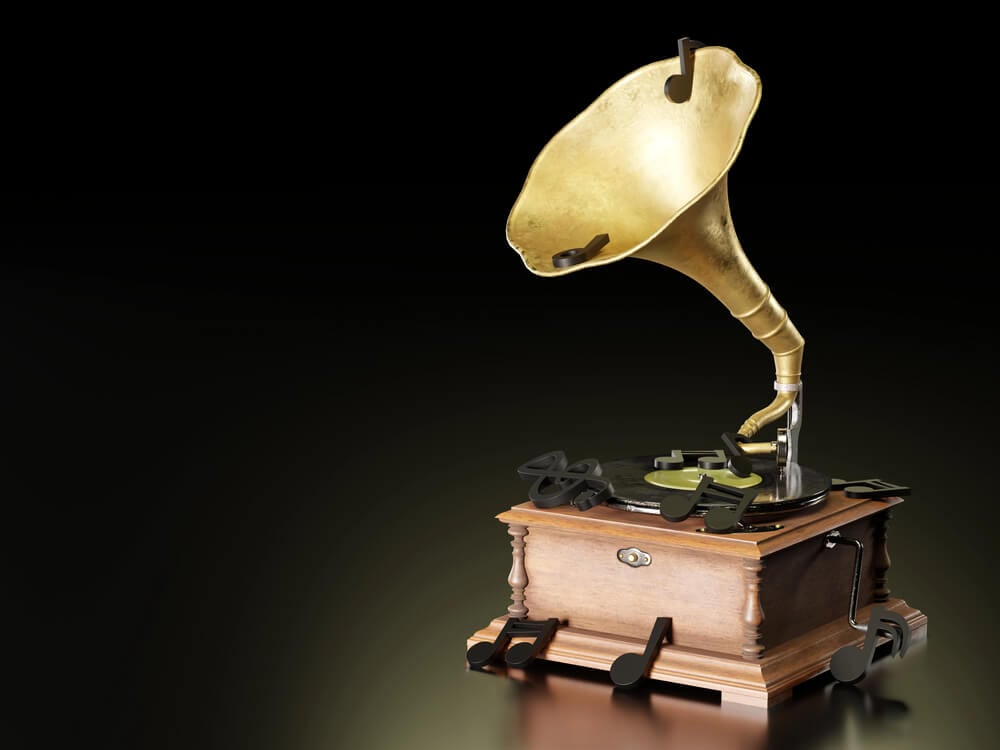
Combining a radio and a record player into a single large piece of furniture, these console combinations were a genuine centerpiece purchase for mid-century homes before separate component systems became the norm. Working examples with intact cabinetry sell for one hundred fifty to six hundred dollars depending on the brand and condition.
What Restoration Actually Restores
A working radio or record player does something a purely decorative object cannot: it reproduces sound the way its original engineers intended, using circuits and mechanisms that modern electronics generally do not replicate the same way. That difference is the entire reason a serious restoration audience exists.
The pieces worth the effort are rarely the ones in the cleanest cabinets. They are the ones with a repairable fault and enough original parts still present to bring the sound back rather than just the appearance.
More from Go2Tutors!

- The Romanov Crown Jewels and Their Tragic Fate
- 13 Historical Mysteries That Science Still Can’t Solve
- Famous Hoaxes That Fooled the World for Years
- 15 Child Stars with Tragic Adult Lives
- 16 Famous Jewelry Pieces in History
Like Go2Tutors’s content? Follow us on MSN.



