31 Family Dinner Rules That Were Non-Negotiable No Matter What Was Going On
The family dinner table was a remarkably reliable institution for most of the twentieth century. It didn’t matter if someone had a bad day, if the food was questionable, or if there was somewhere more interesting to be — dinner was dinner, and you were expected at it.
The rules governing that hour were rarely written down, rarely explained, and never up for debate. They simply existed, enforced through the kind of quiet parental authority that didn’t require volume to be effective.
Most of these rules felt arbitrary to the children subjected to them. Years later, most of those same children installed exactly the same rules in their own homes, sometimes before they’d even realized it.
Everyone Sits Down Together

The meal didn’t start until everyone was seated. Stragglers were called once, maybe twice, then retrieved in person.
There was no staggered approach to dinner — no eating in shifts or grazing from the pot while the food was still cooking. The table was set, everyone sat, and the meal began as a group. This was not flexible.
No TV During Dinner

The television went off when dinner hit the table. No exceptions, no negotiations, no keeping it on low in the background.
The dining room and the living room were separated by more than walls — they represented different modes of family life, and the dinner hour belonged firmly to one of them. Families who owned a TV in the kitchen had to develop extra discipline about this rule, and most did.
Say Grace Before Anyone Touches a Fork
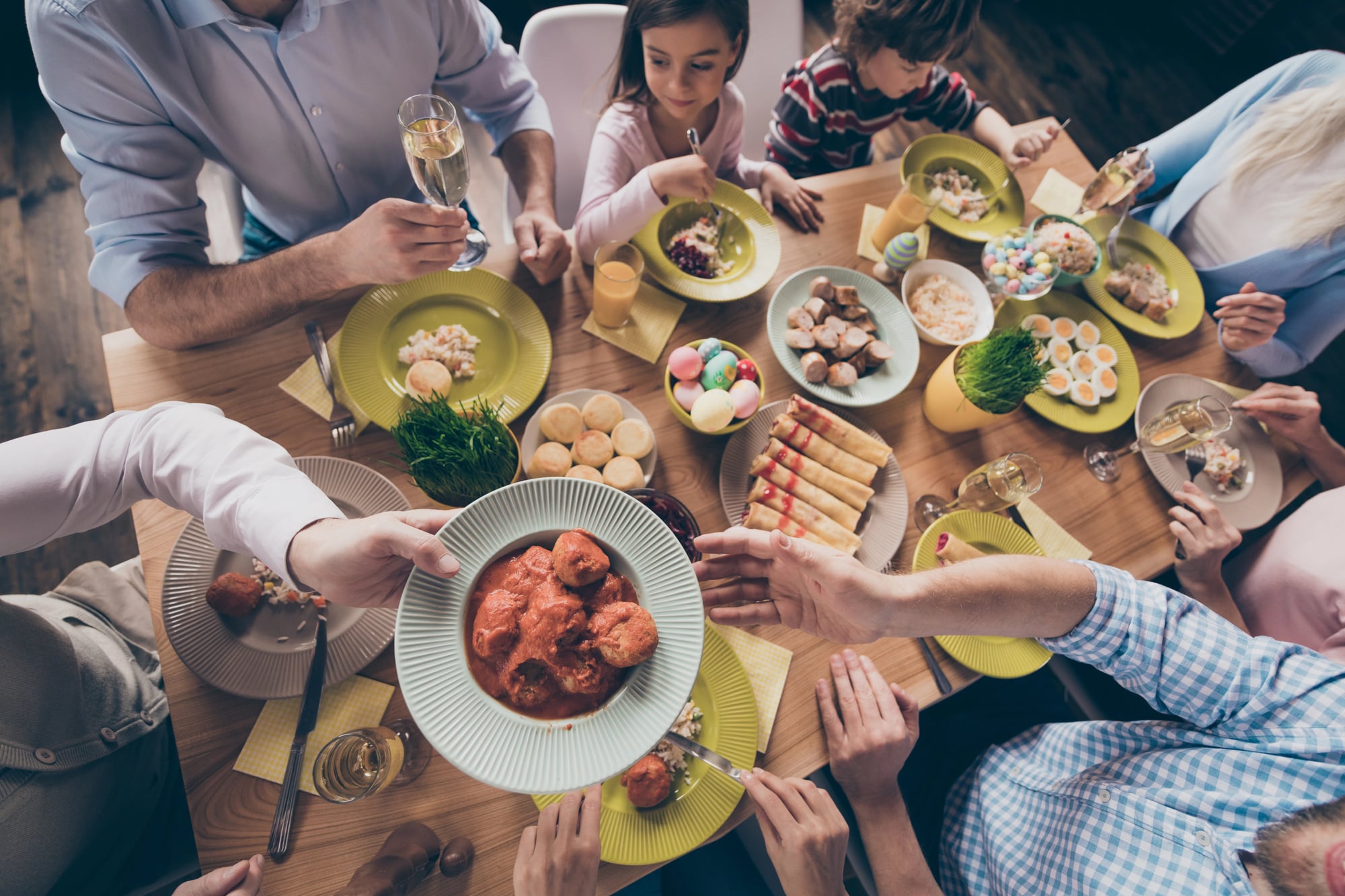
Religious households said grace. Not a quick mumble either — a real prayer, either memorized and recited in unison or offered by whoever’s turn it was.
No one lifted a fork until it was done. Kids who forgot, or who grabbed a dinner roll pre-prayer, got a look that communicated everything necessary without a single word being spoken.
Elbows Off the Table
Nobody could articulate why exactly, but elbows on the table were wrong, and parents would say so immediately. The rule dates back centuries and has no practical justification, which somehow made it more important.
It was a marker of table manners specifically because it was arbitrary, a test of whether a child had absorbed the form even when there was no logical reason to.
No Talking With Your Mouth Full
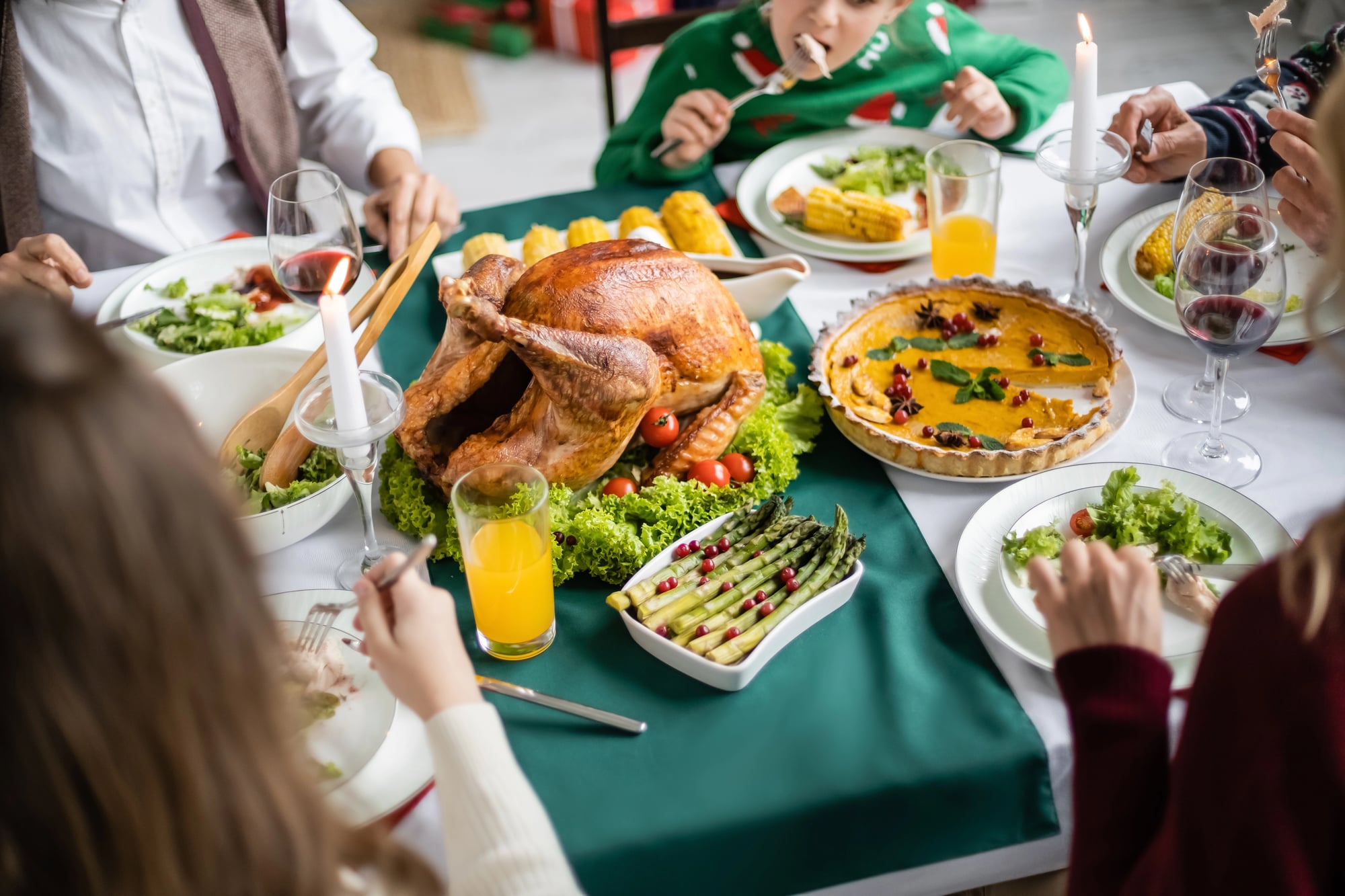
This one was non-negotiable in virtually every household, across cultures and income brackets. The moment a child opened their mouth with food visibly inside, someone corrected it.
Table manners researchers have traced this rule through multiple civilizations, but for most kids, the origin didn’t matter. What mattered was that a parent’s attention could find you from across the table before you’d even fully chewed.
You Will Eat What Is Served
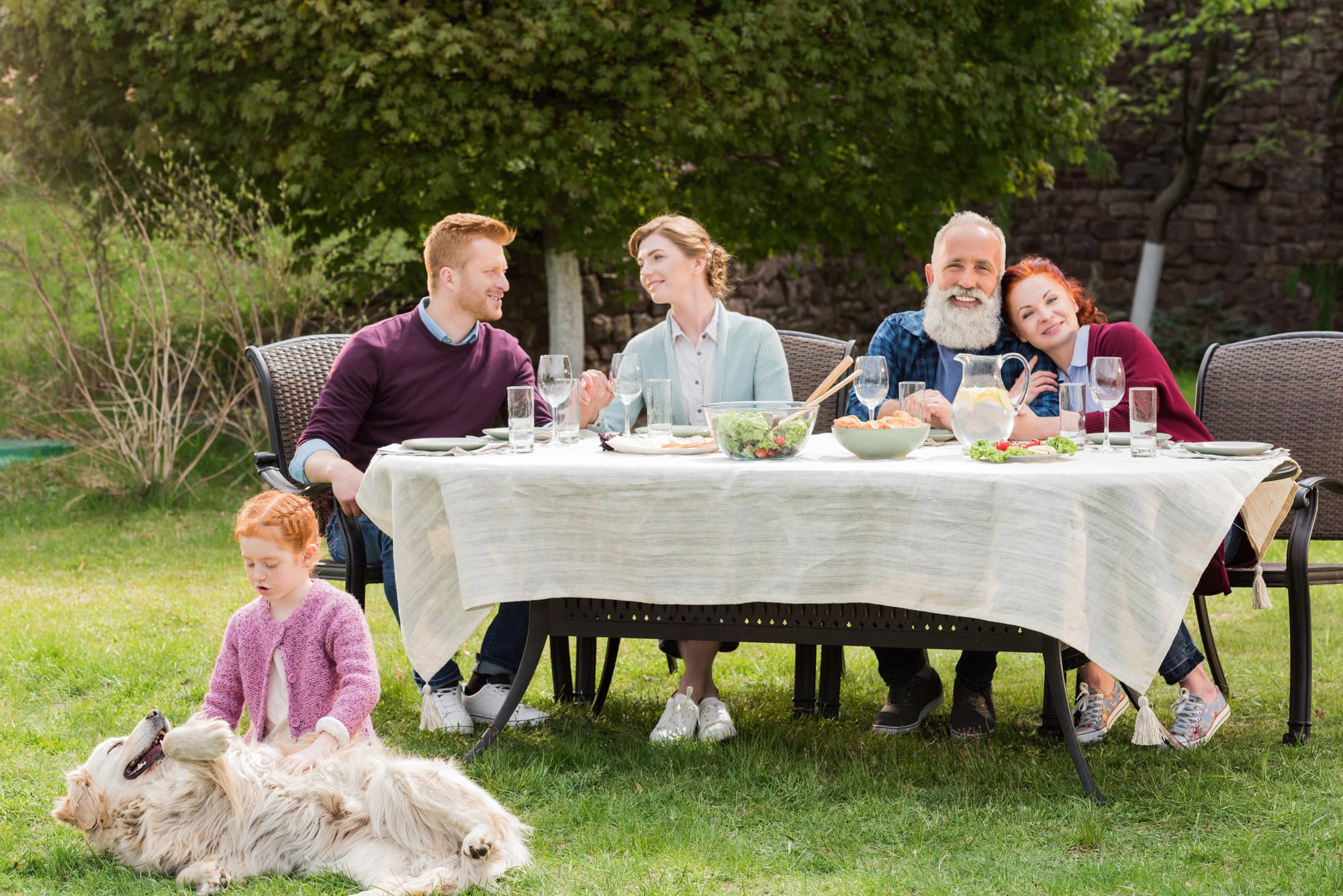
There was no children’s menu at home. Whatever was made was what appeared on your plate, and your options were to eat it or go without.
Picky eating was treated as a phase to be waited out rather than a preference to be accommodated. Countless adults who grew up in this system ate foods they claim to hate — and quietly remember that they didn’t actually hate them.
Ask to Be Excused Before Leaving the Table

Finishing your food did not constitute permission to leave. You asked.
The parent either said yes or told you to wait while the rest of the table finished. The act of asking was the point — it acknowledged that the meal was a collective event and that your departure affected it. Kids who pushed back on this rule learned quickly that arguing about it extended the wait considerably.
No Phone Calls During Dinner
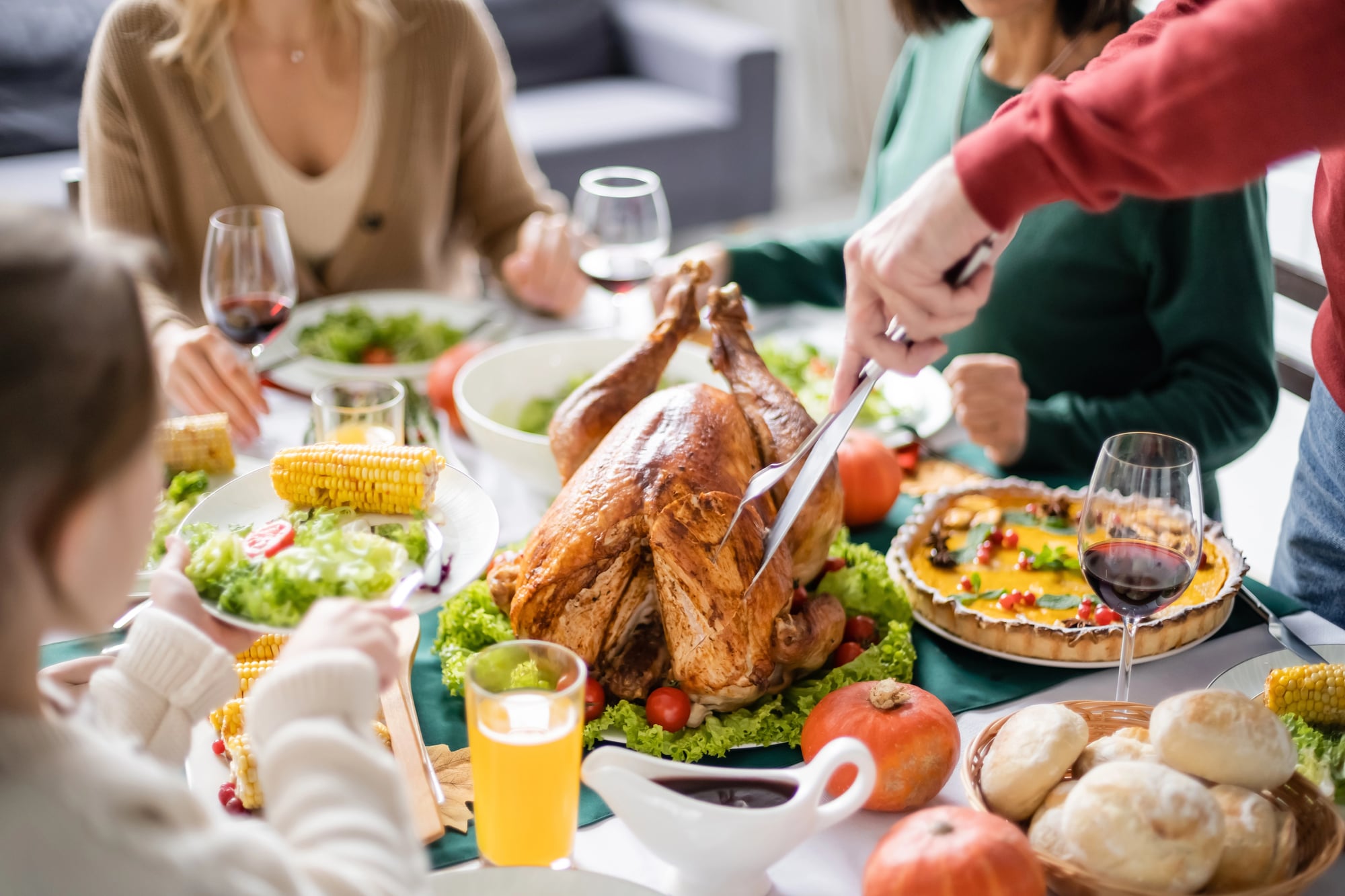
If the phone rang during dinner, it rang. Nobody got up to answer it.
Whoever was calling would try again, or they wouldn’t, and either way it wasn’t worth leaving the table over. The dinner hour had a kind of protected status that most families defended without needing to discuss it. The phone would keep. The food wouldn’t.
Sit Up Straight
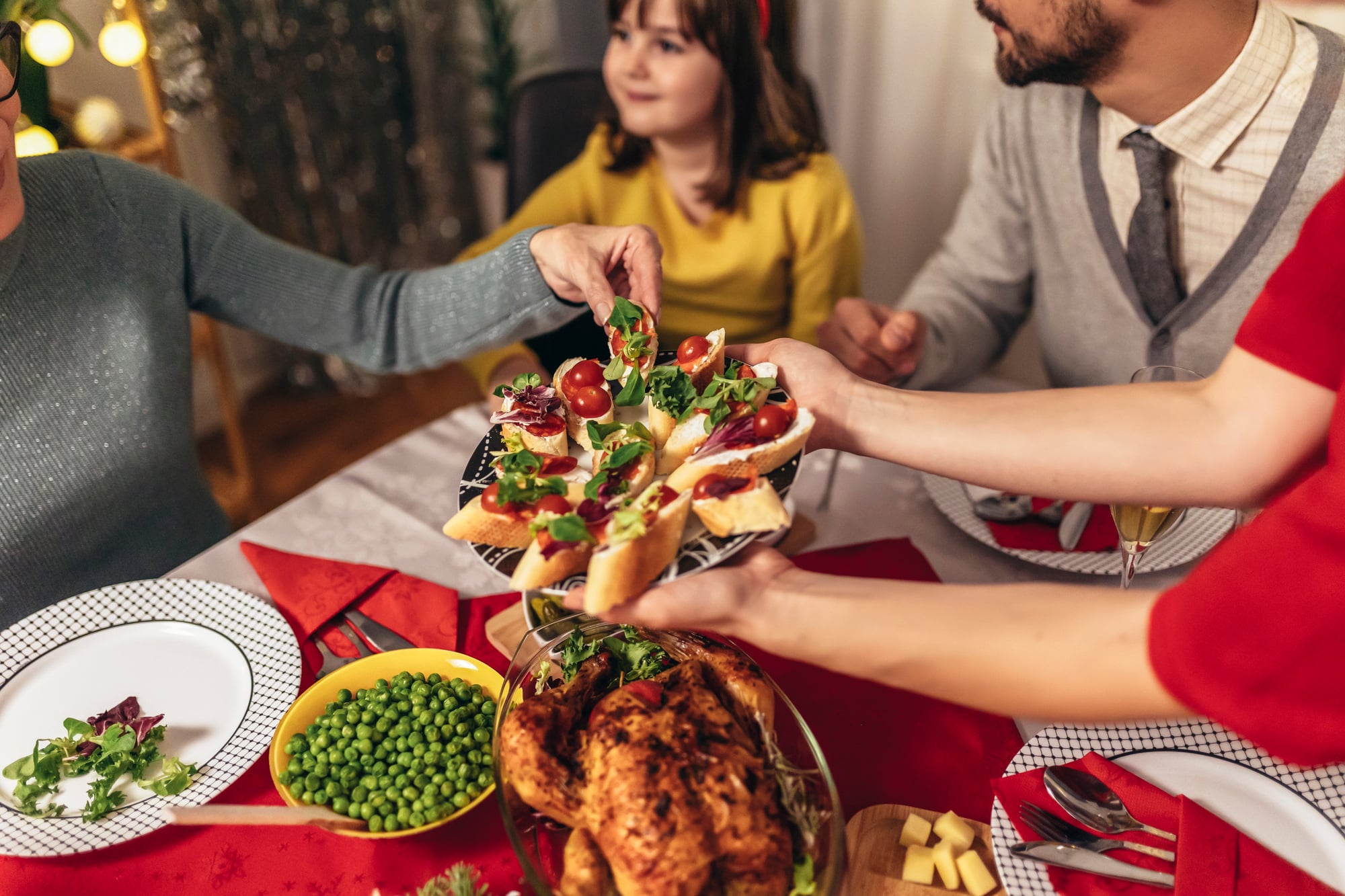
Slouching was corrected with a tap on the back, a verbal reminder, or occasionally a hand placed between the shoulder blades to demonstrate what upright actually felt like. Posture at the table was a signifier of respect — for the meal, for the family, and for the occasion of sitting down together, however ordinary it felt on any given Tuesday.
Napkin Goes on Your Lap
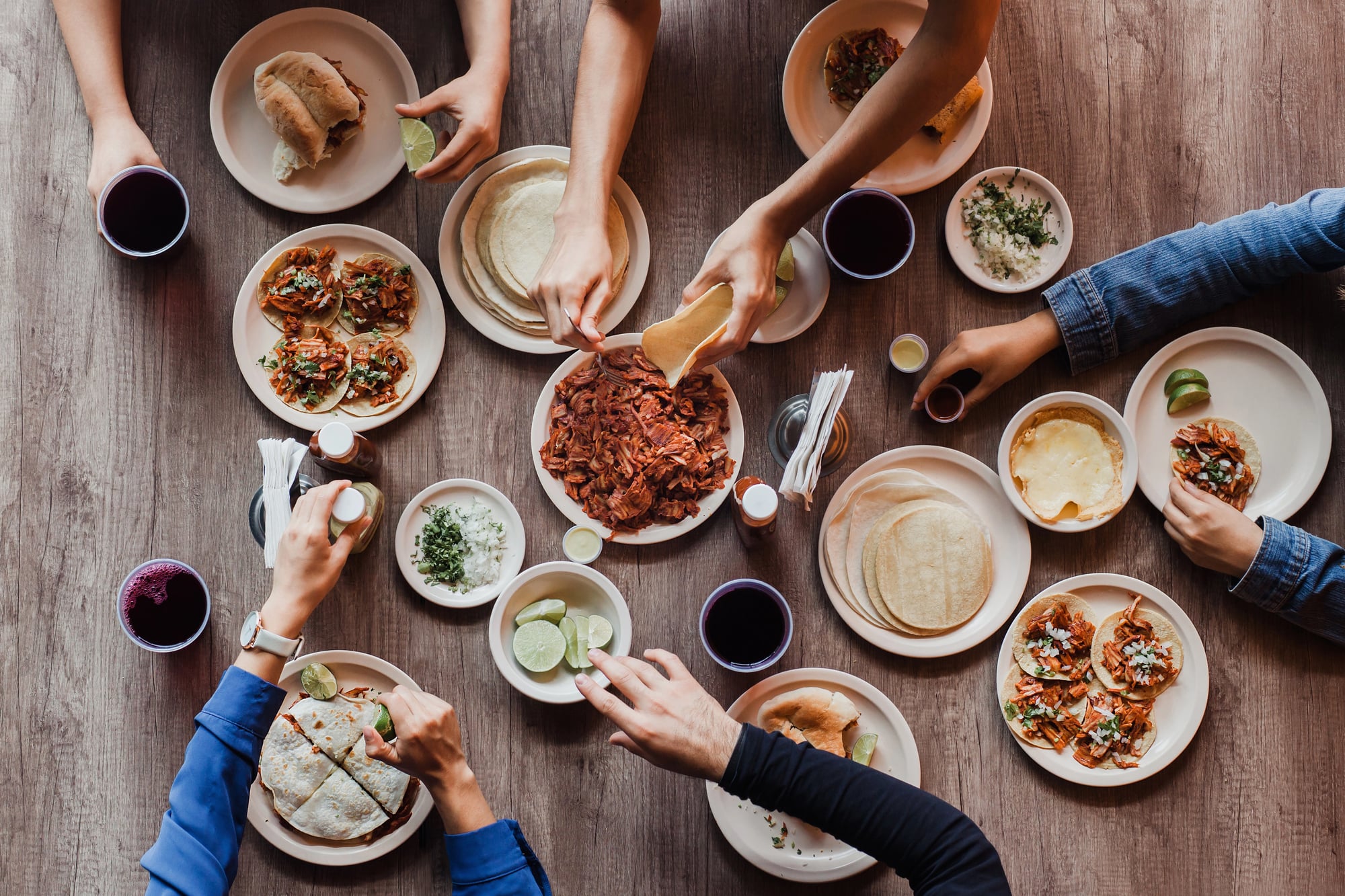
The moment you sat down. Before food arrived, before grace, before anything — the napkin went on the lap.
It stayed there. Using your sleeve was not an option in most households, and discovering a child had done so was the kind of minor offense that generated disproportionate correction, because sleeve-wiping was understood as a direct symptom of napkin neglect.
No Reading at the Table
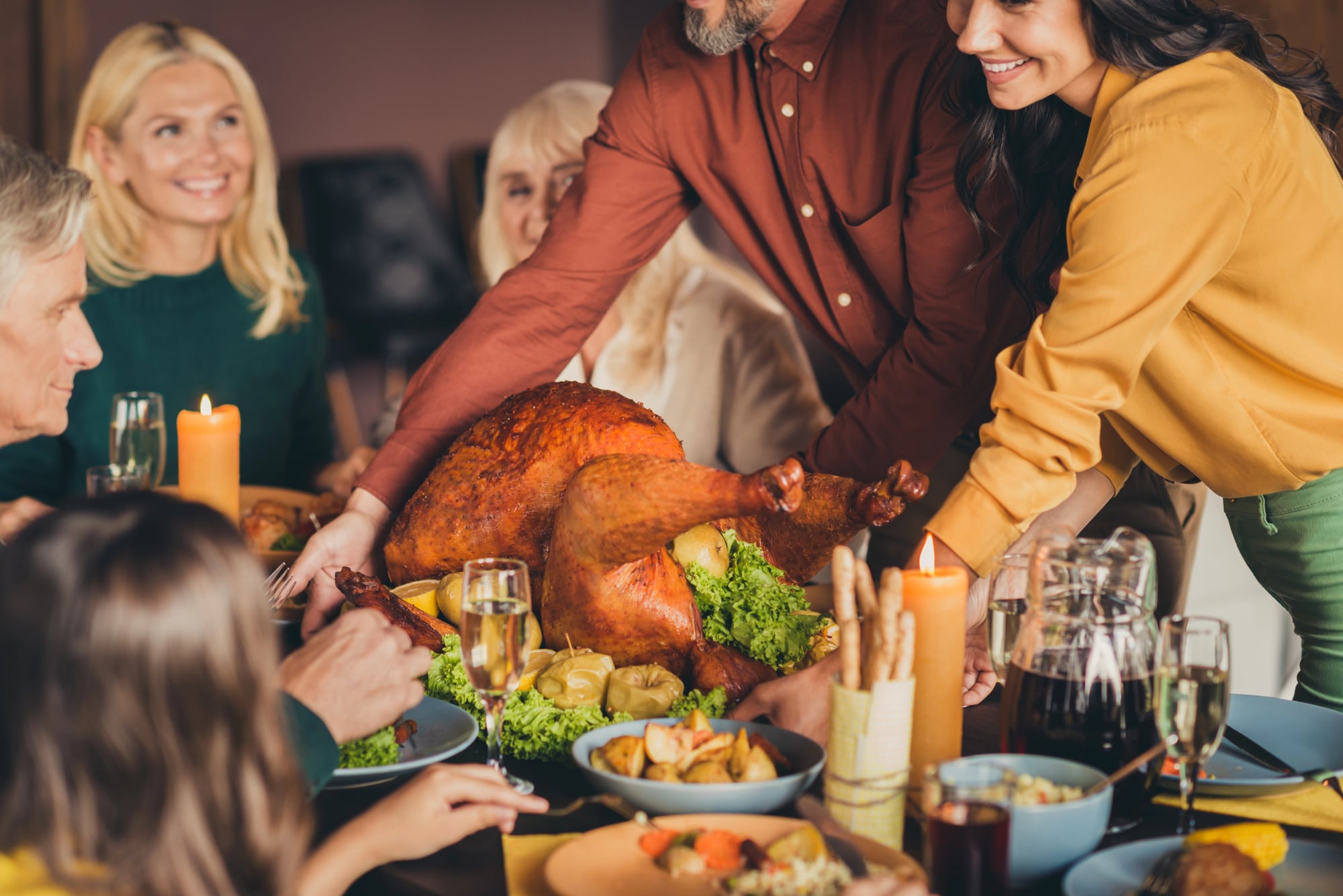
Books were for other rooms. Bringing one to the dinner table suggested you’d rather be somewhere else, and parents took that personally even when it wasn’t intended that way.
This rule occasionally extended to comics, puzzle books, and anything else capable of pulling a child’s attention away from the people actually sitting across from them.
Clean Your Plate

Wasting food was treated as a moral failure in many households, tied explicitly to the knowledge — sometimes stated aloud — that children in other countries were going hungry. The logic was never fully explained, but the outcome was clear: food on your plate got eaten.
Full portions were a non-negotiable endpoint. Kids learned early to take less if they wanted to finish without a struggle.
No Complaining About the Food

Whatever opinion existed about the meal, it stayed internal. Announcing that something tasted bad or that you didn’t like it was a short path to being told you were free to go hungry instead.
Polite tolerance of food you didn’t enjoy was considered a basic life skill and was actively trained at the dinner table from early childhood.
Children Speak When Spoken To — Sort Of

Not a strict silence rule in most homes, but something in that direction. Kids were expected to listen to adult conversation without interrupting, contribute when directly asked, and generally demonstrate that they understood the difference between a conversation and a performance.
The child who talked constantly through dinner without reading the room was corrected, usually by a sibling before a parent had to intervene.
Serve Others Before Yourself
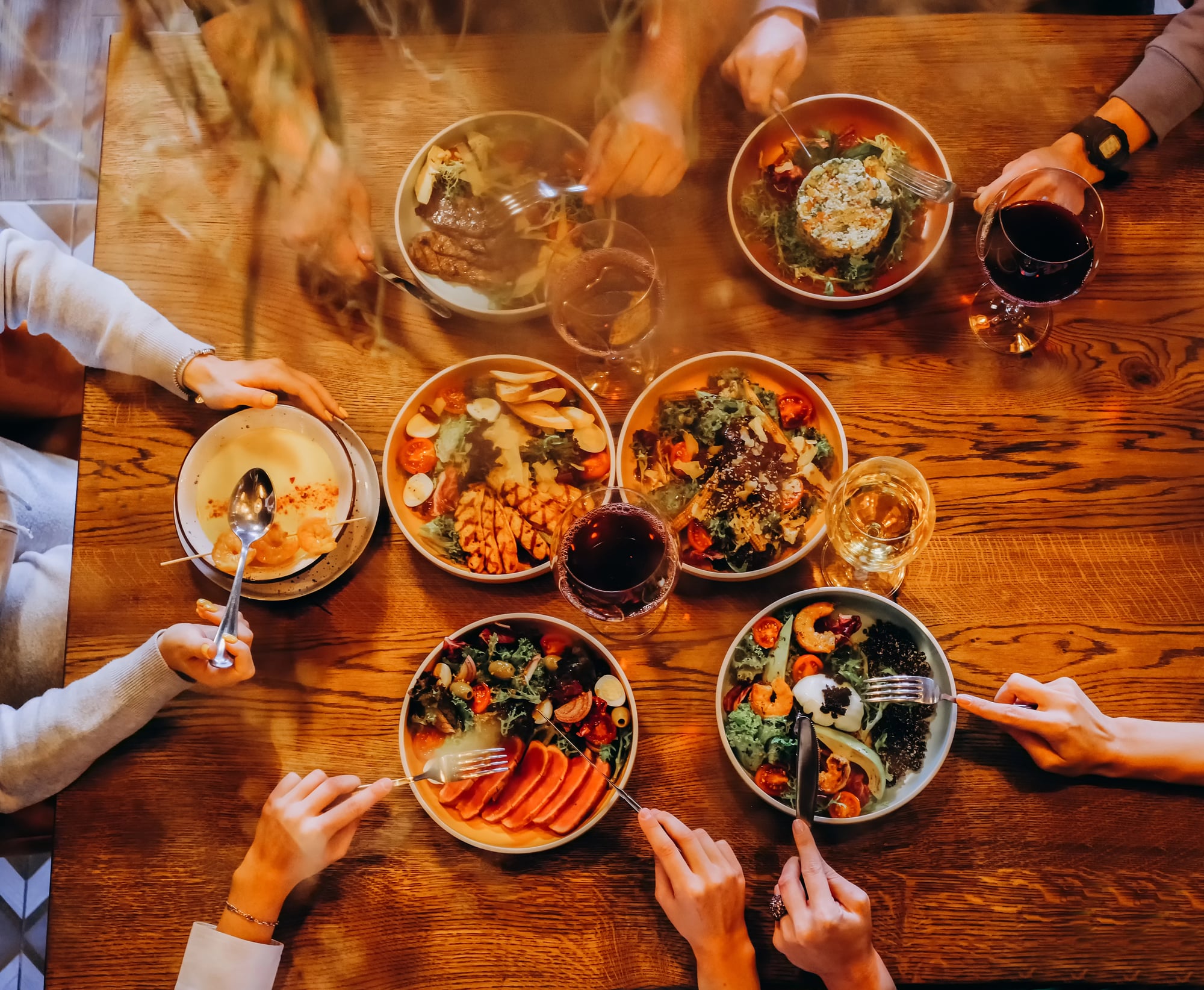
When a dish was passed, you took what you needed and passed it along — you didn’t load your plate while the dish sat in your hands and the rest of the table waited. Serving yourself first, in some households, required waiting until every adult had taken from the dish.
The mechanics varied, but the principle was consistent: other people’s plates mattered.
No Singing at the Table
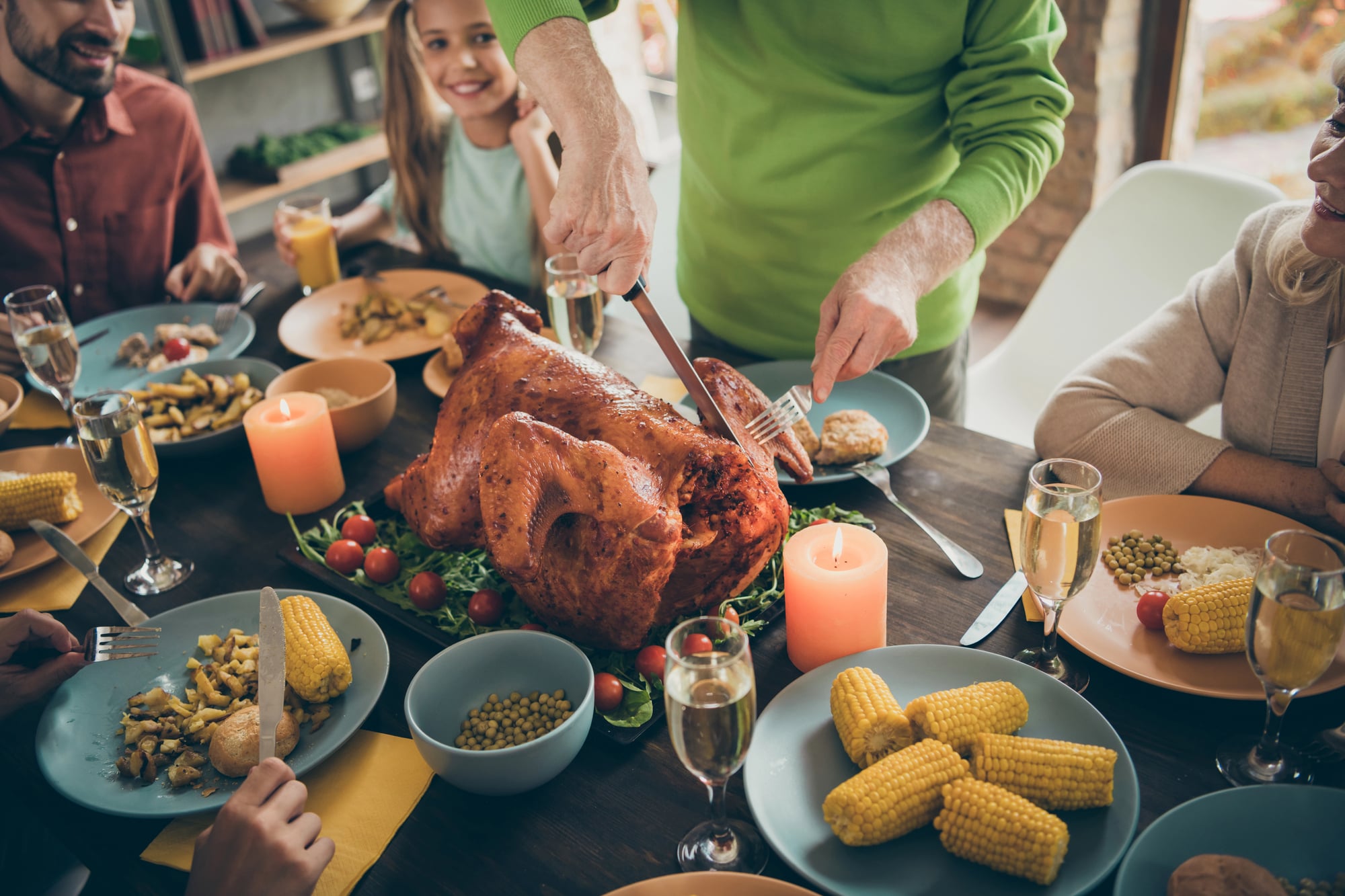
An oddly specific rule that appeared in many households, usually arrived at through bitter experience. Someone started humming, it escalated, someone else joined in, and dinner went sideways.
The ban on singing was rarely a standing rule until it became one. Once enforced, it held — backed by the indisputable adult logic of “because we’re eating.”
Use Proper Utensils
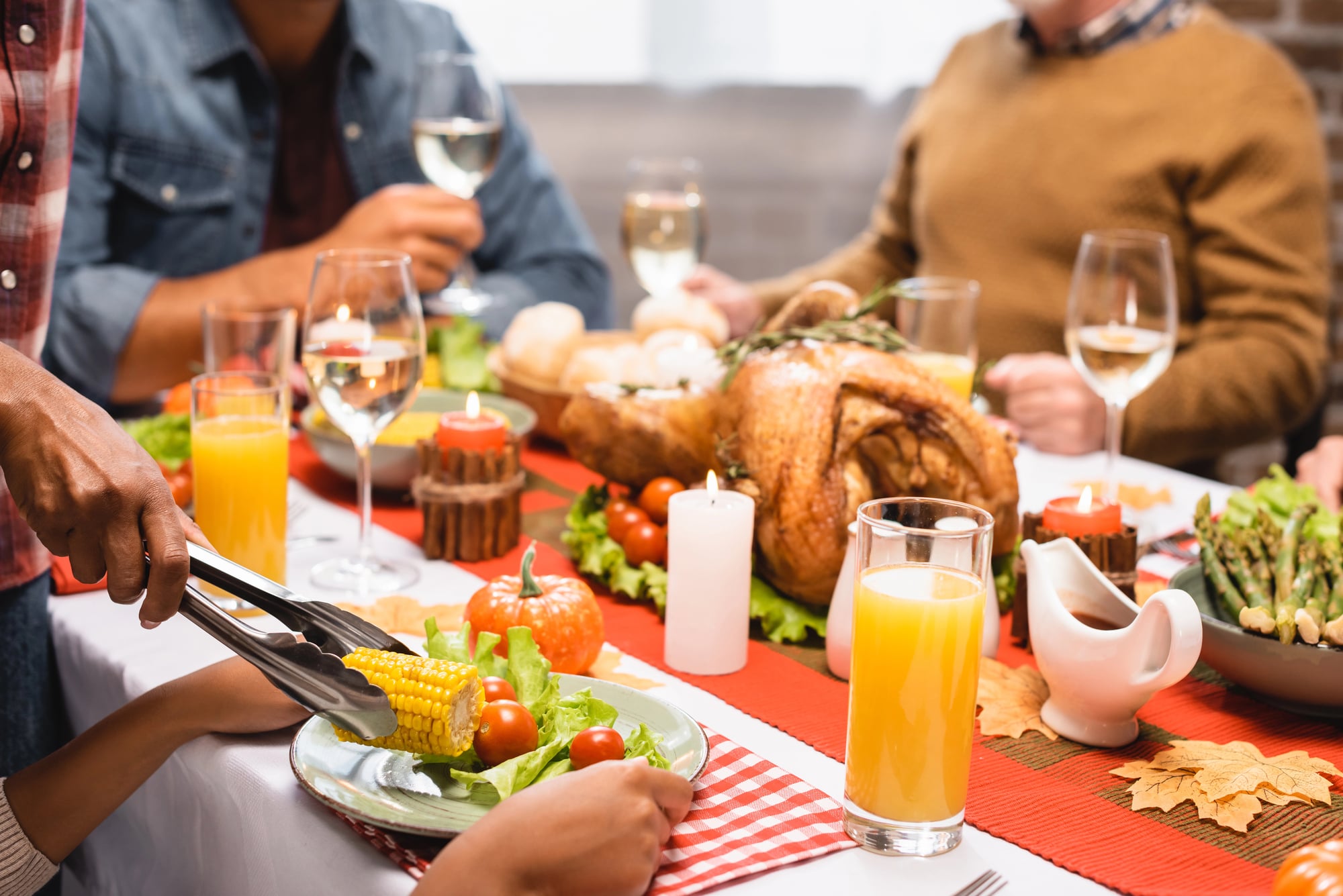
The right fork, used correctly, pointed in the correct direction. Stabbing peas with a knife was an infraction.
Using a spoon when a fork would do was borderline. And eating directly with your hands — excepting foods that clearly permitted it — was handled with the kind of swift correction that suggested the family’s entire reputation was on the line.
Everyone Helps Clear the Table
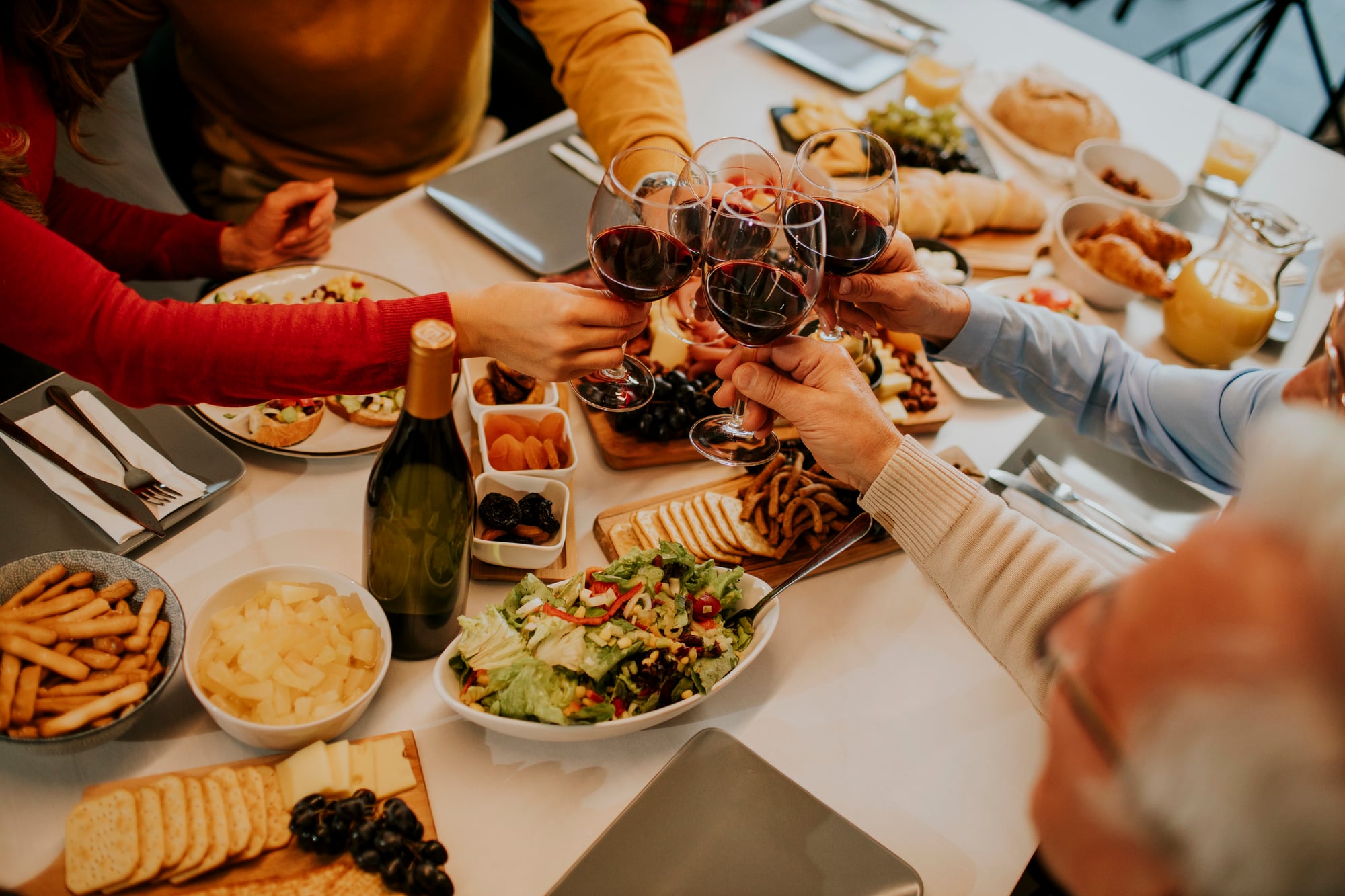
When the meal ended, the work didn’t. Dishes were cleared, leftovers were wrapped or stored, and the table was wiped down.
This was not an optional chore for kids who felt like it. It was the conclusion of the meal, understood from the earliest age as simply what happened after dinner ended. Families who thought of it as a lesson in shared responsibility were probably right, even if they never described it that way.
No Arguments at the Table
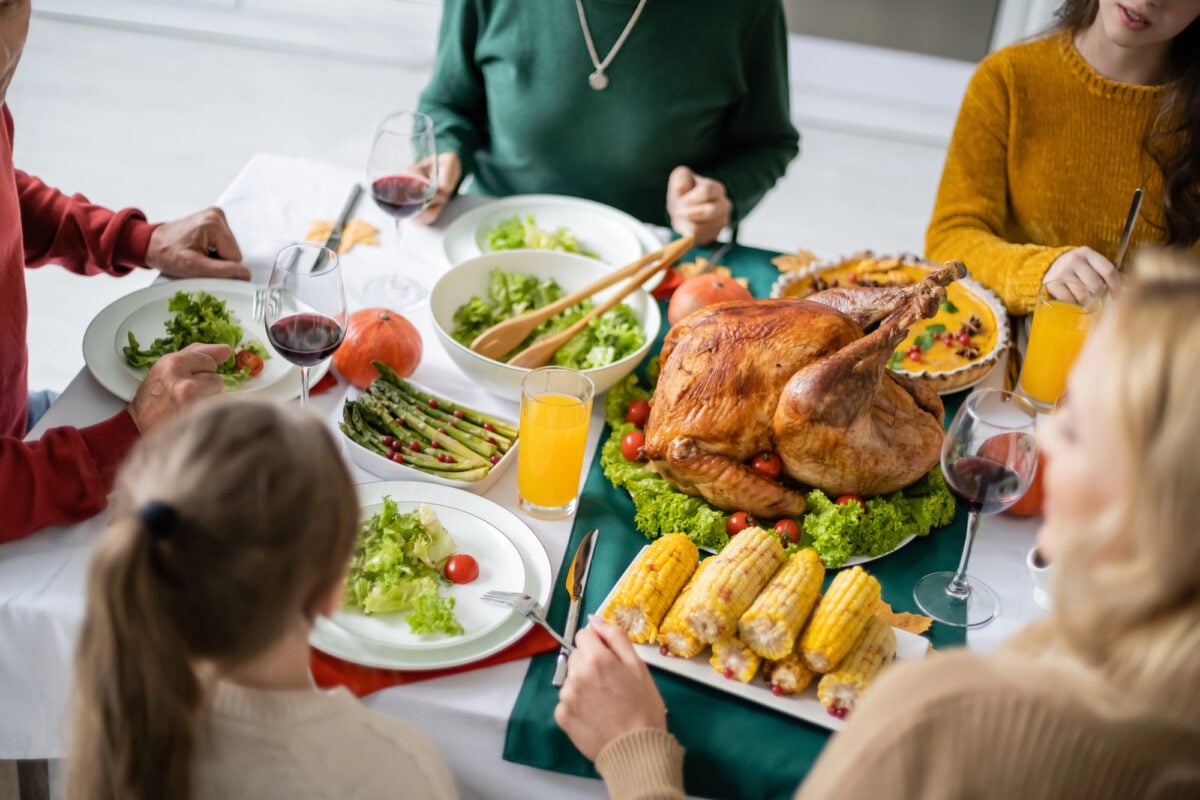
Dinner was not the place to relitigate the afternoon’s grievances. Siblings who had been fighting before the meal were expected to set it aside for the duration.
Parents who had tension between them navigated it with the kind of careful surface calm that children learn to read very precisely, picking up on subtext long before they could name it. The rule kept the peace for an hour. What happened after dinner was separate.
Wait for Everyone to Be Served Before Eating

Hot food getting cold was an acceptable casualty of this rule. You waited until every plate had been filled before touching anything on yours.
This applied at restaurants too, which meant many meals were consumed at a temperature best described as optimistic, and nobody complained about it because complaining about it would have been its own violation.
Keep Your Seat Tilted Down, Not Back
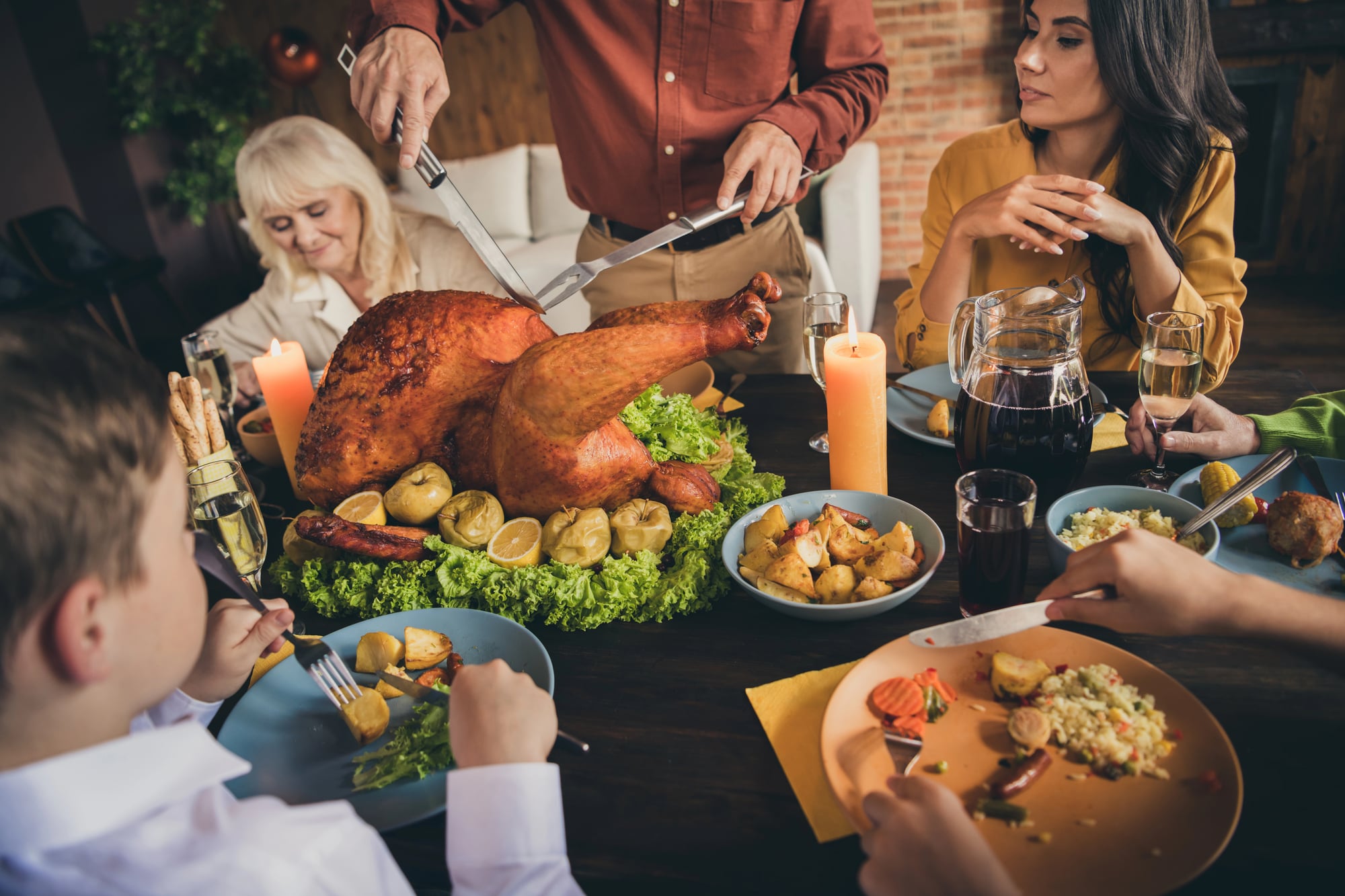
Chair-tilting was specifically prohibited in most homes, usually after one dramatic demonstration of why. The rule arrived fully formed in most households the first time a child leaned back too far and either caught themselves at the last second or didn’t.
After that, all four legs stayed on the floor. Always.
Drink Your Milk

Milk appeared at dinner in many households through the 1970s and 80s regardless of whether anyone wanted it, and it was expected to be consumed. Requests to substitute something else were reviewed on a case-by-case basis and frequently denied.
The science behind forcing milk on children who didn’t want it was never shared with the children, but the conviction behind the rule was total.
No Dessert Unless the Plate Is Clean
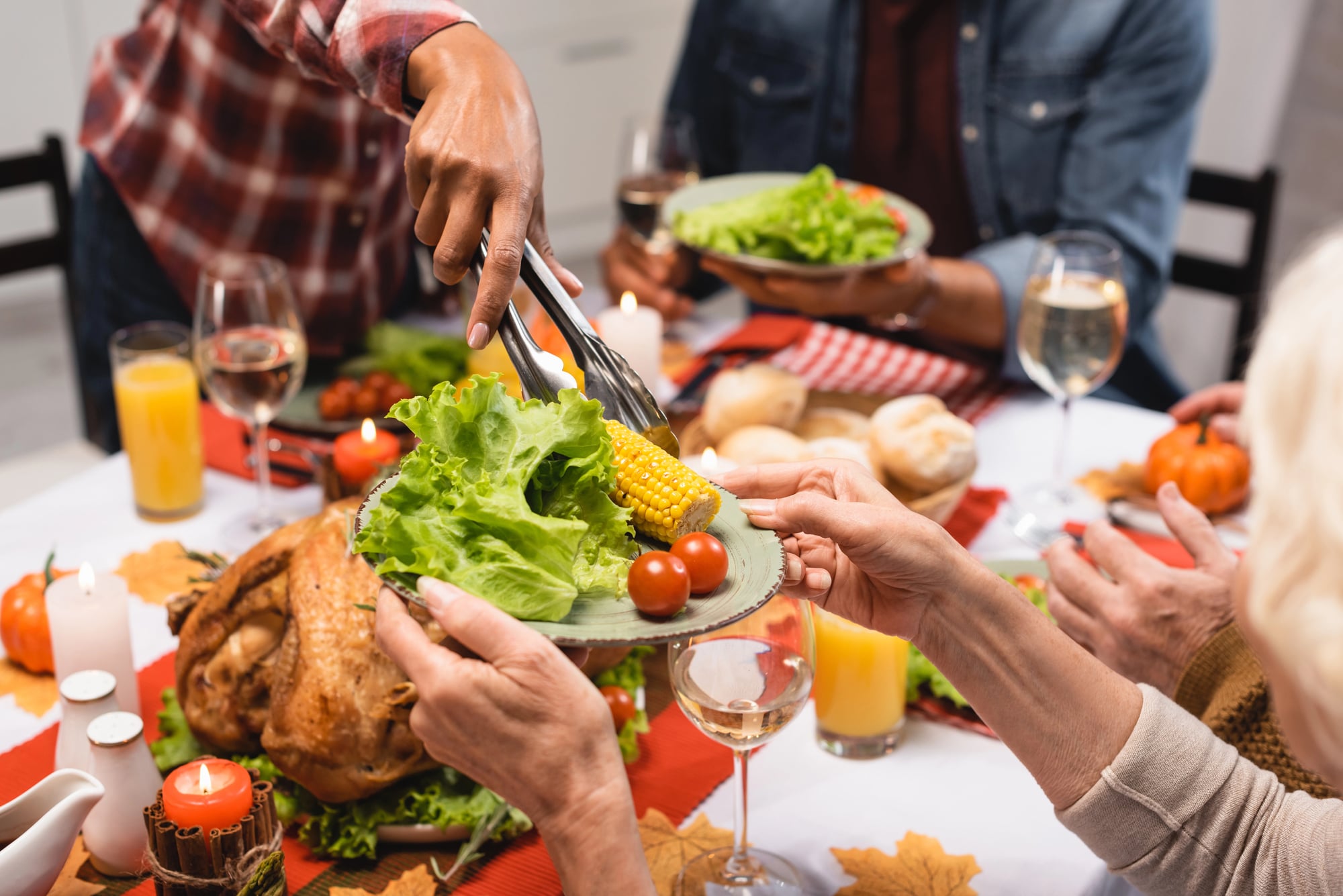
Dessert functioned as both reward and leverage. The clean plate was the admission ticket, and no amount of negotiation changed that.
Kids who attempted to argue that they were too full for dinner but could definitely manage dessert were met with the flattest possible version of parental logic: if there’s no room for what’s on the plate, there’s no room for what follows.
Say Thank You to Whoever Cooked

Gratitude for the meal was mandatory. Not enthusiastic, not elaborate — but real.
A genuine thank you directed at whoever had cooked it. This applied whether the meal was extraordinary or whether it was the third consecutive night of the same casserole. The effort required acknowledgment, and children who forgot were reminded until they didn’t forget anymore.
No Toys or Games at the Table
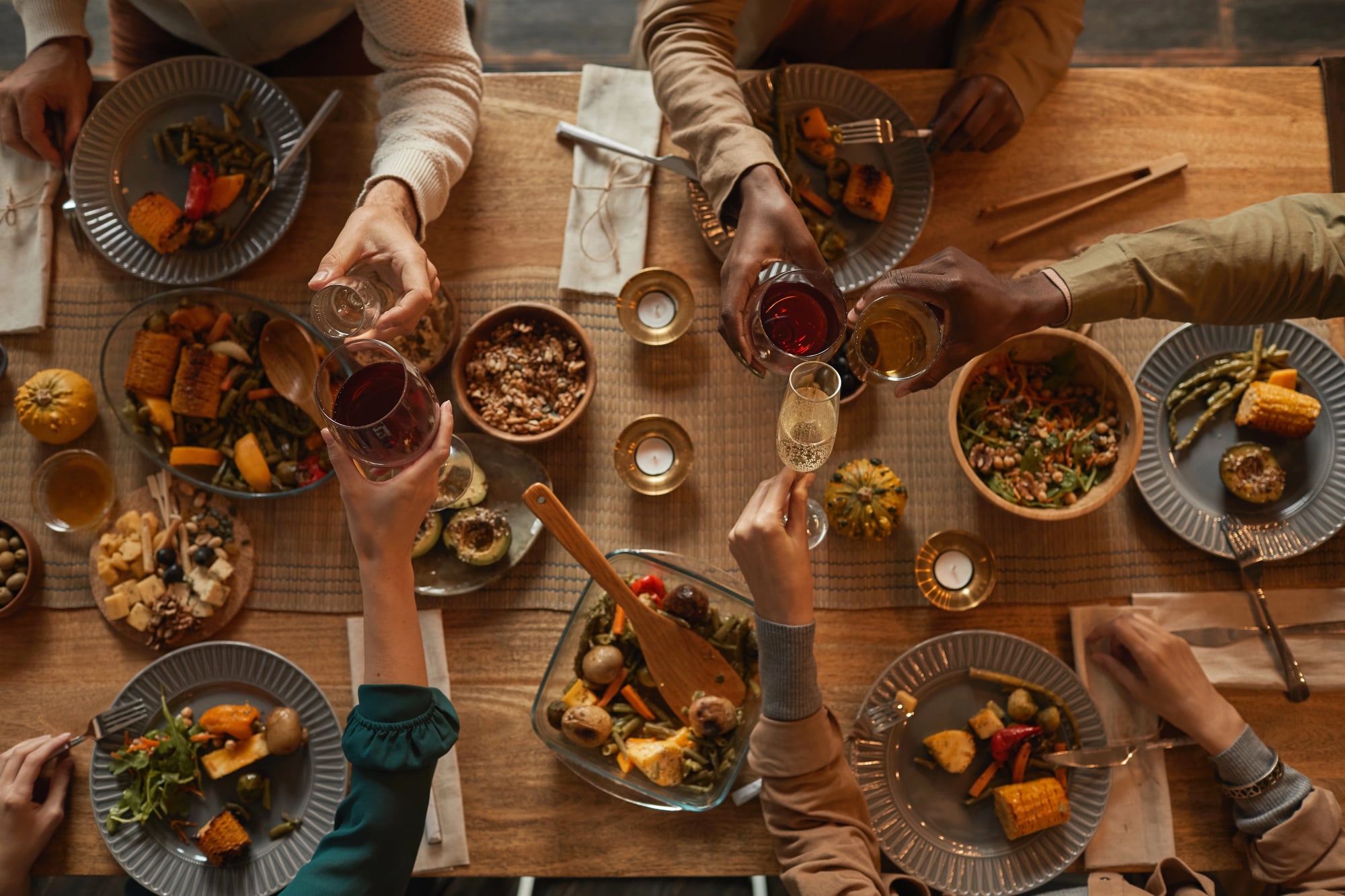
Action figures, handheld games, trading cards, anything transportable and small — none of it belonged at the dinner table. The rule was occasionally extended to cover elaborate storytelling props, collections being sorted, or craft projects carried in from the living room.
The table was for eating and conversation, and anything that competed with those two activities stayed somewhere else.
Butter Goes on the Bread Plate, Not Directly on the Bread
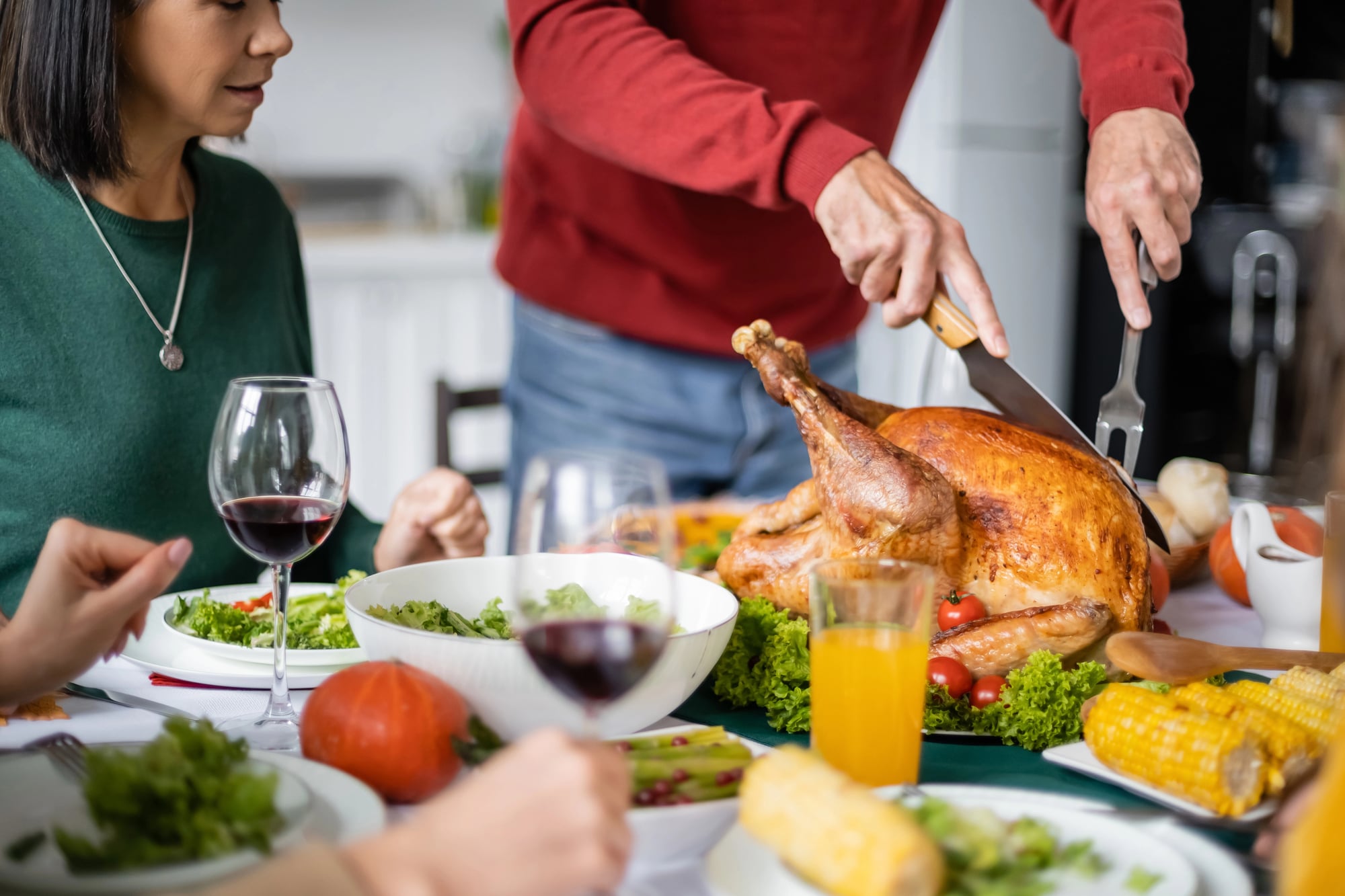
In houses where bread plates existed, the butter protocol was enforced. You took a portion of butter onto your bread plate and spread from there — you didn’t drag the butter knife across the shared stick and then butter your roll in one motion.
This was a rule that children found baffling and adults found entirely self-explanatory, which is perhaps the most accurate description of formal etiquette in general.
No Leaving the Table in the Middle of the Meal
Bathroom breaks, a drink of water, a forgotten item left in another room — none of these constituted valid grounds for departure mid-meal. You came to the table prepared.
If a genuine emergency arose, you excused yourself and returned quickly. Wandering off to handle something non-urgent during dinner was treated as an exit from the occasion itself.
Keep the Volume Down

Dinner was not a performance space. Voices that got too loud, stories told at too much volume, or laughter that escalated past a certain level all got gently corralled.
This rule had more flexibility than most — a genuinely funny story could earn a reprieve — but the baseline expectation was that dinner was a conversation, not a competition to be heard.
Try at Least One Bite Before Refusing

A rule designed to negotiate the standoff between children who announced they hated something they’d never eaten and parents who had spent an hour making it. One bite was the minimum required before a formal opinion could be registered.
This rule produced a statistically significant number of children who discovered they actually liked lima beans, spinach, or whatever else they’d pre-rejected.
Compliment the Cook — But Mean It
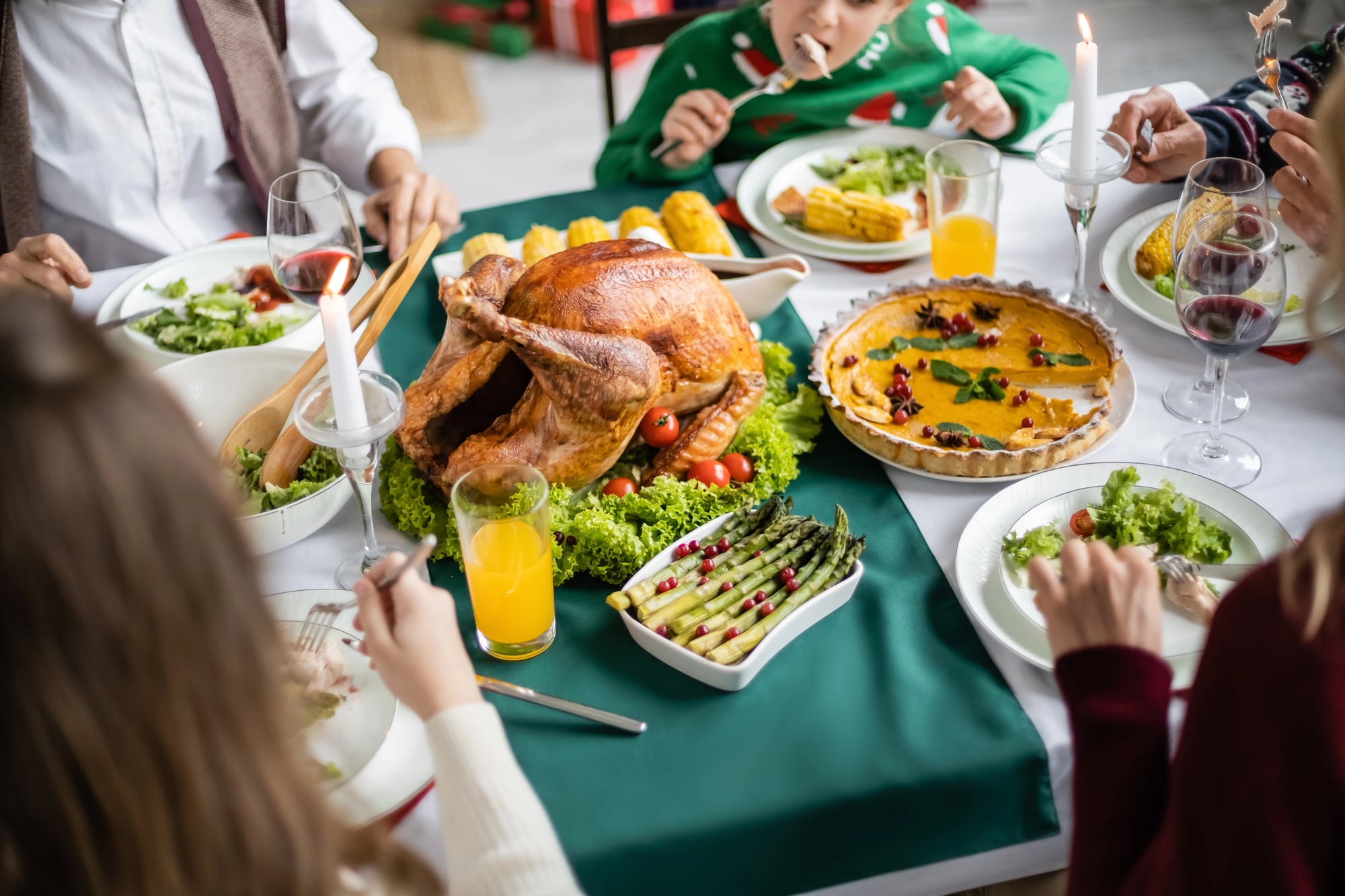
Distinct from the mandatory thank you at the end of the meal, this was the expectation that you paid genuine attention to what was on the plate. Not constant praise, but specific acknowledgment that the food was good and that someone noticed.
Families who held to this rule produced adults who still pause at the end of a meal and say something specific about the best thing they ate, because the reflex never fully left.
The Table Is Where You Find Out What’s Happening

Family news — actual news, the kind that affected everyone — was delivered at dinner. A job change, a coming visit from relatives, a decision that had been made over the adults’ heads while the kids were at school.
Dinner was the broadcast window, which meant it was also the place where you learned to read a room, to gauge what was coming from the way the food was served before the words arrived. A generation raised at regular family tables learned to listen — not because they were told to, but because the table was reliably where it mattered.
The Last Chair Scraped Back

There was no formal ceremony at the end of a family dinner, but there might as well have been. The last chair scraped back from the table, the dishes collected, the overhead light still on over an empty table — that sound and that image marked the close of something.
Not profound, just present. The hour was ordinary most nights. It was also the most reliable thing in the day, and for a lot of kids, that turned out to matter more than anyone mentioned at the time.
More from Go2Tutors!

- The Romanov Crown Jewels and Their Tragic Fate
- 13 Historical Mysteries That Science Still Can’t Solve
- Famous Hoaxes That Fooled the World for Years
- 15 Child Stars with Tragic Adult Lives
- 16 Famous Jewelry Pieces in History
Like Go2Tutors’s content? Follow us on MSN.