Traditions That Shaped Early Communities
Long before cities sprawled across the land and highways connected distant towns, people lived in small groups where everyone knew each other. These early communities didn’t have written laws or formal governments, but they had something just as powerful: traditions.
These shared practices helped people survive, stay connected, and pass knowledge from one generation to the next. Let’s look at the customs and habits that held these societies together and made daily life possible.
Shared meals and communal cooking
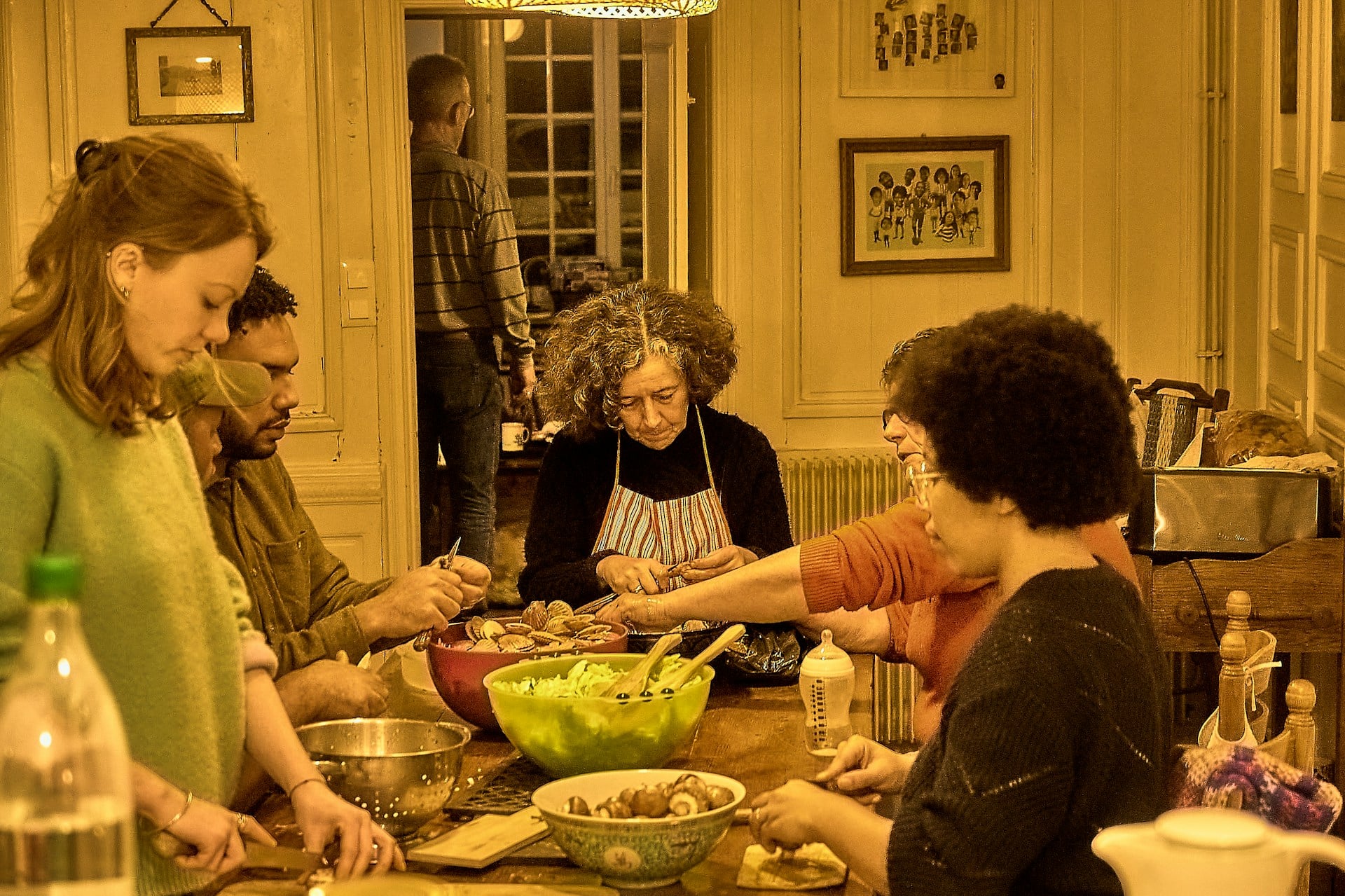
Gathering around food wasn’t just about filling empty stomachs. Early communities often prepared large meals together, pooling resources and labor to feed everyone.
This practice built trust between families and ensured that even those who couldn’t hunt or gather still had something to eat. When someone brought down a large animal, the entire group benefited.
The tradition created a safety net where success was shared and failure didn’t mean starvation.
Storytelling circles after dark

Once the sun went down and work stopped for the day, people gathered to share stories. Elders recounted tales of ancestors, explained natural phenomena, and taught younger members about dangers they might face.
These weren’t just entertainment sessions. The stories carried vital information about where to find water, which plants were poisonous, and how to navigate unfamiliar terrain.
A good storyteller could pass down centuries of accumulated wisdom in a single evening.
Coming-of-age ceremonies

Most early societies marked the transition from childhood to adulthood with specific rituals. Young people had to prove they could contribute to the group’s survival through hunting tests, vision quests, or demonstrations of useful skills.
These ceremonies gave teenagers a clear understanding of their new responsibilities. They also reinforced social bonds as the entire community witnessed and celebrated each person’s growth into their adult role.
Seasonal migration patterns

Many early groups moved with the seasons, following animal herds or traveling to areas where certain plants grew abundantly. These movements weren’t random wandering.
Communities followed specific routes their ancestors had used for generations, stopping at the same campsites and water sources year after year. Children learned these paths by walking them repeatedly, ensuring the knowledge wouldn’t die with the older generation.
The predictability of these movements also allowed different groups to meet at certain locations for trade and social interaction.
Craft specialization and teaching
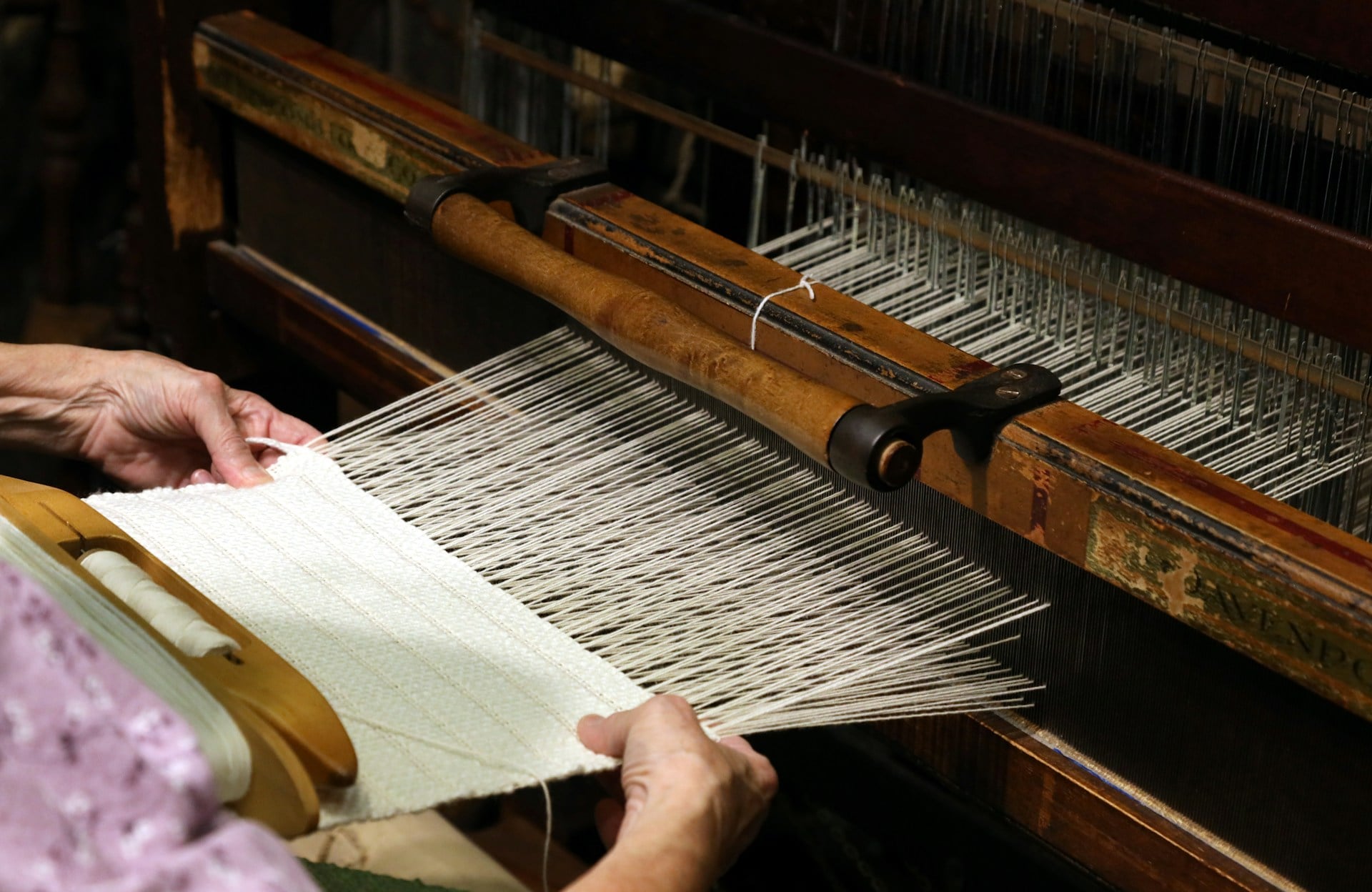
Not everyone in early communities did the same work. Some people became skilled at making tools, others at weaving, and still others at preparing medicine from plants.
These specialists typically taught their skills to apprentices, often their own children or other young people who showed aptitude. This tradition of focused learning meant communities could produce higher quality goods.
A person who spent years perfecting one craft could create better spear points or stronger rope than someone who tried to do everything themselves.
Conflict resolution through council meetings

When disagreements arose, early communities couldn’t just call the police or go to court. Instead, they gathered respected elders or the entire group to discuss problems openly.
Everyone involved could speak their side, and the community worked toward a solution that maintained harmony. These meetings taught people to value consensus over individual demands.
They also prevented small disputes from escalating into violence that could tear the group apart.
Ritual burial practices
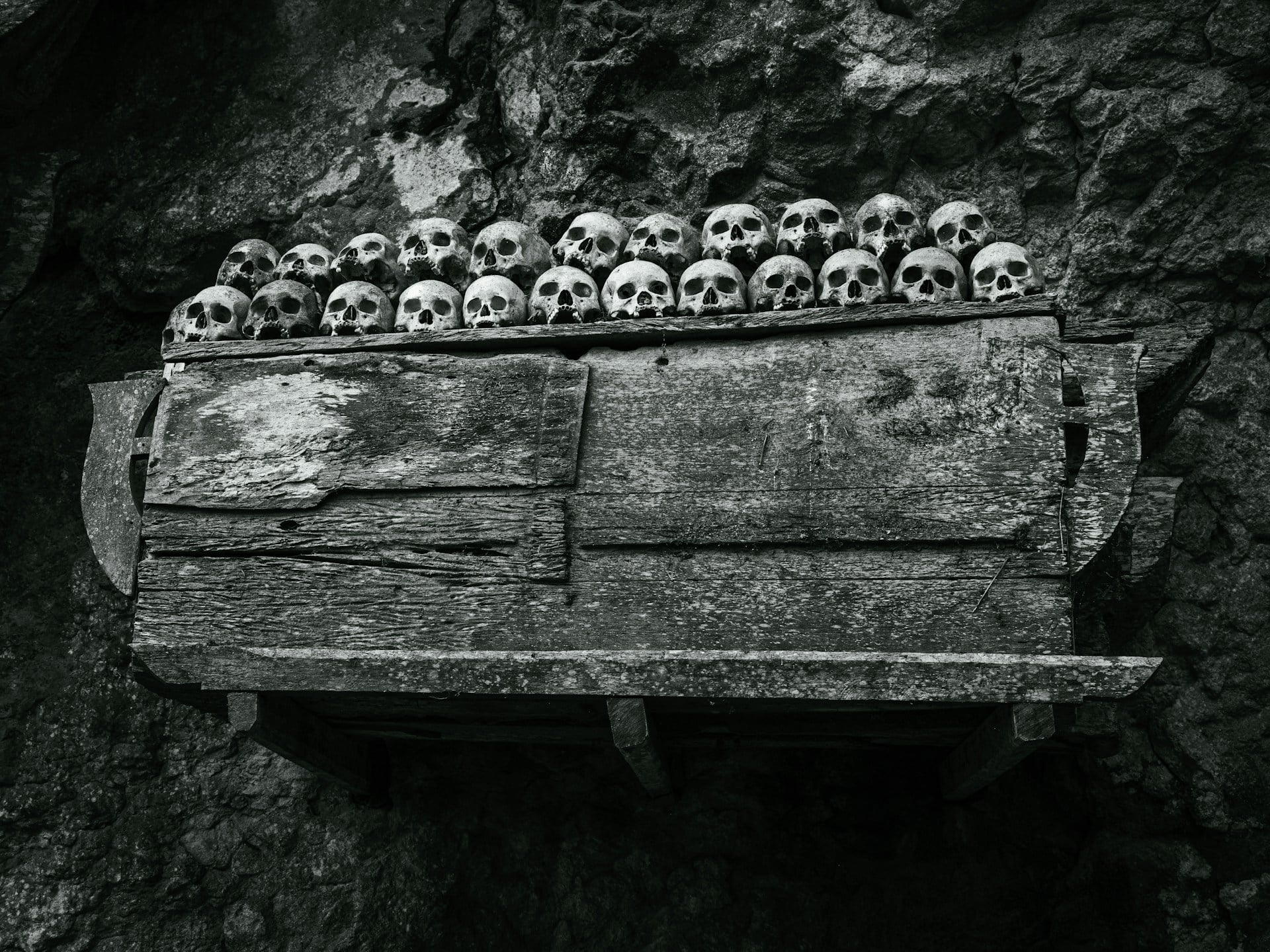
How communities treated their dead revealed much about their values and beliefs. Most early groups developed specific burial traditions, whether that meant placing bodies in certain positions, including particular objects with the deceased, or holding ceremonies that lasted several days.
These practices gave structure to grief and helped survivors process loss together. The rituals also reinforced ideas about what happened after death, providing comfort during difficult times.
Weather prediction and planting calendars

Farming communities developed traditions around when to plant and harvest crops. These weren’t arbitrary dates but careful observations passed down through generations.
People watched for specific signs like bird migrations, the blooming of certain flowers, or the position of stars. Getting the timing right meant the difference between abundance and hunger.
Communities that preserved this knowledge through tradition gave themselves a better chance at survival.
Sacred spaces and gathering grounds

Nearly all early communities designated certain locations as special. These might be groves of old trees, unusual rock formations, or springs with clear water.
People returned to these places for ceremonies, important decisions, or simply to feel connected to something larger than themselves. Maintaining these sacred spaces gave communities a sense of identity and continuity.
Even when people moved seasonally, they often returned to the same special locations year after year.
Barter systems and fair exchange

Before money existed, people traded goods and services directly. Communities developed unwritten rules about what constituted fair exchange.
A day’s work might be worth a certain amount of grain, or a well-made basket might trade for a specific quantity of dried meat. These traditions of fairness prevented exploitation and kept trade relationships stable.
People who consistently offered poor value in trades found themselves excluded from future exchanges.
Child-rearing by the entire group

Raising children wasn’t just the parents’ job. Aunts, uncles, grandparents, and even unrelated adults all played roles in teaching and caring for young ones.
This distributed responsibility meant children learned from many different people with various skills and perspectives. It also provided backup when parents were sick, injured, or had died.
The tradition recognized that strong, capable adults benefited everyone, not just their biological parents.
Hunting and gathering protocols
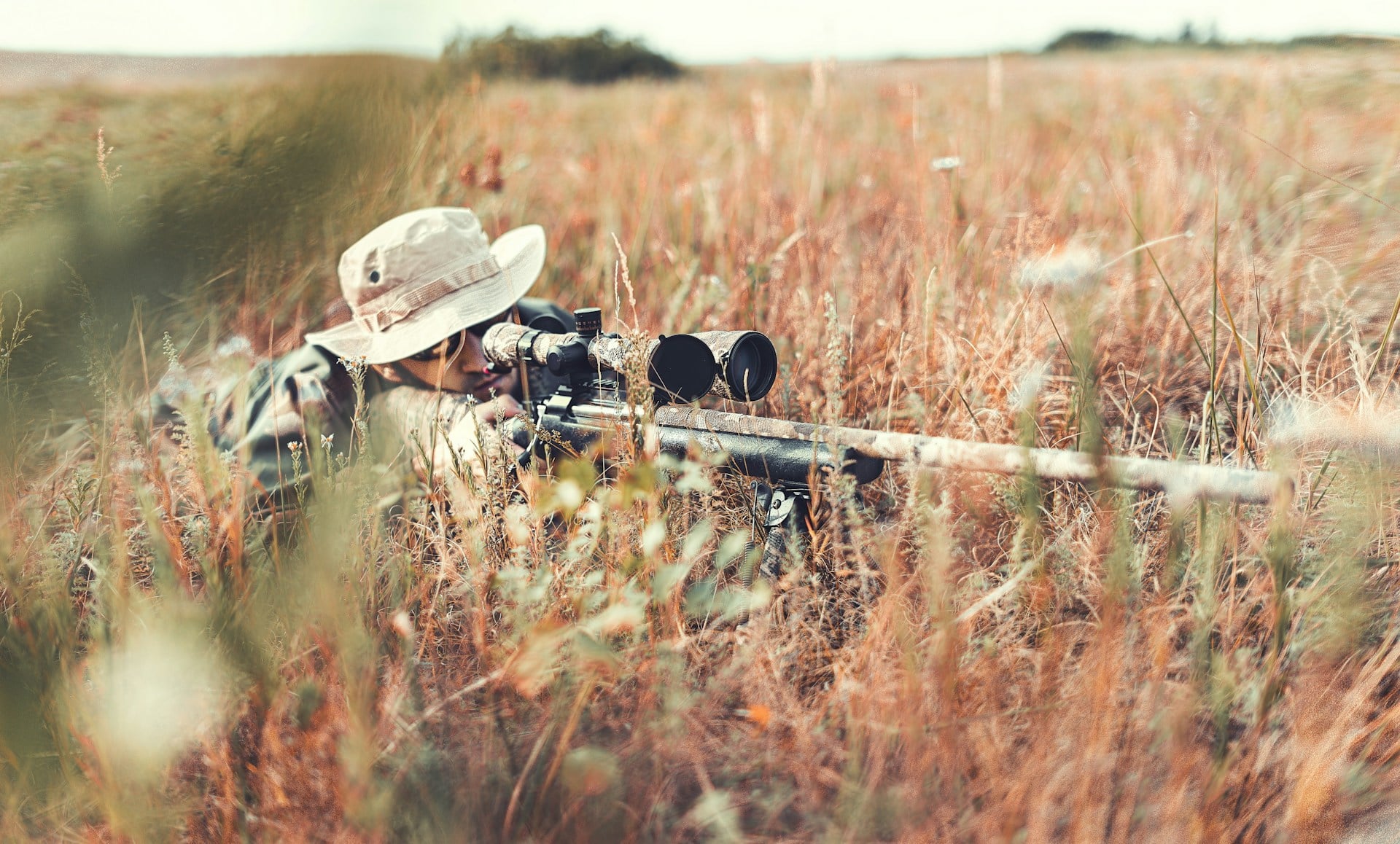
Early communities established clear rules about who could hunt where and when. Some areas might be off-limits during certain seasons to let animal populations recover.
Others might be reserved for specific families or groups. These traditions prevented overhunting and ensured resources lasted.
Violating these unwritten rules brought social consequences because everyone understood that reckless behavior today meant hunger tomorrow.
Fire-keeping and flame-sharing
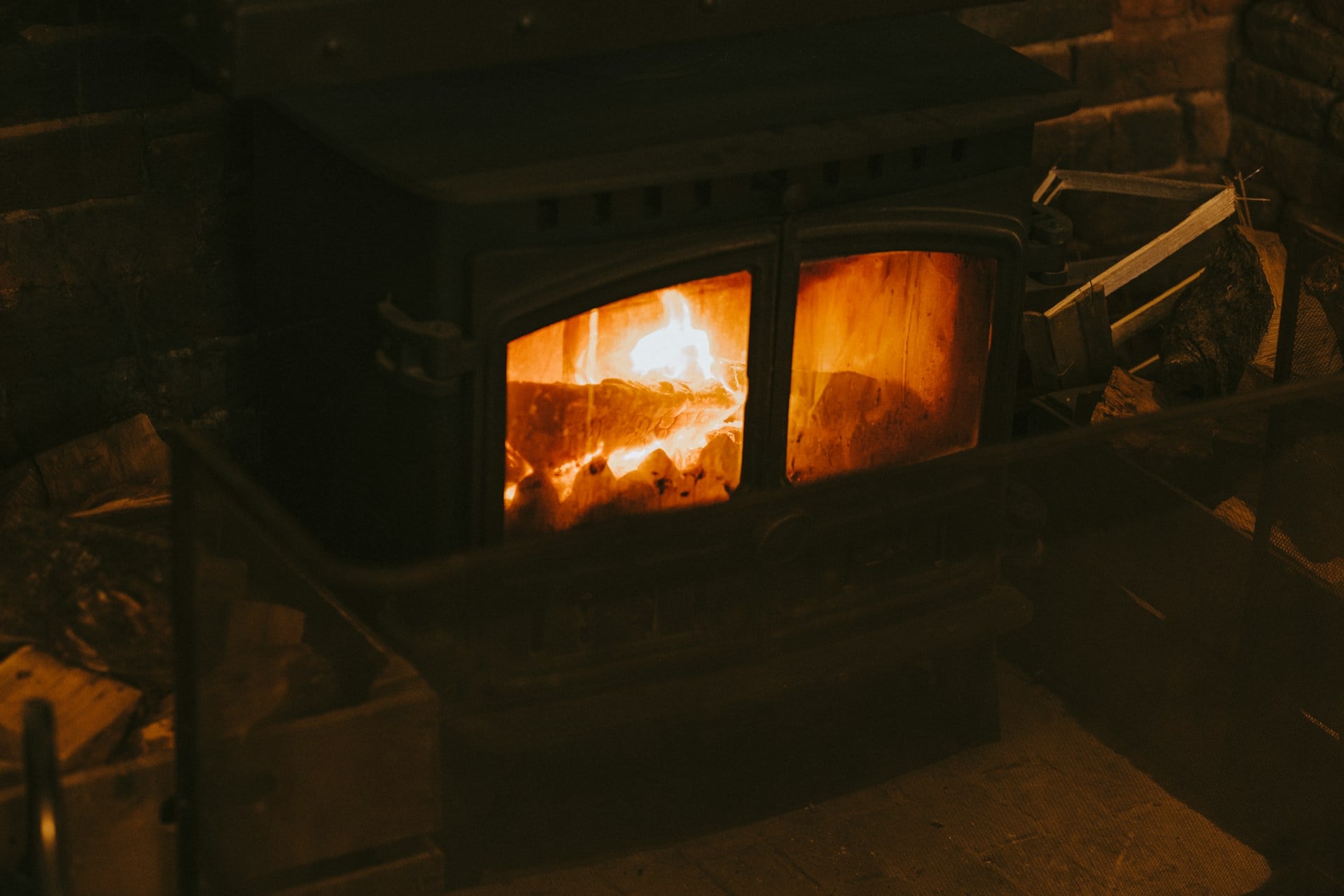
Before people could easily create fire on demand, keeping flames alive was critical work. Communities often maintained a central fire that never went out, with specific individuals responsible for its care.
When groups split temporarily for hunting or gathering, they carried embers from the main fire. This tradition of sharing flame connected people symbolically and practically.
It also meant that if one family’s fire died, they could always get another start from their neighbors.
Dance and rhythmic ceremonies

Movement and music brought communities together for celebration, mourning, and preparation for important events like hunts or battles. These weren’t random performances but carefully preserved traditions with specific steps and songs.
Participating in these ceremonies reinforced group identity and helped people feel part of something bigger. The physical act of moving together also created bonds that words alone couldn’t achieve.
Learning on the job while stepping into a team lead role

Leaders didn’t pop up outta nowhere. Kids with potential stuck close to elders, soaking up knowledge over years while joining gatherings and handling small tasks at first.
Over time, they took bigger roles – not rushed, just natural growth. When a chief passed or got too frail, somebody already had the experience to jump in.
The crew saw this coming – watched how folks acted, judged their moves, spoke up if something felt off. Power never landed overnight; it built slow, with checks along the way.
Passing down info about healing plants

Groups who learned which greens fixed injuries, lowered fevers, or calmed aches kept those secrets close. Instead of books, teachers used practice – leading learners into fields when roots were ripe, demonstrating how to mix doses just right.
These habits made survival more likely week after week. When a kid burned up with sickness, an elder’s memory of boiling a certain tree peel could make the difference – wisdom passed quietly from one lifetime to the next.
Weddings traditions or how families team up

Early villages often followed unique customs when people started a new household. Sometimes gifts were shared among kin, folks gathered for events, or pairs spent time showing they got along fine.
Tying the knot wasn’t only about love – it linked entire family circles. Such bonds made neighborhoods more stable by building teamwork and lowering tension.
Wedding habits gave fresh duos backup from neighbors while settling into daily life.
Resource labeling yet zone borders

People figured out how to show which land was theirs – spots good for catching fish or picking fruit, for example. Marks could be carvings, piles of rocks, or just common understanding about where one group’s zone stopped and the next started.
Sticking to those lines helped avoid fights with nearby groups. Over time, folks learned that knowing who had what reduced tension when it came to basic needs.
The ties keeping us close
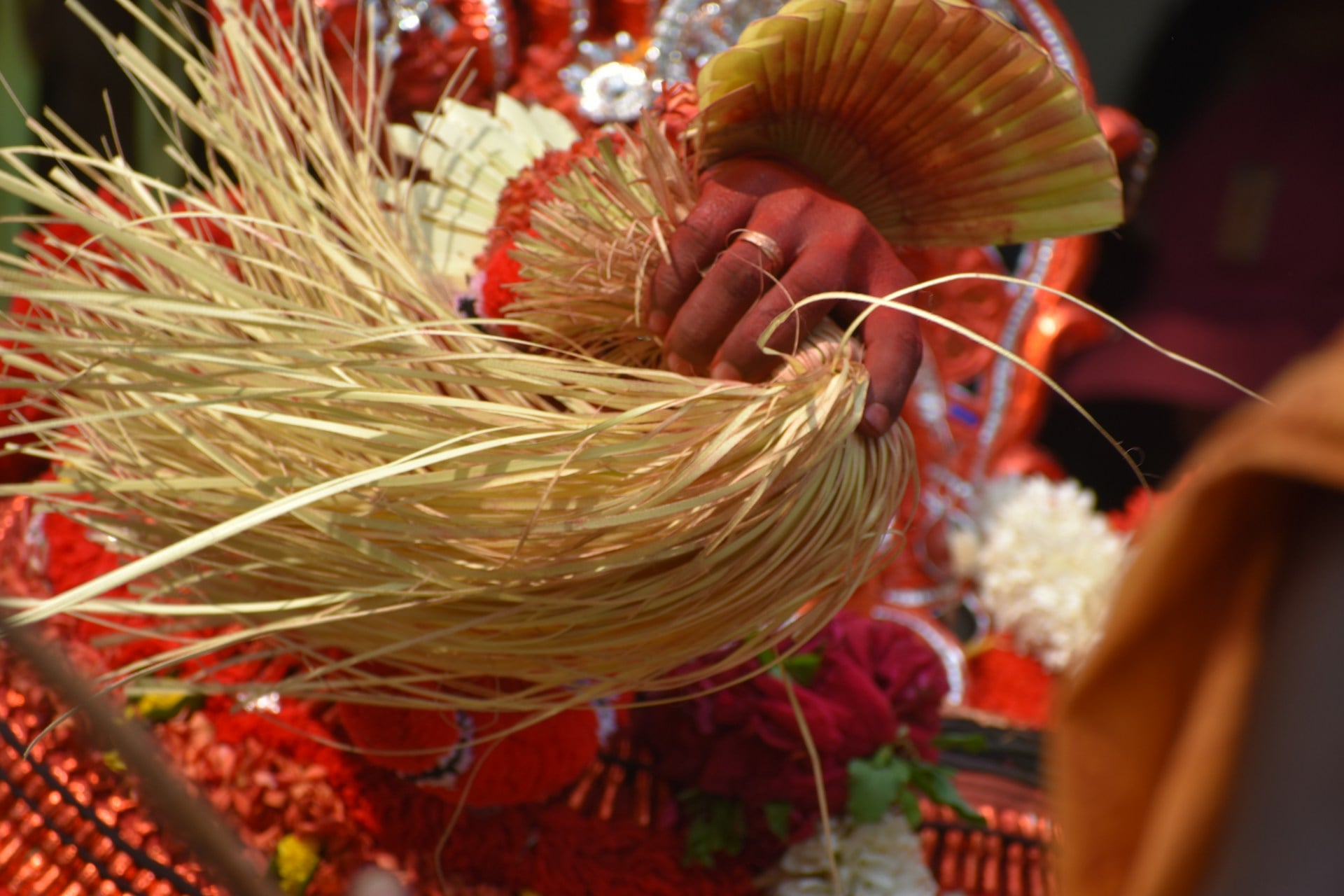
Step into a local area nowadays, yet you’ll spot traces of age-old habits. Folks still come together to eat, swap tales about relatives, or hold rituals for big personal moments.
Today’s groups don’t look like the first ones – there are rules on paper, set-up systems. Still, the urge to share routines, to do things that tie us to one another and past generations, stays strong.
Those former ways weren’t only for staying alive – they built purpose and connection, wants just as real now as back then.
More from Go2Tutors!

- The Romanov Crown Jewels and Their Tragic Fate
- 13 Historical Mysteries That Science Still Can’t Solve
- Famous Hoaxes That Fooled the World for Years
- 15 Child Stars with Tragic Adult Lives
- 16 Famous Jewelry Pieces in History
Like Go2Tutors’s content? Follow us on MSN.



