Old Harvest Traditions That Have Faded Away
For most of history, bringing in the crop was the most important job of the year, and communities treated it that way. Fields were cut by hand, neighbors pooled their labor, and the end of the work called for a celebration loud enough to be heard across the parish.
Mechanization and modern food distribution have made harvest work less visible to many people. The customs that once surrounded it were not quaint decoration.
They were how people got the work done, shared the risk, and thanked one another when it was over.
Horkey Suppers in the Fields of East Anglia
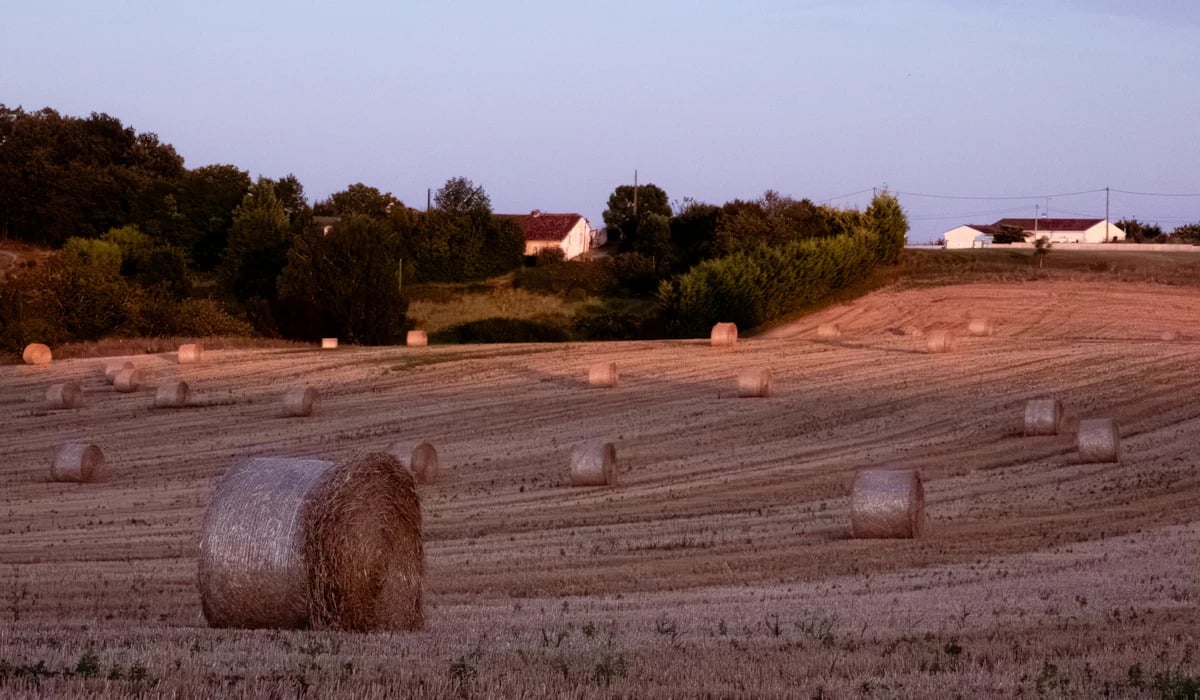
In Suffolk and Norfolk, the end of the grain harvest was marked with a feast known as the horkey. Farmers fed their workers a large supper, and the evening was filled with songs, toasts, and rough humor.
The last load of grain was often brought home in a decorated wagon, with workers singing along the way. The supper was both a reward and a quiet reminder that the farmer depended on the same hands that had just brought in his living.
Crying the Neck in Cornwall

When the last stand of wheat in a Cornish field was ready to cut, the reapers tied the final handful of stalks into a bundle called the neck. Once it was cut, it was held high and the custom’s call rang out across the field, answered by the other workers in turn.
The neck was carried to the farmhouse and often hung up until the following year. The ceremony has been revived at some locations, including St.
Ives, as a way to preserve Cornwall’s agricultural heritage.
The Harvest Mare in Wales
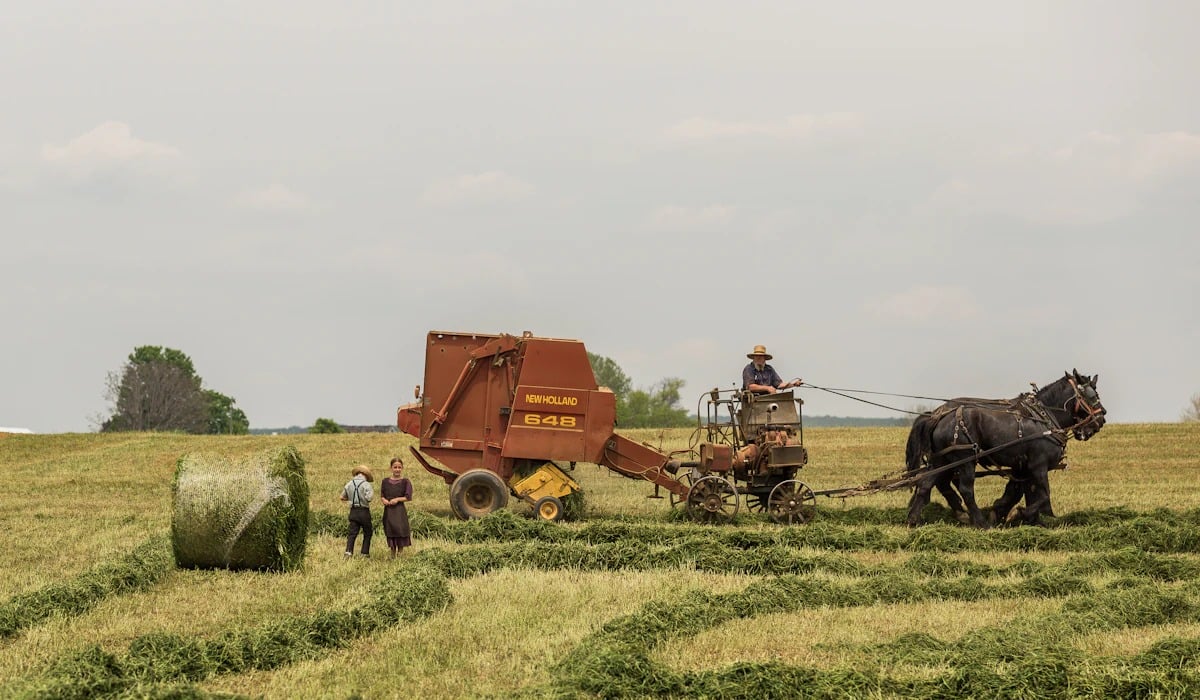
Welsh reapers had their own version of the last-sheaf contest, in which the final patch of standing grain was known as the harvest mare, or caseg fedi. The grain was tied together and left uncut while the reapers competed to be the one to bring it down.
In one recorded version, workers threw sickles at the remaining sheaf, and the person who cut it claimed the mare. The contest carried plenty of friendly rivalry between neighboring farms.
It was a way of turning the exhausting last hour of the work into a game.
Kirn Suppers and the Maiden in Scotland
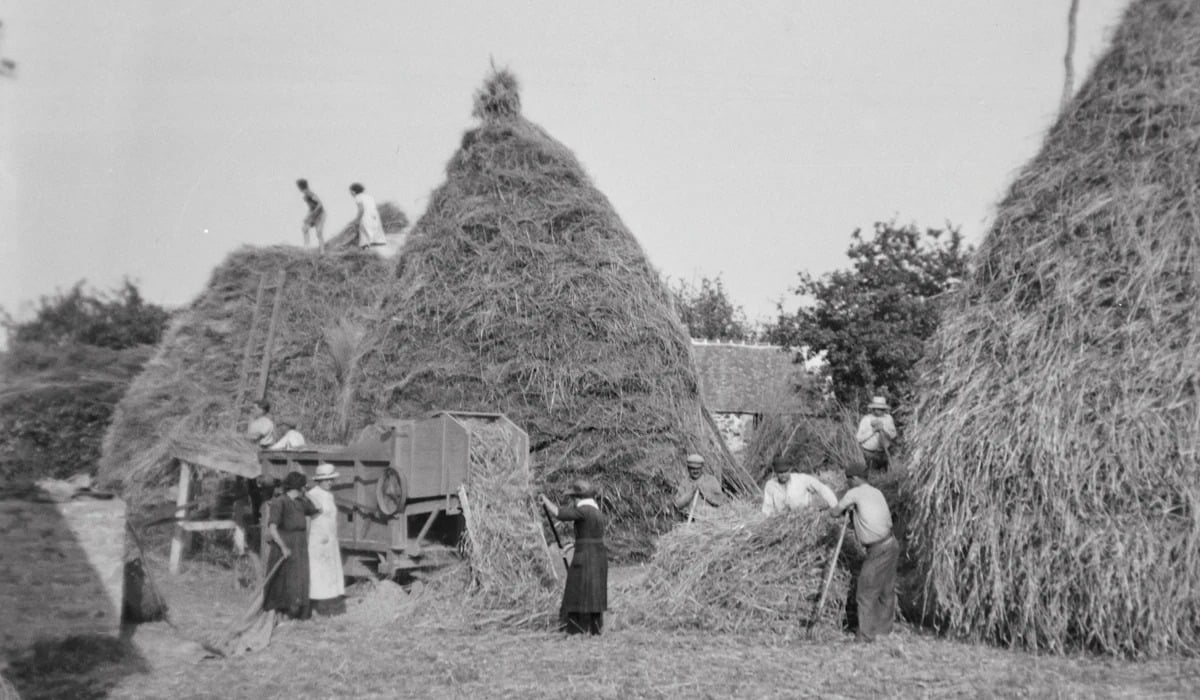
The Scottish harvest ended with a gathering called the kirn, a supper and dance held when the last of the grain was cut. The final sheaf was often dressed up as a figure called the Maiden, or in some harvest traditions, the Cailleach, or old woman.
Rather than being simply threshed with the rest of the crop, the sheaf was treated with ceremony. That attention shows how much weight a farming community placed on the final cut.
Corn Dollies Woven From the Last Sheaf
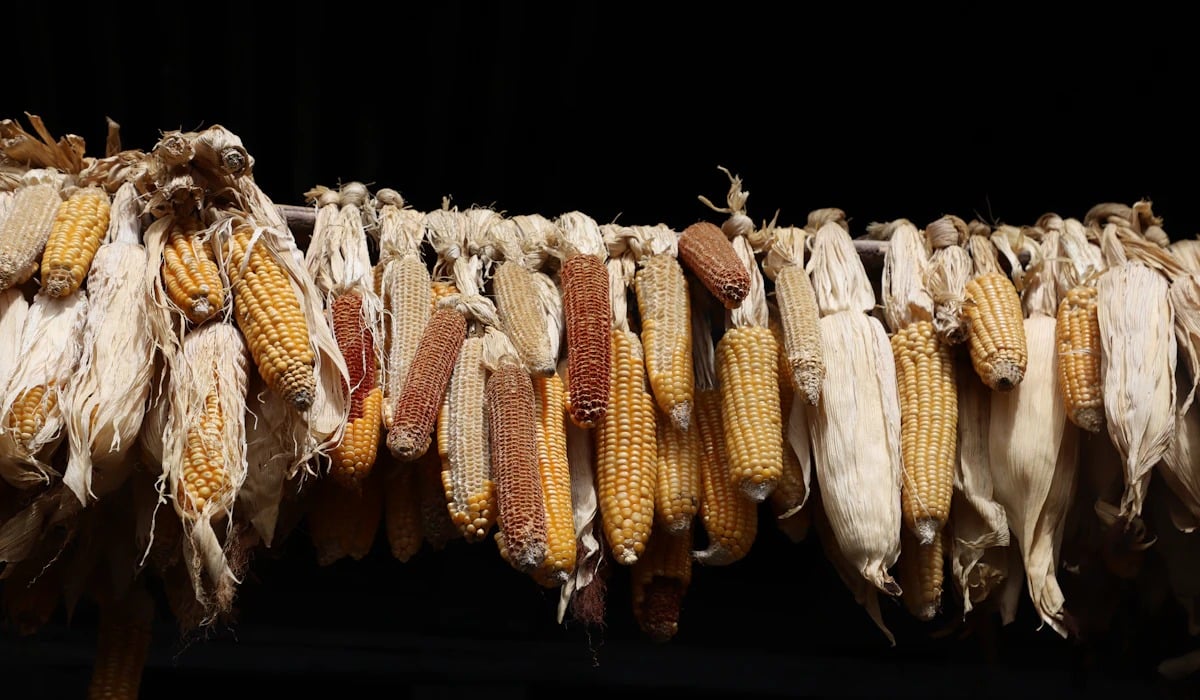
English farm workers took the final bundle of grain, braided the straw into decorative shapes, and kept the result in the barn or farmhouse over the winter. The word corn in Britain meant any grain, so these figures were usually wheat, oat, or barley straw rather than maize.
Different regions developed distinct styles of weaving, and each one reflected local habit as much as skill. In some traditions, people believed the spirit of the crop lived in the last sheaf, and the dolly helped preserve that spirit until the next sowing.
Harvest Home Songs Sung Over the Last Supper
When the work was done, farm laborers in East Anglia sang their way through the evening, and many of the songs were passed along by ear rather than written down. Titles such as Harvest Song and Drink, Boys, Drink are cataloged in the Roud Folk Song Index, a reference collection of English folk songs.
Folk groups like the Watersons later recorded versions of these songs, which kept some of the repertoire alive. The recordings helped preserve songs associated with harvest celebrations, even as the agricultural customs themselves changed.
Crying Largess for the Harvest Workers
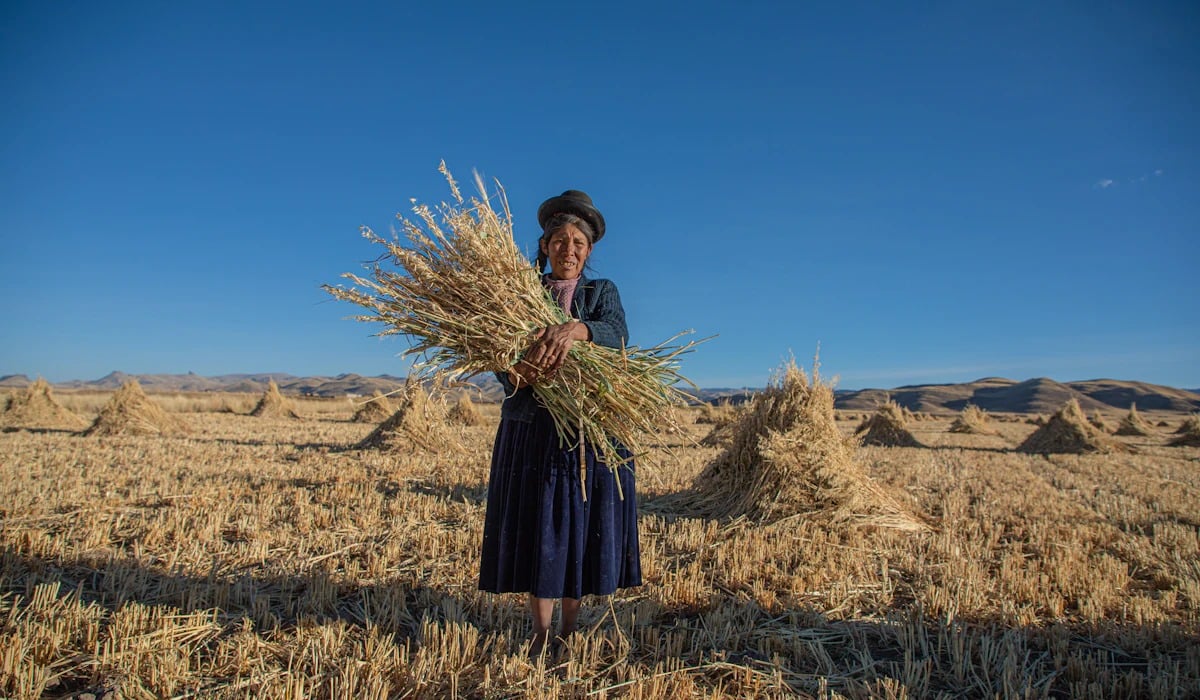
During harvest celebrations in Norfolk, farm workers sometimes asked for a largess, or gift, from the farmer or visitors to the farm. The workers might gather in a circle, raise their joined hands, and shout their request together.
The Victorian painter William Maw Egley captured the scene in Hullo Largess! A Harvest Scene in Norfolk.
As wages and labor arrangements changed, the custom faded from the lanes.
Harvest Ale Carried to the Field
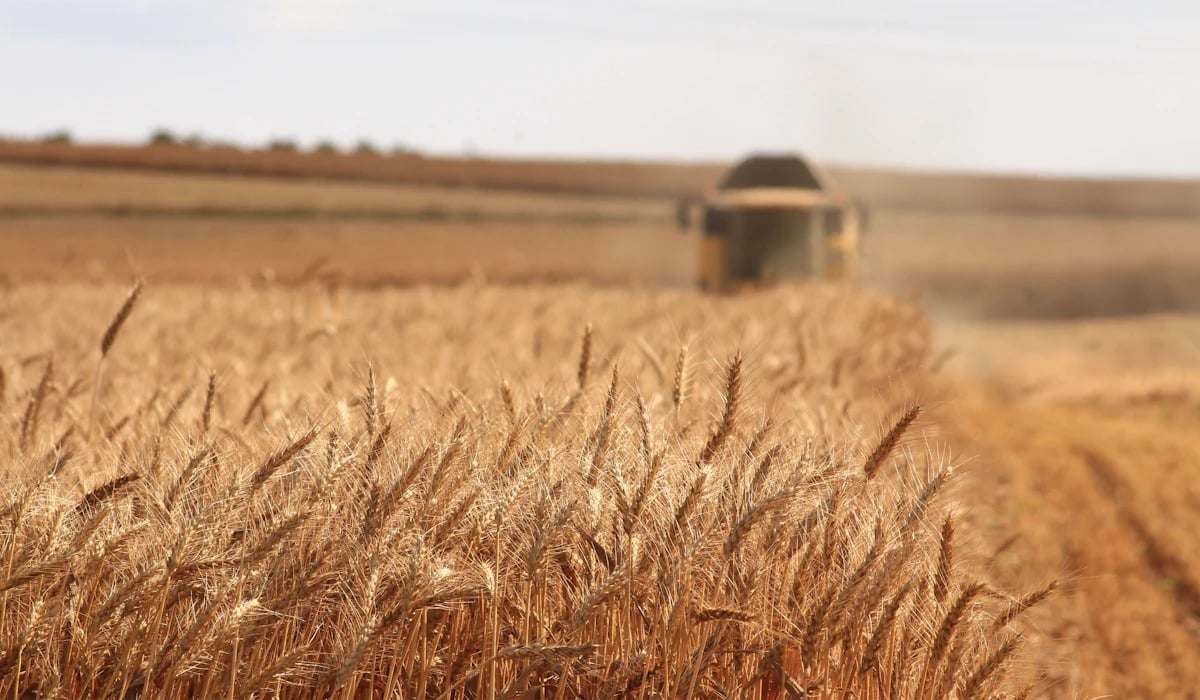
During the grain harvest, English farmers traditionally brewed a batch of beer for their workers and sent it out to the fields. Reapers in some farming communities received an allowance of this harvest ale as part of their pay, and thirsty work in the summer heat made it more than a luxury.
Poor ale was a serious complaint, and workers did not hesitate to say so. As agricultural employment and payment arrangements changed, the practice of providing ale as part of workers’ provisions declined.
Gleaning After the Reapers
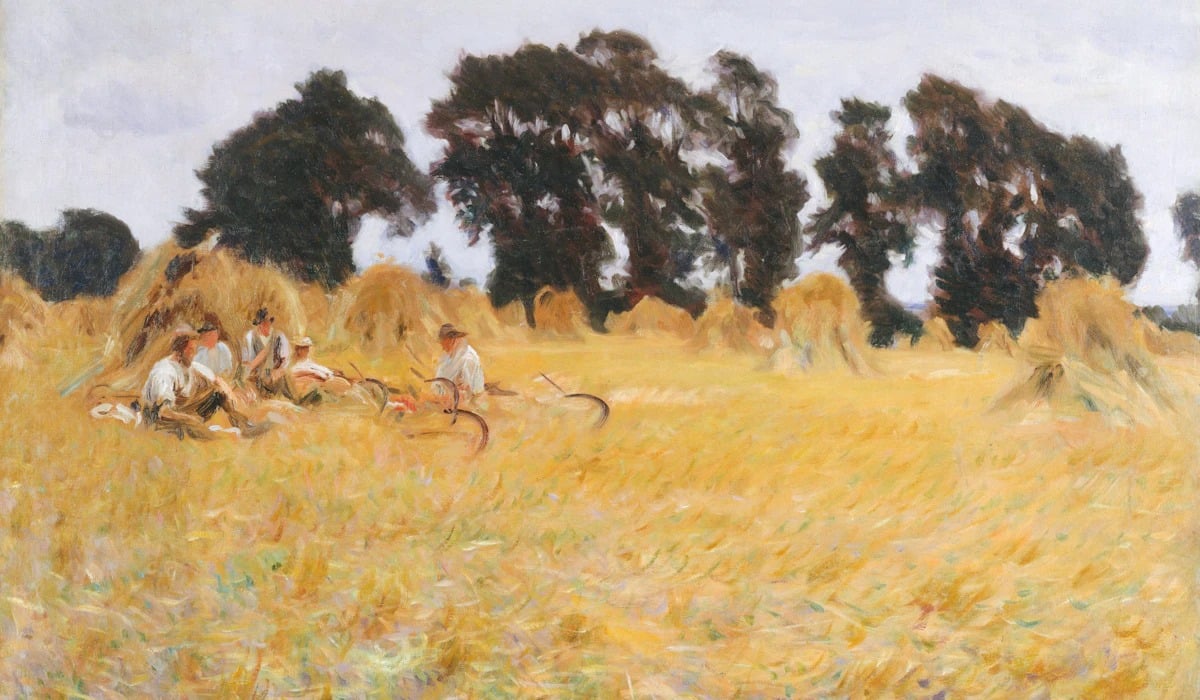
After the main crop was carried off, poor villagers in England gathered grain left behind in the fields. Entire families took part, and a good season of gleaning could supply flour for a large part of the winter.
The practice rested on custom rather than on law, and an English court case known as Steel v. Houghton (1788) rejected a general common-law right to glean on another person’s land.
Mechanical harvesting and tighter control of land made the practice harder to sustain.
Lammas Loaves From the First Grain
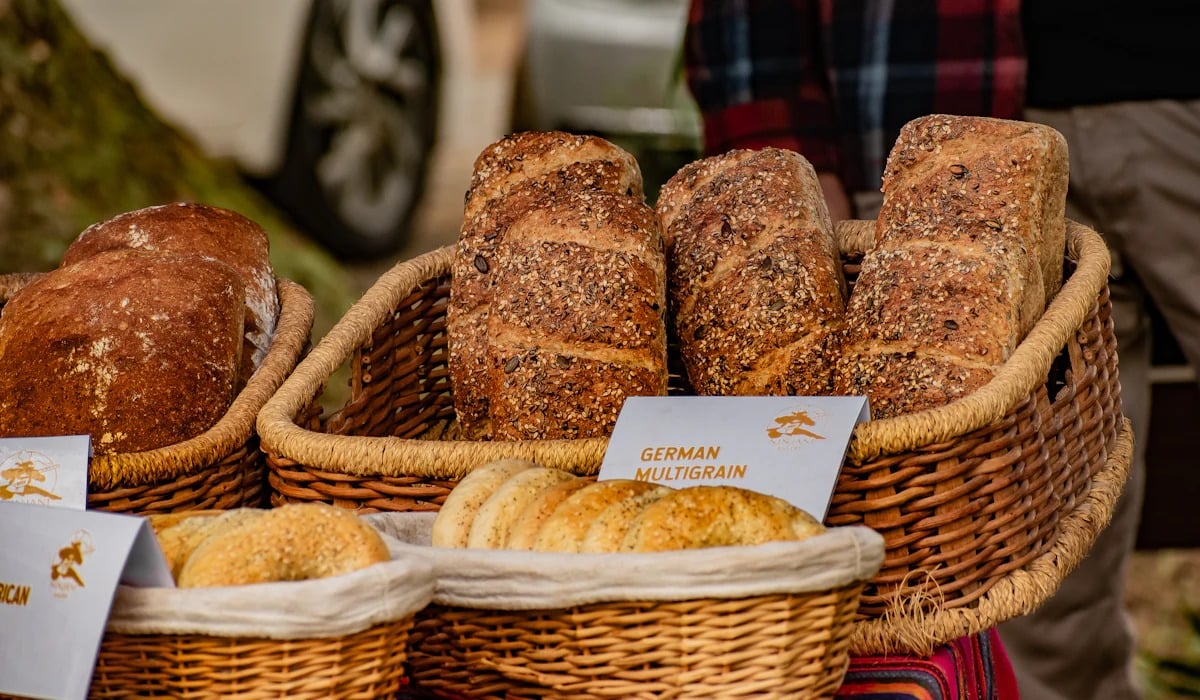
Lammas, on August 1, was a traditional English festival associated with the first wheat harvest. The word comes from an Old English term meaning loaf mass, and worshippers brought bread baked from the new grain to church to be blessed.
The observance marked the offering of the first fruits of the harvest, even when the main crop had not yet been fully gathered. The festival tied the first fruits of the field directly to the table.
Stubble Geese Fattened for Michaelmas
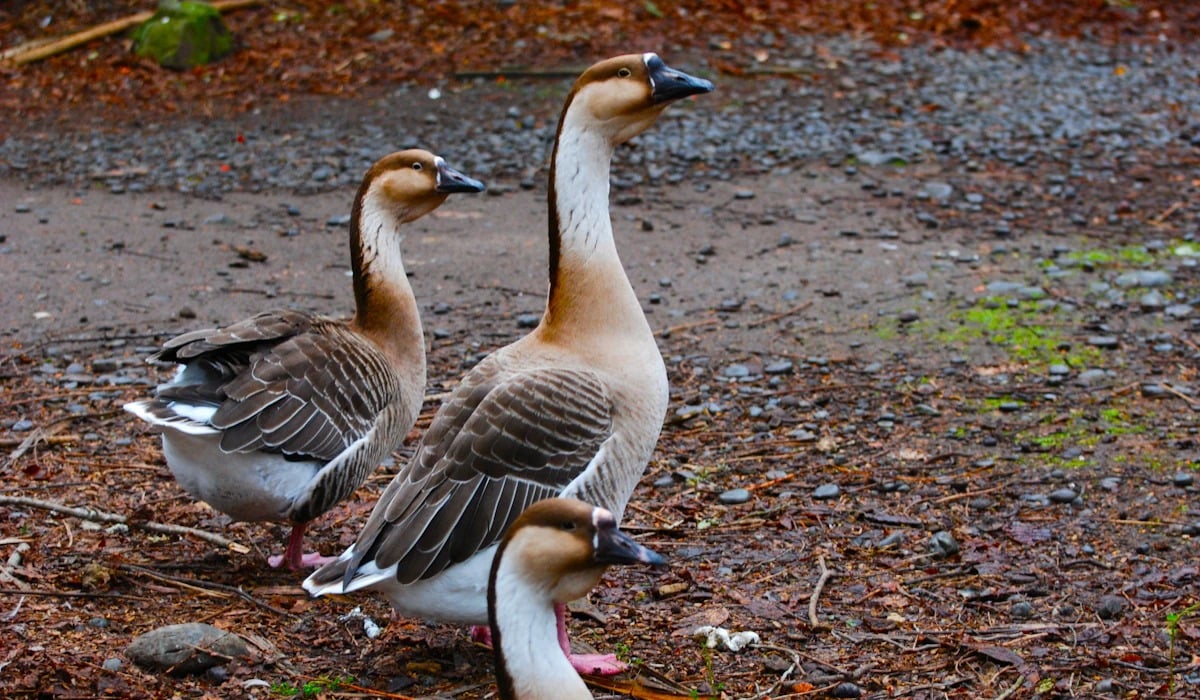
In England, geese were driven onto the cut grain fields after harvest to eat the leftover kernels, which produced the so-called stubble goose. The birds were ready for the table by Michaelmas, on September 29, which was also a traditional day for settling rents.
Tenants sometimes gave their landlords a goose as a gift or part of payment. Nottingham’s Goose Fair still carries the name, though it grew from a market for geese into a large funfair.
Michaelmas Hiring Fairs
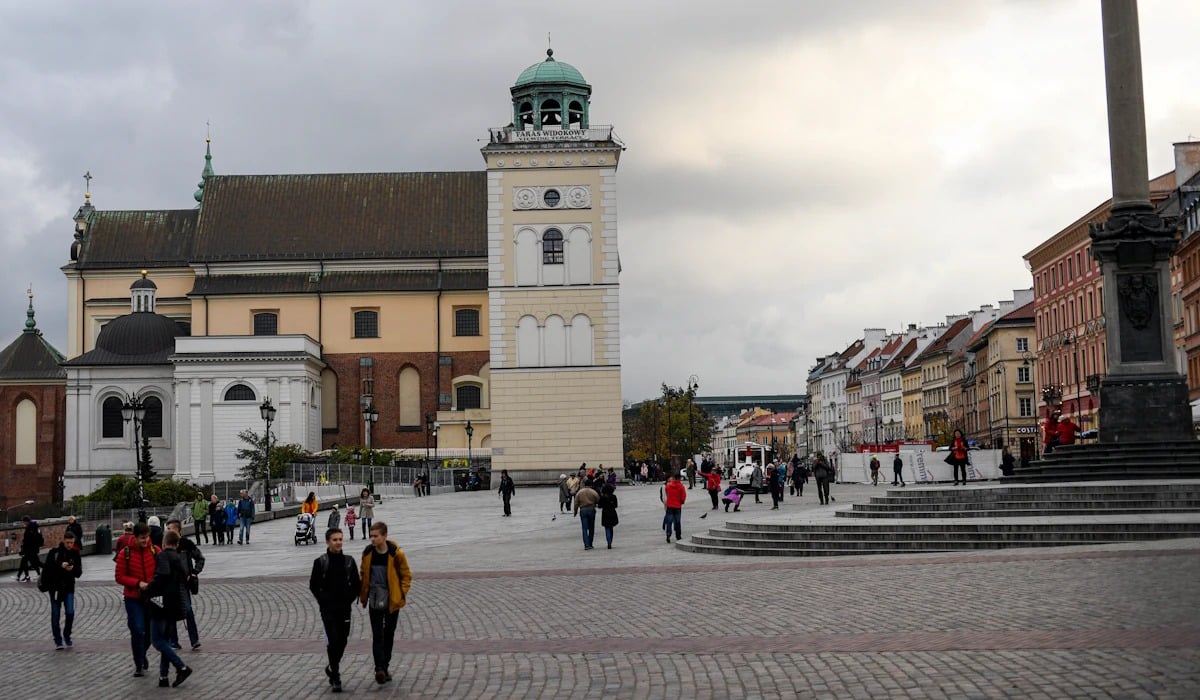
Once harvest ended, farm workers who wanted new jobs gathered in market towns at hiring fairs held around Michaelmas. Workers sometimes carried or displayed tokens associated with their trades, such as wool for a shepherd, so that employers could spot the right skills in the crowd.
Farmers walked among the candidates, questioned them, and struck a bargain on the spot. Changing employment practices slowly emptied these fairs, though some towns kept the pleasure fair that grew alongside them.
Hop Picking Holidays in Kent
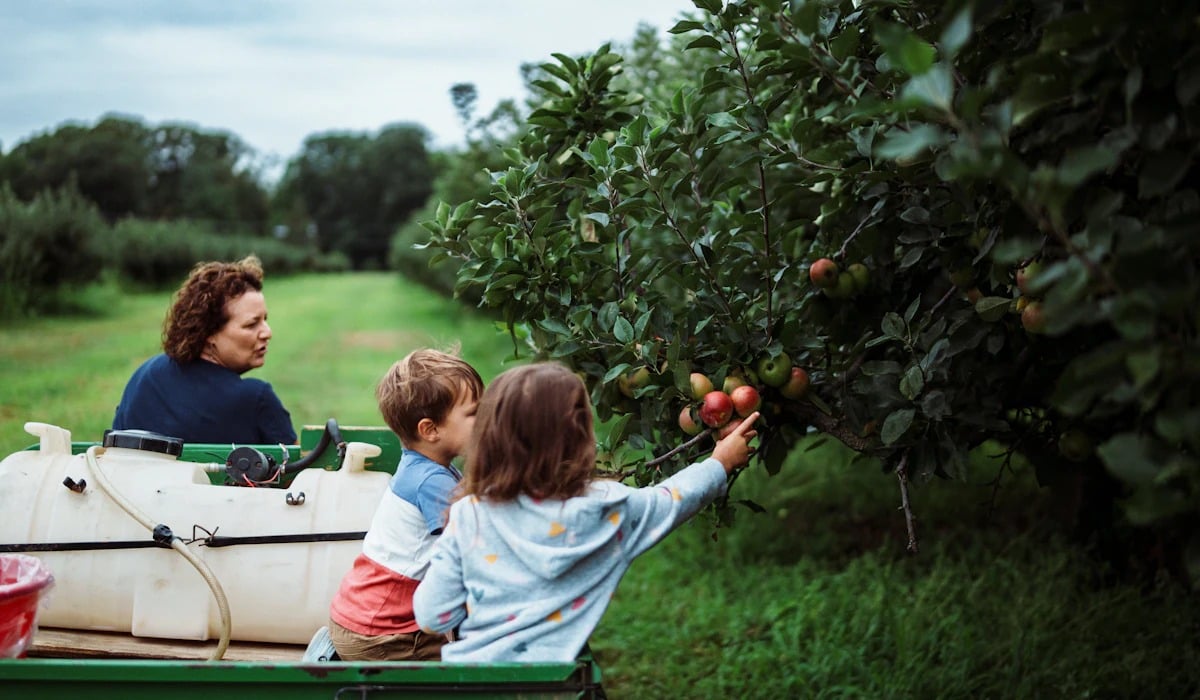
For generations, thousands of families from London’s East End traveled to Kent each year to pick hops. The work doubled as an annual holiday, with entire neighborhoods living in simple huts or barns on the farm and children running through the fields.
Special trains carried many of the pickers out of the city. Mechanical picking machines eventually replaced the workers, bringing the traditional mass migration of London hop pickers to an end by the 1960s.
The Muckle Supper in the Northern Isles
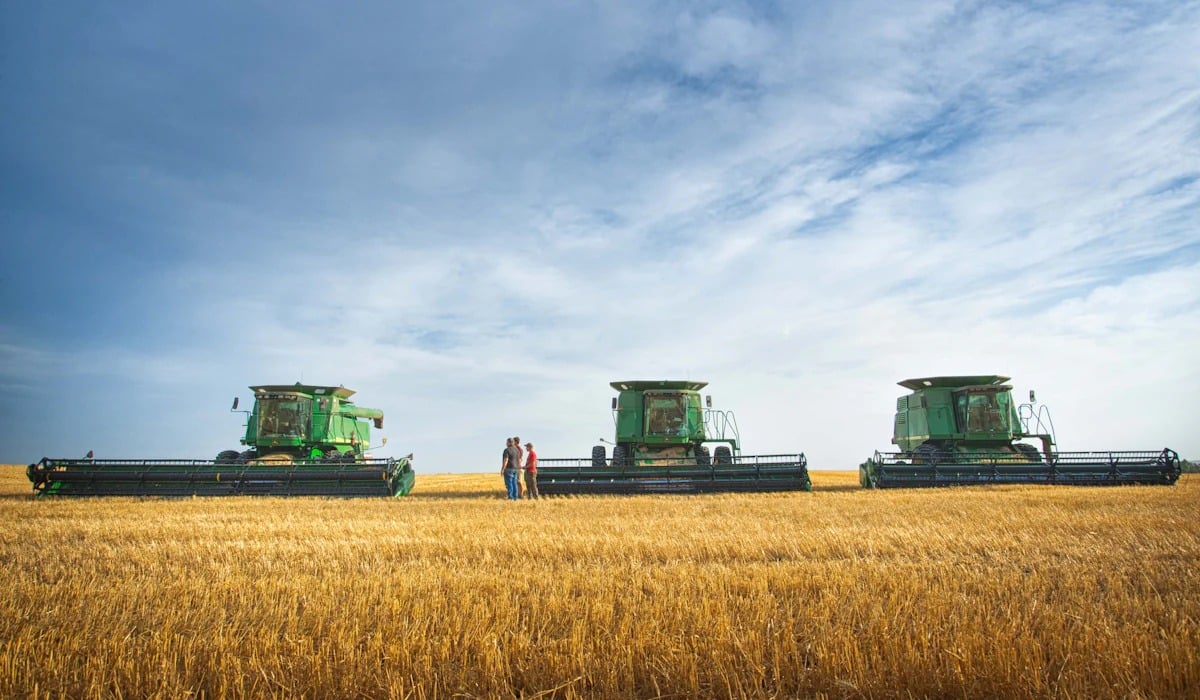
In the north of Scotland, communal harvest suppers were part of rural life, with some gatherings known as the muckle supper. Neighbors who had worked side by side through the season sat down together to share food and drink.
The decline of such gatherings reflects broader changes in rural work and community life. The custom belonged to a world in which no farm could finish its work without help from the next.
Corn Husking Bees and the Red Ear
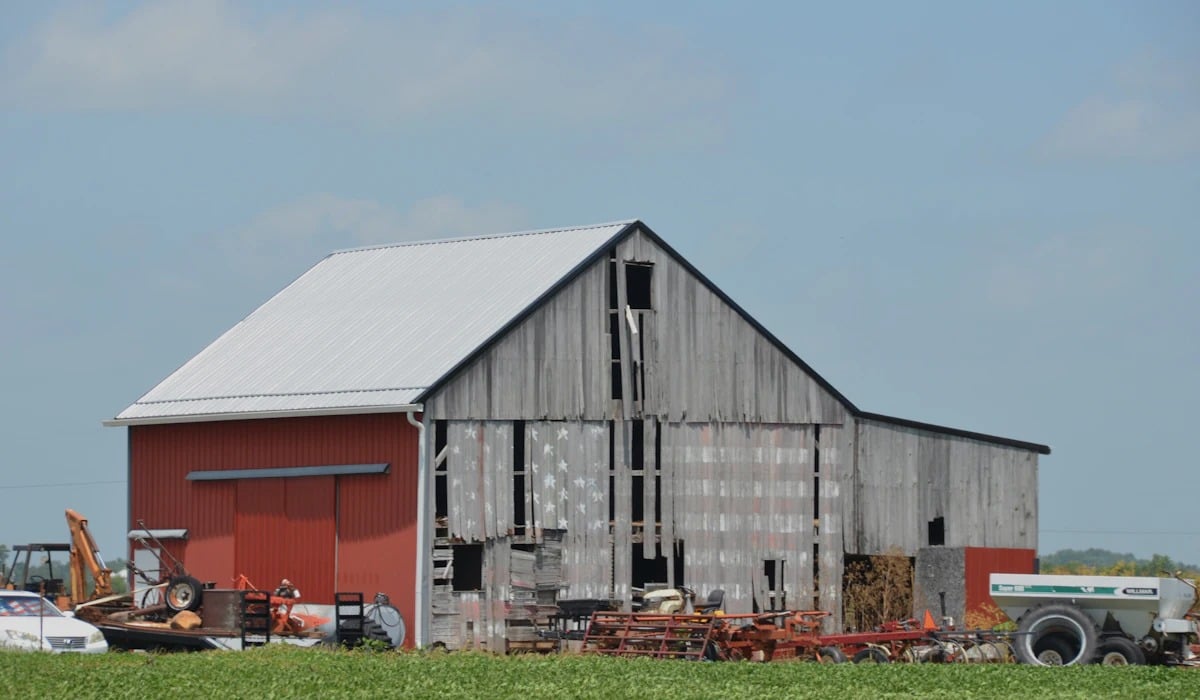
In rural America, farm families invited neighbors to help husk a large pile of harvested corn in a single evening. Men and women sat around the heap tearing off husks, trading songs and stories, and often ending with a dinner and sometimes a dance.
Finding a red ear was a minor event, because in some versions of the tradition, the finder could claim a kiss. Mechanical corn pickers made the bees unnecessary, and the evenings faded with them.
Apple Paring Bees
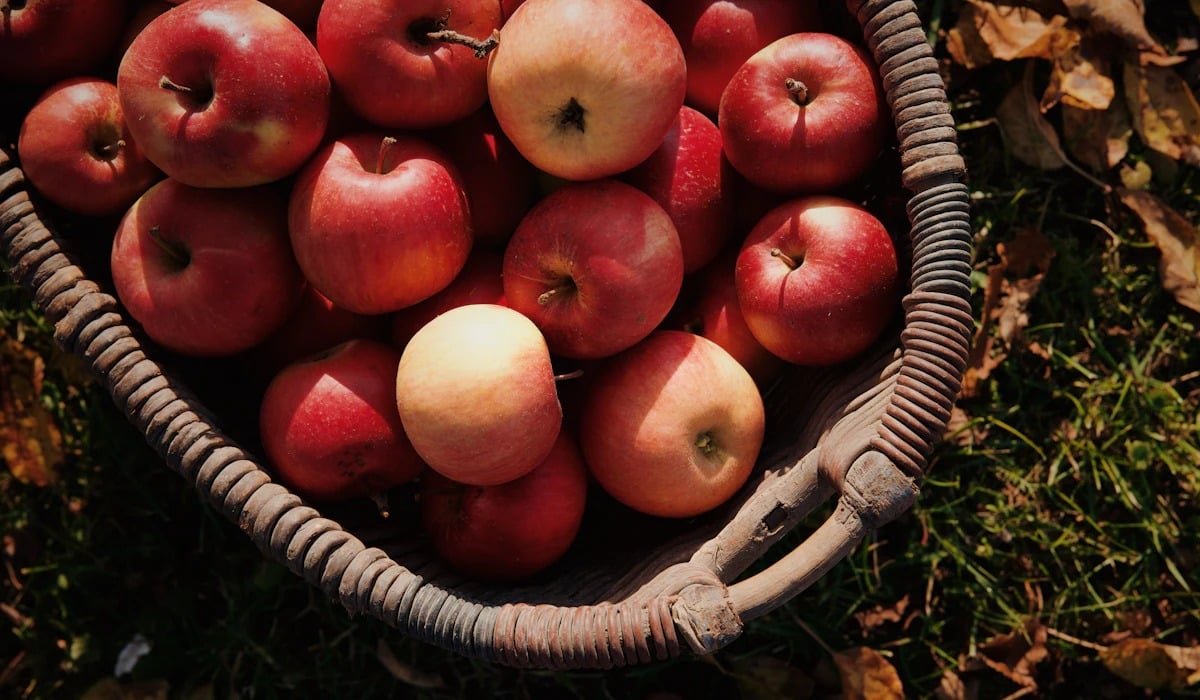
When fall apple crops came in, rural American households gathered friends to peel and core bushels of fruit in a single evening. The slices were strung up to dry for winter, and some of the peels were saved for a game.
A young woman would toss a long, unbroken peel over her shoulder and read the shape it formed on the floor as the initial of her future husband. As home preservation methods and food supplies changed, the practical need for these gatherings declined, along with the games that accompanied them.
Apple Butter Frolics in Pennsylvania
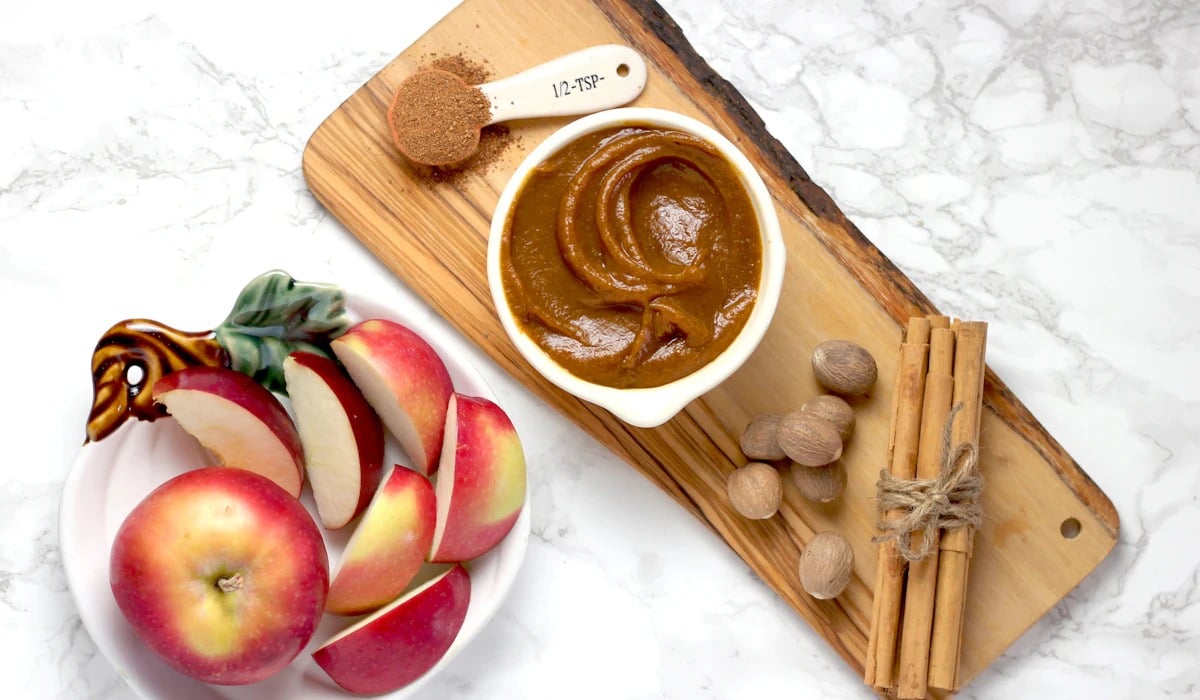
In German-settled farm country in Pennsylvania, neighbors gathered in the fall to cook apple butter in a large copper kettle over an open fire. The mixture had to be stirred constantly with a long wooden paddle to keep it from scorching.
Volunteers took turns at the paddle while the kettle slowly thickened. Though a few communities keep the custom alive, it was once a familiar seasonal event on many farms.
Sorghum Stir-Offs in the South
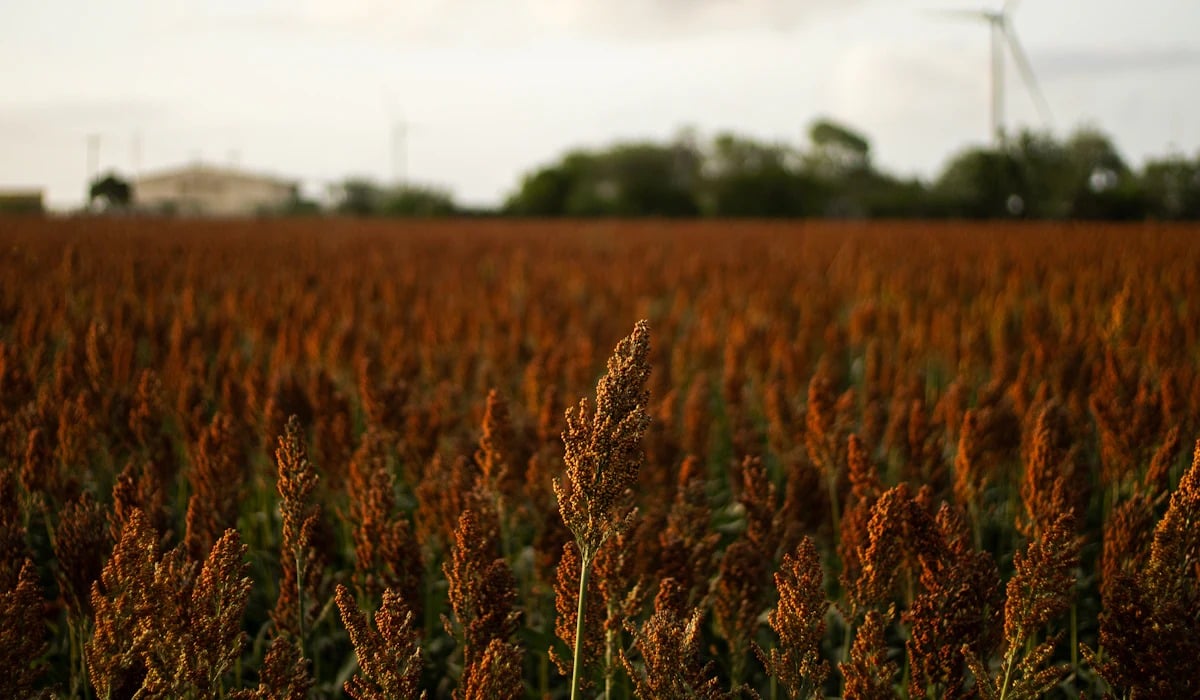
Southern farmers grew sorghum cane for its syrup, and when the juice was pressed out and boiled down, neighbors gathered at the cooking site for a stir-off. The juice was cooked in shallow pans while people took turns skimming off foam.
Appalachian communities in particular built social gatherings around the work. As refined sugar and commercially produced syrups became more readily available, fewer farms continued traditionally making sorghum syrup.
Threshing Crew Dinners
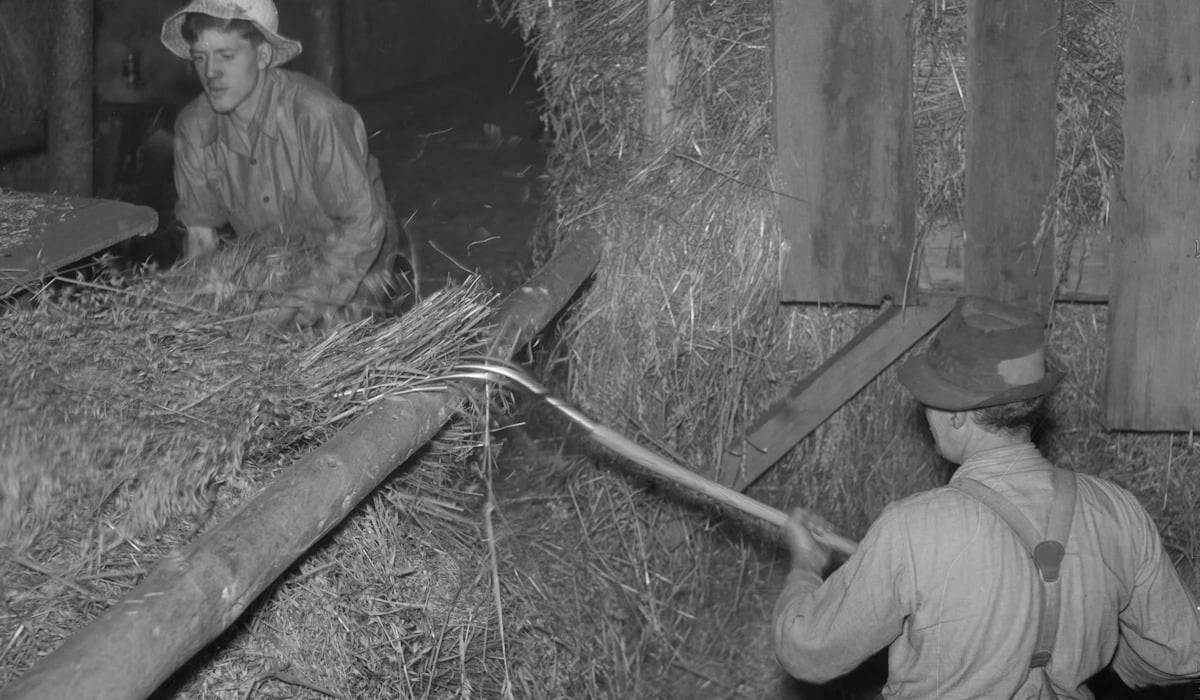
When steam-powered threshing machines traveled from farm to farm across rural America, a crew of neighbors worked together in a threshing ring, and each farm wife often helped prepare meals for the crew. Women spent days preparing roast meat, mashed potatoes, pies, and pots of coffee for a dozen or more hungry men.
A generous table was a point of pride for every kitchen in the ring. The arrival of the combine reduced the need for these shared threshing crews and the large dinners associated with them.
Harvest Excursion Trains to the Prairies
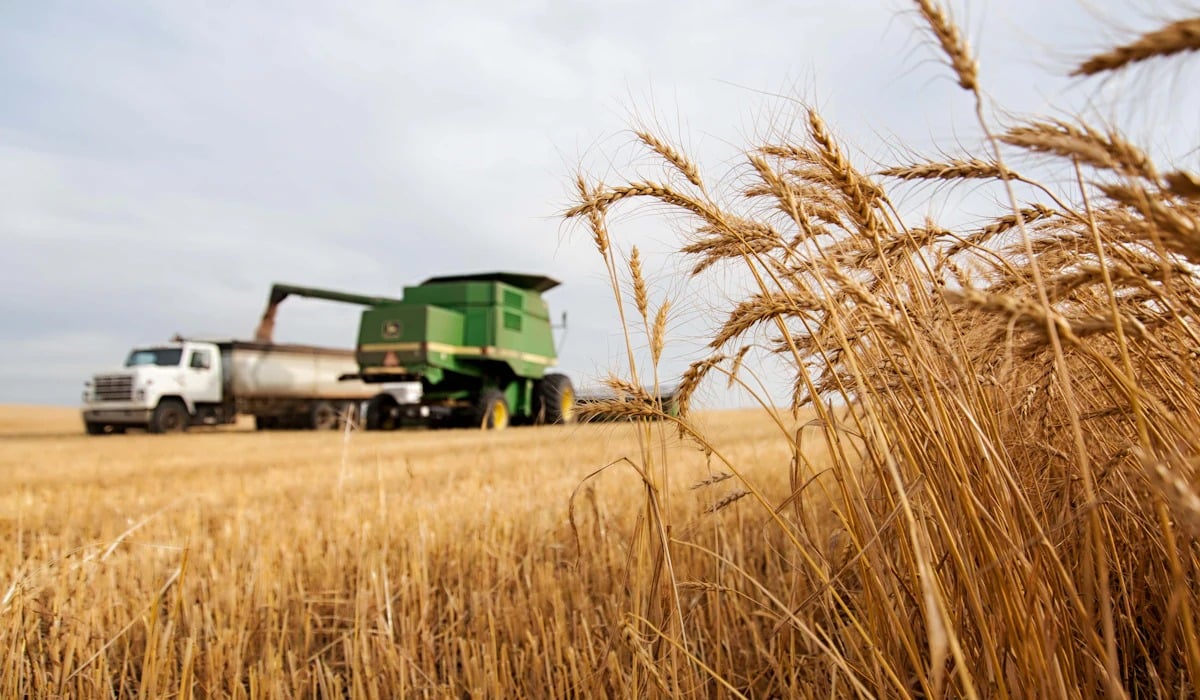
Railways in Canada once ran special harvest excursion trains that carried workers from the East to the wheat fields of the Prairie provinces. Thousands of men boarded these trains hoping to earn good wages for a few weeks of fieldwork.
Many were laborers, students, and other workers who saw the trip as a way to make quick money before winter. Mechanization eventually cut the demand for hand labor, and the special fares disappeared.
The excursions flourished from the 1890s into the early 20th century, declining as combines reduced the need for seasonal harvest labor.
Custom Cutting Crews Following the Wheat North
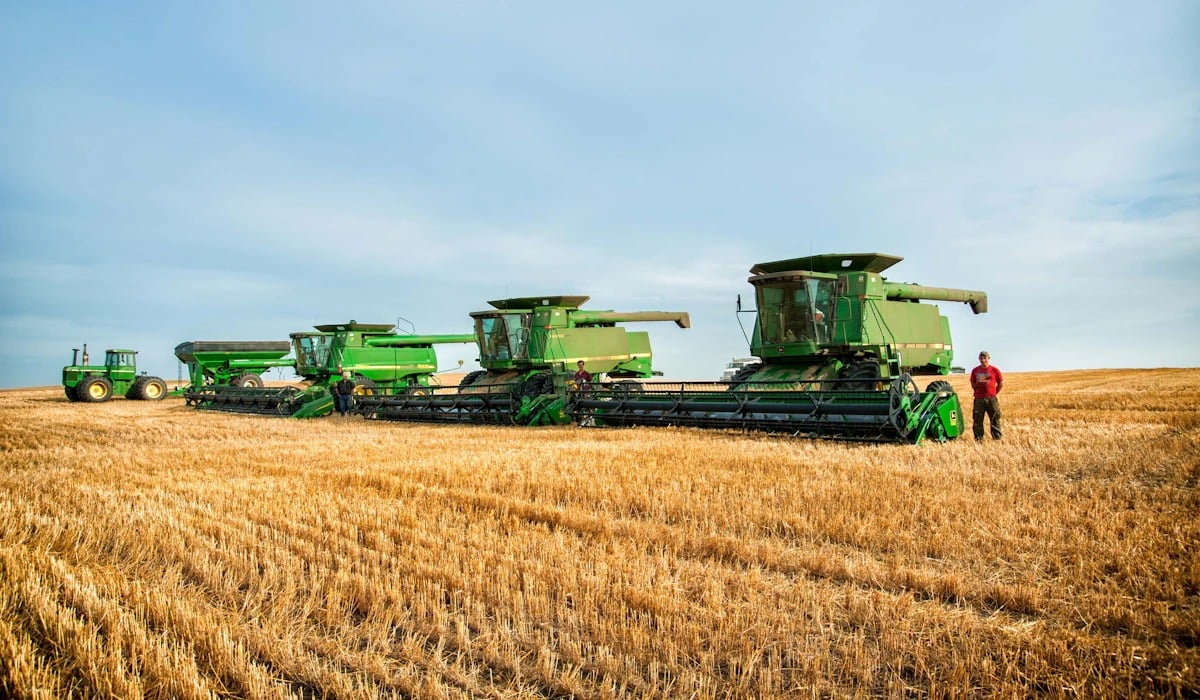
Custom harvesters begin cutting wheat in Texas in late spring and move north with the ripening grain, finishing in the northern plains and Canada in the fall. The crews travel with combines, trucks, and trailers, living on the road for months.
Families and hired hands work long days, then move to the next farm as soon as the last field is clear. The practice still exists, but the romance of the traveling harvest has largely given way to contracts and logistics.
Hog Killing Days After the First Hard Frost
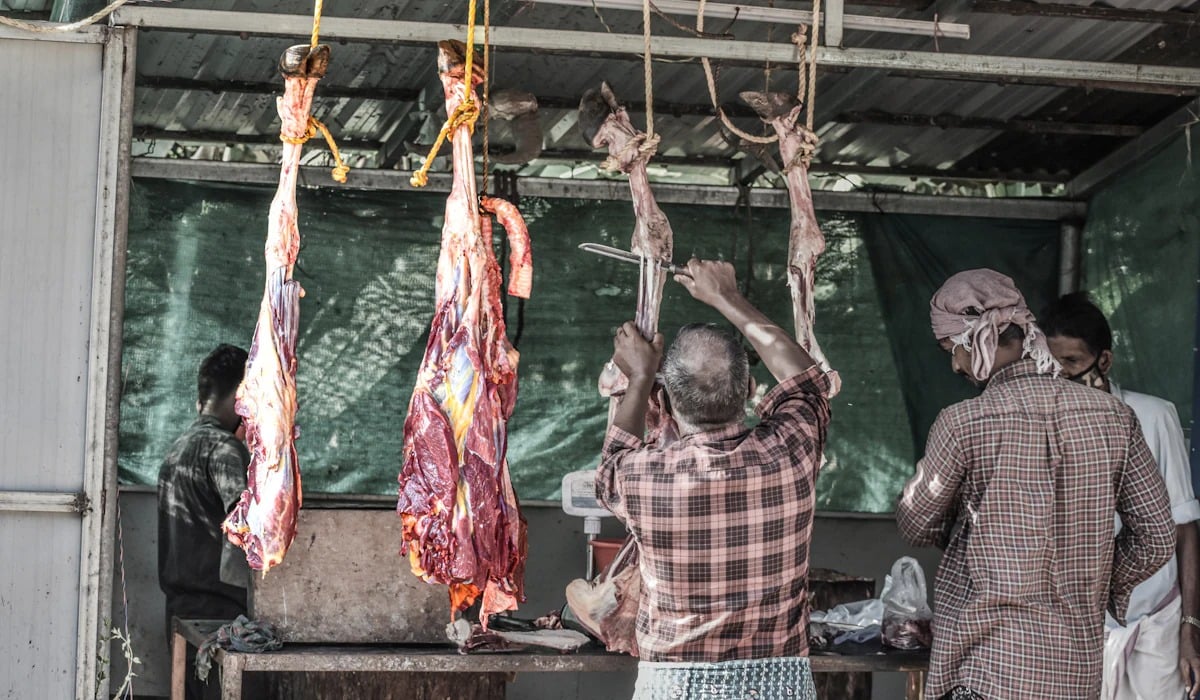
In rural America, families waited for cold weather before butchering their hogs so that the meat would keep. Neighbors and relatives gathered to scald, scrape, and cut up the animals, then worked until nothing was wasted.
Sausage, lard, hams, and cracklings all came out of a single day’s labor. Home freezers and supermarket meat counters reduced the need for communal slaughter days, and the gatherings became less common.
Winter Threshing With the Flail
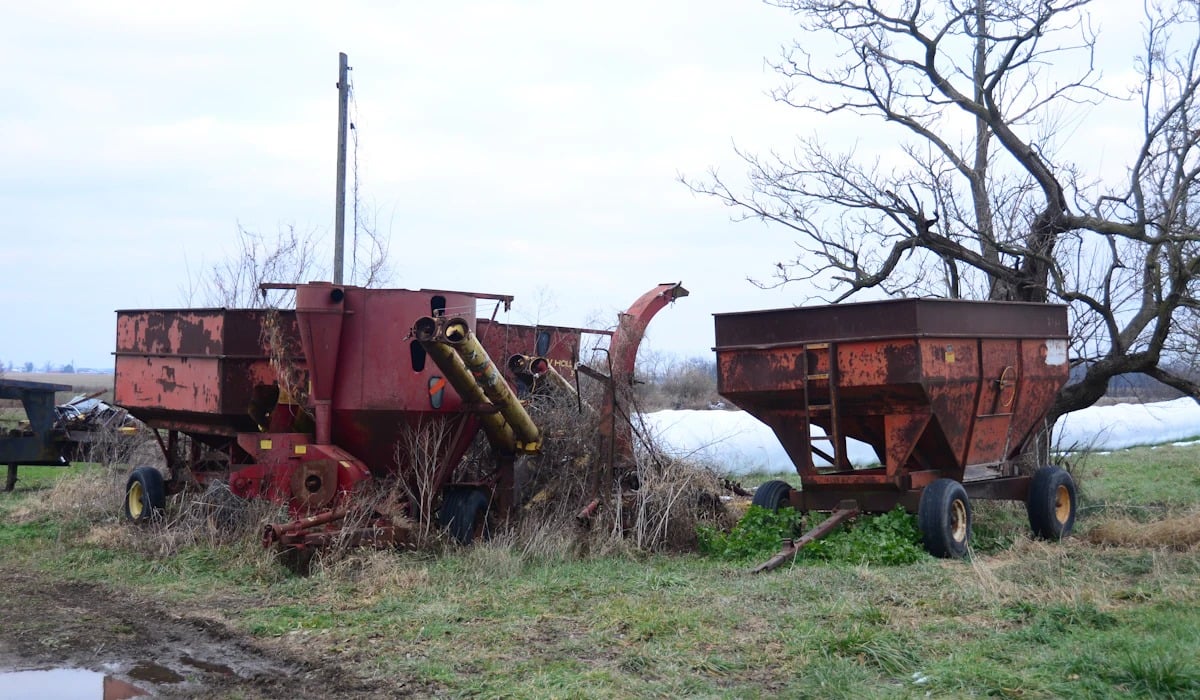
Before machines took over, grain in much of Europe and early America was threshed by hand during the winter months inside barns. Workers swung a flail, a wooden handle joined to a shorter striking stick, to beat the kernels loose from the straw.
Winnowing then used moving air to separate the chaff from the grain. The job was slow and tiring, which is why mechanical threshers spread so quickly once they became available.
Working Late Under the Harvest Moon
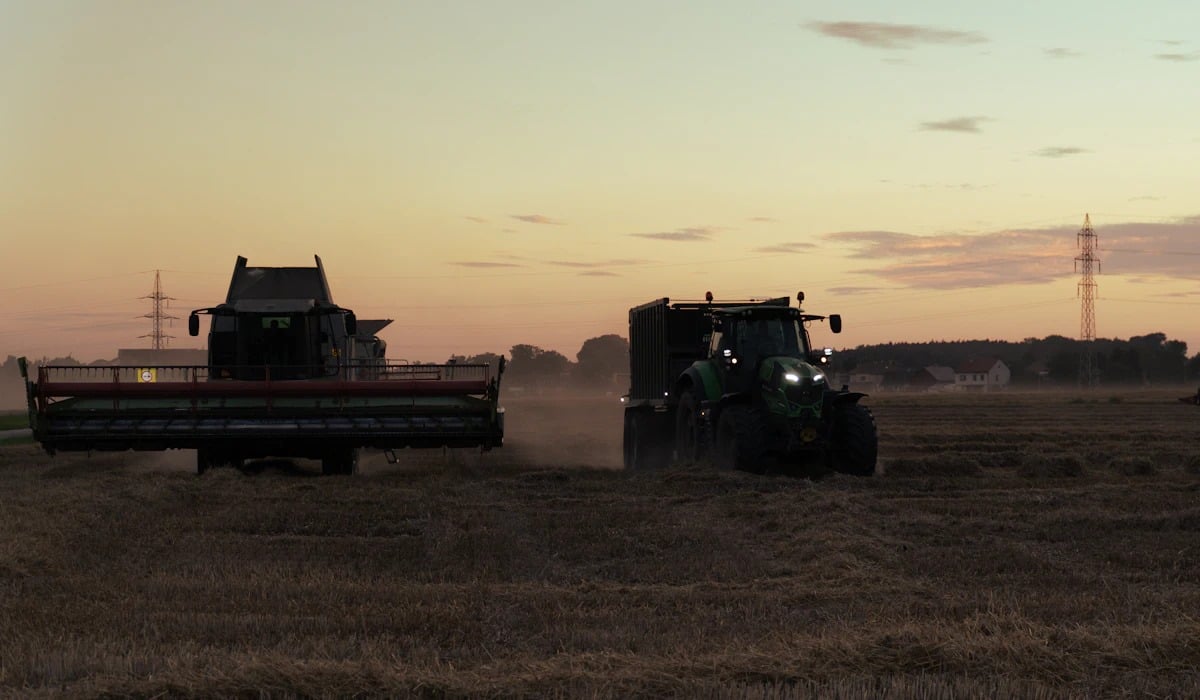
The full moon closest to the autumn equinox rises soon after sunset for several nights in a row, giving farmers extra evening light. Before electric floodlights and cab-lit tractors, that glow could provide additional light for workers bringing in crops after sunset.
Families took advantage of those evenings to bring in as much of the crop as they could. The name stuck even though modern machinery no longer depends on the moon to get the crop in.
What the Harvest Used to Teach
Each of these customs did more than mark a season. They taught people that a crop was brought in by an entire community, that no single household could manage the work alone, and that the end of the labor deserved to be noticed.
Some of the traditions mixed superstition with practicality, but most also served as ways to share labor, food, and celebration at an important time of year.
Machines have made harvests more efficient and productive, and nobody should wish back the long hours of the sickle or flail. Still, something was lost when the final load often stopped being a shared community event.
The feast, the song, and the shout across the field were ways of saying thank you to the land and to one another, and those habits are worth remembering even when the tools that created them are gone.
MORE FROM GO2TUTORS!

- The Romanov Crown Jewels and Their Tragic Fate
- 13 Historical Mysteries That Science Still Can’t Solve
- Famous Hoaxes That Fooled the World for Years
- 15 Child Stars with Tragic Adult Lives
- 16 Famous Jewelry Pieces in History
Like Go2Tutors’s content? Follow us on MSN.