28 School Book Fair Moments from the ’80s and ’90s That Still Hit Different
There’s something about walking into a room filled with folding tables covered in books that takes you right back. The smell of fresh paperbacks mixed with cafeteria air. The careful way you’d unfold that crumpled five-dollar bill your mom gave you, knowing it had to count. Book fairs weren’t just shopping — they were cultural events that shaped how an entire generation thought about reading, spending money, and what counted as treasure.
These moments probably live somewhere in the back of your mind, filed away with other formative childhood experiences. But they deserve better than that dusty corner of memory. They were the moments that taught you books could be yours to keep, that stories had price tags, and that sometimes the best part of reading was just owning something nobody else picked first.
The Scholastic Flyer Arrival
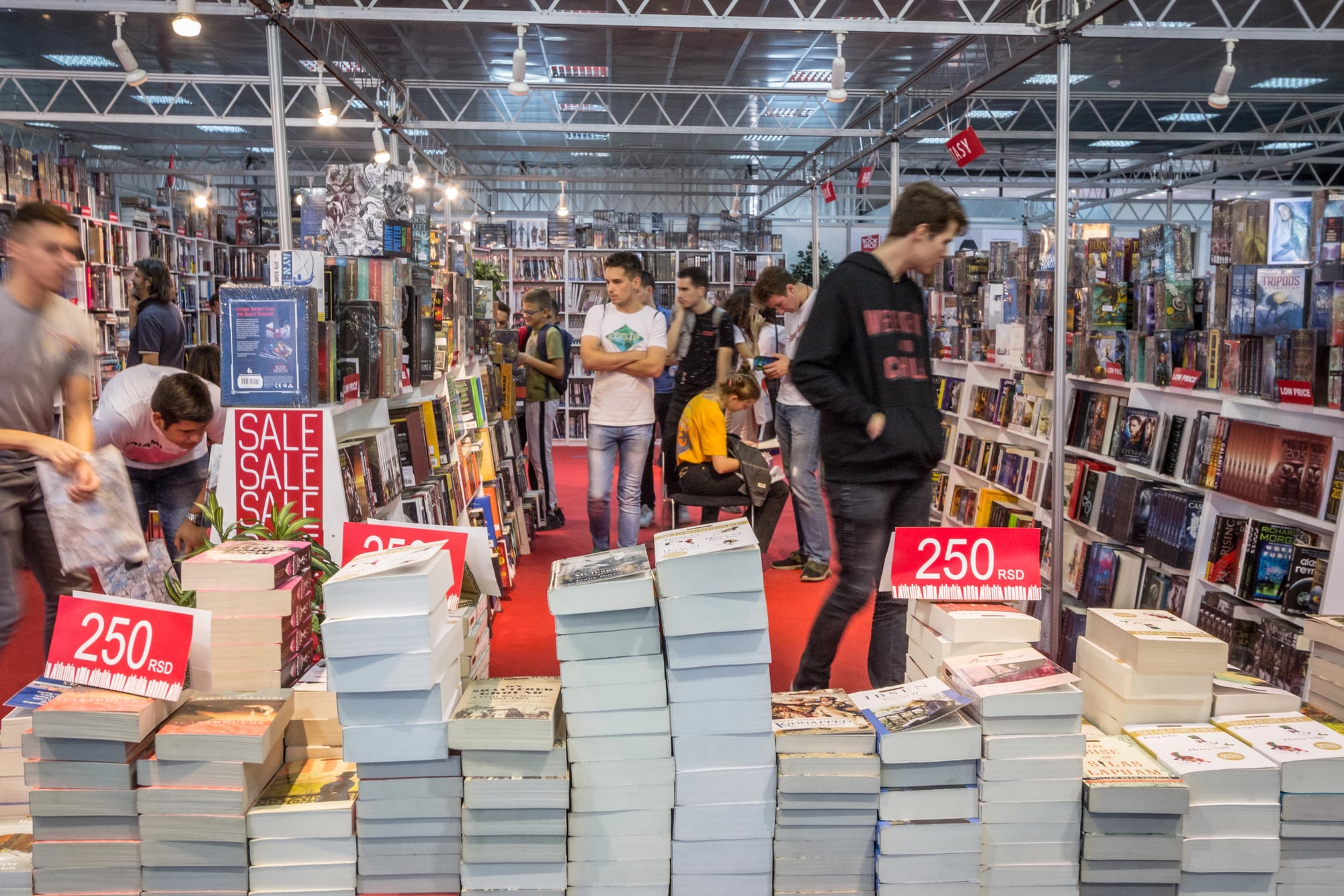
December meant more than just Christmas countdown. It meant the Scholastic Book Fair flyer arriving in your backpack like a small catalog of possibilities. You’d spread it out on the kitchen table, circling everything you wanted with the kind of focus usually reserved for standardized tests.
The flyer was currency before you even stepped foot in the fair. Trading information about which books were good, which ones your older sister already owned, which ones were definitely going to sell out first. Smart kids treated that flyer like a battle plan.
The Pointer Finger Book Hunt
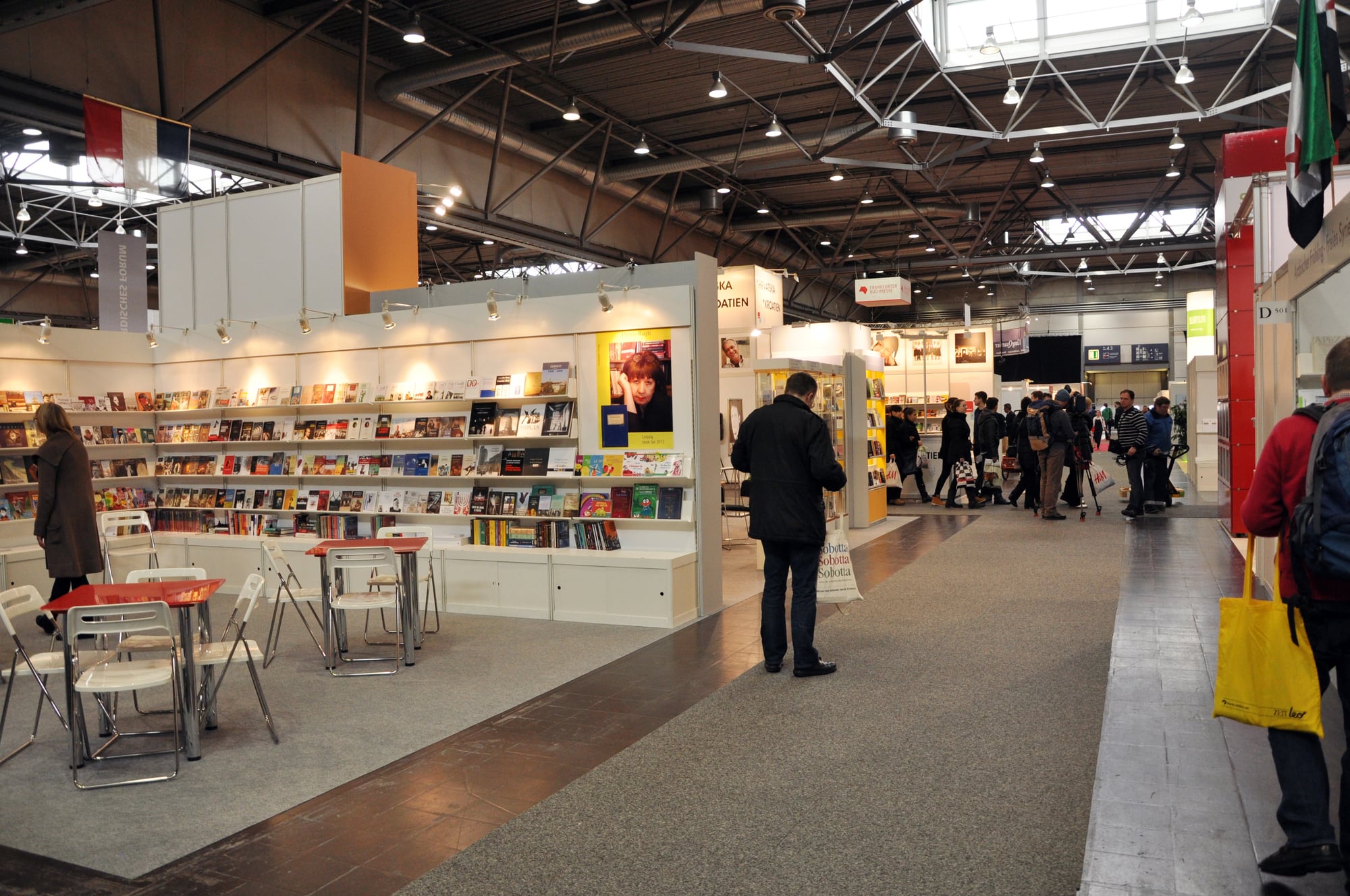
Book fairs turned every kid into a methodical shopper. You’d start at one end of the table and work your way down, using your pointer finger to mark your place so you didn’t accidentally skip something important.
There was an art to the finger technique. Too fast and you’d miss hidden gems. Too slow and someone else might grab the last copy of whatever everyone was talking about. The pointer finger was your bookmark for real life, keeping track of where you’d been in a world that suddenly had too many choices.
Calculator Watch Envy
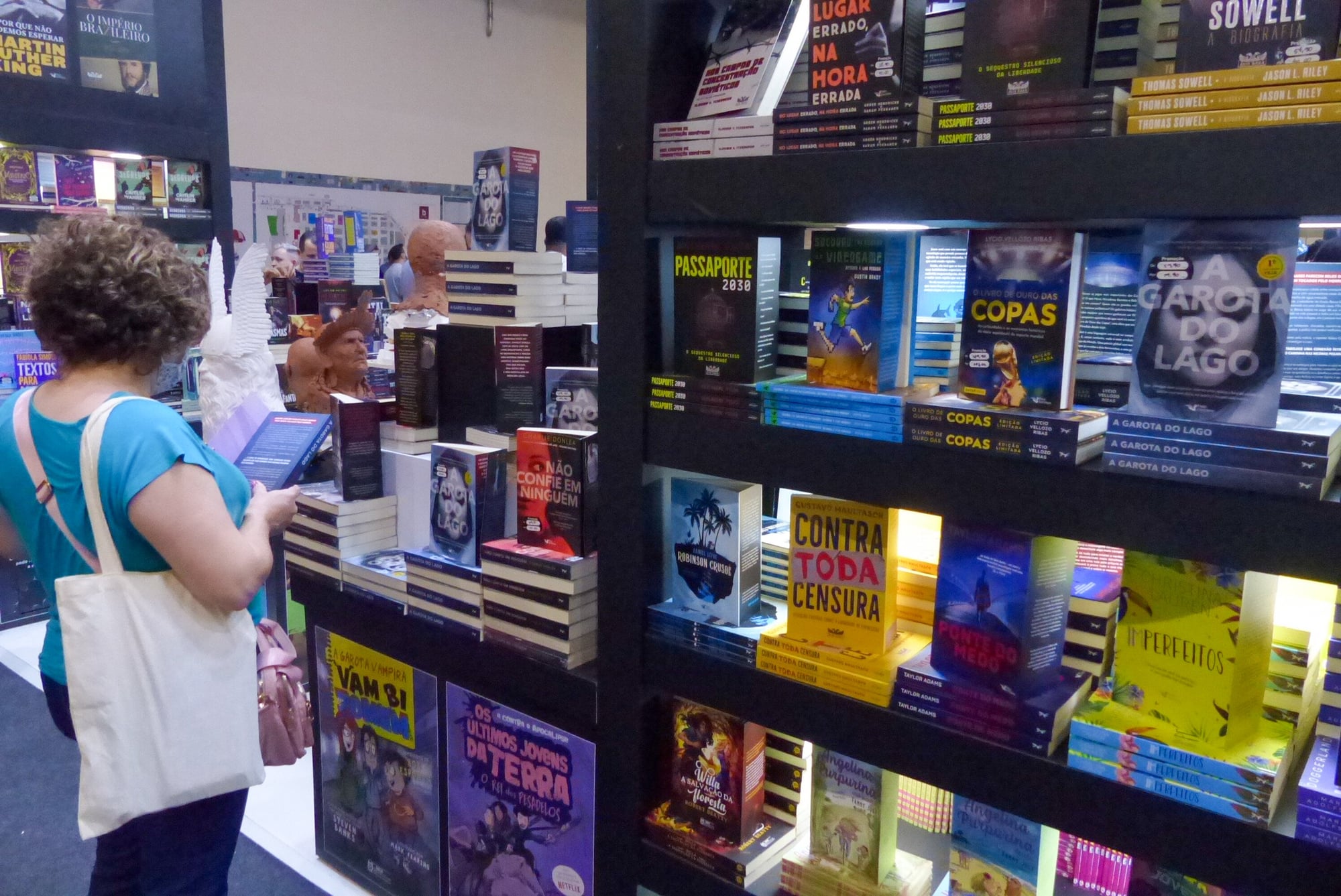
Before smartphones took over the world, calculator watches were the pinnacle of elementary school technology. And book fairs always had them, sitting there in their plastic packaging like tiny computers you could wear on your wrist.
The calculator watch represented everything sophisticated about being almost-grown-up — you could do math on your arm, the numbers glowed if you pressed a button, and it made you feel like you were living in the future. Never mind that you’d probably never use the calculator function for anything more complicated than adding up lunch money. The point was that you could.
The Bookmark Collection Obsession
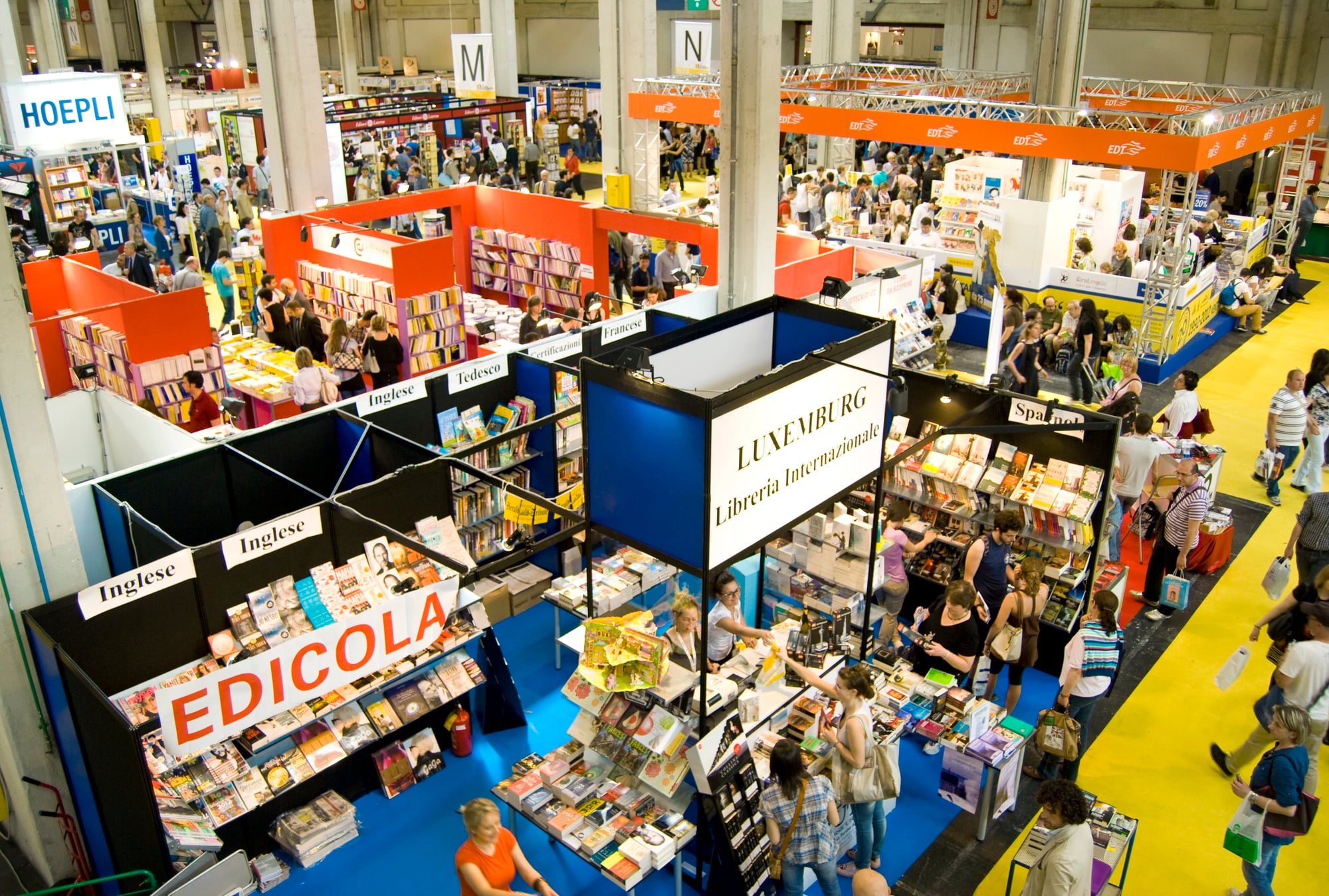
Bookmarks at book fairs existed in their own universe of unnecessary necessity. You’d find yourself buying them even when you weren’t buying books, as if accumulating enough bookmarks would somehow make you a more serious reader.
The fancy ones had tassels that felt important between your fingers. Others were laminated with motivational quotes that seemed profound when you were nine. Some had multiplication tables printed on the back, combining homework with literature in a way that felt almost rebellious. And there were always a few that smelled like strawberries or chocolate, because apparently reading needed scent enhancement too.
So you’d end up with seventeen bookmarks for the three books you actually owned, but that seemed reasonable at the time. After all, what if you needed to mark multiple pages? What if you lost one? What if your friend needed to borrow one? The bookmark collection was really just preparation for a more organized literary future that probably never arrived.
The “This Book Looks Thick Therefore Smart” Selection
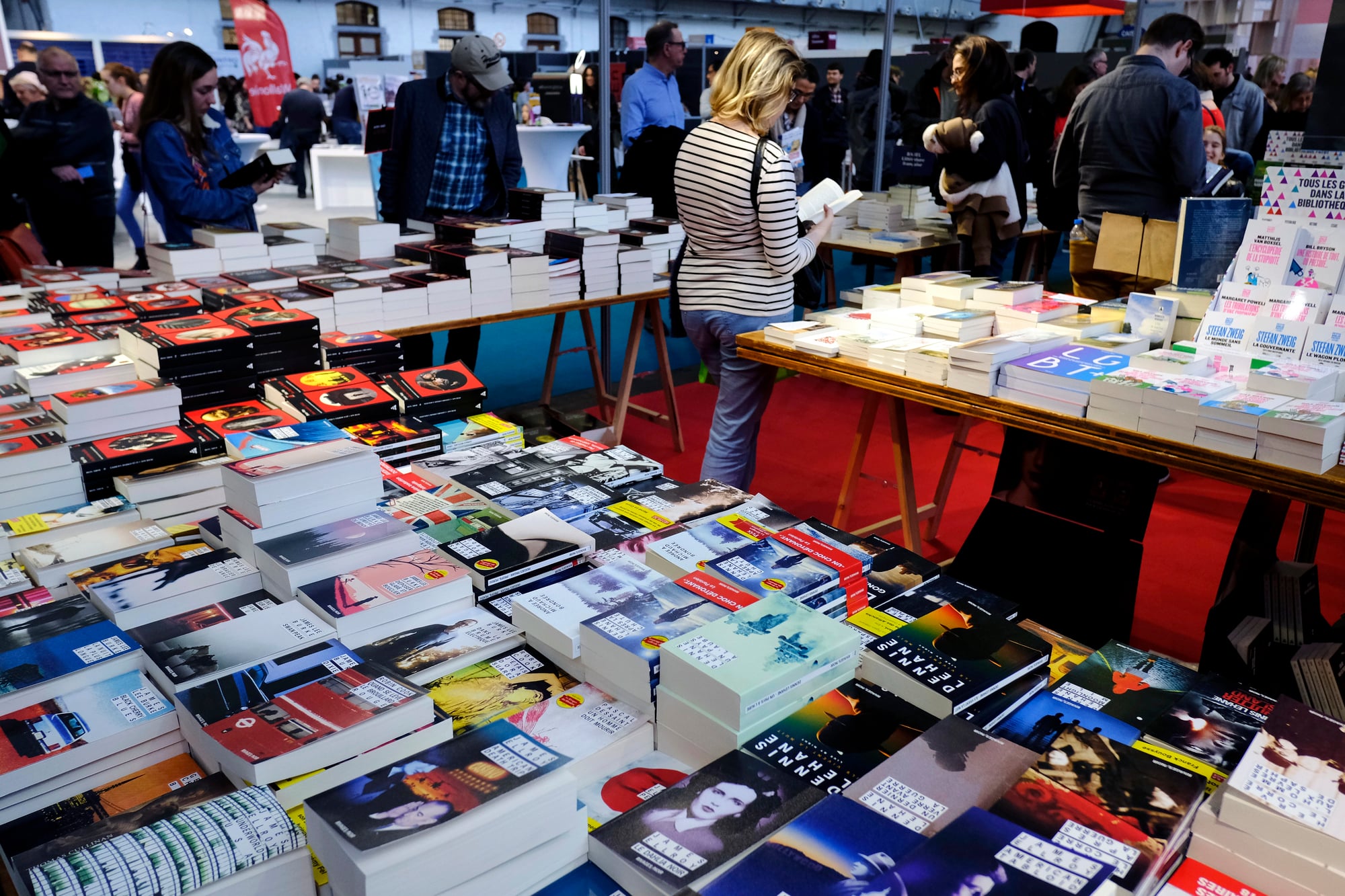
There’s something endearing about the way kids in the ’80s and ’90s equated page count with intelligence, as if buying a thick book would somehow transfer its contents directly into their brain through ownership alone. The chunky fantasy novels sitting on the book fair tables weren’t just stories — they were proof that you were ready for Advanced Reader territory, even if you never made it past chapter three.
These thick books served as bedroom decorations more than reading material, but that wasn’t really the point. The point was signaling to yourself (and anyone who happened to see your bookshelf) that you were the kind of person who read serious literature. Even if the most serious thing you’d actually finished that month was the back of a cereal box, that 400-page novel represented possibility, aspiration, the future version of yourself who had more patience and fewer Saturday morning cartoons to watch.
Eraser Madness
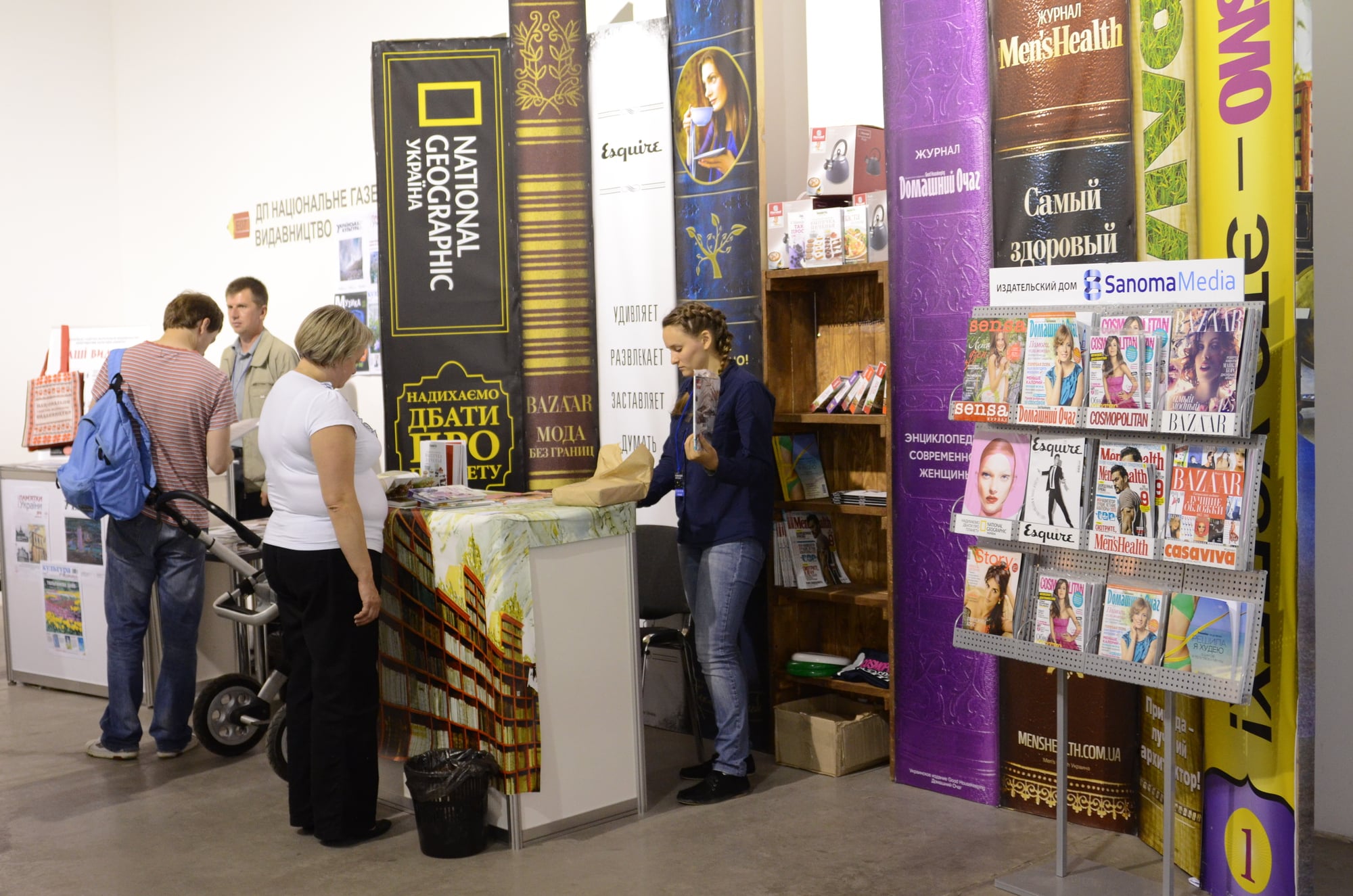
Book fairs understood that school supplies could be impulse purchases if you made them weird enough. Regular erasers were boring. But erasers shaped like hamburgers, erasers that smelled like root beer, erasers so tiny you could lose them immediately — those were irresistible.
The scented erasers never worked particularly well at actually erasing anything, but they transformed mistake-fixing into a sensory experience. You’d spend more time sniffing your eraser than using it, which probably defeated the purpose but felt revolutionary when you were eight.
The Friendship Bracelet Kit Investment
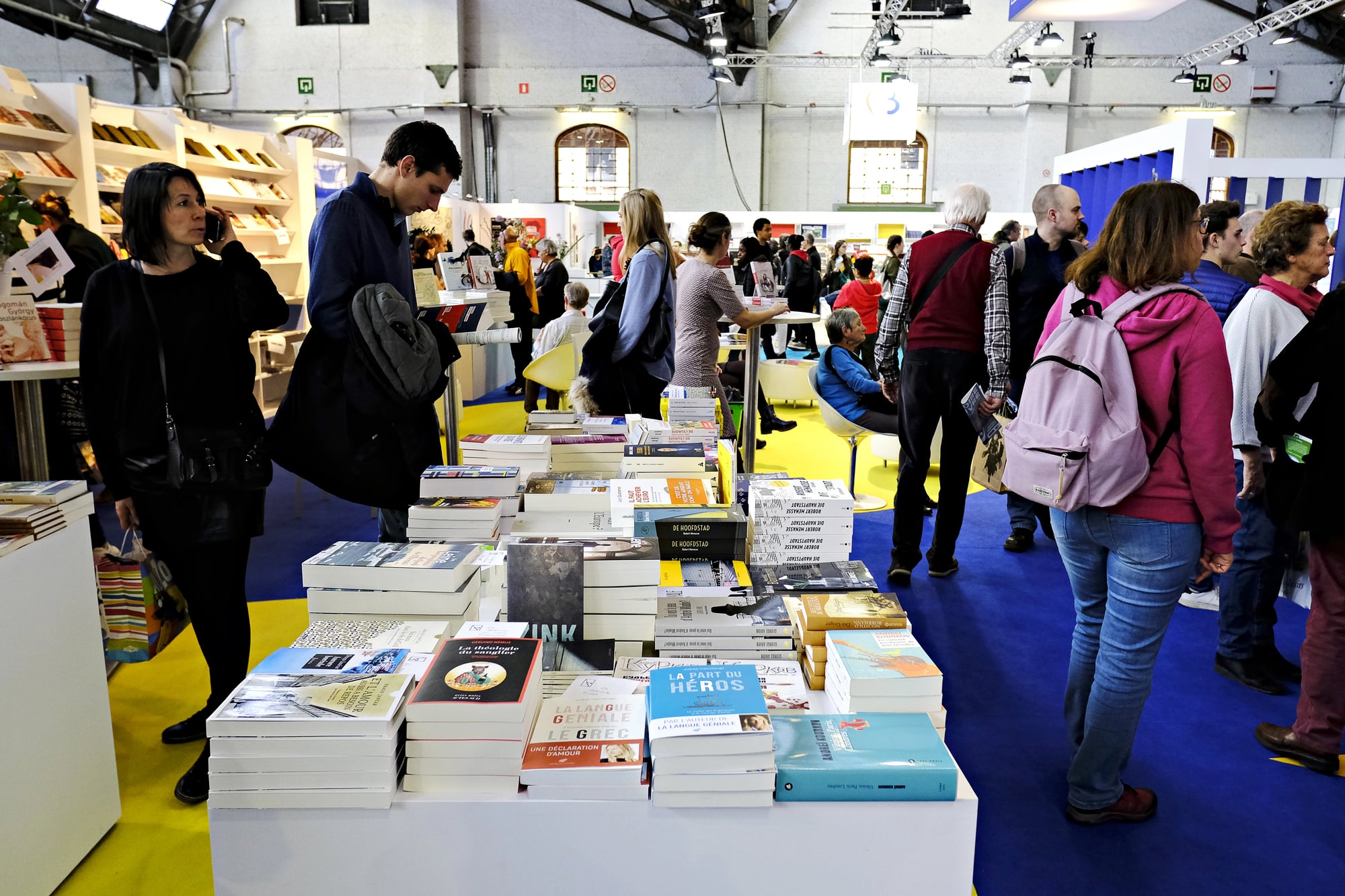
Friendship bracelets represented the intersection of craft project and social currency. The kits came with enough embroidery floss to make approximately forty-seven bracelets, which seemed like a reasonable investment for maintaining your entire social circle.
The instructions always made it look easier than it actually was. You’d start with grand plans of intricate patterns and perfect tension, but most friendship bracelets ended up looking like colorful accidents held together by good intentions and too much tape.
The “My Parents Will Never Buy Me This” Book
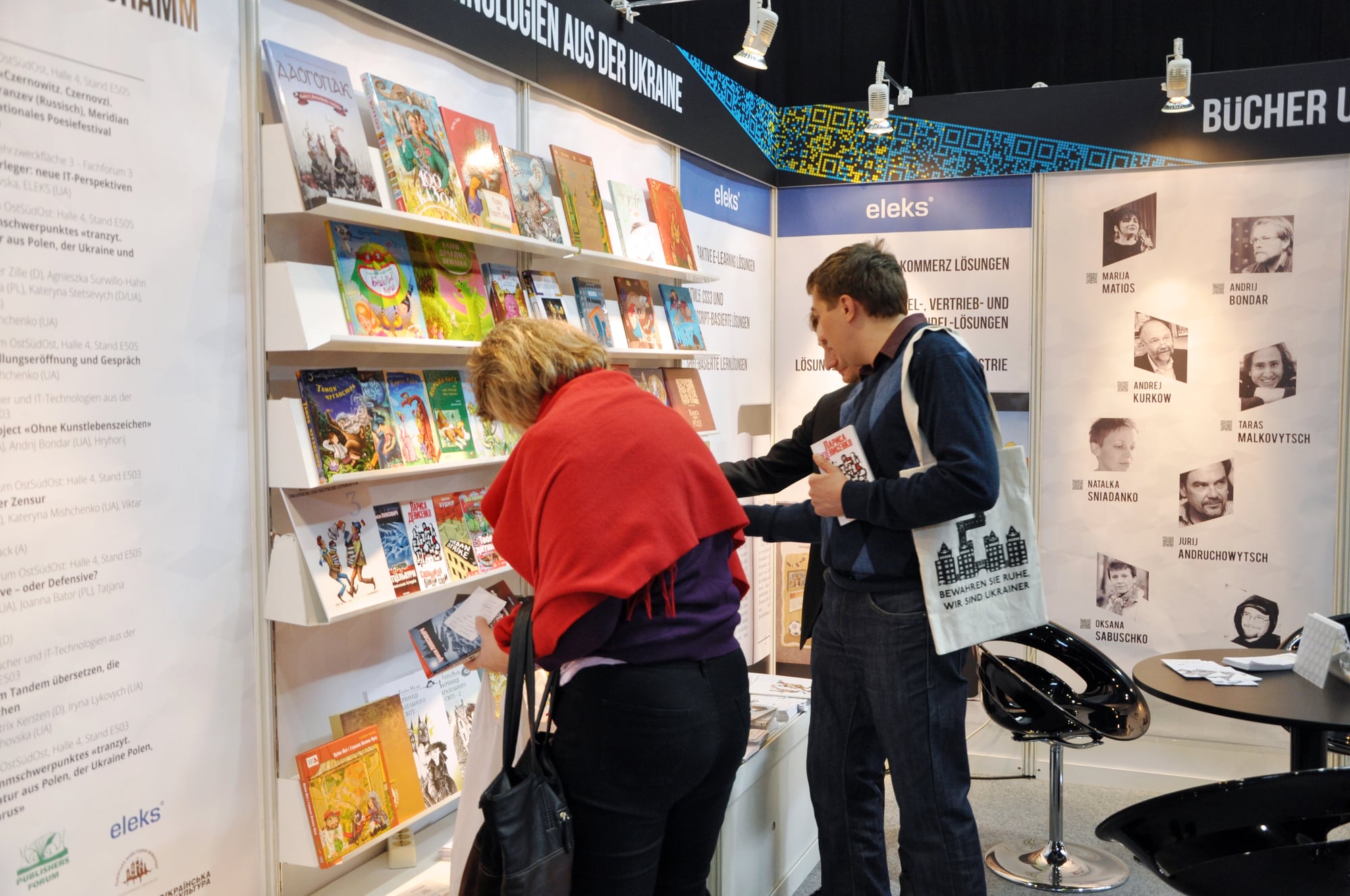
Every book fair had at least one book that cost more than your entire allowance budget. Usually it was some kind of illustrated encyclopedia or science book with pop-ups and fold-out diagrams that made it feel more like a toy than educational material.
You’d stand there calculating whether you could save up enough birthday money, or if your grandparents might consider it an educational investment worthy of their intervention. Most of the time, the answer was no, but spending ten minutes contemplating the purchase made you feel like a serious consumer with sophisticated tastes.
The Peer Pressure Purchase
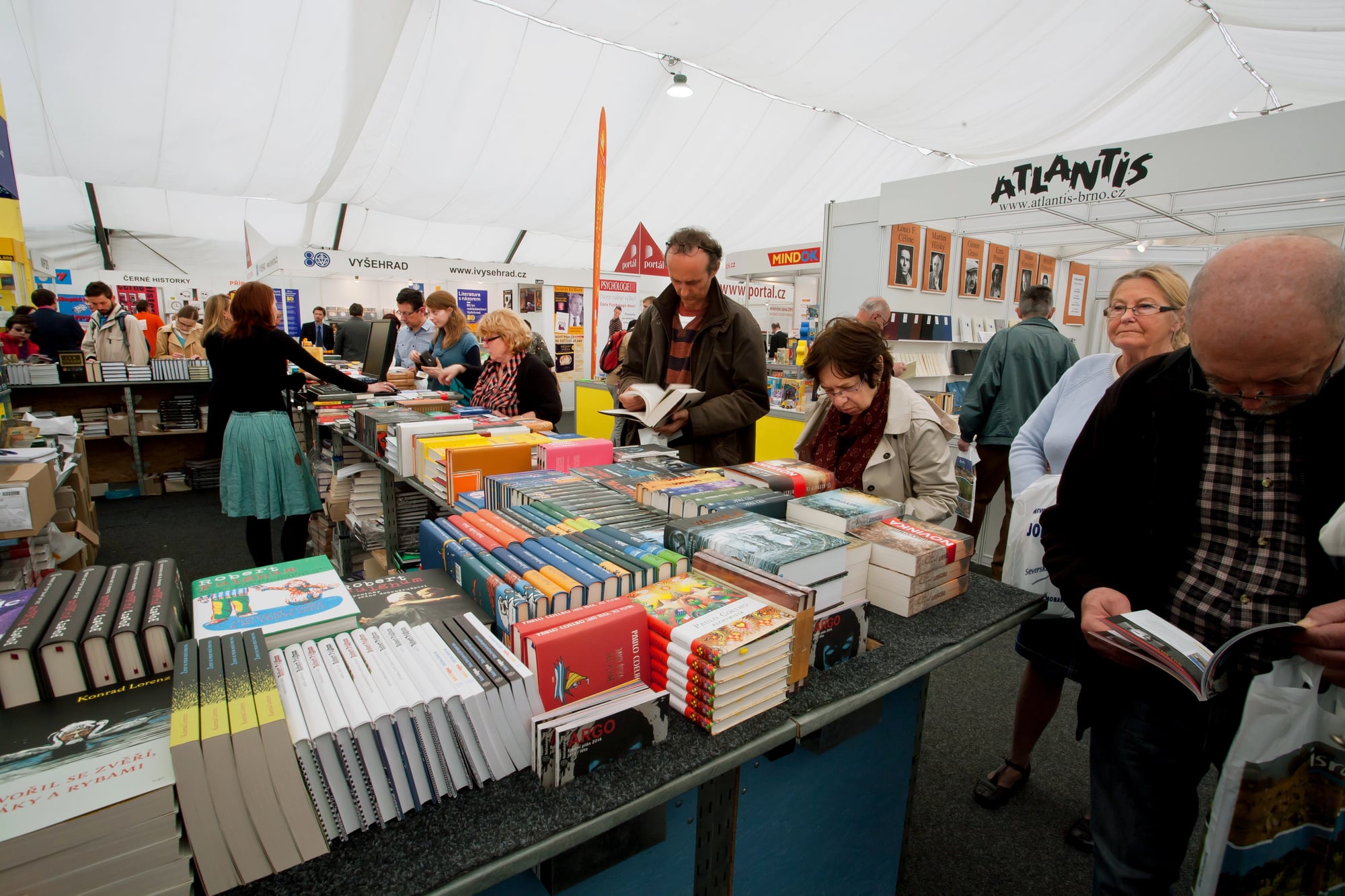
Book fairs turned reading into a social activity, which meant you’d sometimes buy books not because you particularly wanted them, but because everyone else seemed to think they were essential. If three of your friends bought the same paperback series, clearly you were missing something important.
These peer pressure purchases rarely lived up to the hype, but they taught valuable lessons about marketing, social dynamics, and the difference between wanting something and wanting to want something. Sometimes the most educational part of the book fair happened before you even opened a book.
The Guilty Pleasure Pick
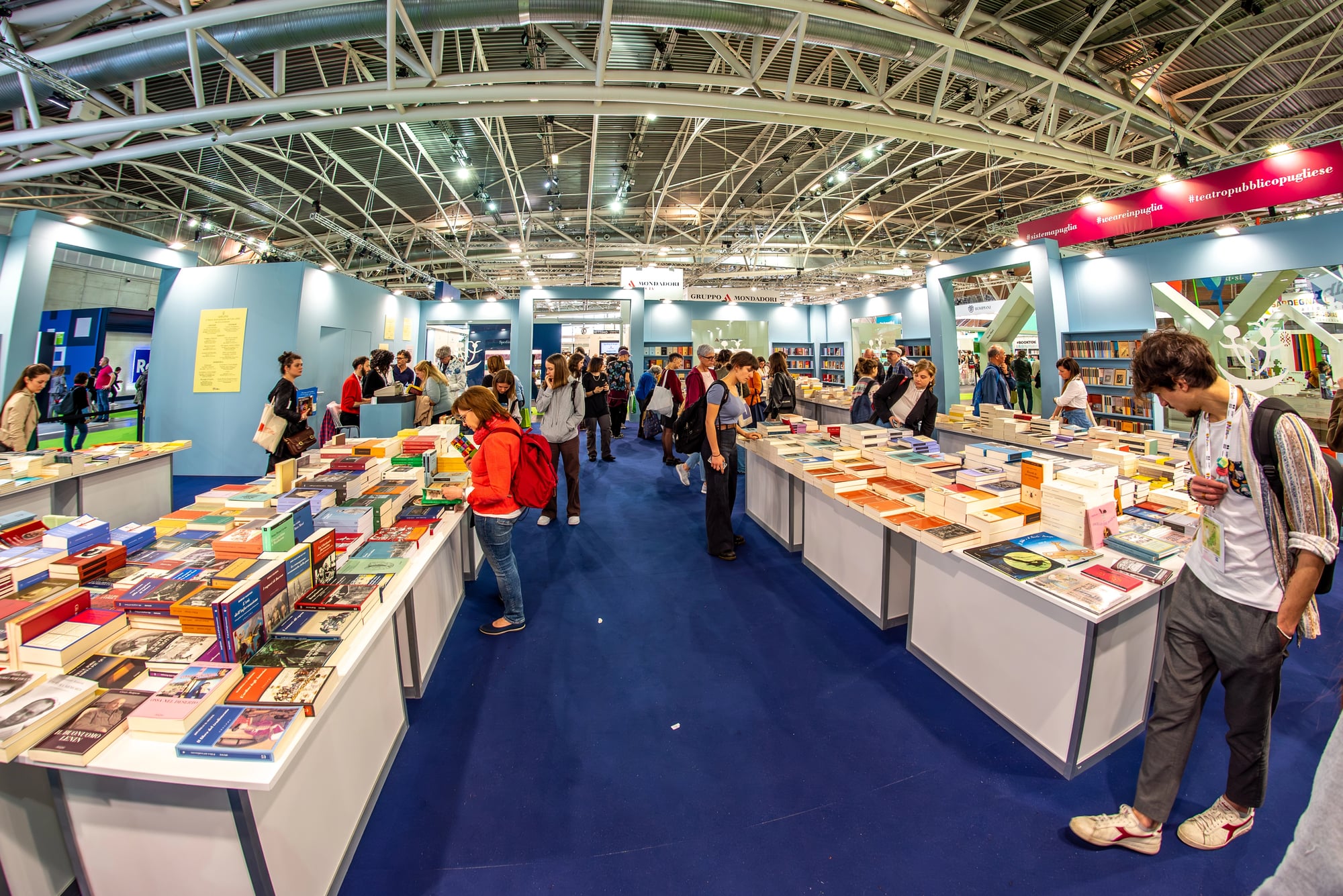
There was always that one book you wanted but felt slightly embarrassed about — maybe it seemed too young for your grade level, or too weird for your carefully cultivated image as a serious student. But book fairs operated under different rules than the regular library, and cash transactions felt more private than checkout cards.
So you’d slip it into your pile, hoping nobody noticed, learning early that reading pleasure didn’t always align with reading prestige. Those guilty pleasure picks often became the books you actually read cover to cover, while the more respectable choices gathered dust on your shelf.
The Dollar Stretching Strategy
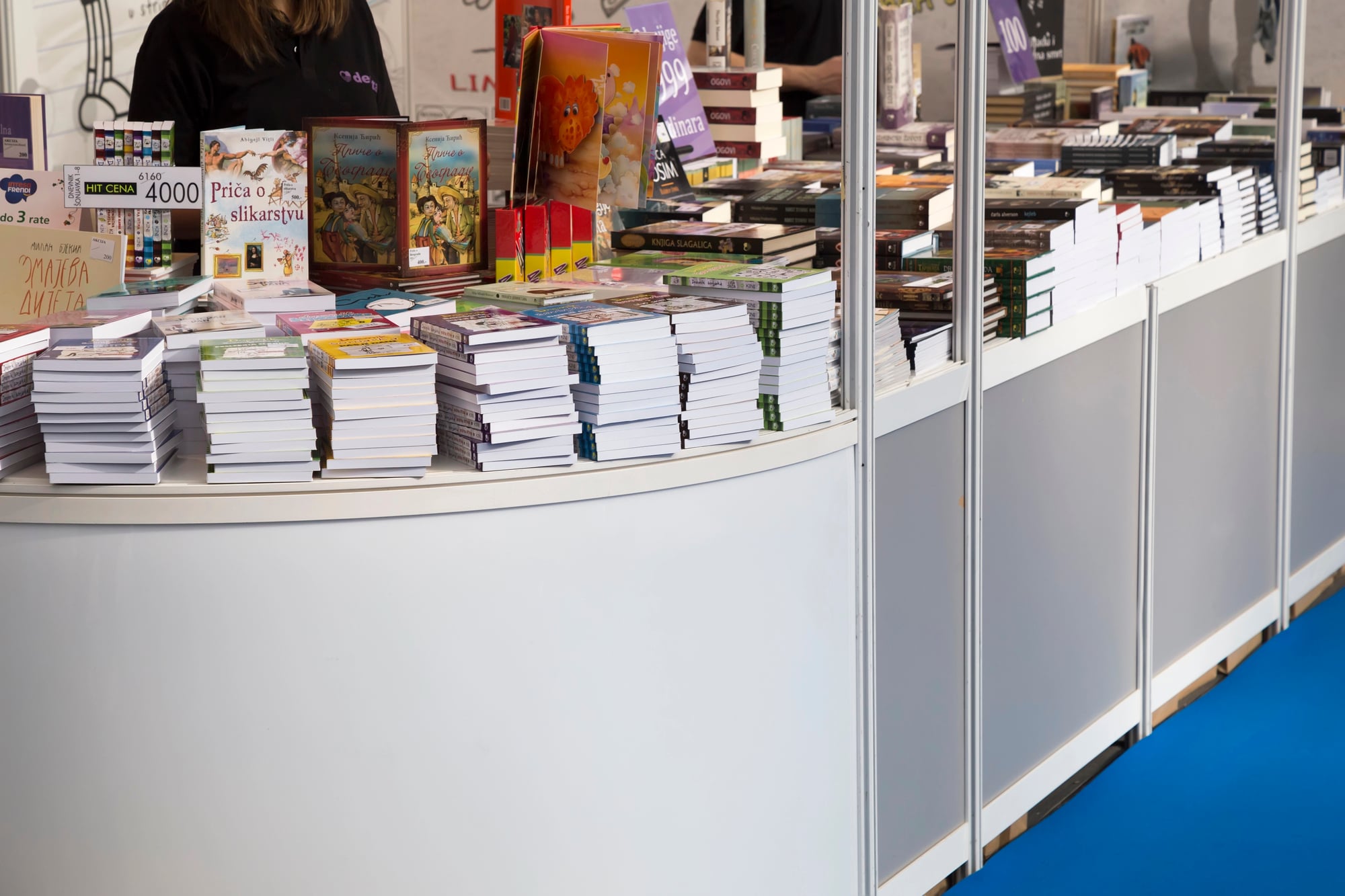
Five dollars could feel like a fortune or nothing at all, depending on how you spent it. Smart book fair shoppers developed sophisticated budgeting strategies, comparing cost per page, weighing the social value of popular titles against the personal appeal of weird niche books.
You’d walk away with either one expensive book that felt important, or four cheaper books that collectively seemed like a better deal. Either way, you’d spend the entire bus ride home wondering if you’d made the right choice, as if book purchasing was a life skill that required constant refinement.
The Teacher Recommendation Dilemma
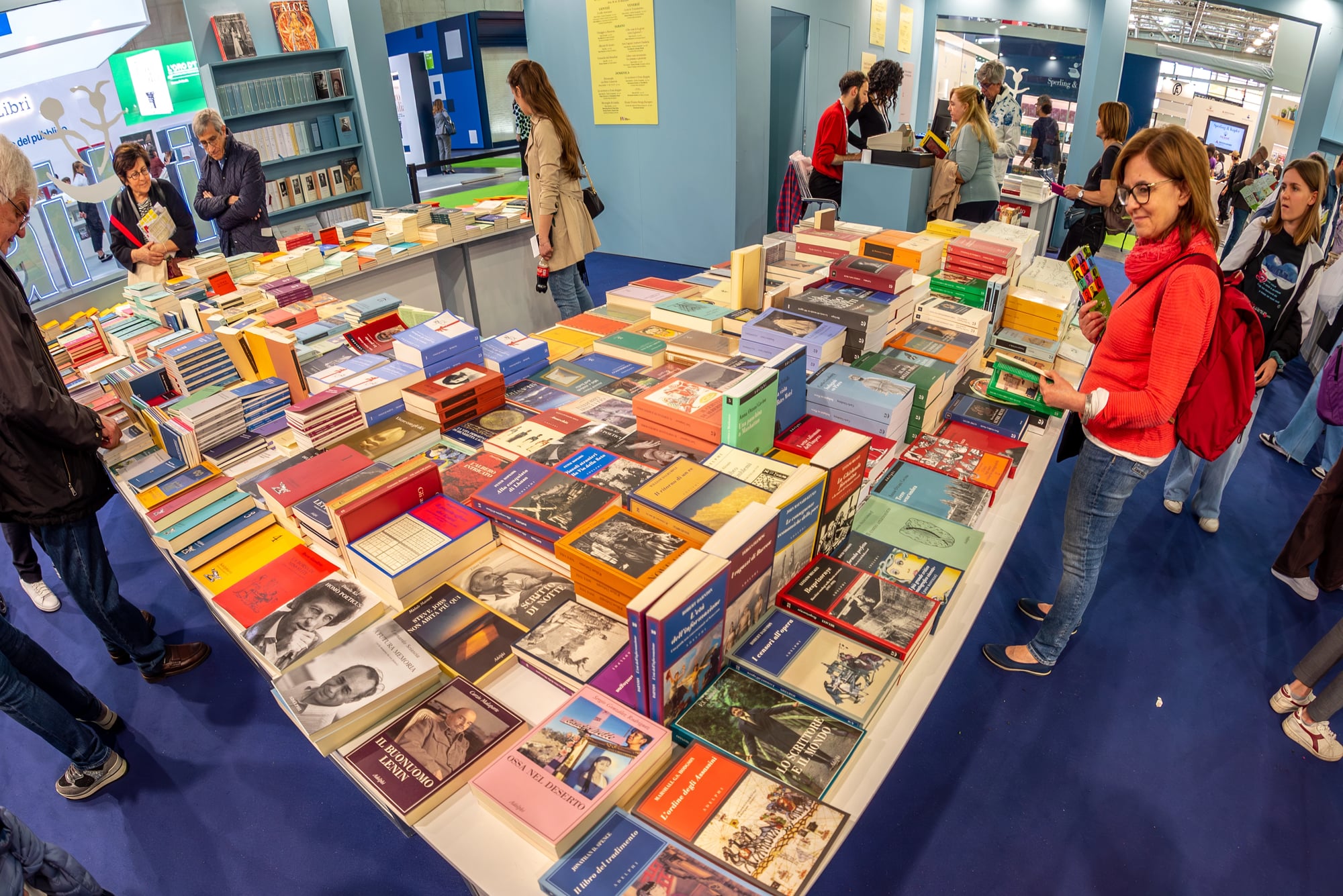
When your teacher specifically mentioned a book during the fair preview, it created an interesting social calculation. Was this genuine literary guidance, or a gentle suggestion that your reading level needed improvement? Did buying the recommended book make you look responsible, or like someone who couldn’t make decisions independently?
The teacher recommendation carried weight, but it also carried the faint whiff of homework, which could poison even the most appealing story. You’d find yourself torn between respecting your teacher’s expertise and maintaining your autonomy as a book consumer.
The “I’ll Read It Over Summer” Optimism
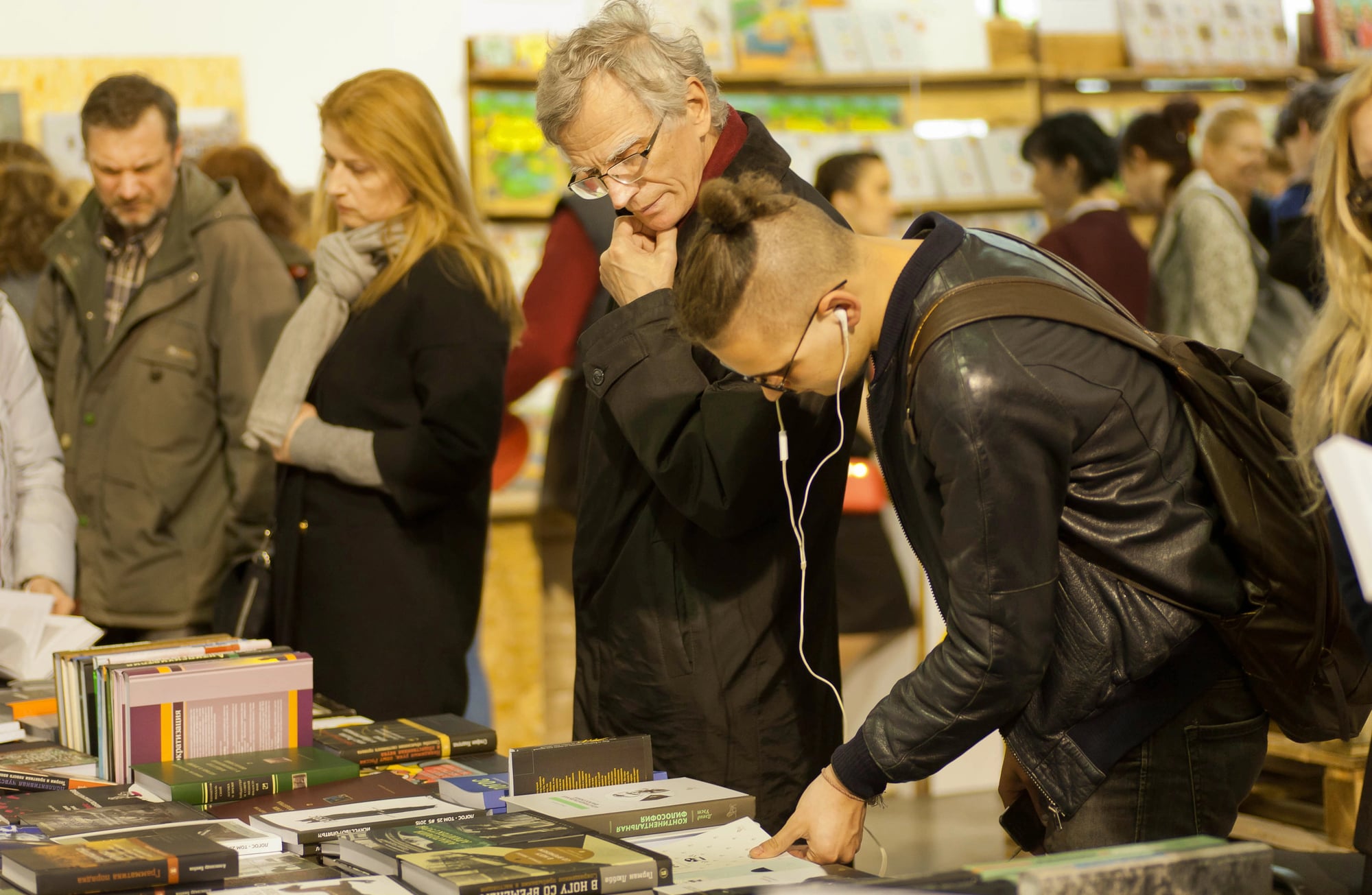
Summer reading took on a different meaning when you were personally invested in the books. Buying something at the spring book fair specifically for summer felt like making a promise to your future self — a promise that you’d definitely be the kind of person who read voluntarily when school wasn’t forcing you to.
These summer reading purchases usually lived up to their potential about as well as you’d expect, but the optimism behind them was genuine. Each book represented a slightly more literary version of summer vacation, where you’d read under trees and be generally more thoughtful than your school-year self.
The Series Starter Commitment
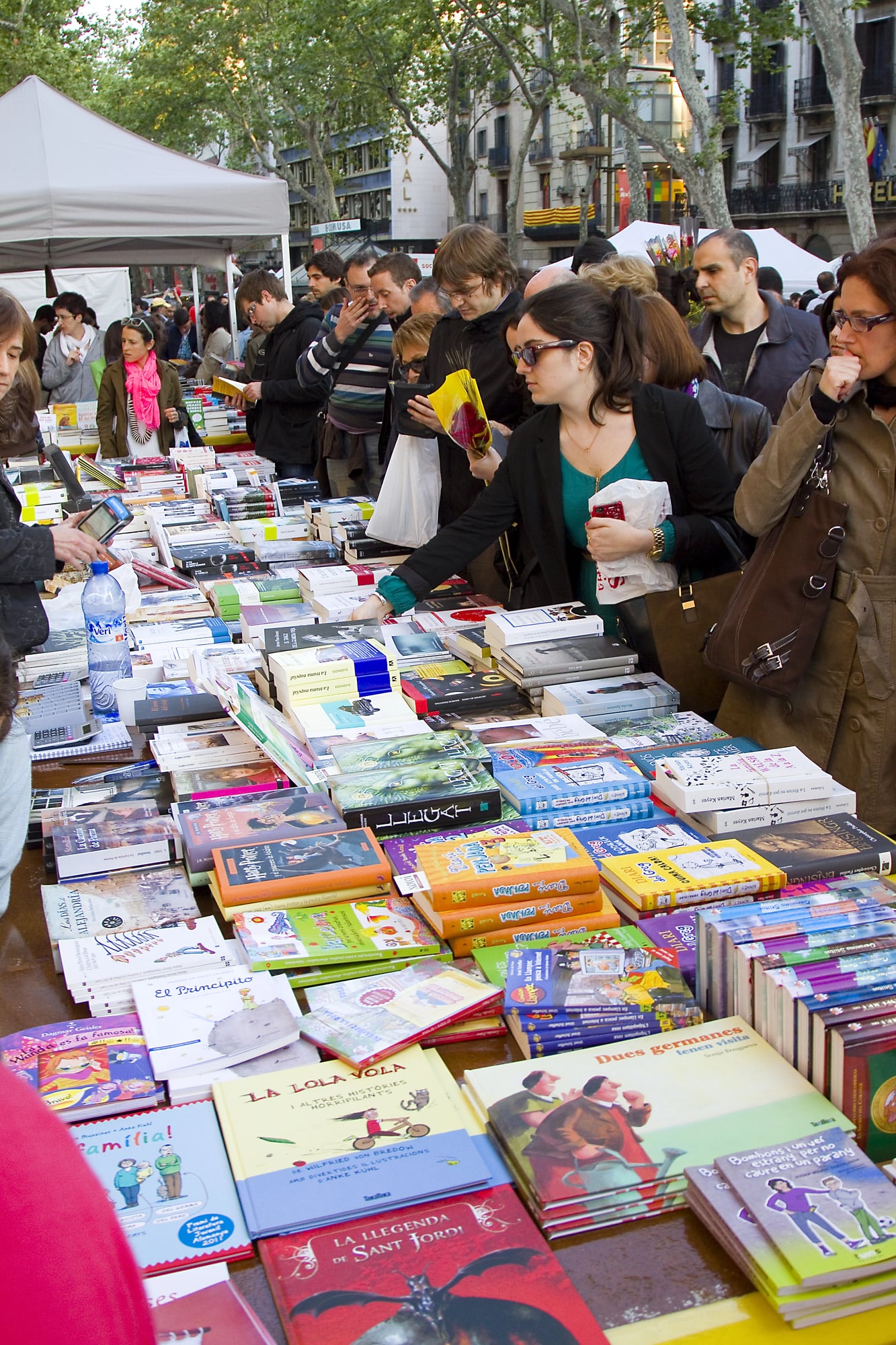
Starting a book series felt like a serious relationship decision. If you bought book one and actually liked it, you were looking at a multi-fair financial commitment that could stretch across several grades.
But series offered something valuable: the promise that if you found something you liked, there would be more of it waiting. In a world where most good things seemed to end too quickly, book series represented abundance, continuity, the idea that some stories were big enough to last.
The Parent Chaperone Negotiation
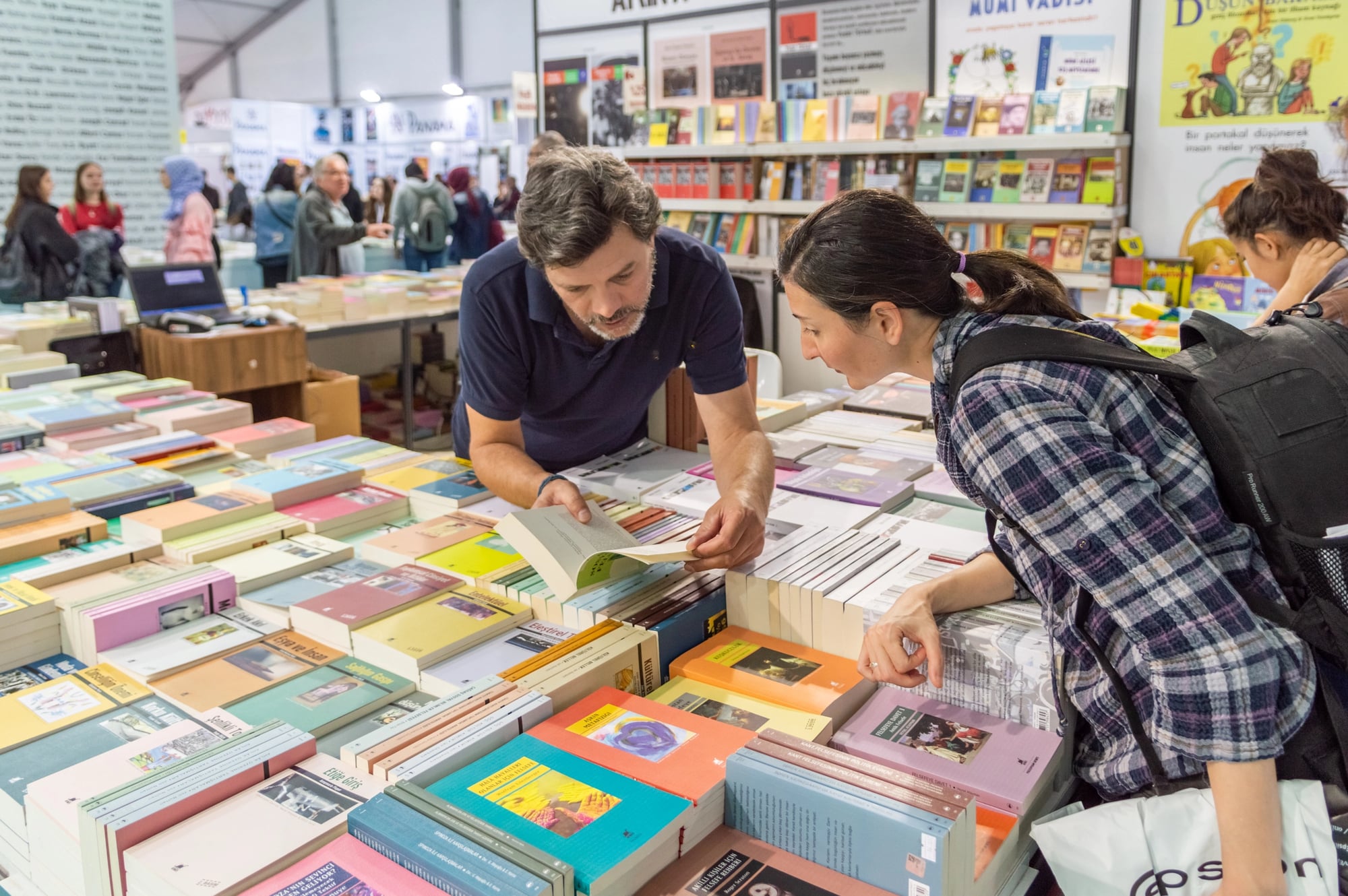
Having a parent volunteer at the book fair created complicated dynamics. On one hand, you had direct access to someone with actual money and potentially more generous spending limits than your allowance typically allowed.
On the other hand, parental supervision meant justifying your choices, explaining why you needed both a book and a calculator watch, defending purchases that seemed perfectly reasonable when you were browsing independently but slightly frivolous when you had to articulate them out loud.
The Last Day Desperation
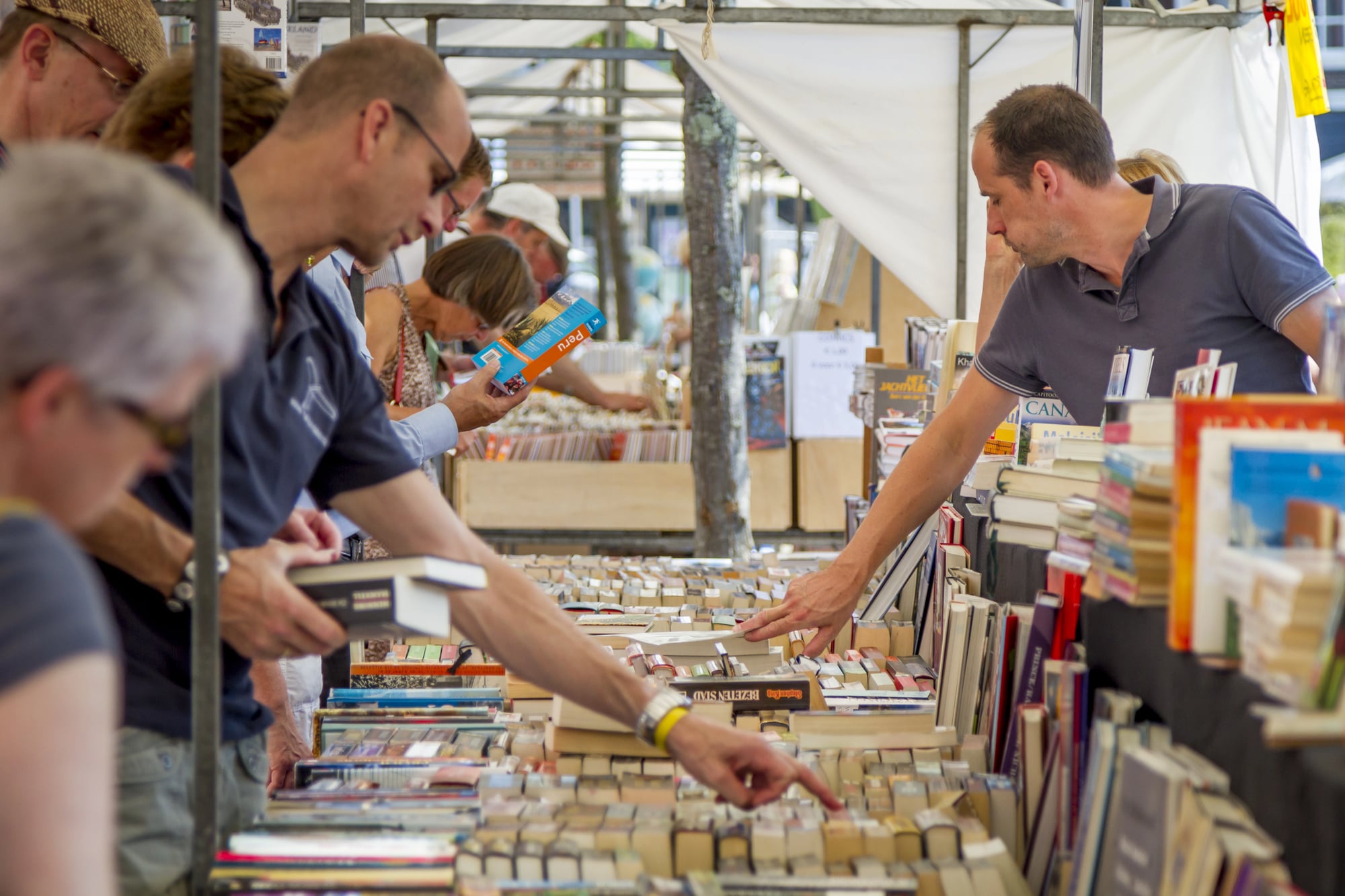
Book fair’s final day brought out different shopping behavior entirely. The best stuff was gone, your friends had spent their money, and whatever remained felt either picked-over or like hidden treasure that everyone else had somehow missed.
Last day shopping required lowered expectations and creative thinking. Maybe that book about dolphins wasn’t what you came for, but it was what was left, and there was something appealing about rescuing the last copy of something from book fair obscurity.
The Post-Fair Comparison Session
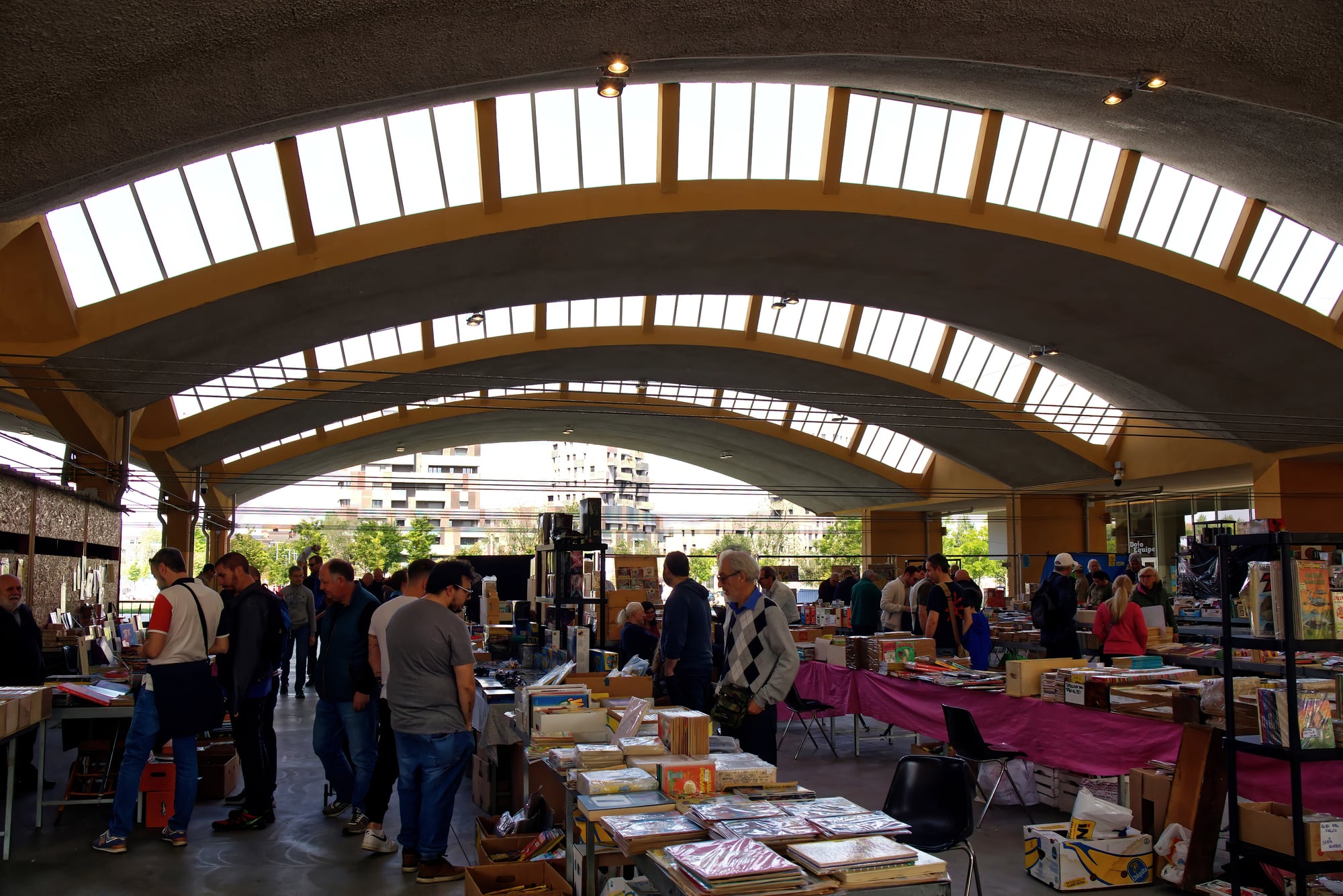
The real book fair happened in the hallway afterward, when everyone compared purchases and immediately began second-guessing their choices. Someone always had found something you’d somehow missed, or gotten a better deal by combining purchases strategically.
These comparison sessions served as informal book reviews, trading information about which purchases were already proving worthwhile and which ones were turning out to be expensive mistakes. The book fair extended well beyond the actual shopping, into a week-long community evaluation of collective decision-making.
The Fancy Pen Temptation
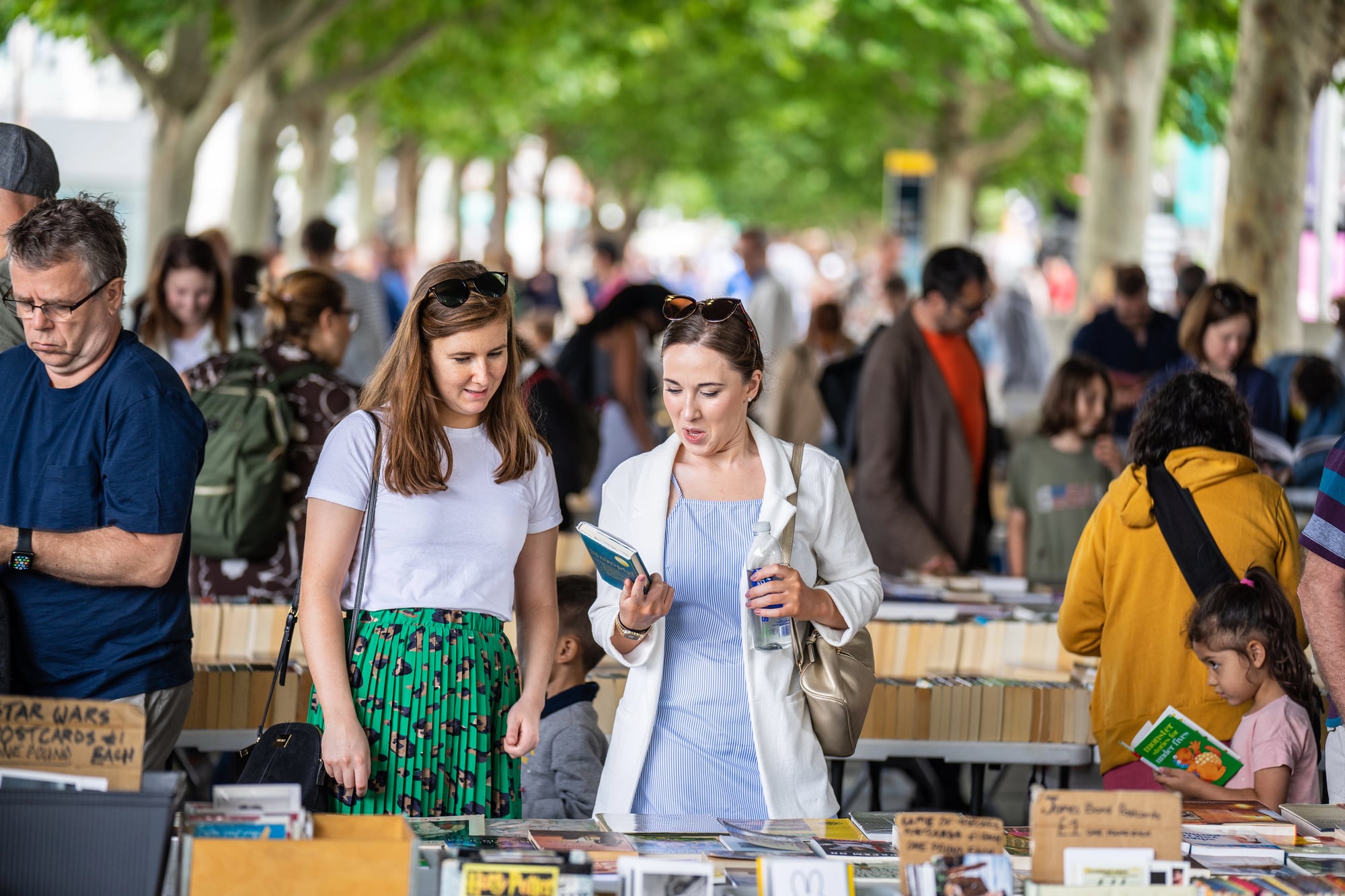
Book fairs always featured pens that seemed impossibly sophisticated for elementary school use. Pens with multiple colors, pens that doubled as highlighters, pens with erasable ink that felt like cheating the entire concept of permanence.
These pens cost more than several books combined, but they represented a different kind of literacy — the literacy of writing rather than reading. Buying a fancy pen was an investment in the idea that what you had to say was worth saying in style.
The Puzzle Book Discovery
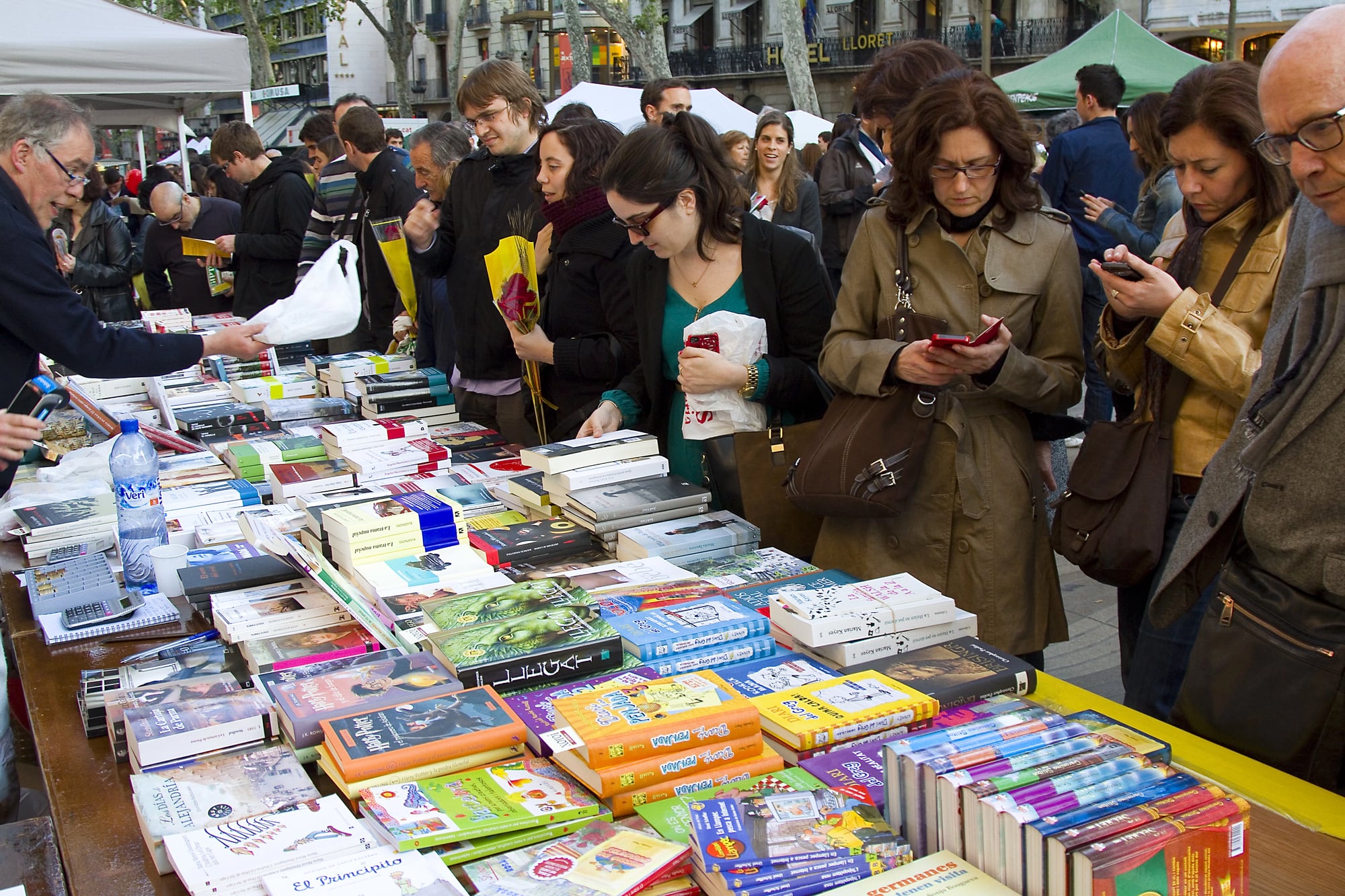
Before sudoku became a cultural phenomenon, book fairs introduced kids to the broader world of puzzle books. Word searches, crosswords, brain teasers that promised to make you smarter just by attempting them.
Puzzle books felt like legitimate reading because they involved words and required thinking, but they also felt like games because they had right answers and you could win. They bridged the gap between entertainment and education in a way that made both more appealing.
The Diary With Lock Fantasy
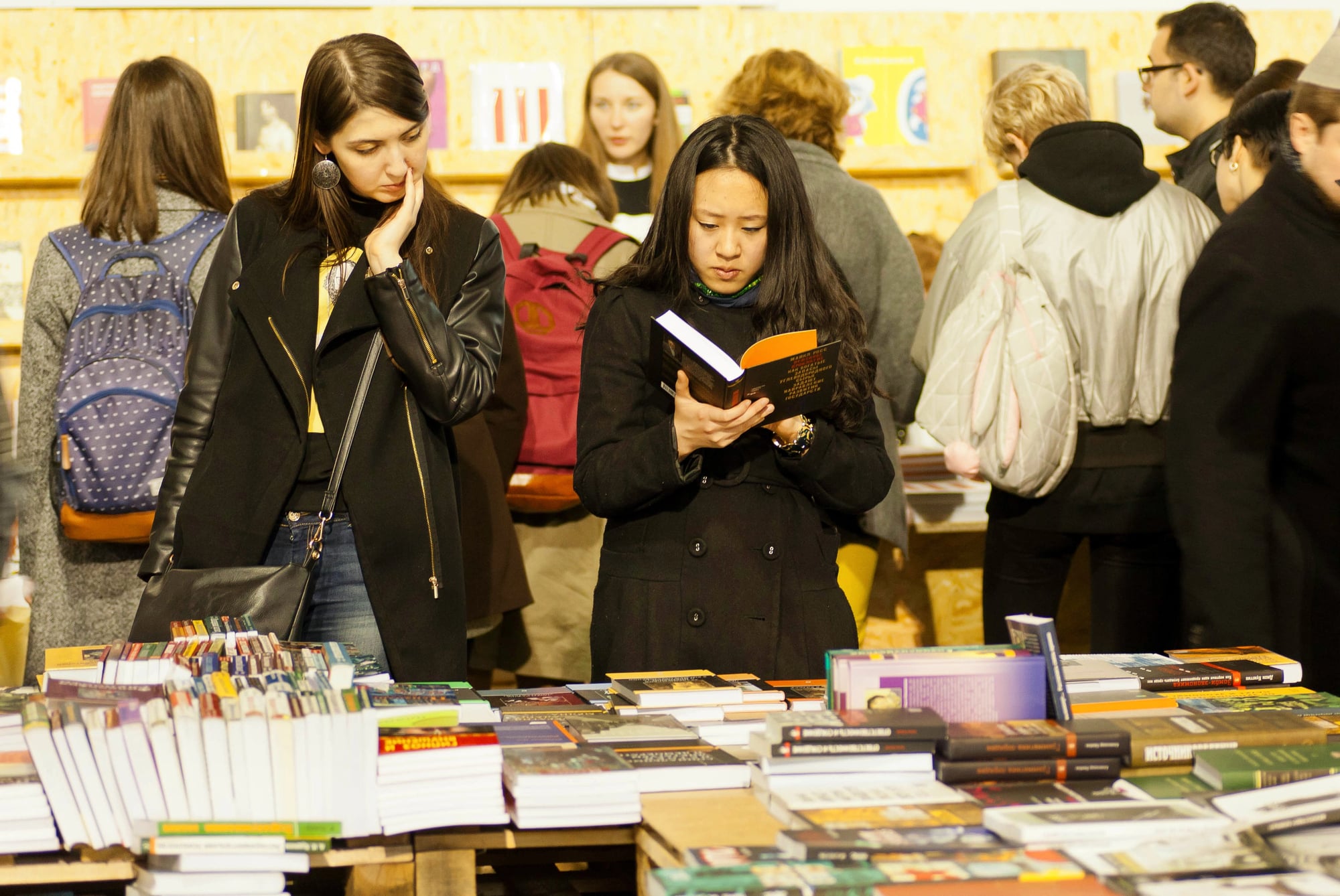
Few book fair purchases promised as much as a diary with a tiny lock and key. Here was a place to record your most important thoughts, secured against invasion by siblings, parents, and anyone else who might not appreciate the profound nature of your fourth-grade observations.
The lock was mostly symbolic — anyone determined enough could probably break it with minimal effort — but symbols mattered when you were nine and your inner life felt simultaneously very important and very private. The diary represented taking yourself seriously as someone whose thoughts were worth preserving.
The Poetry Book Sophistication Play
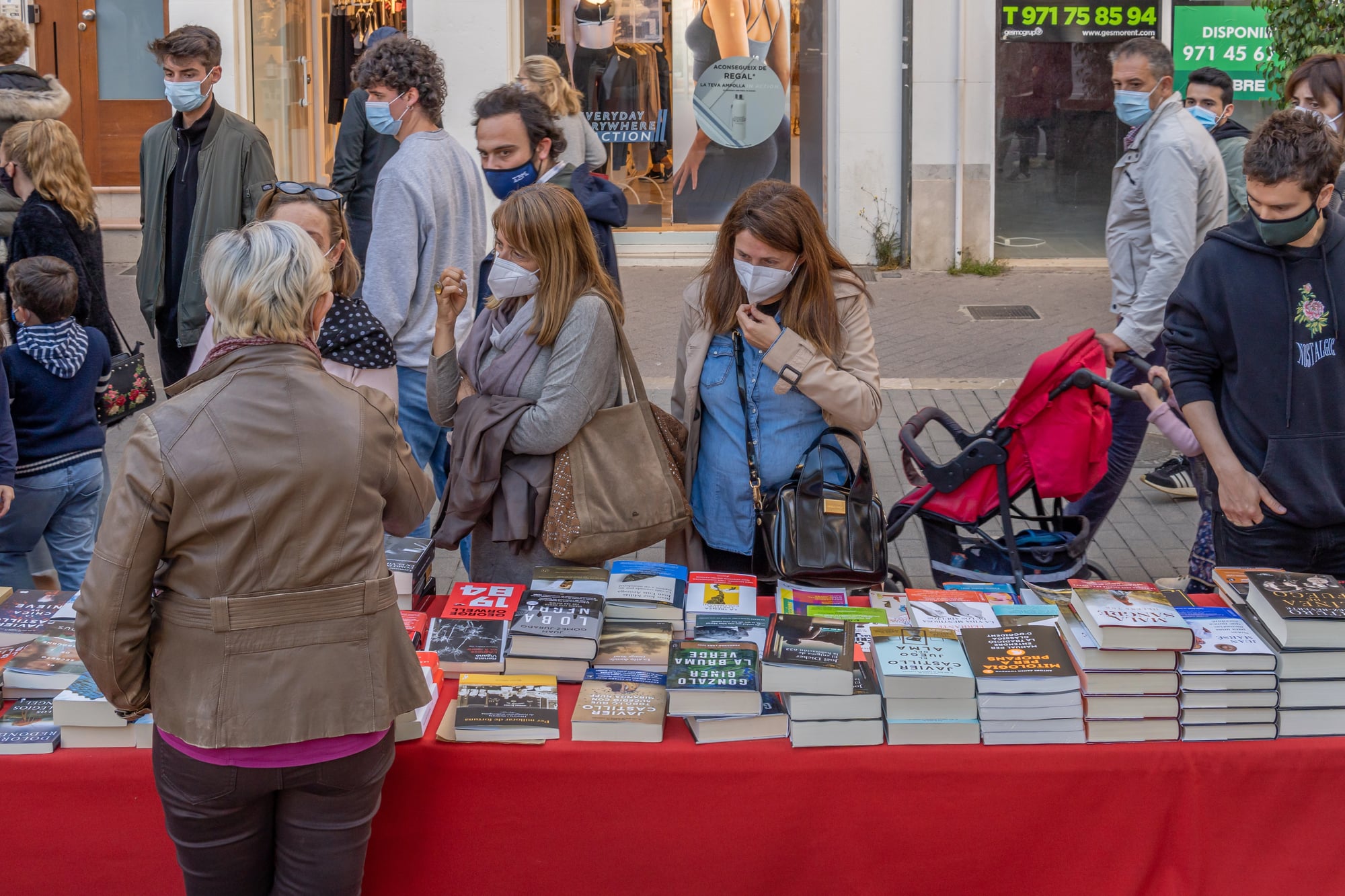
Poetry books at book fairs occupied a special category of intellectual sophistication. Buying one signaled that you were ready for literature that didn’t necessarily tell a story in the traditional sense, that you appreciated language for its own sake, that you were developing refined literary tastes.
Most of these poetry books were probably more accessible than their purchasers realized, but they felt advanced, mysterious, like a secret code that older, more literary people already understood. Buying a poetry book was an act of faith that you’d grow into the kind of person who could appreciate it.
The Choose Your Own Adventure Strategy
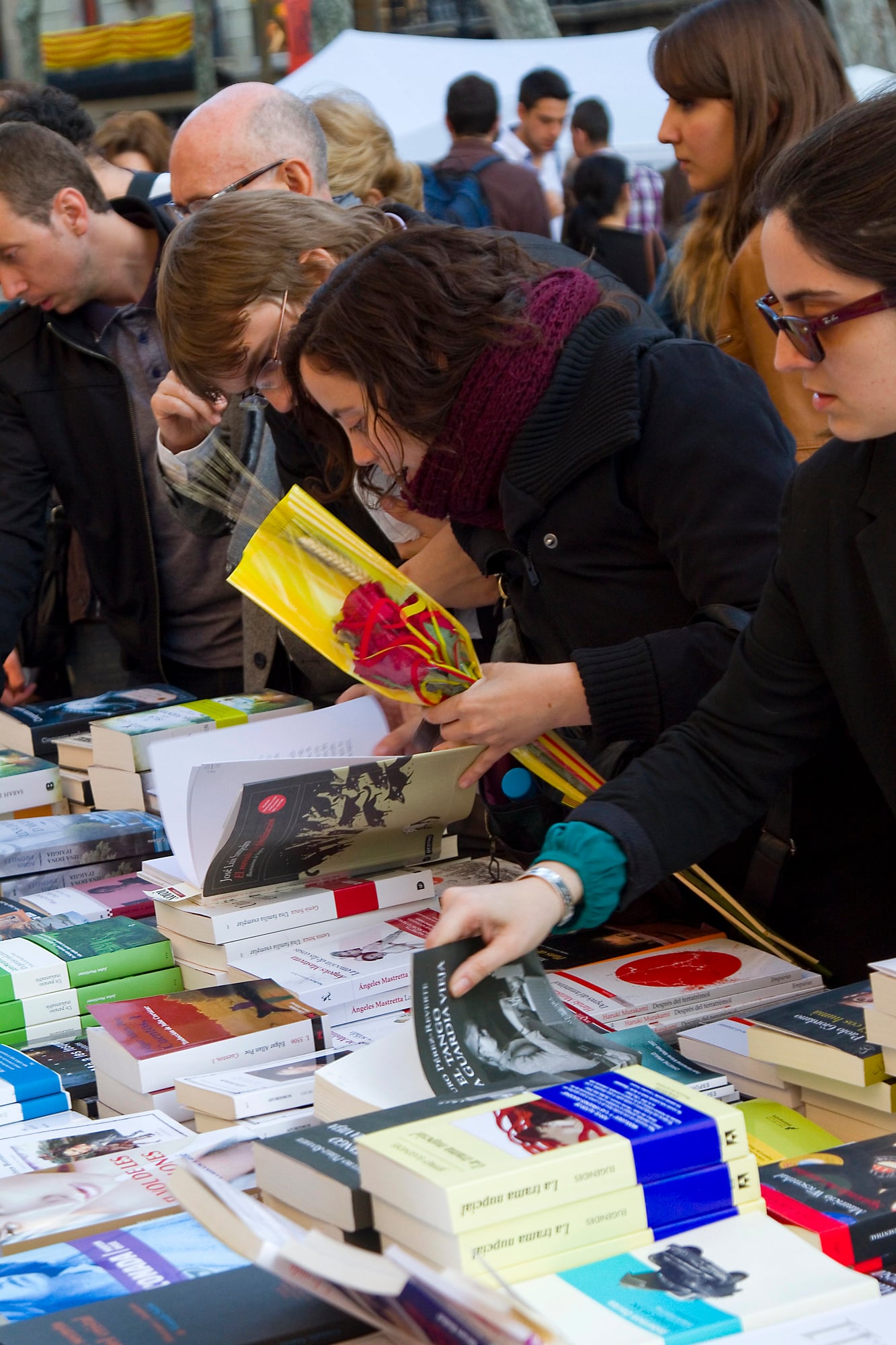
Choose Your Own Adventure books represented interactive literature before anyone had invented that phrase. These books acknowledged that readers wanted agency, wanted to participate in storytelling rather than just consuming it passively.
The multiple endings meant you could theoretically get several stories’ worth of entertainment from one purchase, though in practice you’d usually find the path to the best ending and stick with it. Still, the possibility of alternative outcomes made these books feel more like games than reading assignments.
The Scientific Calculator Graduation
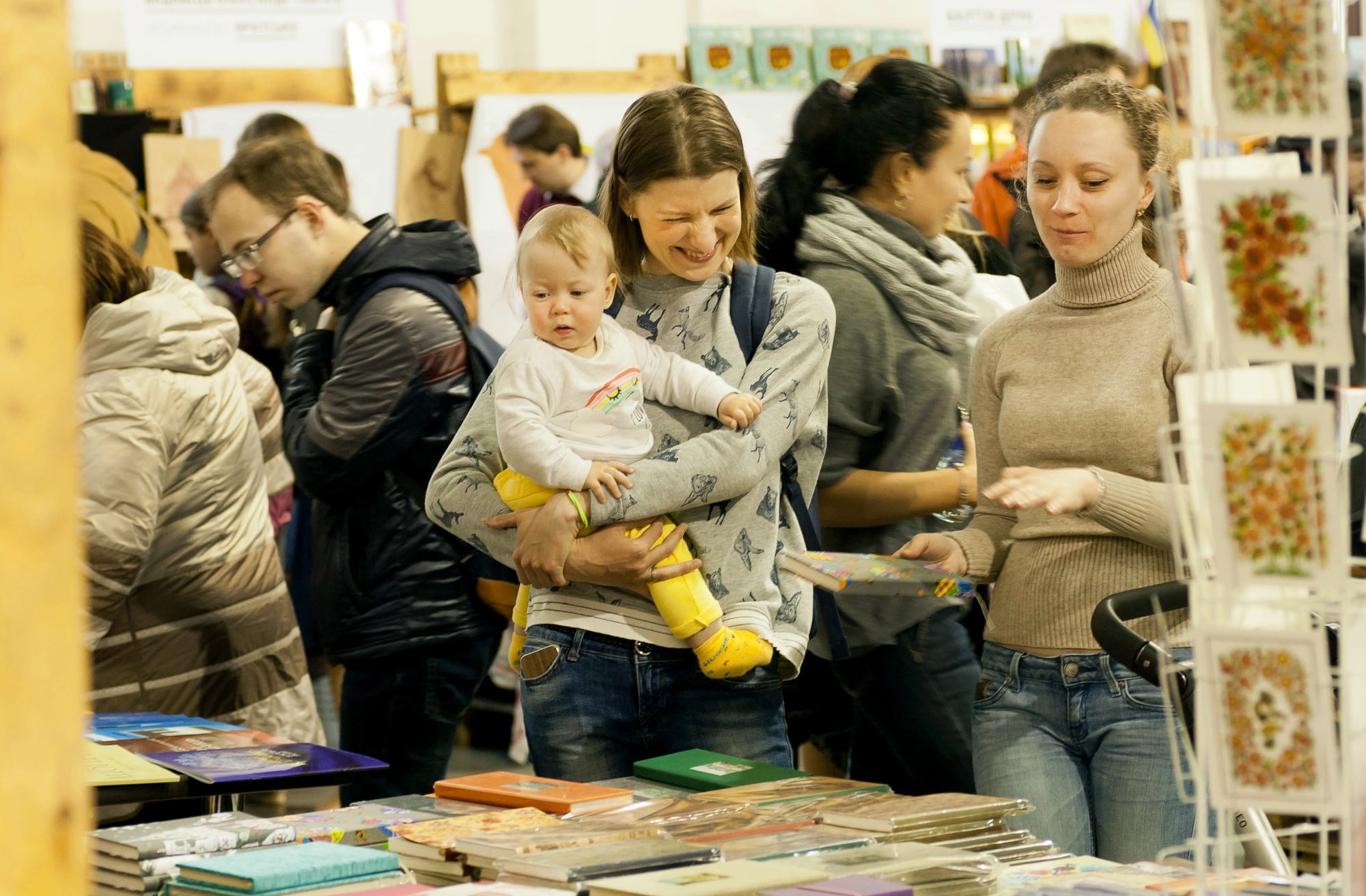
For older elementary students, book fairs sometimes featured scientific calculators that made the basic calculator watches look primitive by comparison. These devices had buttons for functions you didn’t understand yet, but that seemed important for your mathematical future.
Scientific calculators represented preparation for a more advanced academic life, where you’d presumably need to calculate sines and cosines on a regular basis. They were investments in becoming the kind of student who took advanced math classes, even if algebra was still several years away.
The Reference Book Authority
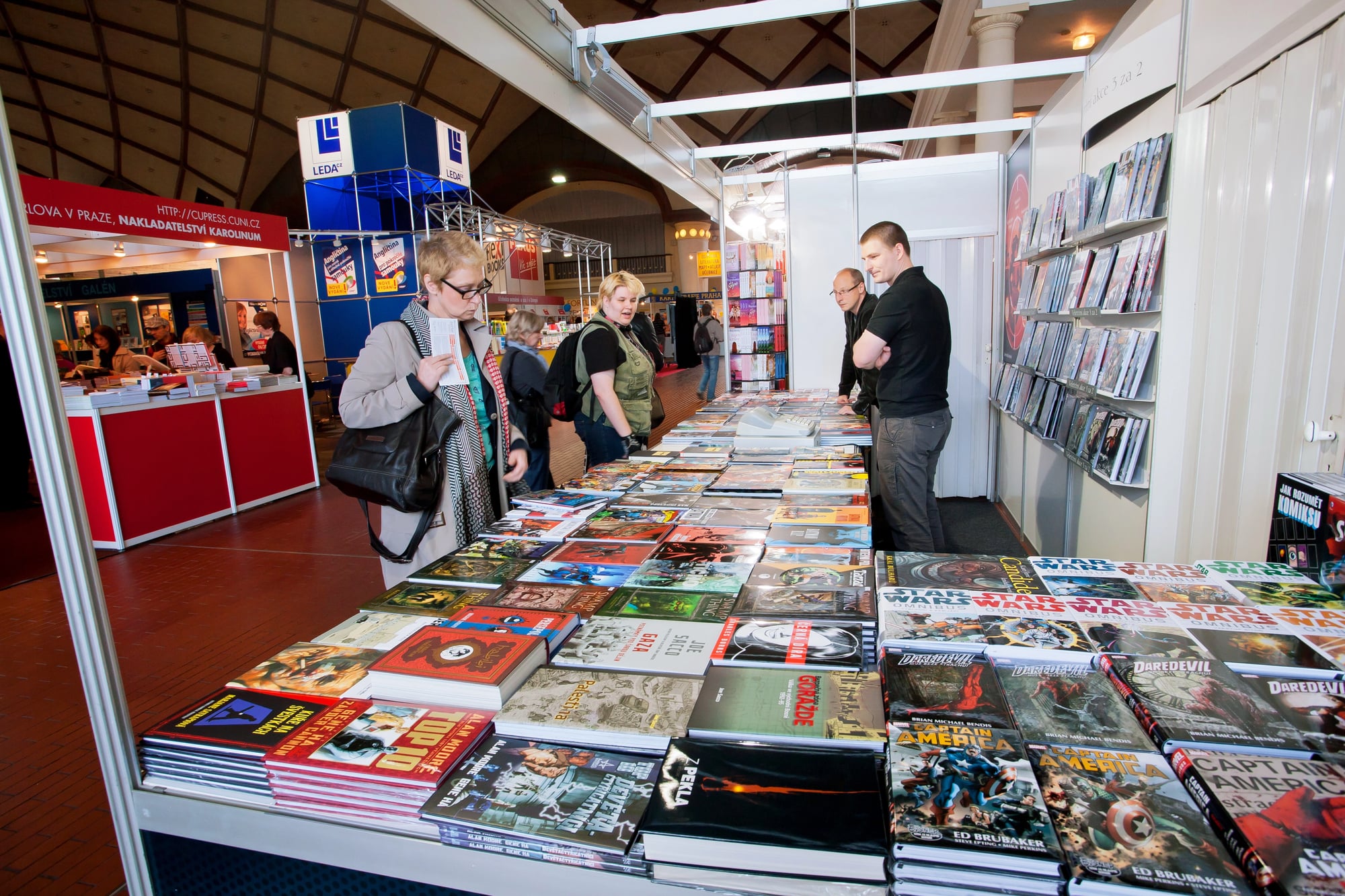
Dictionaries, atlases, and other reference books carried special weight at book fairs because they seemed like the kind of thing serious students owned. These weren’t books you read for pleasure — they were tools, resources, the foundation of a proper home library.
Buying a reference book felt responsible and mature, like purchasing homework insurance for future assignments you hadn’t even received yet. Plus, reference books were thick, impressive-looking, and suggested that you were the kind of person who looked things up instead of just guessing.
The Sticker Collection Starter Kit
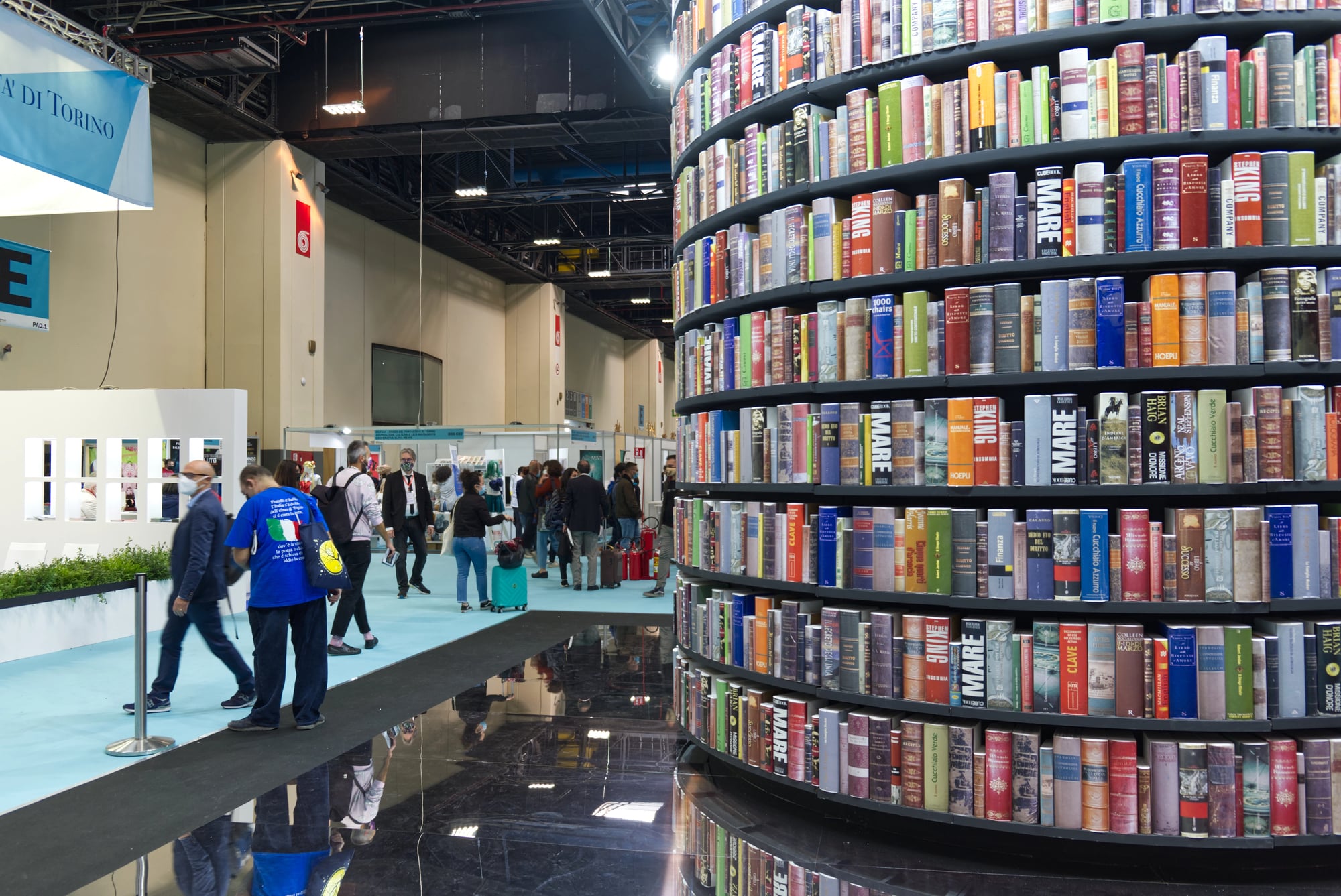
Stickers at book fairs existed in a category somewhere between school supplies and collectibles. The good stickers were puffy, holographic, or scented — definitely too special for actual use on homework or notebooks.
Starting a sticker collection required restraint and organization skills that most elementary school students hadn’t developed yet. The stickers would end up stuck to bedroom walls, traded with friends, or hoarded in special albums that transformed them from functional supplies into treasured possessions.
The Foreign Language Exploration
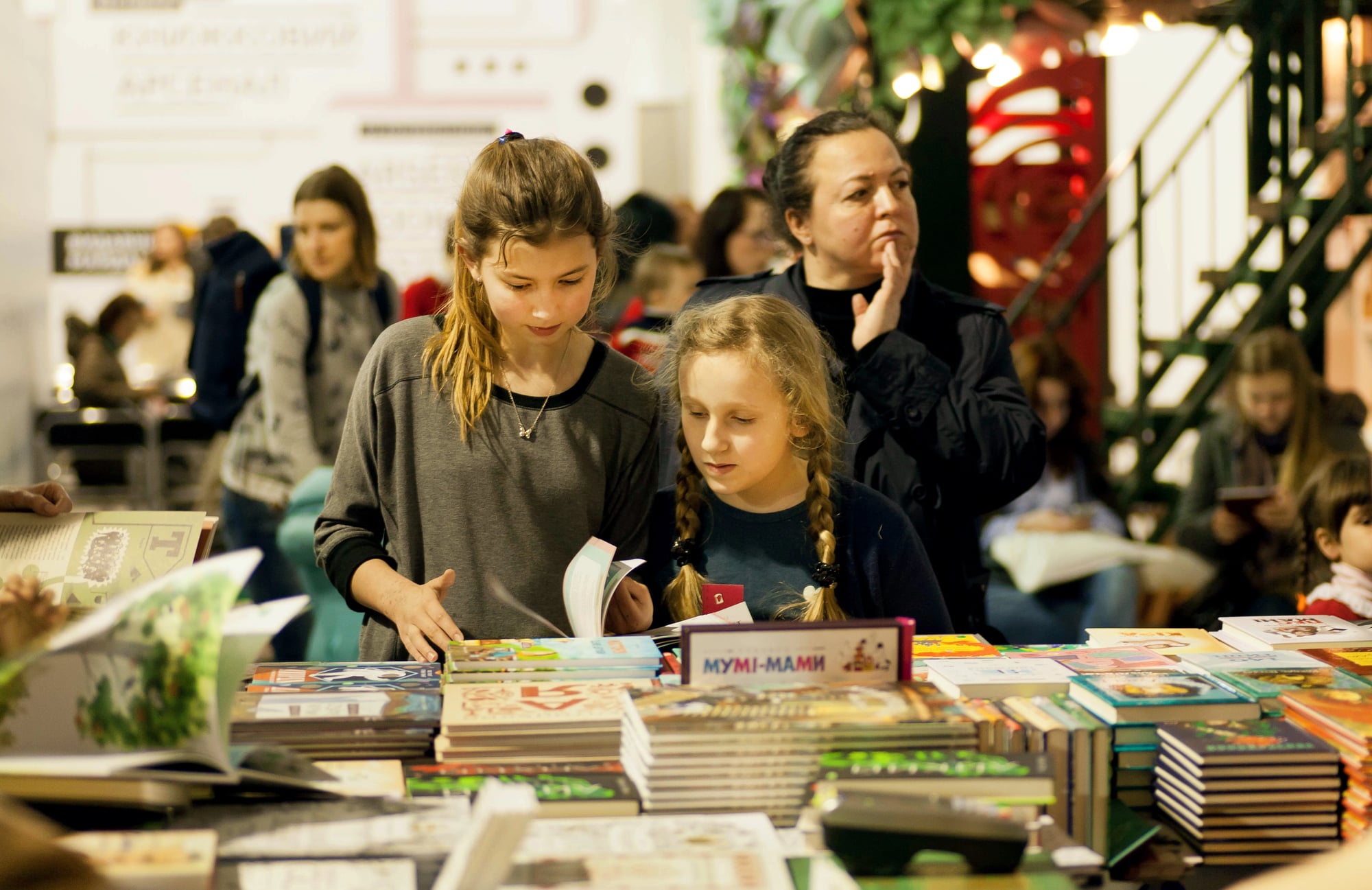
Occasionally, book fairs would feature books in Spanish or other languages, offering the tantalizing possibility of practicing your foreign language skills on something more interesting than textbook dialogues about ordering food in restaurants.
These books represented intellectual adventure, the idea that literacy could cross cultural boundaries, that reading skills were transferable across languages. Most of the time, they were probably too advanced for elementary-level language skills, but they suggested possibilities beyond the regular curriculum.
The Pop-Up Book Engineering Marvel
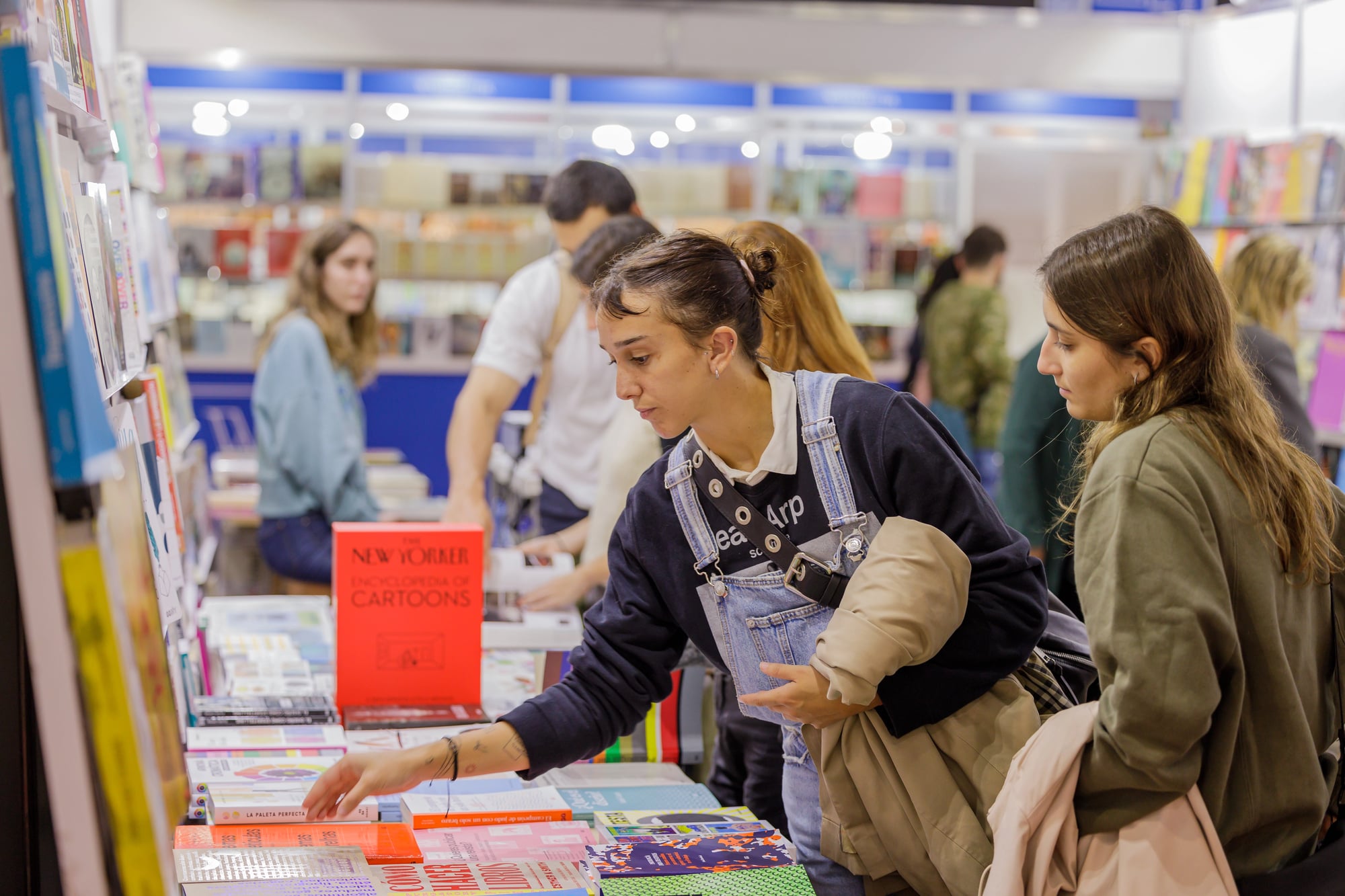
Pop-up books commanded premium prices because they represented the intersection of reading and engineering. These weren’t just stories — they were three-dimensional experiences that transformed the act of turning pages into something interactive and surprising.
The best pop-up books felt like magic tricks disguised as literature, where simple paper engineering created castles, dinosaurs, or spaceships that emerged from flat pages with mechanical precision. They made reading into a physical activity, proving that books didn’t have to be passive experiences.
The Art Supply Crossover Appeal
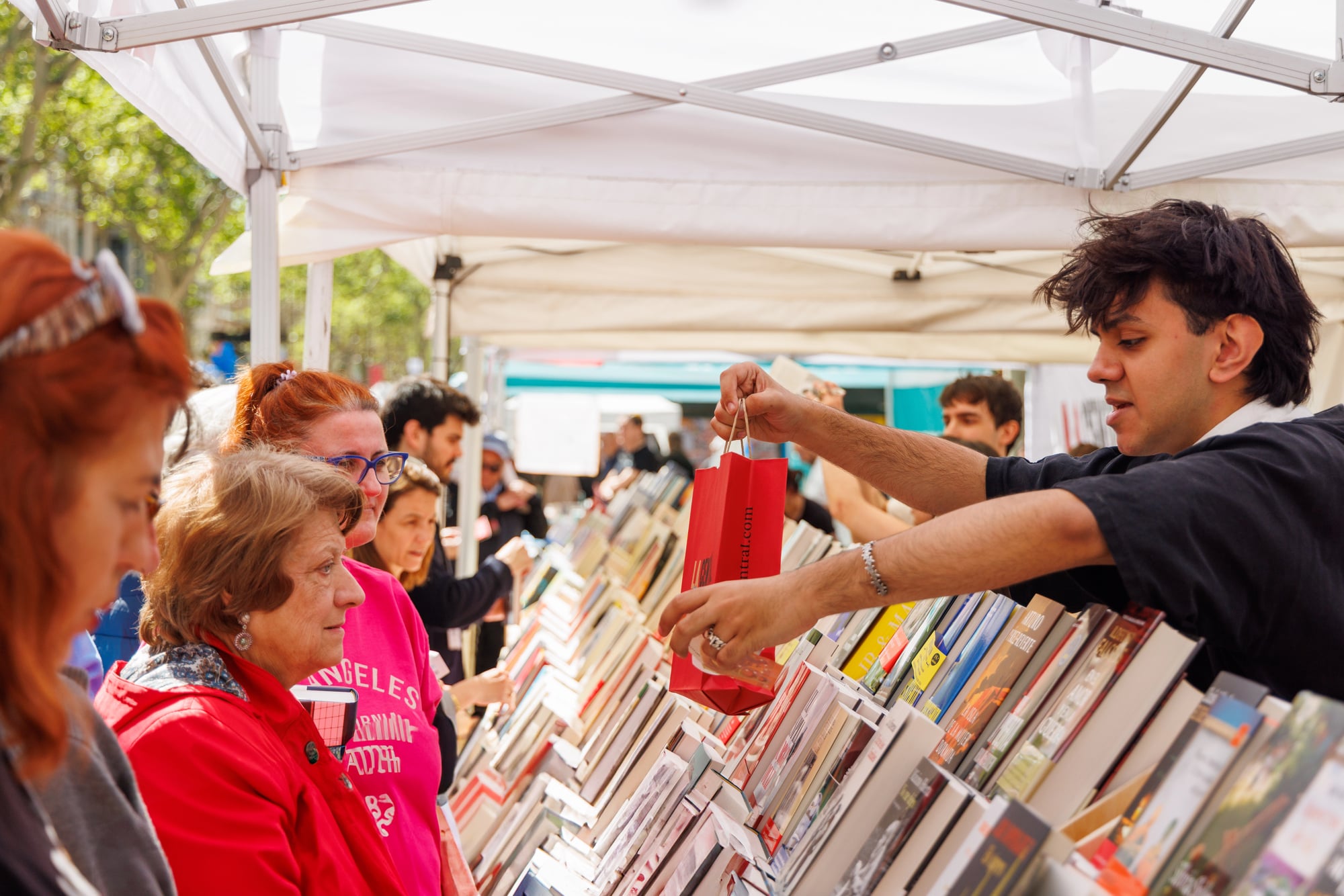
Book fairs understood that creative kids saw connections between reading and making, so they’d stock art supplies alongside the books. Colored pencils, sketchpads, and drawing instruction books appealed to students who wanted to create stories rather than just consume them.
These art supplies felt more special than the ones from regular stores, probably because buying them alongside books suggested that drawing and writing were related activities, different ways of telling stories and expressing ideas that worked better together than apart.
The Memory Box
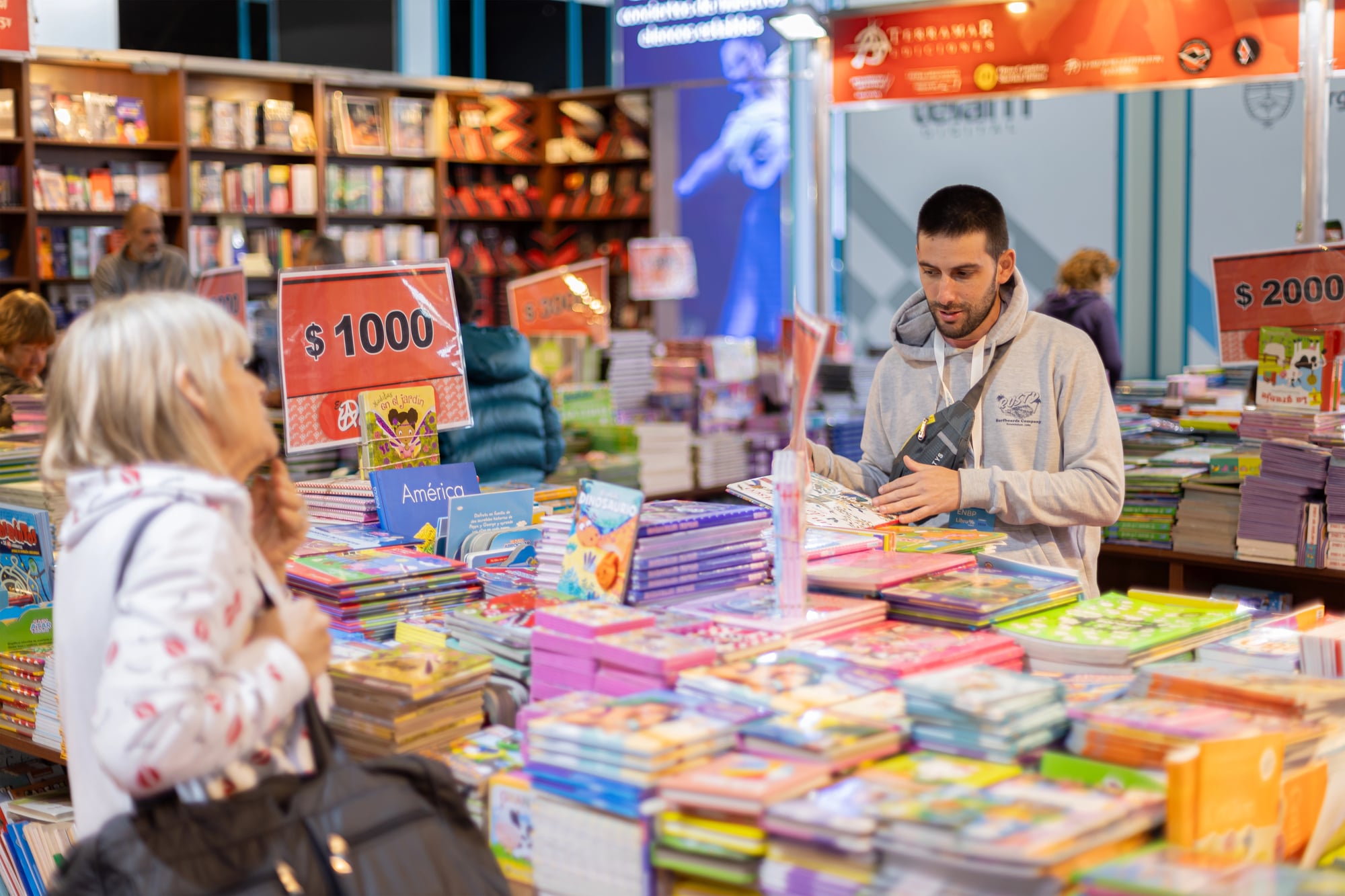
Looking back, book fairs created a specific kind of anticipation that’s hard to replicate as an adult. The combination of limited budget, limited time, and unlimited possibilities made every purchase feel significant in a way that’s difficult to recapture when you can just order whatever you want online and have it delivered by Thursday.
Maybe that’s what still hits different about these memories — they represent a time when acquiring books felt like an event, when choosing what to read required real consideration, and when owning a book felt like claiming a small piece of the wider world for yourself. Those folding tables covered in paperbacks weren’t just selling stories; they were selling the idea that reading was worth investing in, literally and figuratively.
More from Go2Tutors!

- The Romanov Crown Jewels and Their Tragic Fate
- 13 Historical Mysteries That Science Still Can’t Solve
- Famous Hoaxes That Fooled the World for Years
- 15 Child Stars with Tragic Adult Lives
- 16 Famous Jewelry Pieces in History
Like Go2Tutors’s content? Follow us on MSN.



