TV Shows That Got Canceled Too Soon and Still Have Fans Demanding a Comeback
There’s a particular kind of television grief that doesn’t fade with time. A show ends before it should — not because the story is finished but because the ratings weren’t there, the budget got cut, the network changed direction, or some executive made a decision in a room full of people who hadn’t watched the show closely enough.
The audience is left mid-sentence. Characters’ fates unresolved.
Entire narrative arcs abandoned like construction sites after the funding runs out.
What keeps the fans demanding comebacks isn’t just loyalty — it’s the specific frustration of knowing the story was good enough to finish, that the creators had somewhere to go with it, and that the decision to stop had nothing to do with the quality of what was being made. These are the shows that still generate Reddit threads, Twitter campaigns, and impassioned paragraphs from people who watched them years ago and haven’t entirely moved on.
Firefly
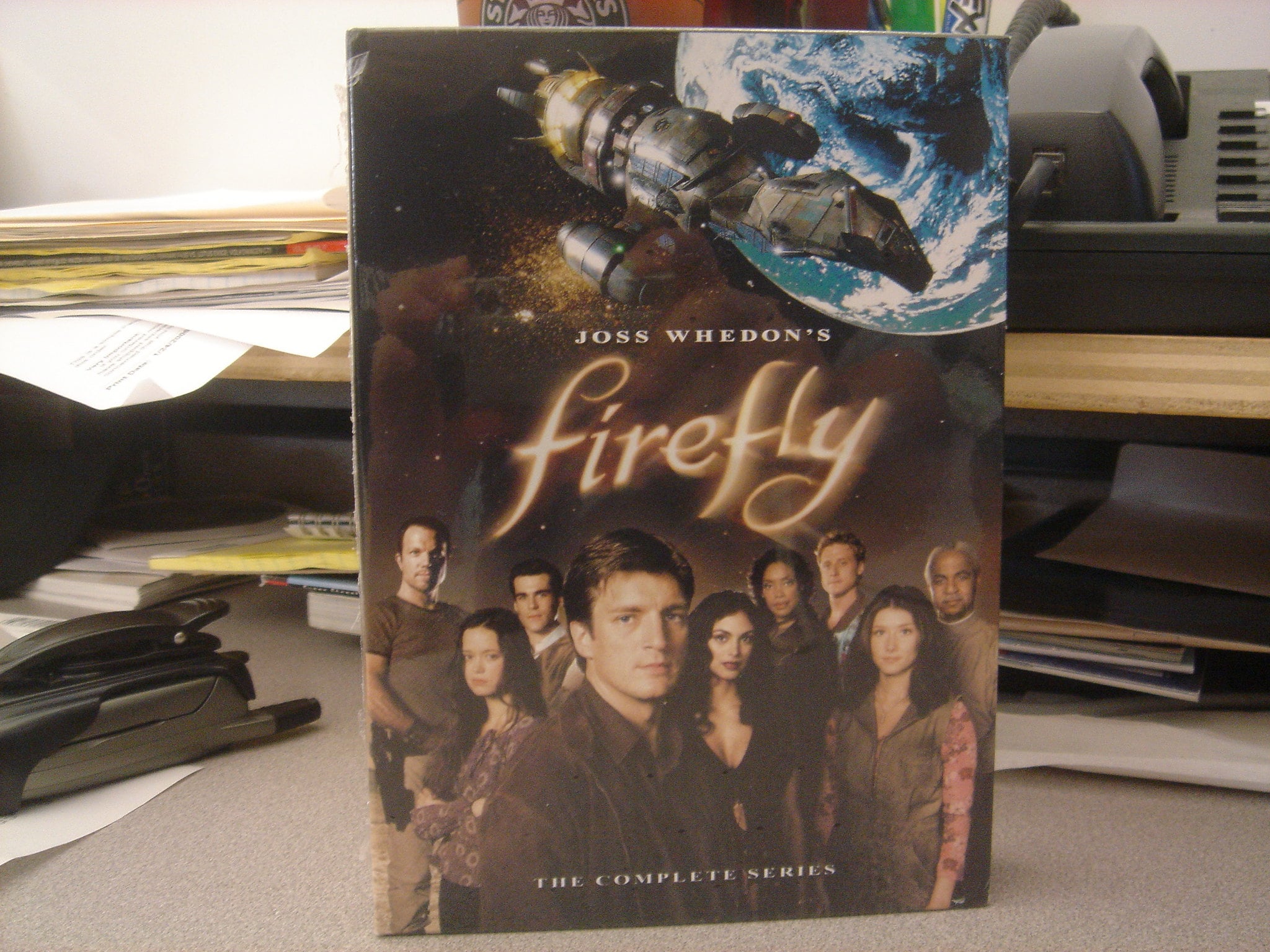
Joss Whedon’s science fiction Western ran for one season on Fox in 2002 and is the gold standard of canceled-too-soon grievances. Fox aired only 11 of its 14 produced episodes and broadcast them out of order, which contributed to ratings low enough to justify cancellation — though the reasoning was circular: the show was hard to follow partly because Fox had sabotaged the viewing sequence.
DVD sales and a fan campaign that became one of the most organized in TV history generated enough pressure to produce a theatrical film continuation, Serenity, in 2005. Serenity earned strong reviews and returned most of the original cast, but a feature film is not the same thing as more television, and fans have never quite accepted the distinction.
Freaks and Geeks
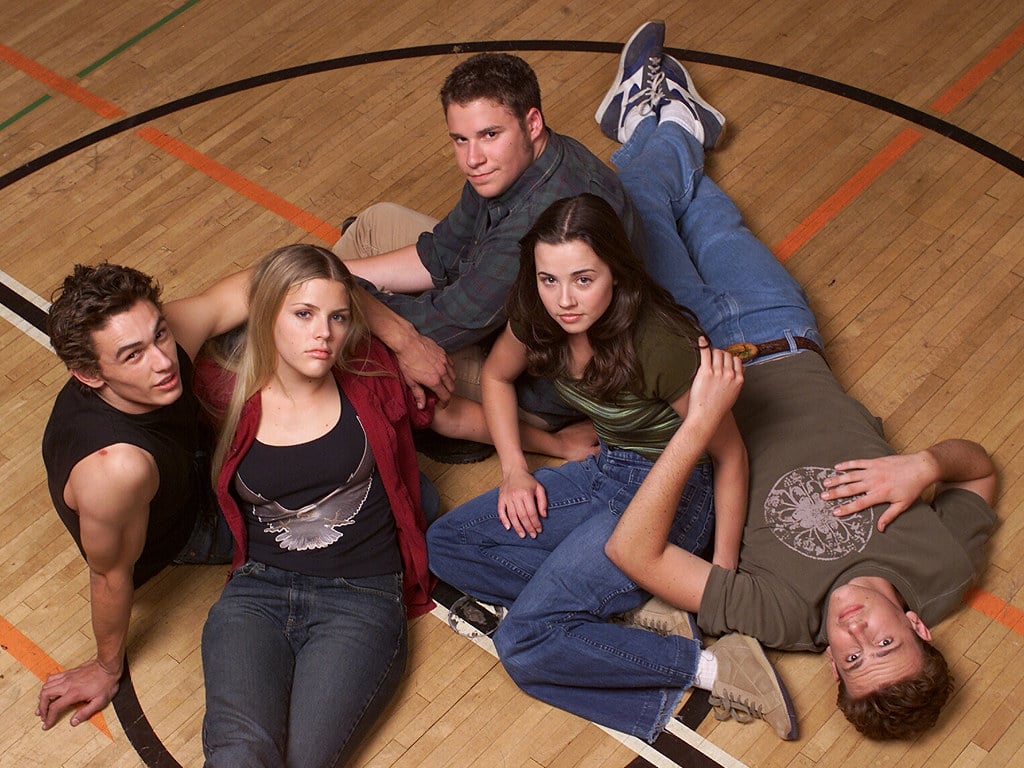
Created by Paul Feig and produced by Judd Apatow, Freaks and Geeks aired on NBC in 1999 and 2000 and ran for a single season. Its cast — Linda Cardellini, James Franco, Seth Rogen, Jason Segel, Busy Philipps — was so stacked with future talent that the show’s one-season run now looks like one of the most expensive missed opportunities in American comedy history.
NBC aired episodes out of order and then cancelled it when ratings didn’t meet expectations. The show is now considered one of the finest coming-of-age series ever made, which is a compliment that arrives about 25 years after it would have been useful.
Arrested Development
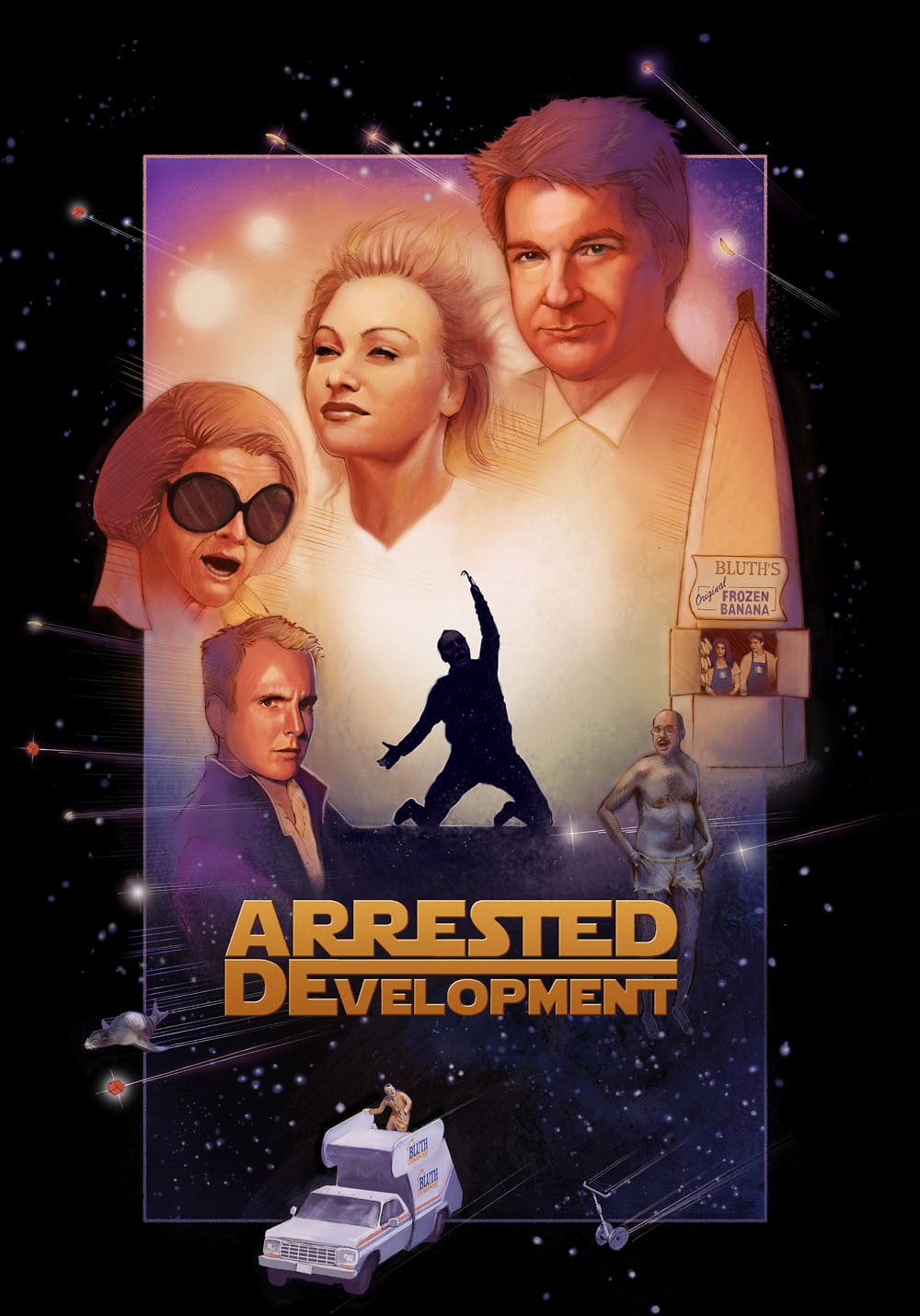
Mitchell Hurwitz’s dysfunctional family comedy won the Emmy for Outstanding Comedy Series in its first season and was cancelled by Fox after its third. Arrested Development‘s layered jokes, running callbacks, and dense narrative structure rewarded patient, attentive viewers — which was precisely the kind of viewing the early-2000s network television model wasn’t built to accommodate.
Netflix picked it up for a fourth season in 2013 and a fifth in 2019, but both revival seasons received mixed responses. Fans broadly agree that the original three seasons — sharp, absurdist, and tightly constructed — represent something that couldn’t be recovered once interrupted.
Deadwood
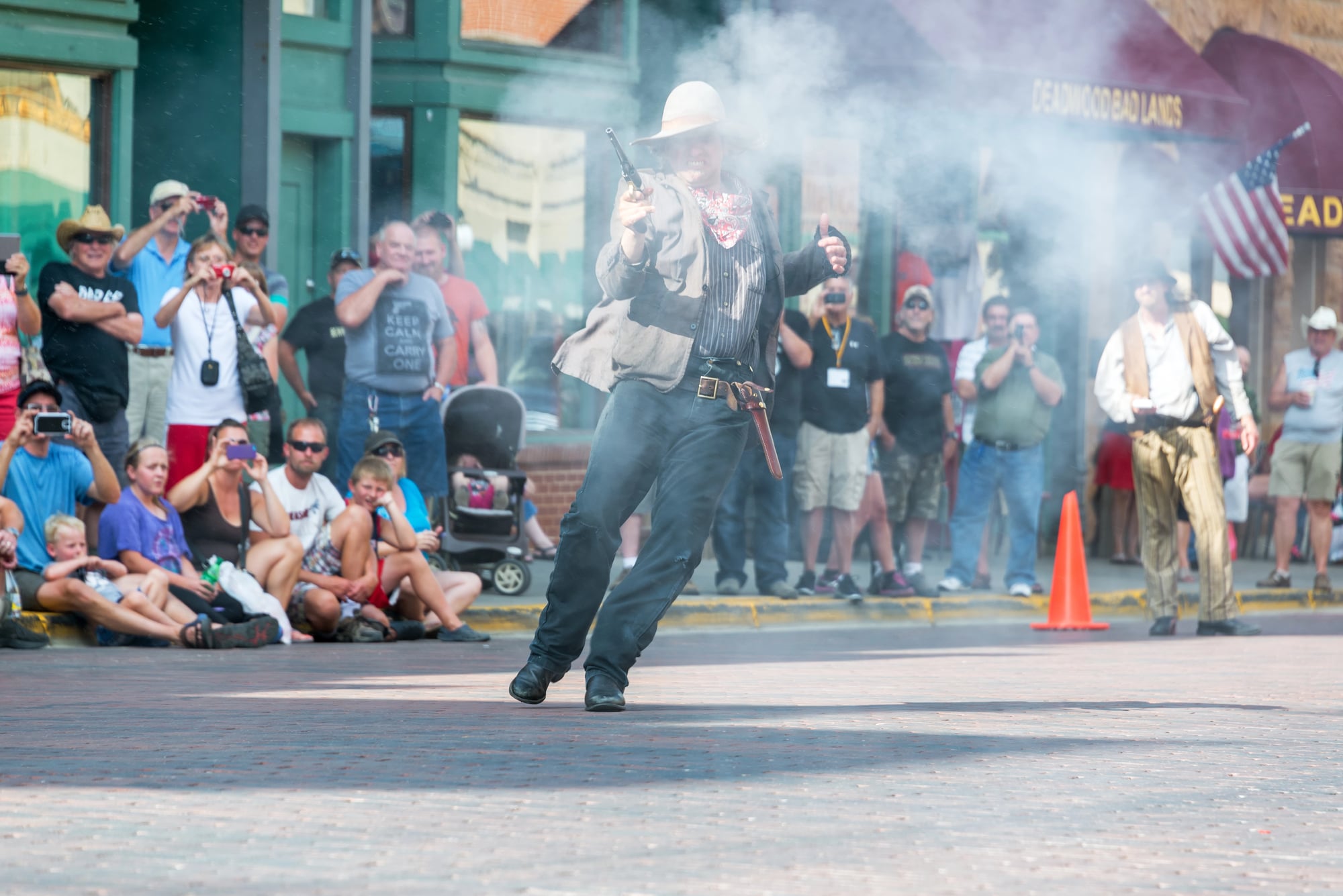
HBO’s frontier drama set in the gold rush town of Deadwood, South Dakota, ran for three seasons from 2004 to 2006 and was widely considered among the best writing on television, with a Shakespearean quality to its language and characters whose complexity was unprecedented in Westerns. David Milch and HBO disagreed over the budget, and the show ended without a conclusion.
Fans waited thirteen years before a two-hour film aired on HBO in 2019, reuniting most of the cast for a resolution that critics praised. The film was satisfying but also made clear how much was lost by ending the series when it did.
Pushing Daisies
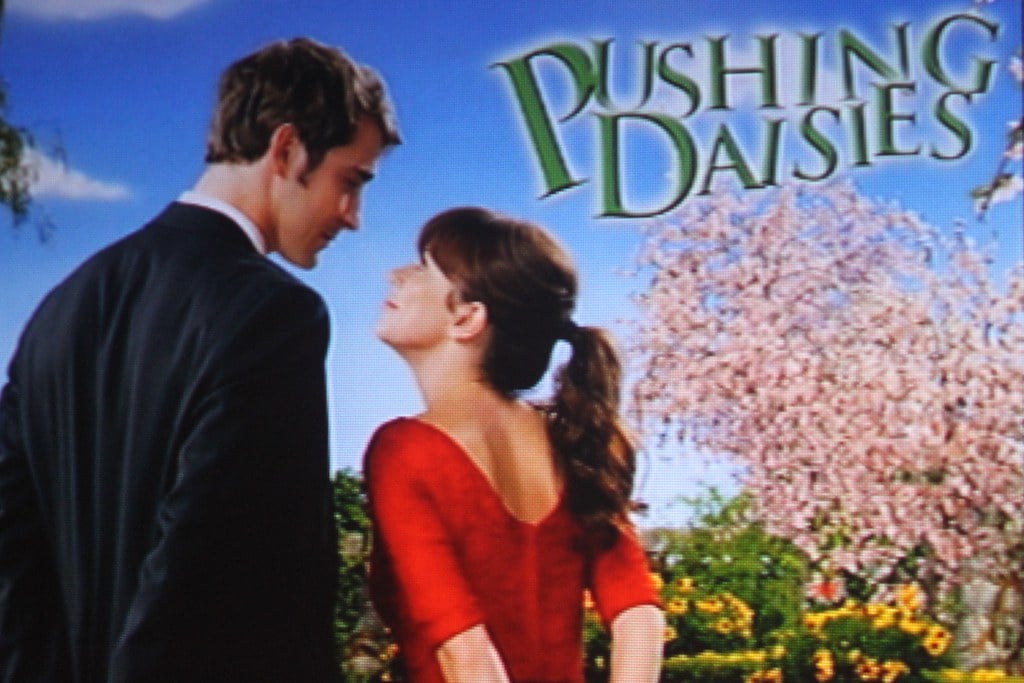
Bryan Fuller’s forensic fairy tale ran for two seasons on ABC from 2007 to 2009 and won seven Emmy Awards, including Outstanding Fantasy/Sci-Fi Costumes and Outstanding Art Direction — which suggests how visually distinctive it was. The show’s premise (a pie maker who can bring the dead back to life with a touch but must not touch them a second time) generated a tone of gentle, morbid whimsy that television had never quite achieved before and hasn’t since.
It was cancelled during the 2007–2008 writers strike, which truncated its second season and left multiple storylines unresolved. Fuller has periodically discussed a third season, keeping the hope alive longer than is probably comfortable for people who’ve been waiting.
Mindhunter
David Fincher’s Netflix drama about the FBI’s Behavioral Science Unit and the birth of criminal profiling ran for two seasons from 2017 to 2019 and was the most frequently cited canceled show in a widely read Reddit thread about television grief. Fincher had plans for multiple additional seasons.
The show was shelved in 2019 primarily because of scheduling conflicts with Fincher’s film projects — he was making Mank and then The Killer — and because the actors had been released from their contracts. It is technically on hold rather than cancelled, which makes it uniquely frustrating: the show might come back, and that uncertainty prevents proper mourning.
Fans remain in the rare position of being unable to accept that it’s over because nobody has confirmed that it is.
My So-Called Life
Clare Danes starred in My So-Called Life for one season on ABC in 1994 and 1995, playing Angela Chase with a raw, interior quality that teen drama had never achieved before. The show tackled identity, parental relationships, and the social hierarchies of high school with an honesty that was genuinely new for network television.
It won Claire Danes a Golden Globe for Best Actress. ABC cancelled it after 19 episodes due to low ratings, and Danes moved on, which made continuation impossible even when fan campaigns generated enough noise to create brief hope.
The show is now cited as a direct influence on Freaks and Geeks, The OC, and much of what teen television became in the 2000s — which is the specific nature of its legacy: it influenced everything that replaced it.
Carnivàle
HBO’s Depression-era supernatural drama lasted two seasons from 2003 to 2005 and built an extraordinarily detailed mythology across 24 episodes — a story involving a carnival, a preacher, ancient evil, and a conflict between good and evil that felt genuinely epic in scope. Creator Daniel Knauf had a six-season arc planned.
HBO cancelled it after two. The mythology Knauf had constructed was intricate enough that the cancellation didn’t just disappoint fans — it left them with a set of questions that the show had carefully arranged to be answered across the remaining four planned seasons, and those answers no longer exist anywhere.
Santa Clarita Diet
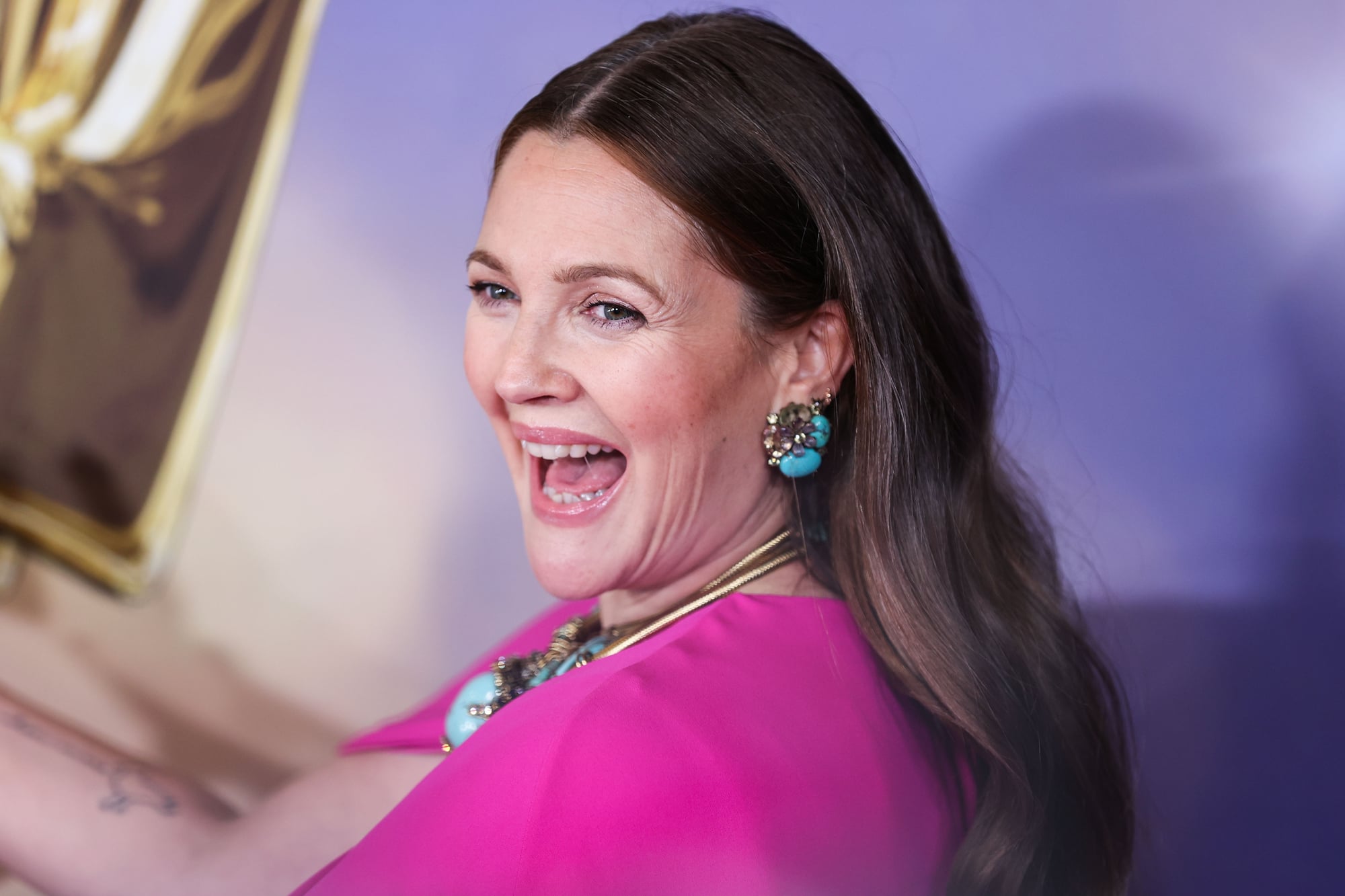
Netflix’s dark comedy starred Drew Barrymore as a suburban real estate agent who becomes undead and must consume human flesh to survive, while her husband (Timothy Olyphant) tries to keep things manageable. Three seasons aired from 2017 to 2019, and Netflix cancelled it without warning while the show was mid-story and at a creative high.
The specific injury of this cancellation was its abruptness — no announcement, no warning, no final episode. The audience discovered through a news article that the show was over.
Olyphant told journalists he found out the same way everyone else did.
Hannibal
Bryan Fuller’s psychological thriller ran for three seasons on NBC from 2013 to 2015 and is considered by critics to be one of the most visually ambitious television dramas ever made. The relationship between FBI special investigator Will Graham (Hugh Dancy) and psychiatrist Hannibal Lecter (Mads Mikkelsen) generated a tension that sustained three seasons of increasingly surreal, painterly storytelling.
NBC cancelled it when ratings weren’t sufficient for a broadcast network — a standard that was inadequate to the show’s actual audience, which was international and devoted. Fuller and Mikkelsen have discussed revival possibilities at intervals that keep the fanbase in a state of sustained anticipation.
Veronica Mars
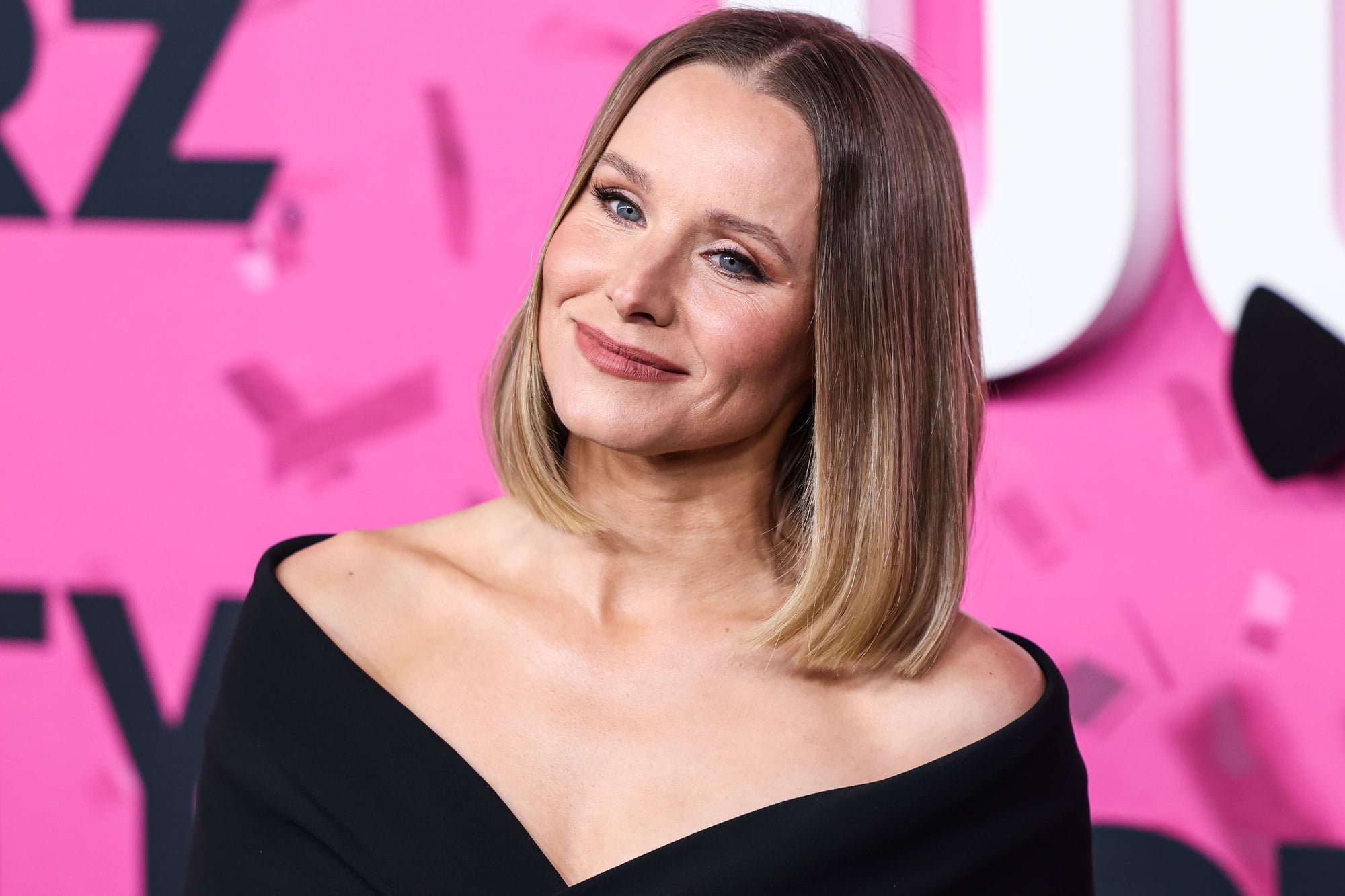
A teenage detective in a noir-inflected California beach town: Veronica Mars (Kristen Bell) solved her best friend’s murder while navigating high school, family dysfunction, and class warfare in fictional Neptune, California. The show ran for three seasons on UPN and the CW from 2004 to 2007.
A fan campaign and Kickstarter campaign raised over $5 million to fund a 2014 film continuation. Hulu produced a fourth season in 2019.
But the third season ended on a cliffhanger, and each subsequent addition has come with such a long gap and so much changed context that fans have never fully recovered the momentum the original had in its first two seasons.
Party Down
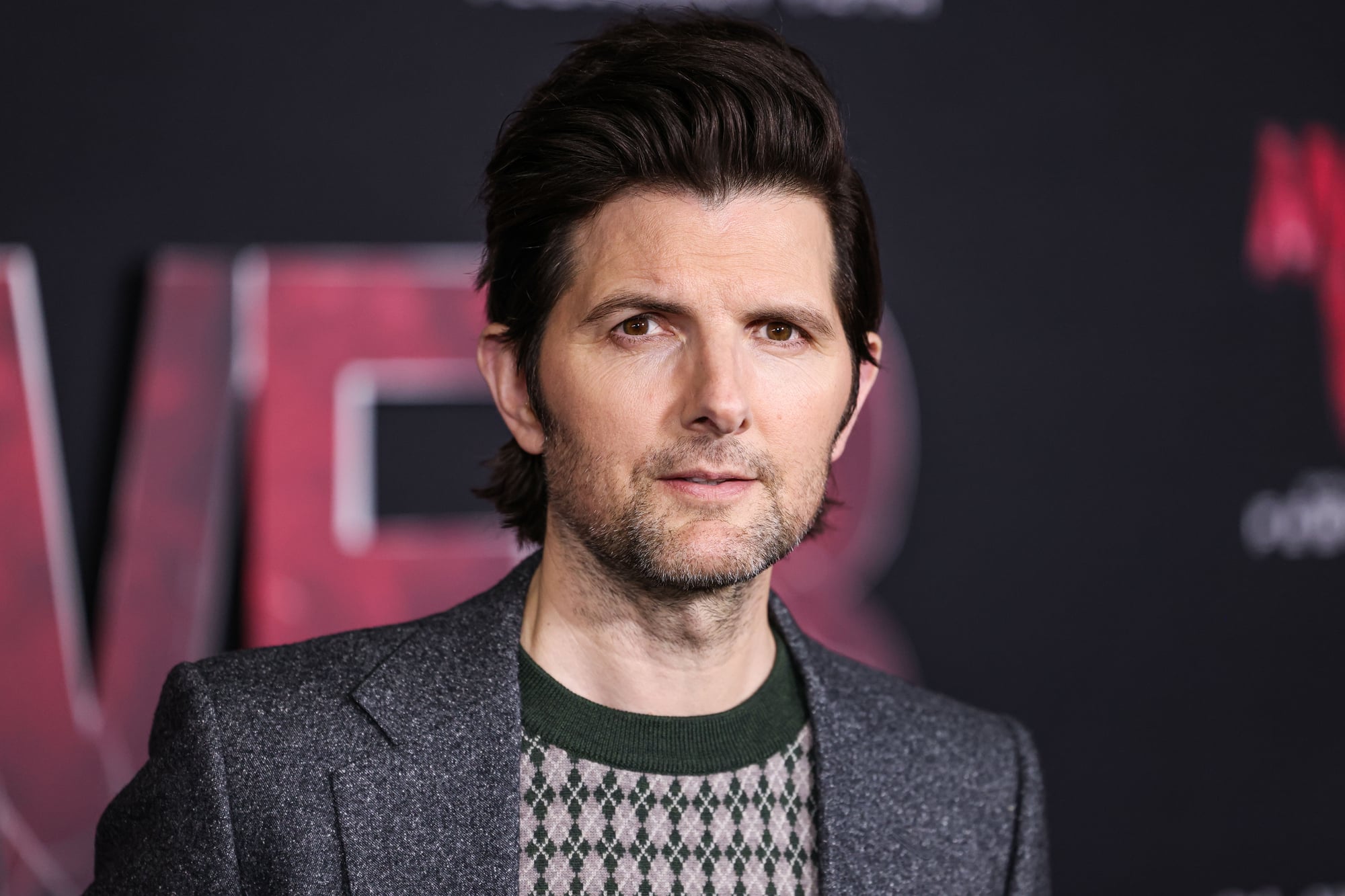
Starz’s catering company comedy, following failed Hollywood dreamers taking catering gigs while waiting for their careers to begin, lasted two seasons from 2009 to 2010 and earned almost no ratings during its original run while generating extraordinary critical praise. The cast — Adam Scott, Ken Marino, Martin Starr, Lizzy Caplan, Jane Lynch — was almost absurdly talented.
Starz cancelled it when Jane Lynch left for Glee and ratings never materialized. A third season arrived on Starz in 2023 with most of the original cast, thirteen years later — proof that the show’s reputation had outgrown its original numbers many times over by the time anyone was willing to act on it.
Studio 60 on the Sunset Strip
Aaron Sorkin’s drama about a sketch comedy show ran for one season on NBC in 2006 and 2007, airing simultaneously with 30 Rock — a comedy set in the same fictional environment that NBC ultimately preferred. Studio 60 was serious, fast-talking, and ambitious in the Sorkin mode.
Critics were divided on whether its behind-the-scenes drama justified the gravitas Sorkin gave it. Fans were not divided: they wanted more.
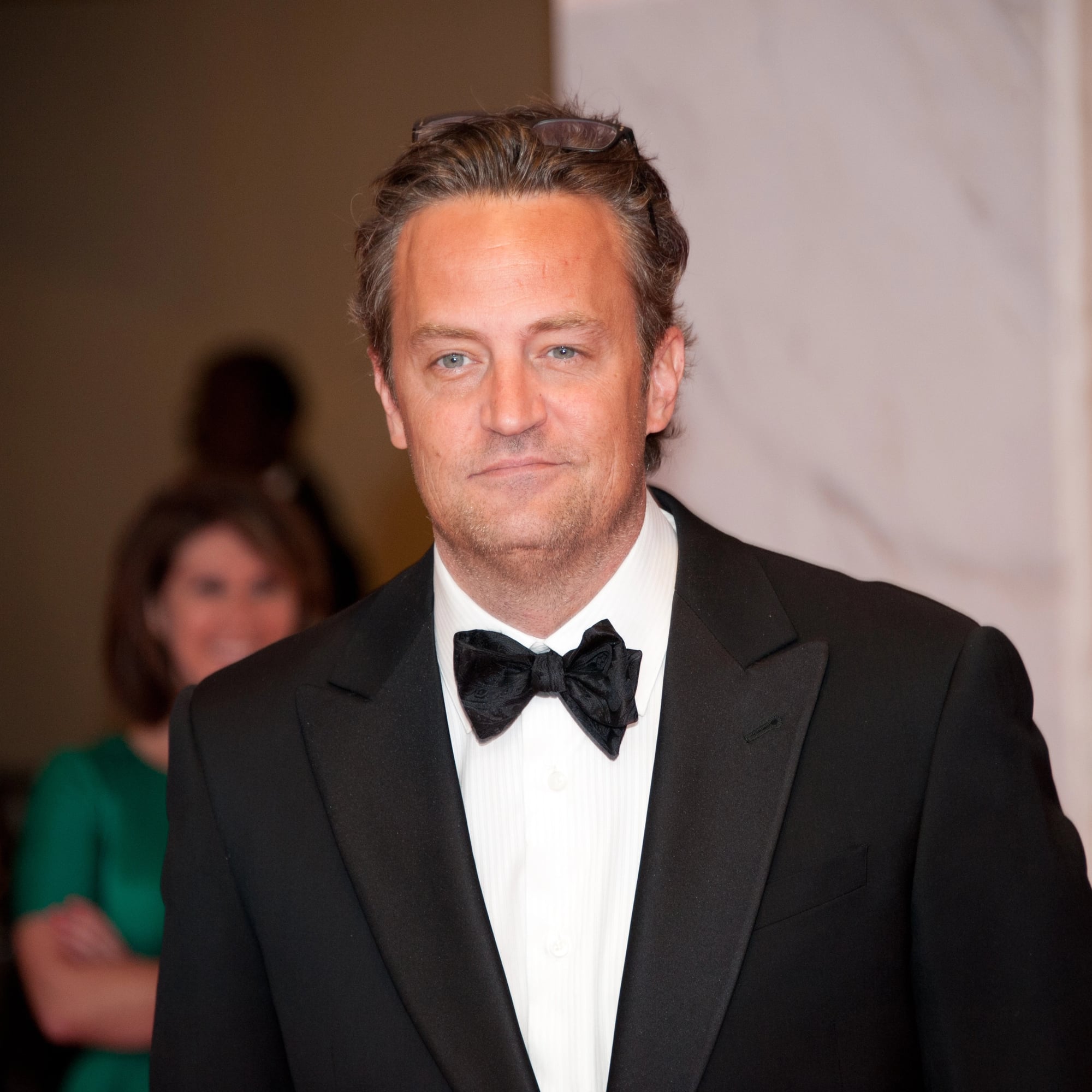
The show starred Matthew Perry and Bradley Whitford and is one of those cancellations that feels more expensive in retrospect, after Perry’s death in 2023, than it did at the time.
The OA
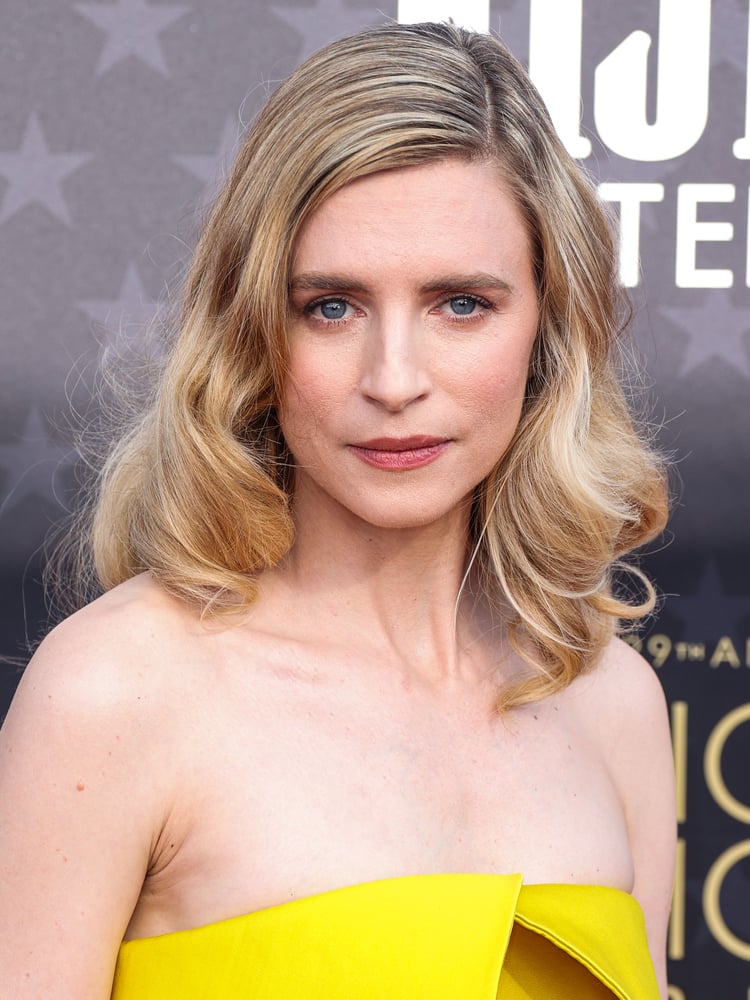
Netflix’s genre-bending drama — mysterious woman returns after years missing, possibly with supernatural abilities, tells an extraordinary story to a group of suburban strangers — ran for two seasons from 2016 to 2019. Its creators, Brit Marling and Zal Batmanglij, had a five-season arc planned.
Netflix cancelled it during the pandemic when most of the world was actively looking for television to consume, which struck its audience as a decision requiring more explanation than they ever received. The second season had expanded the mythology significantly, setting up narrative threads that the cancelled seasons three through five were meant to resolve.
Those threads remain open.
Halt and Catch Fire
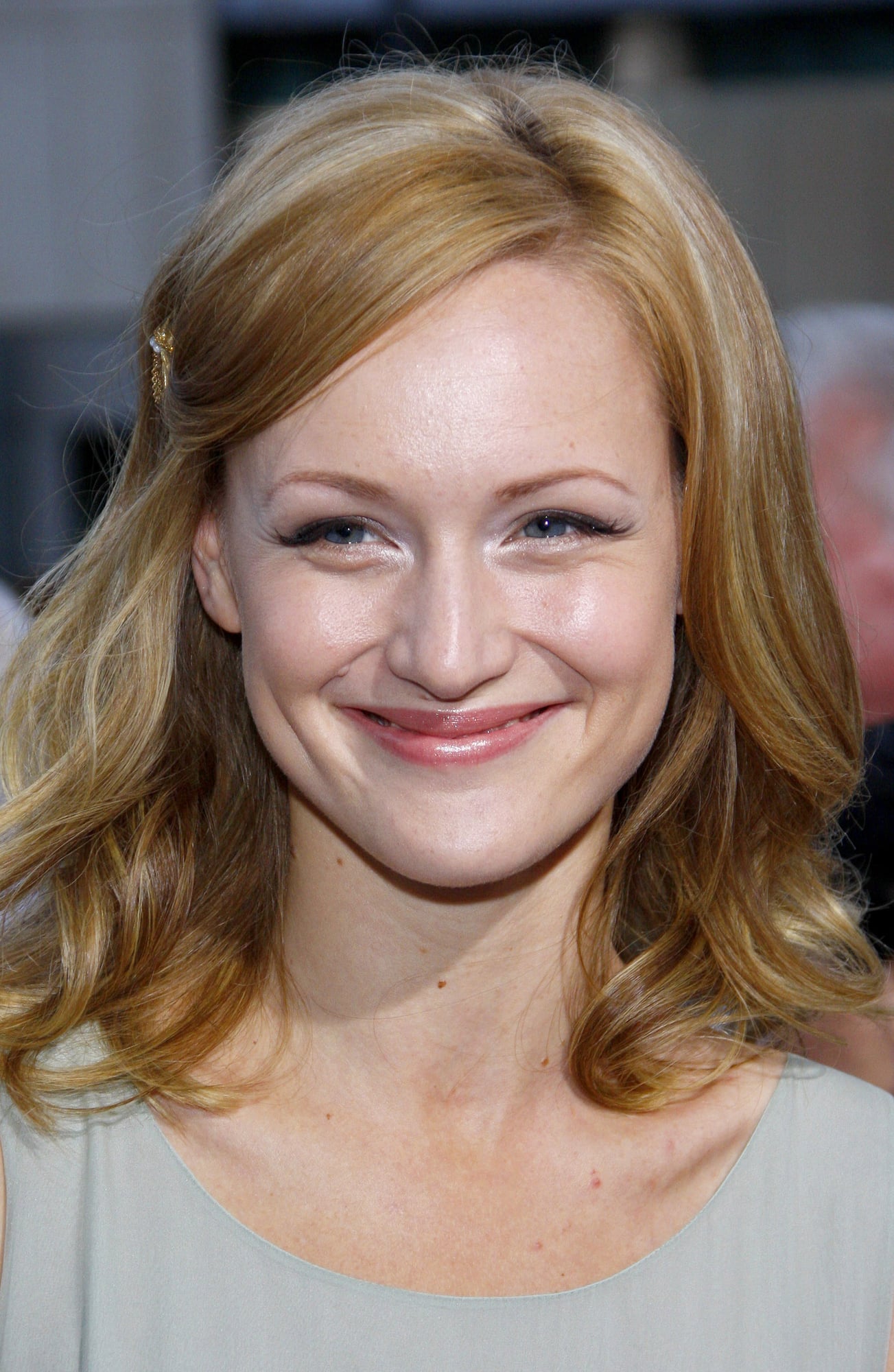
AMC’s drama about the personal computer revolution in the 1980s ran for four seasons from 2014 to 2017 and ended on its own terms — it wasn’t technically cancelled. But it finished before many viewers found it, and its audience grew substantially in the years after its conclusion, driven by streaming recommendations and word of mouth.
Most people who discovered it did so knowing it was already over, which means they experienced the grief of its ending without the communal real-time experience of watching it live. That specific form of delayed discovery has generated its own retroactive demand: not for a continuation, but for acknowledgment that the show was better than its ratings suggested.
Dead Like Me
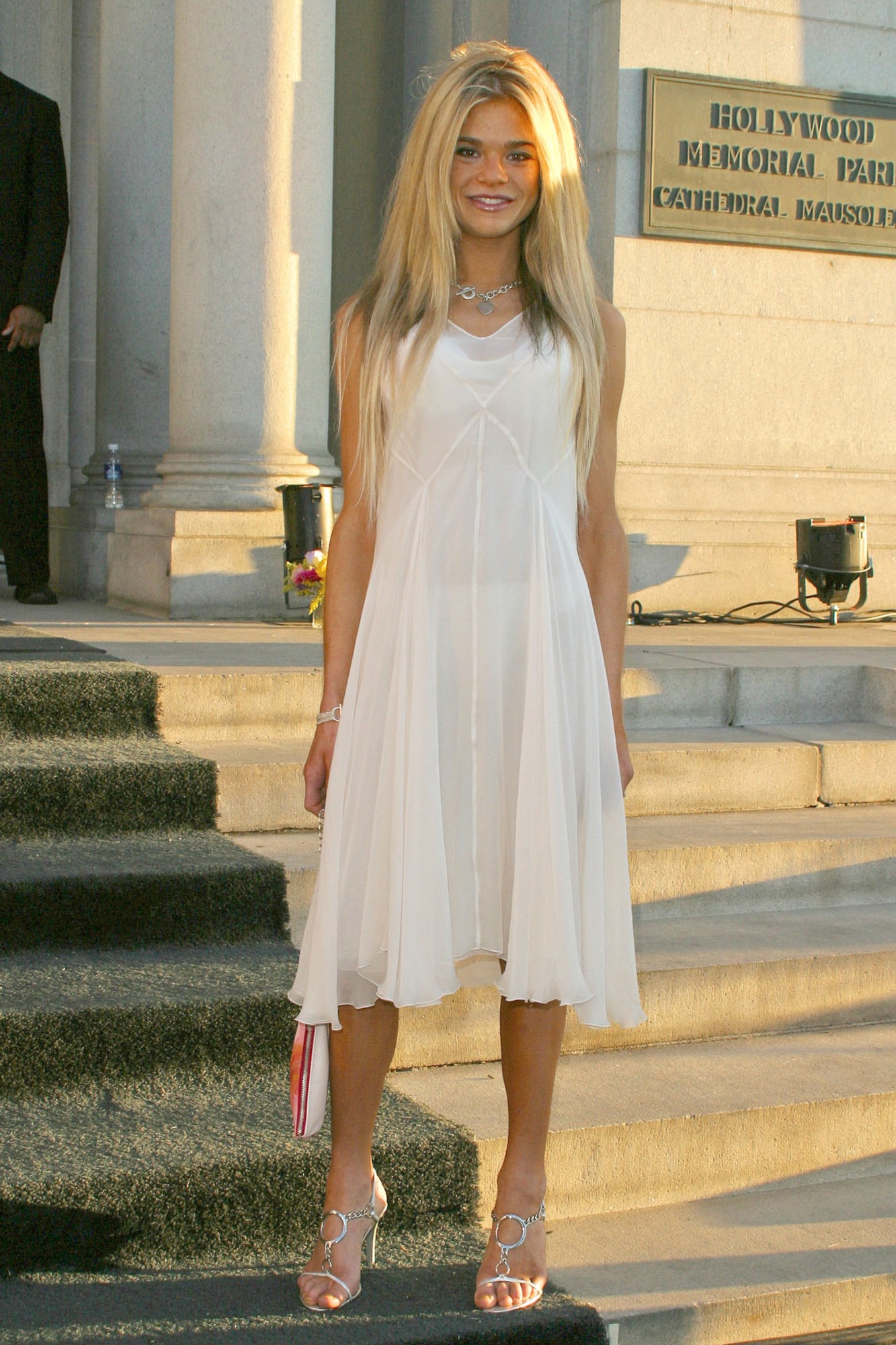
A dark comedy about a young woman killed by a toilet seat from the deorbiting Russian space station Mir who is then pressed into service as a grim reaper. Dead Like Me ran for two seasons on Showtime from 2003 to 2004 with Mandy Patinkin in a supporting role and a premise that shouldn’t have worked as well as it did.
A direct-to-DVD film in 2009 attempted closure but was made without the original showrunner and received a muted response. Fans who found the show in its original run still discuss it as something specific that has never been adequately replaced.
The Grief Has a Structure
What all these shows share is a specific kind of incompleteness. Not an open ending designed to be ambiguous — an interrupted story that the people who made it knew where they were taking, and the people who watched it could feel going somewhere, and which stopped before any of that arrived.
What’s interesting is that fan campaigns have occasionally worked: Deadwood got its film, Arrested Development got two more seasons, Party Down got its third. The success rate is low enough that petitions don’t feel worth starting and high enough that people start them anyway.
The shows on this list will always be pointed at a future they never reached — and the fans will always know the direction they were pointing in, even without the destination
More from Go2Tutors!

- The Romanov Crown Jewels and Their Tragic Fate
- 13 Historical Mysteries That Science Still Can’t Solve
- Famous Hoaxes That Fooled the World for Years
- 15 Child Stars with Tragic Adult Lives
- 16 Famous Jewelry Pieces in History
Like Go2Tutors’s content? Follow us on MSN.