Highest Bridges Standing Today
Looking down from the world’s highest bridges creates a feeling your stomach doesn’t forget. These structures span canyons and gorges so deep that clouds sometimes pass beneath the roadway. Engineers pushed the limits of what’s possible, building roads where gravity says nothing should exist.
Most of these bridges sit in China, where rapid infrastructure development carved highways through impossible terrain. A few others scattered across the globe prove humans can build anywhere if the budget and determination align.
Height measurements matter here. We’re measuring from the bridge deck down to the ground or water below, not the height of the towers.
Some of these drops exceed 1,500 feet. That’s falling for several seconds before impact.
Duge Bridge

This suspension bridge in Guizhou Province, China stands 1,854 feet above the Beipan River. Construction finished in 2016, and it immediately claimed the title of world’s highest bridge.
The span connects two mountain ridges across a gorge that would take hours to navigate by ground. The bridge cut travel time between Xuanwei and Shuicheng from five hours to one.
Four lanes of highway float above a canyon that existed undisturbed for millions of years. The main span stretches 3,688 feet, supported by towers that rise above already towering cliffs.
Building it required engineers to shoot a rocket carrying the first cable across the gorge. Traditional methods couldn’t cross that distance.
Workers then spent three years completing the structure, often dangling hundreds of feet above the river while assembling pieces.
Sidu River Bridge

Another Chinese suspension bridge, this one crosses the Sidu River valley at 1,627 feet above the water. Completed in 2009, it held the height record until Duge Bridge surpassed it.
The span connects Hubei and Chongqing provinces through terrain that previously isolated communities. The bridge’s towers don’t rise from the valley floor.
They sit on clifftops already hundreds of feet above the river. The cable system had to account for extreme wind conditions and temperature variations that span over 100 degrees throughout the year.
Locals lived with the gorge as a permanent barrier before this bridge. The river valley created such a formidable obstacle that trade and travel between regions remained difficult well into the modern era.
The bridge changed everything about life in surrounding areas.
Puli Bridge

This beam bridge in Guizhou Province reaches 1,591 feet above the Baishuihe River. The structure opened in 2015, connecting Xuanwei and Qujing.
Unlike suspension bridges, this one uses a rigid deck supported by piers, creating different engineering challenges. The approach roads snake up mountainsides at steep grades before reaching the bridge deck.
Drivers experience the full height gradually, watching the ground drop away as they climb. The bridge itself spans a relatively short distance compared to its dramatic height.
The canyon below remains largely inaccessible. Few people ever see the bridge from ground level at its base.
The structure exists primarily from the perspective of drivers crossing high above, watching clouds drift through the gorge beneath them.
Yachi River Bridge

At 1,509 feet above the Yachi River, this Chinese suspension bridge opened in 2016. The structure forms part of the highway network connecting remote regions of Guizhou Province.
The towers rise over 800 feet from their clifftop foundations. Construction crews worked in extreme conditions, with weather that changed drastically between the valley floor and the bridge elevation.
Temperature differences of 30 degrees between top and bottom were common. Wind became a constant challenge during assembly.
The bridge transformed a region where transportation remained primitive into the 21st century. Villages that seemed permanently isolated suddenly connected to major highways.
Economic development followed almost immediately once the bridge opened.
Baluarte Bridge

Mexico’s highest bridge reaches 1,280 feet above the Baluarte River, making it the highest in the Americas. The cable-stayed design opened in 2012, connecting Mazatlan and Durango through the Sierra Madre Occidental mountains.
The bridge cut travel time between the cities by six hours. The old route wound through mountain passes that became impassable during bad weather.
This structure allows year-round travel through terrain that previously closed regularly. The construction presented unique challenges because it crosses an active seismic zone.
Engineers designed the bridge to withstand significant earthquakes while maintaining its height and span. The cable-stay system provides flexibility that helps it survive ground movement that would damage rigid structures.
Beipanjiang Bridge Duge (alternate name consideration)

Sometimes called the First Bridge Under Heaven, another Beipanjiang crossing reaches 1,854 feet high. This creates confusion because multiple bridges cross various sections of the Beipanjiang river system, all at impressive heights.
The gorge system attracted bridge builders because highways needed to cross but the terrain offered no reasonable alternatives. Rather than descend into valleys and climb back out, engineers chose to leap across at elevation.
The result is a concentration of extreme bridges in one region. Each bridge serves specific route requirements.
They’re not redundant structures but necessary links in a transportation network that would be impossible without them. The region went from isolated to connected within a single decade of construction.
Aizhai Bridge

This suspension bridge in Hunan Province, China spans 1,102 feet above the Dehang Canyon. What makes it special beyond height is the canyon walls it connects.
The span measures over 3,800 feet, creating a dramatic profile against the mountainside. The bridge deck runs level, but the terrain around it plunges at severe angles.
Approach roads carved into cliff faces lead to the span, creating one of the most dramatic highway experiences anywhere. The structure appears to float in space when fog fills the valley below.
Engineers chose a suspension design because the canyon width and height made other options impossible. The towers rise from narrow ridge tops.
Cable anchorages required tunneling deep into solid rock to provide necessary resistance against the span’s pull.
Royal Gorge Bridge

Colorado’s Royal Gorge Bridge held the world height record from 1929 until 2001. At 955 feet above the Arkansas River, it remains the highest bridge in the United States.
Unlike modern highway bridges, this one was built purely as a tourist attraction. The wooden deck carries pedestrian traffic only.
You can walk across and look straight down through gaps in the planking. The experience creates genuine fear in visitors who thought they’d be fine with heights.
The bridge sways slightly in the wind, adding to the psychological impact. The structure survived a major wildfire in 2013 that destroyed part of the deck and support facilities.
Rebuilding maintained the original design because the bridge’s heritage matters as much as its function. Tourists keep coming specifically for the height and the views it provides.
Mike O’Callaghan-Pat Tillman Memorial Bridge

This concrete arch bridge near Hoover Dam reaches 880 feet above the Colorado River. Completed in 2010, it bypassed the old highway that crossed the dam itself.
The single arch span measures 1,060 feet, making it one of the longest concrete arches worldwide. The bridge improved traffic flow and enhanced dam security by moving vehicles away from the structure.
It also created a pedestrian walkway that provides stunning views of Hoover Dam and Lake Mead. The contrast between 1930s dam engineering and modern bridge construction is striking.
Building required some of the largest cranes ever used in North American bridge construction. The arch had to cantilever out from both sides until meeting in the middle, all while maintaining precise alignment.
The margin for error measured in fractions of an inch across a thousand-foot span.
Millau Viaduct

France’s Millau Viaduct stands 890 feet above the Tarn River valley at its tallest point. The cable-stayed design opened in 2004, becoming an instant architectural icon.
The tallest tower rises over 1,100 feet from base to tip, taller than the Eiffel Tower. The bridge’s elegant design sets it apart from purely functional structures.
British architect Norman Foster collaborated with French engineer Michel Virlogeux to create something beautiful as well as practical. The result looks impossibly delicate despite carrying highway traffic.
The viaduct crosses a valley that funnels strong winds. The deck sits high enough that low clouds often obscure the ground below.
Drivers experience the strange sensation of floating through clouds with no visible earth beneath them. The structure transformed travel through southern France while becoming a destination itself.
Siduhe Bridge

At 1,550 feet above the Siduhe River, this suspension bridge in Hubei Province opened in 2009. The span reaches 2,890 feet between towers, creating a dramatic sight across the canyon.
The bridge’s construction required rockets to shoot pilot lines across the gorge. The river below flows through remote terrain that remained largely undeveloped before the bridge.
Access required hours of hiking down steep trails. The bridge brought the region into the modern transportation network essentially overnight.
Wind conditions in the gorge created serious construction challenges. The deep canyon funnels air into unpredictable patterns.
Engineers designed the deck to handle turbulence that would destabilize less robust structures.
Liuguanghe Bridge

This beam bridge in Guizhou Province reaches 1,214 feet above the Liuguang River. The structure opened in 2013, using a deck supported by tall piers rather than cables.
The engineering differs significantly from suspension designs. The canyon here is narrower than others on this list, making a beam bridge feasible.
The piers rise from the canyon floor, with the tallest reaching over 800 feet. Building foundations at the bottom of a gorge presented unique challenges.
The bridge serves local transportation needs rather than major through routes. But local traffic in Chinese mountain regions still involves significant vehicle volume.
The structure handles everything from motorcycles to heavy trucks crossing terrain that once isolated villages completely.
Zhijinghe River Bridge

Another Guizhou Province bridge, this suspension span reaches 1,214 feet above the Zhijing River. Completed in 2009, it forms part of the Qingzhen-Zhijin Expressway.
The towers rise from mountainsides already elevated above the river. The construction timeline overlapped with several other high bridges in the region.
China invested heavily in connecting remote areas, and these bridges became essential components. The engineering expertise developed on each project informed the next.
The bridge operates in conditions that stress materials and design. Temperature extremes, high winds, and seismic activity all factor into the engineering.
The structure must last decades while withstanding forces that most bridges never experience.
Hegigio Gorge Pipeline Bridge

Papua New Guinea’s highest structure reaches 1,289 feet above the Hegigio Gorge, though it’s not a roadway bridge. This pipeline bridge carries oil rather than vehicles, making it unique on this list.
The design had to account for pipeline expansion and contraction while spanning the massive gorge. The remote location made construction extremely difficult.
Materials and equipment had to be helicoptered to the site. Workers lived in temporary camps for years while completing the project.
The pipeline needed protection from weather, seismic activity, and the structural stresses of spanning such a distance. The bridge proves that extreme height engineering serves purposes beyond highways.
When terrain creates obstacles, engineers find ways across or through, regardless of the application. This pipeline moves resources through a region where ground routes would be impractical.
Where Earth Meets Engineering
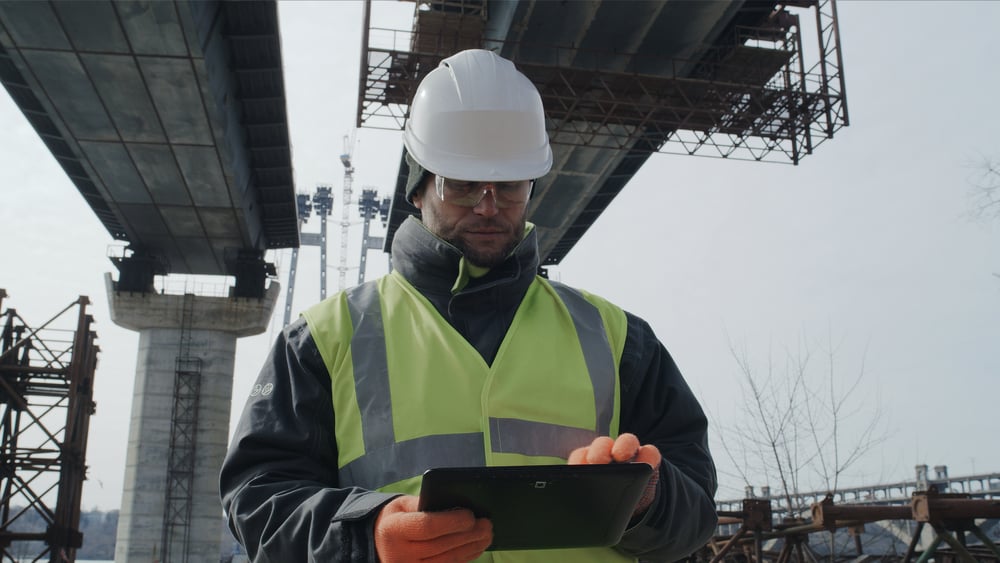
Where land splits deep, paths had to follow. Not every high crossing was planned that way.
Workers placed steel where gaps left no choice. Nature made the cliffs – people just found ways across.
Elevation wasn’t a goal. It showed up only when the ground dropped too far below.
One bridge at a time, choices shape how cash and work get spent. Shaving hours from trips – worth millions, maybe billions? To those places, depending on them, is always worth it.
Long-term, being cut off hits harder than construction ever could. What stands built shifts how people meet the land.
Once upon a time, edges kept us in place. Today, they barely slow us down.
These crossings work less like victories and more like talks – picking where gaps are tightest, where travel flows easiest. Faster by far than crawling down then up again, the gap shrinks beneath your feet.
Not just tall – reshaping how we move – is what sets today’s design apart.
More from Go2Tutors!

- The Romanov Crown Jewels and Their Tragic Fate
- 13 Historical Mysteries That Science Still Can’t Solve
- Famous Hoaxes That Fooled the World for Years
- 15 Child Stars with Tragic Adult Lives
- 16 Famous Jewelry Pieces in History
Like Go2Tutors’s content? Follow us on MSN.