28 Speeches That Changed the Room They Were Given In
The most powerful speeches don’t always change the world—they change the immediate space where words are spoken, shifting the emotional temperature of everyone present. These moments occur when a speaker articulates something their audience needed to hear, whether bringing liberation, shame, fury, or unexpected solidarity.
These speeches possess the ineffable quality of mattering in real time.
Lincoln’s Gettysburg Address
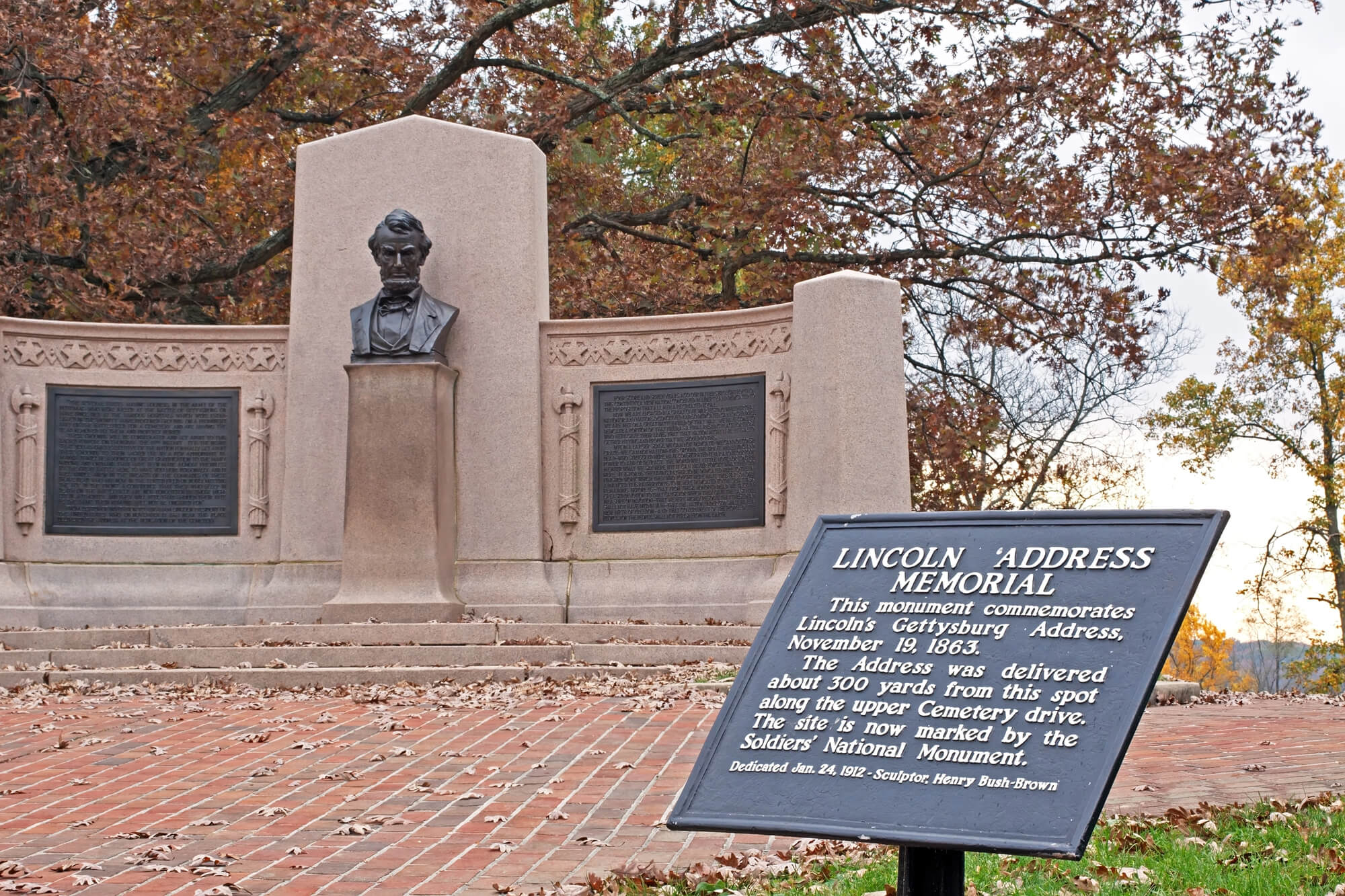
Abraham Lincoln delivered 272 words at the dedication of the Soldiers’ National Cemetery in Pennsylvania on November 19, 1863, reframing the Civil War in terms of national founding principles and human equality. Contemporary accounts describe a profound silence falling over the assembled crowd as Lincoln redefined the war’s meaning.
Kennedy’s Inaugural Address
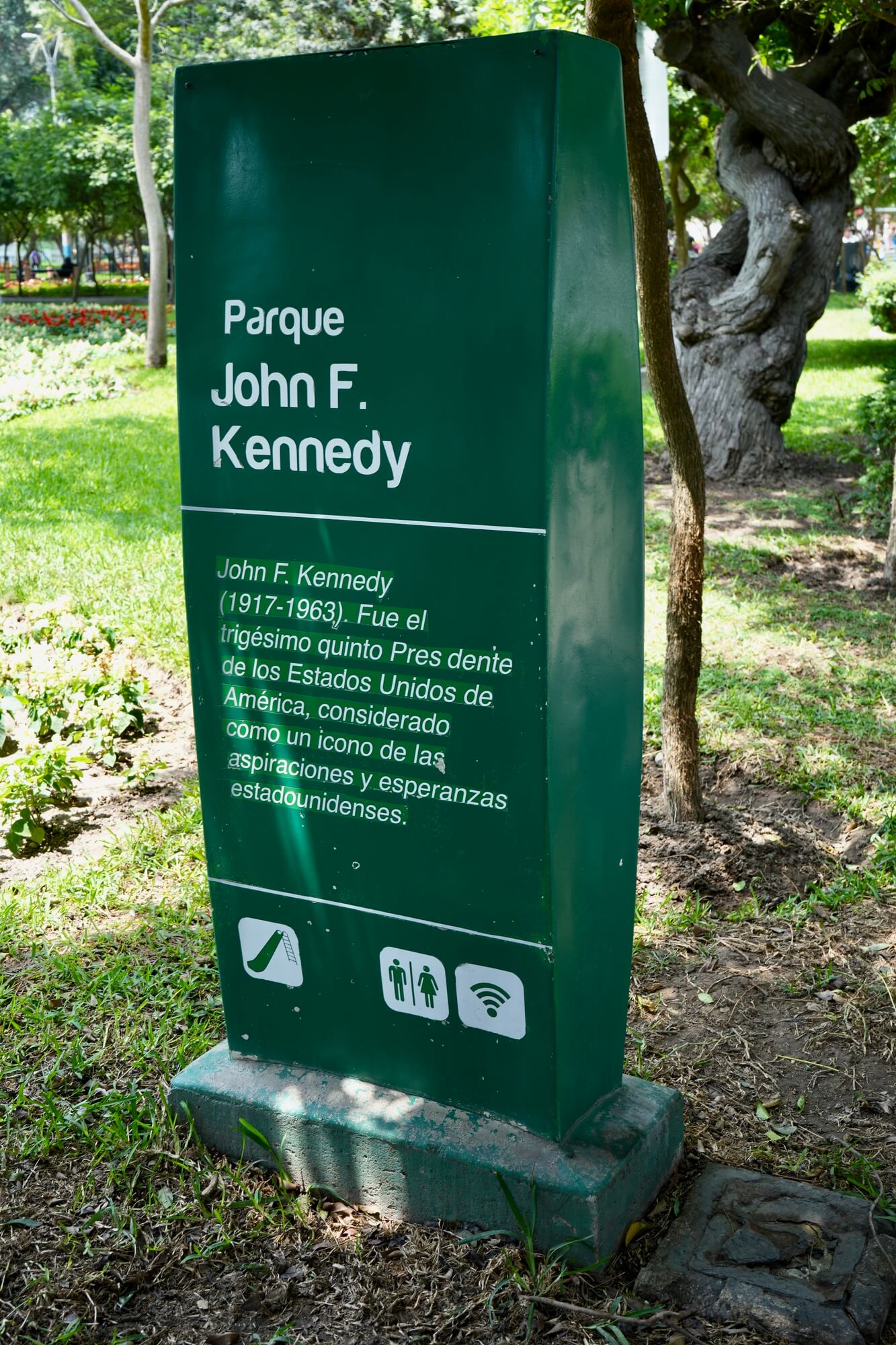
John F. Kennedy’s “Ask not what your country can do for you; ask what you can do for your country” delivered on January 20, 1961, galvanized a generation and energized a crowd of approximately 1.2 million people despite frigid temperatures. Many witnessing the speech in person reported it as a defining moment of their political consciousness.
Martin Luther King Jr.’s “I Have a Dream”
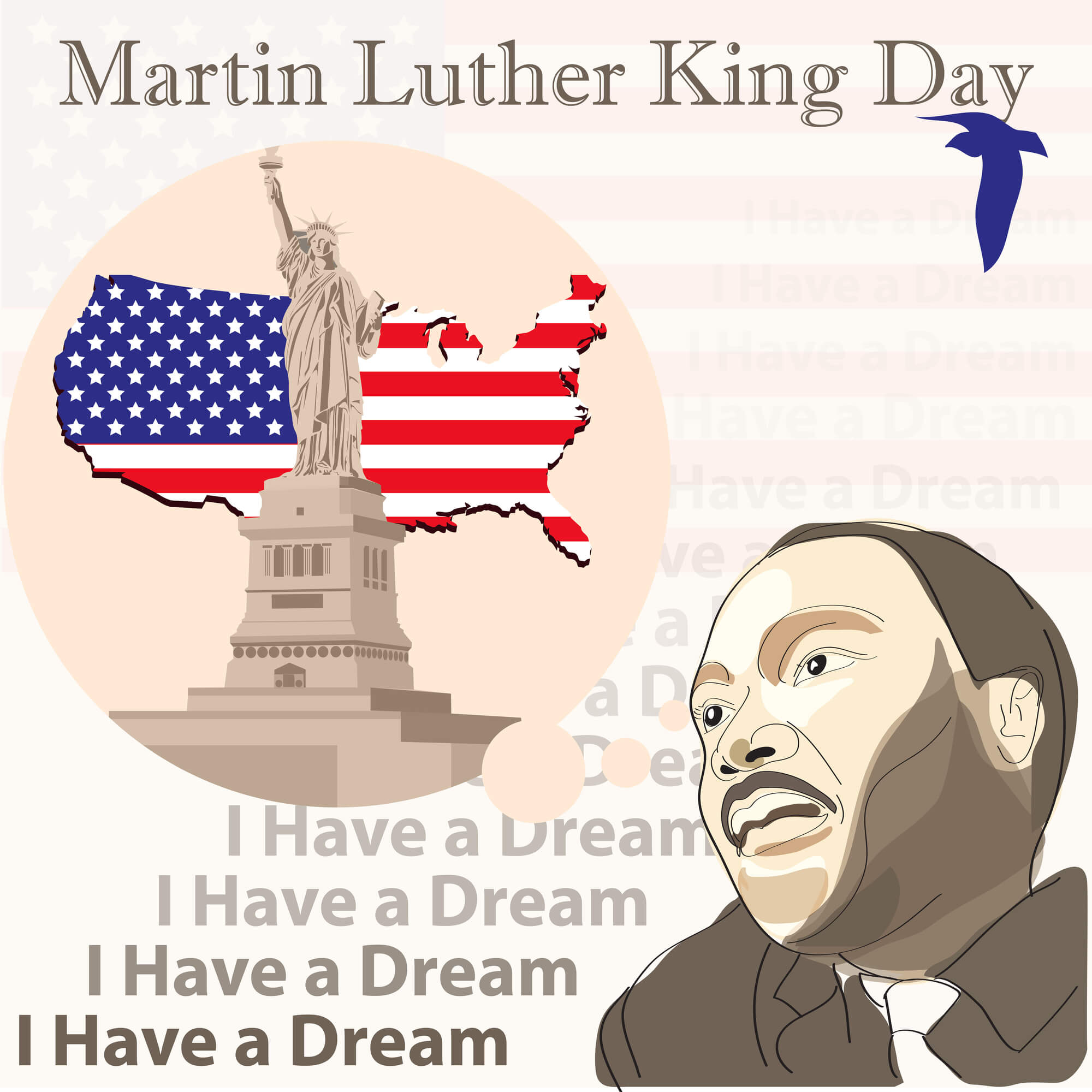
Delivered during the March on Washington on August 28, 1963, this speech moved the assembled 250,000 people to tears and transformed civil rights rhetoric from confrontation to visionary aspiration. Witnesses describe an almost physical shift in the crowd’s emotional state as King’s words became increasingly transcendent.
Malala Yousafzai’s United Nations Address
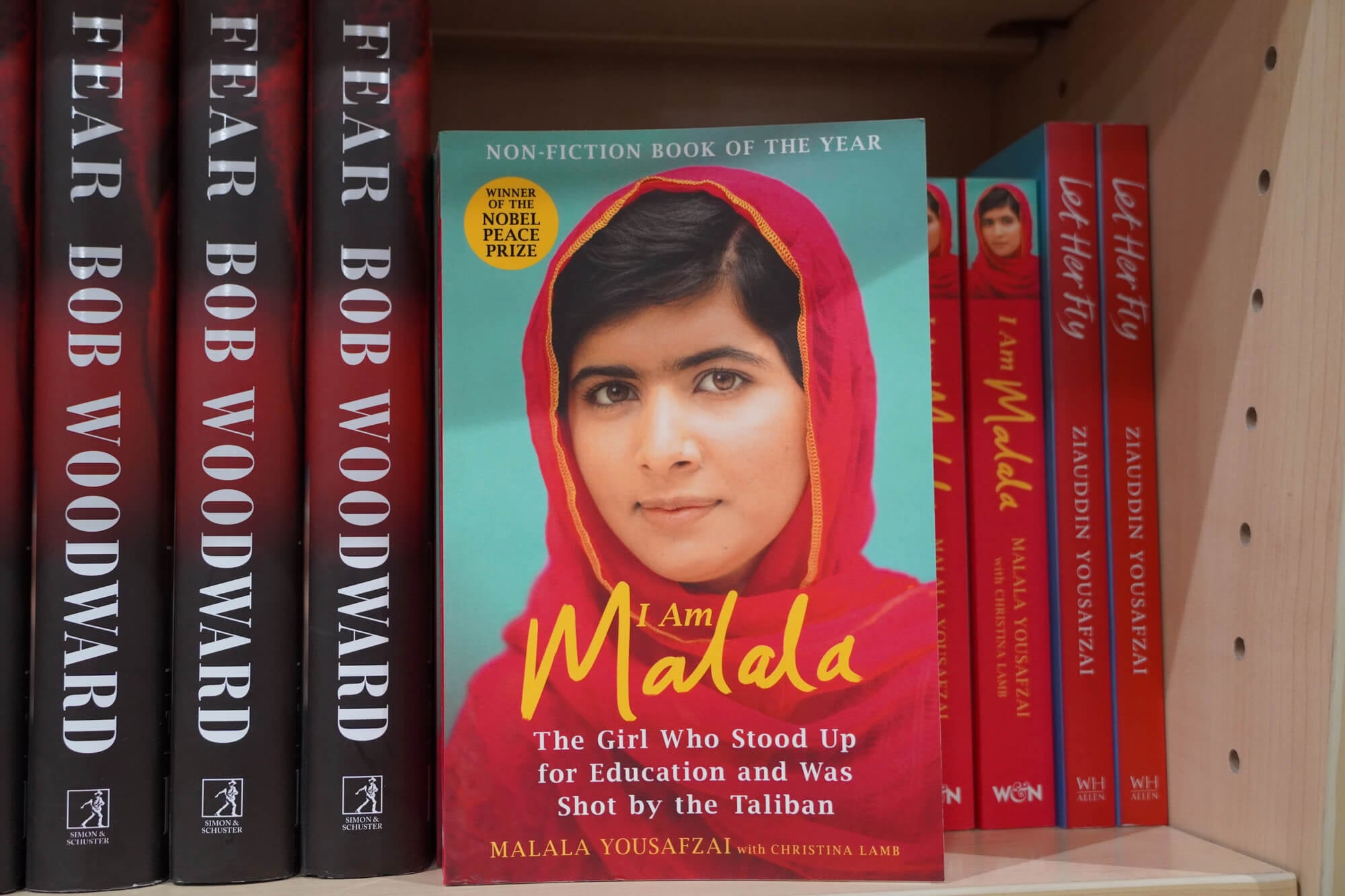
When Malala spoke to the UN General Assembly on her 16th birthday in July 2013, survivors of violence and world leaders present reported being moved to tears by her composed articulation of education as a fundamental human right. Her calm presence despite recent assassination attempt elevated her message’s power.
Sojourner Truth’s “Ain’t I a Woman”
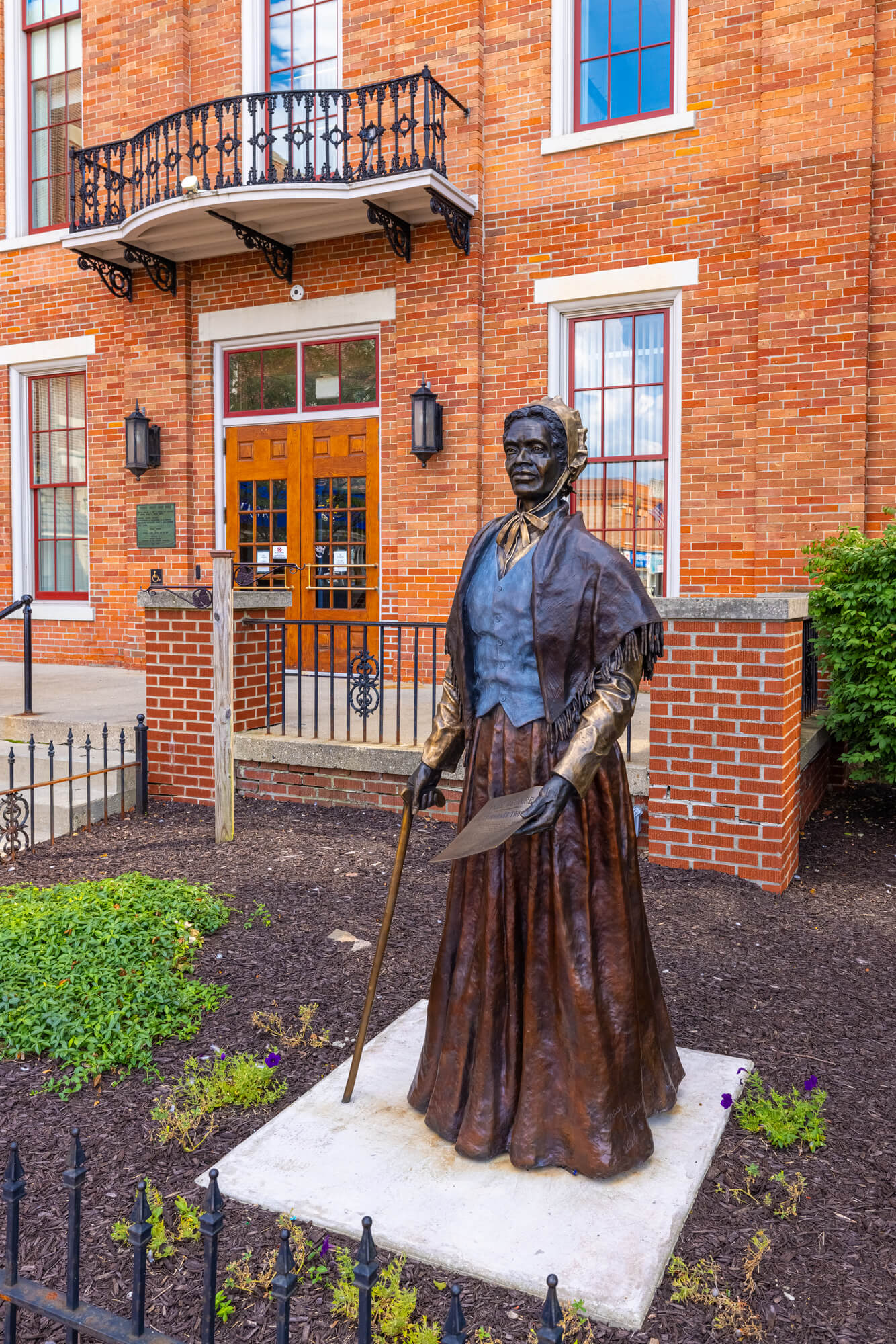
Delivered at the 1851 Women’s Rights Convention in Akron, Ohio, this speech directly challenged white female abolitionists to recognize Black women’s humanity and labor. Eyewitness accounts describe stunned silence followed by sustained emotional impact on the assembled women.
RFK’s Announcement of MLK’s Death
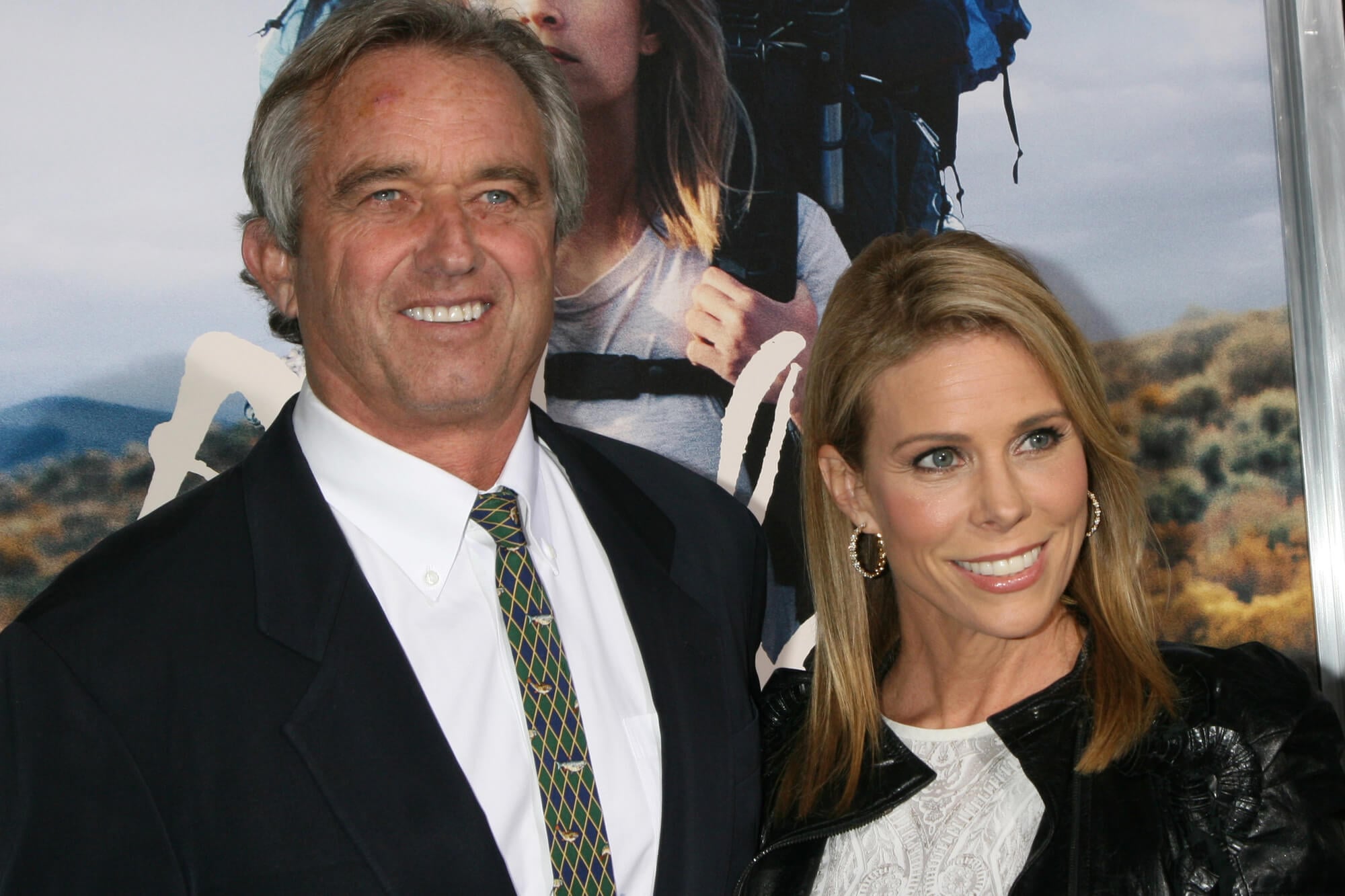
When Robert F. Kennedy announced Martin Luther King Jr.’s assassination on April 4, 1968, to a street crowd in Indianapolis, his impromptu speech containing a quote from Aeschylus prevented the violence that erupted in other cities. People present report the tangible moment when rage transformed into grief.
Greta Thunberg’s UN Climate Action Summit Speech
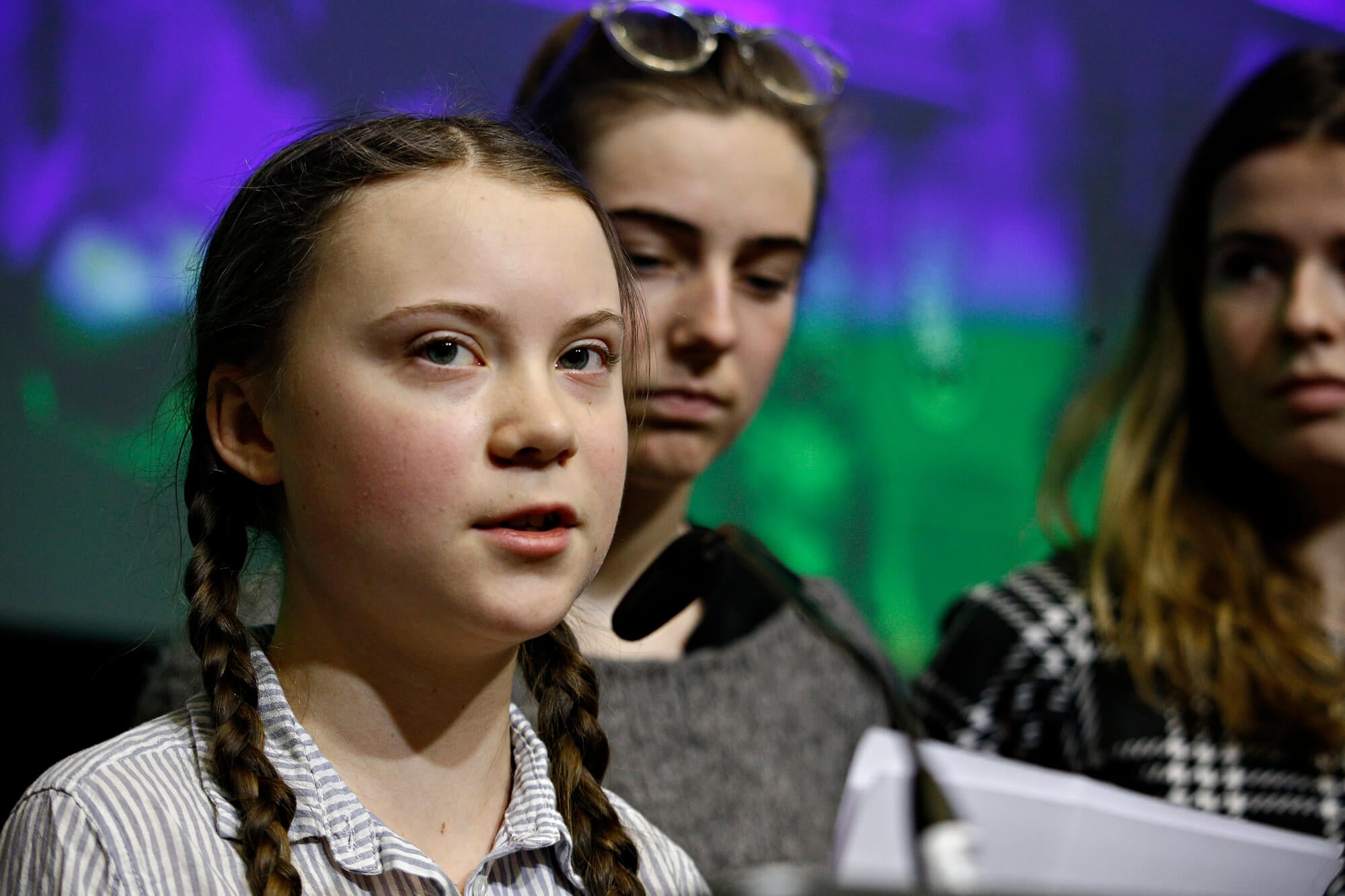
Greta Thunberg’s September 2019 address to the UN Climate Action Summit, declaring “How dare you” to world leaders who ignored climate science, created an immediate moment of accountability. Adult observers noted the unusual experience of moral authority exercised by a teenager.
Ronald Reagan’s “Tear Down This Wall” Speech
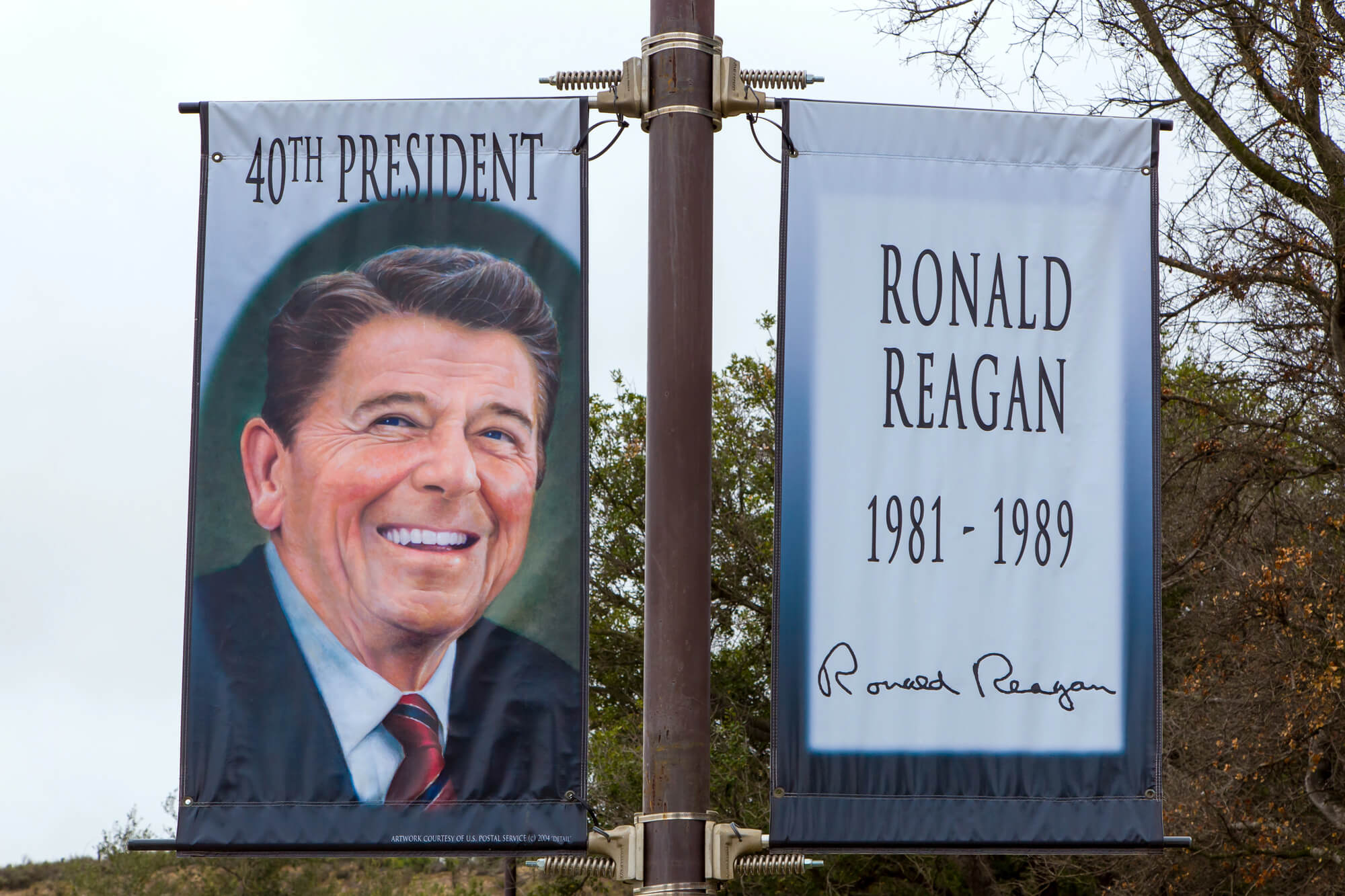
Delivered at the Brandenburg Gate in West Berlin on June 12, 1987, Reagan’s direct challenge to Soviet leader Mikhail Gorbachev to remove the Berlin Wall created a moment of astonishing directness in Cold War diplomacy. Observers report the speech landing with surprising force.
Harvey Milk’s “Hope” Speech
Harvey Milk’s November 1978 speech celebrating political change achieved through voting rather than violence was delivered with characteristic black humor that disarmed his audience. The speech directly addressed despair among LGBTQ+ listeners and offered unexpected political hope.
Churchill’s “We Shall Never Surrender” Speech
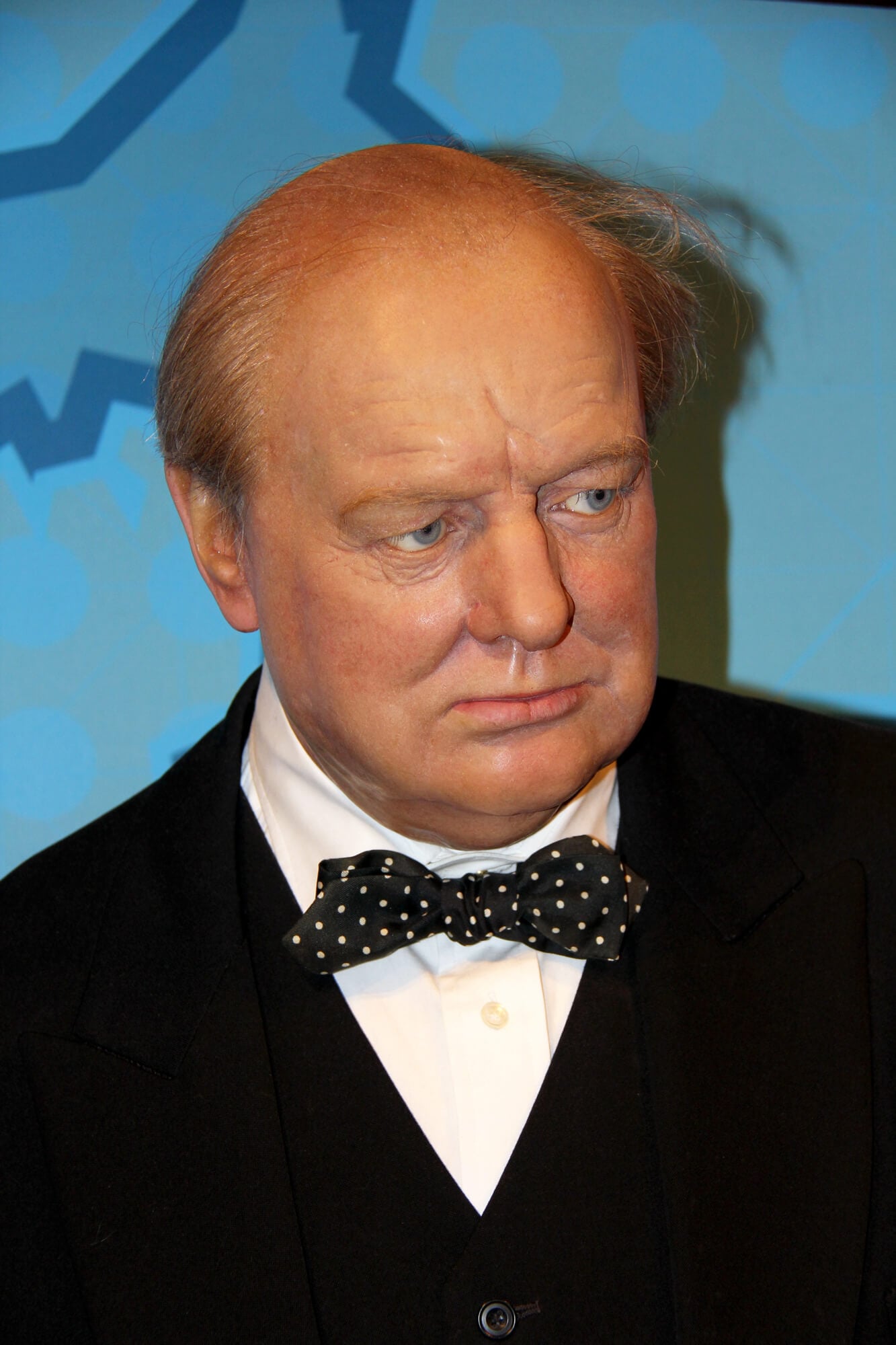
Winston Churchill’s June 4, 1940 address to Parliament during Britain’s darkest hour, when Nazi invasion seemed imminent, rallied an audience facing genuinely existential military defeat. The speech’s emotional impact was amplified by Churchill’s raspy voice and deliberate pacing.
James Baldwin’s “The Fire Next Time” Speech
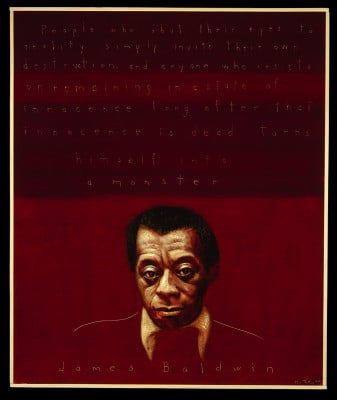
James Baldwin delivered portions of his essay “The Fire Next Time” in various settings, and audiences consistently report the speech creating a moment where white liberal complacency became impossible. His articulation of white Americans’ complicity in racism shifted the temperature of rooms.
Amanda Gorman’s Presidential Inauguration Poem
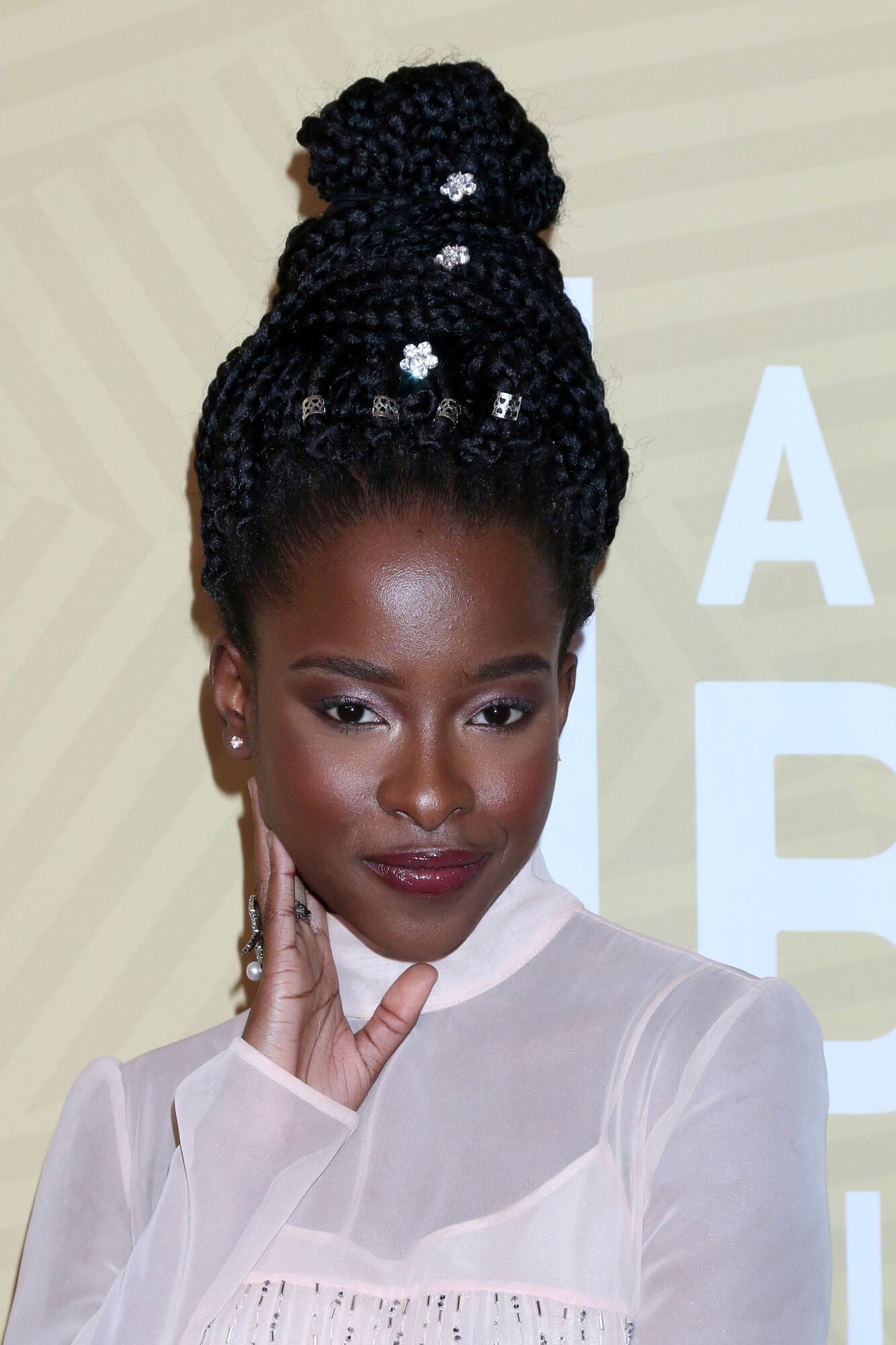
Amanda Gorman’s January 20, 2021, poetry performance at President Biden’s inauguration created a moment where an unknown 22-year-old overcame a stutter to deliver lines about American resilience. Her visible nervousness followed by composed confidence transformed the moment.
Neville Chamberlain’s War Declaration Speech
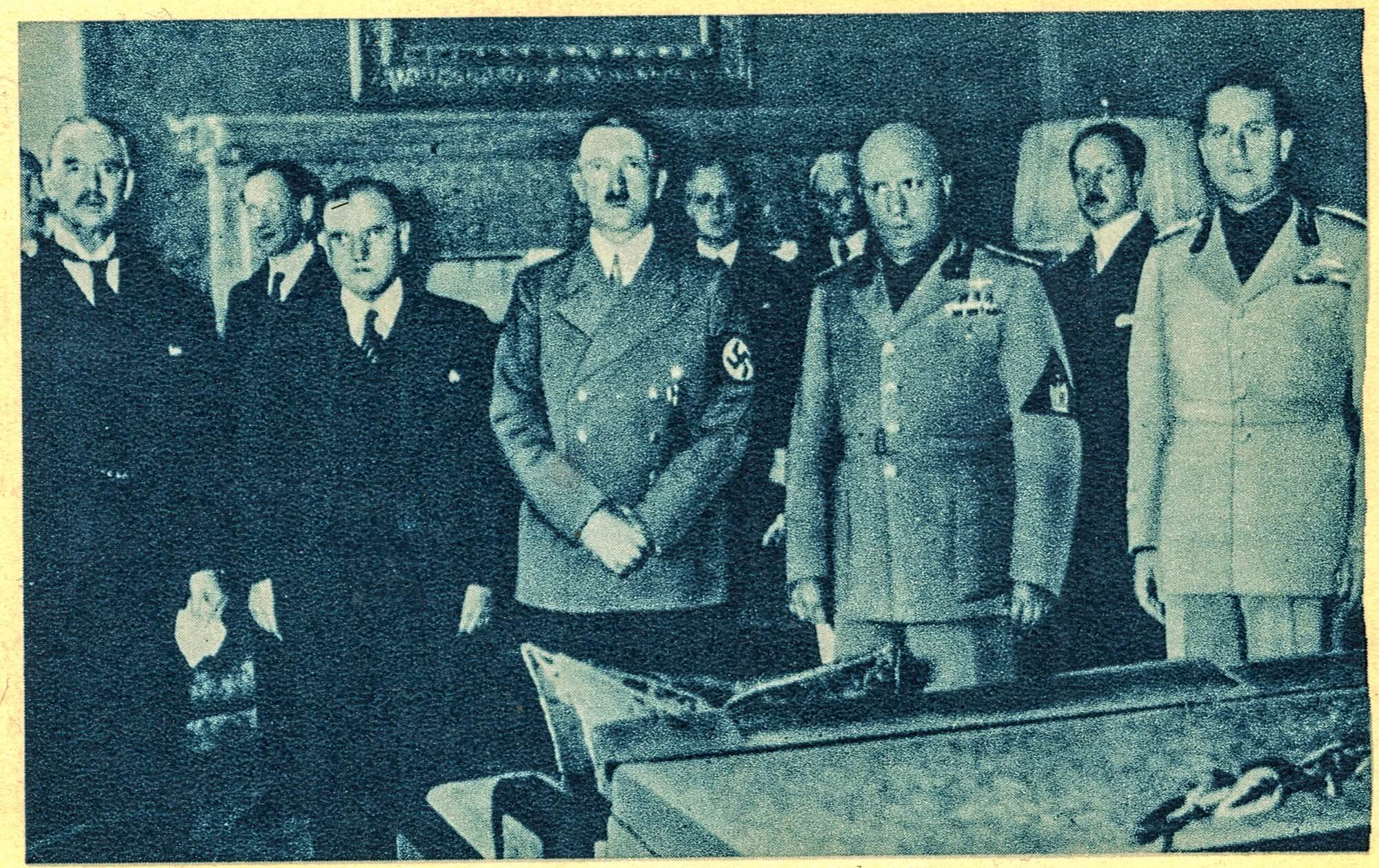
When Neville Chamberlain announced on September 3, 1939, that Britain was at war with Nazi Germany, the assembled Parliament shifted from appeasement politics into acceptance of genuine military conflict. The speech marked a tangible turning point in how legislators understood their political moment.
Margaret Thatcher’s Falkland Islands Speech
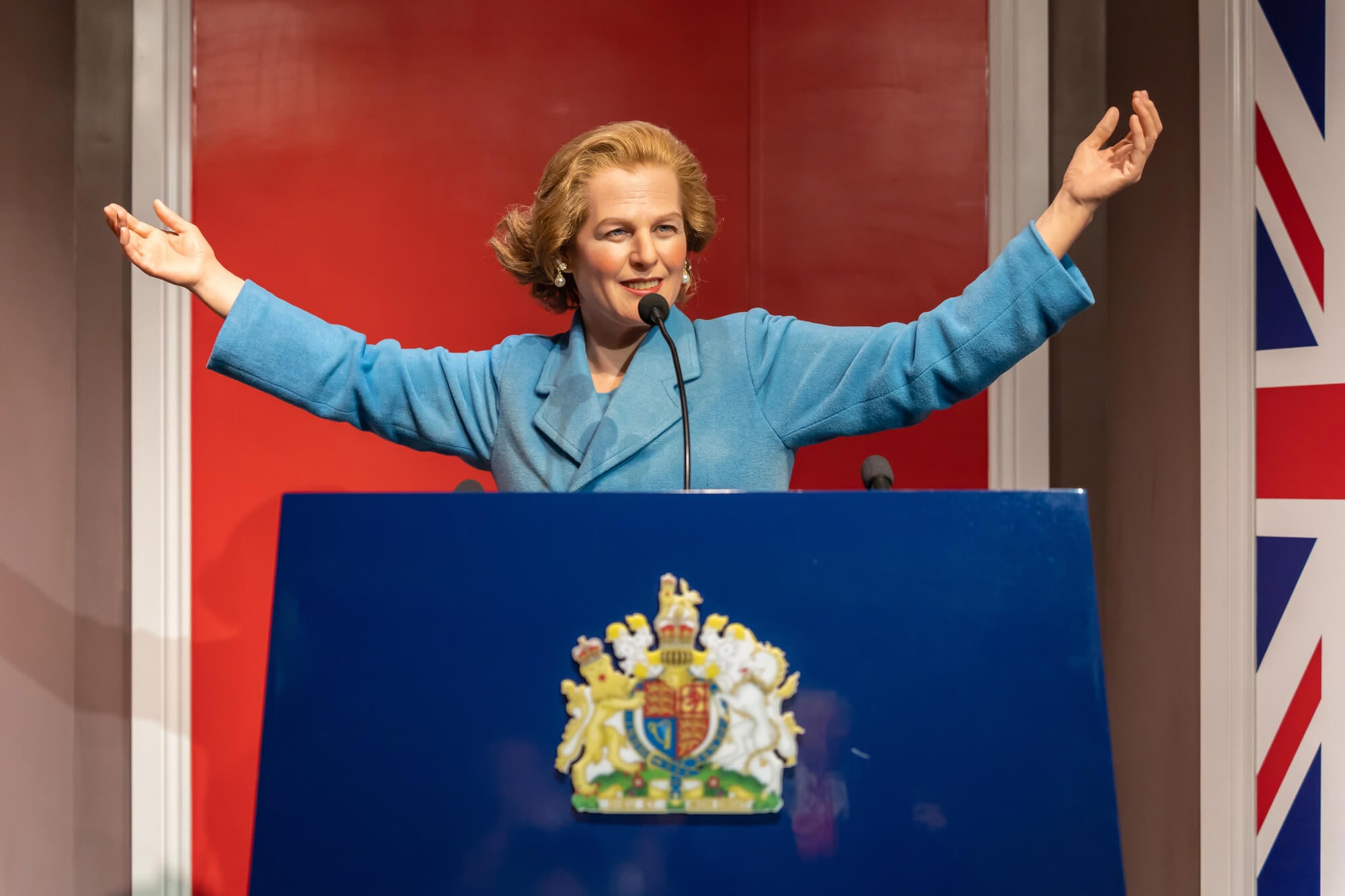
Margaret Thatcher’s defiant speech to Parliament on June 14, 1982, announcing Britain’s military victory in the Falkland Islands created a moment of nationalist emotion. The speech’s confidence and combative tone unified the room in ways her usual political adversaries rarely experienced.
Nelson Mandela’s Inaugural Address
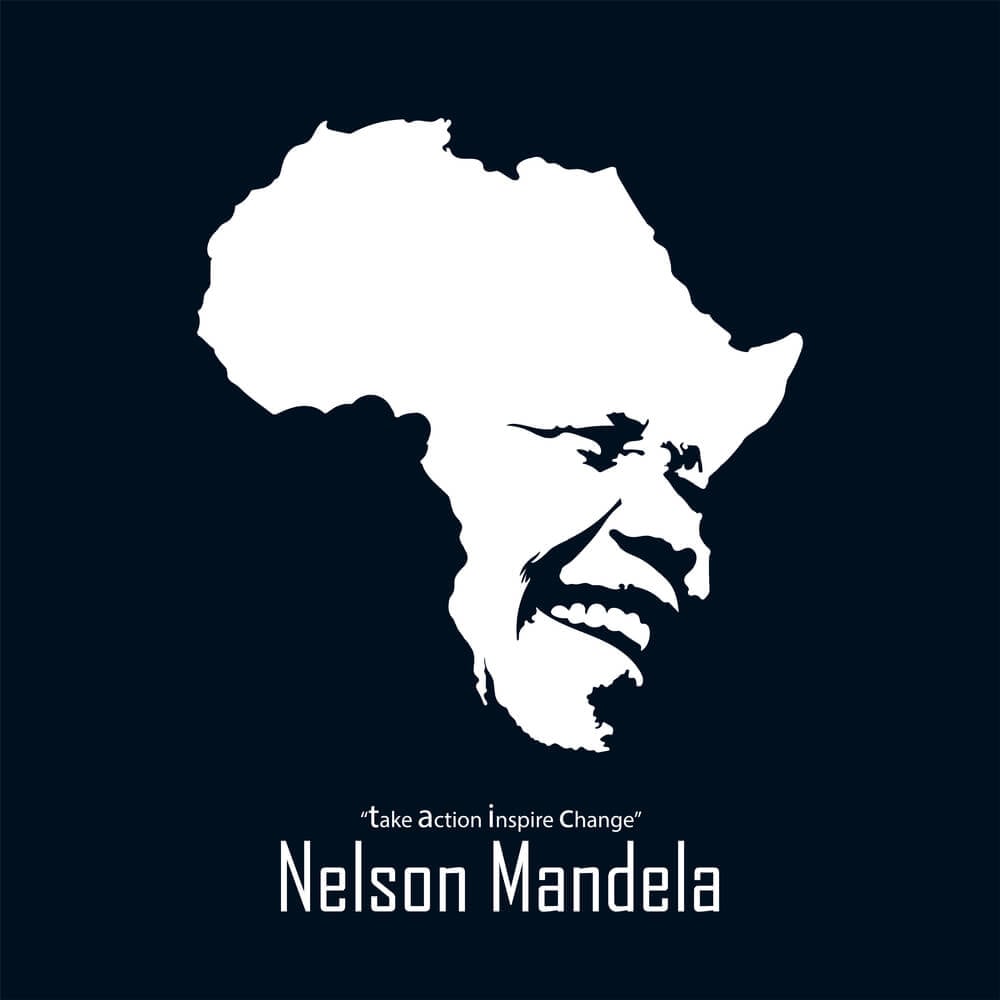
— Vector by GREEN_STUDIO
When Nelson Mandela was sworn in as South Africa’s first Black president on May 10, 1994, his address promising reconciliation rather than retribution created a moment of unexpected grace. The assembled audience, including Afrikaner politicians who had imprisoned him, witnessed the deliberate choice to transcend victimhood.
Susan Sontag’s Writing and Illness Speech
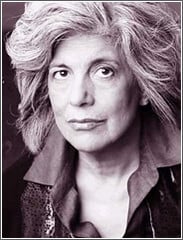
Susan Sontag’s public address examining how disease is metaphorically constructed in culture challenged her assembled audience into recognition of language’s complicity in suffering. Her intellectual clarity and personal vulnerability created a moment where abstraction became immediately relevant.
Audre Lorde’s “The Uses of Anger” Speech
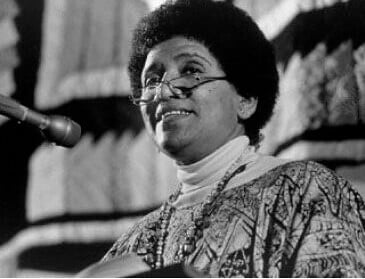
Audre Lorde’s 1981 address at the National Women’s Studies Association Conference directly confronted white women about racism within feminism, creating discomfort that listeners report as transformative. Her refusal to perform comfort marked a boundary that shifted how the assembly understood accountability.
Emma Watson’s UN Gender Equality Speech
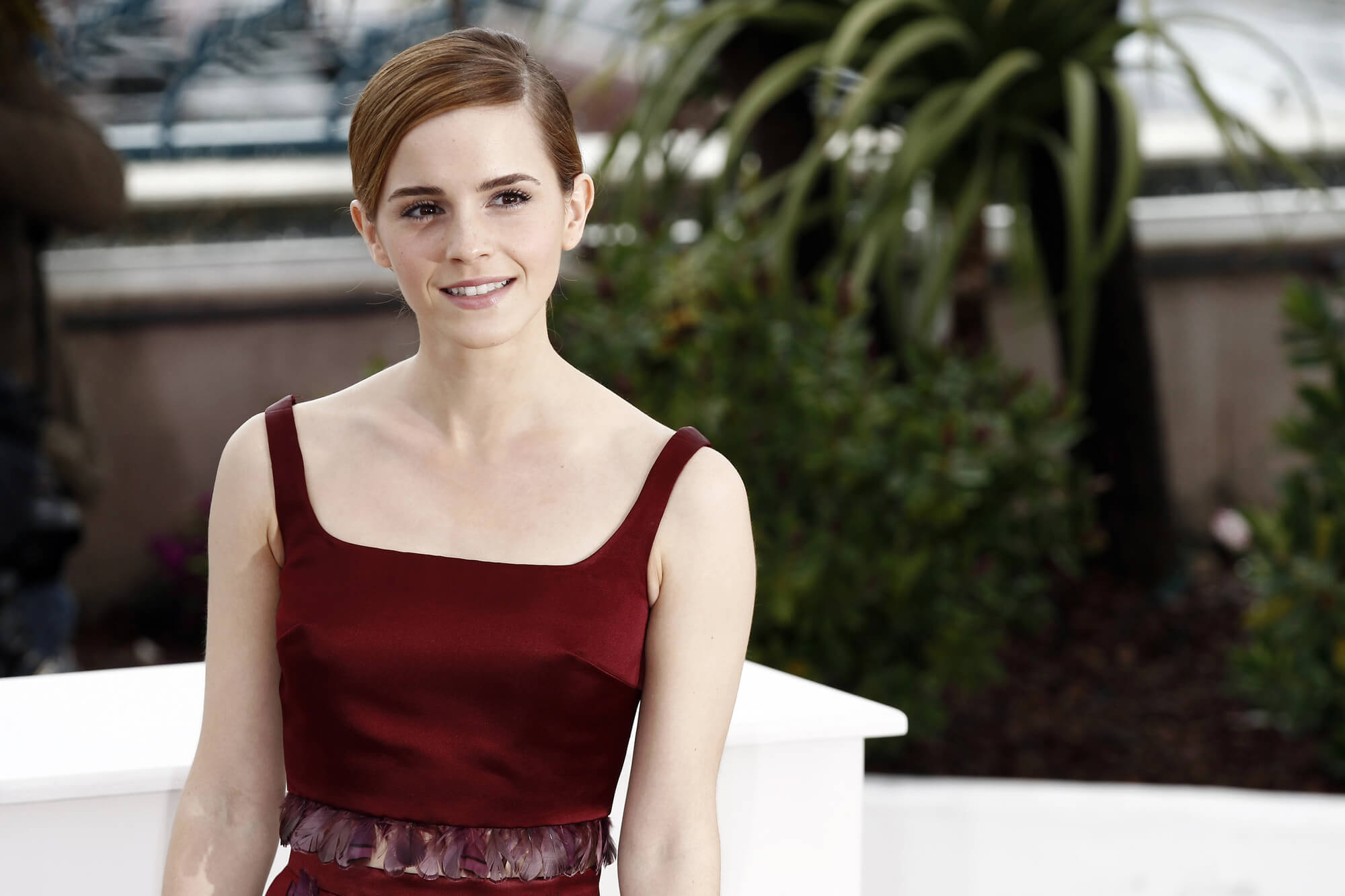
Emma Watson’s September 20, 2014 address to the UN launching the HeForShe campaign created a moment of unexpected earnestness in celebrity activism. Her vulnerability about her own feminist journey, combined with direct appeal to men, reframed gender equality as collaborative.
Sylvia Plath’s Poetry Readings
Sylvia Plath’s 1962 poetry readings, where she performed work from “Ariel” unpublished at the time, created a moment of raw emotional confrontation for audiences. Listeners report being shaken by the specificity of her rage and vulnerability delivered with unflinching directness.
Shirley Chisholm’s “Unbought and Unbossed” Address
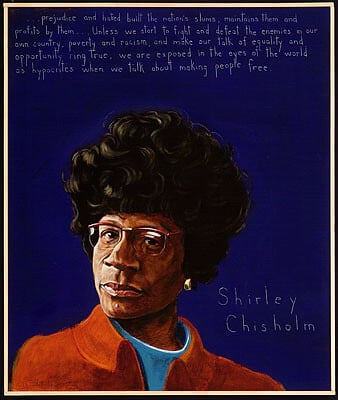
Shirley Chisholm’s campaign address announcing her 1972 presidential run created a moment of startled recognition among Black Americans watching a woman claim unequivocal political power. Her refusal to diminish her ambitions created a moment of representation that audiences report as profoundly moving.
Pope John Paul II’s First Homily as Pope
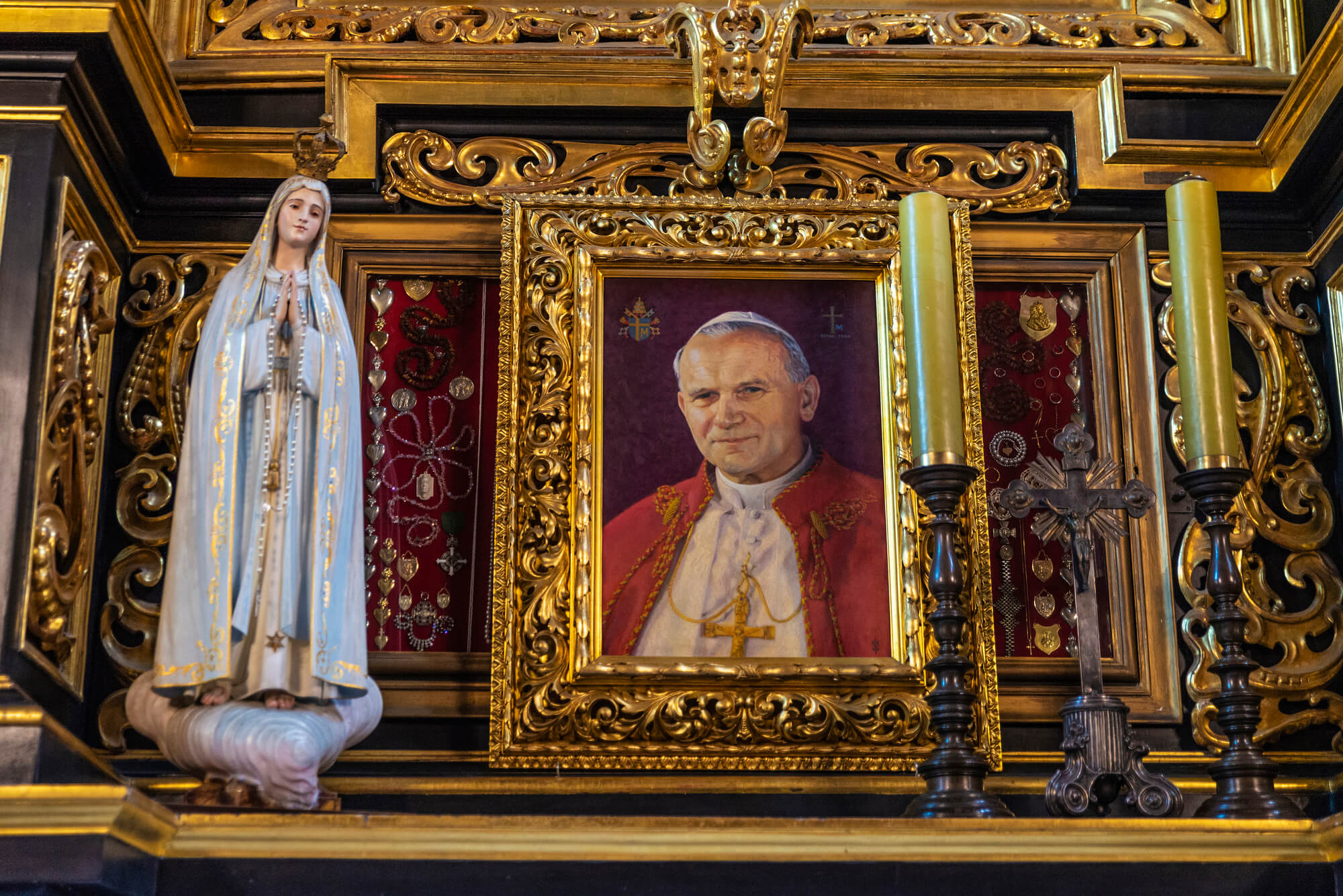
When John Paul II delivered his first homily as Pope on October 22, 1978, his vigorous presence and innovative selection of topics created a moment where the Church sensed philosophical change. His charismatic delivery contrasted sharply with his elderly predecessor.
Ruth Bader Ginsburg’s Confirmation Hearing
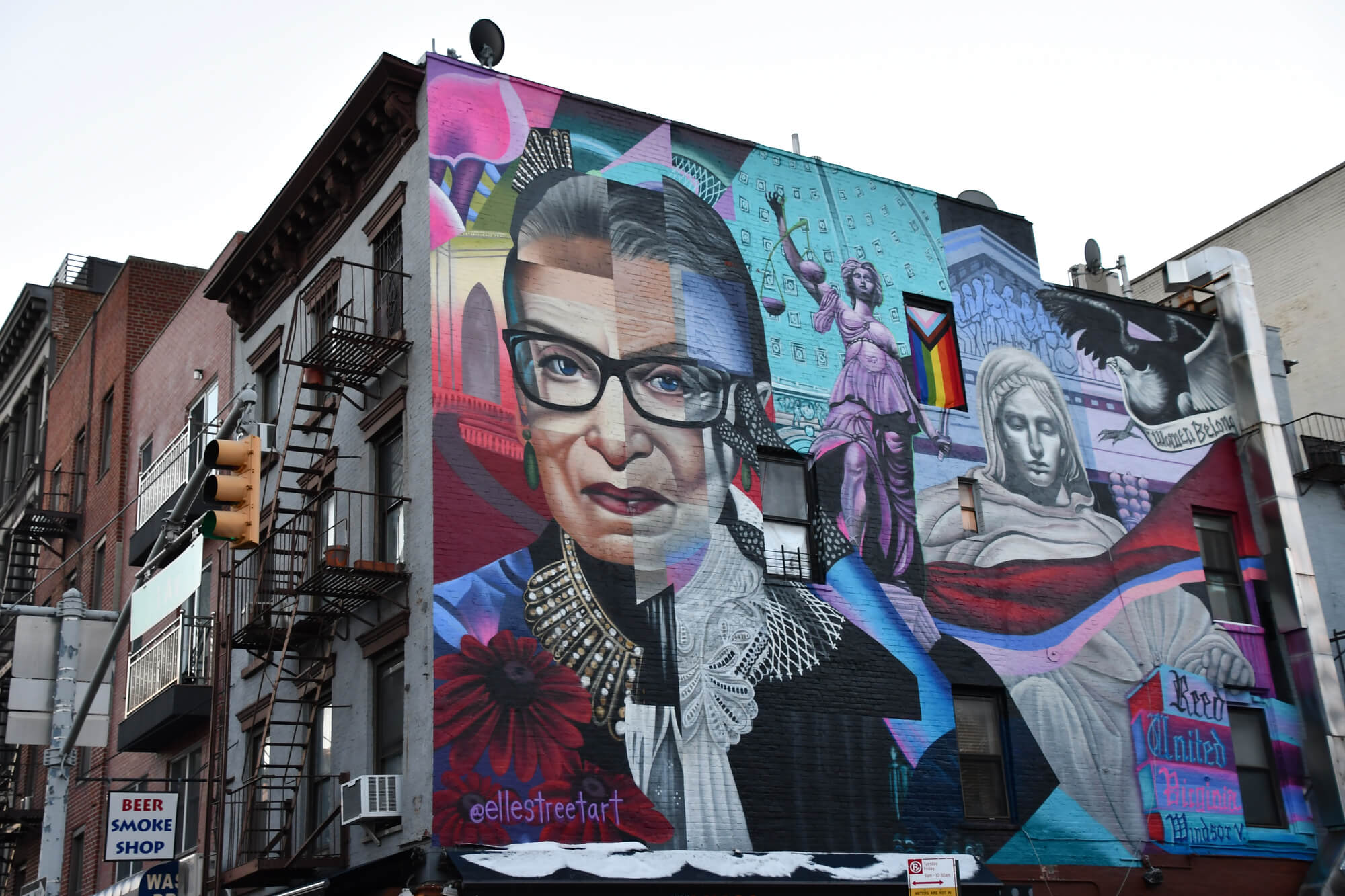
Ruth Bader Ginsburg’s composed, strategic responses during her 1993 Supreme Court confirmation hearings created a moment of intellectual clarity that even her political opponents acknowledged. Her careful articulation of constitutional principles created respect in an assembly usually governed by partisan rancor.
Oprah Winfrey’s Golden Globes Speech
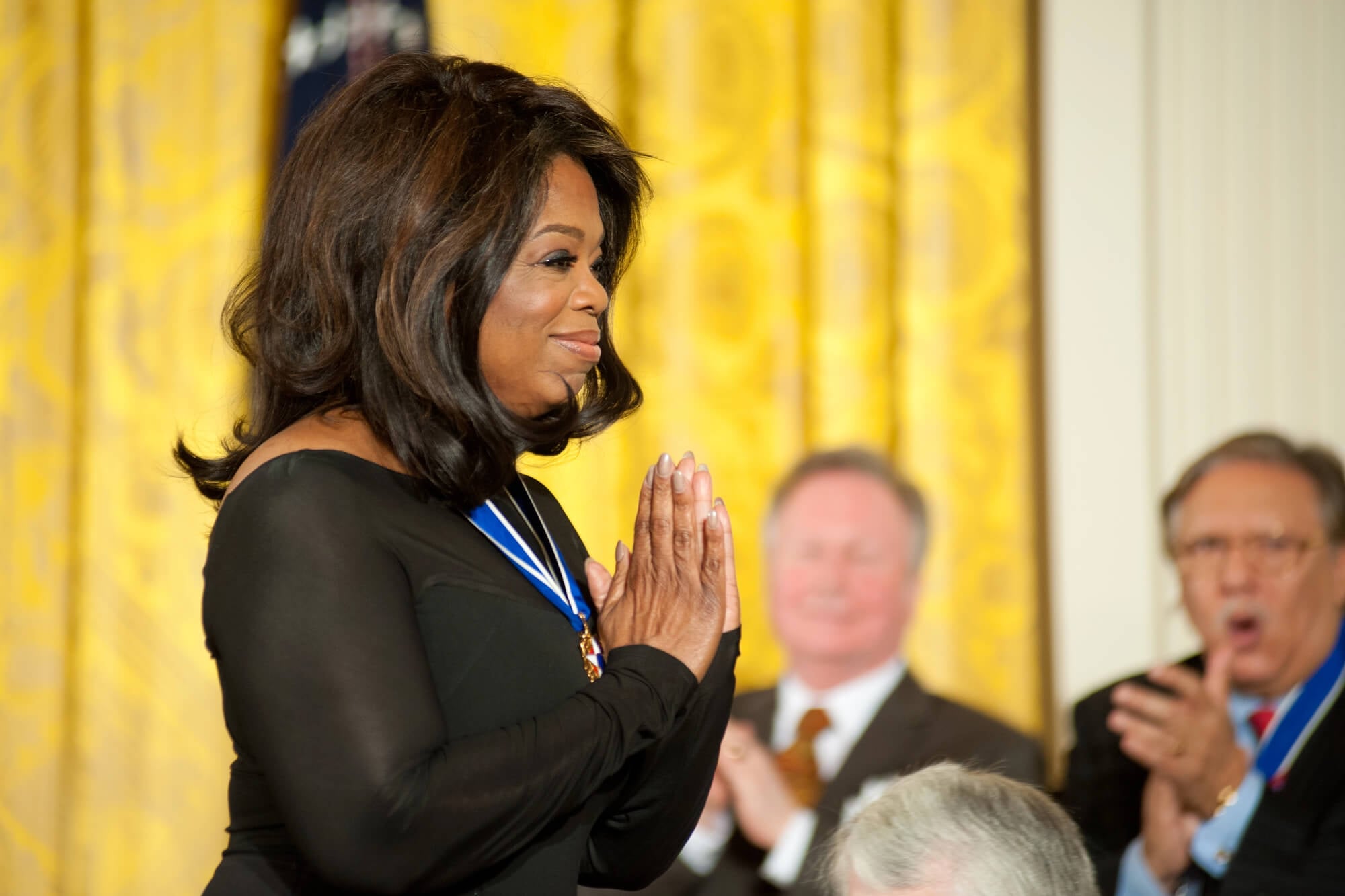
Oprah Winfrey’s January 2018 Golden Globes speech about harassment and power imbalance created a moment where celebrity complicity in institutional violence became impossible to ignore. The assembled industry figures experienced public accountability.
Maya Angelou’s Inaugural Poem
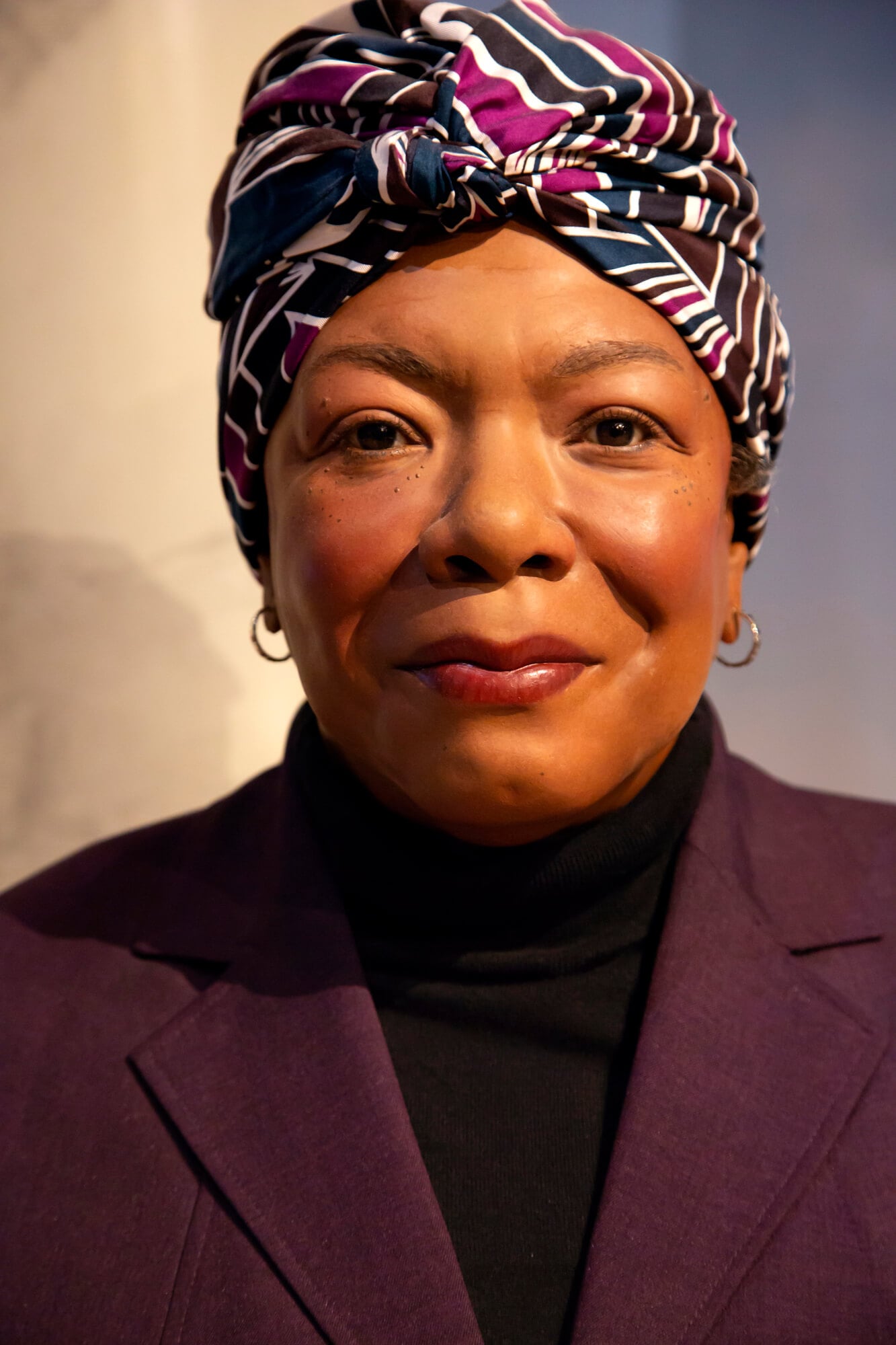
Maya Angelou’s 1993 presidential inaugural poem “On the Pulse of Morning,” delivered with her distinctive cadence and vocal power, created a moment where Black female artistry claimed central stage. Her composed confidence and poetic language shifted how the assembled audience understood presidential transition.
Gloria Steinem’s Consciousness-Raising Speech
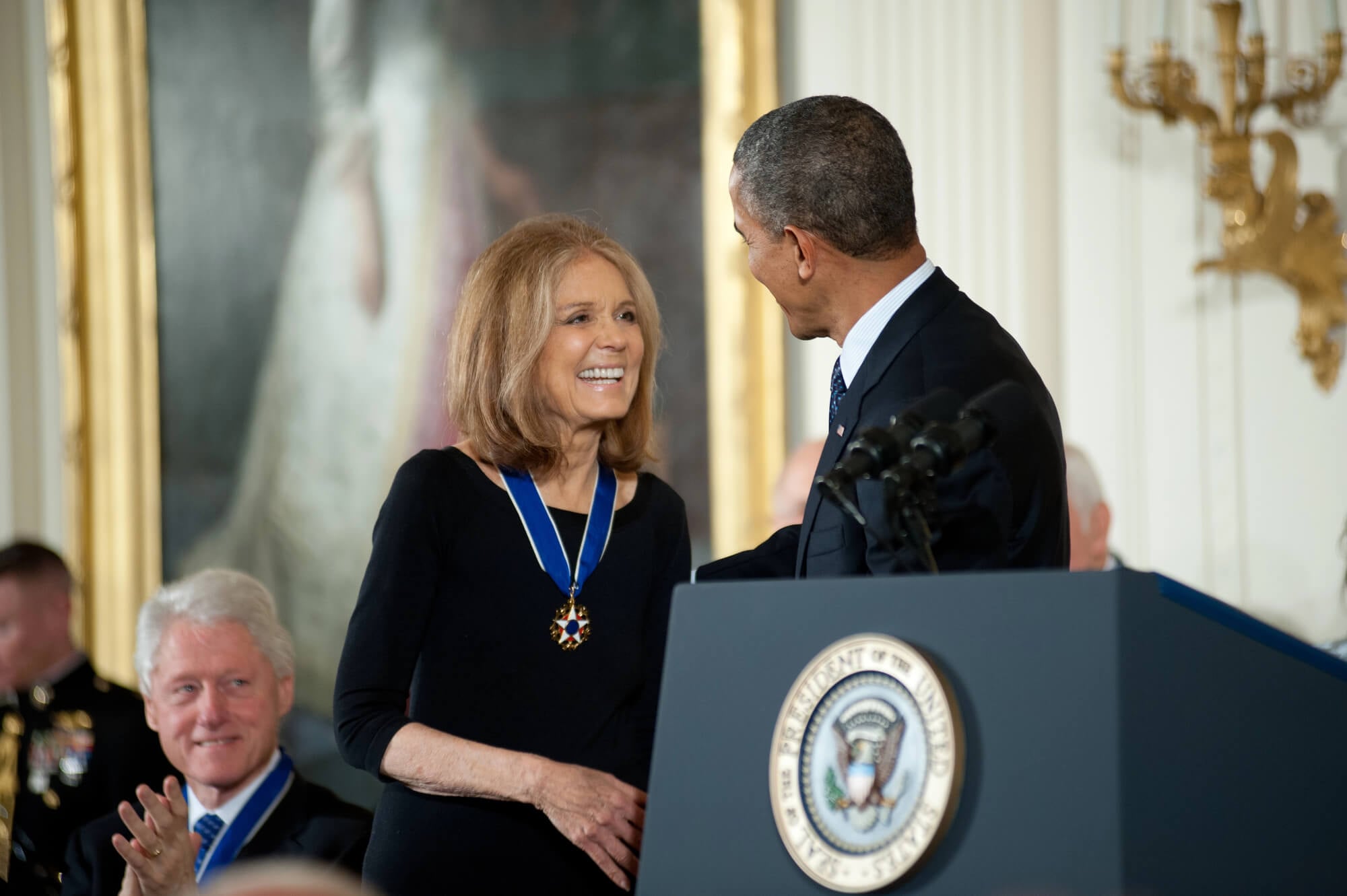
Gloria Steinem’s various speeches introducing consciousness-raising as political practice created moments where women in rooms recognized their personal experiences as political facts. Her ability to reframe domestic life as worthy of serious political attention shifted consciousness.
Trevor Noah’s White House Correspondents’ Dinner Speech
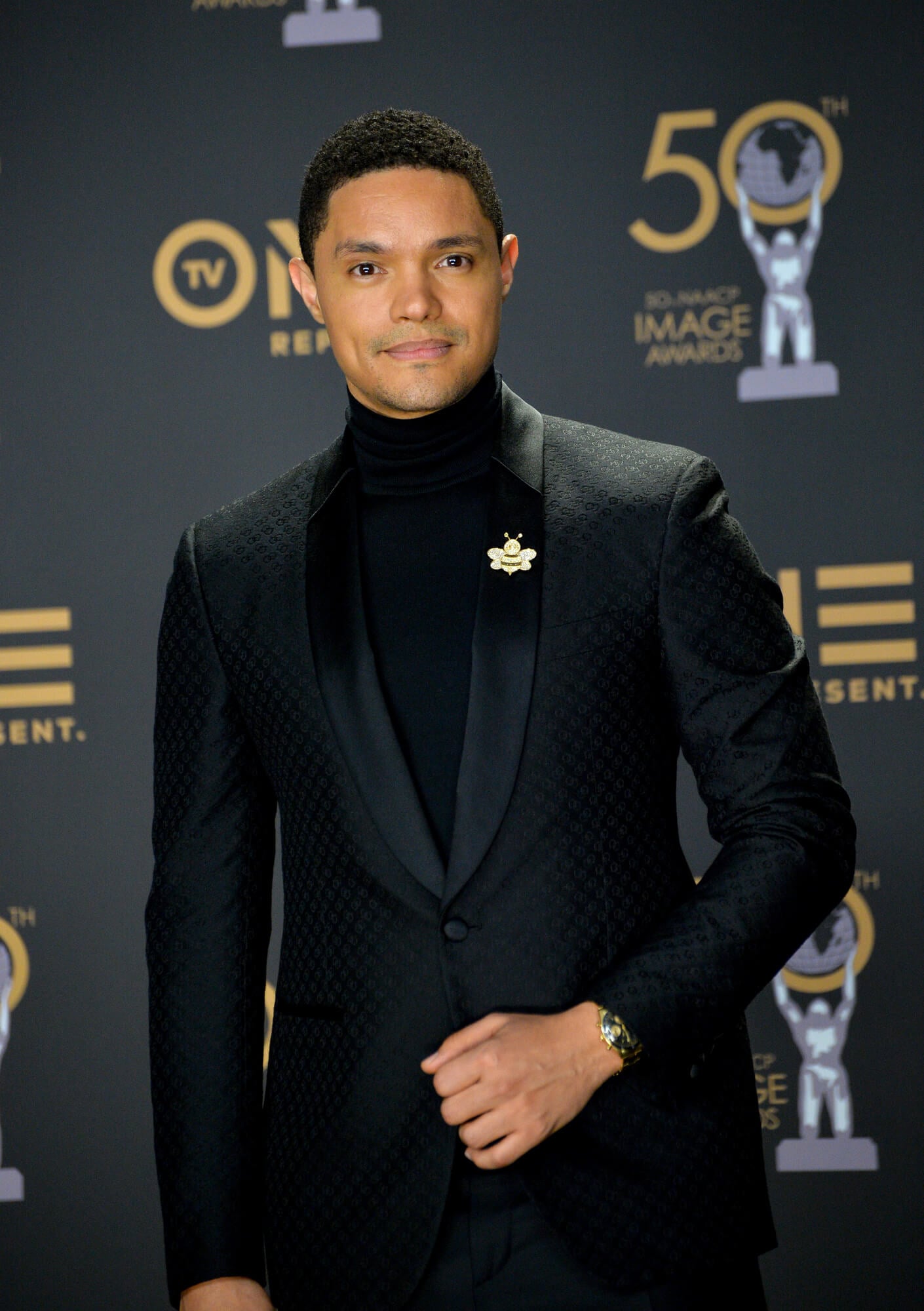
Trevor Noah’s May 2019 address to the White House Correspondents’ Dinner created a moment of direct comic accountability. His refusal to soften criticism with deference reestablished political satire as something with genuine punch.
Jimmy Carter’s Habitat for Humanity Work
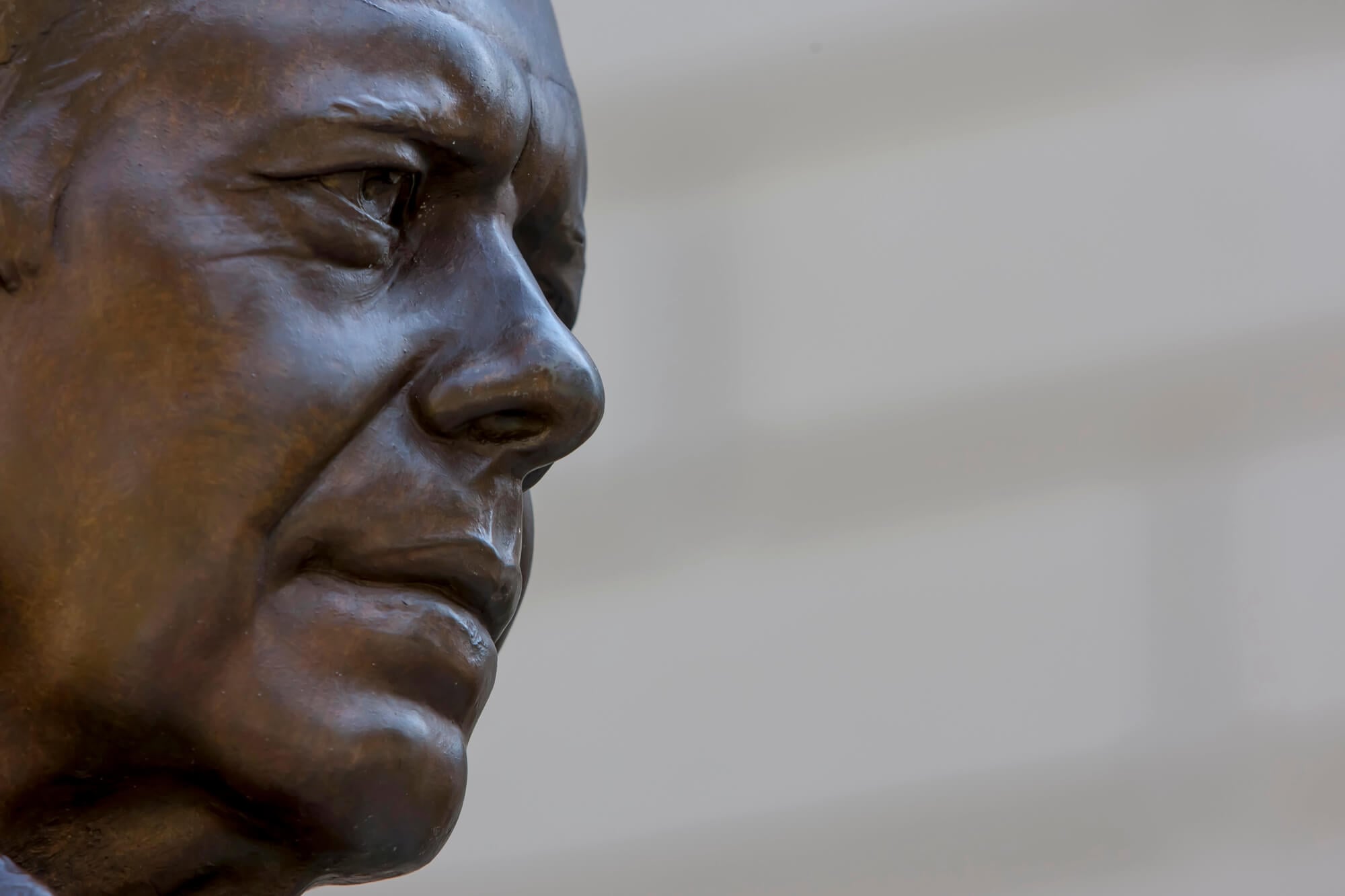
Jimmy Carter’s consistent public articulation of Christian obligation to serve poor people while actively building homes created a moment where presidential leadership became synonymous with humble work. The assembled volunteers experienced a cultural reframing of what leadership looks like.
Fannie Lou Hamer’s Democratic National Convention Speech
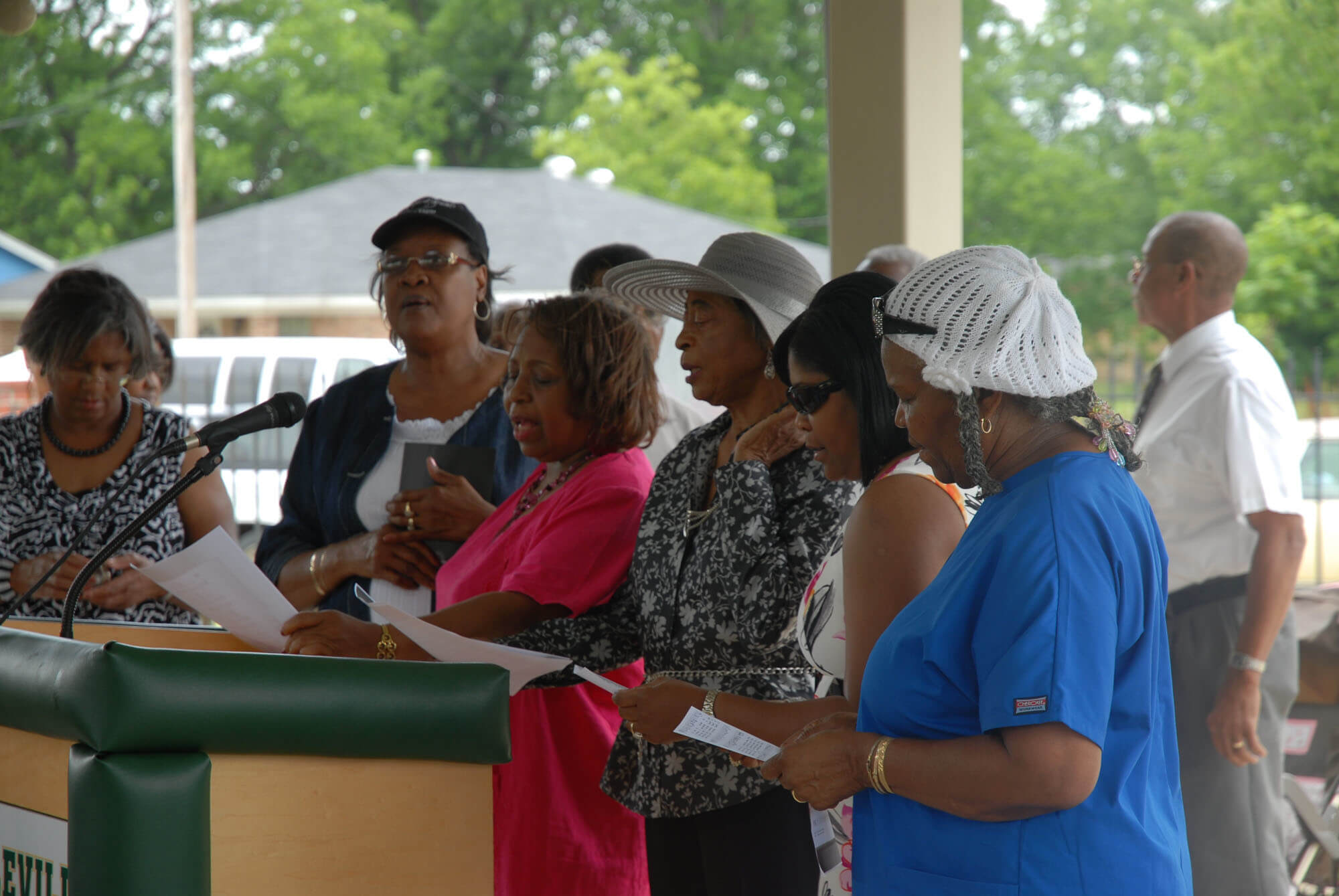
Fannie Lou Hamer’s testimony at the 1964 Democratic National Convention about police brutality and voter suppression in Mississippi created a moment where televised national politics confronted Black southern suffering. Her composed dignity in describing violence moved the assembled delegates.
When Words Shift Everything
The most transformative speeches share an ineffable quality—they capture a moment when something unsaid becomes unavoidably articulated, and people present know they’re witnessing something that matters. Whether through moral clarity, unexpected vulnerability, or principled defiance, these moments remind us that humans remain fundamentally moved by witnessing someone speak truth.
More from Go2Tutors!

- The Romanov Crown Jewels and Their Tragic Fate
- 13 Historical Mysteries That Science Still Can’t Solve
- Famous Hoaxes That Fooled the World for Years
- 15 Child Stars with Tragic Adult Lives
- 16 Famous Jewelry Pieces in History
Like Go2Tutors’s content? Follow us on MSN.



