28 Summer Activities Kids Filled Entire Days With
Before organized sports leagues and screen time consumed childhood summers, children invented and refined their own entertainment using basic materials and their imagination. These activities required minimal equipment and often involved entire neighborhoods coordinating complex social hierarchies and rule systems.
Summer days stretched endlessly, and children’s ability to invent engagement was their primary defense against boredom.
Building Forts From Scrap Wood and Blankets
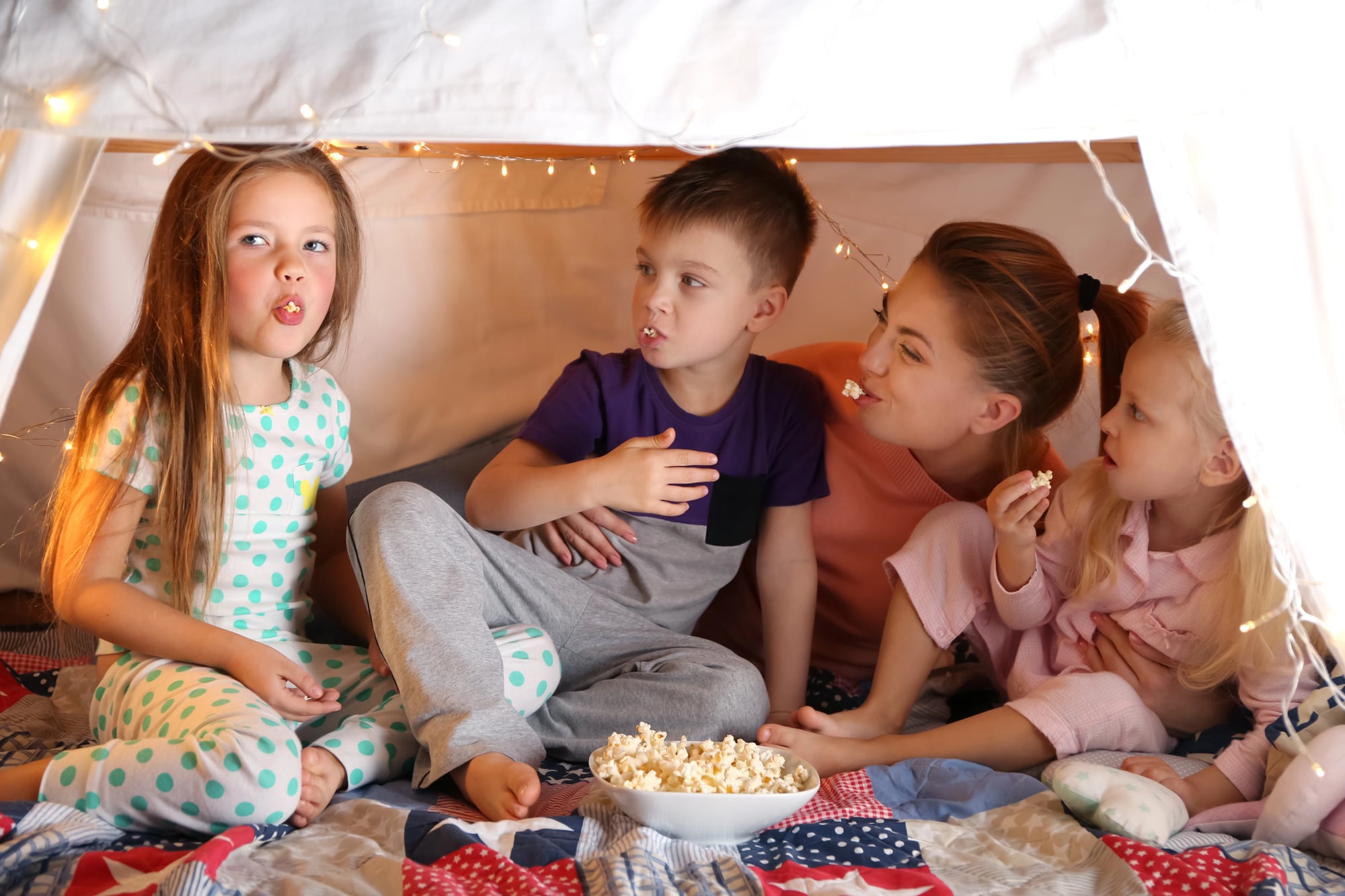
Children gathered lumber scraps, old doors, and blankets to construct shelters in yards, vacant lots, or wooded areas. These forts required engineering logic to remain standing and creative interior design.
The forts served as headquarters for elaborate imaginative games that stretched across the entire summer.
Creating Elaborate Underground Hideouts and Tunnels
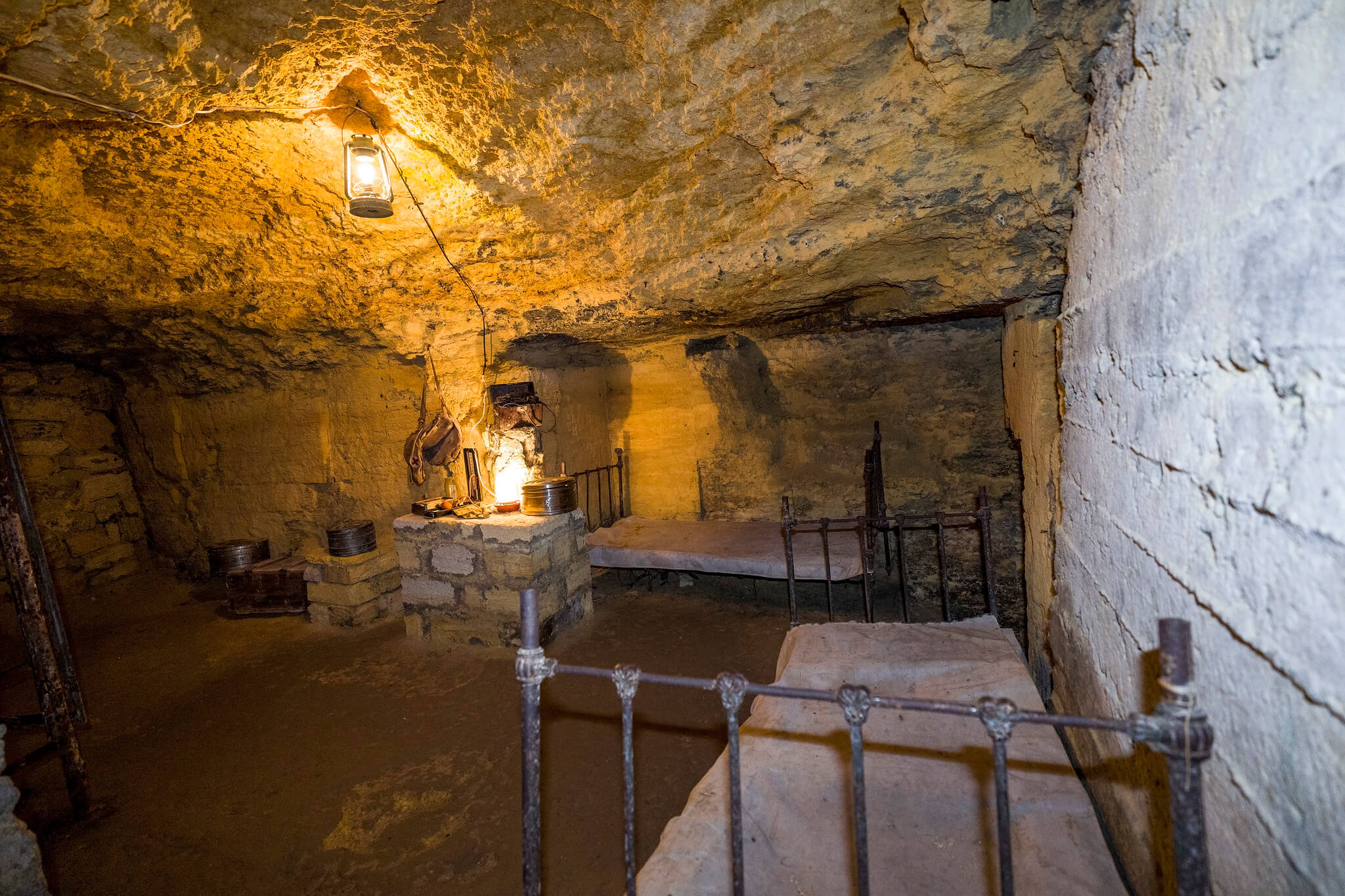
Children dug trenches and tunnels in vacant lots and fields, shoring them with branches or scrap wood to prevent collapse. These underground structures were treated as military bunkers or secret headquarters depending on the game’s narrative.
The digging itself was labor-intensive but felt like genuine excavation rather than chores.
Fishing in Local Streams, Ponds, and Waterways
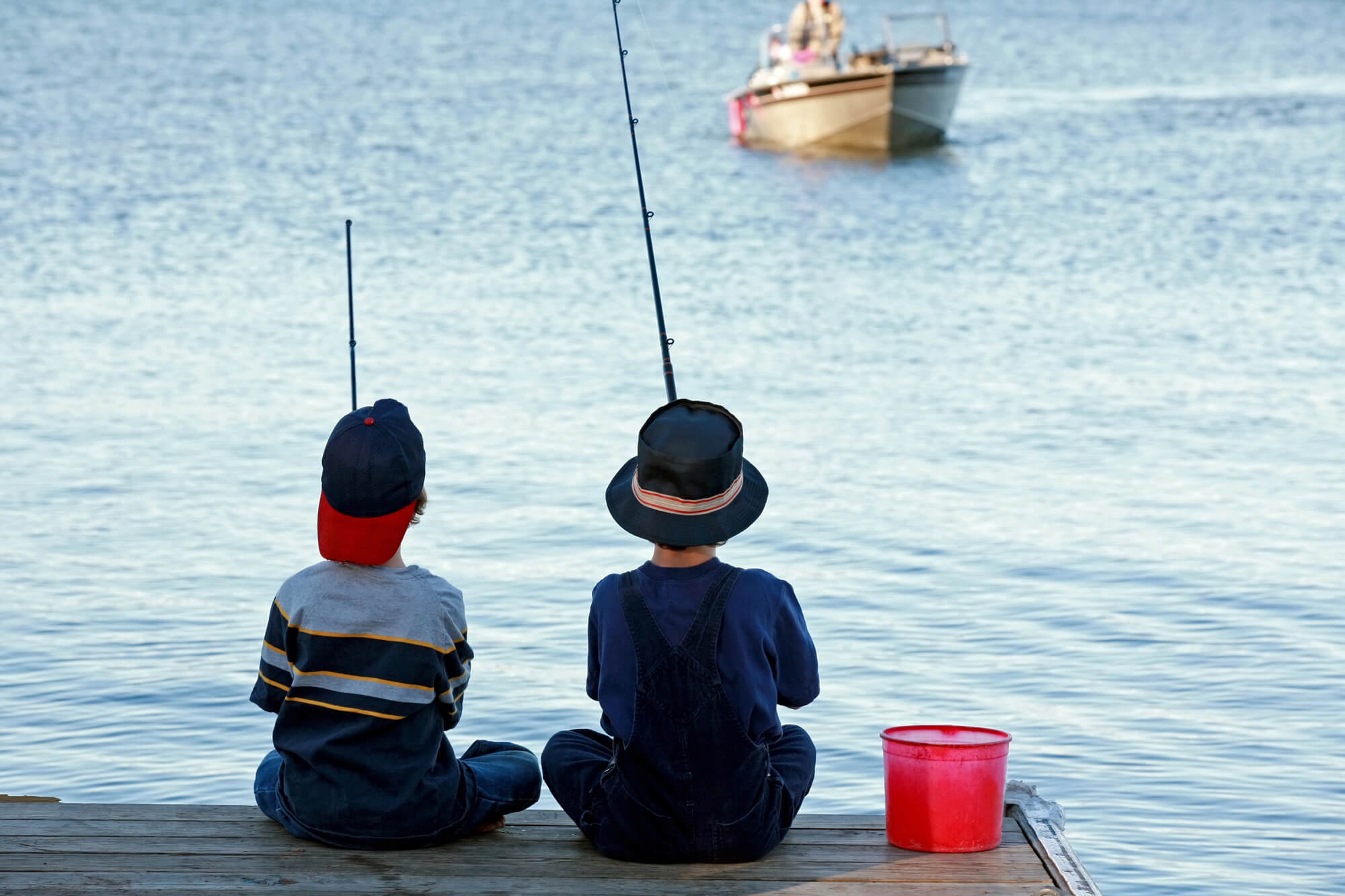
Children caught fish using hand-tied nets, bent pin hooks, and sometimes explosives in waterways. This activity required understanding water patterns, fish behavior, and seasonal timing.
Successful fishing meant food reward and genuine hunting accomplishment despite the catch’s modest size.
Exploring Caves and Mine Shafts
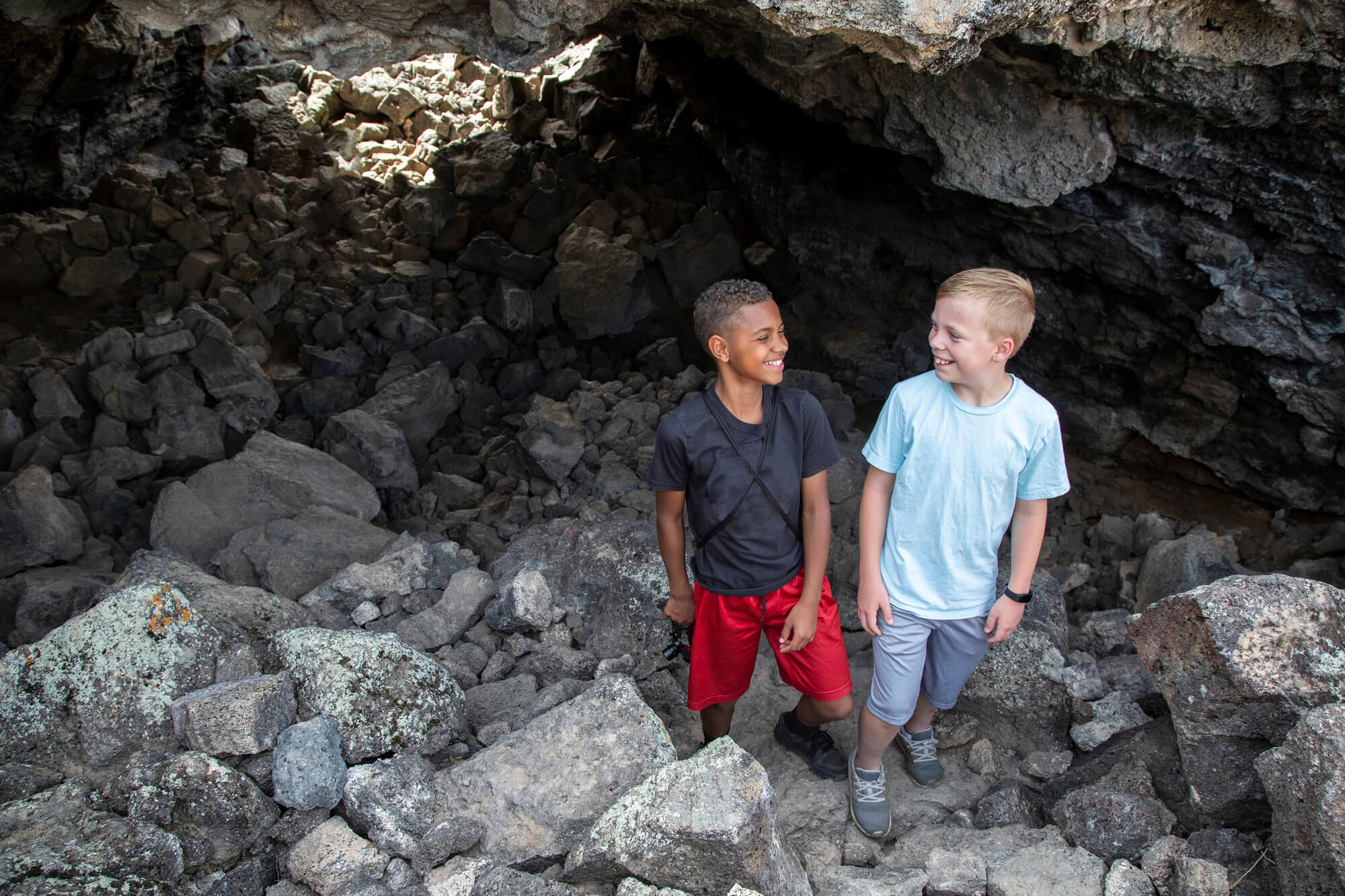
Children explored abandoned mine entrances and natural caves with minimal safety precautions, treating the spaces as adventure destinations. This activity carried real danger but was considered acceptable risk.
Children’s exploration mapping was taken seriously within peer groups.
Playing Elaborate Games of Structured Pretend
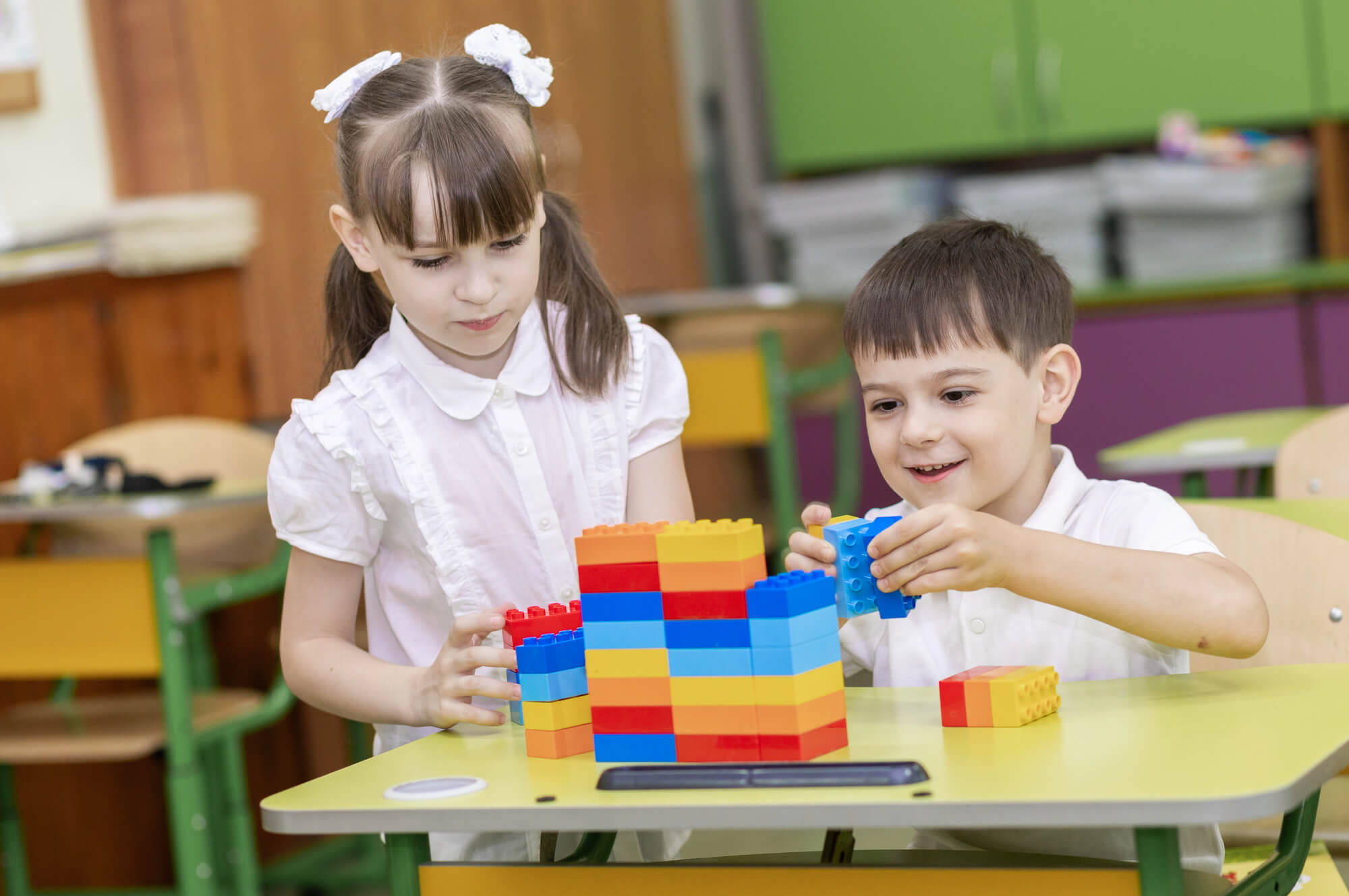
Children developed multi-week narrative games involving pirates, soldiers, explorers, or western settlers with assigned roles and territorial boundaries. These games required negotiation of rules, resolution of disputes, and creative problem-solving.
Games sometimes involved a dozen children across multiple properties.
Damming Streams and Creating Water Channels
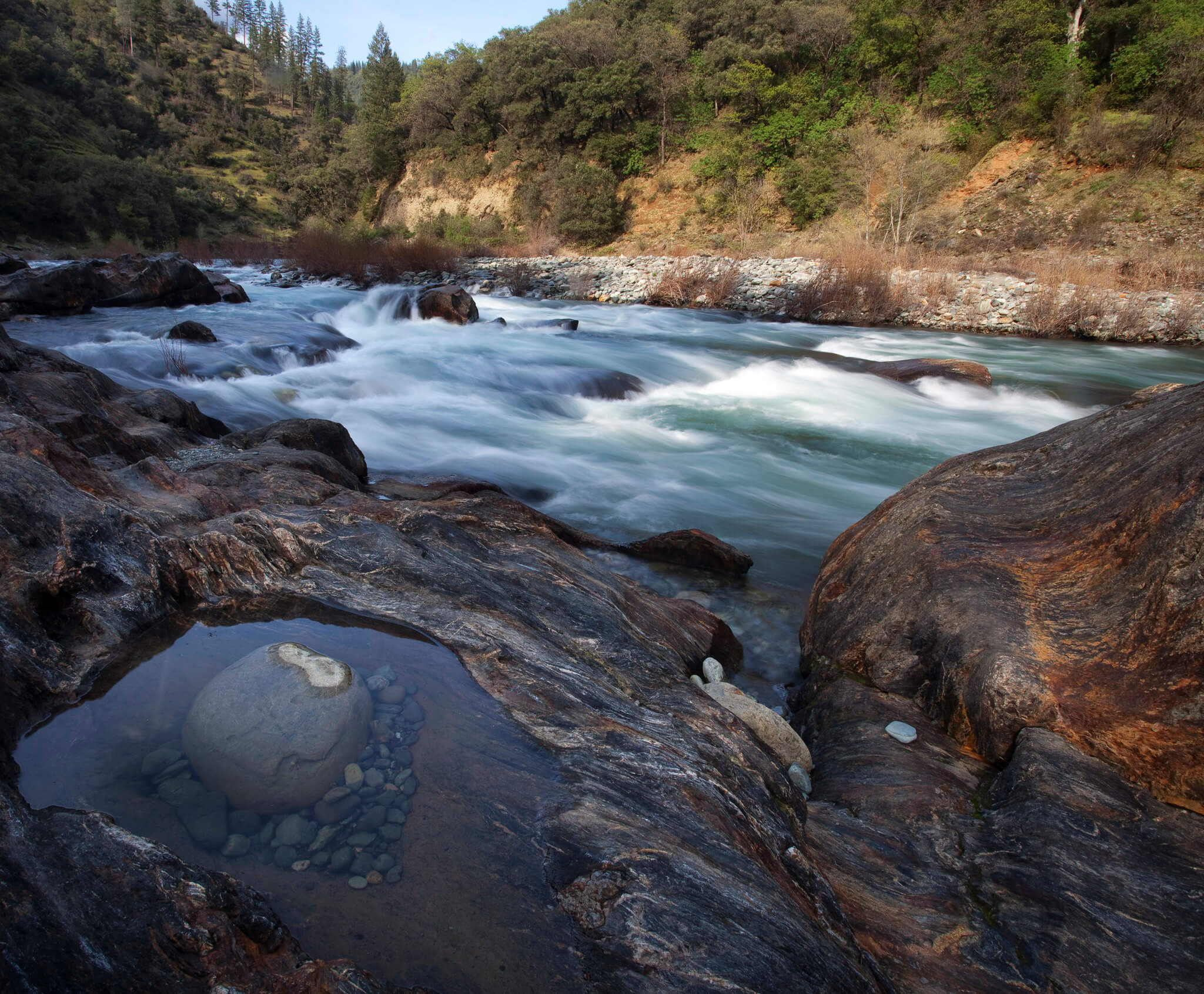
Children built dams across streams using rocks, sticks, and mud to create ponds and water channels. This required understanding water flow and structural stability.
The dams often flooded neighbors’ properties, creating conflict that required negotiation skills.
Climbing Trees to Build Tree Houses
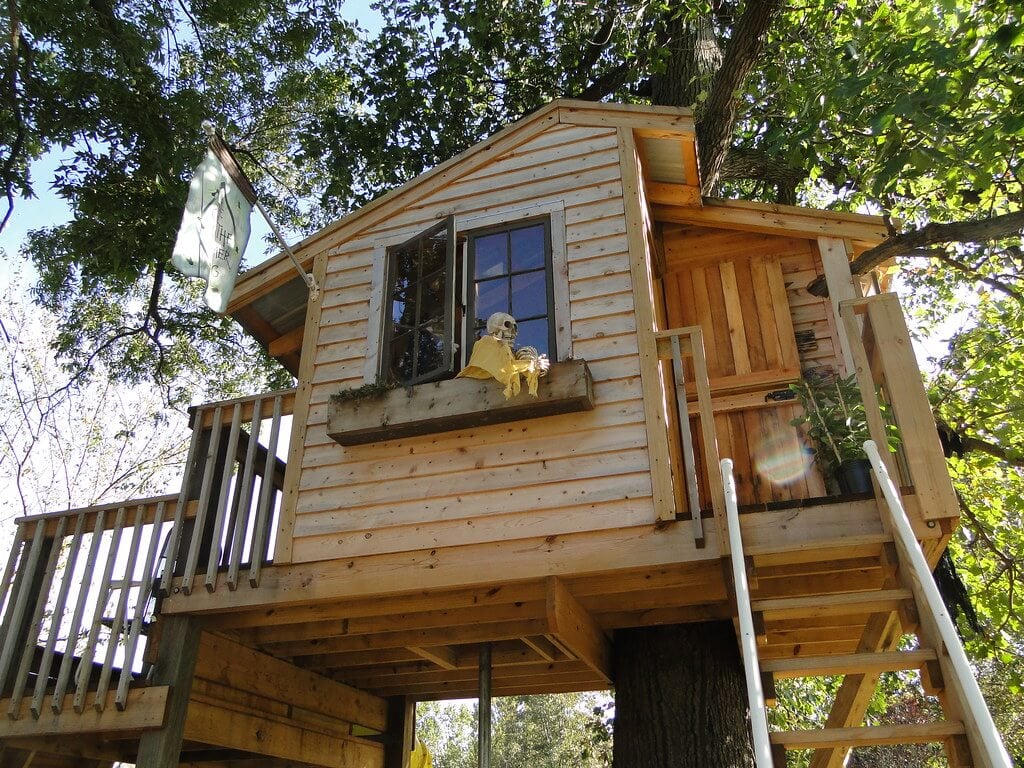
Children constructed elaborate platforms in strong tree branches using nails, rope, and whatever materials they could acquire. These structures served as private meeting spaces and required significant climbing skill to access safely.
Falls from trees were common but considered acceptable risk.
Organizing and Playing Informal Sports
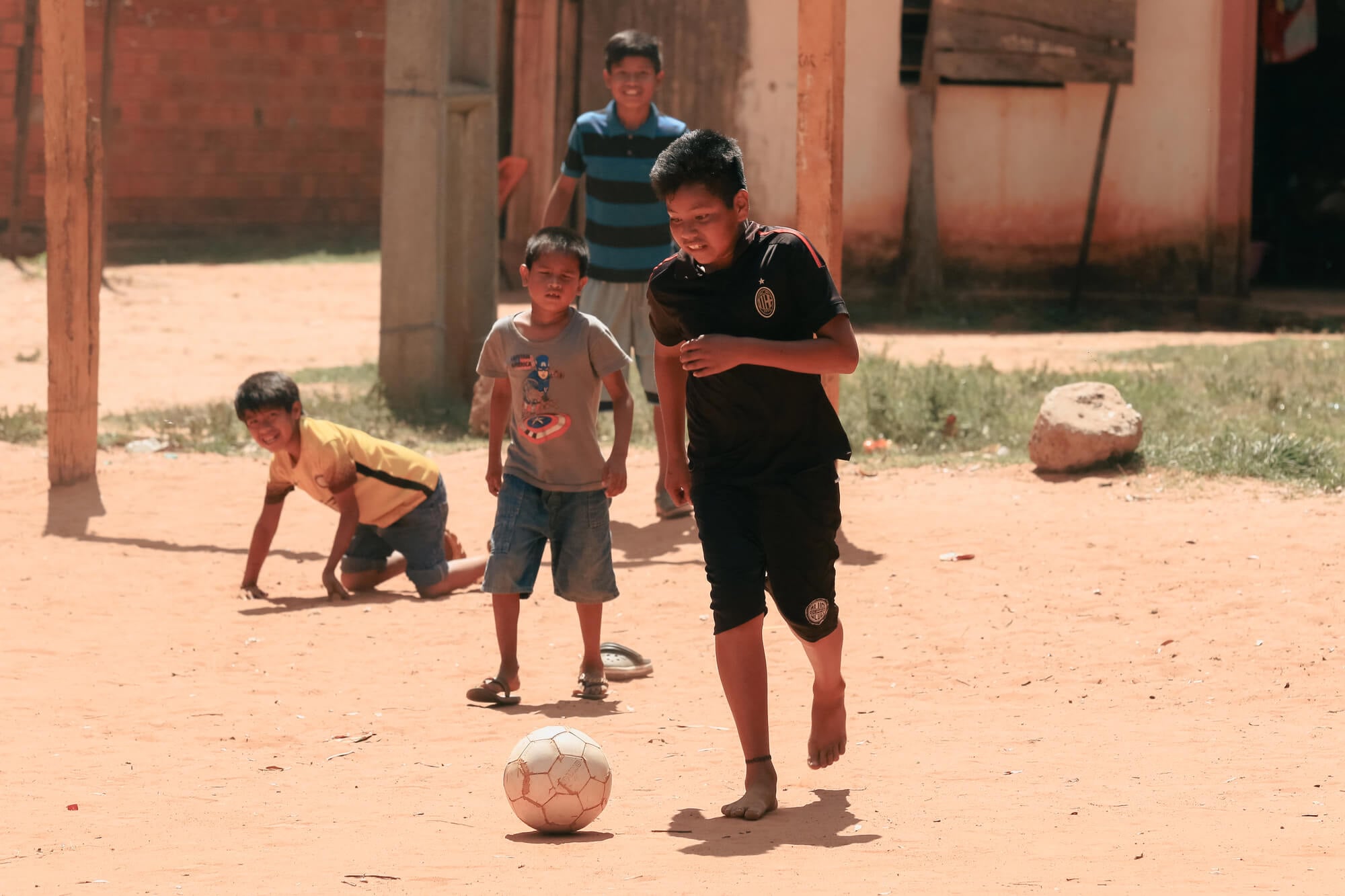
Children invented variations of baseball, cricket, or football using improvised equipment and flexible rules adapted to available space. Games sometimes involved dozens of children across entire neighborhoods.
Rules changed mid-game and were renegotiated constantly.
Making Slingshots and Practicing Accuracy
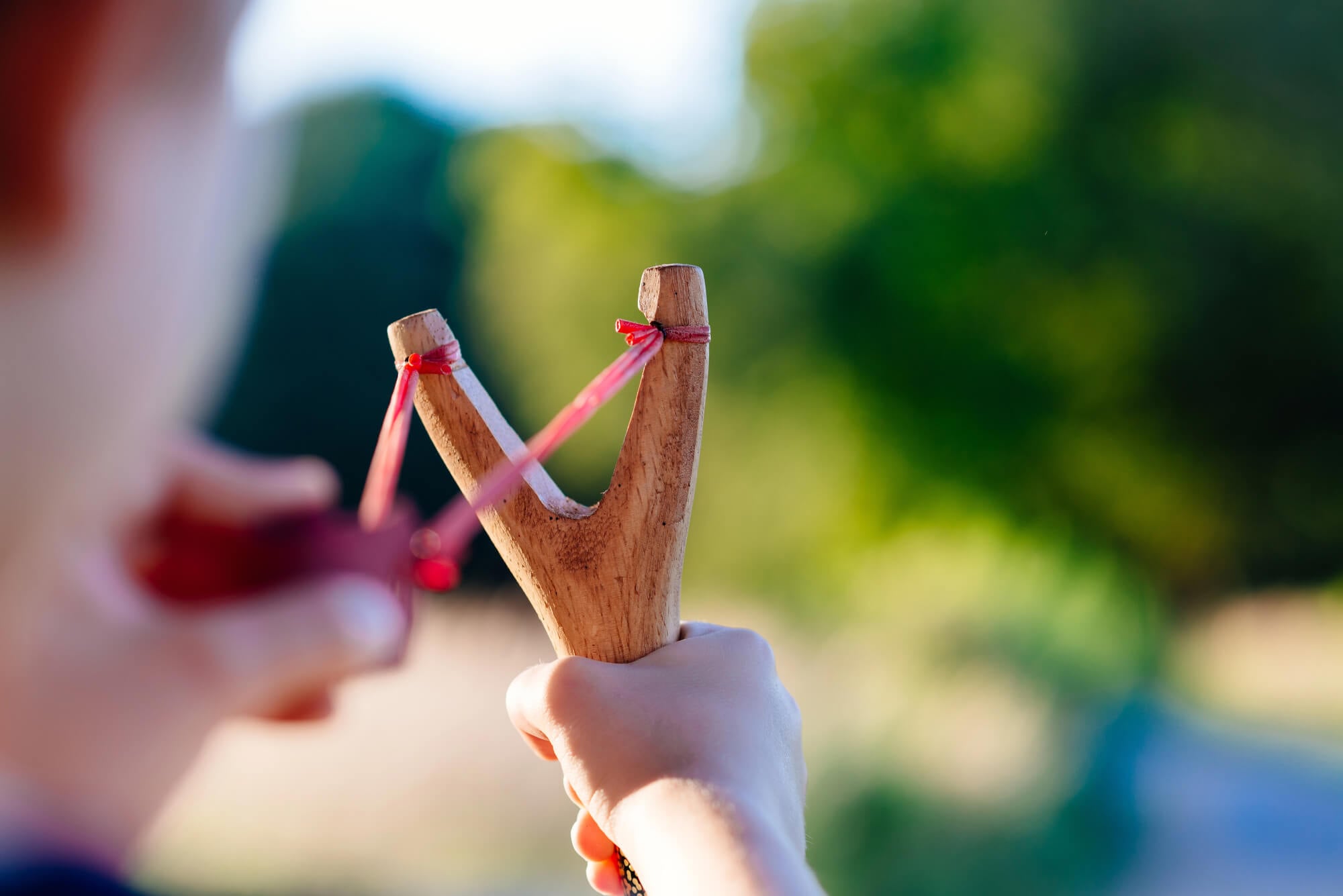
Children carved wooden slingshots and used them to target various objects with remarkable accuracy. This activity required understanding projectile physics intuitively and was treated as skill development.
Accuracy contests were taken seriously with prestige attached to demonstrated skill.
Creating Handmade Kites and Flying Competitions
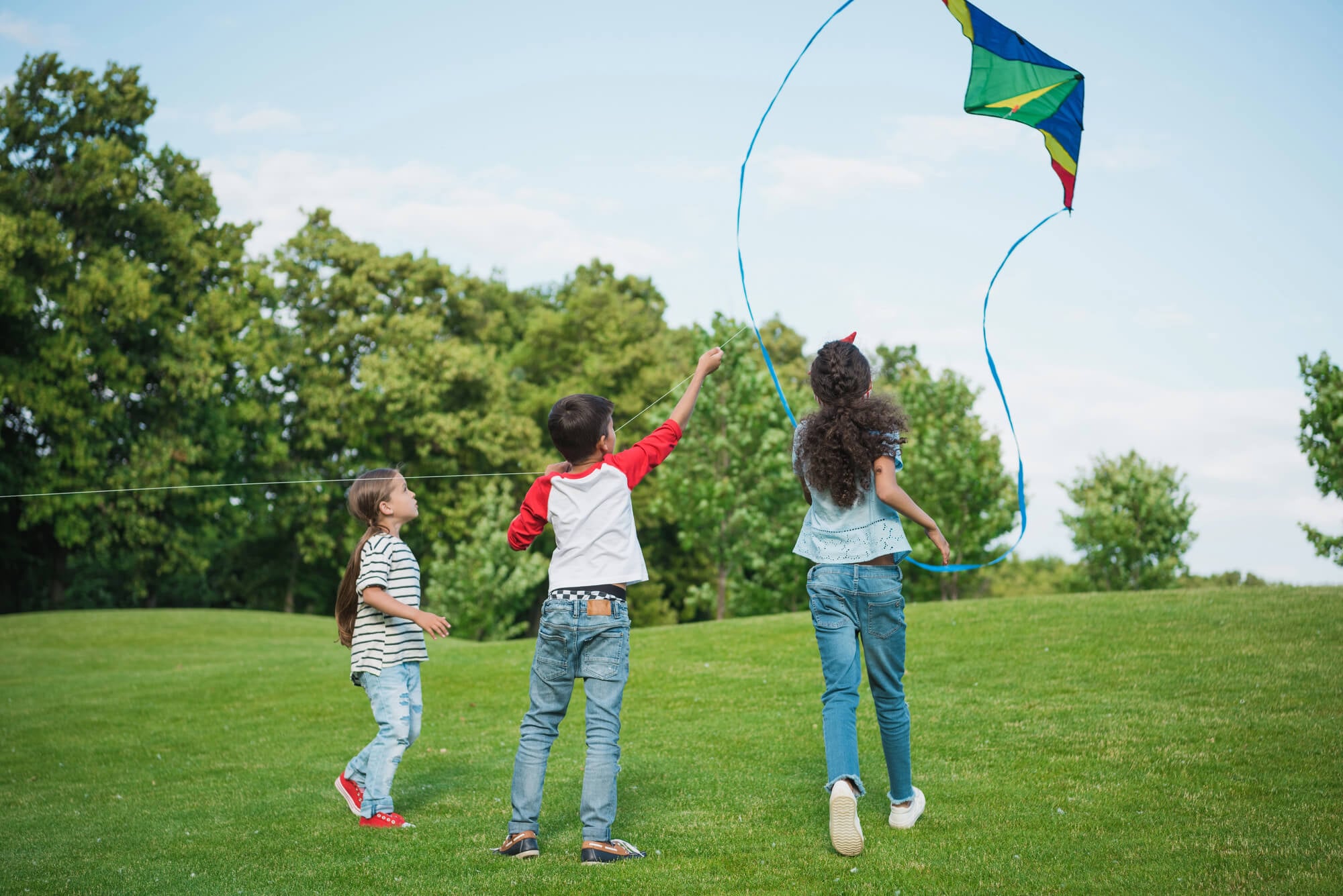
Children constructed kites from paper, cloth, and sticks using glue made from flour and water. Flying competitions determined winners through height, maneuverability, and endurance.
The construction itself was as engaging as the flying.
Organizing Elaborate Scavenger Hunts Across Neighborhoods
Children created lists of items to find across wide areas, requiring knowledge of local geography and negotiation with property owners. These hunts stretched across entire days and sometimes ranged across entire towns.
The victory came from successfully acquiring every item on the list.
Collecting and Trading Various Valued Objects
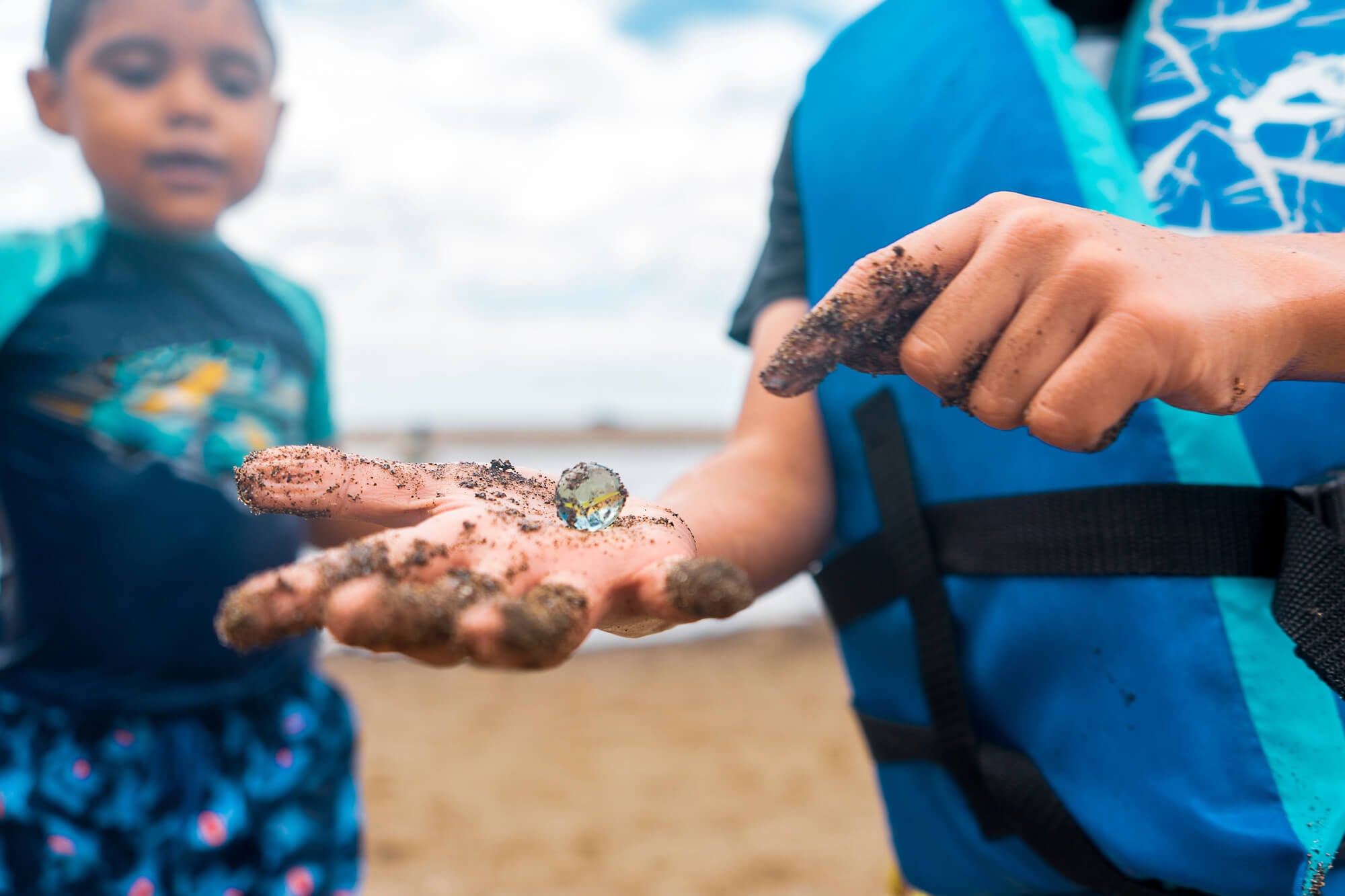
Children gathered marbles, cards, coins, and other small items for trading using complex negotiation systems. Some items became highly valued based on rarity or utility.
Children developed genuine understanding of value exchange through trading games.
Building and Testing Homemade Vehicles

Children constructed wheeled devices from roller skate components, wood, and rope that they raced down hills or through courses. These vehicles sometimes approached dangerous speeds and lacked safety features.
Building and testing represented genuine engineering practice.
Exploring Abandoned Buildings and Ruins
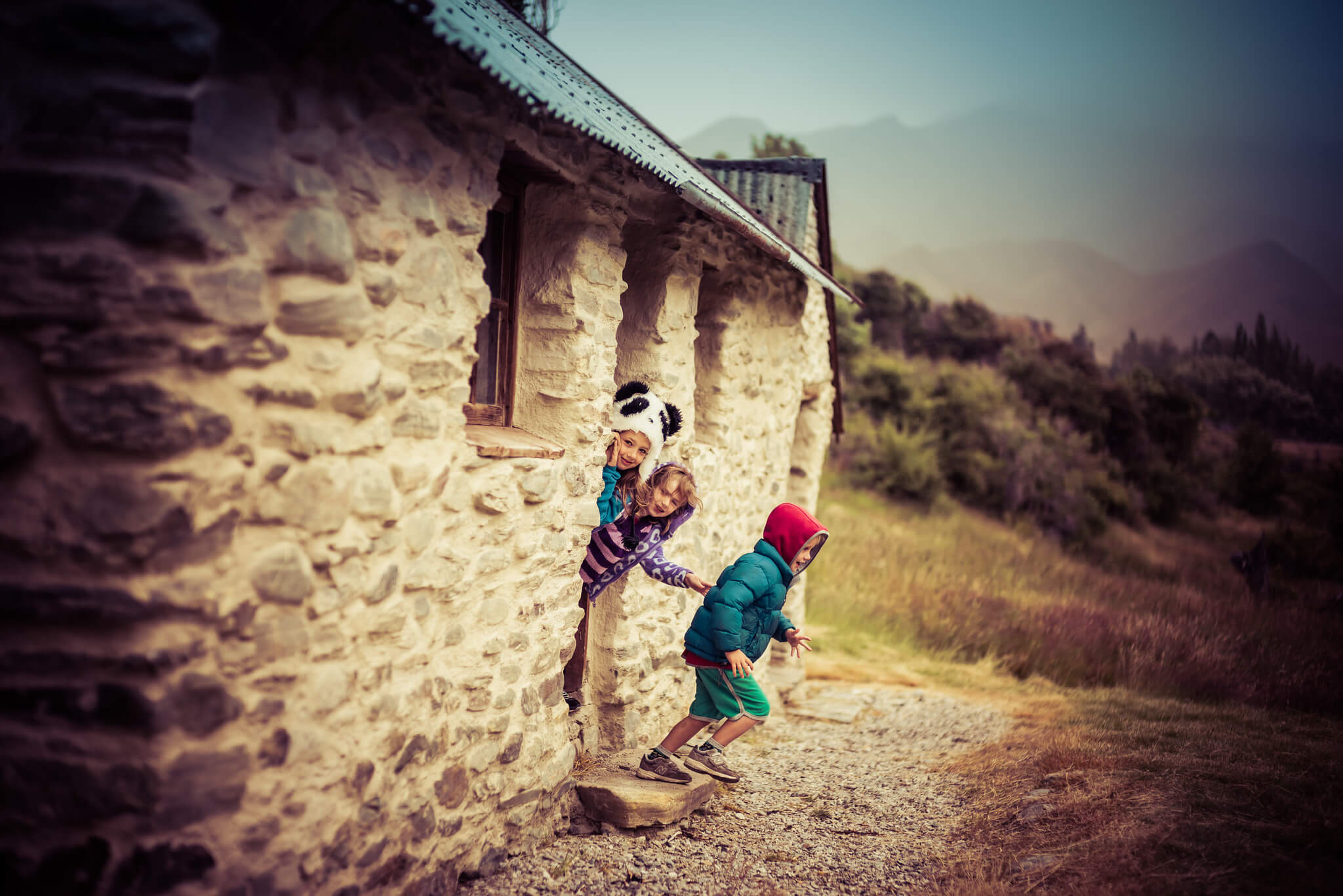
Children ventured into vacant houses, factories, and other condemned structures seeking treasures or adventure. This activity carried real danger from structural instability and environmental hazards.
Children mapped these spaces and debated their histories.
Catching and Studying Insects and Small Animals

Children captured butterflies, beetles, frogs, and other creatures for observation and study. Some children maintained elaborate collections organized by species.
This activity developed early scientific observation skills and understanding of anatomy.
Creating Elaborate Artwork on Available Surfaces

Children painted murals on blank walls, drew in dirt or sand, and created chalk art on sidewalks and streets. Some neighborhoods tolerated these creations while others punished them.
The artistic output was temporary but treated as legitimate creation.
Organizing Races and Physical Competitions
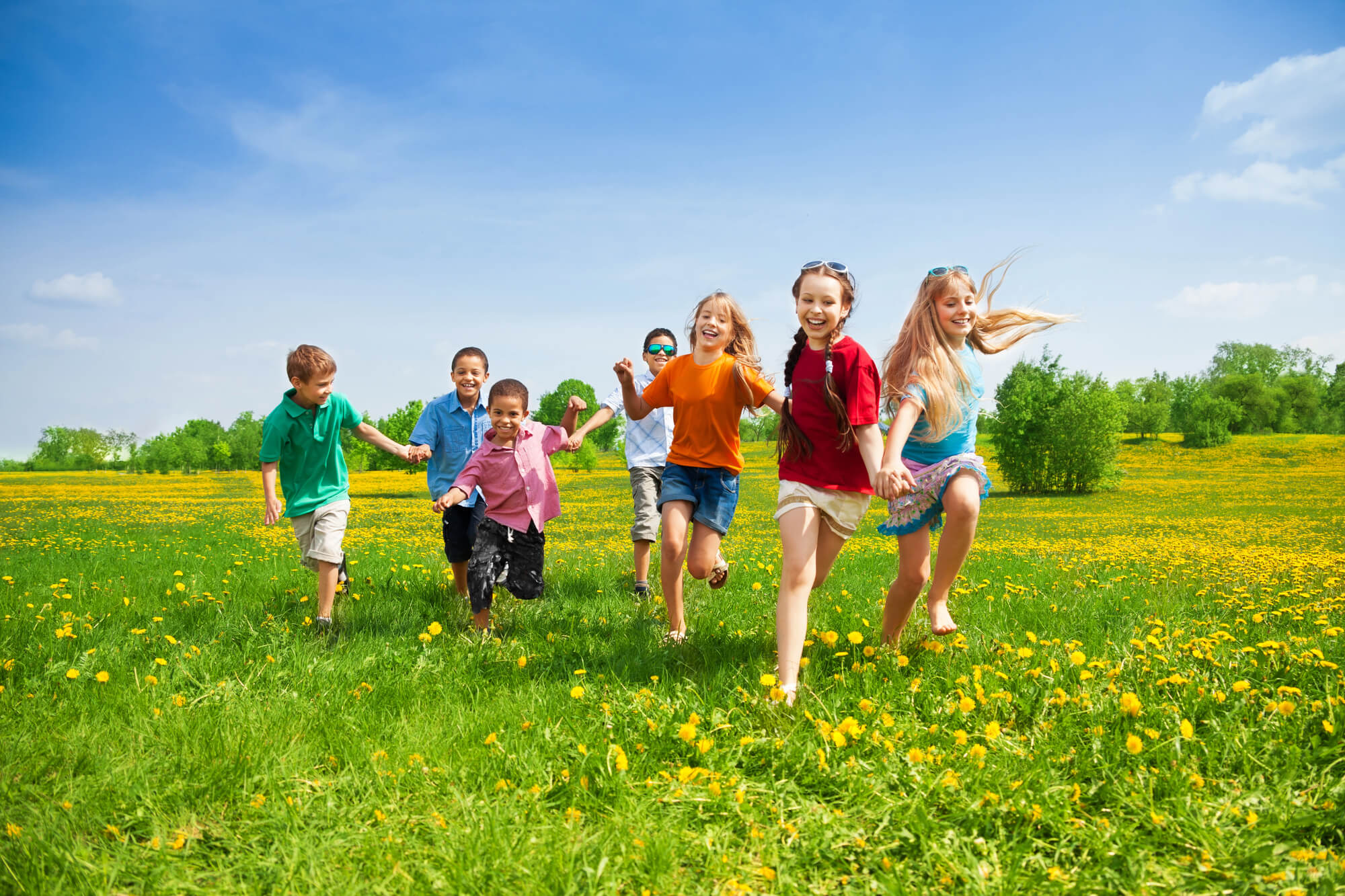
Children held races across varied terrain, swimming contests, climbing competitions, and athletic challenges. These contests developed competitive spirit and physical capabilities.
Winners were remembered throughout the summer.
Creating Obstacle Courses and Testing Them
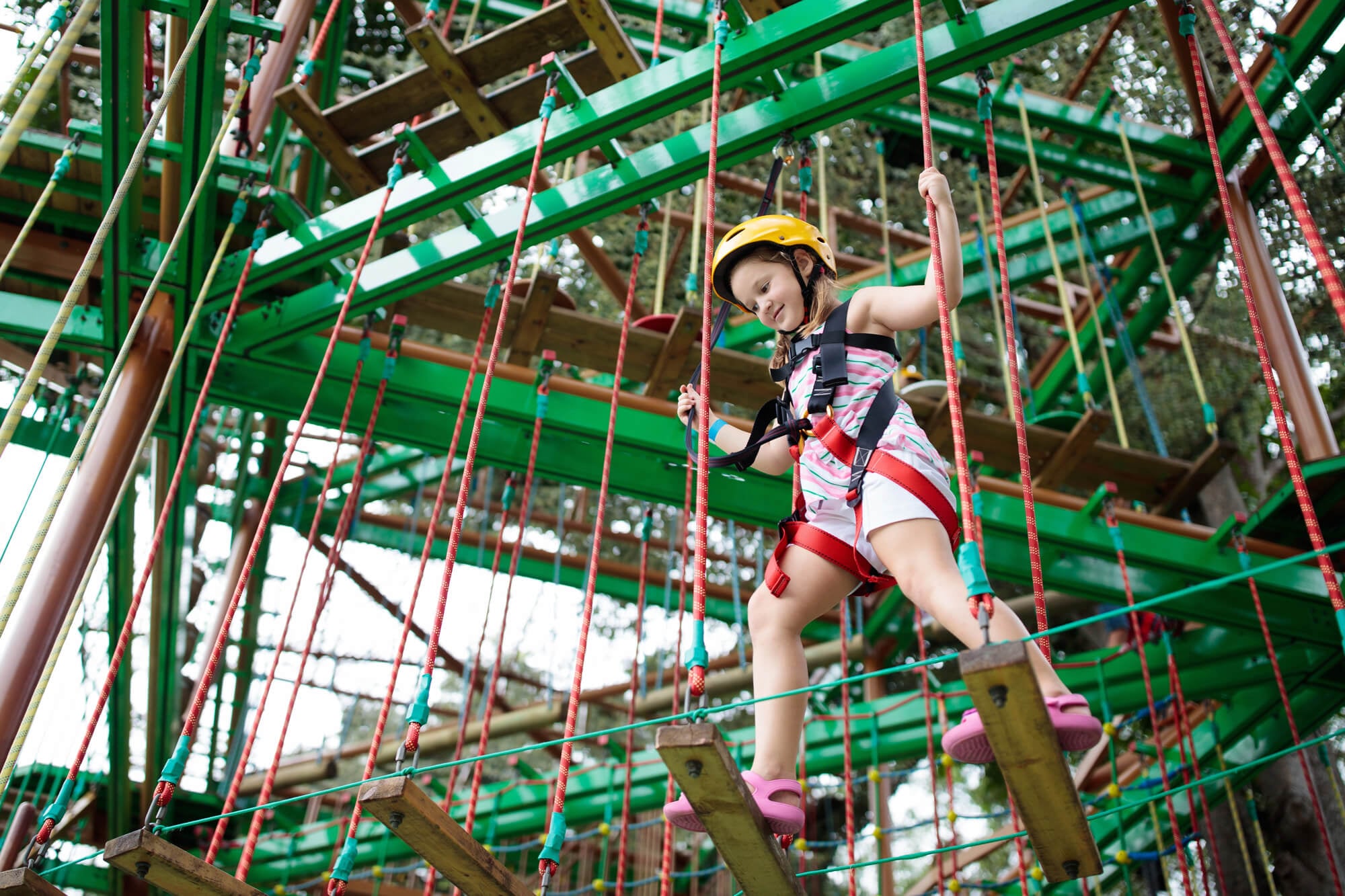
Children designed courses involving jumping, crawling, climbing, and running that they refined through repeated attempts. The courses grew more complex as skills improved.
Timing and personal records were maintained informally but seriously.
Playing Card Games and Games of Chance
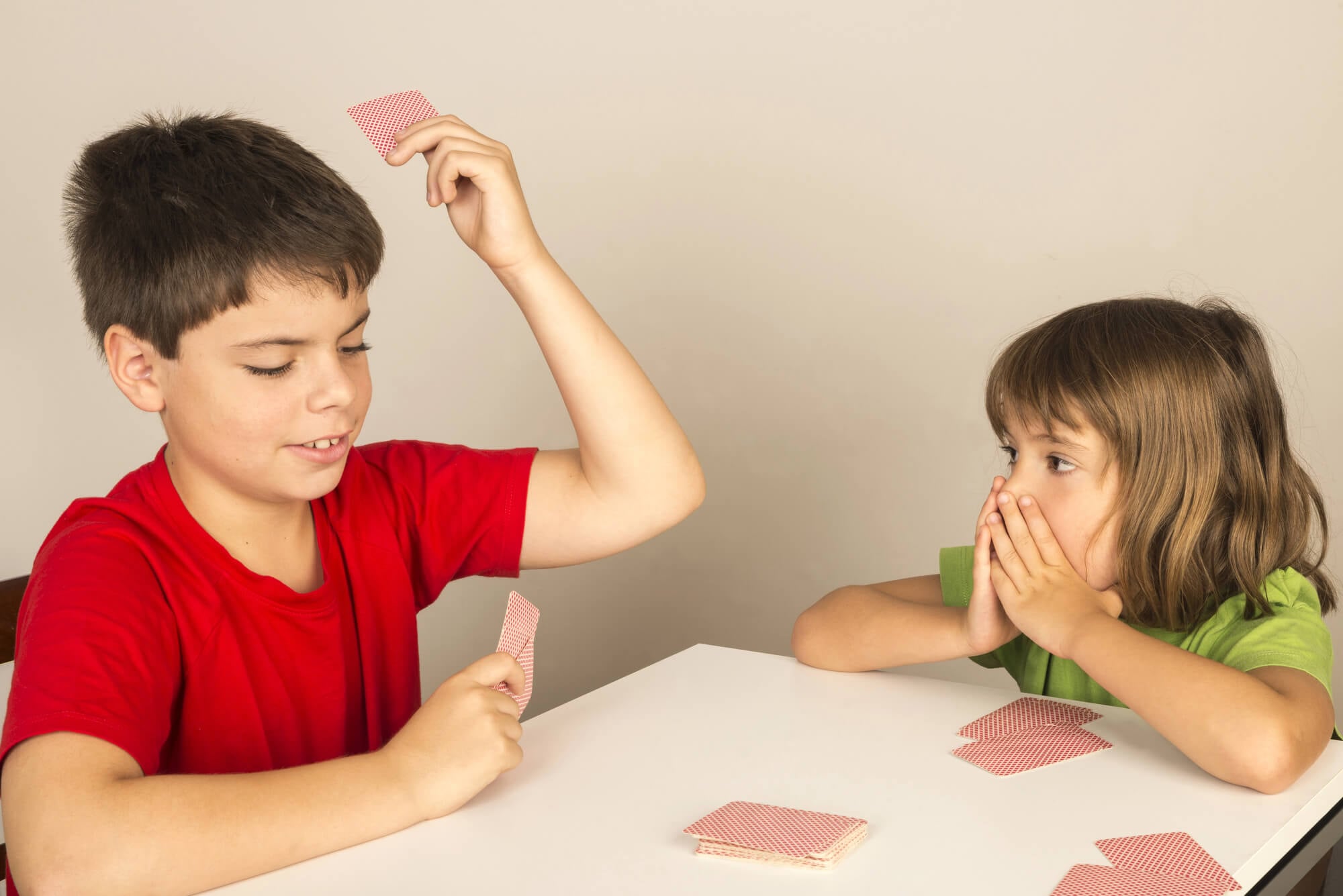
Children gathered for extended card games, dice games, and other games involving stakes. These games sometimes ran across entire days with complex scoring and negotiation.
Children’s understanding of probability developed through repeated play.
Exploring Available Land to Map Secret Locations
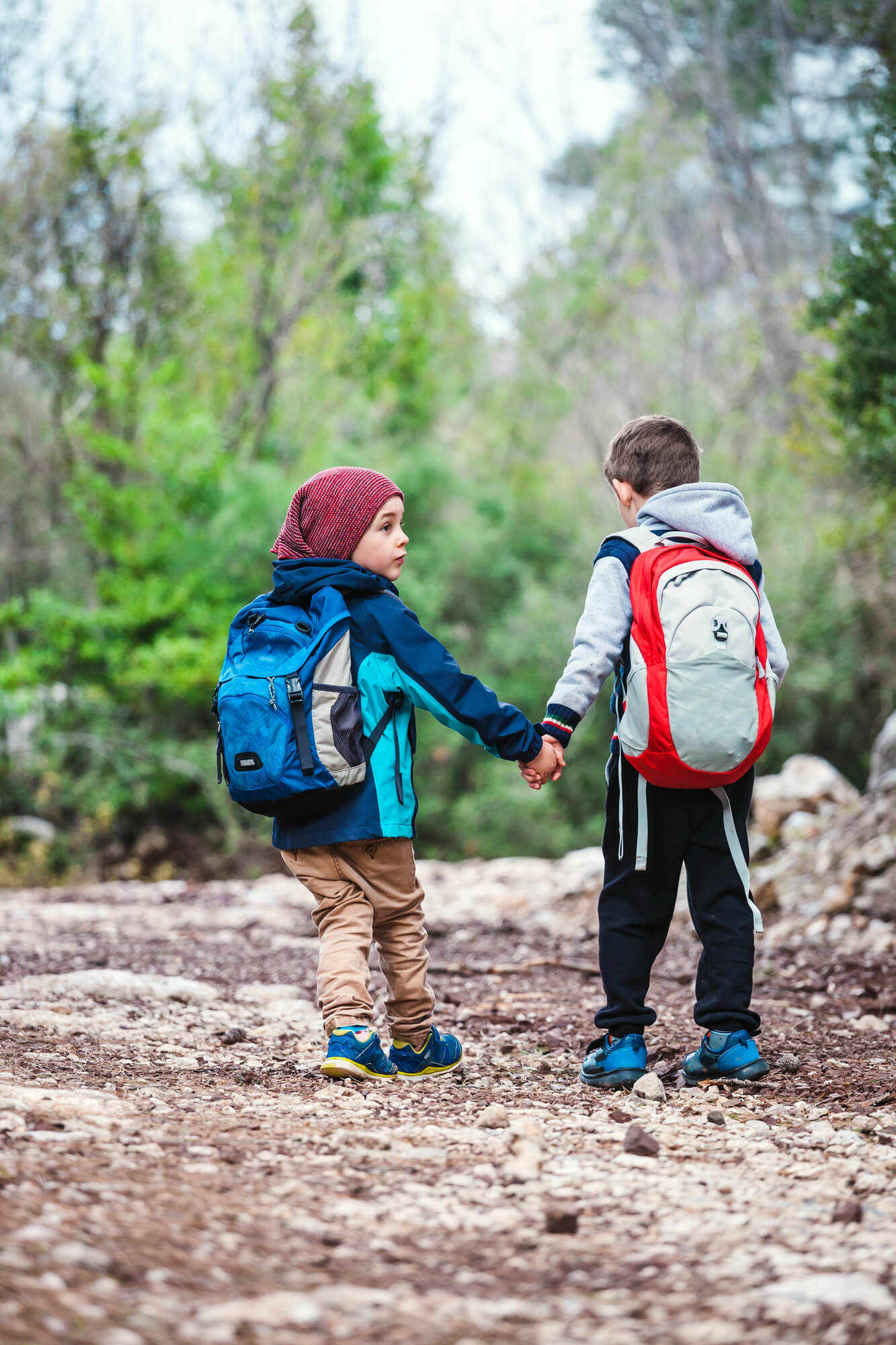
Children developed extensive knowledge of their area, finding caves, clearings, water sources, and other locations they could access freely. Maps were sometimes drawn showing these locations.
This exploration developed navigation skills and understanding of local geography.
Making Crude Rafts and Testing Water Safety
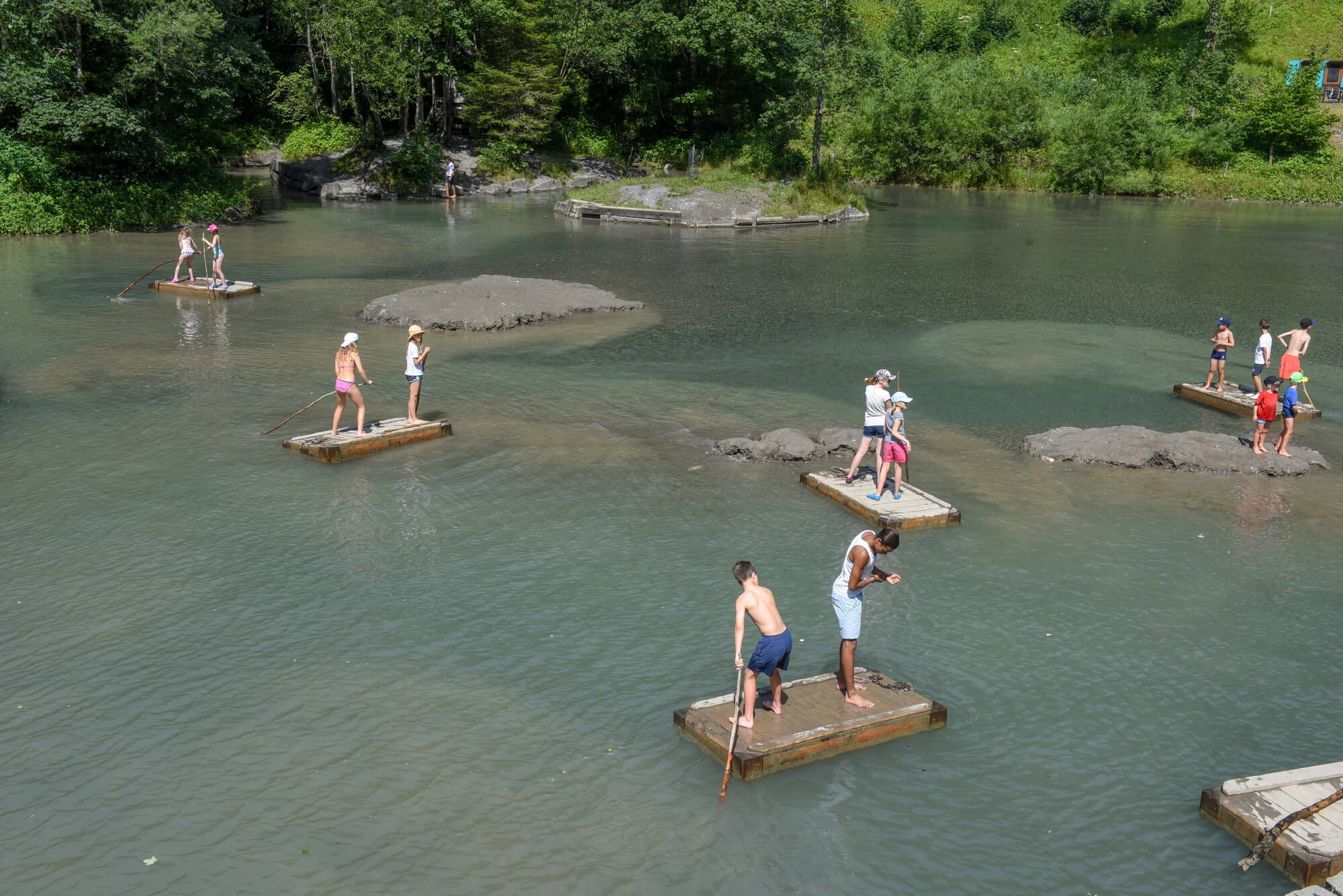
Children lashed wood together to create rafts that they launched on streams, rivers, or ponds. These vessels often sank or overturned, creating genuine danger.
Building and testing rafts represented significant accomplishment.
Organizing and Staging Elaborate Performances

Children wrote and performed plays, skits, and shows for neighborhood audiences. These productions sometimes involved elaborate sets constructed from scrap materials.
The social organization required for performances developed leadership and collaboration skills.
Collecting Useful Natural Materials Like Bark and Vines
Children gathered usable plants for rope-making, container creation, or other practical purposes. This work felt productive rather than like chores.
Children understood which plants were suitable for which purposes.
Testing Homemade Weapons Like Bows and Arrows

Children carved bows and arrows or created elaborate slingshots tested against targets. Accuracy was developed through extensive practice.
These weapons represented engineering knowledge and physical skill.
Exploring Storm Sewers and Underground Channels
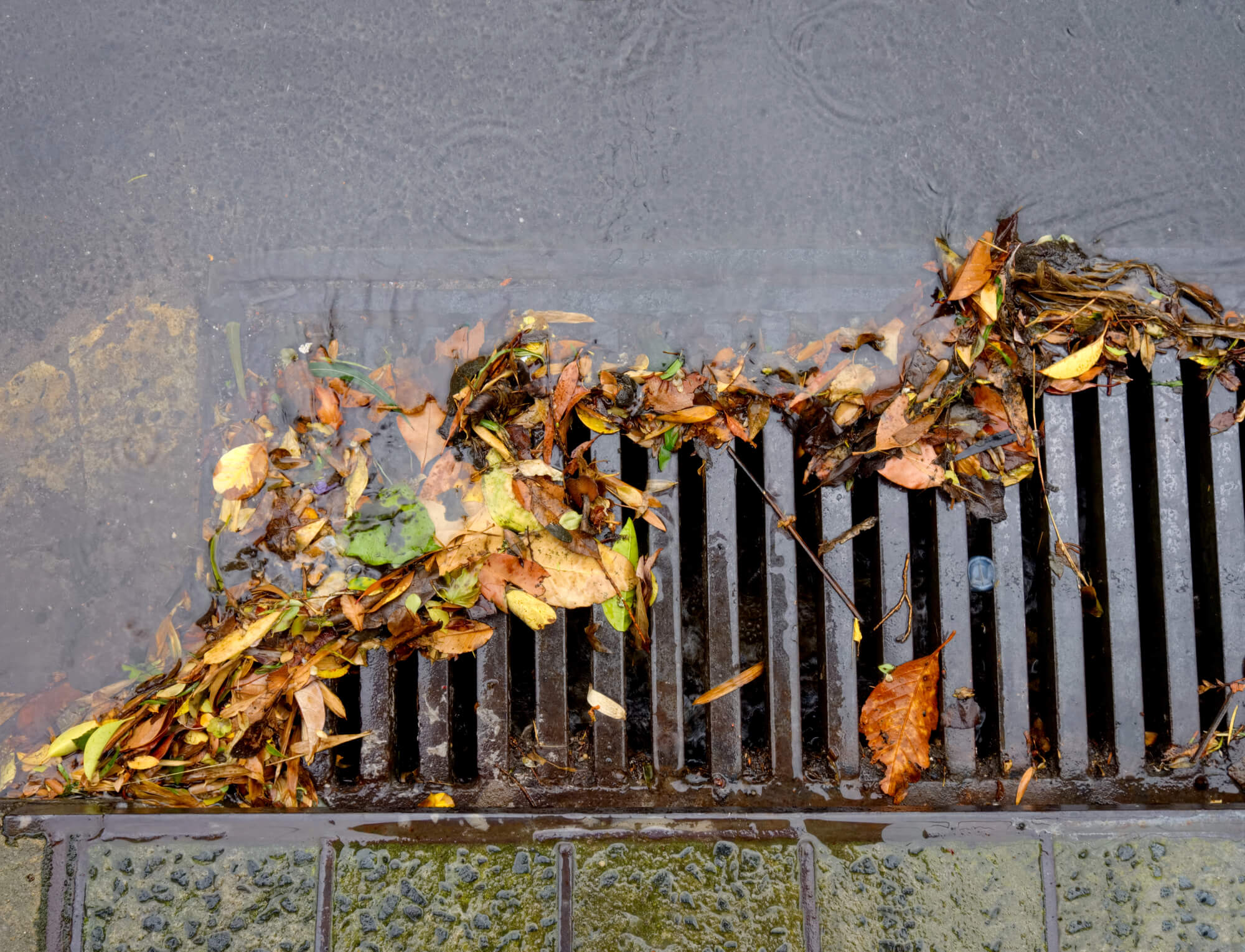
Children ventured into drainage systems and storm sewers despite warnings from adults. These explorations were treated as underground expeditions.
Danger was acknowledged but considered acceptable.
Creating Elaborate Sand Sculptures at Beaches or Rivers
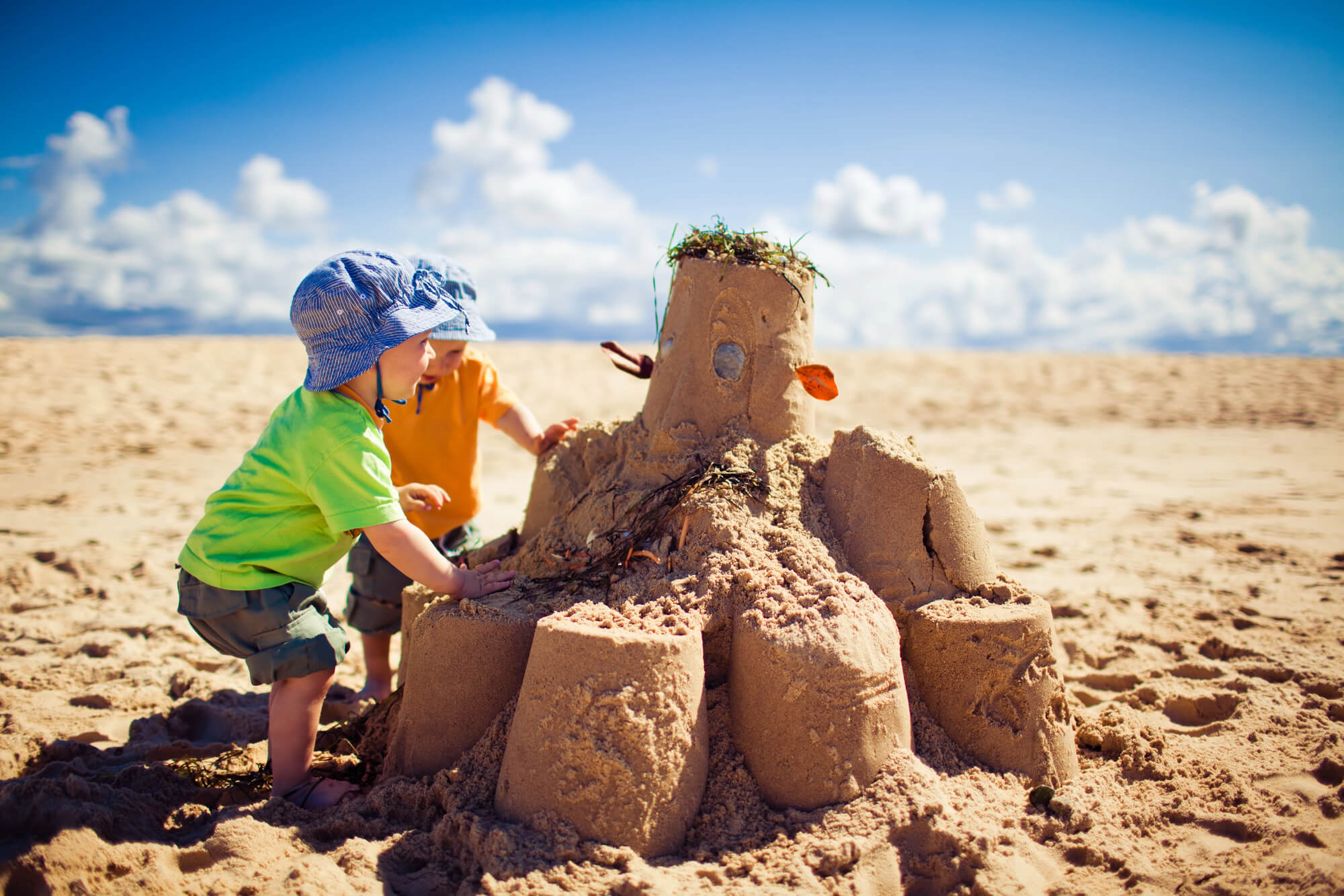
Children built structures from sand that sometimes reached impressive size and complexity. These sculptures were treated as temporary art that water or wind would eventually destroy.
The creation process was valued more than permanence.
Organizing Community Events and Games for Neighborhood

Older children organized neighborhood Olympics, tournaments, or day-long event schedules. This required negotiation with neighbors and logistics planning.
Successful organization earned prestige within peer groups.
Catching Reptiles and Amphibians for Display
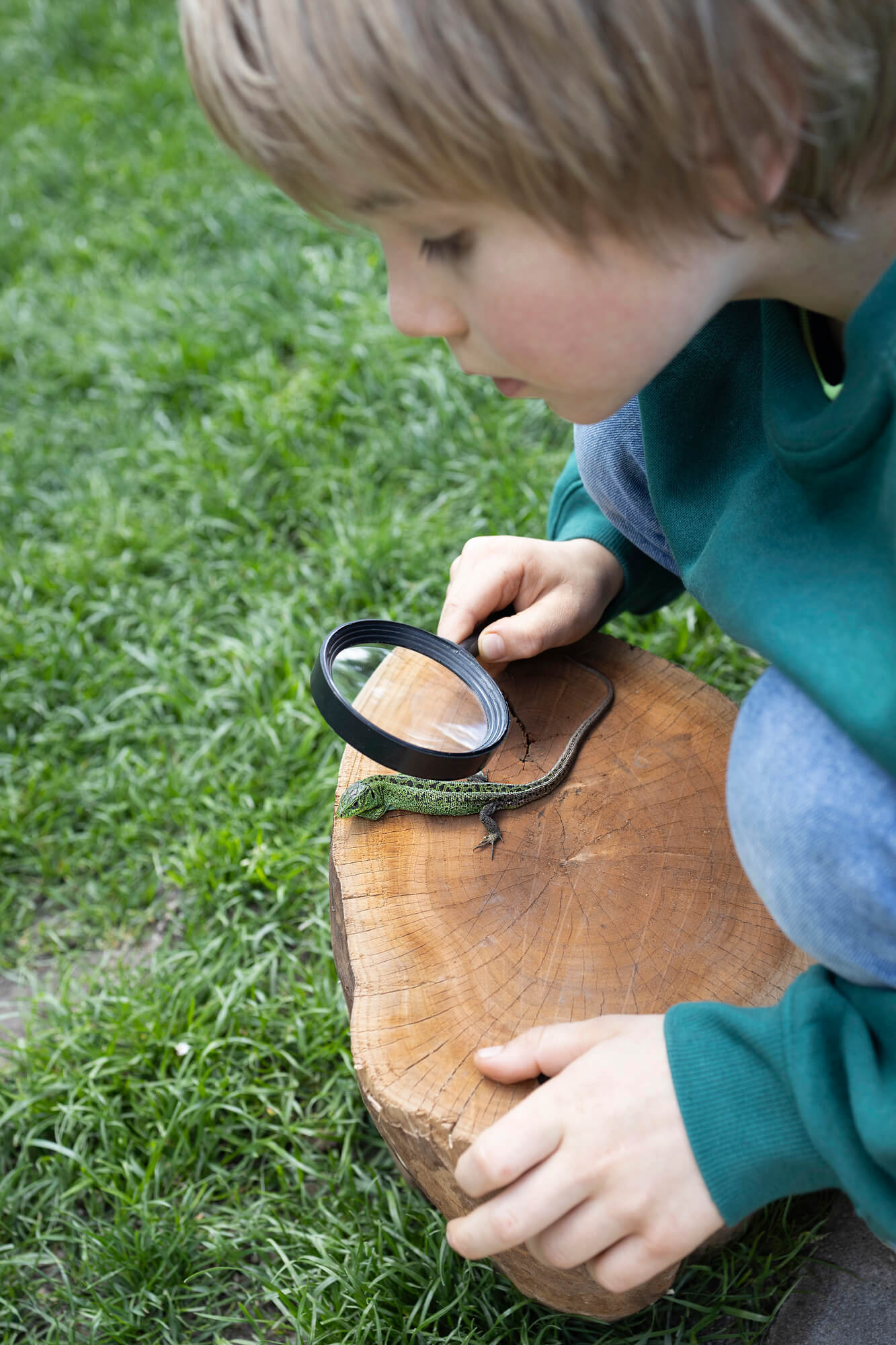
Children found and captured snakes, lizards, and frogs for temporary collections or public display. Some children developed genuine expertise in local species.
Displays were sometimes shown to interested adults who verified accuracy.
Summers Without Limits
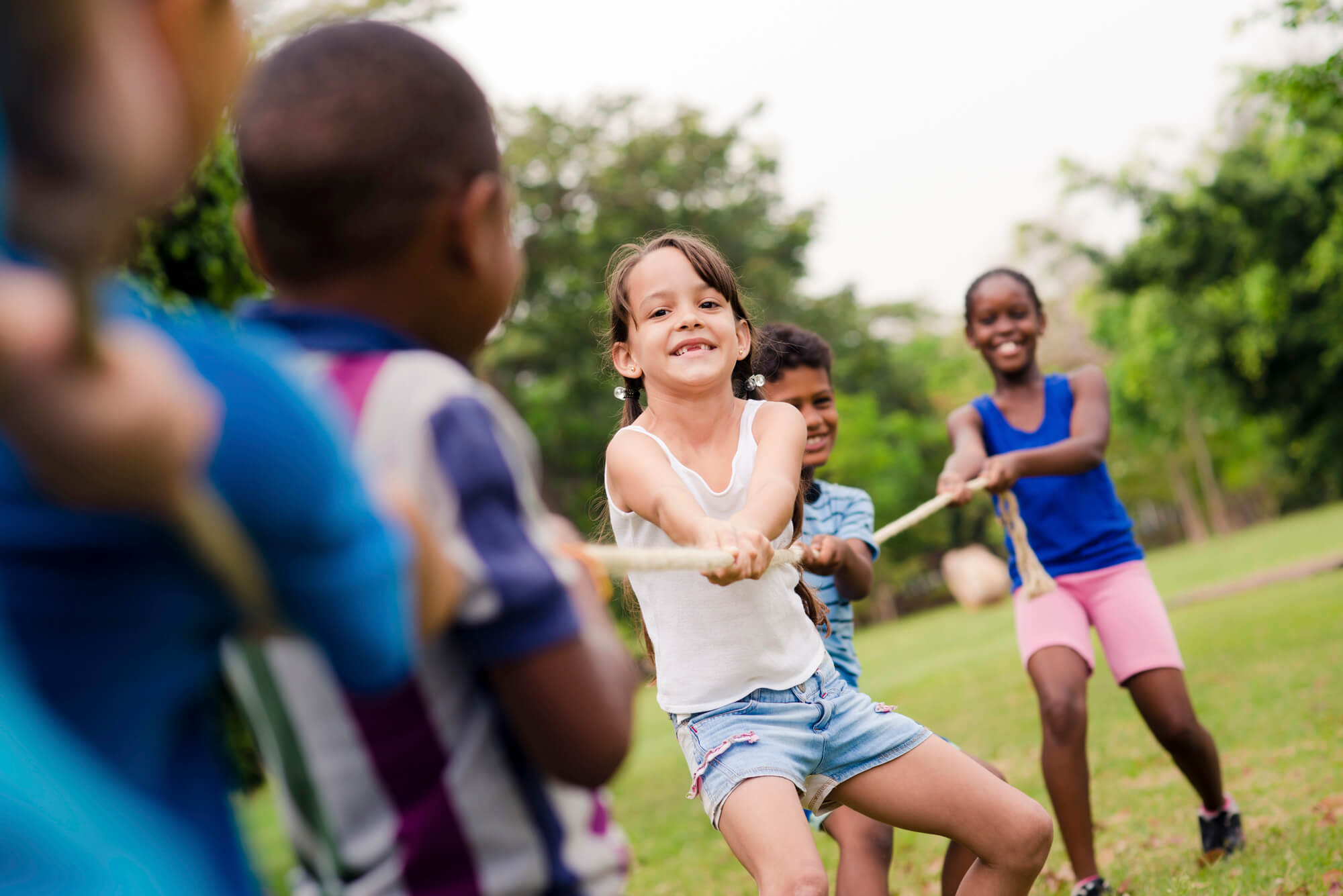
In an era before structured activities, parental supervision took the form of general permission rather than specific planning. Children moved through entire days with minimal adult oversight, developing independence, risk assessment, and the ability to manage conflict among themselves.
The summer became a season of genuine freedom—constrained only by the limits of imagination and the occasional parent summoning them home for dinner.
More from Go2Tutors!

- The Romanov Crown Jewels and Their Tragic Fate
- 13 Historical Mysteries That Science Still Can’t Solve
- Famous Hoaxes That Fooled the World for Years
- 15 Child Stars with Tragic Adult Lives
- 16 Famous Jewelry Pieces in History
Like Go2Tutors’s content? Follow us on MSN.



