28 Toys Kids Begged For That Vanished From Shelves
Every holiday season produced its own must-have toy, the one item that dominated wish lists and left parents circling stores in a panic. Most of them are gone now, discontinued, bought out, or simply overtaken by newer fads, leaving only the memory of exactly how badly a kid once wanted one.
Skip-It

Skip-It strapped a plastic weight on a rope to a child’s ankle, counting revolutions on a small digital display as the wearer hopped over it. Tiger Electronics released it in 1987, and the toy became a playground fixture through the early 1990s before interest faded and production quietly stopped.
Furby
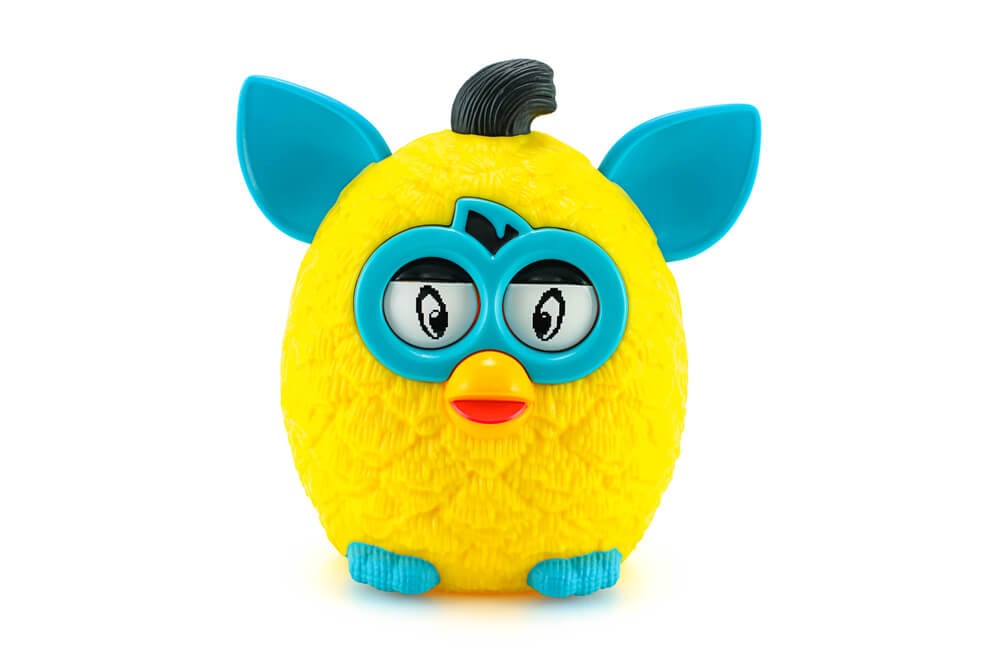
Tiger Electronics struck again in 1998 with Furby, an owl-like robotic creature that appeared to learn English over time, its speech shifting from its own invented language, called Furbish, into English. Demand was so intense during the 1998 holiday season that stores capped purchases per customer, and the National Security Agency reportedly banned the toys from its buildings over fears the recording-like behavior could capture classified conversations.
Tamagotchi
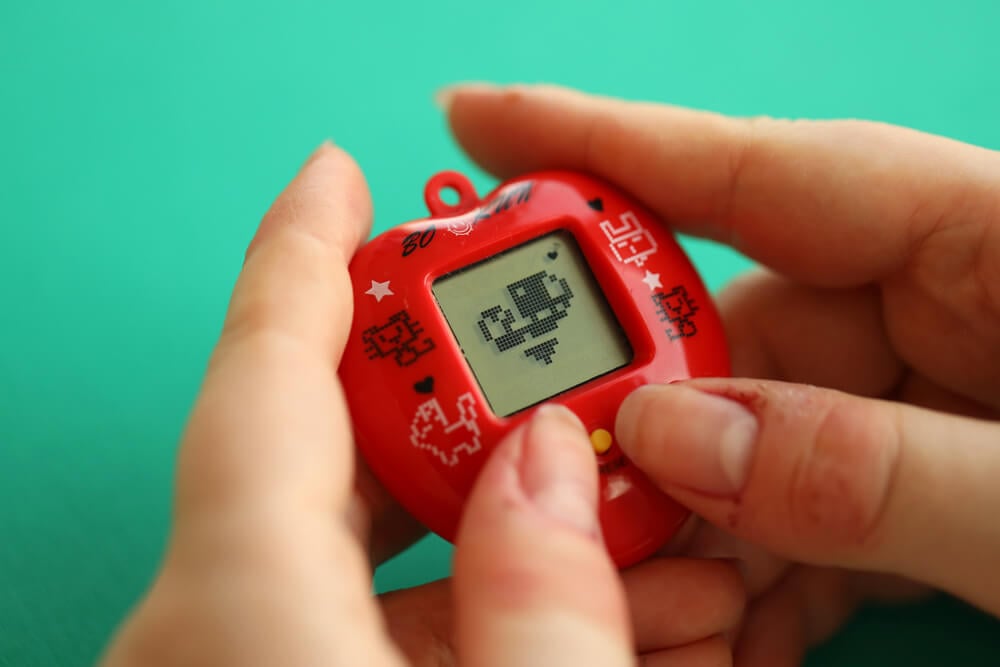
Bandai’s handheld digital pet, released in Japan in 1996 and in the United States the following year, required owners to feed, clean, and entertain a tiny pixelated creature or watch it die. Schools across the country banned the devices for the distraction they caused in classrooms, a controversy that only fed the toy’s popularity further.
Pogs
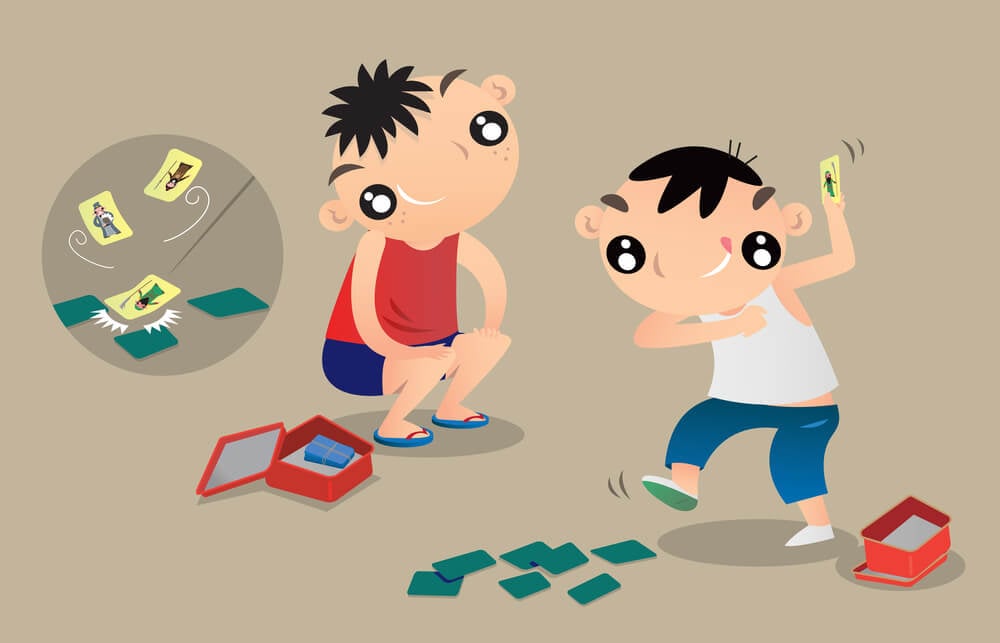
Milk cap discs printed with cartoon designs, played in a game where a heavier “slammer” disc flipped opponents’ pieces, spread through American playgrounds in the early 1990s after originating in Hawaii decades earlier. Some school districts banned Pogs entirely, treating the game as a form of gambling since players sometimes wagered their collections.
Cabbage Patch Kids
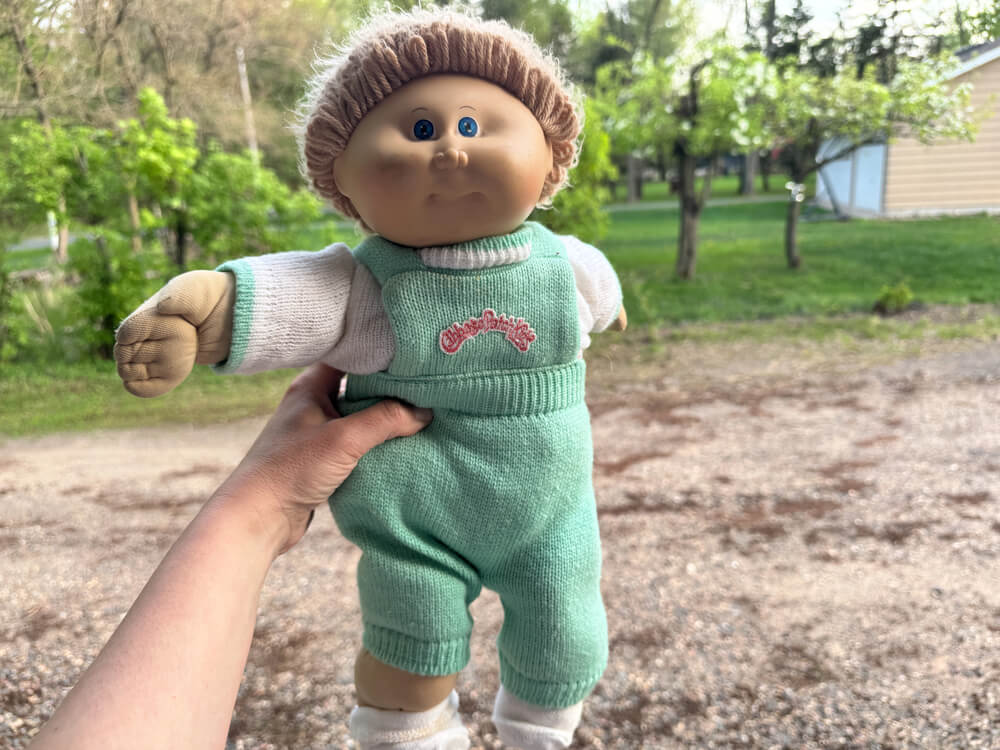
Coleco’s soft-bodied dolls, each sold with its own name and adoption certificate, triggered genuine store riots during the 1983 holiday season, with reports of shoppers fighting over the last units on shelves. Coleco eventually collapsed as a company in 1989, though the Cabbage Patch brand itself survived under new ownership in a much smaller form.
Micro Machines
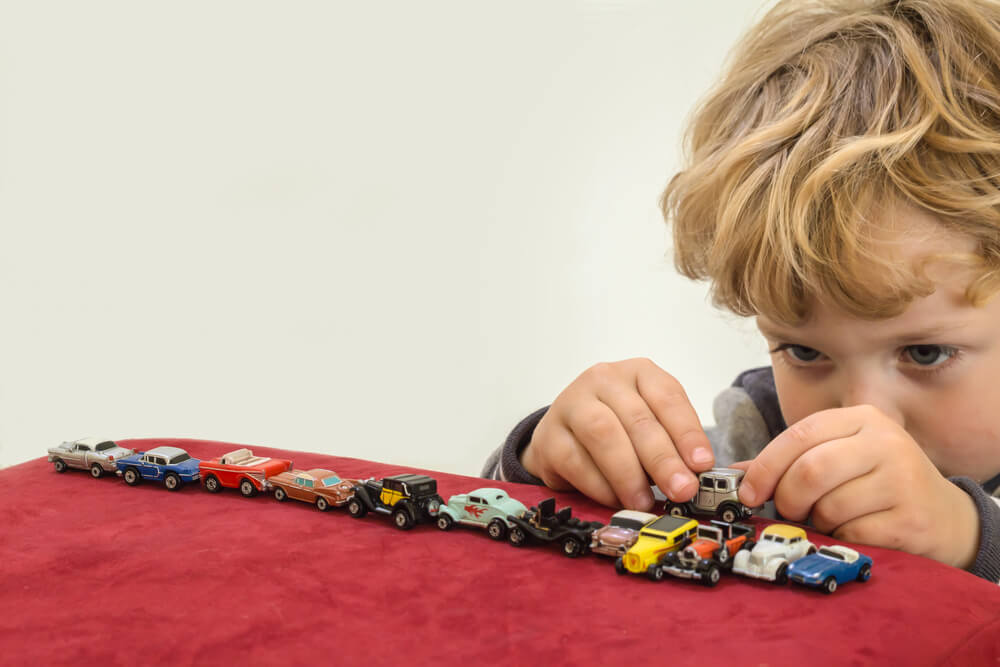
Galoob’s tiny die-cast vehicles, sold in sets far smaller than standard Hot Wheels, came with elaborate playsets that folded open to reveal entire miniature cities and race tracks. The line peaked in the early 1990s before Hasbro absorbed Galoob in 1998 and gradually let the Micro Machines brand fade from store shelves.
Lite-Brite
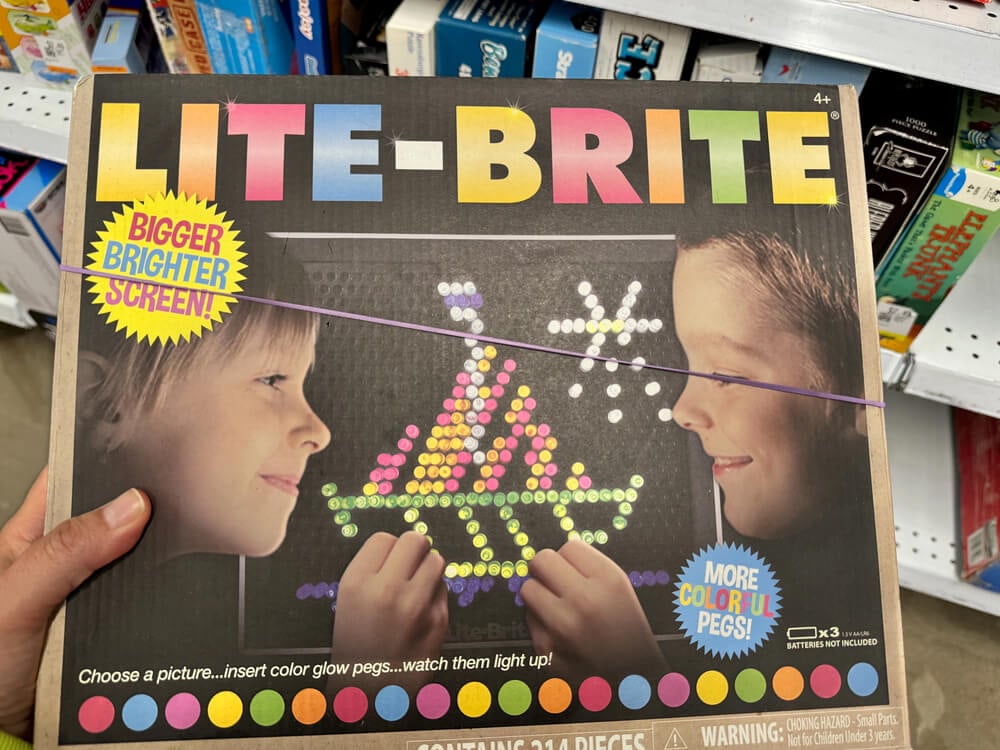
Hasbro’s light-up pegboard toy, which let children create glowing pictures by pushing colored plastic pegs through a black paper template, was a fixture of toy aisles from its 1967 debut through the 1980s. Newer versions have appeared periodically since, but the toy never regained the shelf presence it held during its original run.
Rock ‘Em Sock ‘Em Robots

Two plastic boxing robots, controlled by hand levers, faced off until one fighter’s head popped up on a spring-loaded hit, a design Marx Toys introduced in 1964. The toy stayed in near-continuous production for decades under several different manufacturers before largely disappearing from mainstream shelves as electronic games took over the same market.
Slap Bracelets

Bright, fabric-wrapped metal strips that snapped into a curled shape around a wrist when struck against it became an overnight playground craze in 1990, only to be banned by many schools within the same year over reports of the metal edges cutting through the fabric and injuring children. The safety concerns effectively ended the toy’s run within a couple of years.
Sea-Monkeys

Marketed for decades through comic book advertisements promising an entire underwater civilization, Sea-Monkeys were in reality a hardy species of brine shrimp sold as dehydrated eggs that hatched once mixed with water. Inventor Harold von Braunhut’s original formula and marketing empire outlived the toy’s peak popularity by decades before interest gradually cooled.
Zhu Zhu Pets
These battery-powered robotic hamsters, released by Cepia in 2009, became one of the decade’s most sought-after holiday toys almost overnight, selling out so quickly that resale prices online spiked well above retail. The line expanded briefly into playsets and accessories before falling off shelves within a few years as newer electronic pets took over.
Beanie Babies
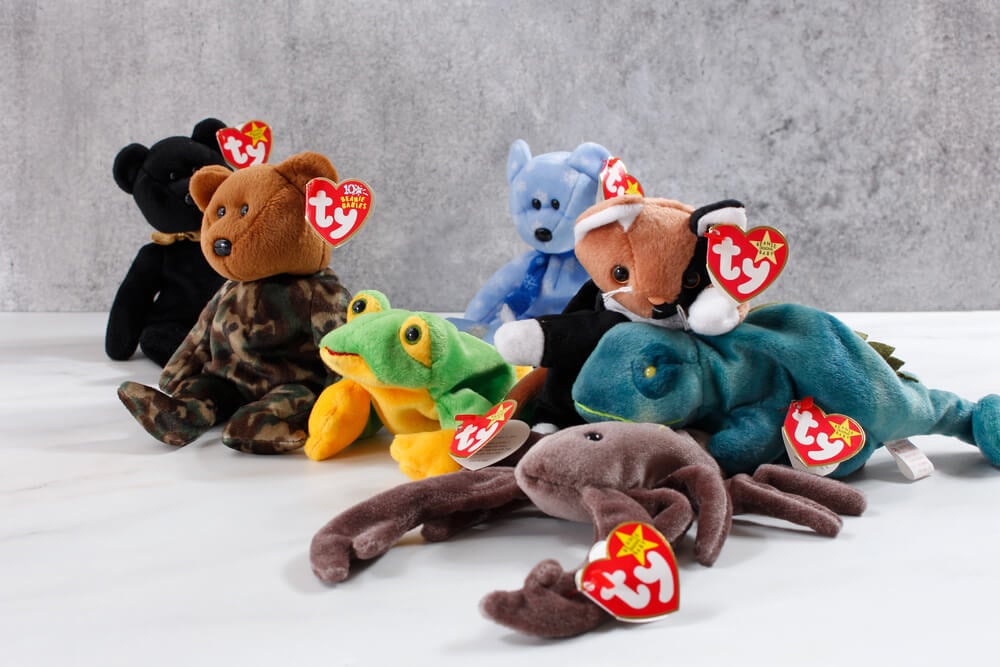
Ty’s small stuffed animals, deliberately underfilled to keep them soft and floppy, triggered a full-blown collecting mania in the late 1990s built on manufactured scarcity, retired designs, and rumors of enormous resale values. The secondary market largely collapsed by the early 2000s, leaving many collectors holding boxes of toys worth a fraction of what they had paid.
Tickle Me Elmo
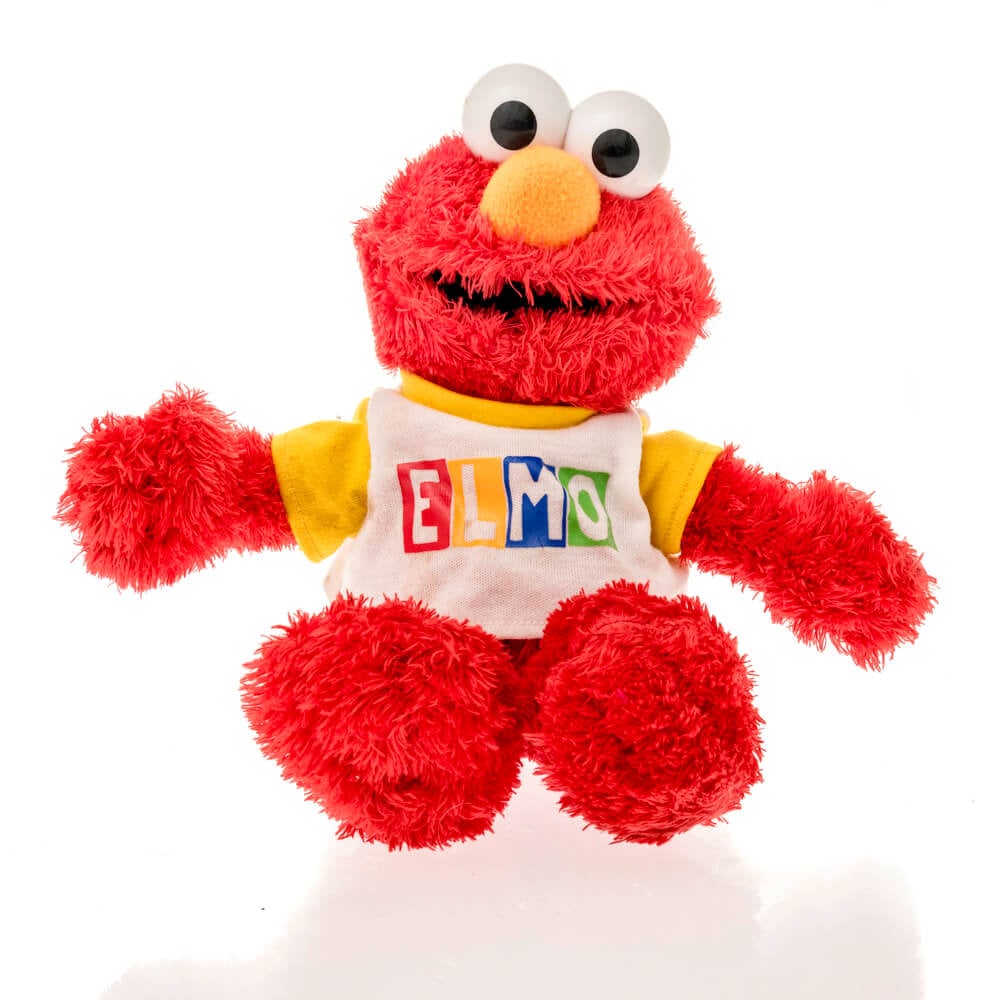
Tyco’s laughing, vibrating Elmo doll became the defining shortage toy of the 1996 holiday season, with news footage of parents scuffling over limited stock becoming a cultural touchstone of its own. Updated versions have appeared since under Elmo’s various toy licenses, but none matched the specific frenzy of the original release.
View-Master
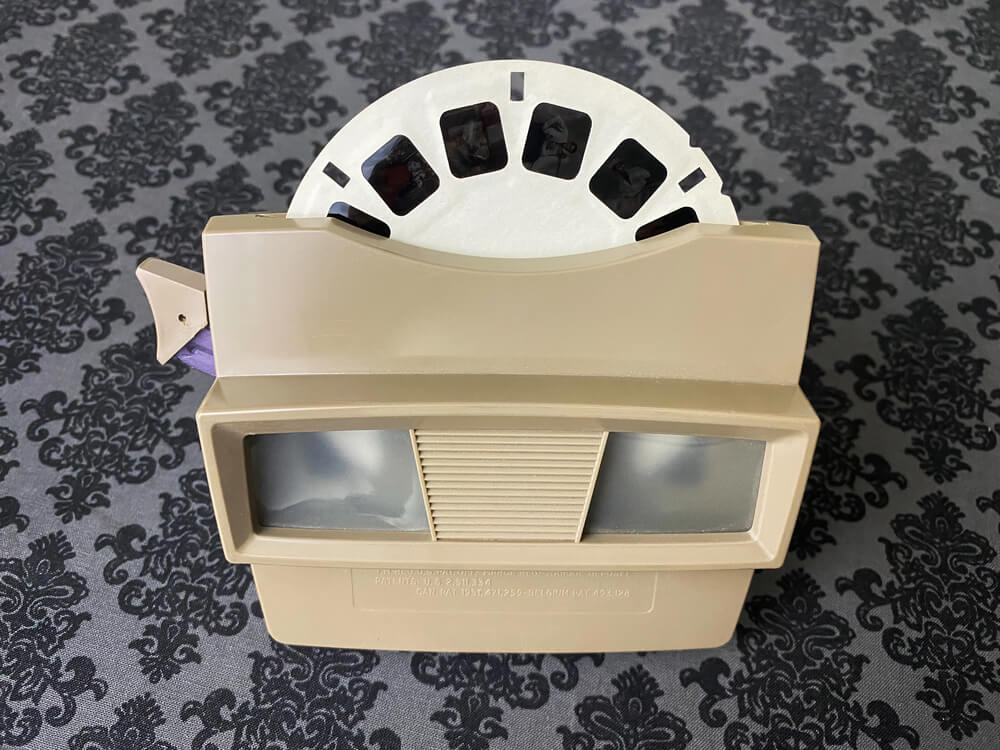
Sawyer’s stereoscopic viewer, which used interchangeable reel disks to show 3D images when held up to the eyes, dates back to 1939 and became a staple of children’s toy chests for decades afterward. Production of new reels slowed dramatically once photo-based entertainment shifted toward screens, though the device itself has seen periodic revivals.
Water Ring Toss Games
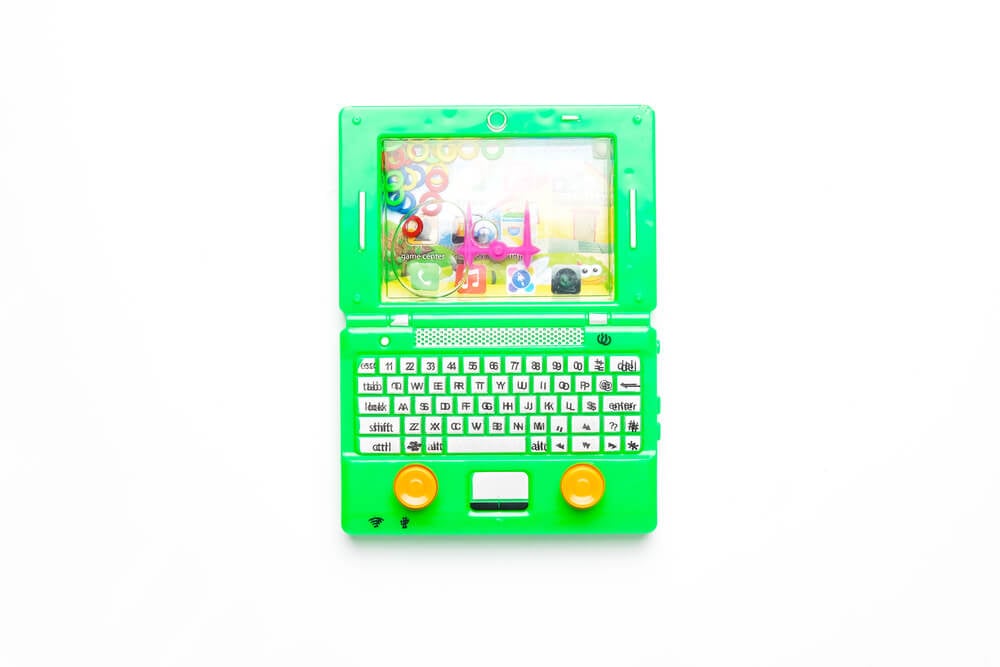
Small plastic handheld games where players pressed a button to shoot a jet of water and land floating rings onto pegs were a staple of car trips and waiting rooms through the 1980s and 1990s. The toy’s simplicity made it cheap to manufacture in huge volumes, but it largely disappeared from checkout-aisle shelves once handheld electronics became similarly inexpensive.
Chia Pets

Joseph Enterprises’ terra cotta figurines, coated in chia seeds that sprouted into green “fur” over a couple of weeks, became a recurring holiday gag gift after their 1982 debut, propelled by a jingle that stayed lodged in viewers’ heads for decades. The core product still exists in a smaller novelty market, but its era as a mainstream must-have gift has largely passed.
Koosh Spheres

Soft rubber-filament spheres sold under the Koosh name, introduced by Oddzon Products in 1987, became a sensory-friendly hit for their squishable texture and safe indoor play, spreading through classrooms and offices as a fidget item well before that term existed. The brand persisted through several ownership changes but lost its dominant playground presence by the early 2000s.
Nerf Blasters
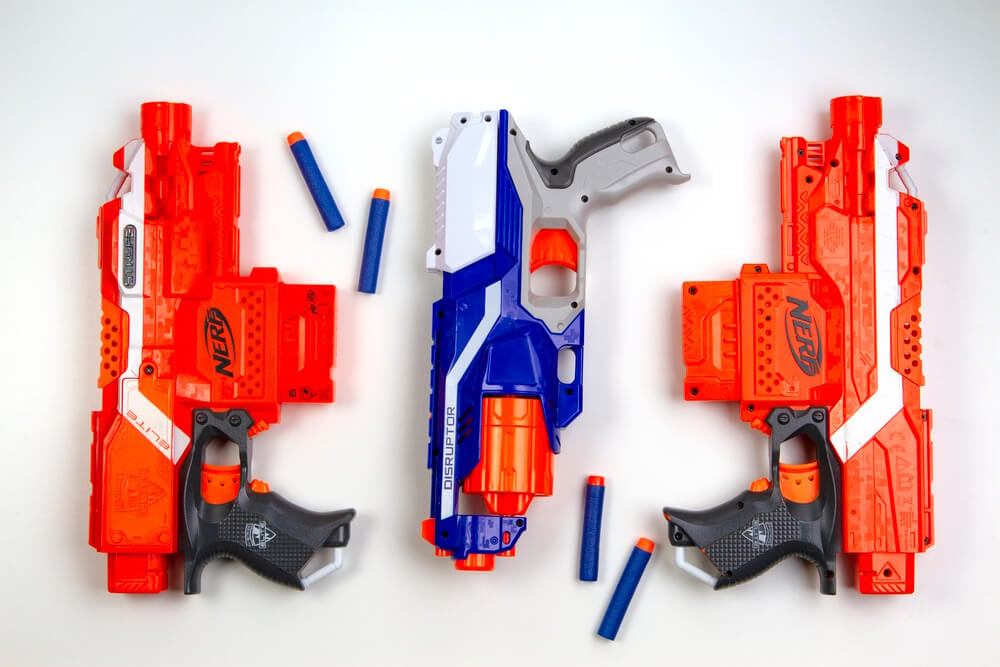
Original foam-projectile toys under the Nerf name date back to 1969, but the line’s biggest cultural wave came with the spring-loaded dart blasters of the 1990s and early 2000s that turned backyard play into organized mock combat. Many specific early blaster models were discontinued and became sought-after collector items once newer battery-powered versions replaced them.
Trolls Dolls
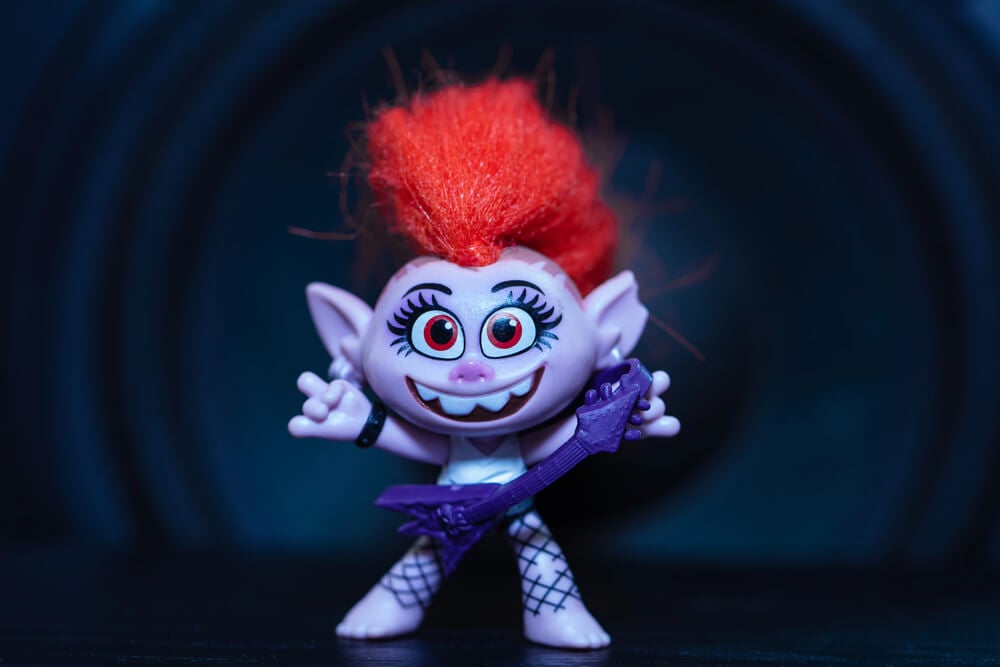
Small plastic figures with wild, brushable hair, originally carved by Danish woodcutter Thomas Dam in the late 1950s, went through repeated boom-and-bust cycles of popularity, with a major American revival hitting in 1991 and another following animated films decades later. Between those spikes, the dolls largely vanished from mainstream toy aisles.
Weebles
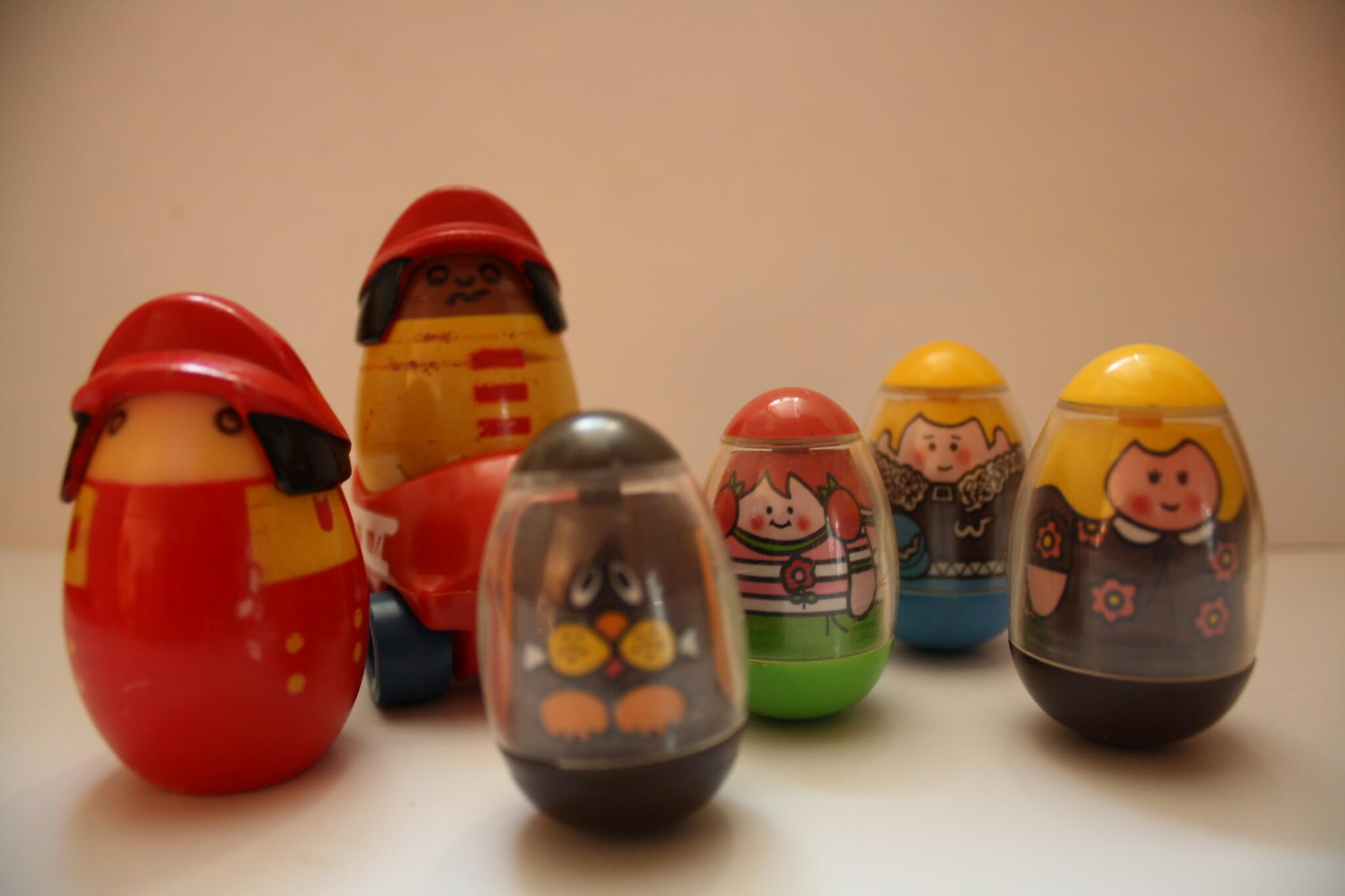
Hasbro’s egg-shaped figures, built with a weighted bottom so they wobbled but would not fall over, launched in 1971 on the strength of a jingle that became one of the most recognized in toy advertising history. The core toy faded from prominence by the 1980s, though the brand has resurfaced periodically in smaller product lines.
Lincoln Logs
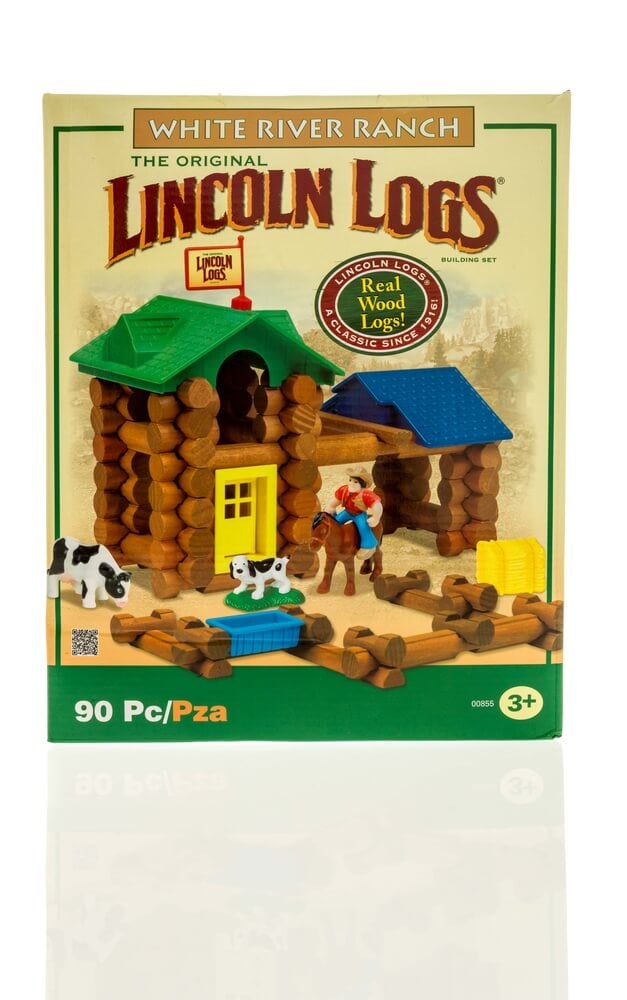
Notched miniature wooden logs designed for building cabins and forts, invented by John Lloyd Wright in 1916, dominated construction-toy shelves for generations before plastic building systems gradually crowded them out. The brand still exists under K’nex ownership, but its shelf space is a fraction of what it once commanded.
Easy-Bake Oven

Kenner’s miniature oven, powered by an ordinary incandescent light bulb rather than a heating element, let children bake tiny cakes and cookies from its 1963 debut onward. Federal lighting regulations phasing out incandescent bulbs in the 2000s forced Hasbro to redesign the oven with a heating element, and the toy’s shelf presence has shrunk considerably since its original run.
Simon
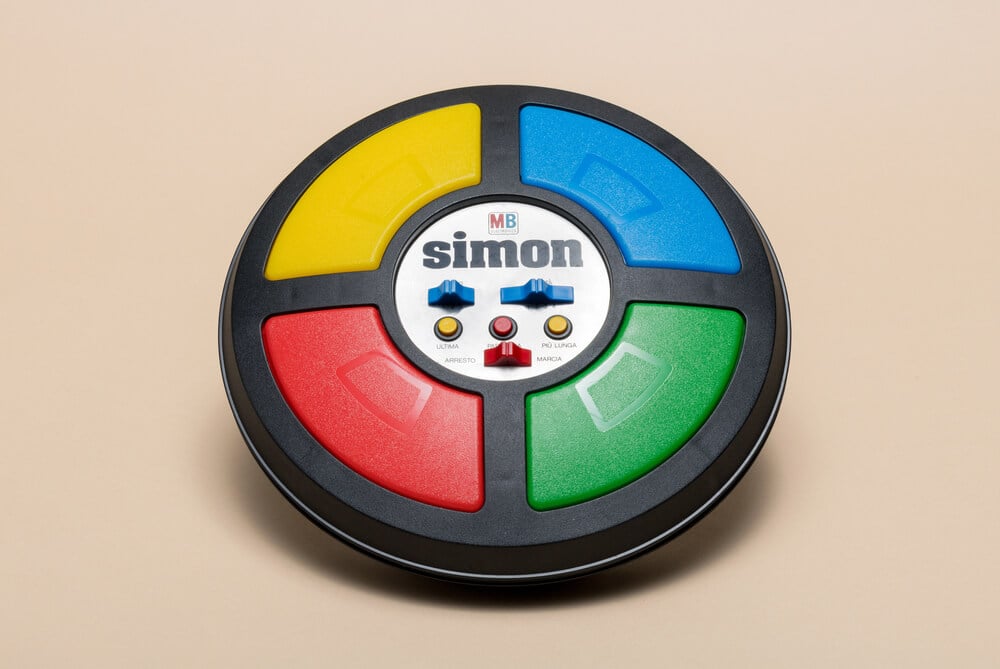
Milton Bradley’s memory game, a disc studded with four colored lighting panels that played back increasingly long sequences for players to repeat, became an instant hit after its 1978 release, partly on the strength of its stark, futuristic design. Later electronic games with more complex features gradually pushed the original device out of mainstream toy aisles.
Big Wheel
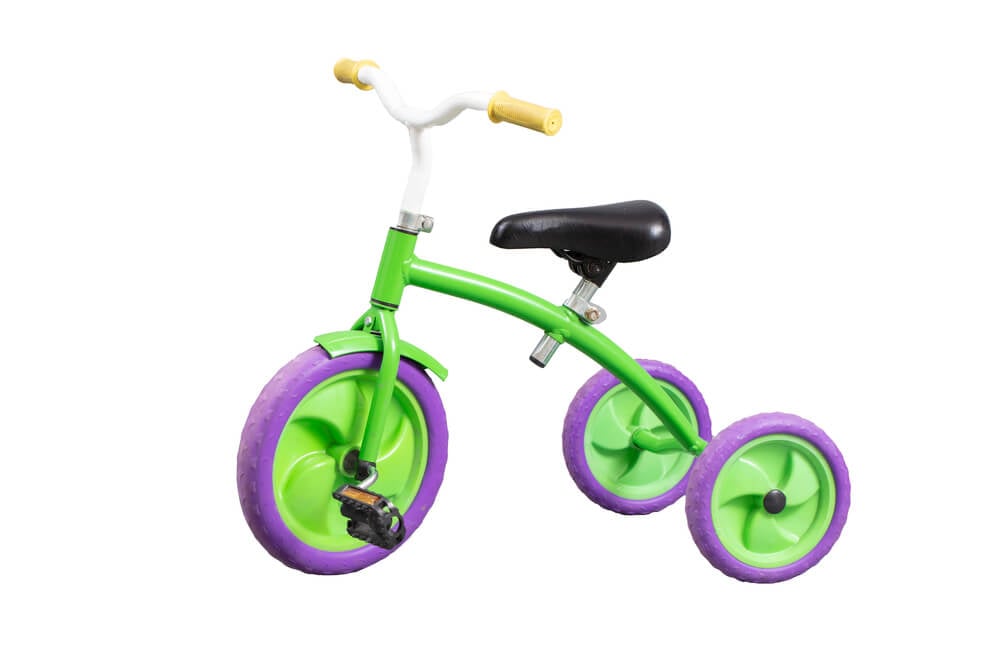
Marx Toys introduced the low-slung, plastic tricycle in 1969, and its oversized front wheel and reclined seating position made it a fixture of driveways and sidewalks for two decades. Rising manufacturing costs and shifting safety standards eventually thinned out the market for the specific low-rider design that made the original famous.
Creepy Crawlers
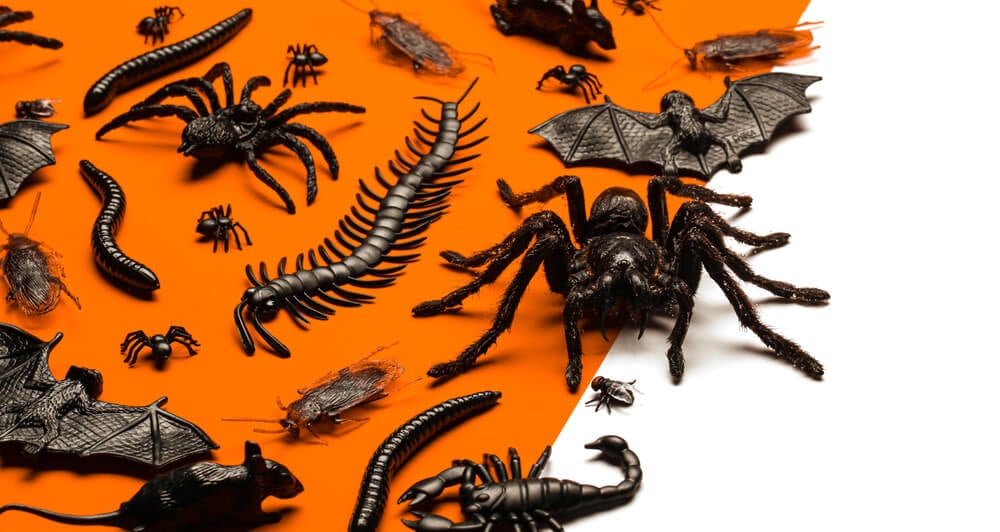
Mattel’s Thingmaker system let children pour liquid plastic into metal molds heated on an electric hot plate, producing rubbery bugs once the mold cooled, a process that would raise obvious safety concerns by later decades’ standards. The original 1964 version was eventually pulled and redesigned with cooler-running equipment, permanently changing what had made the toy distinctive.
Yo-Yos
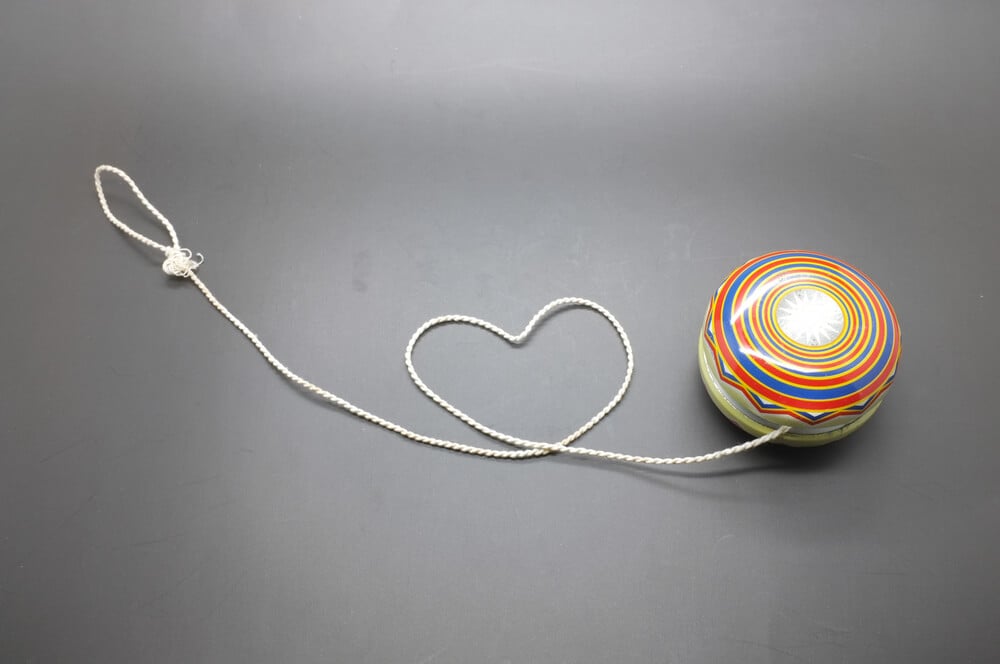
Duncan’s wooden yo-yos date back to the 1920s, but the toy has gone through repeated national crazes, including a major spike in the early 1960s driven by traveling demonstration teams performing tricks in schoolyards nationwide. Each wave of popularity has been followed by a long quiet stretch before some new gimmick, material, or marketing push briefly revives it.
Polly Pocket
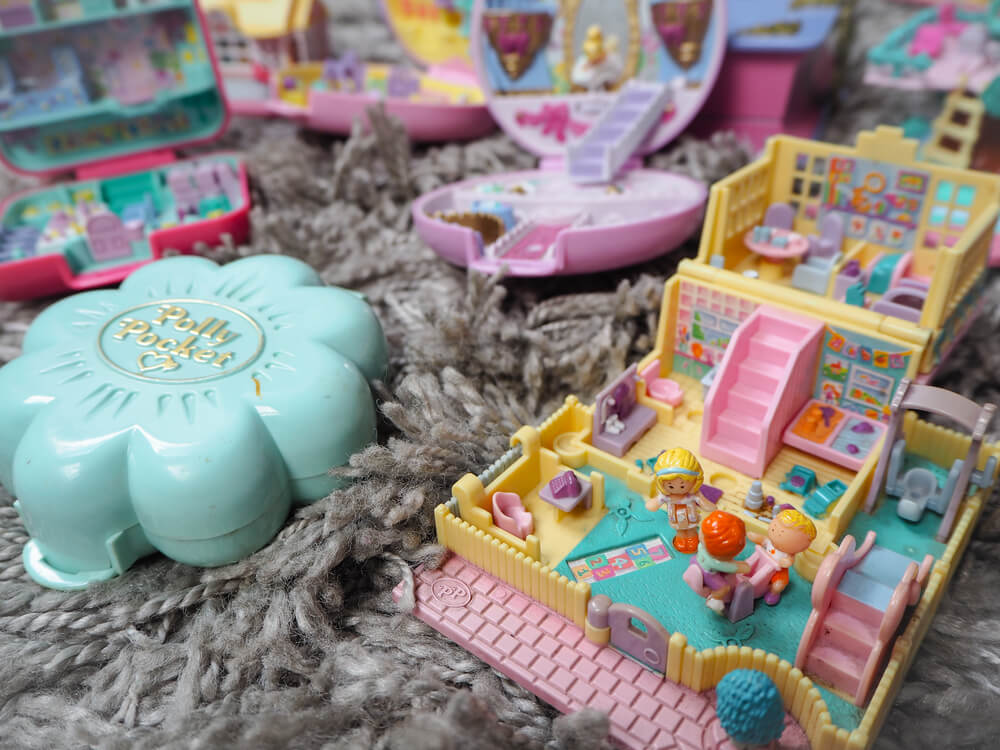
The original Polly Pocket line, launched by Bluebird Toys in 1989, packed entire miniature play sets into compacts small enough to fit in a coat pocket, with tiny figures barely an inch tall. Mattel acquired the brand in 1998 and eventually scaled the figures up considerably for safety reasons, effectively discontinuing the tiny original format that had defined the toy.
Perfection
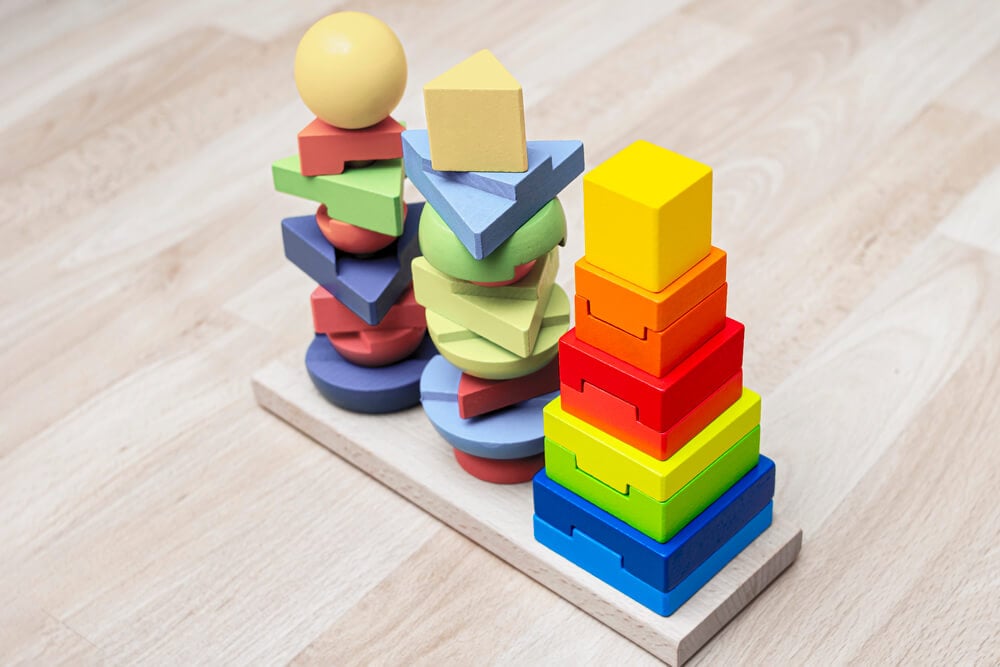
Milton Bradley’s timed shape-sorting game, in which a tray of small plastic pieces popped violently upward if players failed to sort them all correctly before a timer expired, became a fixture of family game nights after its 1973 release. The sudden pop mechanism that made the game memorable also made it prone to lost pieces, and the original version gradually gave way to smaller-scale reissues.
The Shelf Life of a Craving
Nearly every toy on this list followed the same arc, a sudden explosion of demand followed by a slow fade as the next thing arrived to take its place. What made each one feel essential in the moment rarely had much to do with the toy itself and everything to do with the timing, the marketing, and the sheer scarcity that made getting one feel like an achievement.
Looking back, the actual play value of most of these toys turns out to be almost beside the point. The real object of desire was belonging to a moment that, by design, could not last.
More from Go2Tutors!

- The Romanov Crown Jewels and Their Tragic Fate
- 13 Historical Mysteries That Science Still Can’t Solve
- Famous Hoaxes That Fooled the World for Years
- 15 Child Stars with Tragic Adult Lives
- 16 Famous Jewelry Pieces in History
Like Go2Tutors’s content? Follow us on MSN.