28 Transformers Toys Worth Big Money
Somewhere in an attic, a plastic robot that once cost a few dollars at a department store is quietly worth more than a used car. Transformers have been collected obsessively since 1984, and the hobby has produced auction results that would have seemed absurd to the kids who first twisted these toys into shape.
Prices swing wildly with condition. A sealed, unopened box commands a premium that a loose figure with worn paint and missing accessories will never touch, so every figure below should be read as a range, not a promise.
1984 Megatron, Sealed in the Box
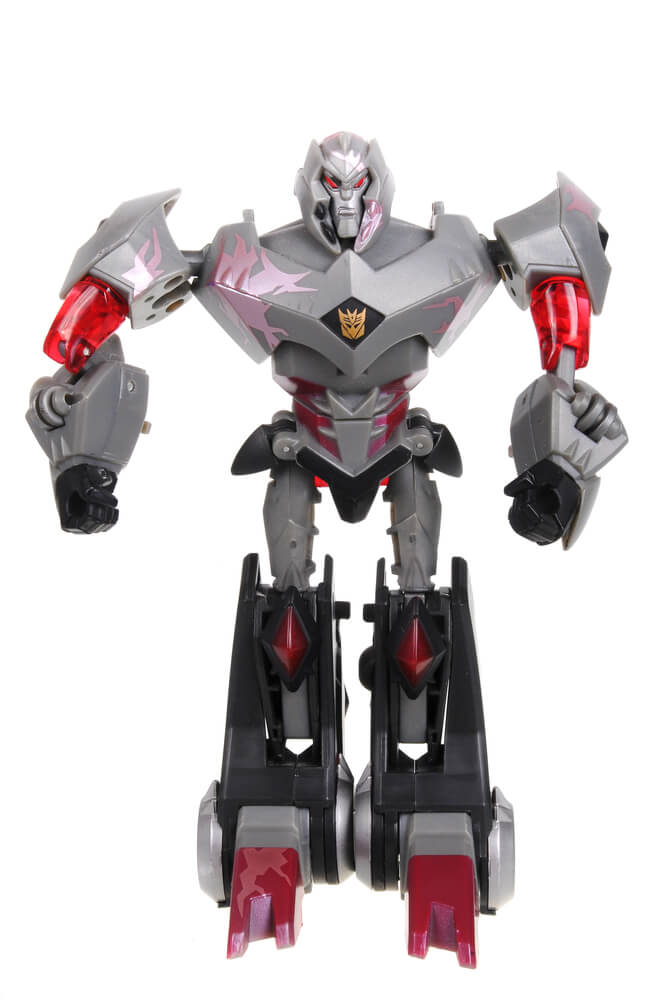
Megatron originally transformed into a realistic Walther P38 pistol, a design that was later altered with an orange tip to avoid looking like a real firearm. A factory-sealed example of the original 1984 release has reached a record sale of around $133,000 at auction.
The same figure loose, with intact stickers and no chrome wear, sells for a tiny fraction of that, which shows how heavily the price depends on the box.
1984 Optimus Prime, the Autobot Who Launched the Line
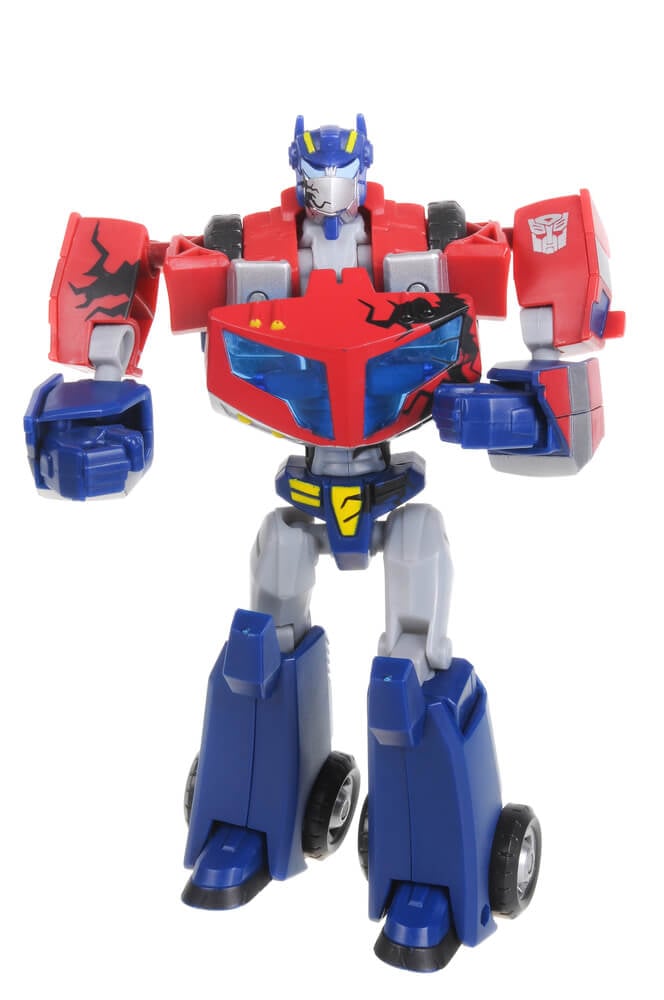
The leader of the Autobots turned from a robot into a cab-over tractor-trailer, built from a toy first sold in Japan under the Diaclone name. Early Hasbro releases carry small production differences that collectors hunt for, and unopened boxes from the first year are the ones that draw serious bidding.
A loose Prime with a missing trailer or faded stickers is worth considerably less than a complete, boxed set.
Jetfire, the Macross Valkyrie in Disguise
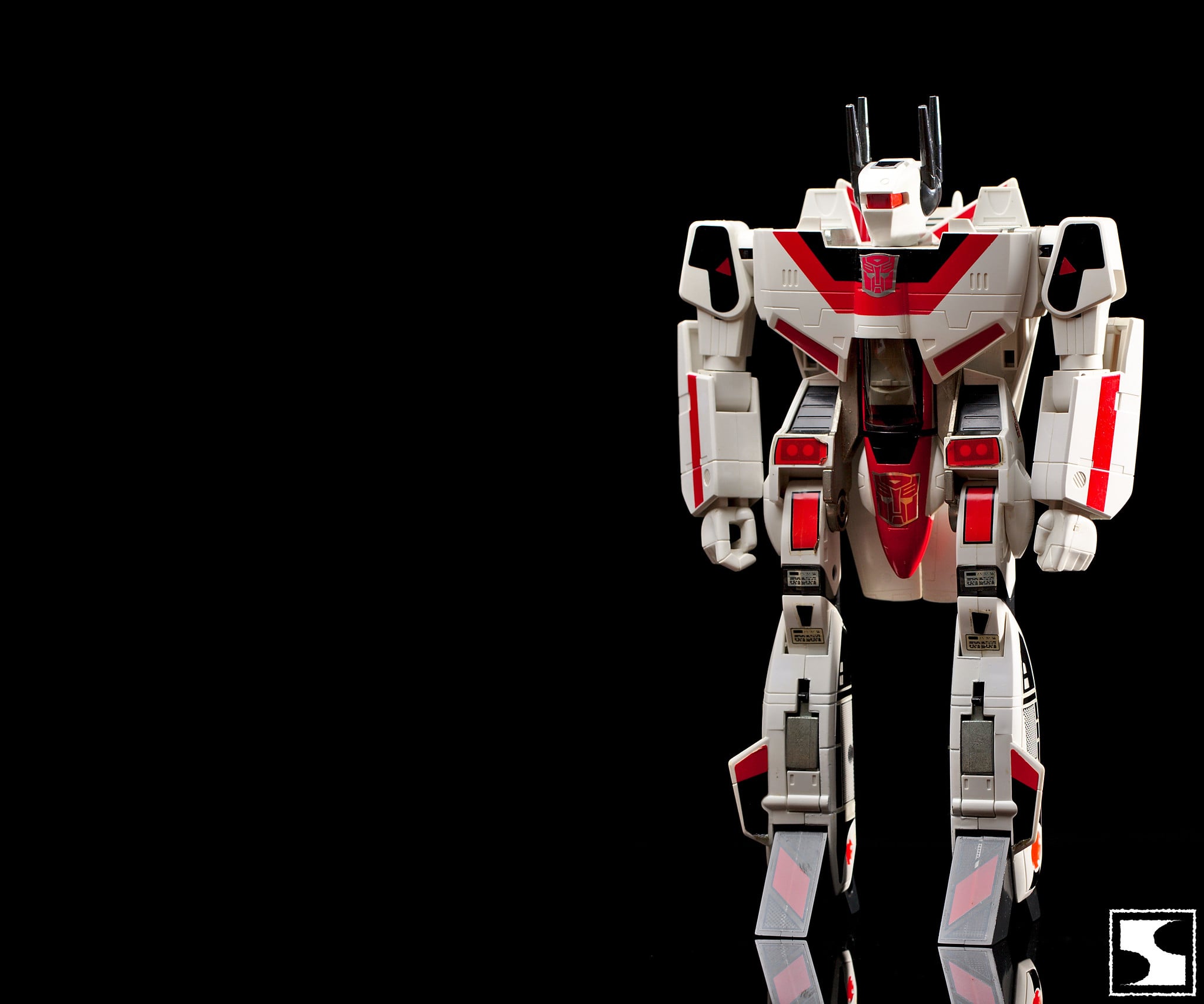
Hasbro’s 1985 Jetfire was a repackaged version of the Valkyrie fighter from the Japanese anime Macross. Licensing complications over that connection meant the toy was never produced in large numbers by Hasbro again, and a replacement character named Skyfire later filled his role in the cartoon.
Complete examples with the original box and unbroken fighter parts are among the most sought-after vintage Autobots.
Fortress Maximus, the Largest of the Original Line
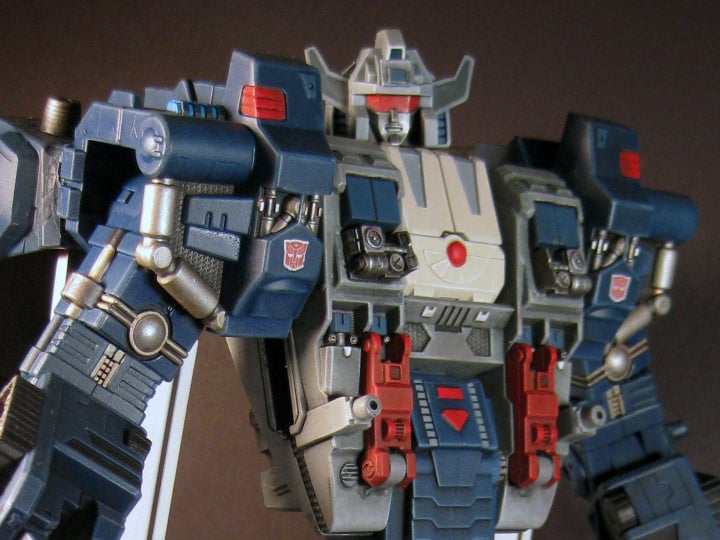
Released in 1987 as part of the Headmasters wave, Fortress Maximus stands roughly two feet tall and was the biggest figure of the original line. He turns into a battle station, and his small Headmaster partners can be inserted into his head.
The box alone is enormous, so sealed examples are scarce, and missing pieces cut the value of a loose figure sharply.
Powermaster Optimus Prime
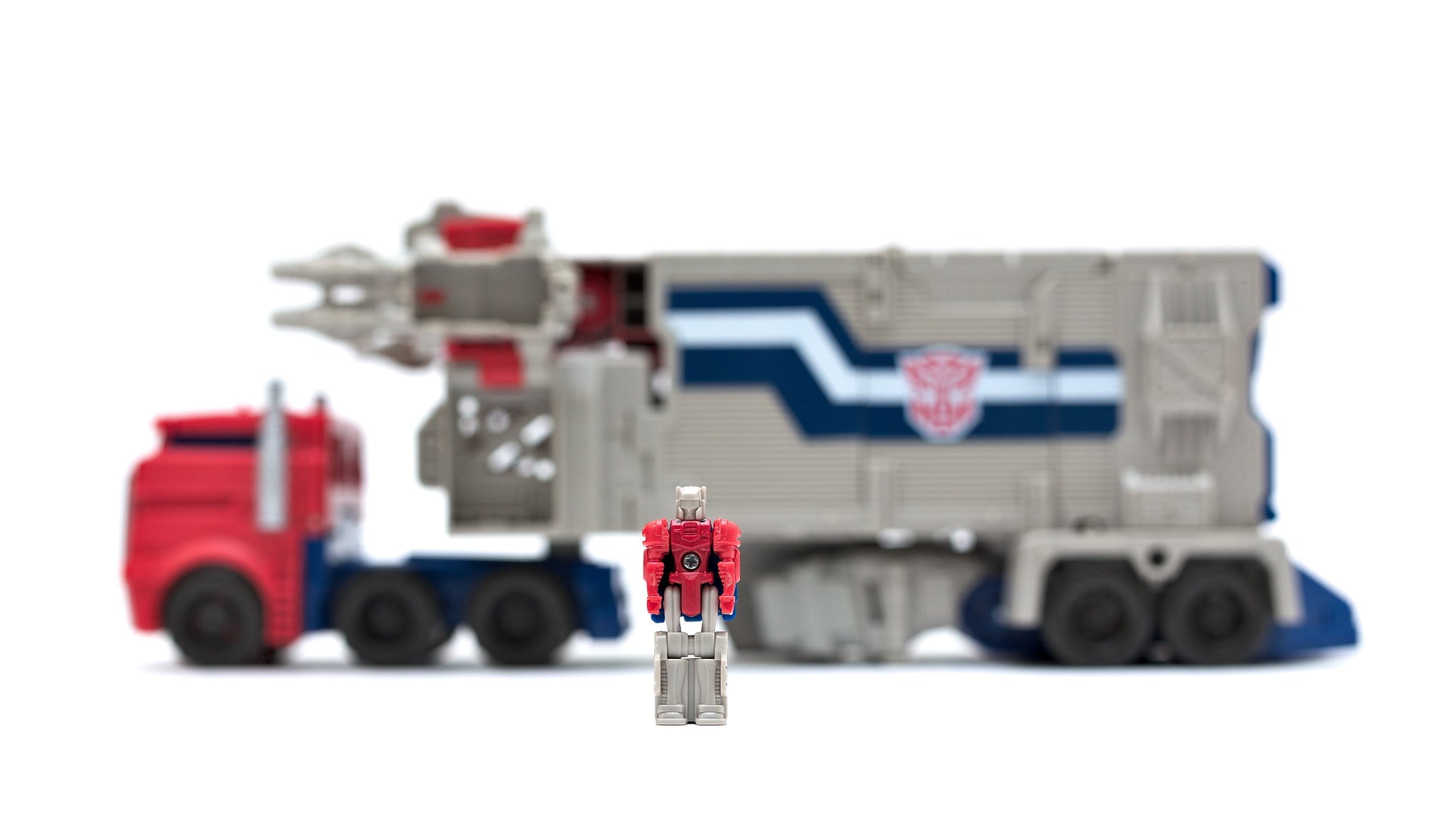
In 1988 Optimus Prime returned as a Powermaster, a cab-over truck design that needed a small engineer partner named Hi-Q to activate his transformation. Hi-Q is easy to lose, and a Prime without his engineer is a much less valuable toy.
A complete, boxed example with the smaller parts and instruction sheet intact commands a large premium.
Metroplex, the City Commander
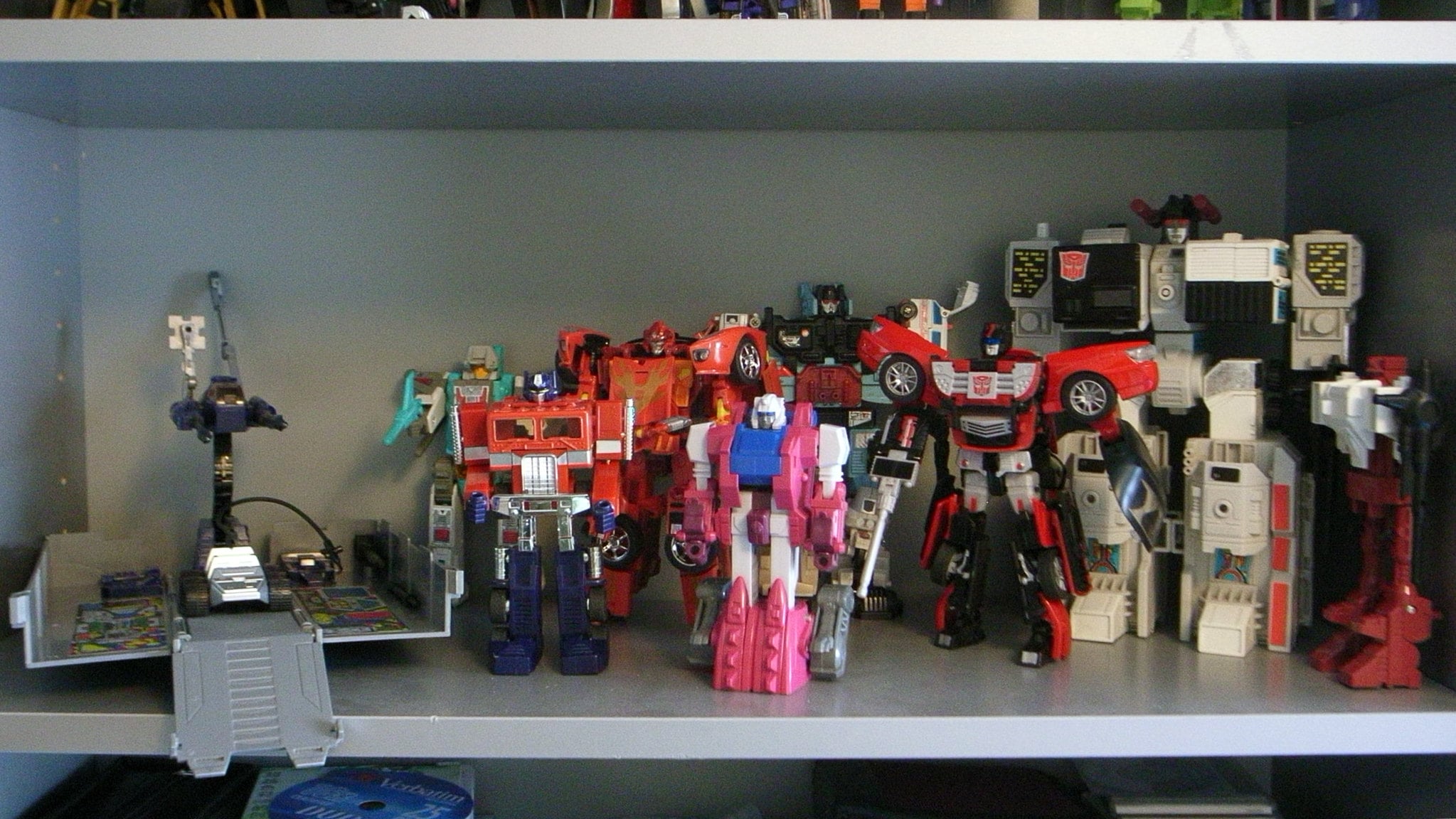
Metroplex arrived in 1985 as a gigantic Autobot who turned into a city, complete with a surface that could host smaller figures. He stands nearly two feet tall in robot form, which made him one of the largest toys on the shelf at the time.
Large boxes crushed by decades of storage make mint examples hard to find, and prices rise sharply when the packaging is clean.
Omega Supreme, Guardian of Cybertron
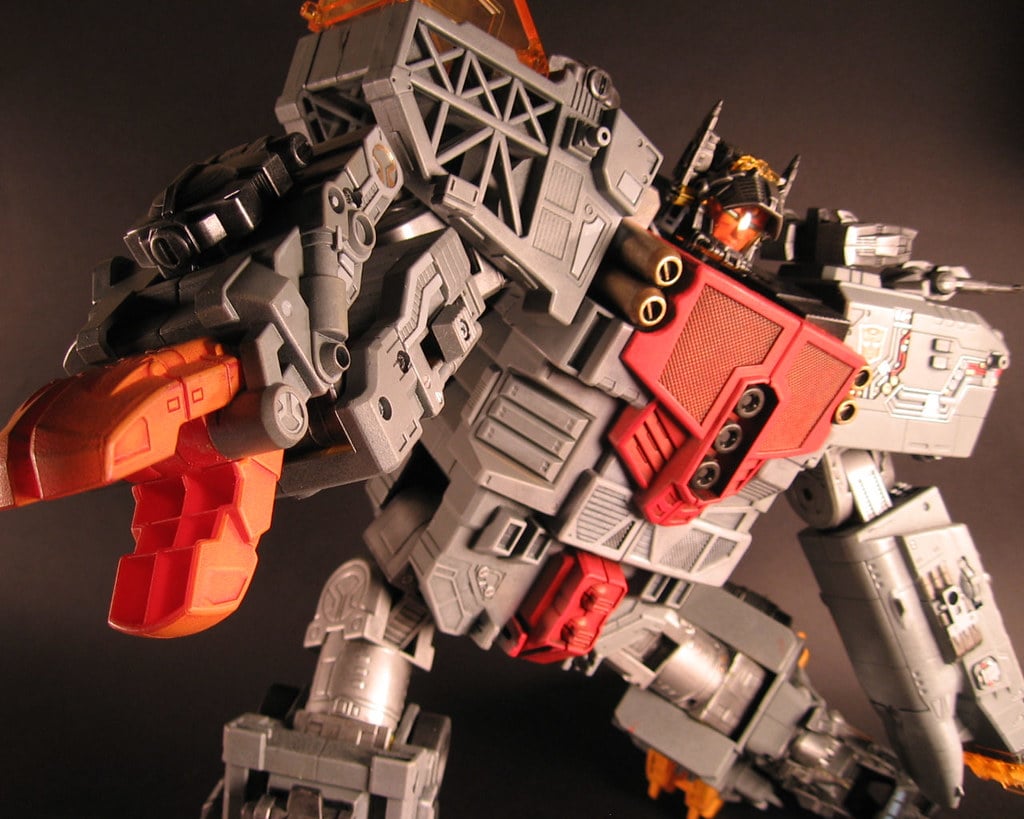
Omega Supreme is a 1985 Autobot toy that turns into both a rocket base and a tank. Unlike many large figures from the era, he includes a transforming rocket that doubles as a launching platform, giving him two distinct modes.
Complete sets with the rocket, tank pieces, and unfaded stickers fetch strong prices, while pieces missing from a loose figure cut the value dramatically.
Trypticon, the Decepticon Dinosaur City
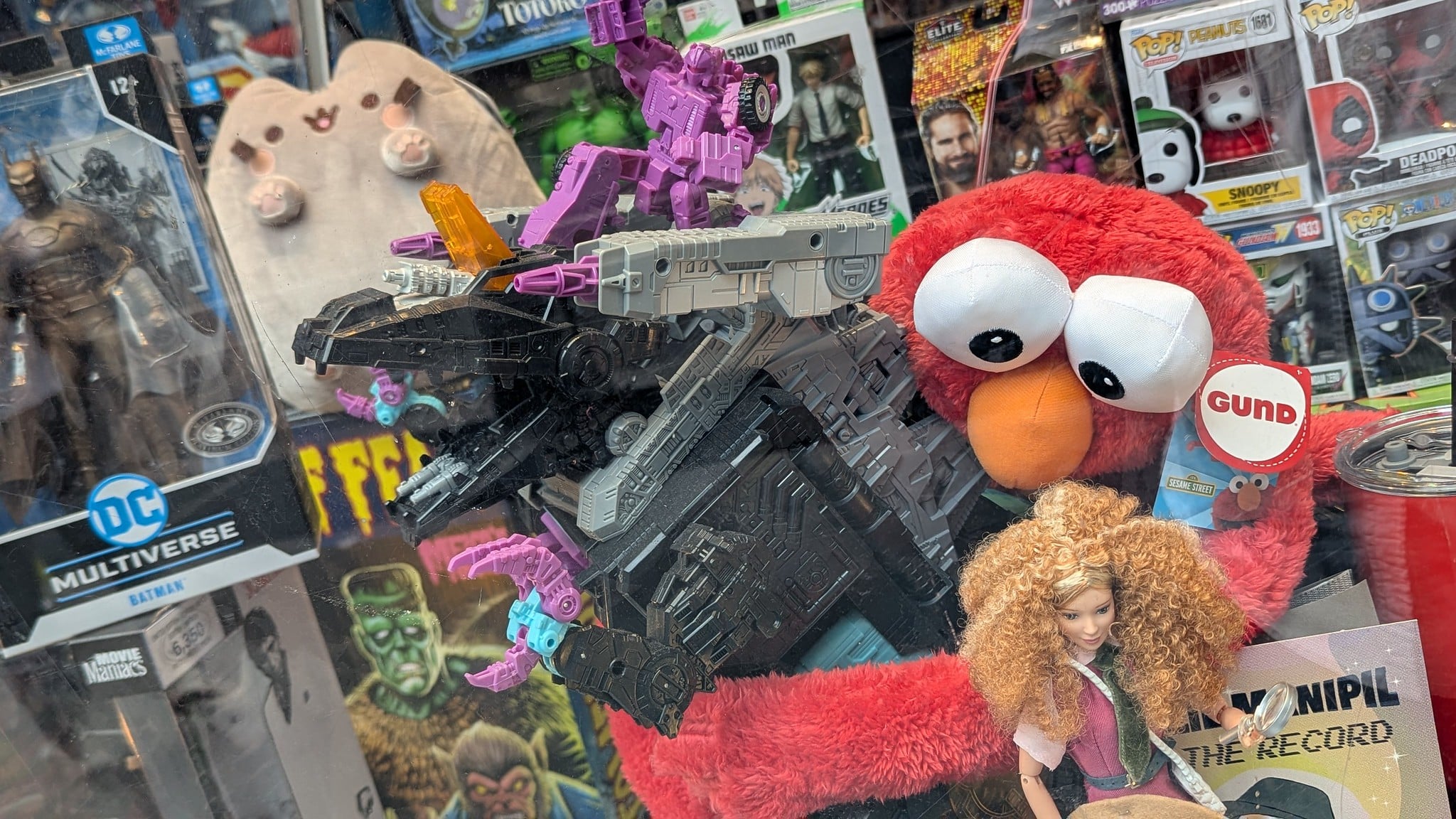
Trypticon, released in 1986, turns from a robot into a huge dinosaur and then into a city, the Decepticon counterpart to Metroplex. The toy includes a launching mechanism for smaller figures and stands about as tall as a toddler.
Because it was expensive when new and fragile in play, a complete, boxed Trypticon is the kind of find that makes collectors quietly pay more than they planned.
Ultra Magnus, Armored and Heavy
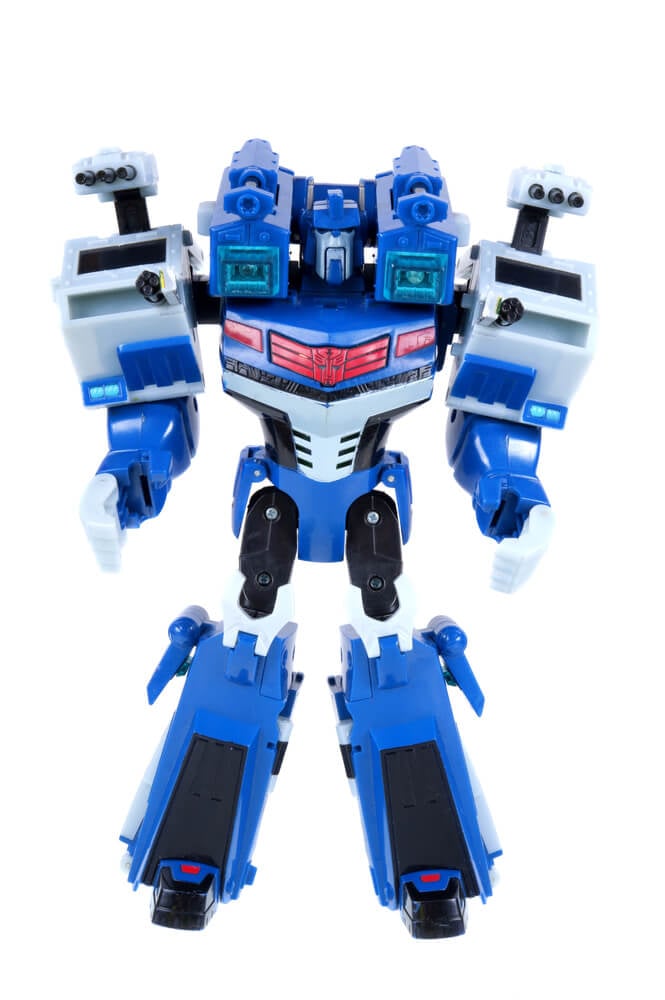
The 1986 Ultra Magnus toy uses die-cast metal in its cab, giving it a heft unusual for the line. He arrives with a trailer that hides a separate Autobot, and the trailer pieces are easy to lose.
Boxed examples with intact paint and the original accessories are valued well above loose figures with scratched metal.
Devastator, Six Constructicons Becoming One
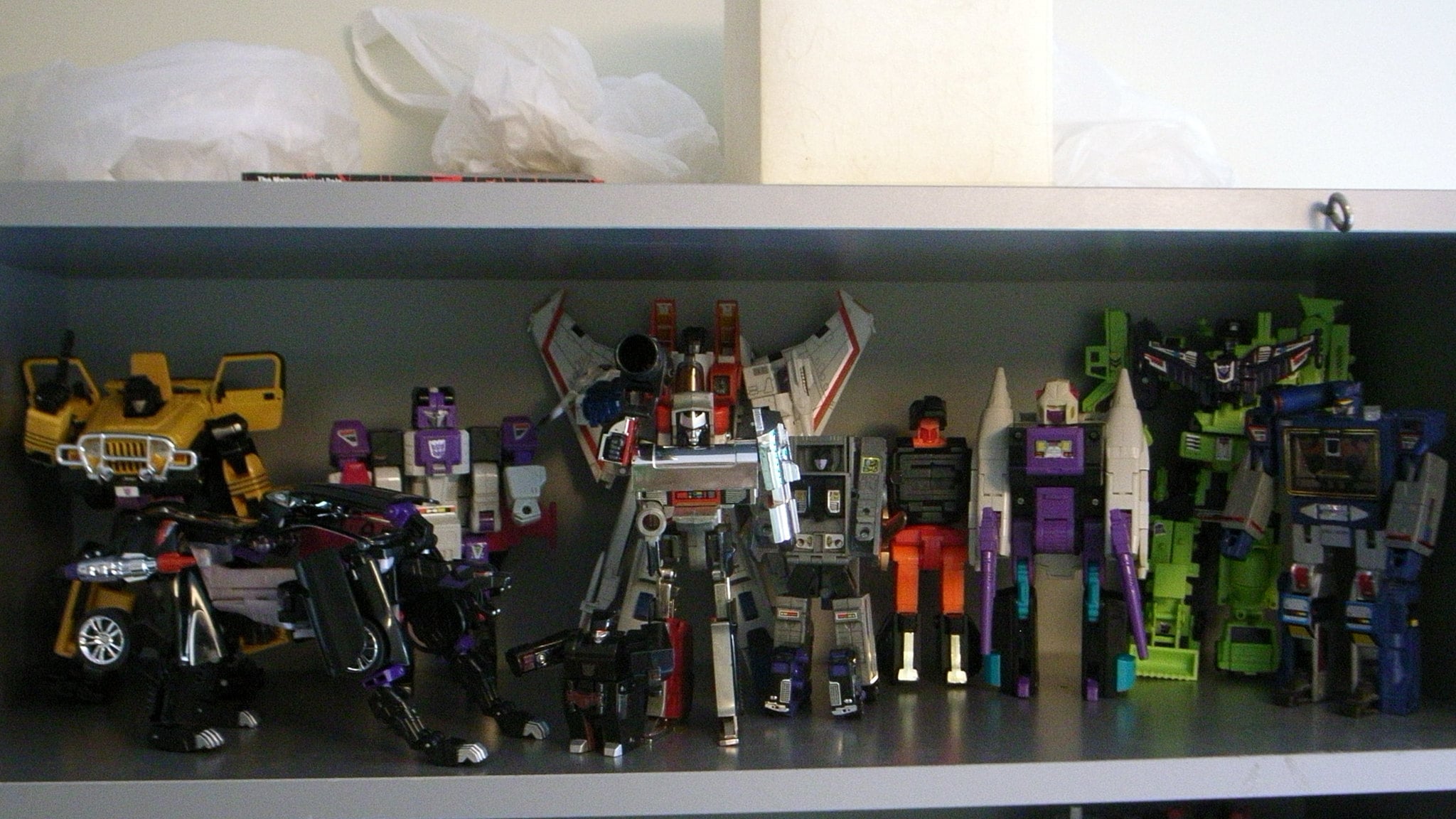
Devastator is a 1985 combiner made from six separate Constructicon construction vehicles. Each part is a distinct robot, so collectors need all six members in good condition for the full effect.
A complete set with matching paint and its stickers intact is worth far more than the individual figures bought separately.
Defensor, the Protectobot Combiner
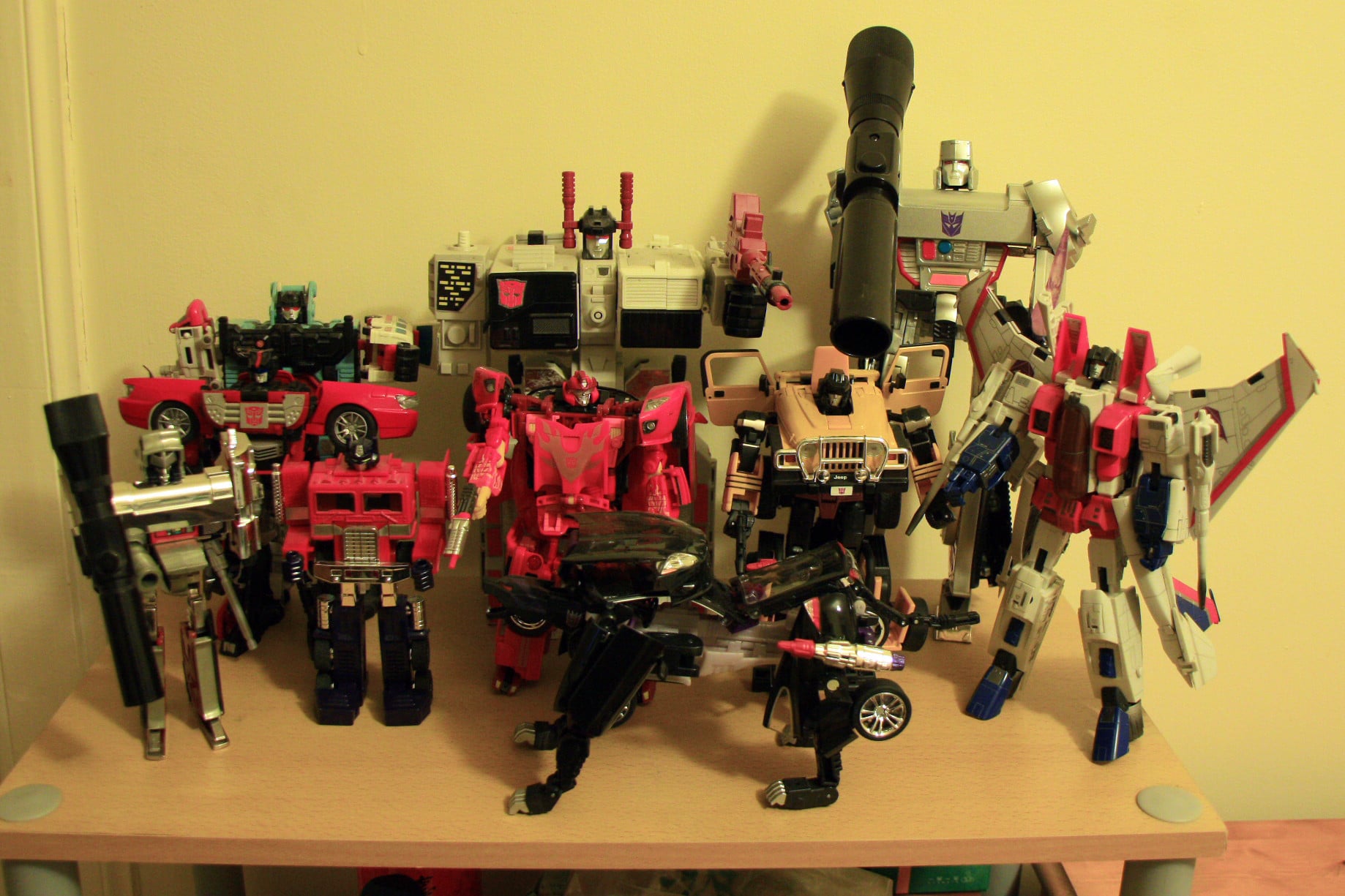
Defensor was released in 1986 as the combined form of five Protectobot emergency vehicles. The toy needs all five robots to be present and in good shape, and the paint on the large combined body is prone to wear.
A loose set missing one member is worth much less than a complete, boxed set.
Menasor, the Stunticon Powerhouse
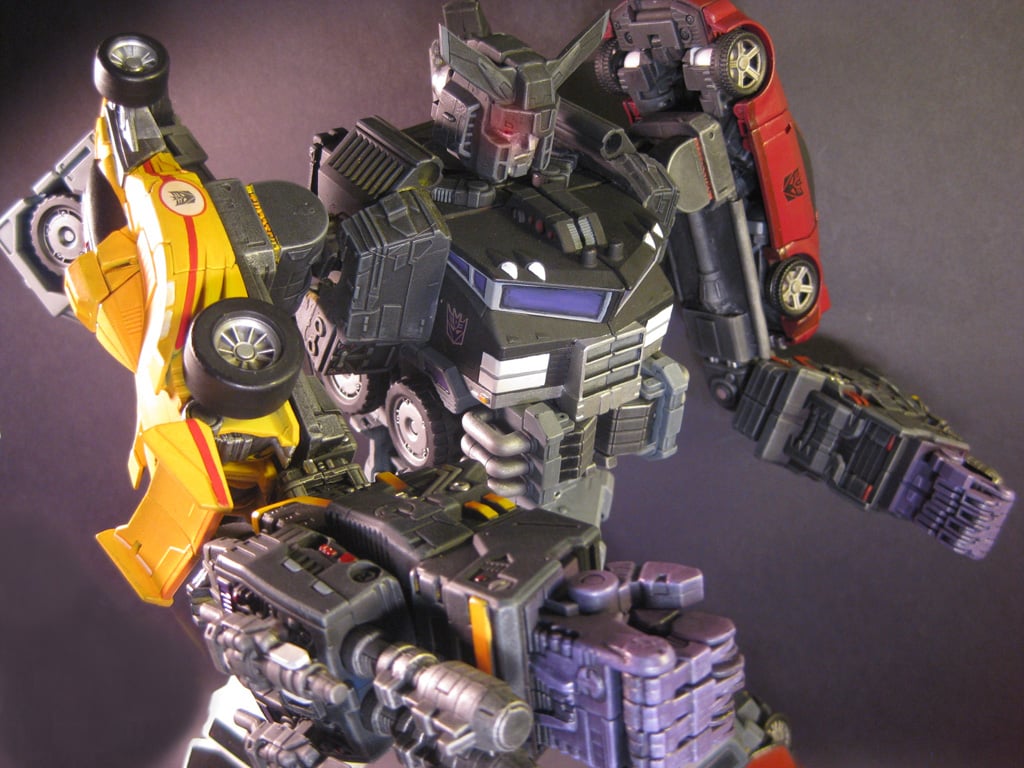
Menasor, a 1986 combiner, is built from five Stunticon vehicles led by Motormaster, a semi-truck. Like other combiners, the full set matters, and missing pieces or worn stickers drag the price down.
A complete boxed set shows up rarely and sells for a serious sum.
Bruticus, the Combaticon Army
Bruticus combines five military-themed Decepticons, the Combaticons, who arrived in 1986. Each member is a different vehicle, including a tank, a jet, a helicopter, a truck, and a jeep, which makes completing a set a project.
Collectors pay more for sets with matching paint wear and original weapons than for mismatched loose parts.
Superion, the Aerialbot Combiner
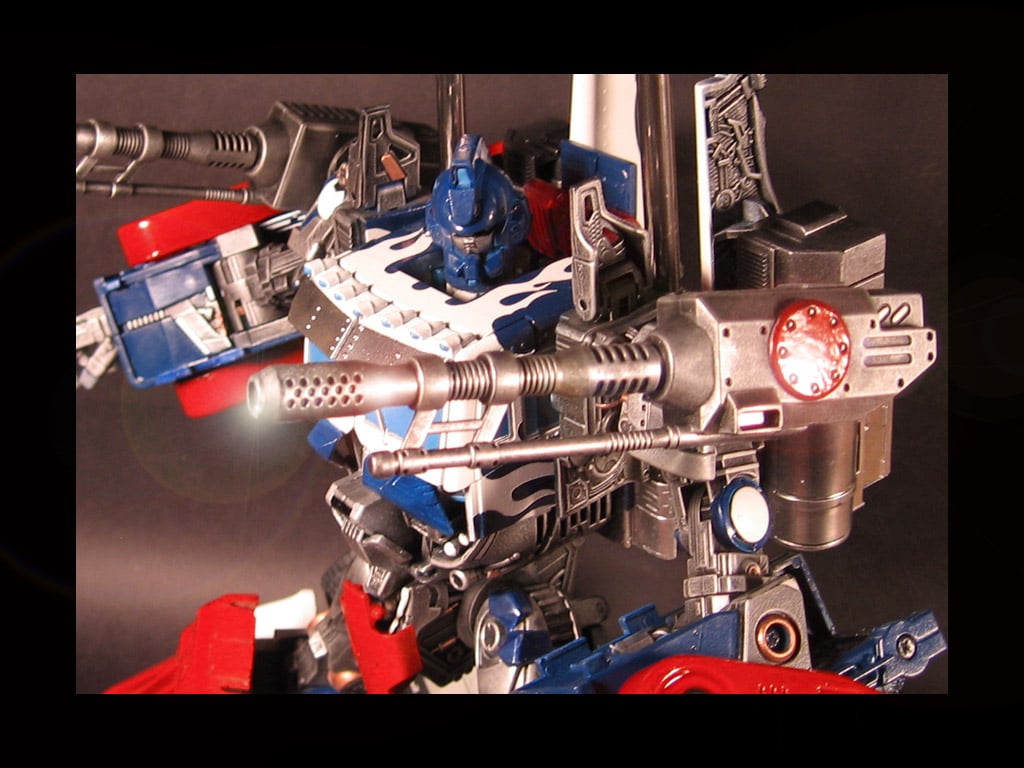
The 1985 Superion combines five Aerialbot jets, each of which also transforms on its own. The set is a favorite of collectors partly because the Aerialbots were prominent in the cartoon.
Boxed, complete sets with unbroken pieces can reach strong prices, while loose figures sell for much less.
Predaking, the Beast-Mode Combiner
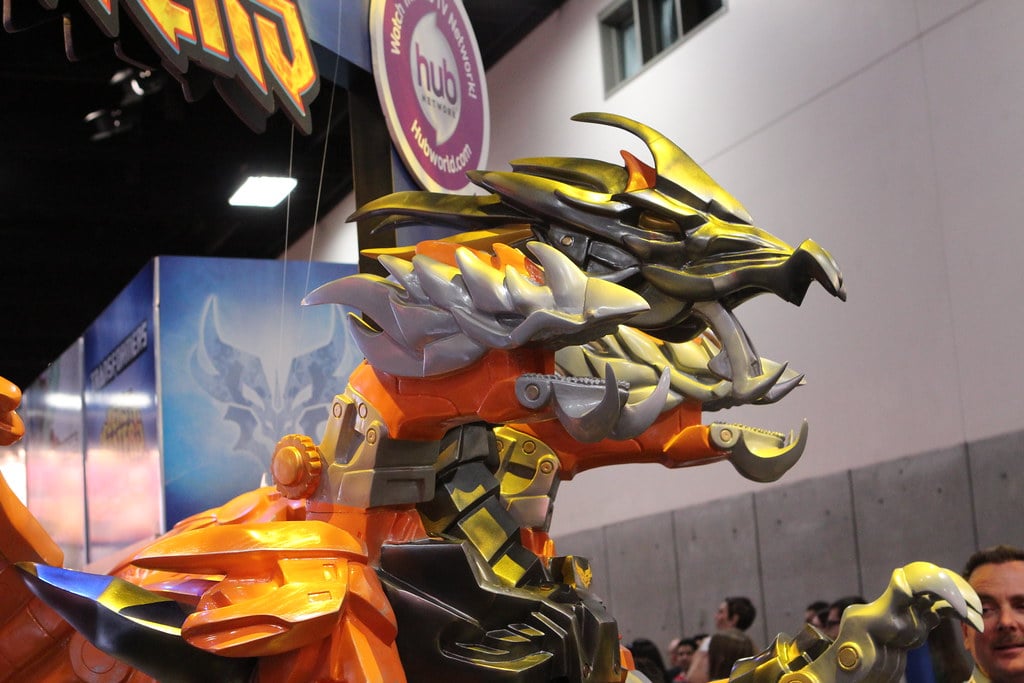
Predaking, released in 1987, is a combiner formed from five Predacon animals led by Razorclaw. The beast modes, which include a lion, a bird, and a panther, are unusual among Decepticons for being animals instead of vehicles.
Complete sets with working joints and the original weapons are scarce, and the price climbs steeply for examples that still have their boxes.
Sixshot, the Six-Mode Decepticon
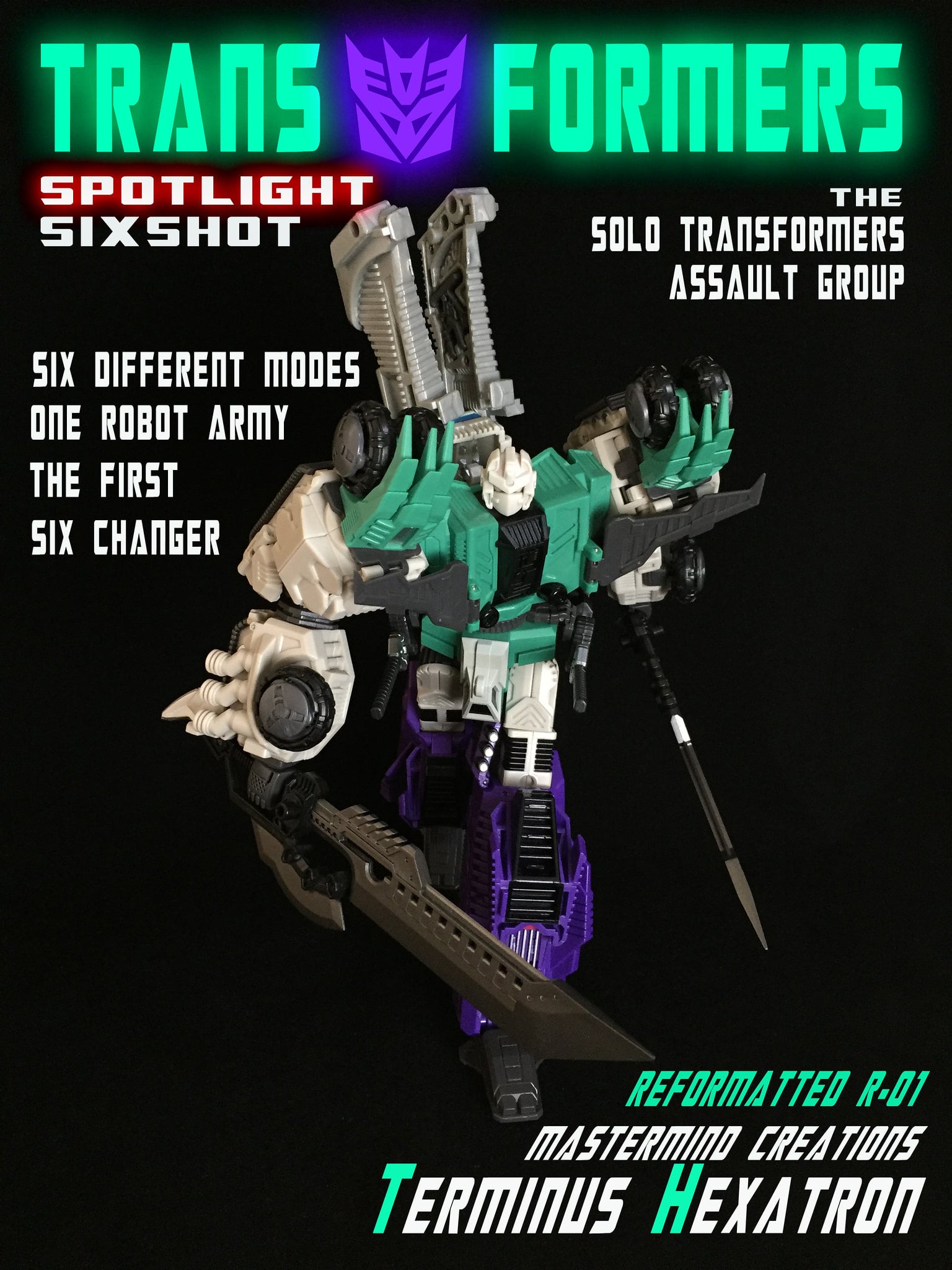
Sixshot, from 1987, can transform into six different forms, which made him one of the most elaborate toys of his time. The complexity also made him fragile, and the many pieces are easy to lose or break.
A complete, working figure with the original weapons and box brings a premium among Decepticon collectors.
Soundwave, the Microcassette Player
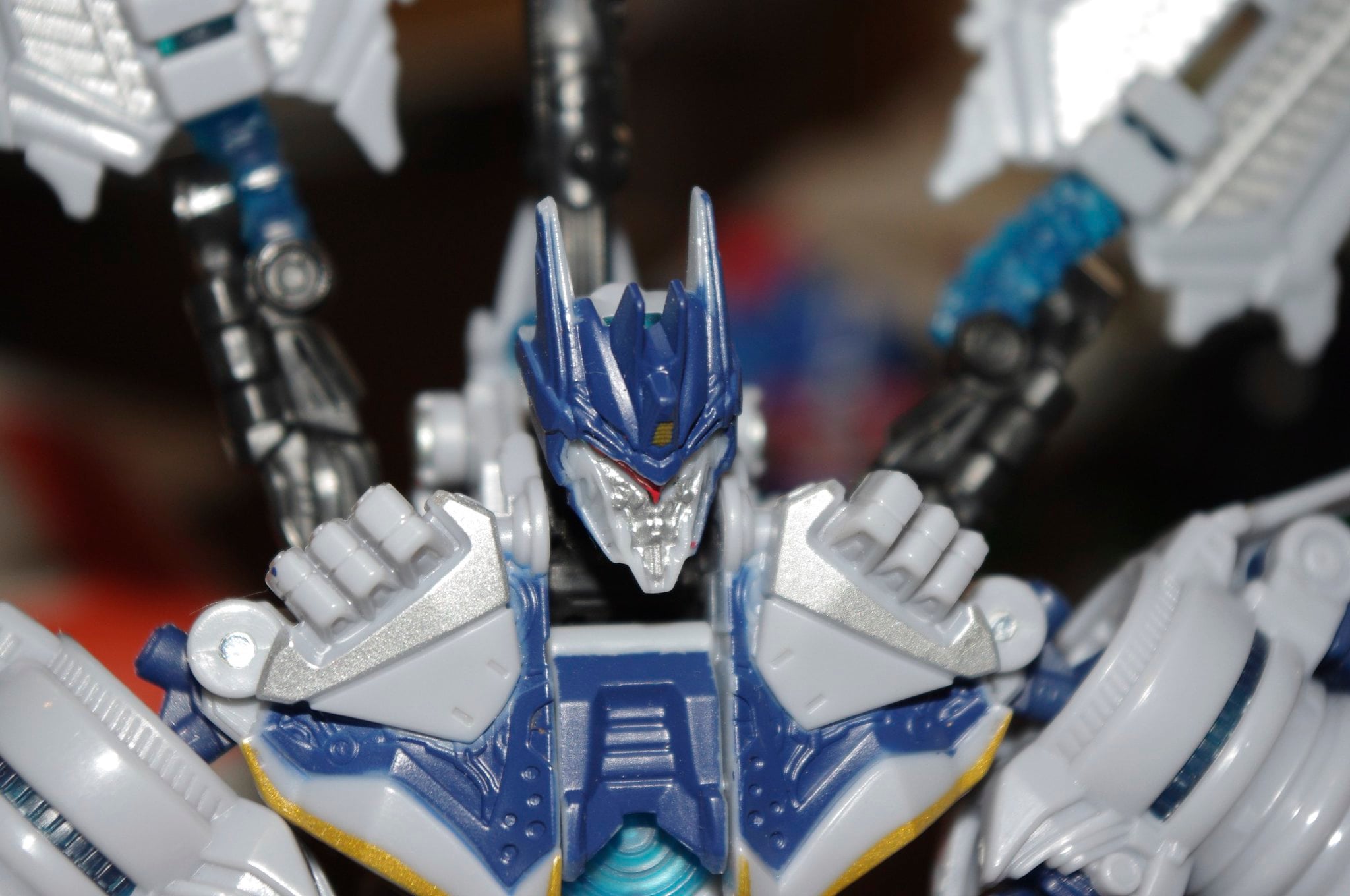
Soundwave, a 1984 release, turns into a microcassette recorder and comes with smaller cassette-based Decepticons that fit inside his body. The tiny cassette figures are easy to lose, and a Soundwave without them is worth less than a complete set.
Sealed examples with all the cassette figures are among the more desirable early Decepticons.
Rodimus Prime, the Successor to Optimus
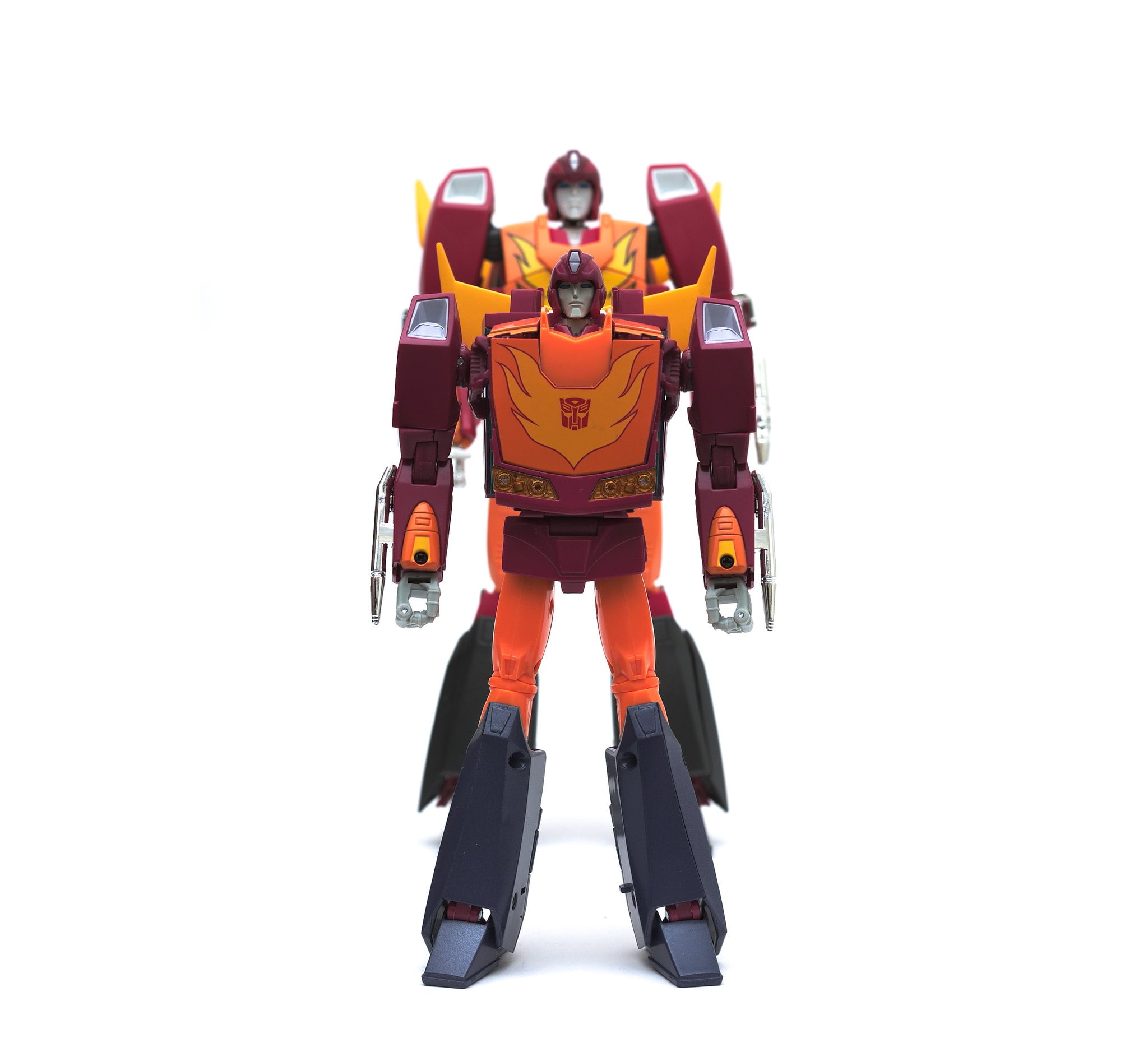
Rodimus Prime was released in 1986 in the wake of the animated movie in which Optimus Prime fell in battle. The toy turns into a truck with a trailer that can open into a base.
His movie-era appeal keeps demand high, and complete, boxed examples with the trailer and accessories sell well.
Galvatron, Megatron Reborn
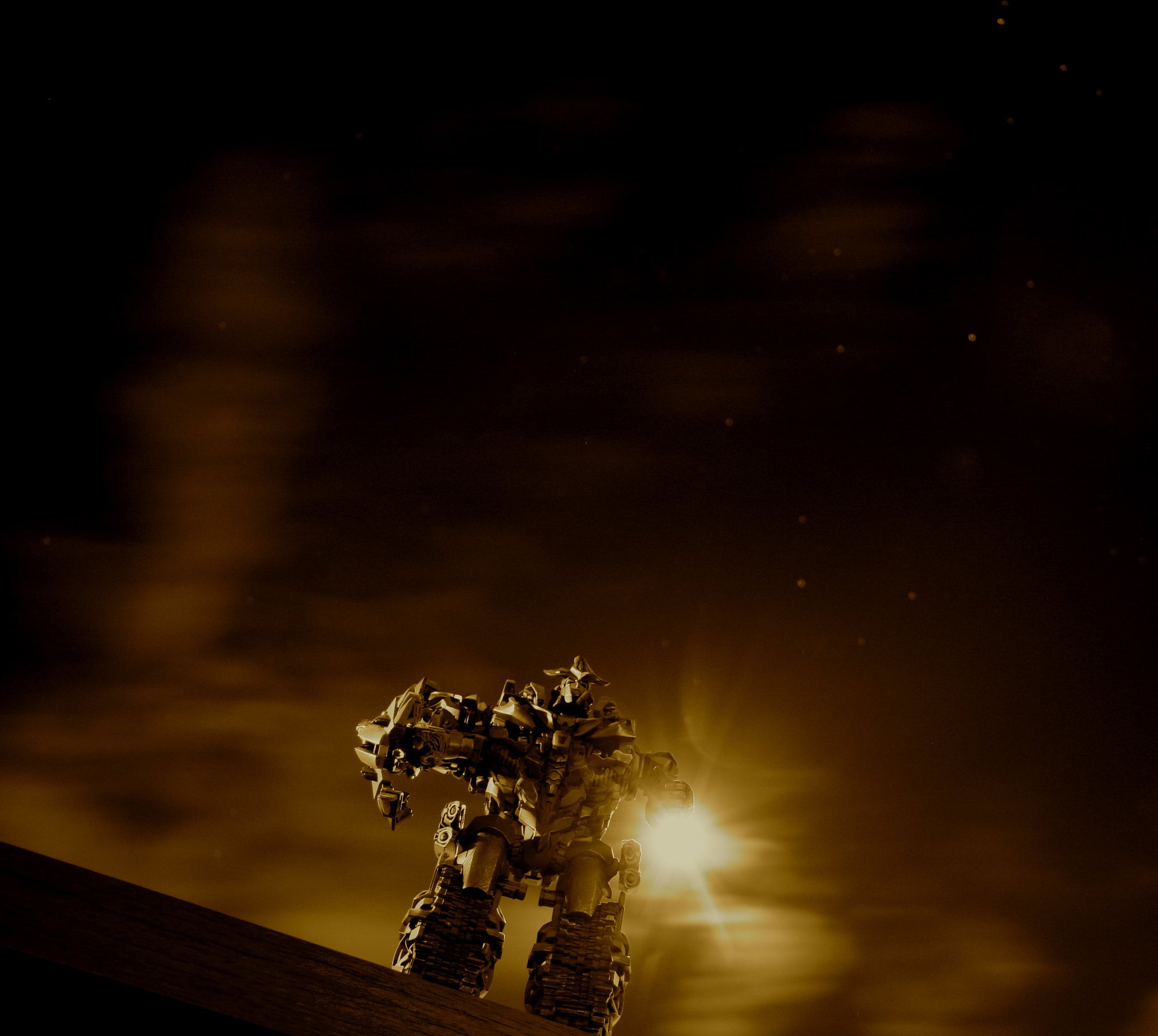
Galvatron, also from 1986, is the transformed Megatron of the animated movie, and the toy turns into a cannon. The cannon form reflects the original design, and the toy carries a strong nostalgia factor for fans of the film.
Boxed examples with unfaded plastic and complete accessories fetch much more than worn loose figures.
Shockwave, the Laser Cannon Commander
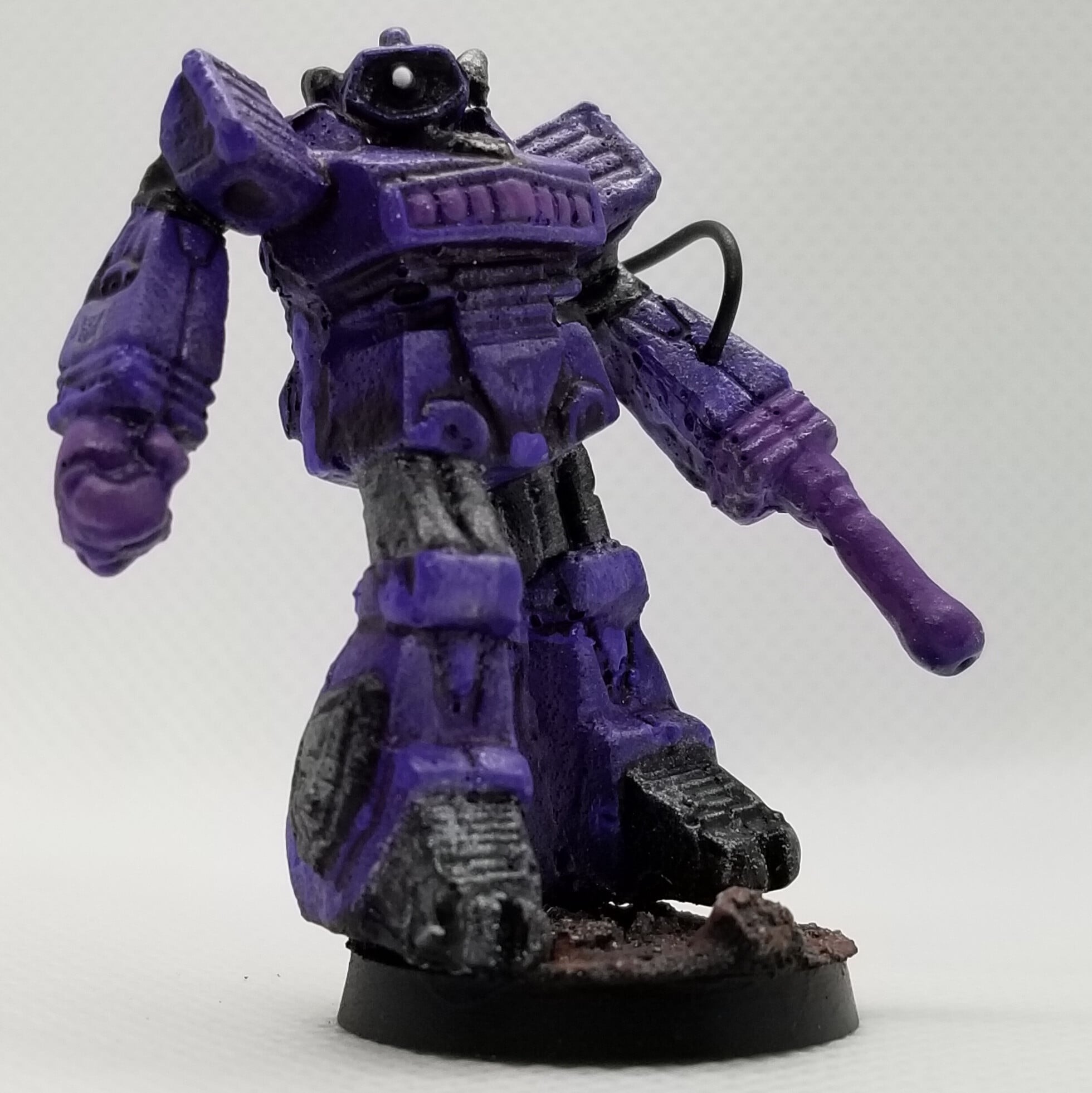
Shockwave, released in 1984, transforms into a futuristic laser gun rather than a vehicle. The gun mode has a purple-and-black look that stands out among the early Decepticons.
Boxed, complete versions with unworn paint are valuable, while loose figures with scratched finishes are worth much less.
Grimlock, the Dinobot Leader
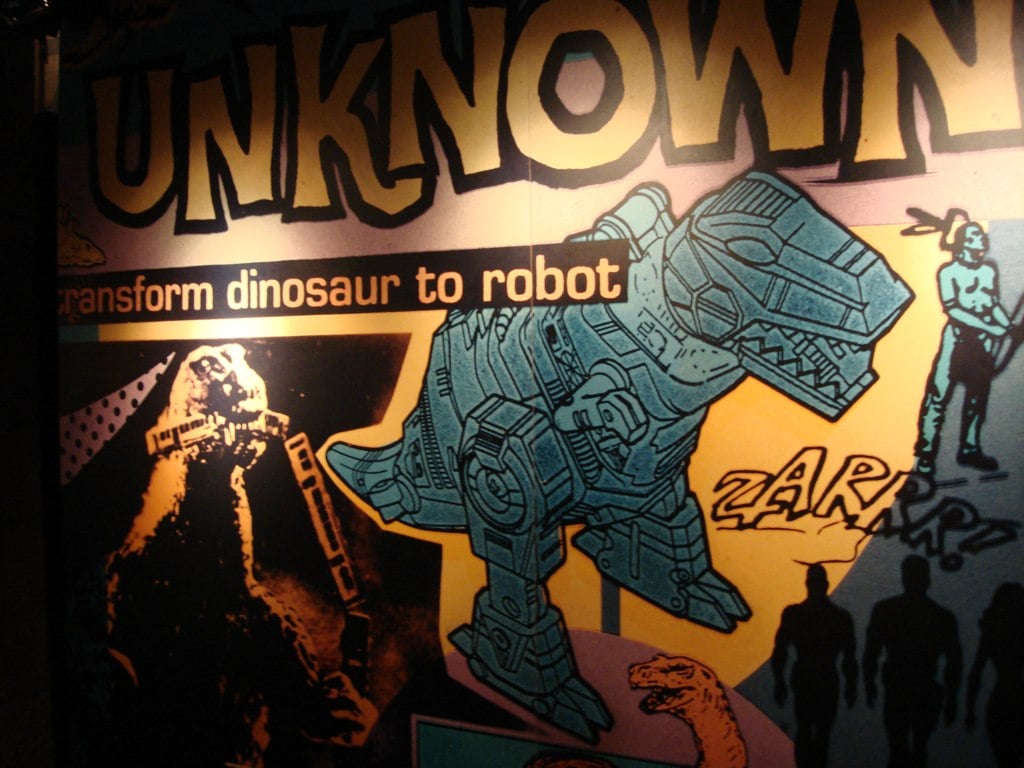
Grimlock, released in 1985, is the leader of the Dinobots and transforms into a Tyrannosaurus rex. The toy’s size and dinosaur form made it a favorite of kids at the time, and demand has stayed high.
Stress marks on the legs are a common problem, so intact, boxed examples sell for a premium.
Bumblebee, the Little Yellow Beetle
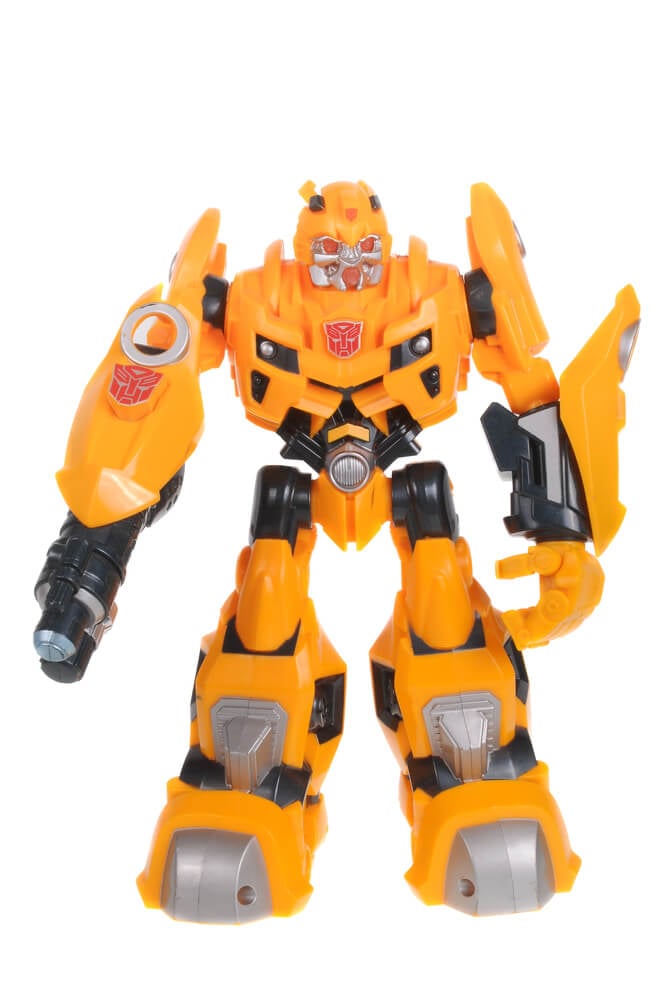
Bumblebee, in 1984, turned into a yellow Volkswagen Beetle, and the toy has long been one of the most recognizable Autobots. Because the figure is small, it is easy to lose and the original stickers are often worn.
A boxed, complete example in clean condition is worth substantially more than a loose, faded one.
Sky Lynx, the Space Shuttle and Beast
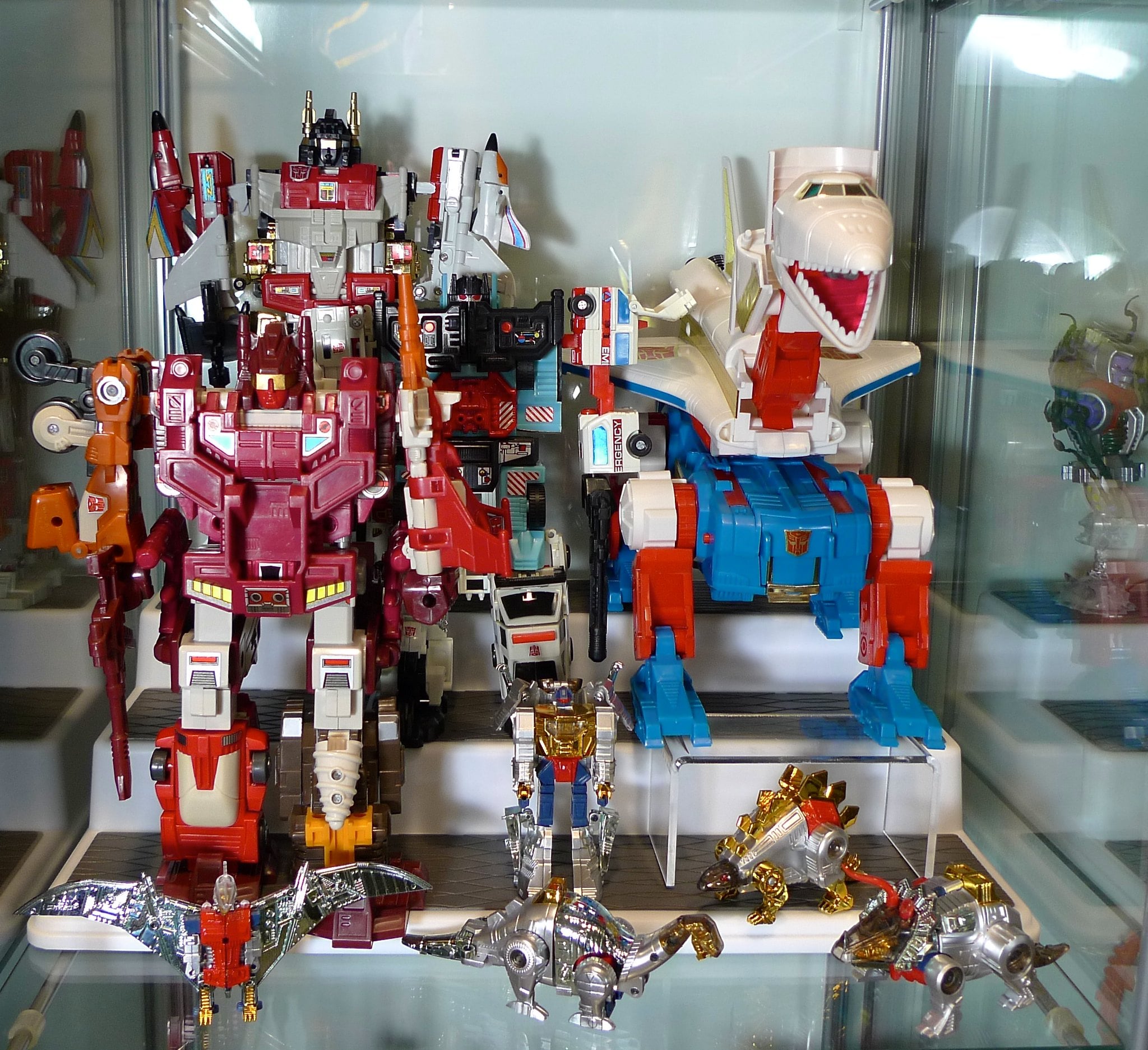
Sky Lynx, released in 1985, can transform into a space shuttle or a robotic cat, giving him multiple forms. He is a large, complex Autobot with many parts, and loose figures frequently arrive with missing pieces.
A complete, boxed example commands a premium over a worn one.
Scorponok, the Headmaster Base
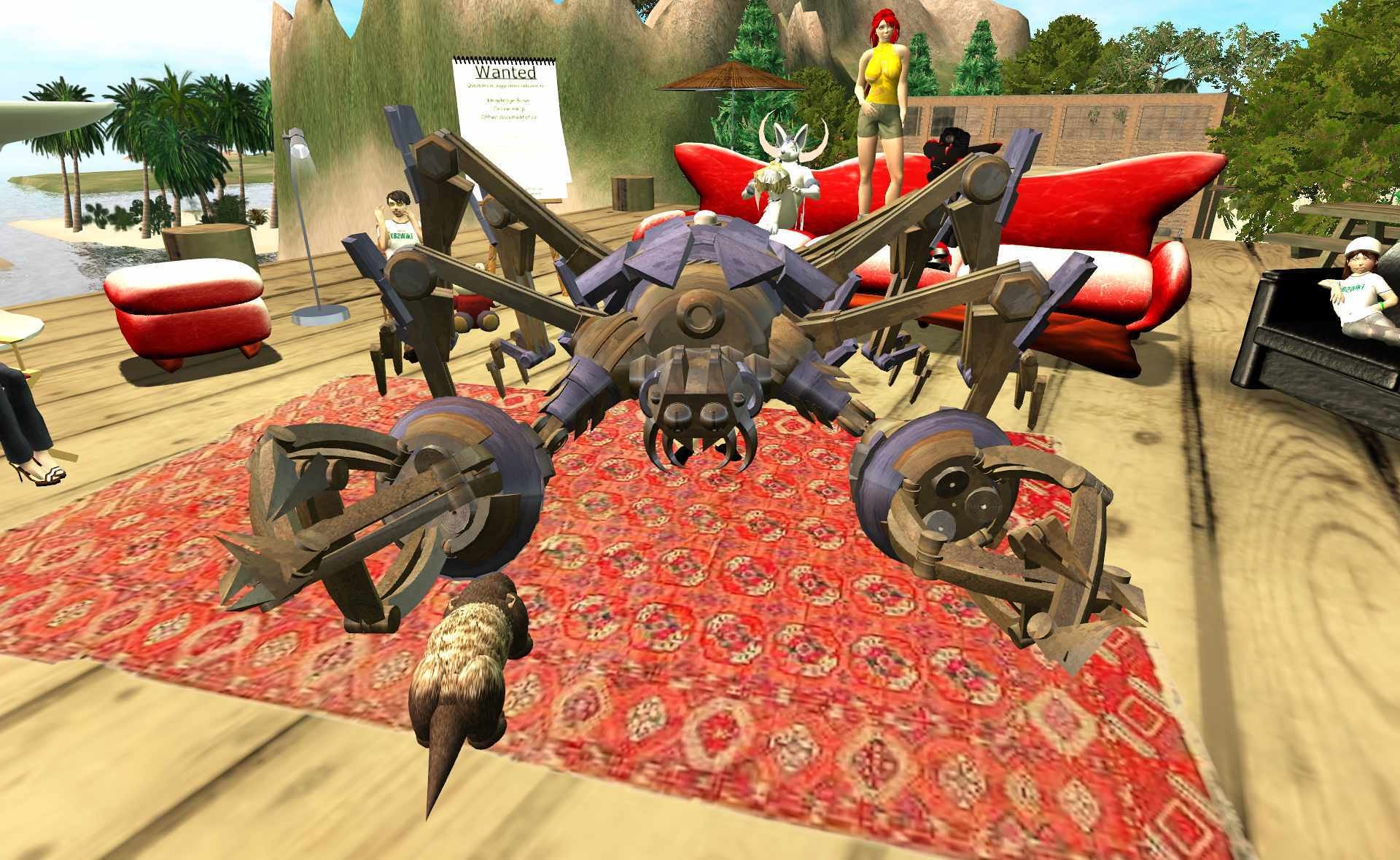
Scorponok, a 1987 Decepticon, transforms into a huge scorpion and works as a base for smaller Headmaster figures. The scorpion form is large and detailed, and the toy has many small parts.
A complete set with its Headmaster partners and the original box is much more valuable than a loose figure.
Starscream, the Treacherous Jet
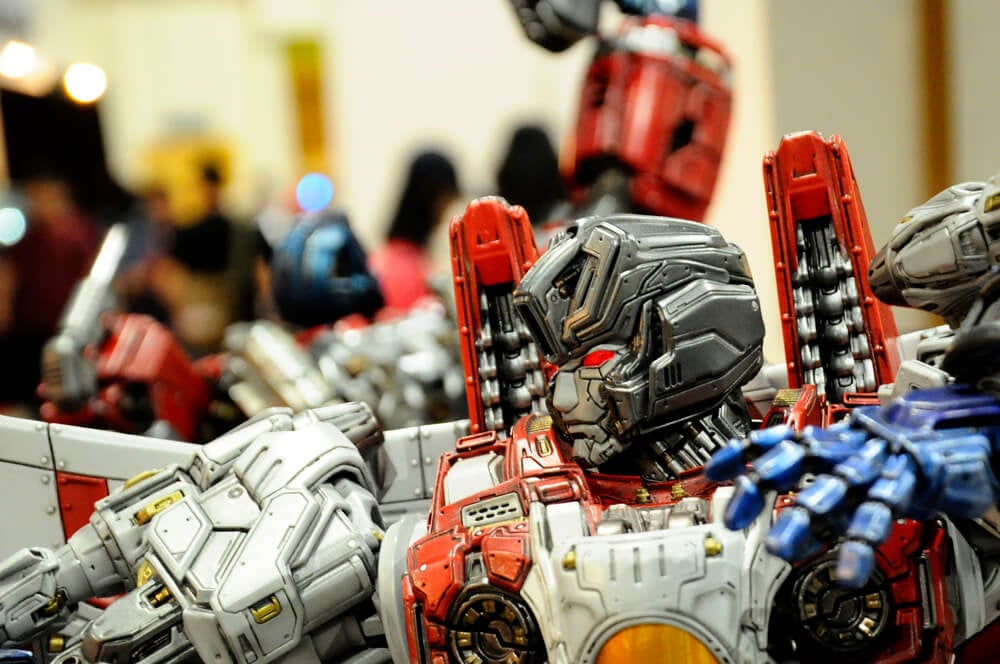
Starscream, released in 1984, transformed into an F-15 jet, and he has always been among the most popular Decepticons. Many early Starscream toys show wear from play, particularly in the stickers and the plastic wings.
A boxed, unplayed-with example is worth well above a loose one.
Reflector, Three Spies in One Camera
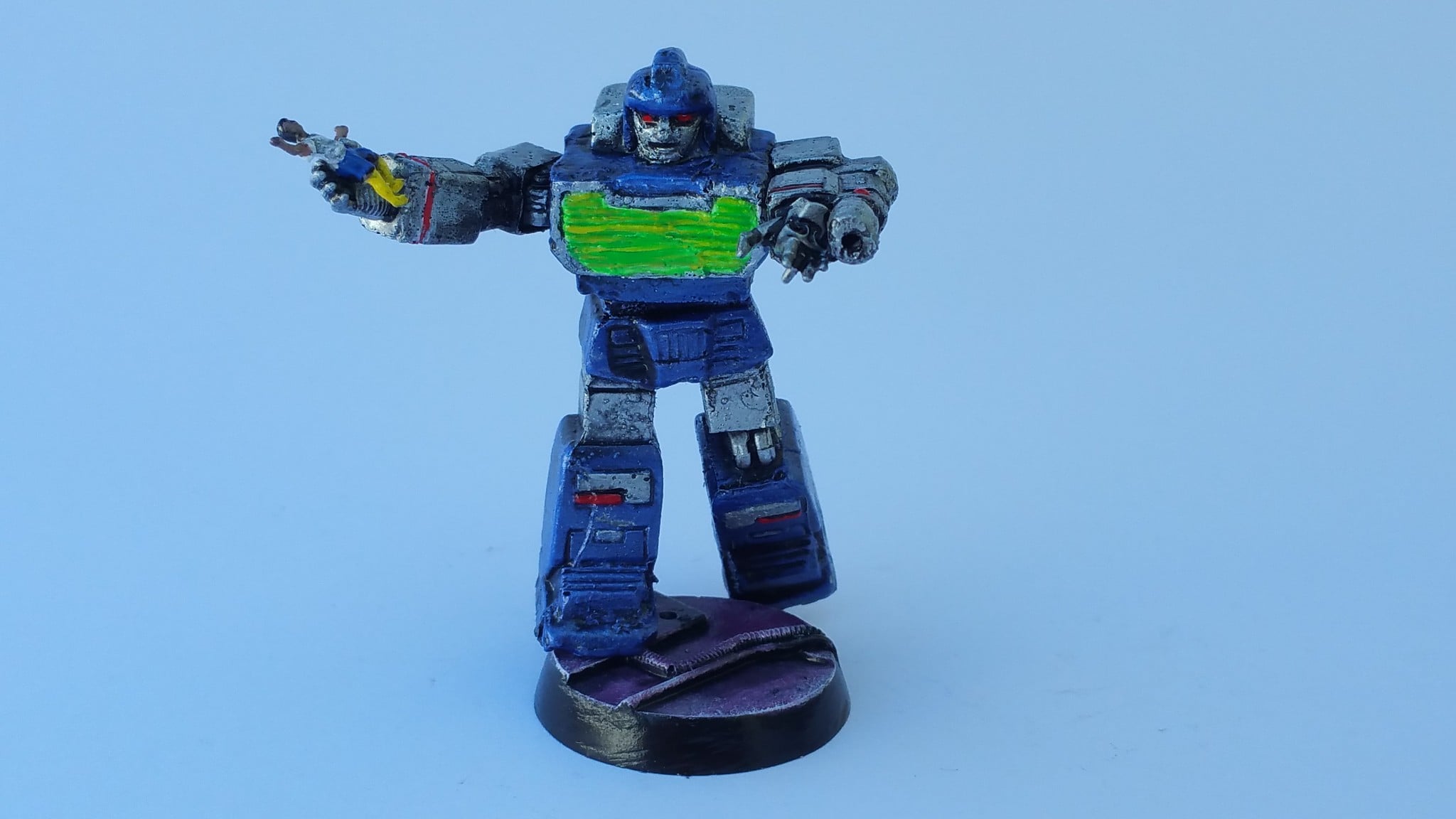
Reflector, from 1986, is a triple-changer who turns into a camera and can split into three separate robots. The toy’s gimmick made it a standout, and the three parts are easy to separate and lose.
A complete, boxed Reflector with all three robots sells for a premium.
Liokaiser, the Japanese Lion Combiner
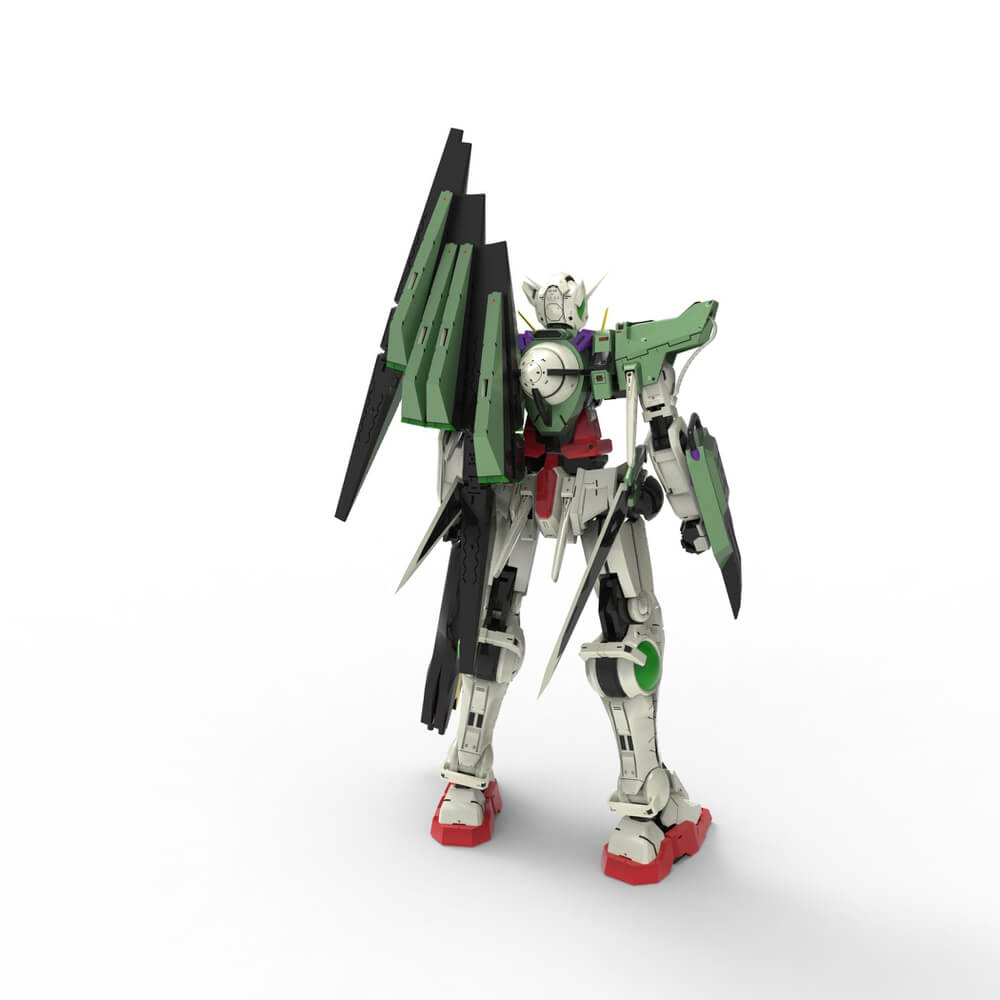
Liokaiser was released in Japan as a combiner made from five lion-themed robots, and the toy never saw a standard release in the United States. The Japanese-only status makes it scarce for American collectors, who often pay import premiums.
Complete boxed sets with working joints are the ones that command the highest prices.
Blaster, the Boombox with Cassettes
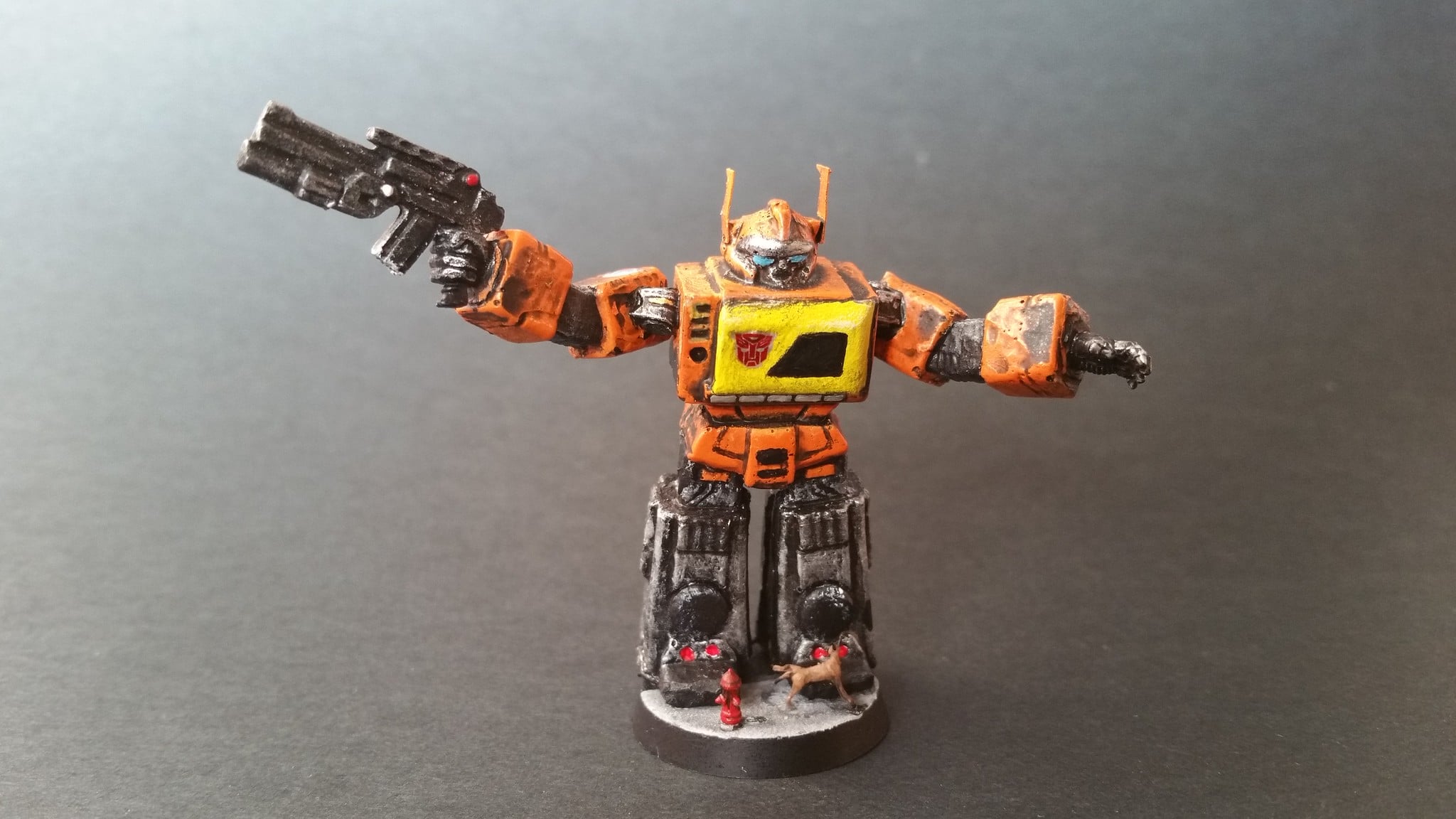
Blaster, released in 1985, is an Autobot who transforms into a boombox and carries several cassette-based Autobots inside his body. The cassette figures are small and easy to lose, so a complete set is harder to find than the figure alone.
Boxed versions with all the cassette partners are valued well above loose, incomplete examples.
Why Grown Adults Pay for Childhood Toys
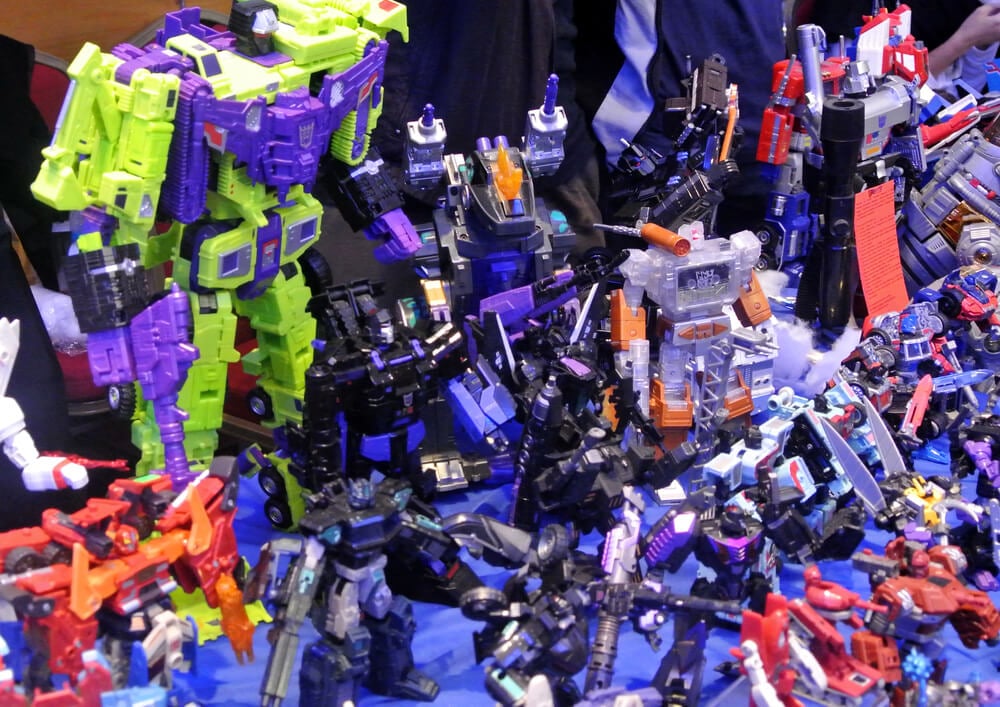
Most of the toys on this list were designed to be twisted, dropped, and lost under couches, which is exactly why intact examples are rare. The best-preserved ones survived because someone, somewhere, decided not to open them.
That decision, made decades ago by a parent or a kid with unusual restraint, is what now separates a few dollars from a very large sum. Collecting at this level is also a bet on memory.
The toys worth the most are the ones that defined a generation’s afternoons, and the people who can afford them now are the same people who once could not. Condition is the tiebreaker, but nostalgia is what sets the price in the first place.
More from Go2Tutors!

- The Romanov Crown Jewels and Their Tragic Fate
- 13 Historical Mysteries That Science Still Can’t Solve
- Famous Hoaxes That Fooled the World for Years
- 15 Child Stars with Tragic Adult Lives
- 16 Famous Jewelry Pieces in History
Like Go2Tutors’s content? Follow us on MSN.