Seeds Designed to Float Across Oceans
Plants can’t walk, swim, or fly, but their seeds sure know how to travel. Some seeds hitch rides on animals, others catch the wind, and a special group has mastered something truly remarkable: ocean travel.
These floating seeds can drift thousands of miles across saltwater, surviving waves, storms, and months at sea before washing up on distant shores to start new lives.
Think about it this way: while most seeds would drown or rot in saltwater within days, these ocean travelers have built-in life jackets and waterproof coatings that keep them alive for incredible journeys. Let’s explore the fascinating world of seeds that treat the ocean like their personal highway.
Coconuts rule the waves
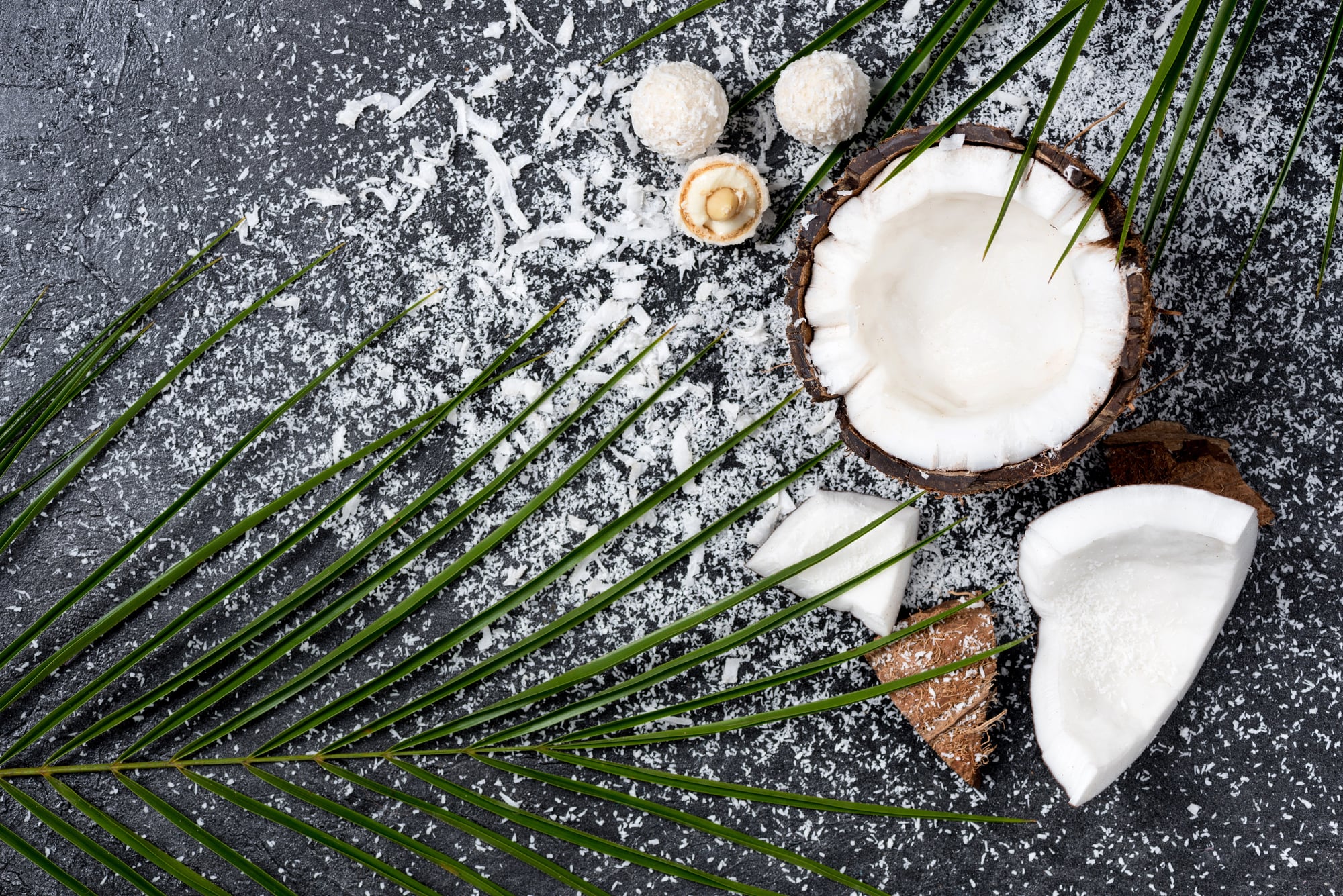
The coconut stands as the ultimate ocean-traveling seed. Its thick, fibrous husk traps air pockets that work like a flotation device, keeping the seed bobbing on the surface for months.
The hard inner shell protects the actual seed from saltwater damage, while the coconut water inside provides nutrients for the long journey. Scientists have tracked coconuts floating over 3,000 miles across the Pacific Ocean and still sprouting when they reached land.
Mangrove propagules drop and float
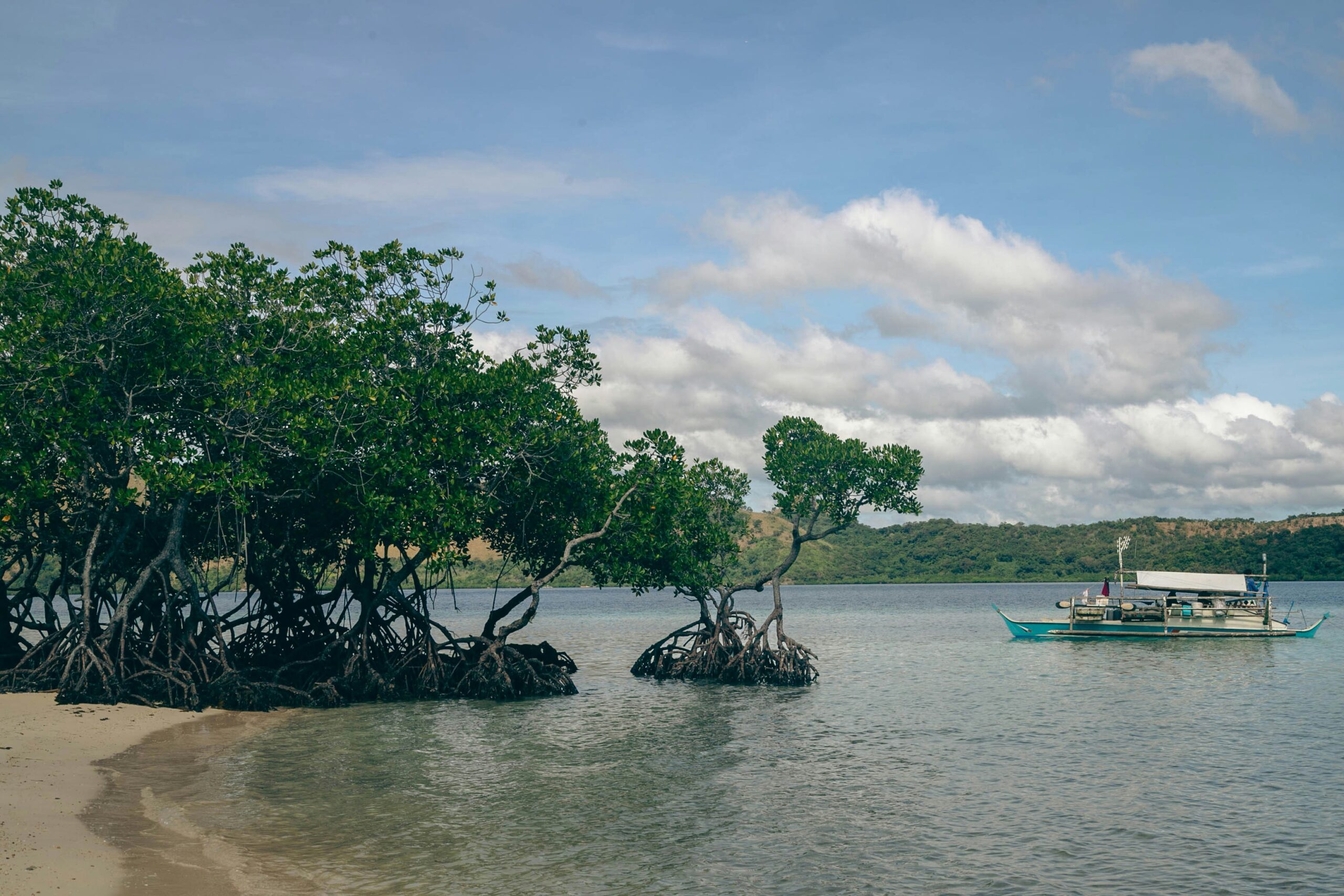
Mangrove trees produce unusual seeds called propagules that sprout while still attached to the parent tree. When they finally drop, these torpedo-shaped seedlings can float upright for weeks or even months.
The red mangrove’s propagule can travel hundreds of miles before its root end gets heavy enough to flip vertically and anchor in shallow coastal mud. This floating nursery system has helped mangroves colonize tropical coastlines worldwide.
Nipa palm fruits travel in clusters
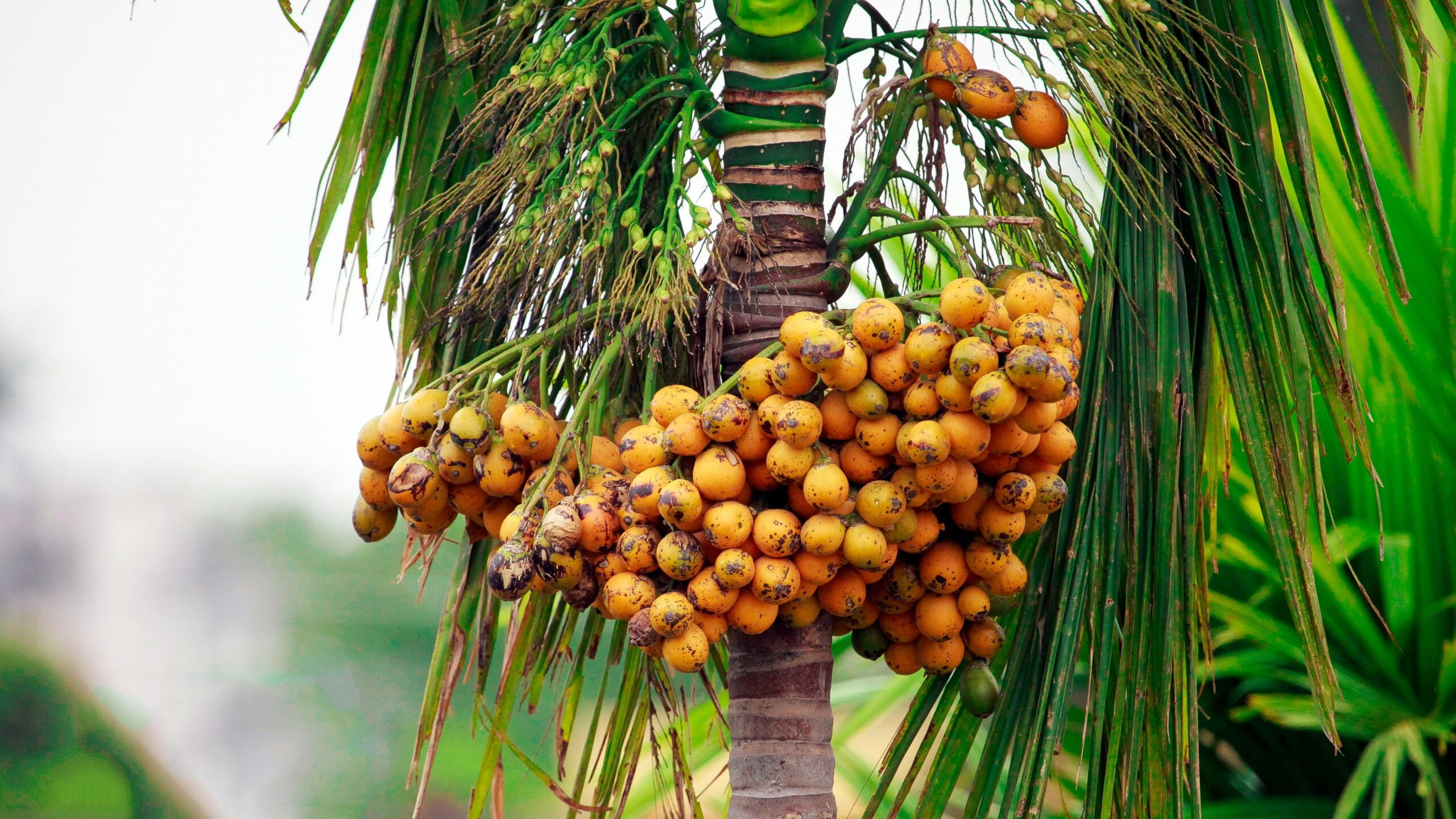
The nipa palm creates football-sized fruit clusters that break apart in water, releasing individual seeds that float exceptionally well. Each seed has a corky, waterproof covering that keeps it buoyant for up to a year.
Native to Southeast Asia and the Pacific, nipa palm seeds have established populations in West Africa and Central America purely through ocean dispersal. The seeds can handle both freshwater and saltwater conditions during their travels.
Sea rockets survive hostile beaches
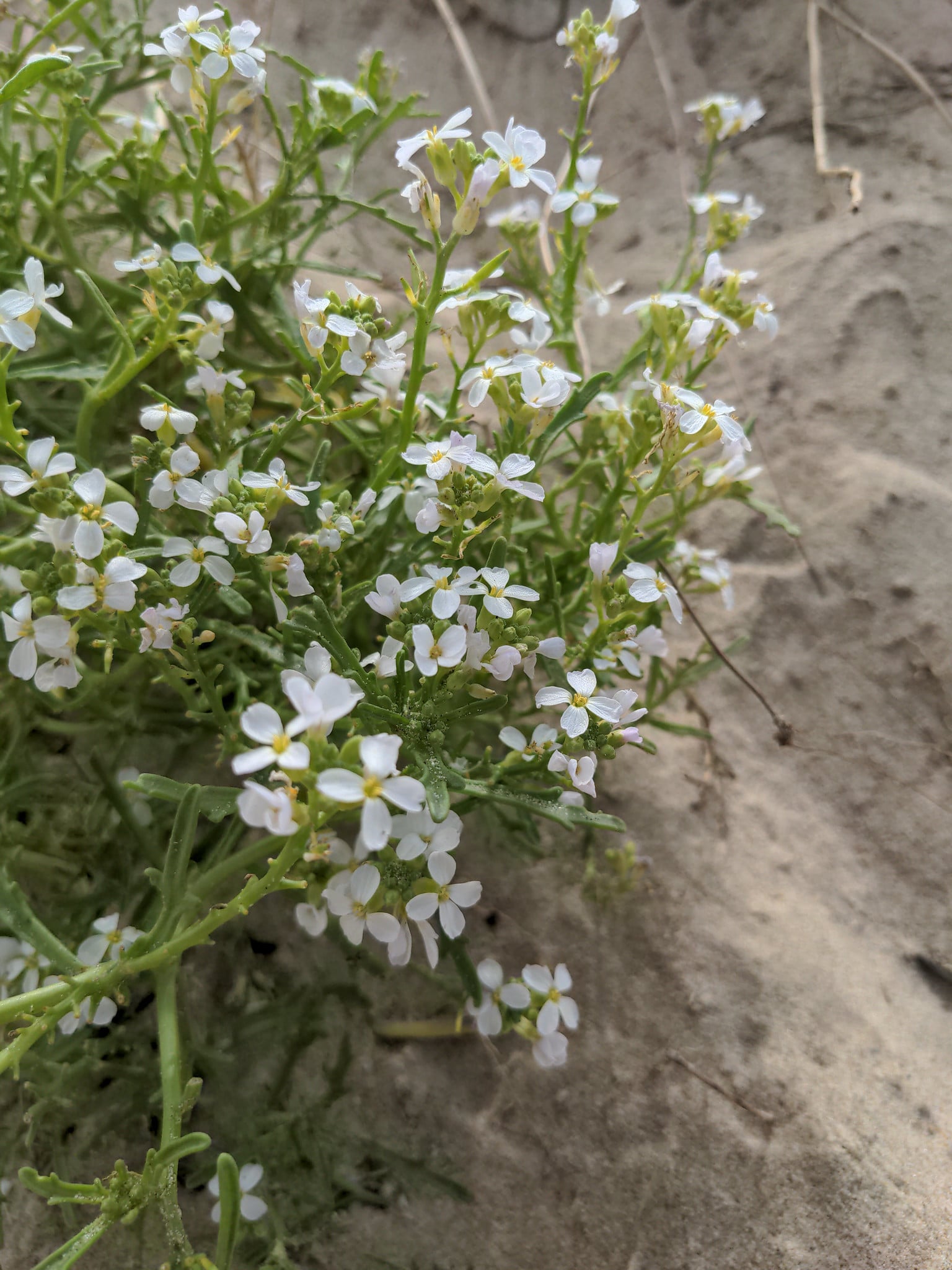
Sea rocket plants grow on sandy beaches and produce seeds housed in two-part capsules that act like tiny boats. The upper section floats and contains the seed, while the lower part eventually breaks away.
These seeds can germinate in pure sand with high salt content, making them perfect colonizers of harsh beach environments. Ocean currents spread them along coastlines, where they quickly establish new populations after storms clear away competing plants.
Box fruits ride the currents
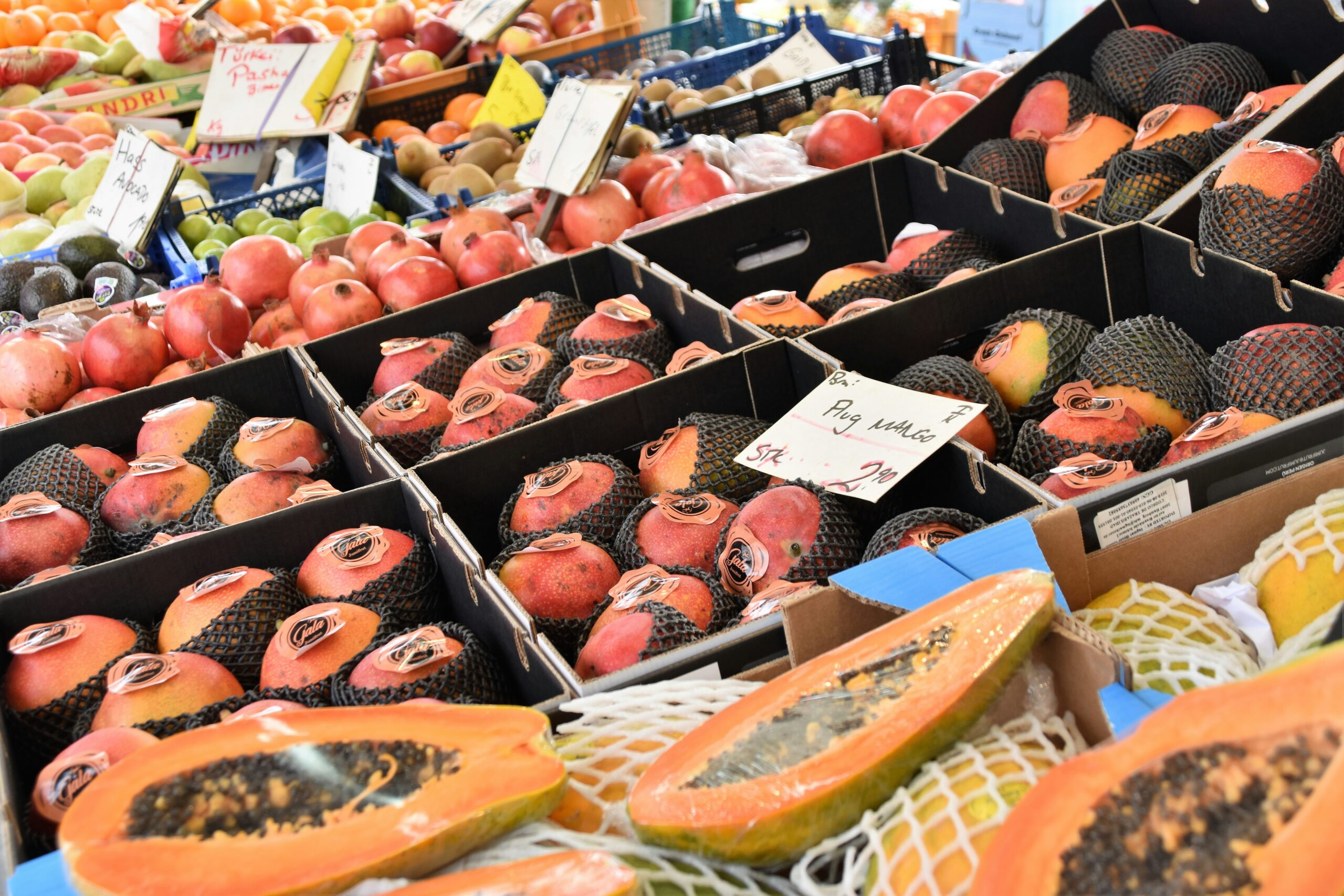
Several tropical trees produce box-shaped or angular fruits that tumble through waves rather than floating smoothly. The sea purslane creates a distinctive star-shaped seed capsule with five points that catch currents effectively.
These geometric designs actually improve their ability to ride wave action and avoid getting trapped in calm water. The angular shapes also help them roll up beaches during high tides rather than washing back out to sea.
Screw pines have buoyant fruit segments
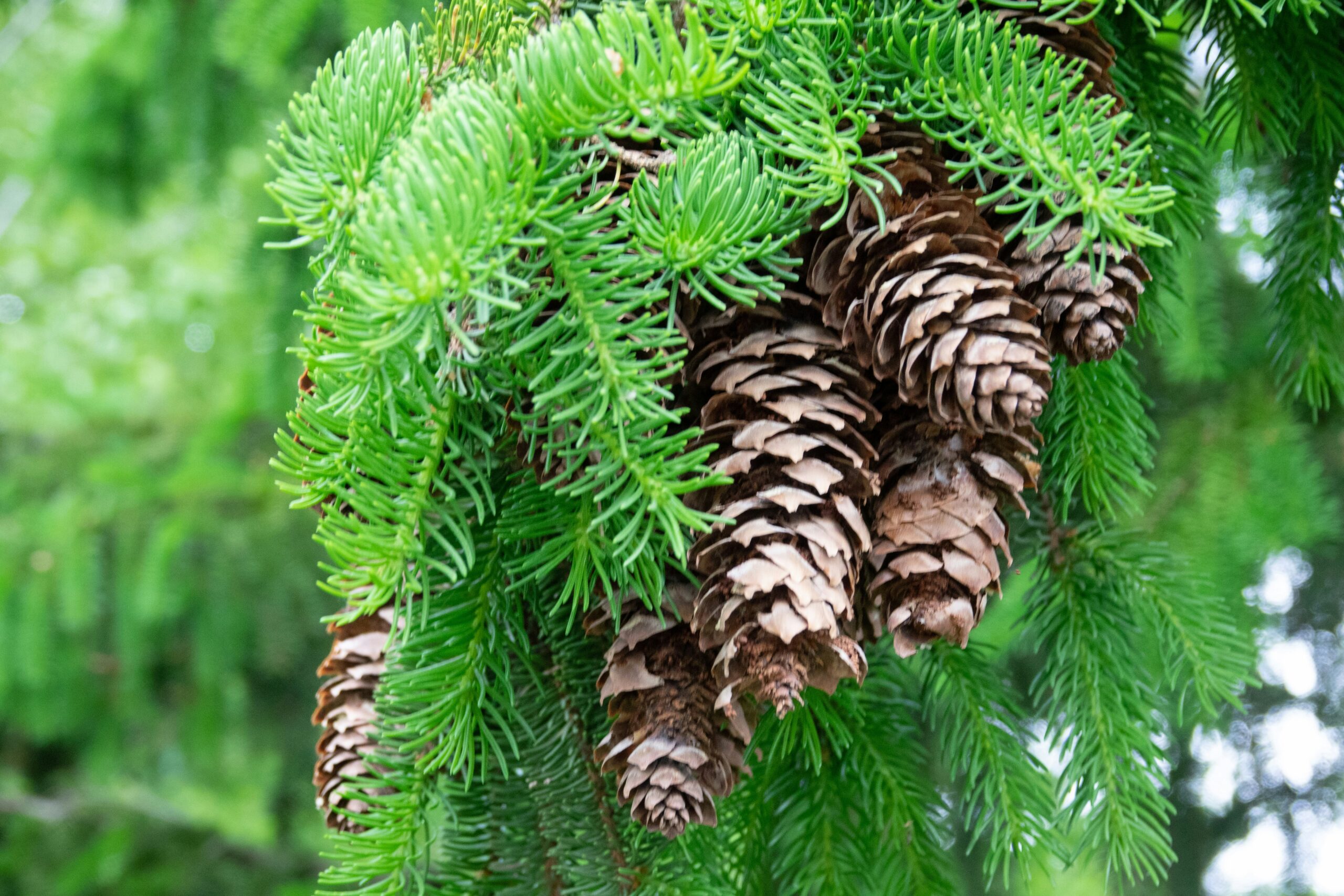
Screw pines, despite their name, are not related to pine trees at all. They produce large, pineapple-like fruits that break into wedge-shaped segments in the ocean.
Each segment contains multiple seeds and can float for several months thanks to fibrous, air-filled tissue. These plants have naturally spread across Pacific islands, Indian Ocean coastlines, and parts of Australia entirely through ocean dispersal.
Barringtonia trees drop heavy floaters
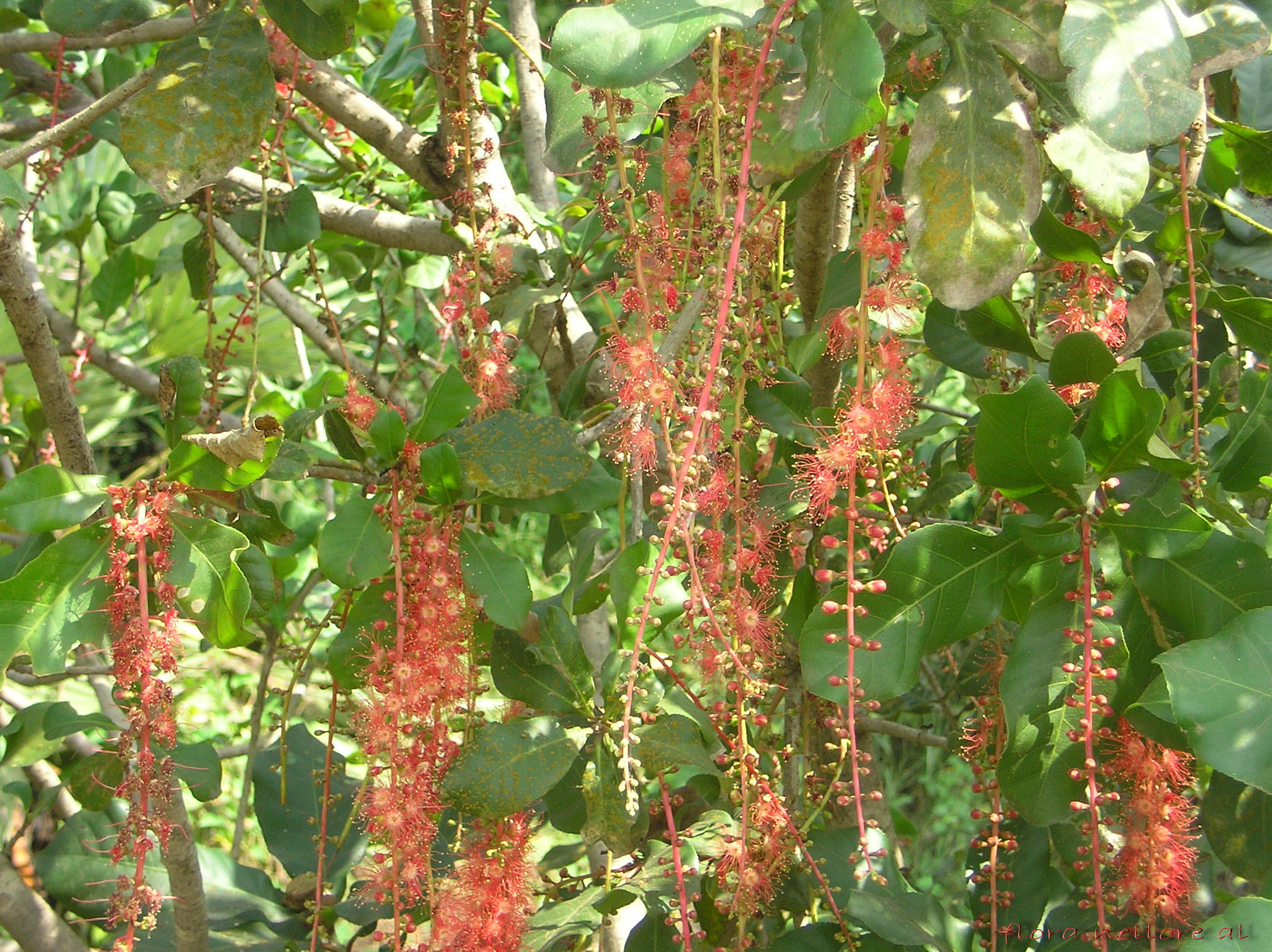
Barringtonia trees produce box-shaped fruits with four corners that seem too heavy to float, but they do. The secret lies in lightweight, spongy tissue inside the fruit walls that provides buoyancy despite the seed’s weight.
Found throughout the Indo-Pacific region, these trees have spread to remote islands purely through ocean currents. The seeds can take up to a year to germinate after washing ashore, waiting for the right conditions.
Calophyllum seeds survive tropical storms
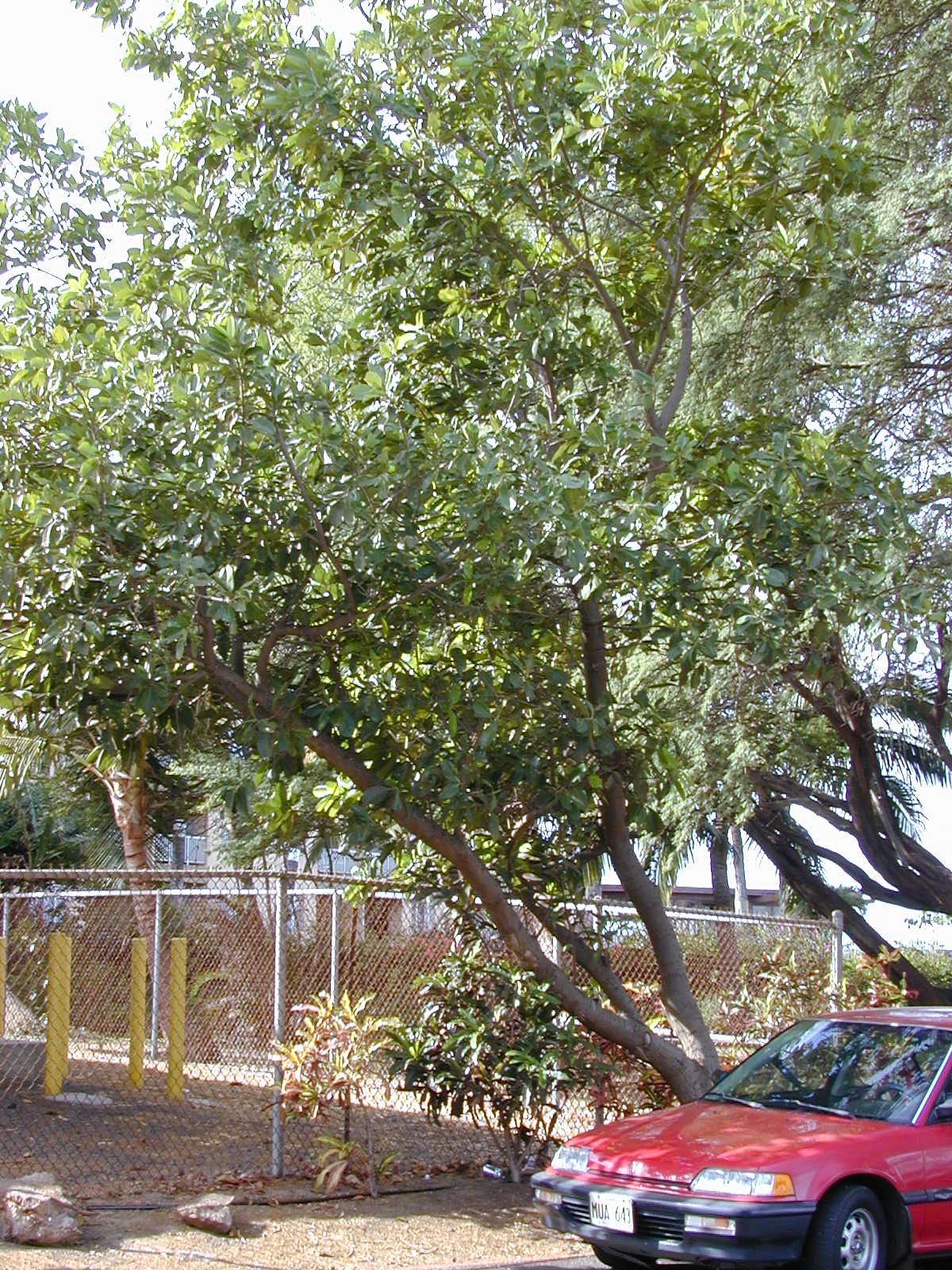
Calophyllum trees create round, nut-like seeds with a thin but incredibly tough outer coating. These seeds regularly survive hurricane-force conditions while floating, and some species remain viable after two years at sea.
The Polynesian people traditionally tracked ocean currents by watching where these seeds washed up. Modern scientists use them the same way, marking seeds with identification numbers to study current patterns.
Sea oats stabilize coastlines
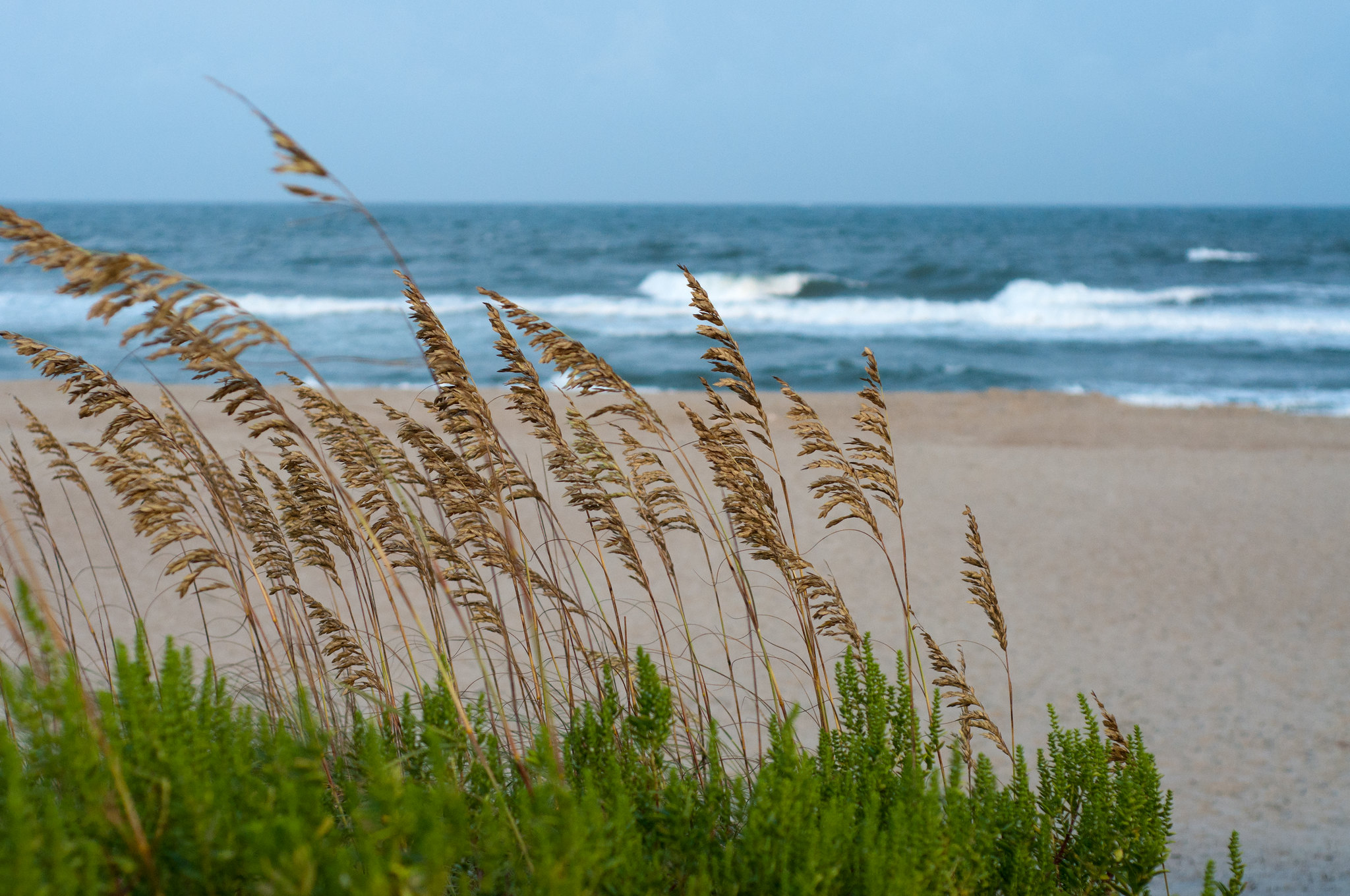
Sea oats produce seeds in distinctive clusters that look like hanging ornaments. While they don’t travel as far as some other ocean seeds, they float well enough to spread along hundreds of miles of coastline.
These seeds are specially adapted to germinate in shifting sand dunes, where they help prevent beach erosion. Many coastal states now protect sea oats because of their importance in maintaining beaches.
Entada gigas holds size records
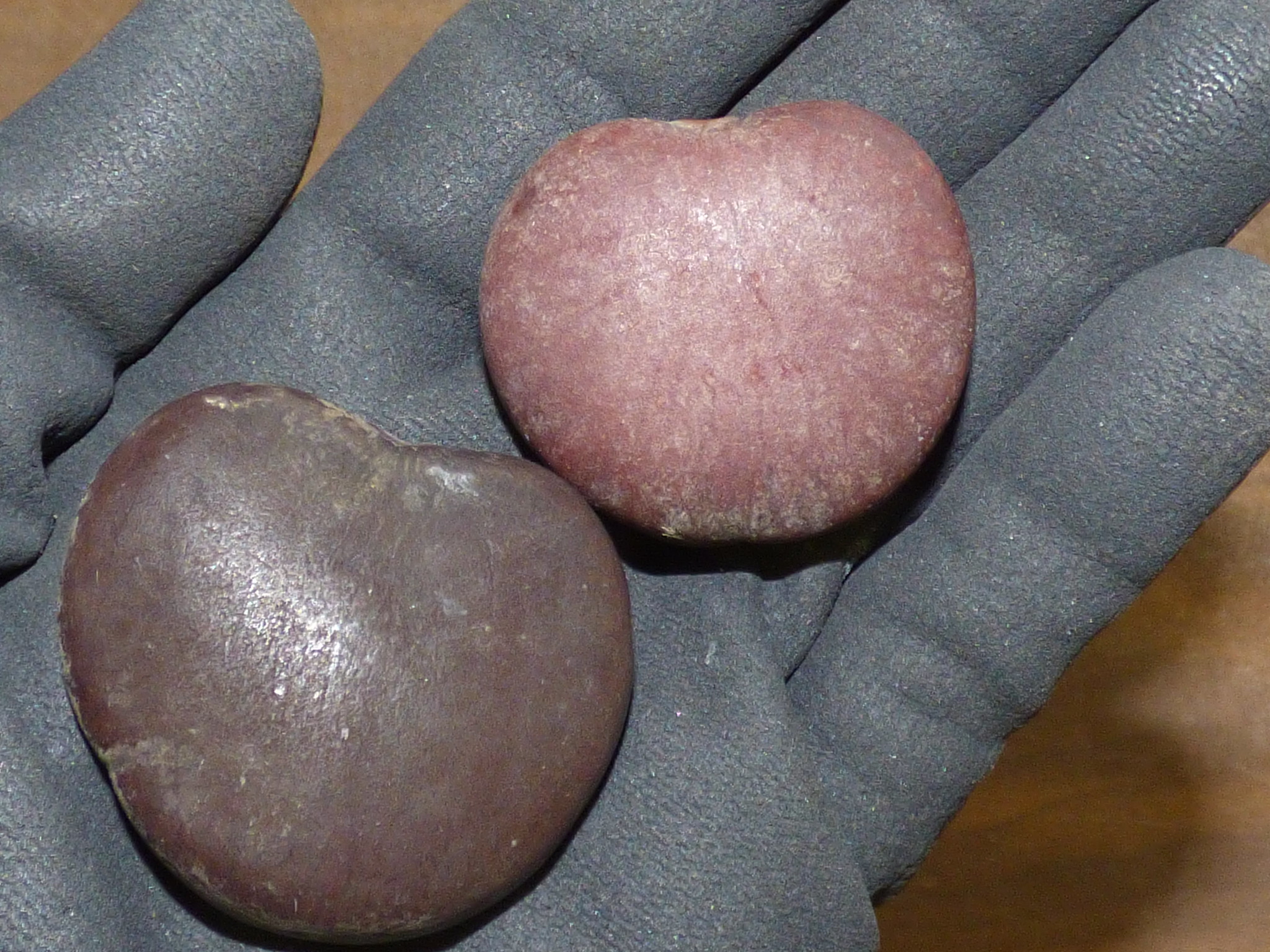
The Entada gigas vine produces the largest seed pod in the plant kingdom, reaching over six feet long. When the pod breaks open, it releases flat, circular seeds the size of hamburger buns that can float for years.
These seeds have crossed the Atlantic Ocean multiple times, with specimens found on beaches from Scandinavia to South Africa. The seeds are so durable that museums display specimens collected over a century ago that could probably still sprout.
Heritiera seeds travel alone
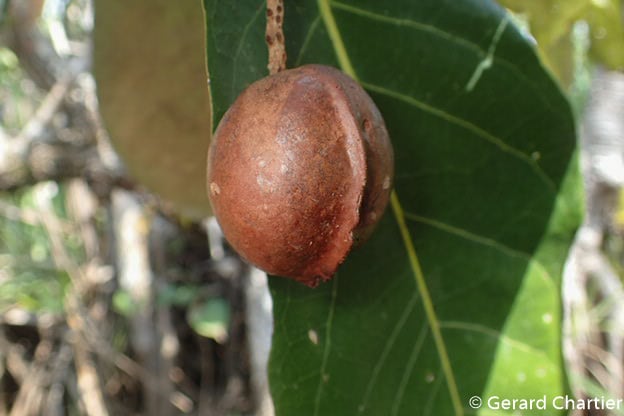
Heritiera trees drop woody, boat-shaped seeds that look like miniature canoes. The design isn’t just for show: the shape helps these seeds stay upright in the water and ride waves efficiently.
Found in mangrove forests and coastal areas throughout Asia, these seeds can travel over 1,000 miles and remain viable. Local communities have used the wood from Heritiera trees for boat building, perhaps inspired by the seeds’ natural design.
Pandanus keys spread widely
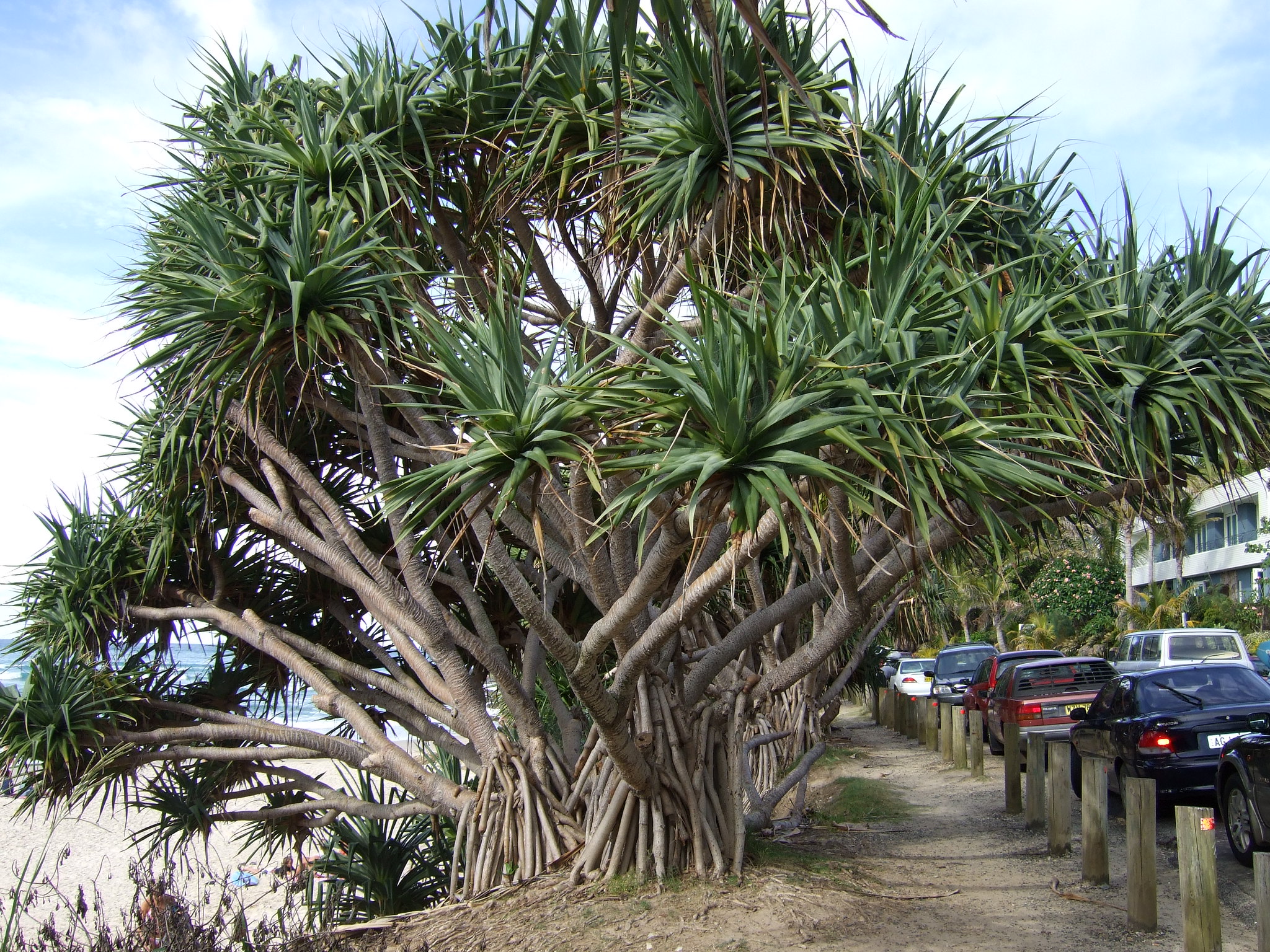
Pandanus trees grow fruit similar to huge pinecones; these split into bits known as keys that float. Every key holds several seeds, able to stay afloat for months on water.
Its tough fibers keep it light, plus guard the seeds against salty sea damage. By drifting freely, this plant has reached nearly all warm islands across the Pacific and Indian Oceans.
Sea lavender adapts to salt
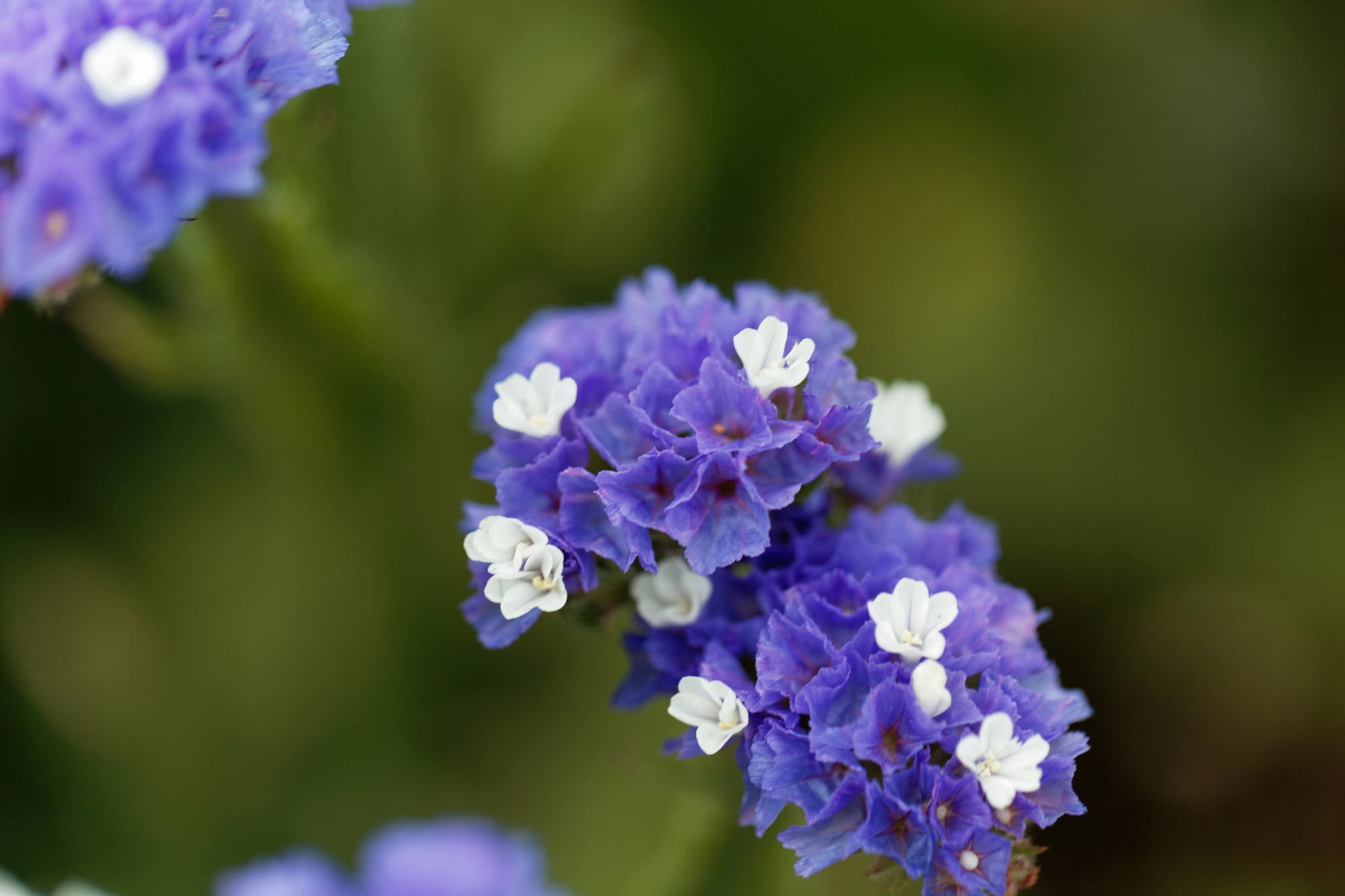
Sea lavender’s not real lavender – just shares the name; it’s a shore-loving plant whose seeds spread by air or sea. Some seeds catch breezes using thin, wing-like edges, while others end up bobbing on waves instead.
Thanks to this two-in-one setup, they take root far from beaches as well as near them. When soaked in salty water awhile, those same seeds sprout more easily compared to ones kept out of moisture.
Ipomoea seeds wash up on shore at just the right spots
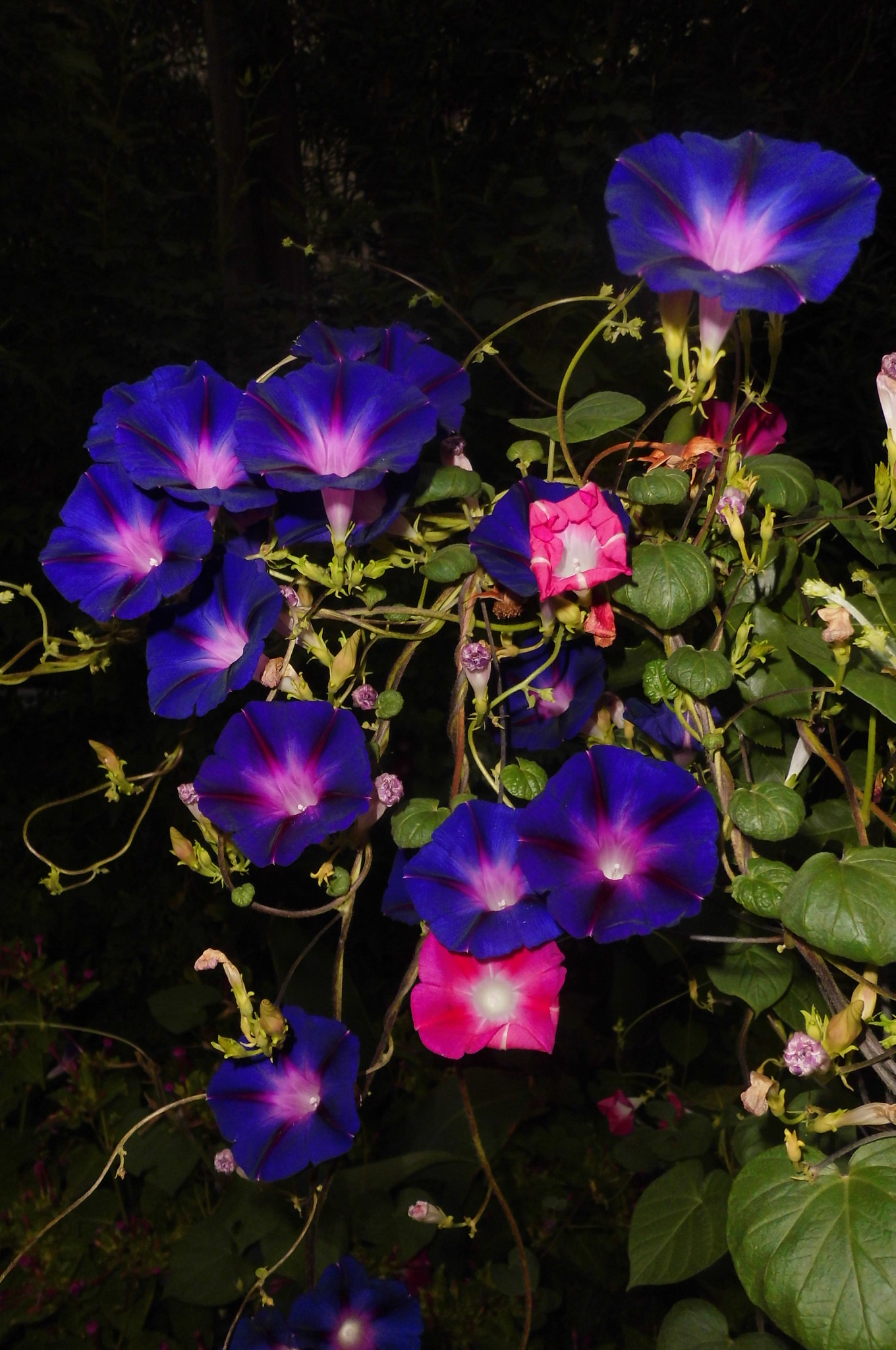
Beach morning glories drop tough, rounded seeds covered in spongy material – keeps them from sinking. They stay buoyant for more than twelve months without losing germination power.
After taking root, they spread fast, trailing stems that hold sand in place, stopping it from washing away. Ocean currents carried these plants far and wide along warm coastal strips, no help from people, just slow drift over ages.
Caesalpinia trees grow unique seedpods that stand out from others in appearance
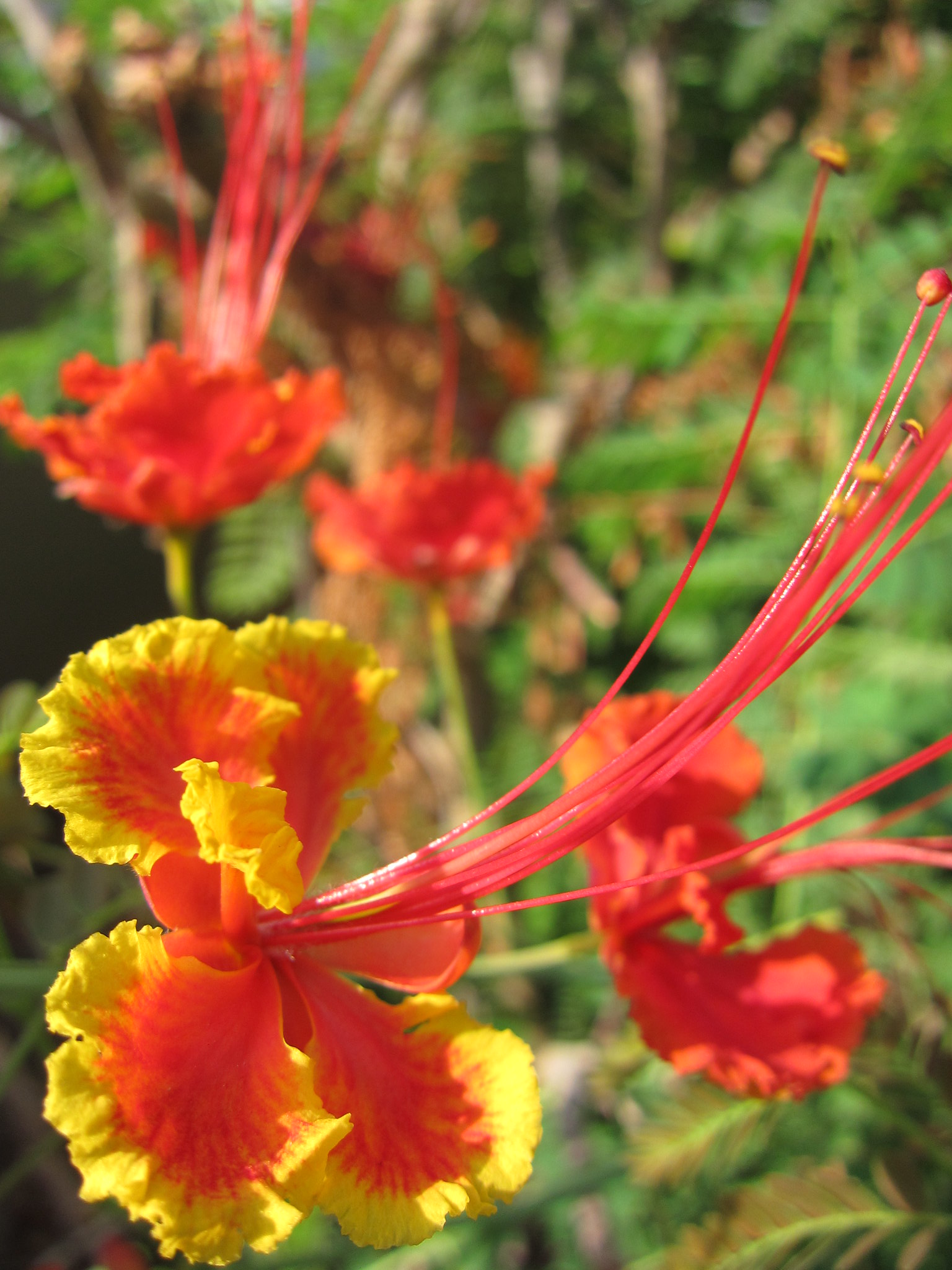
Caesalpinia trees grow tough gray seedpods – surprisingly buoyant even though they seem dense. Yet inside, each pod shields multiple seeds while drifting across oceans for weeks or more.
Instead of wind or animals, sea movements carry them far, reaching coasts from the Caribbean to islands in the Pacific. Back then, people prized their timber just for its color, so much it shifted how empires traded goods.
Nature’s delivery system stays active
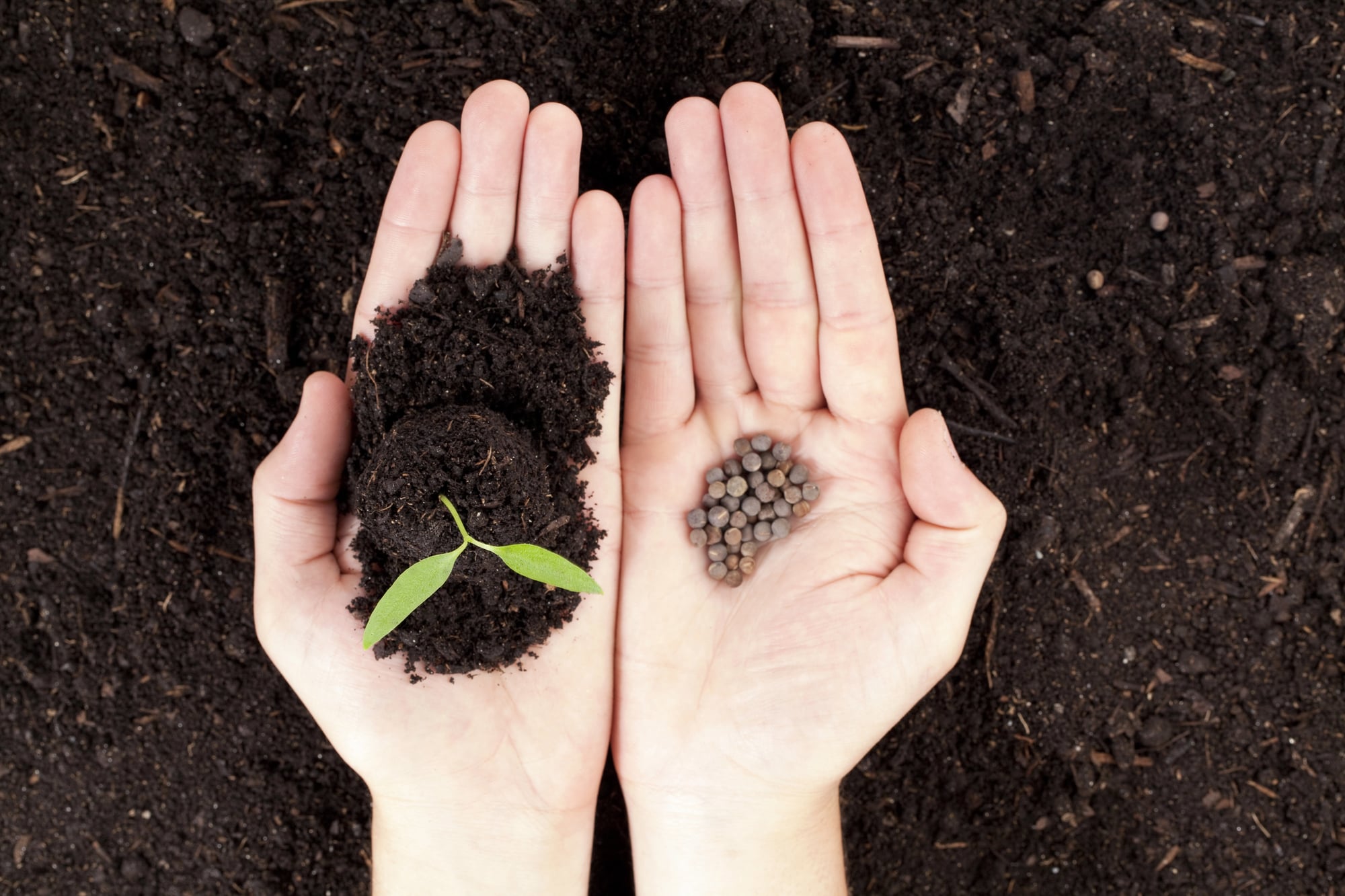
Ocean flows still carry seeds across big stretches of water, like they’ve done forever. Because weather patterns are changing, some of these streams bend differently – so seeds may land somewhere totally fresh, places they’ve never sprouted in.
Researchers check out drifting plant bits to see how green life might adjust on its own when shores shift or oceans creep higher. Those same little seed travelers that once popped up after volcanoes blew? They might also give damaged beaches a chance to bounce back after heavy winds and worn-away sand.
More from Go2Tutors!

- The Romanov Crown Jewels and Their Tragic Fate
- 13 Historical Mysteries That Science Still Can’t Solve
- Famous Hoaxes That Fooled the World for Years
- 15 Child Stars with Tragic Adult Lives
- 16 Famous Jewelry Pieces in History
Like Go2Tutors’s content? Follow us on MSN.