16 Times an Entire Town Was Relocated
Throughout history, communities have faced the difficult decision to pack up everything and move their entire town to a new location. These mass relocations happened for various reasons—from natural disasters and environmental threats to economic necessity and infrastructure projects.
The stories behind these moves reveal fascinating glimpses into human resilience and adaptation in the face of extraordinary circumstances.Here is a list of 16 real-life moments when entire communities were uprooted and replanted somewhere new.
Hibbing, Minnesota

Back in the early 1900s, Hibbing sat directly over one of the largest iron ore deposits in the world. When mining companies realized the value underground, they didn’t ask the town to move—they told it to.
Homes, buildings, and even sidewalks were rolled over logs and tracks two miles south. It took a few years, but most of the town shifted, chunk by chunk, all for the sake of ore.
Valdez, Alaska

After a devastating earthquake in 1964, the original townsite of Valdez was declared unsafe. The ground had liquefied, and the harbor was no longer usable.
The government didn’t mess around. They picked a spot four miles west and started fresh. Over 200 buildings were moved or rebuilt. Residents were given little choice but to pack up and go.
Centralia, Pennsylvania
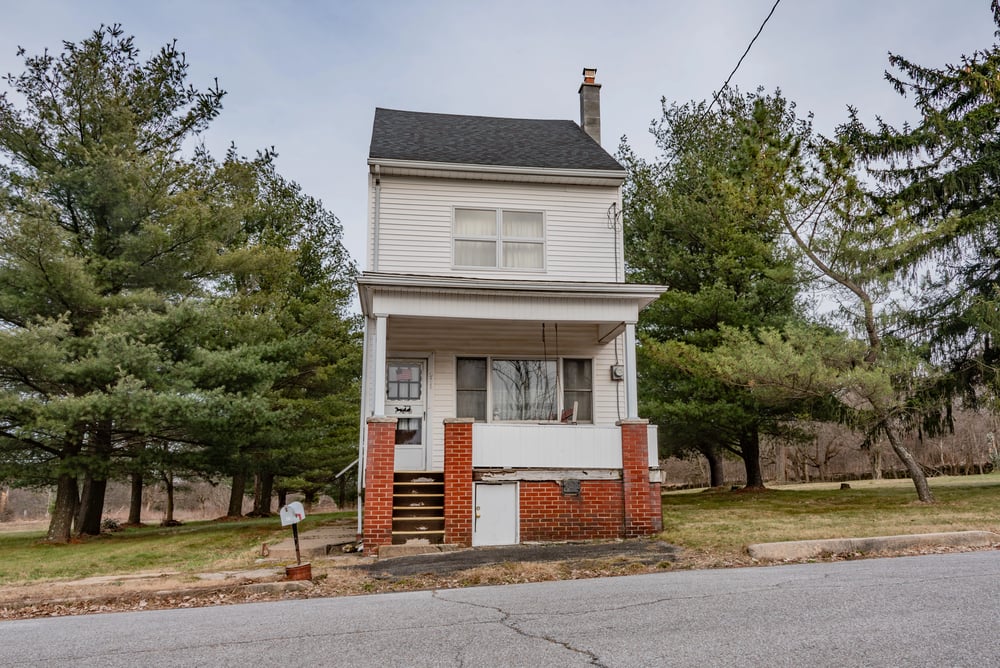
Coal was king in Centralia until a fire broke out underground in 1962—and it never stopped. Toxic gases leaked from cracks in the earth, and the ground became unstable.
One by one, people left. The government stepped in, offering relocation.
Today, only a few residents remain, and most of the original town has been reduced to overgrown streets and a handful of stubborn homes.
Oak Ridge, Tennessee

During World War II, Oak Ridge wasn’t just moved—it was created from scratch. The U.S. government needed a secret place to work on the atomic bomb.
They picked a quiet patch of Tennessee and cleared out farms and homes. Thousands of workers were brought in, all under tight secrecy.
It was a forced, fast relocation with national security as the reason.
Port Chatham, Alaska
People didn’t wait for the government in Port Chatham. Residents simply left after repeated reports of mysterious disappearances and strange creatures in the woods.
By the 1950s, the town was empty. There was no official relocation program, just folks who decided enough was enough. What’s left is more myth than town.
Kennett, California
In the 1930s, Kennett was on the way to the new Shasta Dam. The government needed the land for a reservoir, so they bought out the town and cleared the area.
Then they let the water rise. Kennett now sits under hundreds of feet of water. Every so often, when the water level drops low enough, parts of the town peek out again like ghosts.
Newtok, Alaska
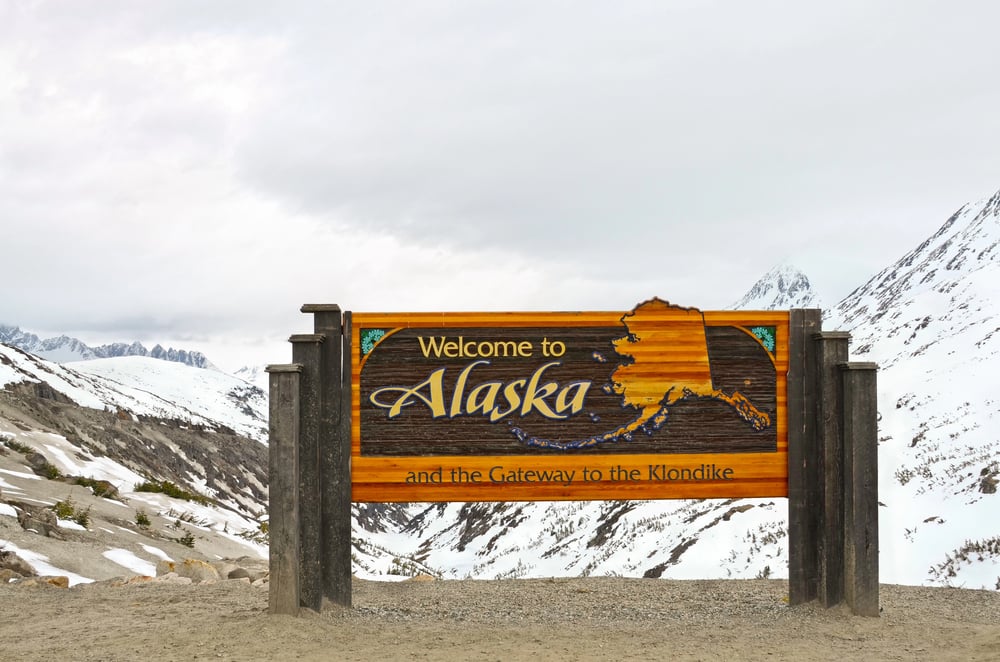
Rising waters and melting permafrost have eaten away at Newtok for years. Climate change isn’t abstract here—it’s daily life.
The village started relocating nine miles inland to a place called Mertarvik. It’s been slow going, but buildings are moving, and people are adjusting.
It’s one of the first full climate relocations in the U.S.
Churchill Falls, Canada

The disaster prevented Churchill Falls from being relocated. Electricity was the reason it was moved.
The original community had to evacuate because of the enormous hydroelectric project’s requirement for space. Modern homes and amenities were added to the surrounding town when it was renovated in the 1960s.
The lure of better infrastructure and employment attracted people to relocate.
Hashima Island, Japan
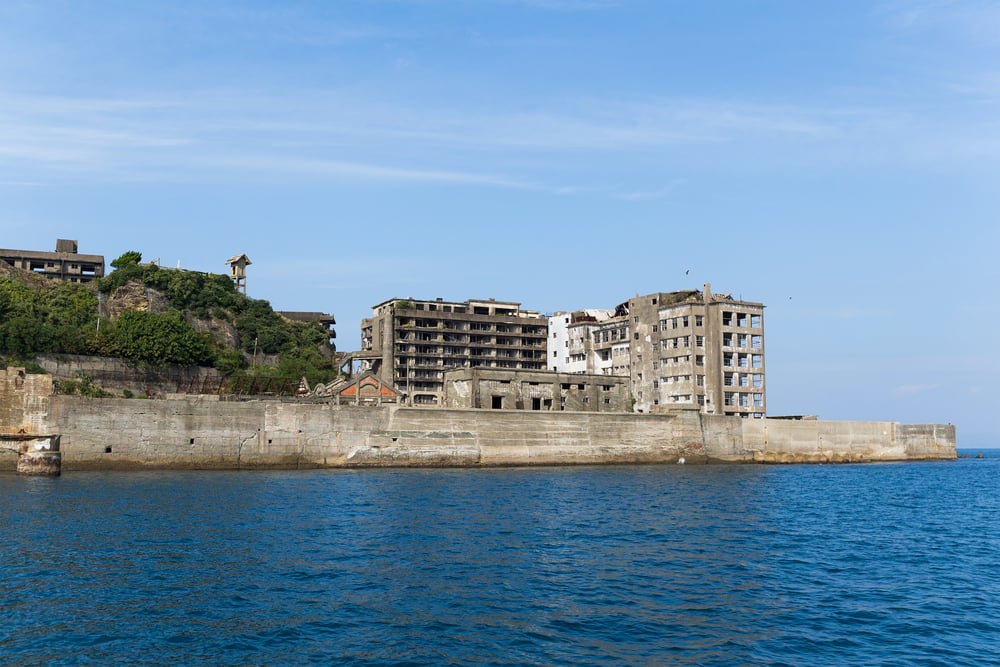
Also known as Battleship Island, Hashima was once packed with coal miners and their families. But when the coal dried up in the 1970s, so did the town.
Mitsubishi shut down operations, and the entire population left within weeks. It wasn’t a slow fade—it was a full stop.
Today, the island is abandoned and slowly falling apart.
Glen Canyon, Utah

Before Lake Powell, there was Glen Canyon. In the 1950s, the government built a dam and created one of the largest man-made reservoirs in the U.S.
But first, they cleared the area—including ranches, homes, and Navajo settlements. Everything had to go.
Once the water came, the canyon and its communities vanished under the lake.
Allenville, Arizona
Allenville continued to experience flooding year after year. Residents have had enough following another significant flood in the 1970s.
They relocated roughly three miles away and established a new town, Hopeville, with federal assistance. It was a new beginning, but not without difficulties.
Housing and infrastructure issues were unique to the new site.
Old Adaminaby, Australia

In the 1950s, the Snowy Mountains Hydro-Electric Scheme meant raising the water level of Lake Eucumbene. That spelled the end for Old Adaminaby.
The government planned ahead, though. Homes were lifted and carried to a new site uphill. Streets were mapped out, and families were given lots.
Today’s Adaminaby still holds onto that legacy.
St. Thomas, Nevada
When the Hoover Dam was built, the rising waters of Lake Mead swallowed several towns. St. Thomas was one of them.
People had time to get out, but they left behind a lot—brick buildings, streets, even furniture. Decades later, drought brought the water down and the ruins back up.
Now, hikers wander through what’s left of the once-relocated town.
Kaskaskia, Illinois

Once the capital of Illinois, Kaskaskia was hit by a series of Mississippi River floods in the 1800s. Eventually, the river changed course completely and cut the town off from the mainland.
The state helped move the remaining residents to higher ground nearby. What’s left is technically part of Illinois, but you can only reach it from Missouri.
Vilarinho da Furna, Portugal

This small village was submerged in the 1970s to make way for a hydroelectric dam. Locals were forced to leave, many of them heartbroken.
Each year when the water recedes, the stone houses reappear. It’s become a strange tradition for former residents to visit the ghost town beneath the waves.
Leavittsburg, Ohio
This town didn’t get much say in its move. When a large industrial park expanded in the late 1900s, several blocks of Leavittsburg were bought out.
Homes were relocated or demolished. Residents scattered—some nearby, some farther off.
The area looks different now, and much of the original layout is gone.
Uprooted But Not Forgotten
When towns move, they leave more than land behind. Memories, culture, identity—they shift too.
Some places faded quietly. Others resisted every step.
But all of them tell the same story: when change knocks loud enough, even whole communities have to pack up and go. And whether they floated, rolled, or marched away, the echoes of those moves still linger in the new streets they built.
More from Go2Tutors!

- The Romanov Crown Jewels and Their Tragic Fate
- 13 Historical Mysteries That Science Still Can’t Solve
- Famous Hoaxes That Fooled the World for Years
- 15 Child Stars with Tragic Adult Lives
- 16 Famous Jewelry Pieces in History
Like Go2Tutors’s content? Follow us on MSN.