17 Ways Your Body Repairs Itself Without You Noticing
The human body performs as a complex, self-sustaining system with amazing healing power. From microscopic cellular processes to whole-tissue regeneration, several healing mechanisms silently under your awareness continually rebuild and preserve your physical structure.
Here is a list of 17 fascinating ways your body quietly heals itself while you carry on with your daily activities, completely unaware of these miraculous restoration processes.
Endothelial Renewal
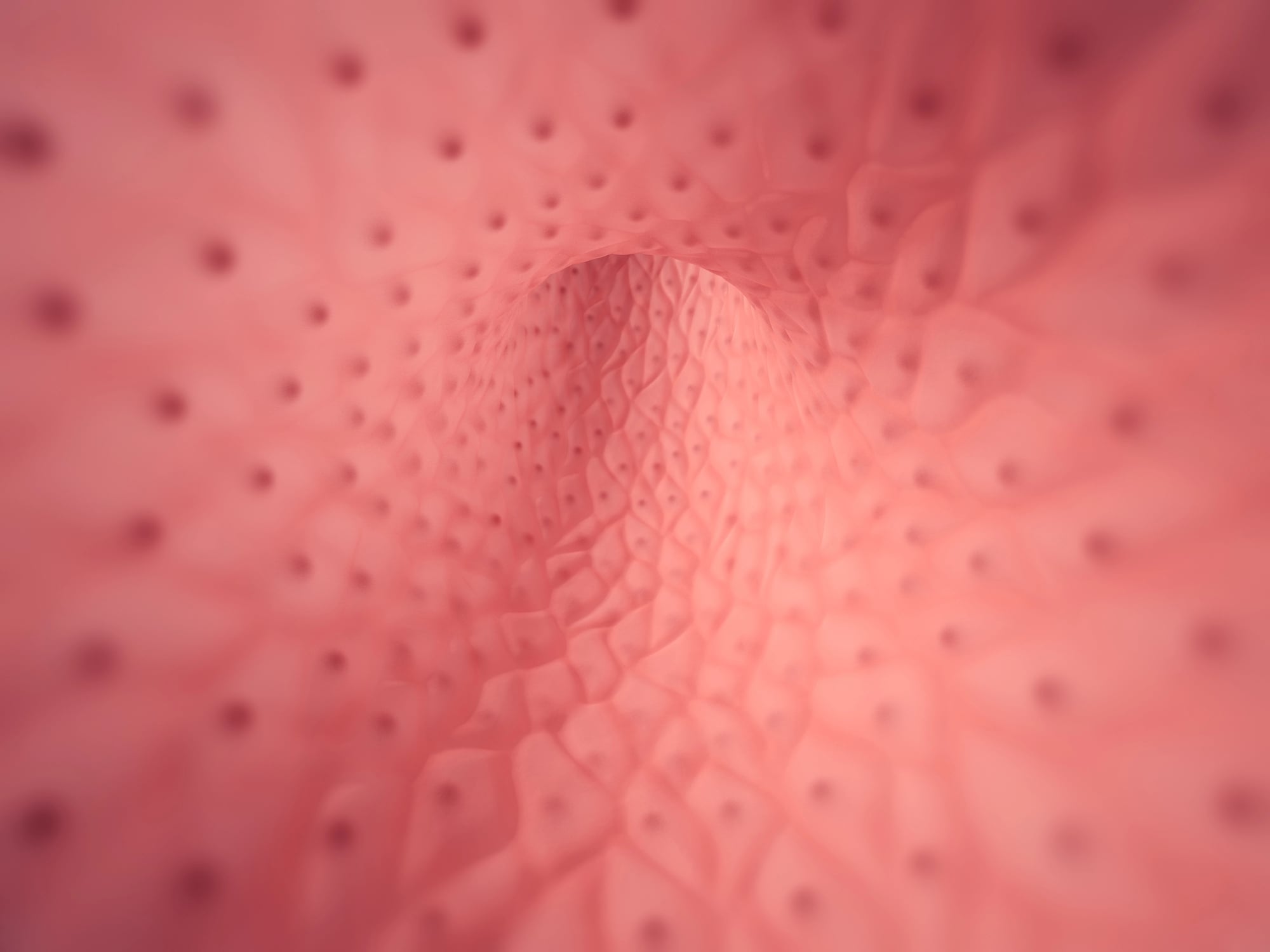
Blood vessel linings – known as endothelium – constantly repair themselves after exposure to inflammatory triggers and minor damage. These critical cells regenerate rapidly – replacing worn areas within days to maintain smooth blood flow and prevent dangerous clot formation inside your circulatory system.
Neural Pruning
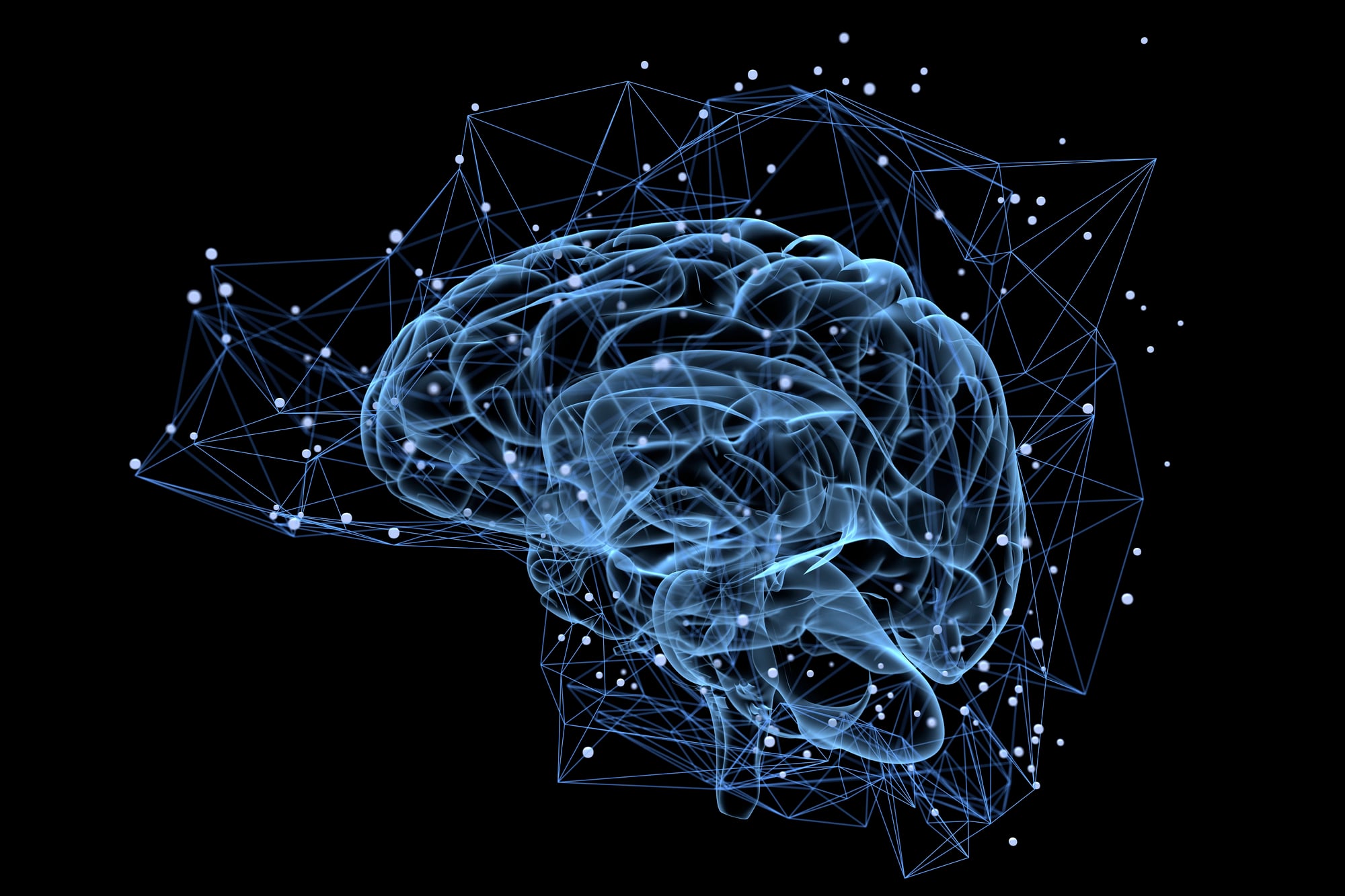
During sleep, your brain aggressively removes extraneous synaptic connections, therefore clearing neuronal paths for maximum effectiveness. Based on your daily experiences, this natural pruning process removes extra connections and strengthens beneficial ones, therefore enhancing brain performance without your conscious awareness.
Cartilage Microrenewal
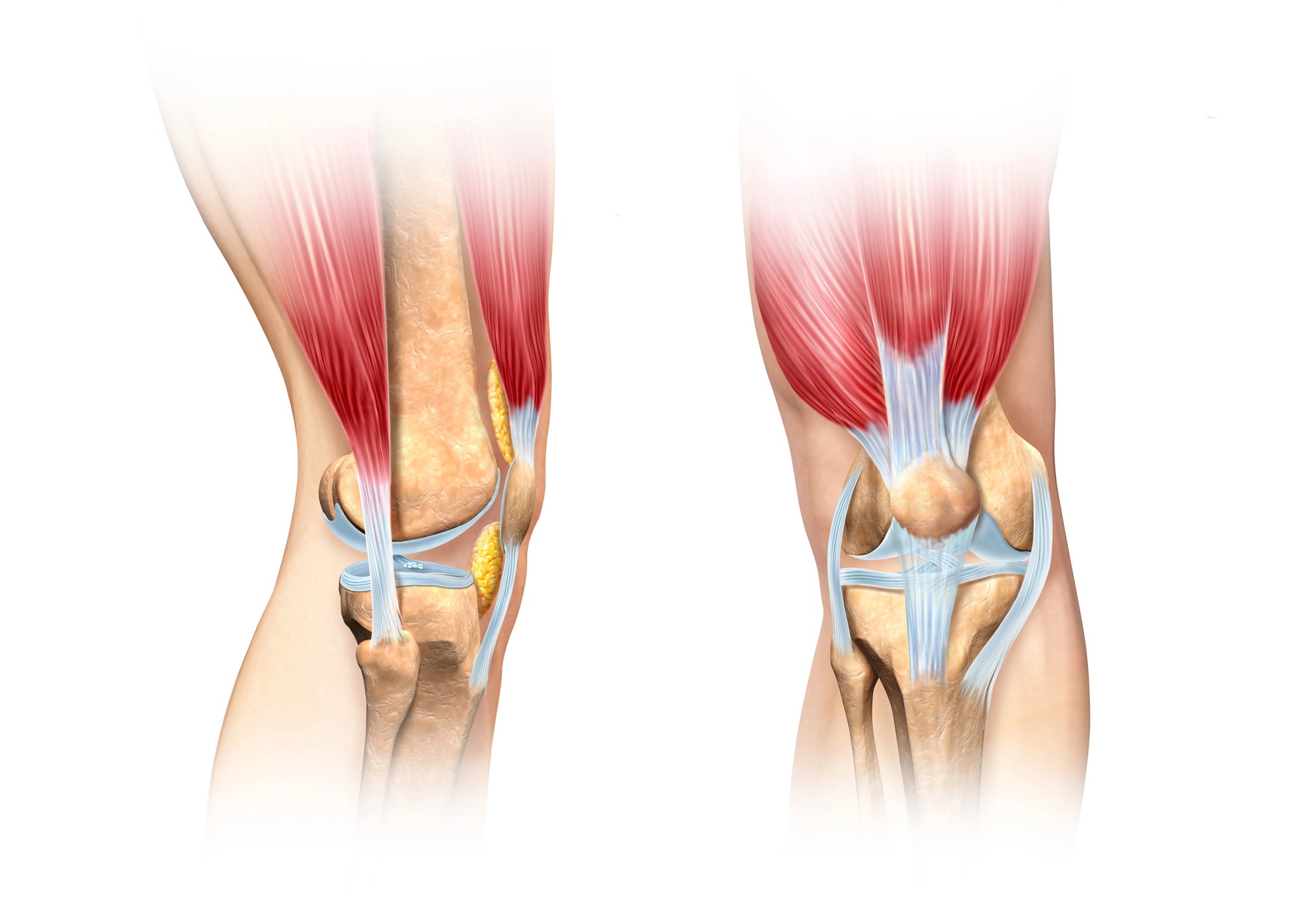
Though generally considered difficult to heal, cartilage undergoes subtle, continuous renewal through specialized chondrocyte cells. These cells deposit tiny amounts of new cartilage matrix daily – particularly in response to moderate activity – helping maintain joint function despite the tremendous forces applied during everyday movement.
Mitochondrial Fusion
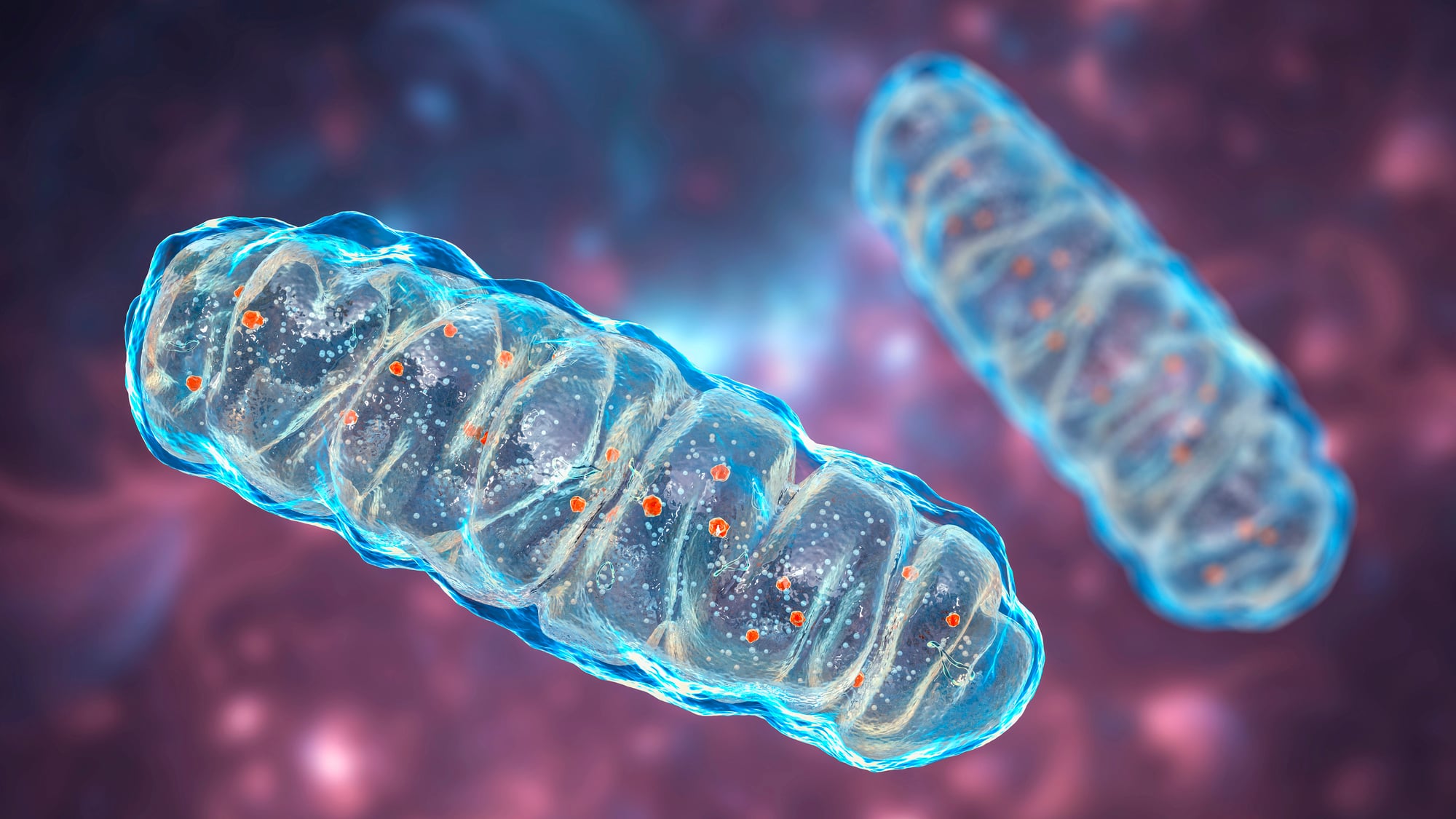
When cellular powerhouses become damaged – which happens constantly from normal metabolism – they can fuse with healthy mitochondria to dilute the damage. This remarkable process – called mitochondrial fusion – allows partially dysfunctional energy-producing organelles to combine resources and maintain adequate cellular energy production.
Antibody Refinement
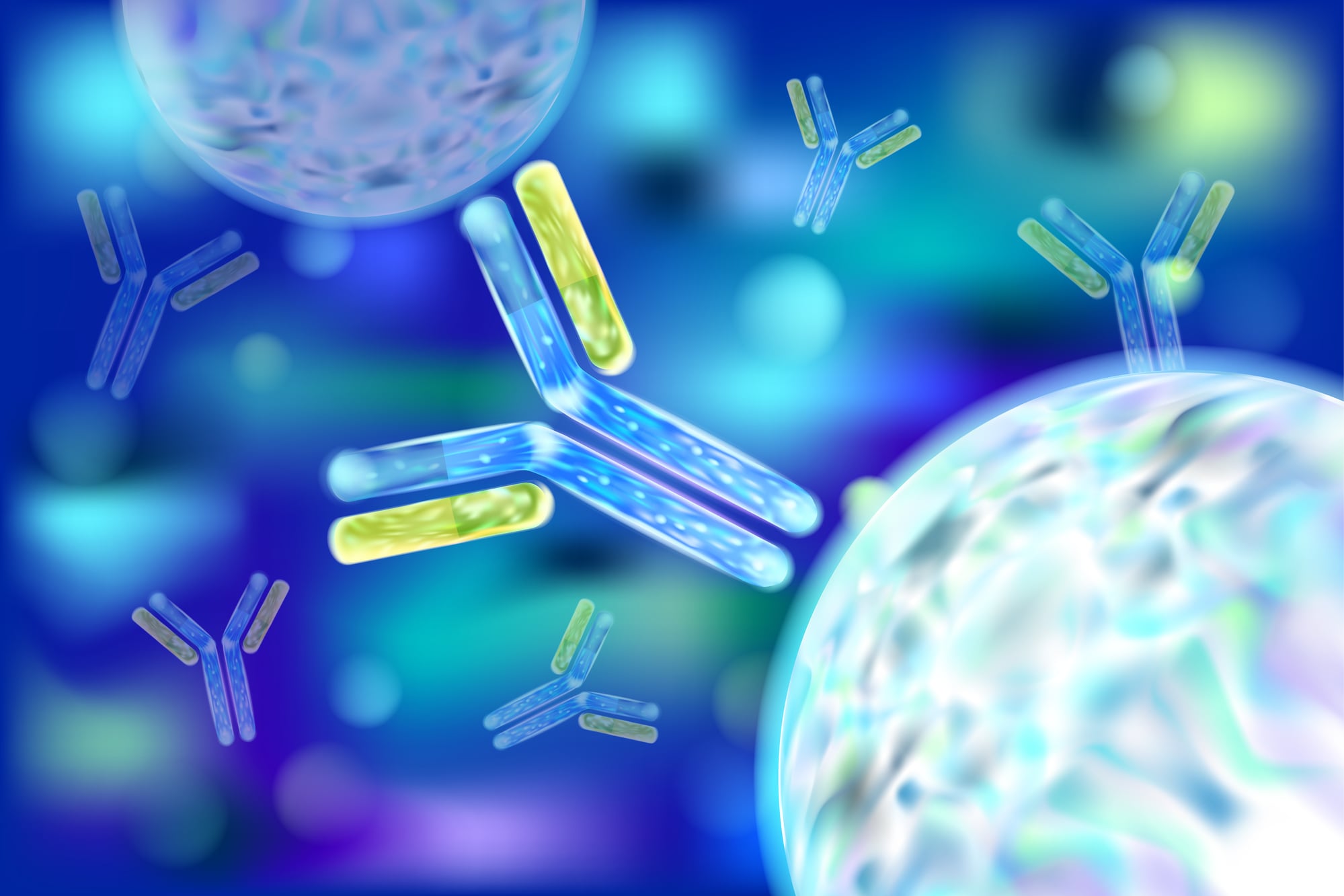
Your immune system continuously improves its defensive capabilities through a process called affinity maturation. B cells spontaneously refine antibody structures – making them increasingly effective at binding to specific pathogens – creating a progressively more personalized defense system uniquely adapted to your environmental exposures.
Hepatic Detoxification
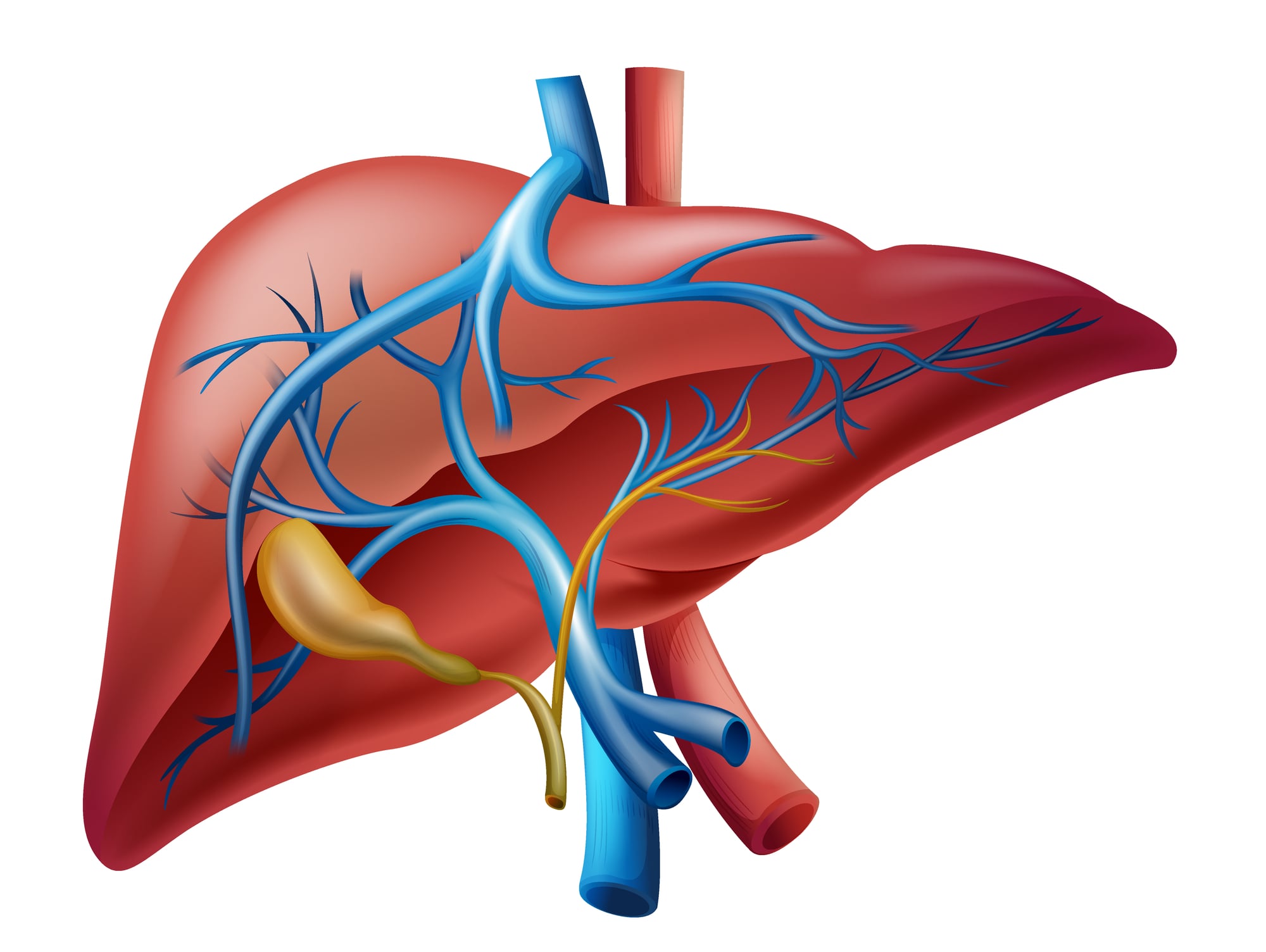
Beyond its well-known regenerative abilities, your liver performs ongoing detoxification through an elaborate two-phase system. Phase I enzymes transform harmful substances into intermediate compounds – while Phase II enzymes attach molecules that make toxins water-soluble and easily excreted – continuously cleansing your blood without your awareness.
Collagen Remodeling
The structural protein forming your skin’s foundation undergoes constant turnover – with old collagen fibers broken down and replaced by fresh ones. This ongoing remodeling process – though gradually slowing with age – helps maintain skin integrity and wound-healing capacity throughout your lifetime.
Gastric Mucosal Defense
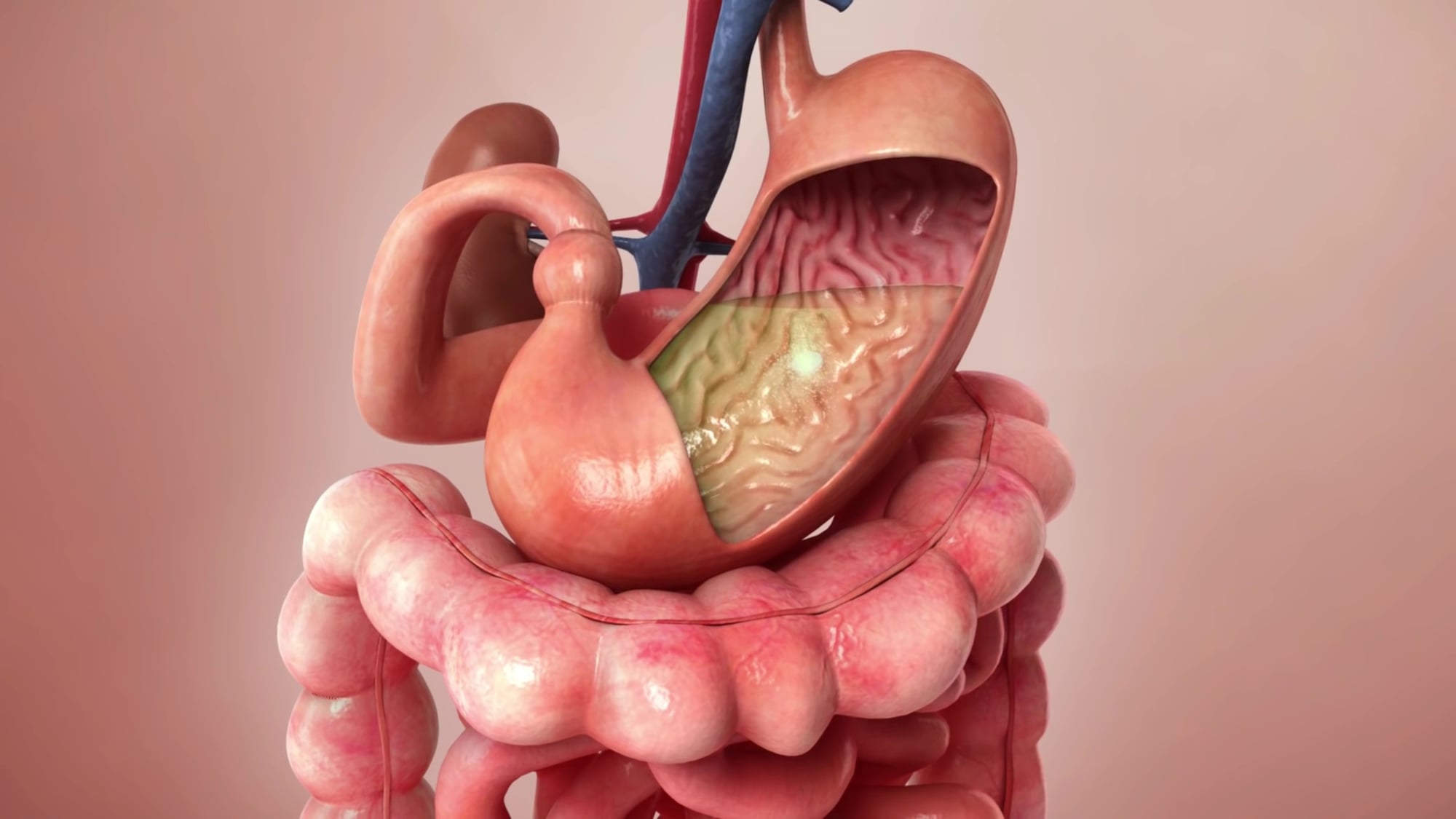
Your stomach lining replaces itself every 4-5 days, creating a continuously renewed barrier against the harsh acidic environment necessary for digestion. This rapid turnover helps protect deeper stomach tissues from damage – while specialized cells secrete protective mucus and bicarbonate to neutralize the acid that might penetrate this defensive line.
Kidney Filtration Maintenance
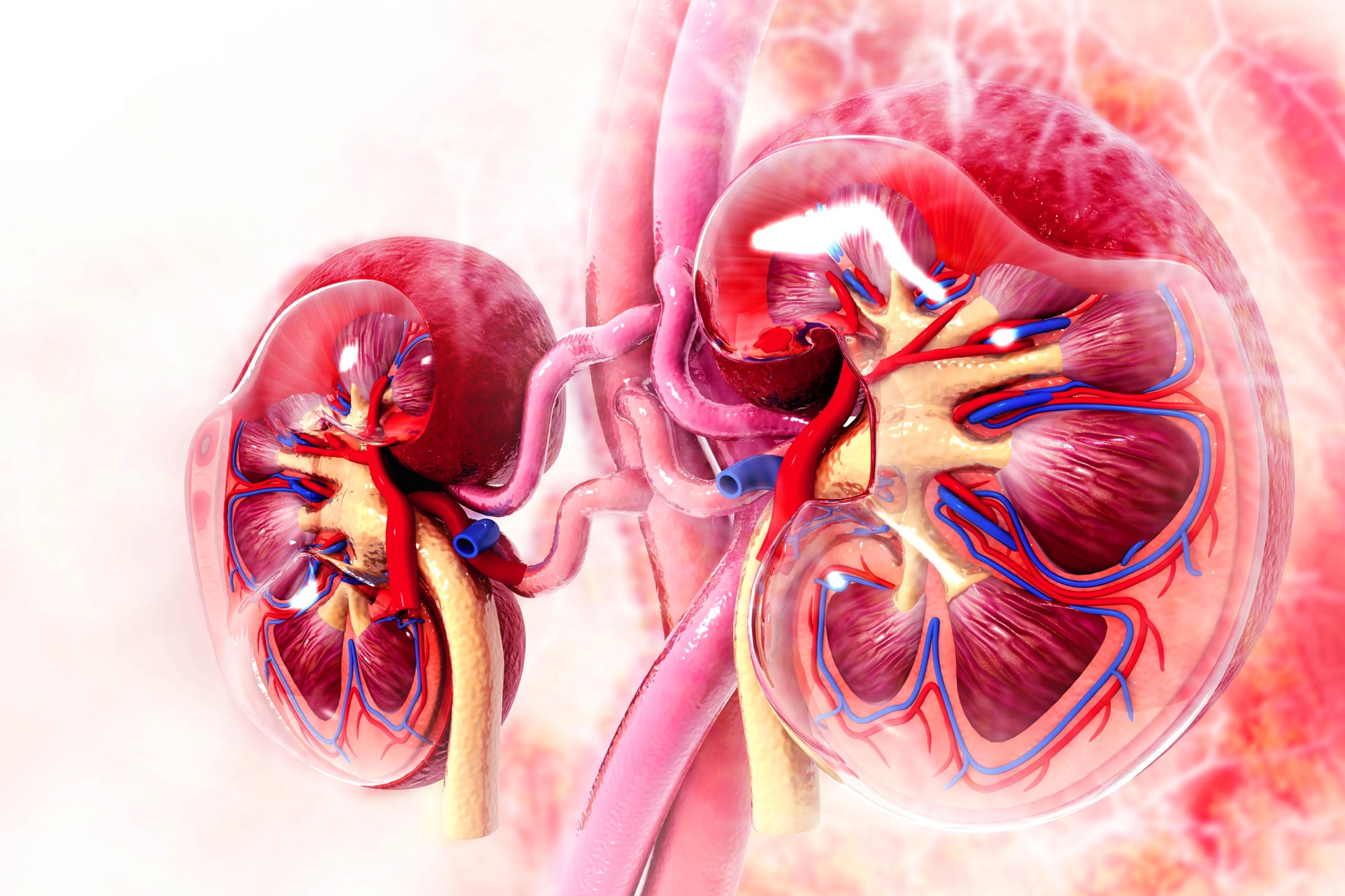
Microscopic filters in your kidneys called glomeruli can repair themselves after mild injury through a process called glomerular healing. Damaged filtration membranes activate repair mechanisms that restore proper permeability – maintaining the crucial balance between retaining essential proteins and eliminating waste products.
Corneal Restoration
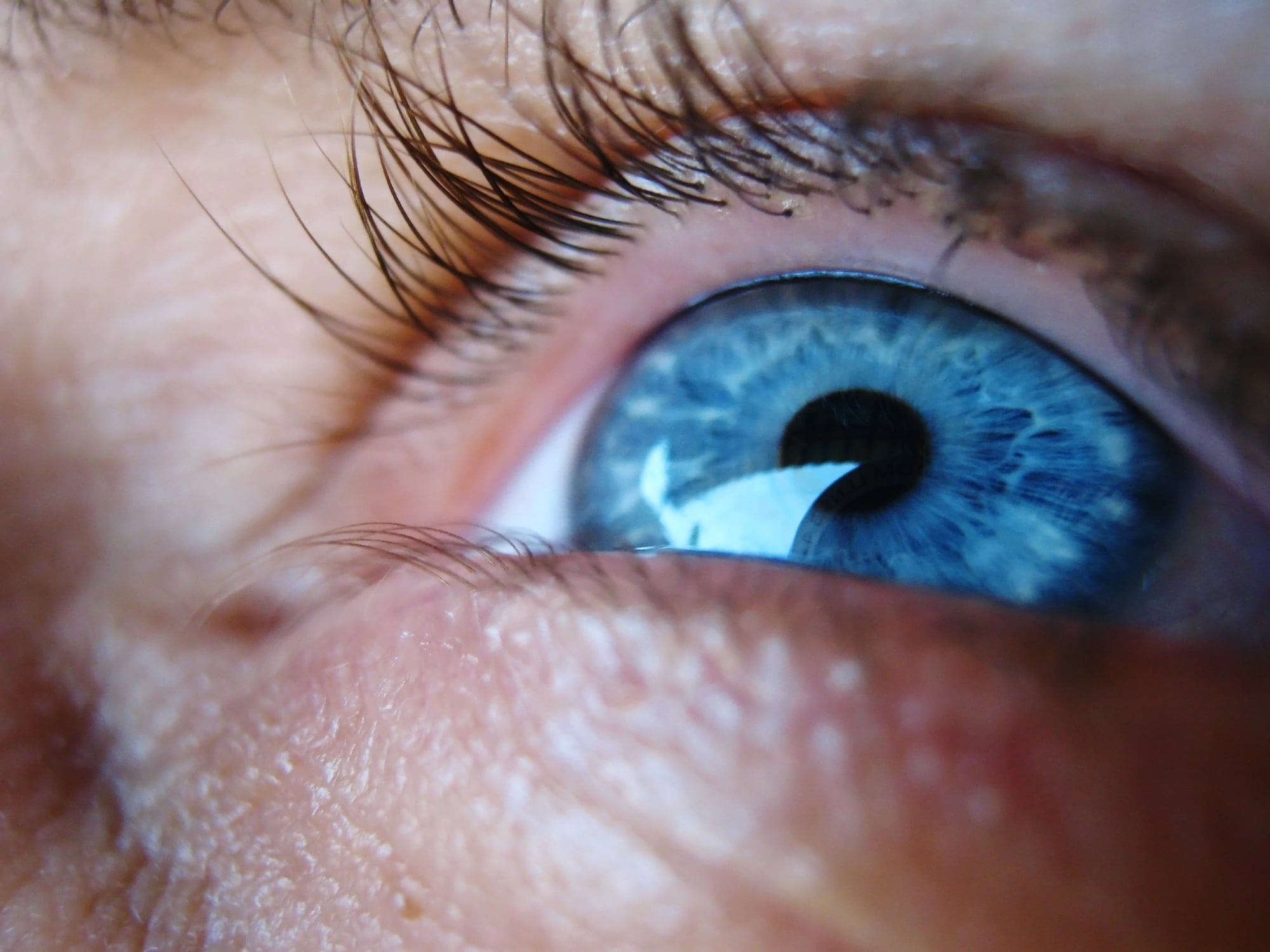
Your eyes’ transparent front surfaces undergo continuous renewal – completely replacing corneal epithelial cells approximately every 7-10 days. This remarkable turnover ensures clear vision by promptly repairing minor abrasions and replacing cells damaged by environmental exposure – all while maintaining the precise curvature necessary for proper light refraction.
Lymphatic Clearance
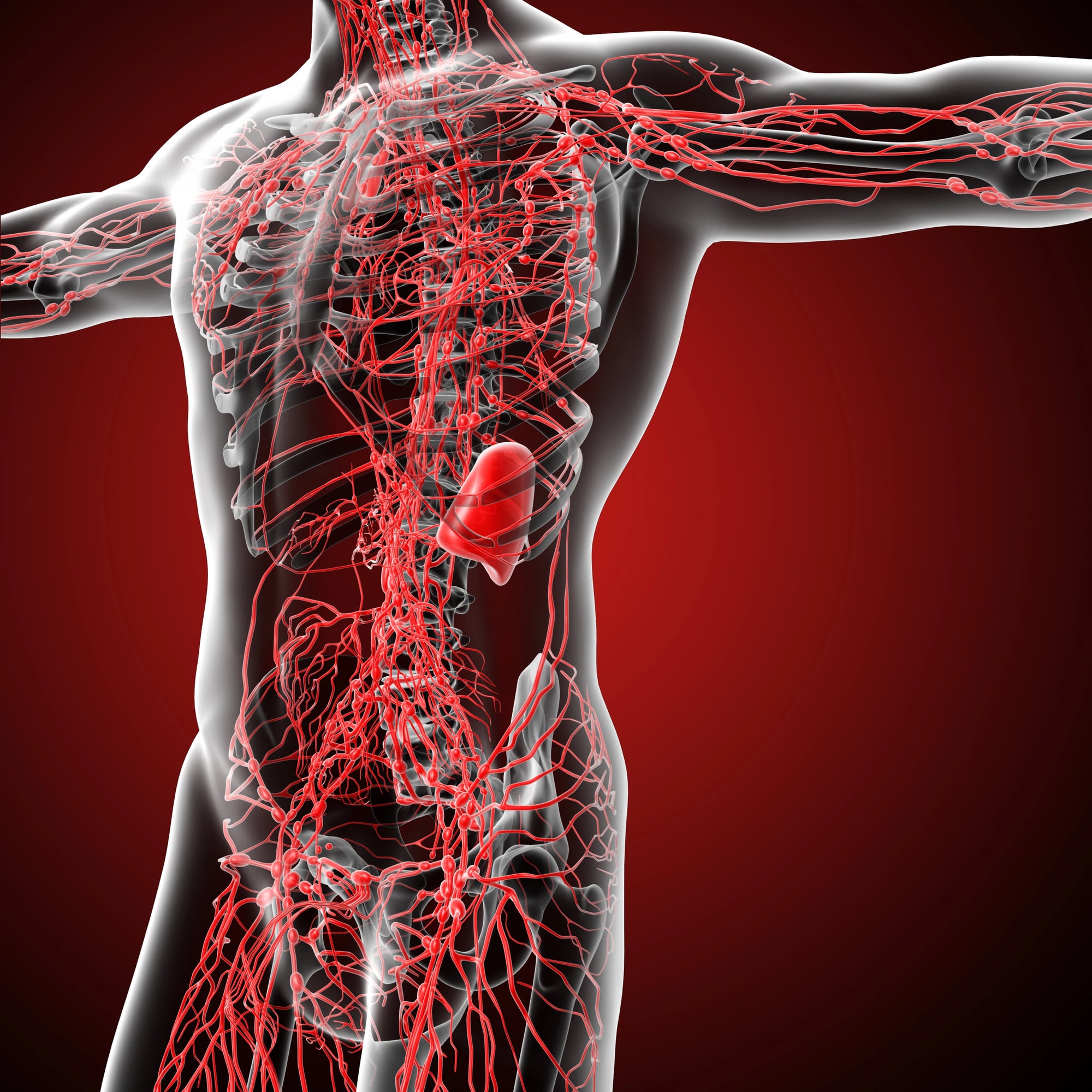
Your lymphatic system diligently removes cellular debris, excess fluid, and pathogens from tissues throughout your body. This complex drainage network operates continuously—intensifying during sleep—to clear accumulated waste products and support immune function without requiring any conscious attention.
Neurogenesis
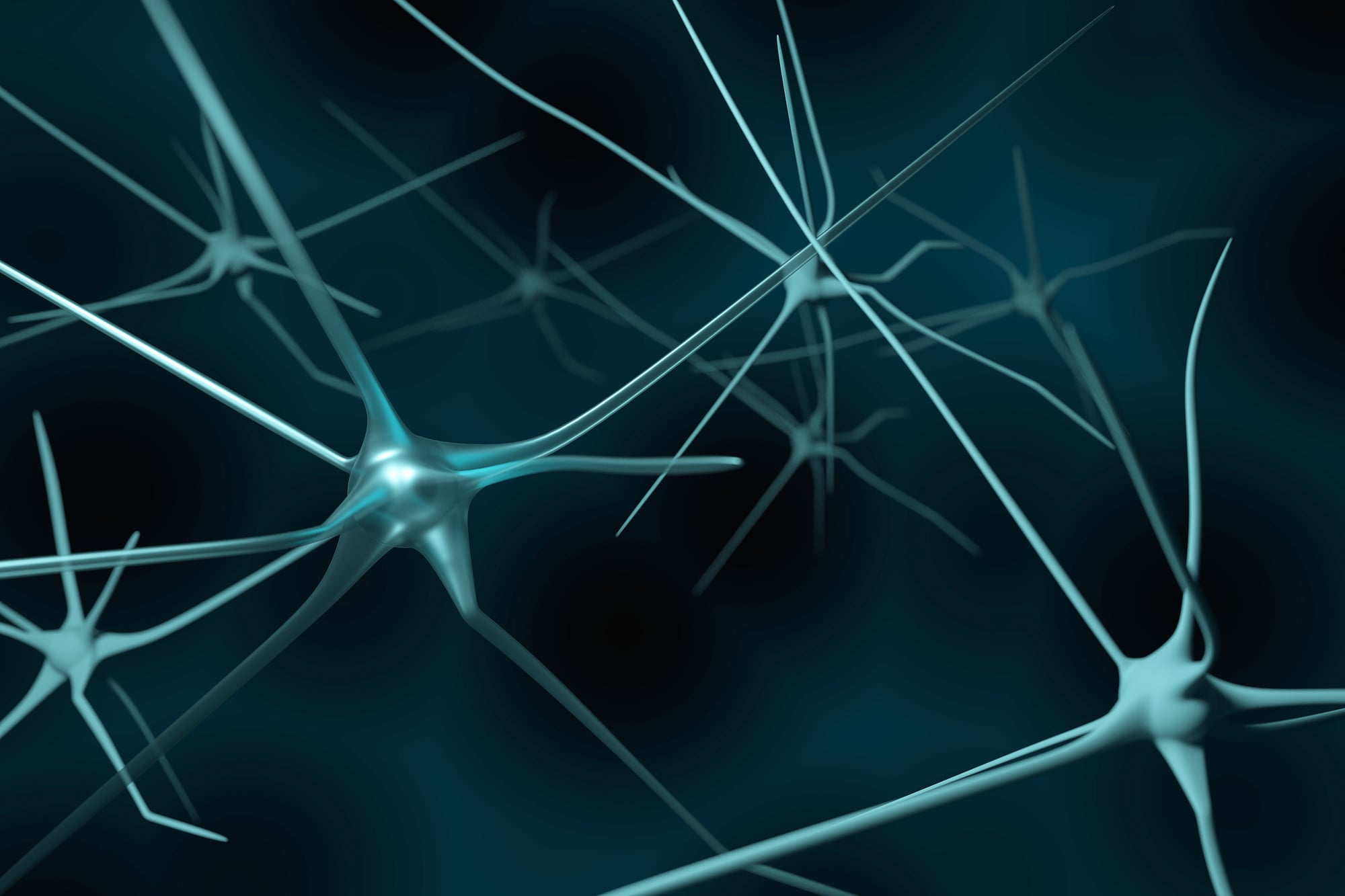
Contrary to long-held belief, certain brain regions generate new neurons throughout adulthood. The hippocampus—crucial for learning and memory—produces approximately 700 new neurons daily, supporting cognitive flexibility and emotional regulation through this limited but significant regenerative capacity.
Olfactory Epithelium Turnover
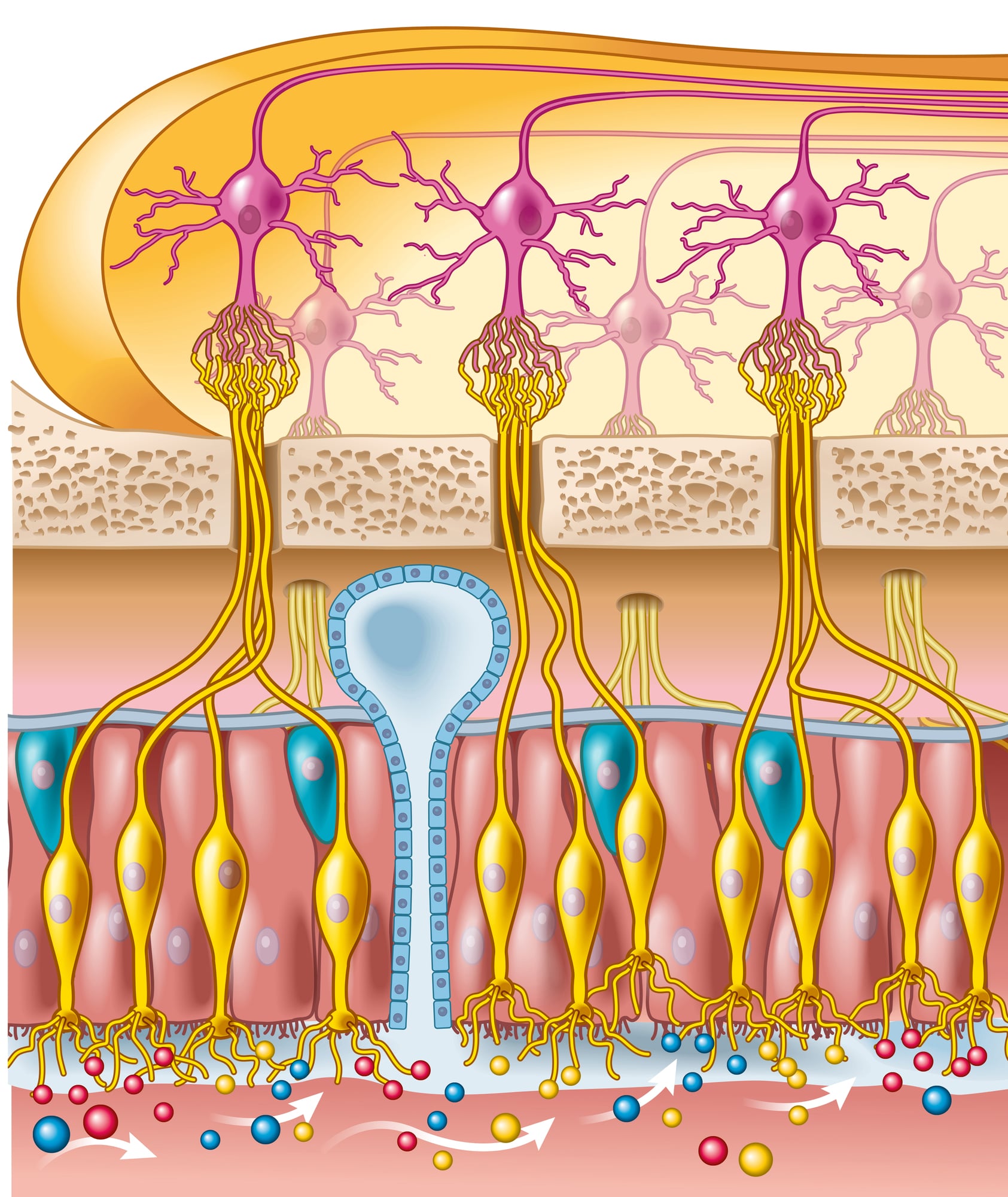
Smell receptor cells in your nasal passages regenerate every 4-8 weeks, representing one of the few neural tissues capable of complete replacement. This continuous renewal helps maintain sensory acuity despite exposure to environmental irritants, allowing ongoing detection of thousands of different odors throughout life.
Pancreatic Enzyme Recycling
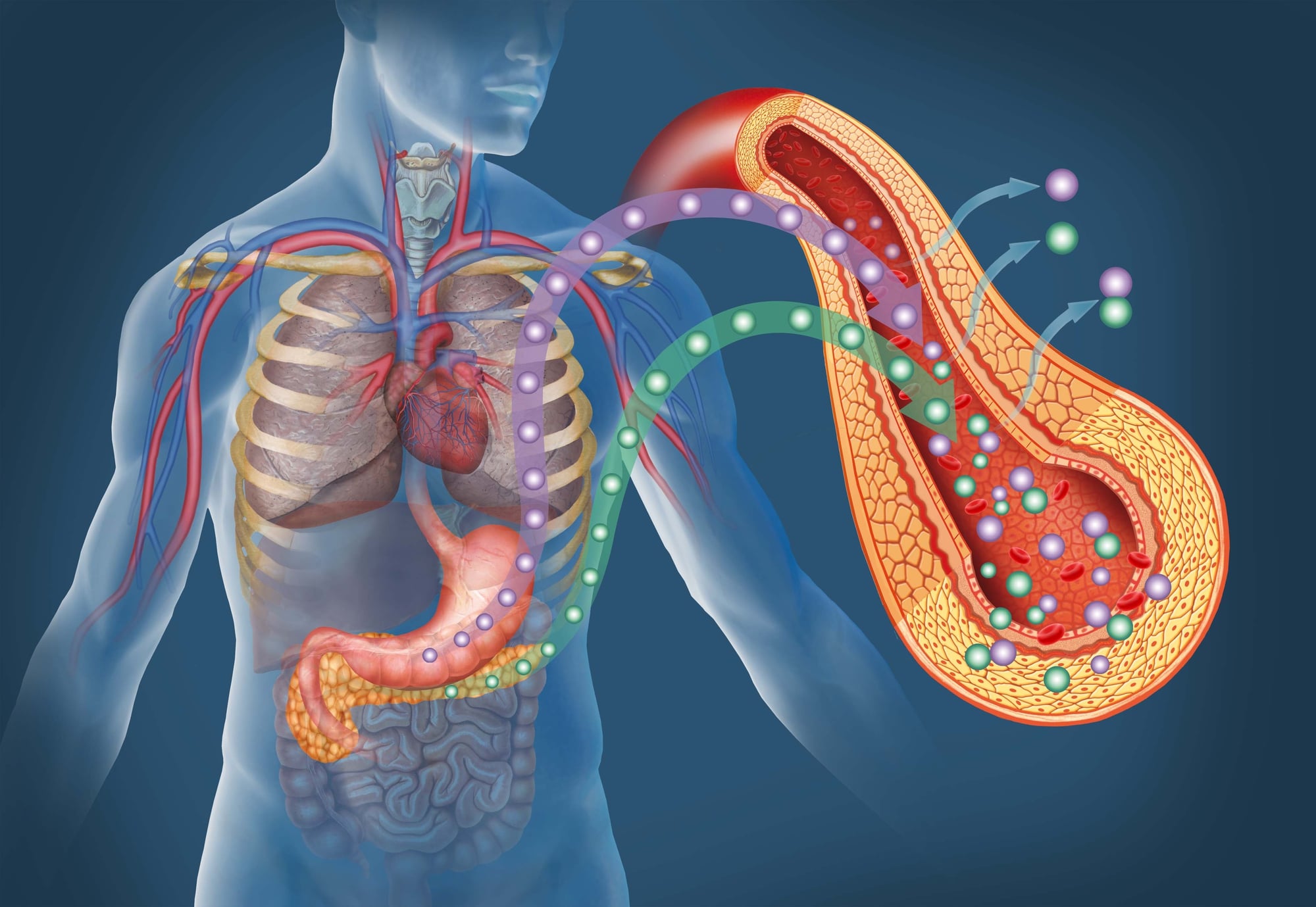
Your pancreas efficiently recycles the powerful digestive enzymes it produces, conserving valuable resources while preventing self-digestion. Specialized cellular mechanisms recover and reprocess enzyme components, maintaining digestive capacity without wasteful overproduction of these potent protein-digesting compounds.
Circadian Rhythm Resynchronization

Your body’s internal clock spontaneously realigns itself to environmental cues like sunlight and temperature fluctuations. This automatic recalibration—though temporarily disrupted by jet lag or shift work—gradually restores the proper timing of hormonal cycles, sleep patterns, and metabolic processes without conscious intervention.
Microbiome Balancing
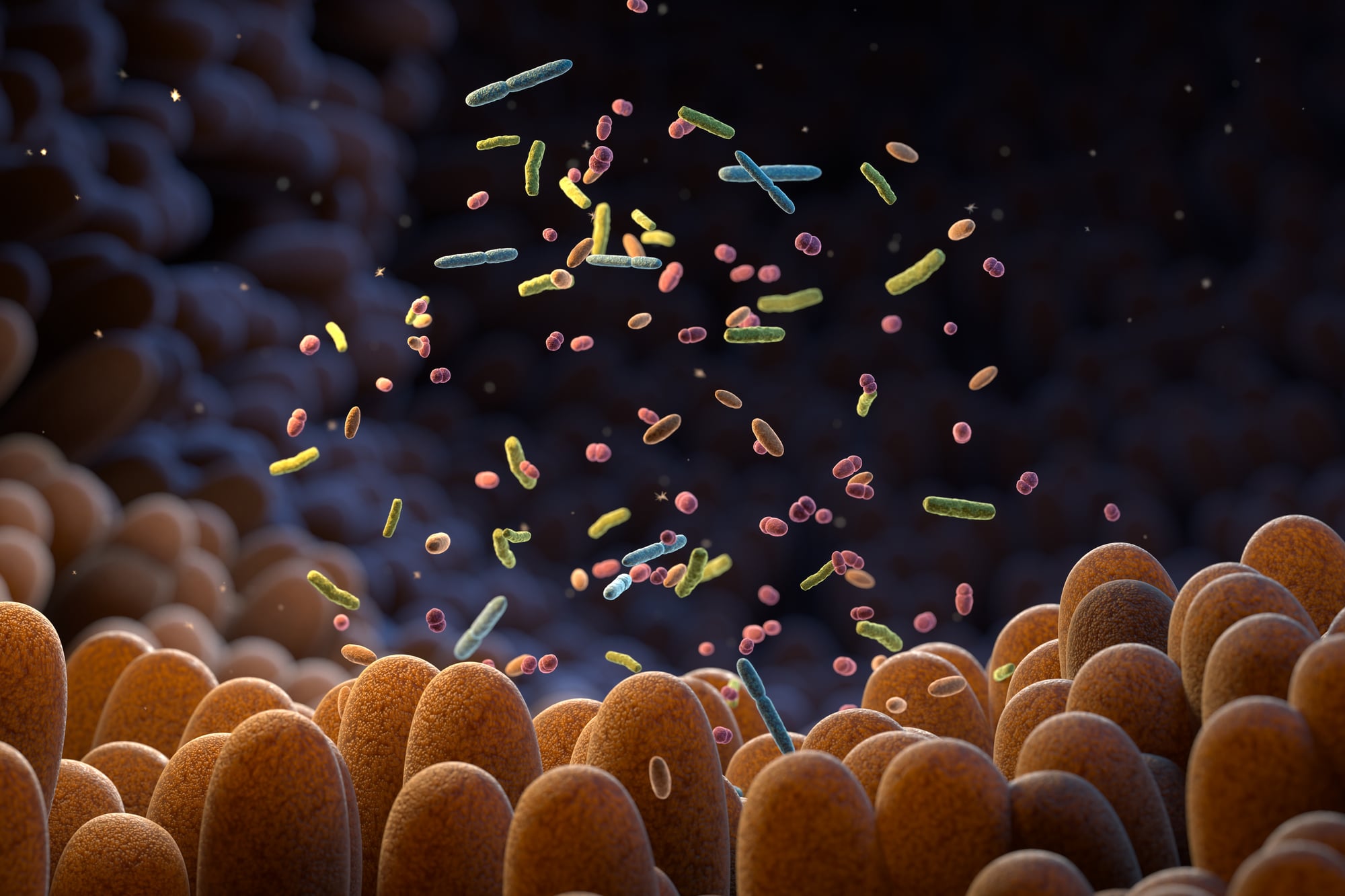
Your gut maintains a delicate equilibrium among trillions of microorganisms through competitive inhibition and immune regulation. This complex ecosystem constantly adjusts to dietary changes, minor infections, and antibiotic exposure—restoring beneficial bacterial populations and suppressing harmful ones to support digestion and immune function.
Fascia Rehydration
The connective tissue network encasing your muscles and organs undergoes cycles of dehydration and rehydration throughout the day. During rest periods, this fascial system draws in water to restore optimal viscosity and gliding function between tissue layers, reducing stiffness and preparing for subsequent movement demands.
The Quiet Symphony of Self-Repair
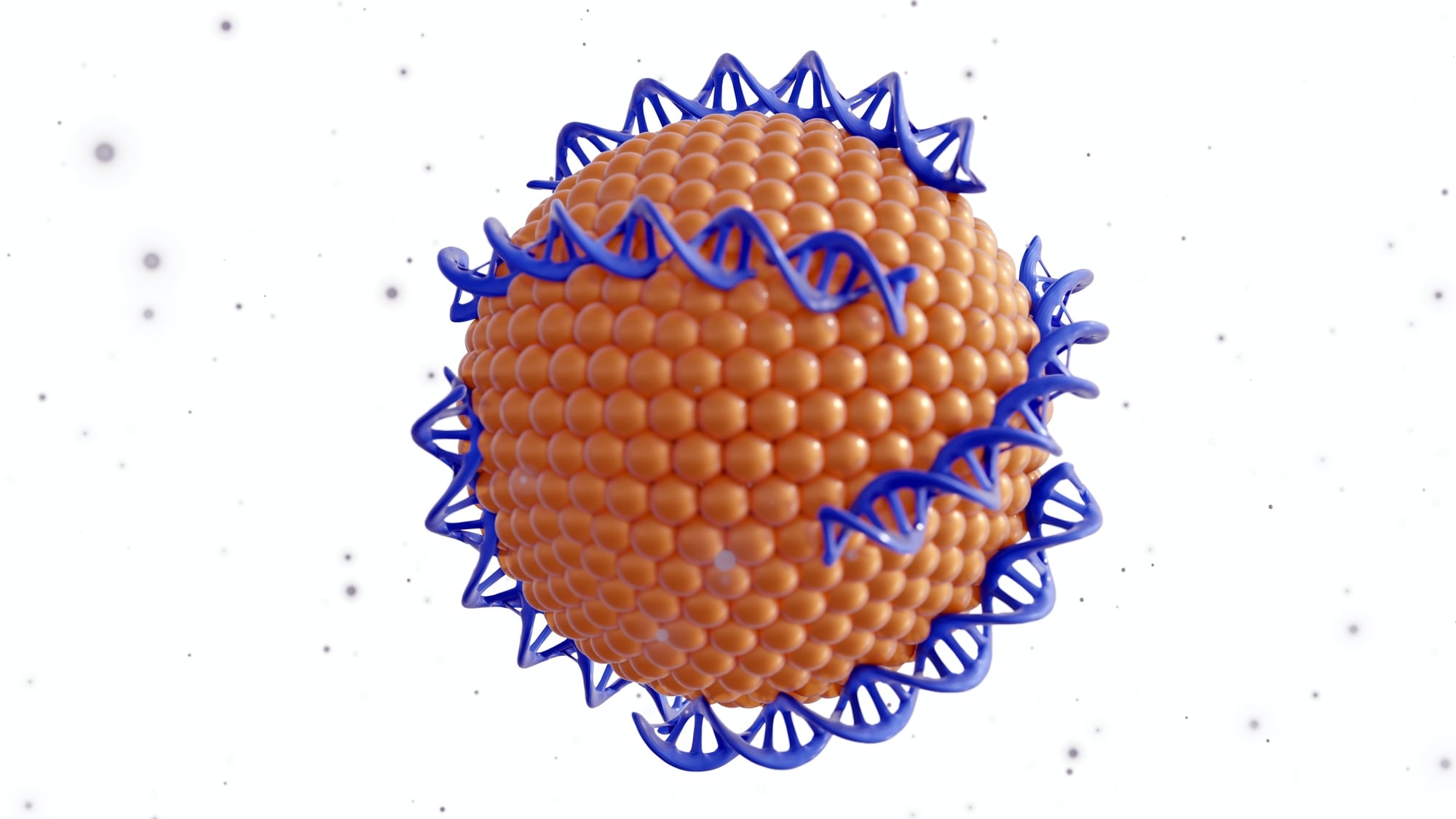
The human body represents an extraordinary feat of biological engineering—continuously monitoring, maintaining, and healing itself through countless overlapping processes. These sophisticated repair mechanisms work in concert, orchestrating a remarkable symphony of renewal that largely escapes our conscious awareness.
From molecular adjustments to tissue regeneration, these hidden healing processes keep us functioning despite daily wear and tear—testifying to the resilience encoded within our very cells. The next time you recover from illness or injury, consider the intricate biological intelligence silently working on your behalf, restoring balance and function without ever asking for recognition.
More from Go2Tutors!

- The Romanov Crown Jewels and Their Tragic Fate
- 13 Historical Mysteries That Science Still Can’t Solve
- Famous Hoaxes That Fooled the World for Years
- 15 Child Stars with Tragic Adult Lives
- 16 Famous Jewelry Pieces in History
Like Go2Tutors’s content? Follow us on MSN.