29 ’90s Plush Toys Worth Checking the Tags On
Somewhere in a closet, a plastic bin is full of bean bag animals that were once treated like a retirement plan. Most of them are worth a few dollars today, and the stories about college tuition paid in Beanie Babies were mostly wishful thinking.
A small number of pieces, though, still draw serious interest from collectors.
The difference usually comes down to a scrap of paper or fabric stitched into a seam. Tag generations, factory errors, and short production runs separate a lunch-money toy from one worth photographing carefully before a sale.
Royal Blue Peanut the Elephant
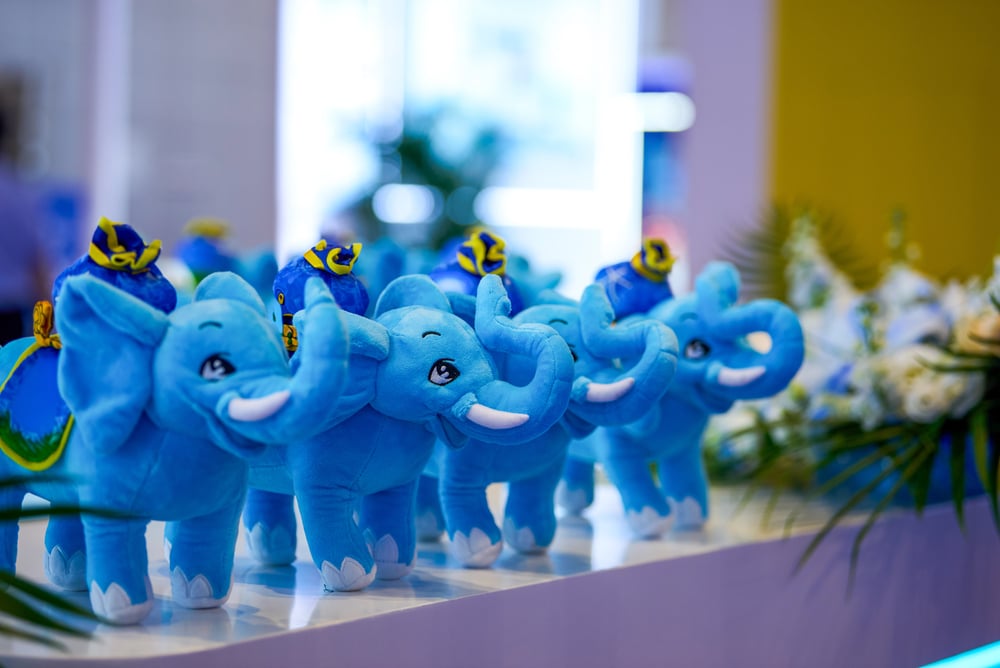
Peanut the elephant first shipped in 1995 in a deep royal blue that Ty Inc. quickly swapped for a pale baby blue. Collectors generally estimate that only a few thousand of the dark version were made, which turned it into one of the most sought-after Beanie Babies of the entire craze.
Authenticated examples with correct early tags sell for well into the thousands at auction, while light blue Peanuts sell for pocket change. Condition drives everything here, since fading, missing swing tags, or a creased tag can cut the price sharply.
Counterfeits are common, so serious buyers insist on third-party authentication.
Brownie, the Bear Before Cubbie
Before Cubbie the bear became a familiar face, the same brown bear shipped in 1993 under the name Brownie. Only the earliest run carried a first-generation swing tag with the Brownie name, a single-page tag that looks plain compared with later heart-shaped folding versions.
That combination of name and tag is what collectors hunt for, and genuine examples sell for far more than any common Cubbie. The value depends heavily on condition, with an intact, uncreased tag and a clean body mattering far more than age alone.
Plenty of Cubbies wearing later tags turn up at yard sales for a dollar.
Nana, the Monkey That Became Bongo
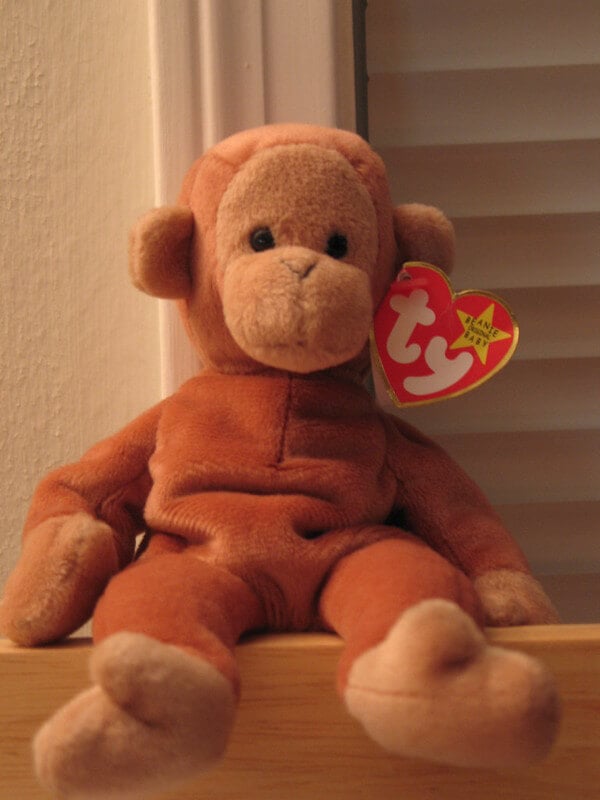
Bongo the monkey had an earlier identity. The first run of the brown monkey was named Nana, and the name appeared on third-generation swing tags before Ty changed it to Bongo in 1995.
Nana is scarce enough that many longtime collectors have never seen one outside a photograph, and authenticated examples trade around four figures when they surface. Condition is critical, especially the state of the tag, because a torn or missing Nana tag leaves an ordinary Bongo behind.
Tail color variations on later Bongos add another layer of confusion, which is why sellers often misidentify what they have.
Princess the Bear From Indonesia
Princess, the purple bear released in 1997 as a tribute to Diana, Princess of Wales, became the most hyped Beanie Baby of all. Millions were produced, so most sell for a few dollars despite endless online listings asking for thousands.
The versions that matter are the earliest ones made in Indonesia and filled with PVC pellets rather than the later PE pellets, a detail printed on the tush tag. Those first editions trade around a few hundred dollars when paired with correct tags.
Condition still decides the final number, since a faded rose on the chest or a bent swing tag lowers it quickly.
Raspberry Patti the Platypus
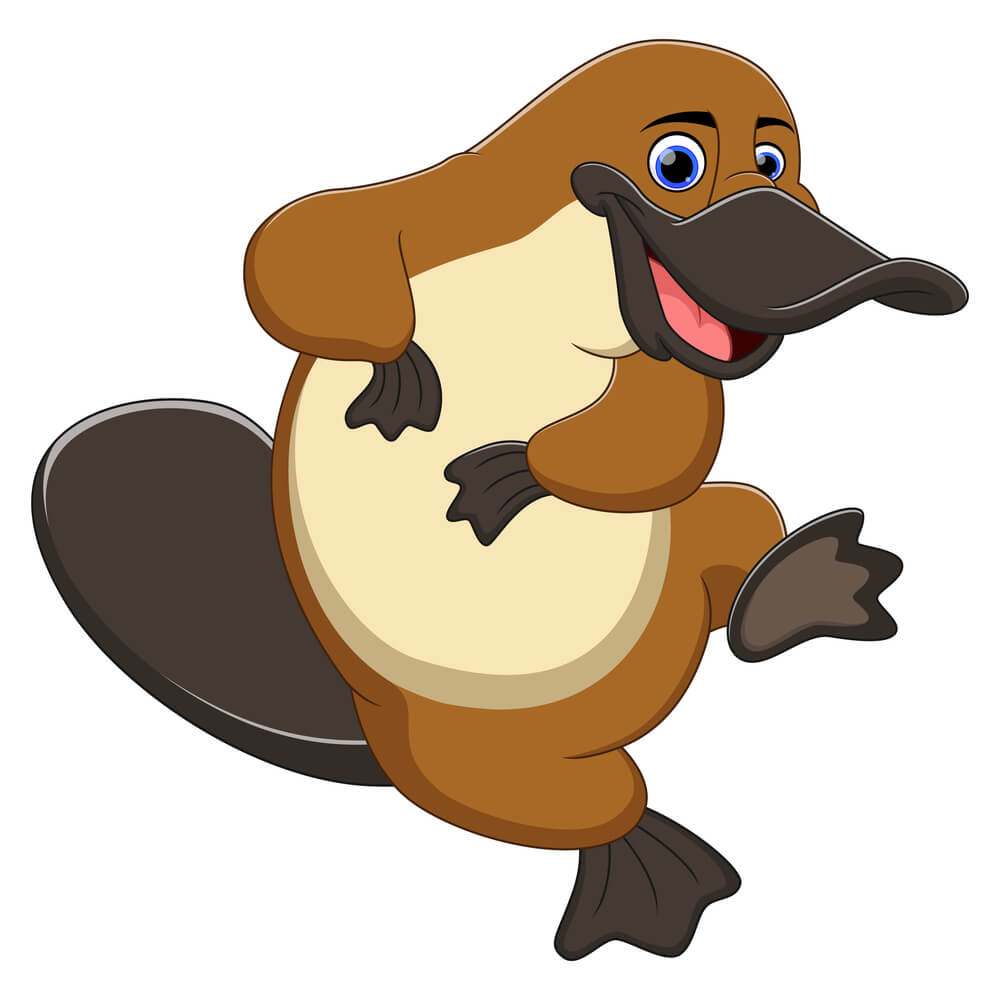
Patti the platypus was part of the Original Nine, the first group of Beanie Babies Ty released in 1993. The earliest Patti came in a deep raspberry shade before later production shifted to a brighter magenta, and the raspberry version with a first-generation swing tag sells for hundreds of dollars.
Telling the two colors apart takes good lighting and a reference photo, because age and sunlight can shift the shade. Condition matters as much as color, with tag creases, fading, and loose seams all reducing value.
Magenta Pattis from later years are common and usually sell for very little.
Old Face Teddy in Colors
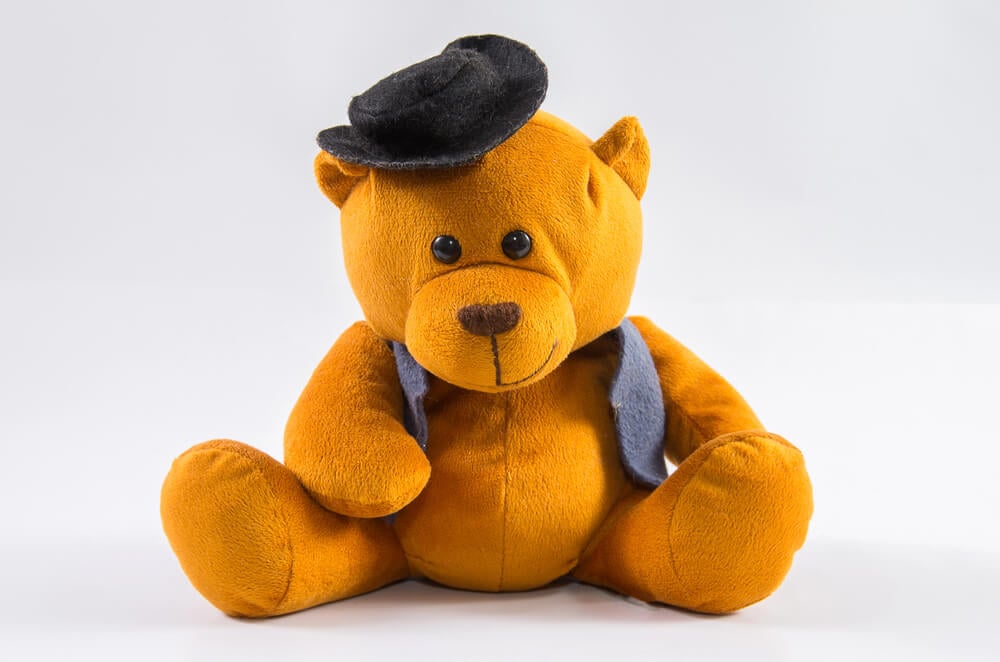
Ty released Teddy the bear in six colors around 1994, brown plus cranberry, jade, magenta, teal, and violet. The first versions had an old face design with eyes set wide apart, which Ty soon replaced with a rounder new face.
Colored Teddys in either face style are much harder to find than the brown bear, and the old face colored versions with early tags sell for hundreds of dollars or more. The price depends on condition, especially whether the fabric has faded and whether the swing tag survives flat and unmarked.
Brown new face Teddys remain easy to find and inexpensive.
Tabasco the Bull
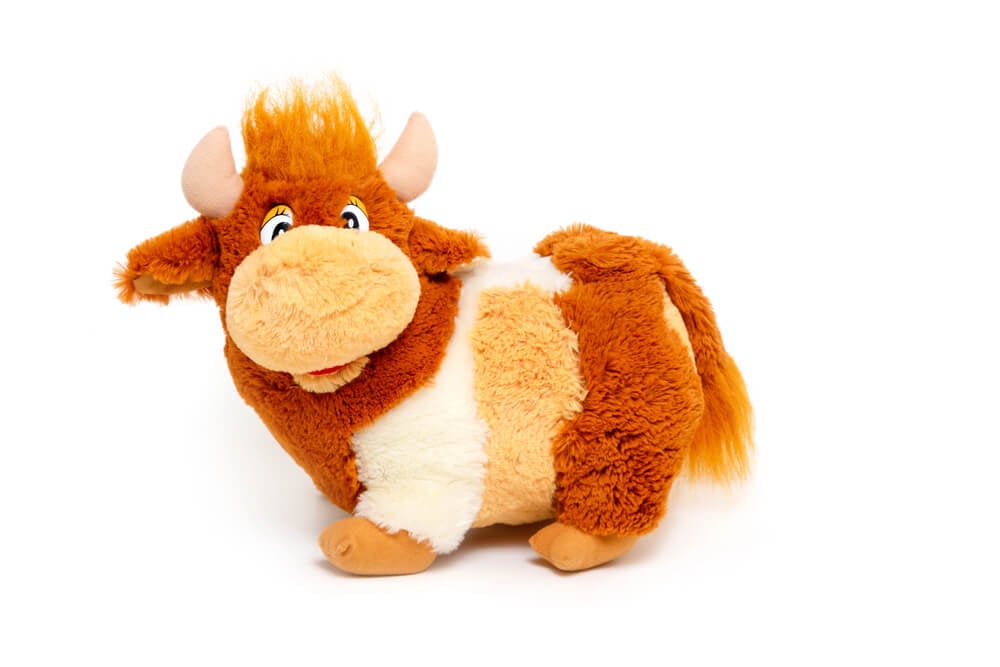
Tabasco was a red bull released in 1995, named after the famous hot sauce. The name ran into trademark trouble with the sauce’s maker, and Ty retired Tabasco in early 1997 and replaced it with Snort, a nearly identical bull with cream-colored feet.
That short life makes Tabasco more desirable than Snort, and examples with clean tags sell for more than the common replacement. The value is condition dependent, with red plush that shows fading or stains losing appeal quickly.
Checking the swing tag name is essential, because the two bulls are easy to confuse at a glance.
Humphrey the Camel
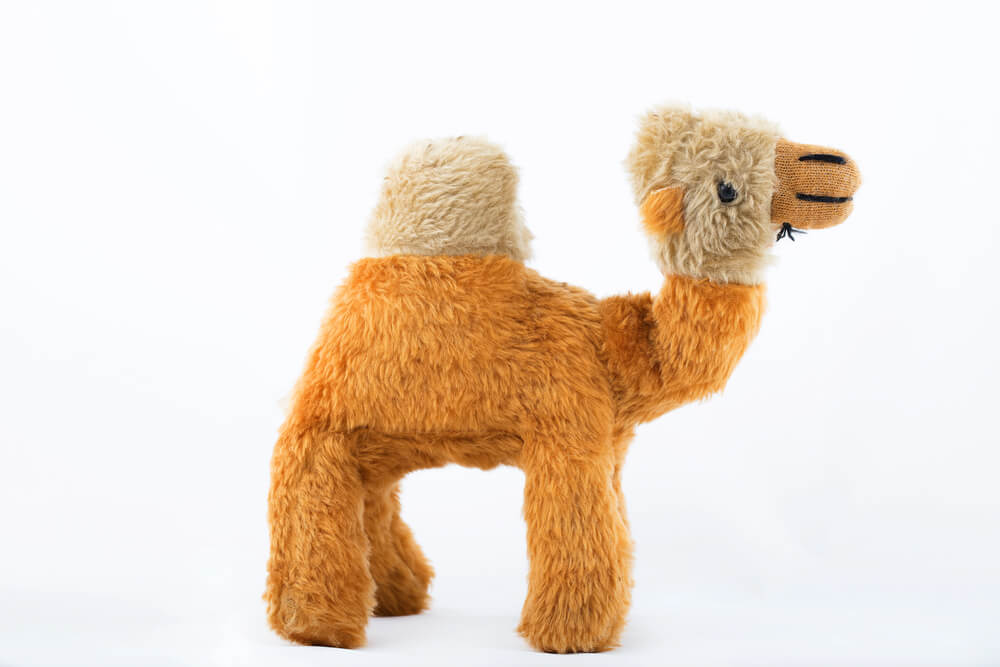
Humphrey the camel was produced from 1994 until 1995, when Ty retired him after a short run. Early retirement means fewer were made, and Humphrey quickly earned a reputation as one of the harder retired Beanie Babies to track down.
Examples with third-generation swing tags trade around a few hundred dollars among collectors who want complete sets of early retirements. Condition matters, since the tan plush picks up dirt easily and his long legs tend to show wear.
A Humphrey missing his swing tag is worth only a fraction of one with an intact, uncreased tag.
Chilly the Polar Bear
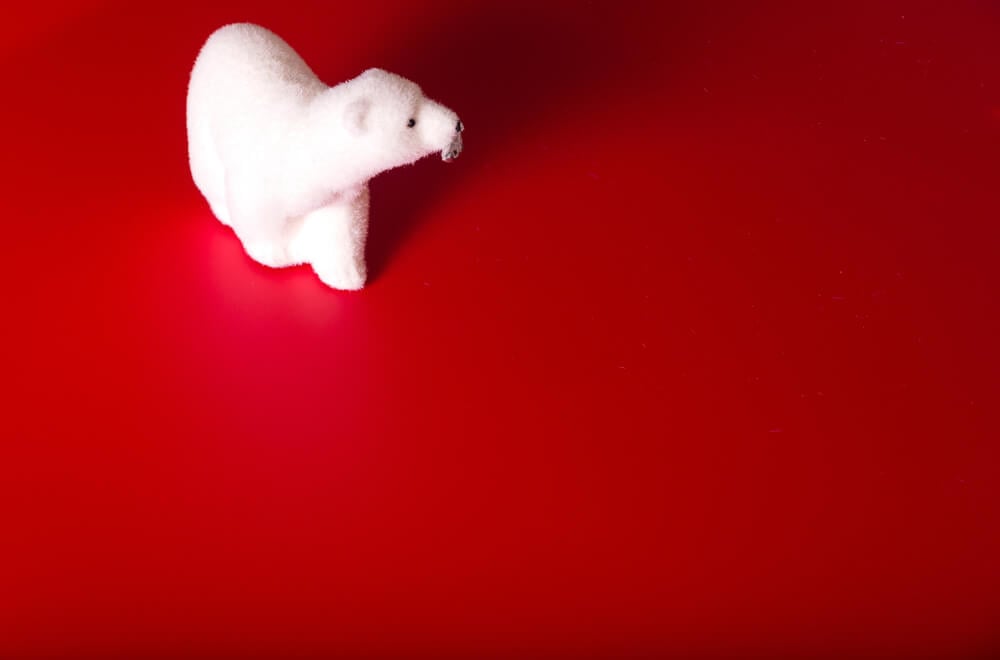
Chilly the polar bear was a plain white bear released in 1994 and retired in 1995. The pure white plush showed every smudge, and many were handled by kids long before anyone considered them collectibles.
Clean examples with early tags now sell for hundreds of dollars, a big step up from the few dollars most Beanie Babies bring today. Value is tied closely to condition, because yellowing, gray smudges, or a faded tag can cut the price dramatically.
Collectors often ask for close-up photos of the fabric in natural light before making an offer on one.
Peking the Panda
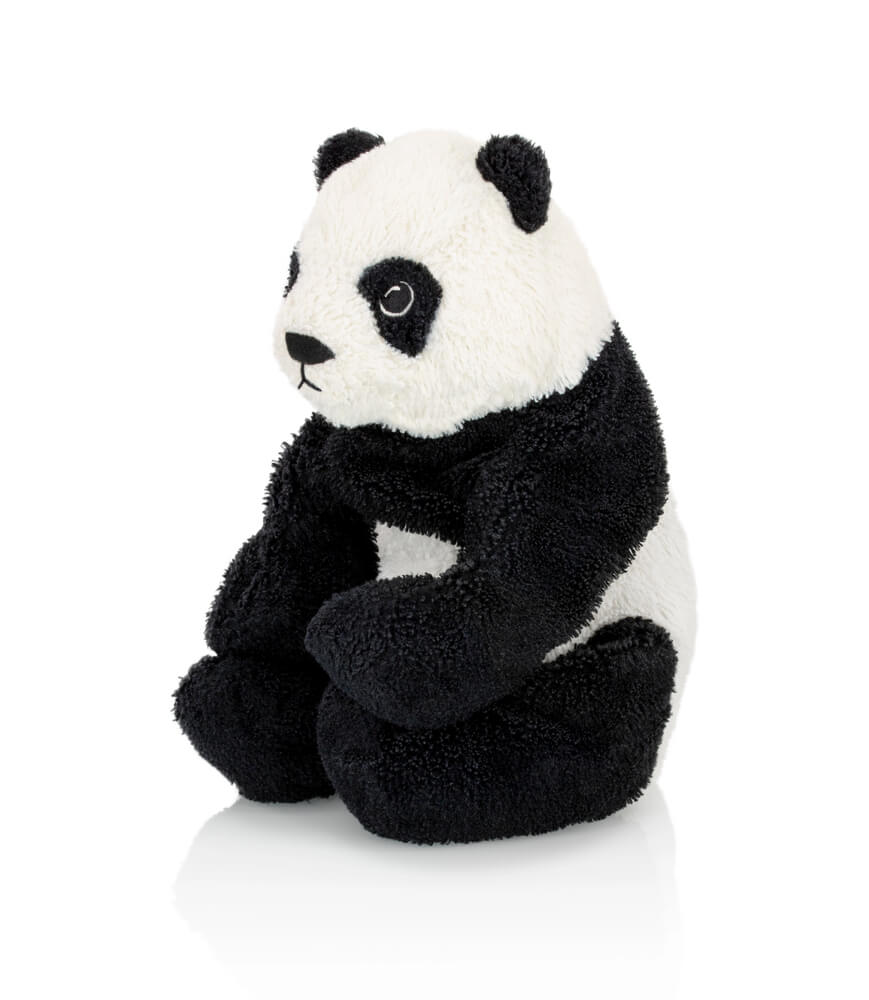
Peking the panda was one of the early Beanie Babies, released in 1994 and retired in 1995. The black and white bear had a short production run, and collectors consider Peking one of the rarer early retirements.
Examples with third-generation swing tags trade around several hundred dollars when they appear in good shape. The final price depends on condition, especially the brightness of the white plush and the state of the tag.
Ty later released other pandas, so checking the name on the swing tag and the style of the eyes helps separate Peking from later bears.
Spot the Dog Without a Spot
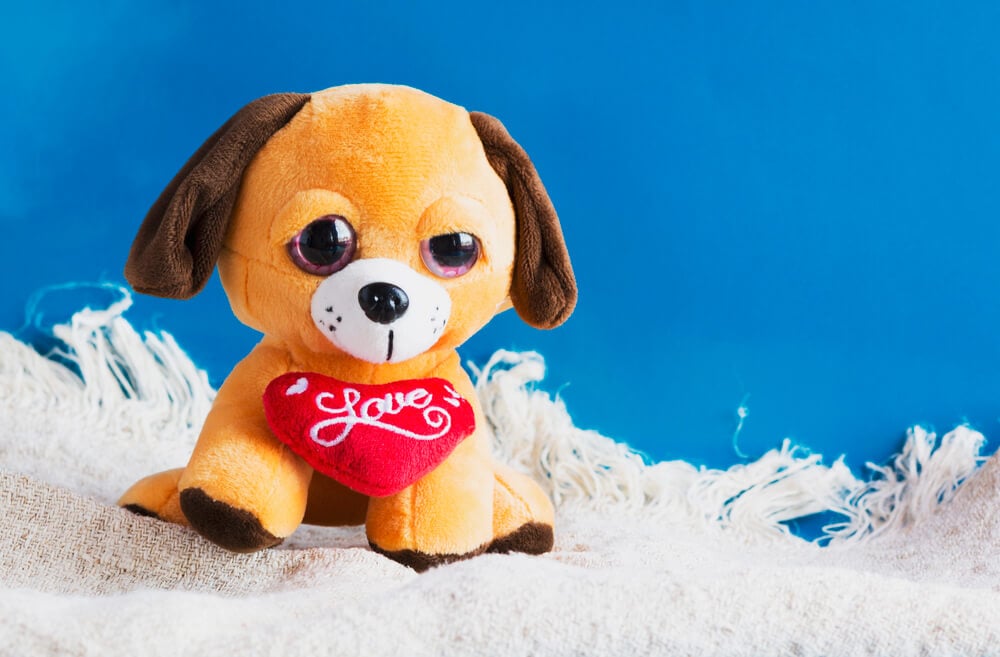
Spot the dog was one of the Original Nine from 1993, and the earliest version shipped without the black spot on his back that gave him his name. Ty added the spot a short time later, and the spotless version became a rarity that confuses casual sellers.
Authenticated examples with first or second generation tags sell for hundreds of dollars or more. Condition affects the price as much as the missing spot does, since the white plush yellows and the tags crease easily.
Buyers should check carefully that a spot was never removed, as altered pieces occasionally appear in listings.
Quacker Without Wings
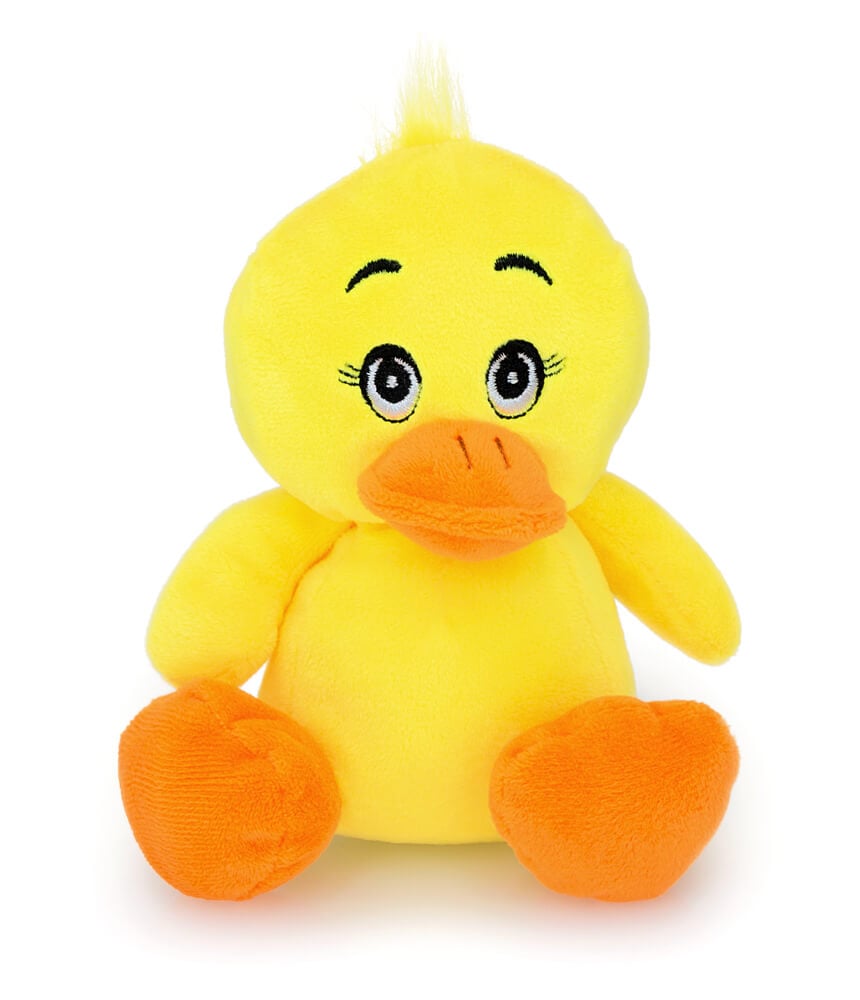
Quacker the duck arrived in 1994 in an early version that had no wings, an oversight Ty corrected by sewing wings onto later versions. The wingless Quacker is far harder to find and sells for hundreds of dollars when it arrives with correct early tags.
The later winged Quacker is common and usually sells for a few dollars. Condition shapes the value of both, since the bright yellow plush fades in sunlight and the orange beak can pick up stains.
Collectors look at the seam lines where the wings would attach to confirm that a duck left the factory that way.
Derby With the Fine Mane
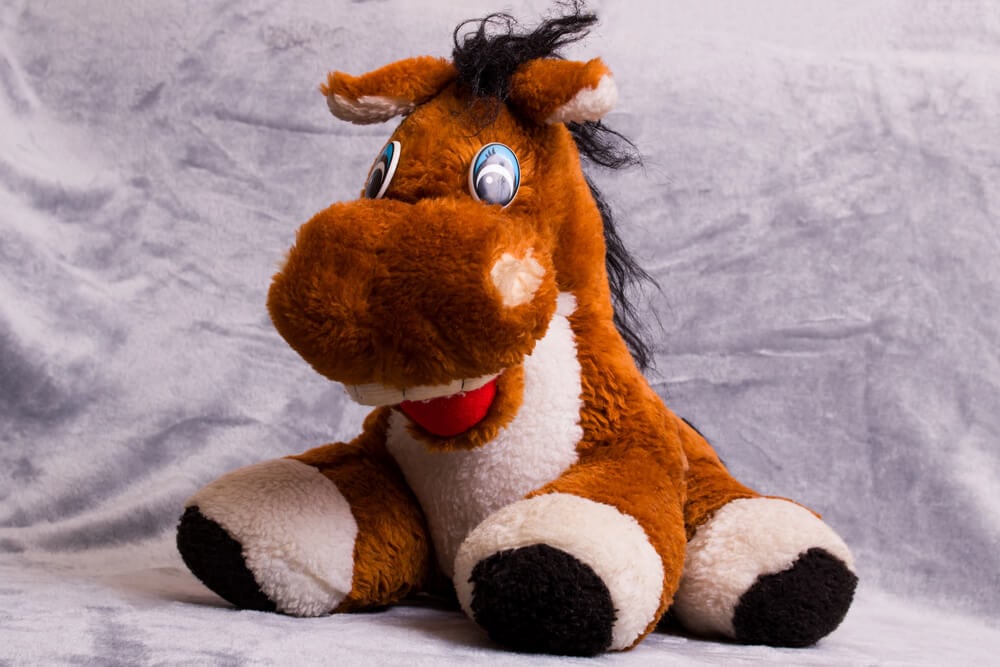
Derby the horse went through several changes in the 1990s, and the first version had a fine yarn mane and tail made from thin strands. Ty switched to a coarser, thicker yarn, then later added a white star to the horse’s forehead.
The fine mane Derby is the most desirable version and sells for well into the hundreds when properly identified. Condition is key, because the thin yarn tangles and thins with handling, and a messy mane lowers the price.
Tag generation matters too, and a fine mane horse with a matching early tag makes the strongest case to buyers.
Web the Spider
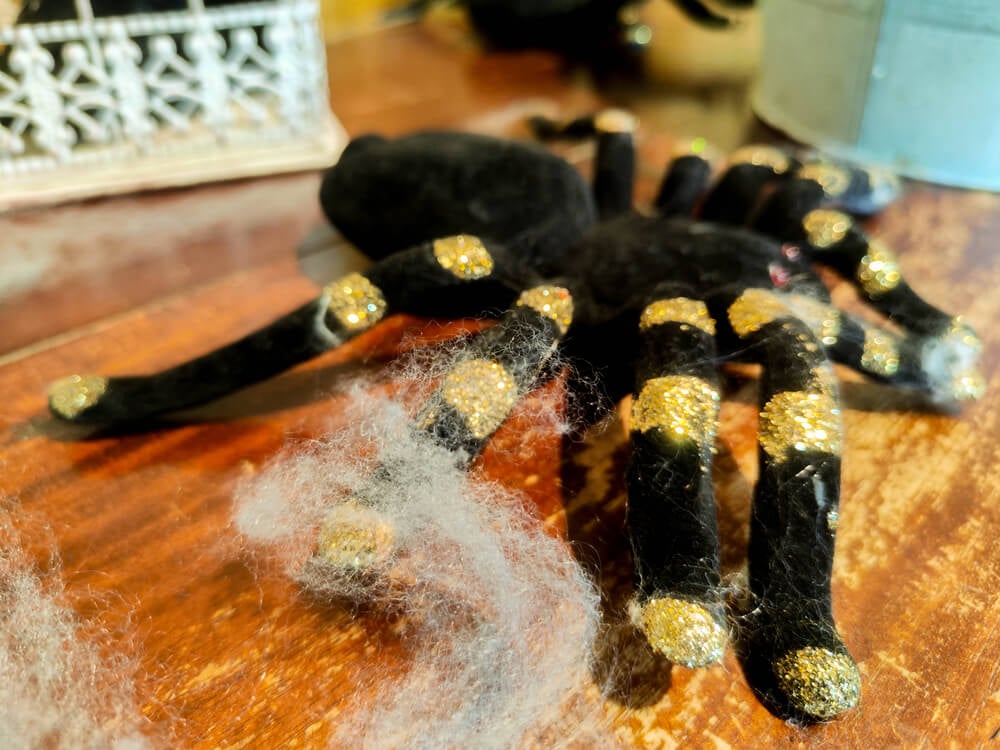
Web the spider was a black bean bag spider with a red underside, released in 1994 and retired in 1996. Ty replaced him with Spinner, a spider with a striped body, and Web became one of the less common early Beanie Babies.
Examples with early swing tags sell for a few hundred dollars when found in good shape. Value depends on condition, including whether the eight legs are intact and the red belly fabric is clean and unfaded.
Many kids found spiders less appealing than bears or puppies, which helps explain why fewer survived in collectible condition.
Maple the Canadian Bear
Maple the bear was a Canadian exclusive released in 1997, a white bear with a red maple leaf flag patch on his chest. The earliest tush tags listed the name Pride, a placeholder that Ty changed to Maple before the bear went into wide release.
Those Pride tush tag bears sell for hundreds of dollars, while standard Maples usually sell for much less. Condition sets the final figure, since the white plush discolors easily and the flag patch can fray.
American collectors in the 1990s often paid a premium to get Canadian exclusives through friends or dealers across the border.
Britannia the British Bear
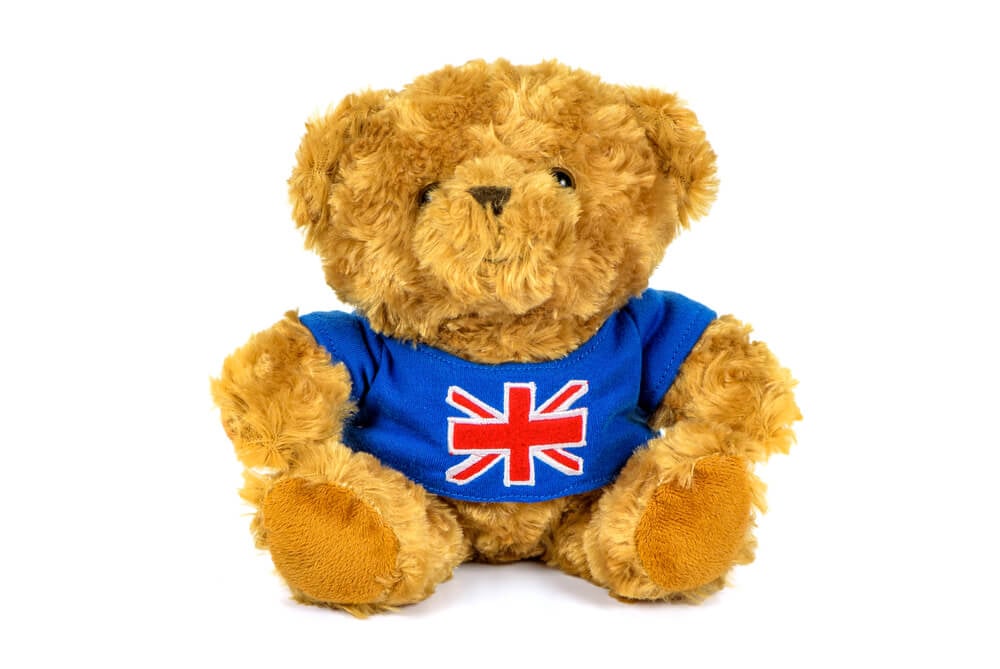
Britannia was a brown bear made exclusively for the United Kingdom market, released in late 1997 with a Union Jack flag patch on the chest. American collectors could not buy her in stores, which made her one of the most sought-after international exclusives of the era.
Early versions with the flag patch sewn on and correct tags trade around a few hundred dollars. The price depends on condition, including the crispness of the flag and whether the swing tag has been creased or clipped.
Later versions with an embroidered flag are a separate variation worth checking before any sale.
Libearty and Its Misspelled Tag
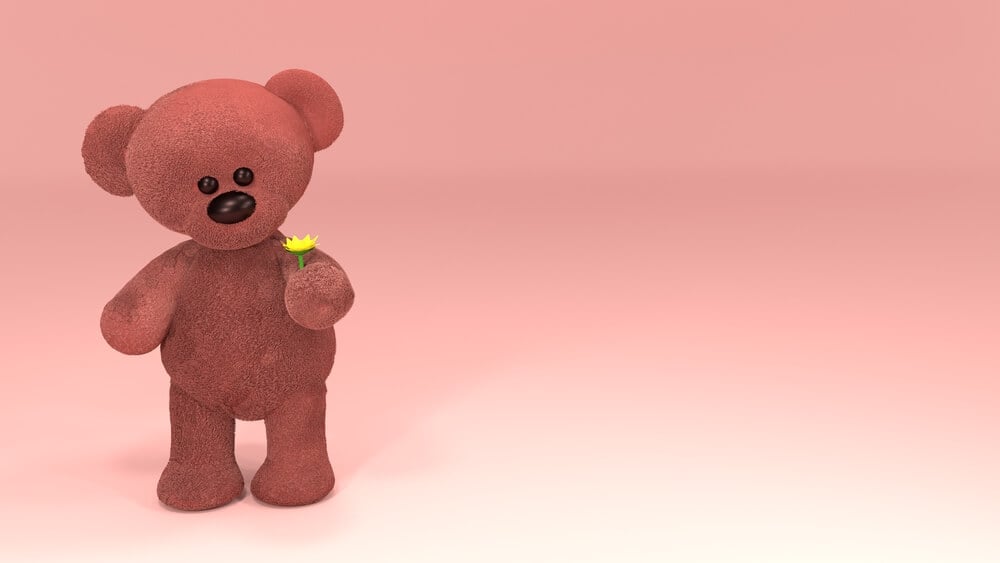
Libearty was a white bear released in 1996 to mark the Summer Olympic Games in Atlanta, wearing an American flag patch and a blue ribbon. Some early tush tags misspelled the name of the line as Beanine, an error collectors quickly noticed and began seeking out.
Examples with the misspelled tag sell for more than standard versions, though claims of huge sums are often exaggerated. Condition drives the value, especially the white plush and the flag patch, both of which show wear quickly.
A clean Libearty with a flat, unmarked swing tag makes the strongest showing at sale.
Lefty and Righty, the Political Pair
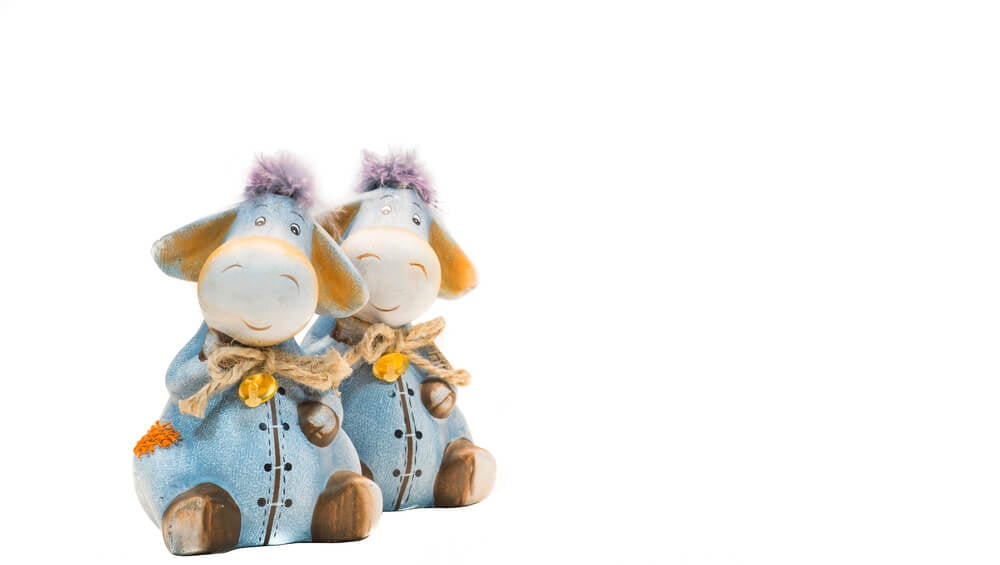
Lefty the donkey and Righty the elephant were released in 1996 to coincide with the presidential election, each wearing an American flag patch. The pair was a playful nod to the two major political parties, and both were retired in early 1997.
Individually or as a set, they trade around a hundred dollars or more when found with clean tags and intact flags. Condition matters, since the gray and blue plush fades in sunlight and the flag patches can come loose.
Collectors often prefer to buy them as a matched pair, which can raise the combined figure.
Teenie Beanies From McDonald’s
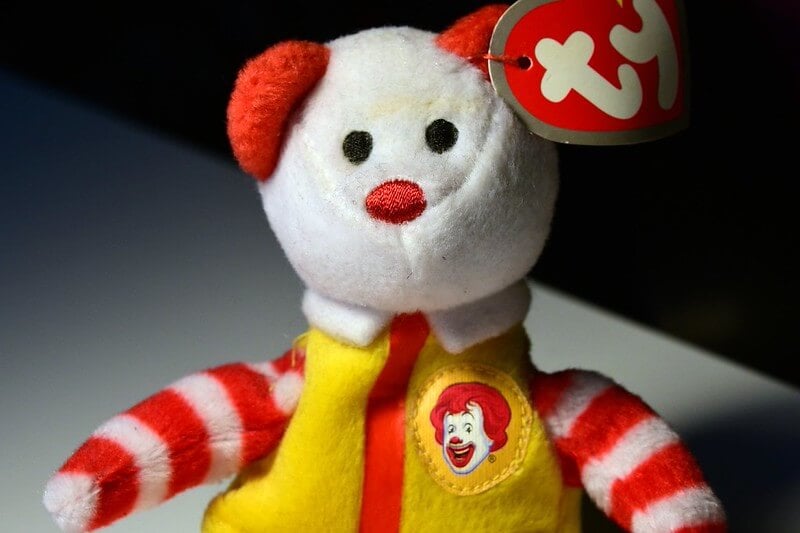
McDonald’s Teenie Beanie Babies promotion in 1997 turned Happy Meals into a scramble. The restaurant chain planned to hand out 100 million of the tiny toys over five weeks, but the supply ran out in roughly ten days as adults bought meals just for the plush.
Most Teenie Beanies sell for a few dollars today because so many were made. Complete sets still in their original sealed bags trade around more, and condition is the entire story, since opened bags and missing pieces lower value quickly.
Error bags with mismatched toys or misprinted packaging draw extra attention.
Beanie Buddies
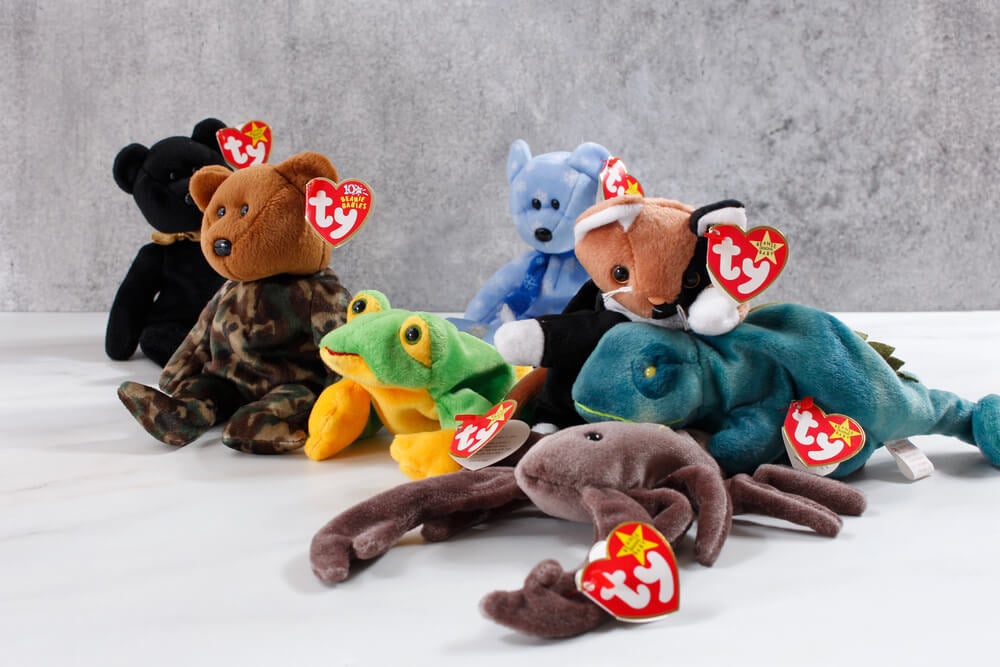
Beanie Buddies arrived in 1998 as larger, softer versions of popular Beanie Babies, made from a plush fabric called Tylon. They were priced higher than the small bean bags, and some designs had short runs that make them harder to find today.
Most Buddies sell for modest sums, but scarce designs and early versions with correct tags can reach a hundred dollars or more. The value depends on condition, including the softness of the fabric, which mats and pills with handling.
Tag condition matters just as much as it does on the smaller Beanie Babies.
Billionaire Bears for Ty Employees
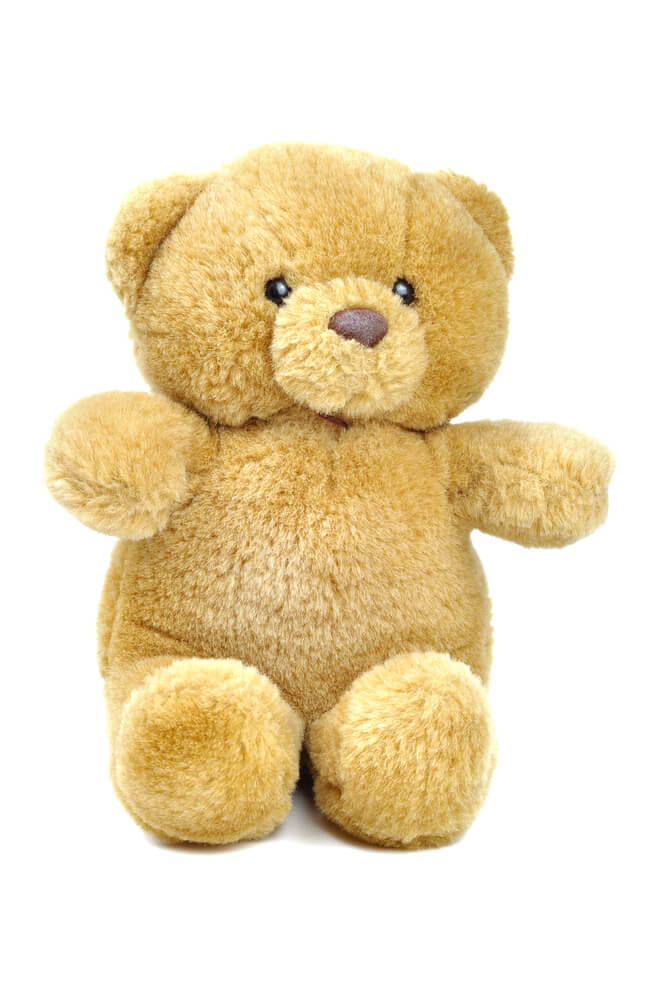
The Billionaire bears were special editions Ty made for employees and sales representatives in the late 1990s rather than for store shelves. Reports suggest they were given as gifts to reward sales performance, and some carried tags signed by company founder Ty Warner.
Because they were never sold at retail, genuine examples are rare and sell for hundreds or even thousands of dollars. Condition is essential, and so is provenance, since forgeries of these bears have circulated widely.
Serious buyers look for documentation or authentication before paying anything close to the higher end of the range.
Tickle Me Elmo
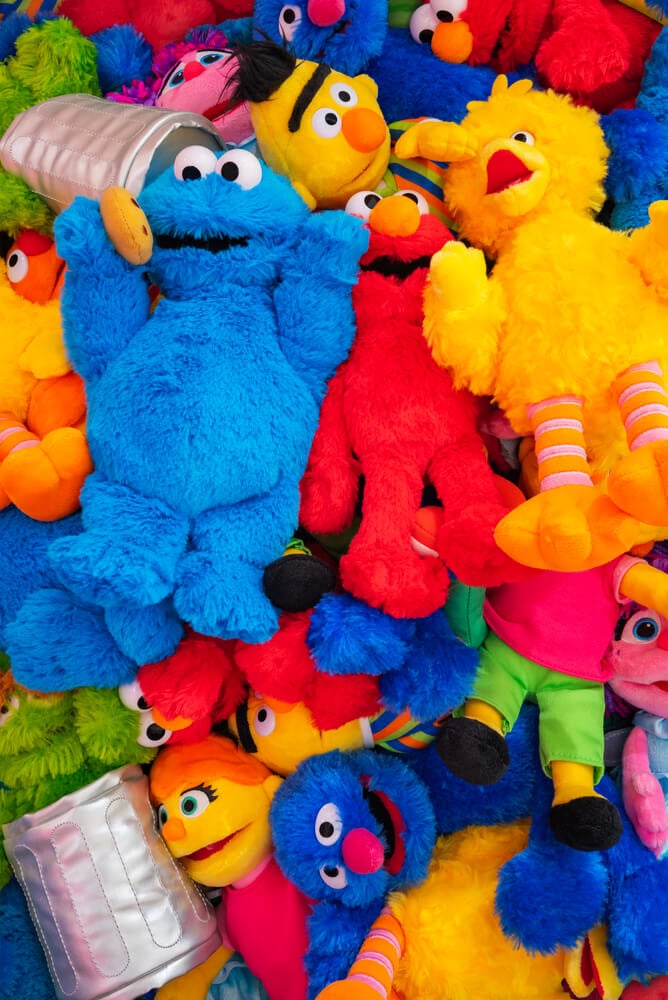
Tickle Me Elmo, made by Tyco Preschool, arrived in 1996 and became the most wanted toy of the season almost overnight. Squeezing the red plush made Elmo giggle and shake, and a television appearance helped spark a shortage that led to shoving matches in stores.
Scalpers resold the toys for hundreds of dollars during the frenzy. Original 1996 Elmos still sealed in the box are worth a modest premium today, but loose, well-loved examples bring only a few dollars.
Condition and working electronics decide the value, and a clean box with the original packaging matters more than the plush alone.
Furby
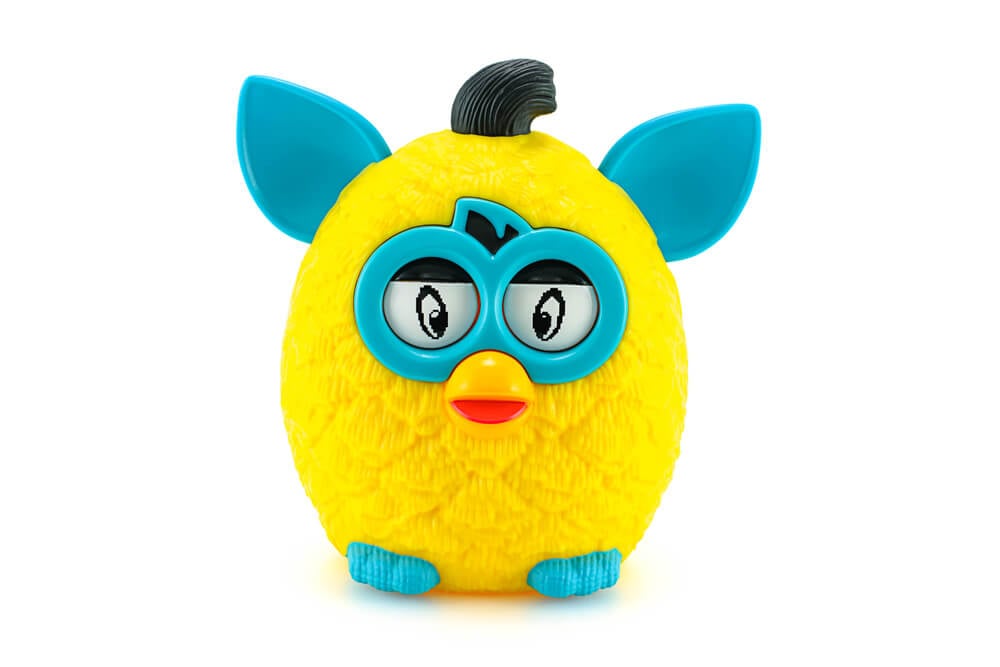
Tiger Electronics released Furby in 1998, a furry, owl-like toy that appeared to learn English over time as it was played with. It sold millions of units and caused another holiday rush, with some parents paying far above retail on the resale market.
First edition Furbys in unopened boxes sell for more than loose examples, especially rare color schemes. Condition is everything, since the electronics can corrode if batteries were left inside and the fur mats with handling.
A working Furby with clean fur and an intact box brings the strongest offers from collectors.
Taco Bell Chihuahua
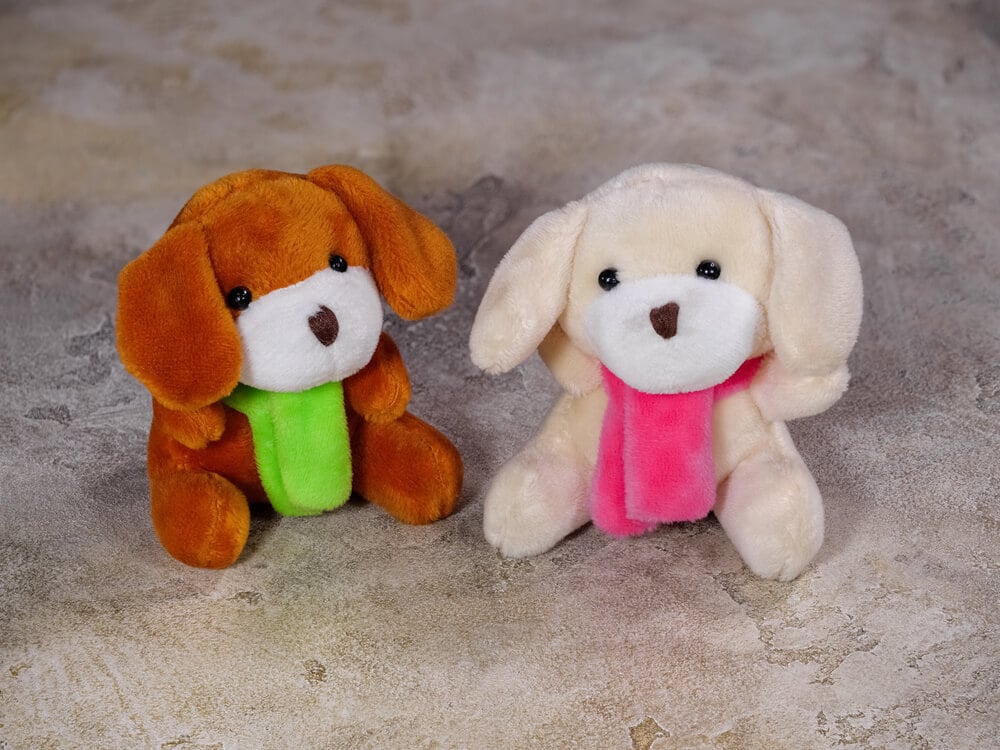
The Taco Bell chihuahua became one of the most recognizable advertising mascots of the late 1990s. Taco Bell sold talking plush versions of the dog around 1998 and 1999, and pressing the plush made it repeat catchphrases from the commercials.
Most examples sell for modest amounts today, but versions with working voice boxes and original tags sell for more. Condition is decisive, since the voice mechanism can fail over time and the tan plush shows stains easily.
Collectors of advertising memorabilia often seek these plush dogs alongside other Taco Bell promotional items.
Talking Teletubbies
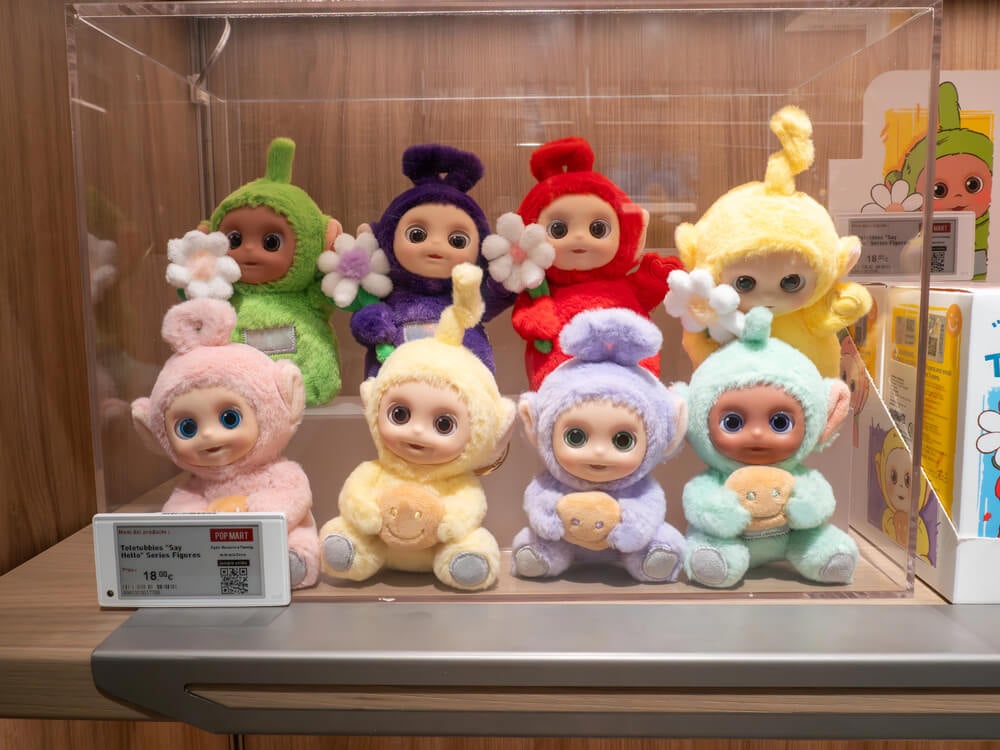
The Teletubbies arrived in the United States in 1999 with Tinky Winky, Dipsy, Laa-Laa, and Po, and talking plush versions from Playskool sold out quickly that holiday season. Pressing a tummy made the characters speak phrases from the show.
Most loose Teletubbies sell for small sums now, but complete sets in their original boxes are worth considerably more. The value depends on condition, including working voice mechanisms and clean fabric on the screens in their bellies.
Sealed boxes that have not faded or crushed in storage make the strongest impression on buyers.
Early Pokemon Plush
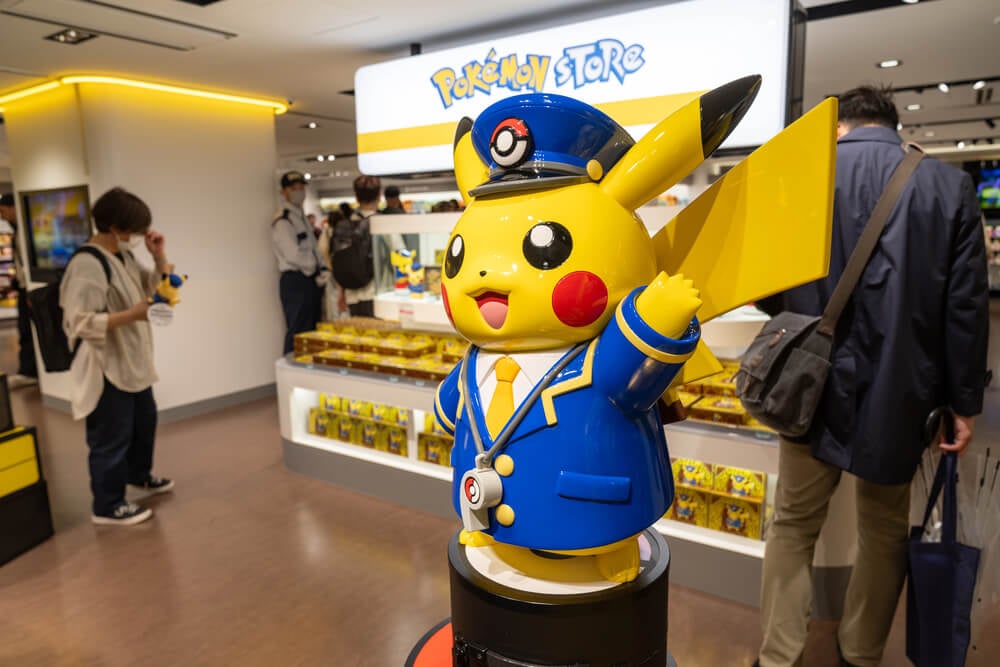
Pokemon arrived in the United States in 1998, and plush versions of Pikachu and other characters quickly followed in 1999 from licensed makers such as Play By Play. Those early plush toys carried tags that collectors now use to date them, and first-wave pieces with intact tags sell for more than later releases.
Rare characters and promotional pieces can bring much higher sums. Condition is central, with fading, stains, and missing tags all lowering value.
Collectors often compare tag details against reference photos, since the franchise has produced an enormous amount of plush over the decades.
Coca-Cola Bean Bag Polar Bears
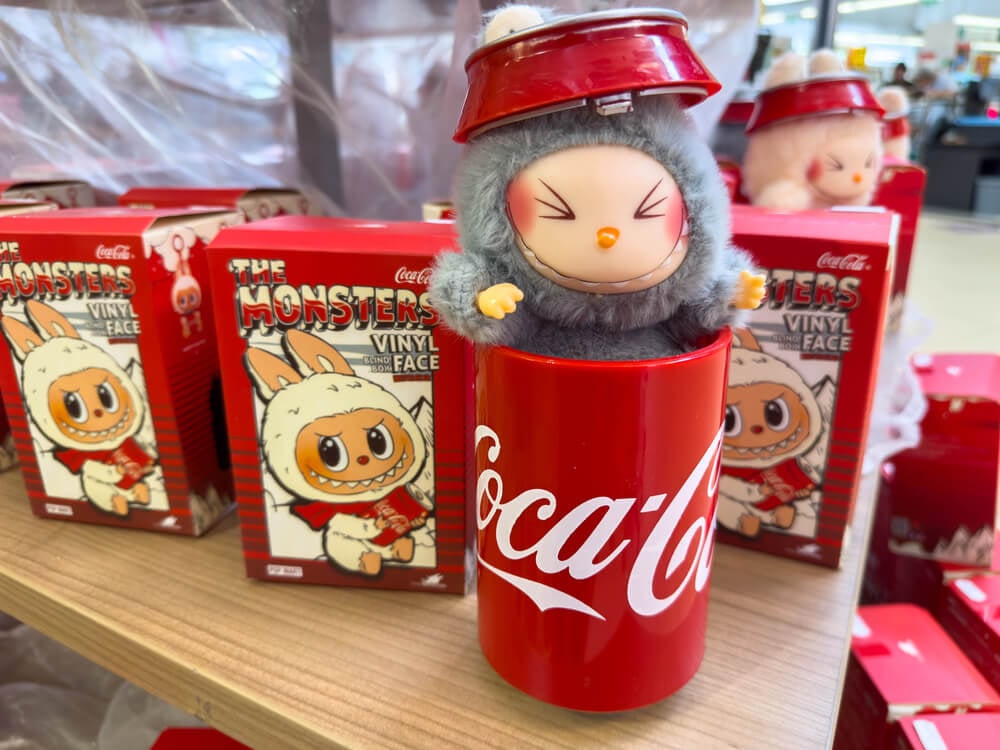
Coca-Cola bean bag plush toys rode the Beanie Baby wave in the late 1990s, with the company’s polar bear mascots leading the lineup. Cavanagh made the Coca-Cola Bean Bag Collectibles, and some designs were sold only at certain retailers or international markets.
Most sell for small amounts today, but scarce international versions with intact tags draw more interest. The value is condition dependent, especially the brightness of the white plush and the state of the tags.
Collectors of Coca-Cola memorabilia sometimes pay more than bean bag collectors do.
Salvino’s Bammers
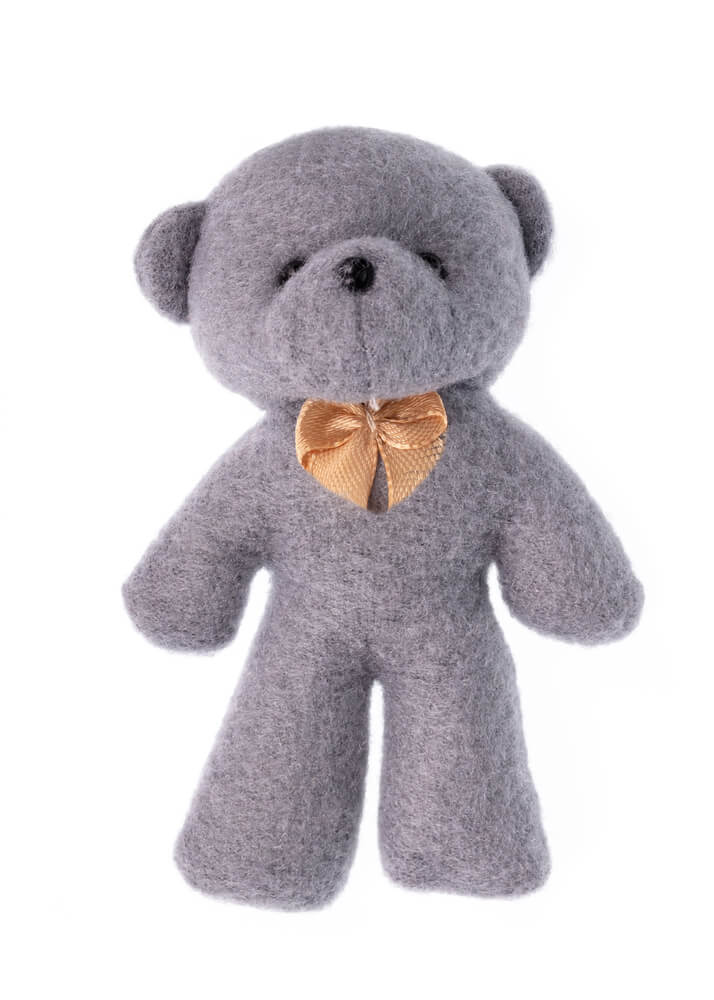
Salvino’s Bammers were bean bag bears in the late 1990s that featured Major League sluggers in team uniforms, sold with numbered certificates in limited editions. The bears tapped into the excitement of the 1998 home run race between Mark McGwire and Sammy Sosa.
Most Bammers sell for modest sums today, but certain players and early numbered editions sell for more. Condition matters, including the state of the certificate, the tags, and the embroidered details.
Sports memorabilia collectors often value these bears as crossover pieces between plush toys and trading cards.
Tags Held the Value All Along
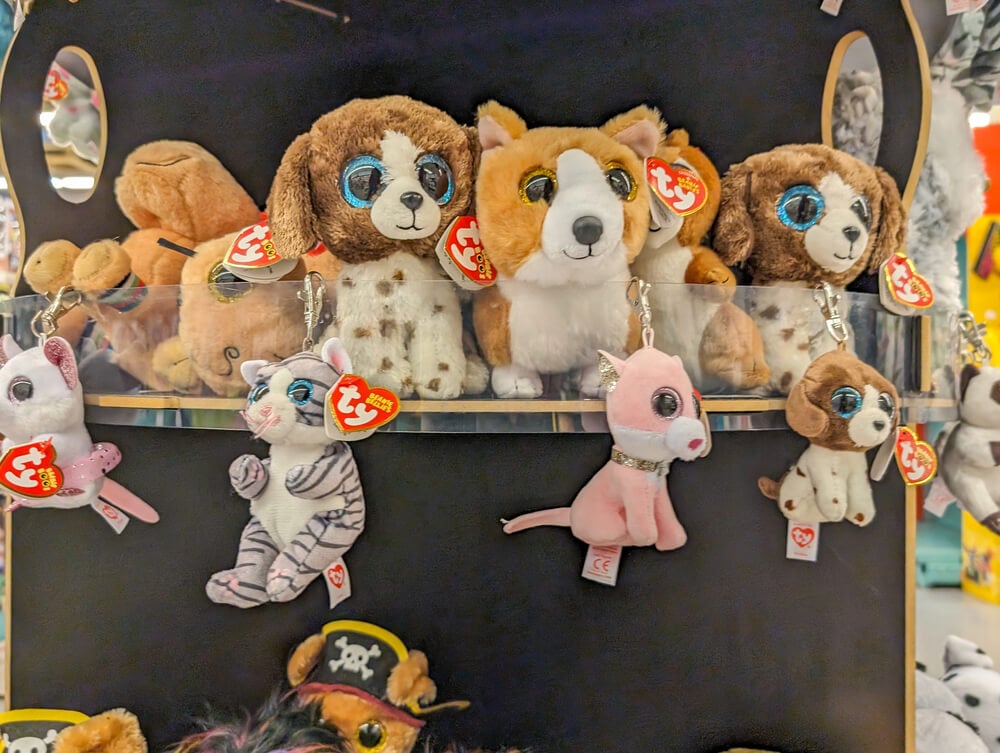
The bean bag boom taught a generation that scarcity could be manufactured and that rumor could move faster than facts. Ty retired designs on a schedule, magazines printed price guides, and adults bought toys in bulk without ever planning to play with them.
When the craze faded, the supply was simply too large for most pieces to hold value. What remains valuable is the rare stuff, the early tags and factory errors that no one could plan for.
The same applies to the electronic plush of the decade, where working mechanisms and clean boxes separate collectibles from thrift store bins. Checking a tag before donating a bag of plush takes a minute and can occasionally save a surprising sum.
More from Go2Tutors!

- The Romanov Crown Jewels and Their Tragic Fate
- 13 Historical Mysteries That Science Still Can’t Solve
- Famous Hoaxes That Fooled the World for Years
- 15 Child Stars with Tragic Adult Lives
- 16 Famous Jewelry Pieces in History
Like Go2Tutors’s content? Follow us on MSN.



