29 After-School Snacks from the ’80s That Hit Completely Different
There’s a specific kind of hunger that only exists between 3:15 and 4:00 PM on a school day. Not real hunger, exactly — more like a Pavlovian signal that the backpack is off, the shoes are kicked somewhere near the door, and the TV is about to do all the thinking for a while.
The snacks that filled that window weren’t just food. They were ritual.
And for anyone who grew up in the 1980s, certain tastes and textures are permanently fused to the sound of a cartoon theme song playing in another room. These are the ones that defined that hour.
Dunkaroos
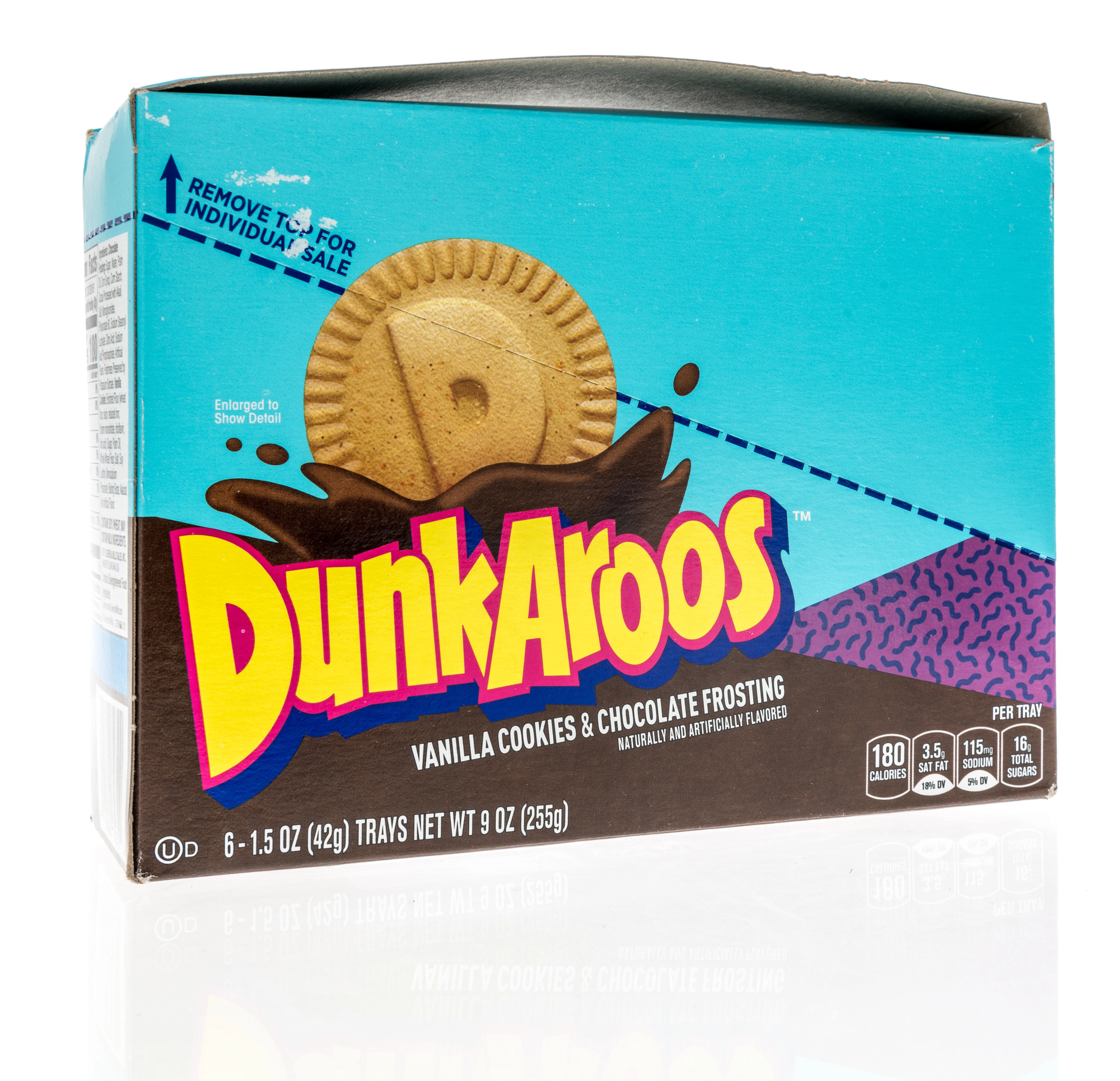
Dunkaroos were a kangaroo-shaped cookie paired with a tub of frosting so sweet it practically glowed. You ate the cookies first, then used the last one as a shovel.
Nobody rationed the frosting. That was a lie children told themselves.
Fruit Roll-Ups
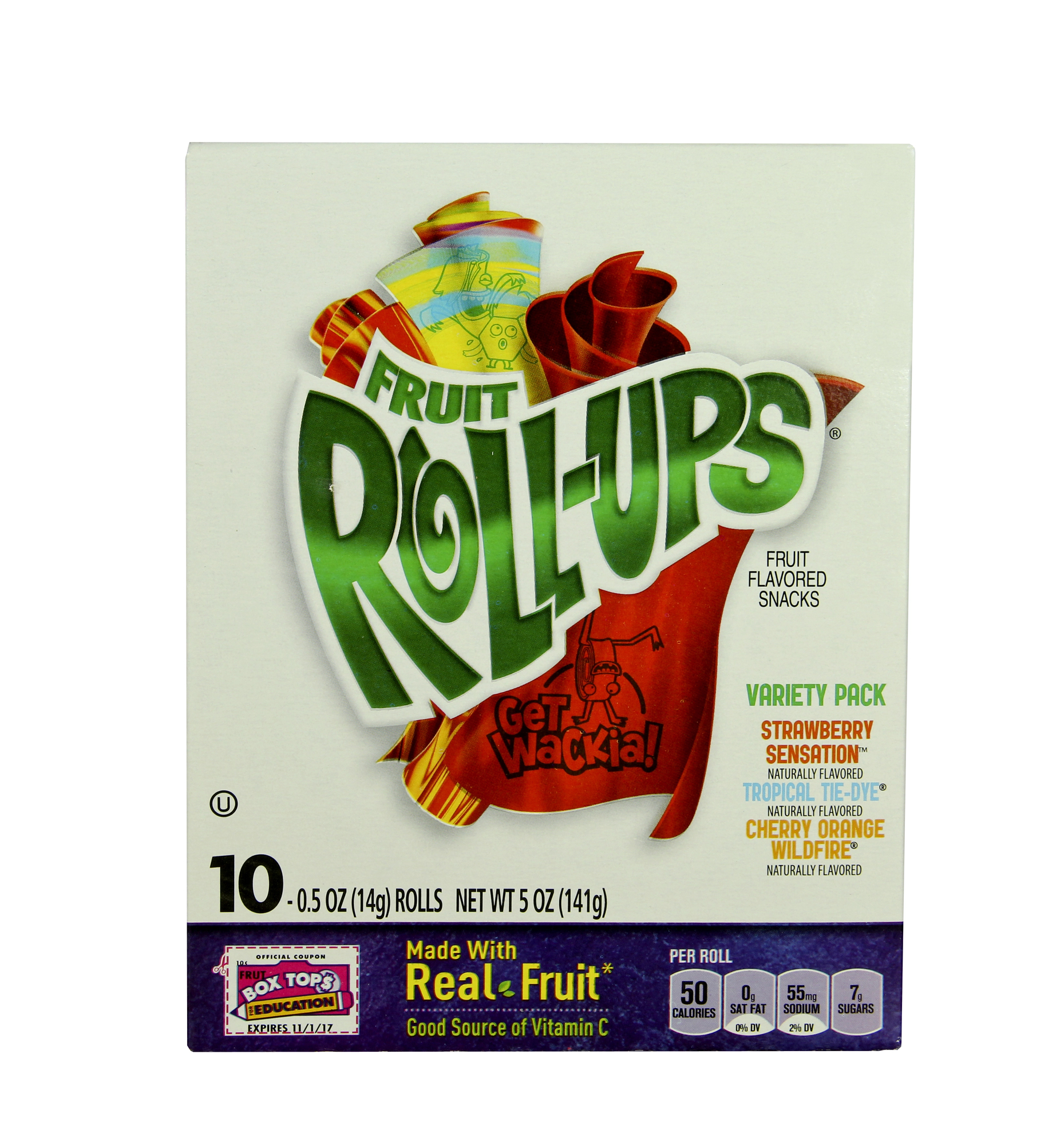
Fruit Roll-Ups are a commitment — you peel, you stretch, you roll them around your tongue, and somehow fifteen minutes pass. The flavors (strawberry, cherry, tropical punch) were only loosely related to actual fruit, which was understood and accepted by all parties involved.
And yet, the ritual of unrolling one flat against a countertop before eating it felt deeply satisfying in a way that was hard to explain even then.
Combos
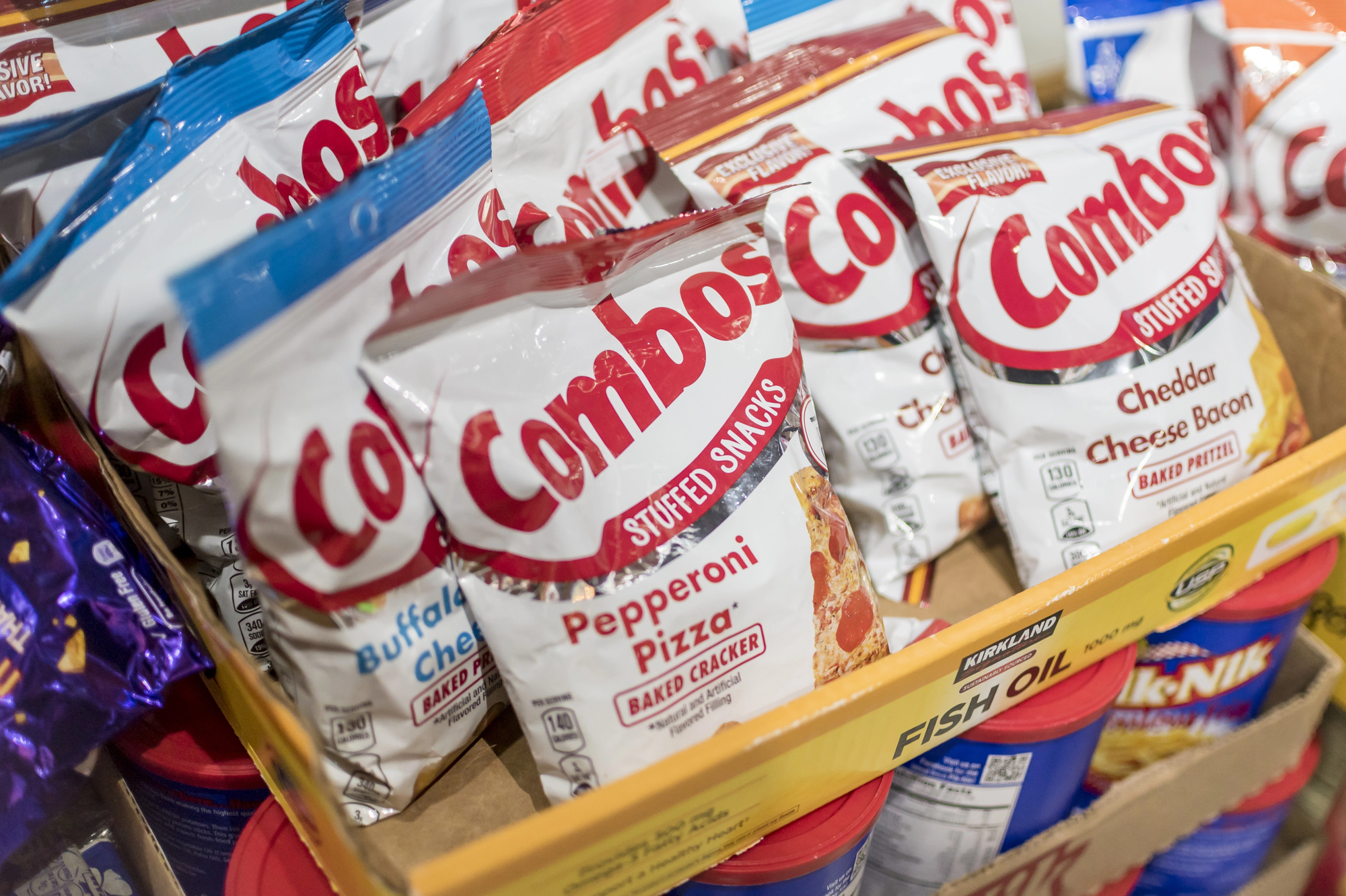
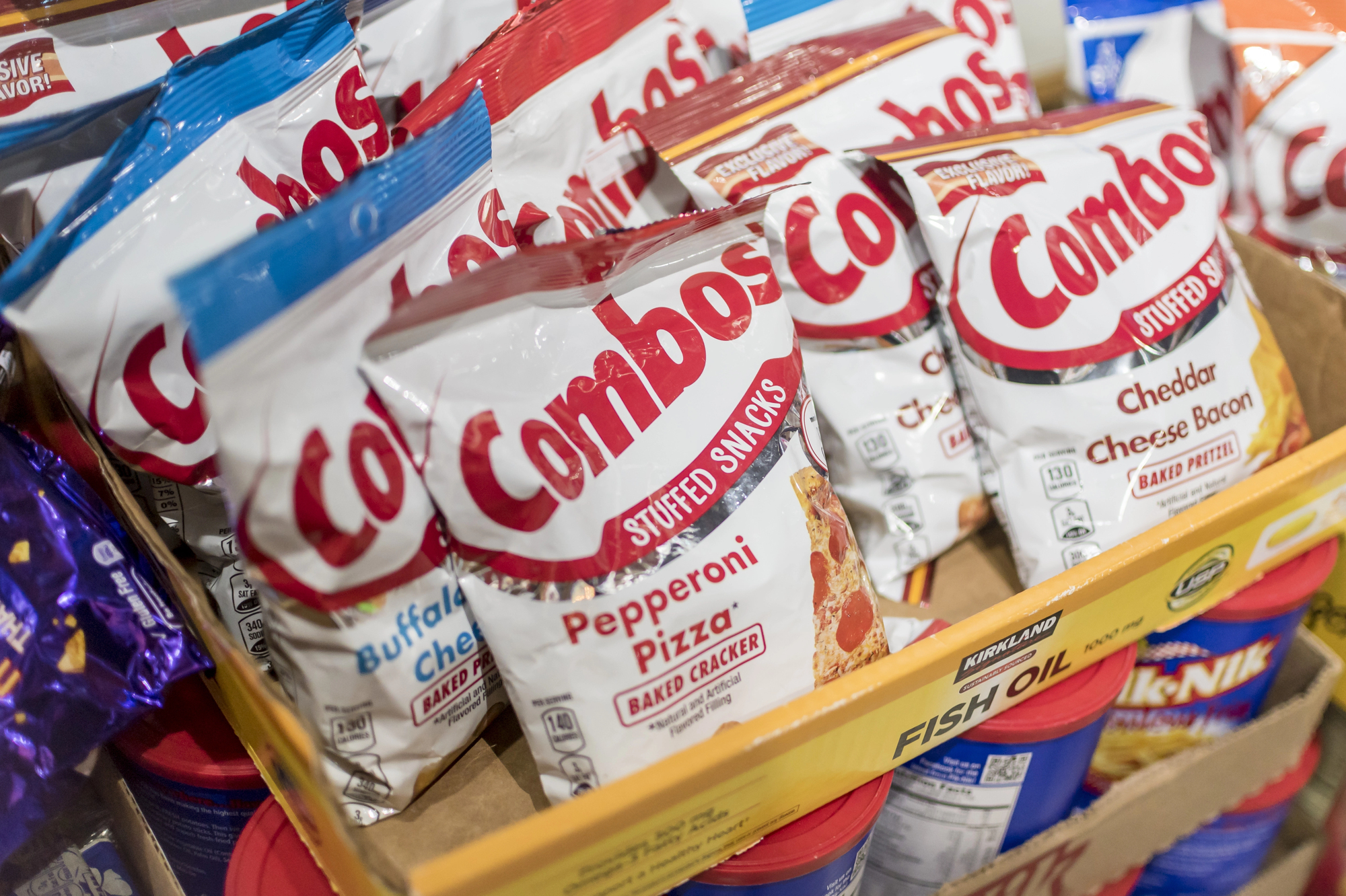
Combos were the snack for kids who wanted to feel like they were eating something an adult would eat. Pretzel shell, cheese filling, sold in a bag with no cartoon mascot — just the word “Combos” in a font that meant business.
They tasted like the inside of a gas station convenience store, which in the ’80s was a compliment.
Little Debbie Oatmeal Cream Pies
An Oatmeal Cream Pie from Little Debbie is a soft, yielding thing — almost too soft, the kind of texture that collapses under light pressure, as though it was designed to disappear rather than be eaten. The filling is not cream in any traditional sense, but it occupies the exact gap between too sweet and not sweet enough in a way that no pastry chef has ever successfully replicated in a “real” dessert.
Kids understood this without being able to say why.
Bagel Bites
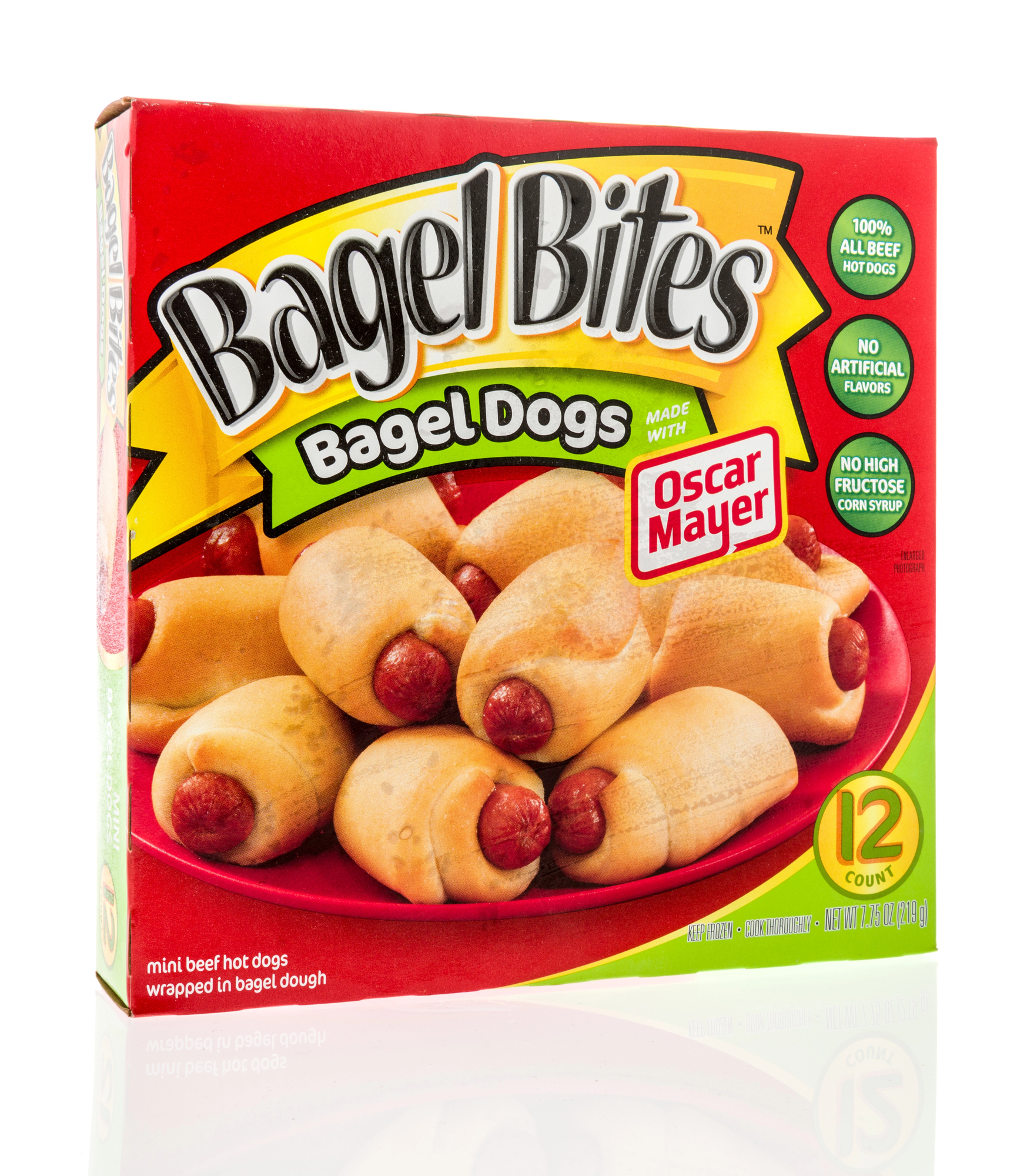
Bagel Bites required a toaster oven, which made them feel like a production — a minor culinary achievement at 3:30 in the afternoon. The commercial jingle lodged itself into the brain stem of an entire generation and has never left.
“Pizza in the morning, pizza in the evening” is technically still playing somewhere in the back of your memory right now.
Cheetos Puffs
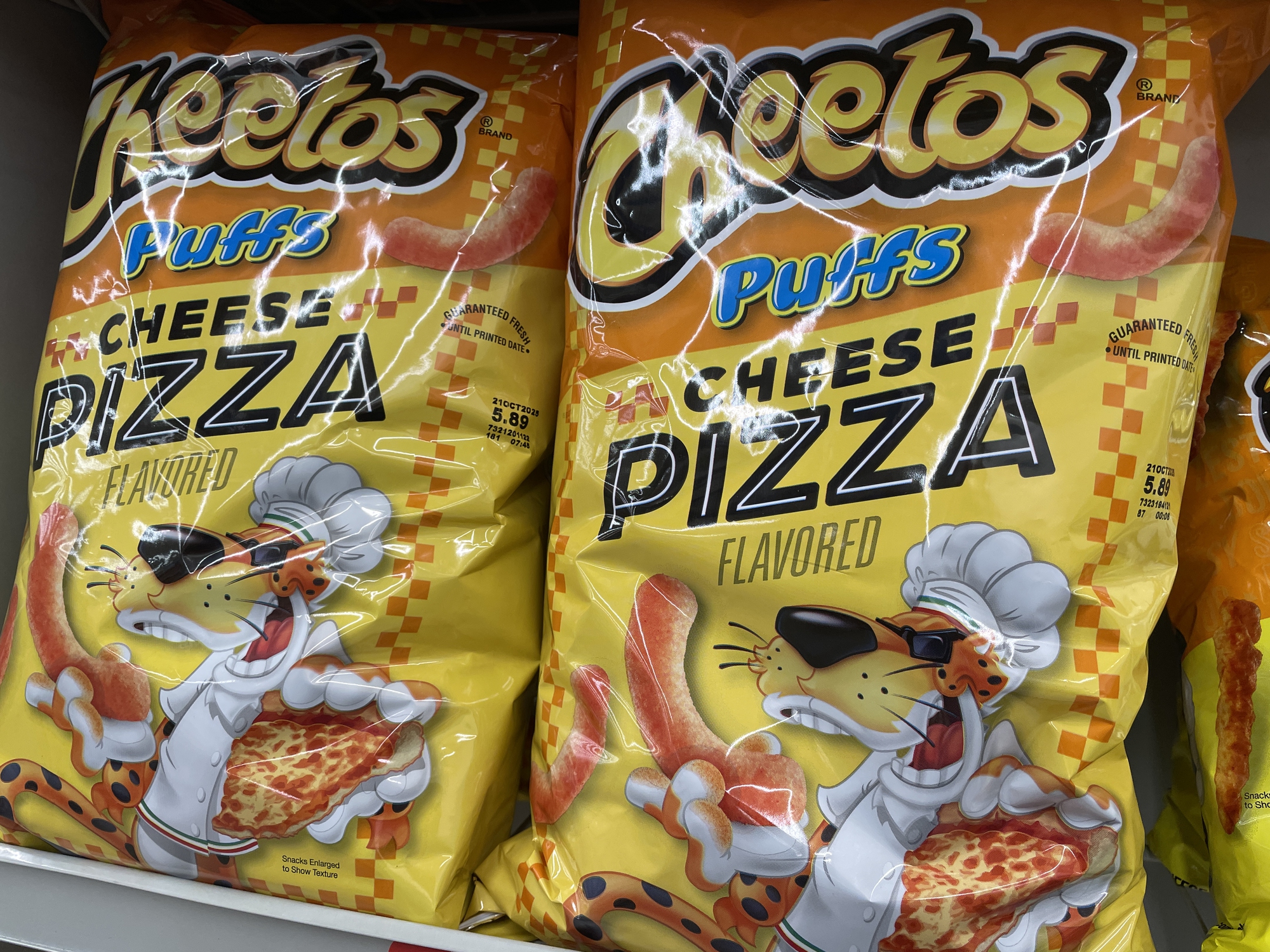
Cheetos Puffs are not the same snack as crunchy Cheetos, and that distinction matters. The puff variety dissolves on contact with saliva, which should feel like a trick but instead feels like a reward — a snack that does the work for you.
The orange dust on your fingers after a bag of puffs was essentially a timestamp: you had been sitting on the couch, watching TV, and not doing homework. Evidence of a good afternoon.
Ho Hos
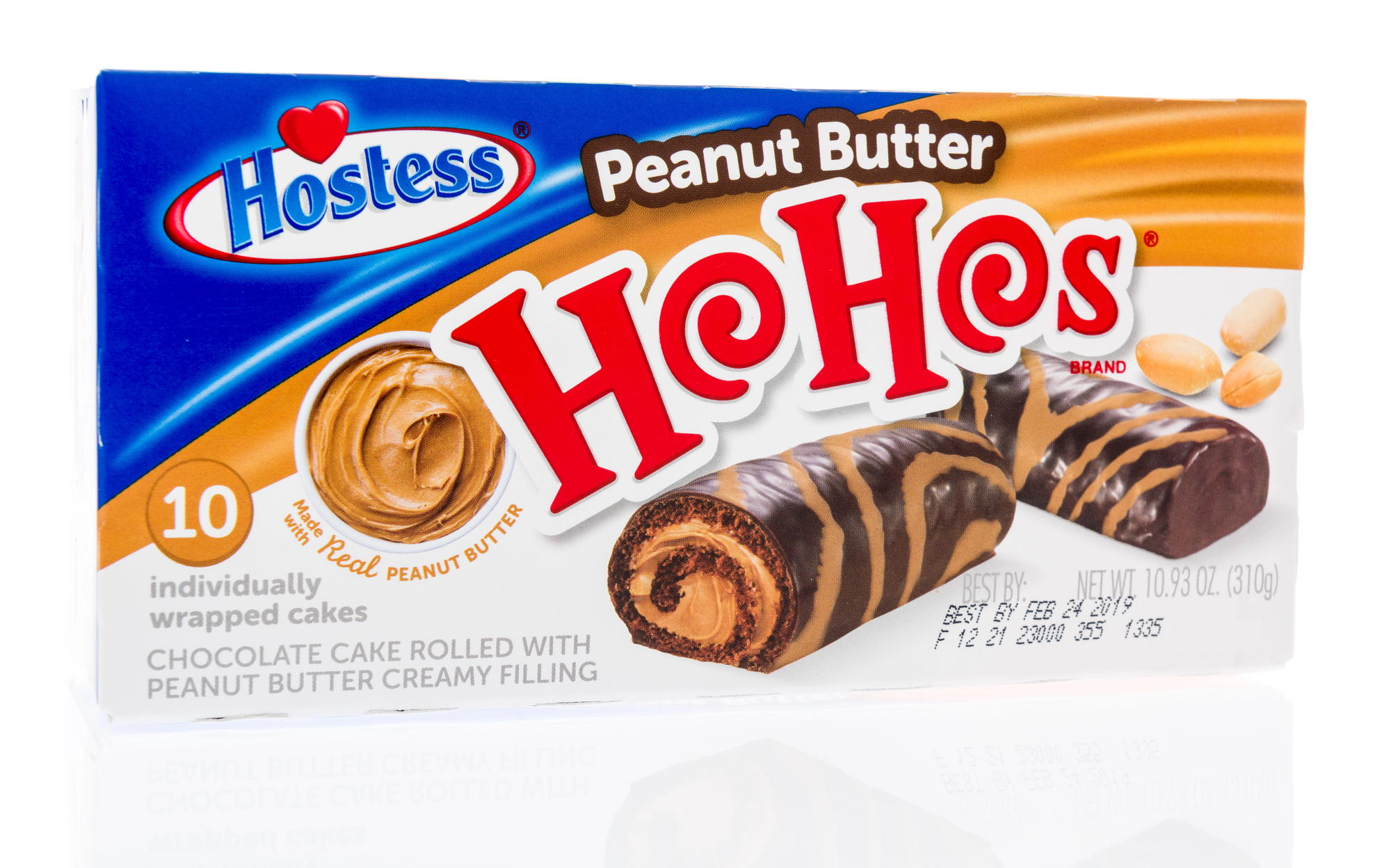
Ho Hos are chocolate cake rolled around a white cream filling and coated in a thin chocolate shell, and the correct way to eat them is by unrolling the spiral before eating it, which takes patience most adults don’t have. They came wrapped individually in foil, which felt slightly luxurious for a snack that cost about thirty cents.
The foil was part of it.
Squeeze-It
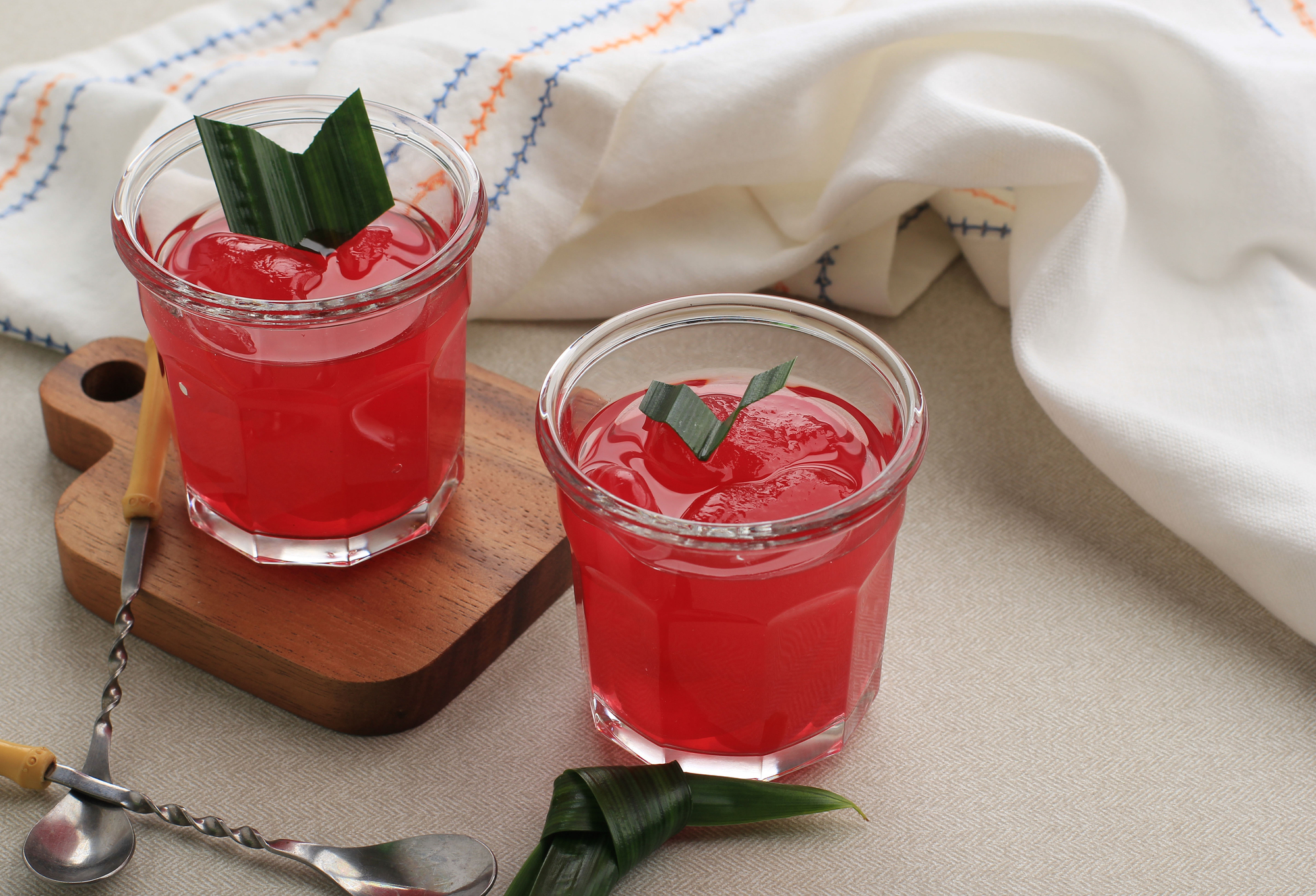
Squeeze-It was a bottle of colored, flavored sugar water with a pull-off cap that required more upper body strength than anticipated. The satisfaction of squeezing the entire bottle into your mouth in one go was real, immediate, and completely worth the subsequent sugar crash.
There was never a moment when Squeeze-It felt like a responsible choice, and that was entirely beside the point.
Rice Krispies Treats (Homemade)
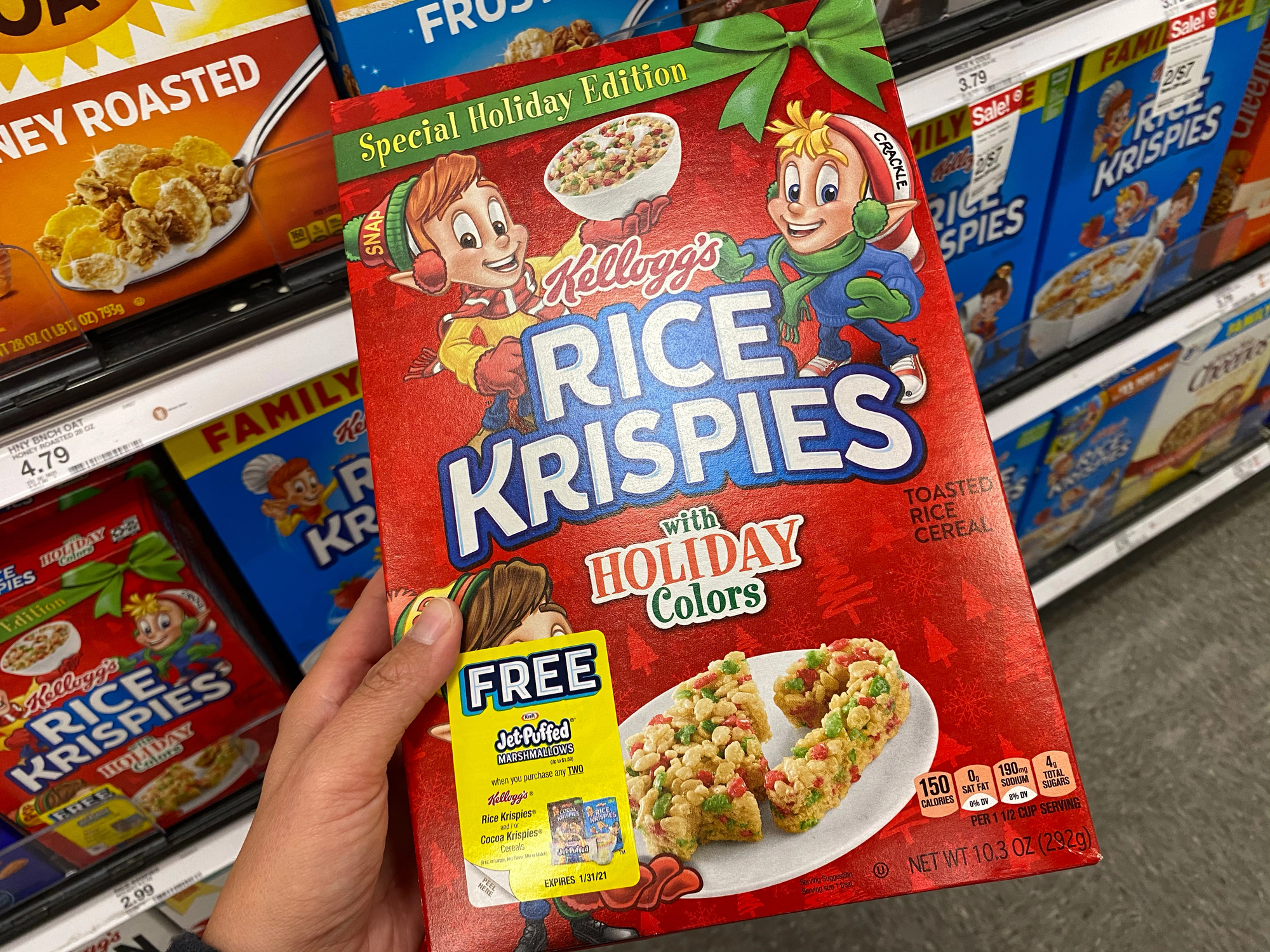
A homemade Rice Krispies Treat from a pan still warm on the stovetop is a different object entirely from anything sold in a wrapper. The corners are the best part — slightly crunchier, slightly more caramelized, the place where the butter met the pan and held on.
Someone’s mom or grandma made these without a recipe, and they always came out right.
Kraft Macaroni and Cheese
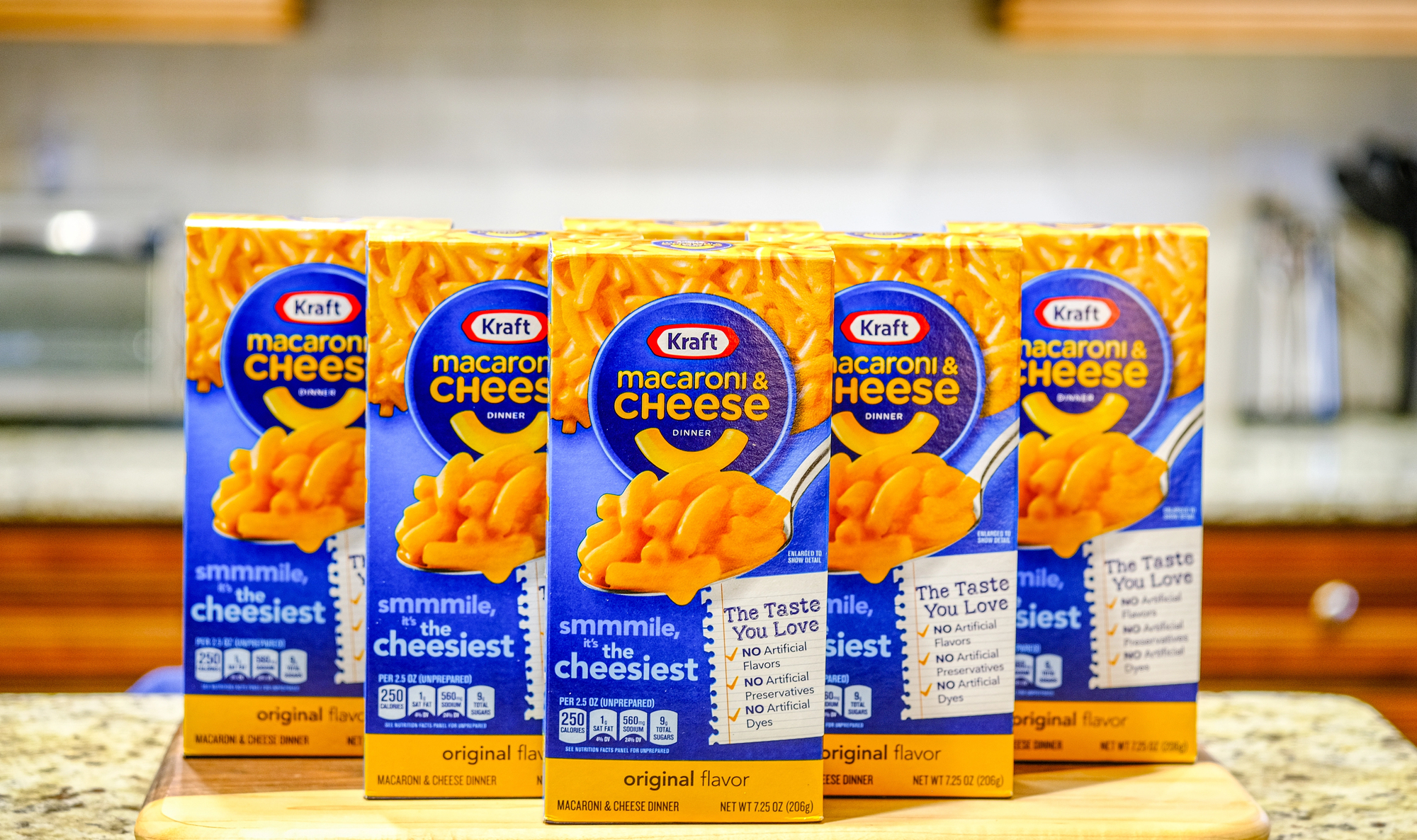
Kraft Mac and Cheese from the blue box was not a dinner in the ’80s after-school universe — it was a snack, consumed at volume, straight from the pot if the circumstances were right. The powdered cheese sauce is, scientifically, not cheese; it is something the ’80s invented to approximate cheese and accidentally improved upon for certain applications.
No upgrade has ever matched the original formula for sheer reliability.
Ritz Crackers with Peanut Butter
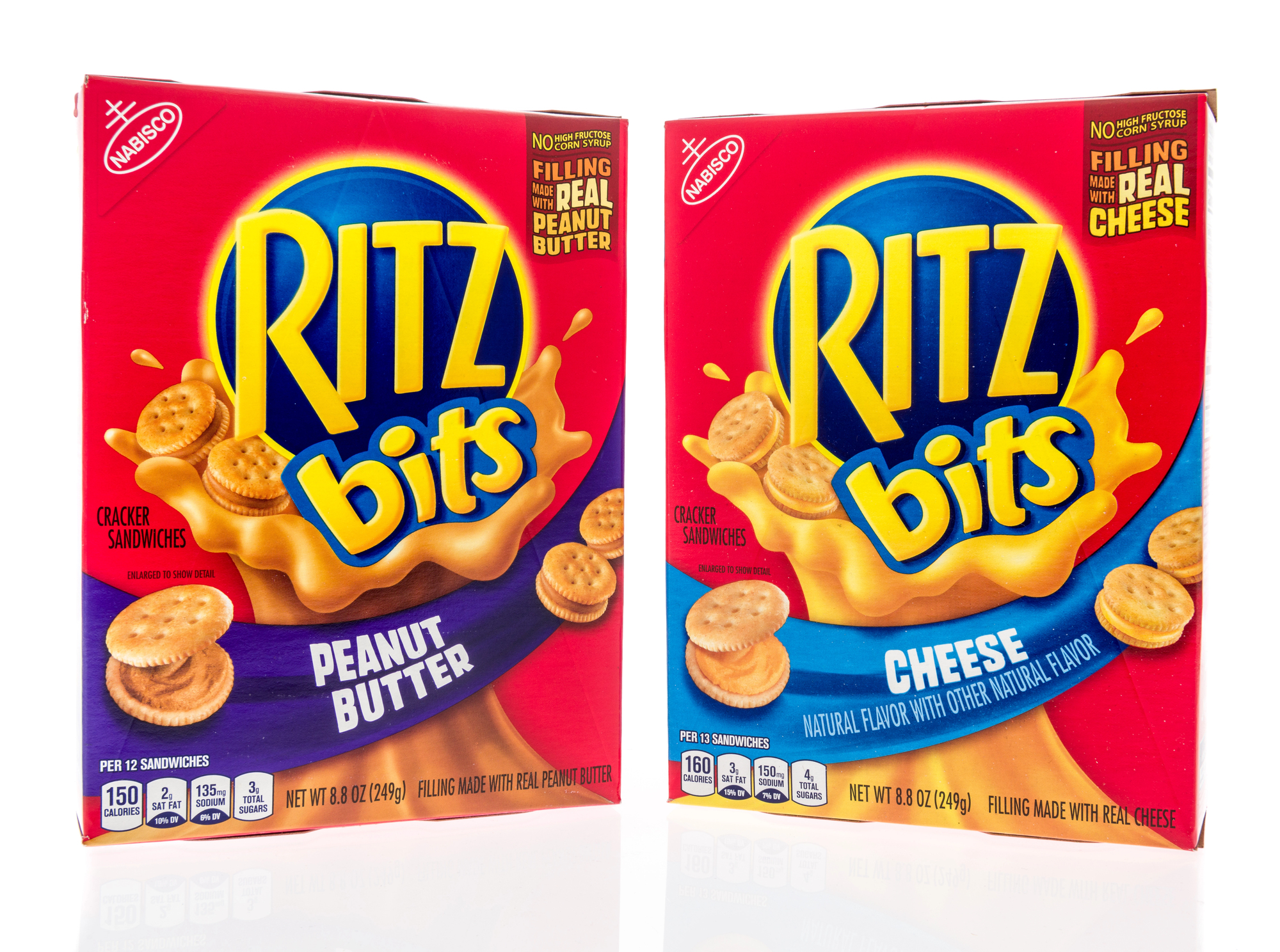
Ritz crackers and peanut butter is the kind of snack that requires no box, no instructions, no packaging — just a sleeve of crackers, a jar of Jif or Skippy, and a butter knife that immediately becomes a peanut butter knife for the rest of the week. It’s a snack that asks nothing of you and gives everything back.
That simplicity aged better than almost anything else on this list.
Twinkies
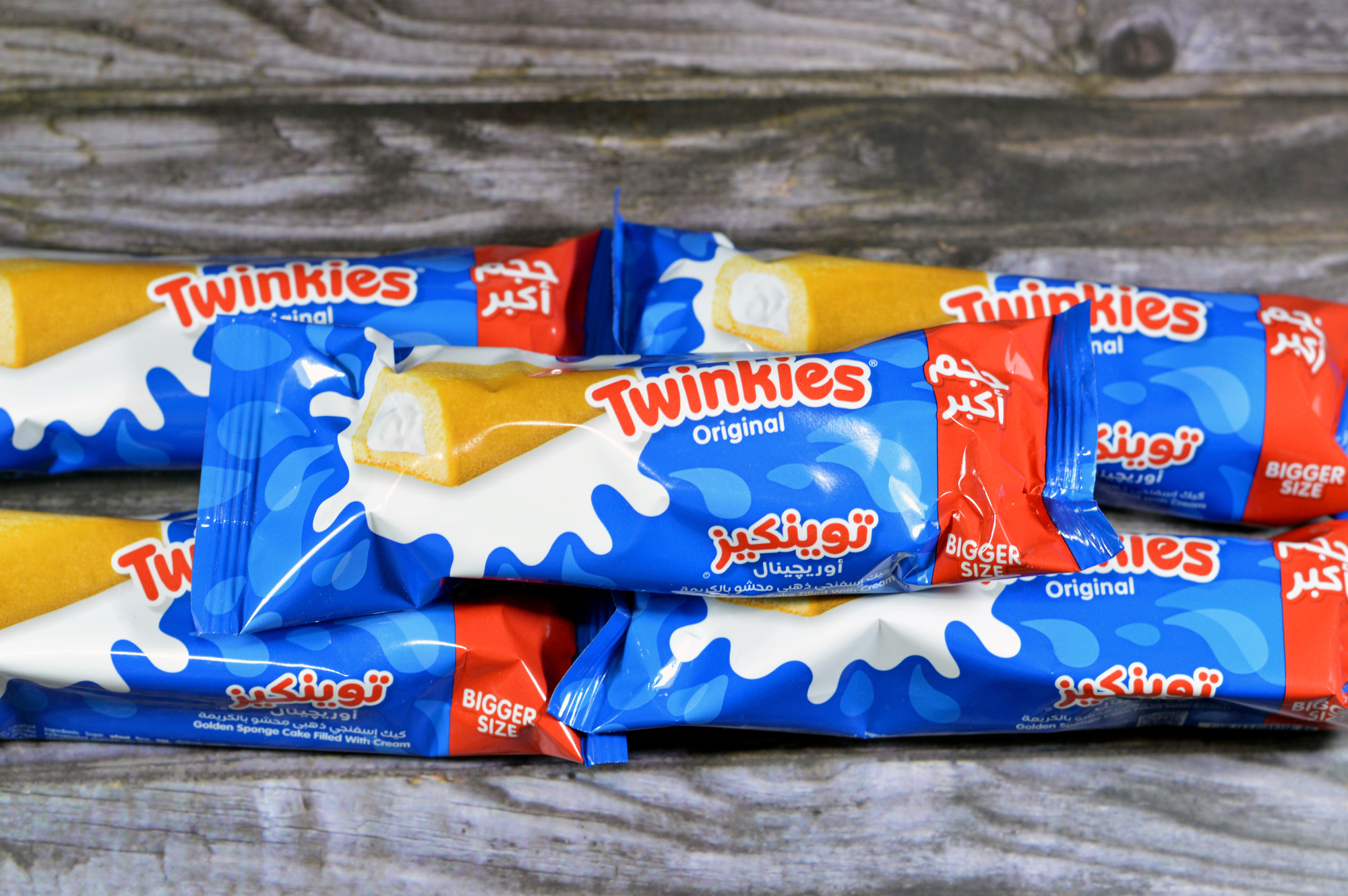
The Twinkie mythology (the story that it could survive a nuclear event, that its shelf life was measurable in geological time) was largely exaggerated, but the legend made eating one feel somehow momentous. In reality, a Twinkie lasts about 45 days — which was still longer than most other snack cakes of the era.
The cream filling was the whole point, and everyone knew it.
Ring Pops
A Ring Pop is not a candy so much as a social statement — you wore it, you licked it occasionally, and you held your hand up in a way that was entirely about the ring and not about the candy. The flavors were secondary to the theater of the thing.
Strawberry was the correct choice, full stop.
Pizza Rolls
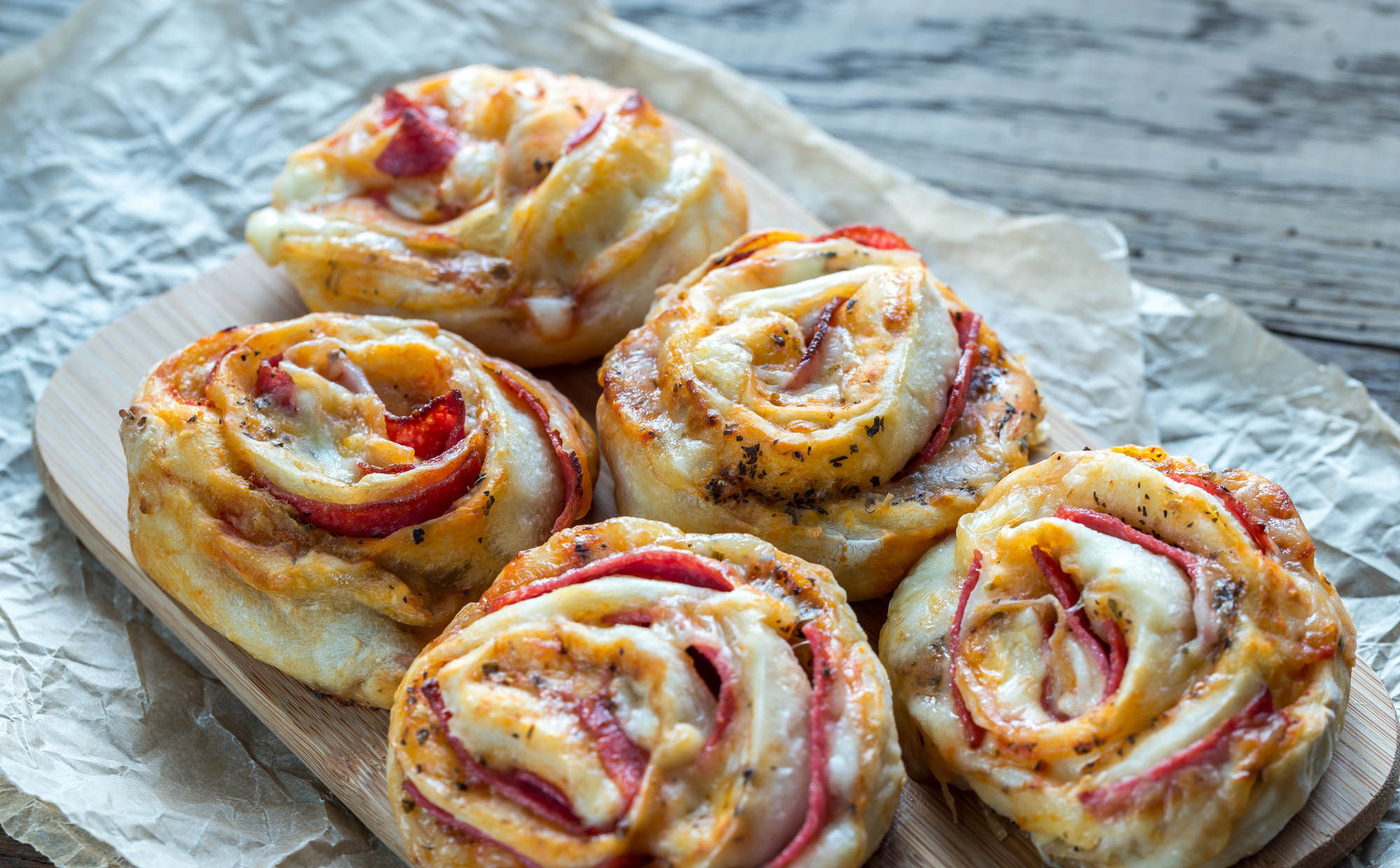
Pizza Rolls existed in a permanent state of thermal deception: ice cold in the middle, molten on the outside, every single time, without exception, regardless of cooking method or duration. You burned the roof of your mouth.
You ate another one. This was the full and complete arc of the Pizza Roll experience, and it repeated indefinitely.
Pudding Cups
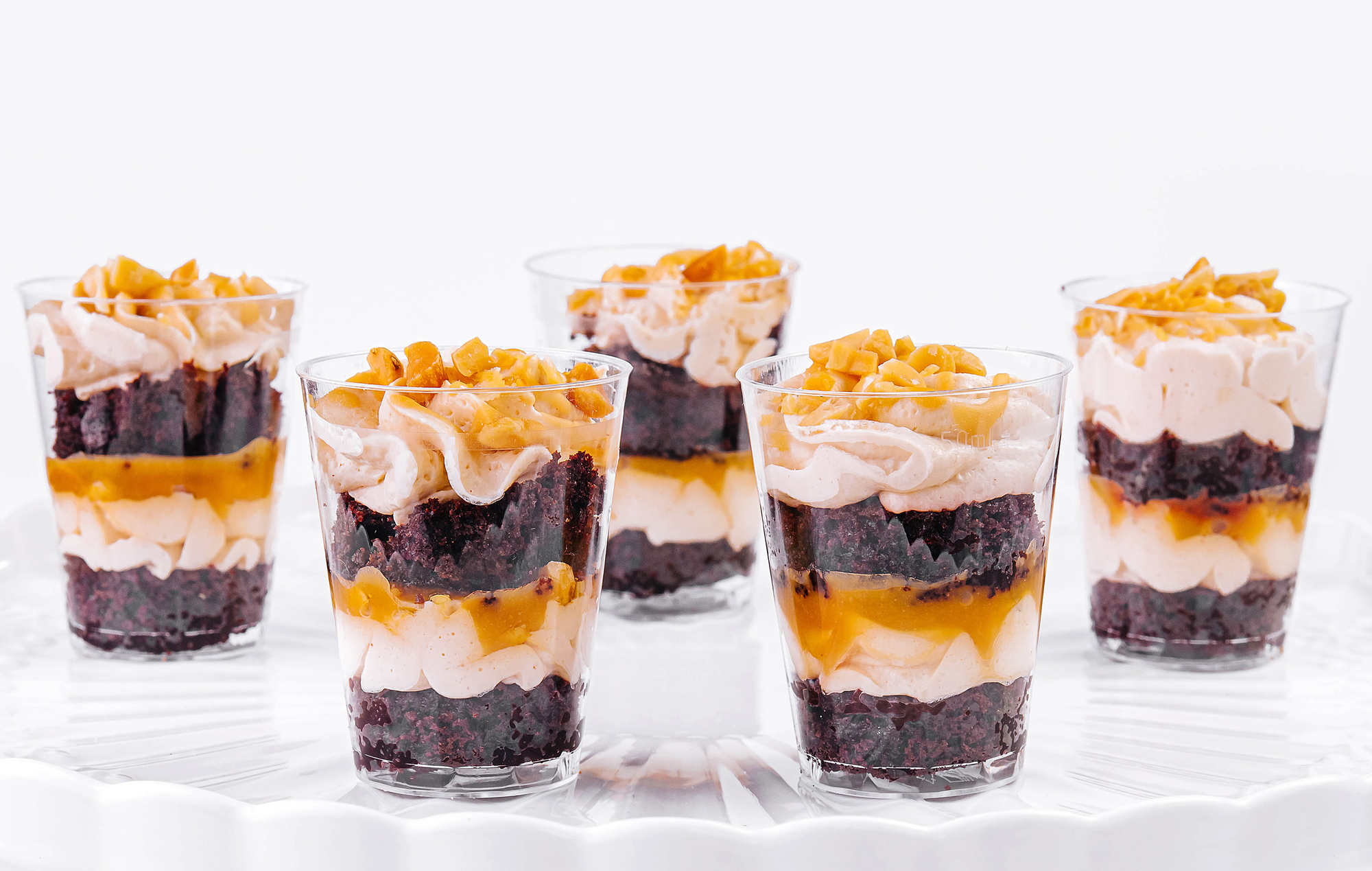
The pudding cup — chocolate, specifically — is a small, sealed container of something that tastes the way the color brown feels: warm, uncomplicated, entirely satisfying. Snack Pack was the dominant brand, and the pull-tab lid left a clean edge that kids ran their fingers along to get the last of it.
No spoon was ever clean when it came out of a pudding cup.
Graham Crackers with Frosting
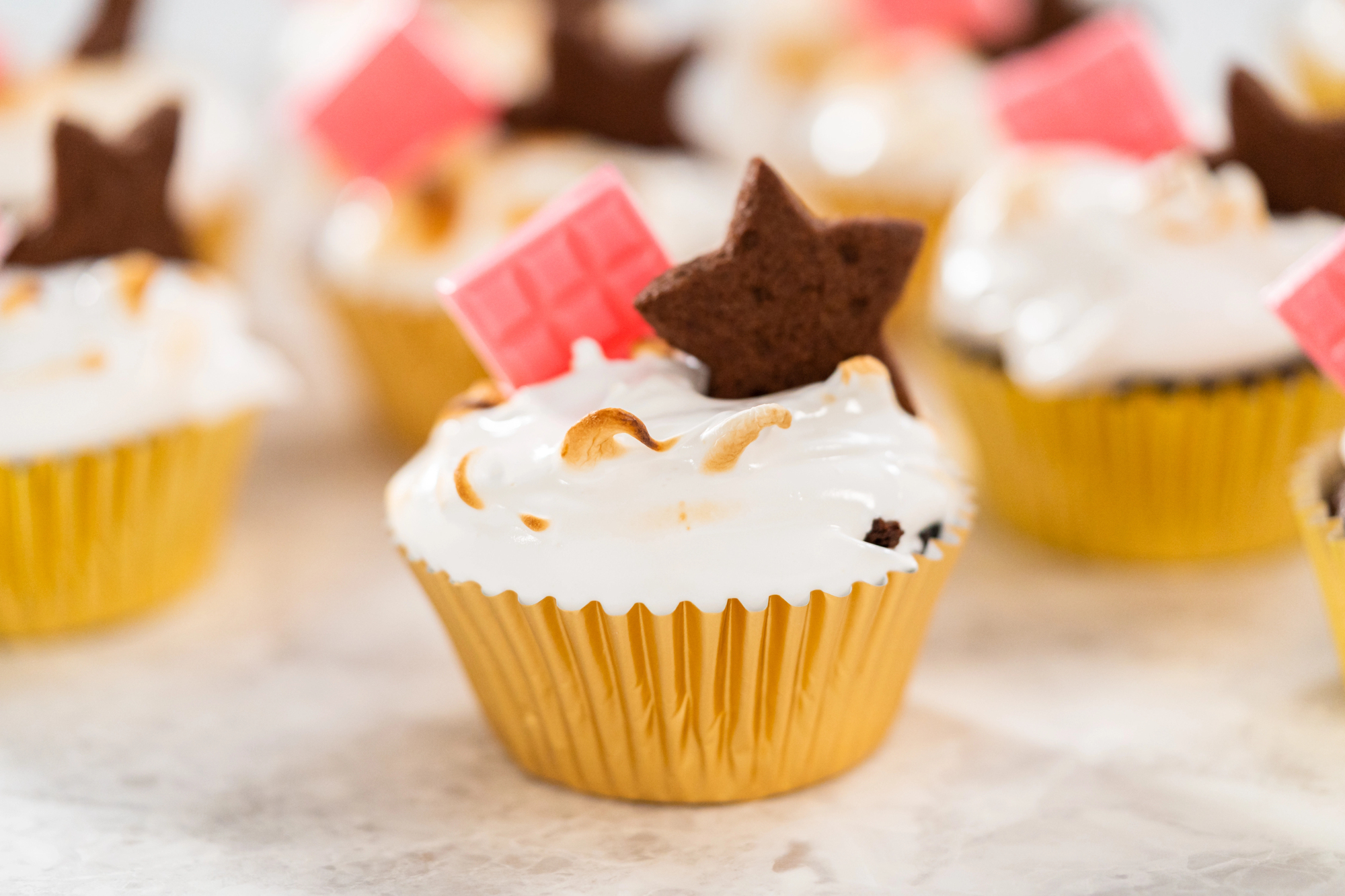
Graham crackers with frosting from a tub — the Betty Crocker kind, vanilla or chocolate — was not a recipe so much as a discovery made by hungry children with limited pantry access. It shouldn’t have worked as well as it did.
The graham cracker’s dry, slightly honeyed crunch against the sugary, thick frosting created something the ’80s didn’t have a name for but absolutely understood.
Pringles
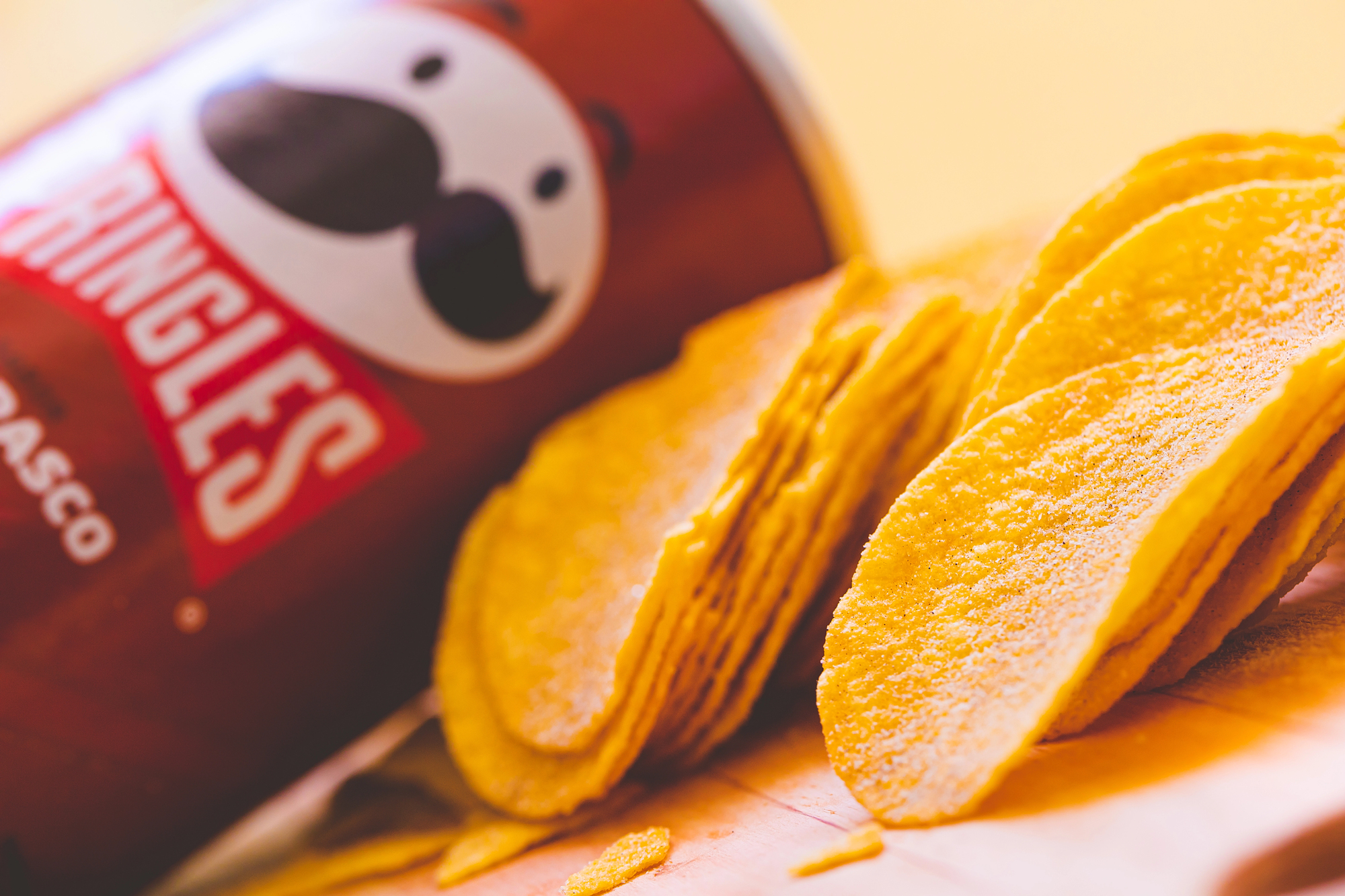
Pringles solved a problem nobody knew they had: potato chips that stack, ship without crumbling, and taste identical whether you’re eating the first one or the last one in the can. The can itself was half the appeal — cylindrical, resealable, inexplicably satisfying to pop open.
“Once you pop, you can’t stop” was not an advertising slogan so much as a factual warning.
Fruit by the Foot
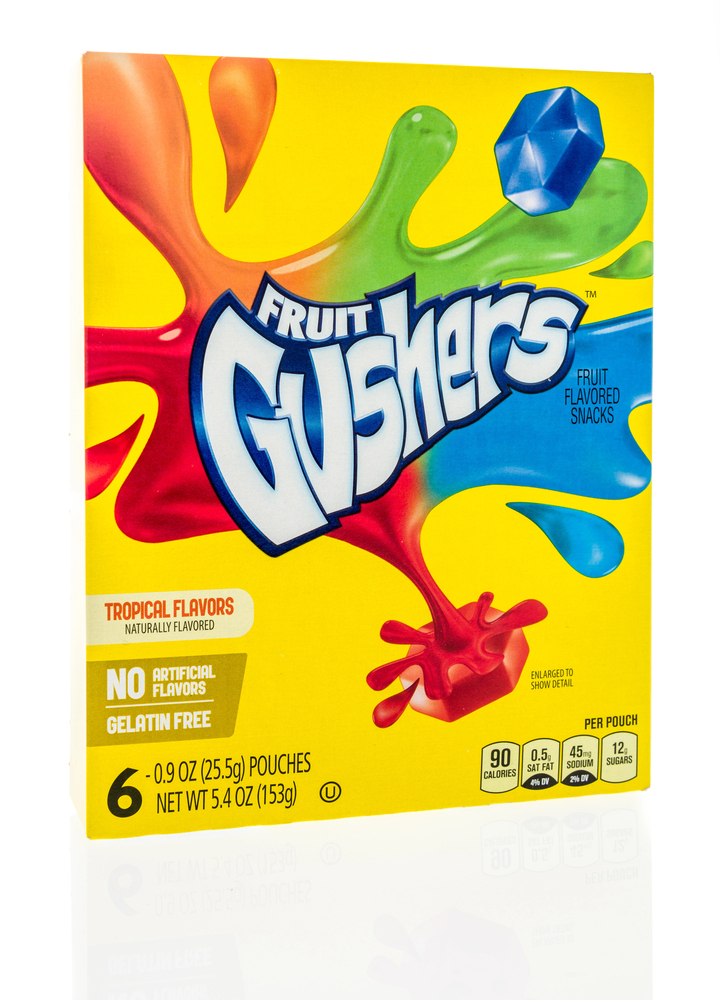
Fruit by the Foot is three feet of rolled fruit-flavored tape, which raises questions nobody in the ’80s thought to ask. The correct method of eating it was to hold one end in your mouth and walk backward, stretching it across the room — not a method endorsed by the manufacturer but widely practiced.
Every flavor tasted like a slightly different version of the same fruit: imaginary.
Ants on a Log
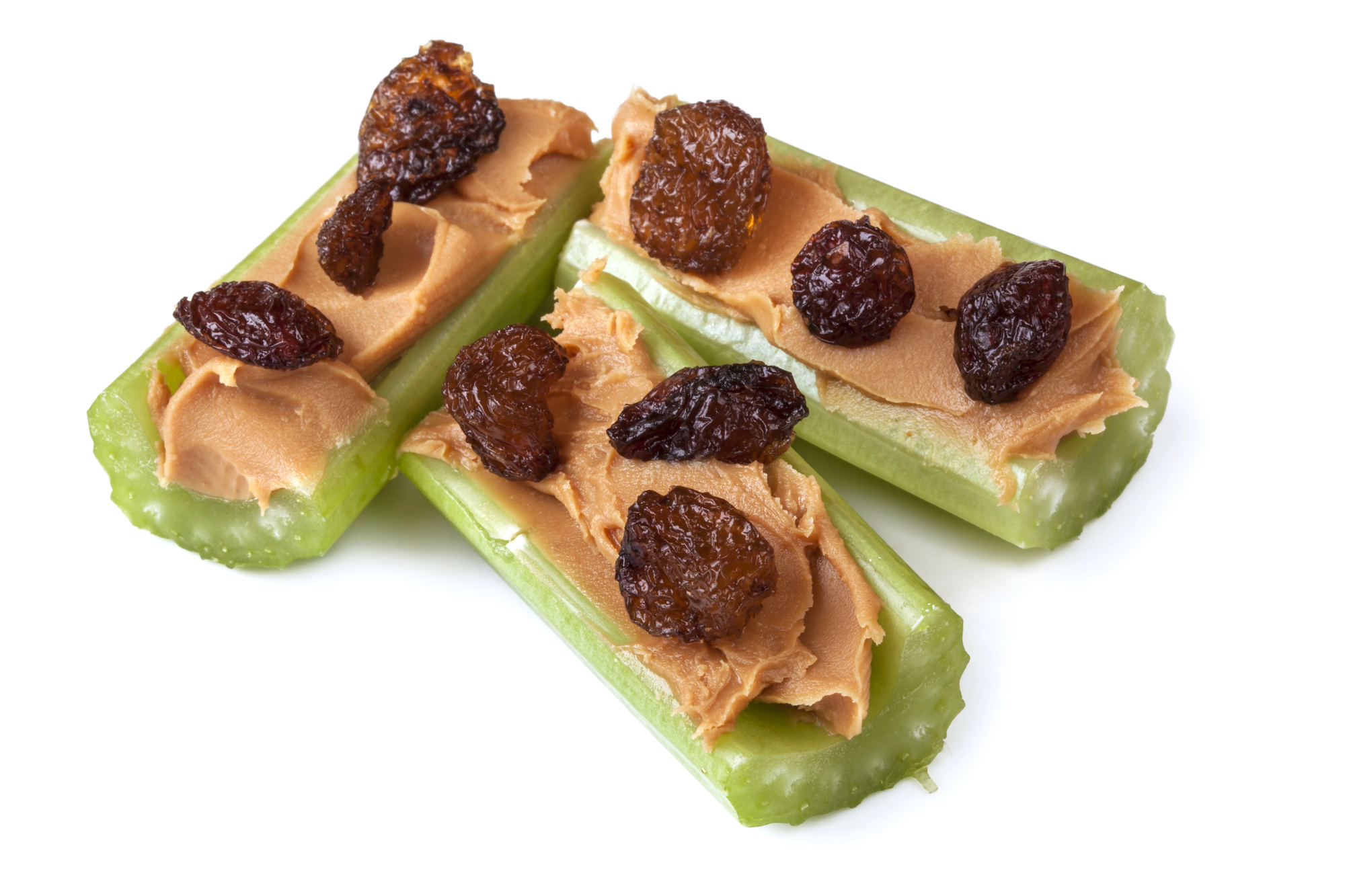
Ants on a Log — celery, peanut butter, raisins — was the snack that parents felt good about and kids tolerated with varying degrees of genuine enthusiasm. It’s one of those recipes that arrives in your life as though it has always existed, with no discernible origin, assembled by someone who looked at three unrelated ingredients and saw a log.
The raisins were always the polarizing element.
Swiss Rolls
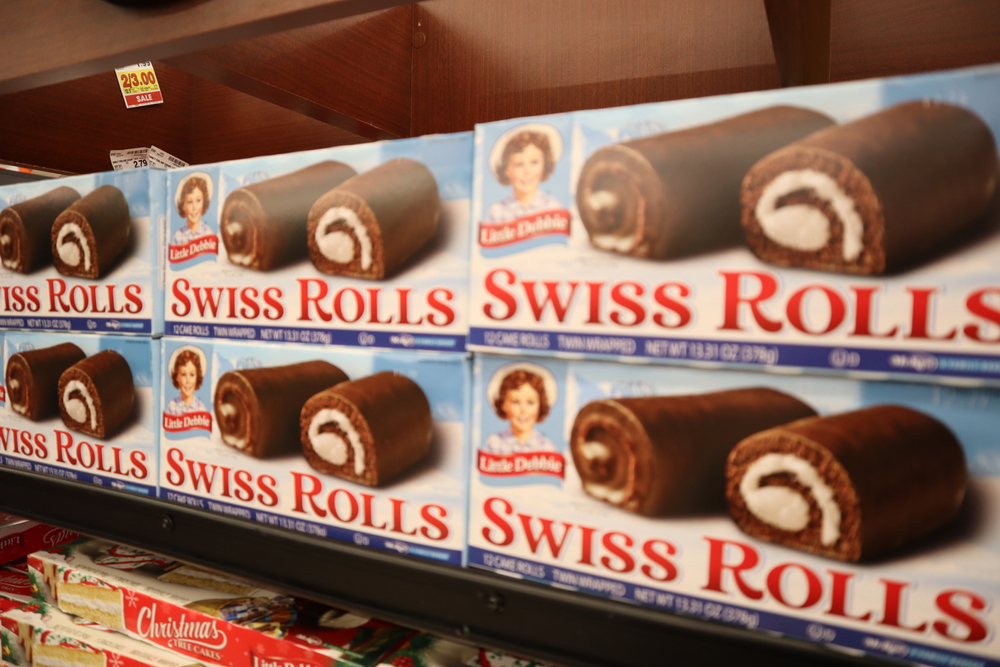
Swiss Rolls from Little Debbie are structurally identical to Ho Hos in most respects, but the unrolling ritual felt different — the Swiss Roll was thinner, more delicate, and unraveled in a way that felt slightly more ceremonial. They were also, somehow, the snack most likely to be found in the pantry even when everything else was gone.
A reliable presence. Quietly indispensable.
Nerds
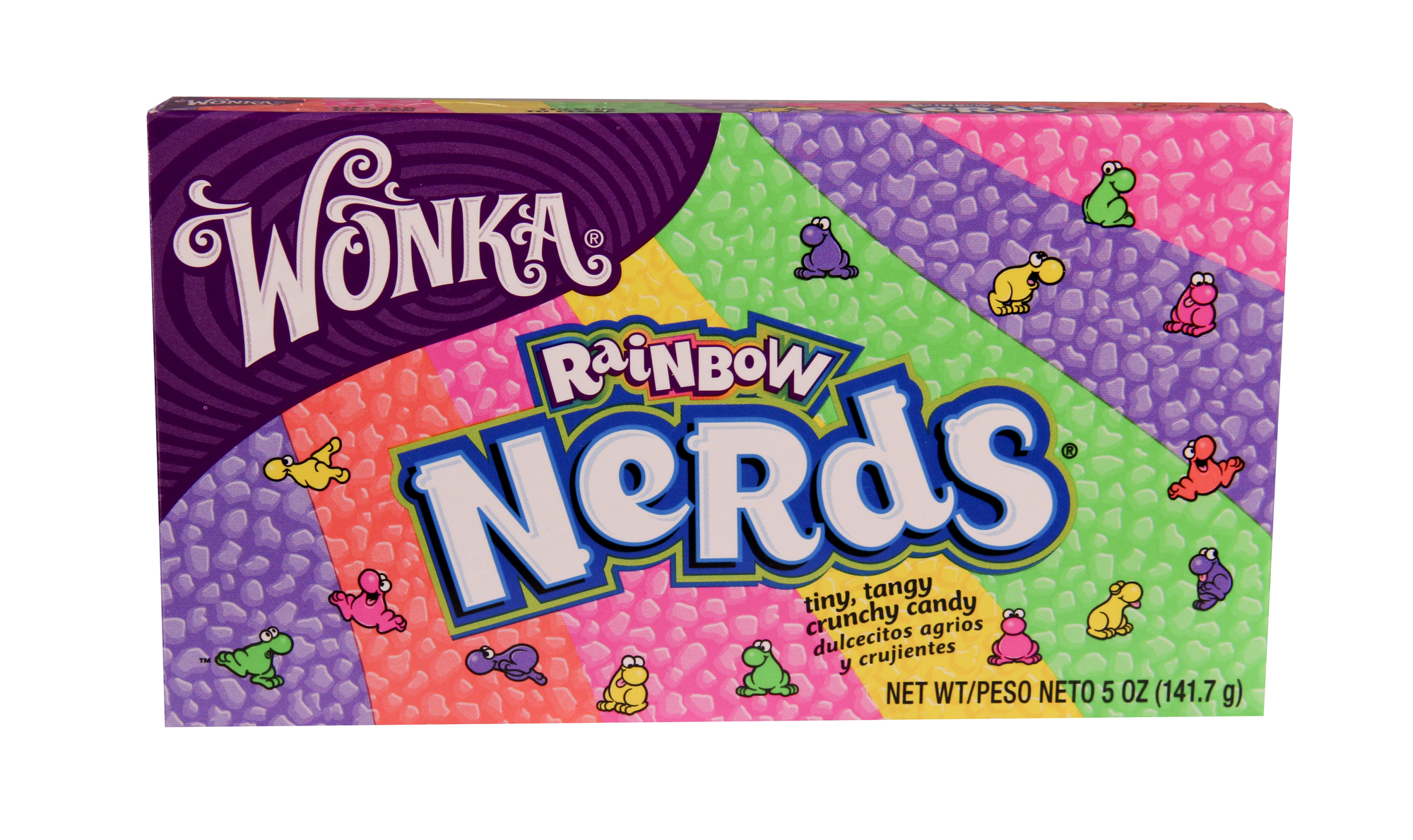
Nerds come in a box divided into two flavors by a cardboard wall, and the temptation to mix them through an opening you punched in the middle was constant and almost always acted upon. The crunch was aggressive for something so small — a single Nerd is maybe three millimeters wide but sounds like gravel when you bite it.
Watermelon and grape was the correct box. This is not negotiable.
Apple Slices with Caramel Dip
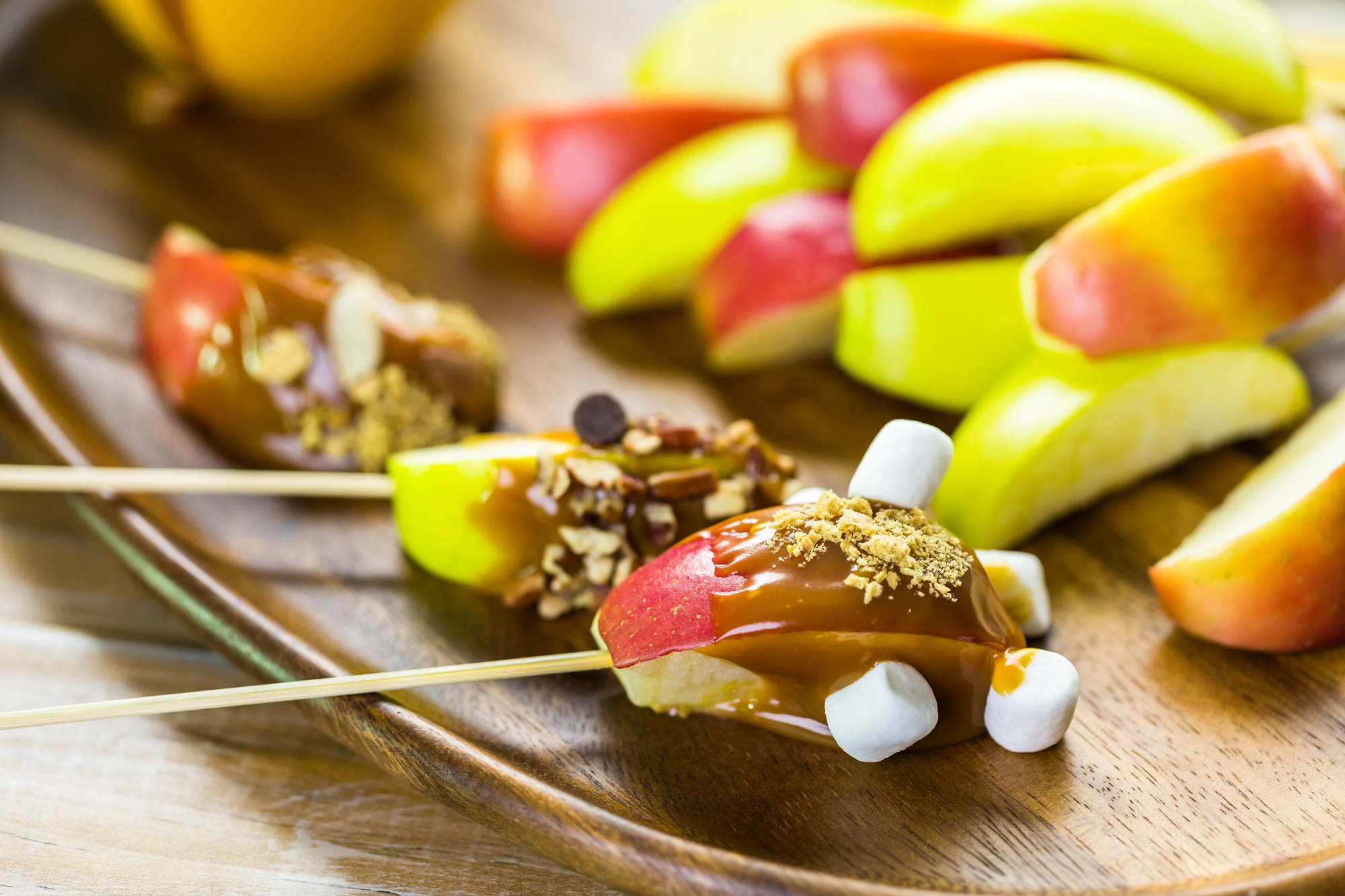
The store-bought caramel dip — the thick, brown, slightly plastic-tasting kind sold in a tub near the produce section — made apple slices feel like a treat rather than a fruit. It was the culinary equivalent of dressing something up in a costume and calling it a party.
And yet the combination worked, because caramel works with everything, and the ’80s understood this instinctively.
Oreos with Milk
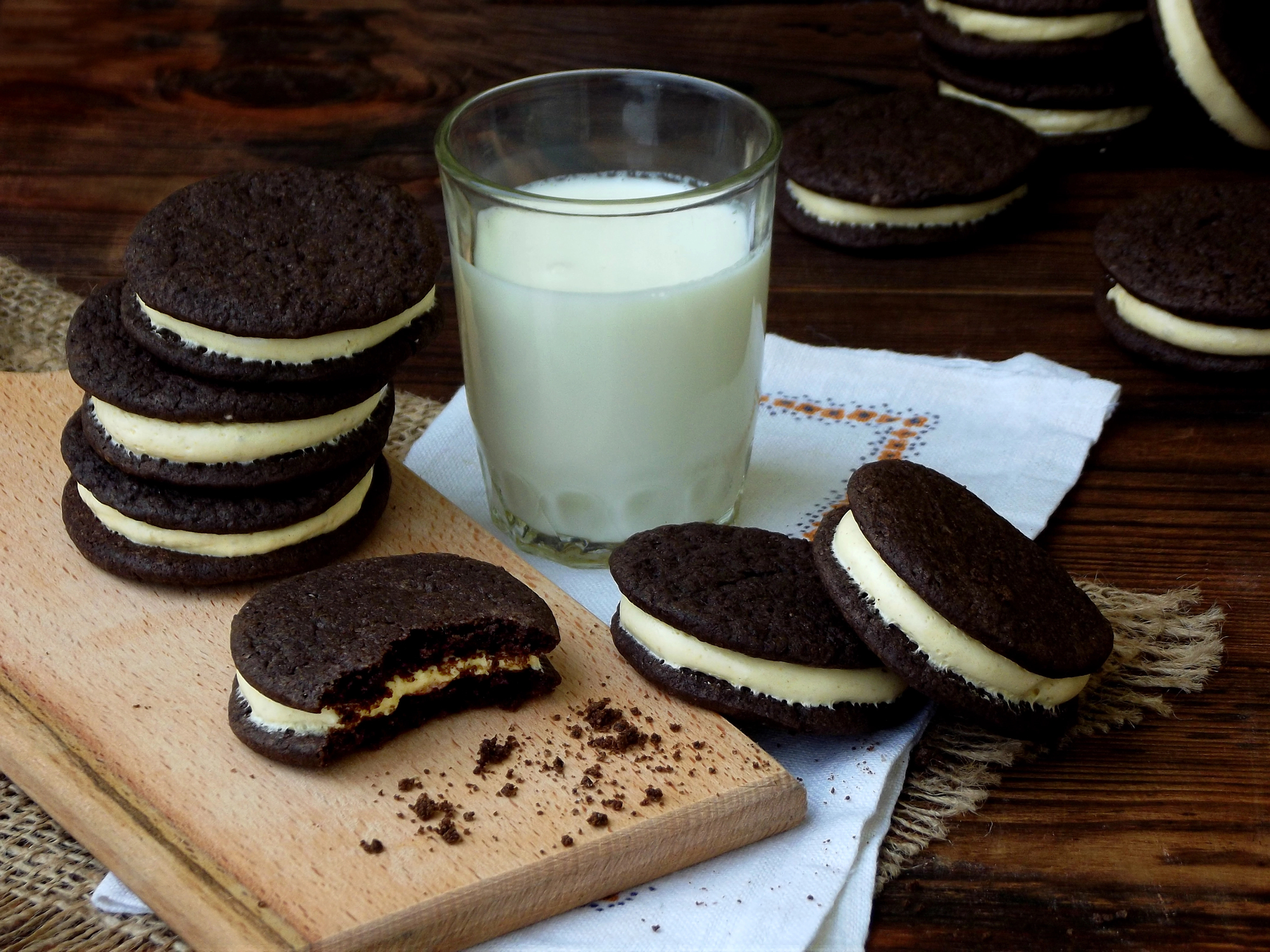
Dunking an Oreo into a glass of cold milk is a practice so universal it borders on cultural inheritance — something passed down not through instruction but through proximity, by watching someone older do it first. The timing mattered: too short and the cookie stayed rigid, too long and it collapsed into the glass, lost.
Getting it right felt like an earned skill. It was.
Fun Dip
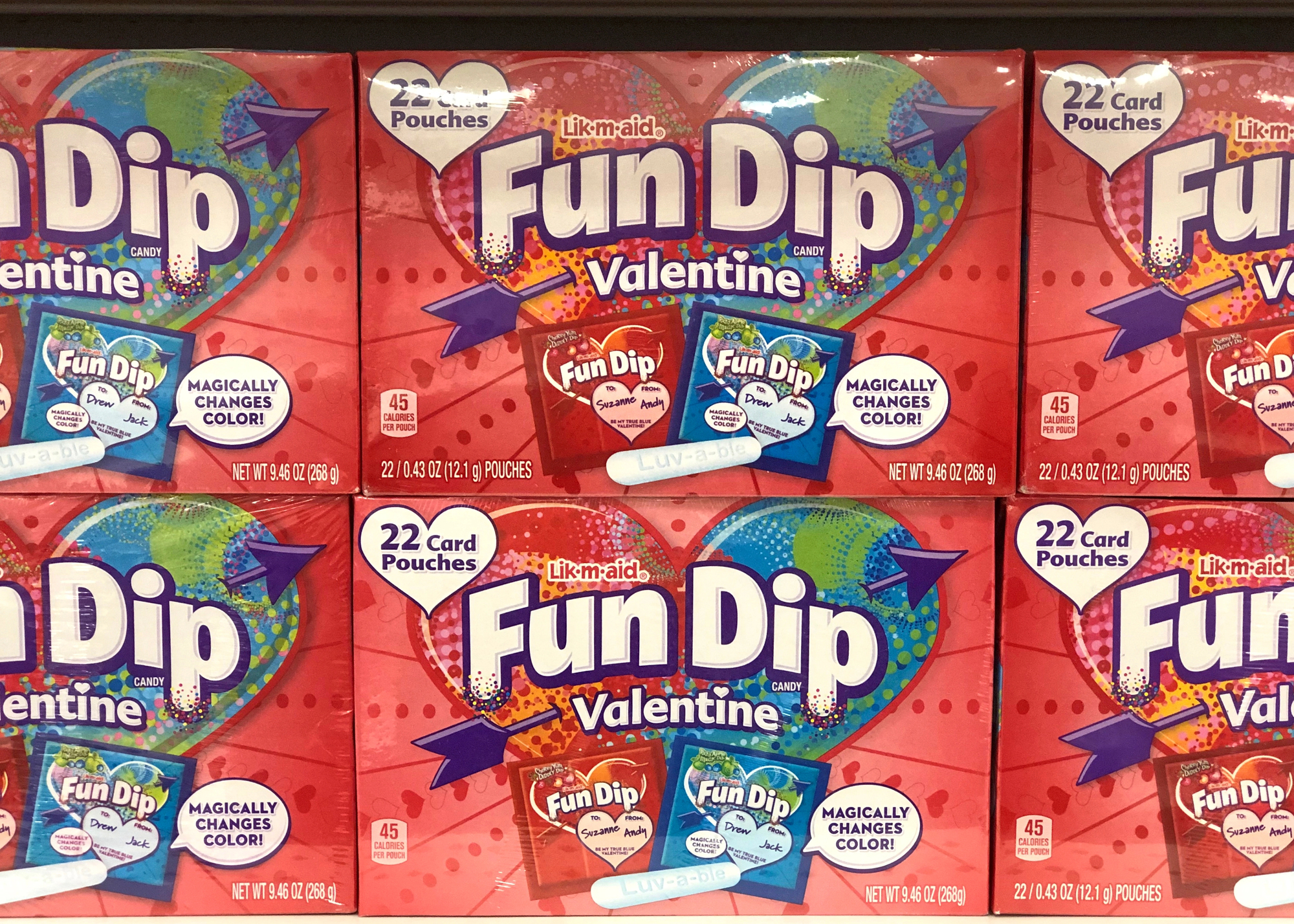
Fun Dip is sugar consumed via a candy stick made of compressed sugar, which is either inspired or deranged depending on your perspective. The flavors — Razz Apple Magic Dip, Cherry Yum Diddly Dip — had names that existed entirely outside the English language.
You ate the stick last, by itself, and it tasted like sweet chalk, and you did not stop eating it.
Toaster Strudel
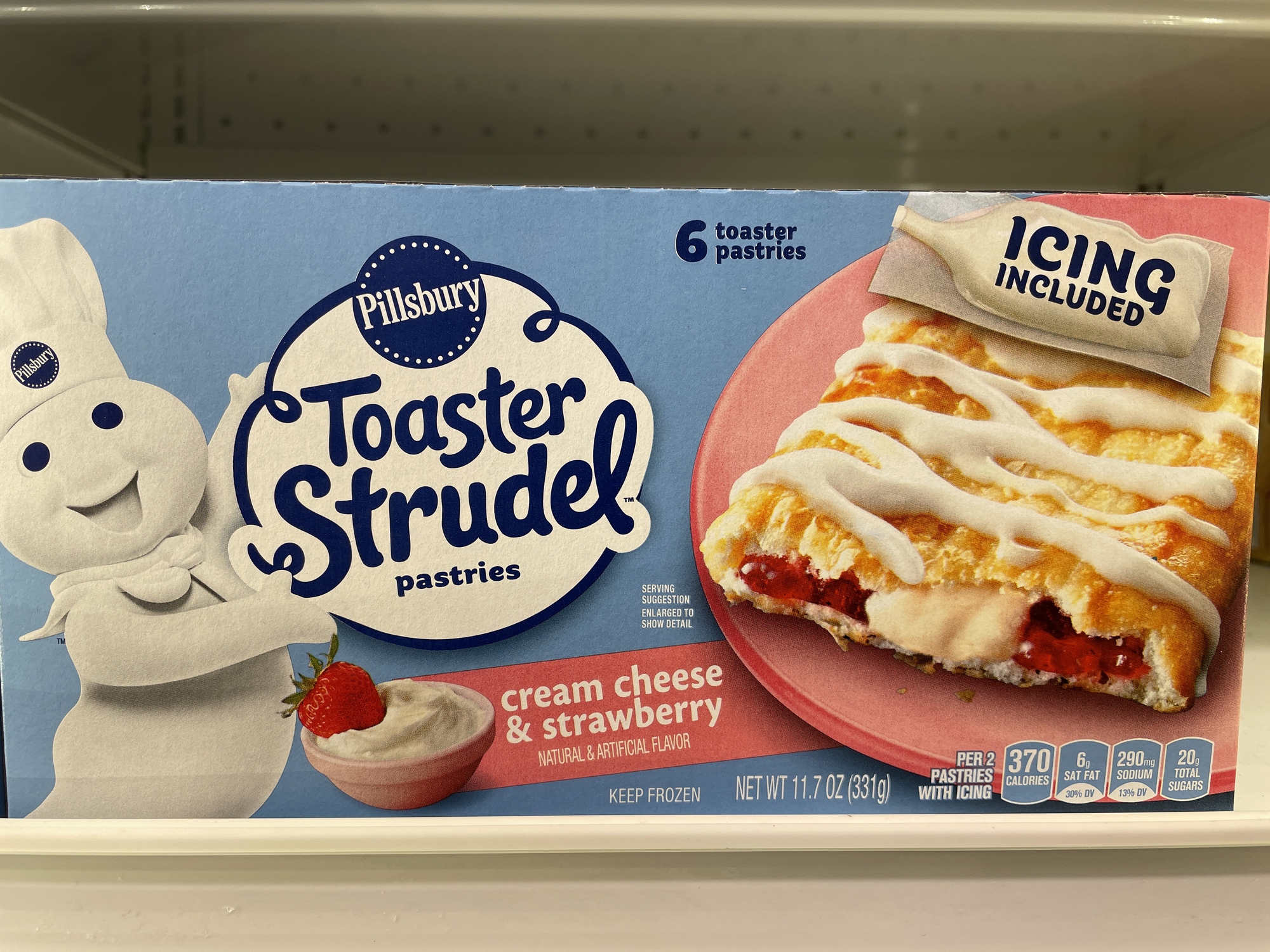
Toaster Strudel arrived in the ’80s as the more sophisticated sibling of the puff pastry, with a flakier pastry and a separate icing packet that you applied yourself, which felt like a genuine creative opportunity. The icing packet was always insufficient.
You used it all on the first strudel and had to eat the second one plain, like a disappointment wrapped in pastry.
Cheese and Crackers (Handi-Snacks)
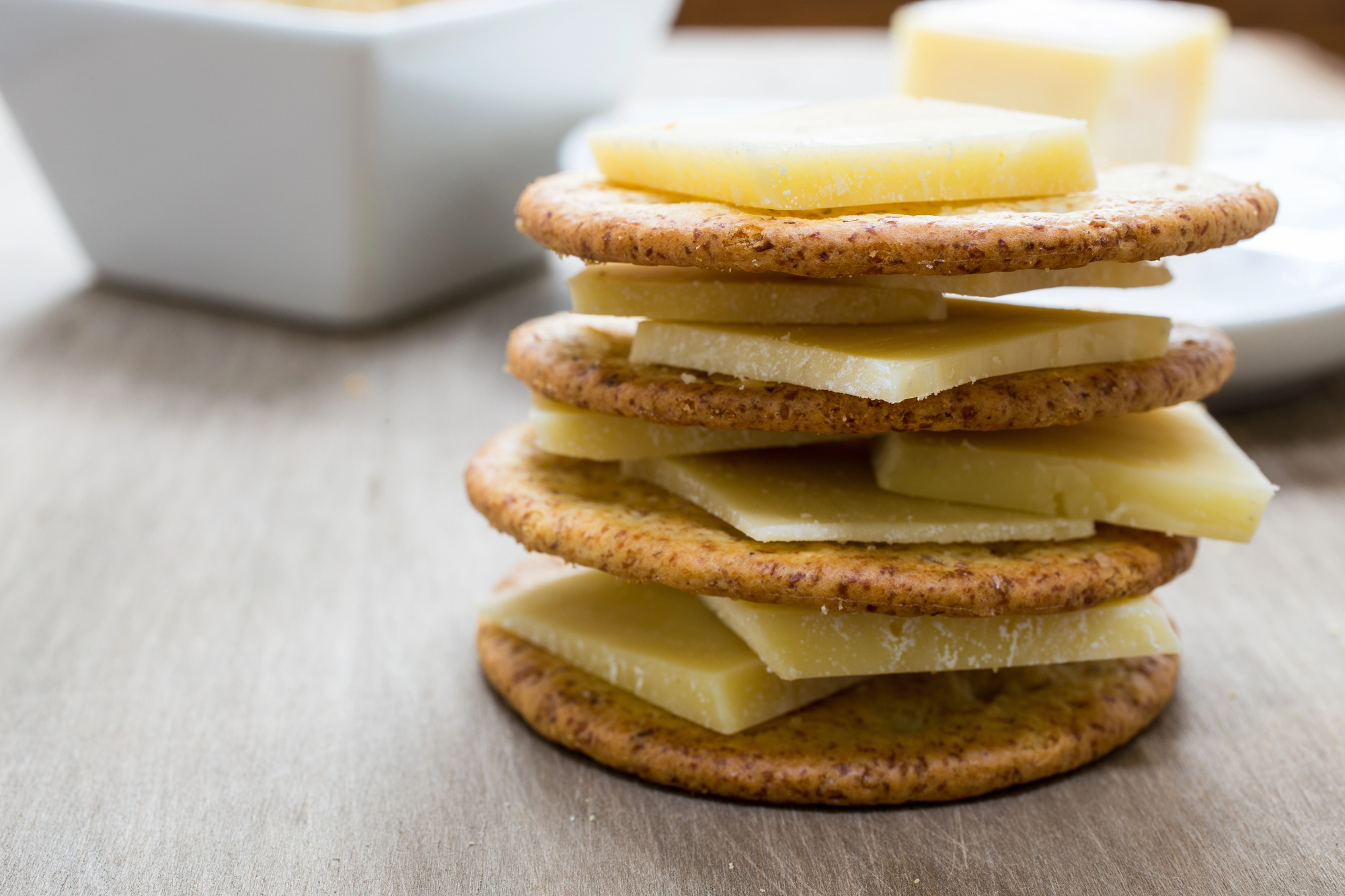
Handi-Snacks — the red plastic stick, the orange cheese paste, the crackers sealed in a separate compartment — was a snack designed around the idea that eating could be an activity rather than just a thing you do. The cheese-to-cracker ratio was always wrong.
You always ran out of one before the other. Nobody ever resolved this problem, and nobody stopped buying Handi-Snacks.
Goldfish Crackers
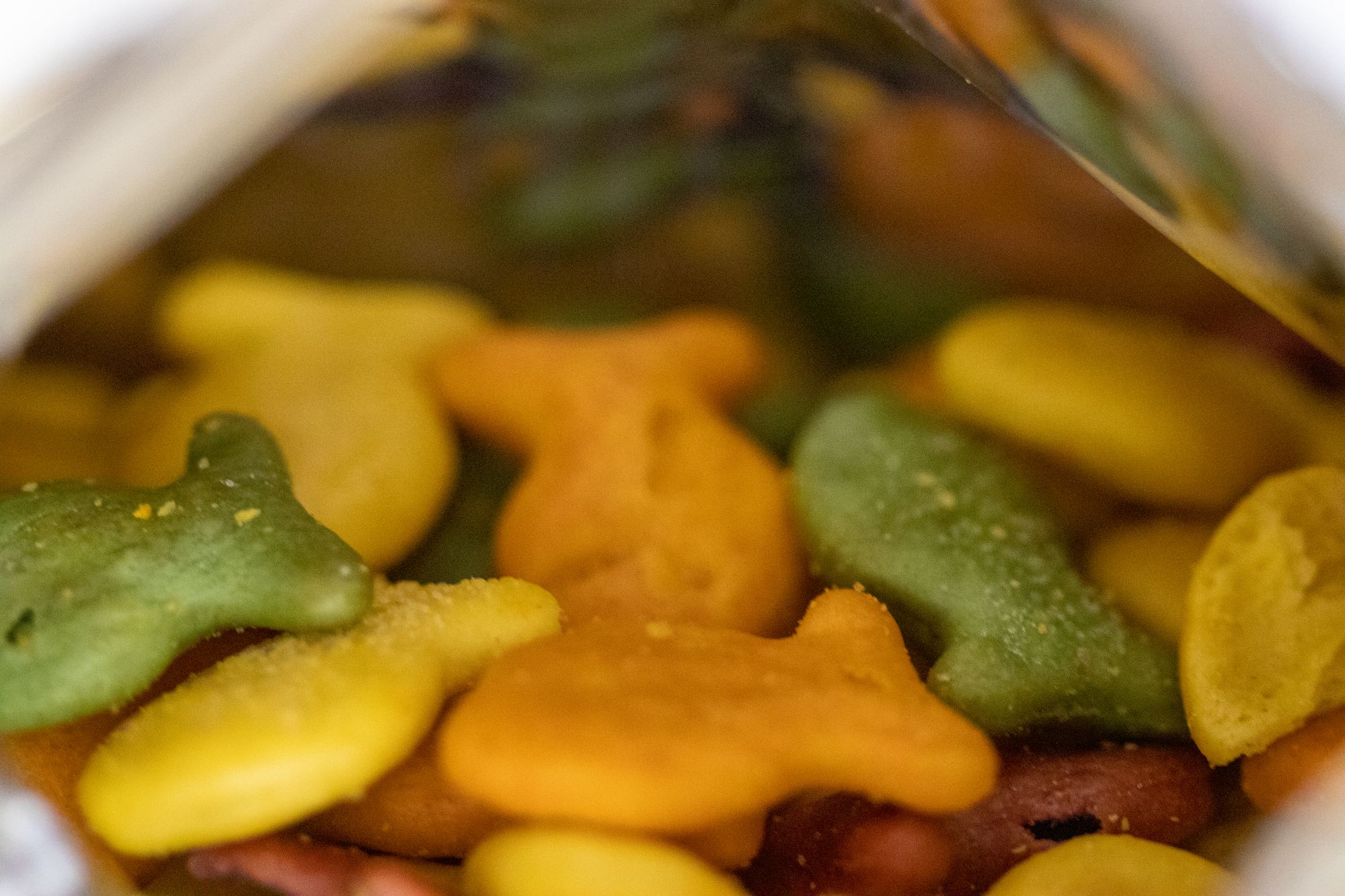
A handful of Goldfish crackers is the baseline unit of ’80s after-school snacking — the thing you grabbed while deciding what to actually eat, and then kept grabbing until the bag was half gone. They taste like mild cheddar and satisfaction, and the smiling fish face printed on each one was a design decision so correct that it hasn’t changed in decades.
You eat the ones with the best smiles first. Admittedly, this is irrational.
S’mores (Indoor Version)
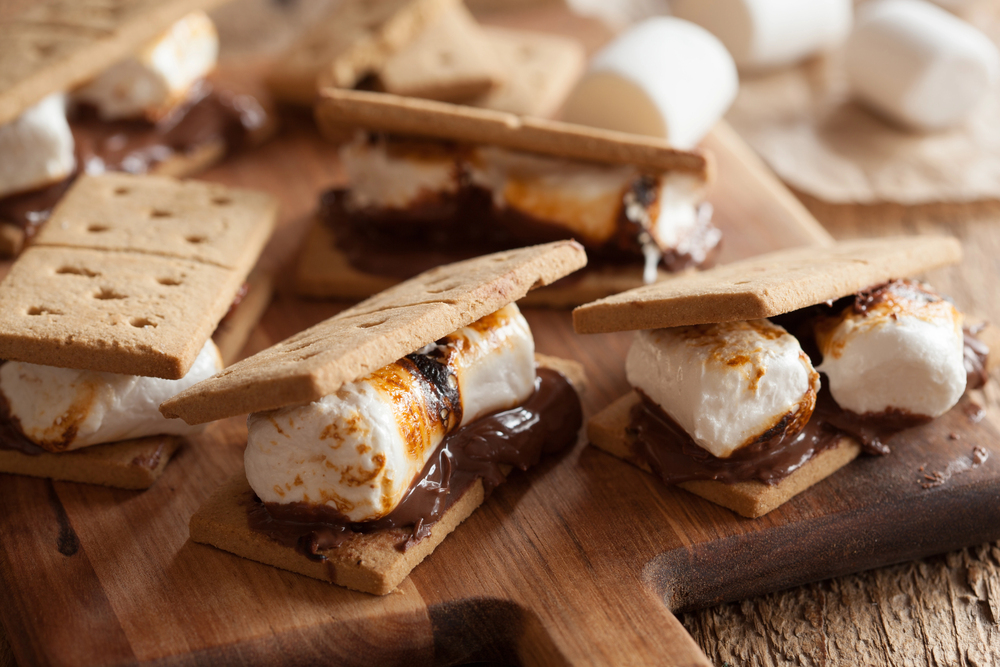
The indoor s’more — marshmallow microwaved until it expands into something almost unrecognizable, chocolate bar placed on top, all of it pressed between graham crackers — was a compromise version of the campfire original, and it was genuinely better for a Tuesday afternoon. The microwave marshmallow achieves a texture the open flame never quite does: uniformly soft, slightly dense, structurally cooperative.
It holds together. The campfire version is more romantic. The microwave version is more reliable.
Kool-Aid
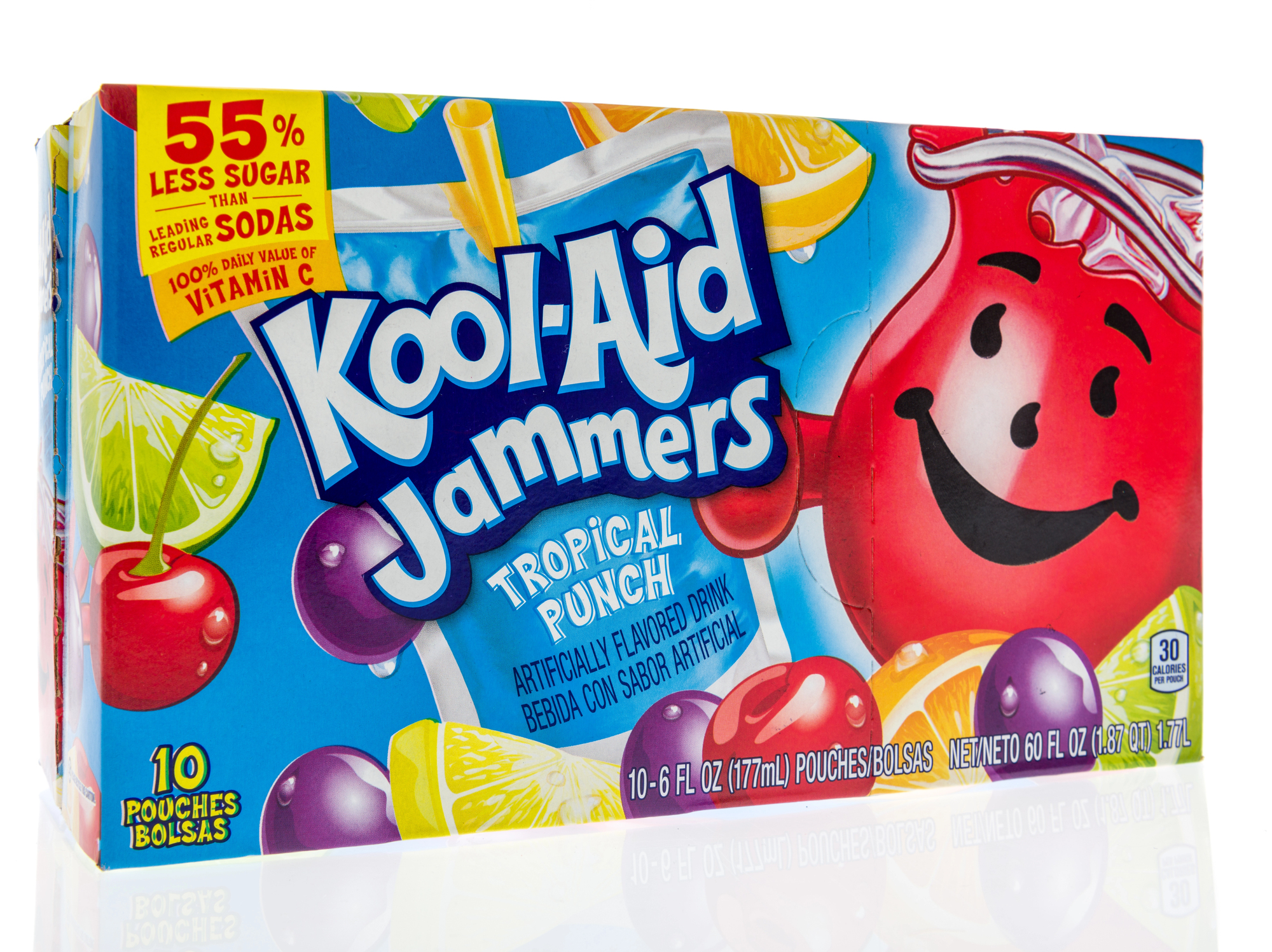
Kool-Aid — made from a powder packet, sugar measured generously or not at all, stirred in a plastic pitcher — was the drink that turned an ordinary afternoon into something with a color. The flavor called “Purplesaurus Rex” was real, it was limited edition, and finding it at the grocery store felt like winning something.
The pitcher had a face on it. The face smiled. You smiled back, because it was a good afternoon.
The Afternoon That Belonged to You
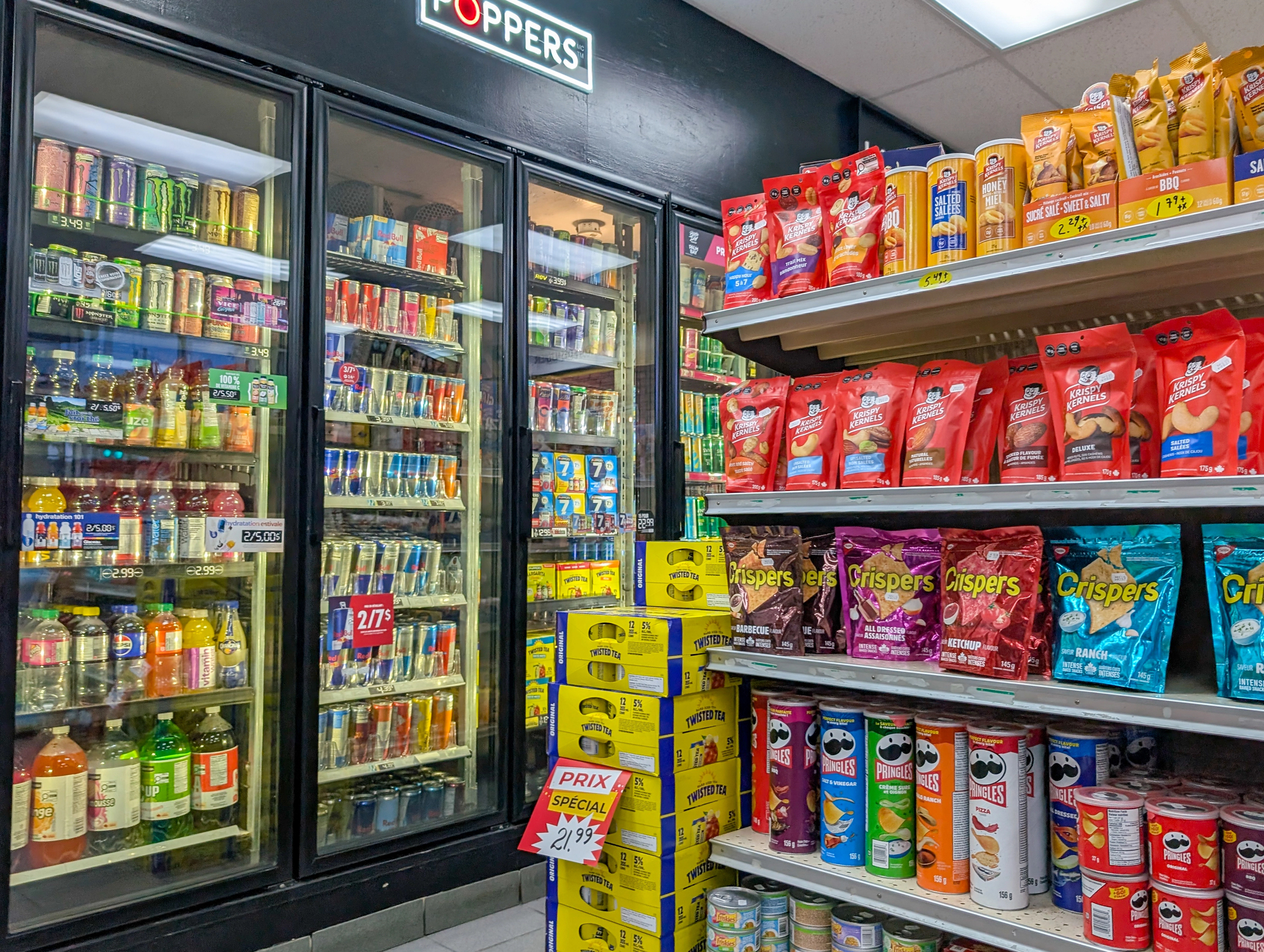
There’s a particular slant of late-afternoon light that, if you grew up in the ’80s, is permanently associated with the hum of a television warming up and the sound of a kitchen drawer opening. The snacks were part of a specific freedom — the two or three hours when nobody was asking anything of you, and the refrigerator was yours to investigate at will.
None of these foods were especially nutritious. Most of them were barely food in the technical sense.
But they were exactly right for that window of time — that unhurried, unheld stretch of afternoon that the ’80s seemed to produce in abundance, and that’s harder to find now than any of the snacks on this list.
More from Go2Tutors!

- The Romanov Crown Jewels and Their Tragic Fate
- 13 Historical Mysteries That Science Still Can’t Solve
- Famous Hoaxes That Fooled the World for Years
- 15 Child Stars with Tragic Adult Lives
- 16 Famous Jewelry Pieces in History
Like Go2Tutors’s content? Follow us on MSN.