Vintage Photos of Early Air Travel
Flying today means long security lines, cramped seats, and bags of pretzels that barely count as snacks. But there was a time when air travel felt like stepping into a completely different world.
Early aviation wasn’t just about getting from one place to another—it was an adventure wrapped in glamour, danger, and innovation. Let’s take a look at what those early days really looked like through some incredible vintage photographs.
When planes had open cockpits
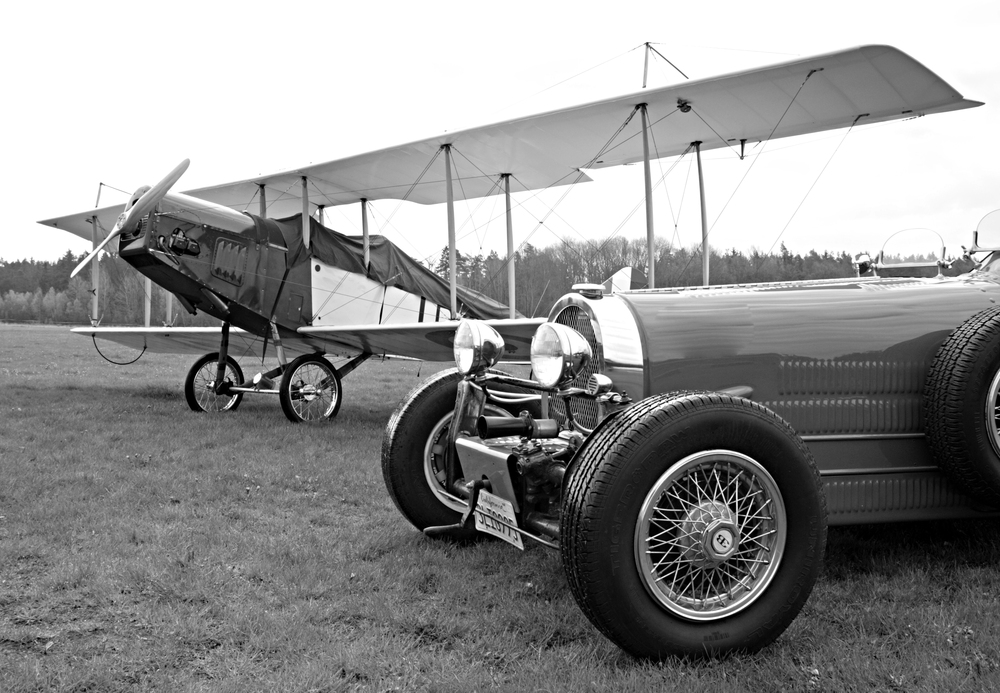
The first commercial flights didn’t offer much protection from the elements. Pilots and passengers sat in open-air cockpits, exposed to wind, rain, and freezing temperatures.
Leather jackets, goggles, and thick gloves weren’t fashion statements—they were survival gear. People would climb aboard these rickety machines knowing full well they’d arrive windblown and probably a little frozen.
Passengers dressed like they were going to the opera
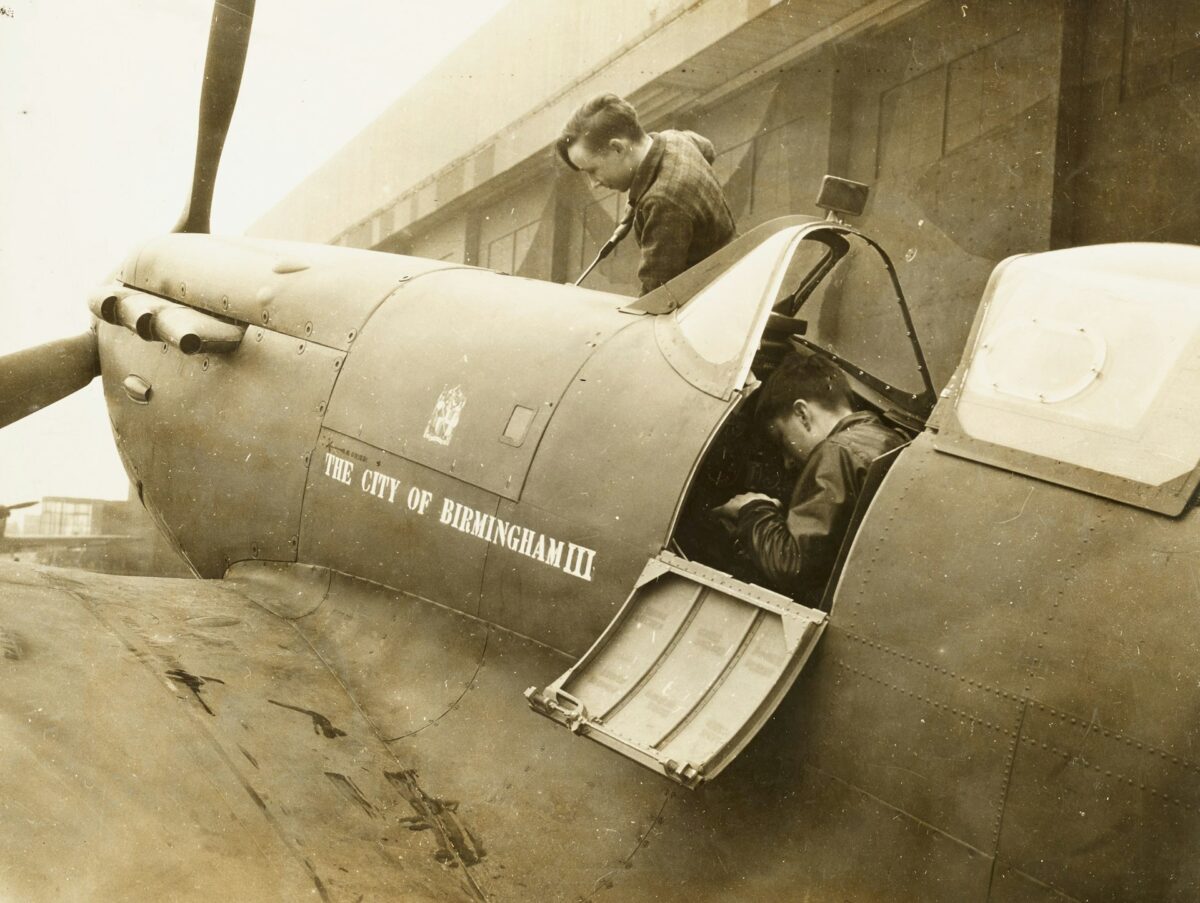
Early air travelers treated flights like formal events. Men wore three-piece suits and fedoras, while women donned their finest dresses, hats, and gloves.
The photos show people boarding planes looking like they were headed to a fancy dinner party, not a bumpy ride through the clouds. This wasn’t just about style—flying was expensive and exclusive, so people dressed to match the occasion.
Airports were just open fields
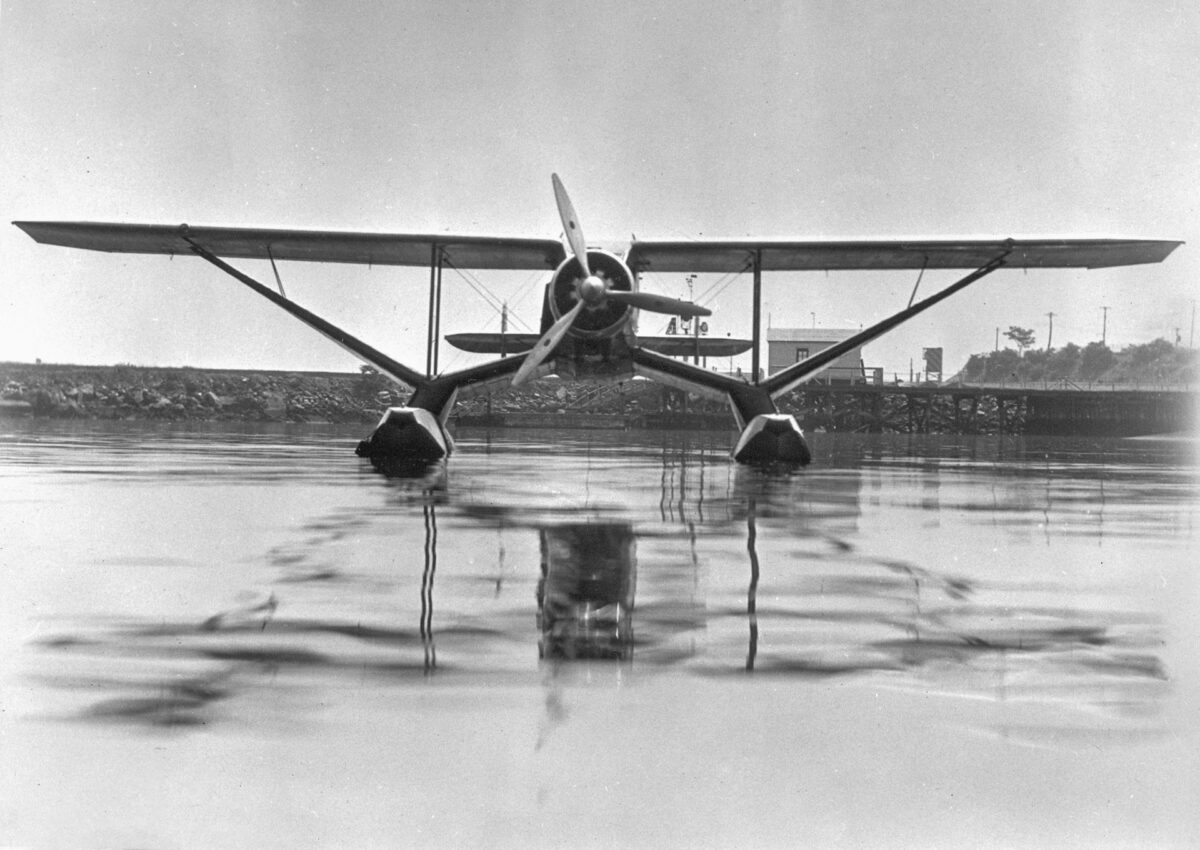
Forget modern terminals with restaurants and duty-free shops. Early airports were basically grass fields with a small building or hangar nearby.
Passengers would walk across the lawn to reach their plane, sometimes dodging puddles or uneven ground. There were no jetways, no gates, and definitely no moving walkways.
The whole operation was refreshingly simple, even if it lacked comfort.
Flight attendants were registered nurses
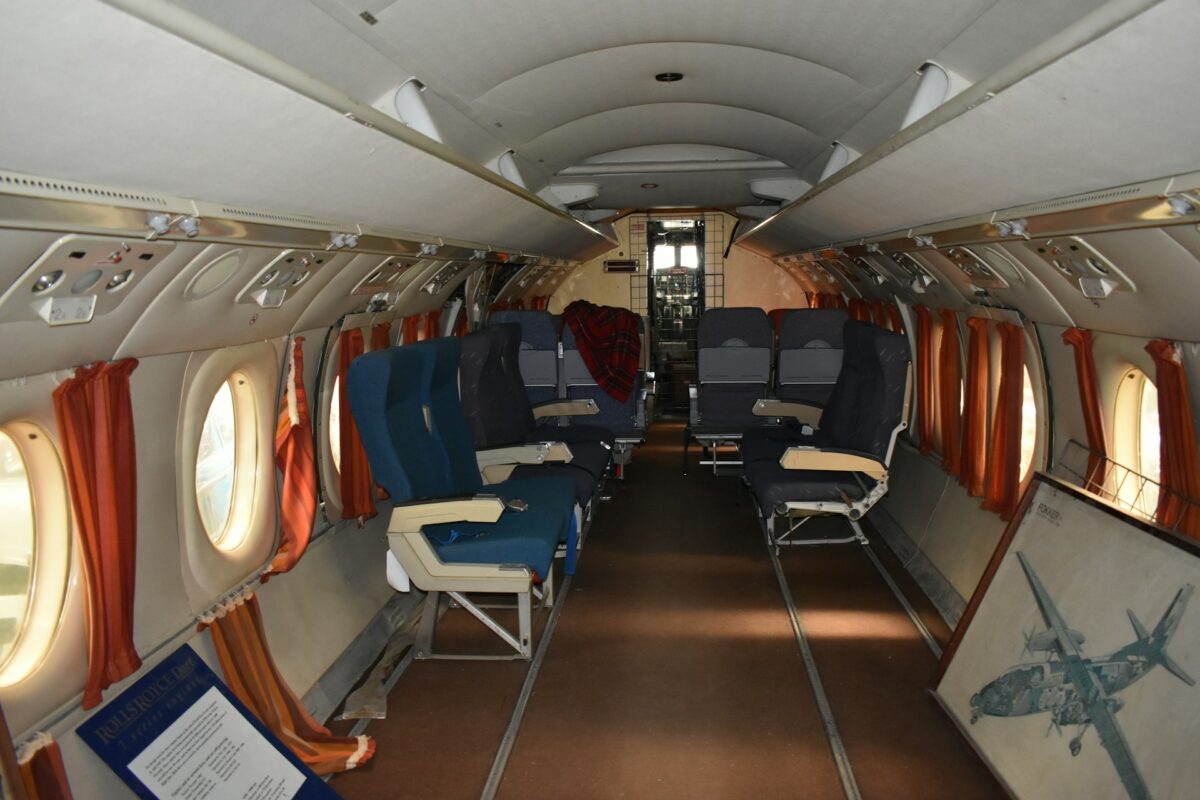
Airlines initially hired registered nurses to serve as flight attendants because air travel was considered risky. These women were trained to handle medical emergencies at high altitudes, from airsickness to more serious health issues.
They wore crisp white uniforms that looked more hospital than hospitality. Their presence was meant to reassure nervous passengers that someone capable was on board if things went wrong.
Meals were served on real china
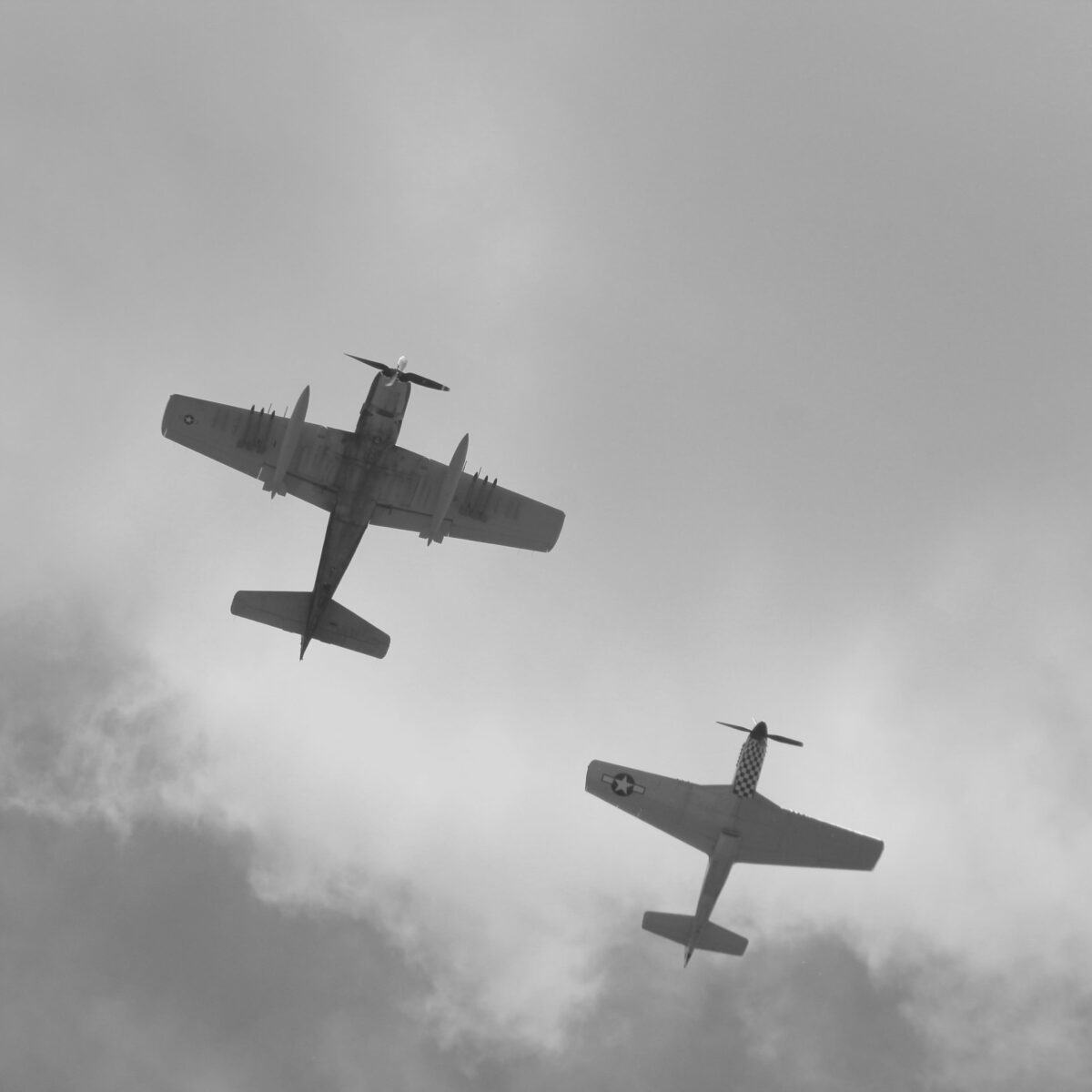
Dining on early flights was an elaborate affair. Airlines served multi-course meals on actual porcelain plates with metal silverware and cloth napkins.
Flight attendants would prepare and present food that rivaled what you’d find in upscale restaurants. The experience was designed to distract passengers from the fact that they were flying in what was essentially a tin can with wings.
Photos from this era show elegantly set trays that would make today’s plastic containers look downright sad.
Planes had sleeping berths
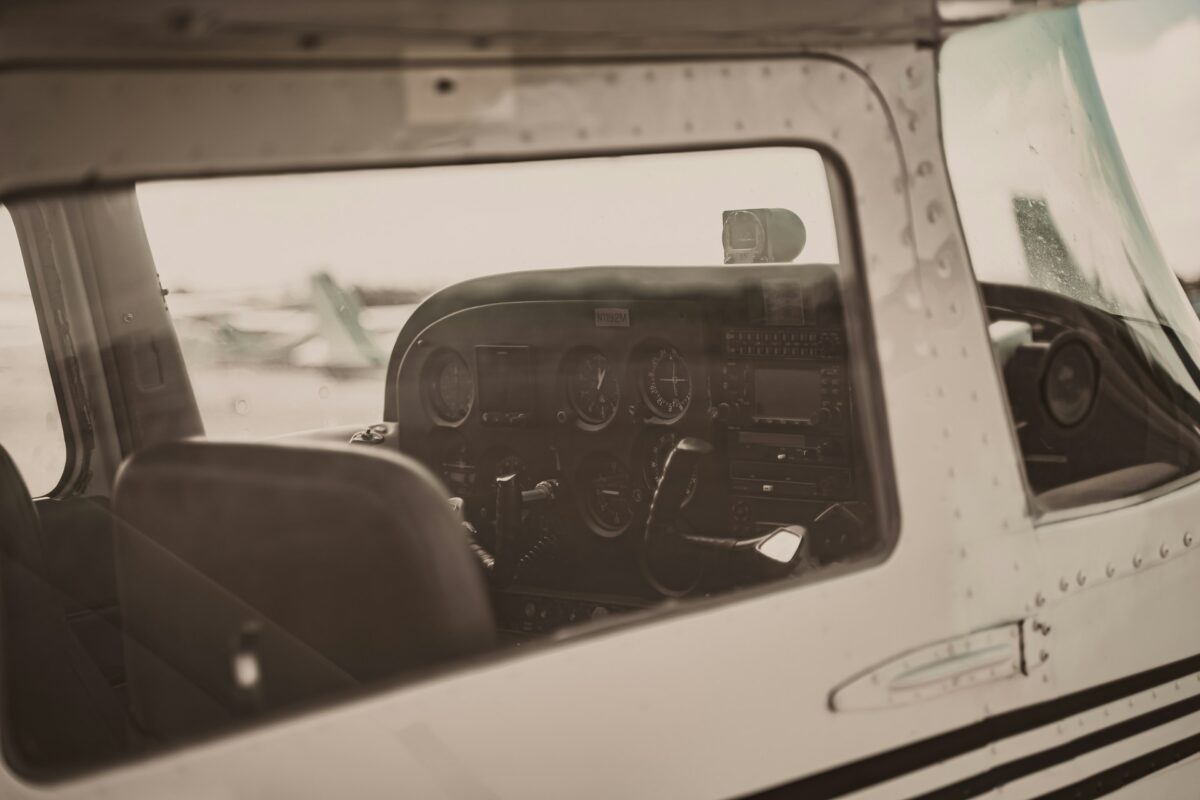
Long-distance flights in the 1930s and 1940s featured fold-down beds similar to what you’d find on a train. Passengers could actually lie flat and sleep in small compartments with curtains for privacy.
These weren’t cramped airline seats that recline three inches—they were legitimate sleeping quarters. The service came at a premium price, but for those who could afford it, crossing the country or ocean became a surprisingly restful experience.
Puffing cigs was allowed everywhere
Vintage photos show passengers casually lighting up cigarettes right in their seats. Ashtrays were built into armrests, and flight attendants would offer matches or lighters as part of the service.
The cabin would get hazy with smoke during flights, but nobody seemed to mind because it was completely normal. Hard to imagine now, but back then, a flight without ashtrays would have seemed strange.
Passengers could visit the cockpit anytime
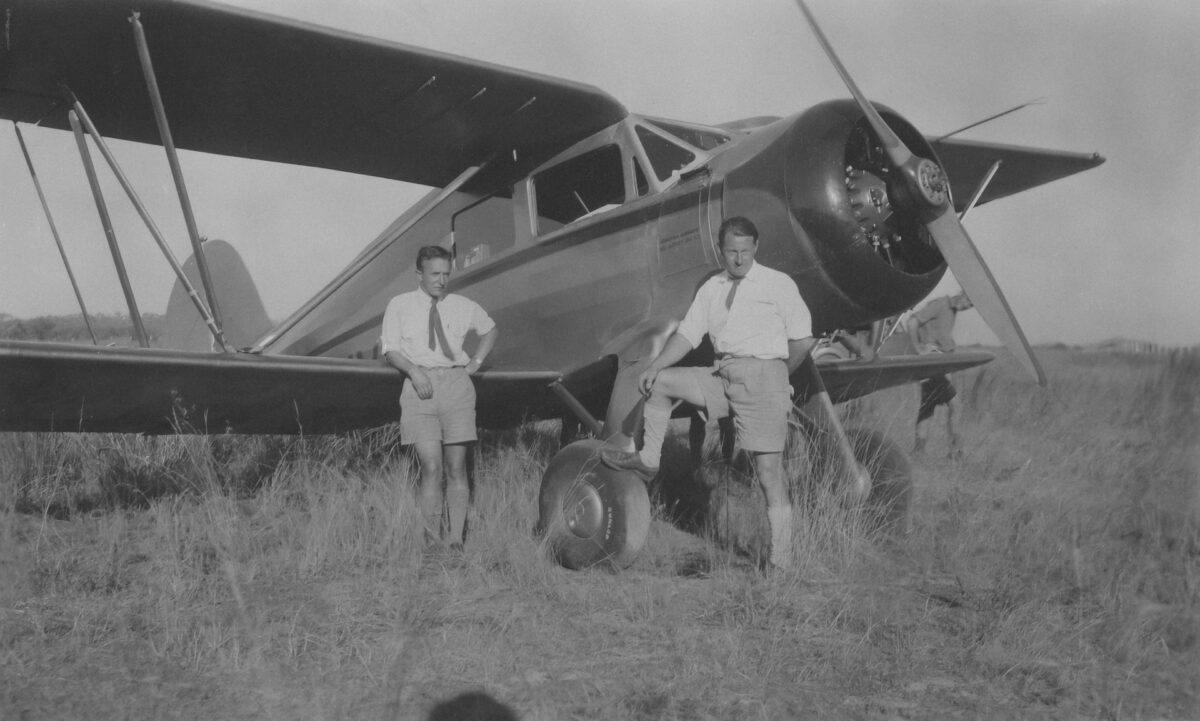
There were no locked doors or security restrictions keeping people away from the pilots. Passengers, especially kids, could wander up to the cockpit during flight and watch the crew work.
Pilots would explain instruments, let children wear their caps, and chat casually while flying the plane. The informal access created a sense of wonder and connection that’s completely absent from modern aviation.
Boarding required climbing actual stairs
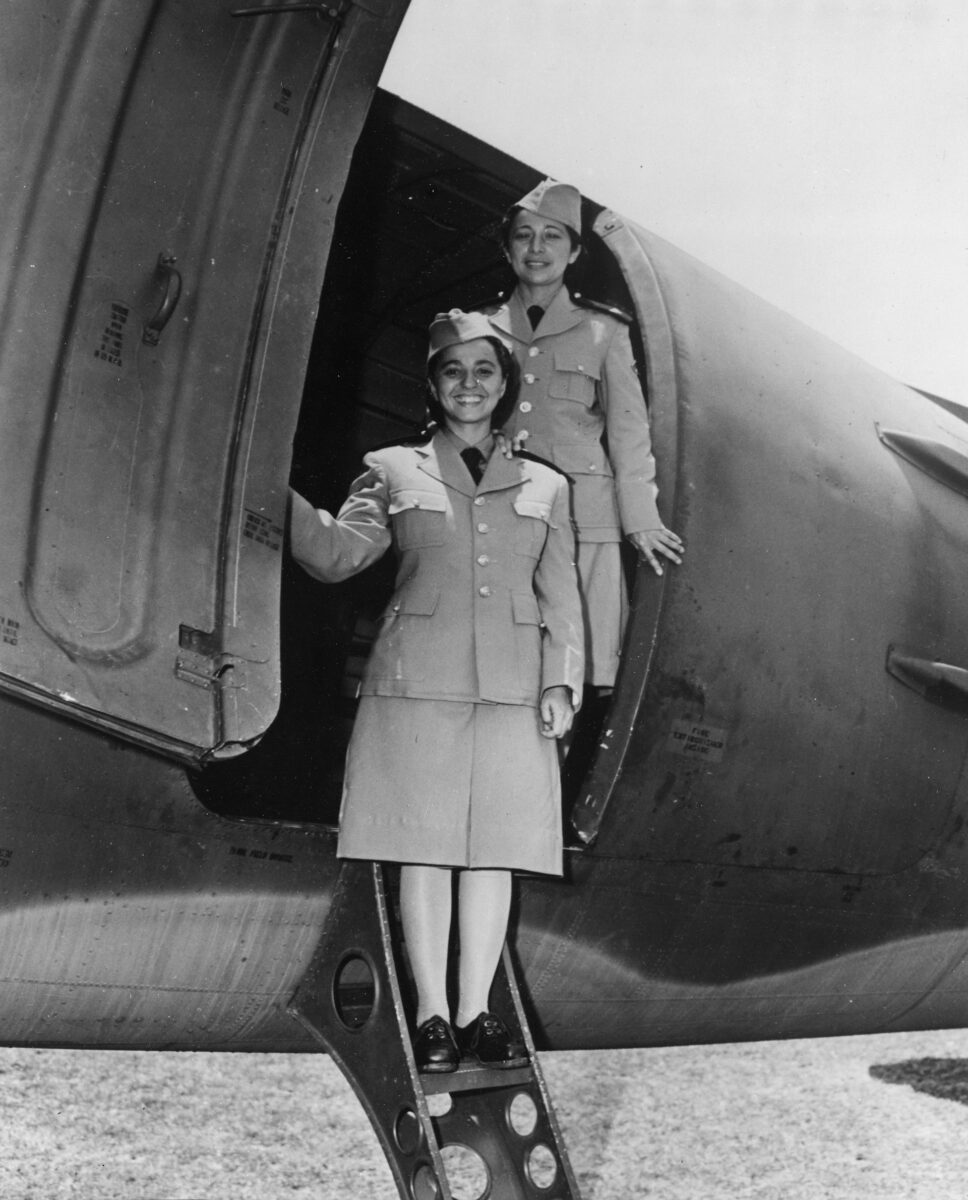
Those rolling staircases you see in old movies weren’t just props—they were the standard way to board planes. Passengers would walk across the tarmac and climb metal or wooden stairs to reach the aircraft door.
Women in heels and long skirts would carefully navigate the steps while wind whipped around them. Ground crew members would stand nearby to help with luggage or steady nervous travelers making the climb.
Planes flew low enough to see everything
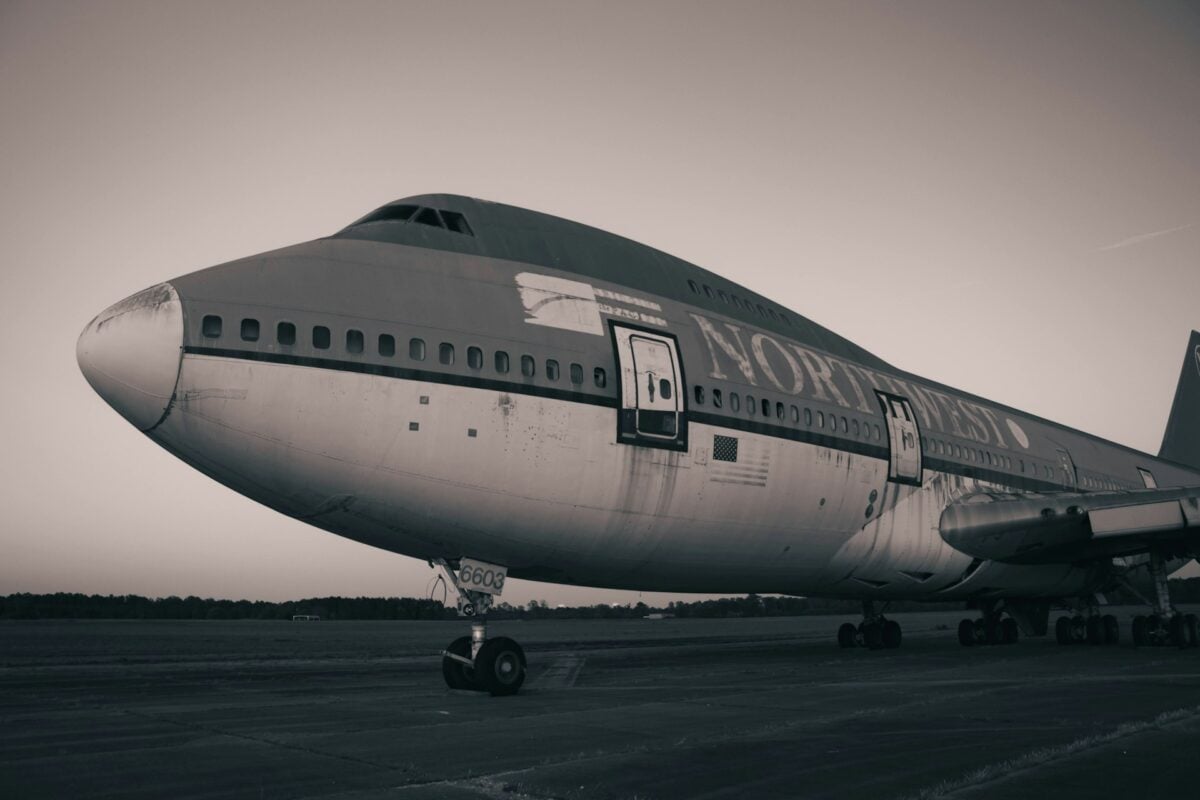
Early aircraft couldn’t reach the high altitudes that modern jets cruise at, so they flew much closer to the ground. Passengers had clear views of towns, rivers, farms, and landscapes passing below.
The experience felt more connected to the earth, less like shooting through the stratosphere in a pressurized tube. Photos from window seats show remarkably detailed views of the world beneath the wings.
Tickets cost more than a car
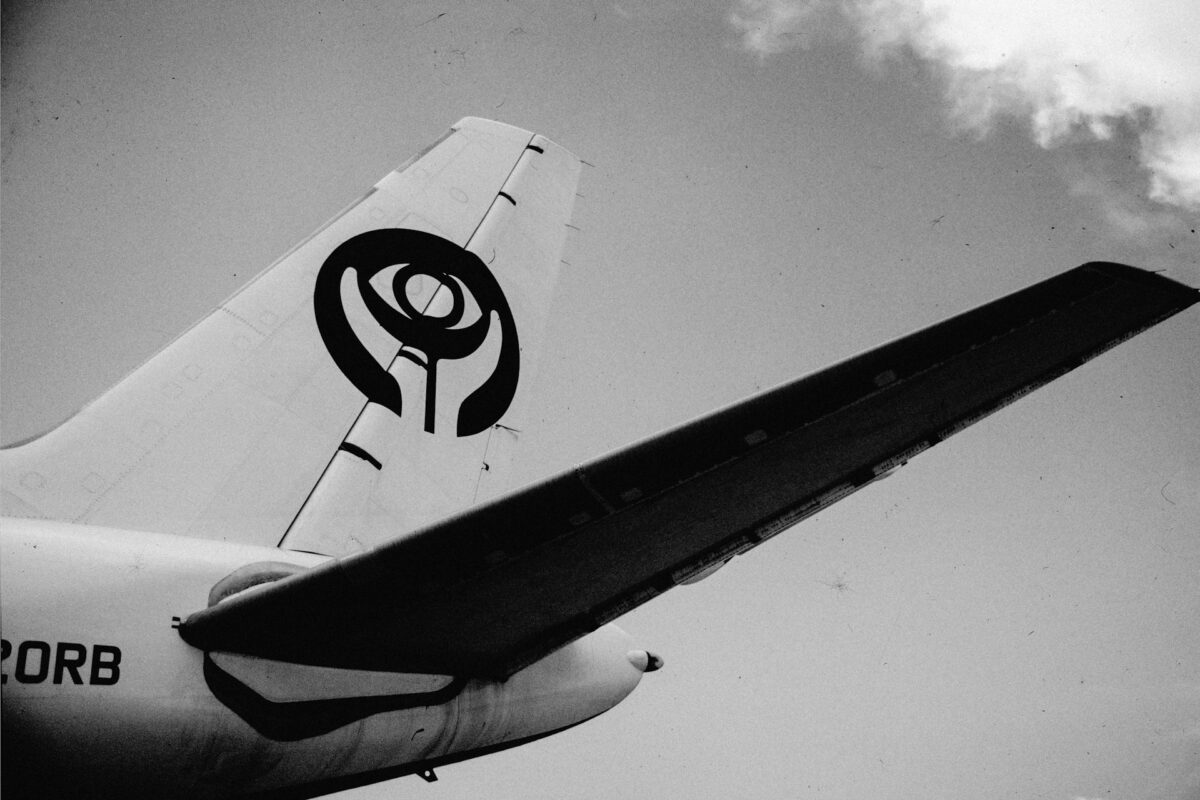
Adjusted for inflation, early airline tickets were astonishingly expensive. A coast-to-coast flight could cost several thousand dollars in today’s money—more than many people paid for automobiles.
Only the wealthy or those on important business could afford to fly. This exclusivity is visible in vintage photos, where everyone looks polished and prosperous, because they had to be.
Propeller planes were loud and shaky
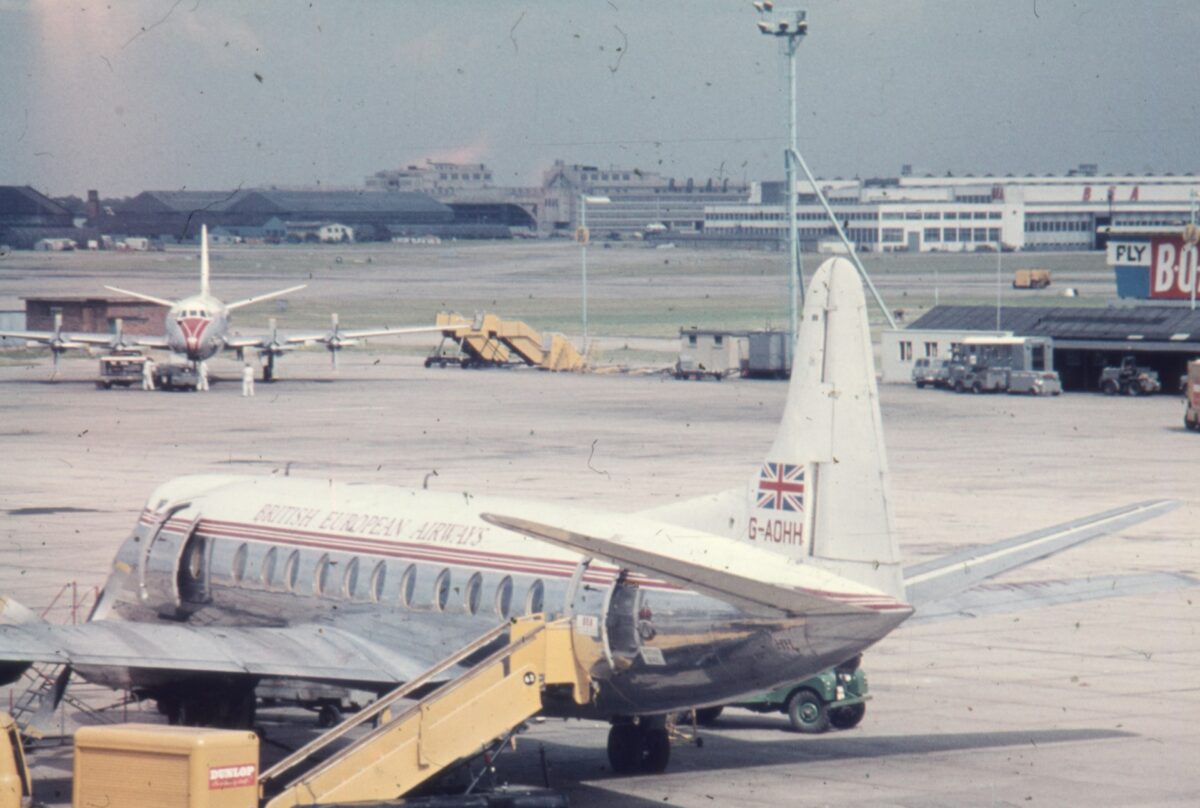
The roar of propeller engines made conversation difficult without raising your voice. Passengers experienced constant vibration and noise throughout the flight.
Some airlines provided cotton for ears, but mostly people just dealt with the racket. Despite the discomfort, photos show travelers looking excited and amazed—the thrill of flying outweighed the mechanical symphony happening just outside the fuselage.
Airlines offered sightseeing flights
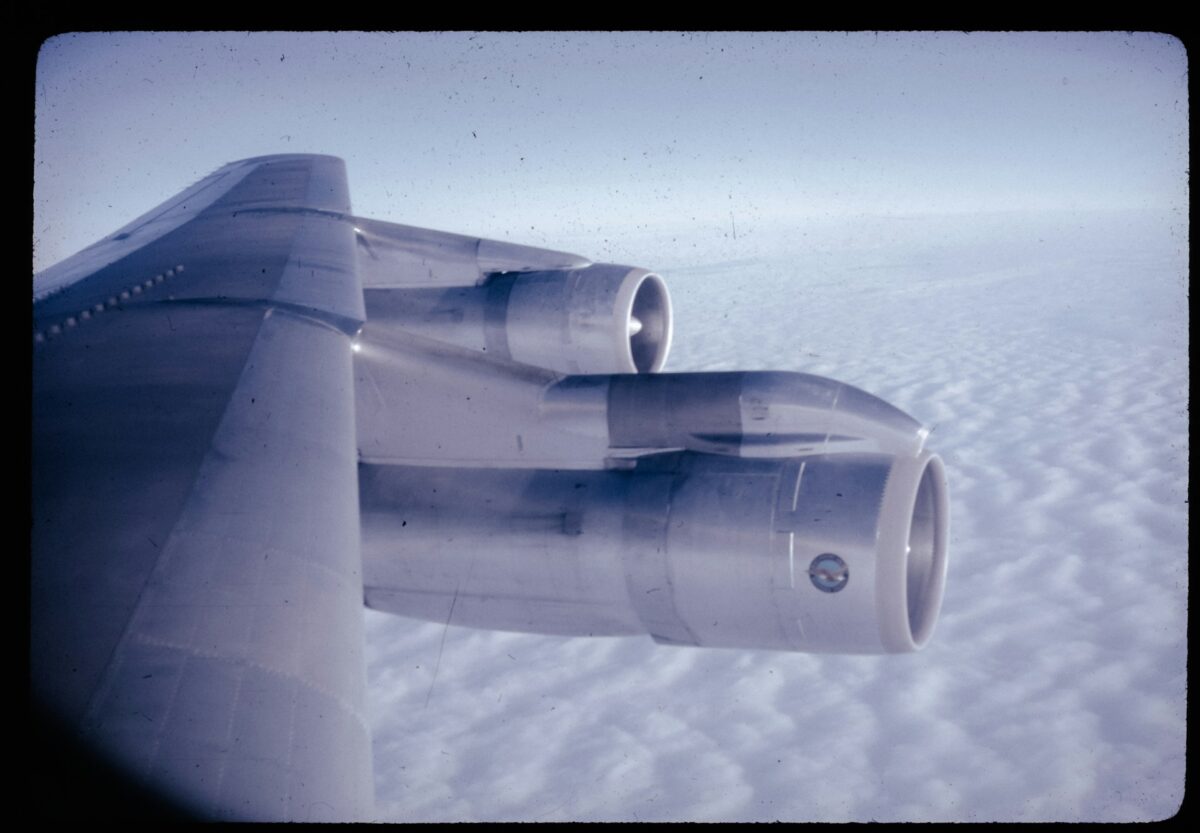
Some early airlines ran special routes designed purely for viewing natural wonders or city skylines from above. Passengers would pay to circle the Grand Canyon, fly low over Niagara Falls, or get aerial views of major cities.
These weren’t trips to get somewhere—they were flying for the sake of experiencing flight itself. The vintage photos capture people pressed against windows, faces lit up with genuine awe.
Baggage handlers worked right on the tarmac
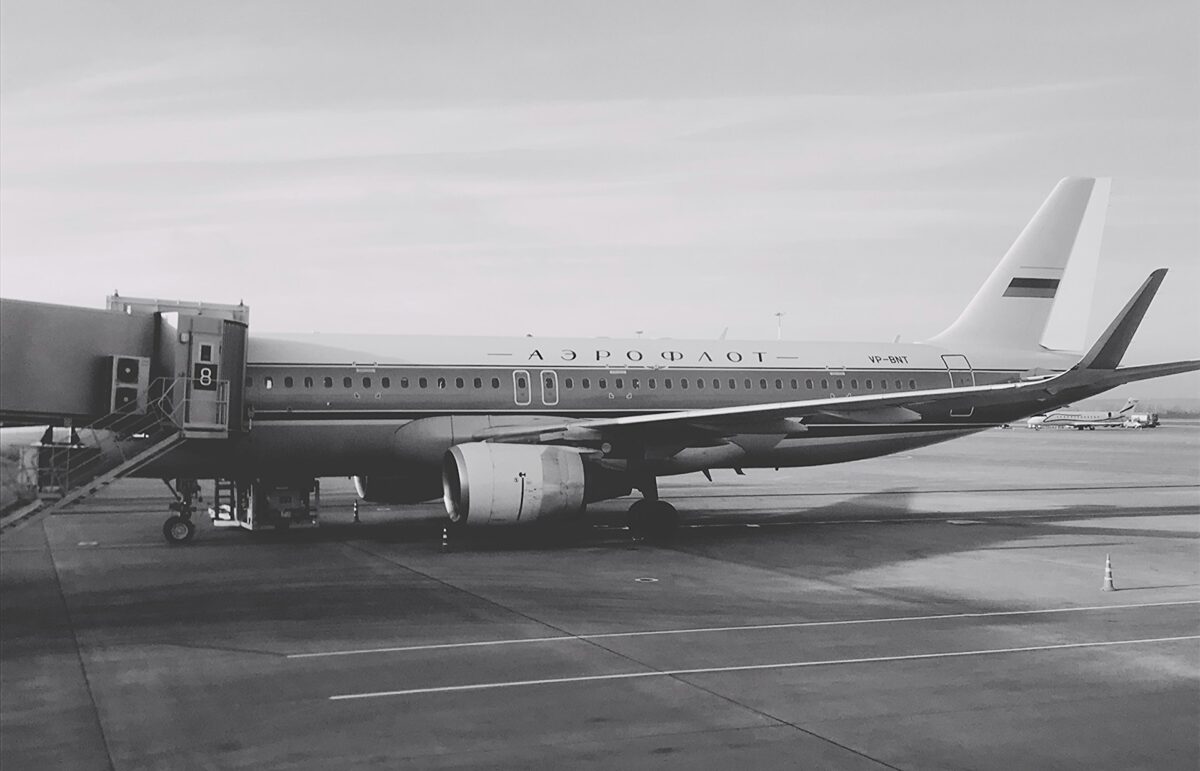
There were no conveyor belts or hidden baggage systems. Handlers loaded and unloaded luggage in plain view of passengers, often while people were boarding.
Vintage photos show workers in caps and work clothes hefting leather suitcases and trunks directly into cargo holds. Passengers could watch their belongings being loaded, which probably provided some peace of mind compared to today’s mysterious baggage procedures.
Planes had lounges and social areas
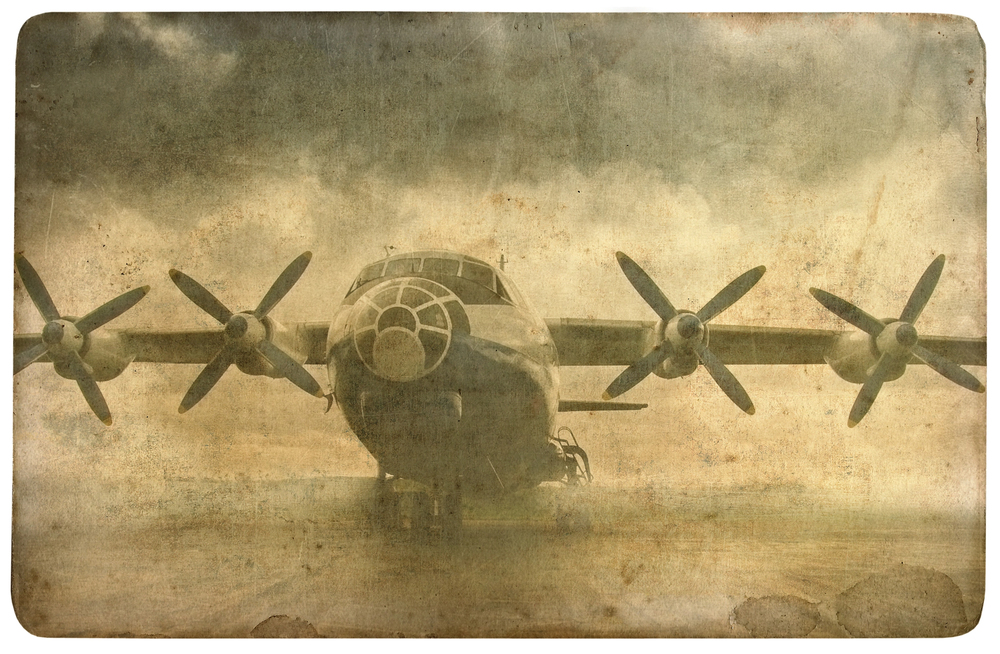
Larger aircraft featured dedicated spaces where passengers could stand, stretch, and socialize during flight. These weren’t cramped aisles—they were actual lounge areas with comfortable seating arranged for conversation.
Some planes even had small bars where passengers could order drinks and mingle. The setup encouraged interaction and turned flights into social events rather than isolated experiences in assigned seats.
Weight was strictly monitored
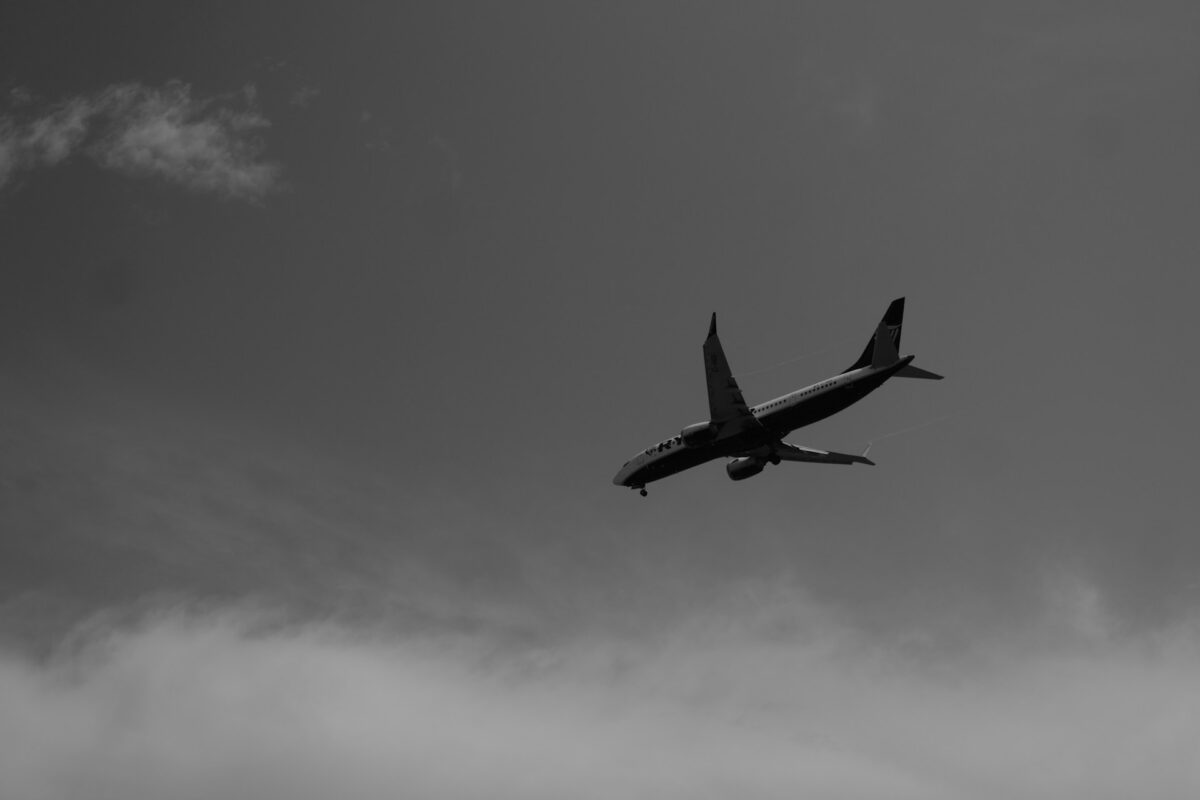
Airlines weighed passengers along with their luggage because every pound mattered for these smaller aircraft. Vintage photos show people stepping onto scales before boarding, and their weight would be recorded for flight planning.
This wasn’t about shaming anyone—it was a genuine necessity for aircraft with limited power and weight capacity. Passengers accepted it as part of the flying process, understanding that safety required precise calculations.
Flying boats landed on water
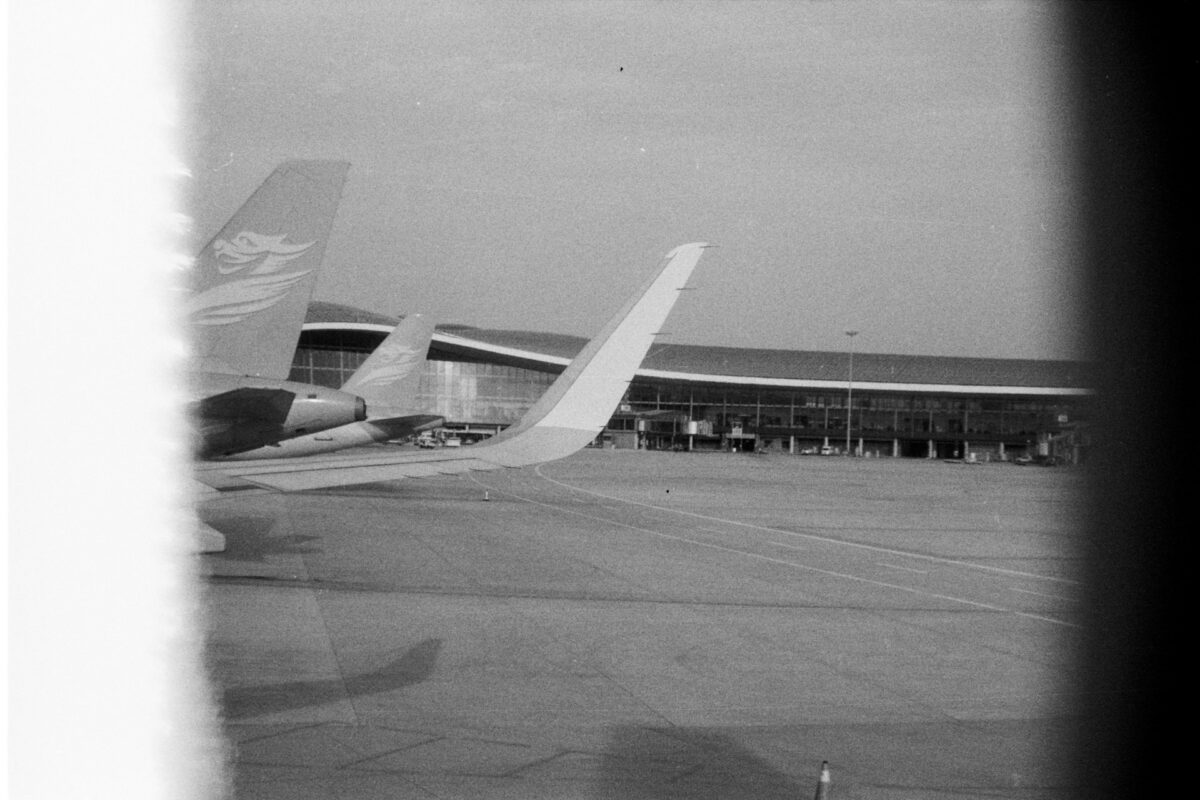
Long before tarmacs stretched across landscapes, distant journeys often took place on water with seaplanes touching down along rivers, lakes, or harbor bays. Gliding into view, these flying vessels stood out – roomy, elegant machines that eased toward floating platforms like ships docking at sea.
From small launches or shoreline hubs, travelers stepped aboard without rush. This blend of oceanborne rhythm and early flight created moments hard to imagine today.
Images of those grand planes resting quietly on still waters seem pulled straight from pages of old tales where wonder felt real.
Flying into the sky still feels new every time
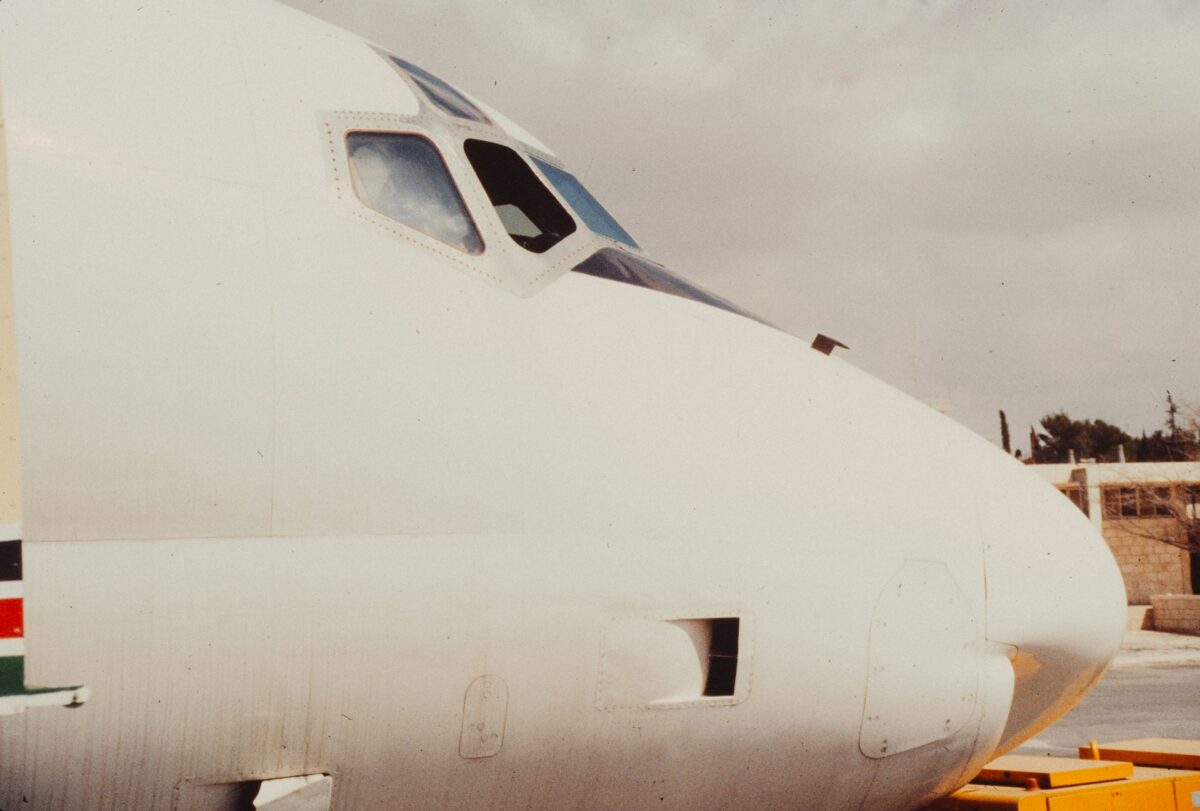
Even with the hassle, loud engines, cost, awe shows up clear in old pictures. Eyes pressed to window glass, faces lit by surprise.
Because they were part of an adventure few ever got near. Back then flying stirred dreams like today’s usual plane rides almost never manage.
Each lift off felt like beating nature just a little – worth pausing for.
Here is how things moved from one point to another
Old pictures hold a kind of grace and thrill missing from modern flight. Airlines eventually learned to carry huge numbers of passengers cheaply – yet let go of what made each trip matter.
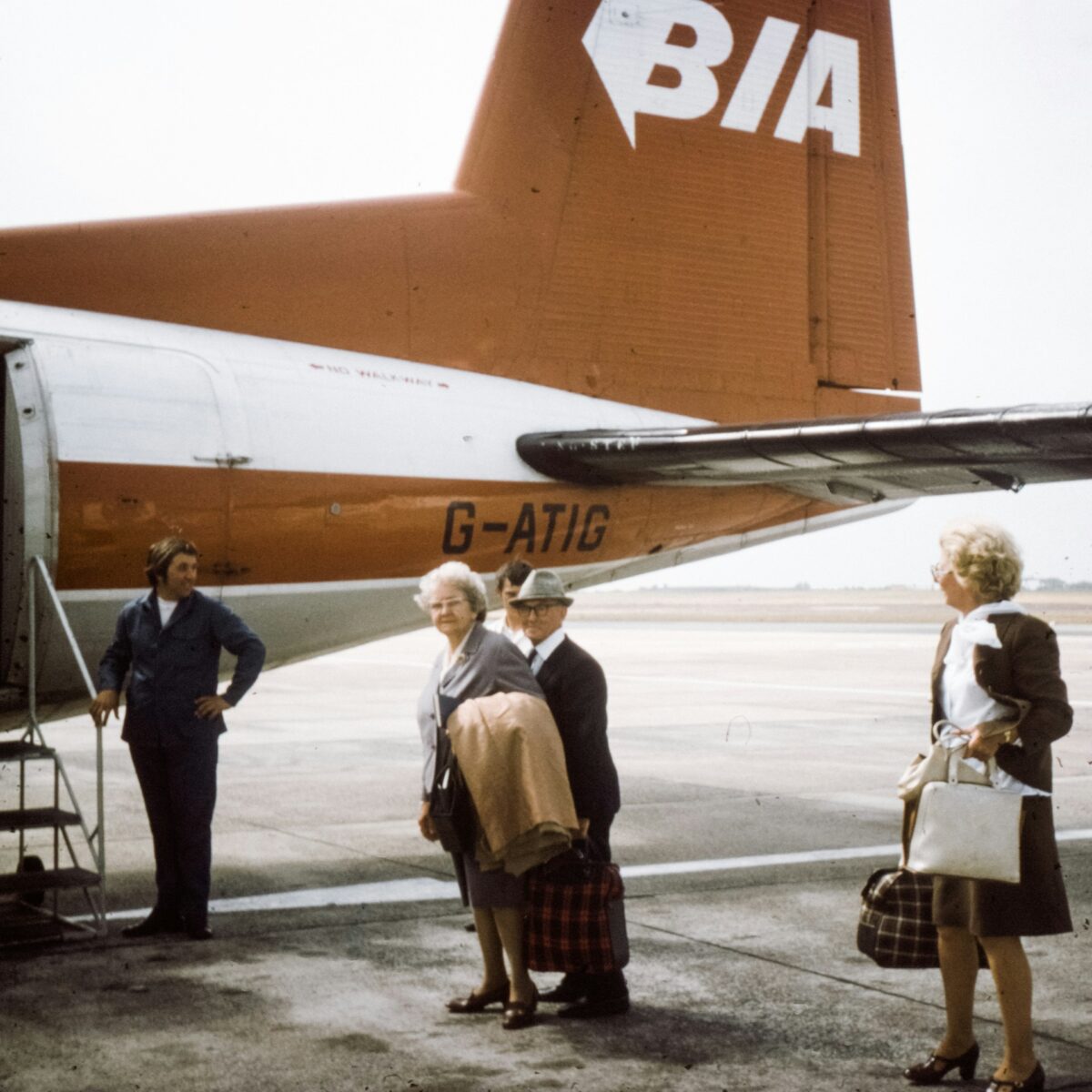
Back then, boarding a plane felt like an event worth marking. It took nerve to fly, seats were stiff, space tight – but eyes widened at the mere idea.
Wonder lived in those moments. Perhaps that’s why such images linger in our minds: they capture journeys where speed wasn’t the point.
The sky once held mystery. People dressed up just to meet it.
Today, rushing blends into routine. Then again, some things stay visible between the lines.
A single photo can whisper more than a dozen flights now.
More from Go2Tutors!

- The Romanov Crown Jewels and Their Tragic Fate
- 13 Historical Mysteries That Science Still Can’t Solve
- Famous Hoaxes That Fooled the World for Years
- 15 Child Stars with Tragic Adult Lives
- 16 Famous Jewelry Pieces in History
Like Go2Tutors’s content? Follow us on MSN.