29 Ancient Cities Rediscovered Centuries After Being Abandoned
A city does not disappear all at once. Roofs collapse, jungle or sand creeps over the walls, and within a few generations the people living nearby forget exactly what lies beneath the hill they walk past every day.
These 29 cities were reclaimed by nature or buried by disaster, only to resurface centuries later through excavation, chance, or a single traveler’s curiosity.
Pompeii
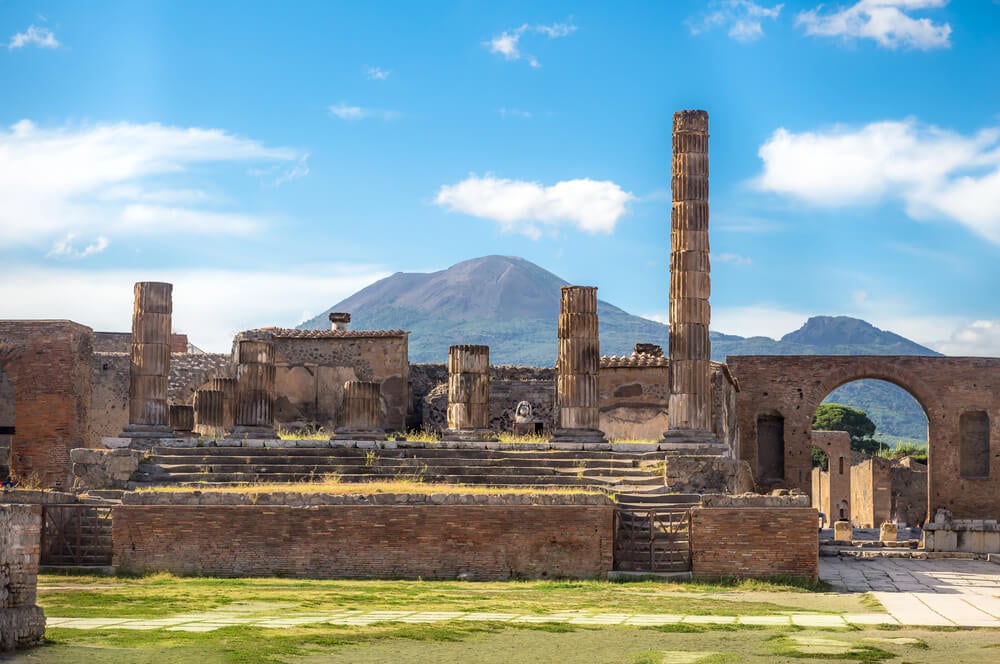
Buried under volcanic ash and pumice when Mount Vesuvius erupted in 79 CE, Pompeii was largely forgotten until construction workers stumbled on its ruins in the late 16th century, though systematic excavation did not begin until 1748. The ash preserved the city with startling completeness, including plaster casts of the final positions of residents caught in the eruption.
Excavations are still ongoing today, more than 270 years after they began.
Herculaneum
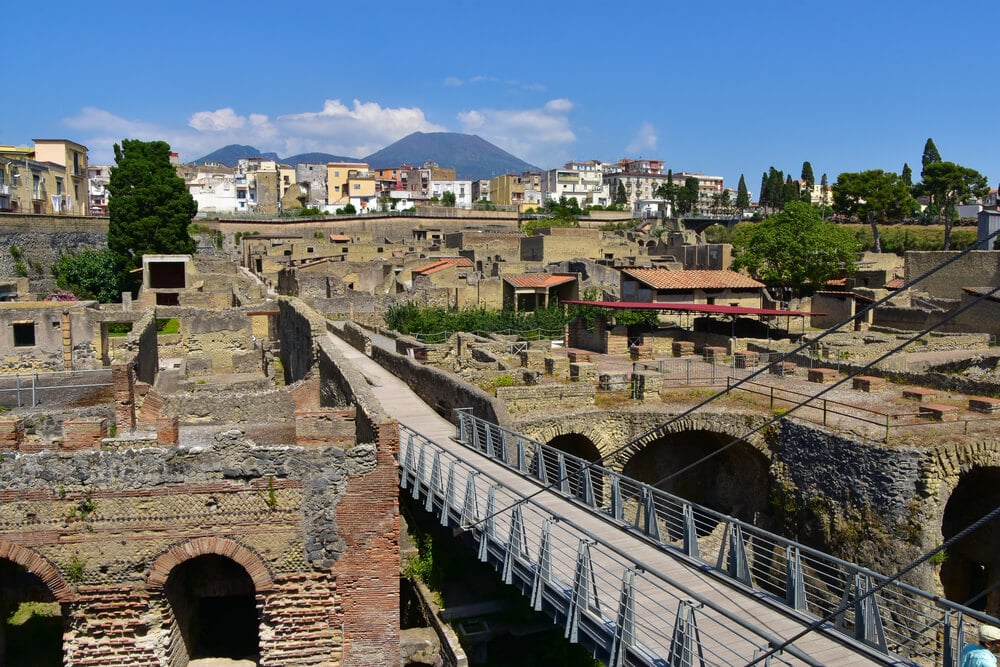
A wealthier neighbor to Pompeii, Herculaneum was buried by the same eruption but under a deeper layer of volcanic material that preserved even organic material like wooden furniture and food. It was rediscovered in 1709 when workers digging a well struck marble from the ancient theater.
Excavation has been slower and more difficult than at Pompeii precisely because the harder volcanic rock covering the site is tougher to remove.
Machu Picchu
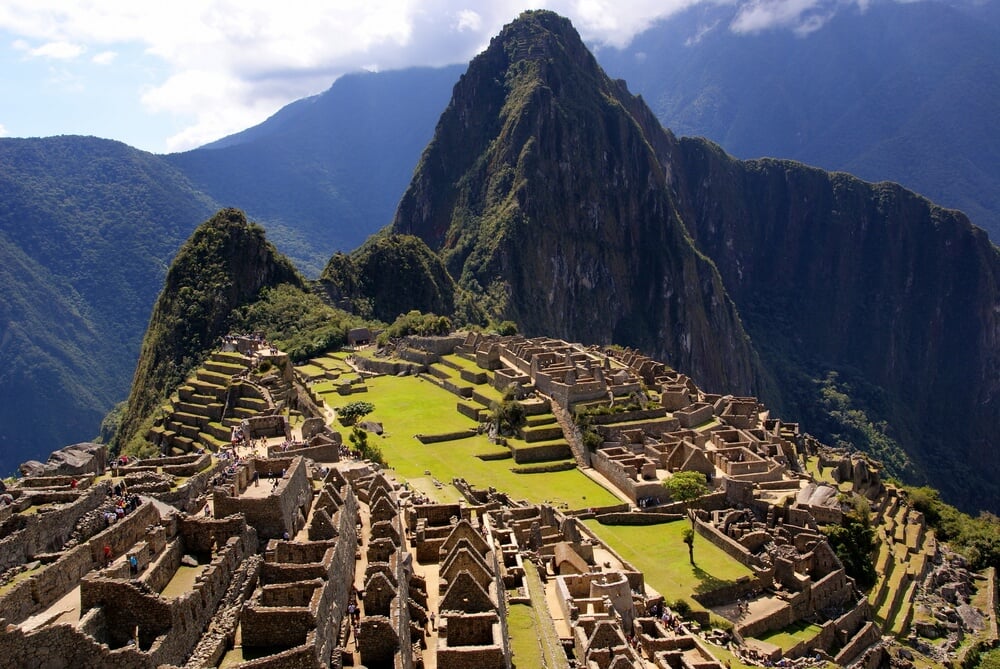
The Inca citadel high in the Peruvian Andes was never entirely lost to the local Quechua-speaking farmers who lived nearby, but it was unknown to the outside world until American explorer Hiram Bingham was guided to the site in 1911. Bingham had actually been searching for a different lost city, Vilcabamba, when he encountered the ruins instead.
The site’s remote, cloud-covered location had shielded it from Spanish colonial destruction that leveled many other Inca settlements.
Vilcabamba
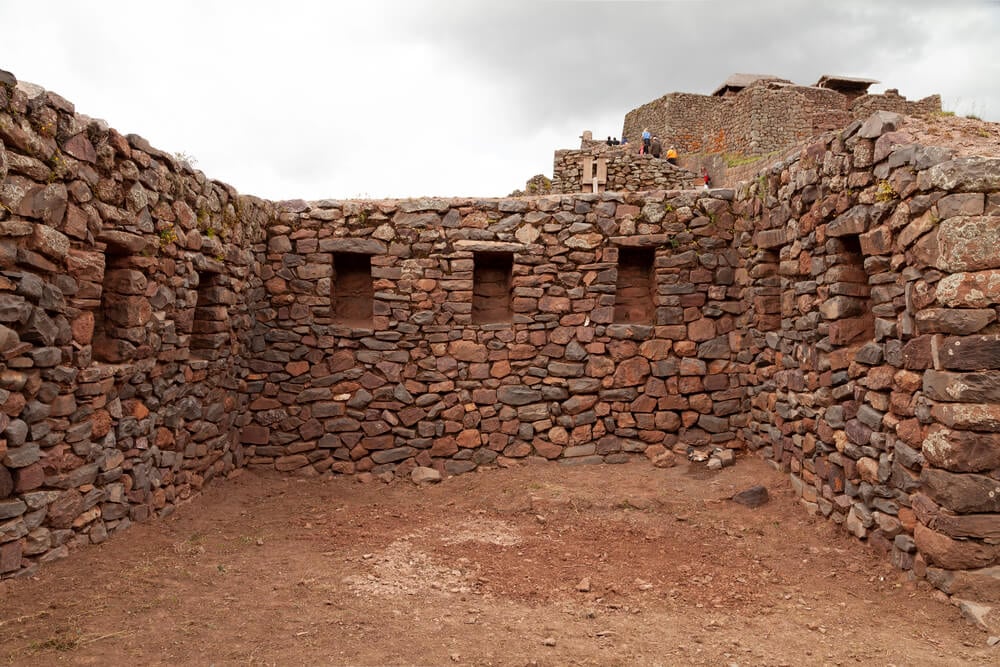
The actual last refuge of the Inca resistance against Spanish conquest, Vilcabamba, was abandoned in 1572 and its exact location was debated for centuries. Hiram Bingham identified a site called Espíritu Pampa as Vilcabamba during the same 1911 expedition that led him to Machu Picchu, though he initially dismissed its significance.
Later archaeological work confirmed Espíritu Pampa, not Machu Picchu, as the true final Inca capital.
Angkor
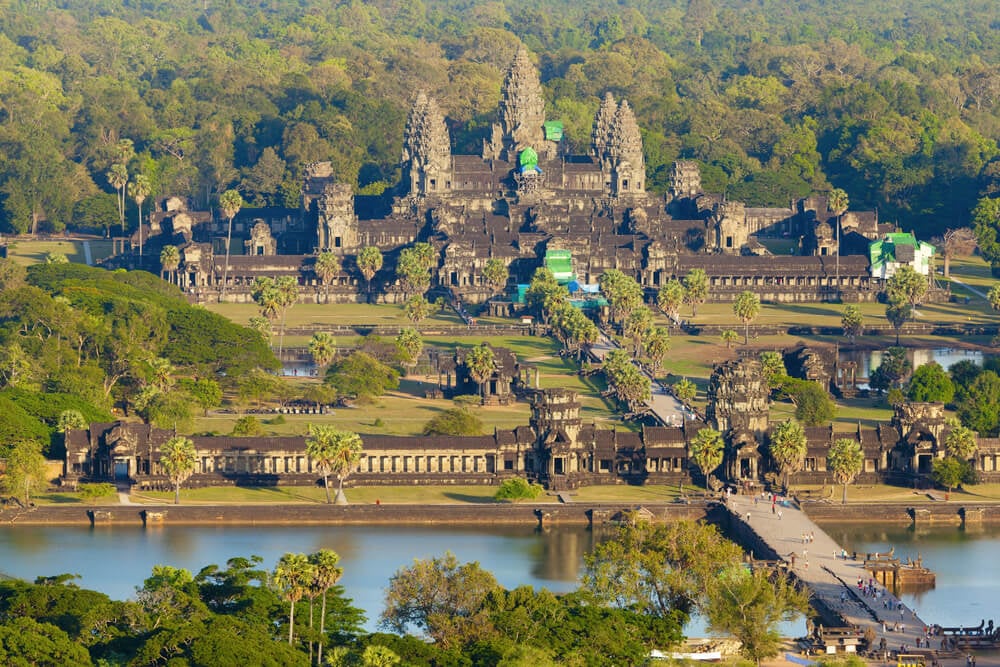
The vast temple complex of Angkor in Cambodia, capital of the Khmer Empire, was gradually abandoned after the 15th century as the empire’s power shifted elsewhere, though Buddhist monks maintained some of the temples continuously. French naturalist Henri Mouhot’s widely read 1860s travel writings introduced Angkor to Western audiences, even though local Cambodians and earlier Portuguese and Japanese visitors had long known of the site.
Jungle growth had by then overtaken many of the outer structures, giving Angkor its enduring image as a lost city reclaimed by the forest.
Petra
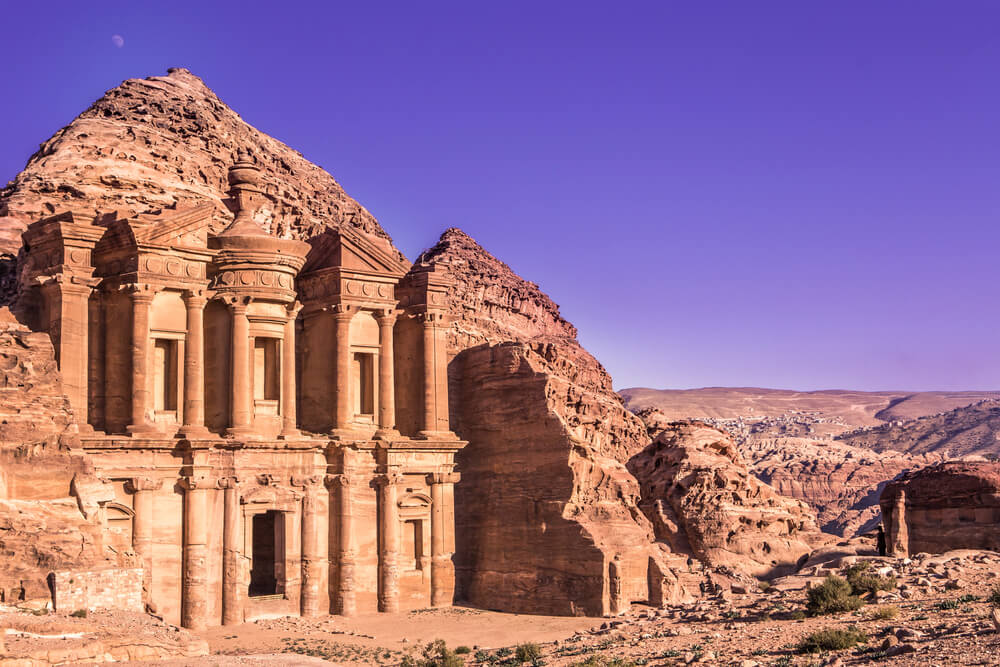
The rose-colored city carved into cliffs in modern Jordan served as the capital of the Nabataean kingdom before fading from regional trade importance and gradually falling out of common knowledge outside local Bedouin communities. Swiss explorer Johann Ludwig Burckhardt reintroduced Petra to European audiences in 1812 after disguising himself as a Muslim traveler to gain access to the site.
The city’s dramatic siq, a narrow gorge entrance, had helped keep it hidden from casual travelers for centuries.
Troy
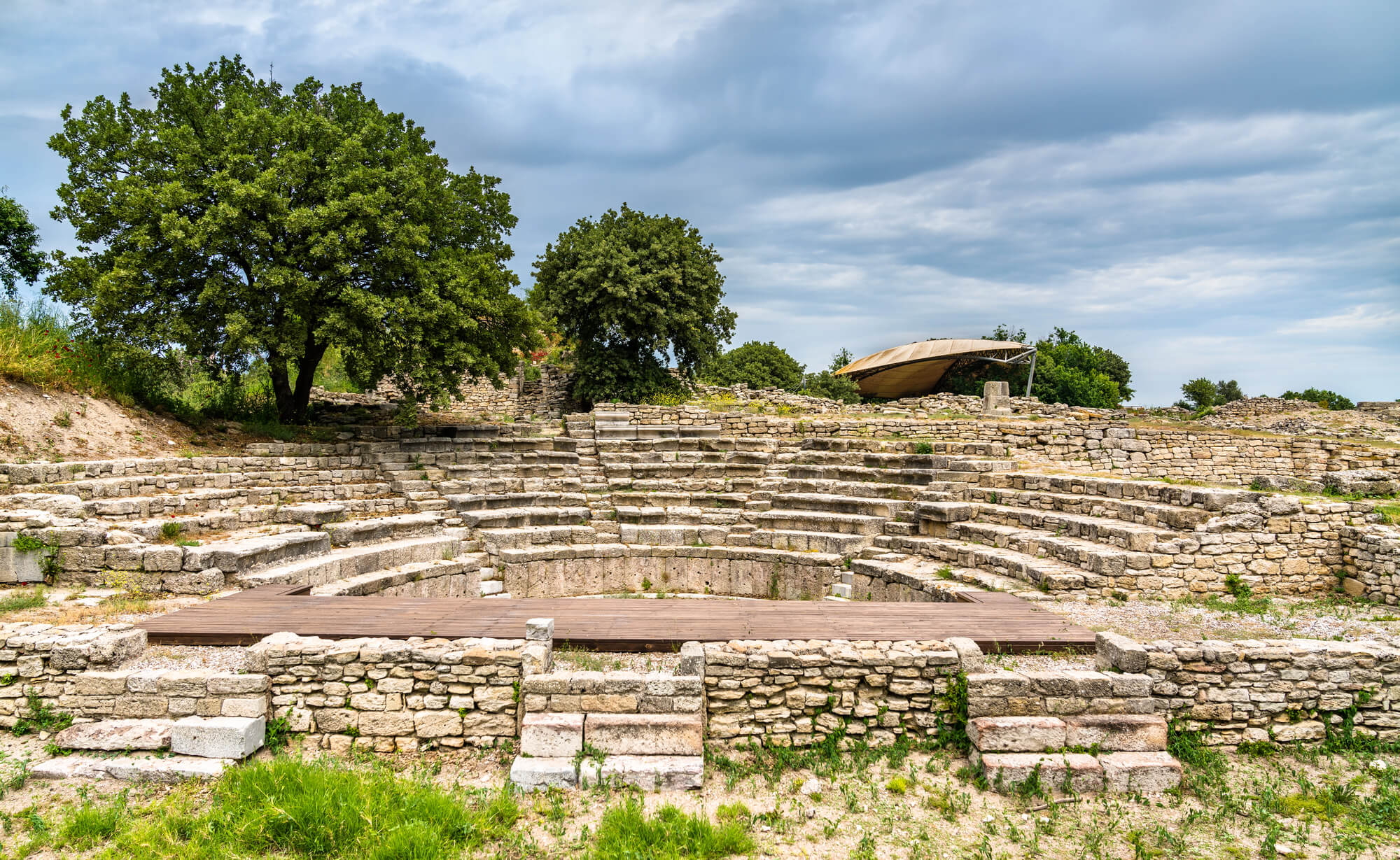
The legendary city of Homer’s Iliad was long treated as pure myth until amateur archaeologist Heinrich Schliemann began excavating a mound called Hisarlik in modern Turkey in the 1870s, uncovering multiple layered cities built atop one another. Schliemann’s methods were crude by modern standards and damaged some of the very layers he was trying to study.
Later, more careful excavation confirmed that one of the city’s layers corresponds roughly to the era described in Homeric legend.
Mycenae
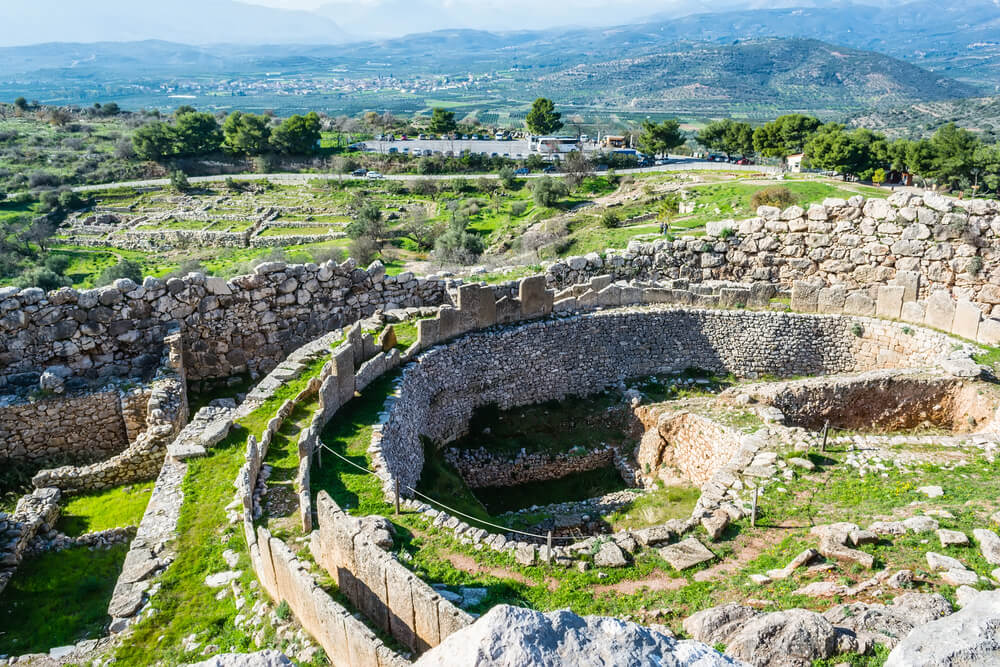
The Bronze Age Greek city associated with the legendary king Agamemnon was excavated by Heinrich Schliemann in 1876, following his work at Troy, where he uncovered elaborate gold death masks and grave goods in the city’s shaft graves. One mask he initially, and incorrectly, attributed to Agamemnon himself.
The excavation confirmed that a genuinely wealthy Bronze Age civilization had once occupied the site, even if its exact connection to Homer’s epics remains debated.
Knossos
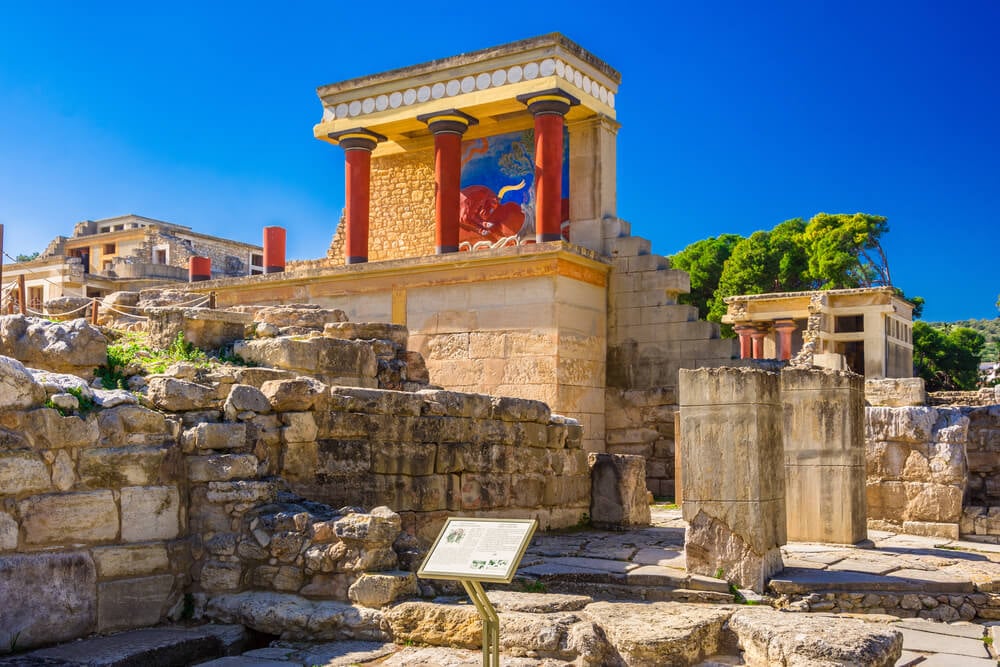
The Bronze Age Minoan palace complex on Crete, associated with the legend of the Minotaur’s labyrinth, was excavated beginning in 1900 by British archaeologist Arthur Evans. Evans’s reconstructions of the palace, including brightly repainted frescoes, have since been criticized by later archaeologists as more speculative than the evidence supports.
The site nonetheless revealed the existence of an entire Bronze Age civilization that had been essentially unknown before Evans’s work.
Great Zimbabwe
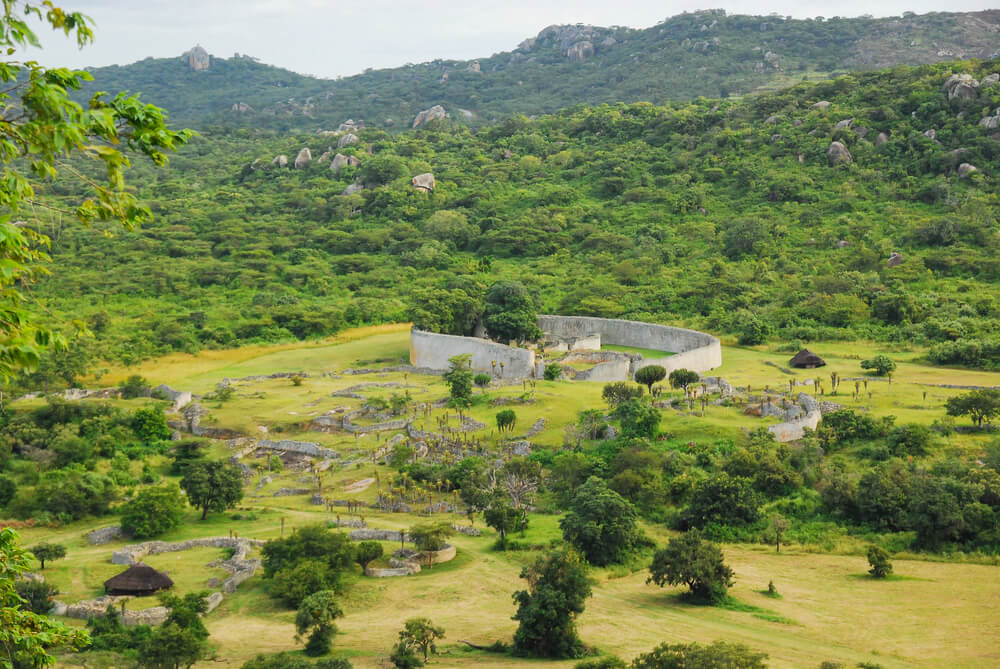
The stone ruins of Great Zimbabwe, once the capital of a wealthy medieval African kingdom, were never lost to local communities but were largely unknown to European explorers until German geologist Karl Mauch visited in 1871. Colonial authorities at the time, reluctant to credit African builders, promoted theories attributing the sophisticated stonework to outside civilizations, a view modern archaeology has thoroughly rejected.
The ruins gave the modern nation of Zimbabwe its name upon independence.
Chichen Itza
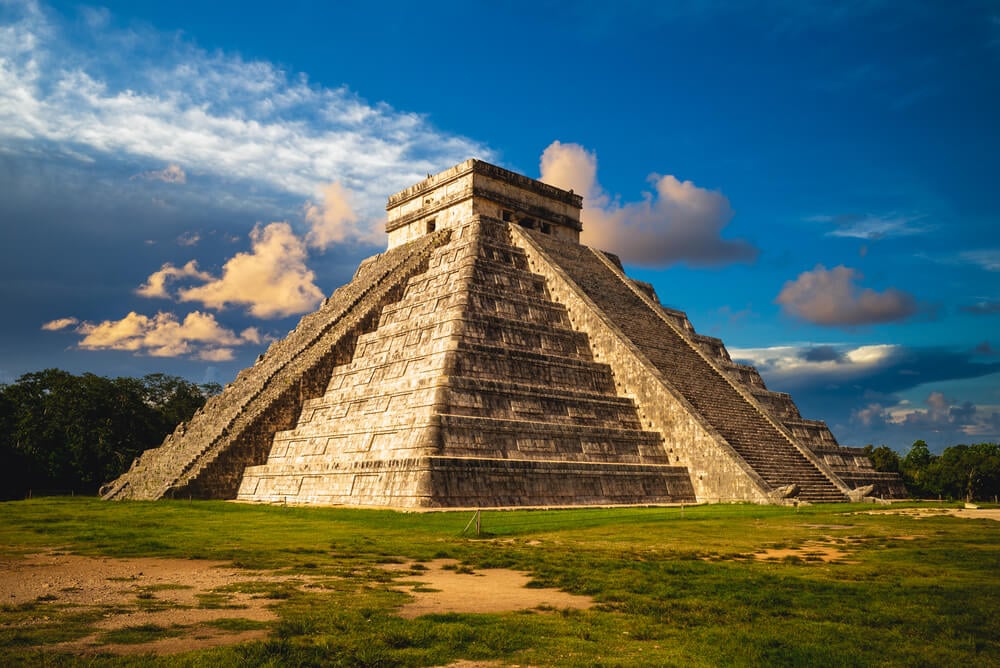
The major Maya city in Mexico’s Yucatán Peninsula had been abandoned as a political center for centuries by the time American explorer John Lloyd Stephens and British artist Frederick Catherwood documented it in detail during their 1840s expeditions. Their illustrated accounts brought international attention to Maya civilization at a time when many Europeans doubted indigenous Americans had built anything so sophisticated.
The site’s famous stepped pyramid, El Castillo, remains one of the most recognizable structures from the ancient Americas.
Copán
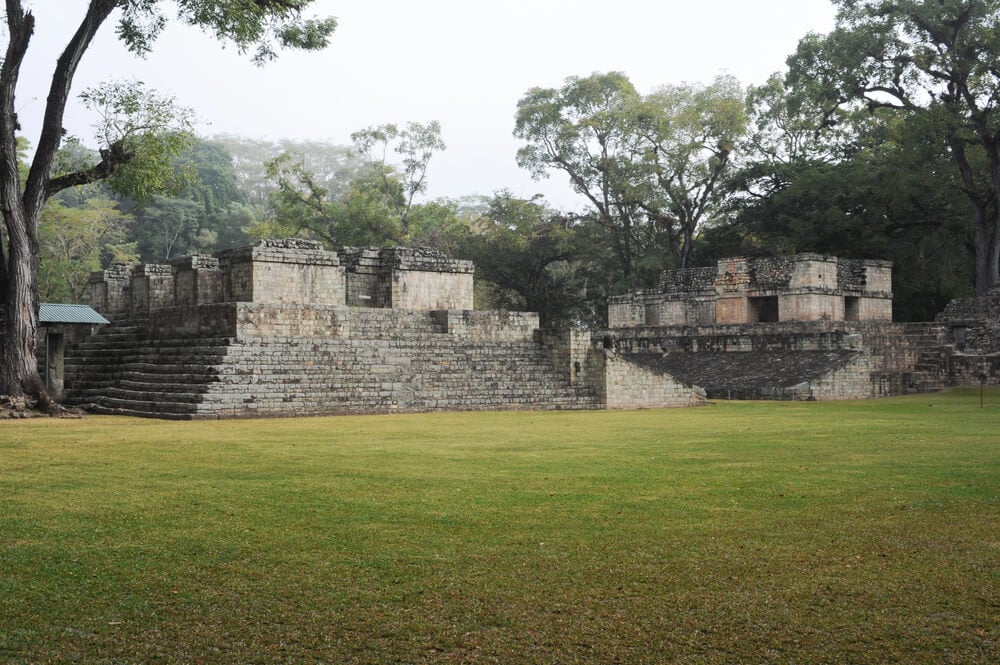
Another major Maya city, Copán in modern Honduras, was documented by the same Stephens and Catherwood expedition in 1839, whose detailed engravings of the city’s elaborately carved stelae stunned readers back in Europe and the United States. The city had been abandoned for roughly a thousand years by the time of their visit, its stone monuments overgrown by dense forest.
Copán is particularly prized by archaeologists for its unusually detailed carved historical records.
Tikal
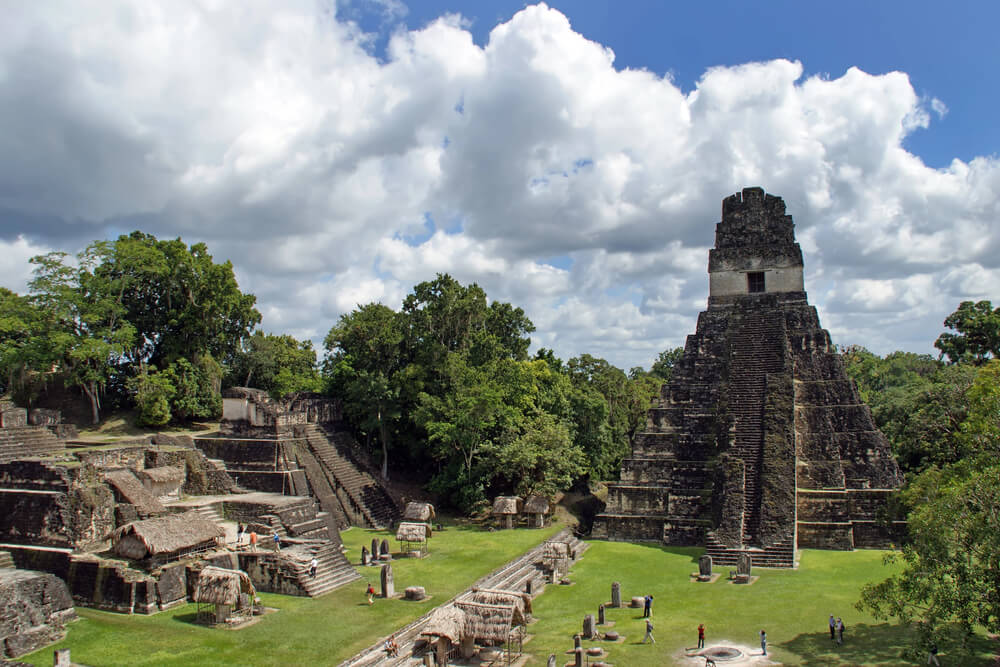
One of the largest Maya cities, Tikal in modern Guatemala, was rediscovered for outside audiences following a Guatemalan government expedition in 1848, though local communities had varying degrees of continued awareness of the ruins. Its towering temple pyramids rise above the surrounding jungle canopy, a feature that has made it a popular filming location for jungle settings.
Systematic excavation did not begin in earnest until the mid-20th century.
Palenque
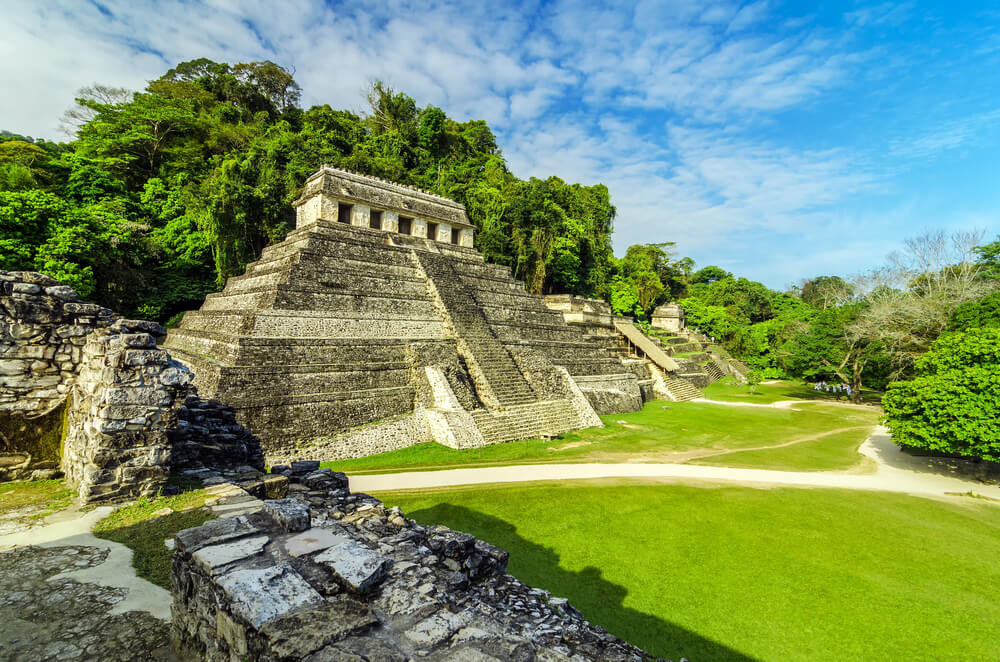
The Maya city of Palenque, known for its intricate architectural reliefs, drew early attention from Spanish colonial officials in the 1780s, well before the more famous Stephens and Catherwood visit in 1840 brought it wider international recognition. The tomb of the ruler Pakal the Great, discovered deep inside the city’s Temple of the Inscriptions in 1952, remains one of the most significant burial finds in Maya archaeology.
The city had been abandoned centuries before any of these visits.
Nineveh
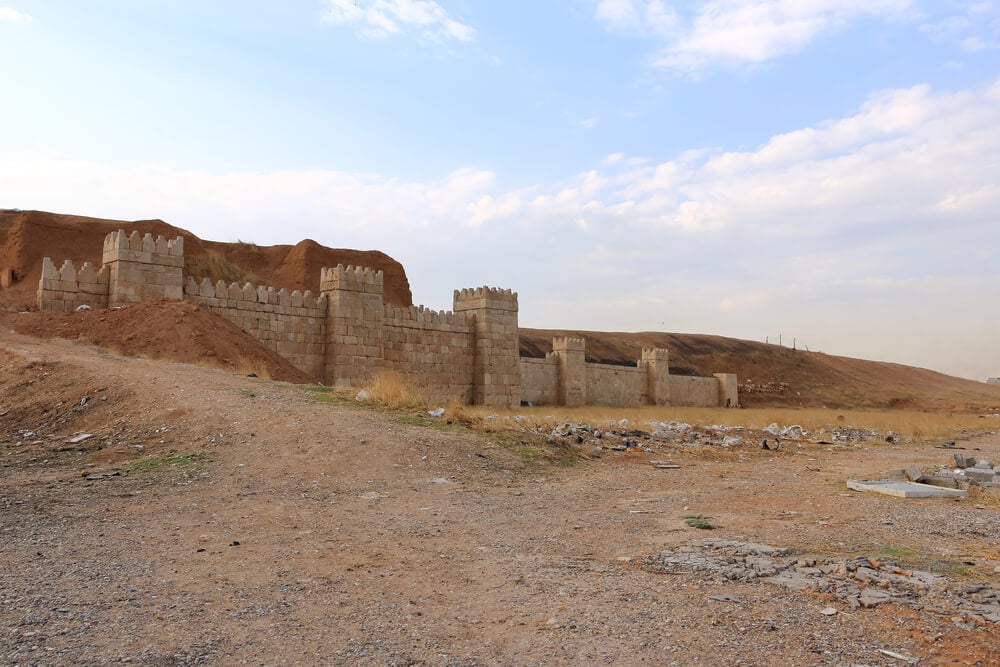
Once the largest city in the world as the capital of the Assyrian Empire, Nineveh was destroyed in 612 BCE and its exact location faded from common knowledge until British archaeologist Austen Henry Layard began excavating mounds near modern Mosul, Iraq, in the 1840s. Layard’s discoveries, including vast palace reliefs and the library of King Ashurbanipal, transformed understanding of ancient Mesopotamian civilization.
Many of the recovered artifacts were shipped to the British Museum, where they remain a major collection today.
Babylon
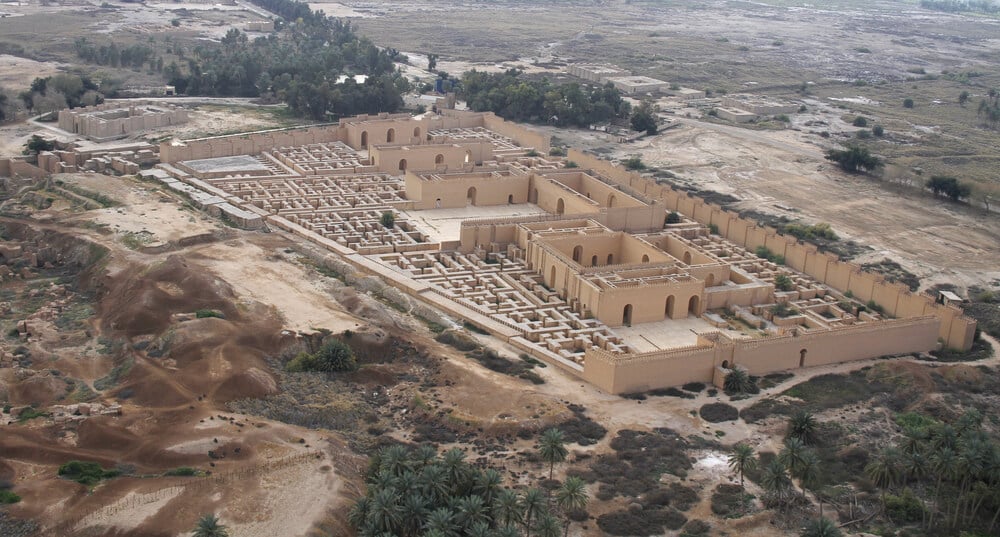
The legendary Mesopotamian capital, home to the biblical Tower of Babel story and the reputed Hanging Gardens, was systematically excavated beginning in 1899 by German archaeologist Robert Koldewey, who spent over a decade uncovering the city’s massive walls and the Ishtar Gate. Centuries of shifting river courses and mudbrick construction had buried much of the ancient city under successive layers of sediment.
The reconstructed Ishtar Gate is now displayed at the Pergamon Museum in Berlin.
Ur
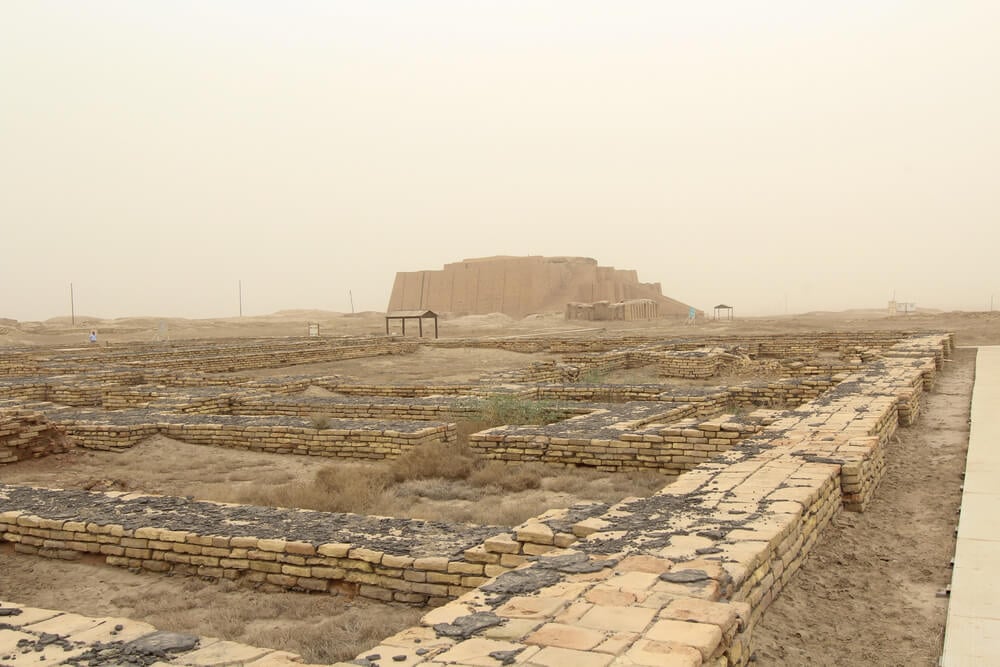
The Sumerian city of Ur, birthplace according to biblical tradition of the patriarch Abraham, was extensively excavated in the 1920s by British archaeologist Leonard Woolley, whose team uncovered the city’s Royal Cemetery with its remarkably rich grave goods. The excavation also revealed evidence some interpreted as connected to a great flood, fueling public fascination at the time.
Ur’s ziggurat, partially reconstructed, remains one of the best-preserved structures of its kind in Iraq.
Persepolis
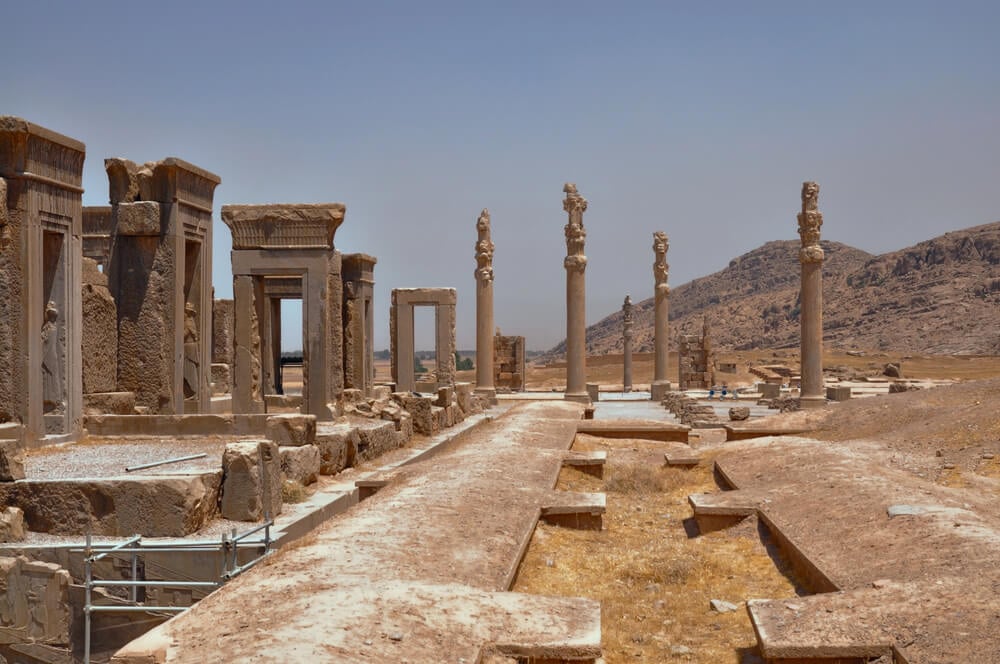
The ceremonial capital of the Achaemenid Persian Empire, Persepolis was burned during Alexander the Great’s conquest in 330 BCE and its ruins lay relatively undisturbed for over two thousand years before systematic excavation began in the 1930s under German archaeologist Ernst Herzfeld. The site’s elaborate stone reliefs depicting delegations from across the empire offered historians an unusually vivid record of ancient Persian court life.
It remains one of Iran’s most significant archaeological sites.
Vijayanagara
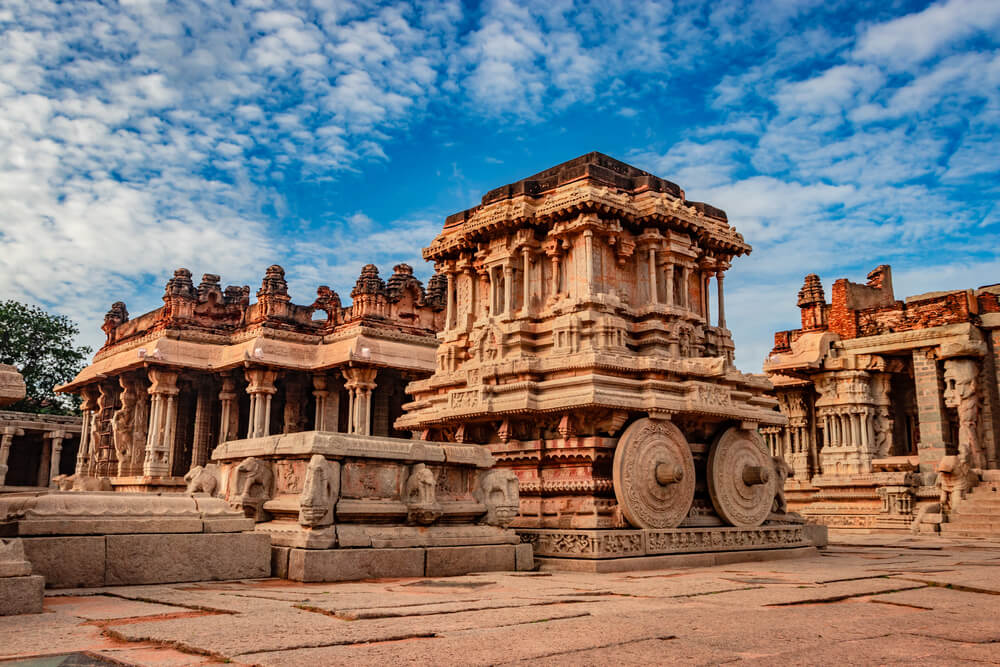
The capital of the powerful medieval Vijayanagara Empire in southern India, now known by the name of the nearby village of Hampi, was abandoned after its catastrophic defeat and sacking in 1565. British surveyor Colin Mackenzie documented the ruins in detail around 1800, helping draw scholarly attention to a city that had once been among the largest in the world.
The site’s temple complexes and royal enclosures remain remarkably extensive despite centuries of abandonment.
Mohenjo-Daro
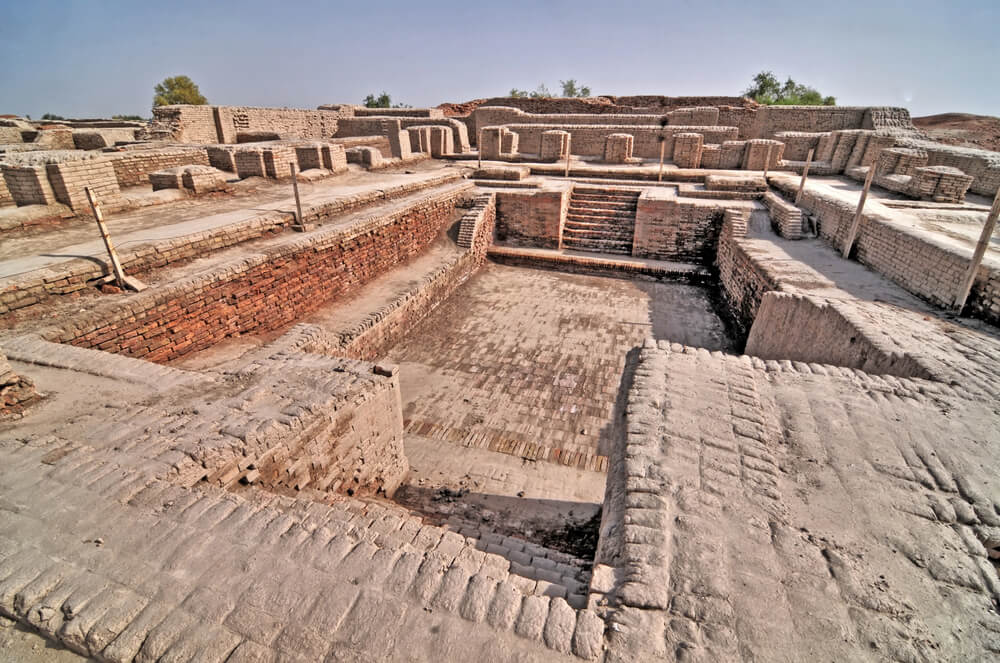
One of the two great cities of the Indus Valley Civilization, Mohenjo-daro in modern Pakistan was discovered in the 1920s by archaeologist R. D. Banerji, revealing a sophisticated Bronze Age urban culture with advanced drainage systems that had been essentially unknown to modern scholarship beforehand. The Indus script found throughout the city remains undeciphered to this day.
The civilization’s decline around 1900 BCE is still debated among archaeologists, with theories ranging from climate change to shifting river patterns.
Harappa
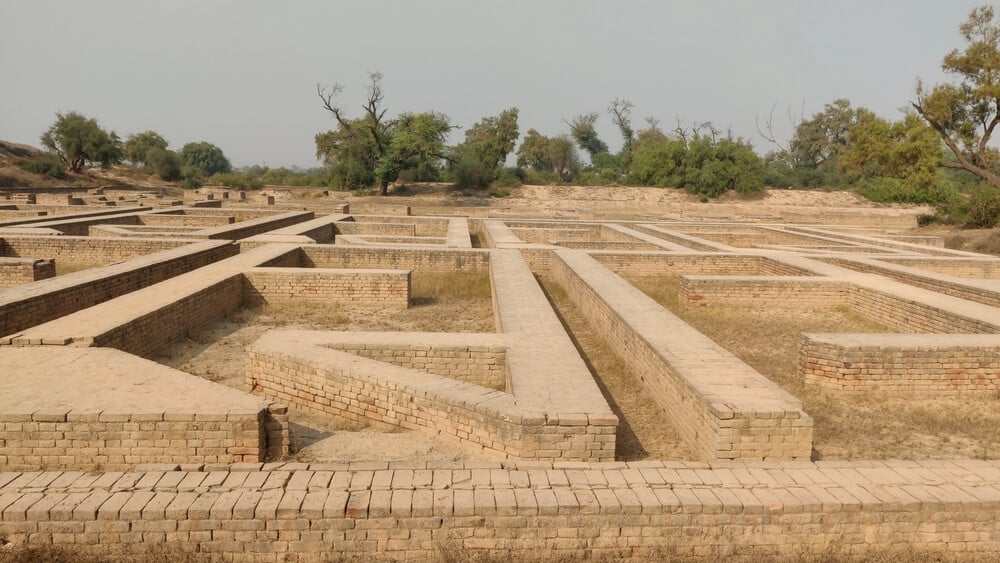
The Indus Valley Civilization’s other major city, Harappa, was identified around the same time as Mohenjo-daro in the 1920s, though the site had suffered significant damage decades earlier when British railway engineers used its ancient bricks as ballast for train tracks. The discovery of two major cities from the same unknown civilization forced a significant rewrite of the early history of South Asia.
Harappa lent its name to the broader Indus Valley culture, often called the Harappan civilization.
Xanadu
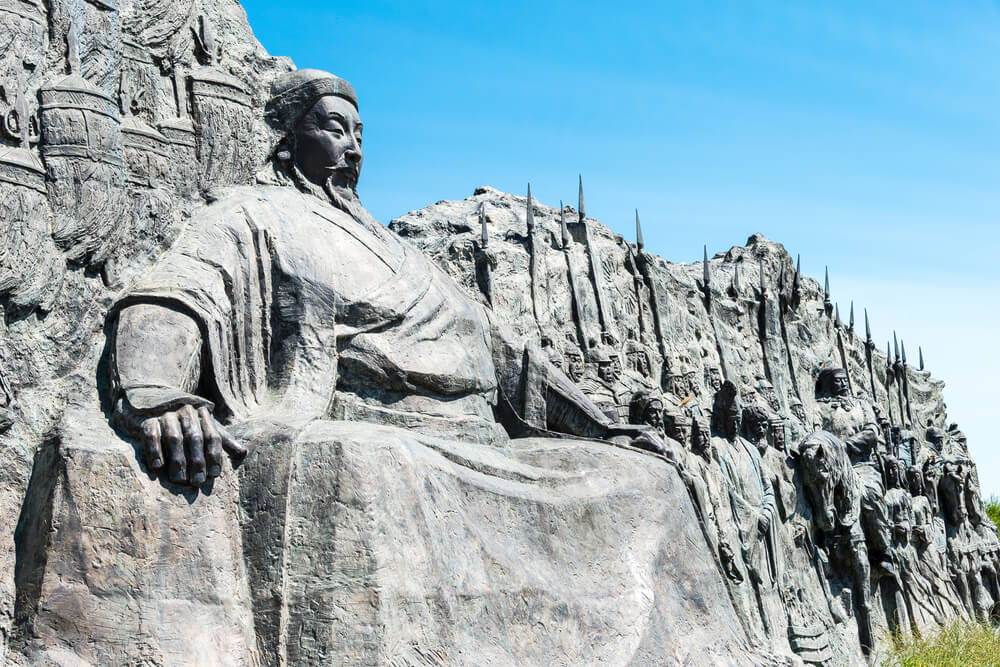
The summer capital of Kublai Khan’s Mongol empire, immortalized in English through Samuel Taylor Coleridge’s poem, was identified with the ruins of Shangdu in Inner Mongolia and became the subject of significant archaeological excavation in the 20th century. The city had been abandoned and largely dismantled following the fall of the Yuan dynasty in the 14th century.
Its earthen ramparts and building foundations are still visible on the site today, now recognized as a UNESCO World Heritage location.
Caral
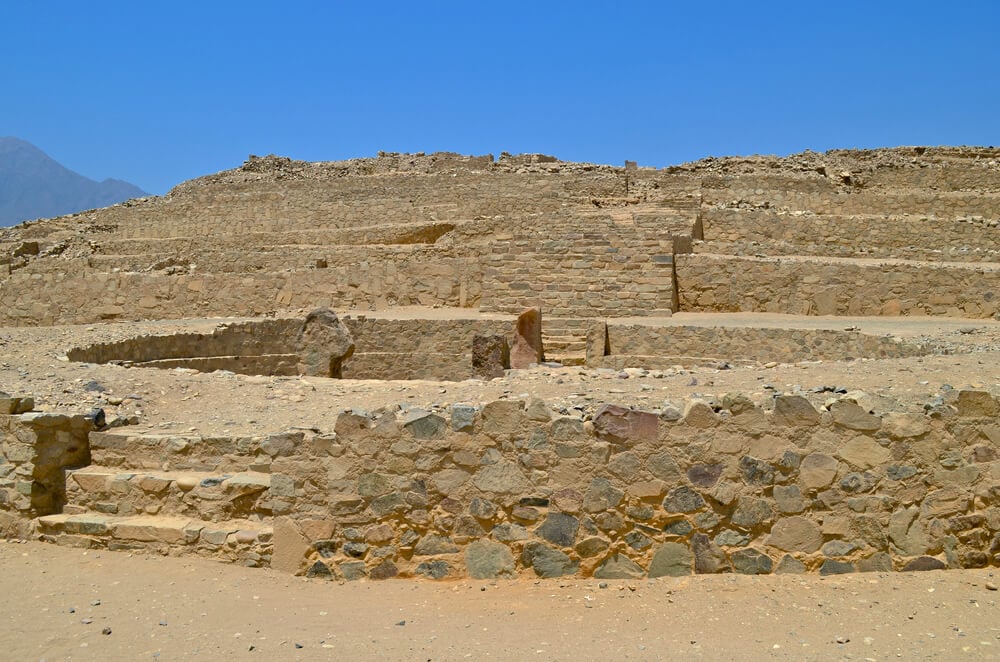
The ancient city of Caral in coastal Peru is considered one of the oldest urban centers in the Americas, dating back roughly 5,000 years, though it remained largely unstudied until Peruvian archaeologist Ruth Shady began systematic excavations there in the 1990s. The scale of Caral’s pyramids and public architecture, built without evidence of warfare or defensive walls, surprised archaeologists studying early civilizations.
Its age predates most other known complex societies in the Western Hemisphere.
Teotihuacan
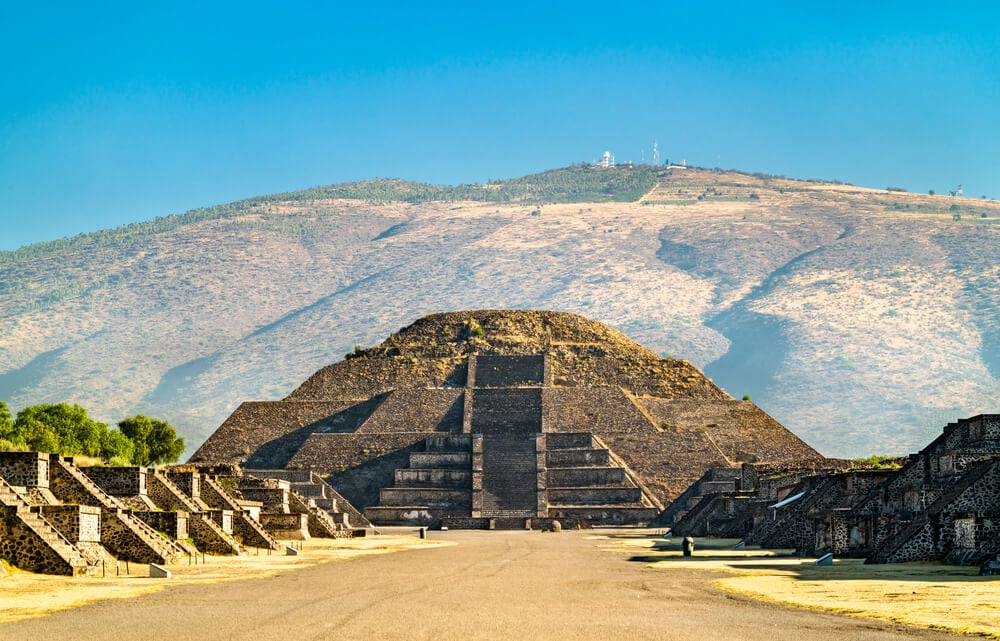
The massive pre-Aztec city of Teotihuacan, near modern Mexico City, was already an abandoned ruin by the time the Aztecs encountered it centuries later and gave it its current name, meaning roughly “place where the gods were created.” Extensive excavation began around 1900 under Mexican archaeologist Leopoldo Batres, ahead of Mexico’s independence centennial celebrations.
Despite decades of study, the identity of the people who actually built and ruled the city remains a subject of ongoing research.
Cahokia
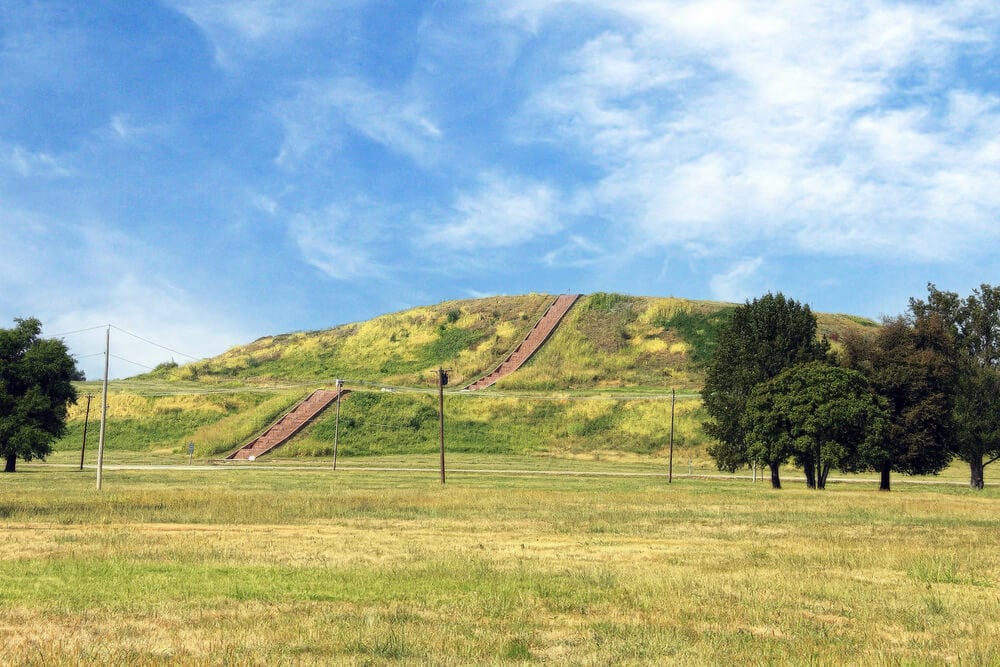
The largest pre-Columbian city north of Mexico, Cahokia near modern St. Louis once housed tens of thousands of residents at its peak before being abandoned by the 14th century for reasons still debated by researchers. Its massive earthen mounds were noted by early American settlers but not systematically studied until the 20th century, and the scale of the ancient settlement surprised many who had assumed no such urban center existed in that era of North America.
Monks Mound, the site’s largest structure, remains one of the largest earthworks in the Americas.
Derinkuyu
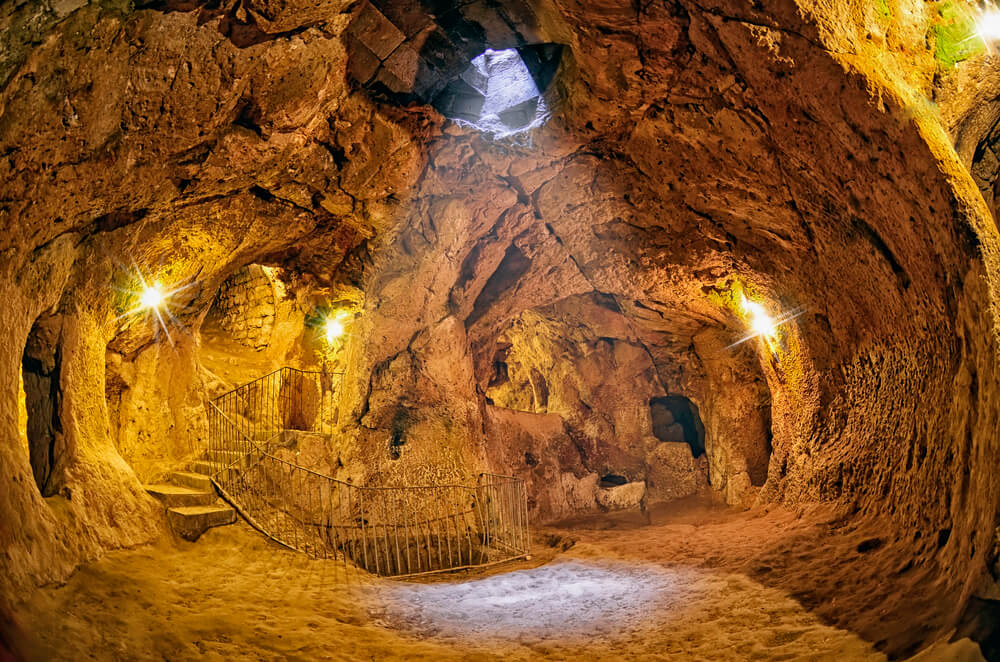
An entire underground city in Cappadocia, Turkey, capable of sheltering thousands of people across multiple levels, was rediscovered by accident in 1963 when a local resident renovating his home knocked through a wall and found a hidden tunnel. The city, believed to date back over a thousand years, had been carved into soft volcanic rock and used as a refuge during periods of invasion.
It has since been opened to visitors as one of the most extensive underground settlements ever found.
Skara Brae
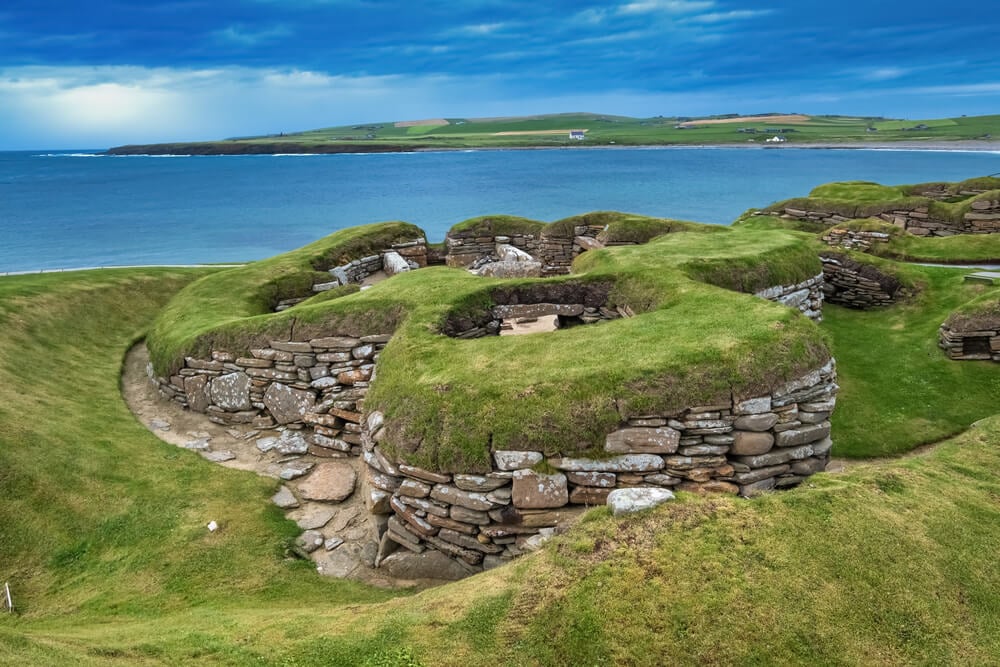
A remarkably well-preserved Neolithic village on Orkney, Scotland, Skara Brae lay buried under sand dunes for roughly 4,000 years until a severe storm in 1850 stripped away the covering earth and exposed stone houses complete with built-in furniture. The find offered an unusually intimate look at daily life in prehistoric Britain.
It remains one of the best-preserved Stone Age settlements in Europe.
Pavlopetri
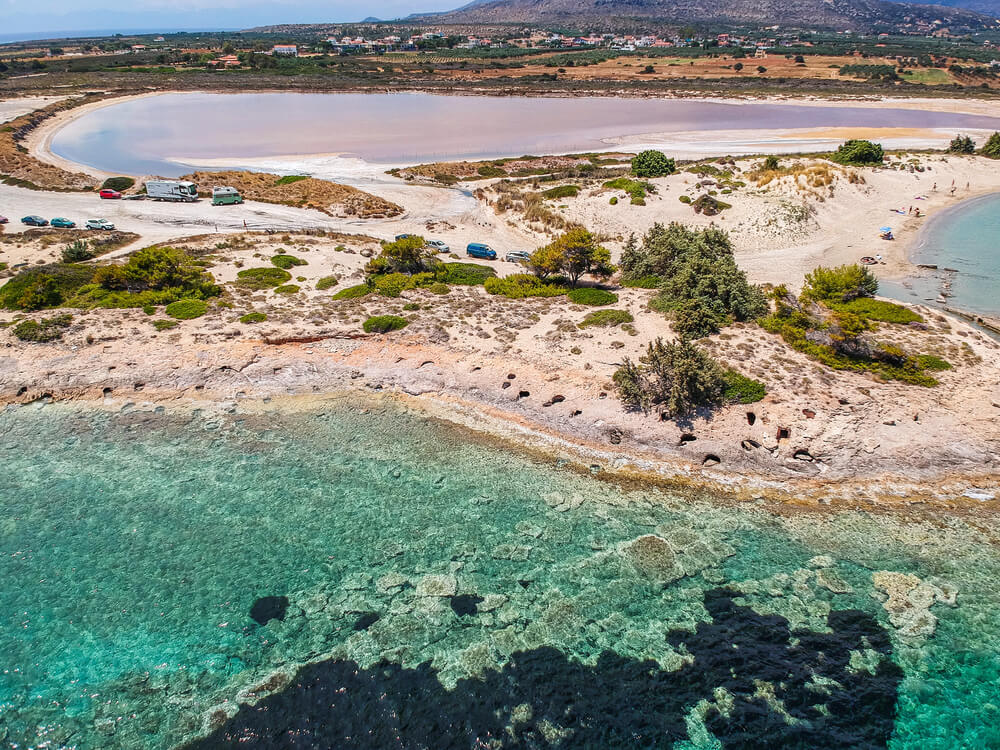
A submerged Bronze Age settlement off the coast of southern Greece, Pavlopetri sank beneath the sea due to gradual geological shifts and was mapped in detail by researchers beginning in 1967, making it one of the oldest known submerged towns in the world. Its street plans and building foundations remain visible on the shallow seabed.
The site offered rare direct evidence of Bronze Age urban planning normally only inferred from land excavations.
Nan Madol
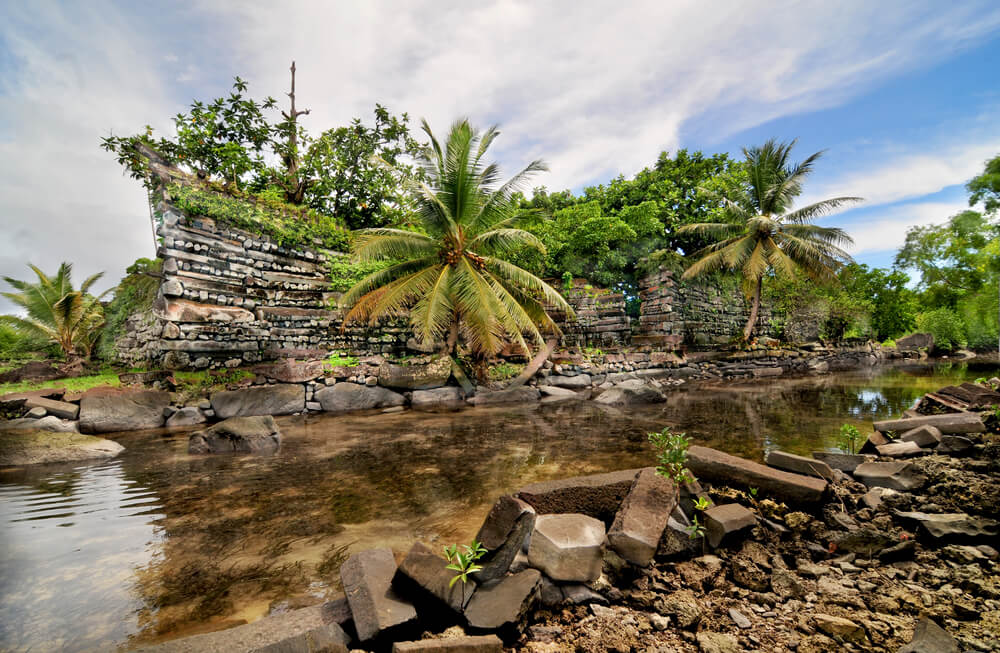
An extraordinary complex of artificial islets built from massive basalt columns off the coast of Pohnpei in Micronesia, Nan Madol served as the ceremonial and political center of the Saudeleur dynasty before being abandoned around the 17th century. Western explorers documented the ruins in detail during the 19th century, though questions about how its builders transported and stacked the enormous stone columns remain only partially answered.
The site is now recognized as a UNESCO World Heritage location and remains difficult to access due to its dense mangrove surroundings.
The Cities That Waited
None of these cities disappeared through malice or mystery so much as through the ordinary passage of time; empires shifted, rivers changed course, and the descendants of a city’s builders moved on to somewhere more convenient. What is remarkable is how much survived the waiting: carved stone, painted plaster, entire street grids, all intact enough that a single traveler or an accidental well-digger could bring an entire civilization back into view.
The rediscoveries also reveal something about the people doing the finding. Many of these cities were never actually lost to the communities living nearby, only to the outside world that eventually wrote the history books.
Rediscovery, in most of these cases, is really a story about who finally started paying attention.
More from Go2Tutors!

- The Romanov Crown Jewels and Their Tragic Fate
- 13 Historical Mysteries That Science Still Can’t Solve
- Famous Hoaxes That Fooled the World for Years
- 15 Child Stars with Tragic Adult Lives
- 16 Famous Jewelry Pieces in History
Like Go2Tutors’s content? Follow us on MSN.



