Castles With Bizarre Architectural Tricks
Medieval castles were more than just towering stone strongholds with towering walls. Castle builders included some extremely ingenious and downright cunning architectural elements behind their imposing exteriors that were intended to deceive, trap, and exterminate unwanted guests.
These were strategic engineering devices that could make the difference between victory and defeat during a siege, not merely ornamental flourishes. Part engineer, part strategist, and part magician, castle architects created everything from ceiling traps that transformed entrances into death zones to hidden tunnels that evaded year-long blockades.
This is a list of 14 castles that use odd architectural techniques.
Predjama Castle’s Secret Supply Tunnels
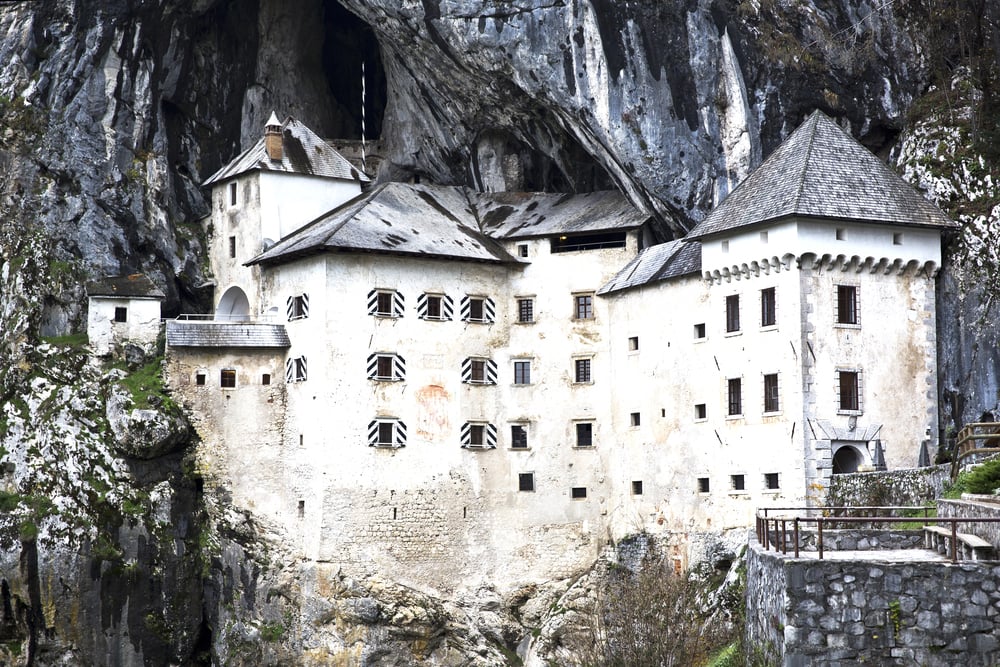
Perched dramatically on a cliff face in Slovenia, Predjama Castle looks impossible to reach, let alone supply during a siege. That’s exactly what 15th-century knight Erasmus of Lueg was counting on when he took refuge there.
Habsburg forces laid siege to the castle, and according to legend, Erasmus used a network of hidden tunnels through the cave system behind the castle to come and go freely, fetching food and wine from a nearby village. The story says he even pelted his frustrated attackers with fresh cherries to prove how well-stocked he was, though he ultimately met his end around 1484, reportedly betrayed and killed while using the lavatory.
Bran Castle’s Hidden Passage
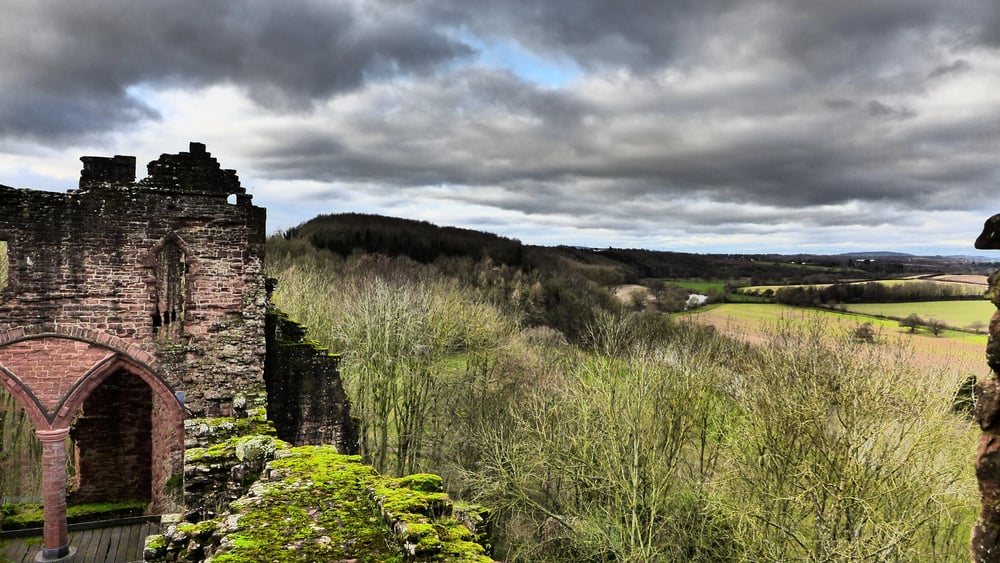
Often associated with Dracula legends, Bran Castle in Romania contains a secret passage hidden behind a fireplace that connects the first floor directly to the third. This wasn’t discovered until the 1920s, having been so convincingly concealed that it was forgotten for decades.
While romanticized as an escape route, the passage was more likely used as a service corridor, allowing staff to move between floors without using the main staircases. The twisting maze of rooms throughout the castle made it easy for such practical features to become lost to memory over the centuries.
Murder Slots at Goodrich Castle
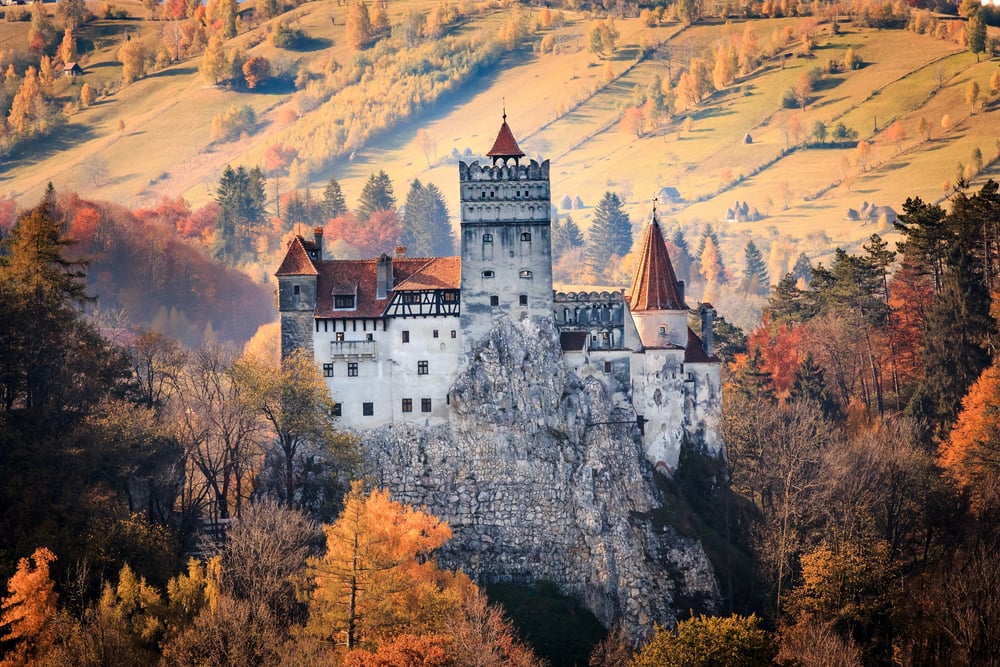
The ceiling passages in many castle gatehouses contain small openings with a grim purpose. These murder slots allowed defenders to drop rocks or pour boiling water on attackers trapped below.
Hot water and heavy stones were the weapons of choice since they were readily available and effective. Some gatehouses had murder slots positioned along the entire length of their entrance tunnels, turning the passageway into an extended gauntlet of death where every step forward exposed invaders to danger from above.
Harvington Hall’s Priest Hides
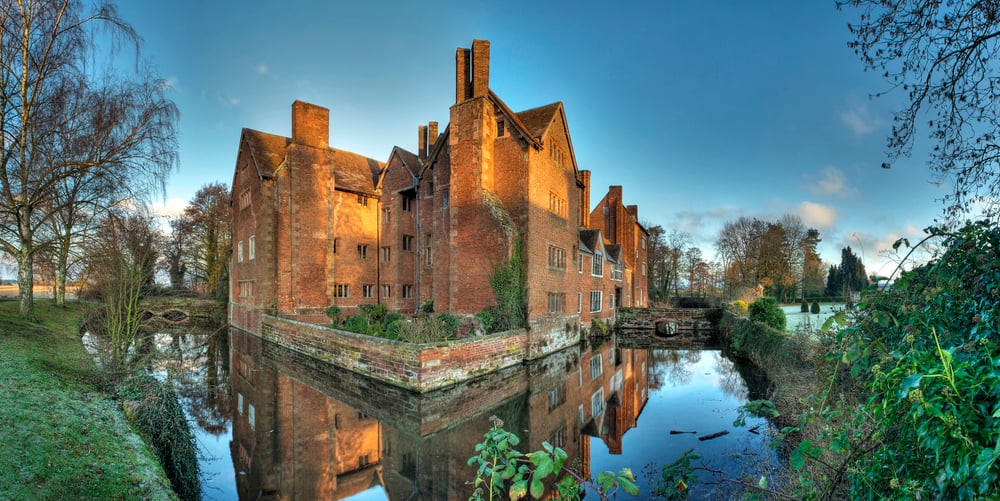
When being Catholic in Protestant England could get you executed, manor houses like Harvington Hall in Worcestershire became architectural puzzles. The building contains multiple priest hides—tiny hidden chambers built into walls, accessed through trapdoors in turrets or concealed behind panels.
These cramped spaces, barely large enough for a person to crouch in, saved the lives of several Catholic priests during the 16th and 17th centuries. Some were so cleverly disguised that they remained undiscovered for hundreds of years, testament to the skill of their builders.
Dover Castle’s Multiple Arrow Slits
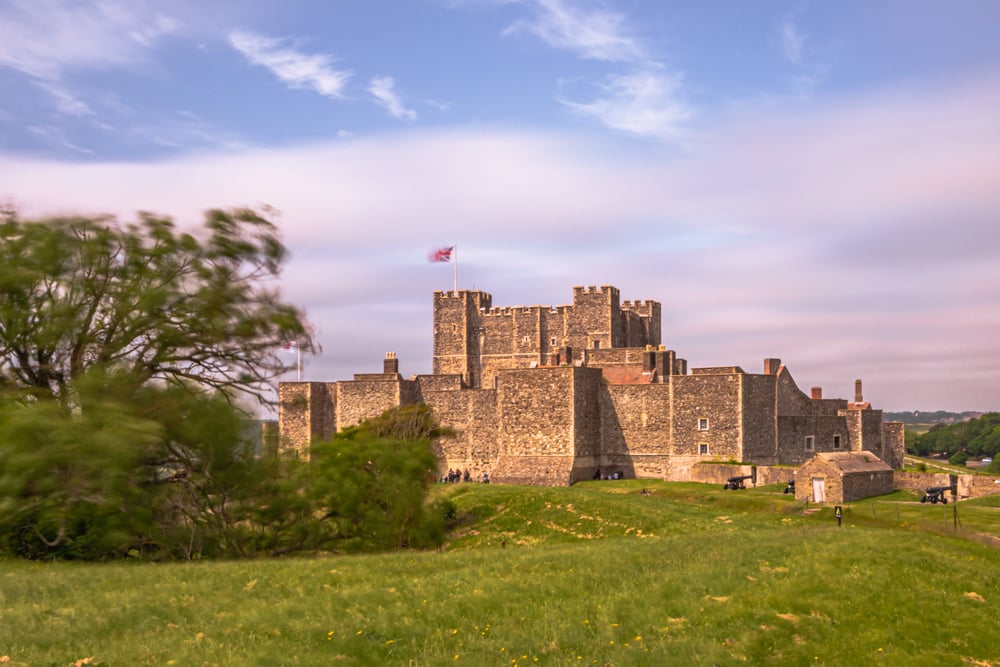
Arrow slits might seem straightforward, but their design was surprisingly sophisticated. The narrow vertical opening on the outside made it nearly impossible for attackers to shoot back effectively, while the interior splayed outward at oblique angles, giving archers maximum freedom of movement and a wide field of fire.
Dover Castle features elaborate configurations where multiple interior embrasures connected to single exterior slits, allowing defenders to shoot from different positions. Cross-shaped slits accommodated both longbowmen, who needed to stand upright, and crossbowmen, who fired from a kneeling position.
The Portcullis Trap System
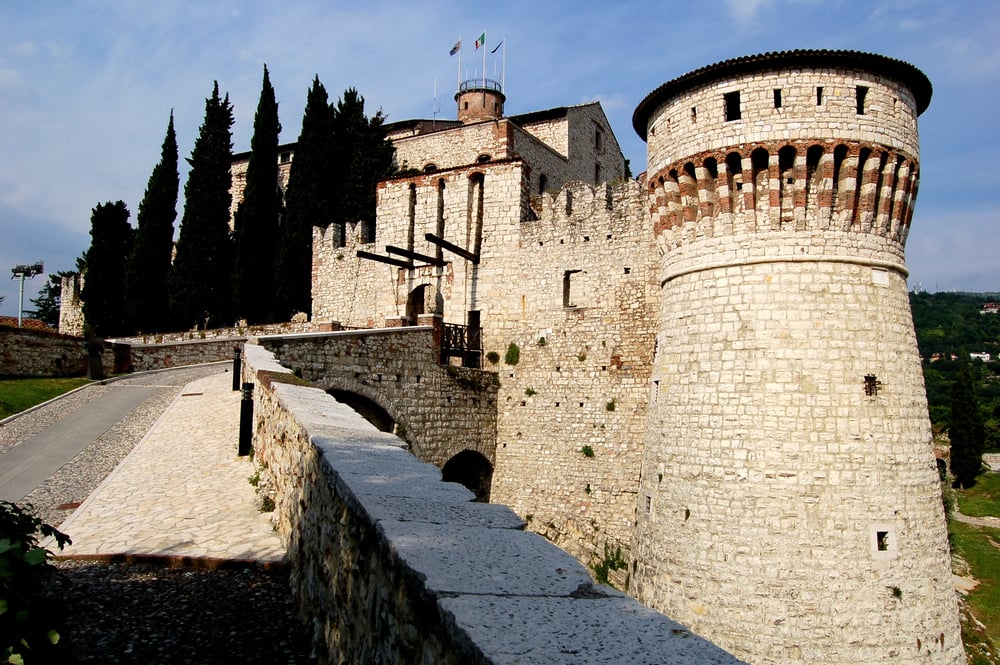
Castles often featured not one but two portcullises—heavy iron-reinforced gates suspended in grooves above the gateway. The tactical brilliance was in how they worked together.
Defenders could lure attackers into the gatehouse passage, then drop the outer portcullis behind them and the inner one in front, trapping enemies in a confined space. Once trapped, defenders unleashed everything from above through ceiling openings while archers fired through arrow slits in the walls.
Using counterweights and winches, portcullises could drop by gravity when released, sealing off passages with devastating effectiveness.
Moats with Concealed Stakes
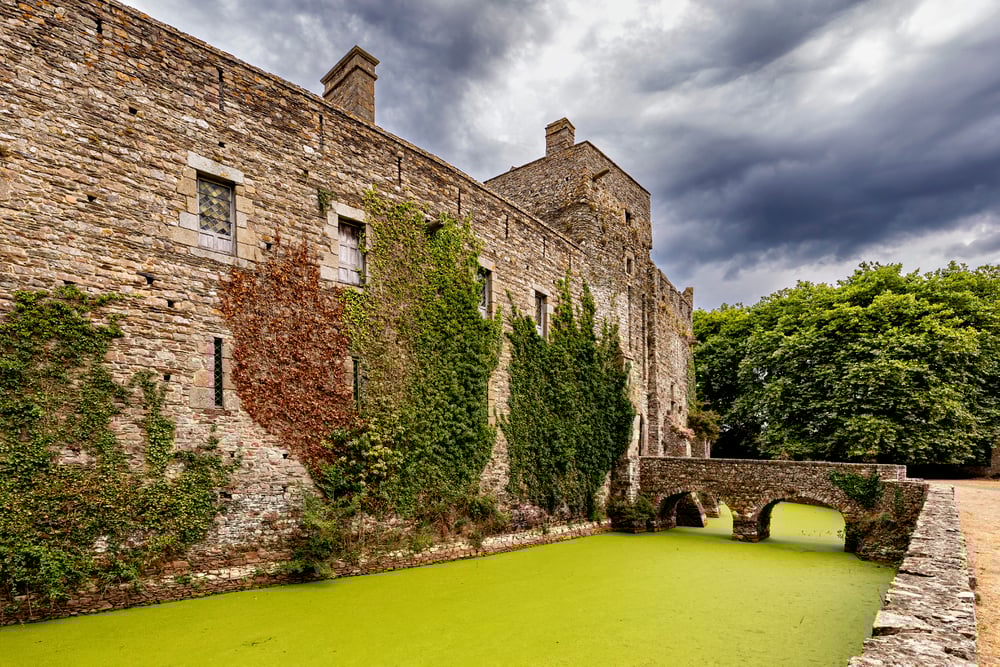
The disgusting, stagnant water in castle moats served multiple purposes beyond just being difficult to cross. Some moats had sharpened wooden stakes concealed beneath the murky surface that could impale anyone attempting to wade through.
The moat also prevented siege towers and battering rams from getting close to the walls, and made tunneling underneath nearly impossible. Castles with wide, deep moats created formidable water barriers that remain impressive even today.
The foul smell didn’t deter attackers, though—everything in medieval times smelled terrible anyway.
Raglan Castle’s Counterweight Drawbridge
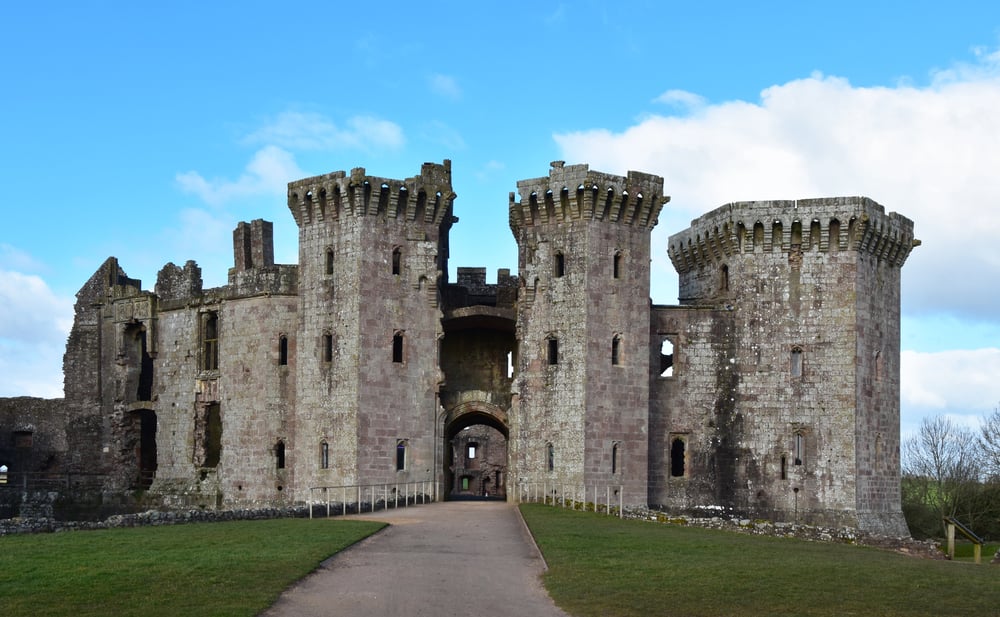
Not all drawbridges worked the same way. While many people picture a simple plank that lifted upward, Raglan Castle in Wales featured a sophisticated bascule system with counterweights.
This see-saw arrangement allowed the bridge to be raised quickly with minimal effort, as the counterweight on one side balanced the bridge deck on the other. Different castles experimented with various mechanical solutions to the drawbridge problem, each trying to find the best balance between accessibility during peacetime and security during attacks.
Beaumaris Castle’s Barbican Gauntlet
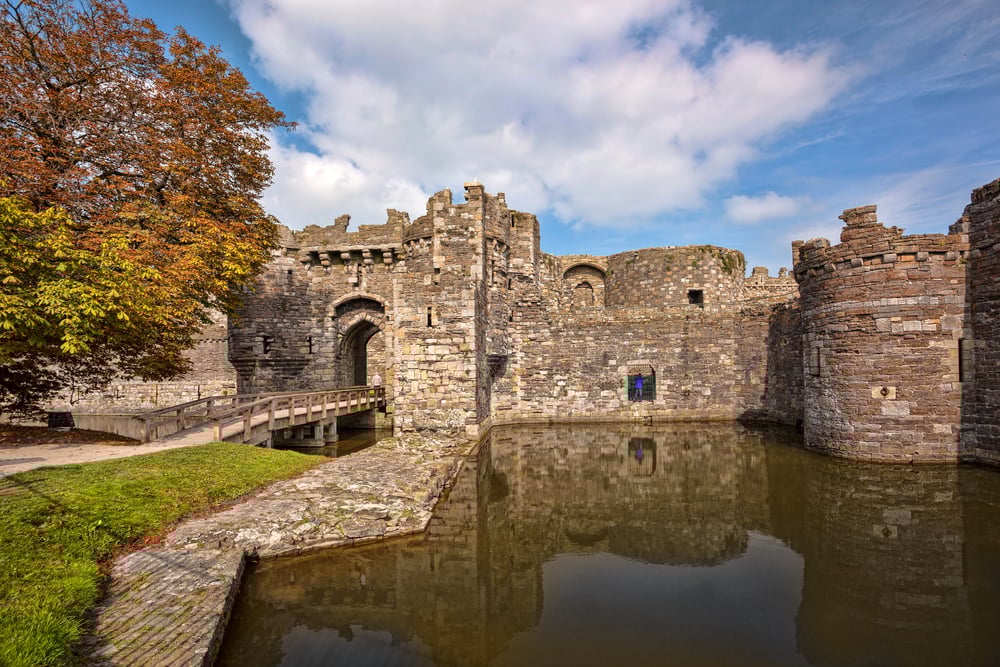
The barbican was essentially a heavily fortified entrance tunnel extending outward from the main gatehouse, and Beaumaris Castle in Wales built one of the most fearsome examples. The narrow passageway contained multiple separate obstacles, including doors, portcullises, and sharp turns designed to give archers perfect shooting angles.
Attackers attempting to force their way through would be exposed to arrow fire from multiple directions at every turn, making each step forward potentially lethal. The deliberate twists and corners meant siege weapons couldn’t be aimed effectively down the passage.
Quinta da Regaleira’s Initiation Wells
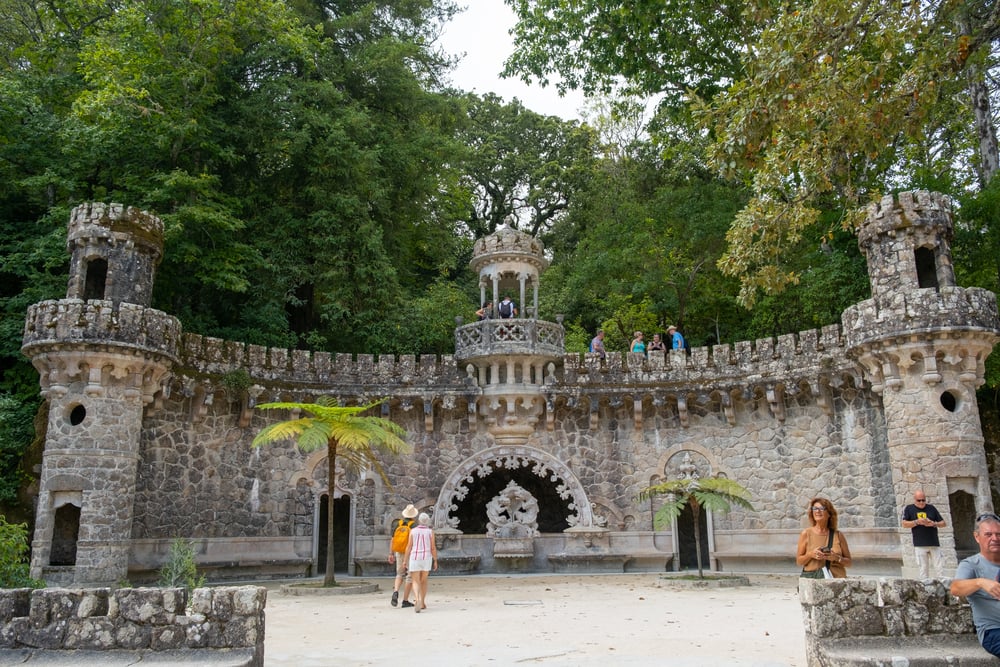
This Portuguese palace takes architectural strangeness to another level with two wells that aren’t really wells at all. These inverted towers plunge 27 meters below ground, encircled by gothic spiral staircases that descend into darkness.
At the bottom, floors decorated with symbols interpreted as relating to mystical traditions suggest the spaces may have been used for secret society initiations rather than water collection. Beyond these bizarre structures lies an even stranger network of man-made cave tunnels connecting different parts of the property, creating a hidden underground world beneath the ornate gardens above.
Concentric Castle Walls
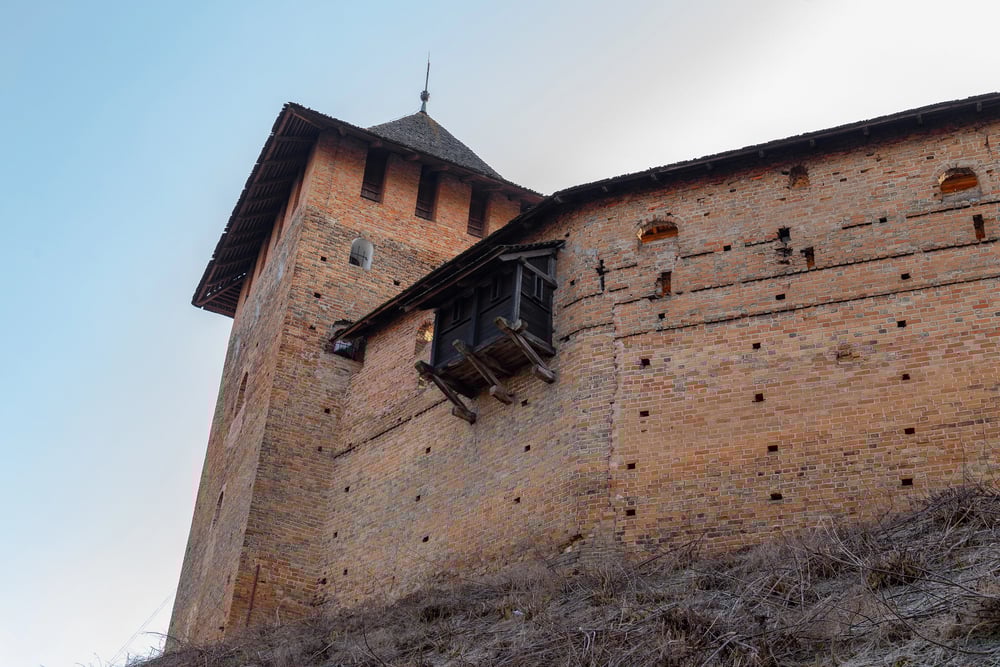
Castles like Caerphilly in Wales didn’t settle for one impressive wall—they built multiple rings of defenses, each taller than the last. If attackers breached the outer wall, they’d find themselves in a killing zone between walls, exposed to defenders on the higher inner fortifications.
The siege would essentially start over from scratch. This concentric design meant a castle could fall back to successive defensive positions, and the curtain walls were often several feet thick, with rough rubble cores sandwiched between carefully laid outer stones.
Round Tower Innovation
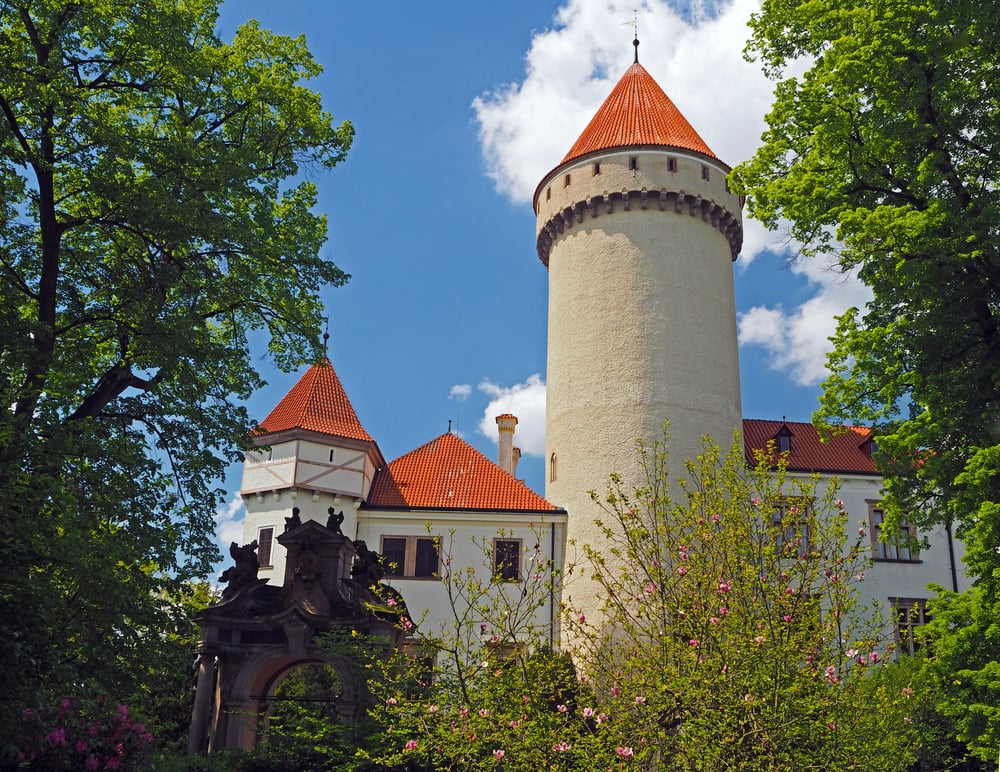
Early castles featured square towers, but attackers discovered they could potentially undermine corners through difficult and dangerous digging operations. Castle builders responded by switching to circular towers, which eliminated vulnerable corners entirely.
The round shape also deflected projectiles from siege weapons like trebuchets better than flat surfaces. The trade-off was less interior space for rooms and storage, though most castle designers decided the defensive advantages were worth the sacrifice.
Some towers were so narrow they contained only spiral staircases leading to upper defensive positions.
Sforza Castle’s Hidden Tunnels
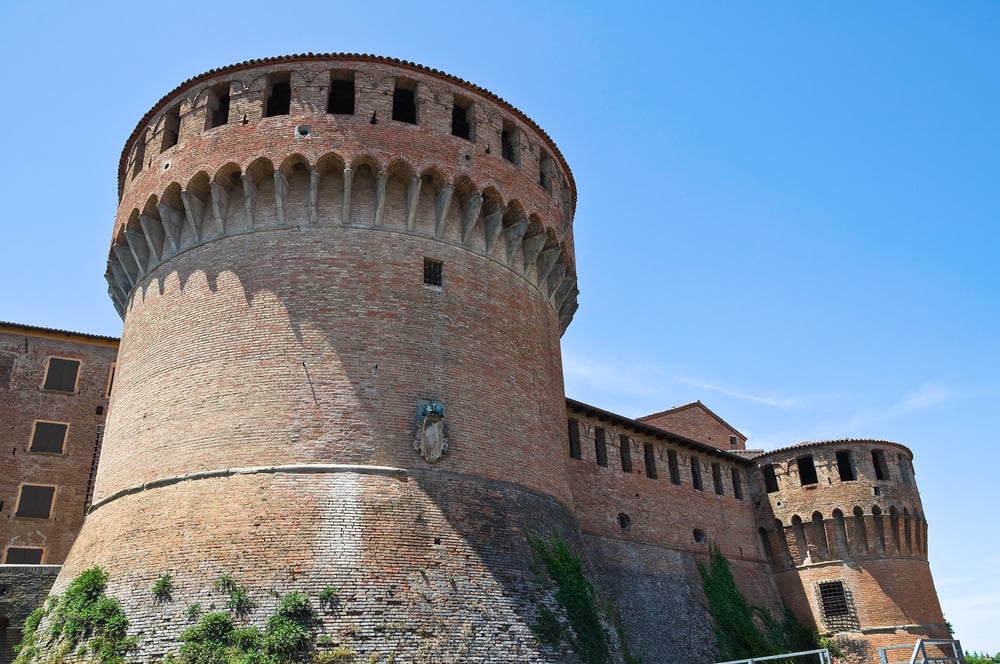
Recent ground-penetrating radar discoveries beneath Milan’s Sforza Castle revealed secret passageways positioned just a foot or two below ground level. These tunnels were built for military purposes and allowed movement around the castle’s outer walls.
Leonardo da Vinci, who worked at the castle in the 1490s, created sketches documenting similar underground passages, though whether he designed these specific tunnels remains uncertain. One passage was constructed to provide private access to a basilica, allowing discreet travel.
The tunnels remained lost and forgotten until modern technology finally confirmed their existence.
Gatehouse Complexity at Harlech
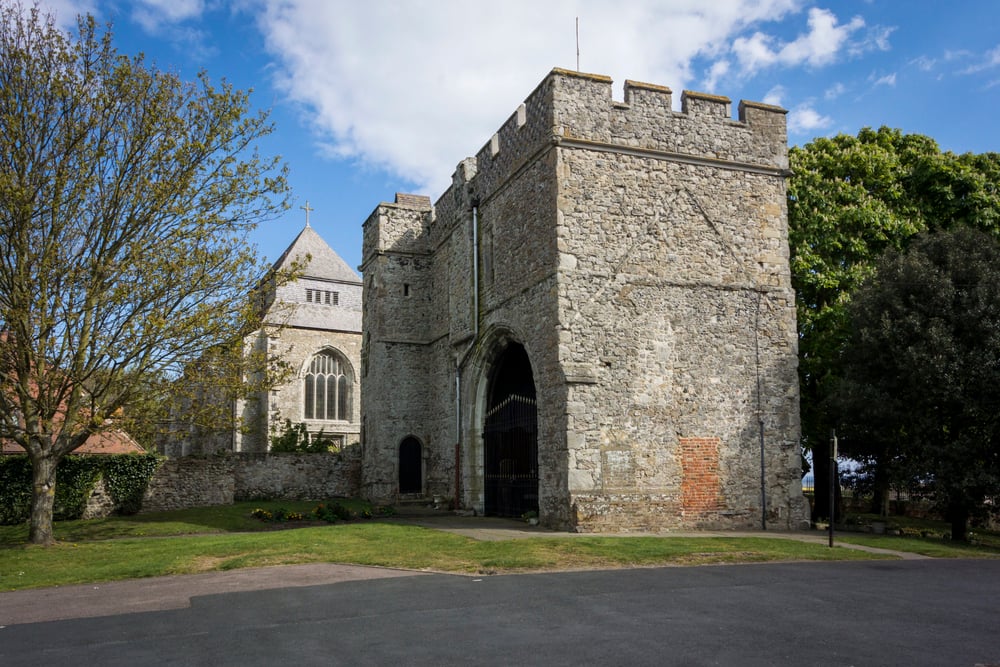
Some castles turned their gatehouses into standalone fortresses packed with defensive features. Harlech Castle’s gatehouse contained twin towers rising two stories above a courtyard, with multiple obstacles blocking the entrance passage.
Portcullises, heavy doors, ceiling openings for dropping objects, arrow slits in the walls, and sharp turns all worked together to make forcing entry extremely difficult. The gatehouse also contained residential chambers for important guests, combining luxury accommodation with maximum security.
By the late medieval period, gatehouses had transformed from the weakest point of castle defenses into the strongest.
Engineering Meets Deception
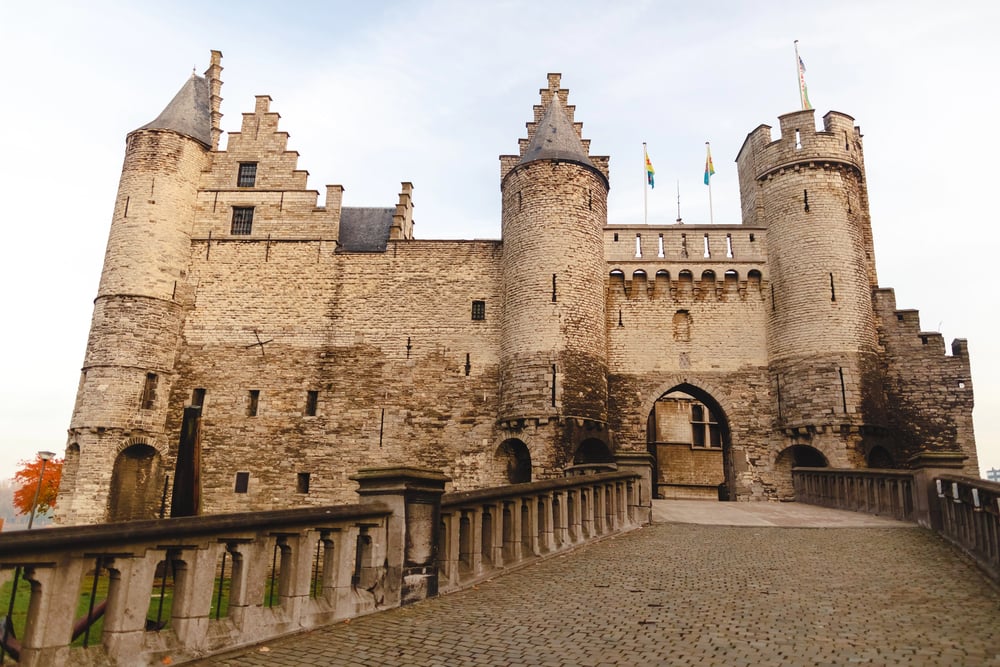
Castle architecture was really an elaborate shell game where nothing was quite what it seemed. A welcoming entrance concealed drop-gates and ceiling traps.
Solid walls hid service passages. Even the decorative features served defensive purposes, with battlements providing cover for defenders and projecting machicolations allowing attacks from above.
These weren’t just buildings—they were three-dimensional puzzles designed to protect their inhabitants while confounding anyone foolish enough to attack. The cleverest tricks often went unnoticed for centuries, their secrets dying with the original builders.
More from Go2Tutors!

- The Romanov Crown Jewels and Their Tragic Fate
- 13 Historical Mysteries That Science Still Can’t Solve
- Famous Hoaxes That Fooled the World for Years
- 15 Child Stars with Tragic Adult Lives
- 16 Famous Jewelry Pieces in History
Like Go2Tutors’s content? Follow us on MSN.