Food Actually Invented in the US
American cuisine gets dismissed as derivative or inauthentic. Critics point to pizza from Italy, tacos from Mexico, and hot dogs from Germany.
But dig deeper and you’ll find plenty of foods that started right here, invented by Americans solving American problems or just experimenting in kitchens and factories across the country. Some of these foods became so widespread that people assume they’re much older or came from somewhere else.
Others clearly bear American fingerprints but rarely get credit. These aren’t just variations on European dishes or slight tweaks to immigrant recipes.
They’re original creations that happened to emerge on American soil. Let’s look at the stars who made the 80s generation unforgettable in the world of sports.
Ranch Dressing Started on a California Dude Ranch
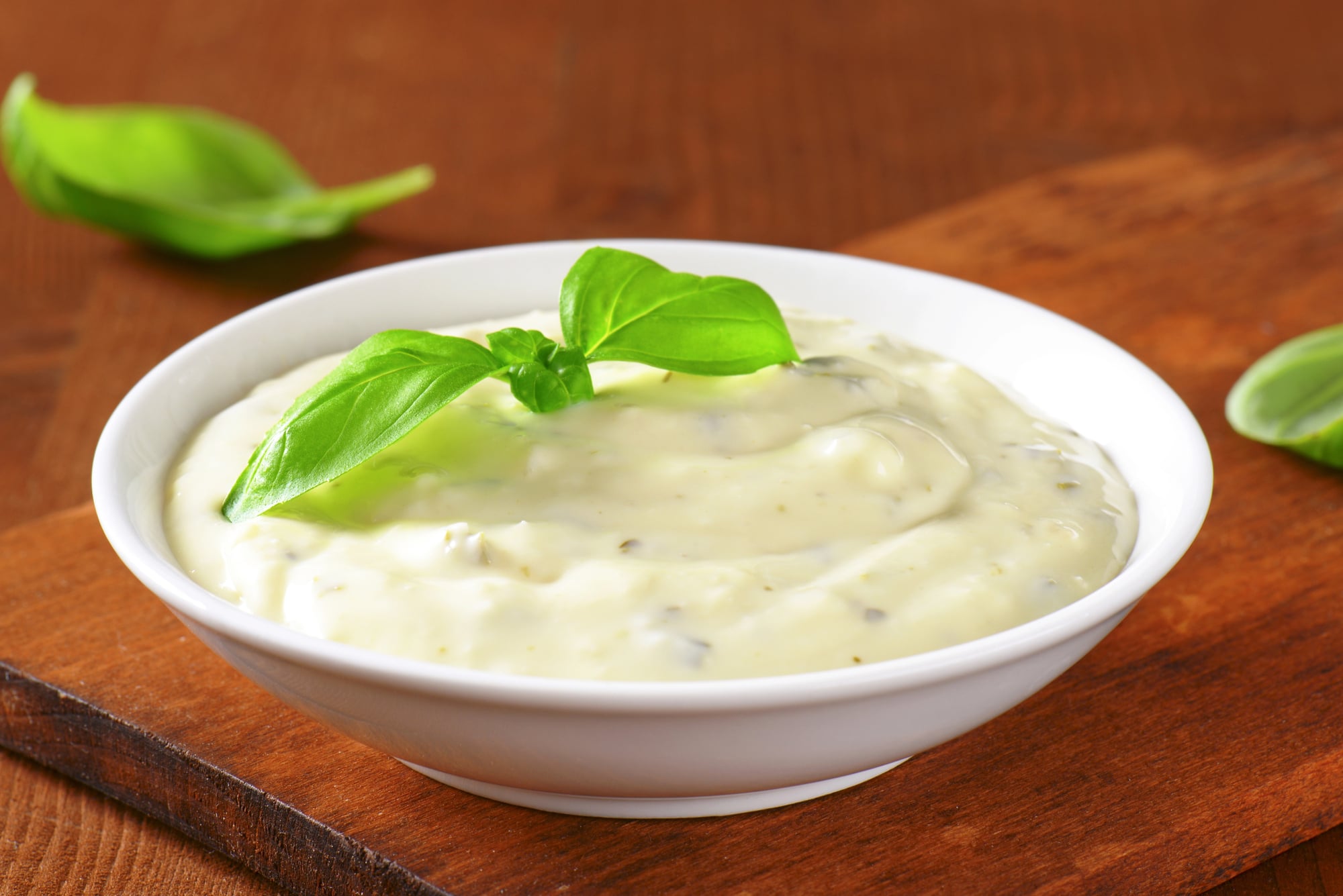
Steve Henson created ranch dressing in the 1950s while working as a plumber in Alaska. He mixed buttermilk, mayonnaise, and herbs to make meals more interesting in remote work camps.
After moving to California, he and his wife bought a dude ranch and served the dressing to guests. People loved it so much they started buying jars to take home.
The Hensons began selling packets of dried herbs that customers could mix with buttermilk and mayo themselves. Eventually they sold the brand to Clorox for millions.
Now it’s the most popular salad dressing in America and shows up on everything from pizza to vegetables to chicken wings. The original Hidden Valley Ranch still exists in California, though it’s no longer a dude ranch.
Fortune Cookies Have San Francisco Origins
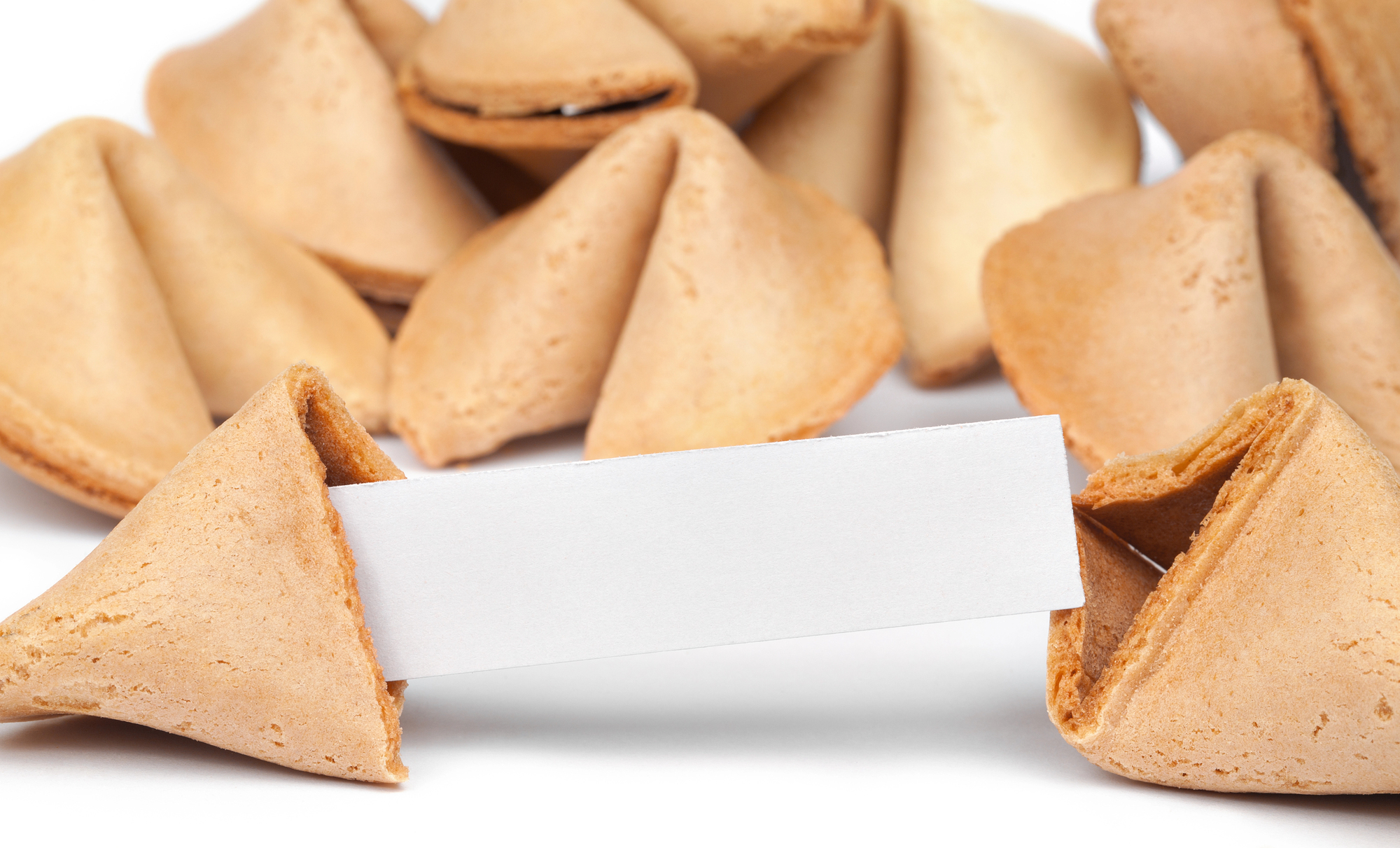
Despite appearing in every Chinese restaurant in America, fortune cookies were invented in California, probably in San Francisco sometime around 1900. The exact inventor remains disputed—Japanese immigrants and Chinese immigrants both claim credit.
The most likely origin points to Makoto Hagiwara, who designed the Japanese Tea Garden in Golden Gate Park. He served the cookies there as early as 1914.
They resembled a Japanese cracker called tsujiura senbei, which also contained fortunes. Chinese restaurants in California adopted them in the 1920s and 1930s.
After World War II, when Japanese Americans faced internment and lost their businesses, Chinese restaurants became the primary sellers. By the 1950s, most Americans associated fortune cookies entirely with Chinese food, forgetting or never knowing their actual history.
Interestingly, fortune cookies never caught on in China itself. They remain an American invention served in American-style Chinese restaurants.
The Reuben Sandwich Has Competing Origin Stories
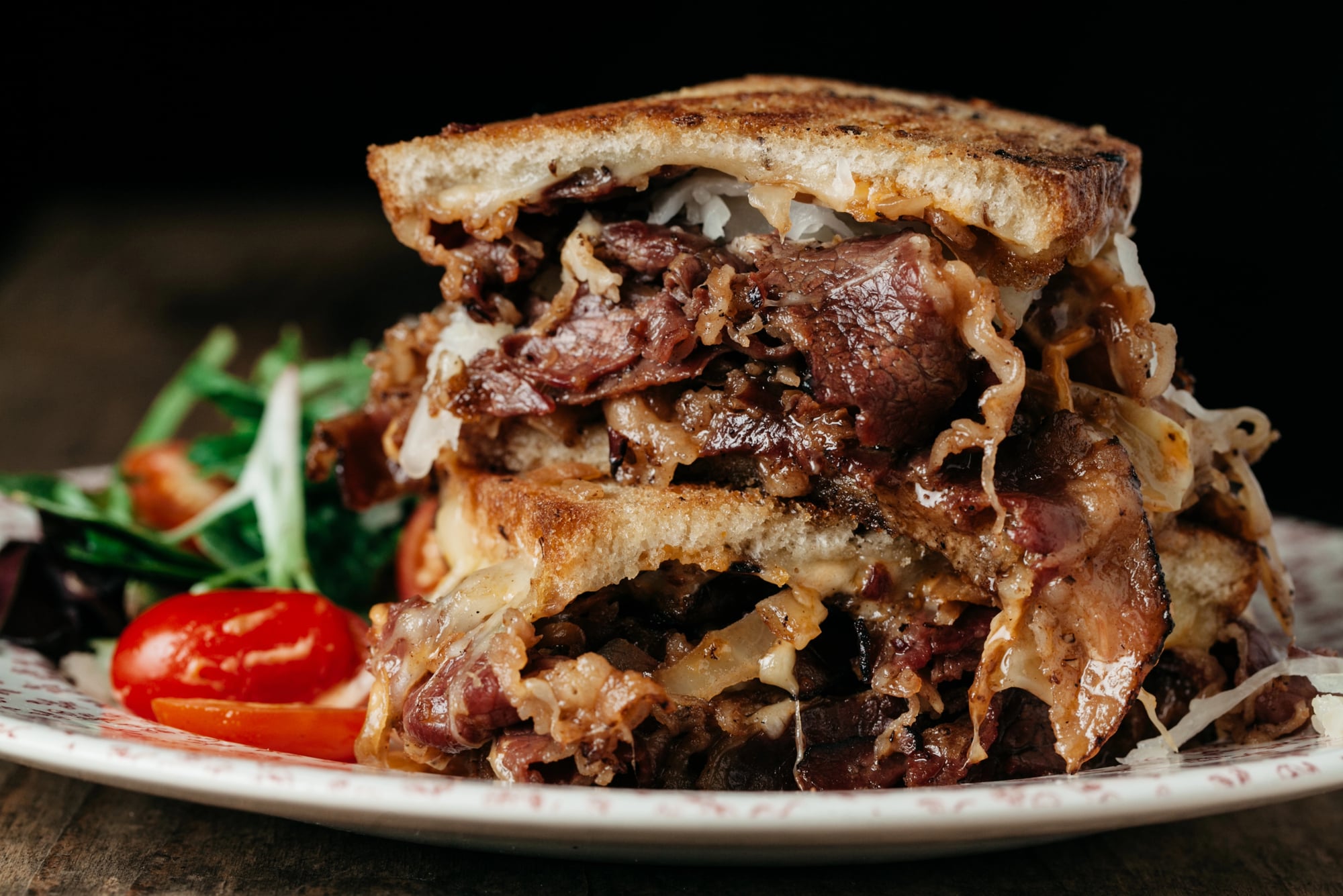
Two different cities claim to have invented the Reuben sandwich in the 1920s. Omaha says Reuben Kulakofsky, a grocer, created it for poker games at the Blackstone Hotel.
New York claims Arnold Reuben, a deli owner, invented it at his Manhattan restaurant. The Omaha story has better documentation.
The sandwich appeared on the Blackstone Hotel menu in the 1920s, and a former employee won a national sandwich competition with it in 1956. But New York’s version persists because Arnold Reuben was famous and ran a well-known deli.
Either way, the combination of corned beef, Swiss cheese, sauerkraut, and Russian dressing on rye bread is purely American. It takes Jewish deli ingredients and combines them in a way that wouldn’t happen in Europe.
The result became a staple of American delis and diners.
Buffalo Wings Were a Late-Night Experiment
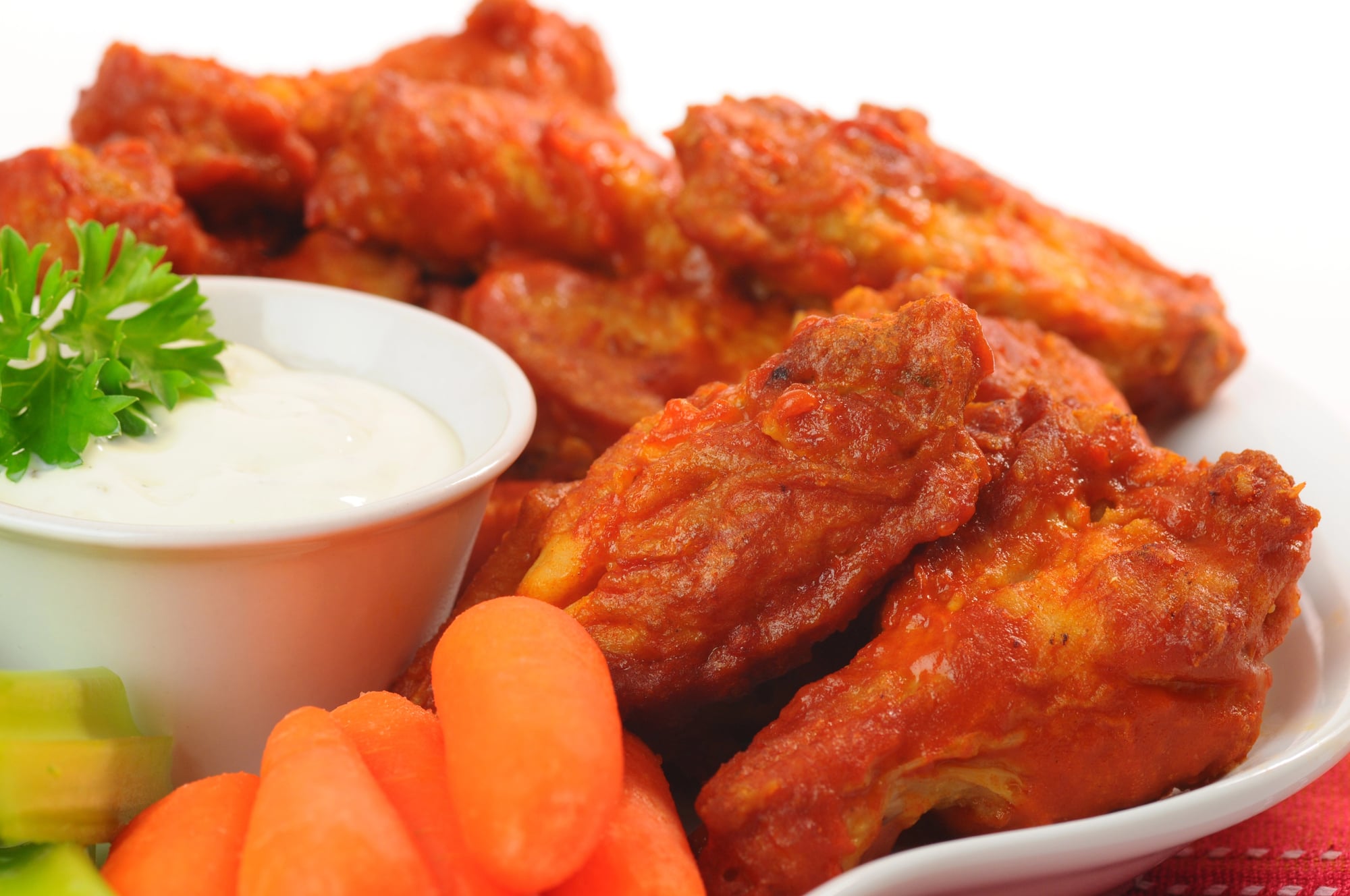
Teressa Bellissimo invented Buffalo wings at the Anchor Bar in Buffalo, New York, in 1964. The story goes that her son and his friends showed up late one night hungry.
She had chicken wings—usually reserved for stock—and decided to fry them and coat them in hot sauce. The wings were an immediate hit.
The Anchor Bar started serving them regularly, and they spread to other bars in Buffalo, then across New York State, then the entire country. By the 1980s, Buffalo wings had become standard bar food everywhere.
The original recipe combined Frank’s RedHot sauce with butter. The traditional accompaniment of celery sticks and blue cheese dressing also came from the Anchor Bar, though accounts differ on whether Teressa added them from the start or whether they evolved later.
Brownies Emerged from Chicago’s Palmer House
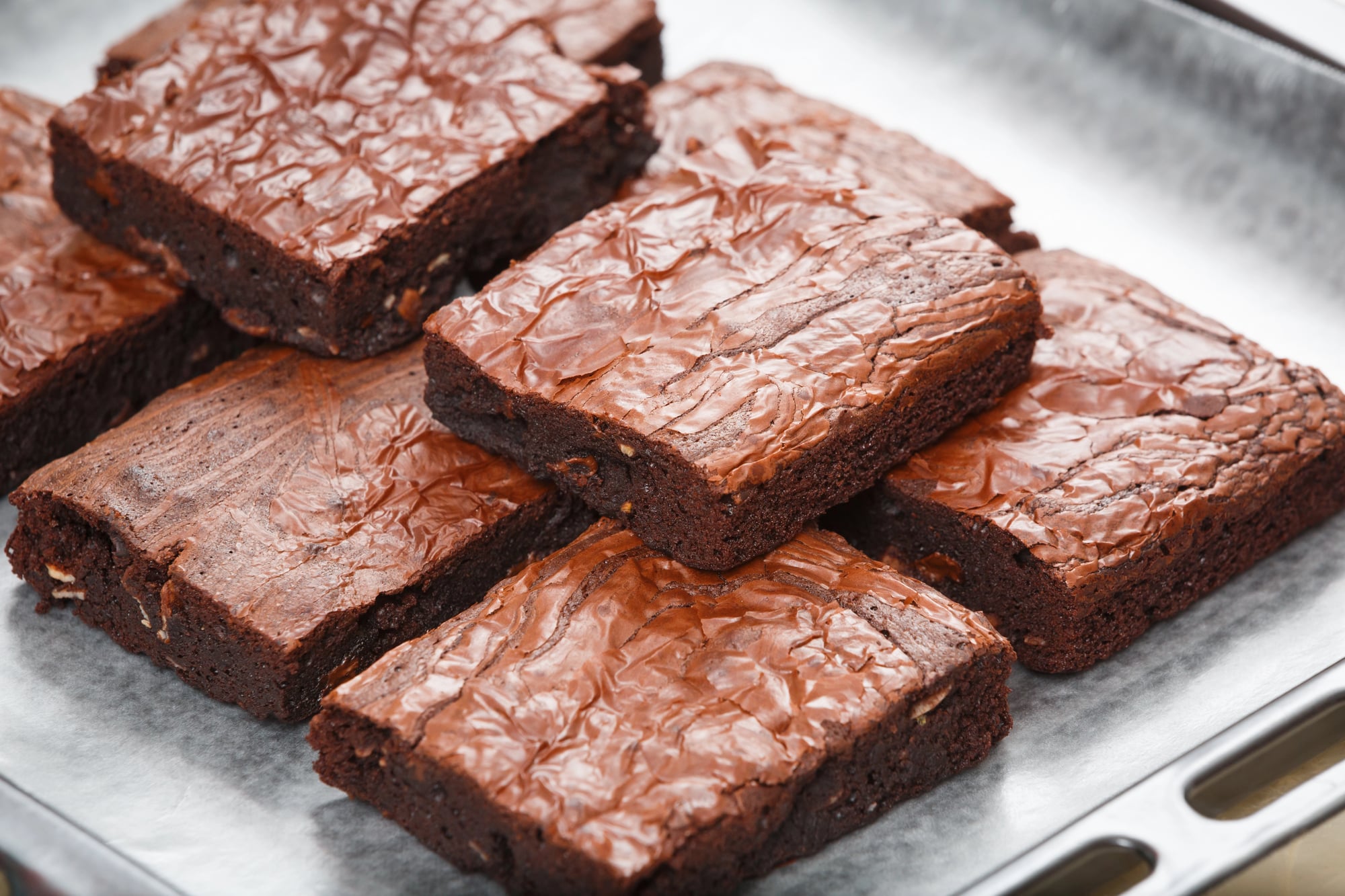
Bertha Palmer, a prominent Chicago socialite, asked the Palmer House Hotel chef to create a dessert for the World’s Columbian Exposition in 1893. She wanted something more portable than cake that women could eat while wearing gloves at the fair.
The chef created a dense chocolate cake bar with walnuts and an apricot glaze. The Palmer House still serves the original recipe today.
The brownie spread from there, with recipes appearing in cookbooks by the early 1900s. Most modern brownies drop the apricot glaze and come in countless variations—with nuts, without nuts, fudgy, cakey, with frosting.
But they all trace back to that request from Bertha Palmer for a portable dessert suitable for fancy ladies at a world’s fair.
Chocolate Chip Cookies Came from a Tollhouse Inn
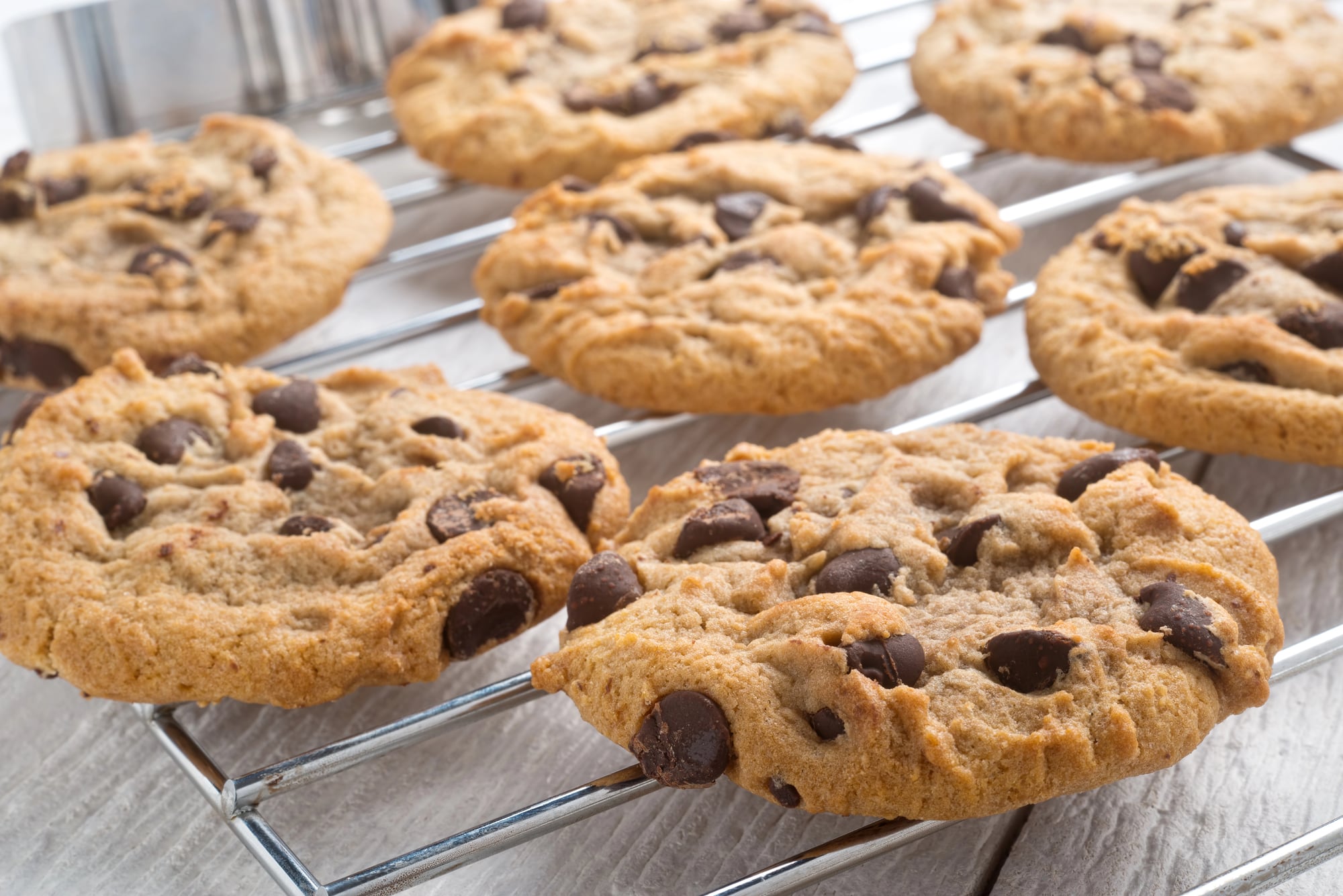
Ruth Wakefield owned the Toll House Inn in Massachusetts. In 1938, she chopped up a Nestlé chocolate bar and mixed the pieces into cookie dough, expecting them to melt and create chocolate cookies.
The chocolate pieces held their shape instead, creating something entirely new. Wakefield struck a deal with Nestlé to print her recipe on their chocolate bar wrappers in exchange for a lifetime supply of chocolate.
Nestlé eventually started producing chocolate chips specifically for the recipe. The Toll House chocolate chip cookie became the template.
Most recipes today follow Wakefield’s basic formula with minor variations. Some people claim she invented them accidentally, but her own account suggests it was deliberate experimentation.
The Toll House Inn closed in the 1980s, but the recipe remains one of the most-made cookies in America.
Philly Cheesesteaks Started at a Hot Dog Stand
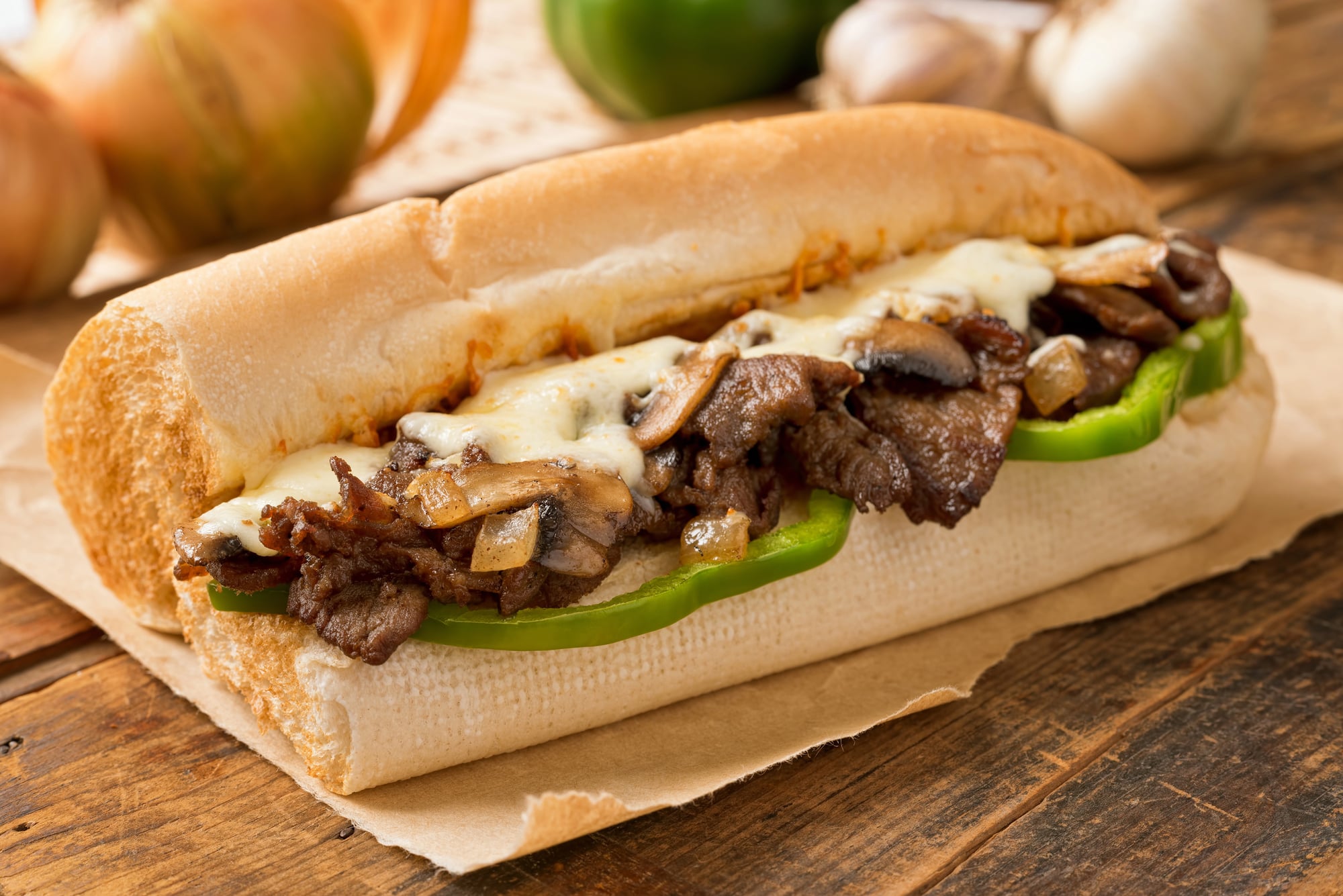
Pat and Harry Olivieri ran a hot dog stand in Philadelphia in the 1930s. One day in 1930, Pat decided to make something different for lunch—he grilled some beef and put it on an Italian roll.
A cab driver smelled it, wanted to try it, and suggested Pat start selling them. The brothers began offering the steak sandwiches, and they became popular.
At some point in the 1940s or 1950s, someone added cheese. Accounts differ on who first did it, but Cheez Whiz, provolone, and American cheese all became common options.
The Olivieri family still runs two competing cheesesteak shops in Philadelphia—Pat’s King of Steaks and Geno’s Steaks. Both claim to serve the authentic original, and both attract tourists and locals who debate the proper way to order and eat a cheesesteak.
Peanut Butter Developed Through Multiple Inventors
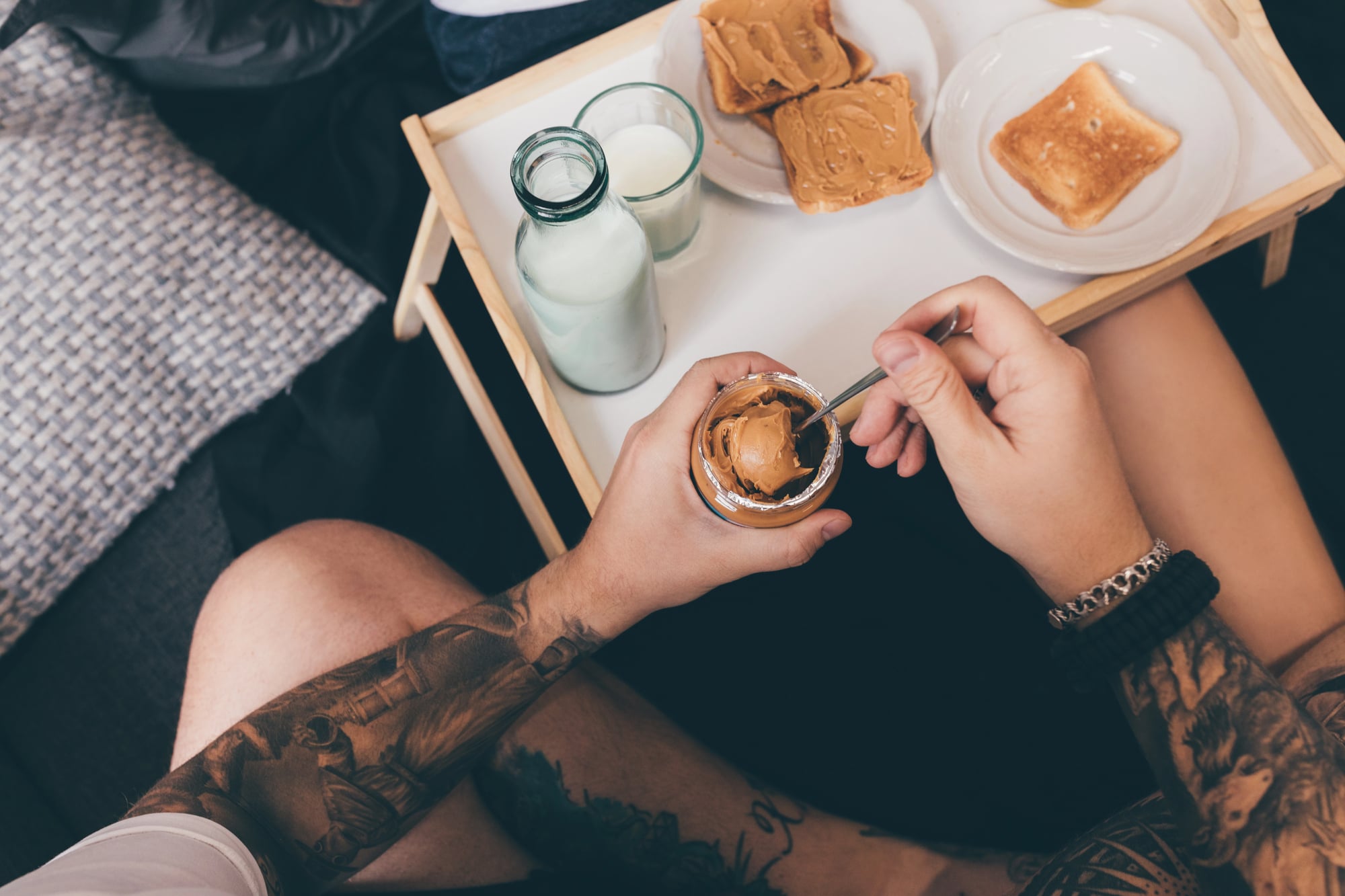
Several people developed peanut butter independently in the late 1800s. Marcellus Gilmore Edson, a Canadian, patented a peanut paste in 1884.
Dr. John Harvey Kellogg patented a process for making peanut butter in 1895 and served it at his sanitarium as a protein source for patients who couldn’t chew meat. George Washington Carver didn’t invent peanut butter, but he promoted peanuts extensively and developed hundreds of uses for them.
His work helped make peanuts a major American crop. Joseph Lambert, who worked with Kellogg, later developed machinery to manufacture peanut butter commercially.
By the 1920s, several companies were producing it, and it became a staple of American households. The creation of hydrogenated peanut butter in the 1920s—which didn’t separate—made it even more popular.
Today Americans consume hundreds of millions of pounds of peanut butter annually.
The Club Sandwich Appeared in American Resorts
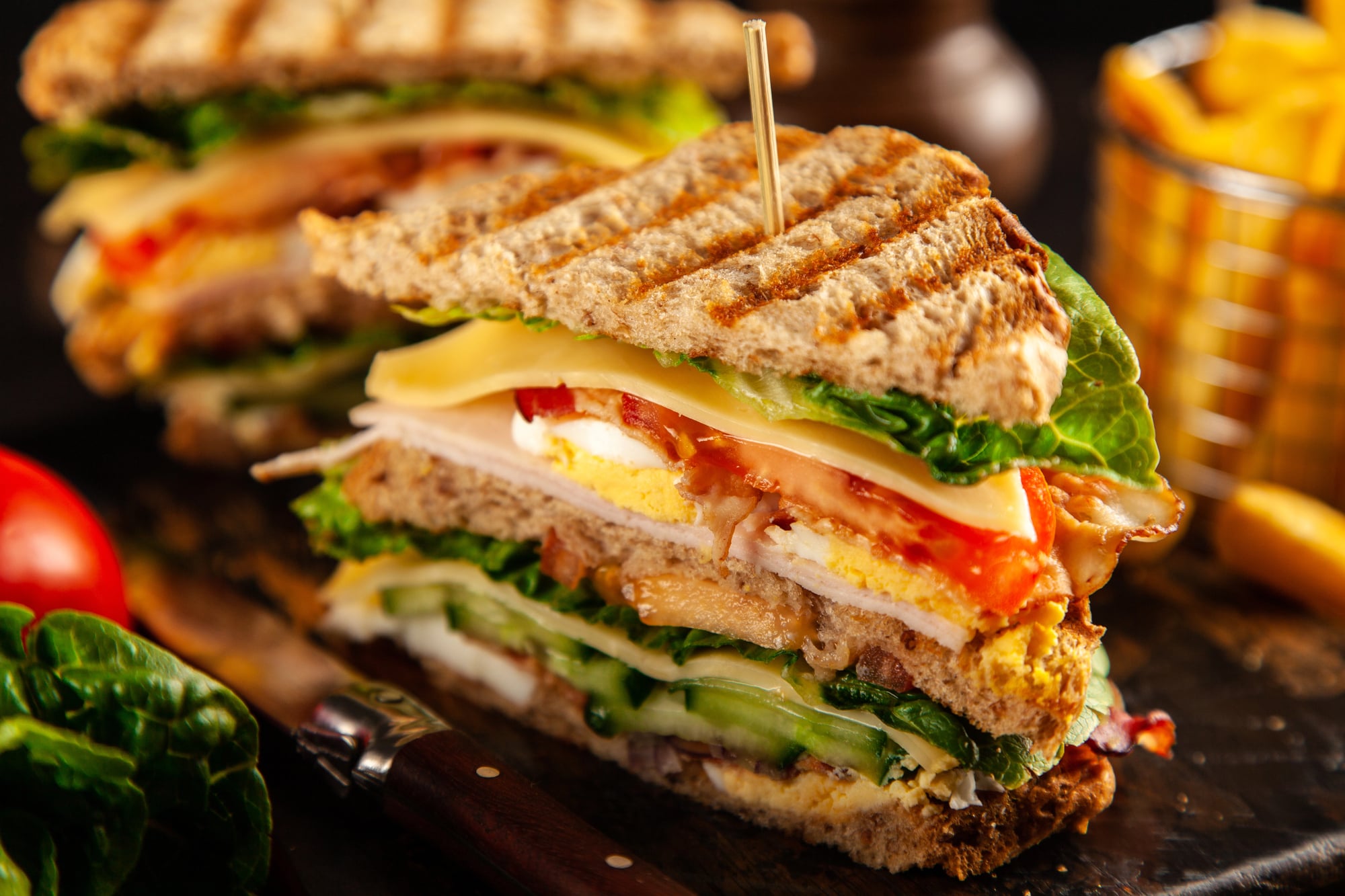
The club sandwich probably originated in American gambling clubs or resort hotels in the late 1800s. The Saratoga Club House in New York gets credit in some accounts, while others point to clubs in other cities.
The sandwich consists of three slices of toasted bread with two layers of filling—typically turkey or chicken, bacon, lettuce, and tomato. The double-decker construction distinguishes it from regular sandwiches.
By the 1890s, club sandwiches appeared on menus across the country. They became standard lunch fare at country clubs, hotel dining rooms, and later diners.
The name either comes from the gambling clubs where it originated or refers to being a specialty of country clubs. Despite being more than a century old, the club sandwich remains a menu staple and follows essentially the same formula it always has.
Cobb Salad Was Created at the Brown Derby
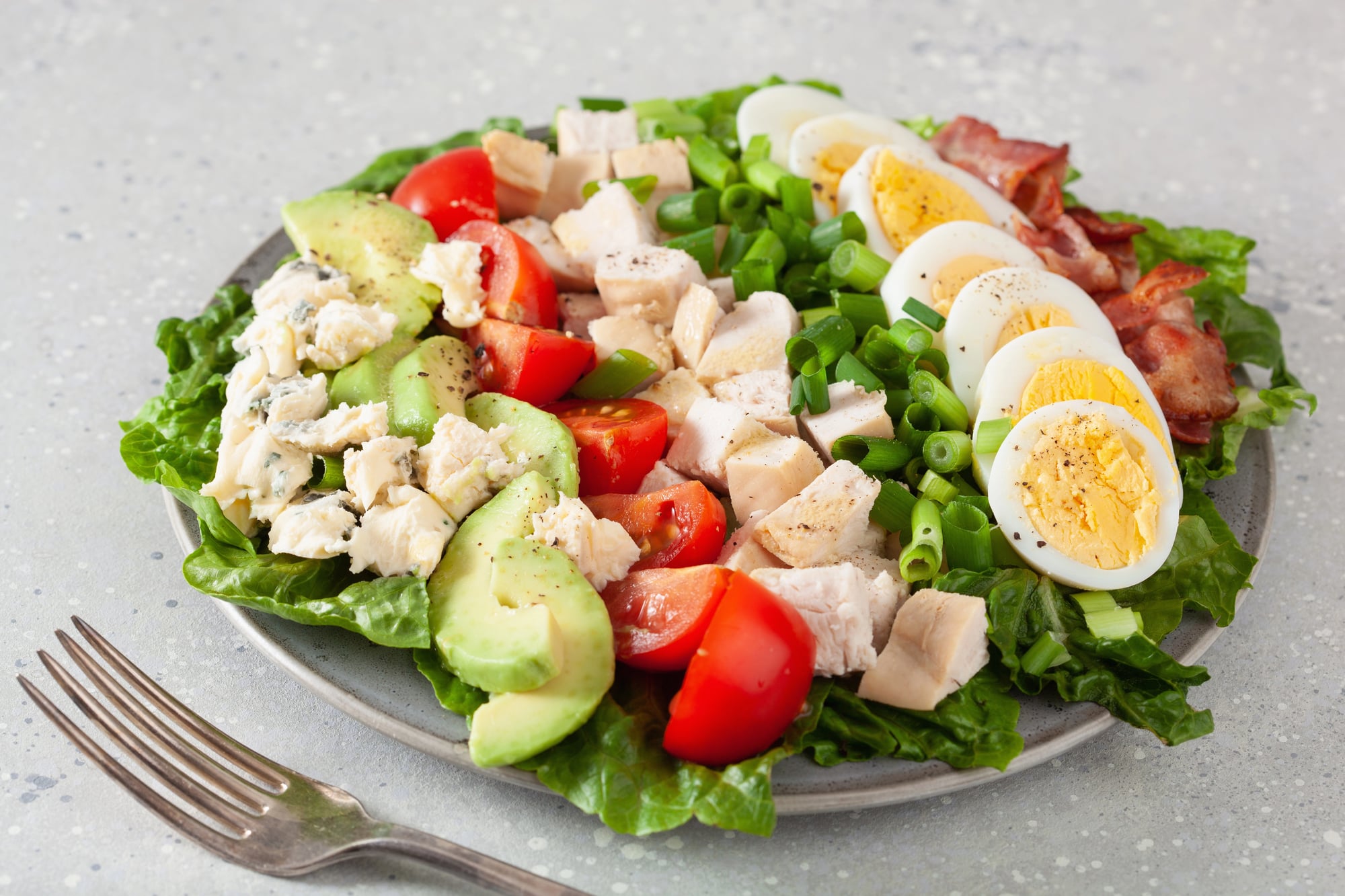
Bob Cobb owned the Brown Derby restaurant in Hollywood. Late one night in 1937, he rummaged through the restaurant kitchen looking for something to eat.
He combined lettuce, tomato, bacon, chicken, hard-boiled egg, avocado, chives, watercress, cheese, and French dressing. The next day he added it to the menu.
It became one of the Brown Derby’s signature dishes and spread to other restaurants. The arrangement of ingredients in neat rows became part of the presentation, making it visually distinctive.
Hollywood celebrities ate at the Brown Derby regularly, which helped popularize the salad. It appeared in cookbooks by the 1940s and remains a common menu item at upscale restaurants and casual chains alike.
The original Brown Derby closed in 1985, but the Cobb salad endures.
Fajitas Developed in Texas Ranch Country
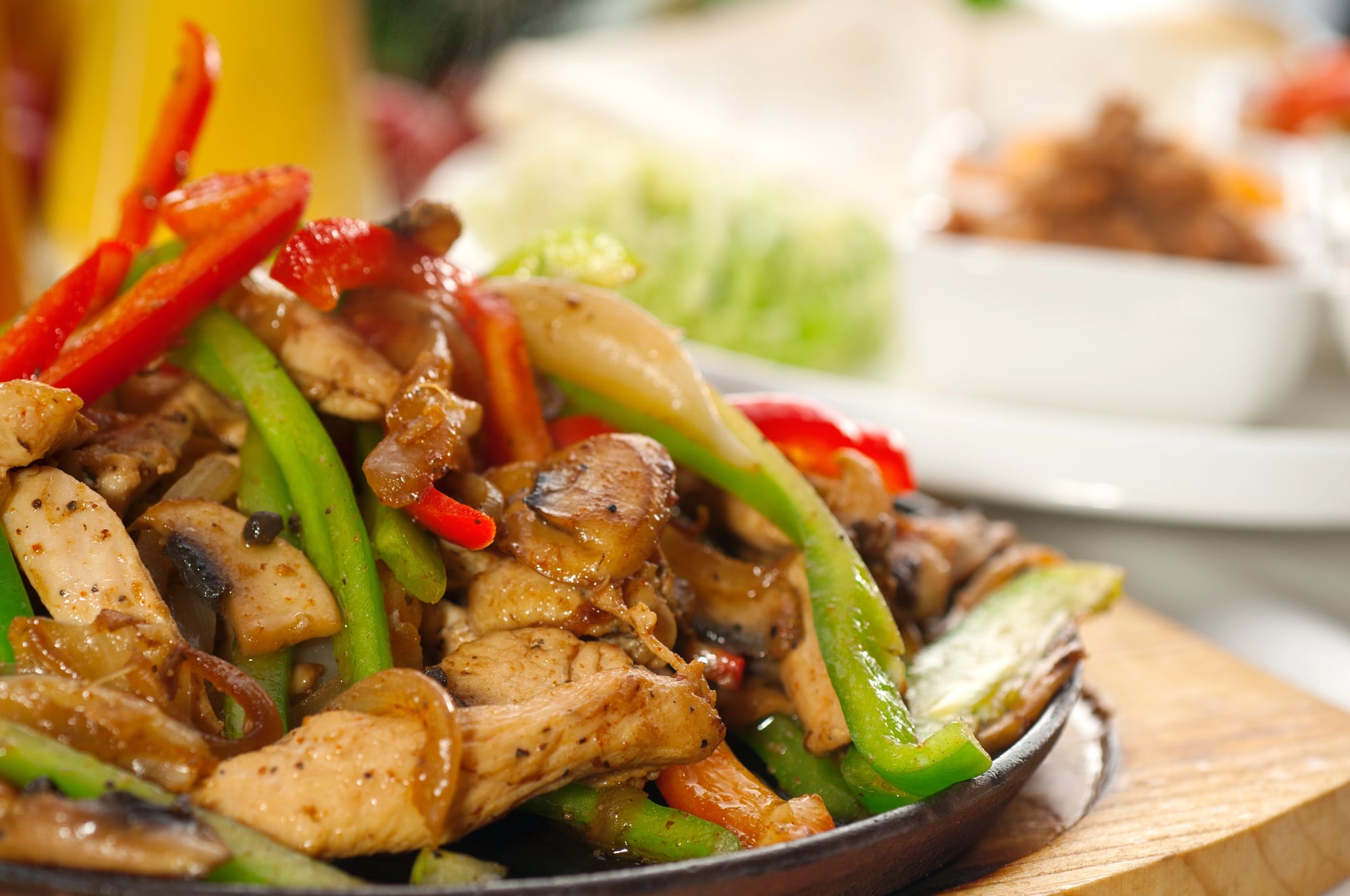
Fajitas originated along the Texas-Mexico border in the 1930s and 1940s. Mexican ranch workers received the less desirable cuts of beef as part of their pay, including skirt steak.
They marinated and grilled the meat, serving it with tortillas. The dish remained largely unknown outside ranch communities until the 1960s and 1970s, when restaurants in Texas began serving it.
The word “fajita” comes from “faja,” meaning belt or strip, referring to the skirt steak. Restaurants expanded the concept beyond skirt steak to include chicken, shrimp, and vegetables.
The sizzling platter presentation became standard in the 1980s, making fajitas theatrical and distinctive. While fajitas have Mexican influences and originated in a border region, the dish as Americans know it—with the sizzling presentation and variety of proteins—developed in Texas restaurants.
Lobster Rolls Belong to New England
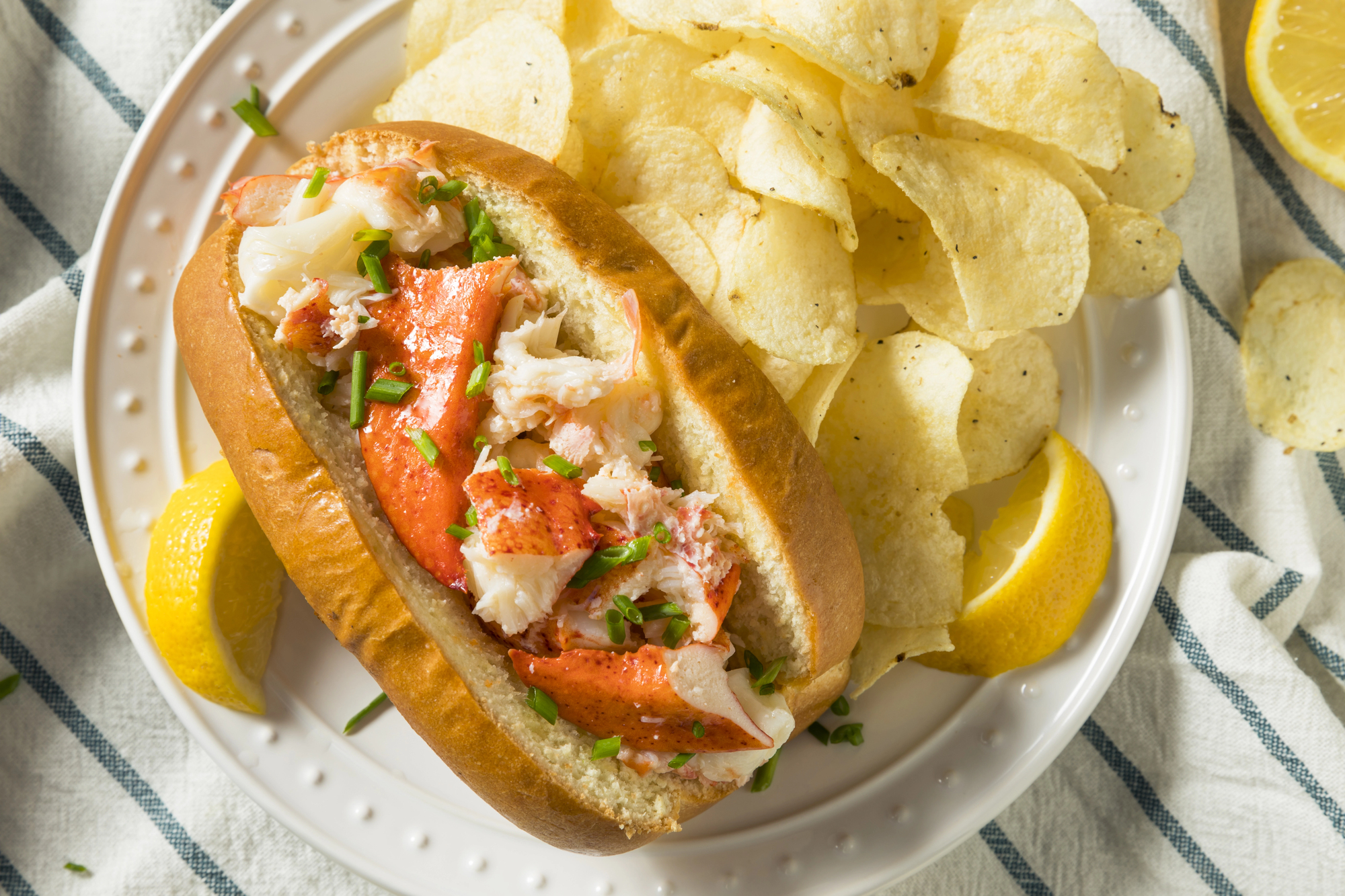
Lobster rolls originated in Connecticut in the 1920s. A restaurant owner named Harry Perry served lobster salad on a hot dog bun at his roadside stand.
The idea spread along the New England coast. Two main styles emerged.
Connecticut serves warm lobster with melted butter in a grilled, buttered bun. Maine serves cold lobster with mayonnaise in an ungrilled bun.
Both camps defend their version passionately. Lobster was once so plentiful in New England that it was considered food for poor people and prisoners.
As lobster became scarce and expensive, lobster rolls transformed from cheap food to a delicacy. Now they cost $20 or more and represent summer vacations and coastal luxury.
The lobster roll remains quintessentially New England despite spreading to other regions.
The Caesar Salad Has Tijuana Roots
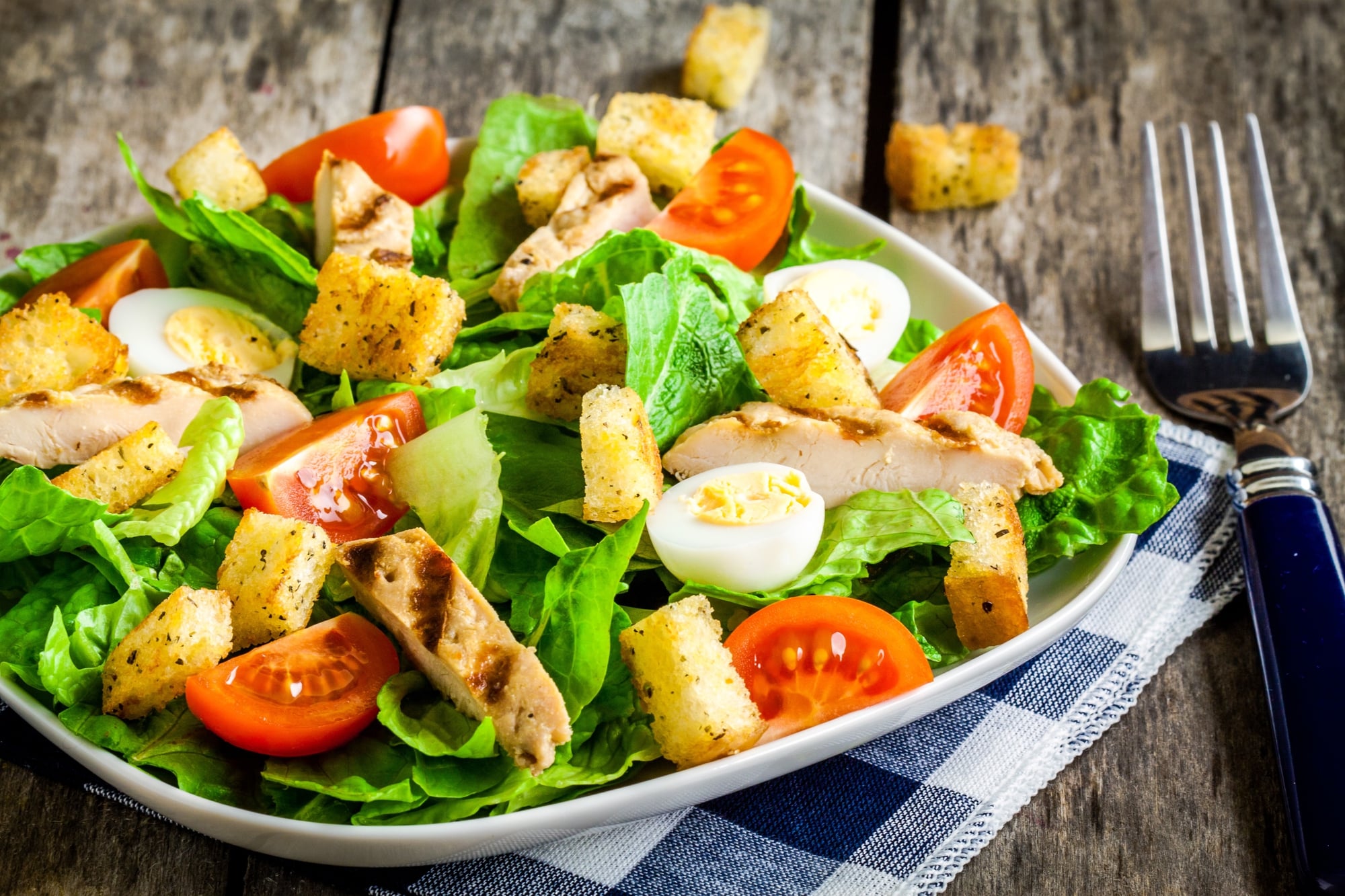
Caesar Cardini, an Italian immigrant, owned restaurants in Tijuana, Mexico. On July 4, 1924, his restaurant ran low on supplies due to holiday crowds.
Cardini improvised a salad from what he had: romaine lettuce, garlic, croutons, Parmesan cheese, eggs, olive oil, and Worcestershire sauce. He prepared it tableside, making the creation part of the show.
American customers from San Diego loved it and spread word when they returned home. Cardini’s daughter later said her father specifically created it to avoid using a knife, letting diners eat it with their fingers.
The salad quickly became popular in California and spread across the United States. Many people assume it’s Italian because of the name and ingredients, but it was created in Mexico by an Italian for American tourists.
Cardini patented the dressing recipe and his family still produces it commercially.
Where American Invention Meets Food
These foods succeeded because they solved problems, used available ingredients, or just tasted good enough that people kept making them. Some were deliberate inventions, others happy accidents.
Some came from professional chefs, others from home cooks or restaurant owners scrambling to feed hungry customers. What they share is American origin.
They’re not imports or adaptations. They started here, spread from here, and became associated with American eating.
Whether that makes them authentically American or just accidentally American probably matters less than the fact that they happened here and nowhere else.
More from Go2Tutors!

- The Romanov Crown Jewels and Their Tragic Fate
- 13 Historical Mysteries That Science Still Can’t Solve
- Famous Hoaxes That Fooled the World for Years
- 15 Child Stars with Tragic Adult Lives
- 16 Famous Jewelry Pieces in History
Like Go2Tutors’s content? Follow us on MSN.