17 Vintage Doll Accessories Often Sold Separately
A doll is rarely the expensive part of a childhood toy box. The real money, and the real heartbreak, often lives in the items that came in separate packages: tiny shoes, miniature bottles, snap-on wigs and keys no bigger than a fingernail.
Decades later, these small pieces are the first to vanish and the hardest to replace. Collectors know that a loose doll is a puzzle, and the missing pieces are the clues.
Barbie’s White-Framed Sunglasses
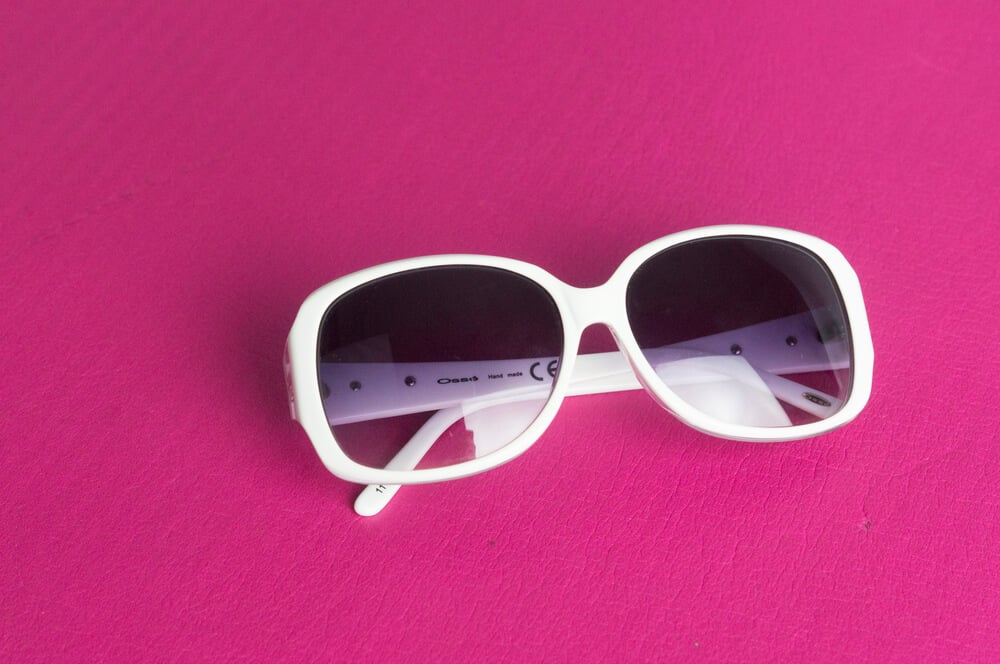
When Barbie debuted in 1959, she wore a zebra-striped swimsuit and came with white-framed sunglasses, earrings, heels and a wire stand. Of everything in that original package, the sunglasses are among the easiest parts to lose and the hardest to find in decent shape.
Reproduction pairs are common, so collectors study the frame shape and plastic carefully before paying. Value for any original piece depends heavily on condition.
Barbie and Her Wig Wardrobe
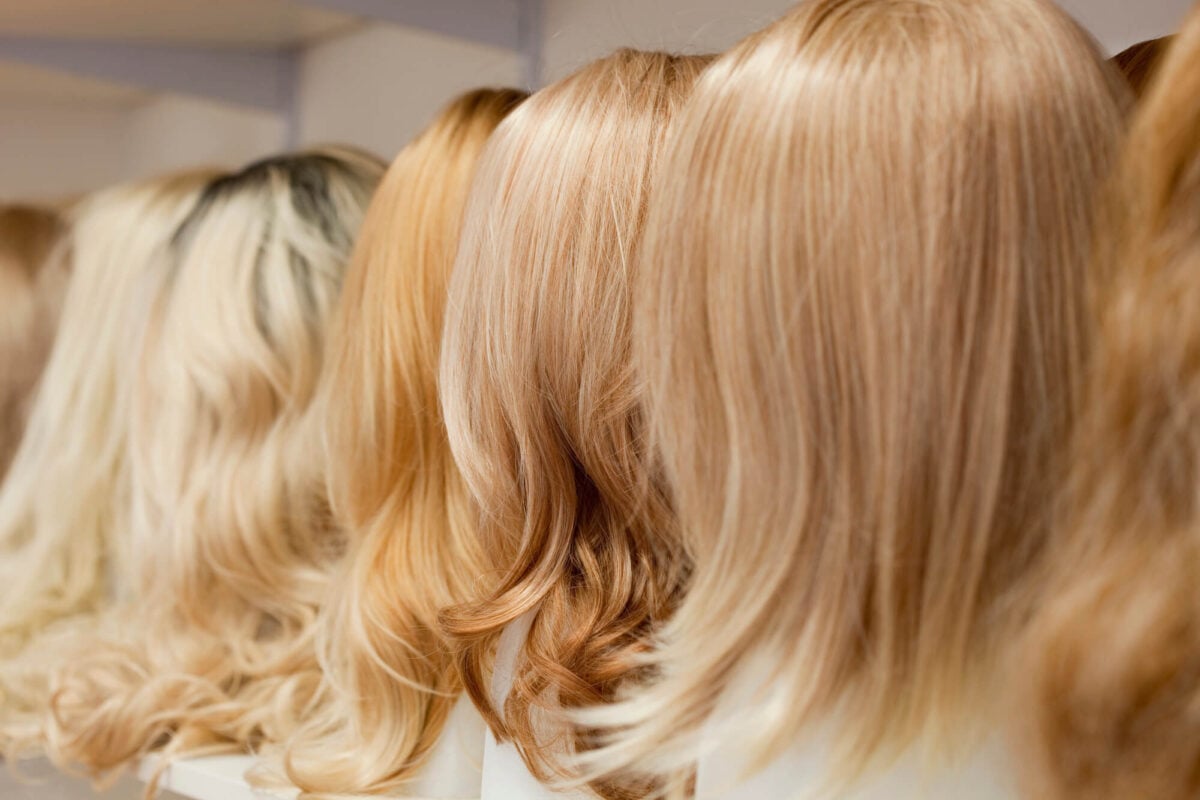
Mattel sold a boxed set called Barbie and Her Wig Wardrobe in the early 1960s, built around the idea that a new hairstyle could be swapped in as easily as a new outfit. The set paired a doll with a selection of wigs, which also meant a hairstyle could be changed without damaging the doll’s own hair.
Complete sets with the original card packaging turn up at auction, and condition shapes what any set is worth. Loose wigs are far more common than intact kits.
Vinyl Barbie Carrying Cases
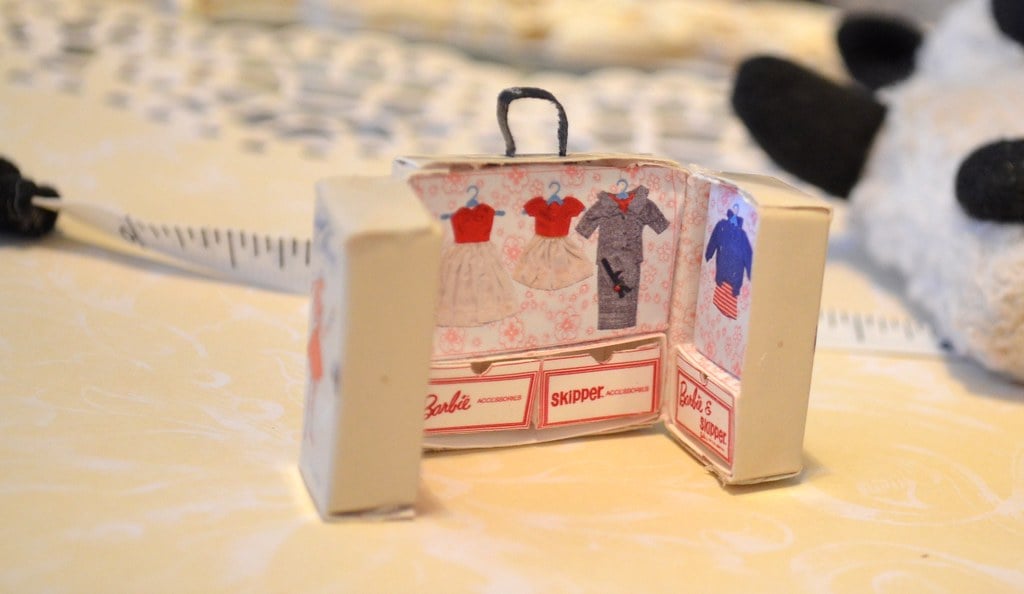
Mattel sold vinyl carrying cases decorated with Barbie artwork, designed to hold a doll and her growing wardrobe. These cases were a clever bit of marketing: the more clothes a child owned, the more she needed somewhere to put them.
Vinyl ages poorly, so cracked corners, stained interiors and broken latches are standard problems. A clean case with its original interior is a strong find, and its price will always follow its condition.
Francie’s Mod Outfit Packages
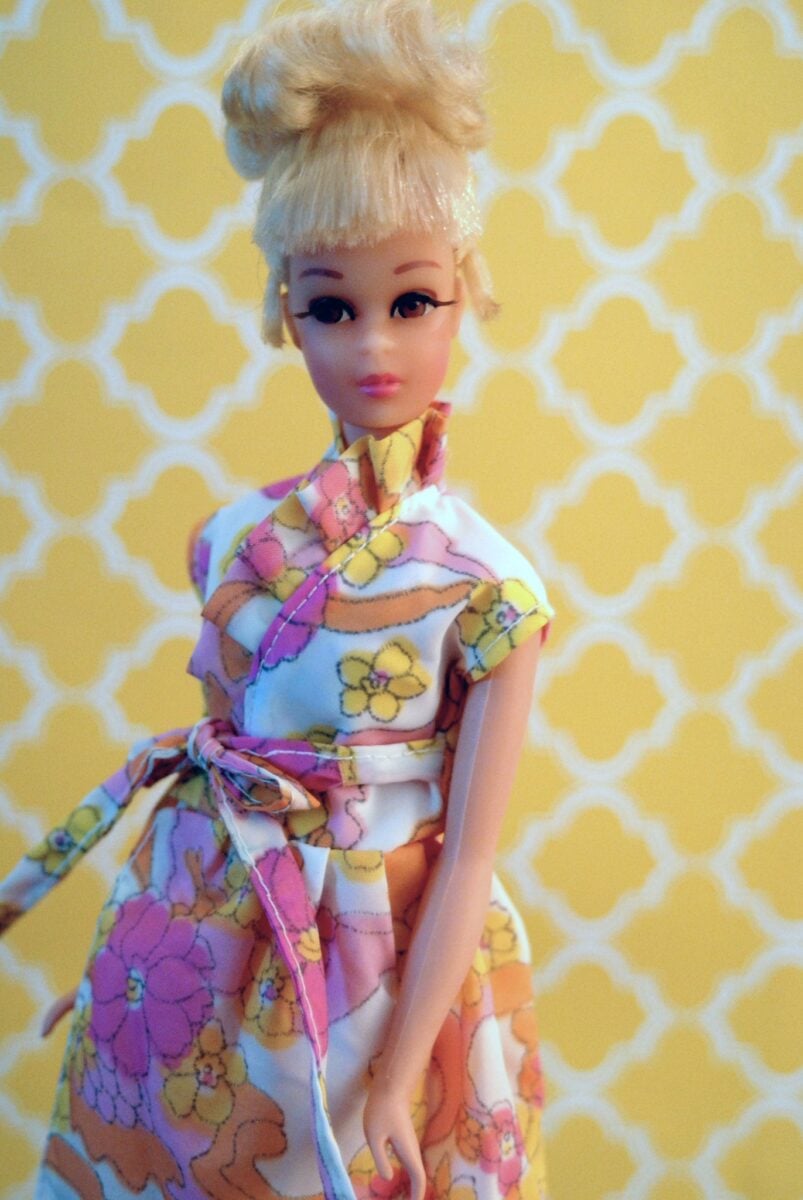
Francie debuted in 1966 as Barbie’s mod cousin, and her fashions were sold in separate packages that carried the era’s bold prints. Because the outfits arrived with small extras like shoes and accessories, a complete original ensemble has many pieces to keep track of.
Collectors often hunt for a single missing shoe for years. A fully intact fashion pack in good condition commands far more than a stray dress.
Madame Alexander’s Cissy Jewelry
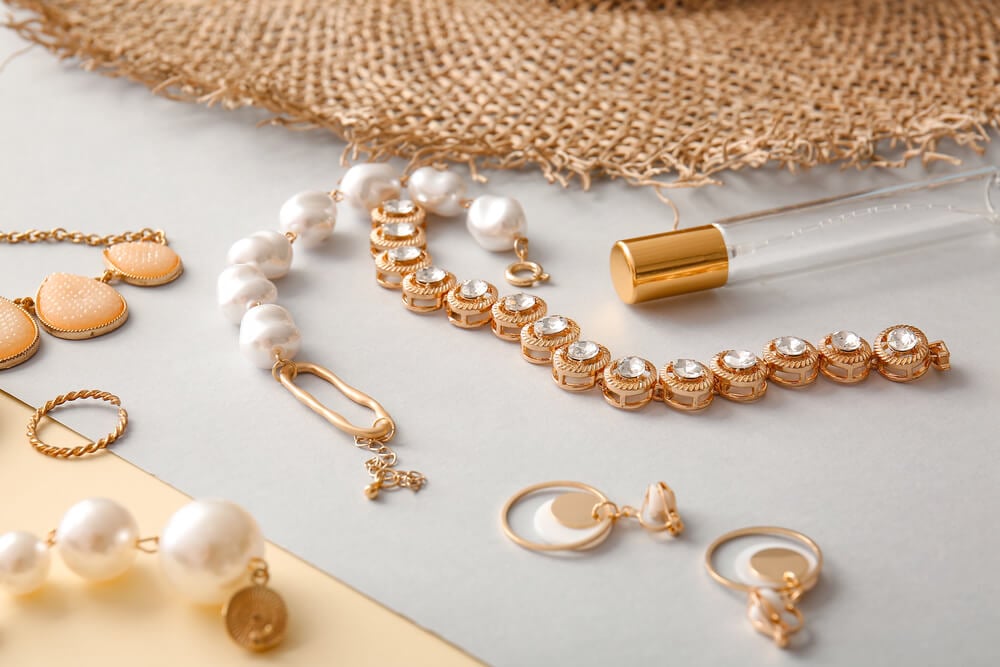
Madame Alexander introduced Cissy in 1955 as a fashion doll with an adult figure, and her outfits were often finished with costume jewelry. Auction catalogs from Theriault’s list Cissy in themed costumes such as Queen Elizabeth from the Child’s Dream Come True series.
Earrings, necklaces and bracelets were small enough to go missing within a season of play. Condition and completeness drive what any Cissy set sells for.
Ginny’s Separately Sold Wardrobe
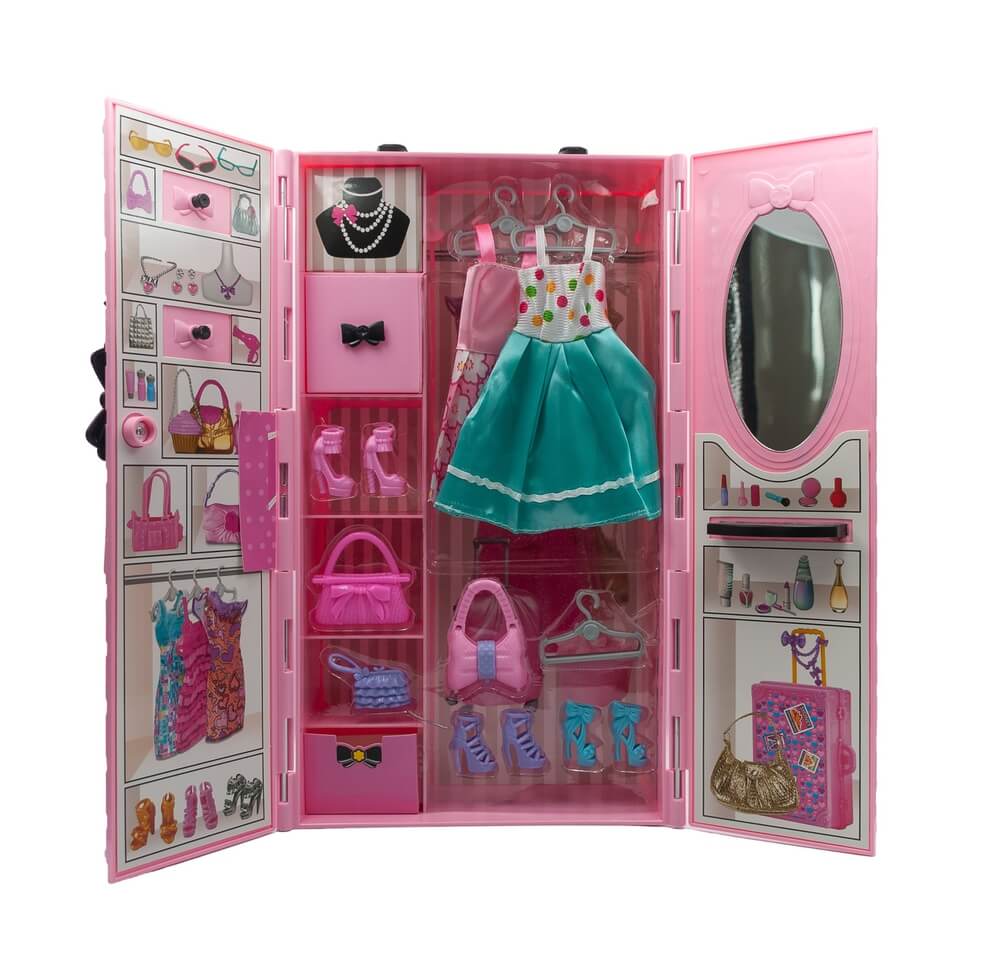
Vogue’s Ginny doll, introduced in 1948 by Jennie Graves, was designed around a wardrobe of outfits sold apart from the doll. Children could buy a new dress, a skating costume or a bridal gown and build a collection piece by piece.
Shoes, hats and tiny purses made each set feel complete, and each was easy to lose. Collectors now chase boxed outfits with every piece intact, and prices swing with condition.
Tressy’s Hair Key
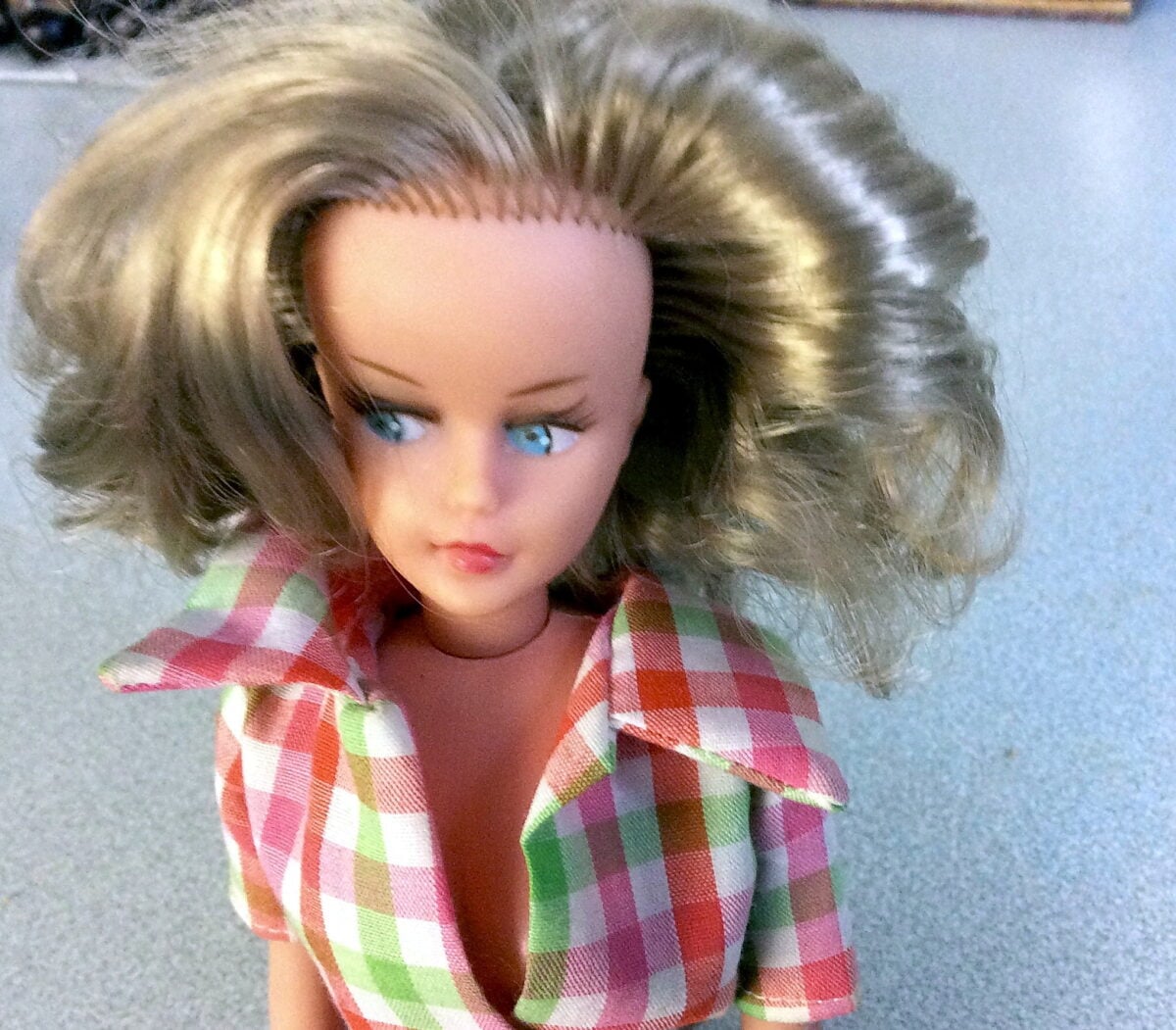
American Character’s Tressy, released in 1963, had hair that grew when a button on her stomach was pressed. To bring it back in, a small key at her back wound the strand up inside her body.
Lose the key and the best feature of the doll stops working, which is why a Tressy with her original key is worth more to collectors than one without. Condition, as usual, sets the final price.
Crissy’s Retracting Hair Mechanism
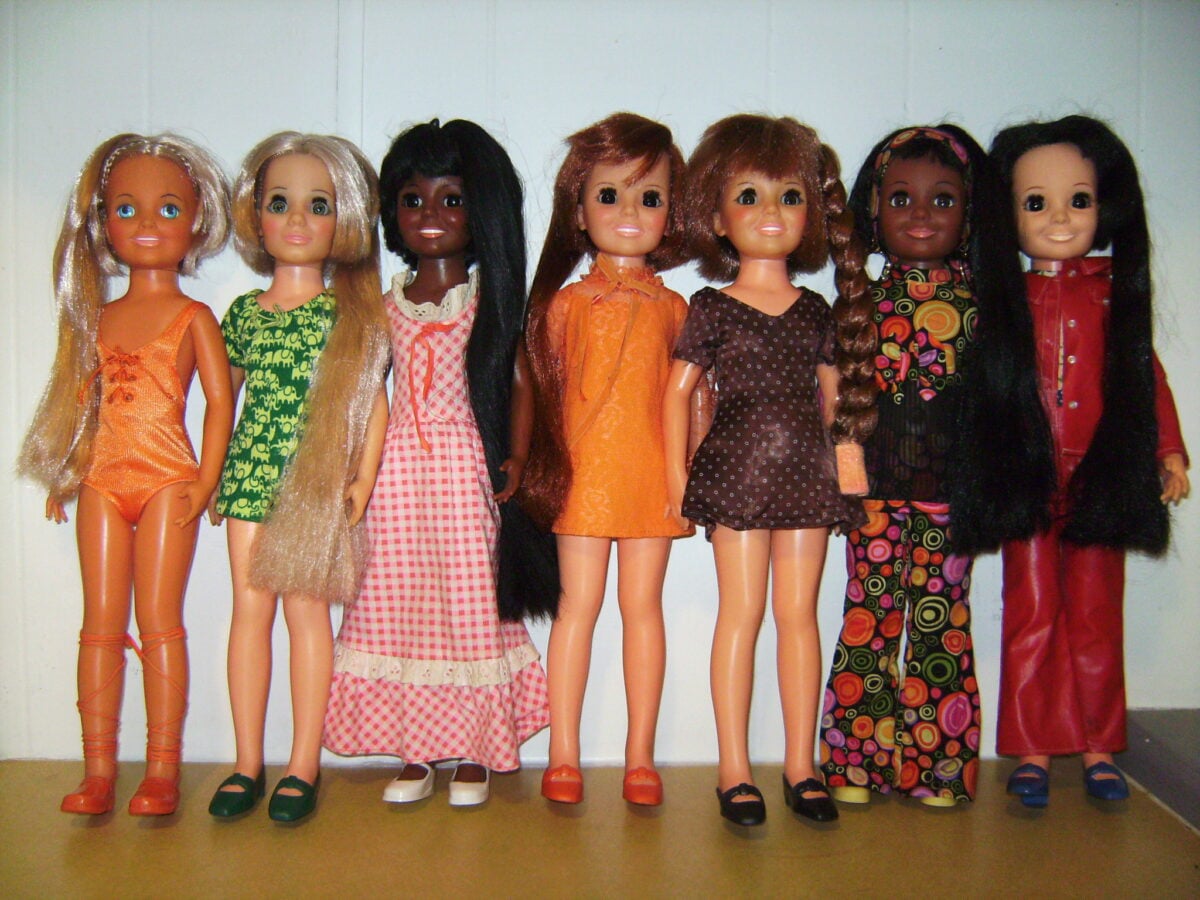
Ideal’s Crissy, introduced in 1969, pulled a long ponytail out of her head when the button on her stomach was pressed. A knob at her back wound the hair back in, so the toy depended on a working mechanism that frequently failed after years of play.
Extra outfits and styling pieces were sold separately, giving children reasons to keep buying. A Crissy whose hair still grows and retracts is worth more than a stuck one, and condition shapes every sale.
Tiny Tears and Her Layette
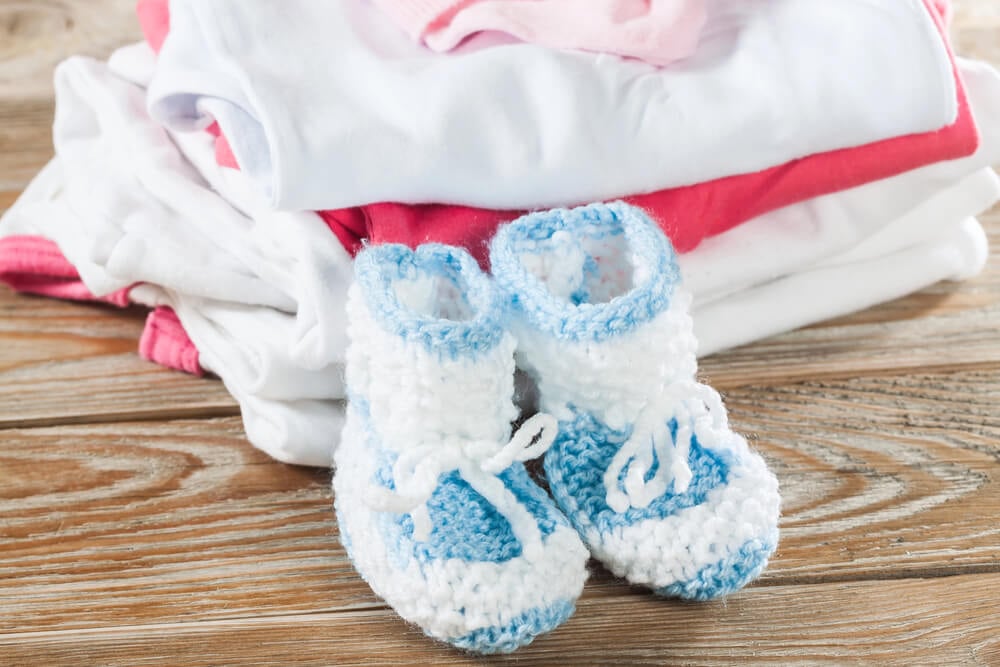
American Character’s Tiny Tears, a baby doll from the early 1950s, drank from a bottle and cried tears, which made the bottle and its accompanying baby gear essential parts of the play pattern. Theriault’s has sold a Tiny Tears in her original layette, a reminder that clothing sets were designed to be added to the doll.
Rubber and vinyl parts age unevenly, and condition affects value more than almost anything else. Complete layette sets are scarcer than loose dolls.
Betsy Wetsy’s Bottle and Radio Case
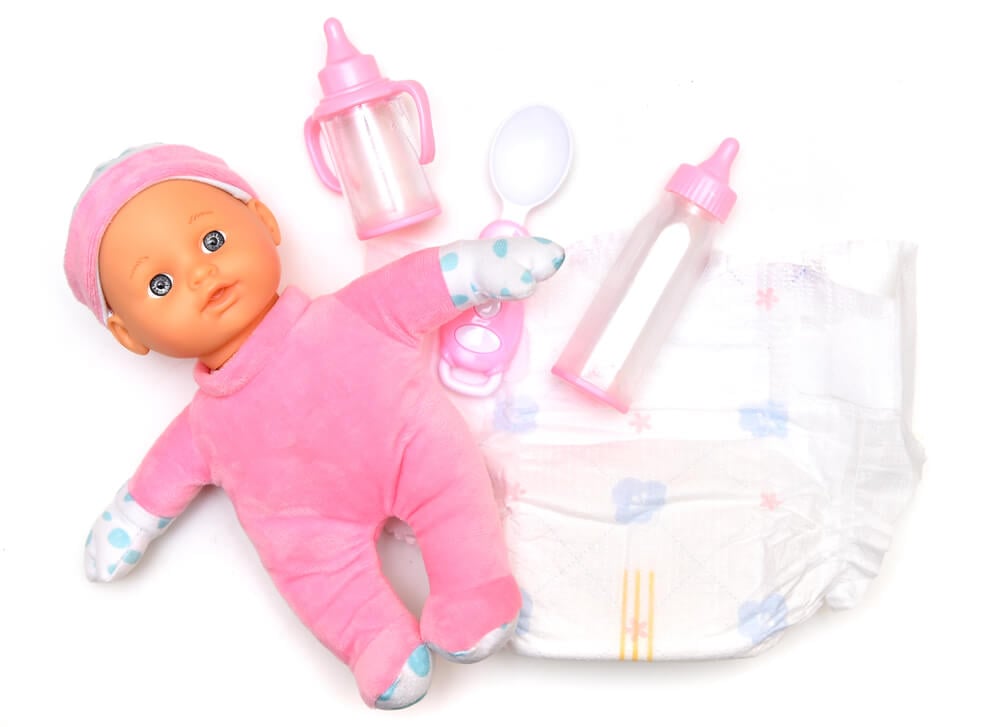
Ideal’s Betsy Wetsy, which first appeared in 1937, was one of the earliest dolls to drink from a bottle and then wet her diaper. Over the years, the line expanded to include accessories, including a carrying case styled like a radio.
The case became its own collectible, apart from the doll itself. Original bottles are small enough that most vanished decades ago, and any piece in good condition is worth considerably more than a worn one.
Toni’s Curlers and Hair Kit
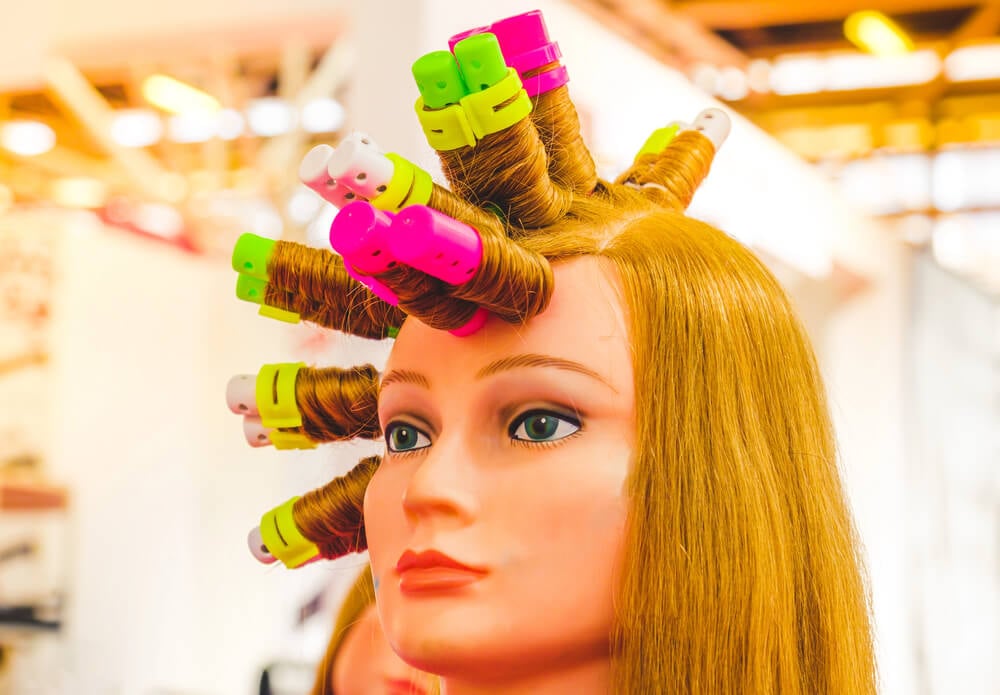
Ideal’s Toni doll arrived in 1949 as a promotional partner for the Toni home permanent, and she came with hair that could be curled and styled. Girls could roll her hair on tiny curlers, mimicking what their mothers did at the kitchen table.
Those curlers and related styling pieces are now far harder to find than the doll herself. Condition matters for any Toni sale, since hair damaged by decades of setting is common.
Terri Lee’s Labeled Clothing
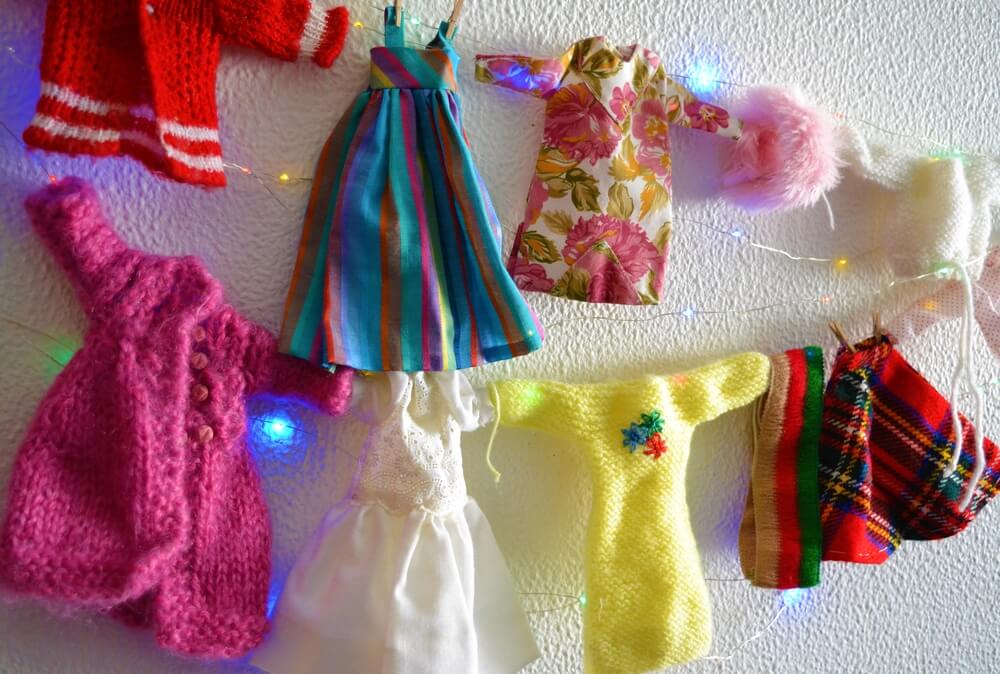
Violet Gradwohl created Terri Lee in 1946 in Lincoln, Nebraska, and the company later became known for clothes that were as carefully made as the doll. The Nebraska State Historical Society has described Terri Lee as the best-dressed doll in the world.
Tagged outfits are a major draw for collectors, because the original label confirms that a piece is authentic. A tagged outfit in sound condition is worth much more than an unmarked one.
Blythe’s Pull-String Eyes
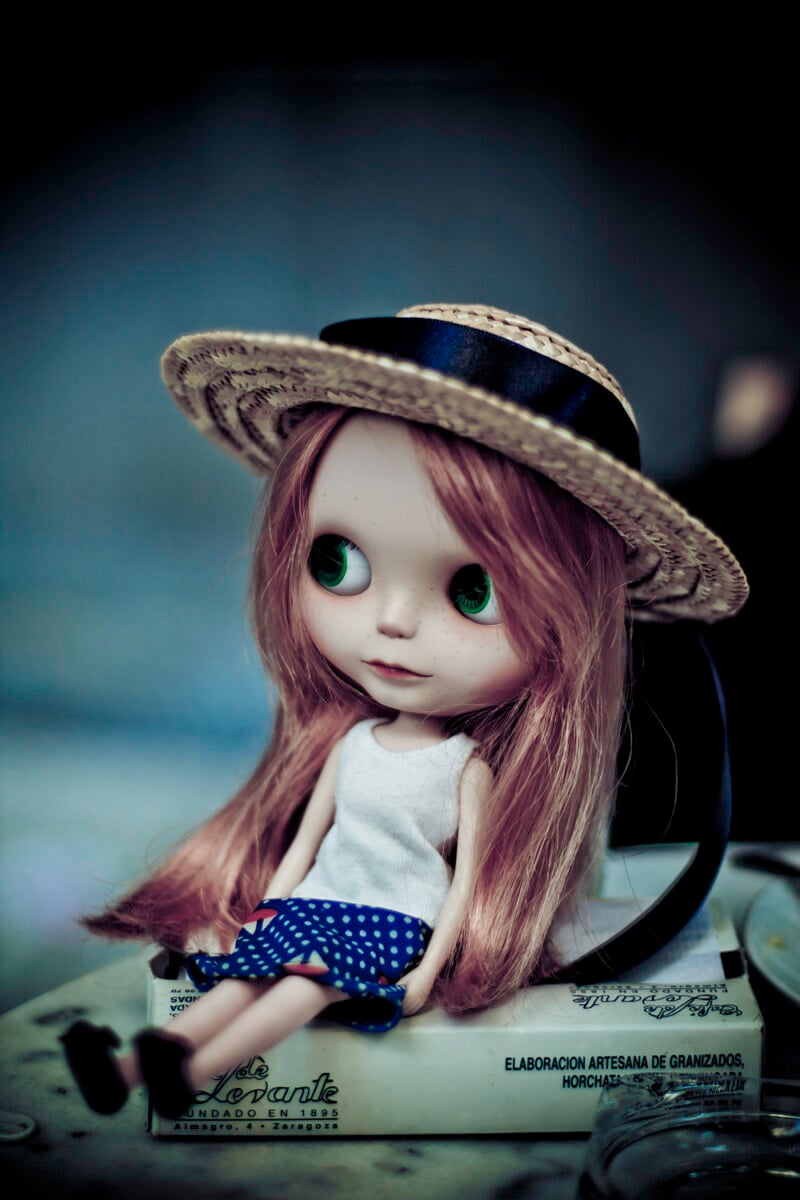
Kenner’s Blythe, released in 1972, could change eye color with a tug on a string at the back of her head. The doll’s large eyes shifted between four colors, which made her unlike anything else on a toy shelf.
She was on sale for only a short time, and the surviving original dolls and their outfits are prized for that reason. Condition of the eye mechanism is the first thing buyers check.
American Girl’s Catalog Outfits
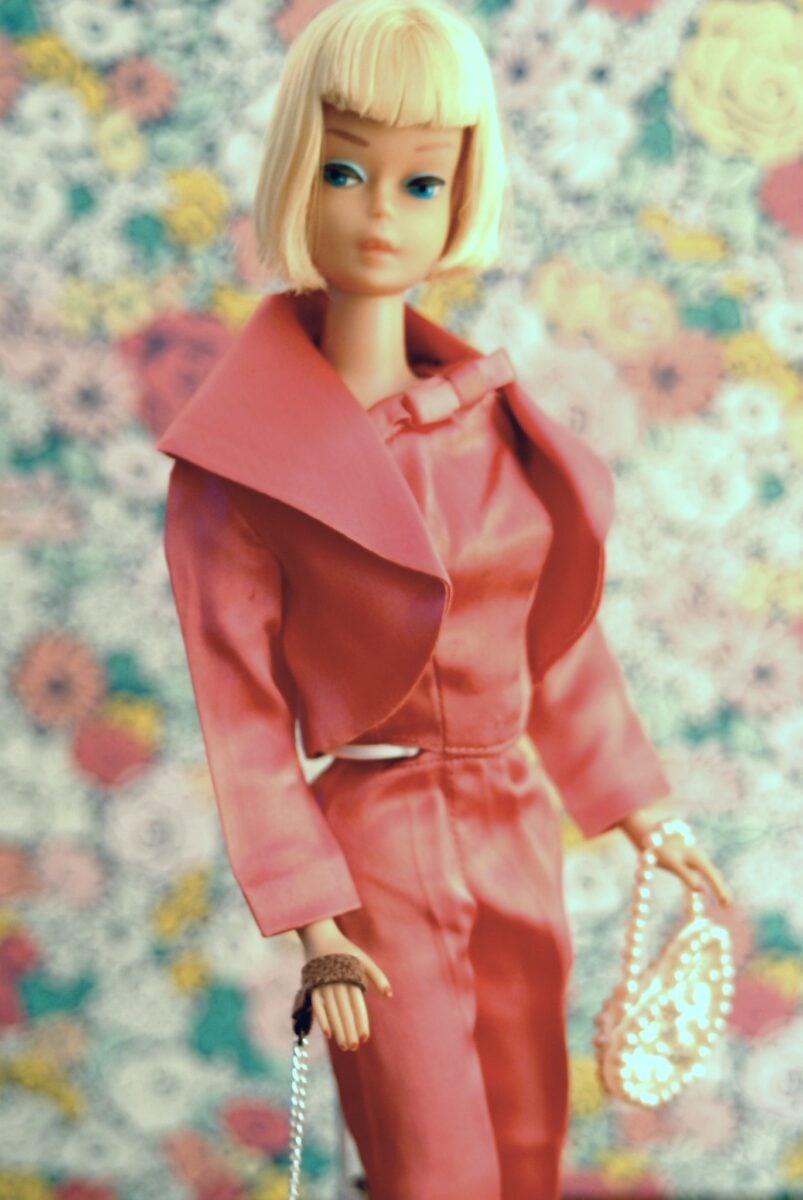
Pleasant Company launched in 1986, introducing Samantha, Kirsten and Molly through a mail-order catalog. Each doll came with a single outfit, while additional costumes, books and accessories were sold separately and filled the pages of that catalog.
The business model rewarded repeat orders and gave collectors a long list of pieces to track down. Early pieces in good condition remain sought after, and prices depend on how well they have been kept.
Strawberry Shortcake’s Scented Pets
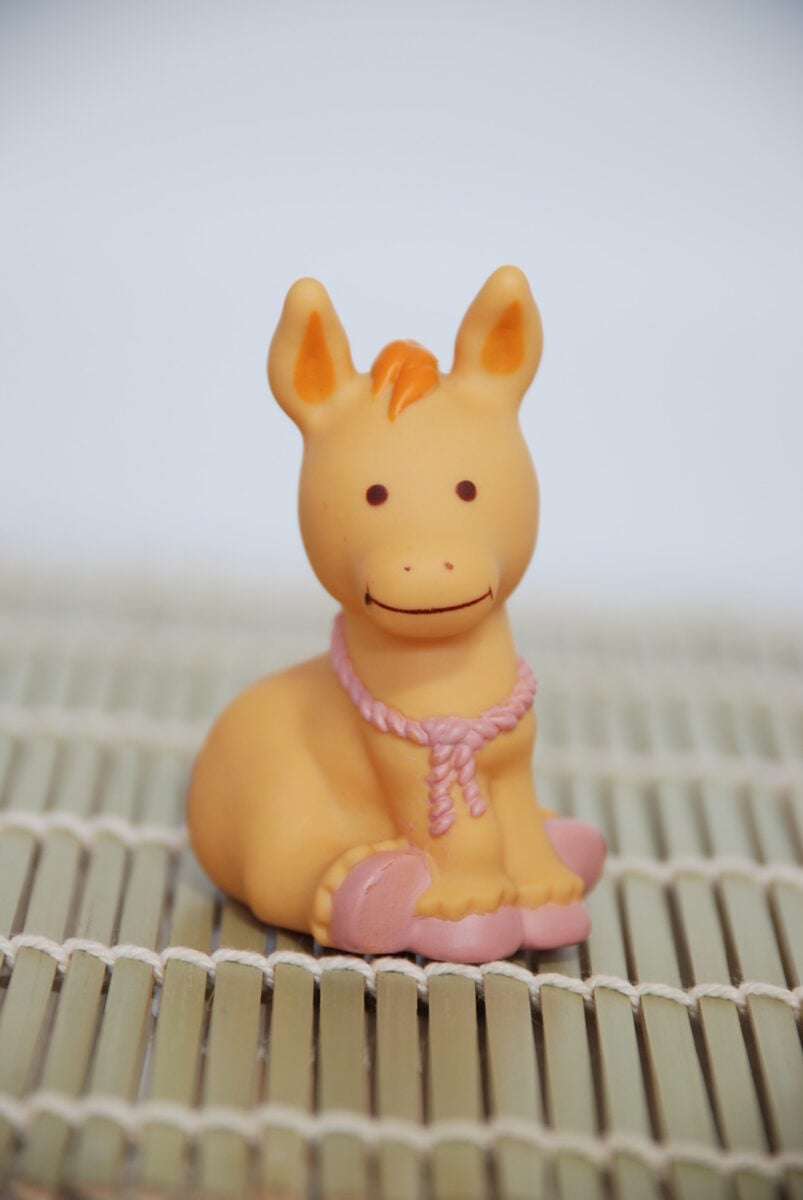
Kenner’s Strawberry Shortcake line, introduced around 1980, added small animal companions to its scented dolls. Crepe Suzette, for example, was sold with a poodle pet named Eclair.
Pets were small, easy to misplace and often missing from loose dolls. A doll with her original pet and fragrance still detectable is a much better find than one without, and the condition of both affects price.
Sindy’s Designer Outfits
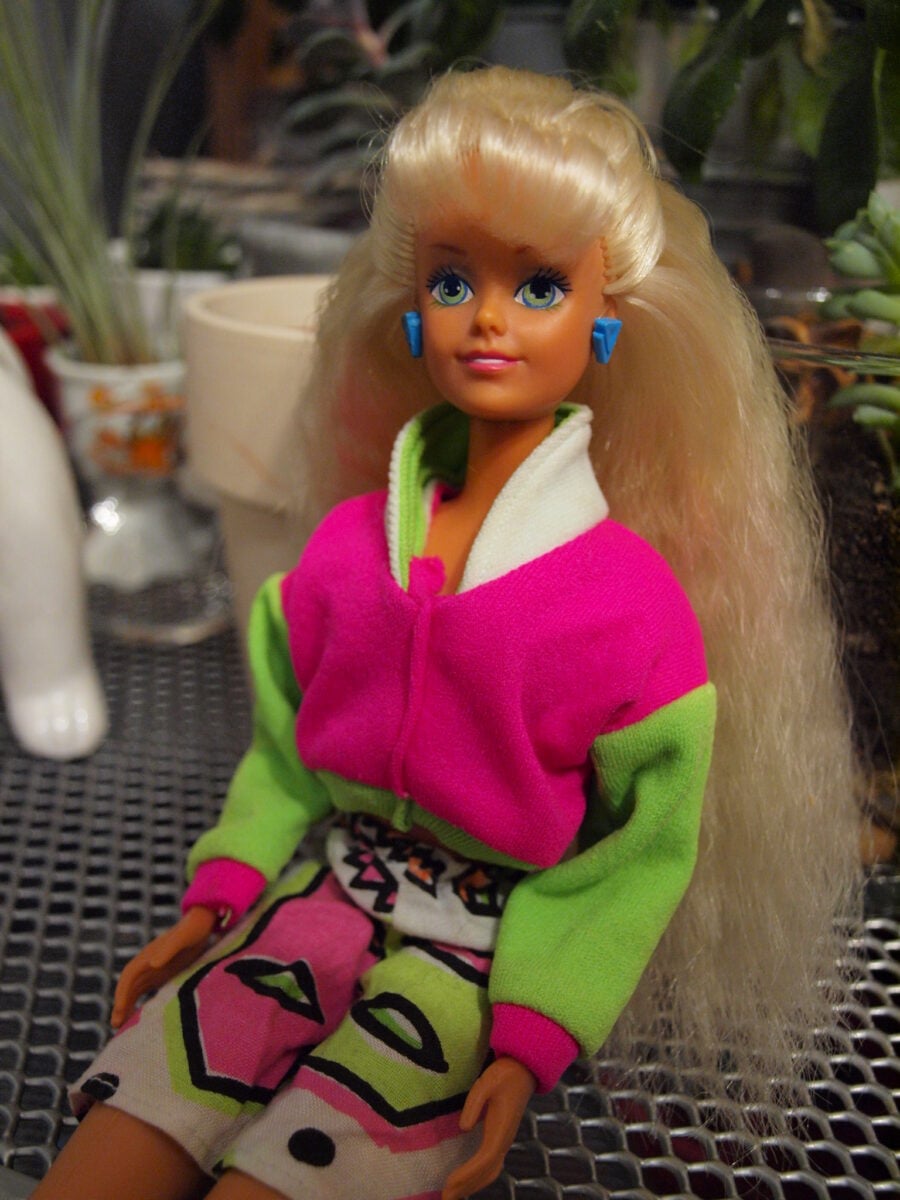
Pedigree launched Sindy in Britain in 1963, and the company sold a wide range of outfits to go with her. The Victoria and Albert Museum holds examples of Sindy designer outfits, including a country walk set and a skating girl outfit.
Shoes, hats and handbags were part of the appeal, and each could be bought on its own. Complete outfits in good condition are far rarer than loose dolls.
Barbie’s Dream House
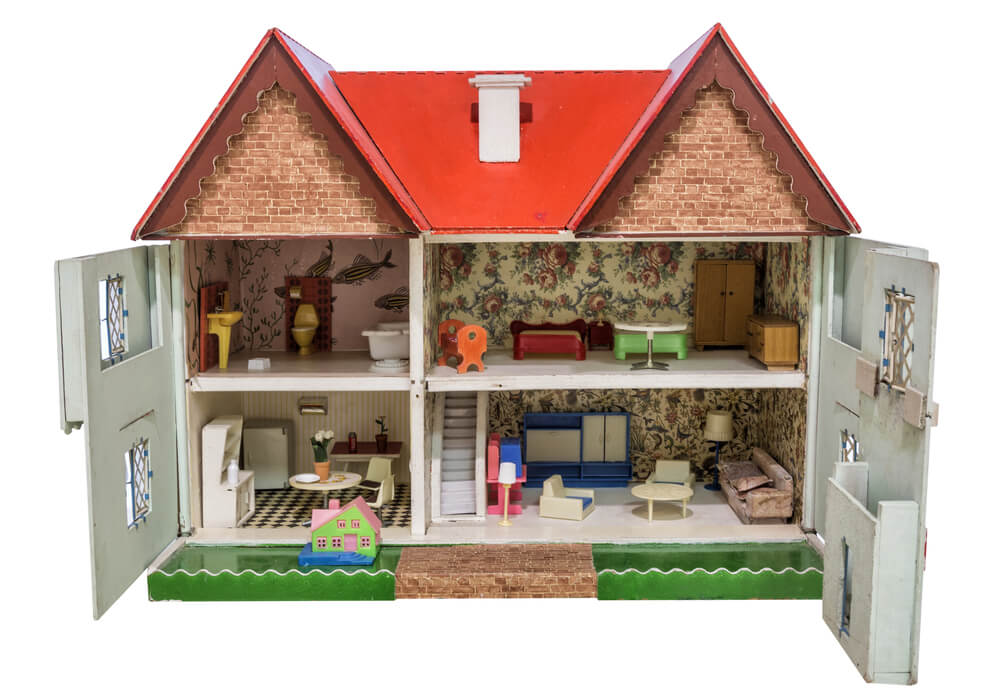
Mattel’s first Dream House for Barbie arrived in 1962 and was a cardboard structure designed to be folded out and furnished. Because it came as a shell, the furnishings and decorative touches were a separate purchase, and children were encouraged to expand the room one piece at a time.
Cardboard is fragile, so surviving houses with intact walls and furniture are valuable. As with any vintage toy, the price tracks condition closely.
What a Missing Piece Says
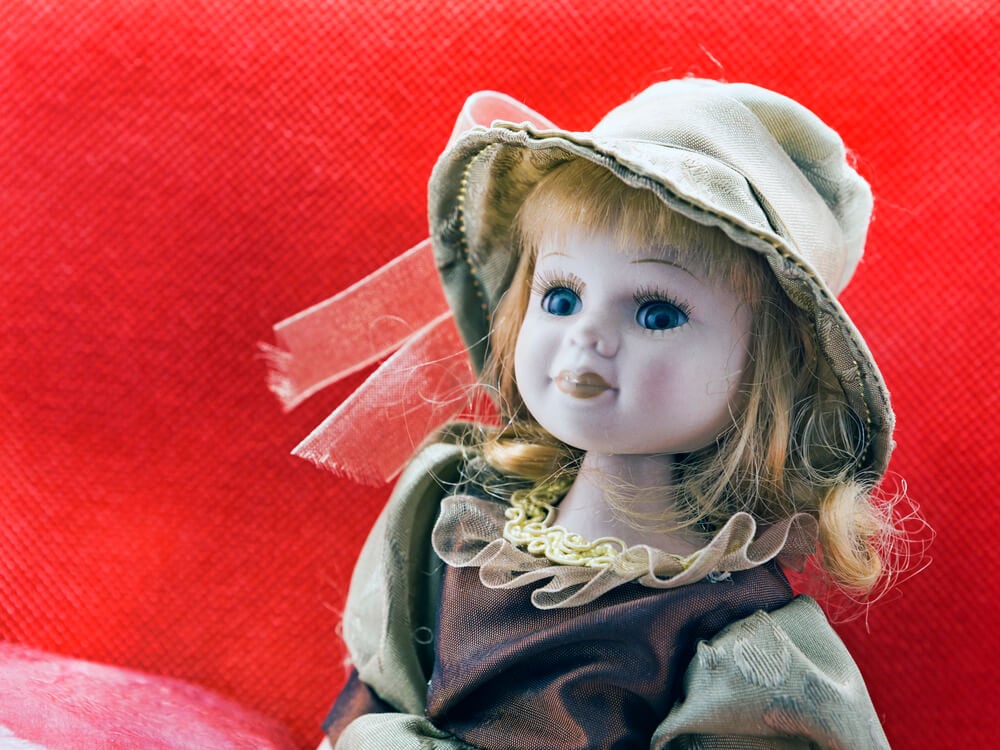
Vintage dolls were sold as systems, not single objects. Every key, bottle, wig and tiny shoe gave a child a reason to return to the store, and gave parents a way to answer the question of what to buy next.
That is why a loose doll rarely tells the full story. The small parts, once easy to lose and easy to ignore, are now the measure of how carefully a collection was kept.
More from Go2Tutors!

- 27 Silver Dollars and Half Dollars Worth Keeping
- 28 Restaurant Menu Items Nobody Orders Anymore
- 17 Places Built in Seemingly Impossible Spots
- 27 Vintage Rings Worth More Than They Look
- 25 Restricted Sites Tourists Can’t Enter
Like Go2Tutors’s content? Follow us on MSN.