29 Everyday Objects With Surprising Origins Most People Would Never Guess
There’s something quietly strange about the objects that surround you every day. The pen in your pocket, the cereal in your bowl, the sticky note on your monitor — none of them arrived in the world fully formed. Each one has a backstory, and most of those backstories involve a wrong turn, a happy accident, or someone solving a completely different problem than the one you’d expect.
The origins of ordinary things tend to be far weirder, more accidental, and more human than the objects themselves let on.
Post-it Notes
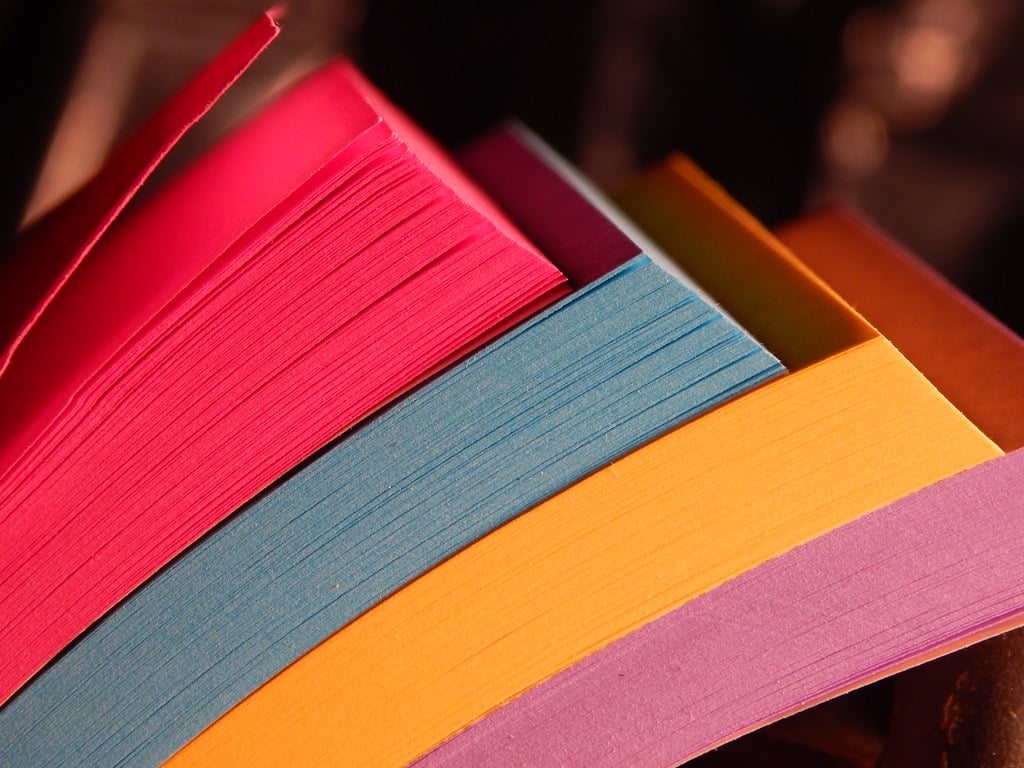
A failed adhesive invented it. Spencer Silver at 3M developed a weak, repositionable glue in 1968 that nobody wanted — it wasn’t strong enough to be useful, so it sat in a drawer for years until a colleague named Art Fry used it to keep bookmarks in his hymnal.
The product that came from that small, frustrating problem has since sold in over 100 countries.
Bubble Wrap
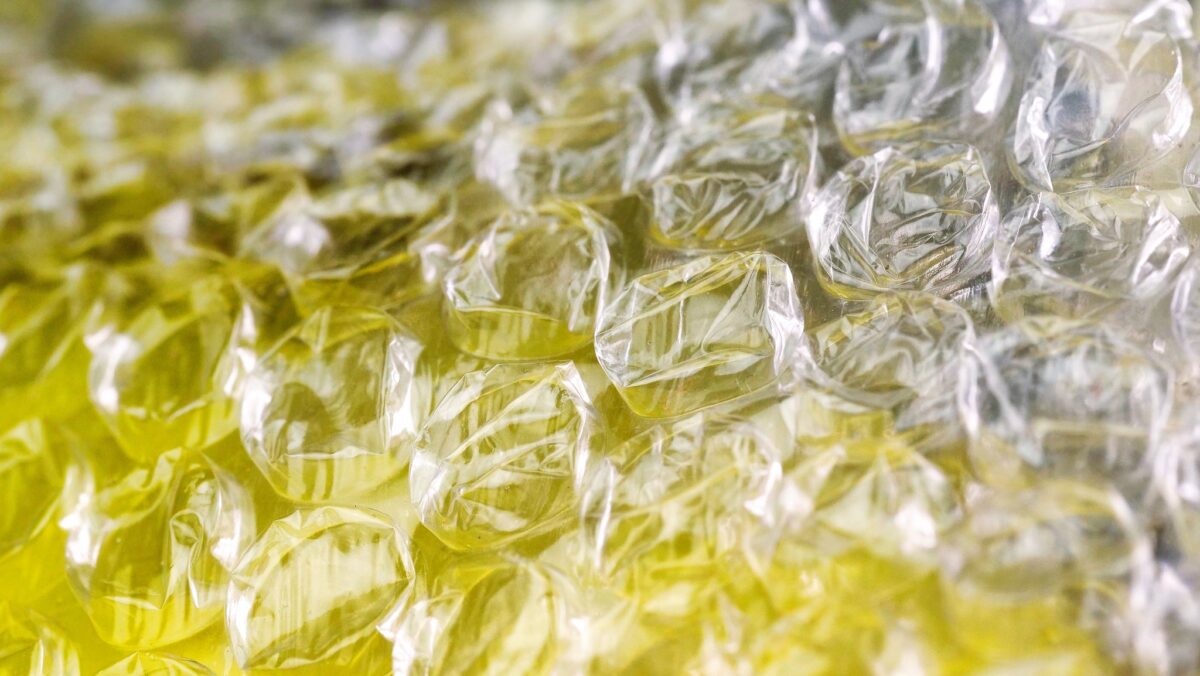
Bubble Wrap was supposed to be wallpaper. Two engineers, Alfred Fielding and Marc Chavannes, sealed two shower curtains together in 1957 hoping to create a textured wall covering that would appeal to modernist tastes — the market disagreed completely.
It took IBM shipping its new 1401 computer in the material a few years later to give Bubble Wrap the identity it actually deserved.
Microwave Ovens
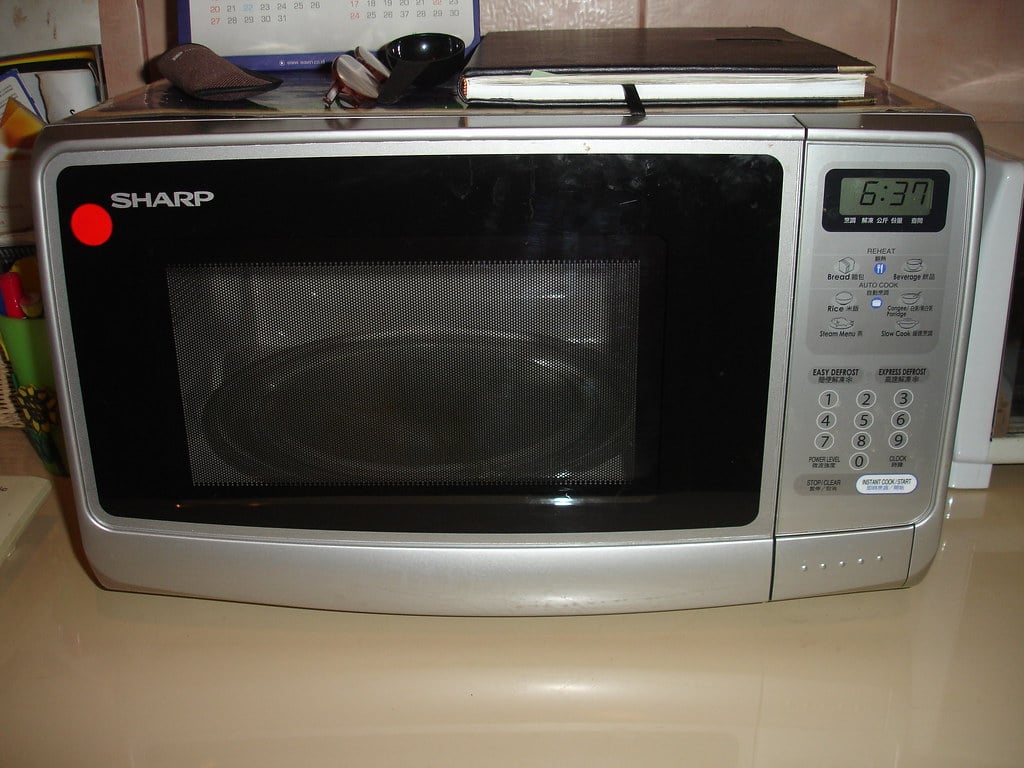
The microwave exists because a candy bar melted in someone’s pocket. Percy Spencer, a self-taught engineer at Raytheon, noticed in 1945 that a chocolate bar he was carrying had softened while he stood near an active magnetron — a device used in radar equipment.
He pointed the magnetron at popcorn next, then an egg, and within two years Raytheon had filed the patent for what they originally called the Radarange.
Velcro
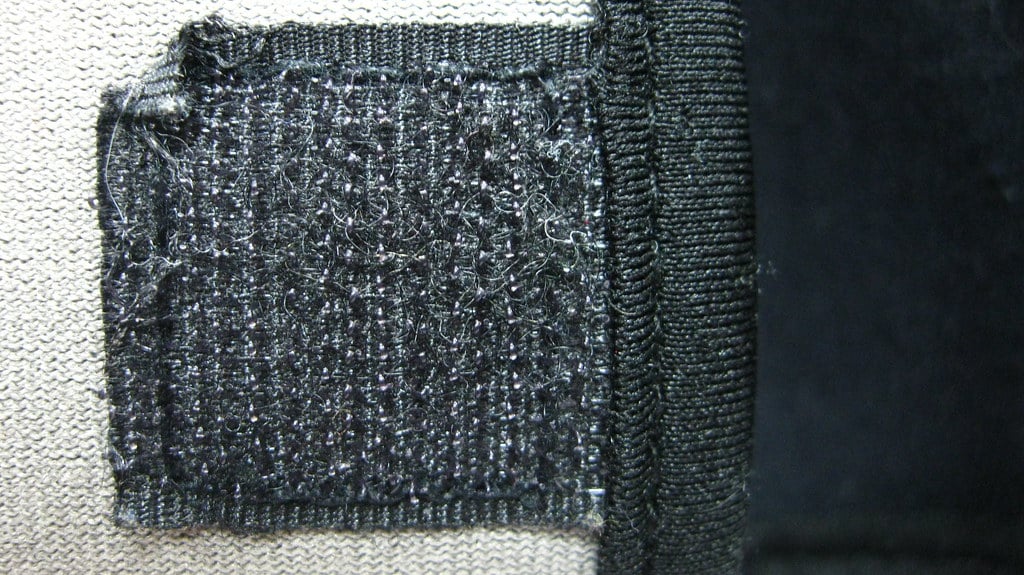
Velcro is what happens when an engineer goes hiking and pays attention. George de Mestral returned from a walk in the Swiss Alps in 1941 covered in burdock burrs and, rather than just pulling them off and moving on, he put one under a microscope — finding hundreds of tiny hooks that latched onto fabric loops with stubborn, repeatable grip.
The fastener he eventually patented is now used in everything from spacecraft to sneakers, which is a reasonable outcome for a burr.
Chewing Gum
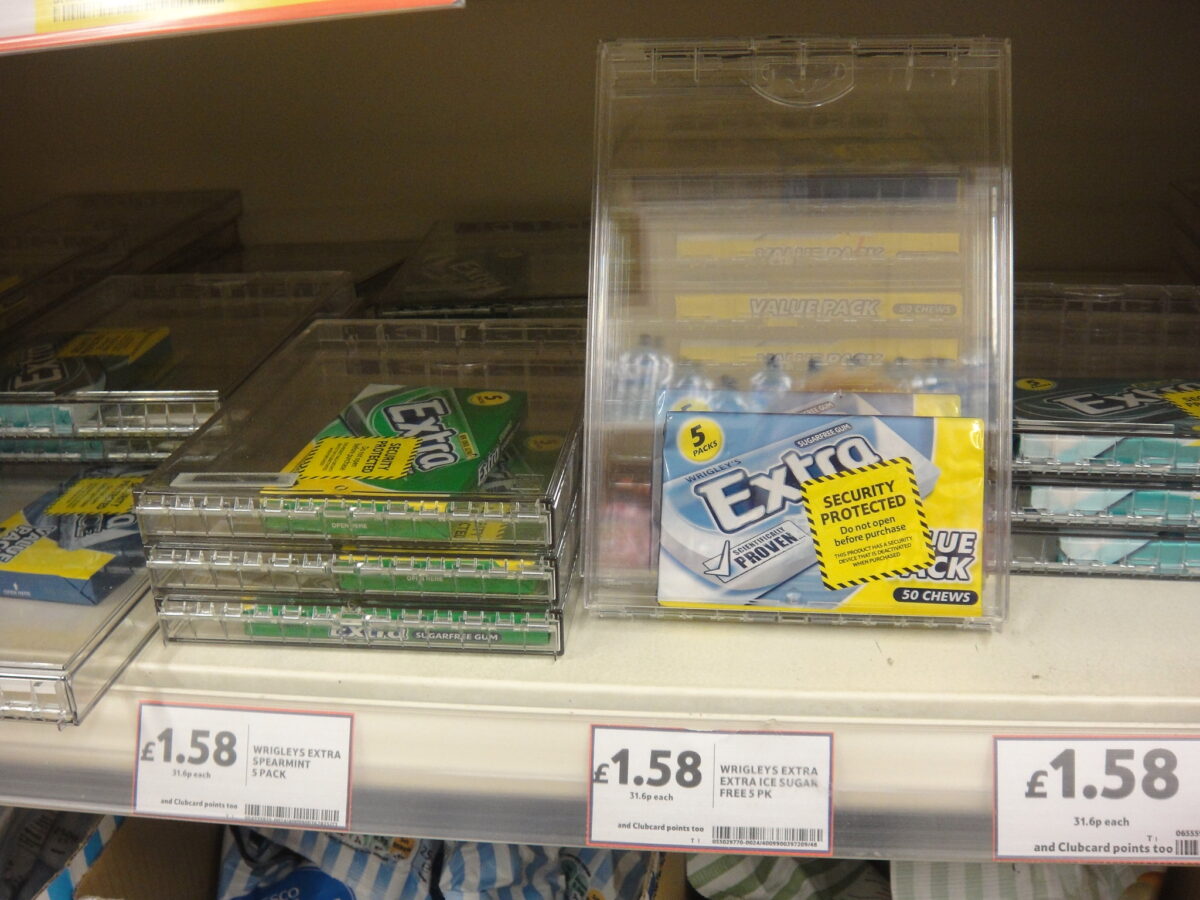
Chewing gum has an origin story that begins with a failed rubber substitute and a Mexican general. Antonio López de Santa Anna — yes, that Santa Anna — brought chicle, a natural tree resin, to inventor Thomas Adams in the 1860s with the hope that Adams could vulcanize it into a workable substitute for rubber.
The rubber project failed completely, but Adams noticed that Santa Anna chewed the raw chicle, rolled some into an orb, sold it from a drugstore in New Jersey, and accidentally founded an industry.
Duct Tape
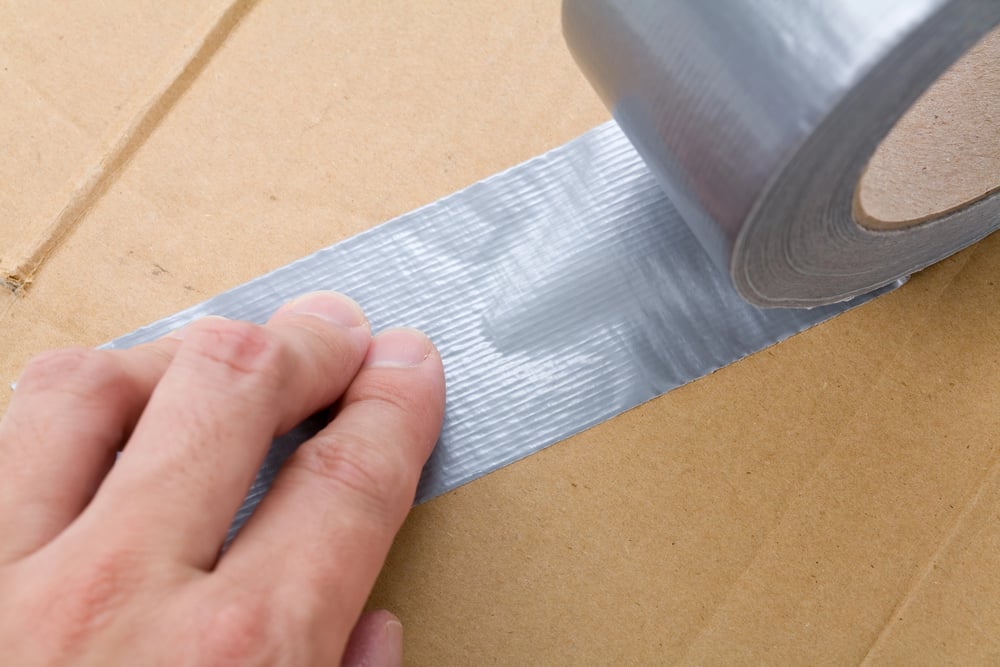
Duct tape was designed for war, not for leaky pipes. Vesta Stoudt, a factory worker and mother of two Navy sons, wrote directly to President Roosevelt in 1943 suggesting a waterproof cloth tape to seal ammunition boxes — the existing wax paper seals were slow to open and cost soldiers critical seconds.
The Army Corps of Engineers developed the tape, soldiers called it “duck tape” because water rolled right off it, and the name followed it into peacetime plumbing.
Silly Putty
— Illustration by homank76
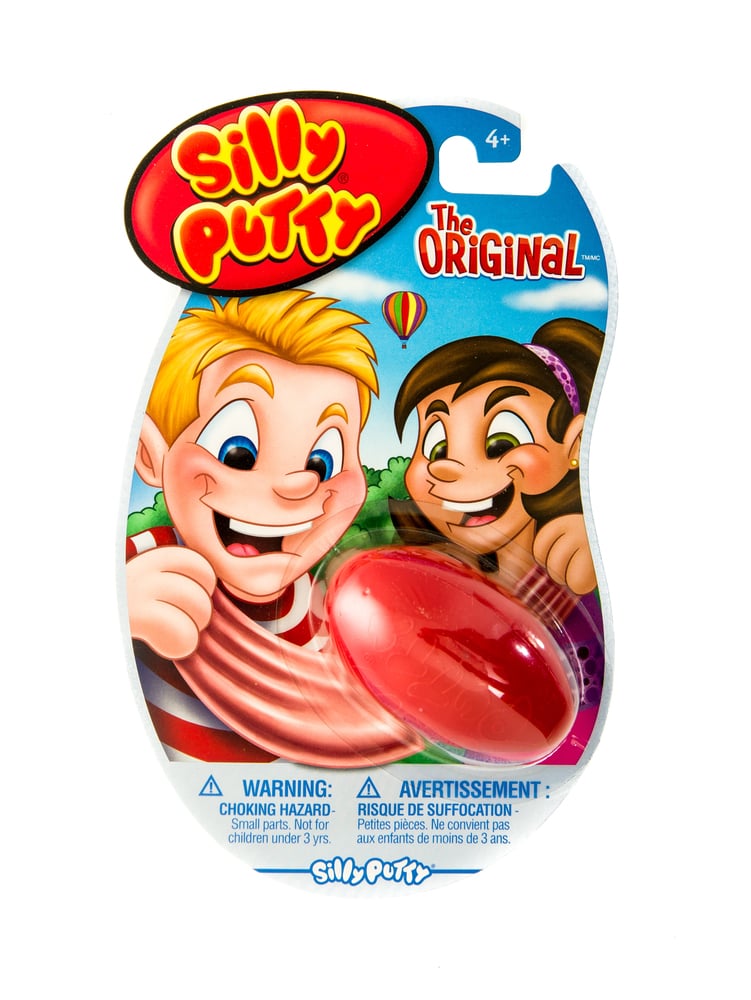
Silly Putty is a wartime accident that outlived the war by decades. General Electric engineer James Wright was trying to create a synthetic rubber substitute during World War II when he combined silicone oil with boric acid and produced something that bounced, stretched, snapped, and copied newsprint — but couldn’t replace rubber for anything practical.
It spent years being passed around at parties as a curiosity before a marketing consultant named Peter Hodgson bought the rights, packaged it in plastic eggs, and sold 250,000 units in three days.
Cornflakes
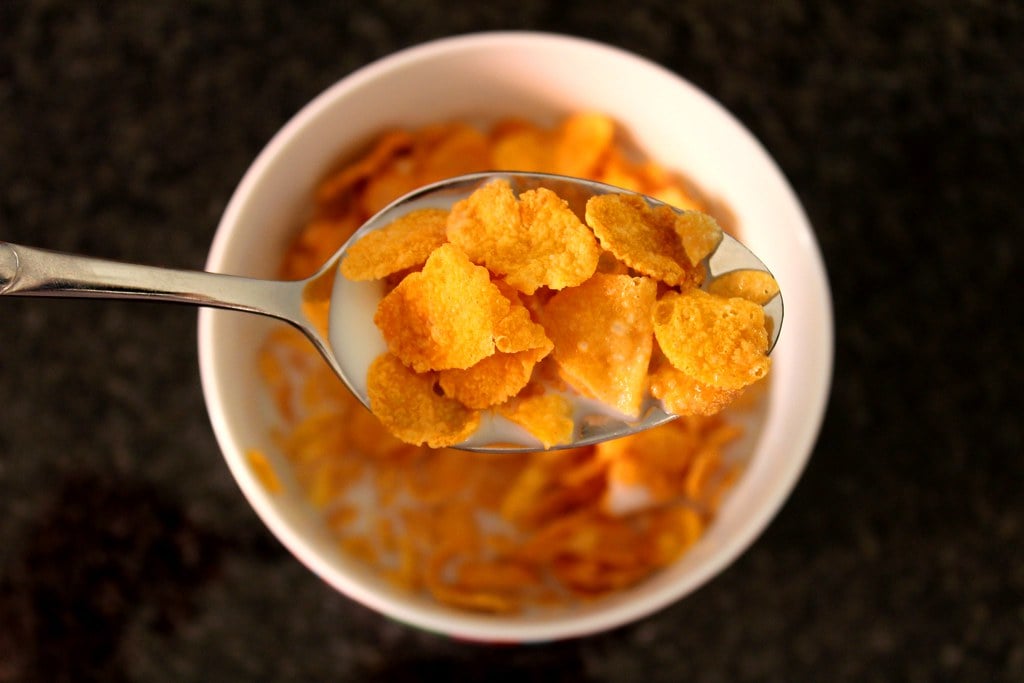
Cornflakes came out of a health sanatorium in Battle Creek, Michigan, and a deeply uncomfortable philosophy about digestion. John Harvey Kellogg ran the Battle Creek Sanitarium and believed that plain, flavorless food suppressed what he considered dangerous physical urges — the cereal was a prescription, not a breakfast treat.
His brother Will eventually added sugar over John’s objections, the two fell out permanently, and the sweetened version became one of the best-selling cereals in American history.
Safety Glass
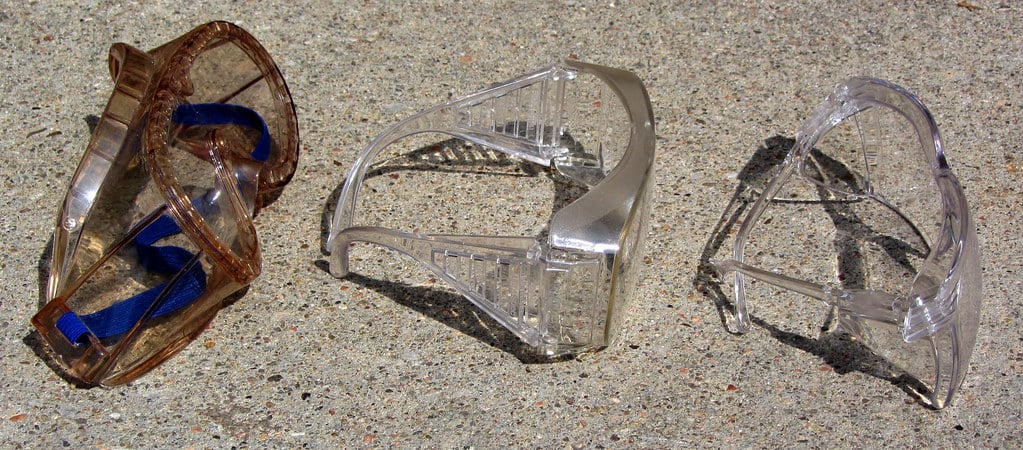
Safety glass exists because a flask fell off a shelf in the right laboratory at the right moment. French chemist Édouard Bénédictus dropped a glass flask in 1903 and noticed it shattered but held its shape — the inside had been coated with cellulose nitrate residue, which acted as a binder.
He patented the process in 1909, and laminated safety glass eventually made its way into automobile windshields, changing what a car crash meant for a driver’s face.
Potato Chips
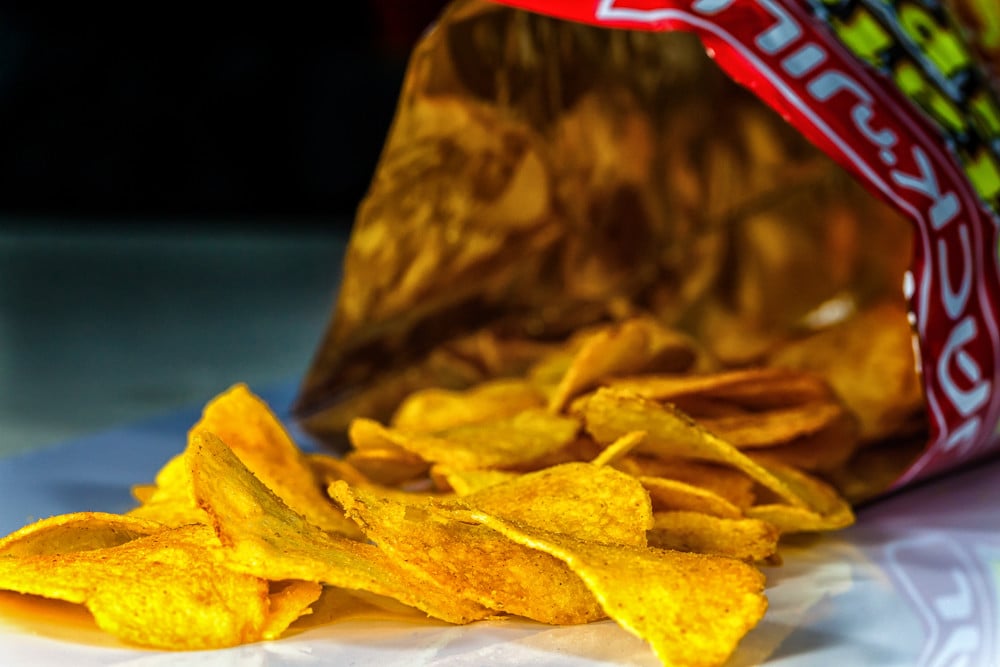
The potato chip is, depending on who you ask, an act of petty culinary revenge. Chef George Crum at a restaurant in Saratoga Springs, New York, reportedly created the dish in 1853 after a customer kept sending back his French fries for being too thick — Crum sliced the potatoes paper-thin, fried them until they were impossible to cut with a fork, and expected the customer to complain.
The customer loved them, other diners ordered them, and “Saratoga chips” became a menu fixture.
Band-Aids
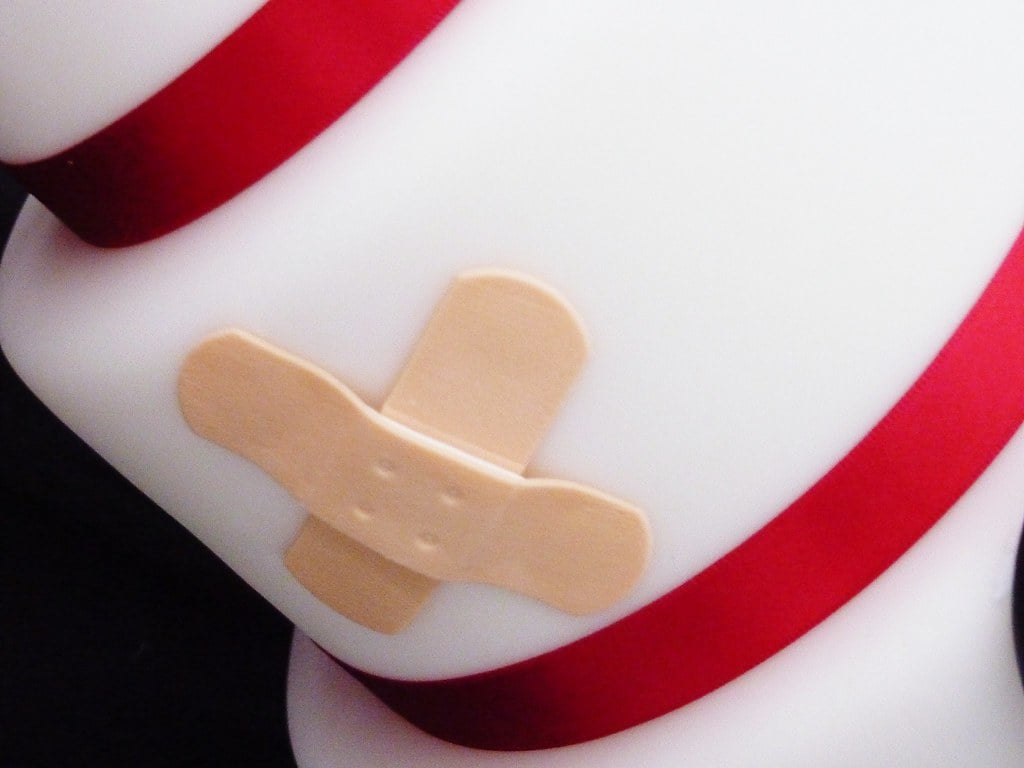
Band-Aids were invented by a man worried about his wife. Earle Dickson, a Johnson & Johnson employee, noticed in 1920 that his wife Josephine frequently cut and burned herself while cooking — she was, by most accounts, extraordinarily accident-prone — and he started pre-making small bandages by attaching gauze to adhesive tape so she could dress her own wounds without help.
He showed the design to his employer, Johnson & Johnson produced it commercially, and Earle received a promotion and a seat on the board.
Fireworks

Fireworks trace back to a Chinese cook who, at some point around 200 BCE, accidentally discovered that a mixture of charcoal, sulfur, and potassium nitrate burned with unusual intensity when packed into a bamboo tube and ignited. What began as a kitchen accident became a deliberate tool for driving off evil spirits, then a military weapon, then the centerpiece of every Fourth of July sky.
The original formula hasn’t changed nearly as much as the context has.
Play-Doh
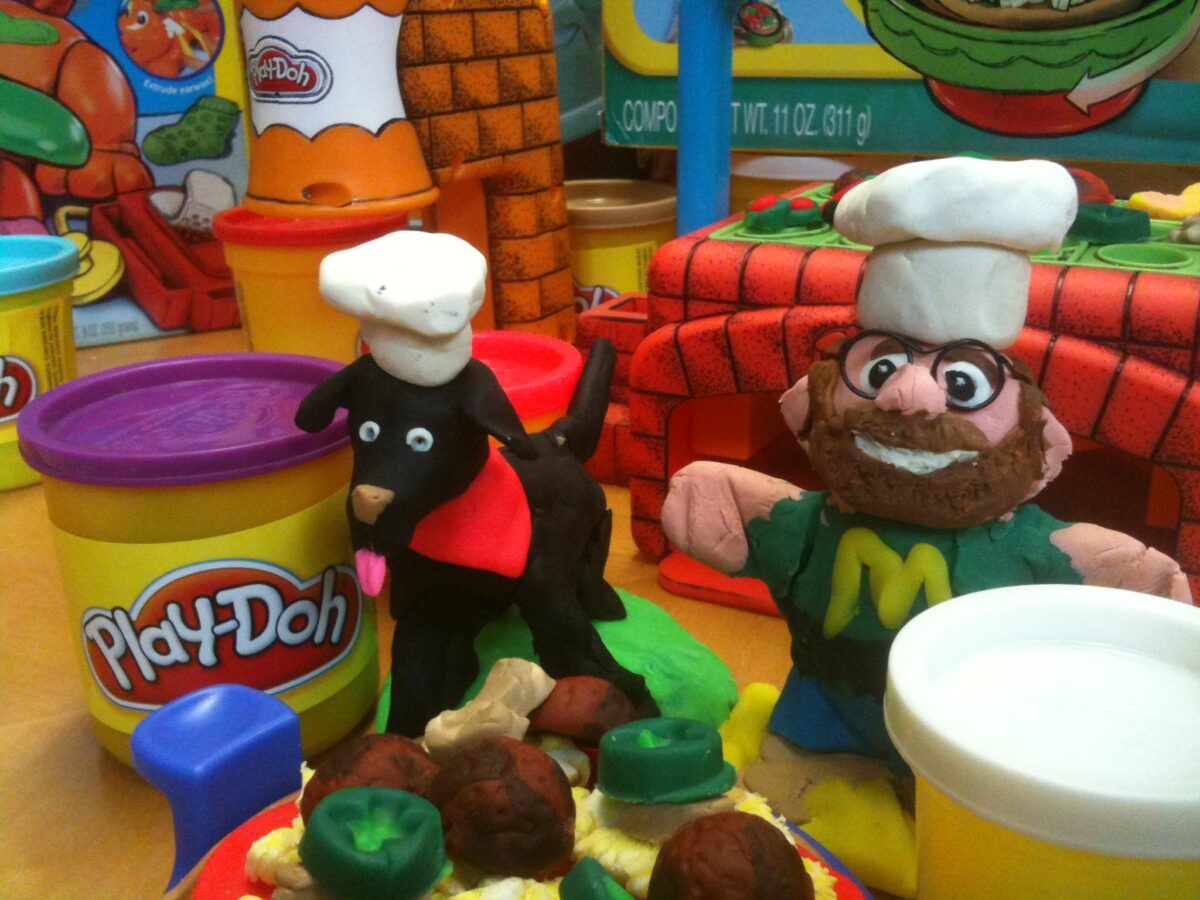
Play-Doh started as a wallpaper cleaning compound. A nursery school teacher named Kay Zufall discovered in 1955 that the non-toxic doughy substance her sister-in-law’s company sold for removing coal soot from wallpaper was excellent for children’s craft projects — softer than clay, easy to shape, and harmless if a toddler ate a small amount of it.
The wallpaper cleaner market was vanishing as coal heating gave way to natural gas; the children’s toy market was considerably more durable.
Matches
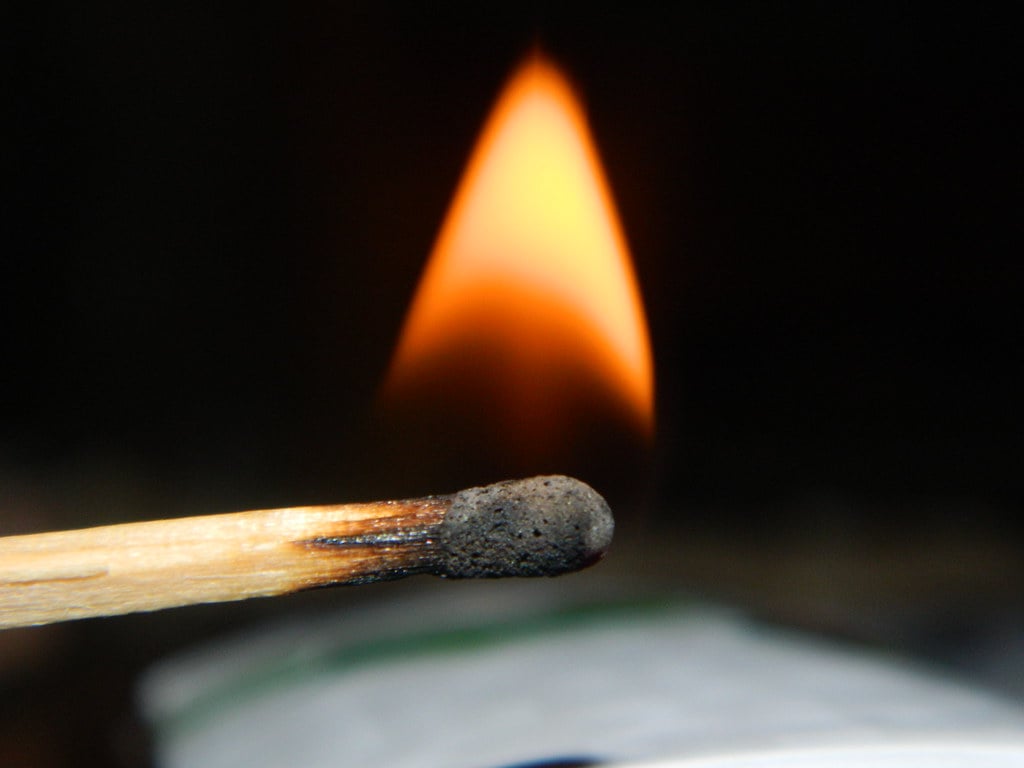
The friction match was discovered by a chemist named John Walker in 1826 when he scraped a stick coated in chemicals against his hearthstone and watched it ignite. Walker, who was by most accounts indifferent to wealth, never patented his invention — and a man named Samuel Jones promptly copied the design, sold it under the name “Lucifers,” and made considerably more money.
Walker’s stubbornness about patents is one of history’s more expensive shrugs.
Stainless Steel
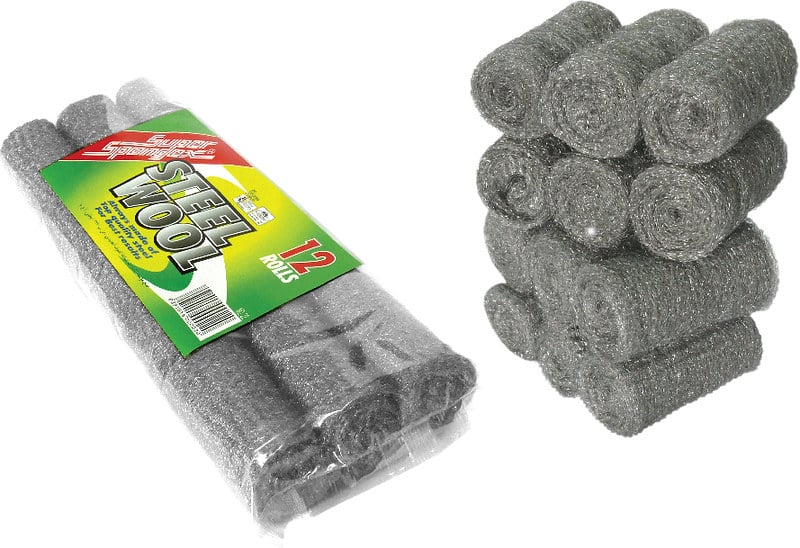
Stainless steel arrived in 1913 when metallurgist Harry Brearley was tasked with finding a harder steel for gun barrels and stumbled onto something more enduring. He had been throwing his failed alloy samples into a scrap pile for months when he noticed that one particular batch — containing about 12.8% chromium — refused to rust while everything around it corroded.
His employer wasn’t interested; Brearley eventually licensed the process elsewhere, and the material found its way into cutlery, surgical instruments, and kitchen sinks.
Popsicles
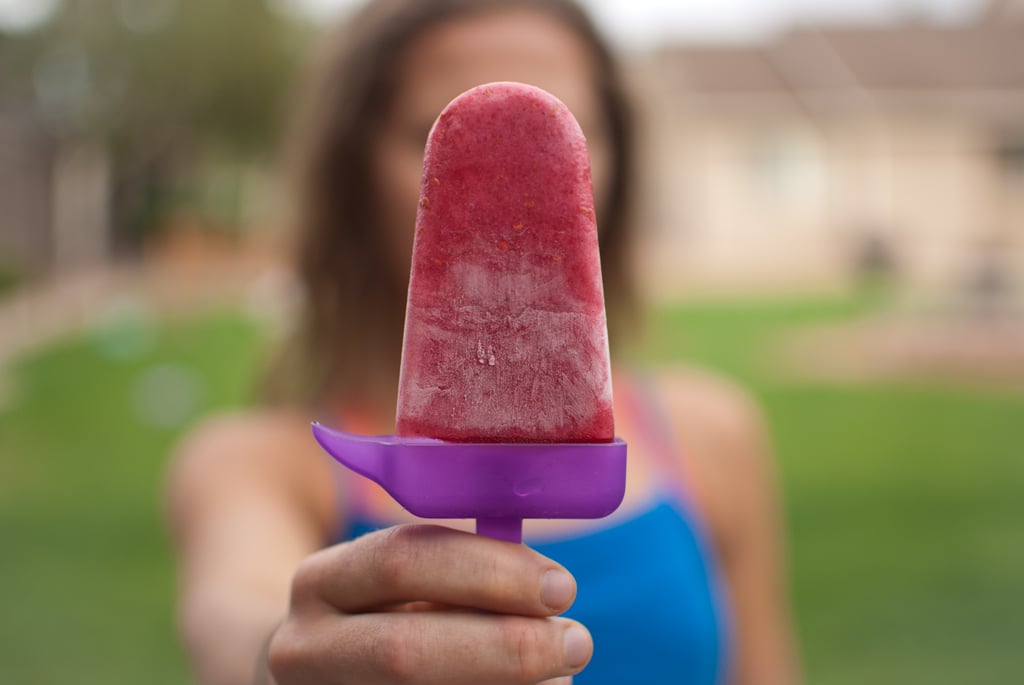
An 11-year-old invented the Popsicle. Frank Epperson mixed powdered soda with water on a cold night in 1905, left the stirring stick in the cup, and forgot it on his porch — the San Francisco temperature dropped overnight, and he found the mixture frozen solid around the stick the next morning.
He didn’t patent “Epsicles” until 18 years later, and his own children, tired of calling them dad’s epsicles, are reportedly responsible for renaming them Popsicles.
WD-40
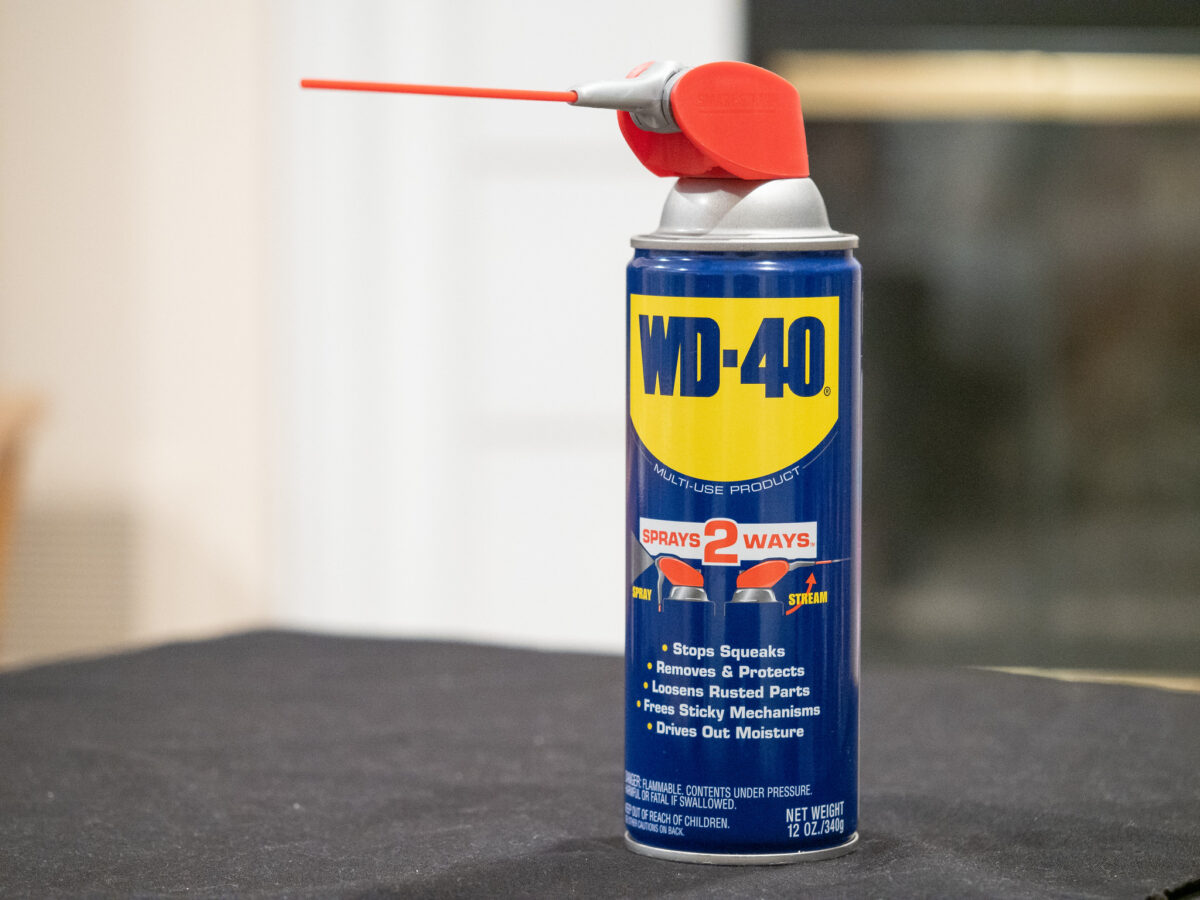
WD-40’s name is its entire autobiography. The Rocket Chemical Company tried 39 unsuccessful formulas before landing on a water-displacing fluid in 1953 that could protect the Atlas missile’s outer skin from rust and corrosion — the 40th formula worked, WD stood for “water displacement,” and the name stuck. Mechanics started smuggling cans of it home from the aerospace facility before it was ever sold commercially, which is arguably the best product review in industrial history.
Kleenex
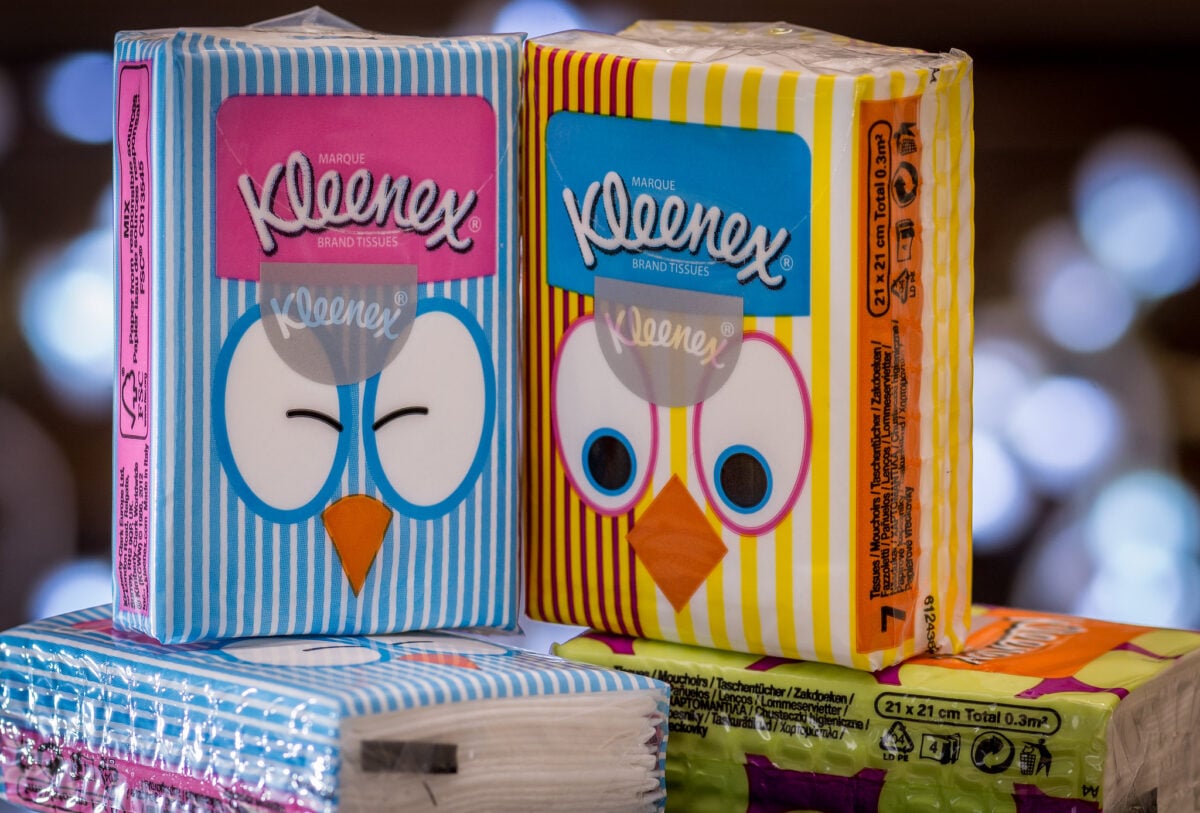
Kleenex was originally designed as a disposable gas mask filter during World War I. When the war ended and the military market evaporated, Kimberly-Clark repurposed the thin, soft material as a makeup-removal cloth for women, then repositioned it again in the 1930s as a disposable handkerchief after noticing that most customers were using it to blow their noses.
The product’s identity was shaped entirely by what consumers decided to do with it rather than by anything the company planned.
Superglue
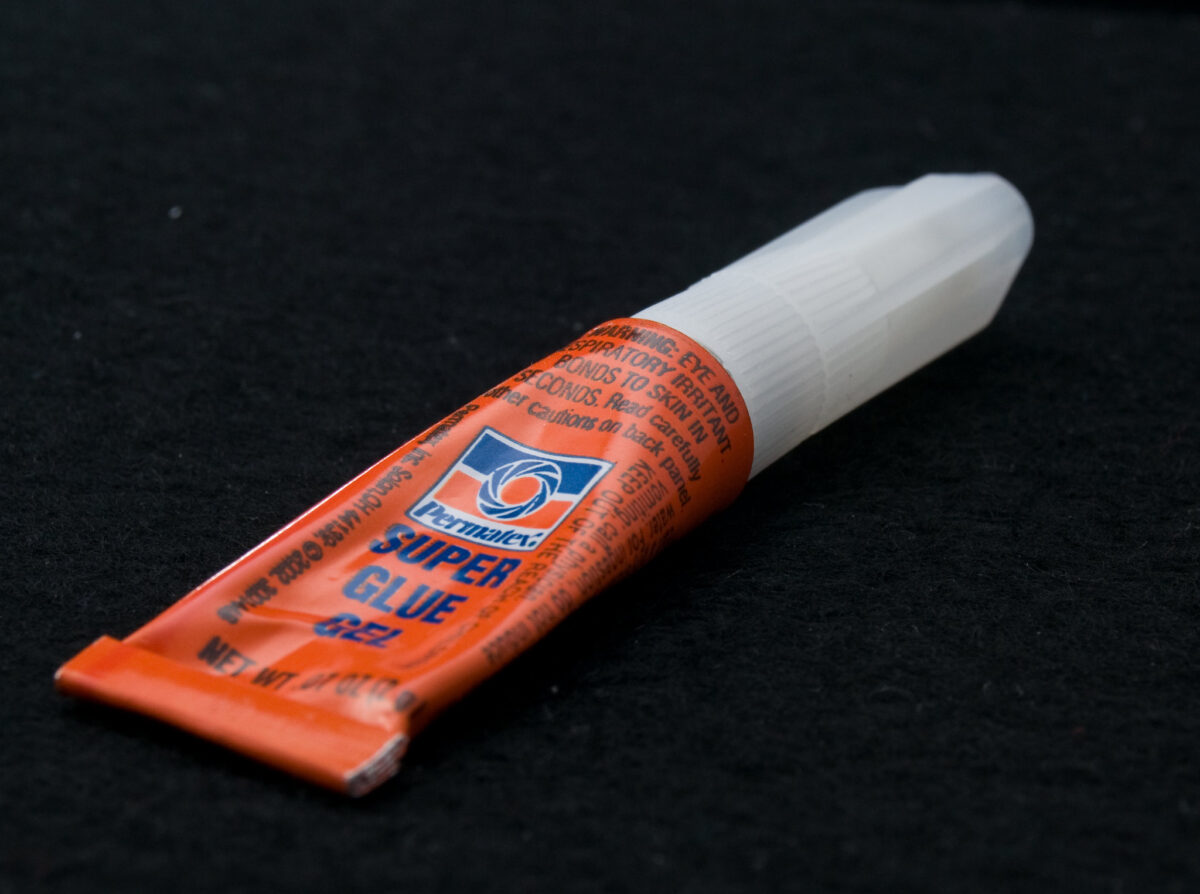
Superglue is another wartime accident, this one involving a chemist named Harry Coover who was trying to make clear plastic gun sights in 1942. The compound he created — cyanoacrylate — bonded to everything it touched and was immediately discarded as a useless nuisance; Coover rediscovered it nine years later while working on jet canopies, recognized what he actually had, and Eastman Kodak brought it to market in 1958 as Eastman 910.
The substance that ruined everything in the lab eventually became a household fixture.
The Slinky
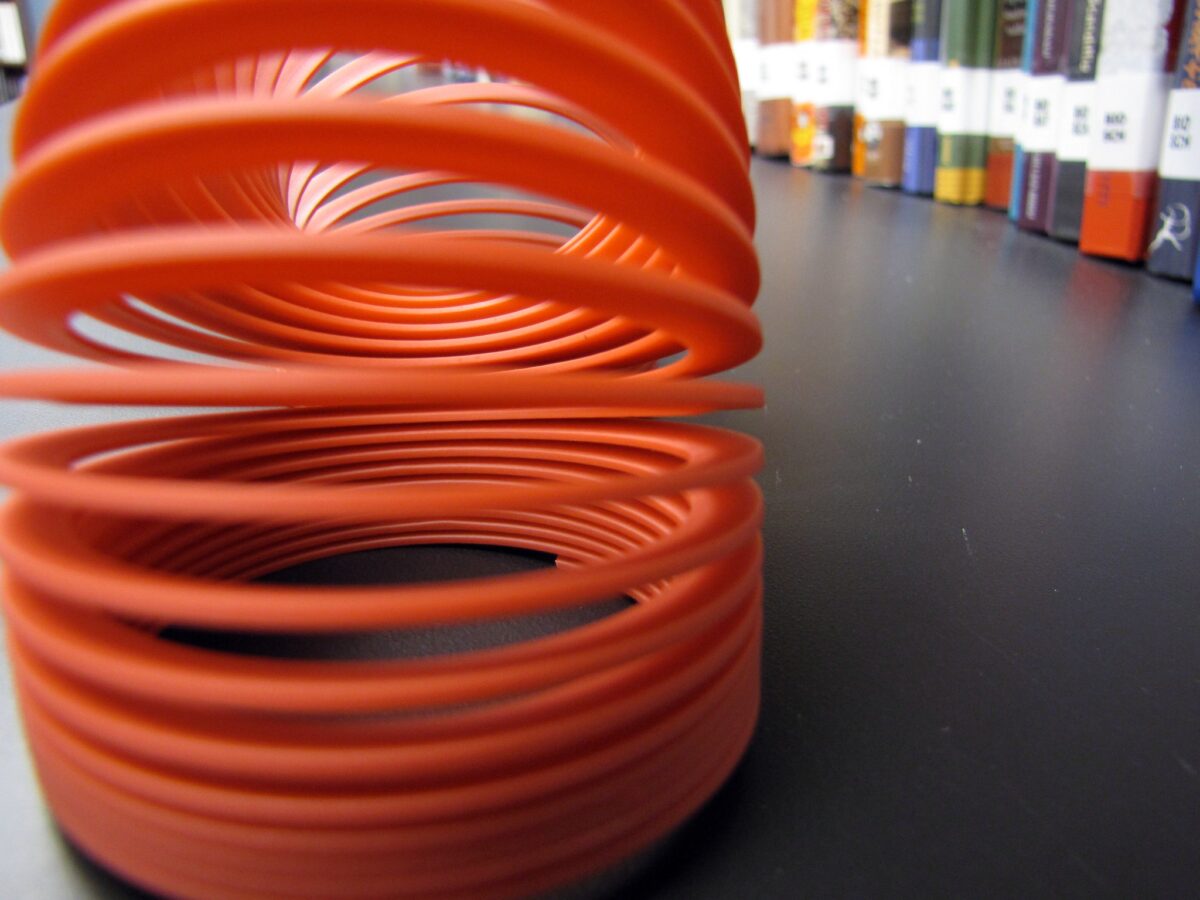
The Slinky fell off a shelf and became a toy. Naval engineer Richard James was working with tension springs in 1943 to find a way to stabilize sensitive equipment on ships when one spring tumbled off a shelf, somersaulted across a stack of books, rolled across the floor, and settled upright — James watched it do this and immediately understood he had something far more interesting than a stabilizing device.
His wife Betty named it from a Swedish word meaning “sleek and sinuous,” and it’s been descending staircases ever since.
Saccharin
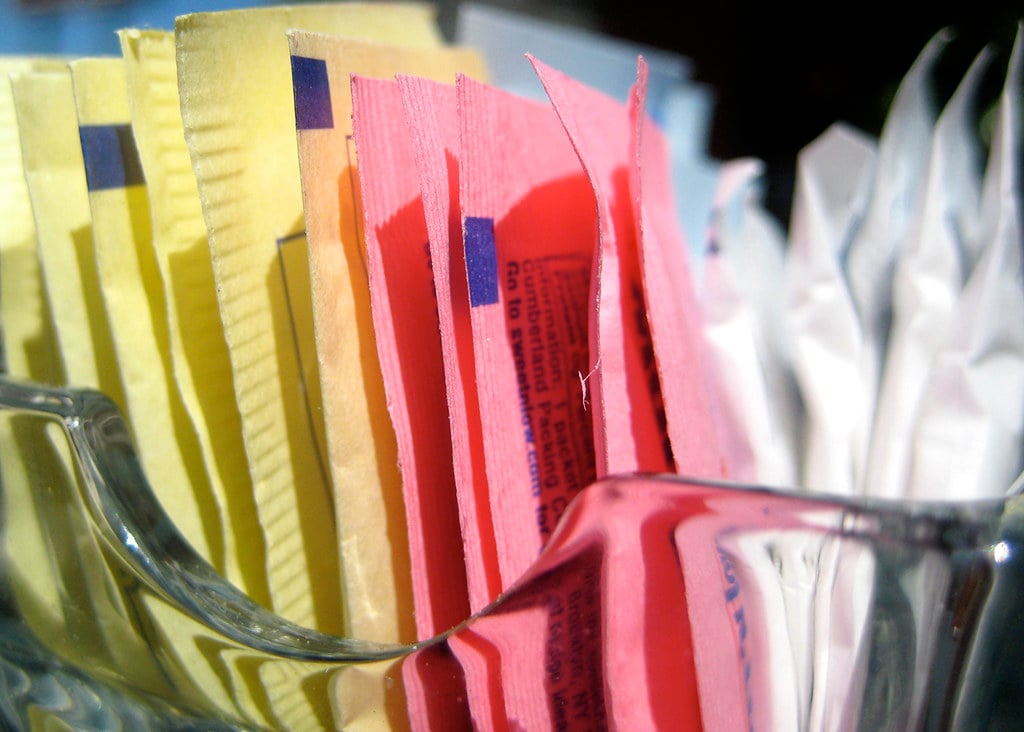
Saccharin was discovered in 1879 because a chemist named Constantin Fahlberg forgot to wash his hands before dinner. He’d been working with coal tar derivatives at Johns Hopkins and sat down to eat without cleaning up — everything he touched tasted intensely sweet, and he spent the meal working backward to figure out which compound had transferred to his fingers.
The artificial sweetener that followed has now survived over a century of controversy, multiple bans, and at least three different reputation cycles.
The Dishwasher
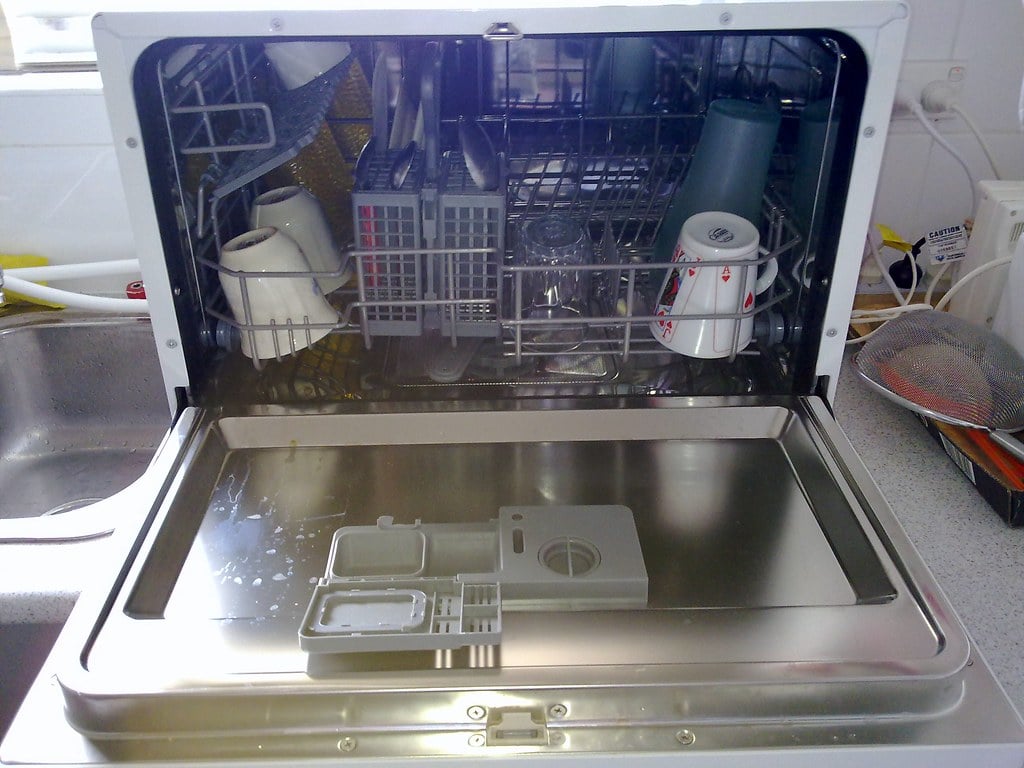
The dishwasher was invented not by an engineer but by a wealthy socialite who was tired of servants chipping her china. Josephine Cochrane patented her design in 1886, and her machine used water pressure rather than scrubbing brushes — hotels and restaurants adopted it first because it cleaned more thoroughly and faster than any human could manage.
It didn’t become a household standard until the 1950s, which says something about how long it takes a good idea to become unremarkable.
Nylon

Nylon is the first purely synthetic fabric ever created, and it was born in a DuPont laboratory in 1935 out of a decade-long effort to synthesize silk without silkworms. Wallace Carothers, the chemist who led the project, invented something stronger and more elastic than natural silk — DuPont introduced it to the public at the 1939 World’s Fair through women’s stockings, sold 64 million pairs in the first year, and permanently restructured the textile industry.
Carothers never saw it; he died in 1937, before the product reached shelves.
The QWERTY Keyboard
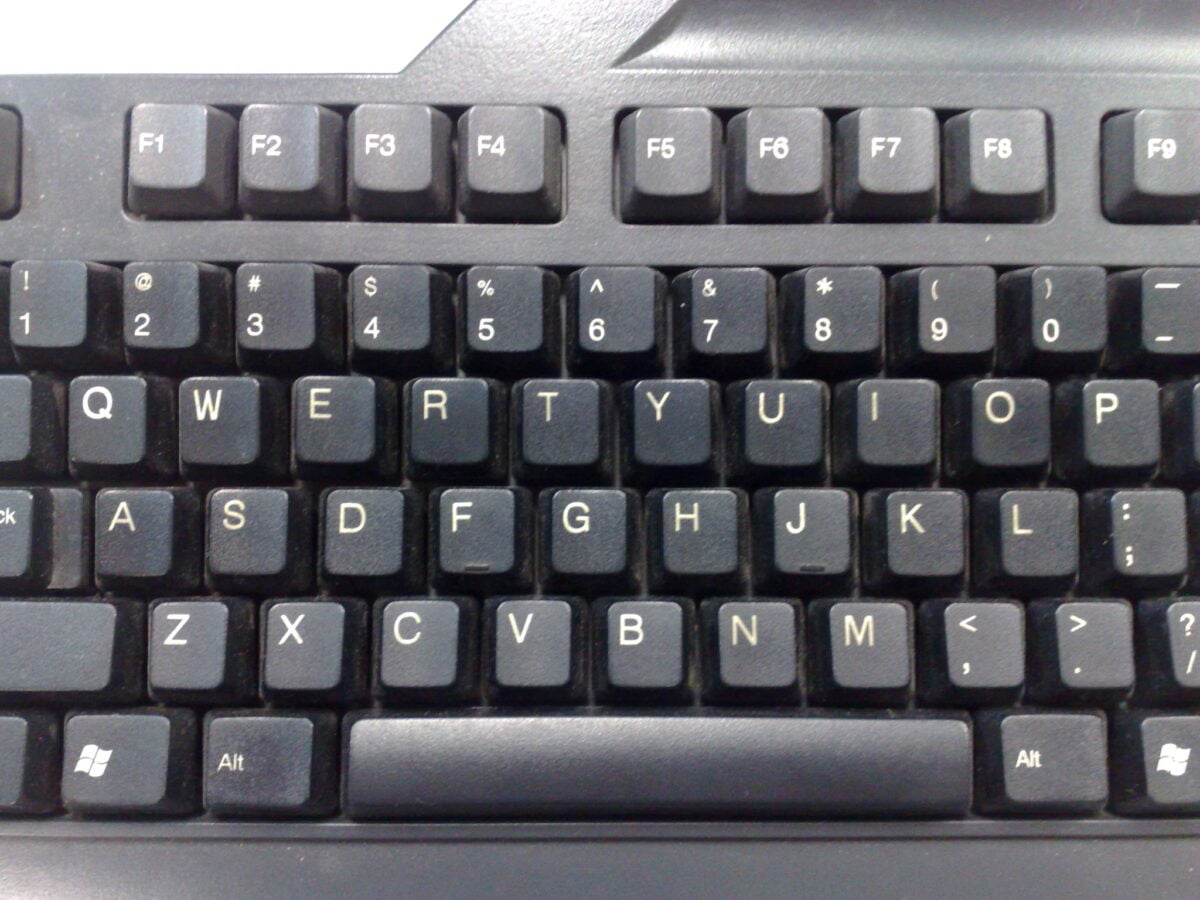
QWERTY was designed to slow typists down. Early typewriters in the 1870s jammed when keys were struck in quick succession, so Christopher Latham Sholes rearranged the keyboard to separate commonly paired letters and reduce the chance of mechanical collision — the layout was a workaround for a machine’s limitations, not a thoughtful map of human efficiency.
The mechanical problem disappeared long ago, but the keyboard arrangement has proven far too stubborn to replace.
Ink-Jet Printers
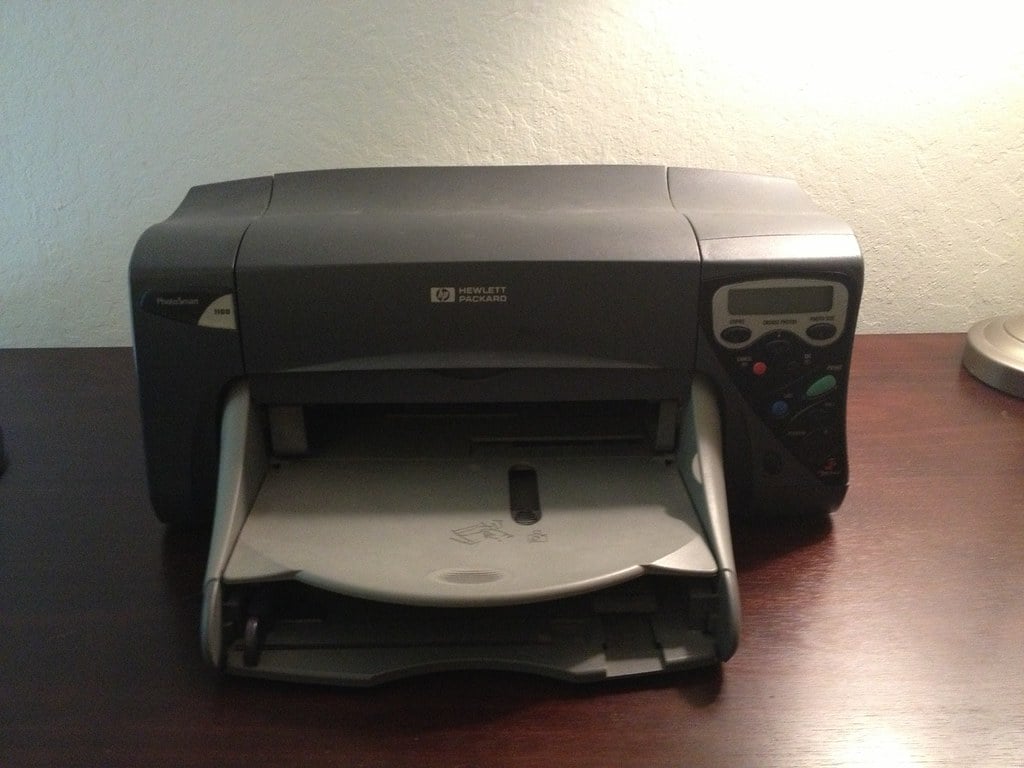
The ink-jet printer exists because a Canon engineer set a hot iron on his pen by accident in 1977. The heat caused ink to jet from the pen’s tip, and the engineer recognized the mechanism instantly — controlled heat pulses could force tiny ink droplets onto paper with precision.
Canon and HP developed competing thermal ink-jet systems nearly simultaneously, and the technology that came from that one careless moment with an iron now sits in homes and offices across the world.
Cheese
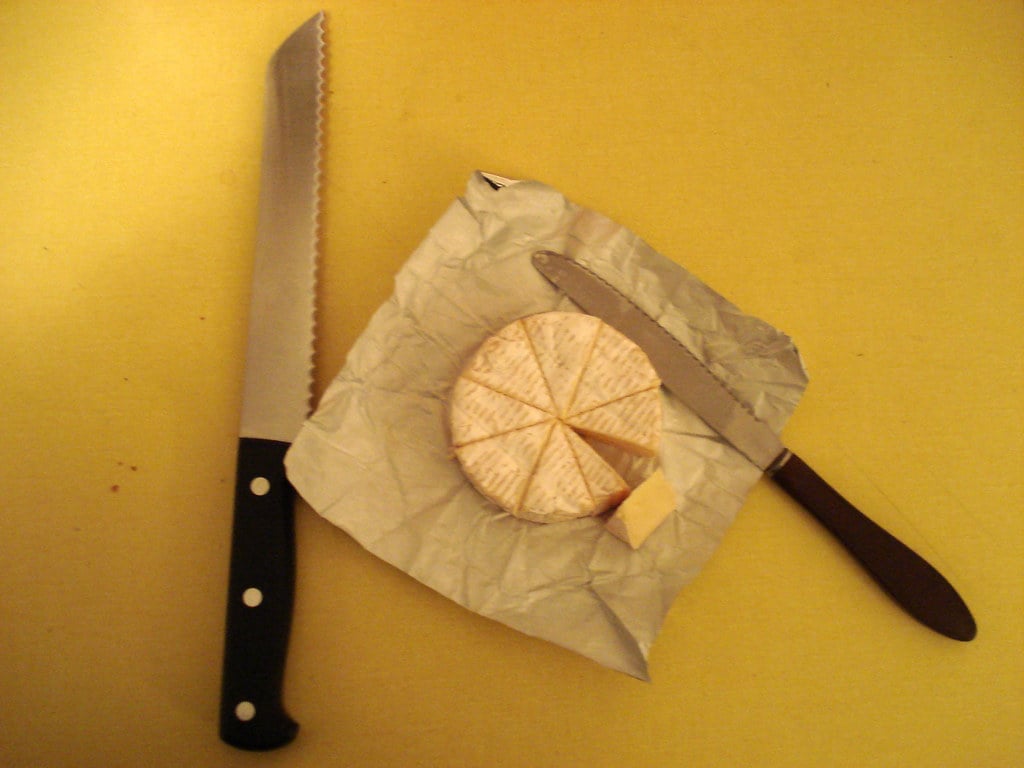
Cheese was almost certainly discovered by accident when someone stored milk in a bag made from a calf’s stomach — the rennet enzyme lining the stomach caused the milk to curdle and separate into curds and whey during a long journey. That accidental discovery, likely made somewhere in the Middle East or Central Asia around 8,000 years ago, produced the conditions for thousands of distinct varieties to eventually emerge.
The mistake has since become one of the most culturally significant foods in human history, which is a remarkable outcome for spoiled milk in a stomach.
Penicillin
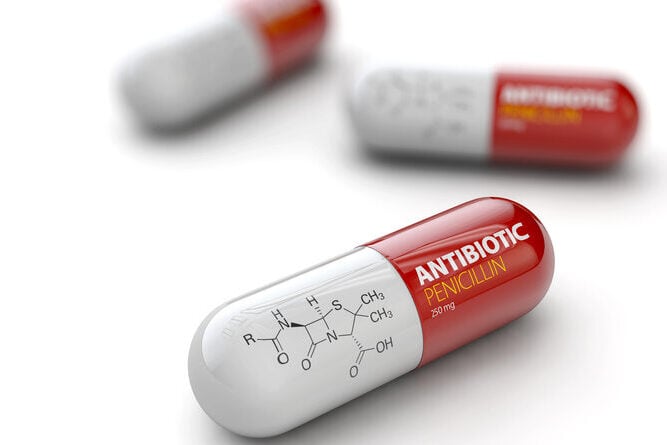
Penicillin is the most famous laboratory accident in history. Alexander Fleming returned from a vacation in 1928 to find a petri dish of Staphylococcus bacteria contaminated with a mold — Penicillium notatum — that had killed the bacteria in a ring around itself.
Fleming followed the observation where it led, and the drug that eventually came from it has saved an estimated 200 million lives, which puts it in a category entirely its own.
The X-Ray

Wilhelm Röntgen discovered the X-ray in 1895 while experimenting with cathode ray tubes and noticed that a fluorescent screen across the room glowed even when the tube was covered. He spent six weeks in his lab barely sleeping, testing the invisible rays obsessively, and produced the first X-ray image of his wife’s hand — she looked at the image of her own skeleton and reportedly said it made her feel she had seen her own death.
The technology he stumbled onto became the foundation of modern diagnostic medicine.
Rubber
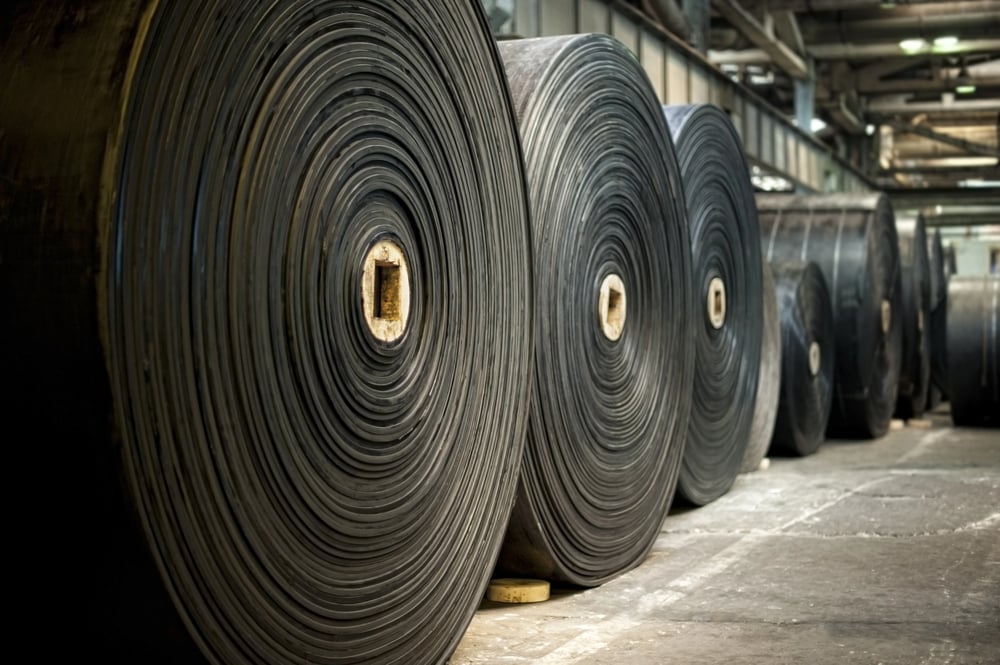
Charles Goodyear spent years trying to make natural rubber usable before a lab accident solved the problem he’d been attacking head-on. He accidentally dropped a rubber-sulfur mixture onto a hot stove in 1839 and discovered that the heat, rather than melting it, produced a stable, elastic, temperature-resistant material — the vulcanization process he’d been unable to find through deliberate experimentation arrived in a moment of clumsiness.
He died deeply in debt despite the discovery bearing his name, which is the kind of outcome that makes the story feel unfinished.
The Longer Story Behind All of It

The objects on this list share something that has nothing to do with their function. Each one arrived in the world sideways — through inattention, through a problem that turned out to be less interesting than its solution, through someone noticing the wrong thing at exactly the right moment.
The useful world is largely assembled from lucky misdirection. So the next time something goes wrong in an experiment, a recipe, or a project you’ve been grinding on for months, it’s worth pausing before you throw it away.
History has an odd habit of vindicating the accident.
More from Go2Tutors!

- The Romanov Crown Jewels and Their Tragic Fate
- 13 Historical Mysteries That Science Still Can’t Solve
- Famous Hoaxes That Fooled the World for Years
- 15 Child Stars with Tragic Adult Lives
- 16 Famous Jewelry Pieces in History
Like Go2Tutors’s content? Follow us on MSN.