16 Densely Packed Neighborhoods With Surprisingly High Quality of Life
Urban density often gets a bad rap in discussions about city living. Many assume that crowded neighborhoods automatically mean noise, congestion, and a diminished quality of life. However, around the world, numerous densely populated areas have managed to create environments where residents thrive, with excellent amenities, strong community bonds, and innovative urban planning solutions.
Here is a list of 16 neighborhoods that prove high population density can actually enhance rather than detract from the quality of life.
Barcelona’s Eixample

Designed in the late 19th century by urban planner Ildefons Cerdà, Eixample features distinctive octagonal blocks with chamfered corners that create mini plazas at intersections. This ingenious design accommodates over 36,000 people per square mile while providing ample sunlight, improved airflow, and pedestrian-friendly spaces.
Residents enjoy easy access to markets, schools, and healthcare facilities all within a 10-minute walk from most locations.
Tokyo’s Shimokitazawa

Despite housing over 41,000 people per square mile, this Tokyo neighborhood maintains a village-like atmosphere beloved by locals and visitors alike. Narrow pedestrian streets are lined with independent shops, cafes, and theaters, creating a vibrant cultural hub where cars don’t dominate the landscape.
The neighborhood’s human scale and emphasis on walkability foster unexpected tranquility despite being just minutes from Tokyo’s bustling center.
Singapore’s Tiong Bahru
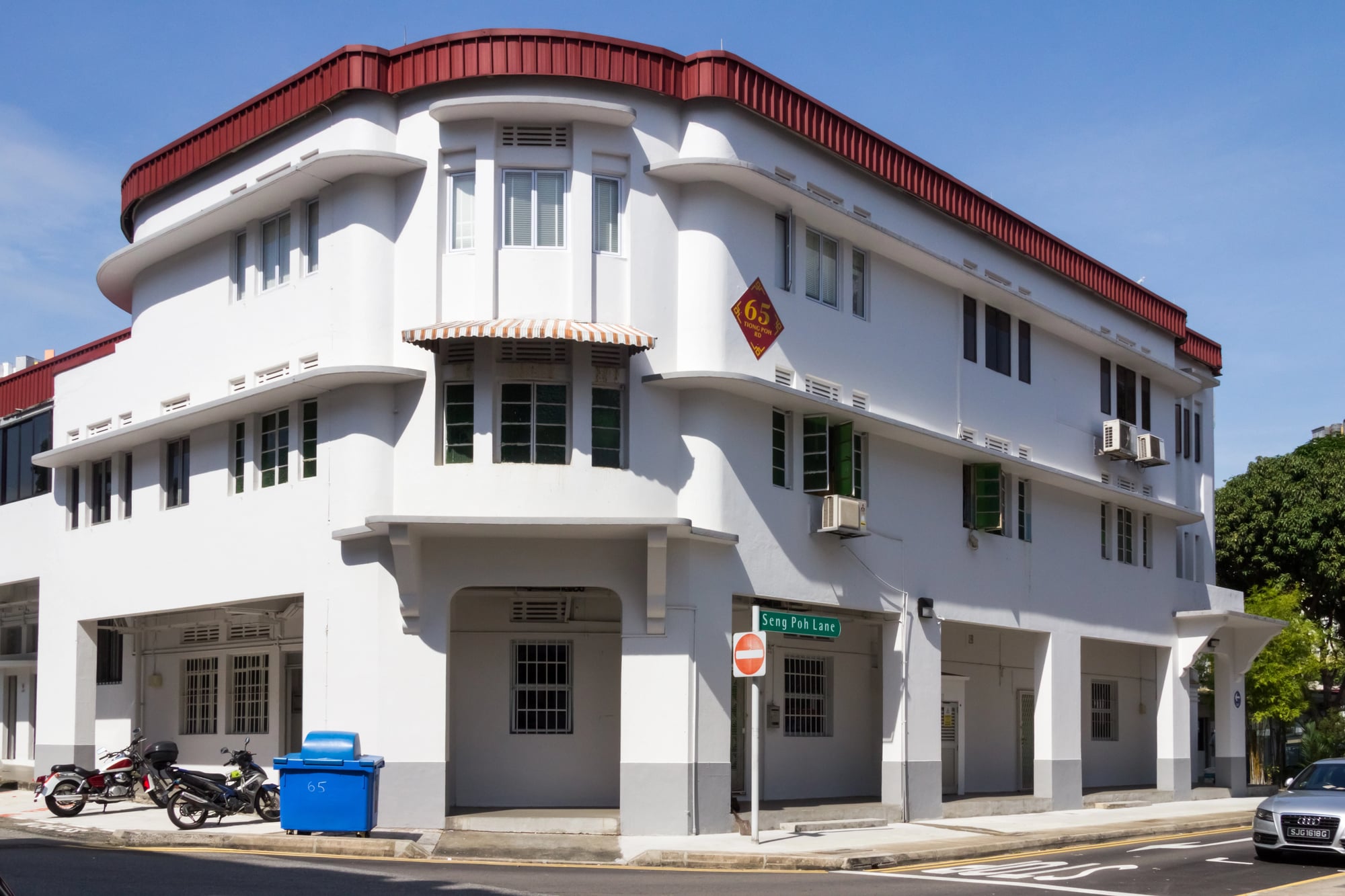
One of Singapore’s oldest neighborhoods packs residents into art deco low-rise apartments while maintaining exceptional livability. The area features abundant green spaces, well-designed public areas, and a celebrated food scene centered around its famous hawker center.
Urban planners have preserved the neighborhood’s historic character while incorporating modern amenities, creating a seamless blend of past and present that residents treasure.
Paris’s Le Marais
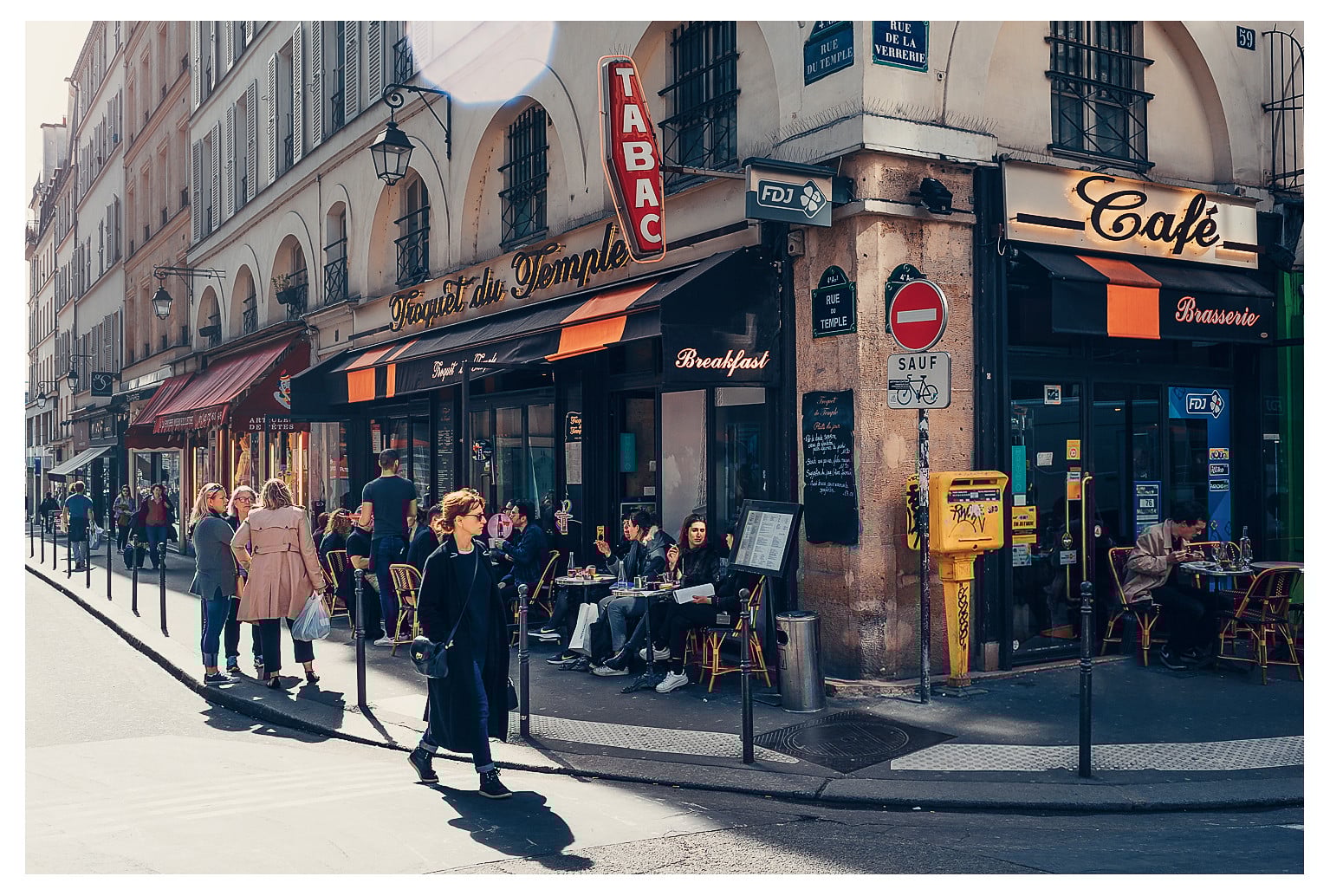
With approximately 68,000 people per square mile, Le Marais demonstrates how historical preservation and high density can coexist beautifully. Medieval buildings have been thoughtfully converted into apartments above street-level shops, creating vibrant mixed-use spaces.
The neighborhood’s pedestrian-friendly narrow streets, abundant public squares, and lack of skyscrapers create an intimate atmosphere that encourages community interaction and outdoor living.
Brooklyn’s Park Slope
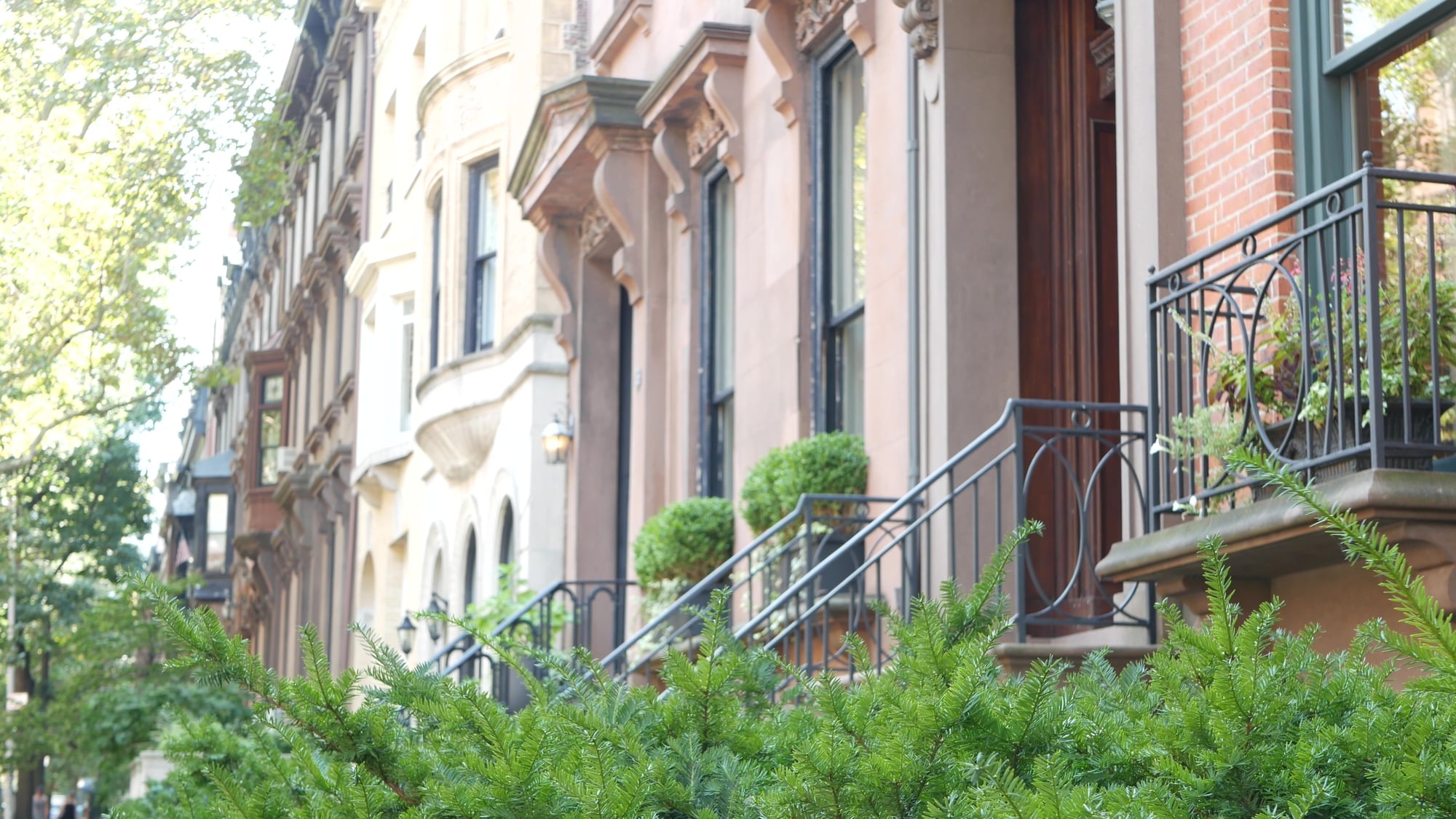
This New York City neighborhood combines brownstone living with extensive community amenities despite housing about 68,000 people per square mile. The area’s proximity to 526-acre Prospect Park provides crucial green space, while strong community organizations have created exceptional public schools, food co-ops, and cultural institutions.
Residents enjoy the perfect balance of urban convenience with surprising pockets of calm residential streets.
Hong Kong’s Sai Ying Pun
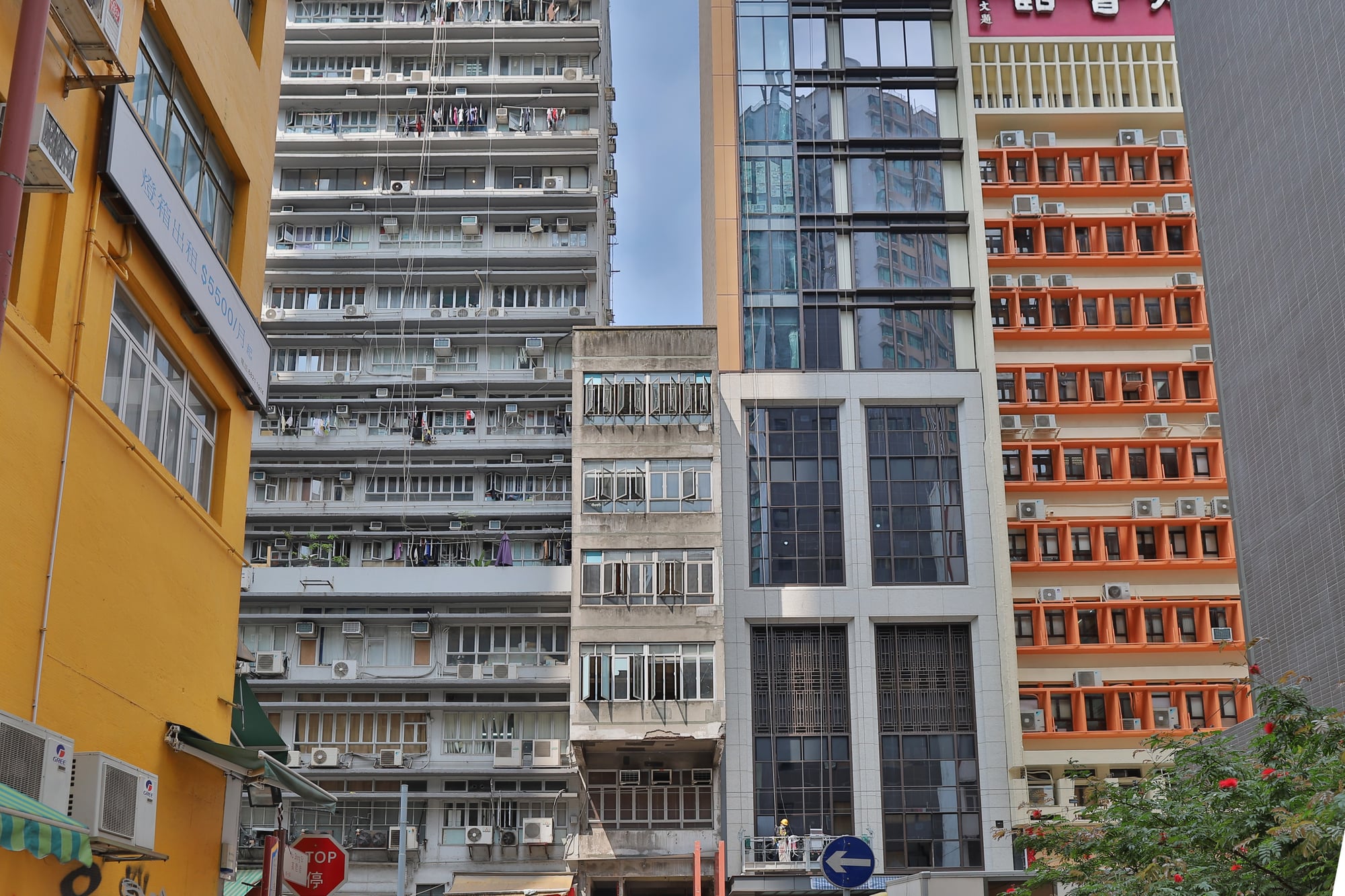
This traditionally working-class district has transformed into a livable high-density neighborhood despite astronomical population figures exceeding 111,000 people per square mile. Innovative transportation solutions include outdoor escalators that help residents navigate the hilly terrain, while rooftop gardens and pocket parks provide essential green spaces.
The mixed-use zoning ensures residents can access everything they need within minutes of their homes.
Copenhagen’s Vesterbro
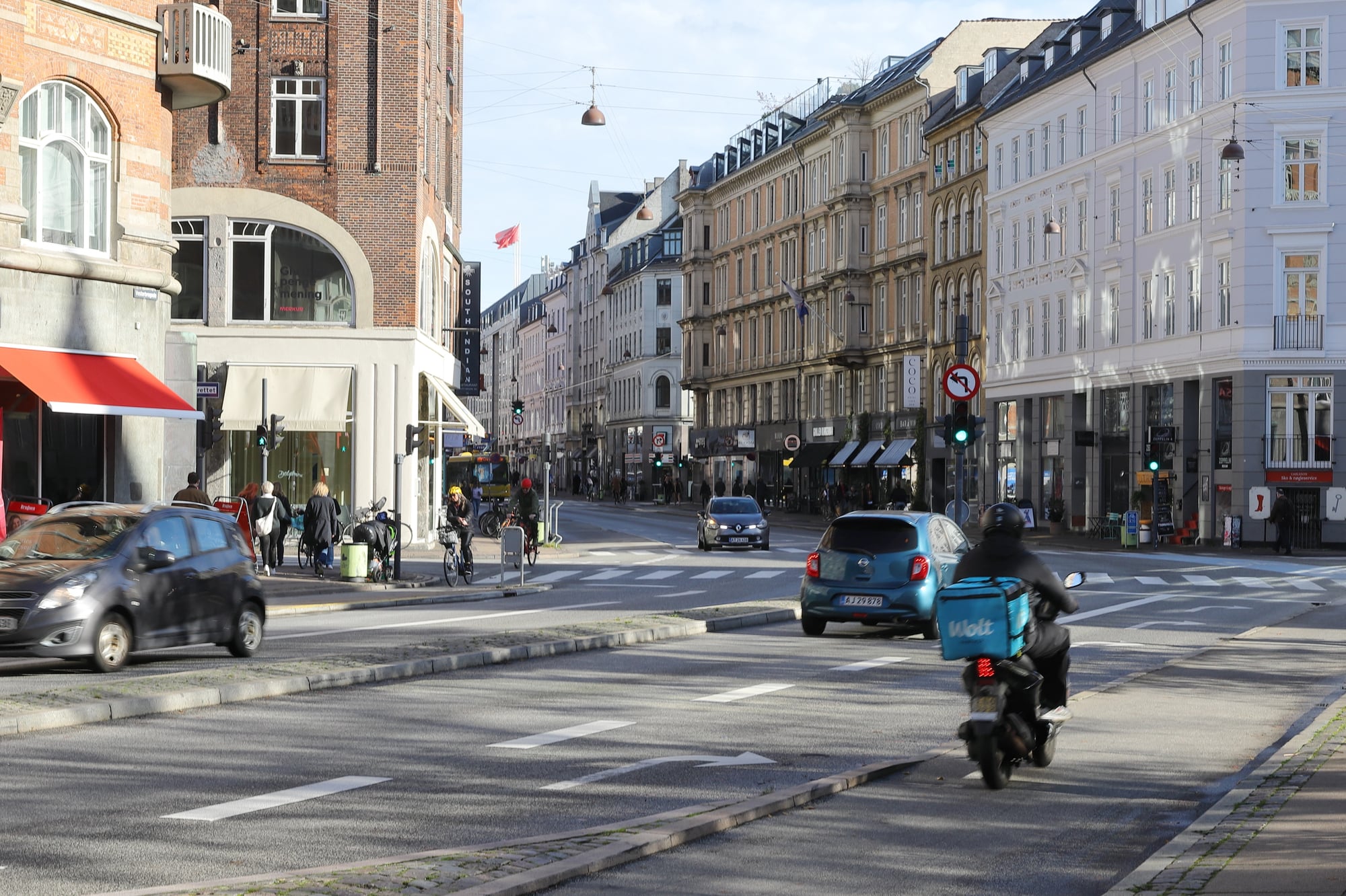
Once a rough area, Vesterbro has become a model for sustainable urban density with approximately 35,000 people per square mile. The neighborhood features car-free zones, extensive bicycle infrastructure, and innovative waste management systems.
Converted factories now house community arts centers, while interior courtyards of apartment blocks have been transformed into shared gardens where neighbors connect and children play safely.
Seoul’s Seongsu-dong
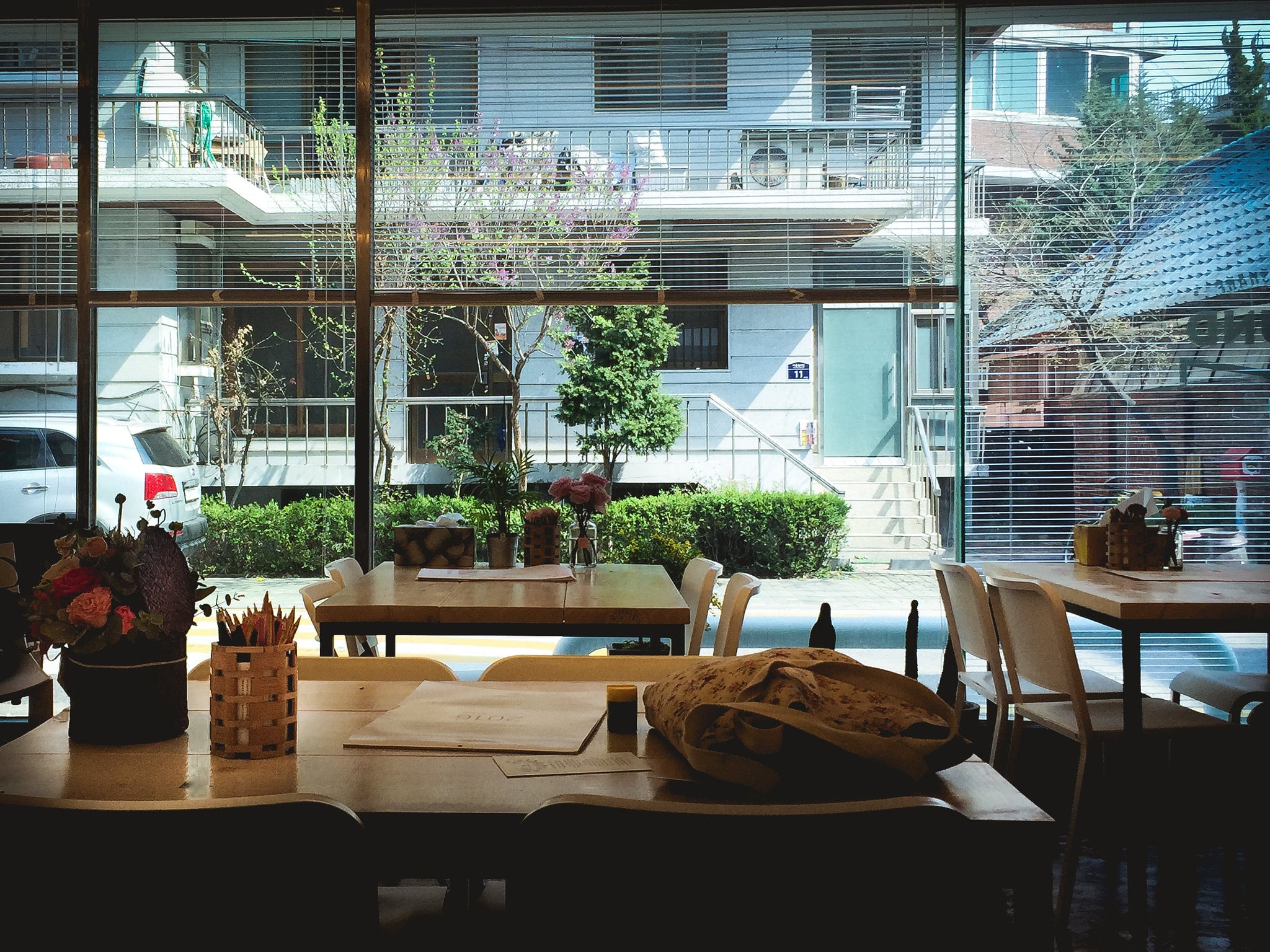
Formerly an industrial zone, this neighborhood now balances density of about 43,000 people per square mile with surprising livability. Old warehouses have been converted to creative spaces housing cafes, galleries, and workshops rather than being demolished.
Urban renewal projects have prioritized maintaining the area’s unique character while adding green spaces and improving walkability, creating what locals call the ‘Brooklyn of Seoul.’
Vancouver’s West End
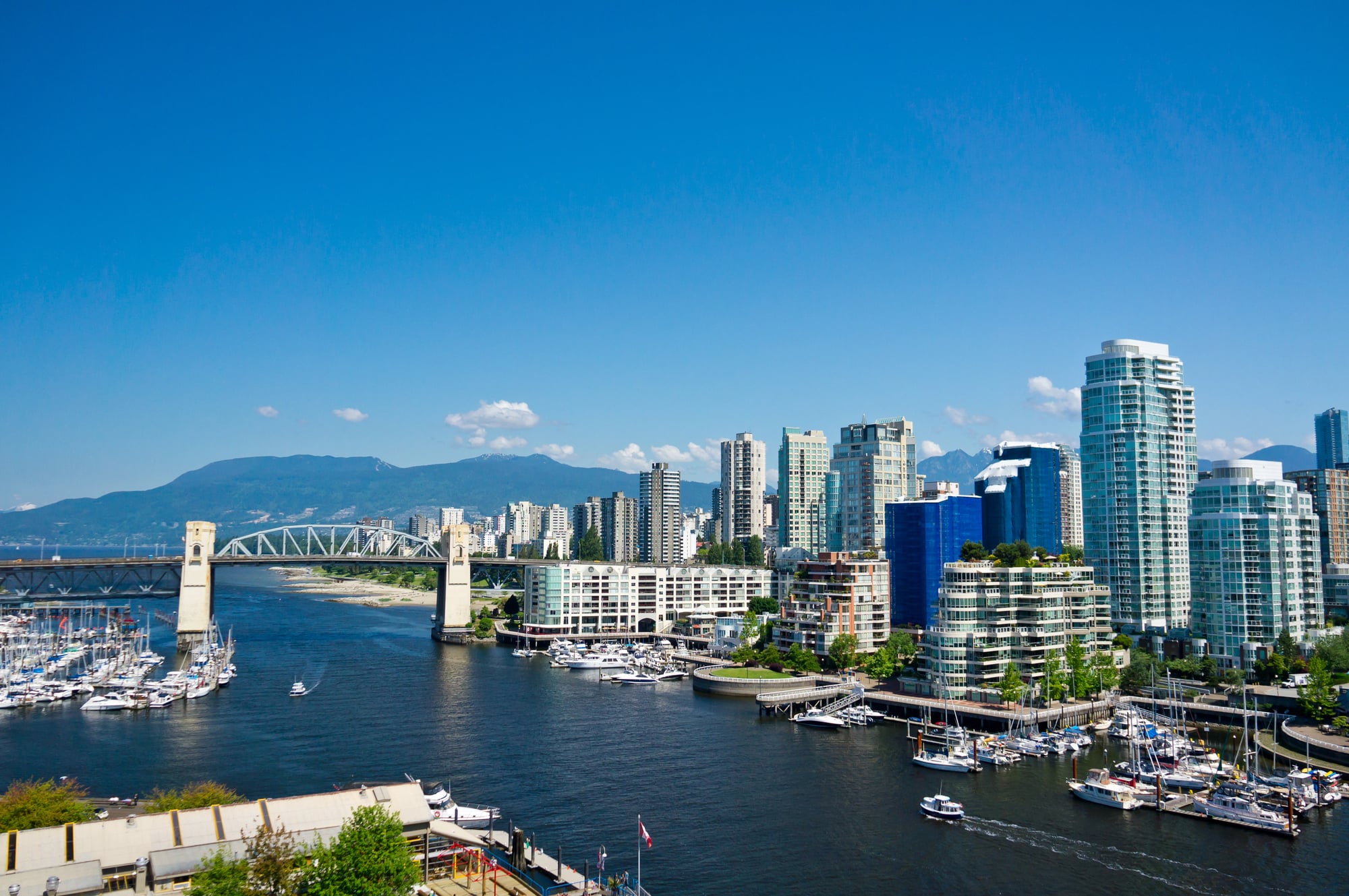
With over 50,000 people per square mile, Vancouver’s West End demonstrates how thoughtful design can accommodate density while maintaining quality of life. The neighborhood features a mix of high-rises and heritage buildings, with extensive tree-lined streets and access to beaches and Stanley Park.
Strict design guidelines ensure that new developments include ground-floor retail, wide sidewalks, and public spaces that keep the area feeling welcoming despite its vertical development.
Melbourne’s Carlton
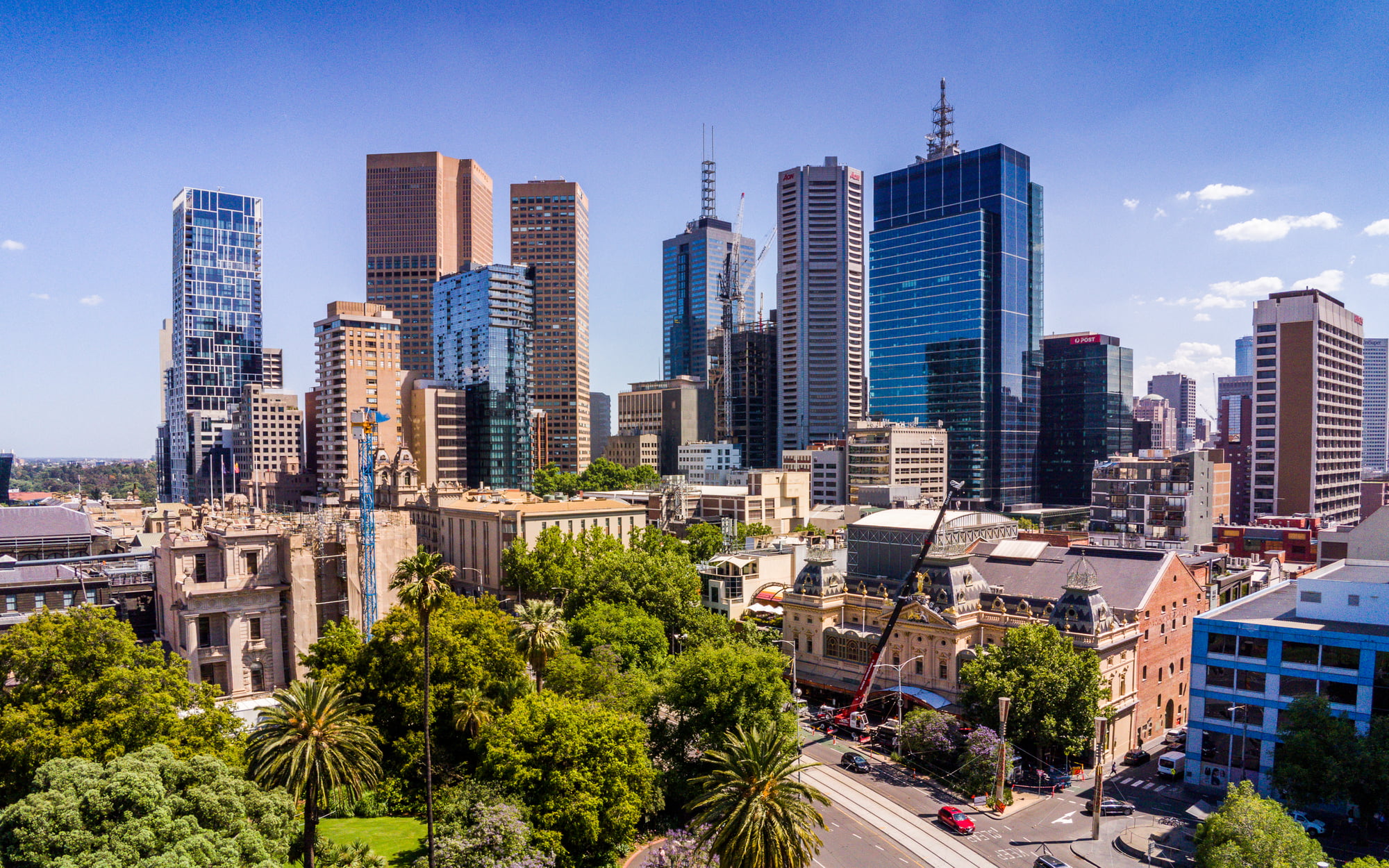
Home to approximately 33,000 people per square mile, Carlton blends historic Victorian architecture with modern amenities and multicultural vibrancy. The suburb’s Lygon Street serves as a communal living room where residents gather at sidewalk cafes, while numerous small parks provide green retreats throughout the neighborhood.
University presence adds intellectual energy without disrupting the area’s family-friendly character.
Amsterdam’s De Pijp
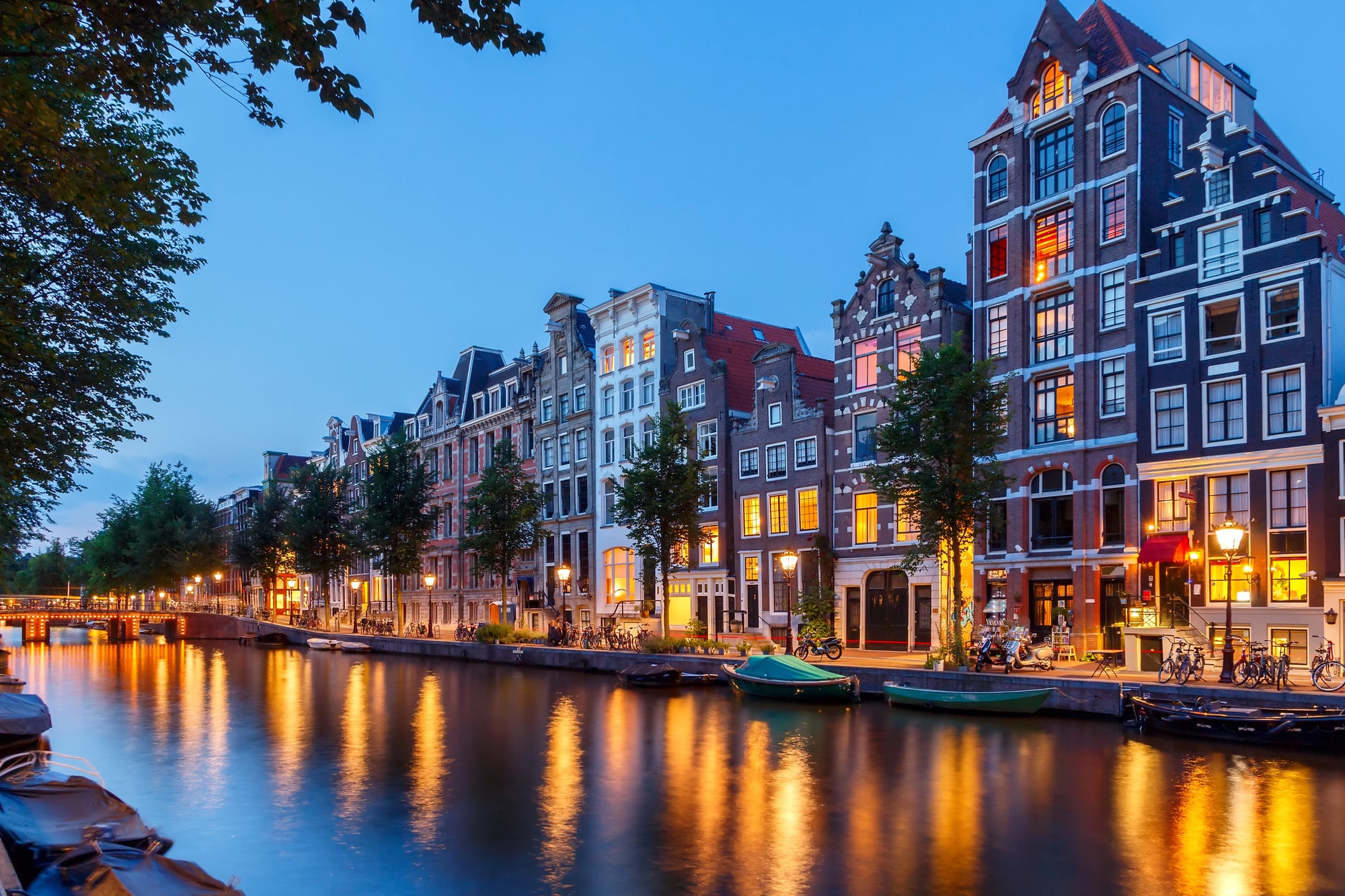
Originally built as affordable housing for workers in the 19th century, De Pijp now accommodates around 33,000 people per square mile while remaining one of Amsterdam’s most desirable areas. The neighborhood’s narrow buildings, abundant bicycle infrastructure, and famous Albert Cuyp Market create a distinctly Dutch approach to density.
Recent redesigns have reduced car traffic and increased pedestrian spaces, improving quality of life while maintaining the area’s characteristic coziness.
Mexico City’s La Condesa
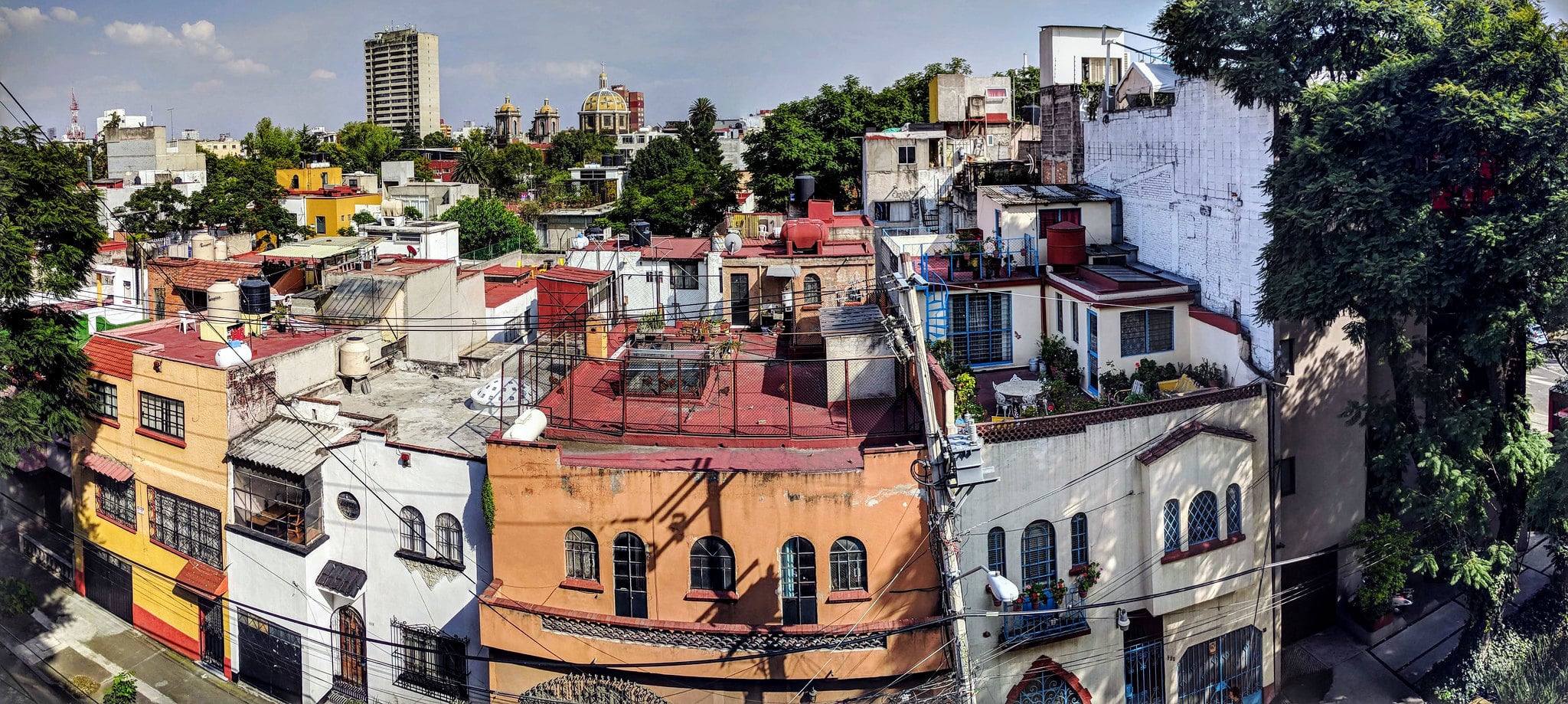
With roughly 43,000 people per square mile, La Condesa demonstrates how smart urban planning can create oases within megacities. Art deco buildings surround leafy parks like Parque México, while wide, tree-lined avenues provide comfortable pedestrian experiences despite the density.
The neighborhood’s walkable design means residents have multiple restaurants, shops, and cultural venues within blocks of their homes, reducing car dependency and fostering community connections.
Mumbai’s Matunga
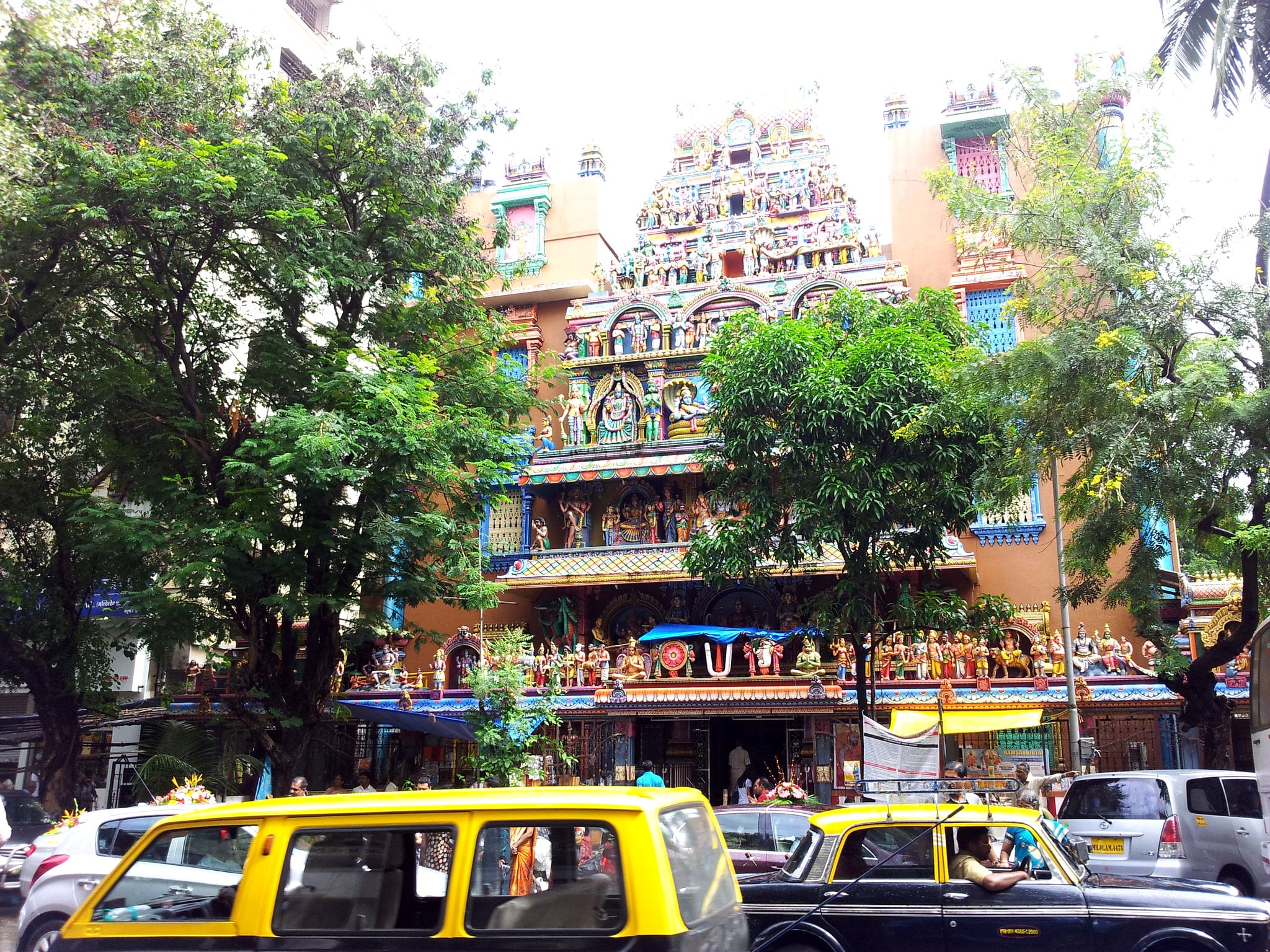
Unlike Mumbai’s more famous dense neighborhoods, Matunga combines population density of over 77,000 people per square mile with deliberate planning that creates surprising livability. The area features a rare organized grid system with broad tree-lined avenues, dedicated cultural centers, and notable educational institutions.
A strong community identity organized around cultural institutions and excellent public transit connections makes daily life manageable despite the extreme density.
Berlin’s Prenzlauer Berg
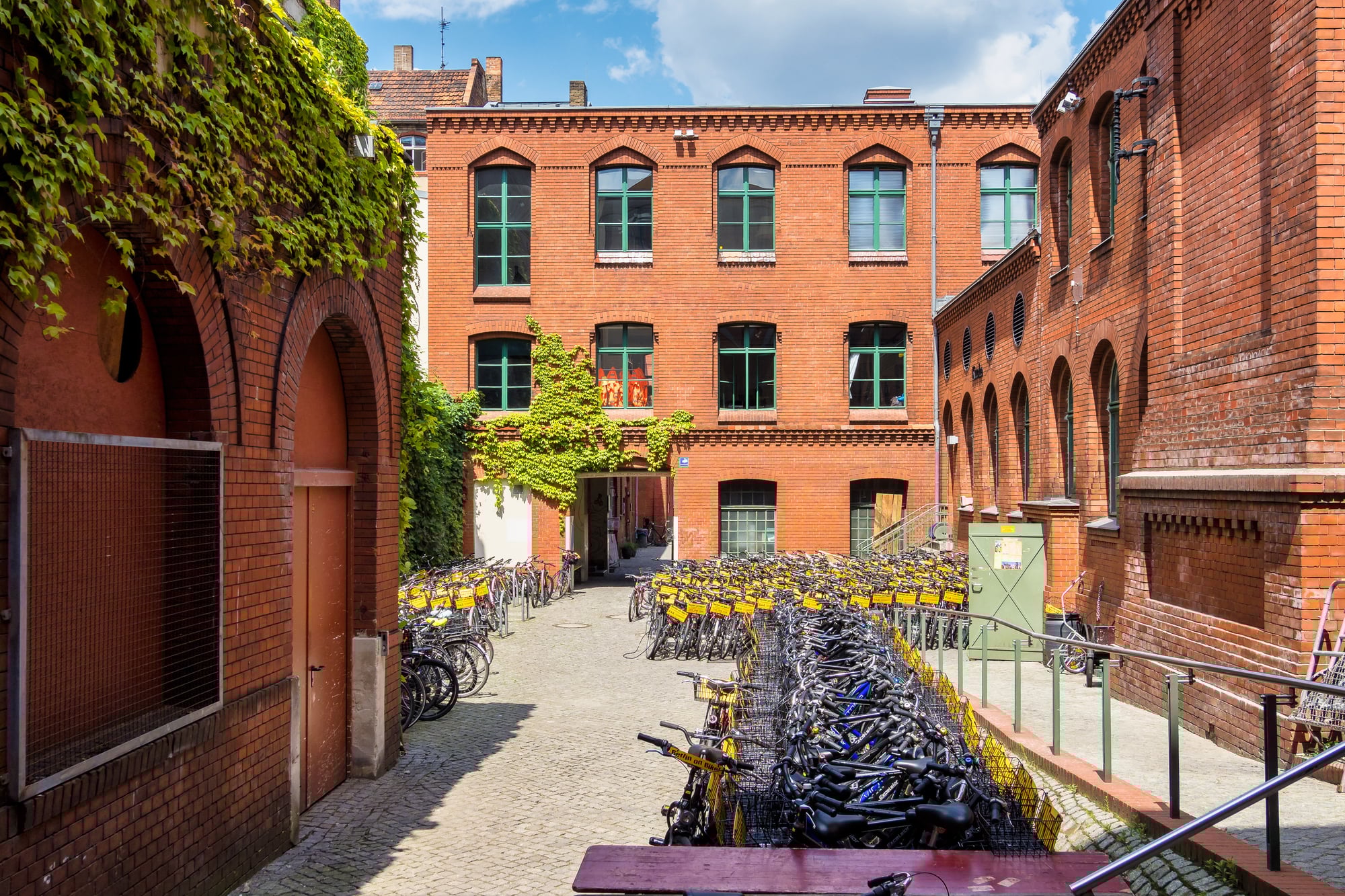
This former East Berlin neighborhood, housing approximately 40,000 people per square mile, features restored pre-war buildings organized around beautiful courtyards that provide communal green space. The area has pioneered family-friendly urban density with abundant playgrounds, car-free zones, and parent-friendly cafes.
Residents benefit from excellent public transportation and bicycle infrastructure that reduces car dependency while maintaining access to the entire city.
Boston’s North End
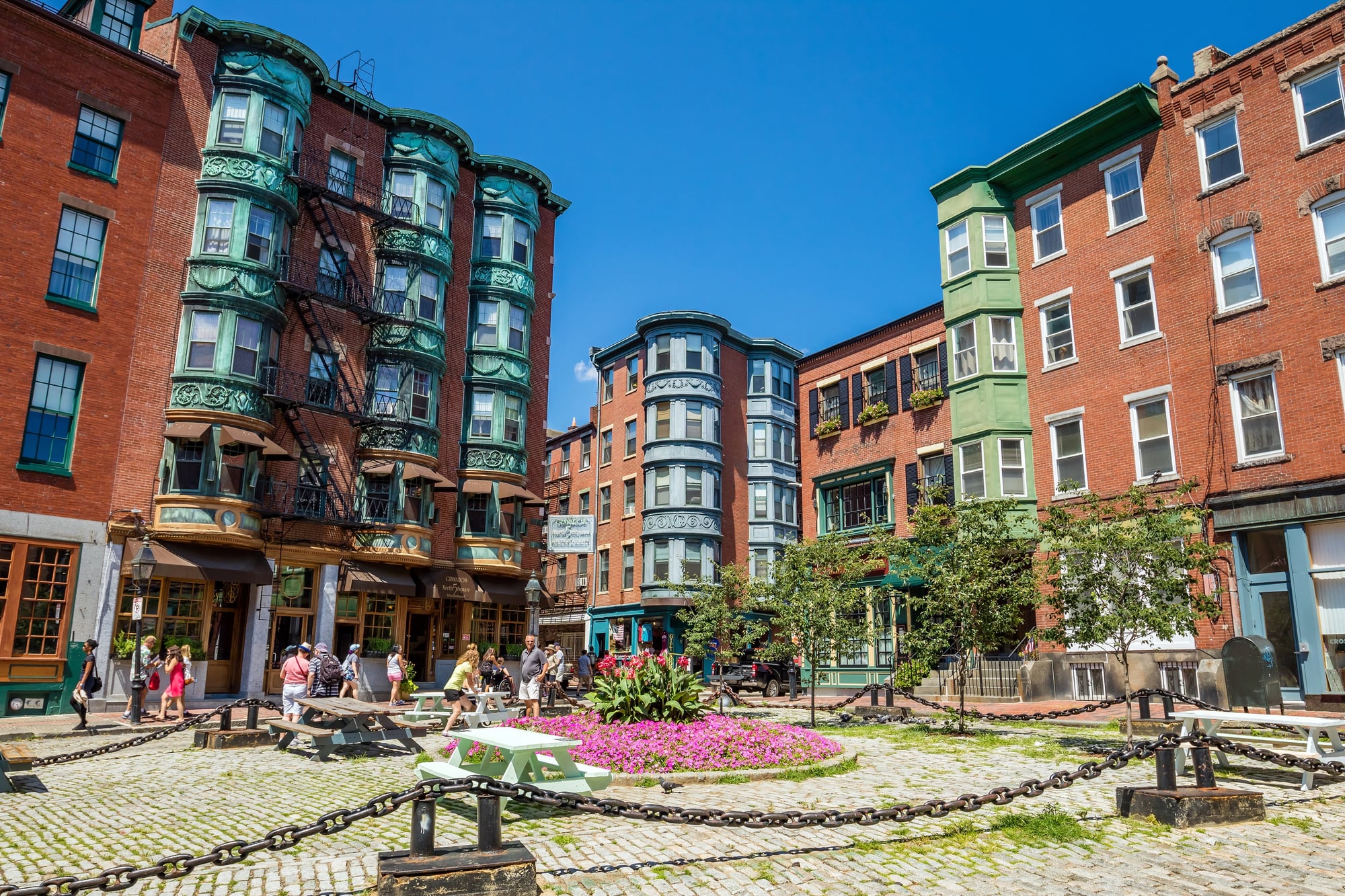
Boston’s oldest residential community packs roughly 57,000 people per square mile into a charming, European-style neighborhood just steps from downtown. Narrow streets discourage car traffic while creating intimate public spaces where neighbors connect during passeggiata-like evening strolls.
The persistent Italian heritage creates strong community bonds centered around food traditions, religious celebrations, and small family-owned businesses that know customers by name.
Porto’s Ribeira
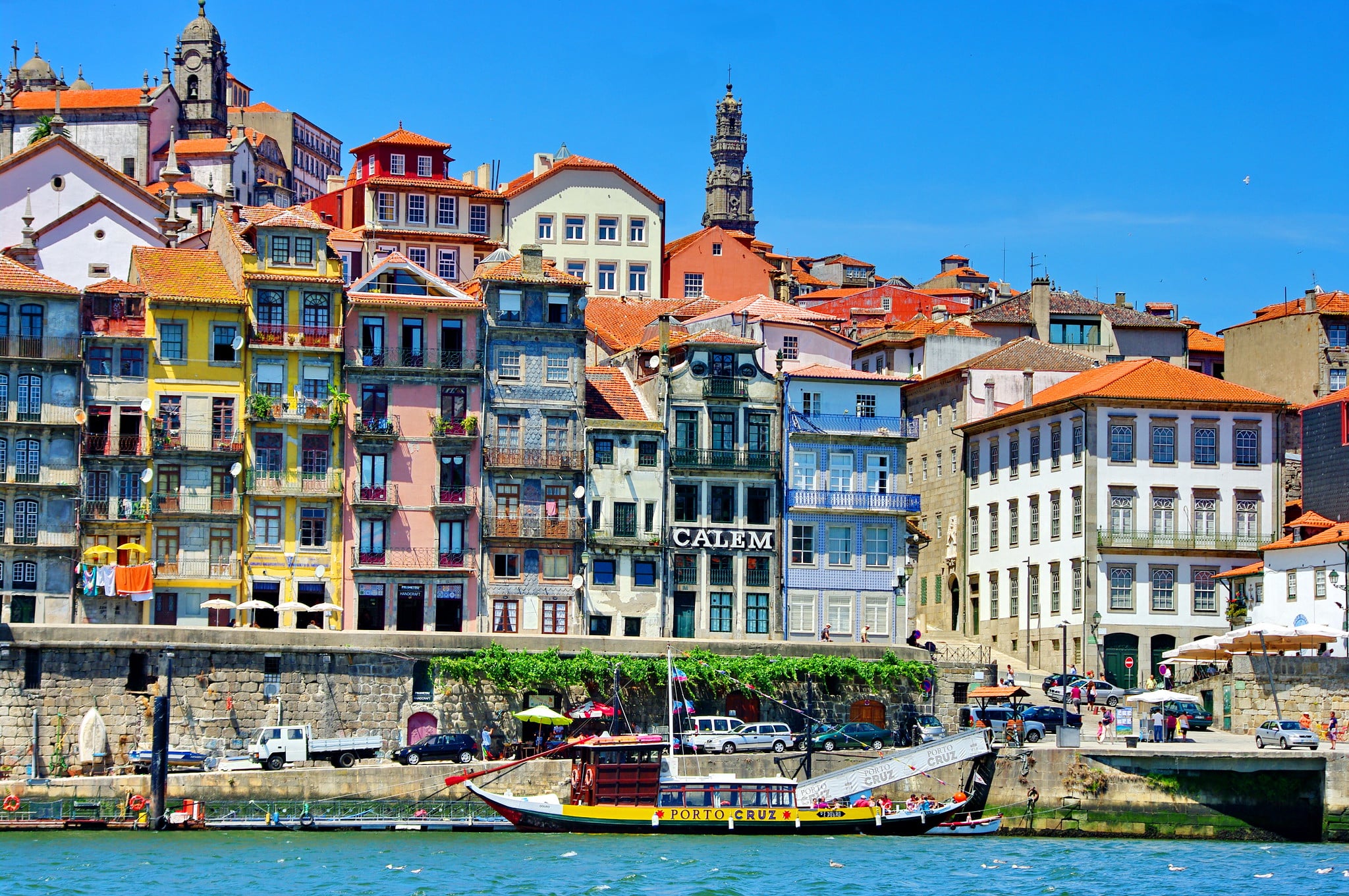
About 26,000 people live in this UNESCO World Heritage neighborhood in Portugal’s second city, which is made up of colorful residences stacked along winding medieval streets. Residents preserve close-knit community ties through customs like street festivals and shared washing facilities, even in the face of the density and tourists.
Important open space that acts as an additional living room for apartment residents is provided by the neighborhood’s location along the Douro River.
Urban Density Reimagined
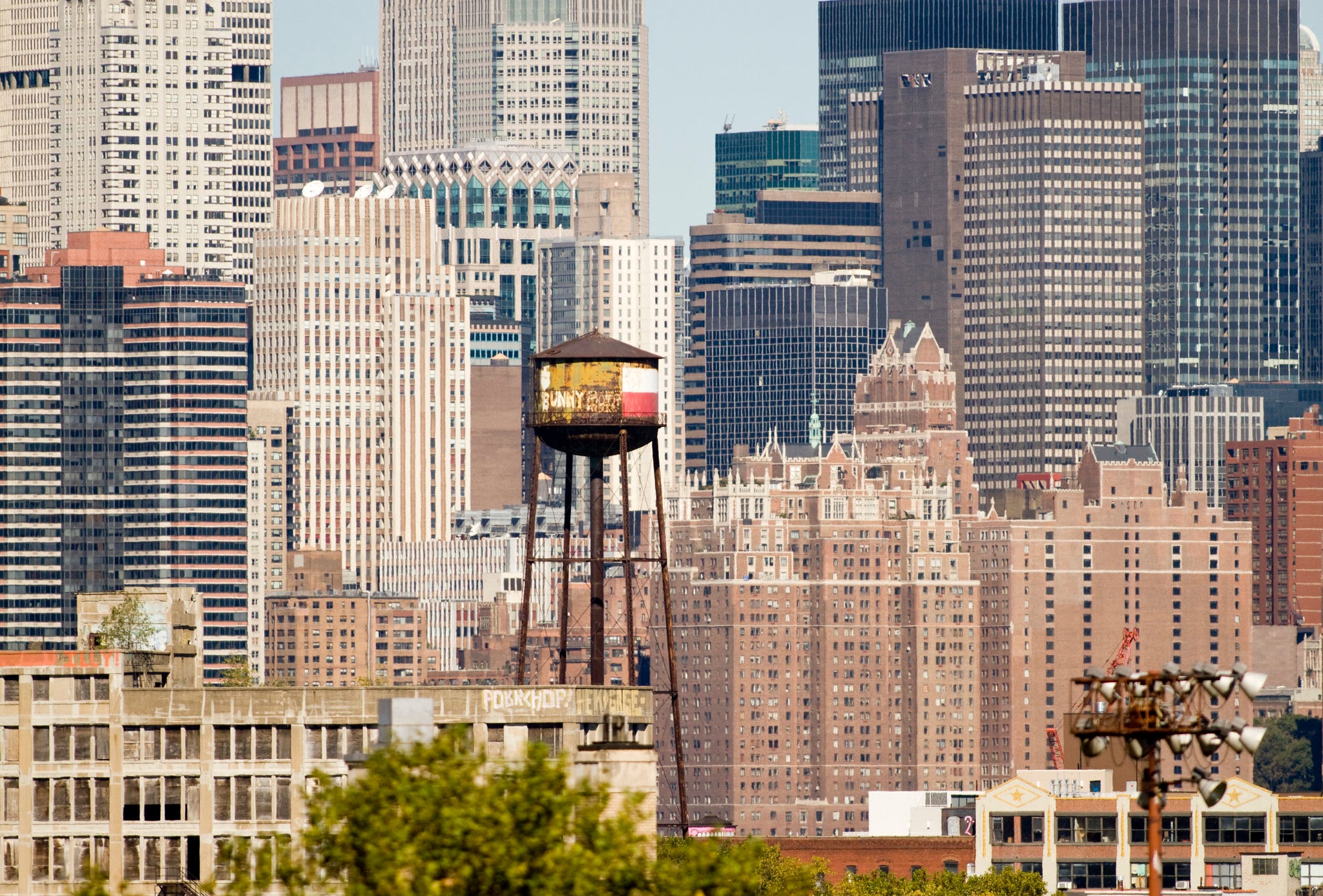
These 17 neighborhoods show that bad planning, not density itself, is the foe of livability. Dense urban living can actually improve quality of life by means of convenience, community connectedness, and cultural vibrancy when combined with careful planning, mixed-use zoning, accessible green areas, and transit options.
These successful models provide insightful guidance for building crowded yet highly livable urban areas that people really love calling home as cities all over battle expansion and housing issues.
More from Go2Tutors!

- The Romanov Crown Jewels and Their Tragic Fate
- 13 Historical Mysteries That Science Still Can’t Solve
- Famous Hoaxes That Fooled the World for Years
- 15 Child Stars with Tragic Adult Lives
- 16 Famous Jewelry Pieces in History
Like Go2Tutors’s content? Follow us on MSN.