29 Grocery Store Brands Families Bought Weekly That Faded Away
Every supermarket cart once carried a rotation of household names that felt permanent. Reformulations, corporate buyouts, and changing tastes quietly erased most of them from the shelf, though a surprising number still turn up in nostalgia shops and online auctions.
Hydrox Cookies
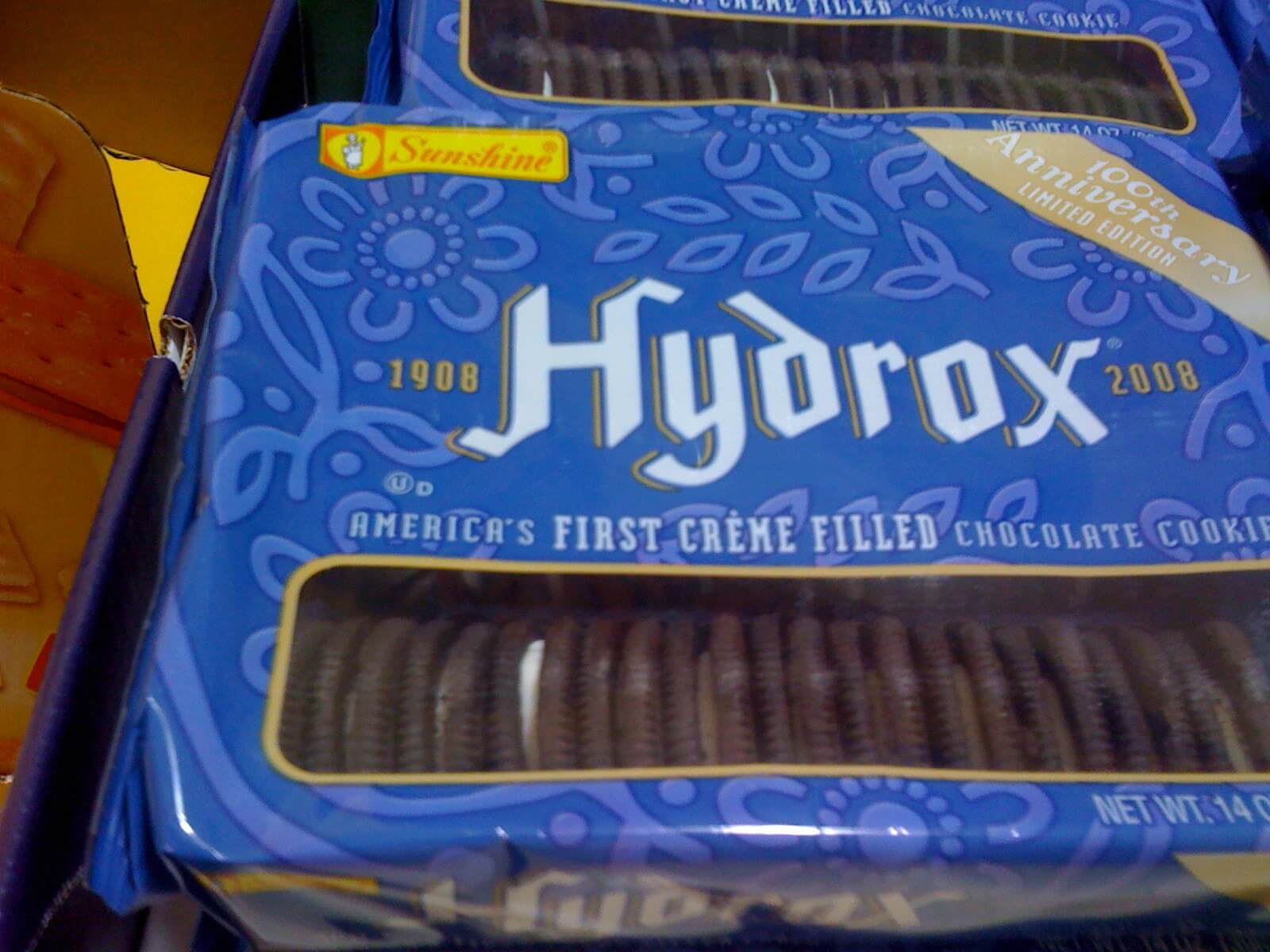
Sunshine Biscuits launched Hydrox in 1908, four years before Oreo arrived and borrowed its exact chocolate-and-cream format. Loyalists insisted Hydrox had the less sweet, more balanced filling, but Oreo’s marketing muscle buried it for decades until Keebler discontinued the line outright in 2003.
Leaf Brands revived the name in 2015 using the original 1908 recipe, and the throwback packaging now sells to collectors who remember the pre-Oreo years.
Tab Cola
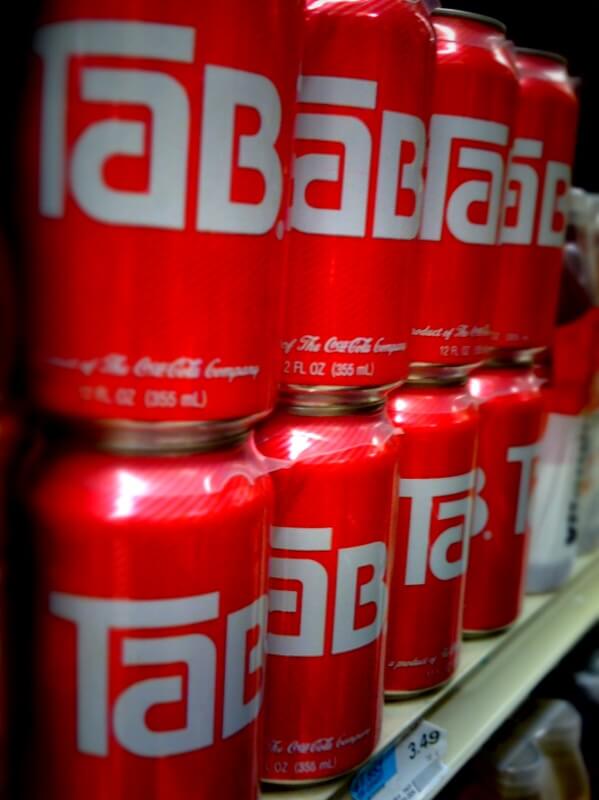
Coca-Cola introduced Tab in 1963 as the company’s first diet soda, built around saccharin and marketed hard to calorie-conscious women through the 1970s and 1980s. Sales collapsed once Diet Coke launched in 1982 and gradually cannibalized its own predecessor.
Coca-Cola finally pulled Tab from production in 2020, closing out a fifty-seven-year run that outlasted most of its diet-soda rivals.
Crystal Pepsi
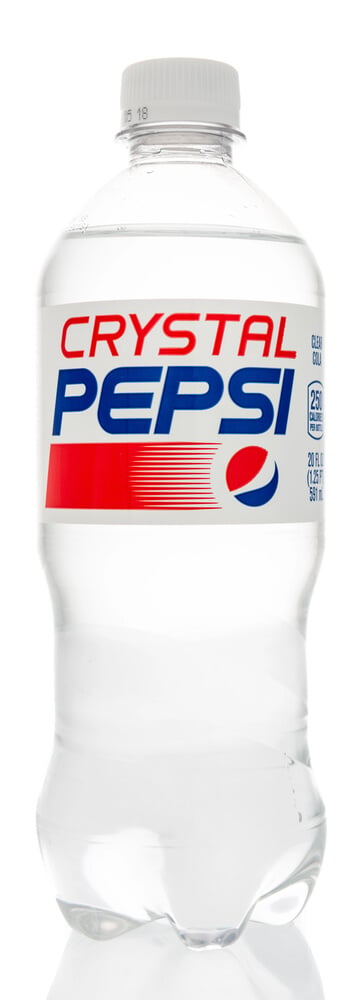
PepsiCo released this clear cola in 1992, betting that consumers equated colorlessness with purity and lighter calories. The formula tasted close to standard Pepsi, which confused shoppers expecting a citrus-forward drink, and it disappeared from shelves within about a year.
PepsiCo has since brought it back twice as a limited-run novelty, each time selling out within weeks.
Surge
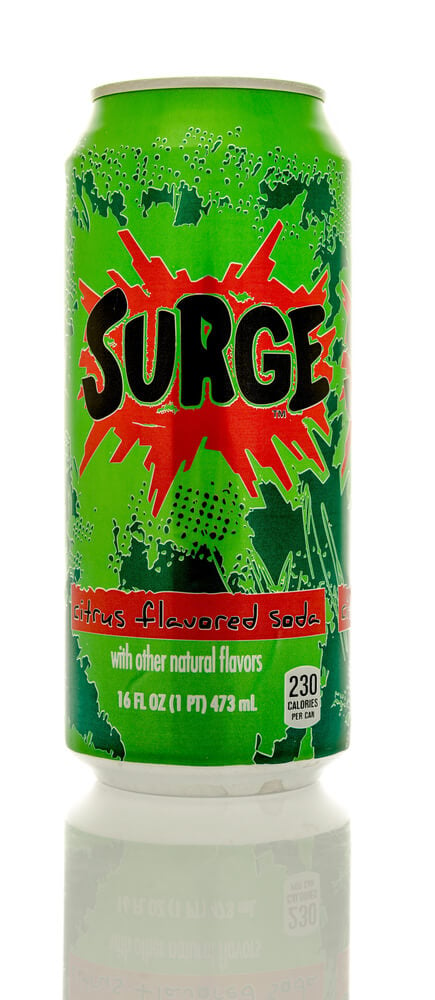
Coca-Cola built Surge in 1996 to compete directly with Mountain Dew, loading it with citrus flavor and more caffeine than a typical soda. A fan campaign eventually convinced the company to bring it back through Amazon in 2014, and it remains in limited rotation rather than full national distribution.
Unopened cans from the original 1990s run now draw steady bids from collectors of extinct sodas.
Jolt Cola
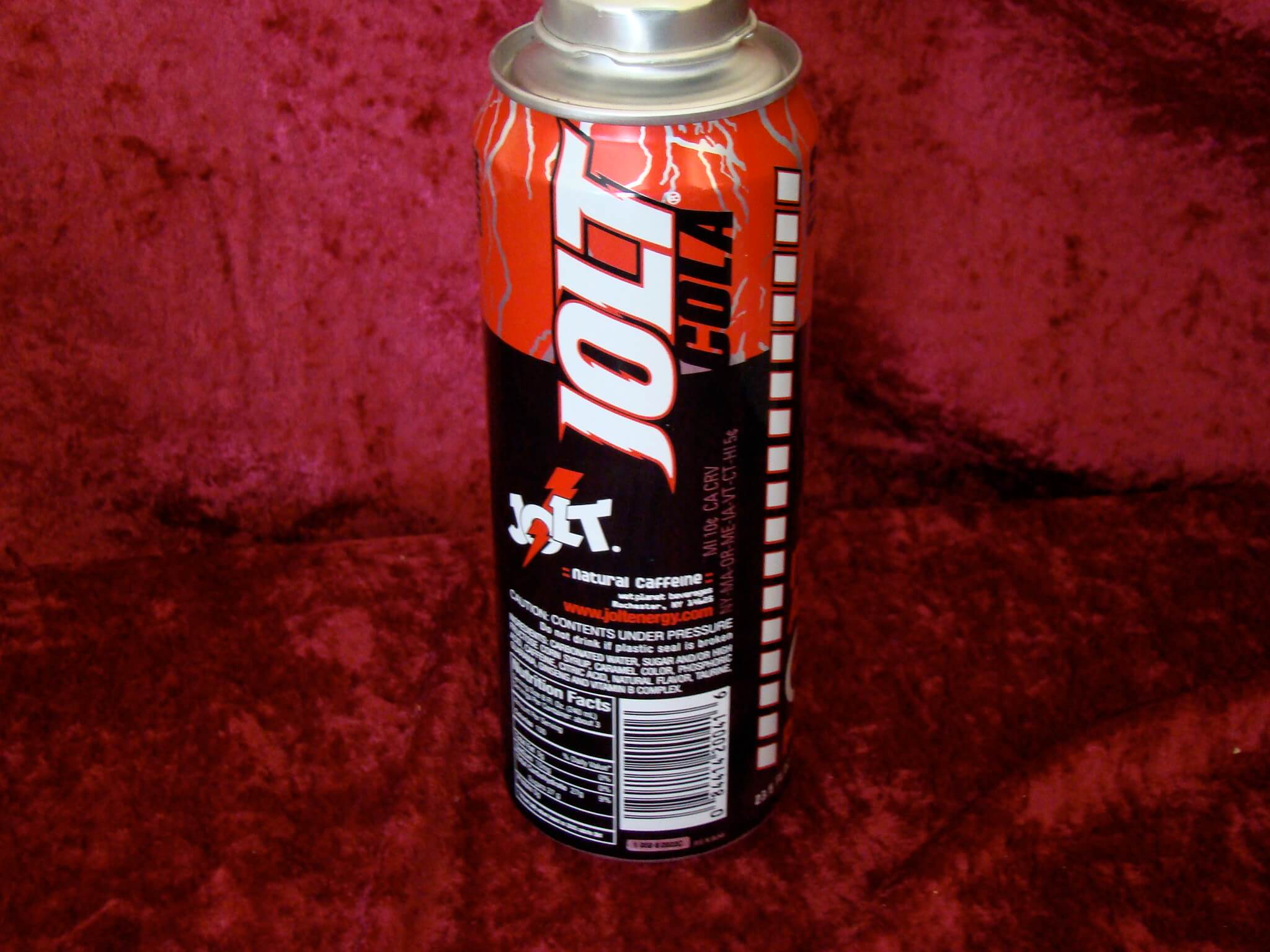
Jolt entered the market in 1985 marketed almost entirely on caffeine content, using the slogan promising all the sugar and twice the caffeine of ordinary cola. It briefly became a cult favorite among programmers and college students before energy drinks like Red Bull took over that same audience.
The brand went bankrupt in 2009, though a reformulated energy-drink version has circulated in small runs since.
Josta
PepsiCo tried to beat Coca-Cola into the guarana-and-caffeine category with Josta in 1995, years before energy drinks became a mainstream aisle. The drink never found a large audience and PepsiCo discontinued it in 1999, right as the energy drink boom it anticipated was about to take off.
Sealed bottles are now traded almost exclusively among soda-memorabilia collectors rather than drinkers.
OK Soda
Coca-Cola aimed OK Soda at Generation X in 1993 with deliberately ambivalent slogans and comic-book-style packaging designed by illustrator Daniel Clowes. The self-aware irony that was meant to attract skeptical young shoppers instead read as confusing, and the drink never expanded past a regional test market.
It was fully discontinued by 1995, making it one of the shortest-lived major sodas of the decade.
Vault Soda
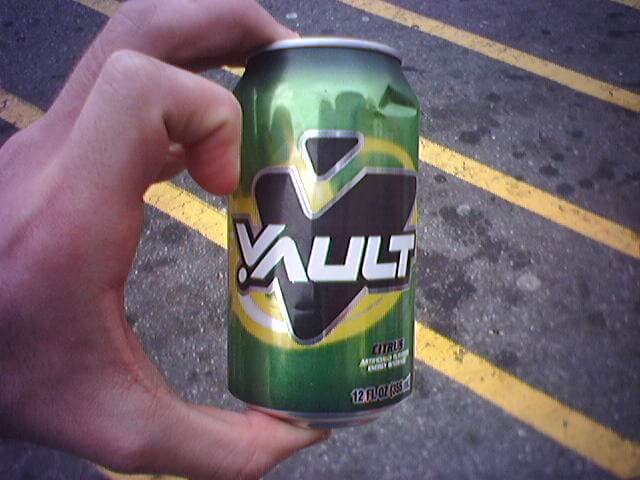
Coca-Cola launched Vault in 2005 as a citrus energy soda meant to answer Mountain Dew’s momentum in that category. It built a small but devoted following, particularly among gamers, before the company folded it into a broader beverage consolidation and pulled it in 2011.
Enthusiast forums still track occasional regional sightings of leftover stock from the final production runs.
7up Gold
Seven Up tried to move into cola territory in 1988 with 7up Gold, a spiced cola-adjacent drink that confused a customer base that associated the brand with clear lemon-lime soda. It lasted less than a year on shelves before the company pulled it entirely.
Unopened cans are now scarce enough that they occasionally surface at soda-collecting conventions.
New Coke
Coca-Cola reformulated its flagship drink in 1985 after blind taste tests suggested consumers preferred a sweeter profile, and the backlash was immediate and loud enough to make national news. The company reintroduced the original formula as Coca-Cola Classic within three months, and New Coke quietly faded from the lineup by 2002.
Cans from the original 1985 run are now considered a genuine artifact of a marketing decision gone wrong.
Slice
PepsiCo introduced Slice in 1984 as one of the first mainstream sodas to advertise real fruit juice content, undercutting the artificial-flavor reputation of competitors like Sprite. The brand shrank through the 1990s as PepsiCo shifted marketing dollars toward newer juice-soda hybrids, and most flavors were discontinued in the United States by the early 2000s.
A handful of Slice flavors still circulate in Latin American markets today.
Squeezit
General Mills sold these soft plastic bottles of fruit drink through the 1990s, marketed on the twist-and-squeeze mechanic that let kids drink straight from a collapsing bottle. The brand disappeared from most stores by 2001 as juice-box formats took over the lunchbox aisle.
Full, unopened bottles with their original labels now sell as a specific niche within 1990s snack-food collecting.
Ecto Cooler
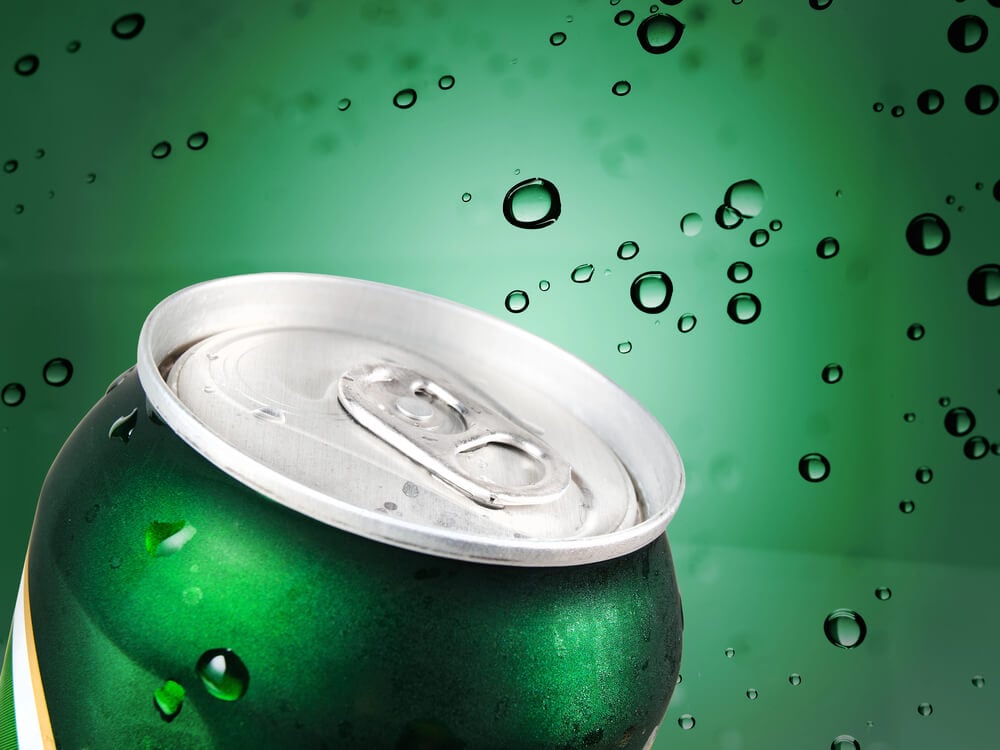
Hi-C released this bright green citrus drink in 1987 tied to the animated Ghostbusters cartoon, and it became one of the best-selling flavors in the Hi-C lineup through the early 1990s. Coca-Cola discontinued it in 2001 once the licensing tie stopped feeling current, then brought it back briefly in 2016 and 2017 for Halloween promotions.
The relaunched juice boxes sold out within days at most retailers that carried them.
Orbitz
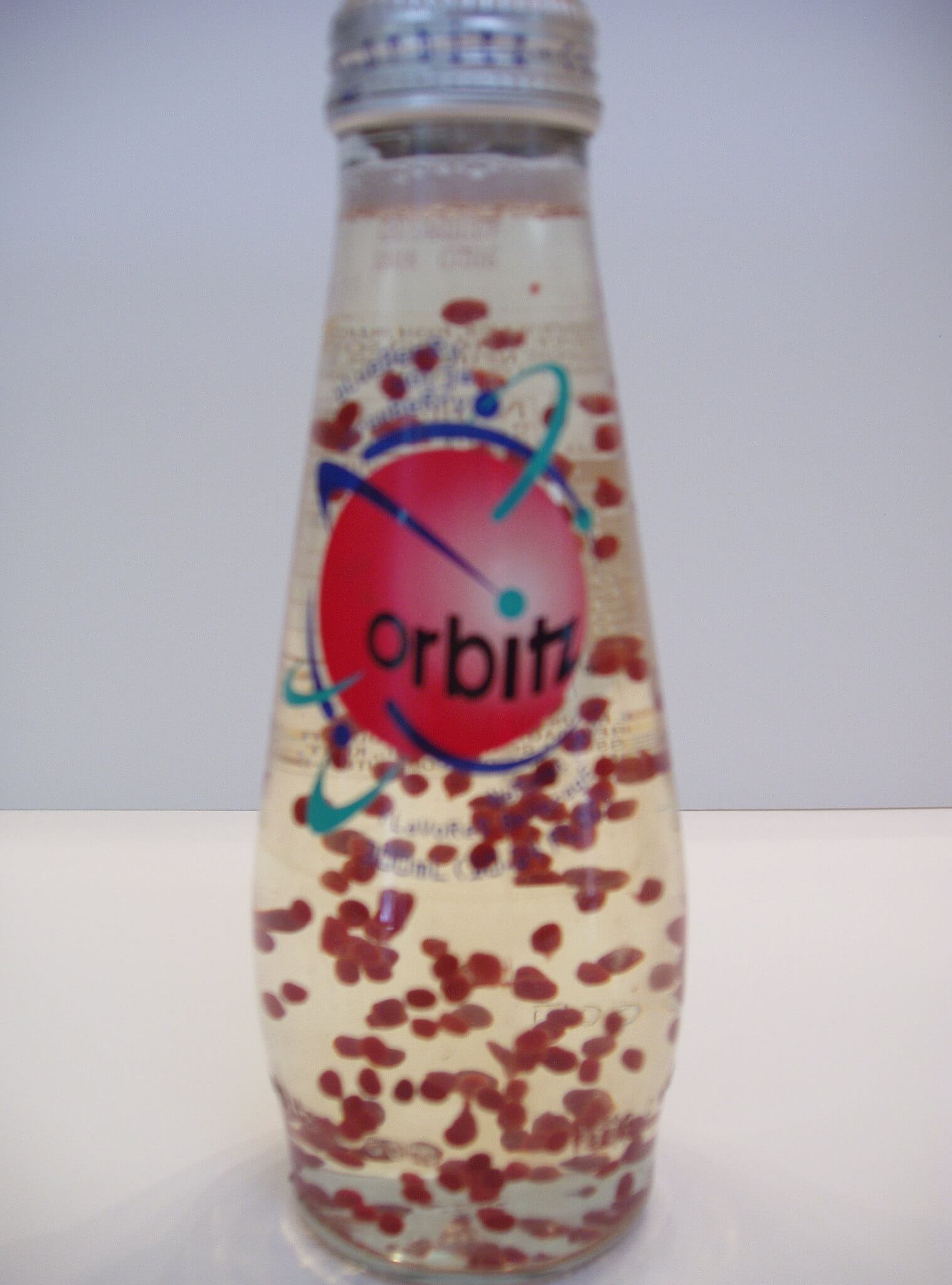
Clearly Canadian released this drink in 1996 with small colored gel spheres suspended throughout the liquid using gellan gum, marketed as much for its appearance as its citrus flavor. Shoppers treated it more as a novelty than a repeat purchase, and the company pulled it from shelves by 1997.
Unopened bottles are now sought specifically because the suspended texture rarely survived long-term storage intact.
Fruit Brute Cereal
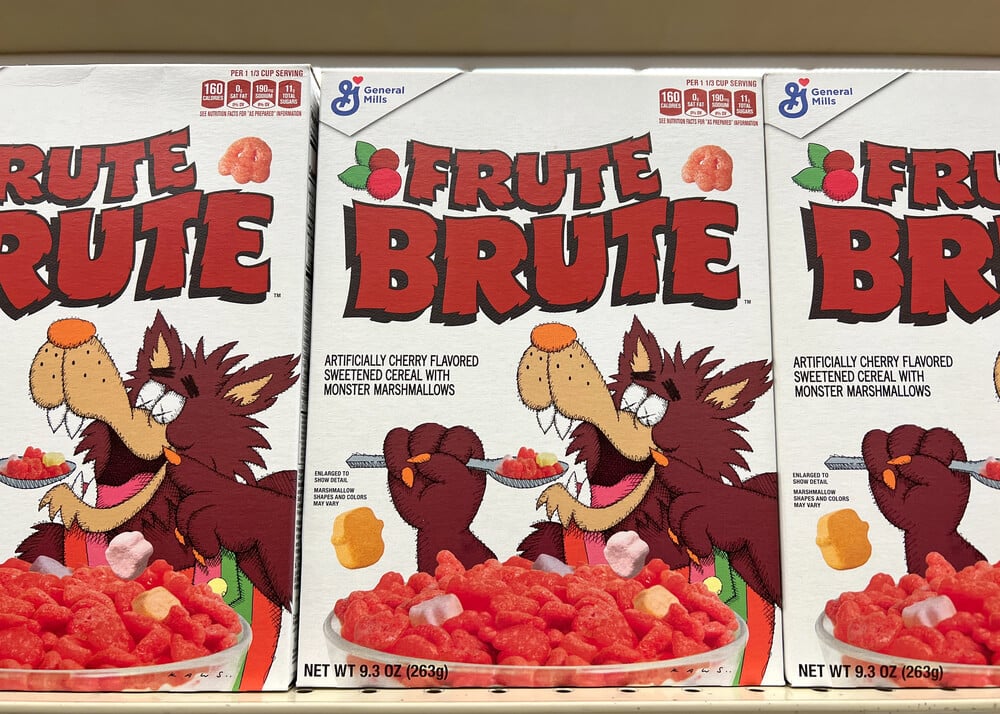
General Mills added this green werewolf character to its Monster Cereals lineup in 1974, pairing lime flavor with marshmallow bits alongside Franken Berry and Count Chocula. Weak sales led the company to discontinue it by 1983, decades before Monster Cereals became a nostalgia-driven seasonal release.
Original boxes from its production run are considered the rarest piece of the Monster Cereal collecting category.
Quisp Cereal
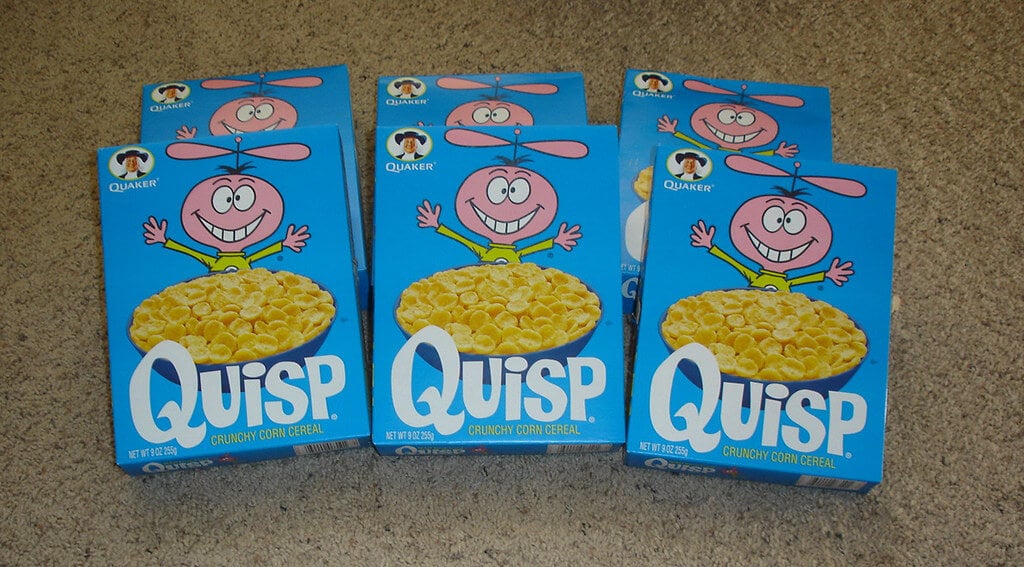
Quaker Oats introduced this alien-mascot cereal in 1965 alongside a companion cereal called Quake, running an unusual ad campaign in which the two mascots competed for market share. Quake lost the contest and was discontinued within a few years, while Quisp survived in limited regional distribution and mail-order sales rather than full national shelf presence.
It remains available in small batches online, which keeps it technically alive but effectively invisible to most grocery shoppers.
King Vitaman Cereal
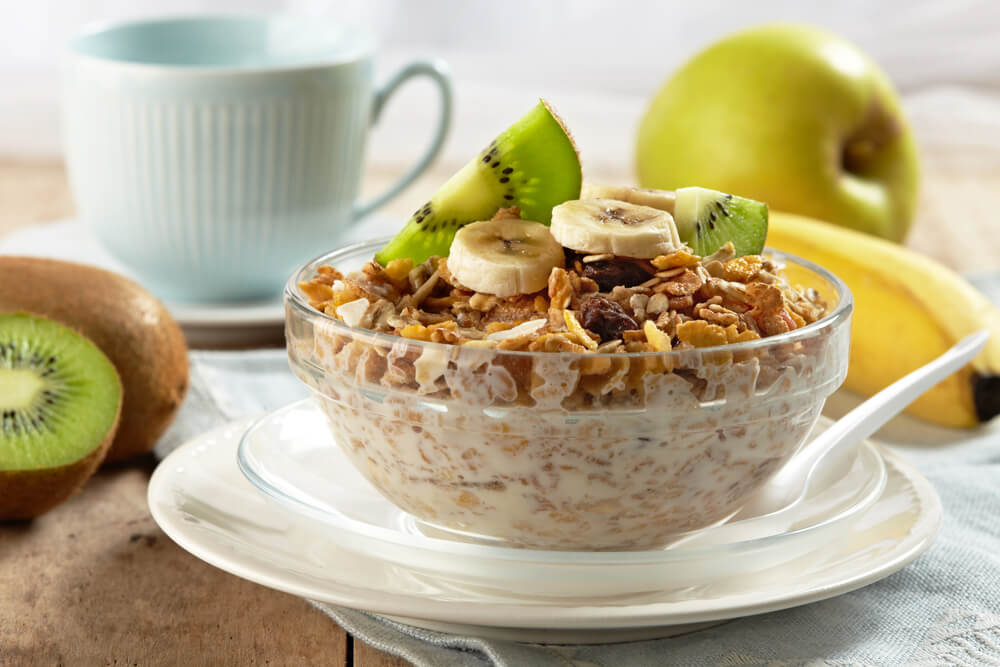
Quaker Oats launched this crown-wearing mascot cereal in 1969 and kept it in limited production for over five decades despite minimal marketing support. The company quietly discontinued it around 2021 without a formal announcement, and longtime buyers only noticed when it stopped restocking.
Boxes from the final production years are now traded among cereal-box collectors specifically because there was no farewell run to stockpile.
Mr. T Cereal
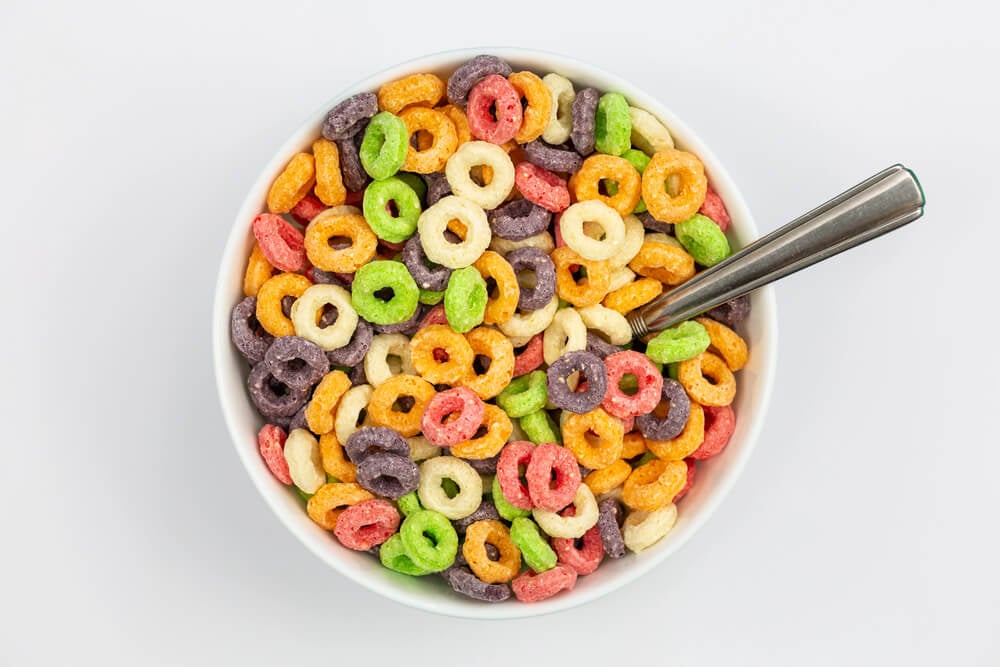
Quaker Oats built this cereal around the actor’s mid-1980s fame, shaping the pieces like the letter T and marketing it directly to children watching his cartoon and television appearances. It lasted only a couple of years before Quaker discontinued it as the character’s popularity cooled.
Sealed boxes are now valued specifically as 1980s celebrity-tie-in memorabilia rather than as a cereal anyone expects to eat.
C-3PO’s Cereal
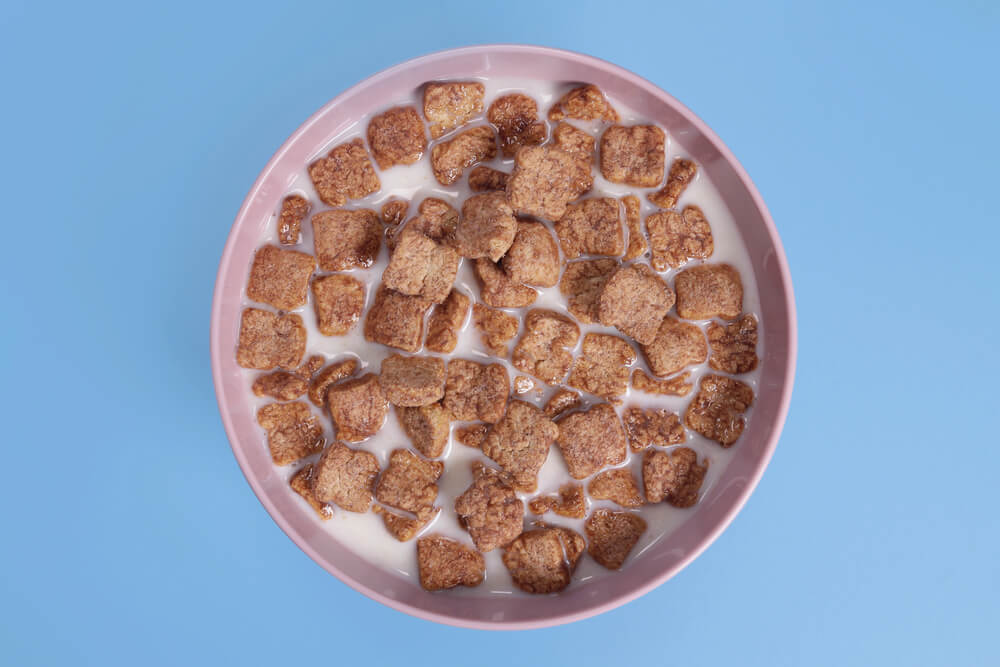
General Mills tied this cereal to the Star Wars franchise in 1984, using a golden, ring-shaped piece meant to evoke the droid’s appearance. It sold for roughly a year before General Mills discontinued it, making it one of the shorter-lived licensed cereals of its era.
Complete boxes are scarce enough that collectors often settle for just the toy premiums that shipped inside them.
Pac-Man Cereal
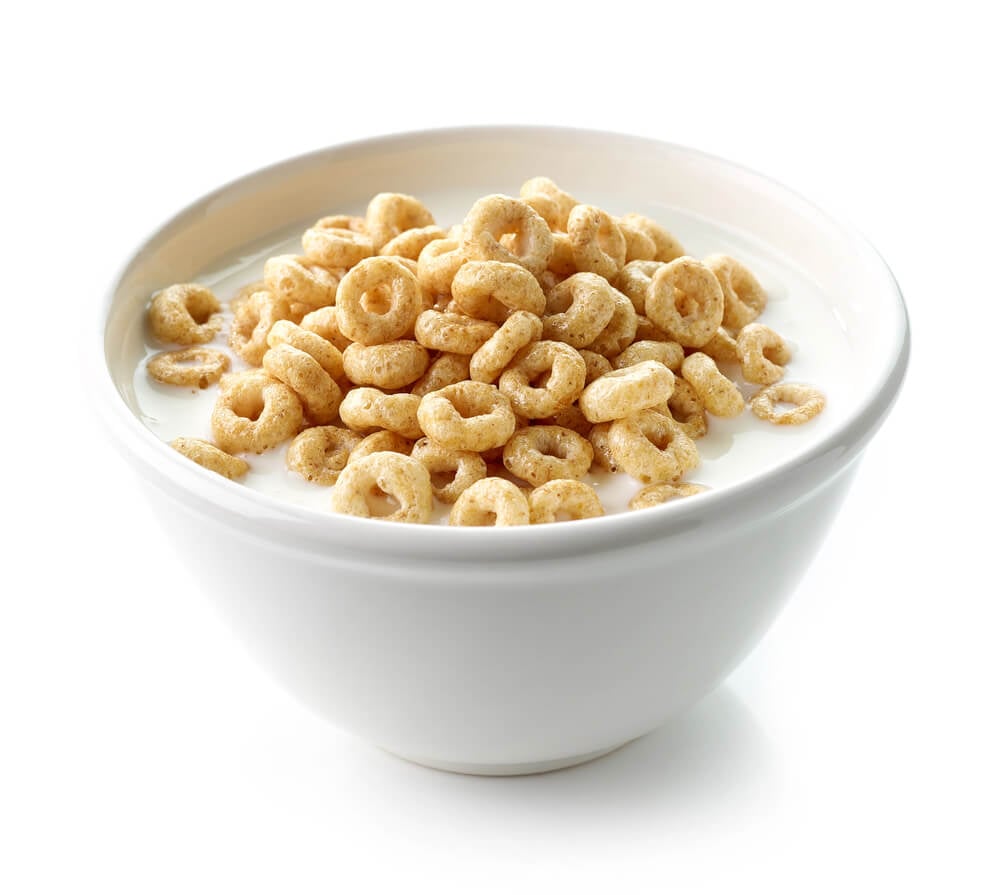
General Mills released this cereal in 1983 at the height of the arcade game’s popularity, shaping pieces like the character and the ghosts that chased him. Interest faded alongside the broader arcade boom, and the cereal was discontinued within a couple of years.
It is now remembered mainly through television commercials rather than through anyone’s actual memory of the taste.
Kaboom Cereal
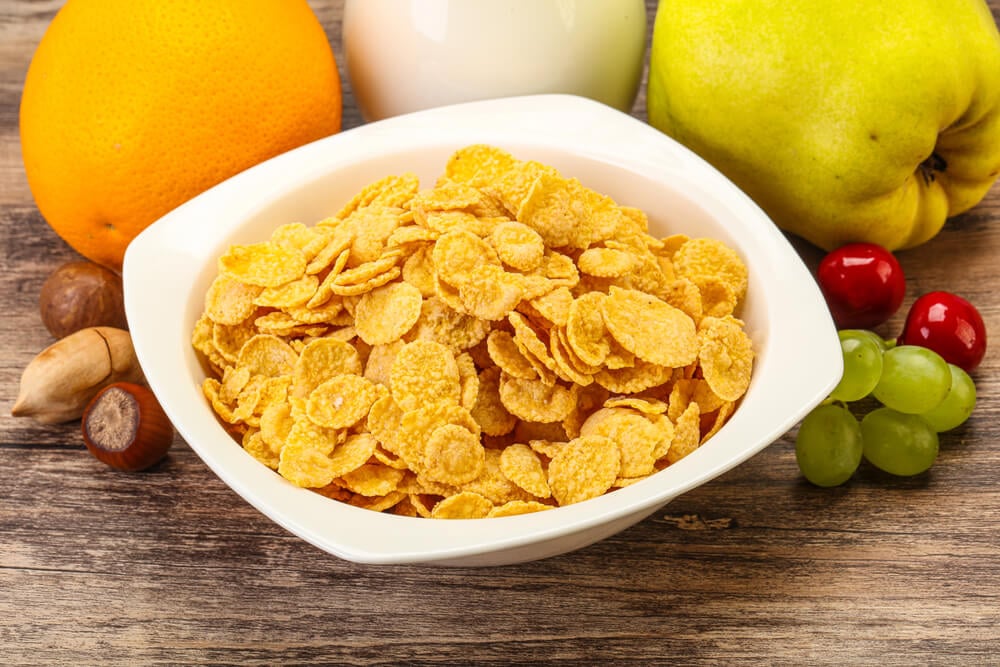
General Mills introduced Kaboom in 1969 with a circus-clown mascot and small marshmallow pieces mixed into a wheat-and-oat base, predating the marshmallow cereal boom that Lucky Charms would later dominate. It survived in limited regional distribution into the 1990s before General Mills discontinued it entirely.
Longtime fans still describe it as an overlooked precursor to a cereal category that eventually became far more crowded.
Waffelos Cereal
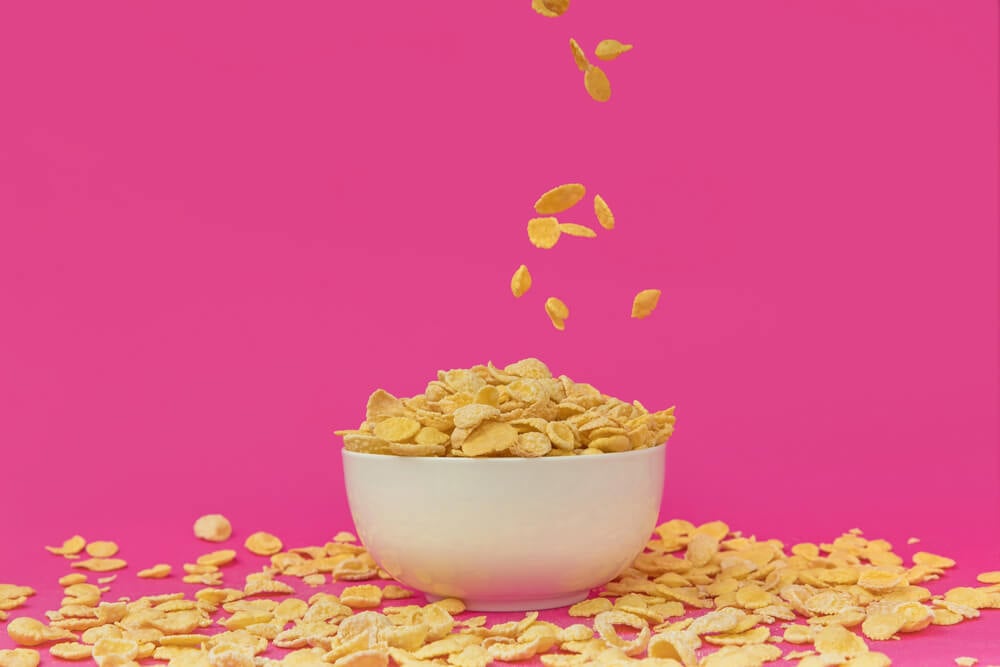
Ralston Purina made this cereal in the 1970s shaped like tiny waffles and marketed alongside a similar competitor from another manufacturer, both playing on the breakfast-food-as-cereal novelty. It disappeared from stores by the early 1980s as the format failed to build lasting loyalty.
It remains one of the more obscure entries that only shows up in deep cereal-history retrospectives rather than general nostalgia lists.
Space Food Sticks
Pillsbury developed these chewy, individually wrapped snack sticks in the late 1960s using research connected to NASA’s food program, marketing them as the same nutrition astronauts relied on. They stayed on shelves through the 1970s before fading out in the following decade as snack marketing shifted toward candy bars and granola bars.
A licensed revival briefly returned them to stores in the 2010s, though distribution never matched the original run.
Screaming Yellow Zonkers

This caramel-coated popcorn snack launched in the late 1960s with intentionally strange, psychedelic packaging that stood out sharply against conventional snack-food design of the era. It built a devoted following through the 1970s before its manufacturer discontinued it in the 1980s amid changing snack-food ownership.
Original bags are now collected as much for the box art as for any memory of the product itself.
Bonkers Candy
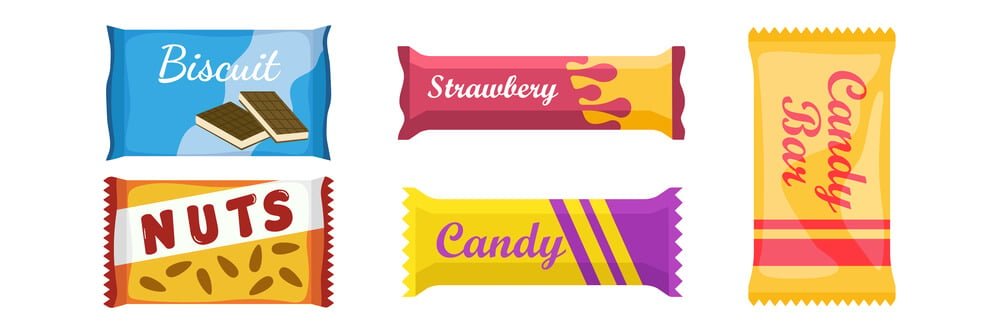
Nabisco introduced these soft fruit-chew candies in 1981, wrapped individually and marketed through commercials where the flavor supposedly hit the eater like a physical blow. They stayed in production through the 1980s before Nabisco discontinued the line as chewy-candy competition intensified.
Unopened boxes now circulate mainly through candy-memorabilia sellers rather than any working expectation that the candy remains edible.
Marathon Bar
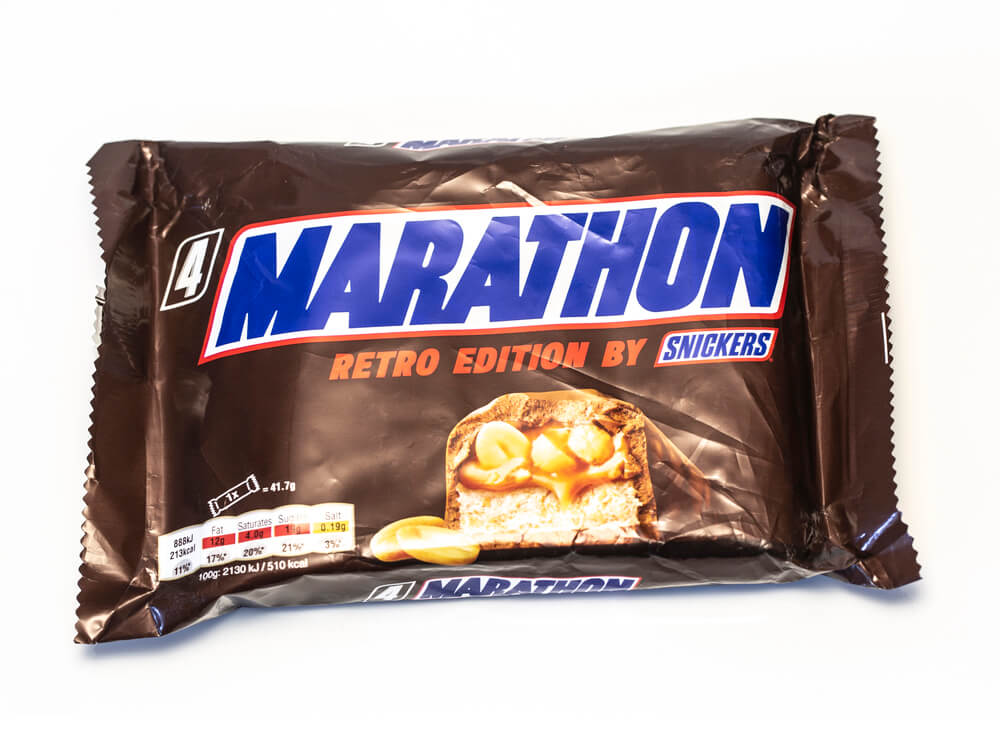
Mars released this braided caramel-and-chocolate bar in 1973, marketing it on sheer length rather than flavor innovation, with a ruler printed on the wrapper to prove the eight-inch claim. It disappeared from the American market in 1981 as Mars consolidated its candy lineup, though a version called Curly Wurly still sells in the United Kingdom using a similar shape.
American collectors treat surviving wrappers as the more available half of the trade, since the candy itself obviously did not survive.
Reggie Bar
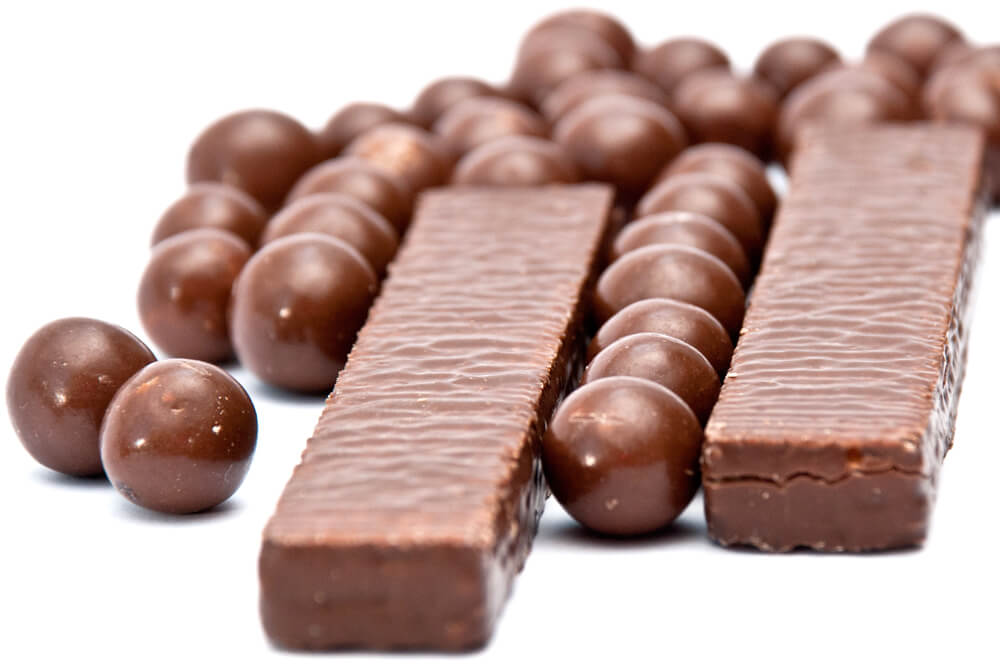
Standard Brands introduced this chocolate-and-peanut candy bar in 1978, named for the major league outfielder Reggie Jackson after his standout performance in the previous year’s World Series. Sales never sustained beyond the initial novelty, and the bar was discontinued within a few years as the athlete’s fame connected to a specific season faded.
Wrappers featuring Jackson’s image are now traded mainly as sports memorabilia rather than as candy history.
Choco’Lite Bar
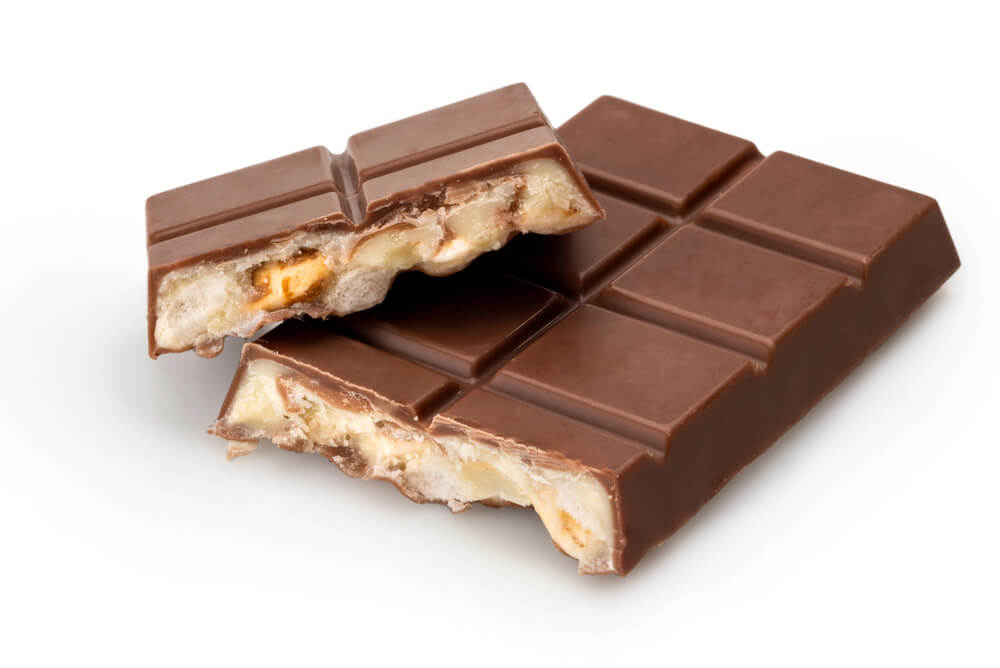
Nestle produced this aerated chocolate bar through the 1970s and 1980s, using a bubbled interior texture that set it apart from denser competitors on the candy aisle. It was discontinued as Nestle streamlined its candy portfolio, and no direct successor ever replaced its specific texture in the American market.
It remains a frequently requested but never-revived item on candy-nostalgia forums.
Dolly Madison Snack Cakes
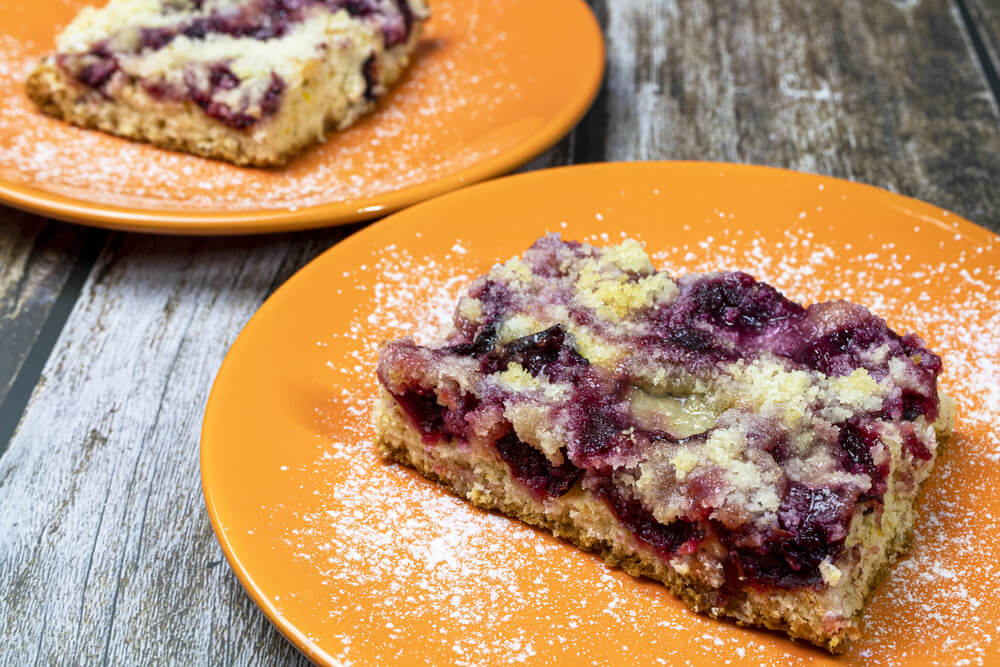
This bakery brand competed directly against Hostess for decades, selling similarly shaped cupcakes, pies, and zingers through the same grocery aisles from the 1950s onward. Hostess Brands, which had acquired the label, discontinued it in 2014 after deciding to consolidate snack-cake production under its core brand names.
Longtime shoppers in some regions still ask store clerks why the boxes disappeared, unaware the brand was retired rather than simply out of stock.
The Shelf as a Time Capsule
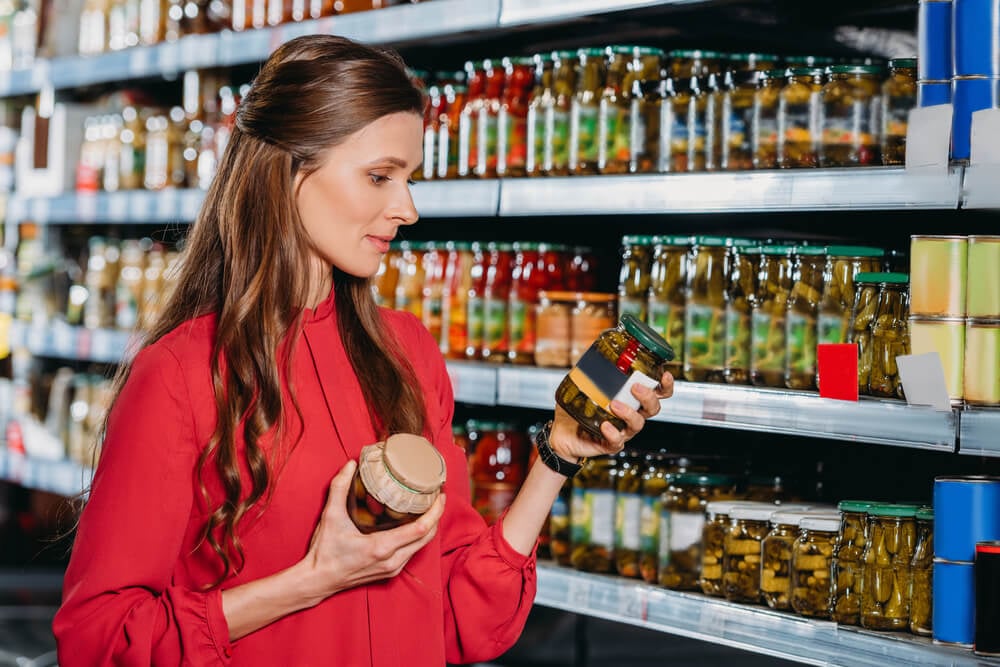
A grocery aisle is really just a rolling snapshot of what a company believed would sell in a given decade, and most of these products vanished not because they were unpopular but because a parent brand reorganized around fewer names. The pattern repeats across sodas, cereals, and candy alike: a strong regional following was rarely enough to survive a corporate consolidation.
What lingers is the packaging rather than the product, since wrappers, cans, and boxes hold up in a way food never could. Collectors chase those artifacts precisely because they are proof that a specific childhood memory was not imagined.
More from Go2Tutors!

- The Romanov Crown Jewels and Their Tragic Fate
- 13 Historical Mysteries That Science Still Can’t Solve
- Famous Hoaxes That Fooled the World for Years
- 15 Child Stars with Tragic Adult Lives
- 16 Famous Jewelry Pieces in History
Like Go2Tutors’s content? Follow us on MSN.